
 Ask ChatGPT


 1A
16 Nov 2026 · 43m · 15 chapters
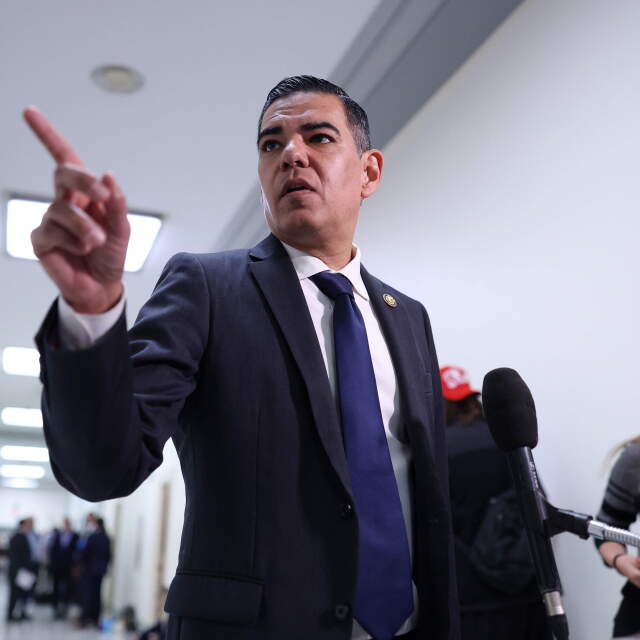
How congressional investigations work—limits, enforcement tools, and what Democrats say they’ll prioritize after gaining control of Congress—amid White House warnings that oversight could trigger criminal jeopardy.
Oversight is constitutionally tied to Congress’s legislative function, not retribution; investigations should focus on corruption and corporate pay-to-play and how they raise costs or endanger people. Guests argue Congress can compel documents/testimony via subpoenas, contempt, and other leverage (appropriations, nominations), though executive resistance, record destruction, and classification can stall probes.
New Mexico’s universal free child care still stuck on waitlists; Trump administration “lawyer up” warnings; alleged document destruction at Interior over Trump’s DC ballroom/arch; companies donating $25M each to Trump’s ballroom (Google, NVIDIA); firing inspectors general; Pentagon IG refusing a request to investigate Starlink slowdown in Ukraine; DOGE employees allegedly mishandling sensitive data and matching Social Security data to voter rolls.
Suhas Subramaniam (Democratic Rep., House Oversight & Reform); Don Sherman (Citizens for Responsibility and Ethics in Washington CEO); Mark Epley (Arnold & Porter congressional oversight/investigations attorney); Lauren Harper (Freedom of the Press Foundation, Daniel Ellsberg Chair on Government Secrecy).
Written by AI. May contain mistakes.
Discussion on the political landscape leading into midterms and the anticipated investigations by Democrats.
“Now Democrats will control both chambers of Congress, and with that, the power to launch what they're promising will be a blitz of investigations.”
Congressman Subramaniam discusses the priorities and challenges of congressional investigations into the Trump administration.
“Let's start the conversation with Democratic Representative and member of the House Committee on Oversight and Reform, Suhas Subramaniam.”
Experts explain the fundamentals of congressional investigations and their differences from criminal investigations.
“Joining us in studio now is Don Sherman.”
Learn about Congress's constitutional authority to conduct oversight and investigations.
“But also it gives Congress, Congress now, especially in 2026, has the ability to shine a light on problems and alert the public of problems facing the government.”
Explore how the investigative function of Congress addresses public concerns and the implications of potential criminality.
“So you, Donald, you have served on the Democratic side of investigative committees in the past.”
Identify the challenges Congress faces in conducting investigations, including administration noncompliance.
“Congress might enforce its powers, but that's the chief authority is matters of public concern.”
Discuss the importance of whistleblower protections and recent issues affecting oversight integrity.
“Donald, speak on potential administration intransigence, refusal to comply with subpoenas, hiding things behind classification.”
Learn how investigations are launched in Congress and the role of minority members in these processes.
“You know, for example, some of the things that we've talked about versus leaks that are intended to cause harm.”
Learn how Congress delegates investigative authority and issues subpoenas.
“to make laws, and a part of that is the power to compel documents and testimony in order to do that work.”
Explore the implications and limits of executive privilege during investigations.
“Donald, typically it's used to protect the president's communications with advisors.”
Discuss the need for stronger laws and oversight mechanisms in Congress.
“So, Mark, you're a private lawyer now, trading, of course, on your experience in investigations, your long experience on Capitol Hill.”
Learn how Congress can address and investigate breaches of data security.
“watchdog organizations like Crew and Mine, to sue when we know that these things are being exacerbated.”
Learn about Congress's power to request documents and oversight authority.
“I think the first thing that Congress can do is ask for documents, as we did.”
Explore how presidential pardons may influence congressional investigations.
“Here's President Trump in an interview with Ross Douthat on CBS 60 Minutes on November 8th.”
Hear recommendations on how Congress can enhance transparency and accountability.
“you're sitting before Congress and you're being compelled to testify.”

Get the gist, explore an idea or ask about something said.
 Claude
On 1A, what are the key points of this episode?
Searching your listeningAutomatic transcript. May contain errors.
0:00Last November, New Mexico became the first state to launch universal free child care. One year later, many families are still on wait lists. It's just hard to explain to the families, oh, I'm sorry, we're at full capacity, we don't have a spot. How New Mexico is working to keep this ambitious program alive. Listen now to the Sunday story from the Up First podcast on the NPR app.
0:28In the lead up to the midterms, multiple polls suggested corruption was one of voters' top concerns. Now Democrats will control both chambers of Congress, and with that, the power to launch what they're promising will be a blitz of investigations. Congressman Robert Garcia, a Democrat from California, is expected to chair the Oversight Committee in the House. On election night, he told Trump administration officials to, quote, lawyer up. The White House warned the investigations themselves could be criminal, while Democrats say oversight is their constitutional duty. I'm Jen White. And I'm Todd Zwillick.
1:02You're listening to the 1A Podcast. Today, as part of our weekly series, If You Can Keep It, when we explore the biggest politics stories of the moment and what they mean for the state of our democracy, we look at how congressional investigations work, what limits they face, and what coming fights could look like. That's all after this.
1:23Stay tuned for the following announcements and messages from our sponsors. This message comes from NPR sponsor, Shopify. No idea where to sell? Shopify puts you control of every sales channel. It is the commerce platform revolutionizing millions of businesses worldwide. Whether you're a garage entrepreneur or IPO ready, Shopify is the only tool you need to start, run, and grow your business without the struggle. Once you've reached your audience, Shopify has the internet's best converting checkout to help you turn them from browsers to buyers. Go to shopify.com slash NPR to take your business to the next level today.
1:56The day's top headlines, local stories from your community, your next podcast binge listen. You can have it all in one place, your pocket. Download the NPR app today.
2:11A beautifully designed Squarespace website is the difference between thinking about photography school and selling your portraits online. It's the difference between giving away those cookies you just made for free and running your cookie empire. A beautifully designed Squarespace website is the difference between having a movie-reviewing hobby and a movie-reviewing career. Squarespace, because no matter what you're into, a website makes it real. Use offer code DIFFERENCE for 50 % off select plans. Terms and conditions apply. Let's start the conversation with Democratic Representative and member of the House Committee on Oversight and Reform, Suhas Subramaniam.
2:50Congressman, welcome to the program. Thanks for having me. So you're pushing for investigations into the Trump administration. What are the top investigative priorities for you? Yeah, well, people are asking us whether we should do affordability or accountability. And my answer is they're related. And so there's a lot of corruption that's happening in this administration that has had an impact on our governing and ability to deliver for the American people. And so we're talking about if our foreign policy is for sale, then the impact being tariffs and the Iran war perhaps could end up raising costs on the American people, can end up putting people in harm's way.
3:24If we're talking about the corporate corruption that we're seeing, the pay for play, a lot of that that's been rumored or has been reported, that has an impact on costs for the American people. Maybe some industries are not regulated like they should be, so it's a safety issue. So to me, the focus is going to be on how the lack of accountability and the corruption, the self-dealing, the corporate favoritism has impacted the American people. Not all Democrats are necessarily on board with a muscular investigation physique from the new Democrats in control. We've been hearing from some of you this week.
4:00I'm in Florida and a lifetime Democrat, but right now I want the Democrats to focus on governing, to find a way to govern, identify whatever significant issues they can address with bipartisan support. They also need to keep the current administration in check as much as they possibly can. Investigations into corruption and illegal behaviors can be addressed eventually, but the immediate actions should focus on helping Americans. And we got this from Stu in Michigan, who says, on the other hand, the corruption and lawlessness of this administration needs to be investigated and carried through to prosecution by the new House and Senate alongside their goals of passing legislation that improves everyday life for all Americans.
4:42I think, Congressman, you might agree with Stu. But what do you say to people like this caller from Florida who called in to say, don't waste time on tit for tat and retribution? We want lower prices and too muscular and investigation is just investigative culture from Democrats is just going to slow things down and get partisan. I would tell her that our priority is the American people and that it's our job to provide oversight. But that oversight is a big part of trying to deliver for the American people. A lot of these agencies, they deliver critical services. And they deliver programs like Medicaid, Medicare, Social Security.
5:23And, for instance, those offices need – there's a lack of oversight over what's going on there, whether it's the federal firings that impacted workers in my district, federal workers and contractors in Virginia. or whether it's the lack of accountability with ICE and the impact that's had on immigrant communities. All of that is related. And so absolutely, we need to prioritize delivering for the American people. But in order to do that, oversight is a big part of that. You mentioned self-dealing. You also mentioned regulation around certain industries. President Trump has earned billions of dollars in his first years back in office, mostly from his family's cryptocurrency businesses and international real estate licensing fees.
6:01Do you plan to investigate the president or any of his family members? We have to. So to give you an example, you know, his son-in-law is going around negotiating deals for his own companies and his family's companies while at the same time negotiating our foreign policy with countries and intertwining those negotiations. There are so many examples with Trump and other cabinet officials with them getting rich off of our policymaking. And so we have to. It's our job. And I talked to so many people, including Republicans, who tell me that they don't trust D.C. anymore because the corruption is rampant.
6:37And so we have to make sure, one, I'm on the Ethics Committee, too, that members of Congress are being held to that same standard. But two, that this administration doesn't continue this corruption without any sort of oversight over it. Otherwise, this will continue to happen in multiple presidencies in the future. So when you say that Congress members are held to that same standard, what does that look like in terms of legislation? Well, so we already have a lot of rules on what members of Congress can and can't do and their relationship with their families, how their families can make money, for instance.
7:06But I support making sure that we cannot trade individual stocks. That's something that's missing. It's going to be a high priority of asked leadership that we could prioritize this. And I think it will be in the new Congress with a Democratic majority. But we look at the president's stock trading. We look at members of his cabinet and their stock trading either directly or indirectly through family. That's a huge conflict of interest. And you put on top of that the corruption, put on top the lack of accountability for different agencies and the weaponization of agencies against the political opponents.
7:37There's just so much to tackle. There's so much to tackle. As you say, one thing that a lot of people who worry about ethics also worry about, you mentioned pay for play. People talk about the need to reattach a stigma to open corruption or pay for play. Here's a prime example. Companies with business before the federal government basically rushed to give tens of millions of dollars to Donald Trump's ballroom when he threw open that door. Google,$25 million. NVIDIA,$25 million. Not necessarily illegal, but ethically harmful eroding of the public trust. Do Democrats talk about that when you talk about what your investigative schedule is going to look like?
8:18Like, is it all legislative purpose or do you talk about sort of reattaching a stigma to corporate America for how they've played over these last several years? Yeah, our future chair, Robert Garcia, put out a list of priorities when it comes to oversight. And the first thing was corruption. And the second thing was corporate corruption and corporate pay for play. And so those are two top priorities. And again, when our policymaking is influenced by these factors, then how do you pass good policies? How do you make sure the American people can trust what's coming out of D.C.? And so that's a big part of why delivering for the American people has to include this oversight over what's going on and the accountability for it, too.
8:58Well, the White House and the Department of Justice have been warning that lawmakers who investigate them could be in legal jeopardy. Congressman Robert Garcia and Senator Richard Blumenthal got letters to that effect. You received a letter as well. What did it say? It's said that we need to make sure that our investigations have a legislative purpose. I promise this administration, our investigations have always had a legislative purpose and will continue to. We're not doing this to be gratuitous. We're doing this for the American people. We're doing this to make sure people can trust this administration again.
9:31And so what is that legislative connection? So let's start with corruption. Corruption has a clear legislative connection. If we're seeing this administration put out executive orders at the behest of people who are doing business with their family and then their families are being enriched because of it, there's a clear legislative purpose there to make sure that our executive branch isn't being co-opted so that people can pocket money off of the American taxpayer. There's all the investigations that we put out as priorities have legislative purposes. And what the administration is trying to do is intimidate us because that's what they were able to do with Republicans when they were in charge over these past few years.
10:07They were able to intimidate individual members and say that we're going to play in your primary. We're going to make sure your political career comes to an end if you do anything to investigate us. But it's not going to work with Democrats. We owe the president nothing. We're not intimidated by him. Well, I want us to listen to White House counsel Will Scharf speaking on Fox News on Sunday. Congressman Garcia, other Democrat members of Congress are intent on threatening and intimidating members of this administration from the president on down to the most junior staffer. If that's the approach that they're going to take, they're going to be met with a vigorous response from my office and from the Department of Justice every single time.
10:44Congressman, how do you think Democrats should handle the White House's preemptive resistance to these investigations? They're trying to intimidate Democrats. They don't want to be investigated, bottom line. They don't want to have a light shined on the things that they've been doing. And so we are going to do our jobs. Our job is to make sure that there's oversight and accountability of this administration. If they have nothing to hide, then they should just come to us, come before our Congress, make sure that they hand over documents. But if they request subpoenas, if they resist subpoenas, if they refuse to turn over documents, what do you do?
11:19There is a whole list of things we can do. It's criminal contempt, which would be referred to the DOJ, which the president controls, right? So there will be issues with that. There's civil contempt, which would be referred to the court. And then there's a third option we haven't used since 1935, which is empowering the sergeant-in-arms to actually go out there and try to get someone if they don't respond to our subpoenas. Well, that's Representative Suha Subramaniam from Virginia's 10th congressional district. Congressman, thank you for speaking with us. Thank you. But we'll have more on what tackling corruption could look like under a new Congress after the break.
11:54Stay tuned for the following announcements and messages from our sponsors. Oh, Kevin, it feels good to be back. It sure does, Casey. And what a time. The world is talking about AI and what's going on in Silicon Valley. And we are here with a new show to tell you all about it. That's right, Kevin. On our new show, Machine Gods, twice a week, we'll be bringing you the biggest news in tech and bring you unmatched access to the real titans of this industry. You can find Machine Gods from NPR on the NPR app or wherever you get your podcasts. This fall, the American Storytelling Collection brings together six podcasts from the NPR network that take a closer look at the people, power, conflicts, and turning points behind American politics.
12:35Get political. Start now by listening to the collection by searching American Storytelling from NPR on the NPR app or on Apple Podcasts. On NPR's Wildcard podcast, astronaut Jeremy Hansen on what it's like to look back at Earth from space. And then you would just kind of shake your head and you're like, what are we doing, people? Like, how can we do anything other than just love on one another and lift one another up? Watch or listen to that Wildcard conversation on the NPR app, YouTube, or wherever you get your podcasts. Let's get back into the conversation with some new guests. Joining us in studio now is Don Sherman.
13:17He's president and CEO of the nonpartisan nonprofit Citizens for Responsibility and Ethics in Washington. Crew has been focused on exposing pay-to-play corruption in the current administration. Donald, welcome. Thanks for having me. Also with us, Mark Epley. He's an attorney and partner at Arnold & Porter, where he leads the firm's congressional oversight and investigations practice. Mark, welcome. Thanks for including me in this conversation. And Lauren Harper is with us. She's the Daniel Ellsberg Chair on Government Secrecy at the Freedom of the Press Foundation. She's an advocate for secrecy reform and expanded whistleblower protections.
13:52Lauren, welcome back. Thanks for having me. So, Donald, let's just start with some basics. So what exactly are congressional investigations and how are they different from a criminal investigation? So one of the fundamental powers of Congress is to do oversight, and that stems from its legislative function. And so the Constitution gives Congress these tools to conduct investigations of the executive branch, not just to look at waste, fraud, abuse and corruption in the executive branch, tools like public hearings, tools like investigative letters, document requests and interviews and subpoenas.
14:32But also it gives Congress, Congress now, especially in 2026, has the ability to shine a light on problems and alert the public of problems facing the government. One of the mandates that this next Congress got from the American public is not just that corruption in government is a problem and affordability is a problem, but that corruption is directly impacting the costs that Americans are facing. Corruption is directly impacting their concerns about gas prices and things like that. And so oversight investigations are a tool to explore waste, fraud, and abuse, to learn about any subject so that Congress can legislate.
15:22The Oversight Committee, which its primary function is to conduct oversight, can investigate any matter at any time, really to give Congress not just the tools that it needs but the information that it needs so that the entire body can make policy choices. And so the investigative function is not about retribution. It's about gaining information so that members of Congress can make laws and can make reforms when there are things going wrong. All right. So you, Donald, you have served on the Democratic side of investigative committees in the past. Mark Epley, you have served on the Republican side of investigative functions for Paul Ryan, for Republican led investigative committees in the past.
16:05Mark, what's your take, given what, given how we just heard the description of how investigations function under Congress's constitutional authorities? I assume you agree with what you heard. Um, how do, what's your take on the white house's warnings now that investigations might cross the line into blatant criminality if they come from members of Congress? Well, first I thought Donald's description of the lawmaking power, um, the, the, the, the inherent power to examine things as part of the legislative power, uh, was spot on. and I think just to add to that, really Congress, one is given this authority, the Supreme Court teaching has been that the power to make laws include the power to investigate and examine things, both what is law and what could be law, but also I want to sort of put a fine point on that the power really comes from speaking to matters of public concern, that when Congress speaks to matters of public concern, their power is really at their zenith.
17:13When it's an obscure, petty, or small issue, public's less interested in it. They're less invested in it. So for context, when we were examining the Tea Party targeting investigation, it's one for which we perceive President Obama was very, he didn't like the idea that the IRS might be targeting people on the basis of their views and names and so on. And so we got significant compliance from the administration, at least in the first instance, because we were speaking to a matter of public concern. I wanted to sort of highlight that up front because we'll talk about the ways in which Congress might enforce its powers, but that's the chief authority is matters of public concern.
17:53Can a member of Congress be criminally liable for pursuing those matters of public concern? Because that's the line the White House seems to be trying to draw here. So the Supreme Court teaching is that if Congress is examining matters within its lawmaking jurisdiction or things that could be within their lawmaking jurisdiction, that's wholly appropriate. So the answer is no. You know, the court has been pretty clear that you really even can't get behind the motives of the lawmakers in examining those things. Maybe this is in the extremis where it's something where it's undertaken just for the purpose of bothering someone or threatening someone, maybe.
18:39But at least the core of the power is as I described it. Lauren, we mentioned already that the White House is, as we've said, threatening criminal probes against Democrats, planning investigations of administration officials. So that doesn't bode well for the White House's compliance with these investigations. House Democrats demanded the Interior Department retain documents related to the president's construction projects around D.C., so things like the ballroom and the arch, after whistleblowers warned that the department was destroying documents. Now, the Interior Department says the whistleblower claims are 100 percent false.
19:13But how far can these investigations get if the White House and federal agencies refuse to cooperate, refuse to submit documents to Congress? That is such a good question because, as you point out, as we've already talked about, we're getting the impression, the indication this administration is going to be very aggressive at any attempts at oversight. And the answer is Congress is going to hit a wall at some point. And the reason for that is multifaceted. You know, historically, oversight really is an accommodation. It's a negotiation between Congress and the executive branch. And it also requires the Justice Department to play ball.
19:48So, for example, if we see, you know, a contempt of Congress, that has to be referred to the Justice Department. If they don't pick that up, then we've got a real problem. But the big picture is, you know, the success of any of these investigations really depends on the records and the quality of records that lawmakers are able to unearth from these agencies. And that requires that federal agencies and the White House, first and foremost, are creating the records they're supposed to create in the first place. In the second instance, that they're preserving them and the independence of the system that's charged with releasing them.
20:19So lawmakers are going to be stymied if agencies, for example, are destroying records, as the whistleblower complaints have alleged at the Department of the Interior. If the conversations that we want access into are being conducted over signal. Another problem we might see is agencies weaponizing the classification system. We might see agencies classifying records that might not warrant classification to keep them out of the hands of Congress. So we have big issues on our plate that require systemic fixes. Donald, speak on potential administration intransigence, refusal to comply with subpoenas, hiding things behind classification.
20:56The whole idea, I think it's fair to say, of telling lawmakers they might be veering into blatant criminality is not to charge them with crimes, but to convince them to be scared of their own shadow and back off. So they seem to be sending a pretty clear message about what their posture is going to be going forward. Well, the Trump administration has sent a pretty clear message from day one. As you may recall, early in the president's tenure of his second term, he fired the inspectors general, 18 of them in one day. That was the first sign that this administration is openly hostile to any kind of oversight.
21:32And then the weaponized prosecutions of people like James Comey who deigned to enforce the law against the administration. I think Congress does have a lot of tools in its toolkit to compel compliance. I think the example of interior is actually illustrative because one of the things that the administration will try and do is create this posture of, well, we're not going to give you anything. But when you have a whistleblower come forward, all of a sudden the legitimacy argument shifts, right? And it's, well, this person has come forward with damaging information. What is the administration trying to hide?
22:08And so immediately there's a shift in posture. But also the Congress has lots of tools at its disposal. In addition to the contempt powers that Mark mentioned, they have the nominations power in the Senate, right? They can use that power in order to leverage documents out of the administration. We've seen Chuck Grassley do this many, many times from his perch. They have the appropriations process where they can make sure that taxpayer dollars are in some cases withheld for administration priorities if they don't get documents. This is one of the things that has not been covered a lot in the news.
22:48But this week, Rand Paul is trying to push through a potential nominee. None has been named yet for the Government Accountability Office, which oversees appropriations law and is Congress's chief oversight body. People should call his office and make sure that they know that he is breaking the law by speeding up this process, not going through an independent commission. But GAO and the appropriations law is one of the other tools that Congress has to get documents and to launch investigations and get information not just to Congress but to the American public. And so I think just as the administration has been openly recalcitrant, we are seeing members of Congress, there is a need for members of Congress to be more dynamic and more aggressive with the tools at their disposal.
23:33Well, Lauren, I saw you nodding as Donald was speaking there, but he mentioned whistleblowers, and you think that the whistleblower protections we currently have in place are not strong enough. What has changed in recent years? What do you think needs to be improved to create an environment in which people who feel there's wrongdoing happening within our government can be protected if they come forward? Absolutely. You know, Donald mentioned one of the big issues, which is the integrity of the inspector's general system. Now, this was established after the abuses of Watergate, the Inspector Generals Act.
24:06And one of the things we saw at the beginning of this administration was the removal of 20 to 21 inspectors general. Now, these are supposed to be independent officials who are charged with investigating waste, fraud, and abuse at agencies. But we saw a lot of them fired, and their replacements are starting to show worrying signs about what oversight is going to look like at agencies. For example, last week, there was a bipartisan letter submitted by Congress to the newly appointed inspector general at the Pentagon requesting that he investigate the slowdown of Starlink in Ukraine. Now, this is a satellite service company that's owned by SpaceX, the slowdown of which enabled Russian attacks on Ukraine.
24:49Now, the Pentagon, newly installed Pentagon IG, refused to comply with that request. He rebuffed it. We've also seen inspectors, acting inspectors generals refuse to release audits or investigations out of fear of reprisal. We've also seen inspectors general being stonewashed by their own agencies. We've seen this at the Department of Education. So that system is really in trouble. And that puts Congress's ability to track how taxpayers' money is being spent in jeopardy. Now, whistleblowers are the main reason, you know, they can go to the inspectors general, they can go to the press. They are the main reason that the public knows about so much of the administration's misconduct.
25:28You know, we go back to whistleblower leaks at the beginning of last year, indicating that the Trump administration was perhaps misconstruing its reasons for invoking the Alien Enemies Act to deport Venezuelans to El Salvador. We come all the way to today to see that importance with the allegations about the Department of Interior. You know, whistleblowers are always essential, but they're especially important right now in an era where the executive branch is so hostile to transparency. And I think as we look forward to bolstering that system, you know, we need to expand whistleblower protections to contractors, increase protections for whistleblowers in the intelligence community.
26:05And I would also encourage Congress to pass Representative Rashida Tlaib's Daniel Ellsberg Whistleblower Protection Act because this really gets at, you know, differentiating between leaks that are in the public interest. You know, for example, some of the things that we've talked about versus leaks that are intended to cause harm. We're talking to Lauren Harper from the Freedom of the Press Foundation and two former congressional staffers, Donald Sherman from the nonprofit Citizens for Responsibility and Ethics in Washington, and Mark Epley, an attorney and partner at Arnold & Porter, where he co-leads the firm's congressional oversight and investigations practice.
26:39And we got this question from Jim in Nebraska who says, How much influence do the ranking minority members of both houses of Congress have in authorizing subpoenas? Now, Mark, you've been on the majority side of lots of investigations. I assume you've been on the minority side of more than one, too. Who can launch an investigation? How are those probes coordinated between committees in the House and Senate? And then down to Jim's question, where does the rubber meet the road in terms of who gets hauled in front of the committee? Who has the power? And can the minority affect that? Very good. Good question, Jim.
27:13So Congress is a forum like no other. It's not a civil proceeding. It's not a criminal proceeding. You might call it Planet Congress. It's all a thing of its own. Because I mentioned that up front because the way in which a civil complaint starts, you get served with something or maybe you get served with a criminal investigative demand or something like this. That doesn't happen in Congress. It can happen sort of as indirectly as a staff inquiry or it could lead in the very first instance from a social media announcement that I have subpoenaed someone to come and testify and you may get the corresponding letter on or about the same time.
27:51can be anything in between. So there's really no set way in which an investigation gets underway. The way in which the compulsory process, though, is expressed, again, this is something we talked earlier about Supreme Court teaching that the power to investigate is inherent in the power to make laws, and a part of that is the power to compel documents and testimony in order to do that work. So that authority is vested in Congress. And in the House, that authority is delegated to the committees. And each committee has its own rules. But generally speaking, in the House, the chair on his or her own initiative can issue a subpoena.
28:34Sometimes there's a requirement that you give notice to the minority, but that power is vested with the chair. Does this mean when you boil it down? If you have the votes, you have the power. Well, if you have, if you're the majority of the House, you have the power in the first instance. Once the Congress organizes and the committee's organized, that chair has that. So a ranking member who wants to be part of an investigation or help steer it, does that person have any power to issue subpoenas? Well, in the Senate, the rules are a bit different. It's a deliberative body. And so you might expect that's how they run their committees.
29:09The Homeland Security and Government Accountability Committee, the HISGAC, it has the power, the chair, to initiate subpoenas on his or her own initiative. Same with the Permanent Select Committee on Investigations. That committee or subcommittee can issue subpoenas on their initiatives. Other committees have some mixture of the requirement to give notice to the minority, but chiefly the other committees are going to need to convene a vote if the minority objects. Okay. So if you're in the minority, especially on a House committee, you don't really get to drive the bus, do you? Not when it concerns the issuing of subpoenas.
29:46Well, we have to take another quick break, but we'll have more from our guests and from you in a moment.
29:55Stay tuned for the following announcements and messages from our sponsors. The number one issue in America right now is the economy. Whether it's the high price of gas, a potential AI bubble, or the unsteady job market. At NPR's The Indicator, we've got you covered. Understand the economy in 10 minutes or less each day. Listen to The Indicator from Planet Money on the NPR app or wherever you listen to podcasts.
30:22Comedian Julio Torres has made a career out of seeing the whimsical in the mundane. He's won awards and acclaim, but that doesn't stop the wheels of bureaucracy. Well, if I hadn't wasted so much time trying to get a visa, I would have started earlier. Listen to NPR's Code Switch podcast in the NPR app or wherever you get your podcasts. So let's talk about executive privilege because this is one of the key ways that the executive, the White House, can and probably will use to withhold documents and testimony from Congress. Donald, typically it's used to protect the president's communications with advisors.
31:02The Justice Department is trying to claim now a new expansive definition of executive privilege, that it covers communications with people outside of the government, too, even if they've communicated with White House staff. How far do you think the White House can stretch the concept of executive privilege over the next two years and how effective a shield can it be for them? I think this administration has already tried to do that. The Office of Legal Counsel, for example, tried to invalidate the Presidential Records Act. And so I think that we're litigating that with our partners at the Free Press Foundation.
31:41But this administration has already tried that. They've lost in court. And I think they will ultimately fail in their effort to expand executive privilege to guy on the corner that the president happens to talk to. Not everyone is a presidential advisor. You know, I mean, we know this just by the fact that people like Jared Kushner, right, have not even complied with the appointments clause, haven't gone through the Senate confirmation process, haven't filed a public financial disclosure statement. And apparently the Trump administration thinks that anybody and everybody that the White House deems an advisor should be afforded executive privilege.
32:26All of this arguing that you and others are doing in court and will continue to do can keep the documents and the people away from Capitol Hill while you're arguing about it, right? That's certainly true. And I think we've seen this time and time again. The administration has gone to court and litigated up and down to the U.S. Supreme Court. We're going to the Supreme Court to get documents from Doge this next year. And so it is a delay tactic. Again, this is why I think Congress needs to use more tools than it has traditionally used, like the appointments process, like the appropriations process, like inherent contempt, in order to ratchet up the pressure so that the administration can't just hold the ball and keep documents away from people.
33:11So, Mark, you're a private lawyer now, trading, of course, on your experience in investigations, your long experience on Capitol Hill. Let's just pretend for a moment you have a corporate client. I'll call them Weasel. They're a huge internet company. And they gave$20 million for the president's ballroom, and Congress wants to talk to them about it. Would you advise Weasel to maybe get under this new blanket of executive privilege and kind of litigate it out and let the courts take care of it before they have to testify? Well, how about Acme Corp? You see my point, though. Sure. Are big companies going to be advised to take advantage of the White House's new definition of executive privilege to avoid accountability?
33:59So you're right to point out third parties because the executive under current law, as it's understood, the power of the executive to hold withhold certain things to protect presidential decision making is already a robust authority. authority. One of the tools that Congress uses is to go to proxies for the administration, third parties that are softer targets. They cannot resist a subpoena the same way the administration can. So not limited to this sort of question of executive authority, but we can fully expect that Congress will go to third parties, both to examine things like donations to the ballroom, for sure, but also any number of policy decisions made by the administration.
34:46We've focused chiefly on sort of corruption and accountability, which will certainly be, that is a top matter of public concern. But congressional oversight has been used historically to commend good policy, to commend bad policy, or to argue against bad policy. So examining third parties will all be of a piece with congressional investigators. But I think the question that Todd is getting at is, is there a legal argument that those third parties would be covered under executive privilege? One that you would be comfortable with as a lawyer, let's say, hey, look, the White House has said this is executive privilege.
35:20Take it while you can. Right. It really, it's too much of hypothetical for me to engage with. But you see the point of the reason I'm entertaining this hypothetical is about where this goes. When Weasel gets a subpoena because the members of Congress want to know and they know that this is a what they thought was a softer target. The White House is saying, no, no, no, climb under our blanket. Right. We'll protect you. Well, I think that but the White House has to offer it. Right. The power is the president's power. So third party can't assert its executive privilege. The power lives with the executive.
35:54So the real question is, are the stakes high enough for the president to assert this power. And then it makes it makes it seem like what people think it will be, a cover up. And so I don't know that that puts a company in a good position to now have, you know, the White House basically endorsing that they're engaged in a cover up with the administration. Well, I want to get to this message we got from Patrick, who says one thing has become abundantly clear in the Trump era. The custom, quote unquote, norms and personal ethics are not adequate to restrain misbehavior of all sorts and elected officials.
36:29To a much greater degree than was thought necessary before, such control must be codified into laws and have real teeth. And Lauren, this is something we've talked about before, that there have been, there are laws and then there are norms. There are laws and then there is expected behavior. And is this an opportunity for Congress to codify the way administrations, the way Congress can behave, so that it's not just an understanding that this is the way we do things? It's such a good question. It absolutely ought to be. And there's historical precedent that Congress can do this after periods of excessive executive abuse and overreach.
37:12So after Nixon resigned and Watergate, Congress, bipartisan initiative, really overhauled our transparency infrastructure. They passed the Presidential Records Act. They put teeth into the Freedom of Information Act. They laid the groundwork for the inspector's general framework. They really did this to help prevent abuse from really starting to fester again. And there's absolutely an opportunity to do that here because, you know, there are laws and there are norms. But even with the laws that we have, you know, there's always been compliance issues, particularly with record keeping or, you know, compliance with the Freedom of Information Act.
37:46But I think for the most part, when we've seen noncompliance with these statutes that are on the books, it's kind of this mix of benign bureaucratic neglect or inertia mixed with a few attempts to really evade transparency. But now we're really seeing that on a more systemic level, I'd argue. And I think this is exacerbated by a couple flaws that exist that could be shored up in our recordkeeping laws. These are, you know, the Federal Records Act, which governs records from agencies, as well as the Presidential Records Act, which obviously covers records of the president. You know, the way that these laws currently work in their enforcement is they rely on agency heads, the attorney general, the archivist of the United States, all wanting to do their job and to follow up when records aren't preserved or destroyed.
38:31And the indication that we've got from this administration over the last two years is perhaps there is not that inclination within the executive branch to really police itself. Congress could shore up these deficiencies by adding private rights of action to both of those laws that would allow journalists, watchdog organizations like Crew and Mine, to sue when we know that these things are being exacerbated. So we know the problem is structural. They've been that way. But they're being blown open by an administration that learned about these loopholes during its first term and is really exploiting them systematically in its second term.
39:04Congress has the ability to really close those now, and they should. Mark, your thoughts? So I don't know that I quarrel with some of the legislative remedies that Lauren is suggesting, but I do think when we reflect on our system of government, very limited constitution, it just gives authorities to the respective article branches and not a lot more. Our democracy really depends on self-control in a lot of ways. It depends on norms. And so one of the things that we talked about earlier is Congress speaking to matters of public concern. It was very clear from exit polls that voters were very concerned about corruption.
39:39This is a new thing. It's extraordinary, actually. I just came back from a developing country this last week, and I was just reminded about how blessed we are to live in America, that generally speaking, corruption, political corruption is not a major feature of our republic. It's not an everyday feature. And I think the ways in which if the Democratic majority are effective in speaking to matters of public concern, then I think voters next in 2028 in successive elections will insist upon public integrity from the people that they elect. Well, I do want to read this message we got from Stephen who says, the way I see it, if society decides something is wrong and we have laws or constitutional provisions to reflect that decision but we do nothing when the wrong behavior occurs, then there was no point in declaring it wrong to begin with.
40:28Everyone sees there are no consequences. The offenders repeat and more people offend in the future, which is a little counter to what you're saying there, Mark, which is if there is no accountability and if we say, no, the norms are enough and we're going to trust people to do the right thing and they don't, then we're creating a cycle where that behavior is repeated. Yeah. I don't know that norms are necessarily enough, but it's a core component of ordered liberty that along with good laws that are enforced is self-control and norms that we speak to and expect that our elected officials will emulate.
41:06So let's talk about DOGE because that's the former Department of Government Efficiency that was tasked with making broad cuts to federal spending. We've covered it extensively on this show. Employees at Doge improperly accessed, we know this now, and accessed and shared millions of American sensitive personal data, uploaded them to an unsecured cloud server. The Social Security Administration also says that two Doge employees secretly talked to a political advocacy group to match Social Security data with state voter rolls to find, quote, evidence of voter fraud and a lot more. We don't know whether any data actually went to the group, but Donald, when you hear about a story like Doge and the investigative path that seems to be laid out here, what can Congress do to investigate breaches like this?
41:55So it's important to remind people that Doge was led by Elon Musk, who the president chose, his largest campaign benefactor, to run this far-sweeping government apparatus. I think the first thing that Congress can do is ask for documents, as we did. We asked for documents. We sent a Freedom of Information Act request back in March of last year. We are still fighting with Doge and litigating up to the Supreme Court next year to get documents information. I think, again, this is important about Congress now having oversight authority or exercising oversight authority that it didn't before. Now we can have some of these whistleblowers in public, in congressional hearings.
42:42That turns up the volume, turns up the pressure for the administration to provide documents. These folks may have documents themselves, but it gives the public more visibility into what Doge was doing, which I think makes it easier for then us to get documents and information from Doge. Well, I want to go to another clip here. Here's President Trump in an interview with Ross Douthat on CBS 60 Minutes on November 8th. First, do you expect to issue a lot of pardons when you leave office? Yes, I do. Do you expect a pardon yourself? I don't, but I certainly... Do you think you have the power to pardon yourself?
43:20I do. But more importantly, I don't want to have good people that are serving this country and doing a great job spending the rest of their life like I had to do for four years defending myself by radical left lunatics, by people that were very nasty and mean. I intend to issue tremendous numbers of pardons. So, Mark, tremendous numbers of pardons. But how can pardons make people more susceptible to oversight? If you face no legal jeopardy for testifying, what happens then? well i think that jen if we're sort of asking whether pardons may invite congressional investigations about how it is that a whether a pardon was meritorious or not i think that that will certainly happen talk about the fifth amendment though what happens to if i've been pardoned can i go in front of congress and say i'm taking the fifth i don't want to talk about that.
44:23Self-incrimination. I'm worried about legal jeopardy. So I don't know that these are well-settled questions, and it could be that you pardoned for things that in the past, and now you're sitting before Congress and you're being compelled to testify. I think that defying Congress in that context may be a separate crime for which you could interpose your Fifth Amendment rights. So we are heading to the end of the program, but I just briefly want to hear from each of you. And just a quick sentence, how you'd like to see Congress exercise the power it already has. We've talked about perhaps other laws that are needed.
45:05Lauren, really briefly? Yeah, I'd encourage Congress to shore up our transparency infrastructure, the Federal Records Act, the Presidential Records Act, and the Freedom of Information Act. Mark? I would encourage them to speak to matters of public concern. Corruption's a matter of public concern. Put sunshine on it. Change behavior. Donald? Congress should use all the tools at its disposal to get information from the administration, but it should also pass laws and rules to hold itself accountable as well. Well, that's Donald Sherman. He's president and CEO of the Nonpartisan Nonprofit Citizens for Responsibility and Ethics in Washington.
45:39Mark Apley was also with us. He's an attorney and partner at Arnold & Porter, where he leads the firm's congressional oversight and investigations practice, and Lauren Harper, the Daniel Ellsberg tier on government secrecy at the Freedom of the Press Foundation. Thanks to you all. This has all been part of our ongoing series, If You Can Keep It, where we talk about the biggest political stories of the moment, what they mean to our democracy. What do you want us to tackle next? 1a at wamu.org is our email. Today's producer was Claire Muffson. And this program comes to you from WAMU, part of American University in Washington, distributed by NPR.
46:12I'm Jen White. And I'm Todd Zwilling. Thanks for listening. And we'll talk again tomorrow. This is 1A.
46:35Stay tuned for the following announcements and messages from our sponsors. Happy fall! Yes, the days are getting shorter and colder, and the rain can be a drag. But this is also the perfect time of year to get cozy. LifeKit has lots of ideas so you can embrace the change of seasons, with episodes on everything from making soup to exercising outdoors. Listen to the LifeKit podcast in the NPR app or wherever you get your podcasts. For over 25 years, NPR's Alison Aubrey has investigated questions surrounding science and health. Now she's investigating a new mystery, midlife. In our conversation, we're unraveling what it takes to excel in midlife and how middle age doesn't need to be a crisis.
47:18Listen to It's Been a Minute on the NPR app or wherever you get your podcasts.


