
 Ask ChatGPT

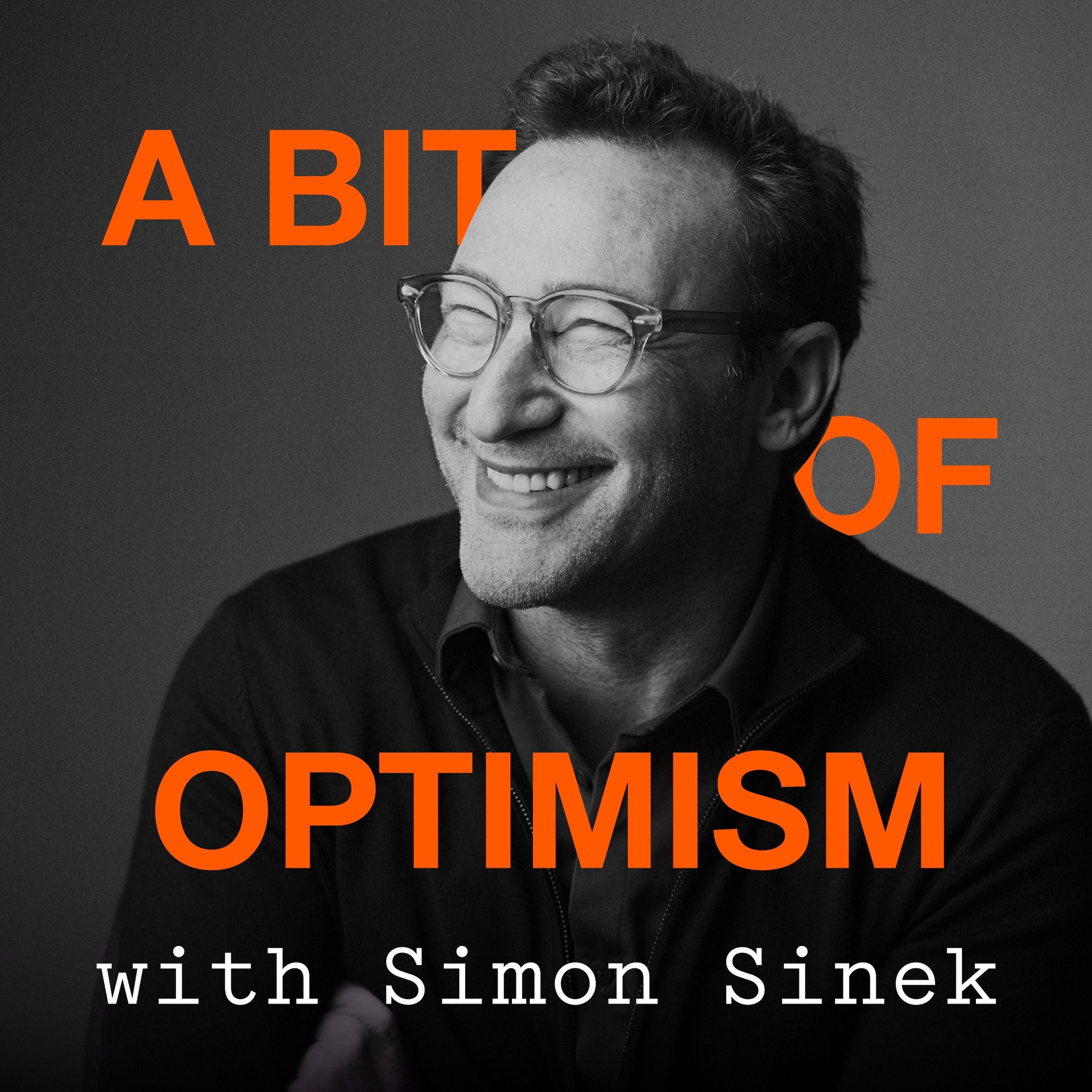
 A Bit of Optimism
20 Oct 2026 · 1h 1m · 30 chapters

Episode topic: Ben Francis, founder/CEO of Gymshark, revisits how building one thing exceptionally well (gym-focused apparel) and aiming for a 100-year brand shaped product decisions, hiring, and company culture (“infinite mindedness,” “purity,” and “we do gym”).
Ben Francis is 33 and has led Gymshark for about 13 years. He started by selling supplements online (including drop-shipping) and later began making gym clothes himself after realizing drop-shipping margins weren’t viable. He’s also described as having a long-standing personal passion for the gym since age 16.
Gymshark’s focus prevents brand dilution and improves economies of scale and product quality. A 100-year mindset changes decisions (especially product range and leadership/hiring). Profitability matters because it funds long-term reinvestment. Values are operationalized via visible, blunt office messaging.
Early sale of a 5kg USN Hyperbolic Mass tub; “we do gym” campaign; narrowing from swim/hiking expansions back to gymwear; “Onyx” bodybuilding-focused launch (400k waiting); US expansion mistake where the brand looked like Nike with a Gymshark logo, leading to centralized global control and a New York office reset.
Written by AI. May contain mistakes.
Learn about the origins of Gymshark and its initial focus on community and gym wear.
“I knew about you and I knew about Gymshark.”
Discover how Gymshark maintains focus on its core mission despite growth.
“I think that was really kind of you to say.”
Understand the transition from selling supplements to creating apparel.
“And again, that's where Gymshark was born out of building the apparel that no one else was making, but then also trying to offer that community to kids very much like myself at the time that were getting into the gym.”
Hear about the journey of building a brand without a grand vision initially.
Delve into the concept of building a business with a long-term vision.
“And a unicorn, the definitions change slightly, but it used to be a company that achieves a billion dollars in revenues.”
Learn about the personal influences that shape Gymshark's founder's vision.
“Steve Jobs even said, when I leave, if Apple collapses, who cares?”
Learn how iconic brands inspire Ben Francis in building Gymshark.
Explore the importance of separating personal ambitions from business goals.
“You know, the four by fours is their bread and butter.”
Discover how Ben learned to lead through delegating CEO responsibilities.
“I wanted the business to succeed more than I wanted to be the CEO.”
Understand the challenges of maintaining ethics in growing businesses.
“again, having real bold ambitions for the business, but then also being really realistic about your own skill set is quite important to me.”
Discuss the implications of creating a long-lasting brand vision.
“And again, there's a reason why you're one of my favorite CEOs.”
Learn about Gymshark's strategy to focus on gym wear over diversification.
“and what kind of decisions you would have made that you're making differently now?”
Examine the advantages of narrowing focus after initial product expansion.
“So we had lots of products that would sort of sell less, basically.”
Discover how Gymshark's niche focus helped them succeed by streamlining their product offerings.
“It's a brilliant product that we're so proud of, but it is a very niche product.”
Learn how a small menu translates to higher quality and focus in business, akin to top restaurants.
“So, well, one, it's really focused on the gym, which is what we want to be.”
Understand the importance of long-term hiring practices for building a sustainable brand.
“There's a very limited selection because they have a limited amount of very high quality ingredients.”
Explore the challenge of hiring experienced candidates who may not fit the company culture.
“And he was telling me, like, you know, they've hired some remarkable people, like, this person invented this for Google, and this person invented that for Facebook, and now they all work at Apple.”
Delve into the value of maintaining in-house expertise for product innovation and development.
“And they walk around with these inflated egos, and then sitting meetings and go, I don't think you know what I did at Google.”
Learn how Gymshark balances financial goals with their core values and long-term vision.
“is our people but our technical ability to build our product yeah and i don't want to be constantly outsourcing some of the most special things of our brand.”
Discover how Gymshark incorporates its values into the office culture to enhance teamwork.
Hear a cautionary tale of a flawed decision that led to significant setbacks for Gymshark.
“people take care of the people in the gym.”
Explore the personal influences that shaped Ben Francis's entrepreneurial journey.
Ben shares his experiences with early business challenges and the impact of mentorship.
“and basically what we had to do was completely re-look at the entire office.”
Discussion on the significance of brand values and the sense of community in fitness.
“I learned, I remember we were doing our first ever restructure of the business and I remember it was killing me.”
Ben discusses the concept of 'winging it' in business and its implications.
“And they may have little spikes and little short-term successes.”
Exploration of the supportive nature of fitness communities and competition.
Insights on how to build a business that reflects personal values rather than chasing competitors.
Explore how to manage time effectively between work and family responsibilities.
“And it goes back to that foundation, right?”
Discuss the significance of doing what you love for personal happiness and productivity.
“I think the thing I've noticed, and this is both with myself, also with friends and colleagues, is if you do a job that you really, really enjoy, you genuinely enjoy, I think you'll often be better at it.”
Ben emphasizes that a child's affection outweighs business accomplishments.

Get the gist, explore an idea or ask about something said.
 Claude
On A Bit of Optimism, what are the key points of this episode?
Searching your listeningAutomatic transcript. May contain errors.
0:00I don't think I'm your core Gymshark customer, but I'm absolutely in love with your company because I preach these models of infinite mindedness and that committing to something bigger than yourself and ensuring that it can outlast you in its current form is very rare.
0:18Ben Francis: I think, you know, getting a bit older, we've got three kids now. Everyone wants to be a cool dad, right? And I think there's nothing cooler than building something that really stands the test of time. I am an idealist. The things that I write about, the things that I speak about, are about an ideal version of the way the world and business could work. But every now and then, every now and then, I get to meet a company that, well, it's hard for me to be accused of being a crazy idealist if what I imagine exists in reality. People are always asking me, what businesses really exemplify the things that I write about?
0:54Well, one of them is Gymshark. Gymshark makes one thing for one audience. They make amazing gym wear for people who go to the gym. We do gym, as they say. And Ben Francis is one of the most remarkable young leaders I've ever met. He's the founder and CEO of Gymshark, and he's only 33 years old. And in 13 years, he has built an iconic global brand. And how has he done it? By keeping it absolutely pure and wanting to build a company that can outlast him. In fact, one that can last 100 years. And given how so many young entrepreneurs start their businesses and try to build their businesses, waiting for the IPO, waiting for the exit, trying to have a liquidity event, Ben is the complete opposite.
1:37He is driven by the purest form of entrepreneurship to make great products for one community as best as he can. And the result is profound. This is a bit of optimism.
1:55I think you know this. I'm a huge fan of yours. We've only met once before. I knew about you and I knew about Gymshark. We met last year for the first time just because I wanted to meet you. You are what is, I think, the purest form of what an entrepreneur is and entrepreneur should be.
2:15Ben Francis: Thank you. And you've built a company that has that same purity. Gymshark was born in a gym. You made the product yourself, which is like this quintessential entrepreneurial story. Other people wanted the stuff that you were making for yourself. And before you know it, you're selling more than you can sew yourself. And thus is born Gymshark. How are you able to maintain sort of, if we use the word purity, you're now a huge company. You're a global company. I'm at your headquarters here. There's three buildings worth of offices. You know, how are you able to make it still stay so focused and not be tempted to go do everything else?
2:56Oh, well, we're definitely tempted.
2:58Ben Francis: And we have been over the years. Thank you, by the way. I think that was really kind of you to say. But I think the business is, we're 12, 13 years old now. And there's been so many different versions of our business since Gymshark first started. It's difficult at times to recognise what is a temptation and what is a really viable and valuable opportunity. Because the business has changed so much since it first started. So if I think back to 2012, 2013, Gymshark only sold supplements. we didn't even sell apparel and then we it was only through running the business we sort of fell in love with making apparel to your point literally for ourselves because we couldn't find the clothes that we wanted to wear and then that naturally then removed we would then remove supplements because it was it that then became a distraction particularly over the last sort of year I think we've really hit our stride in knowing what is and isn't gym sharp for us and this is more of a a medium to larger business problem i don't think this is a problem that maybe too many startups would have but it was really about defining what is gymshark and that's where the we do gym campaign sort of started it was about making sure that we're we're laser focused on what really makes us special and again that sort of we do gym campaign that all came from our desire and ambition to be what we we talk a lot internally about being a hundred year brand we want to be a brand that lasts longer than myself or anyone here at this business that that's the real real ambition and i admire a lot of brands that really do stand the test of time so if we look at it from a top line perspective if we want to build a brand that will stand the test of time to do that we have to be really good at one thing and it's we're really focused on the gym we're laser focused on the gym in a way that the almost no one else is in the world that's what makes us special that's what we're going to focus on and that's what we're going to make sure we're the best in the world so you so all of your stuff is made for proper use in the gym and you may want to wear it for fashion but that's up to you where i think a lot of brands are the other the opposite which is look how fashionable and beautiful our stuff is and it may or may not actually work in the gym yeah i'm thinking about some of your or sportswear focus so i'm a massive admirer of some of the really big sportswear brands and like they they were very much around sports even we if we look at nike for example nike started with a running shoe and then obviously then it's it's heavily a sports focused brand to me and yeah people wear it outside of sports for fashion and so on but it's it is a sportswear brand and so are many of the other big brands whereas we've said that we're not going to get into sports sport competitive sport team sport isn't a gym chart thing the gym is the gym chart thing and it's interesting because the gym in many ways is a solitary pursuit but it's also aided by a broader community and i think that's what we've really notice and I noticed again um I first went to the gym when I was about 16 and it was so intimidating to me because I walked into this gym and there was all these weights and I didn't really know how to use the machines I didn't know what I was doing I went in I was trying to do things and I thought everyone was looking at me because I was doing it all wrong in reality everyone was sort of more worried about themselves than they were about me and everyone was probably in their own heads as well and then I actually went online I was on bodybuilding forums and things like that YouTube, to learn exercises and to find people that were basically going through the same thing as me.
6:21Ben Francis: And again, that's where Gymshark was born out of building the apparel that no one else was making, but then also trying to offer that community to kids very much like myself at the time that were getting into the gym. How long in before you started thinking, I probably need some sort of vision, I probably need some sort of strategy, like these words that get thrown about in the entrepreneur world, I think a lot of people don't realize that it's not really how it happens. No, at minimum five years. yeah so if i so if i think back to how gymshark first started so before gymshark i so i loved making things websites iphone apps things like that and i actually had i think i had about six or seven that i'd started prior that had failed that just i tried and it just hadn't quite worked gymshark when it first started was i had an ambition to build a website that would sell things and transact every nothing else at that point had ever sold anything it was a forum or a it was a mini sort of social network it was an iphone app and they didn't really make money and the whole idea was they would through through ads they were all free and they would make money through ads so i thought i'd love to sell something um and the gym shark website was a website that sold things i mean we at the time we found shopify and that just made life 10 times easier than what it was prior so that the ambition was actually incredibly low the ambition was to make a website that would sell things and then once we'd done that again which was actually relatively easy then it was let's sell something on the website and then i sort of thought at the time i thought instead of selling other people's things sell our own things well no just sell something because just because i thought that once we've made a website it's almost like having a shop on the high street people would just find their way there and someone would buy something and no one did for months there was there was not enough stuff on the website so it was supposed to sell supplements and there was a friend of mine that worked not far from here and he worked as a salesperson in a supplement supplement brand and i called him up and i said i said dan can you can you get us some supplements to sell on this website and he went away and he said yeah i'll get you a deal i'll get you a deal on mates rate sort of thing and um he rang me back and he said right i've got you a deal i can get you some supplements you can put these on your website and sell them but the minimum buy is eight grand now i'd never heard of eight grand let alone seen eight grand right i was a pizza four pound something an hour at the time and i loved the job by the way but i just i wasn't going to get that sort of money together and I thought oh god so this whole idea of selling things online is great until you need products until you need inventory anyway with that problem I then happened to fall upon a concept online called drop shipping and then that was great that was music to my ears because I thought wow this website that's going to sell things I can now sell things without having to buy those things in the first place so I basically had hundreds of supplements on the website and they would drop ship from another website now the margin was really low But at that point, the ambition wasn't it wasn't to make money necessarily.
9:05Ben Francis: It was to sell something. I think it took a few months and eventually we sold something. And I remember it to this day. It was a five kilogram, five kilogram tub of USN hyperbolic mass. Someone bought it and it was 52 pounds. And of the 52 pounds, two pounds was profit. And it took two or three months to get to that point. So it took two or three, making a pound a month in profit from that one order. right but it didn't matter to me because at the at that point the ambition you're still working you're still working your pizza job yeah yeah exactly yeah actually i was for a long time after that but i think the ambition was literally to sell something and i think there's there's a lot to be said when starting a business going back to your original point not to have these massive ambitions to build a hundred year brand i think there's a lot to be said about having incredibly low ambitions set the bar so incredibly low and just incrementally build that thing because then that sale i remember being at my mom and dad's in my bedroom dancing around the room and i was so happy and a lot of people that sell things online will never ever forget that first sale that first moment yeah and a lot of people that sell in markets or at shops they'll all have that same feeling and i'll never ever ever forget it and then that's where that sort of momentum that excitement builds and then it's let's sell let's try and sell we've gone from one sale let's try and sell one thing a month let's try and sell two things a month let's try and sell four things a month let's try and sell something every week every day let's try and build product that's to a margin that would allow us to run a sustainable business and then it just grows and grows and grows and goes from there so we didn't start the business with the ambition to build a 100-year brand we didn't have a vision or anything like that we hadn't set out our values a lot of the things that a lot of big businesses really need I think to you know manage themselves particularly directionally and you know we just started a business to sell things and then to sell more things and just slowly build that business and then it we then just started getting regular sales and it was really obvious to me because of the low margins in drop shipping that it just that just wasn't a viable business and um my nan was actually doing a curtain making course at the time and she had a sewing machine on her dining room table and it was seeing that that made me think well maybe we could make clothes and we could make our own clothes and then we literally You just started making clothes for ourselves and our friends, put them online, and that's where it all started.
11:22It goes back to purity, which is I think the model for a lot of young entrepreneurs are the unicorns. And a unicorn, the definitions change slightly, but it used to be a company that achieves a billion dollars in revenues. And I think it's market cap, which is a lower standard. and there's only if you go by revenues you know for a new business to achieve a billion dollars in sales is it's a very small number yeah it's a very very small number which is why they're
11:53Ben Francis: called unicorns out of the millions and millions and tens of millions of businesses that exist and i think a lot of young entrepreneurs you know they they look to silicon valley as their model and they look and they they know the the ambition is is the ipo and the ambition is wealth and the And so it's very rare to hear a CEO, to hear a founder say, I want to build a 100-year business. When did that idea come and why did that idea come? Why build a 100-year business? Why not build 20 years? Steve Jobs even said, when I leave, if Apple collapses, who cares? Those weren't his exact words. I don't know where the idea came from.
12:38Ben Francis: I think it's a lot lots of different things I think I've always been the the thing that really I really enjoy is obviously speaking to customers building a great brand and really focusing on the product I just I just love those three things and that if you said to me what is your perfect week it would be that it would be a Gymshark event with the community with the athletes talking about the product you know it would be that sort of thing I also think maybe it's as the businesses continue you to grow you you definitely you know you look around and you think what you know what what are we trying to achieve here what are we what are we trying to build and I think I also look back to probably the first job I ever did so when I was a teenager I did work experience with my granddad and we I worked with him a fair bit uh we would go around the midlands where we are today and we would line furnaces so we'd line furnaces with brick with ceramic fiber and you know there were long days um but in those long days you would end up just just talking and you know I learned so much from him I learned all about you know taking risks taking business risks from him he was a he's a one-man band he still works today so I think I learned a lot from him and he taught me a lot about being really grateful to have work um you know I think a lot of people certainly around here I you know what don't always have work so I think being in a job that I really love and having so much to do I think is an absolute blessing and I feel so fortunate to be in this position so I think there's a bit of that I think as well I sort of looked at what we're building and I sort of recognize that it is quite unique we're so branding and community focused there aren't that many businesses in our that have the opportunity that we now have so I think it's a bit of that but I'm not really sure but the one thing I have known sort of as this 100 year brand vision has sort of come to fruition in my mind over the last few years that it's definitely changed the way that I think about things quite a lot it's changed the way that we think about our brand the way that we think about our product development even the way that we think about hiring and again i don't know exactly where it came from i think it's just i know i've been inspired by lots of businesses local to here so if you think within just a few miles of where we are now you've got jaguar land rover down the road land rover is an incredible brand it's a brand that i've been around literally my entire life i love land rovers i love the authenticity of their products and i love that they build the best off-roaders i love the fact that they build the best off-roaders since the 1940s when they were founded still to today i think that's really inspiring uh you've got cadbury in bourneville as well which again which is a chocolate brand out of the uk and i think seeing those brands that have really stood the test of time is really really cool to me so i think it's a combination of lots of things it's lots of things of being really happy in the job i do and loving it the opportunity of the brand that we've got and then being inspired by being inspired by other people that have done a similar thing um hold on let me go down that rabbit hole a little bit again i'm going to back to sort of what entrepreneurs young entrepreneurs sort of what their models are and they're looking at the companies that had the exit they're looking at the company that went public they look at the company that you know that that's that's their model and you're talking about the companies you admire you know cadbury's is what a hundred years old or plus you know it's a very old company and they're still making chocolate you know that's that's still their thing yeah and land rover that iconic land rover Yes, they've done things on the side here and there for different markets, but they've always had that core.
15:57All four by fours. You know, the four by fours is their bread and butter. Yeah. And they've never veered from it. And as you said, it's like we do one thing, we do one thing really, really well, and we can do stuff on the sides, but we'll never abandon this. But how did you come to it? Is it just because you grew up in Birmingham? No. Like how did you come to use as your model for the kind of company that you want to build these iconic brands? But they're not just iconic, they're old. um yeah I don't know I think it's I think it's a combination I think again
16:28Ben Francis: the more I thought about it even just selfishly in terms of me I love my I love the job that I do and this is this is all I want to do I don't want to I've got no ambitions to be doing anything else and if I wasn't doing this I would I would be basically doing something that's very similar to this I saw a I saw a video of Mark Zuckerberg the other week and someone asked him I think it's quite an old video someone asked him you know you get loads of money for you just sell it you can go and do something else and I think his response was he said that he did a lot of thinking about it and he he came to the conclusion that if he did sell it he would just use the money to start something that looks a lot like what he was doing then or like a lot like Facebook and I sort of feel like I'm in a similar position but I also think there's a level of if you're building for the long term or sorry if you're building anything in general there's a level of separation that you have to have between your personal ambitions and your your ambitions for your business i think that's two slightly different things say more well so when and this i learned this years ago in my early 20s the the business started to grow really quickly and i very quickly realized that i wasn't the right person to be the ceo and run the business for that period for that that specific period of growth um so brought in a ceo called steve who did a really really good job and that was really great for me because he would do the CEO job and I could then go in and spend so much time on brand on product I was traveling the world going to events around the world spending time in the gyms with the consumer building product in the factories working with athletes brand teams and marketing teams and I could do all the bits that I was really good at but then I could also learn operations and finance and supply chain and bits that maybe wasn't quite as exciting to me knowing that I sort of always had that safety blanket or that sort of cover with having a CEO that could then help fix any of the problems that I had sort of thing and I always I liken it to I could go into the finance department and I could make a thousand mistakes and know that between the CFO and Steve as the CEO they would sort of fix those mistakes but that meant that I had a period of rapid learning and it's almost like being able to do if I said Simon you do this exam and you did it and you got 50 and then a week later i said i'm gonna give you the same exam and you can do it again then the week later you might get 60 and then 70 and you can just keep learning at a rate and have a better output you know just because you're doing it over and over again and there's no consequence of failure with it within reason yeah yeah so that was important to me because then i i quickly learned that even though i have ambition you know i'd love to run the company everyone wants to run their own company there's almost i guess to a degree there's nothing worse than not running your own company yeah but i realized that because my ambitions for the business.
19:08Ben Francis: I wanted the business to succeed more than I wanted to be the CEO. Then that then pay back in dividends because the business grew far more quickly. I could learn more quickly. I enjoyed my job. Steve enjoyed his job. And now I moved back into the CEO job three years ago, I think it was, four years ago. And I feel so much more well-equipped to do the job. And the reason you came back is not because Steve was doing a bad job. The reason you came back is because you got the education you needed to have the job that you wanted but weren't prepared for. yeah yeah so it was that i i had learned on the job which was great steve came to me and he was his self-awareness was incredible he said i'm you know i don't want to run the business at the you know the next scale or i don't feel like it's right for me to run the business at the at the scale that it is now and he actually said to me we were working away in hong kong i remember he he said to me it's not right for me to run the business at the next in the next phase and i was like oh god so who's going to do it then and then he said um he's like i think you you can do it.
20:02Ben Francis: And I thought, oh God. I don't think I really responded. I said, we flew home. I don't know how long the flight is, sort of eight or nine hours or whatever. And then I think it was the next day or two. I said, do you want, yeah, I'm going to do it. I feel, I don't, I don't necessarily feel ready, but I'm going to, I'm going to do it because, you know, it's, it felt like the right time for me to do it. So I think, again, having real bold ambitions for the business, but then also being really realistic about your own skill set is quite important to me. Um, and yeah, and then I guess through those years as CEO, I then was thinking what I sort of, then I started to think more critically about what do I want this brand to be and where do I want it to go?
20:43Ben Francis: Where do I want it to go? And I think, you know, getting a bit older, we've got three kids now. Um, you know, everyone, everyone wants to be a cool dad. Right. And I think there's nothing cooler than building something that really stands the test of time that the kids can look at and go, oh, well, you know, my dad built that or, you know, the Gymshark team built that. And I think that to me, I've just got a real admiration of brands that can really stand the test of time. There are so many brands that come out of nowhere and explode and then they disappear. But there are very few that really stand the test of time.
21:13Ben Francis: And I'd love for Jim Chart to be one of the few that does stand the test. I've met a lot of founder CEOs who did have an exit and they've moved on. And sometimes they start something new, sometimes they don't. and their companies, whether they become public or whether they get bought by some private equity firm, some of these highly, highly ethical CEOs who built a company to have an impact in the world and build strong cultures that are great places to work, I bring them their companies in their current states and I say, look at what your company's become. It's doing unethical things. It's not a great place to work.
21:51They've changed the ingredients of the products that they're not pure anymore. I thought you cared so much about impact and clarity and great place to work. This was your company. And they all are able to rationalize it away. Well, you know, it was good while it was and while I was there. But basically what they did is they took the money.
22:16And again, there's a reason why you're one of my favorite CEOs. And I'm not a hardcore gym rat. Like, yeah, I go, but I don't think I'm your core Gymshark customer, but I'm absolutely in love with your company because I preach these models of infinite mindedness and that committing to something bigger than yourself and ensuring that it can outlast you in its current form is very rare. And the reason I wanted to have you on here and the reason I was so glad that you said yes is because you're not an 80-year-old former CEO going, in my day, this is how we ran companies. you're a young CEO running a very very popular company that is beloved by your employees and your and your mentality of how to run that business and the way you and the way you're trying to build it are completely opposite than what is considered I would say normal standard and I think that the reason I'm rooting for you so much is that if you succeed and you share with people different ways to make decisions based on having this hundred year mentality my hope is that
23:31Ben Francis: your model of building a business becomes standard again you know where building these short-term companies where you're only driven by the quarter becomes something we read about in the history books or those those become the minority yeah you know you shouldn't be special yeah um because as you said cadbury's and land rover and some of these iconic brands they've done something differently and something that's important and something worth protecting and holding on to. Decision making. You said before we turned on the cameras, you said, since I decided to build a 100-year company, it's changed the way I make decisions, it's changed the way I hire.
24:08Can you share more about what that lens has done for you and what kind of decisions you would have made that you're making differently now?
24:15Ben Francis: I guess product would be the most obvious one. So again, as you grow, it's so easy to get tempted to, and we did this for a bit, right? So we built, we broadened our product range massively. And the whole idea is the broader the product range, the more people that you can appeal to and obviously the bigger you can build the business. And what do you mean by broader product? So as in offer, we could offer sportswear and swimwear and hikingwear and all these different things and lots of different things that sort of come out and are closely associated too, but not quite the same as gymwear. And people were asking for it, right?
24:45Ben Francis: Yeah, yeah, yeah. So if we go on the website, there are lots of searches for a lot of these different things. but what we've since done is we've launched the you know our new sort of campaign which is we do gym and we've said we're just going to be the best at gym wear and we're going to focus solely on building the best gym wear in the world not by going into all of these different things and i think going back to some of the big brands is they're they're really good at what they do there's you know nike are probably the best well they are the best sportswear brand in the world and we're never ever ever going to out compete them on that and also it's not my personal passion my personal passion always has been the gym since I was 16 I fell in love with the gym and I fell in love with the gym because it was the first thing in my life where I directly got out of it what I put in and I knew that if I I went to school and I try really hard at certain subjects and I get terrible grades I wouldn't try other subjects and I get good grades and the whole input to output thing just didn't quite make sense to me until I was 16 and I then realized if I go to the gym five days a week if I you know if I'm on the treadmill or if I'm lifting weights whatever it is I will get out of that what I put in put in it's a one-to-one ratio that's really really that was really important for me as a moment so I'm really passionate about the gym we're really passionate about the gym so we're going to focus on the gym that's it that's where our consumer is that's where our product should be designed around that is our that's our USP that's our competitive advantage and that's what we're really good at now obviously there's more to it right so when the brand was first started we we've grown up in the UK, we would buy like t-shirts, Topman 2 for£10 t-shirts was just a thing.
26:18Ben Francis: So two t-shirts for£10 was amazing. So affordability is really important for us because when you're joining the gym, you don't want to be spending loads of money on really expensive stuff. You want really good quality and you want it to perform, but equally you don't want to have to pay loads and loads of money. So affordability is really important for us. We have to build affordable product for our consumer and it has to be the best gym wear in the world. And if we do those three things, everything else then tends to fall into place as long as we're thoughtful about it. So you were tempted to go in all these directions, swimwear, hiking, all of these things.
26:47So we said, no, we're just going to focus on. And you said, but you did try those things, right? You did start expanding your product line. Yeah.
26:55Ben Francis: And then we ended up just basically having a longer tail, basically. So we had lots of products that would sort of sell less, basically. So we proportionately sold more. The business obviously continues to grow. but then rather than selling 50 of two products, we were selling, you know, 10 of 10 different products. So it's, we, we were selling a similar amount, but, you know, across lots of different things. And, and then that, isn't that a good business? Isn't that what everybody, every company wants to sell more of everything that, you know, traditional business would say, ah, that's sticky because now our customer wants our hiking gear and they want our swimming gear and they want our, you know, gym gear.
27:32Look, we're creating stickiness.
27:33Ben Francis: I think the second there's the, consequences and to us the consequences are the brand is watered down and then also what you've got is you're splitting your sort of reason to believe for a product across lots of different things and it's interesting we launched a product about a month ago two months ago um it's a it's what we call our onyx product it's the most extreme gym sharp product that you can possibly sell it's it's a thick seamless product it's all around bodybuilding it's all it's a men's product all around accentuating your physique the the audience size for that is one you know one percent of that in hiking or in lots of different uh lots of different things it was by far the biggest launch that we've ever done we had over 400 000 people sat on the website waiting to buy this product and you would look at it and you would think most people i know probably wouldn't wear this product but it's because we were speaking to our core core audience the lifter the bodybuilder that wants to really accentuate their physique wear the gym chart logo uh seamless tight fitting product and it's an incredible product.
28:32Ben Francis: It's a brilliant product that we're so proud of, but it is a very niche product. And again, what we found is we win or we do the best and we, I guess, build the most clarity with our customer is when we just focus on doing what we're really good at and not trying to be similar to everyone else. So you did expand, you went to hiking and swimming and all that, but then you contracted, you closed all those down? Yeah. We said, we're going to do gym wear really well. And then we basically narrowed the product range massively. And what is the benefit of selling 50 of 1 versus – or 50 of 2 versus 10 of 10?
29:03Ben Francis: So, well, one, it's really focused on the gym, which is what we want to be. But, I mean, you aside, like as a business concept. Oh, so, well, you get far better economies of scale with suppliers, which means you get more purchase leverage. You can obviously work more closely on the product. So you've got – you'll have a higher quality of products, I would say. So, you know, if you need 10 developers to build 10 products, you need five to build five. So you then get far more economies of scale and efficiency through the business. And you've got your entire business focused on something that's really specific.
29:33Ben Francis: So it's not only you only get brand benefits. You build a better product. You have a more efficient and effective business. And everyone's marching in the same direction. This is genius. Here's the analogy. It just occurred to me now. Because even me, my knee-jerk reaction is if you can sell 10 of 10 and you can expand, my goodness, you can all these new customers. But the analogy is I hate restaurants that have very big menus because how can you make all of these dishes taste good? There's just no way. You have ingredients sitting in the fridge for too long. There's just no way, right? And the best restaurants in the world have quite small menus.
30:12There's a very limited selection because they have a limited amount of very high quality ingredients. And so this is what you're saying, which is this is your menu. It's a small menu. and that way I can absolutely guarantee that this would be the best food you've ever eaten, the best product you've ever had because I am not distracted and I don't have to try and sell because I've got excess merchandise sitting over there. I've got excess chicken that I've got to push the chicken
30:37Ben Francis: before it goes off. It's exactly the same. It's a small menu. And I think, and then to your point then on that, if we've got a narrow product range that is really focused around gym, it means we can better leverage our finite resources is to being the best in the world at that. But then I guess the second order consequences of that are looking to build a 100-year brand is then the people that are involved in Gymshark are really focused on that. And then when you think about hiring, if you're hiring for a short-term goal, if we're hiring just to get to X by three years, then you'll hire, I found that you're far more likely to hire externally and you'll always then bias towards, have they done it before?
31:14Ben Francis: I need someone that's done what I want to do before externally. Hire them in. Can you do what you did there here? when I think about building a 100 year brand I don't want people to come in particularly you know into leadership or senior teams I don't want people to come in for three years do what they've done somewhere else to do it here I want people to join for 10 20 30 years I want people to build a career here and to be really focused around the long term of the business and to really put the business first rather than just this be a stepping stone on in their career so you've got product effects you've got sort of hiring effects and then if you think about our brand the we do gym campaign is perfect it's three words but it says exactly what gym shock is it's all about the gym and then for us then it's not about we do gym we do this we do that it's literally we do gym and we want to land that message as regularly as possible so that it's really clear as to what we are but going back to the hiring practices right and again you know we're having a problem in x i'm going to hire somebody who's done this before i've made this mistake i've hired somebody who's done it before they come into our culture and i'm like okay you've done it please do it and it it rarely works well because they try and force us to do things the way their old company did it not you know or or there's an insecurity right because their whole sense of self-worth is i have to repeat that and their desire to push their boundaries do things differently challenge themselves throw out the playbook is dramatically reduced because they have to repeat their success yeah but their success is the past there's a great story you might appreciate this i got a tour of Apple, and the Apple historian took me around.
32:48And he was telling me, like, you know, they've hired some remarkable people, like, this person invented this for Google, and this person invented that for Facebook, and now they all work at Apple. And they walk around with these inflated egos, and then sitting meetings and go, I don't think you know what I did at Google. And somebody invariably at Apple will lean forward and say, we don't care what you've done, we care what you're going to do. How do you hire young people where, you know, culturally it's much more acceptable to bounce from job to job to job? Are you very clear that, you know, we want to hire somebody who wants to stay for a long time?
33:21Do you, like, do your youngest employees find themselves working here for four, five, six, seven years and they can't believe they've been here longer than any of their, have held a job longer than any of their friends?
33:31Ben Francis: Yeah, we're definitely seeing more of that. I think this is a transition that we've made in the last two years, so we're starting to move through that and we're definitely seeing that the other thing that we've noticed is um we we're sort of in a way bringing more in house than what a lot of other people would do as well so i don't know if you saw over the road we've got a full sampling facility and we've got great technical expertise here now a lot of other people would just outsource all that and just give that to factories but it's really important to us whilst we work really closely with our partners that a lot of the sampling a lot of the development a lot a lot of innovation mini factory across the street and it's all but we want to own that internally and again if you were doing it purely on a short-term p &l you wouldn't run that because that if you took all that cost out then obviously that would just increase profitability but for us the profitability that we have is there to be reinvested into the long-term future of the business and it's really important for us to have genuine product developers and technical experts in-house rather than outsource that because that's uh that's our most powerful asset right is our people but our technical ability to build our product yeah and i don't want to be constantly outsourcing some of the most special things of our brand.
34:36You told me a lovely story about your grandfather that at the end of every year, he calls you up and asks you one question. Did you make any money this year? Yeah. And all you have to do is say yes. Yeah.
34:50Ben Francis: You would never ask how much. Just say, did you make any money this year? Yeah. Well done, lad. That's it. Clearly, you have financial goals. I mean, you're a sophisticated company. Yeah. If you've missed that financial goal, but you're profitable, are you happy or are you angry? I think it depends. Again, in the last few years, because we've been changing our strategy in the way that we want to approach things, I think if we're moving in the right direction, which we absolutely are, then I'd be happy. I think it's really important to me to remember that forecasts are forecasts. Forecasts are a, you know, it's a best guess at where you're going to be generally at the start of the financial year and we'll re-forecast as we go through the year.
35:29Ben Francis: the important thing for me is did we stick to doing what we said we were going to do in the really important parts of our business that matter so did we continue to know that we do gym campaign did we continue to really invest into our product in the right way um you know is the shape of our business where we want it to be have we had that really nice incredible new product development which we're really proud of those are the things that really matter now what you can't do is then just completely alienate yourself from all financial results because that that would not build a 100 year long term sustainable business i think by definition to be a long term 100 year business you have to be profitable because profitability allows you to invest in the long term of the business but it also insulates you from all of the inevitable macroeconomic surprises that will come up but in the in that infinite minded 100 year mindset and based on the advice or the question from your grandfather so long as you're building the business the way you want to bill that so long as you're following your values you're sticking to your core so long as that purity remains if you miss that projection but everything's going in the right direction you're not angry you're fine as long as we can continue to fund our own growth build the business yeah i wouldn't so if the profitability so when your granddad says did you make money and you say yes yeah to some degree you are okay with that i'm happy yeah the going back to um there's a i don't want to call it an irreverence because i don't think it is irreverent there's an honesty that i see on the walls here i mean um i always think a lot of companies waste space in their offices because they have all this magical space and they don't use they don't remind everybody why they're here there are words all over your office that remind people why they're here with your values and just these nice sort of reminders but they're not they're not sweet you know um they're reminding people take care of the people in the gym.
37:22One of them says give a shit. It's one of your values. It's just very honest and it's written. It's no asterisks. It says give a shit on the wall. In fact, right behind us, I love this one, right behind us. You can't see it. It says on the wall, it's the only thing written on the wall in big letters. It says don't be a dickhead. And it's reminding everybody this is how you show up at work. I mean, this is their office and it says don't be a dickhead. Where does that come from? because a lot of people I think they say those words but they would never write them on the wall
37:54Ben Francis: yeah I think there's a few things for us so we so we there's four things that we sort of build ourselves around when it comes to our values and the way that we work one is hard work and again going back to the gym yeah going back to the gym going back to what it's like building a business where yeah it is it's incredibly hard work and to build a business in the way that we want to it is hard work and I think it's important to recognize that one team again go back to what you said on the on the in terms of what it says on the wall one team is really really important that's not your function that's not your department that's the entire business um we've got community first as well everything that we do is all around serving our community that's the most important thing the reason that we build product the reason that we build events the reason that we build the brand is to serve the customer and the community in the same way that i was you know you know when i was a kid and i first joined the gym that's what gym shots there for um and then humility as well humility is really really important because i think humility then allows us to be always learning and again us getting to where we are today has been because of so many failures and things that you know we haven't always been focused on building a hundred year brand whereas now we really are and i think it takes that humility to recognize when you're not going in the right direction in order to get yourself can you tell me a specific story where when you look back now you're like we i don't know what i was thinking and i would never make that decision now and are you able to look back and say here's why i made that incredibly bad decision oh god yeah loads give me one specific one that if you look back now it's a little bit embarrassing that you chose it and you were so confident in that choice in the moment but it was misdirected for all the wrong reasons i'm trying to think one that wouldn't be so we've made loads of sort of operational mistakes so i'll give you i'll i'll give you a good one and this is probably more specific to being a british business so most of our most of our business most of our customers in the United States and we've had incredible growth in the US and I'm so lucky right since the business started since I was in my late teens early 20s I've been going to the US constantly and I absolutely love it there and I feel so lucky every time I'm there and there was a period about five or six years ago where everyone said if you want to win in the US you've got to open up an office out in the US and you've got to give give the US that freedom to run the brand in the way that they think is right to grow in the US which I think to a degree is right but obviously me being probably more higher propensity to risk as an entrepreneur I was like yeah let's do it go on let's open up the office let's build the team let's give them the freedom and they can just run with it and I made a few hires that were wrong I hired people that had come from bigger businesses that maybe weren't as attuned to the entrepreneurial way that I thought that we wanted to to build and then we started to go into like what we said earlier sportswear and all of these different things and all of a sudden the product then looked very different the brand looked very different and there was a point where i remember me and noel who's our chief of brand we went to the us and noel put on the screen and he said this is gymshark in the uk and i looked at it i thought wow that looks great that's gymshark through and through bodybuilding lifting weights and you know people in the gym and then he went this is gymshark in the us and it was a guy uh he was playing football and he just didn't look like Gymshark to me it almost looked like Nike with the Gymshark logo on and what we'd done is I'd given far too much freedom for essentially the American team to build out the business in a way that they thought was relevant in the market and I felt so bad because I thought I've just completely done this wrong and what we've actually learn is a real centralized control of brand in particular and products globally because our brand and product needs to be relevant globally not different in different markets with a more nuanced sort of commercial approach so in the US you know we're probably going to open up more stores as an example whereas in the UK we'll be more e-commerce focused because it's a far smaller country and pretty much everywhere in the UK you get next day delivery so we're not we don't need as many stores and I'd done it the wrong way around.
41:54Ben Francis: I'd been tight on the commercial approach and then I'd been really open on the go-to-market brand and it meant that the brand looked completely different and basically what we had to do was completely re-look at the entire office. We actually ended up moving the office to New York and we just completely started again. We probably lost 18 to 24 months just because of that mistake and I'd just been, I just hadn't thought it through enough and I think again with the learning for me there is given how important the brand is to a business like ours to be so relaxed about it was such a huge mistake.
42:25Are there entrepreneurs now that you sort of, I won't say model yourself after, but you look to and be like, I, you know, formal and informal mentors.
42:37Ben Francis: I'll always, obviously, my granddad. My granddad, when he started his business, he basically had to risk everything. And he had two kids, my mom, and her sister. Her sister has, my auntie has learning difficulties so there's a level of cost with her care. My granddad was working in factories, BSA factories in the Midlands and things like that. So he took a massive risk to start his business. It was actually that, it was hearing as a kid about the risks that he took that made it so easy for me to start businesses when I was a kid because he was telling me about all these massive risks and he had to look after my nan and the kids.
43:14Ben Francis: And when I'm 18 and I didn't have to take, I had no one that I had to worry about really other than myself that made it that really made me realize the opportunity I had to take risks so I definitely learned sort of risk taking from him obviously my parents have been I've got I've got such an amazing family my mom and dad are incredible as well and I learned so much from them my mom worked in the NHS her entire life one of the most hard work national health care so she's she was a nurse coronary care so a heart nurse again my dad incredibly hard working and incredibly mental strength like nothing i've ever seen before um but then more in terms of industry um so there's a guy who lives in london called a jars ahmed and he actually founded a company called akqa which is a basically it was a big marketing agency he's um he's since started another agency since and i learned a lot from him and he's so brand first.
44:10Ben Francis: What did you learn from him? I learned, I remember we were doing our first ever restructure of the business and I remember it was killing me. It was absolutely killing me. The thought of people losing their jobs and having to restructure our business and it was the right decision in the more appropriate way for the sort of post-COVID market that it was at the time. and I remember we went out for food one day and I was like Jars come on help me out here have you ever done this before and he he and he's the kindest bloke you'll ever meet and he just gave me some advice and he said just just make sure that you do things in the right way you know just make sure you do it in the right way and he actually told me that he'd done a similar thing earlier in his career and it was the best thing that he'd ever done and it really helped his business then to grow because the way that he described it to me was around your business needs to move as quickly as the market and you're in a market that's constantly moving if you're slower than the market then obviously things are going to get away from you you won't be able to effectively serve your consumer and he also was constantly talking about building long-term brands being in an agency role he's seen great brands he's seen not great brands um and he sort of really has an enthusiasm for brand that a lot of people don't and i think of respect for brand that a lot of people don't so speaking to him and learning about pushing through the hard times doing things in the right way and really focusing on the long term was really important to me um so i definitely learned a lot from a jars um harley and toby at shopify i haven't seen them in a while but again just listening to the way that they think about business is incredible what did you learn from them i learned it was really funny actually so years and years ago they did a competition and we won the competition because we were one of the faster growing businesses on shopify particularly in the early days and they flew us out to New York to see the Stock Exchange.
46:02Ben Francis: That was the first ever media training I had. It was the scariest thing I've ever done. And then we went out to Fiji and we were sat around loads of incredibly successful entrepreneurs. Obviously, Toby and Harley were there. There was Tony Robbins and there was a handful of other people. There was the guy from Airbnb. There was Tim Ferriss, I think, was there. And I'm just sat looking at all these people thinking, I've seen you on YouTube on the internet, but I can't believe I'm seeing you in real life. and then I wasn't really saying anything I was just listening and then um I think someone said someone said oh if you got was talking to someone else they were like oh do you have a plan for that and he said no I'm just winging it and then someone else went yeah I'm just winging it too and I remember looking around thinking you guys are running businesses that are probably bigger than our business will ever be and if you're just winging it then that makes me feel so much better about myself because I feel like I'm just winging it and I'm just looking at all these people and I had this moment of realization thinking if you're winging it I'm probably always going to be winging it and then it made me realize that I don't have to feel like I've always got everything together there was a recognition around the table that everyone's doing a lot of things for the first time and there's a level of comfort that then that gave me that I don't always have to have everything together I can explore new ideas and I can fail at things and it's not defining of me or nor the business and then we can equally when you do succeed that's not defining it doesn't mean you're always going to be successful there's this real nice feeling I had where it was almost like pressure off from this moment i'm doing a lot of things for the first time and i'm just going to try my best to do it right and i'm going to build a business that i'm proud of as you're talking about it you know i'm realizing there's two types of winging it and this is and again i'm going to sound like a broken record which is there's a reason i admire the purity of your business which is it is a the foundation is so strong the values are so strong the clarity of who we are what we do and who we serve is so strong that i think when you have strong foundation strong values then you can wing it because it's based on it's not it's based on something down here not on the quicksand you know it's based on something down here and so you're making these decisions but it's coming it's born out of something and there's a code that's guiding those reactive decisions right companies that I think are winging it based on market opportunity pressure from investors they're still winging it but it's not stuck to anything there's no code there's no values and those are the ones who are chasing market share, chasing trends.
48:27And they may have little spikes and little short-term successes. They may, you know, you throw enough spaghetti against the wall, some of it does stick. And that may even propel them to be viewed as quote-unquote successful because they won a lottery on one of those guesses. But it's not sustainable. You know, you look at a lot of companies that were on the covers of magazines that barely exist anymore. And they've all been on the covers of all the magazines. So I think there's two types of winging it. There's winging it based on values and based on knowing who you are. And there's winging it taking your cues not on that purity of our customer and ourselves, but winging it based on an investor or some market trend that you're chasing.
49:10Because when you were winging it and chasing swimming and hiking, that was externally.
49:16Ben Francis: yeah you know whereas now when we really it's funny uh my my mom went to we got a shop in london on regent street my brother took my mom to the shop a few months ago and they he said they got to the end mom went um do you know what joe i'm not i'm not really a fan a lot of the product that you're making at the moment and joe went too right you're 50 some 50 something years old and you've never you haven't been to the gym in 20 years and it was a bit it was a bit of a funny moment where he sort of told my mom and it was like that that's right that's right you know the customer goes to the gym all the time they're in their early 20s and they want to wear product to show off their physique we're not building product for my 55 year old mom who was a nurse in telly oak do you know what i mean so it was quite that was quite a funny moment i was quite proud of him because it was a bit like yeah this is this is who we are and this is what we stand for i know that's a you know a funny sort of extreme example but that that's that's what we have to You know, there's an irony in your brand.
50:14And the irony is a lot of your clothes, as you said, are made to show off. Like your T-shirt that you said that's physique accentuated. Physique accentuated. It's tight. Let me show you the result of all my hard work. You know, I've bought your stuff and sized up because it's too tight. But that's what it's supposed to be. you know you can degrees of how much your bum you want accentuated you know I mean like it's all about showing off the hard work but as a company you're not a show off company reconcile that your products are for showing off but you don't like showing off you're the opposite you're totally humble and sort of on a journey and know you have more to learn etc
51:01Ben Francis: yeah I know I think well we have product right we have the oversized product as well that you can just sort of throw on and you can wear in the winter months where you're just trying to build up your physique but no i don't know i don't know i think if i had to guess yeah if i had to guess i think it goes right back to why you like the gym which is and you said it right at the beginning of this interview which is if i do hard work i will see the results of my hard work yeah and i think if somebody's going to spend the time to go to the gym and put in that effort part of the reward is being able to see yeah what i've done yeah and the best way to see it is with a naked is one way but the right product but to wear a product that that you can see my hard work yeah because i mean it there aren't shortcuts yeah but it's and it's great because we do these events um you should come to one at some point it's we've got one we've got we've got a couple coming up one in the uk one in the us and you go there and you'd expect everyone to be massive and shredded and bodybuilder but they're all sorts of physiques and there's a recognition that if you're in the gym you're on the journey and everyone's on that journey together and i really really like that it's just a really nice place to be and again it's great because that's what i grew up doing i remember i remember i went to body power in birmingham it was the best it was i think it was the best fitness event in the world in the sort of 2012 2013 time i remember being so annoyed because i had to leave the event early to go to my shift at pizza sort of thing but it was it was such an inspiring event for me so yeah to be able to do this day in day out that was great i mean the more we talk about this the more i realize that your community i i when i started running or actually not even when i started when i was a full-on runner uh i would be running around Central Park.
52:52I'd run around Central Park, you know, whatever it was, three, four times a week. And there's something magical about runners, and I assume it's the same people for gym rats, which is I would run past someone who is not in shape. They are really struggling to go to very, very slow pace, you know? And here we are, we're all, you know, fit and running fast and keeping our pace and all of this stuff. And I remember, to this day, you run past them and you go yeah the level you lift your head yeah you're out here doing the work and the thing that i loved about that community was nobody thought they were better than somebody else we were some of us were in better shape and some of us were in lesser shape and you said different shapes different sizes but there was such respect that you're out here doing the work and you gotta you gotta head i remember when i was huffing and puffing some elite runner would walk past me and give me a head nod like and i love that the only other time i've seen that i i this is a funny i i worked out with uh the 82nd airborne i worked out with the the the military the army and i remember we were up at the crack of dawn it was still dark out and we're up we're in the in the car park doing uh press-ups doing push-ups and he's like gravel so it's like unbelievably painful on your hands doing push-ups on a gravel and we're like do all this work and i'm like whoo oh good workout guys it turns out that was the warm-up and then we actually went and did the workout which was a a circuit and you had we had to do the circuit a number of times and what i found that the it was one of the best workouts of my life and i'll tell you why which is absolutely we're all competing like when we were running guys were pushing hard right but nobody was competing against each other they were competing against themselves right like somebody who wanted to win it's not because they wanted somebody else to lose it's because they wanted to push themselves to be the fastest that day but i remember guys would run past me and they'd tap me as they ran past me like keep it going keep it going and so even in competition yeah they were pushing and rooting for for the others so again it was pushing themselves it was they were trying to they were competing against themselves they weren't competing against each other and it was the most amazing experience with hyper a type competitive people that wouldn't gloat because they beat you they would be proud because they won there's a big difference but they were pushing everybody else to to to run harder
55:20Ben Francis: push harder pull you know lift heavier it was kind of amazing but don't you think that's the sort of thing it would be nice to see more in general business as in people just trying to build the best business that they possibly can rather than constantly comparing to a another business that is similar in one specific way but different in every other specific way because i often see a lot of that of oh gymshark have a uh i don't know they're great at e-commerce or they've got a great social following and and i think so many people will come and ask me what you know how should i build my business i think so much around you just need to build your business for you around what is important to you and around you know your community and your customer rather than trying to build another version of Gymshark.
56:01And it goes back to that foundation, right?
56:03Ben Francis: You've got to know who you are and what you stand for. And then you build from there. I don't think you can build a 100-year business trying to compete or beat somebody else. I think you can only build a 100-year business trying to outdo yourselves. Yeah, I agree. What's your approach to managing your time so that you get the most out of your professional and personal life? Ooh, this has changed. So this has changed a lot since we had kids. So before I would just work all the time and fly. whenever go anywhere at a moment's notice um my wife said to me since we had kids she was like i want you home on the weekends and it's really important to me that i am because i just love being with the kids and being at home with the family and robin um so within generally i'll be at home on the weekends and again that's important for me to protect in the week i generally really try and focus my time around uh products and uh essentially the the direct sort of team that i I work with um I also just love going something I love to do more than anything is just to go to loads of different gyms so if I'm in New York I'll just try different gyms because you end up just chatting to people all the time and you end up learning something that you would never ever normally pick up and again quite fortunate now doing I guess doing the job I do because sort of people come up to me as often as I'll come up to them but I absolutely love that but no generally I'll focus my time around obviously being in the office every day I I'm not the sort person that could ever work from home.
57:28Ben Francis: But generally, it'll be around being with a team and focusing on the product. And when you're home on the weekends, you're not at home just working, you're at home with the family. Yeah, yeah, yeah. I would avoid work at all costs on the weekend if I can. Love. One of the things that's interesting is you have on the wall family first as one of the values. What can people who are not running companies do to have an impact on the world, but still make sure that they're providing for their loved ones. How do you strike that balance? Because at some point, one of those things has to get sacrificed.
58:00People who make an impact, as you said, aren't necessarily at home all the time. What can the rest of us do? Do you have to pick one?
58:10Ben Francis: I mean, I don't know. I think the thing I've noticed, and this is both with myself, also with friends and colleagues, is if you do a job that you really, really enjoy, you genuinely enjoy, I think you'll often be better at it. And then I think you'll be happier, happier in your general life. And even if you have to, there's periods I think where you have to work more, there's periods where you can probably get away with working a little bit less. And I know it sounds cliche, but I do think focusing on what you love. I've got friends that, I've got a friend actually who moved on from here not too long ago.
58:39Ben Francis: He was one of the first employees who worked here for about 10 years. And he just sort of ran out of mojo. He sort of, we were chatting, he wasn't really enjoying the job as much as he was. and he sort of wanted to be here because he always was but then he sort of didn't because there's a load of other things he wanted to he wanted to travel he wanted to do work abroad and stuff and we were just sat there and we said um go off and do it just go off and do it and you can always come back you know if you don't if you go off and you go and work in Spain for a bit and you don't like it you can always come back and and that's what he's done and he seems so happy he's loving it and it's it's really nice to see so it's it's an interesting thing for me whereas the difference in him in making that decision he's just like a different person he seems so excited and happy and you know I've got lots of other friends and don't get wrong I'd rather a lot of them have not left I'd much rather than just be with me and stay here because we're friends and I love being with them focusing on what they love is really important and then there's people that have been here for 10 11 12 years literally since day one that love it just as much if not more than they did and I think for me doing what you love is really important um I think to it's interesting because we and i have had some highs at this business that are incredible being the fastest growing company in the uk some of the global events that we've done some of the incredible things that we've done out in the us um and they're genuinely incredible achievements i'm so proud of but then when you get home and one of your kids runs up to you and gives you a massive hug and is happy that you're home it trumps all of them so i think it's also worth remembering that as well ben it's such a treat for me to sit down with you i could talk to you forever and you know this is the second time we've hung out and i've learned from you more this time even the last time um i really really am rooting for you because i think how you're building your business is the way all businesses should be built from now on thank you thanks man appreciate it really appreciate it so good
1:00:41As always, thanks for listening. And if you liked this episode, please do remember to subscribe to A Bit of Optimism wherever you enjoy listening to podcasts. And remember, new episodes drop every Tuesday. A bit of...
Hello from Team Simon! Brand-new episodes of A Bit of Optimism are back next Tuesday, October 27. Before then, we're revisiting one last favorite: the company Simon names whenever someone asks which business actually lives the ideas he writes about. It's Gymshark, and its founder, Ben Francis.
Maybe you know the pull: the bigger something gets, the more it feels like it should do more. More products, more markets, more people to please. It looks like growth. But it can quietly water down the very thing that made you special.
Gymshark didn't start with a vision. It started with a website, a list of drop-shipped supplements, and months of waiting for anyone to buy anything. Then Ben spotted his nan's sewing machine on the dining room table and started making gym clothes for himself and his friends. Years later, with the business booming, Gymshark did what growing companies do and expanded into swimwear, hiking, and sportswear. The brand started to blur. So Ben pulled it all back to three words: We Do Gym.
Ben is the founder and CEO of Gymshark, the gymwear brand he launched in 2012 while still working shifts at Pizza Hut. Today it's a billion-dollar global brand with a devoted community, a flagship store on London's Regent Street, and one ambition that shapes every decision Ben makes: to build a 100-year brand.
I sat down with Ben at Gymshark HQ in the West Midlands, where the company values are painted on the walls in refreshingly blunt language. And I push him on the irony at the heart of the brand: how does a company built on humility make clothes designed for showing off?
In this episode you'll learn:
➡️ Why the best businesses often start with ridiculously low ambitions
➡️ The "small menu" rule: why selling fewer things builds a better business
➡️ Why Ben stepped aside as CEO, and how it made him ready to take the job back
➡️ How a 100-year mindset changes who you hire (+ why "have they done it before?" is the wrong question)
➡️ His granddad's one-question test for a good year
➡️ Why even the most successful founders admit they're "just winging it"
➡️ Why the only competition worth winning is against yourself
Ben's lesson is a freeing one: you don't have to be everything to everyone. Pick the thing you love, serve the people who love it too, and keep getting better at it. That's how you build something that lasts.
This… is A Bit of Optimism.
+ + +
Want to check out Gymshark? Head over to: https://www.gymshark.com/
+ + +
Chapters
Chapters
00:00:00 Why Building a 100-Year Brand Changes Everything
00:01:55 The Accidental Birth of Gymshark: From Supplements to Sewing Machines
00:07:38 Setting the Bar Low: Why Small Ambitions Lead to Big Success
00:10:34 The Temptation to Expand: When Gymshark Lost Its Way
00:11:23 The Restaurant Menu Philosophy: Why Less Product Means Better Business
00:13:48 Stepping Down as CEO: The Hardest Decision That Saved the Company
00:20:43 What Cool Dads Build: The Personal Drive Behind a 100-Year Vision
00:24:27 The American Mistake: When Freedom Killed the Brand
00:27:45 The Onyx Launch: Selling to 1 Percent of Your Audience
00:34:46 Did You Make Any Money This Year: Lessons from Granddad
00:37:06 Give a Sh**: The Honest Values Written on the Walls
00:44:14 Winging It With Purpose: What Simon Learned in Fiji
00:47:56 Two Types of Winging It: Foundation vs Quicksand
00:53:21 The Head Nod Philosophy: Competition That Lifts Everyone Up
00:57:13 Family First: When Your Kid's Hug Beats Every Business Win
+ + +
Simon is an unshakable optimist. He believes in a bright future and our ability to build it together.
Described as “a visionary thinker with a rare intellect,” Simon has devoted his professional life to help advance a vision of the world that does not yet exist; a world in which the vast majority of people wake up every single morning inspired, feel safe wherever they are and end the day fulfilled by the work that they do.
Simon is the author of multiple best-selling books including Start With Why, Leaders Eat Last, Together is Better, and The Infinite Game.
+ + +
Website: http://simonsinek.com
Leaderful: https://simonsinek.com/leaderful
Podcast: http://apple.co/simonsinek
Instagram: https://instagram.com/simonsinek
Linkedin: https://linkedin.com/in/simonsinek
Twitter: https://twitter.com/simonsinek
Facebook: https://www.facebook.com/simonsinek


