In short
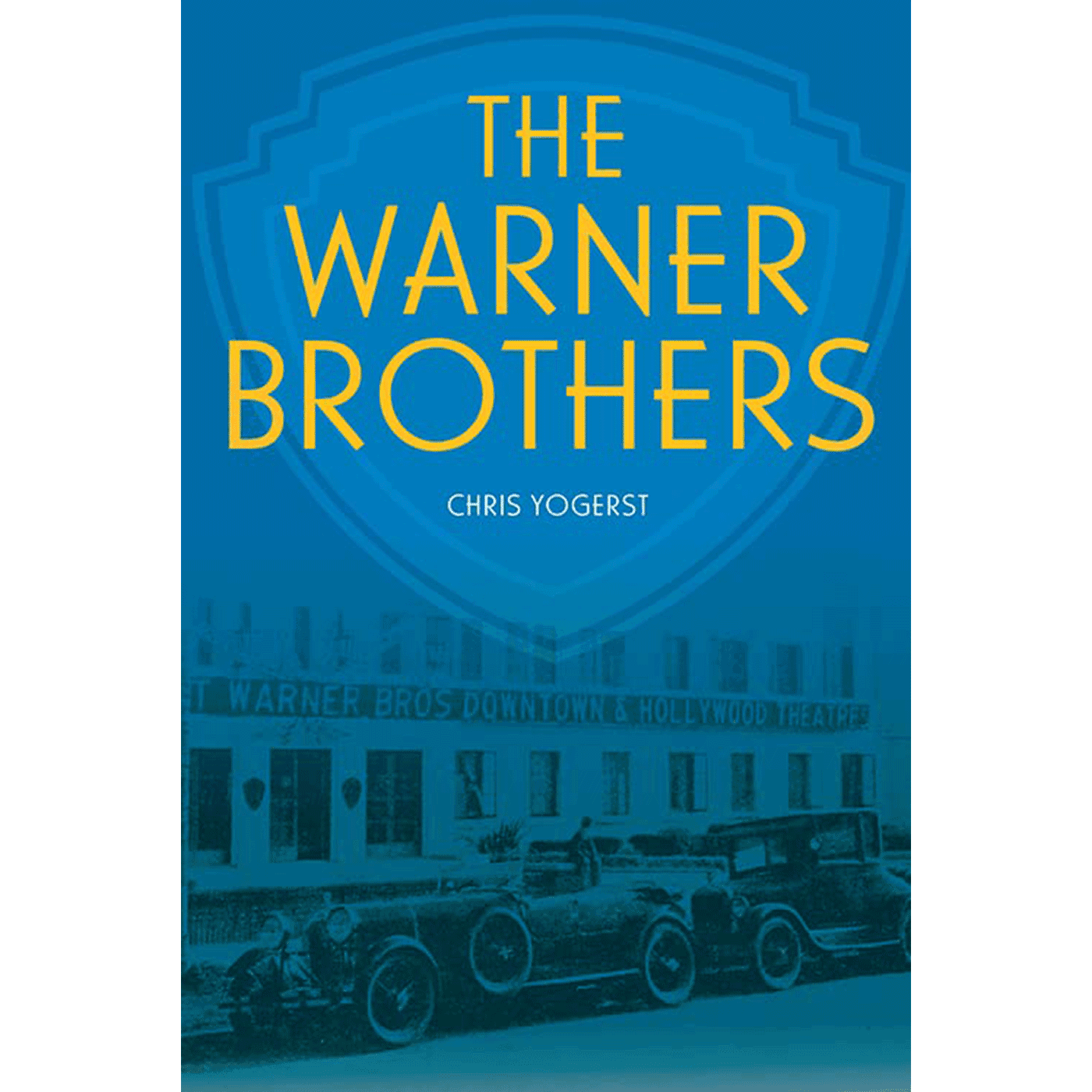
Podcast Summary: A Book with Legs - Chris Yogerst - The Warner Brothers
Podcast Overview Podcast Title: A Book with Legs Host: Smead Capital Management Episode Title: Chris Yogerst - The Warner Brothers Episode Description: Chris Yogerst discusses his book "The Warner Brothers," detailing the lives of Harry, Albert, Sam, and Jack Warner, and the establishment of one of Hollywood's most renowned studios. The conversation explores family values, technological investments, and the enduring legacy of the Warner Brothers.
Key Themes and Discussions
Introduction to the Podcast
- Hosts: Cole Smead (CEO and Portfolio Manager at Smead Capital Management) and Bill Smead.
- Purpose: The podcast emphasizes the importance of reading and learning in investing, using books as a means to gather insights into markets and management.
- Focus: Examining value investing through literary discussions.
Chris Yogerst's Background
- Expertise: Film and media historian, author of multiple books including "Hollywood Hates Hitler."
- Goal of the Book: To highlight the contributions of all four Warner brothers, especially Harry, to the film industry.
The Warner Brothers' Immigrant Background
- Origins: The Warner family emigrated from Poland, facing challenges as Jewish immigrants.
- Family Values: Emphasis on unity and perseverance, as Ben Warner instilled the principle of "one for all, all for one."
The Importance of Family Dynamics
- Harry Warner: Focused on societal betterment through film.
- Jack Warner: More flamboyant and known for his Hollywood persona, often overshadowing the contributions of his brothers.
The Birth of Warner Brothers Studios
- Initial Ventures: Began with various businesses leading to the founding of Warner Brothers Studios in 1923.
- Significant Milestones:
- Early successes and failures in the late 1800s and early 1900s.
- The adaptation of sound technology, particularly through the development of the Vitaphone system.
Warner Brothers and Cultural Reflection
- Socially Relevant Films: Explored topics like war, crime, and societal issues, notably through films like "My Four Years in Germany" and "Casablanca."
- Political Stance: The brothers took a stand against fascism and produced films that highlighted social issues, reflecting their values.
The Evolution of the Studio
- Censorship and Regulation: Discussed the Hays Code and its impact on film production.
- Labor Relations: Highlighted struggles with labor unions and the tension between employee rights and studio management.
Legacy of the Warner Brothers
- Cultural Impact: Their films influenced American society and culture, tackling themes of morality and social justice.
- Philanthropy and Leadership: Harry Warner's charitable efforts contrasted with Jack's more business-driven approach, reflecting the varying impacts of their leadership styles.
Jack Warner's Controversial Leadership
- Attention to Ethics: Jack's management style often led to conflicts and controversies, including disagreements with talent and family members.
- Betrayal of Harry: Jack's decision to take control of the studio after Harry's retirement led to familial tensions and was perceived as a betrayal by many.
Conclusion
- Cultural Significance: The Warner Brothers story is a testament to the immigrant experience, family dynamics, and the evolution of the American film industry.
- Recommendation: Readers are encouraged to explore "The Warner Brothers" to gain insights into the narratives that shaped Hollywood and American culture.
Key Takeaways
- Cultural Reflection: Warner Brothers films serve as a mirror to American society, highlighting evolving values and social issues.
- Family Dynamics: The success of the Warner Brothers can be attributed to their unique blend of familial support, cultural background, and individual ambition.
- Innovation and Adaptation: The studio's ability to innovate and adapt to changing technologies and societal needs was crucial for its success.
Final Thoughts The episode provides an in-depth look at the Warner Brothers' legacy, emphasizing the impact of family values, cultural relevance, and the broader implications of their work in the entertainment industry.
Written by AI. May contain mistakes. Listen to the episode to check what was said.
Transcript
Automatic transcript. May contain errors.0:02You're listening to A Book With Legs, a podcast presented by Smeed Capital Management. At Smead Capital Management, we advise investors who fear stock market failure. You can learn more at SmeadCap.com or by calling your financial advisor.
0:20Welcome to A Book With Legs podcast. I'm Cole Smead. I'm the CEO and a portfolio manager here at Smead Capital Management. At our firm, we are readers and book junkies. It can be said that leaders are readers, and we believe books provide us a great source of information for filtering what is and isn't important for us as investors. Investing is the last great liberal art and the best way to spend a lifetime of learning. This podcast is for readers, thinkers, business-minded people, and investors who want to grow their knowledge from great authors and their writing. Charlie Munger often talks about using multiple mental models and analysis.
0:52Our aim for this podcast is to help listeners test Munger's theory in business, markets, and people. Joining me, hosting this alongside of me, is my dad, Bill Smead. Thanks for joining me, dad. Glad to be here. Our audience, I think we're going to have a lot of fun today. looking back into really the 20th century and the last 100 years of movie making as we actually just came up on the, really the 100th anniversary of what we now know as Warner Brothers Studios. Thank you for joining us for this episode. Chris Yogurt is joining us to talk about his newly released book, The Warner Brothers. Chris has published two other books, Hollywood Hates Hitler in 2020 and From the Headlines to Hollywood in 2016.
1:31A little background on Chris. Mr. Yogurt is a film and media historian who focused on the social and cultural impact of popular culture. He has written for the Los Angeles Review of Books, Washington Post, and The Hollywood Reporter. Chris is an associate professor at the University of Wisconsin-Milwaukee. He has a PhD in communication and a master's in critical studies in film and television from Regent University. Mr. Yogers received his bachelor's degree in film studies in English from the University of Wisconsin-Milwaukee. Chris, thank you for joining us to talk about your book today. This will be fun.
2:05Yeah, thanks for having me. So this is a great American story. I think that's one of the things, Bill, when I walked away is just like, what an American story. What a family. What inspired you to write this book personally? Man, it depends on how far back I want to go. The first book you mentioned was my dissertation from the headlines of Hollywood and the subtitles, The Birth and Boom of Warner Brothers. So one of the first things I wanted to do was I wanted to see there's in a lot of film history, there's always this talk about how Warner Brothers ripped from the headlines. but no one really kind of parsed that out at length.
2:36So I wanted to see like what headlines were they, what were they trying to do? And so a lot of what I found out in that book was how they made topical movies, why they made movies about the culture, but why I did this particular book. And that book really focuses on like 1927 to 1941, just kind of a chunk of time. What I wanted to do, really each book of mine is led into the next one. The second book I wrote, Hollywood Hates Hitler, is about in 1941 when the Senate went after Hollywood for making anti-Nazi movies. And I came across Harry Warner's testimony. And I just thought, wow, this man is incredible.
3:12And of course, I learned a lot about him from my first book. And what I wanted to do was write a book about Harry, because he doesn't get enough credit in the literature that's out there. And then I ran into Pat McGilligan, who's a wonderful biographer and also an editor at Kentucky Press. And I told him about my project and he suggested I should do all of the Warner Brothers. So I ended up taking on the much bigger project as a way to put Harry in his, give him his due because so much of the history of Warner Brothers focuses on Jack, who was the young one. He was the clown. He was outspoken.
3:52He was all kinds of things, good and bad. And he gets a lot of credit because of that. But I think what Warner Brothers is and what it still seems to have is a part of Harry Warner. And Harry was the social conscience. Harry was the one who was really eager to use movies for educating people and for public good. So that's really, really what I wanted to focus on. So let's start by teaching us about Ben and Pearl Warner's background. We just love great immigrant stories and families. So tell us about the parents. Sure. So Ben and Pearl, they were raising the first Warners in what is around, what is now Poland.
4:36It's a much longer name that I'm still not sure how to pronounce, and I'm not going to embarrass myself and anybody else. But they're from that part of the world. And this is a part of the world where being Jewish, you know, what the powers that be did not agree with. They were practicing their religion in secret and they were constantly in fear of being raided. And they decided they needed to get out of there and raise their family somewhere else. So it was, like you said, it was a real immigrant story. Ben came over, had a couple false starts, finally got a couple jobs, was able to send for the rest of his family.
5:18And kind of one by one or couple by couple, they each made enough money to send for the next sibling or relatives and got everybody to the U.S. And it really started from nothing. And the Warners had a lot of successes and failures throughout the late 1800s into the early 1900s. They had learned a lot before. I mean, this year, I think, as you said, it's the 100th anniversary of Warner Brothers. It's the 100th of the Warner Brothers Studio Incorporating. But by 1923, they had learned a lot. And they were seasoned veterans by the time they incorporated their company. They had a lot of successes and failures, and it really came down to Ben and Pearl, going back to them.
6:07They were the backbone of the family. They were the staunchest supporters of their kids. Multiple times, they would sell everything they had or they would give up their savings. So the family had another start at the next business venture. they were truly Ben's saying that Harry took to heart for sure was this one for all, all for one, one for all kind of mentality that the family stays together. They will always not just succeed, but survive given where they came from and the dangers they were facing. Survival was not a given. So it's an incredible story where they truly came from nothing and built something incredible.
6:51So Ben Americanized the family name. And I always, Chris, I just, I find this very interesting to study from a historical perspective. Just so you know, you're talking to a couple of Schmeeds who were formerly Schmeeds, like the German Smith, in a prior generation. We don't see this today like we saw it, you know, in the earlier 20th century or even much of the 20th century. You know, using, I'll use Ben and Pearl as an example. I think there was an incredible humility and also, to your point, that willingness to adapt. In other words, they came for opportunity. They were going to adapt to whatever they needed to do to succeed, including their name.
7:28Do you think a lot about that change where you're saying, I'm going to give up my name because I want to succeed in America? That's a good point and a good question. I mean, I've looked back at my last name, too, Yogurts, and you get into the 19th century and the spelling changes. And there's, you know, it's, I still need to do more work on that in my own family background. But that is interesting that there was this, it was just like a cultural acceptance that, well, and some of it was also maybe not intentional, right? You come through Ellis Island and whatever they heard you say is what your last name is.
8:04But I do know that Ben made – Ben and Pearl made the distinct decision to name their youngest children something that would sound American or sound normal, for lack of a better term, here. And I get the sense really from all of them that that wasn't – it just seemed like an easy hoop to jump through to get to the next thing. And that was – we saw this throughout Hollywood too. I mean, there was a lot of – I mean, the Warner Brothers are kind of an example, an exception because they were not afraid to say who they were and where they would come from, whereas somebody like a Louis B. Mayer or a Harry Cohn very much tried to Americanize themselves, their entire background, everything about them, whereas the Warner Brothers were not afraid to brand themselves as the immigrant story.
8:57So I think it's something they were also proud of. They were simultaneously proud of their adopted country and proud to be here, proud to be an American, but also proud of where they came from. And I think that's something I took away definitely from the Warners. An early story of Jack was very telling about his life. Tell us the story of Jack with the rabbi from your book. yeah so the thing about jack is he jack's a storyteller um and going through his memoir is tricky because there's some stuff that's obviously not true some stuff where he's elaborated um but then there are certain things in there that i included in the book that if not completely true still really speak to jack's character and this is one of the stories where you know their parents had, especially for the younger siblings.
9:51So that's the other thing to point out, where you have Albert and Harry, a very old world. They spent enough time, enough of their life in the old world that they knew that, as well as the new world, whereas Jack and Sam didn't really have that. Of course, Jack was born in Canada when one of their family's failed ventures up there, Ben is a fur trader. So they brought in this rabbi to help teach about their culture and about their faith and all this kind of stuff. And Jack just was not having it. And Jack, in his memoir, he tells a story of getting poked by the rabbi and Jack pulling his hair and pulling his mustache or whatever.
10:30And that story of a young Jack, whether true or not, it perfectly encapsulates Jack. It was Jack. That was his attitude towards the family. He's like, oh, you think this is what I should do? All right, well, I'm going to do this other thing. And I have no doubt, even if that exact story wasn't true, I have no doubt he treated rabbis that way as a kid. I'm just sure he did. The Warner Brothers, they always wanted to be wealthy. And I think you touched on a story where they hug their mom. And one of them said, mom, we're going to be millionaires someday. I think trying to understand, a lot in our work, we try to understand people that have built up a lot of wealth, like the Warners, for example.
11:12And I think it really shows the story of self-selection as well. In other words, they were self-selecting their outcome. And you just don't often hear people say, you're wealthy because you were unequivocal that you were going to do that someday. And these men really had that going for them. Yeah, that's a good question. I don't know if I really thought about that angle before. I mean, I think for, I mean, yeah, that's, I use that story just because I think, I think it was Sam who said that, if I remember correctly. First of all, that speaks to their confidence that there was, there's just this unshakable, no matter what they went through, you know, the whole family had this unshakable confidence that, you know, even the biggest failures that they faced with, they're just like, all right, well, here's what we got to do next.
11:59So I think it speaks to that. But I also think it speaks to people who come from nothing and there's just this fearless move forward attitude. And I think for some of them, Sam, I can definitely see, even though he died young, unfortunately, Sam and Jack, I think, really wanted to be wealthy and they wanted to be flashy. whereas I think Harry really, and this comes through in the book, every chance I had to make the point where his goal was less that and more to try to do something good with what he has gained and his focus was always on what are the ripple effects of my actions. So I think for Harry, money was the byproduct of doing something that he thought was far more important Whereas I think with some of the other brothers, or the younger brothers anyway, I think it was, some of it was definitely fueled by we want to be wealthy.
13:01So on Sam, Sam was the kind of ingenious, the tinkerer with the technology. Can you explain what his role was and what fascinated him the most? Yeah, Sam was definitely, and every other book that talks about the Warners, I mean, you mentioned Sam as the technical genius, which he certainly was. He was, and you mentioned the tinkerer is perfect. I mean, he was the one who really got the brothers into the film business in the first place by buying a projector that a tech savvy colleague of his was working on or somebody that he knew and brought home this projector with the great train robbery. And the family watched it and were awestruck.
13:41And it's kind of this great beginning. But that really kind of set in motion something for Sam. I mean, even when they were in and out of dabbling with film, I mean, we went and worked for Hale's Tours, which was part of kind of this early development of film where they would use film or moving pictures. And they would project it while people were sitting on like a kind of a still train car that would be kind of be wobbling to give the feeling of movement. And, you know, he was very wrapped up in this idea of like, what can we do? How can we expand this technology? How else can we present this to people?
14:24So, you know, projecting it in their front yard on a bed sheet to, you know, working for some of these kind of carnivalesque things to working, you know, looking at Nickelodeons to opening their first theater in 1905. You know, the backbone of a lot of those very first movements are Sam being able to figure out how to market what he's learned. I just attended the Barbie movie in a movie theater in the small town I grew up in that I went to when I was an eight or nine or 10 year old. They were not so much a city phenomena as they were a rural and suburban process. I think of the movie The Last Picture Show, for example.
15:08Explain this to our listeners. Yeah, so the Warners got their start in western Ohio outside of Pittsburgh. They were in Newcastle and Niles. and they so they had a couple different theaters um that they yeah this was this was a suburban phenomenon i mean one of the things that was big in cities um where i mentioned nickelodeon so like if you know anyone's listening that doesn't know old film history this is literally like a little machine that you put a nickel in and you look in a little viewer and it plays a short reel of film um and it was it was really seen as a lesser than you know this is the kind of thing that happens on the dingy side of town, wrong side of the tracks kind of attitude towards this kind of exhibition.
15:54And what the brothers were doing, we're trying to present something to a bigger audience. And they certainly weren't the only people doing this at the time, but it was, like you said, a rural phenomenon where it's like, we're not in a city center. We're not in a big city. There's not a ton of things going on. So if we open up a theater, we can get 50 people in here. This is gonna create a little phenomenon. And that's exactly what it did in their Newcastle theater. People were lined around the block to see what was in there. And it was so popular, they had a hard time changing over audiences. People just wanted to sit there all day and watch what they were projecting because it was new to everybody.
16:32So this was, yeah, they really struck this phenomenon at the right time where it was really starting to grow in rural areas that were not rural in the sense where there's like nobody there. But there's these small towns where there just wasn't a ton going on and there was clearly people looking for entertainment. And this filled a void very quickly. Probably attracted a lot of people to cities after that. But war movies became a very common theme across your book. My Four Years in Germany was an early example of the power of war emotions. Talk to our audience about this movie and that genre for the Warner Brothers.
17:15Yeah, so My Four Years in Germany was a book they adapted from an ambassador who was, Ambassador Gerard, who was in Germany. And Sam found this book. This was really the start, what this really was the start of, not only of them looking at war-related movies, but also them looking at topical movies. They saw this book in a bookstore. They're like, oh, people are reading this. If we make a movie about this, not only will it be interesting, but people who've read the book are now going to want to see the movie. So they were really early on trying to license the rights to popular books and added to the fact that this was about a war and a place where we are currently involved.
18:05The spotlight of the world was on this part of the world. They're ripped from the headlines mentalities at play here too, where they're like, this is topical. People are talking about it anyway. Why don't we engage in that? So they're very interested in something that everybody was talking about. And they really, how they landed this book was, at least the legend is that Sam and Jack at this time were in Los Angeles. So they had already bought some property in Los Angeles. They had something near downtown, was apparently near the Seelig Zoo. And the Seelig Zoo is famous for having the MGM Lion that they recorded for the openings of those movies.
18:46and Sam had found it and had called his brother who was in New York. And for most of this history, Albert and Harry are in New York. That's where really, even in the golden age of Hollywood, the heads of all these businesses were in New York. The studio bosses were in LA. So they called Harry and said, we got to have this thing. So Harry somehow found out where the ambassador was going, hopped on a train, met him somewhere, got a meeting, landed the rights and they made the movie. And it was their first kind of bigger success, ripping from the headlines, engaging in topical content that really helped put their name out there and lead them on those next five years towards incorporation as Warner Brothers.
19:31Another theme of your book is them making what I'll call socially aware movies. Harry originally tried this in 1921, but as you pointed out, it tanked. Why do you think he persevered through that? What made Harry want to continue to go down that route? Yeah, this goes back to their fearlessness. I mean, you look at the history before 1923. I mean, they had theaters. They had exhibition chains, some of which got – their Duquesne Amusement Supply Company got shut down by Thomas Edison. And that's a whole, that could be its own book about the Edison Trust and how he shut down everybody that was competing with him, claiming he had the patents on everything.
20:13And he had investigators and people to shake. I mean, that's a whole story. So going through that, going through one of their rise out of the ashes was this grocery store. And Harry bought too much bulk meat and it spoiled. I was like, oh, it's going to cost effective buy in bulk, but we can't sell it fast enough. You know, so that, you know, so they've had they had so many failures by that point and and came back stronger every time that I think by the time they had a movie that came out and tanked. I mean, it sucks, but it's, you know, it was like, all right, well, that that happened. So what do we do next?
20:50I mean, that's been their mentality all along. so I think that that persevered Harry you know through so and all the brothers really until you get to the end and it you know becomes a different story kind of sad in the late 50s but you know those early years you know everything was so important but you know they you know they had more than one movie you know they they were it was a lot of trial and error that the whole industry was doing that a lot of trial and error what kind of movies work are we going to do feature films are we going to do long films short films are we going to do serials you know everything was on the table, sound, not sound.
21:24And yeah, it was just a part of that. I get no sense of any people that knew Harry or any of the interviews from Harry that he just, I don't think anything scared this guy. So another theme throughout the book is, I'll call it censoring and regulation around movie making. The idea that Hollywood is a basket case affecting America, as you point out in your book. That's a really old song. I mean, that's been sung a lot of times. Explain the importance of the role that Will Hayes with the Motion Picture Producers and Distributors Association took up in the early 1920s. Yeah. So the MPPDA is what the earliest version of what is now the MPA with the Motion Picture Association.
22:09So, and what eventually became the rating system that we have now, which transitioned in the late 1960s. But what Will Hayes, his role was, so in the early 20s, Hollywood was, you know, again, like you said, the old song, it was a place of crazy people, of degenerates, of the worst kind of society, all of the rest of it. And it was going to, you know, Hollywood was going to erode the moral fabric. So there was all this talk of, well, does the government need to come in and regulate this thing? This industry is getting pretty big. There's theaters all over the place. They've got a lot of market share.
22:49It's all growing. What do we do with it? So being pretty politically savvy, the industry decided to bring in a self-regulator who was an industry insider, or was a government insider rather. So Will Hayes, his role, he was the postmaster general for the Harding administration. So part of his job was to regulate the mail. And there's lots of stuff during this era of, you know, indecency through the mail. And that's a whole thing that probably helped Hollywood get some street cred with any kind of government regulators by bringing in Hayes. So Hayes comes in to be the industry watchdog. And they put together some rules and regulations, do's and don'ts, that evolved and devolved for a decade.
23:38Of course, kind of the funny part of this story is that Hayes comes in to regulate Hollywood, but nobody really pays attention. Nobody, as far as the content of movies, people are still producing whatever they want, which of course by the 30s, this becomes a problem when the Legion of Decency rises up and there's boycotts of Hollywood and all the rest of it. But for his entire career from 22 until 45, I think he retired somewhere in there, he was kind of the conduit between Washington and Hollywood and trying to keep relations there kosher, I suppose. So Warner Brothers went public, as you noted, with a$50 million capitalization on April 4th, 1923, which that was a lot of money back then.
24:23So it just sounds like pennies now, but it's huge. The Warner Brothers understood how they needed access to capital for their business. They brought Waddell catchings of Goldman Sachs onto their board. One thing that doesn't show up in the book is they never really run into financial problems or kind of dire straits versus, as I know from reading another book about Zanuck, I mean, Fox, they failed in so many respects at one point. Was it just the family's ability to fail or their understanding of how they wanted to treat this great business they were building, and that's why they didn't deal with the same trouble that others in the industry did?
24:59Yeah, Fox was kind of a sad scenario where William Fox was overextended and then he got in a really bad car accident and had some health issues and was like kind of indisposed when he needed to be front and center. You know, in the Great Depression, so he lost all of that and it was picked up by 20th century, which was a separate studio at the time. With the Warner Brothers, I mean, they did have some – I mean, I think really what helped Harry was – and really all the brothers is that they were able to – they did a lot of investing at the right time in the right place. So they were, like you said, dumping a large sum of money into taking this thing public and pulling in the right people.
25:42I know another banker that was very influential was Motley Flint, who was able to get them big loans to keep growing in the late 20s. And this is one of the reasons why the effects of the Great Depression didn't hit Warners as bad and it didn't hit them as soon. Because throughout the 20s, the Warner Brothers were able to invest and expand. And every time they had a big success, that would go right back into investing for something else for the company. And by the time the Depression hits, not only have Warner Brothers really started to move the needle as far as sound movies and really getting the entire industry to shift that direction, but also he buys First National, which was where their lot is now in Burbank, was originally the First National lot.
26:36and that they had a theater chain. And that was one of the big things for Harry was while if we can have some guaranteed sales, this is part of their vertical integration that became so controversial, the entire industry, if they can own some theater chains, then even if things get bad, you know some of your movies aren't super popular or go over budget or whatever, you have a safe bet that you're gonna get X amount of theaters no matter what because you own them. So you have – by 1929, they've got big stars. They've got name recognition. They've got – they're leading the industry in sound. They have multiple production lots, and they have now a theater chain.
27:22So they had a lot of ammunition to move forward and move into the 30s in an incredibly strong position, even though they were pretty extended to the banks as a lot of the companies were. But I think that they were just in a better position of – I guess I don't know the exact numbers off the top of my head – either not in as bad of debt or at least making enough money to keep from getting too far underneath these things. We don't want to skip over something you just hit on. Harry decides that pictures with sound are a real phenomena relatively early on. Explain the deal they struck with Western Electric and the technology that came out of this.
Read the full transcript
28:06Right. When this comes from Sam first, I mean, again, going back to the tinkerer, right? He was the one who was. But he needed Harry's blessing, though, right? It was like Sam figured it out, but Harry had to realize it, too, to kind of push. That was the political capital, if you will. Absolutely. Absolutely. He didn't think people would be, and he had every reason, everybody had every reason not to be for sound. Because again, if you think about it, if you're starting, if your industry is starting to go global, it's a hell of a lot easier to change out intertitles in silent movies to whatever language is the primary language of the country you're selling to, as opposed to if the entire thing is recorded in English.
28:46Now what? so it was you know there was understandable pushback because it's it's it's a lot harder to sell your product globally if it's stuck in a single language so a lot of studio bosses and presidents were not on board with sound this was one of the reasons it was also expensive it was clunky but sam yeah sam had been messing around with some engineers at western electric and they had been producing uh and playing around with with some short films and just what what hair what sam ended up doing so how he convinced harry was he he brought him into a sound stage to see a band or so he told him and what he showed him was a a band playing on the screen with the sound synchronized with the film coming through speakers and it sounded like the band was really there in the room.
29:39And that even Harry had admitted in speeches in the late 20s was that was, he corroborated Sam's story that this, that was exactly when he was completely sold. He realized, all right, people, we can sell this. And that was the thing that Sam's genius was, was not only figuring out the technological part of it, because it was, I mean, you can get real, real nerdy on this. I mean, it was, there was, there was sound on film and sound on disc. And And what Sam was doing was sound on disc. And everything that became shortly thereafter sound on film, where the soundtrack was actually on the film strip.
30:15That was the movie technology. Yep. Yep. That was what Fox had. And had Fox not gotten into the issues that he did, he might have won that battle, actually. So sound on disc is where you have to start the film when you start essentially a massive record at the same time. And it better be right. Otherwise, the sound's going to be off. So it was real tricky and it was real easy to mess up. So what they did was how they got this technology was, of course, working with Western Electric and being able to lease some of this. But then when Harry was won over, he was the money man. So he approved the company to purchase Vitagraph, which was a company in Brooklyn that had sound on film technology and they were using it.
31:09They were making short films. so Warner Brothers bought this they renamed it Vita Phone and they started making short films and they slowly started ramping up to the jazz singer when they're making feature length films so they made Don Juan in 1926 where the synchronized sound is just sound effects and then jazz singer where it was mostly a silent film but there's also synchronized dialogue and singing in that as well and then 1928 we get the first full length sound film Lights of New York which is a gangster film which is very on brand for Warners. But it was this whole trajectory wouldn't have happened without Sam working with Western Electric and learning the technology, learning how to use it, what are the pitfalls of it, how to perfect it, and then also convincing his oldest brother that it's worth investing in.
32:04And that's one of the things that, some people will incorrectly say, Warner Brothers invented sound movies. It's like, they didn't invent sound movies. What they did do is they perfected the marketing of it. They were able to bring it to market better than everybody else. Because even Thomas Edison had weighed in on this and said that it's not going to happen because he couldn't do it. You've circled around. Explain the sound experience that this movie provided to the audience. And by the way, just so you know, Chris, we pulled it up on YouTube because we wanted to get a sense of like, what was this?
32:33And I would recommend to our listeners, you should pull this up on YouTube to understand, what this phenomena was. We watched Don Juan, for example. Oh, yeah. Right. So yeah, your silent film, for anyone who hasn't seen a silent film, it's basically all the dialogue in the movie is placed with intertitles. So there'll be images, images, images of people moving, and then there'll be a frame where there's words on it, and the audience just reads that. And any sound in the auditorium would generally be played by a band or by a piano or an organ or something like that. Sometimes it was written for the movie.
33:10Sometimes it was the artist making stuff up for the movie. What they're doing with the sound on disc is they're bringing actual, essentially your first sound effects into the theater. So with Don Juan, you have like sword fighting and stuff like that. And you can hear the clanking of the swords and that's gonna be coming through speakers. And that was another problem. was amplification. And this is something that Sam worked with Western Electric on. That's, you know, you have a big auditorium, the technology, you know, a lot of the speakers weren't loud enough, didn't have enough power to reach the back rows.
33:48So they did a lot of work on this. So they did, you know, again, the short films, Don Juan with the sound effects. And then the jazz singer is part of it is still a silent film where you have the words on intertitles. And then it ramps up to this big number where Al Jolson is singing. And now all of a sudden, you can hear him talking through the speakers. And you can hear him singing through the speakers. And it was a transformative event. They made a big deal of it. They premiered it in New York. Every celebrity who was in New York was at the screening, it seemed like. I know the new movie Babylon, if you guys saw it, he recreates some of this in that movie.
34:31And that really, you know, it was really kind of the perfect storm of marketing and tech savvy to sell the audience not only like is this the new thing, but it can work and we can make a real show of it. It can be fun and it can be the next thing for movies. A very important line comes up in your book that I have to quote because I just think you really kind of touch the heart and the soul of what's important in this industry. Quote, Sam's final years taught the brothers a valuable lesson. Don't wait to find out what the audience wants. Don't be afraid to show them the possibilities of the future, end quote.
35:08We've just come out of this world over the last few years, Chris, where everyone thought we were going to sit at home watching movies and an algorithm was going to tell the movie studio, aka Netflix, what we wanted. But that's really looking at the audience and saying, well, what do they already like? That doesn't expand the mind of what we might dream or hope or think about that we haven't thought of before. That's a good point. Yeah, well, yeah, Sam really showed, I mean, it really did seem like Sam could see around the corner of the future in so many ways. And I think that, yeah, he really did teach them that whatever they, you know, Warner Brothers was known of always having the finger on the pulse of society, of what people were thinking about.
35:59and yeah Sam was the one who read the book My Four Years in Germany and I think that going forward so Sam sadly dies the day before the jazz singer premieres and that's a whole episode in the book and something that had endless ripple effects for the family but when you look at the years following Sam's death they didn't slow down with any of their innovation and expansion and trying new things and trying to get out in front of the culture and trying to be on top of the moment. And you're right. Yeah, the algorithms, yeah, everything, you know, looking at it today, yeah, they only know what we've done, not what we want in the future.
36:43So there's still this important human element where you kind of have to be sitting there in the moment and looking at your surroundings to really get a sense of what could be next. And we're going to come back. We're going to come back to that. That's a really good point, what you just said. So we'll come back to that because I think that's what your book, it touches the pulse of that. Yeah. The Burbank Studio wasn't much originally. Teach our audience what the genesis of that land was and how the Warners became the owner of it. Yeah, there's somebody in my book I found, one of the technicians, actually the studio librarian.
37:18He had mentioned how not long before First National was there, it was all farmland. And that's the thing about just LA in the early 20th century was not anything like it is now or even close. So much of it was – there was still farmland. There were orchards. There was all this kind of stuff. And they bought First National. But when they bought First National, the lot was not very big. I mean they had a lot of land to expand. Sure. But the lot was not very big. And so what they were doing, when they bought the land in Burbank, they were producing movies at what's known as the Bronson Studios. And that is currently owned by Netflix, so it's a Netflix building now.
38:02But the Bronson Studios is where they did their early sound movies, where the Warners did, you know, they started their, you know, other ventures there, their animation, which the brothers could have cared less about. Or couldn't have cared less about, rather. but the the Burbank Studios grew so fast I mean there's one example I always like to give is there's a really fun movie I love movies about movies because it tells us a lot about what the industry was thinking sure how they like to print their own legends and they made a movie called Showgirl in Hollywood in 1930 and in the back you know so they're using the the lot to to be a backdrop for this movie because it's about this girl in Hollywood and in the background you can see all of these lots and sets and stuff like being built like that was just it gives you this snapshot of warner brothers in this huge growth period just by watching the background of that movie so it's really kind of cool to get that snapshot that that piece of time and um yeah and they kept they kept the bronson lot for a little while um but yeah it wasn't long before everything was at burbank i mean for a while it was burbank or it was warner's first national i think they They kept the other name probably for some tax purposes and siphoning money different ways.
39:18But yeah, the Burbank lot grew really fast. And if you ever get a chance to walk around that lot, I mean, all the buildings have dates on them. And they're almost all in like the 30s, late 20s, early 30s. I was going to say, you just made me think of like three movies, L.A. Confidential, Who Framed Roger Rabbit, and Entourage, right? Movies about Hollywood. Oh, absolutely. Yeah. And I love all of those for different reasons. And then you made me think of in 1968, the most popular comedy TV show was called Laugh-In. And there was just a standing joke about it being broadcast in Burbank. That was like always a humorous for Rowan and Martin, the two MCs.
40:01They were constantly joking about Burbank in 1968. Right. And like the Tonight Show was always like live from Burbank. So yeah, it's like Burbank definitely got on the map pretty fast. And yeah, there wasn't a ton there when the Warners showed up. And even now, it's still, I mean, I'm going out there for a research trip in a couple weeks. I always stay in Burbank because it's like this little, it still feels like a little burg. It doesn't feel like you're in LA. We think people believe we're in a more dangerous world today. And we also think it's probably chronological snobbery. Motley Flint was a big financial backer of the Warners.
40:40As you mentioned earlier, explain what happened to him with Julian Petroleum. Oh, Motley. Yeah, Motley was great to the Warners. Unfortunately, he was involved in the Julian Petroleum scandal, as you said, and had to testify. And, you know, somebody that was on the wrong side of this whole scandal, lost all of his money, showed up in the courtroom and murdered Motley. but Motley was even the Warners had said that their biggest expansion period, that late 20s, early 30s wouldn't have happened without him because this was still a time where there was several examples in my book where they had a hard time doing something because some power that be or some gatekeeper knew they were Jewish.
41:32Sam had a hard time getting a home with his wife until they realized she was a Catholic. And they're like, well, I guess you're okay now. And Motley was one of these bankers that was able to support them. Clearly not all of him was great. But yeah, he was Jack and Harry both said that, and I think Jack was a pallbearer at the funeral, if I remember correctly. He was hugely essential for them getting the loans that they got to expand really from that sound period into the Burbank period. So crime was big in the 1930s during Prohibition. Al Capone was big news in the culture. The Warners were on the edge, and you kind of explained this for both crime and really kind of the sexuality that was present in the culture as well.
42:21Mervyn Leroy pressed for Little Caesar as it reflected the real world brutality, as what he mentioned and you quoted in your book. Was this great for business, but going to ask for really just troubles in the censor world? And also, it's like admitting the social norms that are being touched and twisted at the time, isn't it? Yeah. I mean, this is – so once you get to the early 30s, this is what a lot of people refer to as the pre-code era where the code was there, but it's really pre-enforcement. The production code didn't really get enforced strictly until like August of 1934. So the early 30s were these kind of Wild West years where it was early sound and there were a lot of really courageous filmmakers and producers just kind of putting everything out there.
43:10And the Warner Brothers were really on the front lines of pushing boundaries. and this is where the ripping from the headlines really, really showed itself. And that's why that first book, that's why I really focused on the early 30s because it's not just the gangster films, but the musicals are all steeped in the depression. There are all these backstage musicals about singers and dancers and choreographers trying to get this next play off their ground. Otherwise, they're going to be on the breadline next week. You have great movies like I'm a Fugitive from a Chain Gang, where the Warner Brothers are literally harboring a fugitive from a chain gang on their lot to advise the film, doing this secretly.
43:52Mervyn Leroy talks about it in his memoir, some good stories about that. And they did get flack for this. I mean, with the gangster movies, I mean, yeah, you've got the real big ones, right? Little Caesar and Public Enemy with James Cagney. They did get some flack for this. And people asked questions like, are you perpetuating? Are you, you know, popularizing violence? Are you making it look cool? And I know at least one part of the book, I think I quoted Harry saying like, hey, we didn't invent gangsters. We didn't invent crime. We're just showing it. This is like – so, yeah, why don't you go after the newspapers that are reporting this stuff?
44:29So, again, you know, that was, you know, the organized crime and, you know, bootlegging, all of that, right? You're talking Prohibition era. um you know like i said al capone but also once you get into the early 30s you've got the big you know bank robbing spree you know body and clyde and dillinger and all the rest of them that stuff is big headlines um and when you got a studio that is known for for taking the news of the day and turning it into movies um it's it's no surprise that a lot of this stuff directly or indirectly shows up on warner brothers movies well you also point out though and i think this is interesting to think of the context of like Hollywood, you know, looking back, say the last 20 to 30 years, Harry was a social conservative.
45:09He believed in marriage and doing the right thing in all circumstances. And that obviously flowed through in his philanthropy and his goodwill towards other people, et cetera. Is that something that's missing? It's almost like, you know, the only thing that's not present in Hollywood at times is a social conservative like Harry. Do you see that too? Or do you look and say, well, there are people like that out there because he became scarce the later in his career he, you know, he went in Hollywood as well. Yeah, he's, and that's one of the things that interests me about Harry, because he is so different from everyone else, even at that time, you know, and I, in Hollywood, it's a weird thing, like, you know, married to the same person your whole life, you know, weird, you know, that doesn't, that doesn't happen in Hollywood, right?
45:57And he's, he was, and that, and that's what, that was one of the big tensions between him and Jack because Jack, you know, he was married a couple of times, but Jack was also this guy that was, you know, he had the wife and then he had the girlfriend. Jack was Hollywood. That's the reality to it. Jack is Hollywood. Yep. And there's that story I have in my book where like Harry Cohn came over to Harry's, Harry Warner's place with his mistress and Harry ushered the kids upstairs really fast. Cause he, even though the kids had no idea that that wasn't Harry Cohn's wife, he didn't want the kids even exposed to what the the situation in the room maintain your innocence he wanted right exactly exactly so there was something yeah that there's there's something special about harry where i think yeah he's both social conservative but he's also not he beats to his own drum right like he's not afraid he's not gonna he he never um you know kind of gave into the pressures of money or stardom or power he was he always from every all the research I did, he constantly seems to be this just genuine person his entire life.
47:02And that's just something I thought was just so cool and so different. And one of the big reasons I wanted to feature him, because there's so many people that talk about Hollywood and it's just full of awful, awful people. And there's certainly some truth to that, but it wasn't all that. And people like Harry, who weren't constantly seeking out the headlines, and of course, The headlines are usually going to go to philanderers like Jack that sells newspapers. But I think stories of people like Harry need to be told too. Harry was awesome. Tell the story of Zanuck leaving Warner. Was it because there can't be two Jack Warners?
47:41There's some of that. So there's a couple wrinkles to this. you know, before Zanuck leaves or right around this time, Harry is priming his son, Louis, to move up the company really quick. And sadly, Louis dies. So this is, you know, the, you know, the Warner family not only loses Sam, but, you know, Louis was a very popular member of the family. You know, everybody I found that was talked about him absolutely loved him. He dies of like an infection from a wisdom tooth extraction. So it's like one of those things that makes you glad you're living now? You know? Yeah, no question. Yeah. It's like, oh man, that's terrifying that that can happen.
48:21So he dies and he was rising up. And even, I think Jack might've even thought that Harry was priming Jack to, or Lewis to be the next Harry Warner. Jack was gonna hold onto his place and like getting to Zanuck, right? Zanuck probably wanted to run a studio. And as long as his last name wasn't Warner, he probably wasn't gonna do it. And in the press, there's all of this, you know, there was these, there were pay cuts and there was all this kind of stuff. So his excuse in the press was that the studio is like below the line labor. anybody except for executives got these big pay cuts. He thought that was unfair and he left because you were treating the labor unfairly.
49:06I think the real reason he left is because he wanted to run a studio and he saw an inn with 20th Century, which then took over Fox. I think any of the stuff he put in the headlines, there's probably truth to it, but I think the real reason he jumped ship, because he had a great job. I mean, he was producing some great movies and doing some great things at Warner Brothers. But yeah, he was never going to take Jack's spot. They were too close in age. Jack wasn't going to retire and let Zanuck in. So Zanuck jumped ship and became a studio boss of his own in a couple of years. Yeah. Zanuck reminds me of kind of Robert Evans in the following generation at Paramount, right?
49:50really good studio head, really good at what he did. Oh, that's a really great comparison, yeah. Because somebody like Zan, just like Evans, not only kind of you had the business savvy, you could communicate to the top brass, but you had both of those producers had just such a great sense of what would make a good movie. Till the cocaine got to him. Yeah, and then there's that. The Offer is one of cool and my favorite shows. Oh, great movie. And we also know that David Saslav bought Robert Evans' old house in Beverly Hills. So it's like there's so many Hollywood rhymes and storytelling going on.
50:30It's crazy. So the Warner Brothers had no problem showing principle. They pulled out of Germany in 1933. Groups like the Hollywood Anti-Nazi League also came out to push back on what was happening there. You mentioned their big get-together at the Shrine Auditorium. Cole just saw the Barbie premiere there in July. Was this the continued turn of Hollywood becoming far more political for better or for worse? Yeah, there was a – there's a lot of layers to this too. I mean the Hollywood Anti-Nazi League was many things. It was both an anti-Nazi movement and also kind of a communist front group. You know, there's – but it was part of what was known as the popular front.
51:13A lot of historians have described this as like this – there was like this weird – it was almost like a post-911 era where like everybody comes together for a brief amount of time. And it was the same thing with Nazi Germany where you had people of all – a lot of political stripes coming together to stand against Nazi Germany. And the popular – it was just referred generally as a popular front. So the anti-Nazi league, the Hollywood anti-Nazi league was one of these groups made up of communists, fellow travelers and just genuinely people who hated Nazis. The enemy of my enemy is my friend. Exactly.
51:50Exactly. And the Warners were part of – there's a great book by Steve Ross called Hitler in Los Angeles where he shows – he found a bunch of files of how the studios were funding anti-Nazi espionage in Los Angeles. So they were really probably ahead of a lot of people in the country in terms of knowing how much this was already infiltrating the United States. And I think that fueled a lot of their production interests as well. Again, trying to see, you know, what are we going to be talking about tomorrow? You know, they started, you know, well, Harry was always giving lots of public speeches. And he started talking about the problems in Europe and how he was worried because people he talked to in Europe weren't worried that the Nazis are going to start crossing borders.
52:41And they started making movies about, you know, first because we mentioned the production code. So one of the rules in the production code was that you could not ridicule other nations and religions. So going after Nazi Germany, even though we should be able to go after Nazi Germany, actually violated one of the production code rules. So they did this allegorically for a while and made movies about prejudice generically or about authoritarianism generically until 1939, where they come out with Confessions of a Nazi Spy. And again, their excuse here is this was covered in the New York Times. Leon Tarrou, FBI agent, uncovered this spy ring and it was all over the news.
53:26And the Warner Brothers sent writers there to cover it and take notes and make a movie about it. So they eventually did violate the code, but it was really kind of – at that time, for better, of course, because it was – they could, again, show that they were upfront with this. Like you said, they were the first studio to pull out of Germany in 1933 when Hitler took over, which was not an easy thing to do because Germany was a lucrative market. And there's been a lot of criticism in the last decade or so of Hollywood. even I wrote for the Hollywood Reporter last year that Ken Burns did his documentary about America's response to the Nazis and kind of throws Hollywood under the bus a little bit.
54:10And, you know, it was, you know, again, Warner Brothers led there, but it was tricky for a lot of the studios because you're trying to weather the depression and Germany is a lucrative market. And it's like, do we take the high road and risk our company? Or do we wait just a little bit to see, you know, maybe if this Nazi Germany thing implodes, I mean, it was, it was a tricky situation really from like 33 to like 38, 39. Well, and it reminds me, it reminds me of like Apple commenting on social issues in America and then not even caring about them in China, for example, it's, it has like touches of like this, we want to make money.
54:45So we'll focus on the issue if it helps our constituents in that market versus, you know, oh, that other market. Oh, well. And I think you pointed out, like, Louis Mayer continued to provide movies into Germany in a way that, you know, obviously the Warners did not. Let me pivot a little bit because I want to go, labor relations becomes an increasing issue as you get past, you know, getting to the 30s, the 40s, the 50s. They were not always easy. And obviously agitators got involved from unions or pseudo unions, et cetera. I'm going to quote Wilson Misner with one of the funniest lines of your book.
55:18quote, working for Warner Brothers is like effing a porcupine. It's 100 pricks against one, end quote. I laugh my brains out. That's a great line. You know, I thought about this also, as you talked about folks like Jerry Geisler, who obviously were always fixing problems, making sure that things went away or, you know, trouble, you know, disappeared. And he kind of played a fixer role. You know, if you were against the Warners, is that really, you know, if you came at odds with them, is that really what you'd end up thinking? Yeah, and this is something that was kind of an industry norm. You had Enny Maddox at MGM.
55:58Every studio kind of had its fixer. Warners, it's less obvious. Sometimes it's Jack. Sometimes it's Blaney Matthews, who was their head of security. Sometimes they reached out to Jerry Giesler, like you said, who was known for getting everybody off of things that they shouldn't be. I mean, the old saying, in like Flynn, comes from that because he defended Errol Flynn in all of his statutory rape cases that he was probably really guilty of but got off. And like I said, it was an industry norm. They were very protective of their PR. and they were also a big part of this was they were in the star building business.
56:45So they had a lot invested in, you know, a lot of the people that they got that became stars became stars over the course of years at a given studio. So they invested time in building a persona, building a star image. So, you know, that's one of the reasons why they were so careful of, you know, who is interviewing these stars and all of this kind of stuff. What kind of movies are they in? When the studio lends a star to another, it's like, if Warner Brothers lends out Humphrey Bogart, is this going to be good for Humphrey Bogart's star persona? In other words, if we lend him to MGM or Paramount or Universal, is he going to come back to us a bigger star and therefore this will still benefit us?
57:29So all these studios were really, really careful about their image and what's being said. And they read the trades very carefully. And they were – yeah, I mean Jack brought in Jerry to get Busby Berkeley off when he killed somebody while he was driving drunk. I mean there's – yeah, they worked really hard to keep their employees out of trouble. Casablanca and Yankee Doodle Dandy were very indicative of the wartime strategy. Explain how these movies played on the importance of what America was doing at the time. Yeah, well, and Warner Brothers was, they were really on the front lines. I mean, they were, you know, again, they were on the front lines doing their anti-Nazi movies in the 30s.
58:19Once we were in the war, you know, Warner Brothers seems to be the perfect place for, you know, these kinds of movies. and Casablanca is a movie that there's a long storied history of Casablanca that other books have been written about uh Noah Eisenberg has a great book about it Al Jean Harmetz has another one uh and you know Casablanca is one of these movies that like almost wasn't made and you know it wasn't good and the script was bad and there's like a bunch of writers that that every you know it was talk about a movie by committee this is one of those and it just kind of came together at the perfect time you know almost by accident I mean coming out right around when the Casablanca conference was and all these world leaders were in North Africa.
58:59But yeah, there's, but it's, it's interesting, you know, all of these things and there's so, you know, if any movie is Warner Brothers, I mean, it's Casablanca and, you know, this movie about the greater good and trying to fight for the greater good. I mean, it's Harry Warner's all over this thing. But you also mentioned Yakey Doodle Dandy, right? I mean, one of the most patriotic movies ever, you know, people still watch it on 4th of July. And, you know, that's another one that brought, you know, great talent together, you know, a historically significant, you know, movie, but a historically significant, you know, composer who put together these, these famous songs.
59:35Then you bring, you know, James Cagney was one of the best stars in the world, also happened to be a professional dancer. So he could pull this stuff off and, you know, on screen, you know, Warner Brothers during the war, I mean, they also contributed to the Hollywood Canteen in Los Angeles, which was a club that was open to and free always for servicemen. And everybody working there was Hollywood employees. Betty Davis was one of the people running the show there. She was a big Warner Brothers star. So, yeah, Warner Brothers was front and center for the war effort, for sure. all their movies.
1:00:14They had Errol Flynn, who I just mentioned, he was in a bunch of these war movies, a whole series of them. How big of a mistake was Mission to Moscow in 1942 versus, say, doing it in 1955? Yeah. Oh, Mission to Moscow. Yeah, that was one of those movies that seemed like a good idea at the time. And so it's interesting. So they make Mission to Moscow, and I think it was 44. And by 1947, Jack Warner's under the hot light, under the House Committee, who's grilling him for making this pro-Russia propaganda. But it's, yeah, we were briefly in World War II, a lot of people forget, we were allied with Russia for a little while.
1:00:54And so we weren't the only studio to make a pro-Russia movie. I know MGM made one, Fox made one. And the biggest problem with Mission to Moscow is it was based on an account from Ambassador Davies who even his account, his own book, whitewashed the purge trials pretty horribly. So it just kind of made everyone who was sent to death in these purge trials, they were all bad actors and Russia was the good actor in this. Historically, we know that wasn't the case. And so they made this movie, not unlike my four years in Germany, they optioned another book written by an ambassador who had been in this country.
1:01:40It was a movie that worked well in a moment in time, but it aged horribly almost immediately because, of course, the Red Scare was right around the corner and Hueck comes in looking at Hollywood and communist infiltration and here's Warner Brothers with this big pro-Soviet movie. Yeah. So how tough was the Hollywood 10 and the blacklist for the Warner Brothers. Yeah, this is always a tricky part of history. I think there's some newer strands of thought that there's a lot of books on the Red Scare in Hollywood that make all the moguls out to be just these rabid anti-communists. Because the whole, the Waldorf meeting, which was the beginning of the blacklist, which is where the studios decided they were not going to hire anybody who has publicly been connected to any kind of communist cause, had less to do with any kind of political interest and more to do with the fact that they felt that if they didn't take a stand, people would stop going to movies.
1:02:49And even Louis B. Mayer, Jack Warner, I found lots of statements and interviews and other people that work with them that said that these people never cared about the politics of their employees. But during the Red Scare, they were kind of forced to publicly weigh in. And, you know, even I think I quote in my book, I know even in Reagan's memoir, you know, because he was the president of the Screen Actors Guild at this time, right? And he was front and center for this whole thing. He even looked back at that and thought that, man, the House committee came after Hollywood for because it would get headlines, but there There wasn't really, I mean, were there communists in Hollywood?
1:03:27Yeah. But was there like communist spies trying to enact, you know, put propaganda into movies? Not really. There was too many cooks in the kitchen for any movie for, you know, any one person to get too much, you know. Bad political ideas are different than being a spy. The Oppenheimer movie does a great job of handling the gathering of the premier scientists, then coming back later and fears about them being, many of them being communists. Yeah, manifested. Let's see, so I want to, because you touch on this, and by the way, here's a whole other book. All the side investments of Warner Brothers were really interesting.
1:04:04So like they get into the music business, which by the way, it's one of the three largest publishing businesses in the world today. I mean, it just blows my mind even just like, And I know that's not the focus of your book, but I was like, wow, these guys just, they were brilliant. The other is Warner Brothers Animation. You touch on this gold mine of talent and people and characters. And as you talk about the Burbank Studio, you know, it was just like a small building there and they called it Termite Terrace. So kind of touch on some of the people and the characters that flourished really at a time when, you know, those characters didn't get big till many years later.
1:04:40Right. Yeah. Yeah, they – and I think this comes back to Sam too where they – they're not afraid to invest in what the next big thing is. Like you said, they get into the music business. They get into – they really did not want to deal with television. They started getting into that and they brought in actually – I've been talking in recent months to Greg Orr who is Jack Warner's grandson. His dad, Bill Orr, was head of Warner Brothers Television for I think all those early years. Mm-hmm. Also thinking of like, you mentioned Theodore, you know, Dr. Seuss, Theodore, was it, is it Gessel or what was, I don't remember?
1:05:18Oh yeah, yeah, yeah. Oh yeah, the talent that was there, right. Yeah. Well yeah, the animation, they did not care about animation and it just boggles my mind because I was expecting to write more about animation and, you know, there was animation as early as the Bronson Studios. They were there with their termite terrorists. And even as they got big and popular, and I found in some of the trade magazines, I found reader polls where some of their characters were out polling Disney. They still didn't care. I know Disney was a much smaller operation, but it's like... I know they had, they had these big characters and it's like, they didn't even care.
1:06:07Yeah. And there are some anecdotes where, where either it depends on, you know, sometimes it's attributed to Jack, sometimes to Harry. It sounds more like Jack where Jack thought that they had, they had, or they had a Mickey mouse. Yeah, exactly. So let's see. So, you know, I find the Warners to be, you know, so pragmatic, right. That you could just tell that they're just business people. They have their pulse, they have their finger on the pulse of what's going on. and you know these are culturally jewish people and in many cases they're practicing jews as well and very tied in in the jewish community hillcrest country club for example you mentioned which was a very jewish kind of a hangout in la because that's where they could be accepted as a group compared to the other i'll call it waspy places in town so i'm gonna i'm gonna read a couple quotes because i just think this is so interesting uh quote the motion picture presents right and wrong as the bible does by showing both the right and wrong we teach the right end quote that was said by Harry.
1:07:01Another quote from Harry. The victory, quote, the victory of good over the forces of evil and intolerance so that the world will actually live and practice the teaching of Christ, peace on earth, goodwill toward men, end quote. This is not what Jewish people normally quote, right? They kind of say, hey, here's the hallmark of what we're trying to reach to in society. And yet at the same time, they were saying that because they believed and understood that to be the pulse of America at the moment they were out in the culture. I mean, this just seems so pragmatic. Yeah, yeah. And he took this stuff very, you know, I think he even, you know, he saw, you know, he was, Harry was a learner.
1:07:42You know, he wanted to learn about the world. He wanted to learn about all faiths. He wanted to learn about all politics and try to understand, you know, What made people tick? And, you know, there's another thing I write in my book where he's, you know, in the late 30s, he's having meetings at his house, trying to get people to read books that he read and trying to, you know, have conversations about how they can build bridges between politics and faiths and try to bring people together. I mean, I think that's what his big goal was, was always for the public good. And it was to use movies for the public good, of course, but also he himself, you know, he's a perfect example of that where he's trying – he's always trying to be a good role model for his kids.
1:08:27He's trying to use his platform as this major studio president to set a good example for people to follow. And he's doing this publicly and he's also doing this behind closed doors constantly. You know, there's a story I have in there about where he's trying to save all the displaced families from the Holocaust. and he said he'd fund bringing them all over here. I mean, who else was doing that? What private citizen was, he had all these meetings with President Truman. I've got his meeting notes from these meetings where he's trying to, if Harry was willing to build infrastructure in Alaska to bring all the displaced families from war-torn Europe to Alaska so that we could slowly percolate them down into the United States so it wouldn't be a million or two million people at once.
1:09:13and it's just that that you know none of that was publicized you know that was just all in archival notes and it's like that that speaks to the kind of person that harry was like he would go out and give his speech about doing good and here's what he's doing on his own time yeah wow the warners looked at rebel without a cause as highlighting the parental delinquency problem in america but other religious groups didn't see it this way was it just that they were portraying what people didn't want to admit at the time? The delinquency thing is an interesting one. I mean, I think that was, again, this is them, I think on the pulse of what's being talked about, right?
1:09:49You've got the teenager is becoming more a focus of popular culture in the 50s. And that's what's interesting. You look back at old movies, it's all people in their like 20s or late 20s and older for the most part. And now you're starting to have movies focus on teens. You have the rise of rock and roll. You have television. You have all these kind of pop culture movements coming into play. And Rebel Without a Cause is a great example of Warner Brothers' input on that. But also just – I mean, in the book, I talk about – I mean, Jack Warner even ends up in the hot seat of a Senate investigation over this movie where Senator Kefauver, who had just tried to take down the mob, now goes after movies and clearly was ill -prepared because he thought the wild one, with Marlon Brando was a Warner Brothers movie, which it wasn't.
1:10:38And then he's talking about Rebel Without a Cause, a movie that wasn't even done yet. And he claims to know all this stuff about it. But I think that was them both being on the pulse, but also commenting on, here's this new age group that's getting a new focus, new consideration that people are talking about. And they've got this young star, right? that's taking over the world. It was a perfect conduit. It can be said that Harry Warner didn't die, that he was killed by Jack. Explain the betrayal that took place. Oh, yeah, this is sad. And it's interesting. I mean, really everybody closer to Harry truly believes that Jack killed Harry, whereas some people in Jack's corners see it a little bit less so, which I can elaborate on.
1:11:35But really what happened was, you know, going back to Ben and Pearl, right, their influence on the family, which was this kind of all for one mentality, right? If you stick together, you will, you'll persevere through anything. So it was really important for Harry, and really for the other, I mean, for Albert as well, to retire together. You know, they built this thing together. Let's get out together. And this is tricky because Jack was a lot younger than his older brothers. So he wasn't quite ready to retire, but he said he would. And what ultimately ended up happening, so they're selling to an investor, they're selling to Serge Semenenko, and Jack Warner takes a deal to buy some of his shares back as well as take Harry's job.
1:12:25So not Not only does he stay in as the studio boss, but now he's the president of Warner Brothers. And this breaks Harry's heart. There's an interview with Harry's secretary where she describes what the day was like when Harry got the call that Jack took over. And not long after that, Harry had a heart attack from which he never fully recovered. So he really lived the rest of his life in a lessened state over this. I mean, it really broke him. This was in 56. Harry died in 58. Jack never came home for the funeral. That was another rift with the family. Jack was gallivanting in Europe. Yeah, for a lot of people, it's kind of described as the betrayal.
1:13:07I know I've been talking to Greg Orr, who's Jack's grandson, who sees it. I mean, he certainly understands why people are miffed at Jack, but he also sees it as Jack just taking a business opportunity, which it was. It's also – there's no way that Jack didn't know how this would impact the rest of the family. Sure. Because he had been the rabble rouser forever. He had frustrated his family by doing far less. So he knew the impact this would have, and I think that's what kind of hangs me up about it with Jack's decision. Sure, it was a business decision, but he could have also been more forthcoming with his brothers.
1:13:43So Warner Brothers, in kind of this classic, your point, your thesis, they're reflective of the culture. Well, this plays all the way out even to the ownership of the studio. To your point, they're swallowed up eventually, like the other studios were by bigger conglomerates in the go-go 1960s. they were bought by Kinney National Services, which, and this is laughable, but this was common. Like this was like Wall Street thought in the 60s. Kinney National Services was in the parking lot and the funeral parlor business, right? It's like, oh yeah, that's, yeah, I can see the crossover with movies.
1:14:20There's quote unquote synergies, right? Doesn't this show again that they are just right at the, they're always kind of like at that cultural thread, that cultural hot flash, You know, that's where Warner Brothers finds itself time and time again. Right. Yeah. I mean, they're, yeah, they get bought out by Kinney and then Seven Arts. And yeah, there's, there's, yeah, well, and this was an interesting part of Hollywood history too, because when you think about it, you know, this, these studios were run by the founders of the industry until the late fifties, early sixties. So the, you know, the people at the top were still the founders of the industry.
1:14:55So this was really – once you get into the 1960s, this was really the first time that that generation is aging out. And now they're hit with – the industry has this kind of like now what moment. So either families taking over or they're cashing in their chips. And in a lot of these cases, it was – other companies were buying out, right? With Warners, it was Kinney. And Universal, MCA was going after. and it was an era of merger mania. Mel Brooks made a movie out of this called Silent Movie and he called Gulf and Wester Engulf and Devour. That's right. The other movie that I think gives a really good picture of what this era was in the movie business is we mentioned The Offer.
1:15:44That TV show that's on Paramount right now that Miles Teller produced, here is Robert Evans going to New York all the time to have to prove that what he's doing isn't crazy. And I think it gives a great picture. But again, they were just reflective of what was going on on Wall Street. Kenny just wanted to be one for the parking, two for the show, three to get ready, and four, the funeral part of our business to go. We'll edit that out. I don't think that was that funny. So don't laugh. I think it's funny. Well, I'm glad you mentioned the offer because all those scenes between Evans and Charlie, that does a really good job of depicting what it was probably like.
1:16:28Because in the era just before that, you didn't have to justify movie making. And now you have people who don't understand how movies work, where the investments need to be, why it's worth paying more for a big star because it'll sell a movie. Now you kind of had to teach these new owners how the business worked. Correct. So Jack was really the only studio head that got to go out on top and go out how he'd want to, I think, is what I took away from your book. Explain like what happened to, you know, Louis Mayer and Zanuck versus Jack. Yeah, Louis was kind of forced out. There were some more takeovers.
1:17:14And he was always, I mean, MGM, he was the big kind of star head of MGM, but he was still, he still had to, he was in LA, he was still under the umbrella of New York offices. So he still had to answer to Lowe's. So that board forced him out. Zanuck had kind of this in and out and back again. He put his son, Richard Zanuck, in the studio boss role when he was on the board, and then he was off, and then he was back. So there was kind of this tumultuous bouncing around with Zanuck, where I think the company didn't know what to do with this old dog who was still trying to fight around. Whereas Jack stayed in for a long time.
1:17:53And what's interesting about Jack is that he, even though in his last years with the studio, he was the president. So he had Harry's job and Harry was usually in New York. Jack was such a movie maker that even when he was the president, he didn't move to New York. He stayed in L.A. and he stayed on the Burbank lot and he kept overseeing production. So he was, for all of his faults, I mean, he was a true movie guy. I mean, he knew how to make movies. He knew how to edit movies. He knew what would sell movies. And whatever parent company was owning was smart to have him in there because he knew the business that they didn't.
1:18:33And he could fill those gaps. But yeah, he stuck around long enough to complain about Bonnie and Clyde and fight with Warren Beatty. And William Atherton, the actor William Atherton in a bookstore in L.A. And the bookstore owner was a friend of his. And I was talking to this bookstore owner. And I was just starting the research on this book. I was out there doing research. And he is apparently Bill Atherton, big old Hollywood fan. And early in his career, he did some stuff at Warner Brothers. And he said, man, Warren Beatty, he's like, that guy has so many stories about Jack Warner and fighting with Jack Warner, being the young, hot commodity on the lot, and Jack, the old dog.
1:19:13And I couldn't get in touch with Beatty. Beatty doesn't really do interviews. But I found enough of his stories that were just kind of cool to get that firsthand. Like somebody had heard this stuff from Beatty. It's still amused by it. And Warner Brothers telling, look at the WB. What do you think that stands for? And of course, Warren Beatty apparently said, oh, it stands for Warren Beatty. Yeah, those are my initials, I think is what you said in the book. Oh, yeah, yeah, yeah. They're your name, but they're my initials, he said. Yeah, exactly. Yeah, yeah, that's what it was. And so he stayed around to have these fights and stuff.
1:19:49And even once he left Warner Brothers, He started his own little production company and made a couple of small movies. He made 1776, and then he made a Billy the Kid movie. And those were through Columbia. Yeah, yeah, because it was his own independent, but nothing was tracking back through Warner Brothers. And yeah, and he did that until he couldn't. Yeah, prior to reading your book, Chris, my only touch to Jack Warner, and again, I'll go back to a touch of the offer, is in The Godfather when he goes to see Jack Woltz. Tom Hagen goes to see Jack Woltz to get what was supposed to be Frank Sinatra out of his contract.
1:20:31And obviously Jack Woltz wakes up with the dead head horse, his racing horse, which probably was a touch on Harry because obviously he was the big racehorse fan. But he wakes up with that because obviously Jack Woltz in that movie was sleeping with all the talent, which was much more Jack Warner than Harry, obviously. And Sinatra got to her. Yeah, exactly. So that was my only reference. So going into this is like, well, there's some of that that's true, but it's kind of an amalgamation of characters. And I'm looking back at my notes. I mean, just to go through it, there's so much goodness. We didn't even touch on JFK, or probably Joe Kennedy.
1:21:08We didn't touch on JFK either. I'm trying to think. We didn't talk about a lot of the other brothers and sisters. You must read this book. Yeah, we didn't talk about the FDR years and how close they got with FDR and the administration. So there's a lot of great topics that we didn't have time for. I do want to just kind of open it up to you. Is there anything else that we haven't talked about that you do think needs to be mentioned about Jack, Harry, or the family at large? Sure. I mean, one of the things with Jack, you know, yeah, he's portrayed a lot of ways. And one of the things that I found, so probably the biggest surprise for me was I found a lot more positive stuff about Jack.
1:21:46I just expected to find way more awful things. And, you know, I got the sense, and I'm glad this was confirmed after I wrote the book, but I was talking to Greg Orr, Jack's grandson. And he had said, because I asked about the whole kind of casting coach situation. We know Zanuck was that guy. We know Louis Mayer was that guy. We know DeMille was that guy. but I was like I don't you know Jack yeah Flandre absolutely cheated on his wife absolutely but it was like I never got the casting coach vibe from anything Warner Brothers and Greg had he made a documentary about Jack and he went to London to show it to Olivia de Havilland and this came up and he asked if you know what was where was that kind of stuff at Warner Brothers just kind of assuming that it was and she said there wasn't time for that at Warner Brothers They were too, they run too tightly.
1:22:37There was no room for any kind of BS. There was, you know, there was, you know, there was shenanigans, no doubt. But it wasn't the predatory casting couch stuff that, you know, of lore. So I was glad to have that confirmed that it wasn't as ugly. And even when at the end, when Jack, there was a celebration of his life in 1980 and all these surviving stars were there and they all, you know, all these people could have just unloaded on how awful he was. And they, you know, all the stuff that they said was stuff they said at the time. Like he was he was a tough boss. He was not always fair with his contracts, but he was a great movie maker and he knew movies.
1:23:17He knew people, you know. So it's like a lot of this stuff tracks a little more fairly than I expected, and I thought that was kind of cool. And of course, as we've talked about, the Harry Warner stuff, Harry's story, I want people to read this more than anything just to learn about Harry. Agree, and I think to your point, not only did Harry espouse this incredible person, but even I think what Harry did, Jack saw it as virtue. In other words, what he did philanthropically later in his life was really Harry, but it rubbed off on Jack. And so I think there's a huge story into the leadership that Harry provided, and thus Jack drafted it in so many respects.
1:23:57Chris, this has just been a blast. I mean, like, you know, we love this. I think as a couple of hungry suburban kids, you know, this is, you know, this kind of speaks to our heart. And we love your storytelling. reading the Warner Brothers will help our audience and listeners understand the importance of how movies are a deep view into the soul of American society you will also learn how personal decisions are made to take risk and provide the content that America wants and as we talked about in some cases needs it is a great American story of a family but particularly brothers bootstrapping from small town Ohio to the pinnacle of wealth and fame all the way from LA to New York thank you again Chris your time.
1:24:42If you enjoyed this podcast, go to Apple, Spotify, YouTube, or wherever you listen to A Book with Legs. Give us a review and tell others about the books and great authors like Chris that we have the opportunity to discuss and understand the world with. For our tribe, if you have a great book that you'd like to recommend, email podcast at smeedcap.com. That's podcast at smeedcap.com. You can also send your suggestions to us on Twitter. Our handle is at smeedcap. Thank you for joining us for A Book with Legs podcast. We look forward to the next episode. Thank you. Thank you for listening to A Book with Legs, a podcast brought to you by Smead Capital Management.
1:25:17The material provided in this podcast is for informational use only and should not be construed as investment advice. You can learn more about Smead Capital Management and its products at SmeadCap.com or by calling your financial advisor.
From the publisher
Chris Yogerst joins Cole and Bill for a conversation about his book, The Warner Brothers. Yogerst’s book chronicles the lives of four brothers – Harry, Albert, Sam, and Jack and how they built one of Hollywood’s most distinguishable studios, which now stands as one of the largest media conglomerates in the world. The discussion covers how the family’s values shaped the movies they created, the successful investments they made in technology, and the legacy the brothers left behind.
Have a book you would like to recommend for the podcast? Email suggestions to the stock picking gurus at Smead Capital Management at podcast@smeadcap.com.


