
In short
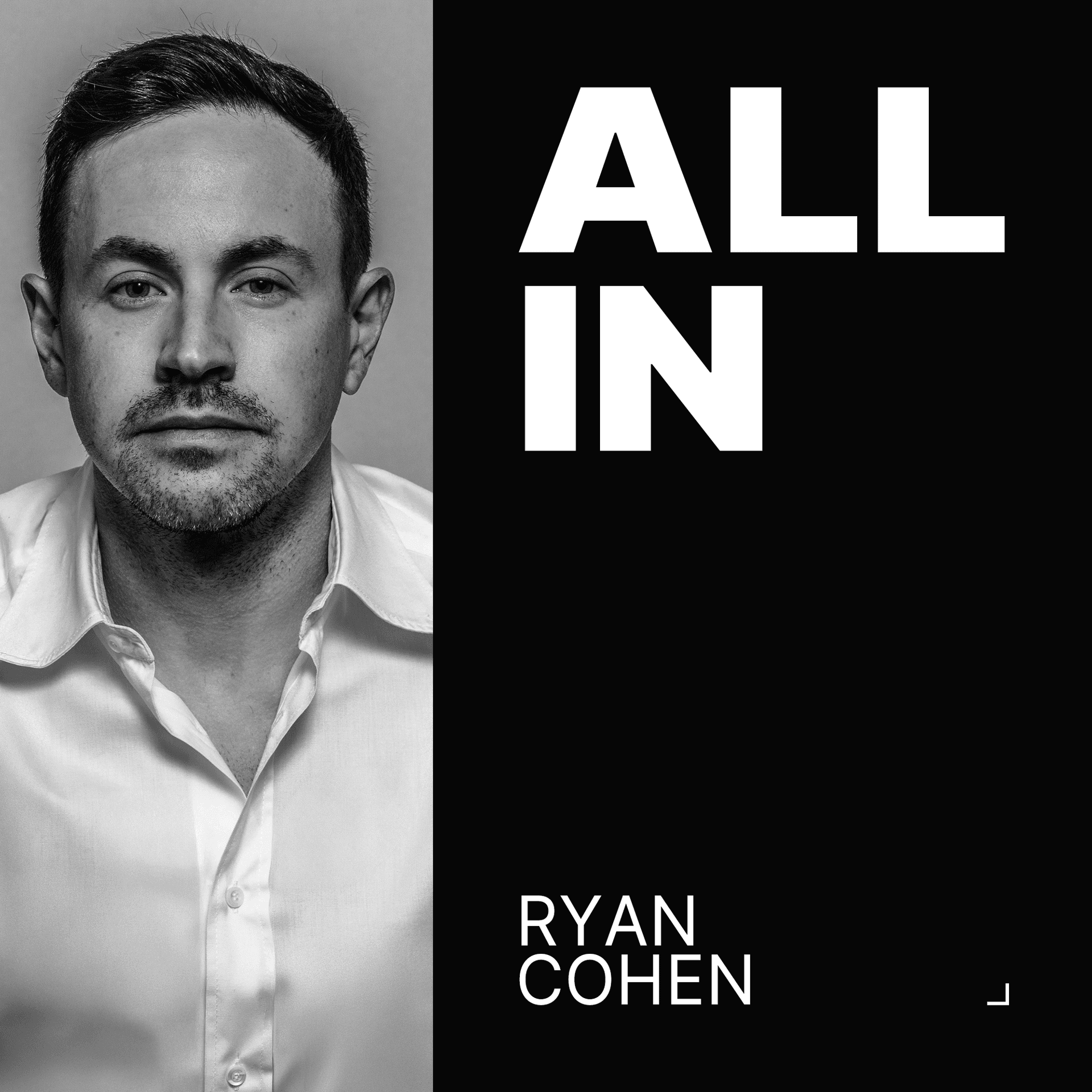
Ryan Cohen (GameStop CEO) discusses his $56B plan to acquire and run eBay, arguing eBay has stagnated because management won’t “roll up their sleeves,” sellers are unhappy, and eBay should expand into live commerce and digital collectibles while cutting costs.
Guest backgrounds
Ryan Cohen is the founder/ex-CEO of Chewy (built from an online pet-products idea; sold in 2017 for $3.35B). He later became an activist investor and led GameStop’s turnaround, shifting focus to pre-owned and collectibles (including TCG/trading cards). The host is from the All-In podcast; no other guests are named in the transcript.
Key claims
eBay’s marketplace moat exists but execution has slipped since founder-era; operating expenses are up while GMV/active users/operating earnings are down. Cohen says he would not take on first-party inventory; he’d keep the marketplace model and use GameStop’s/its stores’ logistics and authentication strengths.
Notable examples
Chewy’s “pennies” supply-chain/warehouse execution; GameStop’s collectibles growth (42% of revenue; $350M) and cost cutting; eBay Live’s weak seller/content-creator onboarding; eBay’s past acquisitions (PayPal, Skype, StubHub) as evidence of missteps.
Written by AI. May contain mistakes. Listen to the episode to check what was said.
Chapters
Tap a time to open that second in VOGameStop's Struggles
0:00 to 0:56
Discussion about GameStop's challenges and media perceptions.
“And it seems like everyone in the media basically wants us to fail and wants them to succeed.”
Ryan Cohen's Journey
1:27 to 1:49
Ryan shares his background leading to his current endeavors.
“trying to acquire and run eBay, which obviously is a big story right now that takes us back 25, 30 years to the start of the internet.”
Starting Chewy
1:49 to 3:48
Ryan discusses his motivations and experiences in starting Chewy.
“Maybe we can go back to the business you started, Chewy, if that's okay.”
Executing at Scale
3:48 to 5:54
Insights on how Chewy executed effectively against Amazon.
“bags of pet food, but we executed really well.”
Management and Leadership
5:54 to 7:42
Ryan explains how he managed his team and built a successful culture.
“It was always such a great consumer experience.”
Reflections on Selling Chewy
7:42 to 11:08
Discussion on the decision to sell Chewy and its market performance post-sale.
“the leadership team, the management team and the people around you to execute so well?”
Transition to Activism
11:08 to 12:29
Ryan talks about his transition to activist investing after selling Chewy.
“Well, I mean, you know, typical if you talk to the investment bankers there, we're like, you know, we're getting an amazing price.”
GameStop Activism
12:29 to 14:00
Ryan shares his experience and motivations for becoming active in GameStop.
“I looked for established businesses that have a strong historical track record of making money and typically are out of favor when it comes to passive or activist kind of investments.”
Identifying GameStop's Potential
14:00 to 18:49
Learn how Ryan Cohen identified and engaged with GameStop as an investment opportunity.
“At that point, I needed to decide, am I going to file a G or a D?”
Transitioning from Investor to CEO
18:50 to 21:29
Explore the evolution of Ryan Cohen's role at GameStop from investor to CEO and the strategic adjustments made.
“And then you said you probably picked the wrong guy.”
Show all 26 chapters
Lessons from Retail Operations
21:30 to 24:48
Discover the key lessons learned by Ryan Cohen regarding retail operations from his experience at GameStop.
“And, you know, one is you've got repeat purchases and you've got these really sticky cohorts and, you know, we can never overbuy inventory, for instance, at Chewy because we would end up ultimately selling it.”
Acquisition Strategies and eBay Insights
24:49 to 28:00
Understand the strategic reasoning behind potential acquisitions and the synergy between GameStop and eBay.
“and those principles he's used to build and acquire and operate multiple different kinds of businesses.”
Understanding eBay's Business Model
28:00 to 29:36
Explore the complementary nature of GameStop and eBay's business operations.
“space, I've come to appreciate eBay differently.”
The Moment of Inspiration for eBay
29:36 to 30:54
Learn about the unexpected moment that sparked the idea for acquiring eBay.
“it because, you know, it was a low margin business going head to head against Amazon.”
eBay's Early Success and Its Challenges
30:54 to 34:09
Get insights into eBay's early advantages and the challenges it faces today.
“I'm assuming you've been studying the business because you're in the collectibles business and learning a little bit about it and had this idea sitting there.”
The Competitive Landscape Against Amazon
34:09 to 36:22
Examine eBay's position in the marketplace and its competition with Amazon.
“the last few quarters and their operating expenses are up significantly.”
eBay's Strategic Decisions and Acquisitions
36:22 to 38:12
Discuss eBay's past acquisitions and whether they were strategic or mismanaged.
“Do you think Amazon's over earning right now?”
eBay's Performance and Seller Relationships
38:12 to 41:23
Analyze eBay's recent performance metrics and the importance of seller satisfaction.
“So when you think about the audience that eBay has, the user base, there's a lot of ancillary businesses you could get into.”
Management Challenges at eBay
41:23 to 42:00
Investigate the management issues at eBay and their impact on the business.
“I mean, Amazon Seller Central is is is like soup to nuts.”
Improving eBay's Seller Relations
42:00 to 44:39
Learn about strategies to enhance seller satisfaction and operational efficiency at eBay.
“They bring more inventory online and you end up ultimately doing more sales and they're not working with their sellers to make them happy.”
Growth Opportunities for eBay
44:40 to 47:36
Explore proposed growth strategies for eBay, including live commerce and digital collectibles.
“Number one is on immediately improving earnings through cutting costs and pulling$2 billion of costs out of the business.”
Challenges in Acquiring eBay
47:37 to 49:46
Understand the obstacles Ryan Cohen faces in acquiring eBay and the board's resistance.
“And then the third thing is, and this is something that I have not spoken about before publicly, but eBay today is the leader in physical items, physical collectibles, as an example.”
Structuring the Acquisition Offer
49:47 to 52:25
Learn about the mechanics of structuring a bid for eBay and the rationale behind it.
“and put you in charge of this overall enterprise.”
Stakeholder Perspectives and Market Dynamics
52:26 to 56:00
Explore the perspectives of eBay shareholders and the market dynamics influencing the acquisition proposal.
“GameStop, the combined company, at least in the very near to medium future, the earnings are coming from eBay.”
GameStop's Challenges and Media Perceptions
56:00 to 1:00:02
The discussion centers on the challenges GameStop faces, particularly regarding media perceptions and management accountability.
“You know, it's not every single day that something like this occurs.”
Ryan Cohen's Strategic Vision for GameStop
1:00:02 to 1:02:39
Ryan Cohen outlines his strategic vision for GameStop, including potential plans for a takeover and the importance of shareholder support.
“So your next steps, you're going to go hostile?”
Transcript
Automatic transcript. May contain errors.0:00Everyone hates GameStop. And it seems like everyone in the media basically wants us to fail and wants them to succeed. And you've got a board that's making hundreds of thousands of dollars a year. They don't buy stock with their own money. They end up showing up to a handful of board meetings and they're making a fortune. You've got a management team that is grossly overpaid. There's nothing more American than basically risking your own capital. So why does everyone want us to fail?
0:56David Friedberg:We'll see you next time. slash all in to launch your first campaign today.
1:06David Friedberg:Ryan Cohen, welcome to the All In interview. Thanks for being here. Thank you for having me. I think it's been like a decade, which is crazy how old we get since you and I last had dinner in New York. This was before several chapters of your life unfolded. And it's great to be talking with you today. You're doing something really interesting right now, trying to acquire and run eBay, which obviously is a big story right now that takes us back 25, 30 years to the start of the internet. But I want to talk a little bit about your story first, if that's okay. And I'd love for folks that are watching this or listening to this to learn a little bit about you and the journey you've been on that brings you to this moment.
1:49David Friedberg:Maybe we can go back to the business you started, Chewy, if that's okay. Yes, definitely. Yeah. Well, Maybe tell me why you started Chewy. How'd you get that idea? And how'd you get into building this business from where you were coming from at that time?
2:07We wanted to build something online. And we were about to launch an online jewelry website. Did not know anything about jewelry. Went to a bunch of trade shows. Bought hundreds of thousands of dollars worth of inventory. built the website had the distribution and then i was shopping in a neighborhood pet store uh i had a poodle and i was going every few weeks and it just hit me on one of my trips that i understood the product much better it was a recurring revenue purchase the market was still fragmented the fact that there was still neighborhood pet stores at the time and they had not been disrupted by Petco and PetSmart was fascinating to me.
2:56And then you had Amazon, which was established and had pet products since the 90s, but they hadn't really achieved real scale in the category. So the vision was to replicate the same experience that I had at the neighborhood pet store, but do it online and do it at scale. And I looked at Amazon's best practices when it came to supply chain. So fast shipping, having a great selection, being competitively priced. And then the experience at the neighborhood pet store of knowing the products really well. And it was easy to be passionate about the category because I'm a pet owner and everyone we hired were pet owners.
3:41And it was all about market leadership as a low margin business. hindsight, not necessarily the best idea to go head to head against Amazon selling 30 pound bags of pet food, but we executed really well. And we grew really quickly. And we had negative working capital. And so as a business that was able to get billions of dollars in revenue and not consume a lot of capital.
4:07David Friedberg:How did you learn to execute well? So at the time, you had little business experience prior to that? How did you learn those skills? What were the principles and the values that made you excellent at operating that business? I understood from the beginning that the real competition was always Amazon, and they were world class when it comes to supply chain. So negotiating very fiercely with suppliers to get the best product costs. And that meant getting to scale and going from buying pallets of dog food to truckloads of dog food and moving from distribution to direct and buying generally, the more you buy, the lower the prices are going to be.
4:59Operating efficiently in the warehouses. And so labor optimization, warehouse management optimization, getting competitive prices with shipping carriers. It was a game of pennies. And the goal was to grow quickly and establish market leadership. And the difference between failure and success was pennies in the red is failure and pennies in the black is success. So we had to operate hyper efficiently. And there was a lot of competition in the space. It wasn't a novel idea. It was going head to head against Amazon and pets.com was in the backdrop. So it made it very difficult to raise capital. But I'd say at a high level, the market underestimated not the size of the addressable market, but our execution.
5:53David Friedberg:You know, as a customer, I've had lots of dogs. It was always such a great consumer experience. Did you personally put your finger on that? Or did you bring great people around you that understood consumer? Apart from the supply chain optimization, the labor optimization, getting the cash flows to work right? Was there a lot on the consumer product angle that you spent time on with that business? When we looked at the cohorts, you could see the customers were very sticky. And the reason why I moved from jewelry to pet food was because it was a recurring item. So I love the fact that it was consumable.
6:34And when we started Chewy for the first few years, we just focused on food, treats, litter, all of the things that people are buying all the time. so the the vision and the idea was if we treat our customers well they're going to continue shopping with us and and that's what we did and so it was everything from the handwritten holiday cards to the pet portraits to 24 7 customer service and uh if there was ever an issue you know we took care of the customer and that um that's what happened and and the customers continued shopping with us and the best referrals are a word of mouth. And pet owners love to tell their friends and fellow pet owners if they have a great experience.
7:25So the thesis ultimately played out.
7:29David Friedberg:So for those who don't know, you built and sold the business in 2017 for$3.35 billion. Subsequently, there was an IPO and that business continued to trade up in value. So you clearly executed well. But it helped me understand, how did you build and manage the leadership team, the management team and the people around you to execute so well? What did you learn as a manager, as a CEO, as an operator, when you were building Chewy? Staying on top of everything. Just it's 24 seven, watching all of the numbers. I mean, I would stay in Google AdWords till four or five in the morning managing campaigns myself.
8:13I was negotiating directly with all of our major suppliers. I had a supplier that told me during one of our negotiations actually said it was like a one or one year contract. And he's like, I'm so happy this is over. I never have to talk to you for. Well, it was basically another year. He's like, I don't have to speak to you next year. It's like that was a compliment. I would. And anytime someone else was doing the negotiation, I mean, it's counterintuitive. They want to build relationships with suppliers. The reality is, is. It's mostly transactional. And so if our suppliers are sending us gifts in the mail, that's a really bad sign.
8:52It means we're overpaying. If our suppliers are telling us they never want to speak to us again, it means we're getting the right price. But getting people into that framework is not easy because the path of least resistance is basically to get along and to be nice. But unfortunately, when you're building a business and you're losing money, you've got to focus on sustainability. So just being on top of everything.
9:23David Friedberg:And what about on people? I'm just trying to understand your skill as a manager of people, because clearly you did something right, continue to execute at GameStop, which we'll get to in a minute. And I'm trying to understand, how do you find great people? And how do you hold people accountable? And what are management techniques that you've developed for building a team and running a team? I look for will over skill. And I had a woman that was running customer service, as an example. And she came from she was working in like an old people's home. And she applied for the job many times and we just we didn't think she was qualified and we looked over her resume uh and she kept on applying she was relentless uh so on paper she didn't necessarily have the right experience but she had drive she was motivated she wanted to work and she ended up being incredible so i mean it was in general it was finding people that are diehards that are just willing to put everything in go all in, no pun intended, and basically be as psychotic as me.
10:44And that was the team that we put together. It was just a bunch of fellow psychopaths.
10:50David Friedberg:And psychopaths attract psychopaths and the engine is running at that point. Exactly. Exactly. Yeah. A's only put up with A's. Exactly. Yeah. And do you regret selling Chewy when you did? Because I mean, it went public at like what, 20 billion market cap, like two years later? Yeah, as soon as I sold it, it just took off. Were you a liability? No, I'm like, what happened? Well, I mean, you know, typical if you talk to the investment bankers there, we're like, you know, we're getting an amazing price. And then all of a sudden it goes public and is basically a lot more than what anyone had guessed.
11:27So nobody has a crystal ball. Chewy was my baby. I put a lot of, I love that business. And so, yeah, and everything works out for a reason in life, one way or another.
11:45David Friedberg:Yeah. And we wouldn't be having this conversation if I was still running Chewy. So, or at least maybe we would, but it would be about dog food. We might be. We'd be talking about how you built a$100 billion market cap dog food company. Exactly. So, after you sold it, you kind of became a pretty active investor. Is that a fair statement about the next chapter for you? I went activist for the first time. Yeah, that's an accurate statement. Well, you were like a pretty active, like just general, like you would buy and hold concentrated positions and stocks. Is that fair at that stage? How did you pick companies?
12:22David Friedberg:So what do you look for and how do you make the investments you made? Maybe you can walk us through a couple of the stories of what you went through at that stage. I looked for established businesses that have a strong historical track record of making money and typically are out of favor when it comes to passive or activist kind of investments. And so that's been my general framework. framework. Why did you choose to go activist when you kind of started making these? Were you getting frustrated in conversations with management, decided to take it public? Or was there a model that you were kind of going after where you saw others have success with publicly calling out issues in businesses and driving change?
13:15Well, when it came to GameStop, originally it was a passive investment. And I owned under 5%. And the CEO actually reached out to me because they were fighting an activist and they wanted me to join the board. They thought I was basically going to be their friend. They're like, oh, this guy owns a few percent of the company and let's give him a board seat and he'll help us basically fend off this activist. And so they kind of put the idea in my head.
13:50David Friedberg:This is around 2020, right? it was yes exactly uh so i wasn't in a place uh my father had just died recently and they offered me a single board seat and i'm like if i'm gonna do this you know i looked at the board and they had a really large board and they're offering me a single board seat and it just wasn't attractive and then you know covid things got a lot worse they were deemed a non-essential store basically like kind of on the verge of bankruptcy, the stock traded down significantly. And then I continued accumulating. I ended up going above 5%. At that point, I needed to decide, am I going to file a G or a D?
14:39A 13G is basically if you want to be passive, which means you're not going to engage with the management team at all. And a D is where you are going to engage with them. So that was an easy decision once I crossed over 5%. And I remember actually getting a call from the CEO of GameStop at the time. And he's like, we were discussing me going above 5 % and filing the required SEC forms. And he's like, did you file a D or G? And I'm like, a D. And a D obviously is, you know, it's intended that you're going to be activist, even though it doesn't necessarily mean you need to be hostile. It just means you're going to engage with the management team.
15:21So anyway, basically, that's, that was what happened.
15:26David Friedberg:But going back to GameStop, how did you first identify GameStop? Because the kind of storyline is, hey, Wall Street bets put something on the internet, and everyone starts paying attention to it and becomes a meme stock. was there fundamental unrealized value you saw? Because you seem to be a real kind of unrealized value investor is how I would kind of describe. Tell me if you disagree that there's real value in an organization that's not being realized its potential. What did you see in GameStop? How did you first identify it and get involved and start accumulating? I found it fascinating that everybody was like...
16:08For whatever reason, and still to this day, everybody hates it. The mainstream media, the general consensus has been that GameStop was going out of business a long time ago. 15 years ago, this thing was basically shorted to oblivion. And everyone was betting against it. And everyone's basically just hated it. It's one of those things where when you even say GameStop, everyone's like, like, really, you're an investor in GameStop. So that's always for as long as I remember, that's basically been the reputation is like the underdog. Everyone loves to take the other side of the trade or bet against it.
16:50And so I like that. Like, I like the idea of going into a situation where you're basically running into you're running into a burning house. And I originally did it as an investor, because typically that's where you see opportunities is when there's a lot of pessimism and fear. And then, you know, I ended up basically not necessarily intentionally
17:19joining the board and then ultimately being the CEO. But that wasn't the original plan. The original plan was basically to be a passive investor. And then I basically ended up just, it's like there was no one else to do the job. So someone needs to do it. And here we are today.
17:37David Friedberg:Was there a thesis on value realization? Or was it just about the market had the value wrong? Did you think at the time there was operational changes that could drive more value? Or was it just like, hey, everyone's got this shorted, everyone's got this to the wrong side? The original thesis was that there's an upcoming console cycle, and that they're probably going to survive until the upcoming console cycle. And the new PlayStation and Microsoft Xbox comes out. And it was a very cyclical business. And GameStop typically does very well in the beginning of the console cycle when the market is very, very tight and people are basically running a GameStop to buy hardware and software.
18:21And so that was the original thesis. And then as I got pulled in, obviously the business is completely different and the thesis has changed. But that's where I started as a passive investor. So then they ask you to join the board, but you make the point, hey, if I'm going to be involved, I need to have more board seats.
18:43David Friedberg:Is that kind of how the evolution? Yeah, they thought I was basically just going to join the board and be a patsy. Right. Right. And then you said you probably picked the wrong guy. I think that that was going to be the case. So then you went public with your peers. Is that right? So I think it was 2021, like early 2021, you joined the board with two other executives from Chewy, two friends of yours or two colleagues of yours. Is that right? Exactly. And then the stock took off and all of the hedge funds that were short had to cover and the stock price just ripped. Exactly. And this is the whole story.
19:20David Friedberg:So then in 2021, the company raises billion seven, wipes out all the debt. And what was the plan at that point in the business cycle? Was there an investment operating plan that you were trying to get the team to execute against? The original plan, I learned a lot at GameStop. I basically took, I went in and I had this bias from Chewy, which is basically like everything that I learned at Chewy, I was going to apply to GameStop. and it took me about i don't know maybe just over a year to realize that was really really stupid but i ended up hiring a bunch of e-commerce people from chewy and amazon and i wasn't the ceo i hired a ceo so you know i i didn't have day-to-day visibility on what was going on But the strategy was to make GameStop more like Chewy.
20:27And that was the wrong strategy. And once I became the CEO, I quickly adjusted because, I mean, I just frankly, I looked at the financials and saw it didn't make any sense. And then it was, you know, went into maniacal cost cutting mode, efficiency, basically focusing on what GameStop is really good at, which is the pre-owned side of things, and focused on running the retail business very, very well. And then ultimately, that led us to the category of collectibles, which today the business is a leader in the collectibles category, and software makes up a very small percent of the business. But there were a lot of learnings on the way.
21:19And you look at basically Chewy and GameStop, you say, well, they're both retailers, you take the same playbook, but that's not, that was not the case. Totally different animal. And, you know, one is you've got repeat purchases and you've got these really sticky cohorts and, you know, we can never overbuy inventory, for instance, at Chewy because we would end up ultimately selling it. The revenues were growing and we turned the inventory very quickly, whereas we ended up buying all kinds of inventory at GameStop and ended up having a bunch of TVs and inventory that ends up getting stuck in the stores.
22:02And if you don't sell it, you end up basically taking down, you know, losing a lot of money and marking it down. So a lot of learnings along the way for me to understand physical retail, which when I joined the board. When I became CEO, I had zero physical retail experience.
22:21David Friedberg:Did you think a lot about here the different categories we could leverage this GameStop network, the stores, the consumer into besides collectibles? How did you kind of pick the expansion into collectibles versus any other sort of used category you might be able to kind of move into? We were already in the category. We weren't deep in the category. And we did try a few different other things within consumer electronics that just really didn't end up taking off like collectibles did. And if you look at TCG in particular, but now we're growing in sports as well, has been very, very, very popular.
23:08So we tried a few different things. And the trade-in model especially worked really well. where like today you could basically bring in a, not basically, you can bring in a graded PSA card eight and above, and we will give you cash on the spot. We buy back the card and then we either sell it in the store or we bring it back to our warehouses and we sell it online. So that was very similar to the trade-in model that we had on both hardware and software. And it was very extendable to the trading cards category as well.
23:48David Friedberg:As you made this change, did you have to change the team a lot? Management team? I mean, what was the turnover like after you became CEO at the leadership level and then below the leadership level? It was identifying the talent at the company and basically having them working directly with them. Like the people who know GameStop the best have been the people that have been there for a long time. And me working closely with them ended up working really well. You brought in others, obviously, as well. To compliment them. Yeah, some, some, but I mean, generally, you know, working with the people that have been there that know the business really well.
24:33Yeah.
Read the full transcript
24:34David Friedberg:Some folks who have managed multiple businesses or been CEO and applied their skills to different business lines. You know, I interviewed this guy, Charles Koch, a few weeks ago from Koch Industries. He's got a whole set of principles that he tries to apply to running a business. and those principles he's used to build and acquire and operate multiple different kinds of businesses. And he transforms the business by applying his principles to how he runs them. Do you have a similar sort of framework or model or machine that you use for running the business, assessing what's working and what's not working, that you then bring to bear on GameStop, on Chewy, and maybe next on eBay that you've used repeatedly that works well for you?
25:19David Friedberg:Or is everything kind of truly Zen mind, beginner's mind, first principles approach to thinking about the business? I'm sure I do, but I'm not good at articulating it. So I don't know if I'm the right person to be able to say what's going through my brain. Sometimes like whatever I'm feeling, I can't even necessarily describe it. If I describe it, it ends up being wrong. So someone else could probably do a better job at answering that question than me. What do you think someone else that's worked for you repeatedly would say it's like to work with you? You'd have to ask them. Okay. So hopefully not good things.
26:06Hopefully not good things.
26:07David Friedberg:Yeah, the pressure is on.
26:14David Friedberg:As the global economy becomes more connected, trust becomes the most valuable asset in the system. NASDAQ analyzes 1.8 billion transactions every week. And when a fraud pattern surfaces at one institution, AI strengthens detection across the entire network within hours. That is what it looks like when trust is built into the infrastructure itself. Built for the economy that is arriving. Find out more at nasdaq.com. The numbers speak for themselves in terms of what you've delivered at GameStop. I think collectibles is now 42 % of revenue,$350 million. In Q1, revenue was$835 million. You grew at 14 % year over year.
26:55David Friedberg:You cut SG &A from 228 to 202. You have$9.7 billion in cash, $333 million in free cash flow. And the board's just authorized to share repurchase. So it's pretty tremendous how you've operated this business. So help me understand a little bit as you're building GameStop, operating it and executing, what makes you lift your head up and say, hey, we should be doing acquisitions and looking at other things instead of just building everything organically in-house? If you look at the size of the business that I can build organically with GameStop. It's nice. It's okay. But I like to do big things. And, you know, Chewy is a good example.
27:44It could have been a$500 million business. It could have been a$100 million business. It could have been profitable if we would have spent a lot less money on marketing. But life is too short to do it small. So we have the, if you look at how complimentary and as we've gone into the collectible space, I've come to appreciate eBay differently. And if you look at how complementary these two businesses and from a lot of different dimensions, the secondary market side of the business, the collectible side of the business, the ability to provide liquidity to consumers, what we're doing in stores, eBay is doing online.
28:44authentication of secondhand items. There's so many aspects of the business that are similar, except that eBay is global and has significant scale. And frankly, it's a business that I understand a lot better than physical retail because I know a thing or two about e-commerce and it's an area where frankly I'm much more comfortable operating. And so when you look at how much the businesses together make sense and then you look at the fact that it's within my circle of competence, it's all – I can't stop thinking about it. So I look at Chewy as like Chewy in hindsight, we had a lot of competition in the pet space that were really well funded and they were decent operators and they didn't end up making it because, you know, it was a low margin business going head to head against Amazon.
29:56And it's similar to like the airline industry where people don't really care about the actual airline they're flying. They're just basically shopping by price. So yeah, that was selling pet food online. Not a great idea. And, you know, GameStop, I don't think was such a good idea either. This was this is actually a really good idea, whether it ends up working out or not. But this is actually a really good idea. We'll see what happens.
30:23David Friedberg:Was there a moment you remember when you said, we should make a play for eBay. Do you remember that moment when you were kind of looking at the business or thinking about the business when this idea kind of sprung forth? Yes, I know. What was it? I was on the toilet. Okay. And you were just thinking about it? Pretty much. I'm assuming you've been studying the business because you're in the collectibles business and learning a little bit about it and had this idea sitting there. Yeah, I mean, I've followed eBay for a very long time and I came to appreciate their experience, their moat in the collectible space.
31:17but it's not just collectibles too i mean it's the refurbished tech piece of the business where yeah game stop it's a big portion of our business and it's a big portion of of ebay's business too and the second hand business as well so there were other things that i thought about where i could personally add value and might make sense for game stop but this one made sense for me personally and it makes sense for GameStop. So. So if you have studied eBay, what do you think the team did right in the early days?
31:59David Friedberg:Was it simply the network effect and the business took off? And once they had the network, it was hard to break the moat. Was there anything about the formula or the consumer model or experience? Because you've said publicly, hey, eBay looks a lot like it did in the early days. Was there something about early management, early design principles, early engineering, anything that happened in the early stages of eBay that made it what it is today? I look at basically the marketplace model where they had first mover advantage. So their ability to have first mover advantage and really be the de facto marketplace online, including against Amazon was significant.
32:42So that was really helpful. I wouldn't say that if you look in general at the growth in e-commerce and you look at Amazon as an example, that basically took the marketplace model, but also took taking possession of first party inventory along with growing their marketplace. And like they ultimately scaled it and they essentially did what walmart was doing but they did it online and at scale i mean obviously you can't compare the two but they they their focus on building a marketplace gave them a moat and staying power but i wouldn't say that their execution was great in the early days it was great when it was founder operated.
33:31But since then, if you look at how much e-commerce has grown and how much market share they've given up to the likes of basically everyone, new competitors in the space that are very category focused, live shopping competitors picked off significant share from them, Shopify, social commerce, Amazon, eBay's been able to maintain a revenue base and generate earnings, but they haven't grown along with the rest of e-commerce. So, and if you look at how they've done most recently, I mean, they've basically, the business has stagnated up into the last few quarters and their operating expenses are up significantly.
34:17So, um it's not to say you know they've they they they are the de facto marketplace online especially in certain categories but that business should be significantly larger do you think they missed
34:33David Friedberg:the boat and if so why on stores you know amazon stores shopify obviously have become categories unto themselves all of those power sellers probably transitioned over to having stores at some point. What did eBay miss? Was it purely execution? And is there still an opportunity to win back that market? eBay could, I mean, and I'm not advocating, I mean, this is not something I would not go head to head against Amazon today. But I mean, eBay could have been Amazon. So when you look at what Amazon has built, I mean, everything from taking inventory and their principles of they provide a great customer experience.
35:15And so that's why we all love shopping on Amazon. And as a seller, Seller Central is a very powerful platform and sellers generally like it too. I don't know if they necessarily like the margins, but they can move a lot of inventory on Amazon. So eBay, by doing nothing, has basically carved out a niche in certain categories where Amazon isn't strong because they're strong in other categories. And you're buying a phone charger or new products. It's not necessarily the place where you want to search for like a unique baseball card or a hard to find pen or a used auto part. I don't know if it was necessarily through strategy or just because they ended up.
36:15They ended up basically like defaulting into those categories because their largest competitor was focused on other things.
36:24David Friedberg:Do you think Amazon's over earning right now? Because I think the point you make resonates with me. I've been involved in a number of businesses I've been on the board of and I see the margin that Amazon takes from sellers. And everyone's frustrated about it. It almost feels to me like everyone's hungry for an alternative. But the reason you stay on Amazon is the reach and the audience that you get with Amazon. So there's not a lot of other places that offer a competitive alternative to Amazon to those sellers, eBay's got a pretty big audience. I mean, do you think that Amazon's over earning in that sense?
36:58David Friedberg:And is there an opportunity for eBay to step up and compete in that sense? They charge a lot of money to their sellers. I agree with you. And sellers like it because they move a lot of inventory, but they don't like the margins. The problem would obviously be inventory, right? I mean, if eBay were to go in that direction, and you were running eBay, what do you think you do about inventory and logistics? I would not be interested in taking in firsthand inventory. I like the marketplace model. And the categories where eBay is doing well are categories where GameStop is doing especially well also.
37:39But going head-to-head against Amazon is...
37:49It's not the most attractive business.
37:52David Friedberg:eBay is notorious for having bought and then sold a number of big businesses. They bought PayPal and then later spun it out and divested. And they bought Skype for$2.6 billion in 2005 and then sold 70 % of it for$2 billion in 2009. And then they got lucky with Microsoft overpaying in 2011 and they made another$2 billion on it. So they netted a good profit on the Skype sale. So when you think about the audience that eBay has, the user base, there's a lot of ancillary businesses you could get into. When you look at PayPal, when you look at Skype, were those strategic errors or were they tactical errors, meaning they were good strategic moves, but they were mismanaged and not well integrated, not well run after the acquisition?
38:33David Friedberg:What do you think happened there? Well, if you look today at eBay, I mean, I like focus. So them focusing on core eBay makes sense. I mean, my strategy at Chewy wasn't creating all these other sub-brands for different geographies. It was always focusing on Chewy. So the focus is helpful. I'd say in eBay's case hasn't resulted in significant GMV growth, if at all, or earnings growth. But I do like being focused now. I mean, they've recently made acquisitions, which don't make sense. But generally speaking, like. I like focusing on a singular brand and especially with a business that's global, there's a lot of upside and, you know, eBay plays in a ton of categories already.
39:33So it's hard to do multiple things exceptionally well.
39:37David Friedberg:Yeah, the other example, obviously, StubHub, which they bought and then sold to the founder, Eric, at Viagogo for 4 billion years later, but also didn't really transition well. Does that mean that eBay can't really do well in other marketplaces? Or do you think it's about building the product organically in a better way to expand into other marketplace verticals? Yeah, building it organically through eBay and through Focus is where I believe makes the most sense. What's happened with the business in the post-Donahoe era? He left, I think, what did he leave a couple years ago? 2015. And it's been about 11 years.
40:22David Friedberg:I mean, if someone were to ask you, hey, give me your summary of what's happened to eBay in the last 11 years, How would you kind of talk through what's happened in the business? I mean, if you just look at how they've done in the past since COVID, every important metric is down. GMV is down. Active users is down by 30 million. Operating earnings is down. Revenue now is basically essentially break even. It's up a few points and operating expenses is up significantly. their operating expenses now are for a business that has no inventory they're operating their revenues are their operating expenses are over half of their revenues so that's a business that they're not growing everybody else in e-commerce is growing and they're making less money and they're spending a lot more and their sellers frankly aren't happy Like it's you talk to sellers and in order for them to do business on eBay, they have to use all kinds of third party tools outside of eBay because eBay is not even providing those tools.
41:32I mean, Amazon Seller Central is is is like soup to nuts. You could pretty much do everything in Seller Central, whereas with eBay, it's a pain. And and they alienate their sellers. I mean, they had concierge programs for their top sellers. And now it's like they take their sellers for granted and they're taking advantage of them. So the sellers in a marketplace model like eBay, the sellers are the customer. You make your sellers happy. You give them the tools. They bring more inventory online and you end up ultimately doing more sales and they're not working with their sellers to make them happy.
42:17So it's not that complicated. You talk to the sellers on the phone. You talk to the top sellers. You ask them, what are the pain points? And you get the engineering team on the phone with the sellers and you start basically banging them out. But, you know, I guess.
42:36Existing management team doesn't roll up there like they're not going to roll up their sleeves. They're going to go to outside consulting firms to tell them how to run their business. Yes.
42:44David Friedberg:Is that what's happened? What you state seems obvious. So do you think it's that management simply been complacent and collecting a paycheck and no one's acting like an owner? No one actually knows how to execute? Or do you think they fundamentally would disagree with that strategy, those points that you're making? Well, I mean, they're never going to admit it, but I would, I would bet everything that they're working with multiple outside consultants. And for a different, for a lot of different reasons. And they're not making their sellers happy. So their sellers are on the platform because they do a lot of business on the platform and they want to move product, but they don't feel like eBay wants to make them succeed and is working with them to do more business together.
43:34So that's what happens when you go from a business that founder, operator run to business with a professional management team is, you know, you lose the one-on-one and just the rolling up your sleeves, really getting into solving the root cause of problems. Do you believe in building long-range operating plans?
44:03David Friedberg:Meaning, would you articulate a strategic vision for eBay and then write out what you're going to do over the next three, four, five years so that the shareholders that are considering your acquisition offer can see both your vision and your plan for execution on that vision over the next several years? Or are you much more of a responsive manager where you're going to go in and diagnose and be much more of a tactician in iterating almost in an agile way of the business to success? How do you kind of think about presenting how you're going to be more successful in operating this business than existing management?
44:39So there are three areas. Number one is on immediately improving earnings through cutting costs and pulling$2 billion of costs out of the business. and on the operating base of close to five and a half billion of expenses and 2.4 billion spent on sales and marketing for essentially no user growth. There's a lot of money to pull out there. So you have the immediate increase in earnings through cost cutting. That's basically one. And then there's two growth vectors that I'm very much interested in. Number one is live commerce. And there's a large competitor that is completely crushing it. And eBay has the users.
45:40eBay has the brands. They have a platform, but the platform sucks for a lot of different reasons. and they don't have the content creators on the platform and nobody even really knows eBay Live exists. There's like an application process. I talk to sellers and they're telling me like they've applied to be a seller and they are waiting to get approved. It's like they're basically stopping themselves from being successful and getting content creators onto the platform. And then the entire backend of eBay Live also sucks. So live commerce, the TAM is like 400 billion. It's growing very quickly in the US.
46:21It's very popular in Asia. And eBay Live should be significantly larger. They should be the category leader in the space. And they have like at max a few hundred people, you know, in, you know, basically watching, watching their, watching, watching their sales. So that's a huge, huge growth opportunity for them to start doing really well in live commerce. And the benefit also we have with the stores beyond basically fixing the platform, the front end and the back end, using the stores. There are sixteen hundred. Essentially, nodes that can be used as studios for creators, they could be used as fulfillment and logistics and ultimately allowing sellers.
47:11sellers and the content creators do what they do best. They just create content and we can help them on photography. We can help them on fulfillment. We can help them on logistics. Um, and we can also do the authentication and that extends to the marketplace model as well. So, uh, I would focus a lot on, on growing the live commerce side of things beyond the cost cutting. And then the third thing is, and this is something that I have not spoken about before publicly, but eBay today is the leader in physical items, physical collectibles, as an example. And so I would extend that into digital collectibles.
48:02And essentially, if you look at all of these in-game items, AAA titles that people are accumulating, skins, weapons, all of these things, taking eBay and building a marketplace where you can provide liquidity for in-game digital items. Essentially, it's what NFTs could have. People thought they were, but ultimately they had no real utility. In-game items actually have real utility. And if you look at all of these collectibles, frankly, they're an ego play. You own art. Like, what is that? The end of the day, it's an ego play. If you look at trading cards, I mean, it's a piece of cardboard in a piece of plastic.
48:52And they're very, very, very popular, but there's no real utility to them other than being able to tell people you've got these really, a really unique trading card. But if you look at in-game digital items, there's no marketplace that is providing liquidity for them. And so I would use eBay to provide liquidity for in-game digital items. And I believe that addressable market is significantly larger than, could be much larger than eBay's marketplace on physical items. and no one's doing it. And this should already exist. And it's kind of like, it's crazy that it doesn't exist.
49:33David Friedberg:The eBay board has rejected your offer. Is it that they're looking at Ryan Cohen saying, hey, you're a guy that ran Chewy for a few years and sold it and you've been running GameStop. You've never really operated a business of the scale. We're not gonna hand over our shares for your shares and put you in charge of this overall enterprise. You don't have the experience, you don't have the skills, you don't have the competency. what's their rationale for rejecting your bid? And what's the feedback, the frank feedback you've heard either behind closed doors or through, you know, third parties about what's going on here?
50:06Well, they put out a rejection letter, which said that our offer was incredible. And there was a lot of uncertainty. And, you know, frankly, and by the way, I mean, this is expected. They don't want to hand over the reins, they're making a lot of money. And so I completely understand why they're taking the position that they're taking. But, you know, they spelled it out in the rejection letter. And number one was, you know, like the financing uncertainty, which frankly, if we can't get the financing, it means that eBay can't get the financing because we're getting the financing off of eBay's balance sheet.
50:52But there's been very, you know, there has not been very much engagement from the management and board level. Frankly, there's been really no engagement. I mean, they're playing games. They pointed us to their high-priced advisors. And then when we reach out to schedule a meeting, they don't schedule the meeting.
51:14David Friedberg:So when you first started having this idea sitting on the john, and you're like, I'm going to move forward with this thing. I'm assuming at some point you called bankers and talked about structure around this to figure out how do we put this bid together? Where do you go down the path where you said, let's do half cash, and then convince them to take our stock and basically roll their stock into our stock and let us run the business versus raise the capital to do an all cash offer for the company. Is it impossible for you guys to convince shareholders, investors, capital providers, large institutions, banks, lenders, and so on, to put together a syndicate of$56 billion of cash so you could make this an all cash offer, which would make it a lot harder for them to simply reject so easily?
52:09David Friedberg:Maybe you can walk us through the banker conversations and the process you've gone through and thinking about structure here. Ultimately, the decision is who do you want to run the business? And who do you think is more competent to run the business and who's going to maximize shareholder value? Because by giving existing shareholders GameStop shares, GameStop, the combined company, at least in the very near to medium future, the earnings are coming from eBay. So they're going to continue owning eBay. We're offering them 50 % cash, 50 % stock at a premium to where we bought it. And essentially, they get to continue owning eBay, except you've got someone that is highly incentivized to maximize shareholder value, knows a thing or two about e-commerce and running the business efficiently.
53:11But why not go all cash, Ryan?
53:14David Friedberg:Like, why not raise the capital? If you can raise half the cash to do the bid, why not raise all the cash, sell your shares, sell GameStop shares to investors to raise the cash that are aligned with you rather than the investors that own those eBay shares, and then go make them an all cash offer? I mean, that is not what we've presented today. And that's a lot of cash to come up with. So, you know, we don't have$60 billion of cash just lying around. Right. Well, tell me about the owners. Have you spoken to any of the shareholders at eBay? And do you have a view on how they're thinking about voting their shares?
53:59David Friedberg:My understanding is there was recently a rejection on the ability to call a special shareholder meeting. There was a vote that failed to reduce the threshold to 10 % of shares outstanding. It's currently at 20%. So that failure means you cannot call a special shareholder meeting without 20 % of the shares calling for it. Is that right? Yeah, it was close, but that's right. And so if you go through and start talking to the actual owners of eBay today, because it's a pretty broadly owned, institutionally owned stock. Have you started having those institutional conversations to see where folks are at and how they're feeling about management and how they're feeling about your strategy and your ability to deliver value for them over the next couple of years?
54:46Yeah, I mean, I don't want to. I don't want to get into individual shareholder discussions, but. The consensus has generally been aligned, which is they love the business and they see a lot of opportunities. So we'll see what ends up ultimately happening. And maybe the composition could shift because if you love the business, you might not want 50 % cash. You might want to stay invested. So, you know, that that's a possibility to ultimately the vote is on who's going to be a better fiduciary of capital and and who can grow this business. me or or someone that's basically selling stock hand over fist and by the way has not bought a single share of stock in the open market with his own money and has been selling tens of millions of dollars and you know the interesting thing in this and maybe you can help me understand this is that there's no question what we're doing, what I'm doing is it's big.
56:04You know, it's not every single day that something like this occurs. But why does everybody want us to fail? Why does everyone want GameStop to fail? And why is everyone like the media is an example. Why is it that you've got a management team with no skin in the game? They're not builders. They haven't built anything themselves before. They've basically just been employees at major companies that have been overpaid. I don't think they've ever broken out a sweat in their entire lives. Why does everyone want them to succeed? But when you have someone that, and by the way, this is going to be coming out.
56:45It hasn't been filed yet. Maybe by the time that, you know, when this airs, it will be. But I'm putting 500 million of my own money into this transaction. I haven't pulled a penny out of GameStop. I've invested a lot of money into GameStop I've been doing it for a long time GameStop's a much stronger business today Everyone hates GameStop And it seems like everyone in the media Basically wants us to fail And wants them to succeed And you've got a board That's making hundreds of thousands of dollars a year They don't buy stock with their own money They end up showing up to a handful of board meetings And they're making a fortune You've got a management team that is grossly overpaid with taking zero risk?
57:29And why is everyone basically want this entrenched management team and board to stay like protected and to continue running the business and doesn't want. There's nothing more American than basically risking your own capital. So why does everyone want us to fail?
57:48Commentators, what's your theory? I don't know.
57:54David Friedberg:Have you sat down with their CEO? I would love to. He won't take the meeting? I will fly to California tomorrow. No. I mean, you're the guy that's going to fire him. But he's going to get a payday, right? A big payday. A big payday. What's his parachute? Do you know what the parachute is for him? It's over 100 million bucks. So he'll get 100 million to walk away. Yeah. Have you met with any of the board members? No. they won't take the meeting. Have you reached out? Yeah. The great thing about markets, they don't care what the media says. On the short term, they might. It's a voting machine, but on the long term, it's a weighing machine.
58:37David Friedberg:And if the performance continues to be delivered at GameStop, people that might want to see the company fail are going to lose because you're going to get the weight, right? That's ultimately what's going to matter more than anything here. But I would assume that at this point, seeing the results at GameStop, folks have to start paying attention that this isn't just a meme stock. I do think that the media, in order to give you credibility, and this would be my take on this, they're going to have to acknowledge that all of their takes on GameStop just being a meme stock were wrong. And that there is actually a business here and that there is value being created here and that they missed that and they got the story completely wrong.
59:19David Friedberg:And so to recognize that and to recognize your competency as an executive and as a CEO and as someone that can run eBay better than the installed management makes them wrong in their assessment of how the cards were all laid out on the table. That would be my theory about all this. Because everyone got caught up in the frenzy of the meme stock craze saying, hey, this is all just fake. It's not real. And everyone agreed with that. Once everyone agrees with it, no one's allowed to rewrite history. No one can ever say that they were wrong about COVID. You can't have everyone say that they were wrong about GameStop because it ruins their credibility.
59:58David Friedberg:To maintain their credibility, they have to continue to make you seem less credible. That would be my take on it. Yeah. Yeah. So your next steps, you're going to go hostile? You're going to do a tender? I mean, how's this going to go? I'm going to do whatever we need to do, whatever I need to do in order to succeed. But you're committed. Clearly. Yeah. If I'm their bankers, I get hired to run a process and maximize shareholder value. Those bankers then try and negotiate with you. But the truth is, if there's no other bidders, they're just negotiating against themselves. Is that fair to say? Like, are there other bidders that could emerge here?
1:00:43David Friedberg:That could beat this price that you're offering that could beat this offer that you're putting on the table? Well, it's a lot of money. It's a big premium. And beauty is in the eye of the beholder. And like, it makes sense for me to pay this for the business because of what I could do with the business. not just short term in terms of increasing the earnings, but long term in terms of really taking significant market share in live commerce and building a digital marketplace for gaming. That's something an existing management team would never be able to build in their wildest dreams. And so it's worth it for me to do something like that.
1:01:30And then, you know, obviously, when it comes to their large competitors, there's antitrust issues in terms of them being able to do a deal of this size as well. But I don't know why they won't speak to me. They should, because I'm not going to stop. I'm not going to go away. But I'm sure they're going to be - Another option. Yeah.
1:01:53David Friedberg:Yeah. I mean, people could come along and buy the shares on the open market too and vote in favor of your offer. So, I mean, this is what often happens in these sorts of situations historically is the shareholder base can turn over. And if people like the premium on the stock today, and they don't want to own GameStop stock tomorrow, there's probably going to develop a good market for trading the shares. If the market starts to believe your story, I would imagine, right? And so that might happen here as well. So there's a lot of different escalation paths that we have in our toolkit. And we'll see them.
1:02:29David Friedberg:Are you working with bankers? Are you doing this alone? Yeah, we're working with bankers and high priced advisors. Okay. Ryan, this has been awesome to get to know you and hear about your history and your vision for where you want to take GameStop and eBay. Really, man, the best of luck to you in the process. And thanks for speaking with us. I appreciate it. Great speaking to you, Dave.
1:02:57David Friedberg:I'm going all in
From the publisher
(0:00) David Friedberg intros GameStop CEO Ryan Cohen!
(1:56) Building and selling Chewy for $3.35B, how to compete with Amazon in e-commerce
(11:58) Post-Chewy life, activist investing, the road to GameStop CEO, expanding into collectibles
(26:39) Why he wants to buy eBay for $56B: Massive potential, poor execution (slow growth, rising expenses, seller relationship failure)
(43:58) Ryan's three-part vision for eBay: Cut costs, expand live commerce, create digital in-game collectible marketplace
(49:33) Why eBay has rejected the offer, media bias against GameStop
Thanks to our partners!
AppLovin Ads — AppLovin's AI advertising platform reaches over a billion daily active users across mobile games. Full-screen video ads with a 35-second median watch time. Advertisers are profitably spending hundreds of thousands of dollars a day and advertiser access is still in closed beta. The window is open at https://applovin.com/ALLIN
Nasdaq - Positioned at the nexus of technology and the capital markets, Nasdaq provides premier platforms and services for global capital markets and beyond with unmatched technology, insights and markets expertise. https://www.nasdaq.com
Follow Ryan:
Follow the besties:
Follow on X:
Follow on Instagram:
https://www.instagram.com/theallinpod
Follow on TikTok:
https://www.tiktok.com/@theallinpod
Follow on LinkedIn:
https://www.linkedin.com/company/allinpod
Intro Music Credit:
Intro Video Credit: