
In short
Podcast Summary: All-In with Chamath, Jason, Sacks & Friedberg
Episode
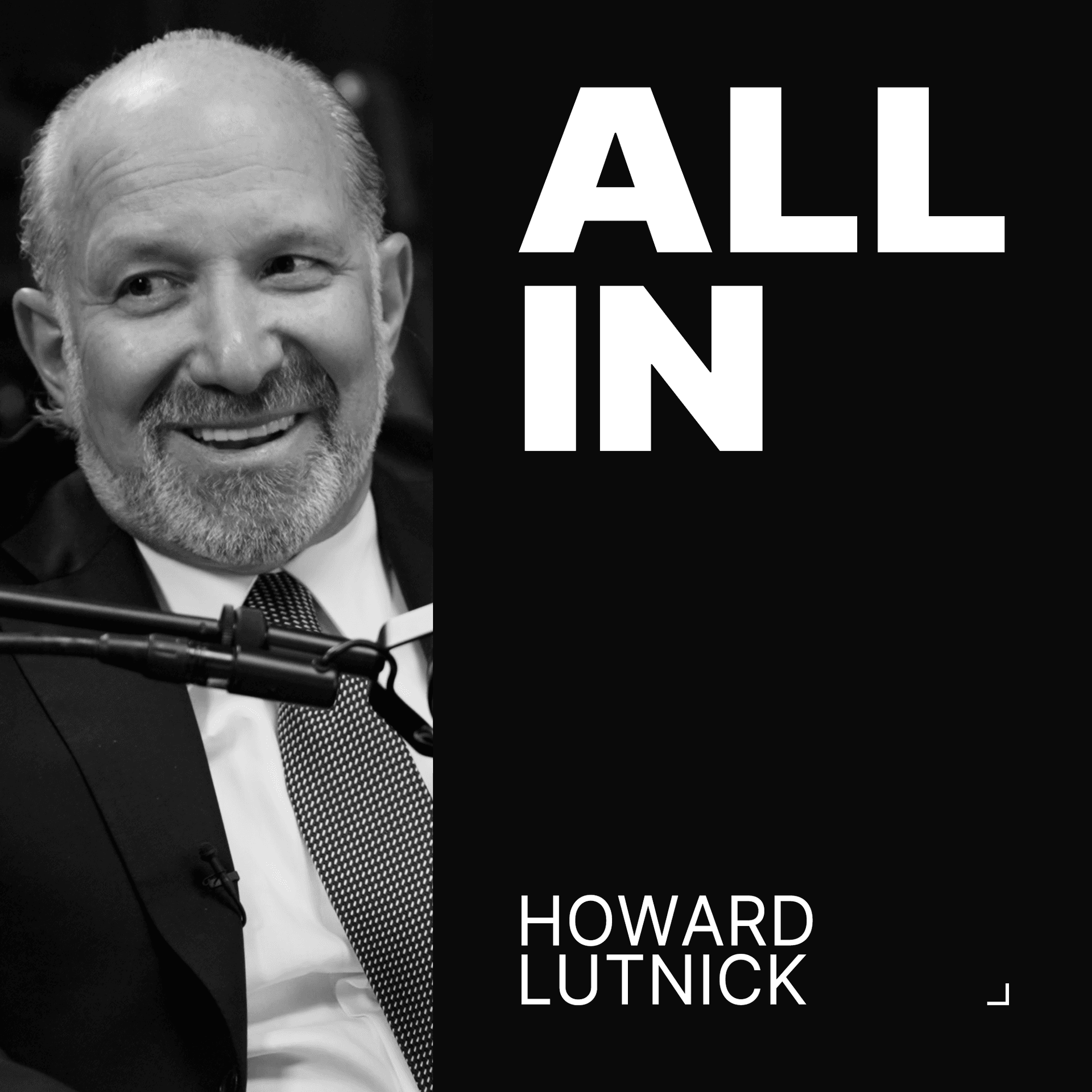
Howard Lutnick: How America Can Hit 6% GDP Growth in 2026
Overview In this episode, Howard Lutnick, the U.S. Secretary of Commerce, shares insights on various economic policies and strategies intended to boost GDP growth to 6% by 2026. The discussion includes humorous stories, reflections on his time in office, and in-depth analysis of trade agreements, tariffs, and domestic manufacturing.
Key Moments and Themes
- Humorous Anecdotes
- Lutnick shares a humorous story about his first experience on Air Force One, emphasizing the informal yet critical conversations that occur during flights.
- Reflections on Year in Office
- Lutnick discusses his objectives as Secretary of Commerce, focusing on creating an enjoyable work environment while driving outcomes.
- He expresses a desire to challenge existing bureaucratic norms and encourage innovative thinking within the department.
- The Scope of the Commerce Department
- Overview of the diverse responsibilities of the Commerce Department, including:
- Trade and tariffs
- Job creation
- Skills development
- Oversight of sectors like pharmaceuticals and telecommunications
- Tariff Strategies and Trade Agreements
- Discussion of Trump's tariff agenda, including the rationale behind sector-specific tariffs and their implementation.
- Insights on the US-Japan trade deal, emphasizing the balance of trade and the importance of mutual investment.
- Examination of the complexities surrounding the India trade deal and the reasons for its delays.
- Pharmaceutical Pricing and Reforms
- Introduction of "Most Favored Nation" (MFN) pricing to ensure Americans pay no more for drugs than other countries.
- Significant impact on drug costs, with examples like Ozempic being offered at $149 instead of thousands.
- Focus on Fraud and Immigration Reform
- The administration's effort to address and combat fraud, potentially saving the government up to a trillion dollars.
- New immigration policies aimed at attracting skilled workers who can contribute positively to the U.S. economy, rather than those who may rely on government assistance.
- Future Economic Projections
- Lutnick expresses optimism about achieving 5-6% GDP growth in the coming years, citing ongoing construction projects and investments in sectors like semiconductors as key drivers.
- The importance of reducing tariffs and restructuring taxes to stimulate economic activity and job creation.
Key Takeaways
- Strategic Governance: Lutnick emphasizes the importance of innovative thinking and challenging the status quo within government operations.
- Economic Resilience: The discussion sheds light on how effective tariff strategies and trade agreements can lead to a rebalancing of the U.S. economy and boost GDP growth.
- Pharmaceutical Accessibility: The administration's focus on lowering drug prices reflects a commitment to making healthcare more affordable for Americans.
- Investment in the Future: The emphasis on infrastructure development and skilled labor is seen as crucial for sustaining long-term economic growth.
Conclusion Howard Lutnick's insights provide a comprehensive overview of the current economic strategies aimed at fostering growth and improving the American economy. The conversation highlights the intersection of policy, commerce, and innovative governance as key components to achieving ambitious economic goals.
Follow the Hosts and Guest
- Howard Lutnick: [Twitter](https://x.com/howardlutnick)
- Chamath Palihapitiya: [Twitter](https://x.com/chamath)
- Jason Calacanis: [Twitter](https://x.com/Jason)
- David Sacks: [Twitter](https://x.com/DavidSacks)
- David Friedberg: [Twitter](https://x.com/friedberg)
Episode Credits
- Intro Music: [Yung Spielburg](https://x.com/yung_spielburg)
- Intro Video: [The Zach Effect](https://x.com/TheZachEffect)
This episode was rich with insights and humor, reflecting the dynamic interactions between economic policy and real-world implications in America today.
Written by AI. May contain mistakes. Listen to the episode to check what was said.
Chapters
Tap a time to open that second in VOAnecdote from Air Force One
0:00 to 2:25
Listen to a humorous story about a surprising moment on Air Force One.
“What was the feeling the first time you were on Air Force One?”
Reflections on His Year in Office
2:55 to 4:15
Howard discusses his experiences and surprises in government as Secretary of Commerce.
“And specifically, I would love to understand what surprised you as a businessman walking into the government.”
Transforming the Department of Commerce
4:15 to 6:20
Learn how Howard aims to rethink and reshape the Department of Commerce.
“And so my objective was to come into this department, which is an awesome, incredible, diverse department, and really think through its powers and its possibilities.”
Understanding the Scope of Commerce
6:20 to 7:35
Howard details the broad scope of the Department of Commerce and its responsibilities.
“And I basically told them where we were going, what we were doing, and why.”
Exploring Tariffs and Trade
7:35 to 10:00
Dive into the complexities of tariffs and trade discussions in the U.S.
“incredibly vast from trade to job creation, to NOAA, to the Census Bureau, to Spectrum.”
Debating Trade Deficits and Economic Strategy
10:00 to 14:01
Howard explains trade deficits and their impact on the economy through a metaphor.
“That's our responsibility as the lead advisor.”
Trade Deficits and Economic Ownership
14:01 to 16:38
Explore how trade deficits impact national ownership and economic power.
“So you have a trade deficit with the supermarket.”
The Complexity of Tariffs
16:39 to 19:49
Understand the complexities and nuances of setting tariffs in international trade.
“It sets up an incredibly powerful way to measure the effectiveness of tariffs.”
Japan's Market and Trade Negotiations
19:50 to 24:14
Learn about the challenges and strategies in negotiating trade with Japan.
“Let's double click into a couple of these deals because some of the terms you got, it would be just great if you could walk us through how you convinced them.”
Mercantilism and American Industry
24:15 to 28:00
Discuss the effects of mercantilism on American industries and global competitiveness.
“And meanwhile, so we start with 40 steel blast furnaces.”
Show all 41 chapters
Understanding Economic Chaos and Tariffs
28:00 to 29:00
Learn how economic chaos models affect international trade and tariffs.
“So what happens is it's their model, which is an attack chaos model.”
Domestic Production and China
29:00 to 30:00
Explore the importance of domestic production in the face of Chinese competition.
“Well, with respect to China, if we blink, they will sell below cost in America and drive our domestic companies out of business.”
The Importance of Negotiating Deals
30:00 to 31:30
Discover the strategic approach to international negotiations and trade deals.
“And now they need to buy it from China, which means what is their foreign policy with respect to China?”
Financing Nuclear Projects with Japan
31:30 to 32:30
Understand how international finance can fuel nuclear energy projects in America.
“You know, I've always described my business success in life.”
Revenue Allocation Through Treasury
32:30 to 33:50
Learn how tariff revenue can impact the U.S. Treasury and deficit reduction.
“and then it starts selling power and we split the cash 50-50 until they get back their money plus their interest.”
Reducing Tax Burden on Americans
33:50 to 35:20
Explore options for reducing the tax burden for middle-earning Americans.
“The only bank the United States of America has, as far as the Secretary of Commerce sees, is called Treasury.”
American Exceptionalism and Budget Balancing
35:20 to 36:40
Discuss the idea of American exceptionalism in the context of economic growth.
“And that means we don't have to take things away from people.”
Staircase Deals in International Trade
36:40 to 38:10
Understand the concept of staircase deals in the context of trade negotiations.
“And that's why it's so much more powerful than any politician before.”
The Case of India in Trade Negotiations
38:10 to 42:00
Learn about India's position in trade negotiations and the challenges faced.
“They do their deal Wednesday night, and on Thursday we have a press conference, and we announce it.”
Challenges of International Trade Deals
42:04 to 43:36
Learn about the complexities of negotiating international trade agreements.
“And so what happened is all these other countries kept doing deals and they're just further in the back of the line.”
Impact of Pharmaceutical Pricing
43:36 to 45:41
Explore how pharmaceutical pricing impacts American consumers and global markets.
“And you can use them to change the trade deficit, but you can also use them to change behavior.”
Reforming Drug Pricing with MFN Policies
45:41 to 49:16
Discuss the introduction of Most Favored Nation policies to reform drug pricing in the U.S.
“So he writes a letter to 17 giant pharmaceutical companies said, I want MFN.”
The Economic Implications of Drug Pricing Changes
49:16 to 52:18
Understand the economic impacts of new drug pricing strategies on American healthcare.
“Instead of generally for sale for thousands, everyone in America can have it for$149.”
Immigration Policies and Economic Growth
52:18 to 55:15
Analyze the relationship between immigration policies and economic growth in the U.S.
“of anybody i've ever met i could tell you stories and stories of just like when they said to me uh I don't know, maybe we talked about it last time.”
The Trump Card: Immigration Reforms
55:15 to 56:00
Discover the Trump Card immigration reforms aimed at ensuring benefits to the U.S.
“And what happens is the idea is to stop letting people into the country without a clear benefit to the country.”
Immigration and Economic Contribution
56:00 to 57:30
Discussion on the immigration system and how it can benefit the U.S. economy.
“So we are bringing in the bottom quartile.”
America's Economic Resilience and Global Standing
57:30 to 1:00:10
Exploration of America's economic resilience and its impact on global markets.
“People who graduate universities around the world and people who graduates - Fixing the H-1B.”
Plans to Combat Fraud in Government Programs
1:00:10 to 1:03:00
Details on the government's approach to tackling fraud in welfare and healthcare programs.
“This is an excellent point that no one has actually made.”
GDP Growth Projections and Economic Policy
1:03:00 to 1:06:30
Insights on GDP growth projections and the effects of economic policies on job creation.
“And probably the guy with the best intuition in the world sitting right over there was also a businessman.”
The Future of American Jobs and Industry
1:06:30 to 1:10:07
Discussion on the future of jobs in America, focusing on skilled labor and industry advancements.
“I mean, 5 % GDP on a base this big is just, it's enormous.”
The Importance of American Technicians
1:10:07 to 1:10:52
Learn about the impressive capabilities of American technicians compared to their Chinese counterparts.
“and I met the uh these guys were pipe fitters I met a pipe fitter and I said so how's the job he goes I play Tetris every day he goes I've got to get these kind of pipes through this kind of thing in this kind of way.”
Understanding the CHIPS Act
1:10:53 to 1:12:09
Discover the details of the CHIPS Act and its implications for American semiconductor manufacturing.
“So the Chips Act had$52 billion because we make no chips in America.”
Revising Financial Support for Semiconductor Plants
1:12:10 to 1:13:16
Explore the restructuring of financial support for semiconductor plants and the rationale behind it.
“And I think you flipped it around and you essentially said, stop.”
TSMC's Expansion and Strategic Agreements
1:13:17 to 1:15:07
Understand the implications of TSMC's expansion plans and the associated strategic agreements.
“So what we did is we said to TSMC, look, you signed the contract.”
NVIDIA's Strategic Deal and Economic Implications
1:15:08 to 1:17:59
Analyze the deal with NVIDIA and its potential impact on U.S.-China economic relations.
“I don't think we've ever seen a deal like this.”
Trump's Economic Strategy and Decision-Making
1:18:00 to 1:20:02
Gain insights into Donald Trump's economic strategy and decision-making processes.
“And when he thinks it's okay, and I know he's had full information, right?”
The Vision for America's Economic Growth
1:20:03 to 1:22:28
Discuss the vision for achieving 6% GDP growth and its benefits for American society.
“Do you think that the deals that we're seeing, so there's a 25 % rev share on the H200s from NVIDIA, you were able to get, I think, 10 % of Intel?”
Personal Anecdotes and Family Dynamics
1:22:29 to 1:24:01
Enjoy personal anecdotes reflecting on family dynamics and humor.
“And I was in a meeting yesterday with him where there were like eight advisors sitting around the Resolute desk and he's on that side.”
Family Dynamics and Favorite Child Joke
1:24:01 to 1:25:19
Learn about Howard's humorous take on family hierarchy through his children's birthday card jokes.
“I mean, you got eight guys saying, you know, guys and women thinking, you know, and he just says that.”
The Importance of Family in Life Choices
1:25:20 to 1:26:13
Howard shares how his family influences his travel and life decisions, highlighting their bond.
“And we have great kids, really smart, really capable, because, you know, great mom, great mom.”
Business Success and Government Commitment
1:26:14 to 1:26:55
Howard discusses his business background and dedication to public service, including insights on patents and the cabinet.
“I had whatever company that did more than$10 billion of revenues a year, made lots of money and I don't have it anymore.”
Transcript
Automatic transcript. May contain errors.0:00What was the feeling the first time you were on Air Force One? It's just a marine one like is there a special thing where you're just like what is going on? Yeah, yeah Yeah, when you're on these things you like It's amazing. Yeah, right you're you are We're part of his real conversations happen. We went to see Putin so I get on Air Force One at 5 a.m. He gets on at 5 45 we fly to Alaska. OK. Right. So we're talking about, then we were there for four hours with Putin. And then we fly back. Now, Marco Rubio and Steve Witkoff go take a nap because we have to wait for Zelensky to wake up. It's called Zelensky.
0:48We have to wait for the European leaders to wake up. Right? Because it's the middle of the night. So I stay up with the president. And we're just chatting. Like, we're just chatting. Watching golf. I mean, we just, like, it's a lot of hours. Yeah. So then Zelinsky wakes up. So they get on the phone with Zelinsky, and he talks to Zelinsky on his phone. And then when he calls the European leaders, when they get up, they want to have us only secure a call. So there's three secure handsets in his office. So he's on one, Rubio's on one, and Witkoff's on one. And I'm just sitting on the couch. This is in Air Force One.
1:25In Air Force One, in his office, in Air Force One. So I'm just sitting on the couch. And I've been up for like 20 hours, okay? And the president's been up for 20 hours. But he's on the phone, and the European leaders are talking. So I'm just sitting there. And they're all on handsets. So I can't hear a word that anybody's saying. And I'm just sitting there. So I fall asleep. Okay? So I'm just sitting there. They're talking on the phone, like right there. And I fall asleep like this. So I'm like that. So Wyckoff elbows the president, right? Points to me. and then the president unrolls a Tootsie Roll.
1:59And he's like this. He tries to throw it again to my mouth. He hits me in the face. I'm like, I wake up, he goes, he goes, Howard, while you're napping, we're trying to settle world peace. That's awesome.
2:24Well, welcome everybody to the All In Interview. I'd like to welcome Secretary Howard Lutnick, our esteemed Secretary of Commerce. When we did the first interview with you, it was at the beginning of the administration. It was almost a year ago. And to be honest, it turned out to be one of the most popular things we've ever done. There's the Elon Musk view factor, but then there was the Howard Lutnik view factor, and they were pretty much side by side, actually. It's great that you gave us a chance a year later to come back and talk to you. Let's just start with the general look back for you. How has the year gone?
2:58And specifically, I would love to understand what surprised you as a businessman walking into the government. Let's just start with that. So overall, I have a goal, which is I want to be the cabinet secretary who has the most fun. And so I set out with that goal, which means I am outcome-driven. I don't really buy into I worked really hard at something and it failed. Have I worked really hard and it failed? It's a fail. It's a fail. Right? If I got lucky and it just all fell into place and I did nothing, it's still success, right? Because the outcomes are what matter. You're not telling people how hard you worked and failed.
3:45Right. So how you get things done in government is fascinating. It's just different. What happened is most people who've ever been in government tend to be incremental. They come in, they say, how did this work? So someone explains how they work. and they try to move the ball 10 % forward. They don't really rethink it entirely. And so my objective was to come into this department, which is an awesome, incredible, diverse department, and really think through its powers and its possibilities. Reimagine them, rethink them, hire people, and then mold those people to think outside the box. And so the first three months was really getting people to think, can I really challenge this?
4:42Can I really do this? Can I really try to do this? And then trying to convince everybody around me that this is an okay way to do it. The way it was done yesterday isn't right. It was just what they did yesterday. You're not even saying it's wrong. You're just saying it's not you. Do you get the organ rejection, though, of career bureaucrats who think, wait a minute, Howard's out for my job, or this is just a totally different way of doing things. I don't feel comfortable with this. I don't necessarily agree. We hear a lot about sort of this deep state, whatever that is, like this career lifers that sort of push back on radical change.
5:21Well, look, in the beginning, we cut 20%. I walked in the door here with 52 ,000 people in this department. And now there's 40 ,000 people in this department. So the idea is if you're going to cut 12 ,000 people, you have to do it fast. So that everybody understands the next shoe is not going to drop tomorrow, right? And find where we had programs that just were like, this program was started in 1978. You'd be like, why are we doing it now? We had a department that was supporting advanced manufacturing set up in 1986. What were they doing as advanced manufacturing 40 years ago as opposed to what people are doing now.
6:10So it was really not taking out what's the core. And so we did that quickly. And then I went and met every bureau at town halls. I went to their offices. And I basically told them where we were going, what we were doing, and why. What I learned about government is the people here are very narrow experts. They're amazing. Their knowledge of this particular topic. So there's not generalists in government, but you have someone who's great at this, someone who's great at this, someone who's great at this, someone who's great at this. And then your job as the secretary is to weave that blanket together so that these specialists tasks succeed.
7:02And so when you give them tasks that maximize their capacity, they get jazzed. Right. And so I'm getting amazing output from this department because they're jazzed because someone appreciates their capacity and is driving it to success. I want to jump into some of these verticals of expertise that you oversee, but it may be useful for the audience, actually, if you just gave an overview of the scope of commerce, because it is incredibly vast from trade to job creation, to NOAA, to the Census Bureau, to Spectrum. There's a lot of things that you can shape on behalf of the United States. So tariffs, which have been a big conversation.
7:50There's two types of tariffs. There's general tariffs, that's in front of the Supreme Court. And then there's sectoral specific tariffs. Those that are specific, industry specific are in this building. Okay. And they're part of BIS, the Bureau of Industry and Security. Right. And that is both where we have export controls. We don't want to sell our best chips to our adversaries. We don't want to sell whatever is the fill-in, that's the Bureau of Industry and Security. Or do we want a license? Just to make sure you use it in this sort of way or that sort of way. All of that is, and they have guns and badges, right?
8:38So they have guns and badges, right? Because they have to protect and defend that. And they find people and that's, And they also control the auto tariffs, the steel tariffs, pharmaceuticals, which we can talk about a bunch because it's been insanely successful driving down the price of pharmaceuticals in America. And so that's the Bureau of Industry and Security, BIS. Then you have ITA, which basically is the advocate for business, right? I'm the secretary of commerce. So that's like a fun job. Like you're in charge of commerce. So we help companies sell things around the world. That's our job.
9:21And we help states sort of bring in business to build and grow here. So we're sort of the import-export-assist model, right? So we're always helping Boeing. So the guys, the senior executives of Boeing follow me around like a puppy because every time I do a deal, and if you look at my big deals, at the end it says they buy 50 Boeing planes. They buy 100 Boeing planes. So we're always helping American companies sell overseas and we're helping companies invest in America. Help them with their permits, help them with whatever they need to build and grow so we can grow our American jobs here. So those are two examples.
10:03Then we have NTIA, telecommunications. That includes spectrum. How are we going to do 6G? How are we going to do 6G? like how do the pieces fit together? That's our responsibility as the lead advisor. And then inside of that, of course, we have the AI, the Center for AI Advancement. So we study and then we put out reports like when DeepSeek comes out with their new model and there's all this press about it. Our department literally, painstakingly, studies it as compared to our models and publishes what's the difference. Right. So that we actually, there's a standard of knowledge, not the press making this, that, or the other thing.
10:56And then we put out GDP, right? And we analyze. And what's interesting about GDP is people don't realize what we do is we use the census. So there's business census, calling around the companies, and not really calling around anymore it's more you know economic connection to companies through apis and otherwise and and one of the keys for me is to uh to get rid of everything that's manual that's left and make it all automated make it all connected with apis make it all make it make sense you can do it amazingly well create gdp and then we put gdp out on the blockchain because if I'm publishing GDP, why not?
11:39Yeah. Like where's the holdup? And you started doing that in July, I think. I mean, how fun is that to say, why don't we do that? And then, you know, we go to the Oval Office. I chat with the president. He goes, great. And then we do it. I mean, the reason you want to work for President Trump is his intuition is so extraordinary and his knowledge base is so amazing that I can go in and talk to him about, should we put GDP on the blockchain? And just before that, he was doing something completely different, something completely different. And then he'll chat with you about three or five minutes and it goes, yeah, that sounds great.
12:17And then you just go do it. So it's really fun. We have the patent office. And if you think of how valuable intellectual property is, how do we protect it? How do we defend it? What's the right way to think about it? So then you have NOAA, which is, you know, we have inside of NOAA, of course, is the word atmosphere, right? It's oceans and atmosphere. What does that mean? Oceans. And above 50 ,000 feet is space, space commerce. So I have now the Office of Space Commerce, which I've taken out of NOAA and then put in my office so that I can reimagine how do we handle commercial settlements. Okay.
13:01So we're going to dig into as many of these areas as we can, but let's go back to the first one. So can you bring us into the room leading into April 1st? April 2nd. April 2nd, sorry. And bring us into the room debating tariffs, debating where you wanted to start, debating the game theory. What were the puts and takes and how did you come up with the decisions you made? And then if you could just reflect back on what went right, what would you want to redo? And what was maybe, and it still is misunderstood. So the president in his first term, he's been talking about tariffs and how the trade deficit of the United States of America is really a ripoff of America.
13:48that people who don't weigh in very deep say, well, you have a trade deficit with the supermarket. Right? You know, I mean, you're always buying from the supermarket. So you have a trade deficit with the supermarket. That's just silly. Right? If you think about it, let's say there are two islands. Right? One produces and one invents. So the inventor lets the other island produce. and keeps buying it from that other island, pays them the money. And that other island uses the money to buy the inventor's island. And over a period of time, the producer owns the inventor's island. And the inventor works for the producer because he ran an infinite trade deficit and kept paying his money away.
14:44So what's supposed to happen when I was in college, my, you know, freshman and sophomore professors basically said, if you run a trade deficit, you'll keep taking your silly paper money and giving it to them and buy their wine and buy their cars and buy all their cool stuff. And sooner or later, they're going to say, hey, I don't want your stupid paper. and your dollar would devalue. You wouldn't be able to buy their stuff and it would all balance. And that's sort of free foreign exchange floating currency theory. But what if you're America and you invent the light bulb and then you invent the transistor and then you invent the GPU and you're just too darn smart.
15:32So what they do with those dollars is they come in and buy us. in 1985 we had net ownership of the rest of the world so comparing the rest of the world's ownership of america and our ownership of them that counts everything their bonds company stock every everything everything we were net an investor of 148 billion dollars more of them than they owned of us. Fast forward to 2024, 26 trillion the other way. They own 26 trillion of us. More, more than we own of them. What you're saying is we became effective employees of the people that were producing the things that we created. Right, so when we call, so the beginning, so Donald Trump says we're getting ripped off, we need to fix this.
16:28right? And sort of like these junior economists fight it and say, no, no, no, no. Let me just stop for a second. That is the first time I've heard that it is an extremely elegant framing, actually. It sets up an incredibly powerful way to measure the effectiveness of tariffs. Right. Which is, and is that how you think about it? Which is that imbalance is the North Star? Yes. Once we own at least the same of them as they do of us. That's balance. That's balance. We're balanced. And right now we're at a$26 trillion. Why would we have that? So what happens is you call a country up and you say, I'm going to set a tariff.
17:08They say, wait, wait, wait. Before you set a tariff, how about this? We'll invest$200 billion in your country. And Toyota will build a factory and Siemens will build a factory and they'll all build a factory. and I'm like, you're just buying us. Right. You're literally buying us. I understand. What's better for you, investing 200 billion in America or investing 200 billion where? Where's better than investing here? So what happens is that natural argument, which was always previously success, falls on deaf ears. And I'm pointing over there because that's his office, okay? The White House is like right there.
17:58And it just, he says, you're only investing here because it's great for you. The answer is, I want to rebalance. And that's what we're out to do. Build it here, sell it here, fine, fine. Or pay for the privilege of selling it here. Hmm. How did you set the rates? Well, the president on the campaign trail had two views. The debate. And he was really debating with the team and inside his mind, does he want to set a universal tariff or a specific country by country tariff? Obviously a universal tariff. It's easy. You know, Tuesday morning you say. Pick a number. 10%. Shazam. Right. But we settled on a country-specific model.
19:03Much more complex, much more difficult, but much more nuanced, much more clever, and much tougher. And he couldn't do that in his first term because he didn't have believers around. And he had too much of the people who believed that sophomore professors' ideals. And even though we were out$26 trillion, they thought that was too casual a comment. And so this administration came in with incredibly sharp people. me included, Jameson Greer, Scott Besson, who were on side, on board, driving for these outcomes. Let's double click into a couple of these deals because some of the terms you got, it would be just great if you could walk us through how you convinced them.
19:57So let's look at Japan. So the Japan trade deal, you walked out with, I think it was$550 billion of commitment and terms. I mentioned Elma Sapat. I've never seen terms like this before, which you can explain, which is basically, Japan gets your money back, then you get 90 % of the profits. But can you just walk us through, when you go into the room with the Japanese government, just get us to the outcome. How do you negotiate that deal with them? Okay. So let's spend some time in Japan because it's really, it's fascinating. So when thinking about Japan, I reminded the president in 1853, Admiral Perry went with an armada and cannons and still had trouble opening the Japanese market.
20:44So the Japanese market for cars, as an example, 94 % of cars driven in Japan are Japanese. They don't drive German cars. They They don't drive Korean cars. They don't drive American cars. The only American cars really in Japan are Chevrolets driven by the Yakuza. So, you know, I mean, you can't come home with a Chevy and people think, ooh, you know, you got a new job. So it's a culturally, technically, and economically closed market. so even if you opened it technically and even if you opened it economically you may not be able to open it socially so what we did is we said all right you're going to pay a 25 percent tariff simple you won't open your market right i can't get you to really open your market so you just pay us 25 and uh and that's simple we don't have to negotiate you know we just pay for the right And the math will fix itself over time.
21:51So their leadership called and said, we can't do that. And when someone says, I can't do that, I'm like. When you say why. Yeah. And they explained why. They said, look, the way the Japanese auto manufacturers work is the government subsidizes the machinery that went to small manufacturers. So what they did is, let's say, company A could have 1 ,000 small companies and they make the cup holder for this particular model. And so they have 50 people who work at this company who make the cup holder. For Toyota. Right, for Toyota. But the machinery was subsidized by the government. And so you have thousands, tens of thousands of these companies.
22:45And so they can't pick them up and move them to America. Let me ask you just a question before you go back to this. Was it surprising to you that not just Japan, but I'm sure you have encountered it everywhere, all these other governments would be willing to shape and subsidize their own domestic productivity, whereas Americans were a little bit more on their own? It's amazing. The subsidies, the assistance, it's not a level playing field. That everybody else does for their own domestic internal economy. But not on every product, but on many. I mean, we set steel and aluminum tariffs. You'd say, why do you do the whole steel and aluminum thing?
23:29You'd say, well, if the Chinese give power, give G-I-V-E, the power to the steel producer. Free. Think of steel, right? It's like brown dirt. Yeah. So you process the brown dirt to make it iron ore, but you've all seen it's like dirt. Right. And then you know how much power you have to put into that to melt it, to make it look like one of those things we've seen on TV where you're pouring the iron ore? And imagine if I gave you the power for free. You'd be making your steel for 250 bucks a metric ton. Right. And you'd say, how much does it cost in America? has 700 bucks a metric ton. So they're going to put our guys out of business, which means they put our guys out of business.
24:08And then Japan subsidizes it. Korea subsidizes it. So maybe they can do it for 400 bucks a metric ton. And meanwhile, so we start with 40 steel blast furnaces. Now we have 10. And if we kept going, we were going to have zero. Zero. And then what happens is you become basically subservient if you need steel. You want to build your own missiles? You have to call another country. Now, they may be your allies, like Japan and Korea, and you can call them, but you are not self-sufficient. So Donald Trump says, we need steel. We need aluminum. We need copper, right? And we need to make our own semiconductors.
24:54Yeah. We need to make our own pharmaceuticals. And once you understand this, and you really think about it, Donald Trump is not only is he completely correct, it actually goes to the thank God. You study pharmaceuticals, and you really study them. And you say, well, these generic pharmaceuticals are made in India. I say, okay, good. India is our ally. But the ingredients come from China. Exactly. So that if there's one nut or bolt that you need and it comes from China, they don't send it to you. Right. There were these things called magnets. Okay? Magnets go in a car. The value of a magnet that goes in a car is 20 bucks.
25:4220 bucks! Right? You're buying a$30 ,000 car. It's a$20 part. Right. But if they don't have it, oh, sorry, it can't work. Right. Right? Where do we get that part from? Well, China sells them. They buy the dirt, the ingredient for$55 a pound, and they sell you the finished magnet for$55 a pound. So no one's going to make the magnet if you could sell the raw material for 55 bucks. So they're basically just losing money. And the answer is? Right. Do you think that this mercantilism, was it a purposeful strategy to weaken America? or do you think it was just a byproduct of capitalism? The answer is yes.
26:28The Chinese economy is one of overproduction. They have 50 mayors, provinces, and each of those provinces is trying to succeed. So each of those provinces wants to build an electric car company. And the government puts in all the money, builds the capital, gives them the power, invest. So if you're the mayor, you want the winning electric car company. Because remember, China does not have oil and natural gas. So they have to build electric because they have coal. Right? So they have to build electric. We don't. We're being fools to think that we should have batteries and everything that they make that we don't.
27:09That's just foolish. So that means if you have 50 mayors and they all have what? One electric car company? No, no. They're probably They're going to have two just in case. So that's 100 electric car companies. And they're all trying to kill each other, subsidized by the government. So they can cut their price 30%. Why? Because the government just says, look, let's just try to undersell everybody else. And then they make so many cars. What do they do with all these cars? So then they dump them. And they take the electric car, which cost them$30 ,000, and they sell it in Europe for$15 ,000. So you go to an electric car in Europe and say,$15 ,000 for this car.
27:50This is an amazing car for$15 ,000. That's because it costs$30 ,000. To me, yeah. So what happens is that has the effect of putting Volkswagen out of business. Right. So what happens is it's their model, which is an attack chaos model. But the attack chaos model has overcapacity. and then they turn that overcapacity into an asset says let's dump the overcapacity we're going to lose a fortune okay but the government's just paying we're going to dump that overcapacity into america right or into europe or into anybody who'll take it right we'll put their industry out of business and then we'll have them over a barrel we'll turn our economic chaos into international prowess.
28:43And leverage, right. So that's... And so then the tariffs now then basically slow that leverage down because it takes that economic incentive off the table. Do you need to follow up with some other set of structural changes though to right the ship in the long term? We have to domesticate production. What are the things that we need to do so that in eight years or 12 years, if the tariffs were to change, if a different administration takes a different point of view, what is structurally going to be left behind that prevents this from happening again? Well, with respect to China, if we blink, they will sell below cost in America and drive our domestic companies out of business.
29:30and then we will be beholden to them. That's sort of a simple man, right? I mean, if you think about it, they spend a fortune convincing everyone that they should be environmentally friendly and have an EV car. But if Europe doesn't make batteries and they say have all EV cars by 2030, then who are they going to buy the batteries for? They have to buy it from China. And now they need to buy it from China, which means what is their foreign policy with respect to China? It's very positive. That's all, right? They trade economic, you know, basically - Certainty. I've gotten prowess over you so that you're gonna let me do this, that, and the other thing.
30:26And eventually, you know, they're not playing with the same rules that we play and so when you go around the world and you study the world like japan doesn't do cars by the same rules that we do so they had to have cars be lower than 25 25 was basically a number that choked them and so we analyzed together with them that 15 % would be the number they could live with, right? And keep making cars and build more here. And then I said, well, but why would we, since you're not really going to open your market, you're not really going to let us have access, how are we going to do it? And then I spent months going back and forth with the Japanese and President Trump with different ideas.
Read the full transcript
31:25How about this? So if you suggested I got it right the first time, that would not be true. I got it right. You know, I've always described my business success in life. I always came at it like this, okay? And then this, this, this, sooner or later. Iterate the success. Yes, it's sort of later I got through. So what we came up with was$550 billion. This is not foreign direct investment. This is not Toyota building a factory in America. This is, they literally will finance any project we want to build in America. As long as it's like a good cash flowing project. Nuclear. We want to build$100 billion of nuclear plants.
32:11They will pay for it. So what happens is they'll borrow the money on like a 30-year bond in Japan. So the Japanese government goes and raises the 550 billion from their domestic bondholders. From their domestic bondholders. Right. So they're an LP to you and you're the GP. Exactly the right thing. Yeah. They're an LP. They give us the equity. Yeah. We build the nuclear power plant and then it starts selling power and we split the cash 50-50 until they get back their money plus their interest. So that means in 30 years, the taxpayers of Japan broke even. And their dividend was a reduced tariff.
32:54That every day they had a lower tariff, they had more employment, they had this and that. And you know what? What's their stock market's up? 20s? Up, not down. Up. So, you know, that's the point, which is it didn't cost their taxpayers money over time. Right now, we, it's pretty simple to understand how much we're going to make. You'd say, well, if it's$550 billion and their interest rates are pretty low, so let's say over 30 years, you're going to get$650 billion. When we pay them back$650 billion, if you say to me, how much did America make? I would say$650 billion because we split the money 50-50.
33:35Yeah, exactly. And after they get their money back, because nuclear power plants last a long time, then the cash flow goes 90 to America and 10 to Japan. And when you say to America, is there an account? How does that money then get spent or allocated? The only bank the United States of America has, as far as the Secretary of Commerce sees, is called Treasury. Treasury. So we have accounts at Treasury, and all the money goes into Treasury. So all the tariff money goes into Treasury. All this money just goes into Treasury. So it reduces our deficit and it reduces, it is taxes paid by others. Right.
34:17For us to get our house in order, right? That's why the president talks about the external revenue service, right? In this case, you're going to make, you'd say, all right, well, over 20 years, you'd probably make 30 billion a year, right? That's 30 billion a year. You know how much tax we'd have to raise? Yeah. Americans to cover 30 billion a year that's 30 billion a year just on those trades and then you have the tariffs are 500 billion a year now and they will grow over time to a trillion a year and that money is not money we have to pay in taxes and eventually that puts our house in order the lowers interest rates drives our economy but most importantly we don't have to pay president Trump has talked about this, he said that as you kind of execute the tariff plan and extract this incremental capital, you could see a rateable reduction in income taxes.
35:12Is that the right way to think about this? Or do you think there are other ways to spend the money first that we need to before we can? Who paid for no tax on tips, no tax on overtime, no tax on social security? right tariffs tariffs so that's a like that's a down payment right right but that's the idea we should be able to reduce the tax burden from the bottom up yeah right help americans who make less than 150 000 who earn overtime who who own earn tips let's reduce their tax burden right let's help them and that's by the way that's 85 of america it's not like it's a subset and so i think the president is deeply focused on using the power of his administration to right a whole bunch of wrongs that have been ripped off about our country and that we are the richest country in the world.
36:09And that means we don't have to take things away from people. Everybody assumes to balance the budget, if you asked a politician how you would fix social security, they would say, take the retirement age out. Take away. They would never say, we are the greatest country on the earth. We have the greatest economy on the earth. Can't we figure out ways to enhance our revenues to keep the richest country in the world? Should be able to give people retirement at 65. We shouldn't change a darn thing. And that is his thinking. And that's why it's so much more powerful than any politician before. Politicians think all they have to do is give or take, give or take, give or take, give or take.
36:56The way that you've explained this, it makes an enormous amount of sense. It's like you set the stage of here's the historical imbalance, here's how we want to reset it. We want some investment that we're going to get you whole foreign country. But at the end of the day, this is about American exceptionalism. It's worked in Japan, it's worked in Korea, you did the deal with Europe, you did the deal with the UK. what's sort of out there that's still there? I think India's kind of still out there, although it seems like they are capitulating a little bit. I saw that they just bought a lot of liquefied petroleum gas from the United States in November.
37:32What are the big sort of hot button places that you want to - I'll tell you a story about India. So if you remember, so I did the first deal, the UK, and we told the UK that they had to get it done. by two Fridays from now. That that was the date. That the train was going to leave the station by two Fridays because I have a lot of other countries doing things and if someone else is first, they're first. And President Trump does deals like a staircase. First stair gets the best deal. You can't get the best deal after the first guy went. Everyone says, I want the UK deal. I want the UK deal. The answer is no, they were first.
38:14They took the chance. They moved quickest. They're first. second up a stair so that sets the floor right and then the next one's got to be higher and then the next one higher and the next one higher the next one so he does things that way because that way it incents you to come to the table right right you could have three countries who are the second deal they all get done the same time right but you know if you want to wait and see how it goes that's at your risk so he does the uk deal and they had to get it done by friday and thursday afternoon, Keir Starmer's on the phone, the president. They do their deal Wednesday night, and on Thursday we have a press conference, and we announce it.
38:56Okay? So everybody asks the president, who do you think is next? And if you look back at the time, he talks about a variety of countries, but he names India a couple of times, publicly. It's not like a big secret. and we were talking india and we told india you had three fridays you put them on a shot clock well they have to get it done because what happens is i have lots of other countries and when those other countries do their deal the staircase goes up and right and yeah now the president during all these deals he would refer to me as the greatest table setter who ever lived okay because you've never had anybody who is as successful as me as a businessman before who's just the table center basically you know so because what i would do is i would negotiate the contracts and set the whole deal up but let's be clear it's his deal yeah okay he's the closer he does the deal so i said you got to have modi it's all set up you have to have modi call the president and they were uncomfortable doing it.
40:08So Modi didn't call. Wow. So that Friday left, middle of the next week, we did Indonesia, the Philippines, right? Vietnam, we announced a whole bunch of deals. Malaysia in that period. So we did these whole bunch of deals, so that's like. That staircase. And they were at, and because we negotiated them and assumed India was gonna be done before them, I had negotiated them at a higher rate. So now the problem is the deals came out at a higher rate. Right. And then India calls back and says, oh, okay, we're ready. I said, ready for what? It was like three weeks later, I go, are you ready for the train that left the station three weeks ago?
40:53So what happened is they just, you know, sometimes there's that seesaw and people are on just the wrong side of the seesaw. You know, when I was young in business and I was a trader, one of my first jobs was a trader. And when I would start on the wrong side of the seesaw, you know, I'd buy and it would go down. And then I'd sell, it would go up and then the buy would go down and sell. When you're on the right side of the seesaw, you can't lose. You know, you buy, it goes up and then you sell and it goes down and you buy, it goes up and sell, it goes down and you feel like you're the king. but when you're on the wrong side of the seesaw what i used to do is i used to put the phone down i used to go in the bathroom fill a bucket with water take a rag and i would wash the plants in the office because it was much cheaper than me picking up the phone so and then and then people would call and say you know can i speak to harry they go no he's in a meeting and meanwhile they look up and there i am washing the plant because whatever i did i would get back in there and i touch it, we're going to go the wrong way.
41:54So what happened is India just was on the wrong side of the seesaw. And it wasn't, it was just they couldn't get it done when they needed to. And then they couldn't get it done. And then they couldn't get it done. And then they couldn't get it done. And so what happened is all these other countries kept doing deals and they're just further in the back of the line. And now when they say, but what I want is I want the deal in between the UK and Vietnam, because that's what I negotiate. And they remember, and I remember. And they say, but you agreed. And I said, then. Then. Not now, then. And so that's the problem India will work it out.
42:47but it's just you know there's a lot of countries and and they each have their own deep internal politics and to get something approved by their parliament or their diet or their you know these are deeply complex thing and and we're dealing uh with the world but we've gotten them done You know, we got Europe done, right? We did Japan, then they did Europe, then we did Korea, and we've done country after country after country. And these are durable, meaning these are deals that take care of the countries, autos, pharmaceuticals, semiconductors, things that really matter. And the tariffs have been incredibly effective.
43:39And you can use them to change the trade deficit, but you can also use them to change behavior. We should spend some time talking about drugs and pharmaceutical. Well, this is what I wanted to do. Let's double click into AI and drugs, but let's start with drugs. So you were pretty integrally involved in some of the the pharmaceutical repricing and manufacturing deals. Just walk us through what the goal of those were and how Americans will feel the impact of the deals that you've been able to get done. So everybody who studies pharmaceuticals learns that America is the client, is the consumer, is the payer.
44:24Worldwide. worldwide. We pay all the money. So these drug companies make 75 % of their revenues in America and it's 100 % of their profit. Because what happens is we pay, let's say,$1 ,000 for a drug. And then Europe says, yeah, we have socialized medicine. We're not buying it. What's your cost? And the drug company says,$100. So they say, we'll pay you$175. You can make$75. And then the drug company says no. And then Europe says, okay, I'm not buying it then. You'd say, what do you mean you're not buying it? You're not going to give medicine to your people? No, we can't afford it? No. So eventually the drug company says, ah, fine.
45:08So we're paying a thousand. And they're paying 175 bucks. You know, six times less. And you'd be like, what? and that is how the whole world's drug model was working we're paying a thousand everyone else in the world is paying 175 so donald trump says i want to fix it and i want mfn price you want to charge us most favored nations most favored nations so we're the cheapest price in the world right but you could charge them 500 and then you could charge us 500 fine right but if you're willing to sell it to them for 175 bucks don't come here and tell me that i have to pay a thousand right it's just unfair you're not dictating price in america you're essentially dictating the lower bound price abroad we are dictating fairness fairness like if we're your biggest customer treat us like fairly we're not even saying treat us the best we're saying treat us fairly.
46:12I mean, it's amazing. So he writes a letter to 17 giant pharmaceutical companies said, I want MFN. And I got to tell you, I don't know a single person in this administration who thought he could do it. It was so audacious, so bold, so powerful. I was like, I don't know, geez. I mean, you just write a letter to all the big drug companies saying, you're going to give us mfn and you like write a stern letter and i'm like okay good luck with that how's this baby gonna work right you know and then so i sit with uh we have this amazing meeting with bobby kennedy and uh and his team and we say look i've got these 232 tariffs i could smash these companies smash because they all make it overseas and export it to us and we're and we're all the money.
47:06So we could charge them any tariff we want. We charge them 500%. So let's do something that's never been done before. Let's literally be a team. Okay? You lead. So Bobby and his team, who were amazing, Dr. Oz, Chris Klopp. I mean, these guys did spectacular job. They led, but I was the hammer, right? From table setter to hammer. It's a hammer. So now I'm the hammer. So I'm like in the background, like hammer. And then like say, look, you have two things we want from you. We want your best drugs at MFN prices. You can't sell it to anybody in the world at a better price than you sell it to us. Of the countries that have money.
47:53We're not talking about if you sell it to sub-Sahara Africa. We're talking about the big countries, the OECD. Let's say call it the big 10 or the big 20. Charge us the same and reshore and I'll waive your tariff while you're reshoring, provided you do those two. Or hammer, just hammer. And what's the hammer mean? I don't know, hundreds of percent tariff starting, I don't know, what do you think, 30 days from now? Like bang. so so you're just there in the corner they just see just i'm like the handsome guy in the back just gonna you know like so if you see me at the meetings i'm like yeah like la la la but if you look at the uh pictures that are put out everybody puts out the picture of bobby signing and me signing right right you say what do you sign harrod i'm signing the uh no hammer rule So the result is Ozempic and Munjara are on Medicaid and Medicare for$149 instead of not on it.
49:10Right. And generally for sale for thousands. Right. So think about it. Instead of generally for sale for thousands, everyone in America can have it for$149. bucks and and that's going to reduce also i mean it's going to change these drugs we had we had drug companies say you know what i'm just going to give it to you one of the drug companies merck so they're going to just give us their number one drug in the world right they're going to give it to medicaid medicare for zero right right so we saved 25 35 billion dollars a year but more importantly, we made drugs accessible to America at a fair price and stop always being the one who pays.
49:59We are the richest country in the world. And the world viewed us. Remember when I was growing up, there were all these cartoons on TV. And there was always this one where there was a guy stuck on a desert island. And he looks at the other guy. And as the other guy walks by, he starts looking at him he looks like a a big chicken leg you know he's like starving so he looks at the other guy he sees him like i mean the world views us as a giant chicken you know that they should just we're so rich we won't miss it and so they all the trade deals were bad the drug deals were bad the you know you can go chapter and verse the immigration system is the most ridiculous thing imagine we are the richest most successful country in the world and we give a lottery a lottery so let's say we have a lottery to come into america if you win the lottery you win right But who's paying for the lottery?
51:06We are. So it's not like, you know, the normal lottery, everybody pays in a dollar and the winner gets X percent of the money. Right. Here, the people win the lottery and we lose. Right. Like it's like a win-lose. And that's like, and you would say, gosh, why would we do that? Yeah. And it's only because Donald Trump is willing to literally challenge. Why are we doing this? Why are we doing that? Why are we doing this? Why are we doing that? He has incredibly capable people around him who are willing to challenge it and then come up with a better answer, attack that better answer, and deliver the outcome.
51:48Meaning just talking about it, as I said in the beginning, doesn't count. You either change the immigration system, you change the price of drugs, you change the trade deficit which have which is awesome right you change the budget deficit of the country that's 600 billion dollars this year you just you just relentlessly deliver what happens is if you have a businessman in that office and and donald trump has the best intuition of anybody i've ever met i could tell you stories and stories of just like when they said to me uh I don't know, maybe we talked about it last time. What's that flag on the back of those ships?
52:32And I was like, I don't know. He goes, you ever seen a flag on the back of a ship that you know where it was from? And I was like, no. He goes, why is that? And then you look it up, and the number one flag on the back of a ship is Liberia. All these ships, like all the tankers. Like all the tankers, cargo ships. And why is that? It's a tax scam. it's a flag of convenience right and then what they do is they then so they make all their money on the seas and they charge the port is an expense right so they pick it up from europe it's an expense they drop it off in america that's an expense and all their profits are on the high seas where they pay no tax right so what do you think they do then they buy the ports right right It's all a tax scam.
53:19So the president, by intuition, sends us out like he sends me out. He loves to send me out stuff because I just love the stuff and I find it. And we're going to attack. The next year you're going to see this government attack fraud. And the fraud is probably a trillion dollars a year of people who just have figured out how to rip off the system. And the system, remember, America had open borders until 1914. The reason it had open borders in 1914 is because it gave you nothing. So like if you were sick, you couldn't go to the hospital unless you could pay the bill. So if you were sick, you'd die.
54:08What do you want from me? Get a job, take care of yourself or get lost. Right. And when we went to have a welfare state, you have to close the borders. Because if the people are going to give their money, they need to give it to each other. You can't really open the border and say, I'm going to give my money to anybody who wants to come in. Right. That's getting it wrong. So when people say open immigration is how we built America, They are right. And open immigration would be something interesting if we gave people nothing. Because if we gave them nothing, if they weren't smart enough, capable, entrepreneurial enough, driven enough, they would starve to death.
54:56And so they wouldn't stay here. They would self-deport and leave. But if you're going to give them welfare, and you're going to give them food stamps, and you're going to give them housing, and you're going to give them this, that, then everybody's going to come and just leech off of us and we're going to pay and pay and pay until now in the room on this immigration side you've launched two versions of the trump card i think right there's the million dollar trump card and then the five million dollar card where are those programs and how have they been working so so they're it's out right now trumpcard.gov It's a really nice website.
55:34And what happens is the idea is to stop letting people into the country without a clear benefit to the country. Right? You should come in if you're going to give us a clear benefit to the country. Like it should be black and white. We want you. Yeah. Right. You can help us. Yeah. So the average green card, if you looked for the last five years, The average American makes in the 60s$1 ,000 a year and the average green card recipient made in the 40s. So we are bringing in the bottom quartile. Right. Why? We're the only country in the world who was bringing in the bottom. More likely to be on welfare, more likely to be on food stamps, more likely on getting stuff from the government.
56:25because they were all coming to get stuff from the government. Right. And so the idea for us is, okay, here's the gold card. You want to come in? Prove to us you're going to make a benefit to this country. Give the United States a million dollars, which pays off our deficit, reduces taxes we have to charge Americans. And then you come in, you've proven that you're going to be a good citizen. We have to vet you. We spent$15 ,000 on the greatest vet we've ever done. And then you come in and you're going to be top quarter, maybe top desk high. Right. But you're going to help America be better. Have you announced how many people have applied or the first batches yet that have been granted this?
57:07No, the president, the president, the first week, put out that we had sold a billion dollars worth. In the first week? Yeah. Oh, wow. So, but that's a, but there's a process and that this process is going along fixing the immigration system, right? Not letting people come in by lottery, selecting who they are, not bringing in people who would take a trainee job, right? People who graduate universities around the world and people who graduates - Fixing the H-1B. Yeah. I mean, look, I think H-1B is fantastic for someone who makes$500 ,000 who's a cool engineer. But it's not okay if it's a$60 ,000 college graduate.
57:54Hire from the universities of America. Don't hire from the universities of the world. It just doesn't make sense. And what happens is people steal the history of America and they lie, change the peace shape, and try to stick in it by saying, you know, America was born with, you know, immigration and open. Yes, that's when we gave nothing. But if you're going to give everybody the gift of America, we better get something back. And that's why you're hearing about all this fraud. These people came in in order to defraud America. It's not like a random act. They figured this is the richest country in the world.
58:37We live in a crap hole. Let's get out of here. And these morons are going to let us have a BMW. And we're not going to be hardworking, industrious people. We're just going to figure out the model and screw them. And America was not designed with walls and barriers. We were designed with an entrepreneurial spirit to make the world shine. That's who we are. When I give talks, I say, if you want to understand the greatness of America, close your eyes and imagine a world without america it's dark yeah really dark now open your eyes and say what makes the world shine when america is shining the bright so you'd say well if that's true america reset the world order of trade right and properly set the balance where since we're the best economy we're in the best position and so if you're right howard and the world shines brighter when america shines bright then even though the world's paying america they should be in better shape yeah korean stock market of 70 percent japan up like 20s or 30s Europe up more than 15, right?
1:00:03All of these up. And you'd say, well, I don't understand. How could they pay us and be up? Because the world, and you know, stocks are a long-term outcome. That's right. Right? And the long-term outcome is if the United States is powerful and strong and creating the greatest weapons in the world and selling us the greatest weapons in the world and protecting us and defending us and building an economy that we can rely upon and trust upon, our companies are going to do great. They're going to do great. This is an excellent point that no one has actually made. The narrative that the media has been trying to paint recently is this is a debasement problem for the US dollar.
1:00:40But I actually think what you said is more accurate, which is what people look through were the tariffs and saw a level of economic resilience in these other markets that made them very attractive in a way that they weren't attractive at the current course and be. That's why Korea did so well, Japan did so well, Europe did so well. It's why a lot of these base commodities did well, because now you're seeing an increasing of demand, because you're going to see production capacity all over the country. It was a huge change, actually. It really resets how capitalism and capital markets will work.
1:01:09I don't know if it was an intended consequence, but it's a very positive consequence. I want to talk, though, about what you just said about 2026. You said, we will be surprised at the level of focus that you and the president put on fraud, and you think there's a trillion dollars. Can you just double click into what that means, how you're going to go after it? And is it at the federal level, at the state level? Just kind of give us the rough game plan, what you can say? Sure. So the president is the federal, right? So if the federal government gives money to the state, and the state gives it out, then we have a dog in the hunt.
1:01:49Right. Okay? If it's their money and they're giving it out, we don't really have a dog in the hunt. But we have a dog in almost every hunt because they take the federal money, it goes in, you know, and then they administer welfare. But it comes from us. So this is the success we had in pharmaceuticals was the Commerce Department and HHS working together in a way that these departments have never worked together before. That he understood my power and I understood his power and together we changed the outcome to incredible success. So, that's how we're going to look at it. We're going to have multiple departments working together.
1:02:37No one has ever looked at, if you're getting Medicaid and Medicare, how much money do you make? No one's ever compared the two. Really? Yeah. Yeah, you're supposed to tell us. But if you're a fraudster. It's the honor system. Yeah. But the world of America is built, but now with modern technology. Right. And then you have a beast like me. Right. Right? The hammer. And probably the guy with the best intuition in the world sitting right over there was also a businessman. Right. And, you know, we'd say, okay, we're going to build the technology to do this. We are going to build it. And everybody's on board.
1:03:24So you have a THS, you have HHS, you have commerce, right? We're all working together and we are going to come out with models and methods to seek the fraud out and not on a limited to Minnesota scale. Oh no, we're going to go after it big time, right? And you have, so you have that on one side, and then you have the execution of the first year and the second, which means you have the president saying we have$18 trillion of committed capital. Okay. Open your plan. We have spreadsheets. I went over them yesterday. We have spreadsheets of promises. All these people who made these promises. Okay.
1:04:14Call them 30 construction projects. launched that would never have been launched. So here's my view. I told you that I thought in the end of this year, we would get to 4 % GDP growth. I said it in the first quarter. Yeah. And 4.3. Now the fourth quarter is going to be a mess because of the shutdown. Seriously, this is accounting in America. If someone works for the government, they count them as GDP. And you would say, right, that face, exactly make. You go, what? So let's get, wait, stop, stop, stop. So you hire someone in your department. GDP just went up. Even though they don't do anything.
1:05:01I thought GDP would be like if you make a tank. Productivity, something. Like you do something. Nope. So here's the fun part. When you furlough them on the shutdown, right? You're still paying them. that's the deficit but they're not actually working at the government so they're not productive so they take it away from G and you'd say this is actually like the silliest thing in the world you're giving the guy the same amount of money what's the difference but these are the rules so our fourth quarter GDP will be a point and a half lower than it otherwise would be for this oddity just the furlough that's a sort of basis like like the common economists think the fourth quarter growth is going to be a point.
1:05:50Okay? They're just like, wrong. I said they were wrong in the third quarter. I said they were wrong in the second quarter. We have a 3.8 and then 4.3. It'll probably be like two and a half. But that would have been to your point four. Four. Right. Next year with all this construction in the ground. Like this Friday, I'm flying up to New York to Micron's groundbreaking of their tens of billions of dollar factory in upstate New York. that's just another example right then i'm going to detroit where they're doing a huge you know new build a new new auto plant and they're building their engine plant and it's just fives you're going to see fives in the greatest economy in the world you're going to see five.
1:06:39And people think you can't, you can't. I mean, 5 % GDP on a base this big is just, it's enormous. Right. We have a$30 trillion, so 5 % is 1.5 trillion in growth. And if we cut rates, you'll see six. And people do not, would never, before Donald Trump walked into that office, they would, don't think that's possible. And what six mean? Let's just put six in context. Six was China at its peak under central planning with a tight control on every aspect of its economy. That was what the world knew is what six looked like in the modern era. And now the alternative version of six will be the president, you, the team, in a much more open way.
1:07:25I'll be shocked. You would have said it could never happen. I would be shocked. I mean, that's an incredible - You're going to put it this way. It wouldn't even be fun for you when we see the five. Yeah. Because they'll be so soon. They could be this quarter, as in the first quarter. So then I'd say, well, you have to come back and see me when it's through five. But then you'll come back in a couple of months. And then you'd say, Howard, I just spoke to you for an hour. I don't need to speak to you again. But you're going to see fives, like as in early in 26. That's incredible. And then if they cut rates, and that's the thing.
1:07:52I need a new Fed chair who cuts rates. And if they cut rates. Sixes. You'll see sixes. And what you're going to see, what that means is jobs are abundant. yeah good jobs are abundant high paying jobs are abundant right construction jobs you just get paid more money to be who you are you make more money and that is not inflation that is called six percent gdp growth see if if we have no growth and i pay you more because you demand more that's inflation that's right but if i'm like trying to build a factory because i'm kicking tail and I have to share some of my profits with you to convince you to come to work.
1:08:35Well, I'll give you a perfect example of this. I am the lead investor in a one gigawatt data center project in Arizona. We have to pay electricians between$500 ,000 and$750 ,000 a year, which is more than what we pay the engineers that work at the models at a Facebook. But it's an example to your point of just the economy has created earnings potential across the board in ways that I've never seen in my career. It's really quite incredible. The society under Obama, the Obama view of the country, he blew it, right? He got rid of shop class. When I grew up, you took shop class. There were things to use with your hands.
1:09:19And then we sort of ruled that out in America, said you got to go to a liberal arts college, You have to end up with$200 ,000 in debt, right? And then these people thought, like, what job am I getting that gets me to pay off my$200 ,000 in debt? And then you have Biden jams in inflation. So the price of a house goes up. And then the American dream sort of slips further and further away. And you get Donald Trump saying, okay, the way to fix it is I need to get the people working with their hands. six million Americans sitting on the sidelines because the jobs are not the right jobs for them get them out technicians fix robotics yeah right I had I went out to Arizona to the TSMC plant and I met the uh these guys were pipe fitters I met a pipe fitter and I said so how's the job he goes I play Tetris every day he goes I've got to get these kind of pipes through this kind of thing in this kind of way.
1:10:21They give me this much space and I got to do all this thing. He goes, I have the greatest job ever. Can I tell you something about that TSMC plant? That's a four nanometer plant. They are at better yields or equivalent yields than the best operating four nanometer plant in the world, which is in China. Isn't that incredible? American technicians are now dollar for dollar as good as what was happening in China. It's incredible. Nobody knows this, by the way, but it's incredible. So TSMC, when I walked in, there was this Chips Act. Okay. So the Chips Act had$52 billion because we make no chips in America.
1:10:59Semiconductors. By the way, so just as a sort of a fun story, a wafer, these are things you know, but a wafer is the size of like a pizza you get in a restaurant. Yeah. It's like a personal pizza. Like a small pizza, yeah, exactly. Yeah, it's like a 12-inch pizza. Yeah. Okay. And then what they do is they break it in little chips. And that's why it's called a semiconductor chip. They literally like chip it, right? So the beauty of AI, like these GPUs that Jensen builds from NVIDIA, is instead of making 4 ,000 little chips out of that pizza, they make 10. These are big things. Like this thing's the size of a refrigerator.
1:11:39Like you think of a chip, think of a little teeny thing going in your iPhone, right? and these things are the size of a refrigerator right and um so it's it's a different kind of model but you know they had they gave intel 10 billion dollars gave g yeah actually let me just stop there because i think one of the things that you did you basically just put a pause on the chips act and ripped it apart and restarted it effectively because it was initially under biden And again, just as an outsider looking at it, it was largely giveaways. Giveaways. And I think you flipped it around and you essentially said, stop.
1:12:16My understanding is you actually haven't, you've committed to a lot, but you've been pretty judicious and disciplined about giving the money out. I think only$6 billion has gone out because there's a bunch of conditions and you have to actually meet these milestones. And the CHIPS Act is very different than how it started. So - Is that fair? Yeah, because the Biden administration viewed the$50 billion as, I'll give you 10%. You build a$60 billion plant, I'll give you$6 billion. And why does that not work? Like, why would that not have worked? Or why was that not working when you came in? Why would you give$6 billion to TSMC, which is Taiwan Semiconductor Manufacturing Corporation, when their stock is worth a trillion?
1:13:02Right. So what Donald Trump does is says, hey, hey, how about this? How about this? I'll charge you 100 % tariff. How about that? And then the guy says, okay, I'll build in America. See, I don't have to give you$6 billion. Like, you know, Donald Trump can dissect it. Yeah. Right, in a paragraph. Yeah. In a paragraph. Right. So what we did is we said to TSMC, look, you signed the contract. There's 20 pages of DEI stuff. you need to hire blind stuff oh you have to hire a blind contractor you have to have like you know trans lesbian engineers i'm not kidding by the way and you know so think about the taiwan semiconductor manufacturing corporation right how many lithography engineers does taiwan have that are female let alone what their sexuality choices are right they've never had a female they're all men.
1:14:01So I said, listen, you're in breach. Right? Everybody thinks like a Republican will just rip that stuff up. Not this kind of Republican. This kind of Republican reads the contract and says, you know, you didn't build a daycare center in the middle of your clean room fab. Like you signed that contract. So you're in breach. Okay. So how about this? How about add 100 billion so instead of building 60 billion you build 160 billion right and we agree so i feel better and then do you waive the dei requirements yeah yeah hey build another 100 billion we can rip that stuff up no problem so what happens is you now have a 165 billion dollar plant going in and I think, I'm going to let TSMC announce it, but they are going to get much bigger, even from the$165 billion.
1:14:57And remember, this is a factory that makes the stuff that NVIDIA sells for five times higher. Okay, let's talk about NVIDIA for a second. You did a deal at the end of this year. I don't think we've ever seen a deal like this. And you can tell me if it's wrong. But you control the export licenses. And as you said, Chamath, we don't want our adversaries to get the most advanced silicon which makes sense and then you struck an agreement with jensen we're now i think it's the h200s which are not quite the most advanced chips but maybe one generation before they're more advanced than what china makes right but in return you got a 25 percent marketing fee what do you kind of rev share or tariff.
1:15:42Just describe to us the construction of that deal and what it means for these kinds of deals in the future. So Jensen Wang, who runs NVIDIA, is obviously a businessman of extraordinary capacity. Can't run a$5 trillion company unless you're like - Incredibly impressive. Impressive. So he comes in, and I promised him in the beginning when I first met him that I would help him have really easy access to the president because he's a national treasure yeah right and and our great companies are national treasures for america so so he his argument to the president buy it or not is that if you shut off china entirely then all of their natural all of their economics go to their national champion to build new stuff.
1:16:40And all their economics go to that company and that helps that company grow. And that if you give them better than what they have, you don't have to give them your best. You just have to give them better than what they have. This is his argument. Then they'll give less to their champion and more to you And it'll have a positive economic relationship with China and positive for us overall. Now, there are plenty of people who disagree, right? But that was Jensen's argument. And that was the discussion, the argument, the debate that we had. and then when that was done and over then the president said and you got to give me 25 so the 25 was a throw away right but it was like look if i'm doing all this for you you still got to give me 25 so the way we're doing it is he has to send the chips to america we test the chip to make sure that he hasn't enhanced it in any way okay because the h20 was oddly enhanced you know that it had yeah it had less flops but more yeah memory in fact it had more memory than the h100 which one could argue was a little you know not everybody knew that let's say it that way so we test it on the way in we can charge it a tariff just regular 25 tariff and then we give export licenses to who he wants and then he sends it to china and then he sends it to china he sends it you know whoever he's selling it so i think we the president this is the president's deal and and my job is to make sure all the smart people are in the room with with both opinions okay never let one opinion people think oh the last person who met Donald Trump no they don't Donald Trump hears so many different views that often he'll call the person he likes that he's going to go with the last one before he gives it because that makes sense like if I'm going to say yes to you yeah right I'm saying no to him but I'm saying yes to you so what a shock I call him and say no and then I call you and say yes and they'd say oh he called shabbat last and that's what yeah yeah so that was you know jensen did a great job making the case and convincing the president united states who has a very very detailed and nuanced view about china and not everybody agrees with him right but you know my take on having worked closely been his friend for 30 years but been worked closely with him this year is He does have the best intuition of anybody I've ever met in the whole wide world.
1:19:38And when he thinks it's okay, and I know he's had full information, right? And he makes really strong decisions. You might disagree. He doesn't always agree with me. But it's a strong decision which has deep base thought and balance to it. and he's done that you know every time and it's it's amazing he he does play a better game of chess he just does play a better game of chess and that's why it's so fun for me because you know i i was very successful in business and and in my companies which had i don't know 13 000 employees like i was the one up here yeah and for me to work for somebody the bar is high The bar had better be high, and he's just the most fun to work for.
1:20:33Do you think that the deals that we're seeing, so there's a 25 % rev share on the H200s from NVIDIA, you were able to get, I think, 10 % of Intel? 10%. 10 % of Intel. There's a lot of these deals where you could say, all these companies that are on the bleeding edge of America, America's national treasures, they need help that only you or the president, the infrastructure of America can provide. should america get something in return i think the way president trump thinks about it is that if you can do it on your own you do it on your own but if you really need his help and you need him to open the door to drive the door to change it you need america to make it happen for you isn't there something for the american taxpayer there right right because if in the end if we can balance the budget then then he can take care of the people who make less than 150 000 a year and change america and that's what he wants to do so he's looking for look why would we give the money to intel it was given to intel contract sign given to intel so to turn that around to where america owns 10 of intel right that can fix use that money to fix social security use that money to reduce our deficit use that money to charge less in taxes use the money to make america great right and you know look i think if we get rid of the fraud that'll save the country a trillion dollars right if you figure out ways to make a trillion dollars you could reduce our deficit or you could start the process of solving social security and not like the scary part for me is if i say the word social security it doesn't matter what you say with the word social security they assume you're taking something away from them because every politician who's ever said social security says i'm going to take something away yeah but the answer is if you hit it with outside money and just start hitting it with money that you've made out here and you fix it you take nothing away right and that's if we're the richest country in the world if we get rid of the fraud and we can run america smart we can do it all because we're the greatest country in the world imagine if you grow six percent you're going to fix the deficit you're going to fix taxes you're going to fix it's mathematical no it's mathematical you start to do it you get full employment you people get paid that's i think we can win and uh and that's why i i can achieve the goal of being the secretary who has the most fun because i'm in the room where it happens right with donald trump where he thinks about things and he thinks about them.
1:23:38And I was in a meeting yesterday with him where there were like eight advisors sitting around the Resolute desk and he's on that side. And they all had this opinion and he had it. And he said, no, no. That'll have this derivative result and we're not doing that. And everybody in the room was like, yeah, he's right. I mean, you got eight guys saying, you know, guys and women thinking, you know, and he just says that. i mean he's he's he's great great i have one final question which is an audience question it's from brandon l from new york who asks who is your favorite child so i have four kids okay so the joke in my house was i had the oldest it's my son kyle i had the youngest my son ryan i have my only daughter who's my daughter casey So, my son Brandon would sign his birthday card, your fourth favorite, because he was neither the youngest, nor the oldest, nor the daughter.
1:24:47So, he would sign your fourth favorite. And whenever one of the other kids screwed something up, and one of the funniest things you've ever seen, my wife and I would be sitting in our bedroom, and Brandon would come running in and say, third, and he'd run back out. And he was doing this when he was like 12. You know, so it's hysterical. So that's a really funny question. And, you know, I have the best wife. She's both. I've been married 31 years. I love her to death. She's just a wonderful woman and a spectacular mom. And we have great kids, really smart, really capable, because, you know, great mom, great mom.
1:25:32And we're really close. So people ask me, like, where'd you go on vacation? I said, a simple question. I asked my adult children where they wanted to go. And that's where we went. Because if I went somewhere else, they wouldn't go with me. And I want them to be there. And there was a picture of me with Bobby Kennedy and Aspen where there was absolutely no snow. And so you say, well, why did you go? Because my adult children are here. And that's where I was. We both were on the same. You're on the same train. Same page. So I think if you have, I found the right girl for me. And so I have the best family and it lets me do this and lets me be completely committed to the government.
1:26:17And I was very successful in business. I had whatever company that did more than$10 billion of revenues a year, made lots of money and I don't have it anymore. I used to joke that I was the only commerce secretary who had patents, but I have none because I had to divest all of them. But I understand the patent office. I understand business. Donald Trump understands business. And we have really, really impressive people in this cabinet who are fun to work with. And you are going to see great things in the second year. Howard Lutnick, thank you for joining Olin. It was really fun talking. Thank you.
1:27:00All right, besties. I think that was another epic discussion. People love the interviews. I could hear him talk for hours. Absolutely. We crushed your questions in a minute. We are giving people ground truth data to underwrite your own opinion. What'd you guys say? That was fun. That was great. I'm going all in.
From the publisher
(0:00) Commerce Secretary Howard Lutnick tells a hilarious Air Force One story
(2:24) Chamath intros Secretary Lutnick
(7:28) Full scope of the Commerce Department
(12:59) How Trump's tariff agenda was planned and executed, how it's going
(19:50) US-Japan trade deal, China's chaos-to-prowess strategy
(36:54) Why the India deal has not yet happened
(43:48) Pharma deals, lowering costs for Americans
(53:28) Focus on fraud, immigration, gold cards
(1:03:48) GDP: Could we see 5 or 6% growth in 2026?
(1:11:49) How the Trump Admin revamped the CHIPS Act, Nvidia deal
Follow Secretary Lutnick:
Follow the besties:
Follow on X:
Follow on Instagram:
https://www.instagram.com/theallinpod
Follow on TikTok:
https://www.tiktok.com/@theallinpod
Follow on LinkedIn:
https://www.linkedin.com/company/allinpod
Intro Music Credit:
Intro Video Credit: