Ask ChatGPT
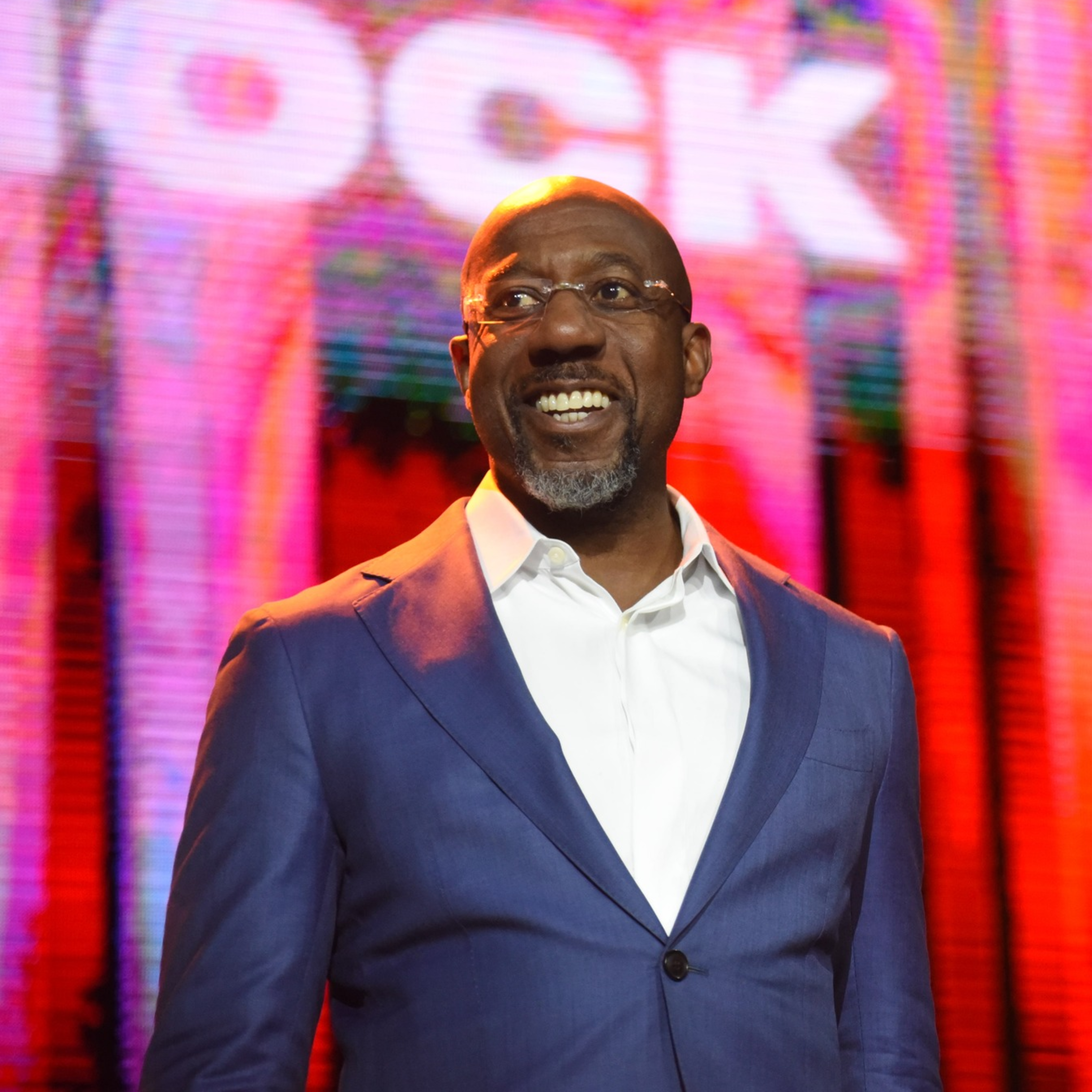

After major Democratic midterm wins, strategist David Axelrod analyzes what voters were really reacting to (incumbent unpopularity, costs, “rigged” economy, corruption/accountability), what it means for 2028, and what Democrats must do to “deliver” (affordability-focused governing, targeted cooperation, avoid letting accountability messaging crowd out results).
David Axelrod, Democratic strategist behind Barack Obama’s two presidential victories; longtime Democratic politics voice; senior political commentator at CNN.
Midterms were a referendum on the incumbent party and especially on rising costs; Democrats should prove they can lower costs but need a presidential partner. Accountability matters, but must not overwhelm tangible affordability wins. Coalition politics isn’t dead: both parties misread Hispanic/working-class socially conservative voters.
Mississippi Senate race (Scott Colum unseated Cindy Hyde-Smith); Rahm Emanuel’s “repudiation of Republicans” framing; Texas/Florida redistricting gambit; Warnock’s voting rights/gerrymandering push; Trump’s tariffs/war raising costs; J.D. Vance’s distancing from Trump; Ossoff/Shapiro wins and more Democratic governors as 2028 signals.
Written by AI. May contain mistakes.
Introduction of guest David Axelrod and the discussion focus.
“I am with David Axelrod, CNN commentator, strategist to President Obama, and top five of my favorite Chicagoans.”
David Axelrod discusses surprising midterm election results and implications.
“We were talking a little earlier about Mississippi as maybe the result that surprised you the most.”
Discussion on the direction Democrats should take regarding accountability and bipartisanship.
“And I mean, obviously, it was a repudiation of the president.”
Exploration of voter demographics and the economic influences on recent voting behavior.
“And now he's mad at them because he's not going to blame himself for what happened on Tuesday.”
Debate on balancing accountability with the need for legislative action to improve lives.
“I mean, there was a vote for decency here.”
Learn how the recent political victories reflect the views of the American people rather than just Washington politics.
“Or is this a political victory that's not Schumer's and Jeffrey Stump?”
Explore how candidate identity and quality influence election outcomes and voter sentiment.
“I've seen a lot of the discussion about overperformance for people like Roy Cooper in North Carolina, who won by a very impressive 19 points.”
Discuss the urgent economic issues Democrats must tackle to deliver for Americans.
“It does feel, though, that there has been a shift in the media on how candidates talk about the economy.”
Discusses the political ramifications of impeachment and its impact on democratic goals.
“For that reason, I think, because Americans think it's kind of an exercise.”
Analyzes the challenges faced by Republican candidates, particularly J.D. Vance.
“It seemed to me like a good night to be a Republican that was not J.D.”
Explores the potential for new Democratic candidates in upcoming elections.
“He looked like a guy who was trying to try on his father's suit, and it was ill-fitting.”
Discusses the need for new leadership in the Democratic Party and upcoming elections.
“So everybody's going, and he won by a landslide.”

Get the gist, explore an idea or ask about something said.
 Claude
On America, Actually with Astead Herndon, what are the key points of this episode?
Searching your listeningAutomatic transcript. May contain errors.
0:00Just days after big wins in the midterms, Democrats are celebrating historic victories. But what can we actually learn from these wins? What candidates and what issues connected? And what does it tell us about what's coming next in the 2028 presidential election? This week, I spoke to Democratic strategist David Axelrod, the man behind Barack Obama's two presidential victories, a longtime voice in Democratic politics. And today, he's a senior political commentator at CNN. He spent decades figuring out how Democrats can win. So I'm willing to ask him, what lesson should we take from the Democratic victories and where does the party go from here?
0:34Let's dig in.
0:44Support for the show comes from TikTok. There is a scientifically documented correlation between listening to podcasts and curiosity. So since you're here, you probably enjoy discovering new things. One great place to indulge your curiosity is TikTok. Whether it's how to forecast volcanic eruptions, strange phenomena that the James Webb Space Telescope picked up near the beginning of time, or a literal deep dive on the ocean's deepest reefs, TikTok has a wealth of fascinating videos just waiting to be discovered. Your next discovery is waiting on TikTok. Learn more at TikTok.com slash discover more.
1:28I'm Josh Muccio, host of The Pitch, where startup founders raise millions and listeners can invest. For our sweet season 16, we're giving you more of what you love and less of what you don't. Software is out. Actual cool stuff is in. We've got consumer brands, deep tech that changes the weather. Our big vision is to make it rain and snow on demand. We've got hardware that helps blind people see and dairy. I never imagined my life journey would be milk. Season 16 of The Pitch is out now. Listen wherever you get your podcasts. This season is presented by Engin. I am with David Axelrod, CNN commentator, strategist to President Obama, and top five of my favorite Chicagoans.
2:12I appreciate you joining me today. We're going to jump into some of these results. You ready? I'm ready. We were talking a little earlier about Mississippi as maybe the result that surprised you the most. Is that right? right?
2:26David Axelrod: Yeah, well, I think that was at the outer edges. You knew that if Mississippi came in, that the wave was going to be huge this year, and it did come in. I mean, it's still not, I guess they're still counting and tabulating, but I think that, you know, the odds are that that's going to be another Democratic win. And Scott Colum is really such an interesting character. You know the story. He was appointed to the federal bench by President Biden and Senator Cindy Hyde-Smith refused to return a blue slip that is required in the Senate for the state senator to okay the appointment. And then he ended up running for the Senate against her.
3:16David Axelrod: And now he has unseated her and ran really one of the most creative, inventive campaigns and was himself up to the task. He was a great character and a great personality for that state. So that may be my favorite race of all in some way. Is this all about Trump's unpopularity or an endorsement of Democrats? I heard Rahm Emanuel say that he doesn't read this as a vindication of Democrats, but a repudiation of Republicans. Does that distinction matter? And do we know if people were voting for Democrats or just against the administration? You know, Estet, I think every midterm election in in in some ways is a referendum on the incumbent party.
4:06David Axelrod: That's been true forever. And it's almost always the case that the verdict is not as good as we'd like. You know, this election is the one where the people in power have to put on a button saying, how am I doing? And people get to tell them. And the answer was really, really badly. Yeah, really, really bad. Really, really bad. And I mean, obviously, it was a repudiation of the president. I think it was a real response to the same thing that drove the election as much as anything in 2024, which is costs and the fact that people are struggling in this economy. The thing that made this unusual was Trump was elected to lower these costs, and instead he made decisions that palpably raised them, the war, the tariffs.
5:00David Axelrod: So, you know, I don't think Democrats should – I think what it's given Democrats is a chance to prove that they are who they say they are and work on these issues of costs and bringing down costs. And they're crippled in the sense that they, you know, if they don't have a partner in the president, all they can do is try and pass legislation and do things to reduce those costs. But they need a partner to do it. I don't discount the fact that Trump may, you know, do a 180 on some things and be that partner. It is an open question of kind of who the president becomes after all of this, considering he's, you know, the nicest way to say it is ideologically flexible.
5:42You know, like, should Democrats come in thinking accountability? Should they come in thinking find places of bipartisan alignment? Is the answer both?
5:55David Axelrod: Yeah, I think the answer is both. And it's very tricky to strike that balance. And if the price of cooperation is to lay off of accountability, I don't think that's a deal they can make. But I look at the way Mayor Mamdani has handled his relationship with Trump. And there may be some instructive elements to that because he's certainly critical of the president. But he's also found areas around housing, for example, and the construction of housing on which they can work together. So here's what I would say to Democrats. Be willing to work with him. And I think you'll pay a price if you don't, if he's willing to help you, for example, on rolling back some of these cuts to the affordable health care subsidies or to Medicaid cuts.
6:48David Axelrod: I mean, I think the country would actually embrace that kind of deal. And for that reason, I think Trump may take it because I don't think he gives a damn about the Republican Party. The Republican Party was just a vehicle for him. And now he's mad at them because he's not going to blame himself for what happened on Tuesday. Yeah, Greg Abbott's a rhino these days. Yeah, well, you know what? Greg Abbott needs to think about one thing. I don't know that this made the difference in his election, but his decision to accept Trump's mandate that he redistrict the state in order to, you know, they thought gain five seats turned out to be a spectacular failure, just as it was a failure in Florida.
7:32David Axelrod: I think between the nine seats they thought they were going to gain there, they may gain two. And meanwhile, Gavin Newsom in California said, OK, if that's what we're going to do, that's what we're going to do. And they're going to gain more seats in California than Texas and Florida will produce for Republicans combined. That gambit backfired, yeah. In the process, they also inflamed Hispanic voters. In some of the other states, they inflamed African-American voters. it was a complete disaster that's a that's a digression and I'm taking you off here it's a it's an important one I mean you mentioned kind of the demographic shifts they were universal you talk about men Latinos Asian voters young people working class people generally moving towards Democrats in numbers that were even larger than even some polls expected I guess I I was wondering like did we write the obituary on the Obama coalition too early like is it back I'm you know what I'm I'm I am so allergic to this because I remember when we won I remember people talking about the coalition of the ascendant this is the coalition that's the the message majority to come the message is it matters what you do yeah it matters what you do uh trump uh democrats took hispanic voters for example for granted uh and they paid a big price in 2024, Republicans took Hispanic voters for granted.
9:06David Axelrod: And in each case, it's a constituency that is deeply responsive to economic circumstances, a working class community, small businesses. They're getting hammered in this economy as they were in 2024. It's also a socially conservative, in the main, socially conservative communities. They are socially conservative communities. And I think Democrats misunderstood that. In South Texas, I think they wanted the border seal because that's where – but so I think both parties have been guilty sequentially in misreading this. by the way i want to nominate everybody's talking about like who's responsible for the republican uh performance this year yeah i don't think steven miller's getting the credit that he deserves 100 yeah i mean his his the immigration overreach is core uh core to the point core to the collapse with latino voters we heard about that through the year and just generally shocking to the conscience of the American public.
10:14David Axelrod: Yes. Yes. I mean, there was a vote for decency here. I mean, decency had a big day on Tuesday. And in that, I'm free associating here, so stick with me. I'm with you. But in that vein, it's so interesting to me that, you know, Tallarico, Hamilton, candidates like that who very much preached the gospel of the brotherhood of man and of decency wound up triumphing in places that you never thought Democrats could triumph. So that's a long way of answering. I think what the Democratic coalition is and can be depends on what Democrats do now. Yeah, that's fair. There was a quote I saw from Hakeem Jeffries in the aftermath of the results saying the American people don't want us to get even.
11:14They want us to get things done on their behalf because life is way too expensive. Now, we talked about the places of overlap where Democrats can maybe kind of get at the affordability question, but I don't know if I'm sure that the American people don't want them to get even. It does seem as if corruption, accountability and holding those around Trump responsible was a core part of the message we heard from Democratic candidates and voters. I mean, does that sound like Democrats are backing off of that accountability question? Is that the right move?
11:44David Axelrod: I think this is the trickiest, this is the trickiest pass for them to navigate because I do think people want accountability. They understand that we've seen corruption on a massive scale. They believe that corruption has impacted on their lives because of decisions that are made in Washington that are bought and paid for by this corruption. So I think that it is important for governing reasons as well as political reasons that Democrats pursue that. But the question is whether you allow that to overwhelm the stuff you're trying to do that will tangibly affect people's lives in a positive way.
12:25Yeah.
12:26David Axelrod: So you have to pursue these two tracks and not allow the corruption track, the accountability track to become so dominant that the impression is that you're doing exactly what – I mean, there was an impression – Trump left the impression because it was true that while he ran saying, I'm going to center your concerns and the economy in my presidency and then went ahead and made retribution. and self-aggrandizement and corruption, your own corruption, the focus of your presidency, you want people to know that the main thing is still the main thing, which is what are we doing to help improve people's lives, to fix this economy, to unrig the economy.
13:16David Axelrod: And there are overlaps in these things. But if you lose that thread, then I think all the accountability in the world will not be satisfying enough to people. You know, House and Senate Democratic candidates who were successful didn't just run against Republicans. Many of them ran against their own party in D.C., calling out leadership for not effectively fighting the Trump administration. That got me thinking about that Jeffries quote. I mean, even if, as it is, such a universal win for the party, should Chuck Schumer and Hakeem Jeffries be taking the credit for that win? Or should we see these as separate things?
13:52I remember when Democrats were running against voting against Nancy Pelosi. And then many of them got to Washington and supported her in congressional leadership. Like, is this the difference between the trail and Washington? Or is this a political victory that's not Schumer's and Jeffrey Stump?
14:08David Axelrod: You know what? I think that and I'm not sure that they will take this advice, but I would be humble if I were them, because this this this victory was delivered by the American people. This victory wasn't engineered in Washington. And yes, they did. Good candidates were recruited. Many of them stepped forward on their own. I heard that they were searching for the phone numbers of some of the Democrats who had won because they had no relationship with them. So the people who deserve the most credit for this are Donald Trump, perhaps Pete Hegseth, Stephen Miller. Yeah. I mean, they are the major producers of this.
14:55David Axelrod: And I think humility is the order of the day here. And if the impression is that this was a made in Washington kind of deal, I think a lot of voters will resent that. And they're not sending people there to affirm status quo politics in Washington. They're sending people there to change it. And I think that that is a key to the success and future success of Democrats to push into some of these areas where they haven't been competitive lately. I just want to remind you, I think people misread what the 2008 election was about when Barack Obama won. But his was really fundamentally an anti-establishment candidacy.
15:41David Axelrod: He was challenging the politics of both parties and the incumbent politics of Washington, not just the incumbent president or party, but the incumbent politics. And he was indicting both parties. And I think that is that is the mood of the American people right now. I think that's an important reminder. I mean, as we both, I'm sure, have seen, Democrats are already using some of these margins to start their pre-fighting about 2028, specifically about which ideologies perform better or worse. I've seen a lot of the discussion about overperformance for people like Roy Cooper in North Carolina, who won by a very impressive 19 points.
16:20But do should we read Abdul El-Sayed winning by six, seven points as an underperformance? Like, is there evidence here from a strategy standpoint that moderate candidates perform better?
16:34David Axelrod: I think that different venues obviously require different or respond differently. I think that there's a thread, though, that runs through all of the campaigns. And those were a kind of populist instinct that this economy is corrupt and rigged against people. And that needs to be fixed. and addressed. And, you know, Abdul said his candidacy, yes, there were a lot of young people who were motivated by him and so on. And certainly he was embraced by the left. But ultimately, the things that he said, you know, money in your pocket, money out of politics, Medicare for all, universal health care. That was the mantra that got him elected.
17:33David Axelrod: For sure. That was the mantra that got him elected. And I think that's something that has broad, whether it's Medicare for all or other ways of addressing the health care crisis so that people can get health care. Those issues are very animating across the board. And so, you know, the problem is that you get into these intramural fights and really what Democrats should be doing is thinking about those big things that unify all of these people, rather than looking for the things that divide it. Winning intramural fights may be fun, but they're not usually very profitable. It also just feels to me that the lines between modern and progressive have blurred, to your point.
18:17There's a universality of that kind of rigged economy question. The affordability message, the anti-data center message came out of the left and was adopted it by a lot of those candidates in the center. And the other thing that kind of kills me about that debate is that it feels completely removed from candidate identity. Sometimes it feels like, you know, we talk about Kansas and Texas and some of those overperformance hypers seem like they could start giving me stats to add up to a moderate white guy from the Midwest. I mean, like, you helped elect the first black person president. Like, am I crazy?
18:48Or is candidate's identity also tied to notions of electability in ways that can help understand an Angie Nixon or Peggy Flanagan or folks or Abdul El-Sayed in Michigan.
18:59David Axelrod: Yes. No, I think that's so. There's also, now I'm going to do what political people do and I'm going to repurpose your question, but candidate quality also matters. Yes. Candidate quality also matters. How do we define that? Like, how should I understand that term? Well, it may be like, who was the justice who said about pornography? Potter Stewart, maybe. You know, I'll know it when I see it. Yeah, yeah, yeah. But, you know, take Texas. I mean, Tallarico is a palpably talented candidate. He communicates, you know, brilliantly and authentically. Hamilton, brilliant candidate. And honestly, El Saeed, I mean, I've said this to him and he can be, at times I think he is so combative and so eager to jump into the fray that it is actually counterproductive.
20:03David Axelrod: But he's also a really smart and agile communicator and communicates very sincerely around these economic issues in a way that invites people in. So by the same token, Ken Paxton, like epically bad candidate. The depth of his corruption was matched only by his ineptitude as a communicator. You know, we've seen corrupt politicians in America who are like charming rogues. Yeah, yeah. You know, Edwin Edwards in Louisiana and people like that who were very kind of, they kind of made a joke of their corruption and were appealing. But he was bad. You know, Marshall was, you know, the only thing Marshall can be grateful for is that he will not be called the worst candidate of 2026 because of Ken Paxton.
20:59David Axelrod: So that's the one thing he has to be grateful for. So there's that, too. So candidate quality, I think, is something that you can see and feel, and it's important.
21:31TikTok. Whether it's how to forecast volcanic eruptions, strange phenomena that the James Webb Space Telescope picked up near the beginning of time, or a literal deep dive on the ocean's deepest reefs, TikTok has a wealth of fascinating videos just waiting to be discovered. Your next discovery is waiting on TikTok. Learn more at tiktok.com slash discover more.
21:58I'm Josh Muccio, host of The Pitch, where startup founders raise millions and listeners can invest. For our sweet season 16, we're giving you more of what you love and less of what you don't.
22:09David Axelrod: I definitely start to blank out when we're talking about like middleware AI wrappers. Software is out. Actual cool stuff is in. We've got consumer brands. We're building eight sleep for daytime. time. Hardware that helps blind people see. They kept asking for middle finger. Next thing we knew, we had like 10 students running around flipping each other off. We've got deep tech to change the weather. Our big vision is to make it rain and snow on demand. What if you wanted to not make it rain somewhere else? Like one day we're just like, screw Arizona. And dairy? I never imagined my life journey would be milk.
22:47Season 16 of The Pitch is out now. Listen wherever you get your podcasts. This season is presented by Engine. Support for this show comes from Bamboo HR. Today's tech raises a lot of questions. At Bamboo HR, we believe there's one easy answer. Invest in people. People with the imagination to dream up the next big thing, and the grit and passion to actually build it. That's why we've built a new kind of AI-powered HR platform, one that unifies all of your workforce data in one place and provides insights you can act on. so your people are at their best and your business is too. Learn more at BambooHR.com.
23:42It does feel, though, that there has been a shift in the media on how candidates talk about the economy. Tallarico himself, to your point about the universal message, sounds a lot different than what we would expect a moderate in quotes to sound like seven, eight years ago. Like, is like Elizabeth Warren the median of what we should expect for Democrats in 2028, the ones looking ahead?
24:07David Axelrod: Look, I think that on economics. It's interesting. Tallarico's rhetoric became sharper over time, and it kind of got turbocharged when Elon Musk decided to drop a couple of hundred million into Texas to try and defeat him. And it really crystallized this idea of oligarchical figures trying to buy senators, buy policy. This is something that I think is well understood by Americans. And it has created a market for, you know, economic populism. And that has been embraced. This is not just a thing of the left or right. You know, I go to forums and stuff where, you know, business groups come and ask me to speak and so on.
24:57David Axelrod: And you hear people say, well, how are we going to defeat this populism? But they're misreading this. They need to understand why people feel it. And there's a justification for people feeling the way they do. The system really is rigged in many ways. And so, yeah, I think that Bernie Sanders and Elizabeth Warren, who's very substantive in her proposals, their thinking is very mainstream thinking now. Yep, yep, yep. That feels definitely true. To the point about kind of us versus them sentiment in the midterms. One of the things I feel like I was asked about was there are big swings the party can take with its new majority.
25:41Raphael Warnock called for an end to partisan gerrymandering, reviving voting rights legislation. If we look ahead, is there anything you think Democrats must prioritize in terms of following through on the promise of delivering for Americans, even if Trump vetoes it, like just something they got to do?
26:01David Axelrod: In the short term, I think they have to take steps to try and ameliorate some of the things that palpably have driven up costs for people. So on the healthcare front, they need to act. Yeah, fair. And they need to act boldly there. But I also think they need to do something to sort of reverse or rein in some of the tariffs. you know and that you know there are limits to what they can do but they have to use the power that they have on the war you know they do have the power of the purse and I think they they need to they need to use they need to use the leverage they have to try and bring an end to that I've been a little surprised about the Democrats willingness to take impeachment off the table I mean, I've heard a lot of folks say this, Hakeem Jeffries, Kamala Harris.
27:00But, you know, I felt like a little bit, one, there's certainly a larger congressional majority than maybe folks expected. And who knows what Donald Trump is about to do? So it feels to me a little presumptuous to take the issue off the table. Give me the thinking behind some of that.
27:15David Axelrod: Well, the thinking behind it is that Americans have seen this movie before. I mean, this goes to the balance issue. I said impeachment would be such a focus.
27:29David Axelrod: And, you know, maybe there are, you know, you knocked out a few potential impeachment votes this election, but maybe there are four Republican votes to impeach the president. And maybe there are, you know, there'll be a total. I don't know where Brother Fetterman would be on this on this issue. But you're saying without kind of the certainty of success, it drowns out all the other possibilities. It seems like it seems. Well, we've seen impeachment before and it is a very it will be the center of attention. And so and, you know, just as a polling matter, you know, it doesn't it doesn't poll very well either.
28:16David Axelrod: For that reason, I think, because Americans think it's kind of an exercise. Yeah. An exercise that doesn't really lead to anything. This is a really tough issue, though, because, like, I have friends and you have friends who are like, screw that. Yeah. You know, this guy is the most corrupt president in history. He's done awful things. Yeah. That are completely anti-constitutional. But as a practical political matter and as a practical matter, I think, you know, the goal should be to get as much done for Americans as you can get done. And if impeachment is seen as an impediment to that, listen, people need to focus on why Donald Trump has failed.
29:00David Axelrod: and this sort of rampant retribution campaign, I think, has sent a message to people that he is not focused on me. He is focused on his own political agenda. So, I mean, I may be one of those timid souls that you refer to, but I would not, you know, now does that mean that he can do nothing? You know, he once said, I can go out on Fifth Avenue and shoot something and my base would still be with me and I'd be okay. There are limits. And, you know, I think it would be a terrible thing to send a signal that, Mr. President, whatever you do, we're giving you immunity as well. So I would not say, you know.
29:45David Axelrod: But Democrats are holding a high standard for that because of the reasons you've laid out. I think that makes sense to me. I guess I feel like Like, I feel like folks have taken it off the table in a way that I'm like, I mean, who knows what that who knows what might be true in our future? It seemed to me like a good night to be a Republican that was not J.D. Vance. If you're Ron DeSantis, Marco Rubio, Ted Cruz, it seems to me like there is a case to make for kind of one foot in America first and one foot from distance from Donald Trump. Tell me, like, if that's the right read, like, what is the line that Vance here has to walk, that he started walking through, that kind of extraordinary statement he put out on X, over the next couple years?
30:28David Axelrod: I don't think we've ever seen anything quite like that, where a vice president so self-consciously or so intent, how do you say this? Both intently and intensely. I guess both of them work. Yes. He filed, you know, issued a statement rebuking the president on like a signature decision that he made. I mean, he didn't rebuke him personally, but it was a rebuke. He said, this wasn't me. Trying to separate himself from him. Yeah. But, you know, I think that's a very, very hard thing to do. I don't think people are going to exonerate him. Honestly, if I were J.D. Vance, I would not run for president in 2028.
31:11David Axelrod: I would – he's young. I would go away and I would build my movement and I would come back because the history of vice presidents succeeding the guy who appointed them or nominated them in the first place, very bad. And when you have an epically unpopular president, it's worse. And by the way, I don't think J.D. did very well in the closing stances of the campaign. He looked like a guy who was trying to try on his father's suit, and it was ill-fitting. Defending the Ramaswamy ad was horrible to me, like in terms of personal judgment, but also in terms of politics. It felt to me like someone who was misaligned with the Pulse, the results in Ohio.
31:56It didn't seem to be like J.D. Vance had a good cycle.
31:59David Axelrod: No, he did not. And I think that, yes, I think that this was an invitation to others to more seriously consider running. I mean, DeSantis could not wait to get to Washington and hold a press conference. Cruz is clearly going to run. There's going to be a race. The waters are not going to part for J.D. Vance. Last question would be on the Democratic side. It did seem to me like there was a call for fresh faces, fresh ideas. And it made me think that the Kamala Harris 2028 premise was maybe harder after the results we got on Tuesday. What do you think about that? Yeah, I think that's true. I think the challenge for her is I don't think people are going to want to go back.
32:41David Axelrod: They're going to want to go forward. So I understand that you come so close in the desire, and you feel like you're vindicated by what happened after you lost. But I think it's a very tough road to hoe. Look, John Ossoff won by 17 points in Georgia. I think there's going to be a parade of people down to Atlanta to talk to him about running. Josh Shapiro didn't get as much attention, but he won. Big numbers pushed into a lot of these traditionally Republican areas and took with him four congressional seats. so he's gonna you know he was enhanced and then there are you know Bashir there are 30 there'll probably be 30 democratic governors now including in every one of the battleground states for 2028 the seven battlegrounds that Trump won all have democratic governors now so I mean my buddy Rahm Emanuel has been traveling the country relentlessly or J.B.
33:42Pritzker the Illinois governor certainly invested in a lot of these races.
33:45David Axelrod: Dropped a lot of cash out there. Dropped a lot of cash out there. So everybody's going, and he won by a landslide. Governor Moore in Maryland won by a landslide. I think all these people have some bragging rights, but you're right. I think at the end of the day, people are going to look for something new. I don't think we're into reruns here. Yeah. I appreciate your time, David. Thank you so much for joining us, and your analysis is always helpful. All right, brother. Great to see you. For more in-depth analysis just like this, stay tuned to America Actually. We'll be breaking down the results, offering in-depth analysis, and calling back to our reporting from throughout the year.
34:25We have a lot of exciting interviews to come, so make sure you stay tuned in the coming days. See you soon.
34:47Support for the show comes from TikTok. There is a scientifically documented correlation between listening to podcasts and curiosity. So since you're here, you probably enjoy discovering new things. One great place to indulge your curiosity is TikTok. Whether it's how to forecast volcanic eruptions, strange phenomena that the James Webb Space Telescope picked up near the beginning of time, or a literal deep dive on the ocean's deepest reefs. TikTok has a wealth of fascinating videos just waiting to be discovered. Your next discovery is waiting on TikTok. Learn more at tiktok.com slash discover more.
35:31I'm Josh Muccio, host of The Pitch, where startup founders raise millions and listeners can invest. For our sweet season 16, we're giving you more of what you love and less of what you don't.
35:42David Axelrod: I definitely start to blank out when we're talking about like middleware AI wrappers. Software is out. Actual cool stuff is in. We've got consumer brands. We're building Eight Sleep for daytime. Hardware that helps blind people see. They kept asking for middle finger. Next thing we knew, we had like 10 students running around flipping each other off. We've got deep tech to change the weather. Our big vision is to make it rain and snow on demand. What if you wanted to not make it rain somewhere else? Like one day we're just like, screw Arizona. And dairy? I never imagined my life journey would be milk.
36:20Season 16 of The Pitch is out now. Listen wherever you get your podcasts. This season is presented by Engine.
Political strategist David Axelrod discusses how the new wave of congressional Democrats can deliver the affordability relief voters need while facing President Trump.
This show was produced and video edited by Frank Posillico, edited by Christina Vallice, fact checked by Esther Gim, mixed by Shannon Mahoney, and hosted by Astead Herndon. Special thanks to Kasia Broussalian.
You can also watch this episode on youtube.com/vox. Listen to America, Actually ad-free by becoming a Vox Member: vox.com/members. New Vox members get $20 off their membership right now.
Learn more about your ad choices. Visit podcastchoices.com/adchoices