In short
Top Comment (BBC) analyzes (1) “social media vigilantism,” especially pedophile-hunting streams, and (2) UK PM Andy Burnham’s TikTok/Instagram strategy and why it’s working.
Guests
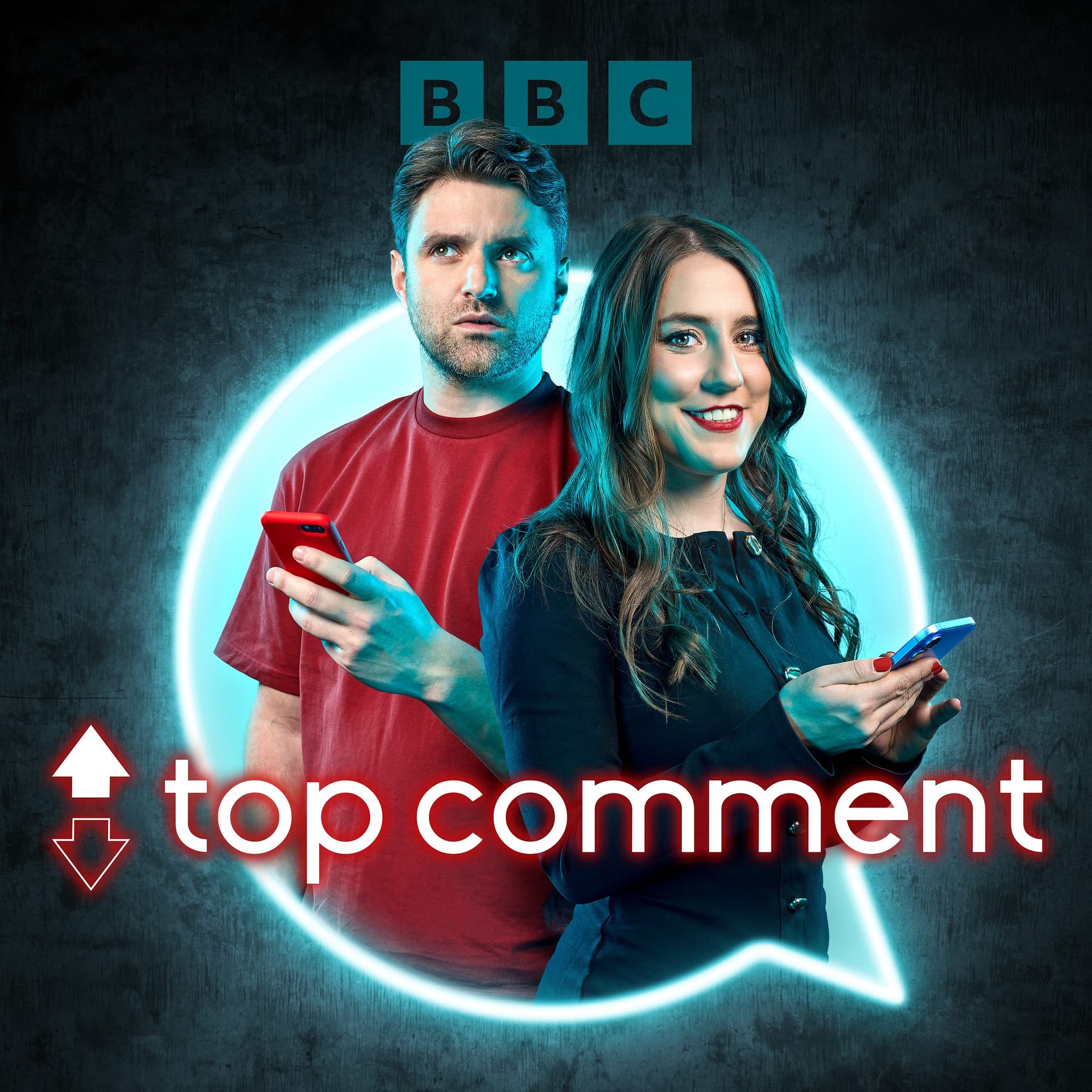
Marianna (BBC misinformation investigator; co-host of Top Comment with investigative journalist Matt Shea). Matt Shea (investigative journalist; co-host).
Key claims
Vigilantism is now a major streaming genre, increasingly violent and racially tinged, and sometimes used by police as evidence. Pedophile-hunting often relies on decoys and can resemble entrapment; misidentifications can destroy reputations. Platform incentives (e.g., Kik’s clip-farming) amplify the most shocking content. Burnham’s success is attributed to “authentic banality” (banal, human posts) and leaning into parody rather than fighting it; his team works with TikTok influencers, including teenage-girl fandom builders.
Notable examples
Vitaly (Russian, US-based) on Kik; the Akash Singania false sting (racist “Mr. Mumbai” remarks; police arrest after a decoy claim); 170 violent pedophile-hunter attacks since 2023; UK statistic: 90% of evidence in certain online-grooming cases came from hunter groups; US cases at a Massachusetts university and Salisbury University (decoy lures and attacks). Burnham examples: pub-snack videos (e.g., “Chris Butties”); “Number 10 North” parody (Office-style).
Written by AI. May contain mistakes. Listen to the episode to check what was said.
Chapters
Tap a time to open that second in VOAndy Burnham: Social Media Star
0:44 to 0:57
Discussing Andy Burnham's rise as a social media influencer.
“teens can gain hands-on investing experience and build positive money habits.”
Andy Burnham: Social Media Star
1:26 to 2:14
Discussing Andy Burnham's rise as a social media influencer.
“Marianna, today you're going to tell us about Andy Burnham, who is now the most popular influencer on social media and also a prime minister as a side hustle.”
The Rise of Social Media Vigilantism
2:14 to 3:10
Exploring the evolution of social media vigilantism and its impact.
“There's always been this vigilantism, period.”
Content and Consequences of Vigilantism
3:10 to 4:24
Examining the consequences of social media vigilantism on individuals.
“And so there's become a kind of racist undertone to it that is increasingly featuring in the social media vigilantism.”
The Darker Side of Pedophile Hunting
4:24 to 6:04
Discussing the violent and racially charged nature of pedophile hunting.
“That's me hunting a gang of scammers in London.”
Legal and Ethical Concerns
6:04 to 7:58
The murky legalities surrounding vigilante actions and entrapment.
“you're getting into a whole new territory, not least if you're also participating in some kind of, I mean, what's essentially like undercover journalism.”
Case Study: Akash Singania
7:58 to 9:10
Analyzing the case of Akash Singania and its broader implications.
“and they're paid a bounty of a few hundred dollars per pred, which is the slang they use, who they actually get to show up.”
Impacts of Misidentification and Vigilantism
9:10 to 14:03
The life-altering effects of false accusations in vigilantism.
“crime without there actually being, even if it was factually impossible to complete that crime, because in this case, there is no underage person there, right?”
Vigilante Streamers and Social Media Ethics
14:03 to 19:38
Explores the impact of vigilante streamers on social media and ethics.
“who was then doxxed to the rest of the internet to harass and stalk and ruin his life.”
Andy Burnham's Social Media Strategy
20:58 to 28:00
Discusses the social media strategies of UK Prime Minister Andy Burnham.
“or do we think that the media think he's good at social media and are we the media and do we think that?”
Show all 14 chapters
The Intersection of Politics and Social Media
28:00 to 29:16
Explore how social media shapes political accountability and perceptions.
“Like it's not actually about the policy.”
Influencer Culture in Political Communication
29:16 to 30:24
Discuss the role of influencers in modern political discourse and strategy.
“It's not like he's shying away from speaking to people.”
The Fine Line of Influencer Endorsements
30:24 to 31:35
Analyze the blurred lines between genuine content and sponsored political relationships.
“With this kind of content, it's a little bit murkier, right?”
Balancing Policy and Popularity in Politics
31:35 to 32:26
Examine the need for politicians to balance relatable content with substantive policy.
“Do you think Burnham is, was he like, did he hold a conference?”
Transcript
Automatic transcript. May contain errors.0:00This BBC podcast is supported by ads outside the UK.
0:30No bouncing between tabs. And best of all, no spreadsheets. Stop managing software and start managing your business with one unified system. Try for free today at odoo.com. That's O-D-O-O dot com. With the new Schwab Teen Investor Account, teens can gain hands-on investing experience and build positive money habits. It's an account co-owned by you and your teen, so you can monitor and engage with the account while your teen learns how to invest and manage money. Learn more at schwab.com. Hi, AmeriCasters. It's Marianna. As you may know, as well as my duties as misinformation, in my day job, I investigate everything social media and I co-host another BBC podcast with investigative journalist Matt Shea.
1:13It's called Top Comment. Every week, we dive into the algorithm to find out what's behind the trends emerging on social media and spilling into the real world. If you like the sound of that, then good news. Here's our latest episode for you to get your teeth into. Marianna, today you're going to tell us about Andy Burnham, who is now the most popular influencer on social media and also a prime minister as a side hustle. The media have been going kind of wild this week about his social media strategy. So we are going to be unpicking the secret sauce, if we're going to call it that, who are the young women who seem to be propelling him to internet stardom and how much longevity does that stardom have.
1:50We're also going to be talking about these social media vigilantes, aren't we, Matt? We're going to talk about how social media vigilantism has continued to evolve and is now basically one of the biggest genres on social media. Pedophile hunters, pickpocket hunters, scammer hunters, and how it's getting more violent and more dangerous.
2:14Okay, so Matt, when it comes to this social media vigilantism, I guess we're mainly talking about where people would have seen these videos of people chasing down pickpockets or people organizing to meet up with or tracking down alleged paedophiles and confronting them, all that kind of stuff, which isn't new to the internet, right? No, and it isn't new to life either. I mean, there's To Catch a Predator. There's always been this vigilantism, period. But this has expanded to be one of the most successful genres on social media now. It is growing and growing. Psychologically, for some reason, it works.
2:55It gets millions of views and it's now entered a new kind of darker era. And we're going to get into the details of that, but it's become more violent. There have been people who've been targeted by it who aren't necessarily guilty of the things they're being accused of. And it's also had a lot of crossover with the far right. And so there's become a kind of racist undertone to it that is increasingly featuring in the social media vigilantism. And I guess one of the reasons for that could be because it's the sort of content that you can stream, can't you? I mean, it's almost like in real time you can, because I've seen quite a lot of the clips sometimes that will have come from streams where someone has actively chased down a pickpocket.
3:34Like they've come off a particular metro or tube or whatever, and they've followed them and they shout pickpocket and all of that kind of stuff. But I guess because it almost feels like a choose your own adventure play along with me, it's quite gripping content because you're like, are they going to track them down? Are they going to find them? Exactly. And I think the response to the pickpocketing stuff has been largely positive. I think people like that. But there's recently also been people who chase down, you know, unlicensed street performers, scammers. You know, the cup and ball game where, you know, you have to guess where it is.
4:05Yeah. So, you know, that's a kind of a well-known scam. But there's an account that chases down people involved with that and sprays them with red paint. We don't know if the person doing the spraying with the red paint knows who's involved in this scam. We don't know how he knows who's guilty, but he's just taking it upon himself to spray them with red paint. It's pretty brutal. It's not nice to watch. That's me hunting a gang of scammers in London. Scammers! That's a scammer giving me a taste of my own medicine after I exposed his entire gang on the Westminster Bridge. But increasingly, the most controversial kind of vigilantism is pedophile hunting.
4:45When I think of pedophile hunting, I think of, you know, those clips, like there's that really, really famous viral clip, like, I'm panicking, I'm going to lose my job. Now I'm panicking. Don't panic. Now I am because I'm going to lose my job. You think of the stuff that's almost a little bit, I mean, quite sad, really, like quite pitiful, quite comical. But it's taking a bit more of a violent twist these days, isn't it? Exactly. So there have been more than 170 violent vigilante attacks by pedophile hunters since 2023, according to the New York Times. It's also has now more of a racial undertone.
5:17It's become more of a spectacle. And it's also increasingly becoming something that police rely on. So in the UK, 90 % in 2023 of the evidence in cases where an adult has gone on to meet a child following online sexual grooming came from paedophile hunter groups. So this is now a feature of our justice system. But it's a wild west because when you've got trained police officers whose job it is to look into this stuff, they know how to do so in line with the law, in line with all kinds of, you know, rules about intimidation and harassment and privacy and all that kinds of stuff. When you've got people who are rallying together, whether it's in a particular, I don't know, Telegram channel or Facebook group or wherever it might be, you know, right, we found this person, we suspect this person might be a paedophile.
6:07you're getting into a whole new territory, not least if you're also participating in some kind of, I mean, what's essentially like undercover journalism. That kind of undercover journalism is important and it can happen, but it has to happen within the rules of engagement that are fair, not in a way that's totally out of control. Exactly. So let me know if you think this is out of control. One of the most famous Peterfell Hunters now is a guy called Vitaly. He used to be on YouTube. Now he's on the streaming platform Kik, which we're going to talk about later. Vitaly, he's Russian, but he's based in the US.
6:40He does things like he once brought a live alligator to confront an alleged pedophile. He brings people like rappers, like he brought Akon once, he brought Lil Pump once. Sometimes, and this is increasingly a feature, is the grotesqueness of these videos. He will put his targets through a kind of grotesque game show where he says, I won't call the police if you do the following things. So he hooked someone up to an electric nerve stimulator, told them to walk barefoot through dozens of mousetraps. He appeared to tattoo Predator on someone's arm. It's getting weirder and weirder. And if you look at the Louis Theroux Manosphere documentary, there's a famous moment where Louis Theroux is with Ed Matthews, one of these Manosphere figures.
7:26This stuff is very Manosphere adjacent, by the way. There's a moment in it where he's with Ed Matthews filming a pedo hunter video. And some guy walks by and goes, is that a pedo? Thinking Louis Therese is a pedo. And he goes, no, that's not a pedo. That's Louis Therox. And that's like one of those famous moments of the film. But he talks about how he was like forcing pedophiles to eat cat food and stuff like that. So how does it work when a group of people suspect someone could be a pedophile? So it doesn't even they don't even do it like that often. They employ these decoys and the decoys will be usually women.
8:02and they're paid a bounty of a few hundred dollars per pred, which is the slang they use, who they actually get to show up. So they're financially incentivized to get these men to show up. And what they do is they will create an account on like a dating app or whatever, and they will message a bunch of men and they will try and get those men to basically come to some kind of sexual encounter and at some point tell them that they're underage. now there's a question here over whether this is presenting an opportunity for a desire that was already there in these men or whether they're manufacturing that desire through flirting with them and that is a question that has existed since law enforcement have done these kinds of sting operations it's always a legal question right but these decoys are not trained in how to do that and they often get it wrong.
8:56Yeah. And essentially that's entrapment, right? If you're encouraging someone to participate in a way that they don't seem to have been doing otherwise, but I don't know, it's a really murky area. It's really interesting and real world. Yeah. It's interesting because in both the UK and the US, you can be found guilty of attempting a crime without there actually being, even if it was factually impossible to complete that crime, because in this case, there is no underage person there, right? It's a decoy. But if the defendant believed and intended that there was, then that is still illegal. It's understandable, I think, that people feel like they want to sort of help and that they're doing something that's morally good or positive or protecting people.
9:36The issue is, is when they get it wrong, people's entire reputations can be tarnished and destroyed because they've been wrongly identified by these pedophiles. But it's also becoming a pastime for young men. In October, students at a university in Massachusetts lured a 22-year-old man to a campus with a decoy, called him a predator and attacked him when he tried to escape. Two weeks later, fraternity members at Salisbury University in Maryland allegedly posed as a 16-year-old on Grindr. And then they invited a man to an off-campus apartment. They restrained him, called him slurs, broke one of his ribs.
10:11now it turns out the age of consent in maryland was 16 so he didn't break a law it appears but also like can you imagine what type of group of guys like decides for fun to like sit around make a fake profile of a 16 year old on grinder lure a dude to your house and then beat the shit out of him like that is a very strange thing to do on a saturday night it comes back to something we talk about a lot on top comment but that kind of hyper reality like this idea that it's almost It's like a game you're participating in, that it's not someone's real life that you might be impacting. And that because you can sort of all play the game, like you can set up a profile, you can lure someone somewhere.
10:47It doesn't have real consequences when obviously it does. You just talked about people being misidentified. I want to talk about a really shocking case of that that's happened very recently around Vitaly, who we mentioned earlier. So just for a bit of context, he streams on Kik. Kik has come up on our program before. It's like the reason Clavicular is famous. It's a streaming website owned by a crypto gambling company. They basically pay creators to stream live. The more shocking stuff, the bigger their crypto gambling product gets. And Kik finances entire armies of clippers to then clip those streams and they get paid per 1000 views of those clips.
11:29So Vitaly, he is one of the top pedo hunters on Kik. and basically he recently he used a decoy to target this man his name is akash singania and basically what happened was the decoy told vitaly's crew apparently that she had told akash singania that she was underage but she hadn't so this guy had not done anything wrong in the video you see vitaly hiding behind a tree ready to approach this guy then when he comes out to approach him, he in a very racist way calls him Mr. Mumbai and says, you want to rape a 16 year old.
12:20Immediately, the people watching this live stream start saying things like deport this guy, kill him now but the decoy never told him that she was 16 she she she never did that so 15 minutes later the police arrest this guy but he had been basically ensnared by a business venture because vitaly's making loads of money that runs on public humiliation and he and his family have been harassed they've been doxxed they've had phone calls he's had death threats akash has spoken to the new york times about how this has affected his life he's constantly thinking about that moment of the arrest. He's never using dating apps anymore.
12:55He doesn't know if he can trust anyone anymore. Vitaly has deleted the episode. But the problem is because kick has paid for this giant army of clippers to clip moments from this thing. It's already out there. You know, you can't take it back. And this is just like, imagine how terrible it is for this guy. That's like, everyone's a worse nightmare. Like you're in a shopping mall or something and a bunch of people run up to you with cameras and falsely accuse you of being a pedophile to a live stream that's now seen by millions of people. Yeah. And I find that, you know, I see in my job all the time where people are misidentified on social media.
13:28Often they'll be accused of a violent crime or vandalism. Often there'll be racist commentary around that, or they will have been misidentified because they look like someone else or because there was a failure of chatbots or AI technology or what have you. And a lot of those cases are very shocking and distressing for the people involved because they get online abuse and people try and track them down and their reputations are affected. But there's something particularly sinister about this because being accused of being a paedophile is life-ending, right? It's like there's almost nothing worse that you could be accused of.
14:02And as you can imagine, this just then feeds this human who was then doxxed to the rest of the internet to harass and stalk and ruin his life. But here's the crazy thing, right? Vitaly does this, you know, heinously, apparently defamatory thing. And he is suspended from Kik, the site that pays thousands of clippers to clip his pedophile hunting videos and share them across the internet. He's suspended. He's back on Kik, right? Imagine if you or I did something like that. We would never work again. But it's one of the problems that a company like Kik, and I actually could say the same of other sites like Telegram, unlike the major social media platforms who, to some extent, are obliged to hold themselves to a certain standard.
14:47And you can say, look, you say you don't allow this kind of thing, but you are allowing this kind of thing. It's almost like platforms like Kik don't pretend to be morally good. And therefore, they can kind of get away with basically saying, well, yeah, fine, whatever. We don't actually care that much. Yeah. And if there's no legal repercussions or otherwise like monetary repercussions for them. In fact, the monetary repercussions would be that if they kicked people off, it would probably not be good for them. The problem is they may be able to come up with their own rules for what is on their own website.
15:16But only like, you know, 20 ,000 people might be watching the stream live. It's the Clippers who take the most shocking bits, put that on TikTok, on Instagram, on YouTube, on X. And those are the things we see. So they are basically funneling pure shit into social media. Something that I've noticed, certainly I'd say over the past six months or year, is how political a lot of this vigilantism has become. because there's been a lot of understandable concern about issues like grooming gangs or allegations of sexual assault or rape. And where those incidents have been politicised, a lot of the focus ends up being on allegations that asylum seekers or migrants have taken part in that.
15:58And you see some of that vigilantism play out where people are being actively abusive to people in their community who might be living in an asylum hotel or immigrants. but a lot of these examples that are being used are not real examples and actually undermines the experiences of victims who want justice to be served in a way that is credible and safe not by people sort of hunting someone down and screaming at them and posting about it and then getting scoring political points essentially exactly so i mean the pedophile hunting world online is increasingly becoming a tool of the far right if you look at the live stream uh that we just spoke about, the false sting, there's a moment where Vitaly's making a racist joke and he's interrupted by one of his crew members and he gets annoyed.
16:42He says that was going to be the perfect clip because a lot of these people know that racist content and content that targets people who are non-white does better on social media. Now that applies also to, for example, the guy who spray paints red paint on the scammers, the alleged scammers. If you look at the rest of his content. It's often like eye-exposed asylum-seeker hotels. It's auditing immigrants. It's auditing non-white people in different cities around Europe. The pedophile hunter stuff, you can tell they're increasingly seeking non-white targets because they know a rate better and because it feeds into, as you said, this unproven perception that pedophilia is an immigration problem rather than a systemic issue that's always been here, right?
17:27There is also some social media vigilantism that happens on the left as well, I'd say, particularly on the kind of extreme left where people are filming people because they disagree with their political views. So take, for example, over Israel or over the war in Gaza and they decide to sort of name and shame a particular person or a particular group of people that they feel are somehow complicit in issues that they disagree with. And obviously it's totally valid to criticise people that you do not agree with politically, but like posting their name and address or posting where they live. I mean, we saw it in the US around, you know, when there was real frustration at changes around the Roe v.
18:01Wade ruling and the decision to allow individual states to make their own decisions about abortion and access to abortion. There were, you know, names and locations and home addresses of, you know, Supreme Court justices were shared widely on social media and people were essentially encouraged to like turn up at their houses and give them a hard time. And this tactic is one that people who position themselves often on the political extremes are increasingly relying on to make their point in a big way so that they feel the impact of it because they want to kind of stop this stuff but actually in the process they can then undermine their own political cause because people are like whoa hang on really legit what you're saying but is it actually okay to dox people to turn up at their houses to be aggressive well i think most people would agree that if they're pedophiles then yes that's the thing is like the but only if you know that they're pedophiles exactly but there's so many issues here with with the fact that these aren't journalists these are live streamers right and And when you consider the rate that this is happening, the fact that police are now relying, some people say, on this evidence, the fact that there's a huge financial incentivization for people to do these pedophile hunting videos, we've kind of essentially created a social media version of Minority Report, where instead of those precogs sitting in the tanks, it's kick streamers who are creating shocking slop content to feed a population of clip farmers.
19:21in order to make a ton of money at the behest of a crypto gambling company. Before we move on, we should say that Vitaly has apologized. He said, my team and I mistakenly portrayed Akash Singenia as a child predator and apologized to his family, his friends, and anyone else who was affected by this mistake. His lawyer also said he actively attempted to pull down any clips with Mr. Singenia. Vitaly is still on Kik. Kik says in its guidelines that it does prohibit violence, doxing, or content that endangers public safety.
19:57Matt, we've chatted about politicians and their social media posting before, but now feels like a pretty opportune moment to discuss the new Prime Minister of the UK, Andy Burnham, and his social media strategy, which seems to be subverting the cringe posting that we chatted about when it came to Starmer and the stuff that was going down, a bit like a lead balloon on social media. I'm Simon Jack. I'm Zing Sing. And on Good Bad Billionaire, we're exploring the life and fortune of music megastar Sir Paul McCartney. Macca. As one of the primary songwriters in The Beatles and with an extensive solo career, his work generates vast and continuous royalty streams.
20:39But were song royalties alone enough to break the billion? And earn him the title of the first British billionaire rock star? Find out in Good Bad Billionaire from the BBC World Service. Listen now, search for Good Bad Billionaire wherever you get your BBC podcasts.
20:57Do we think that he is actually good at social media or do we think that the media think he's good at social media and are we the media and do we think that? Well, I do sort of think that the media hyping up how he is authentic and fairly good at posting online has contributed to the perception that he's very, very good at posting online. A bit like when we've discussed phantom trends before, where almost the reaction to the content, it's almost like it's going to be good because everyone's saying it's good. So therefore, we all think it's good. Obviously, often it can be the opposite, which is if the media say something's good, people think it's extra cringe because they're like, oh, well, if like, you know, the media think that this is like fun and cool and quirky, that means it's actually kind of lame.
21:40The change is, I would suggest anyone look at the comments on his TikTok and Instagram and look at the comments on Labour and Kirsten before. they used to get such hate like terrible terrible stuff in the comments you know i actually was really intrigued by this because i was looking at some of the videos so there was a video that andy burnham posted last night about football and uh talking about these reported plans by fifa to like sell stakes in the world cup basically and lots of people were outraged including andy burnham he posted a video and i ran to the comment clever i ran to the comments because i was like i really wonder whether people are liking this or not because some of his content so far.
22:16For example, people might have seen where he was trying out and rating different pub snacks with his new Chancellor, the Exchequer. Do people eat Chris Butties in Harlow do you think? Is that a northern thing? I think they would. I think they would. I probably thought they would. Yeah, so it'll be two for me. I'm going one. They're great, aren't they? I do have a thing for a pickled umpire monster lunch. And that went down really well because it related to a policy that he's introduced around pubs and venues and everything else and people seem to respond quite well but I thought, oh, I wonder how people will have responded to this video because he's not really doing anything he's just giving his opinion about it and in the comments there were so many people being like i love this i really like this new guy yeah it's working and it's crazy how little it takes you need to be able to speak human being and he actually likes the stone roses and oasis probably he like actually has tasted twiglets and it's not that much different from what kear ston was doing is just it's just he he's just a little bit more human it's the authenticity which is which we talk about loads on social media because it performs so well and i think that one of the things that andy burnham seems to have cracked at least for now is that there doesn't feel like there's a gap between who he is and the content he's posting the problem with starma was that who he seemed to be like when he was talking publicly or to world leaders or whatever was at odds with this kind of image presented online so it didn't it felt a bit fake it didn't feel very authentic and genuine whereas burnham genuinely seems to be like the person who's appearing in the videos and also which I think is the real clever tactic here, which is something that people like Donald Trump have been particularly effective at, actually I would say Zoran Mamdani as well, the mayor of New York, is that when they experience criticism or stuff that people might actually find cringy and a bit lame, e.g.
23:56there's lots of funny videos of people pretending to be Andy Burnham kind of taking the mic saying like, I'm so normal, like I love having a cup of tea and like I love the North and, you know, taking the mic out of number 10 North, this new initiative that Burnham has announced and, you know, saying he's a bit like David Brent from The Office. Instead of sort of trying to like counter that, they've really lent into it. So there's this parody video that they released about Number 10 North that's like a parody of The Office, essentially, and leaning into the internet chatter about him, which makes it look like he has a bit of a sense of humour.
24:24And that's the thing Donald Trump's always been so good at. He also will take the mick out of himself when it comes to his own social media content, right? Where like the White House or he have control over how they're taking the mick out of themselves. And that's the way to sort of, in their view, handle criticism because you're willing to be sort of criticised in ways that are like a bit absurd or funny or weird. He doesn't want to be criticised for things he's actually self-conscious about, like, you know, whether he's powerful or rich or clever or any of those things. And that's kind of the case with this Burnham content, which is Burnham is allowing himself to have the piss taken out of him for things that kind of don't matter, actually.
24:59Exactly. And I was surprised by this because there is a sense in which to be successful in social media and politics, you kind of have to be in opposition to something. You have to be rebellious, loud, angry. So that leaves people who are in the center left or the center right or the center with the difficulty of like, how do I engage when I don't have the rage? But he's managed to do it because he's unlocked another thing that does unwell on social media, authentic banality, right? It's like, here's me eating Twiglets. Here's me playing Wordle. Like, here's me drinking a pint. It's just like completely banal stuff.
25:31I am a human being. I'm a human being, which for some reason has always done well on social media. And it's not new. So what we do know is that Andy Burnham's comms team, the team around him, appeared to be directly trying to work with influencers. And those kinds of people are being invited to Downing Street. They're being included in the sort of wider outreach, I guess, when it comes to the press and influencers. And a lot of them are teenage girls, right? Yeah, yeah, yeah. And people that like almost see politics as like, like the way you love Justin Bieber, they love politics. You know, it's funny you say that because I was thinking about how how Andy Burnham has he's got like older men.
26:09Right. Because it's like he actually likes the Stone Roses, New Order, Joy Division. But then he's also got like young women, too, because he's doing all the trends and like in a way that I don't know, seems to work. Yeah, I think this point is crucial, which is we know that when Keir Starmer was prime minister, he also did try to reach out to influencers. like the team tried to encourage influencers to attend Downing Street or to work with them. The problem was is that it just didn't quite seem to work because of Starmer's personality and persona. Whereas if Andy Burnham, for example, goes on Max Clemenco, who does the whole thing of like, can I guess your job as you climb up the ladder type thing?
Read the full transcript
26:45When he goes on it, he does seem like likable and normal. And so you actually enjoy consuming and watching that content. I think the stroke of genius here, perhaps, and we're saying all this, by the way, we're like very early days into Andy Burnham. we could quite easily be doing an episode in two months time and everyone hates him again like that is often the way with politics but he seems to have got a woman called Abby Tomlinson involved in his social media strategy working for his team who is known as the sort of person who established the Miller fandom which was when Ed Miliband became like a real kind of icon of the internet that is that is an accomplishment yeah but that's to make Ed Miliband popular on TikTok talk well they made him just like they made him sort of lovable for all the reasons that you might find him a bit quirky or bizarre you know the way that she has built up this social media expertise is because she herself was like participating in that fandom it is what donald trump has done incredibly effectively with maga influences he's like fed the fandom he like repost some of the content from the fandom let me engage with the fandom and there's also a sense it's like because it seems so like tiktok literate it's like cringe if i somehow disagree with his politics like oh oh, what if I disagree with this tax plan?
27:55It's like cringe, like I'm screaming, like, and you kind of feel lame. We've got to the point where a lot of it is about vibes. Like it's not actually about the policy. It's about like the feeling you get, the impression you get of the person and therefore what you believe about like their intention and how they're going to be and what they're going to do. Also, when it comes to policy, if you are introducing policies like the kinds of ones we've seen Andy Burnham talking about, like two pound bus fares and stuff around pubs, VAT on energy bills, that kind of stuff. It's stuff that is quite easy for all of us to understand.
28:25Like we understand what it is and how it could positively impact us or other households. It's not super high level like diplomacy or like wider policy things, which actually broadly could improve people's lives. But we can't like see the direct correlation between our lives and the policy. That kind of stuff does not do well on social media. Like this is more of a populist approach. Like they choose policies where you can be like, oh, OK, that makes my life better. So when you see a video about it, you're like, oh, yeah, cool. I mean, is the direction of travel for political press moving away from the traditional press pools, doing what like the White House does where it has influencer press conferences?
28:59And now Burnham has invited influencers to Downing Street. Yeah. And I think one of the problematic things, though, about the way that politics now intersect social media is that they don't necessarily have to experience accountability and scrutiny in the same way that they did before. And that's not to say like Andy Burnham, for example, did an interview with Laura Koonsberg at the BBC. He's answered questions. It's not like he's shying away from speaking to people. But you are able to create a perception of yourself through the social media content, which almost eclipses the answers you're giving to journalists.
29:30It's like, yeah, because of course, the criticism, as you're saying, is it's basically going for softball interviews, right? It's like Kamala Harris going on Call Her Daddy, or Trump going on Theo Vaughn, or Aiden Ross. And now you've got... It's lots of exposure. The questions aren't that difficult. Yeah. Or it's literally just like, it's not hard to pick whether you prefer Twiglets or crisps, rather than go on Jeremy Paxman. I mean, politicians still do interviews with the media because they see that scrutiny and accountability is something that I think the public is still receptive to and expects you to participate.
30:05But as time goes on, I mean, you wonder whether even in 10 years time, like, will there be a world where a politician who becomes prime minister or president, like never has to answer a difficult question again, and can just like chat to the influencers and podcasters and streamers and people they like? And that's kind of it. Yeah, yeah. It's like some huge scandal happens. They're like, sorry, did you see my video about me doing Wordle? Yeah, obviously you can understand why strategists and politicians and prime ministers or presidents, you know, want to have positive relationships with these influencers to perhaps encourage them to post about them, to reward the kind of content that they post about them.
30:37The difficulty is, is when it comes to actual political advertising on social media, broadly across all of the main sites, it has to be labelled as really clearly like this is, you know, been paid for by the Labour Party or whoever, whoever it might be. With this kind of content, it's a little bit murkier, right? I'm not suggesting that money has exchanged hands. In lots of these cases, we're seeing influencers just being kind of like invited or included or encouraged. And it's not like they're necessarily benefiting from it financially. But obviously, if you are like encouraged to attend somewhere and you're probably seeing the good bits of like that government or those politicians, you know, it is objectively cool to like get to go to Downing Street, meet Larry the cat, hang out, whatever.
31:17You are kind of benefiting from, like, it's very unlikely you're then going to go. Yeah, you're not going to go and post and be like, I hate the prime minister and I hate Downing Street and I hate Larry the Cap. The people who are seeing that content don't necessarily know that you behind the scenes are developing an actual in-person relationship with the prime minister themselves. So it's that very like fine line between content being sponsored or collab or endorsed versus if people are actually just making it off their own back. Do you think Burnham is, was he like, did he hold a conference?
31:46He was like, find me the coolest teenagers on TikTok now. And they just, his team procured them. I think, I imagine, but this is me just speculating, I imagine that it's more so the case that if you've got someone like Abby Tomlinson who is very good at understanding like how to build a fandom, that she'd identify the TikTok accounts that are going to enable you to create that vibe and build that fandom up. They've got to be a bit careful though because you could see it becoming like a bit too saccharine, a bit too much and a bit too like, okay, we get it. Well, that was Kamala Harris, right? Stop doing the TikTok terms.
32:13This is what happened with Kamala Harris because Kamala Harris, you know, went all like Brat Summer and at first you were like, oh, maybe this is going to work for her. But then actually it was too policy light. Yeah. Yeah, it was only vibes. And that only vibes is not good. You kind of need a bit of vibes and a bit of policy that people understand.
32:32Thanks so much for listening. If you want to hear more, just search for Top Comment on BBC Sounds or wherever you get your podcasts to follow or subscribe.
32:42I'm Simon Jack. I'm Zing Zing. And on Good Bad Billionaire, we're exploring the life and fortune of music megastar Sir Paul McCartney. Macca. As one of the primary songwriters in The Beatles and with an extensive solo career, his work generates vast and continuous royalty streams. But were song royalties alone enough to break the billion? And earn him the title of the first British billionaire rock star? Find out in Good Bad Billionaire from the BBC World Service. Listen now, search for Good Bad Billionaire wherever you get your BBC podcasts. Thank you.
From the publisher
From chasing pickpockets to unmasking predators, vigilantism has become one of the biggest trends on social media. On this episode Matt and Marianna discuss how the age of streaming has added a new layer of risk to content like this, with the potential for devastating consequences including reputational damage and even legal repercussions.
Also this week, as national media fangirls over Andy Burnham's TikTok persona, we ask what the new prime minister is doing right online. Is social media now the ultimate test of a politician's authenticity, and could cosying up to influencers set a dangerous precedent in terms of transparency and accountability for those in positions of power.
Top Comment is hosted by Marianna Spring and Matt Shea. The series producer is Laurie Kalus. The social producer is Sophie Millward. The technical producer was Ben Andrews. The editor is Justine Lang. The senior news editor is Sam Bonham.
If you want to get in touch about something that's popped up on your feed, our email address is topcomment@bbc.co.uk or you can send us a WhatsApp on +44 330 123 9480.