Ask ChatGPT
 Behind The Growth
9 Sep 2026 · 39m · 17 chapters
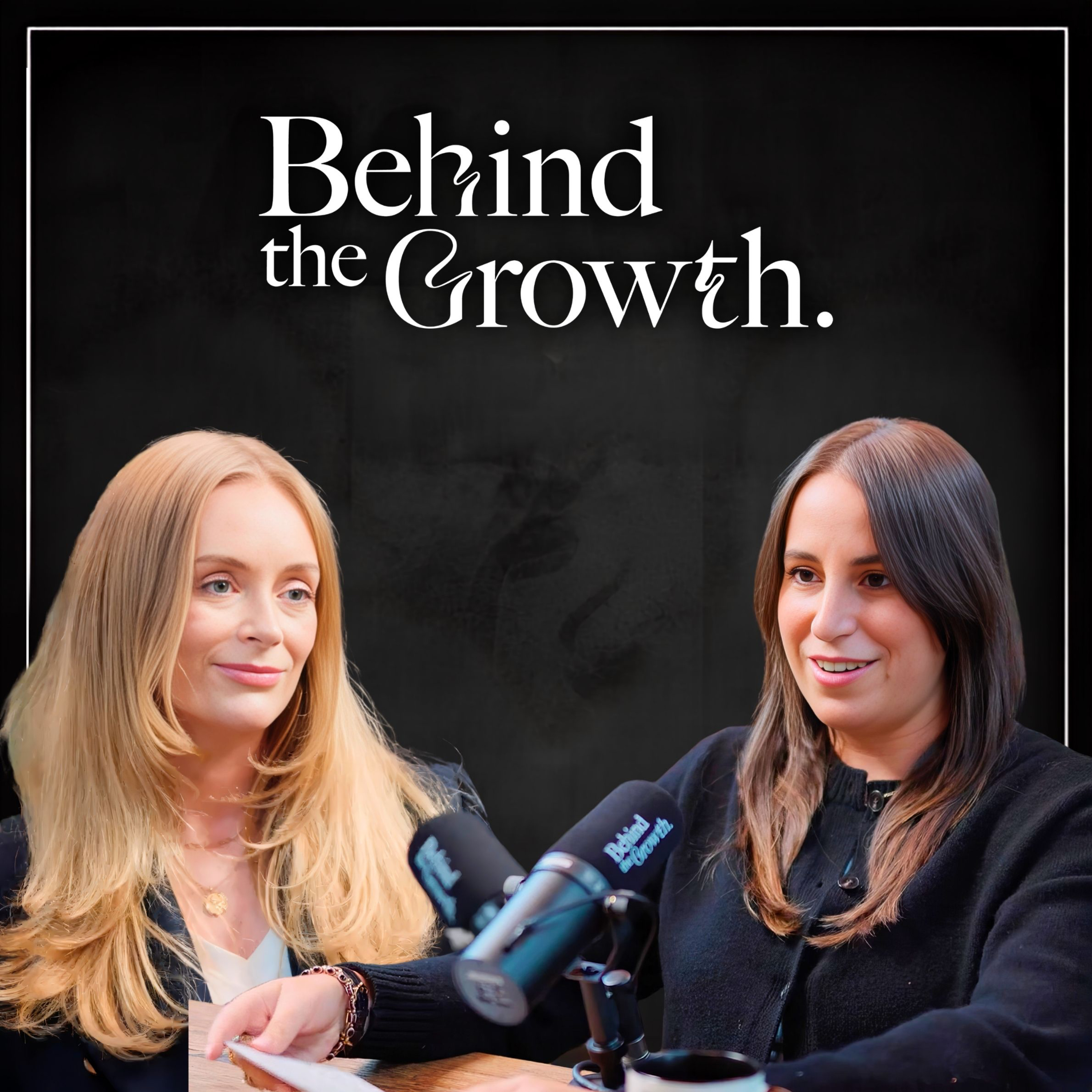
Holly Brooke, founder of supplement brand We Are Regular, discusses launching a “poo” supplement, building without a playbook, delusion/ambition, bootstrapping and cashflow, loneliness of founding, mistakes to avoid (especially stock forecasting), and rejecting hustle-culture sacrifice.
Holly Brooke is known for We Are Regular (with co-founder Jolie). Previously she spent about a decade building brands for Caroline Hirons and other founders/brands.
No fixed brand-building playbook; delusion/ambition drives success; founders should pay themselves sustainably; cashflow is critical; building is lonely; shame around digestion can be reduced by making products aesthetically “shelfie” and shareable; toxic workplaces and burnout shaped her leadership; fear and excitement are the same energy.
Launching in Boots (end Sept launch; Boots May), winning the CW Cosmetic Executives for Women award, selling out twice, and a major loss from a sell-out (~£45–50k).
Written by AI. May contain mistakes.
Holly discusses her transition from a corporate job to launching her own brand focused on personal health.
“We always start with a little bit of an intro and I would love to know who you are and what you are known for.”
The discussion centers around the lessons Holly learned from her previous branding experiences and the importance of flexibility in building a brand.
Holly reflects on the evolution of influencer culture and its impact on brand building, contrasting the past and present.
Holly explains the financial decisions and the comfort zone that led her to self-fund her business, highlighting the importance of financial planning.
Discussing the loneliness that often accompanies entrepreneurship, even when co-founding a business.
“So it's like almost this like double sacrifice.”
Holly shares insights on mistakes she's made and the learnings she refuses to repeat with her brand, emphasizing cash flow management.
“But realistically, like, I mean, it's a cash flow thing, obviously.”
Holly discusses the challenges of product forecasting and stock management, highlighting the importance of understanding customer demands.
Learn about the importance of forecasting and inventory management in a product-based business.
Discover the significance of winning awards in building brand recognition.
Explore the transition from premium beauty to launching products addressing taboo subjects like bowel health.
Understand the financial implications of stockouts and the emotional impact on business founders.
“So we had a lot of people message us and be like, I will pay anything.”
Delve into the relationship between ambition, perceived delusion, and personal growth in leadership.
“You've spoken very openly about wanting to build a billion pound brand.”
Learn about the challenges and realizations faced in early career experiences.
Explore the importance of creating a successful brand while maintaining personal values and balance.
Discuss what could have been done differently in building a brand and the importance of personal fulfillment.
Understand the crucial role of operations in running a business effectively.
“word operations like honestly no one talks about it I don't know why no one's well I do know why Like everybody like loves operations when it's working, but no one cares to speak about it.”
Learn about the mission to empower women and foster positivity through entrepreneurship.

Get the gist, explore an idea or ask about something said.
 Claude
On Behind The Growth, what are the key points of this episode?
Searching your listeningAutomatic transcript. May contain errors.
0:00Oh no, we're going to launch a brand about poo. And everyone was like, huh? Like no one really understood it at all. The response from men was, how is that a problem? I had a pain point. I wanted to solve it.
0:11Laura Donadio: You've built some incredible successes in the first year, launching in boots, incredible. A few awards, even better. I genuinely do not believe that there is a playbook on how you build a brand. It's not like, follow this and you will succeed. You left a senior, probably very well-paid role, to self-fund your own business. At what point was it like now? I mean like delusion is the greatest asset I have always lent into. Also like if you don't believe in yourself, who will? I've spent a lot of my life like not necessarily believing in myself. I think you're not going to realize the true like extent of your capabilities by just living in comfort.
0:47Hi, I'm Holly Brooke and we are regular and we are here to give you the best poo of your life. And this is Behind the Growth.
0:59Laura Donadio: We always start with a little bit of an intro and I would love to know who you are and what you are known for. My name is Holly Brooke and I am known in this era of my life for poo, I would say, is what I am known for right now. um I built a supplement brand called we are regular with my best friend and it is centered around poo and it's fab I love it but before we talk about that um you've spent a decade building brands for Caroline Irons amongst other amazing names what did you know when you launched we are regular that you'd only know from learning at those brands and sort of like going through the emotions there yeah honestly I think you there is literally no way to learn this but just by but just by doing it is that there is not a rule book for like there's not I genuinely do not believe that there is a playbook on how you build a brand like it's not like follow this and you will succeed and I think having obviously built brands for so many different founders and different brands over the years you can build a brand in so many different ways and I think if you had never experienced that you might go into it thinking that like okay well if I follow this plan then I'll get this outcome and I think knowing that you can do it in a different way has alleviated a lot of the stress really when you're actually building it yourself because you know that there's a million different ways to do it and it doesn't need to follow a strict guideline of what route what the route needs to look like and so that was like actually very reassuring to me because I kind of felt a bit more free to kind of test learn try things a lot of things won't work out and like that's okay so yeah I would say that's the biggest what's the biggest shift that you've seen being in this industry for well over a decade socials obviously taking a completely different stage and when you build a brand like what's what was the biggest shift the biggest shift well I mean I obviously was when I first started I mean we're talking like almost 15 years ago now so like back in the day it was a very different world I mean it was like so no one knew what to charge it was just kind of like wow this thing just seems to have like taken a hold and we're just running with it and like gonna see what happens um where obviously now it's become like a billion dollar industry and I honestly do think in terms of like the shift that's happened I think it's just crazy to me how something boomed as quickly as it did and for fundamentally quite a long period of time to now be going through this kind of like shift and sort of decline in terms of like what was once they were born because creators were born because people were tired of celebrities because it wasn't relatable it wasn't something that you know you could never look at a celebrity they were so unattainable and then we created in creators and then they became the celebrities yeah because you could never peek into their lives no never had access to it but now you have access to everyone all the time and it's a lot like it's too much information yeah too much too much information for sure way too much too much content yeah yeah absolutely um you left a senior safe probably very well-paid role to self-fund your own business what was the decisive moment at what point was it like now there honestly wasn't I'd love to say there was like I mean there was a moment where I kind of said to a friend of mine that I worked with at the time she said something to me and it just kind of like flicked a switch in me where I was like okay no enough's enough now I've thought about this for long enough but like I had thought about it for at least a year um and then I finally was like but I had been thinking about it for a long time I don't think anybody who sits here and just says like you just wake up one day and you're like no no enough it doesn't work like that it does not happen not for me anyway it was kind of like a series of decisions and like come to work I think we're being interrupted by your tamagotchi I really hope to be quiet talk us through the Tamagotchi yeah I'm trying to bring Tamagotchi's back it actually was a content ice is so embarrassing it was like well I mean whatever own it it was a it was a content idea that we had for regular because my co-founder is on maternity leave and Donnie my boyfriend had said to me like I was like oh thinking of some like cool content ideas he was like why don't you like bring back Tamagotchis and like the sims and say like can we keep the brand alive so we did and so now I have a time I got you in my bag it wasn't really one moment but it was sort of like a lead up to it yeah months and then like one day it was kind of like no now like I think you just I think you get to the point I got to a point where it was becoming uncomfortable staying where I was because I think uncomfortable it's not a case of like you're either uncomfortable or you're not the uncomfort gets heavier and so like the uncomfort of staying where I was when at that point we'd had the business idea like Jolie and I had already started talking about it it was in development we'd we'd spoken to manufacturers so it did just become a point where I was like I if I continue this like I and I'm very much all or nothing like I have to give everything to it and I knew that I guess we are regular at that moment despite it not being launched was like was that was paying the price really by me not just going all in and financially what did that taking that leap look like because it's also a big thing like you invested in your own business like it wasn't you guys didn't raise so no jolie and i on the cat table which i mean just recently they're on a cat table with me so that's great um like i was really quiet i wouldn't say i'm the best with money but i'm definitely i put money aside i used the stocks and shares isa which was amazing i like basically managed to save about 60k not all of that was invested that was some of the return on my investment by the time I had left and so obviously that was like a very chunky cushion to allow me to know that I did not have the pressure of needing to be or needing to be taking money from the business straight off the bat and when I left I left about nine months before we actually launched the business so I was like I mean I'm obviously going to need some cash to kind of like keep me going um so I'll never sit here and say like oh I just gave my notice and just like figured it out got to a point where we were able to take some money from the business every month because I am really not of the belief that like building a business you're the last person to get paid with all due respect this is our idea we have sweat blood sweat and tears into this brand I'm not gonna sacrifice you know a living um just so that the business can I mean we've managed to make it so that the business is thriving whilst also being able to you know pay us something which is this is a really refreshing perspective because i feel like it's always almost this it's not victim behavior or victim mentality but it's like because you build a business you have to suffer and it's it's like you cannot pay yourself and you cannot take money out of the business and but i i genuinely believe that you end up building so much resentment for what you're building because you're almost like not being able to live the life that you would have otherwise afforded for yourself whilst you're building something for yourself at the same time.
8:01Laura Donadio: So it's like almost this like double sacrifice. 100%. Which doesn't make sense. No, and the road is long, right? Like if you're building a brand, like you're not in this for like six months and then you're gonna, I mean, you obviously, you know, there's ways to do that. Well, yeah, that would be nice. But you are in it for a long period of time and you have to do it sustainably. Like you cannot sustain paying yourself no money. And I had a good friend of mine who owns a successful agency and they said, you know, At the end of the day, like, why should you, because all that's going to happen is you're then going to bring in team members and they're going to be earning more money than you.
8:33And you are going to resent them. Like no matter the sort of person that you are, you're going to, you know, and it's not, and, and to be honest, you know, I'm not equally in the same vein, like Jolie and I will pay ourselves every month, but like with, if the business was to suddenly take a turn for the worse, we're probably going to be the first ones that would take that hit with obviously then having a team, like you always want to make sure that they're fine. But realistically, like, I mean, it's a cash flow thing, obviously. And that's kind of, you know, in the early stages of growing a business, one of the hardest things that you have to face into every single day.
9:06Laura Donadio: Well, that leads me on to my next question. Oh, will you look at that? So convenient. You've built some incredible successes in the first year. Launching in Boots, incredible. Few awards, even better. You're also stocked at an amazing retreat. So I've heard. So you've heard. So I'm all right. What do people not see? cash 100 is definitely something and I actually learned that again like early on and it's such a horrible place as a business owner to be because you're fundamentally making decisions that you might not have really ever made and you kind of feel like you're being put in a box like and you're not against the wall yeah and you're not operating at the best your business is immediately obviously going to take a hit because of that fact so cash is always like cash is king um like honestly when it comes to building a brand and that's even with a co-founder loneliness like nobody understands in the beginning how lonely it is and I'm sure I mean we have a we have a team now of sort of there's about 10 of us it's fractional but you know we've got a great support network around us of people that are just so invested in building the brand with us but at the same time like neither of them no one there is is a founder and is invested as you are and even with Jolie like Jolie and I obviously sharing that like 50 50 like the business is 50-50 both ours and and joe's and i do think that even then it's like like it's lonely so like thank god jolie and i did it together because honestly like if i was building a brand alone i always say like any solo founders i mean props because honestly it's it's tough and i feel loneliness even doing it with someone like by my side so i think that's definitely something just no one really gets it because like there's no one else that is building it alongside you that feels feels the same pains that you do thank you I can confirm it's really lonely so you talk a lot about um how you've made in the most positive way mistakes in other businesses but can you talk us through the learnings and what are the mistakes that you refuse to make with regular it's so funny because you know like you can't you cannot preempt mistakes that's the point of a mistake right but it makes me a bit the question's a great question because it's like there's there are so many mistakes that I hope I probably like don't ever make which maybe inevitably at some point I will I am an inherent perfectionist and like I've definitely worked on that in my life to try to get more comfortable with like making mistakes because every day you make mistakes like all the time in business that's just how it is so getting comfortable with the mistake making is definitely something that I think you just have to lean into as a founder like if because otherwise you you'll you'll be trapped because you won't make decisions because you'll be too much in fear of something going wrong um I mean it comes back to be honest with you it does come back to the cash conversation because I think I don't want to be and touch wood I don't want to be in a situation where we do have to make decisions like based on fear of not having enough money to to do things or whatever um but I definitely think that cash is something that I just don't want to have to yeah like I'm very protect I'm I control our finances very tightly um which can't be the same said for my personal life so I mean it's funny that I've managed to kind of like embrace that in business um but yeah I think having enough cash to be able to move the business forward and yeah I don't want to face into that and not being able to have the fluidity to to do that and I suppose that's obviously just I think also just not focusing too much on the detail I think as a business owner what's really shifted for me since I no longer work for somebody else even though I was like very involved in the business is that now as a founder I was once like very much in the detail and then you become the founder and you realize no no because your your goal is to be bigger picture always always always looking very far ahead um because I think if you spend too much time in the weeds again that's when you make mistakes because you're so focused on like that that one thing meanwhile there's a ton of other stuff going on over here that you just completely missed because you're so in the weeds with it so yeah bigger picture bigger picture helps you not make as many mistakes and I don't really think I answered the question there but I kind of have so we'll go with that is there any other specific learning mistakes um overestimating your influence or rather like when it comes to stock especially your community is one thing but are those people going to buy is another question now if you're forecasting based on your community size that could become uncomfortable real quick because you could spend a lot of money on what you think are your customers and your community and your customers are two very different things so I think bearing that in mind especially like when you make your first order like I mean we made them we made the mistake like when we first launched the business we actually right before the we well when we placed the order for the our first stock order we tripled it I mean thank god because if we had not have we would have sold out in like possibly six days so we sold out in seven weeks in the end so again we sold out it's not great yeah but I mean really cool it's a good problem to have yeah and it's a good PR story but like at the same time I hated saying no to people um so yeah the the forecasting aspects like you have to I mean you can't make money without product if you're in a product-based business so you got to get that right and we've sold out now twice so again like you know I have clearly haven't learned my first lesson but it's really hard in the beginning because you just don't know like we had a wait list we'd been talking about the brand before we launched and like we kind of you know we had an idea of what we would sell but that far exceeded our expectations and like there's no way of knowing that so and also having too much cost and too much stock also has cost associated 100 so you can't just go like oh we're gonna 10x what stock we think we're gonna sell because also that'd be lovely but where are you getting cash from to do that unless you just had like do you know what i mean like unless you're sitting on a ton of cash we're entirely bootstrapped like you can't do that how did boots change that because that's also big quantities overnight night yes and that's a hard balance to strike yeah it definitely was I mean we were fortunate that we knew before we even launched the brand that we were going into boots amazing which definitely helped us with forecasting so we had we launched the brand end of September of last year we launched into boots in May of this year um it was meant to be sooner but with as with any retailer it sometimes just takes longer than you think and we so we had an idea and also like you You know, I'd been told multiple times by friends and people in the industry were like, don't get excited or don't let your retailer like Boots or any retailer for that matter, excite you with a huge PO straight off the bat because you can push back.
16:06So, for example, if like if that early on a retailer comes to you and says, we want 10 ,000 units. You're like, OK, fine. You're doing the math in your head. You're like, that's great. That's a great number. You won't have to go and produce that if you've not got it sat in your warehouse. and obviously then that 10 ,000 is being bought because they expect you to sell that that's not a oh we'll take 10 ,000 units and we'll just have it sat in the warehouse like they've got sell-through plans and they've got expectations of how quickly that stock needs to move so if you're just going to say yes because you get excited by a nice shiny lovely PO um my advice would be you have well within your rights to manage expectations when you're having those conversations especially played that early on exactly like of course you know so yeah it we we did that with boots and we worked with boots to make sure that like they were range planning with enough their lead times also are relatively like their stock holdings are quite small windows um which helps as well because you know they're not buying into the brand and wanting six months of stock sat there so yeah it was and we've grown with them and it's been like comfortable within reason i mean kind of with an uncomfortable within an uncomfortable comfort I would say like we are really grateful that the business is growing and like yeah we got our biggest po ever like from them the other day which was amazing and such a nice feeling to know that that's like the direction that it's going in um but you have to do it within the remit of like what you can comfortably do as a business
17:32Laura Donadio: I'm quickly going to interrupt this episode to remind you to please hit subscribe if you're listening on YouTube and for those listening on Apple or Spotify to not forget to hit the follow button it only take a second it's free but it will mean the world to us so you're about to hit your first anniversary yeah that's so exciting congratulations yeah in a month wow what was your biggest win my god what was our biggest win I feel like I followed the journey and I've seen so many that I don't even know how you would pick oh no do you know what I don't even know why I'm thinking about it my biggest win was winning our first ever award I lost it anyone who hasn't seen it please just go on socials because it is hilarious yeah you seem so happy it was really wholesome to watch I was beside myself so we won our first award was the CW award which is the cosmetic executives for women yeah so we'd just been going to say I'd been going to CW awards like with Caroline over the years or whatever so when we were nominated I mean Sam Fares from Revive Collagen was there Absolute Collagen were there we were like finalists with some incredible incredible brands so in all honesty we were up for like three or four awards I did not expect to win that award like that was the one I was like there's no way against like these brand founders that have been around for like a decade are we gonna win and so when we won I just was I mean I was beside myself like I don't know if I'll ever having won other awards since like that first award was just special it was so special and just being able to go up and like accept the award with Jolie and gave some unhinged speech that just kind of was not really prepared but I yeah you can like feel the excitement it's like palpable in that speech um you've moved from premium beauty to talk about poo yeah big change big change not really what we usually see in the premium beauty conversation no no no talk me through that well it was funny because when we first kind of announced it joe and i have known each other for like 20 years we've been friends since we were 16 we actually met in a nightclub toilet which is ironic given the fact that now i know and it's so funny looking back to you like god if only we'd have known back then um and then so when we announced that we were like working together one a lot of people in the beauty industry didn't realize we were that close and so a lot of people were just kind of shocked at the fact that we were doing something together and then when we were like yeah and a lot of the time everyone sort of said to us are you going to launch a makeup brand skincare brand like anything yeah yeah like along the lines of what you've done yeah oh no we're going to launch a brand about poo and everyone was like huh like no one really understood it at all and especially men like the response from men was how is that a problem like i didn't know that was a problem like women are twice as likely to be constipated than men that's scientifically proven and that's a fact um so I get why they didn't really get it um but yeah there was definitely I guess people maybe look at Jo and I and think like as if you're gonna go and launch a poo brand but honestly it wasn't you know they always say launch a brand that is stemming from a problem that you've experienced and that was just on problems yeah like this is how brands work and that was my story So it just kind of like, it wasn't, it wasn't a strategic decision to go and do this.
20:51It was just like, I had a pain point. I wanted to solve it. And I think because we are talking about something that honestly is one of the last areas where there is so much shame still, especially for women, that the beauty element had to come into it because in order, the reason why poo has so much shame still is because of the aesthetic, the vat people, we've just been conditioned to think that it's gross so from a beauty lens like we would look at other products on the market that one weren't really doing what we needed them to do but also they were very clinical and they weren't really something like we all love a shelfie back in the day long live the shelfie and it wasn't there was never really a brand in the supplement space that you'd see and be like oh I want that on my like proud to have that on my shelf and so we wanted to build that with we are regular like And also because I do believe like when it comes to shame, in order to get rid of the shame, you have to make it something that people are proud of talking about.
21:49Absolutely. And so like it's, you know, it's a cute lilac stick and you pop it in your bag and you like share it with your friends and it looks good. Like that was all intentional because.
22:00Laura Donadio: That's the one way of getting people to talk about it. Yeah. Absolutely. The contradiction, I guess, of like the two things sitting side by side. it had to be that way otherwise it just wouldn't have worked the reaction sometimes when you work in like the premium industries and you decide to do something else it's just absolutely hilarious honestly the shock is what I also kind of get a little bit of a kick out because yeah out of because when you talk to people yeah and they're like oh you know what do you do especially when you meet randoms like at like on nights out or whatever oh what do you do and I'm like oh I own a supplement brand I'm like oh what's for what I'm like poo and I just I love like the reaction the reaction because they're not expecting it and like that is how I think that's also definitely know that's how we've been able to get such good cut through from the beginning yeah of course because we're saying something that one no one was really willing to say and so in order to like get it out there you just have to and I love that it's made Joe and I more confident like we we have to be because it's the whole story and there was one time where we went actually to Manchester and to Leeds and around the country um meeting people and talking to them about poo before we launched and I'm not gonna lie like when we first had to do that like it was so nerve-wracking like literally approaching randoms on the street and being like did when did you last poo but it was such good market research for us because to be honest like the people that we spoke to that's like insight you know some people actually it was funny because when we when we did that it's consumer research people pay thousands to firms to get this kind of information 100 so yeah we went when we asked people there was actually quite a lot of women that would be like do you know what i'm actually quite regular but every time we every woman we spoke to it was like i can never poo on holiday and so then that also then developed that's why we launched our smaller size and like so honestly like yeah you gotta you gotta get out there and speak to speak to people okay we spoke about your biggest win what was your biggest woo i mean financially our biggest loss was definitely when we sold out i think we probably lost about 45 50k when that happened um just from like missed opportunity of we were we had literally just done one our first full month and we hit 100k in six weeks and like then it just like dropped off a cliff obviously there was nothing that we could do about it um so for four weeks we just had to like say no to people um which sucked I hated saying no especially I think because of the category that we're in that was just a horrible thing to do because I knew we'd helped so many like thousands of customers by that point.
24:29So we had a lot of people message us and be like, I will pay anything. Like, please, can I get some product? And obviously Joe, bless us. Like we're both kind of thinking like, well, what can we do to find more stock? Because these people really need our help. So yeah, I mean, there was a few like random sends that we try and get out to people. But I would say that was probably definitely one of the biggest losses, like financially for us.
24:50Laura Donadio: You've spoken very openly about wanting to build a billion pound brand. How do you feel about being so vocal about your goals? um like like do you find that it holds you accountable because I feel like there's kind of like two schools here is either people stay very private about what they're building or like go the complete opposite way and like overshare yeah I'm not calling you an overshare no no I am an overshare um I mean like delusion is the greatest asset I think I have always lent into and call it delusion or just call it ambition I don't really know what you want to set like say I mean I think at the end of the line yeah like you kind of intertwined yeah they are yeah they are and a lot of ambitious people are delusional I think like in order to achieve the level of success that some of these people like go on to achieve that is that stems from delusion because there's a lot of people that wouldn't even fathom that that would be possible so my belief is anything quite frankly anything is possible if you are willing to believe it and it all stems from you anyway so if you can believe it then you know everyone else has to and honestly at the end of the day if we like even if because on the flip side of like oh well you put it out there now and like what if you don't who who cares thing cares like I have had I am having so much fun building this brand like if you don't believe that it's gonna achieve those heights then what are we doing this for not that it's about like the bill the billion dollar is not like it's not the money thing it's just that is the level of belief and passion that I have for what it is and what I believe that we are building with we are regular so like sheep for the stars I do hate that saying but do you know what I mean just go for it because what's gonna happen yeah like you only honestly get one life so like just just go for it give it a crack see what happens yeah also like if you don't believe in yourself who will honestly that is one of the biggest and I have I've spent a lot of my life like not necessarily believing in myself I think I think everybody can relate to that to like a degree absolutely and it does just get to a point where you just have to go even if I still don't feel that just park it and like just keep moving and you just have to kind of like let that thought go by the wayside and just overcome it by motion like that's the kind of way that you overcome those things it's just like I think ruminating and spending too much time and your thoughts it's like not a good place for anybody no just do like doing stuff will help you to get to where you want to go rather than like overthinking all the hurdles and everything to get there speaking of which you've also spoken about how toxic workplaces have shaped the leader that you are yeah talk me through it I what do you think built you into who you are now oh gosh so much time not enough time that we've got on this pod and people will be here in seven hours um but no I think that I mean so much but I think when it comes to toxic workplaces I had a horrendously toxic workplace when I was living in Australia and I've never really publicly spoke about it it was just a toxic work environment there was a lot wrong yeah um and I was there for like pretty much all the time I was in Australia um and it was a great baptism of fire in terms of learning what I was capable of I was only like 26 27 at the time so I was young like I was and I and it was a place I was so desperate to work at so it was kind of like this contradiction of like working somewhere that you'd put all of your hopes and dreams on getting to so there's a reluctancy to then leave because you're like well I've achieved it now and I've got to where I thought I wanted to go and then you get there and you're like whoa this is not what I thought it was going to be it's also accepting that it wasn't what you wanted it to be because if I'm I felt like that about fashion yeah like it was my almighty dream and then I hated it you put you put a lot of things on a pedestal and then you get there and you're like oh okay this wasn't and sometimes it's better to be yeah and sometimes it's not and I think knowing you like there were definitely times at the beginning very early on where I was like oh no I've made a mistake like I truly tried to trust my gut instinct a lot but when you when I was younger I just I really struggled to kind of tap into it and there was a time where like I was maybe like three four weeks into the job and I was like oh my god no I've made a mistake this is not right but because I was so desperate for the job yeah and also maybe I needed to go through it for two three you know two three years maybe I needed to experience like the burnout the therapy at the end of it the you know to make me a better person at the other side so I don't I don't have regrets in life I think like what's the point also life's too short for progress yeah but i find that you also learn more about like from the traumatizing experiences than you do from yes the nice ones yeah i'm not yeah unfortunately i'm not like welcoming trauma into my life now no but no i agree no i agree you take more out of them it marks you more i think it shapes you more into who you become and yeah yeah a comfortable life is not going to give you no the no you're not going to you're not going to realize the true like extent of your capabilities by just living in comfort is my strong belief.
30:03Laura Donadio: I agree. You've spoken in the last week on socials because I'm obsessed with your content about sort of like breaking the assumptions of being a founder and you know it meaning that you have to sacrifice everything in your life and it has to be all consuming and you know you can't live a happy life whilst being a founder not true I completely agree what made you want to speak about that online I feel really strongly about that and I think maybe to go back to the fact of like I think I've spent most of my career pretty much all of my career paying my dues yeah so I almost feel like I'm not I'm not 22 sadly um I am 35 and I have spent a lot of my career paying my dues and under and like going through the pain of what that entails so by the time I got to a place where I was happy and confident enough to build a brand I was like I'm building this on my terms because quite frankly I'm tired of doing it other ways yeah and I think it shows a level of self-confidence and like self-belief that like you do not need to struggle I have spent a lot of time believing that the only way to succeed is struggling so I was just like enough and having the flexibility and the freedom and the choice to be able to create it exactly how we wanted it to be created you know I have a co-founder Joe has kids um that so we were very adamant from the beginning like Joe was great at the beginning because she would say to me I was very much like shall we start talking to investors like you know we've got a great opportunity here and Joe was very much like let's enjoy this part of building the brand because you're never going to get this time back it's just you it's just exactly we don't have anyone to answer to like it's it's a big thing we're in a great period of the business right now when you go through loads of different seasons when you build and scale the business so like I just want to cherish this and I just think it's really important to speak about because I think there's all this I'm really anti-hustle culture like I honestly do think that it is put out there to unnecessarily create pressure on founders entrepreneurs even just people working that like unless you are burnt out and exhausted you're not working hard enough and I spent a lot of my career like performing and I was like whole will work the hardest whole will work the latest whole will do all of this you know like and it got me really far in my career and I'm really grateful for that like attitude that I had but then you just get to a point where you're like enough now because that's not gonna sustain me long term and like I said at the beginning like this is the long game and we're gonna be building this for a while like I'm not gonna i can't face i can't risk even for the business to get burnt out again because i've gone through burnout and it's awful and so i don't want to it's not fair on joely it's not fair on the business it's not fair on the team like do you know what i mean so um yeah you are fully in control and you know and i don't take for granted the fact that we're fortunate enough to be in that position because the business has started really strongly um and like hopefully long may it continue you amen um last question before we move on to our quickfire round you've built one brand or you're building one brand you have also built successfully loads of brands along your career if you were to start again today although you're only one year in what would you do differently oh I just would have honestly I just would have started sooner like I wish it hadn't taken me so long to get here if I'm honest but again like I think I needed to learn stuff obviously in order to like feel the confidence to get to where I am but I genuinely just probably would have done it sooner okay like I wish yeah I wish we'd done it sooner and if you were to build another brand what would I do differently this is very much this brand we are regular is very much come from a personal problem and like I feel very passionate about like not this isn't just about building a product-based business this is about helping women like live their best life because I know having been on 17 years constipated and like know the impact that being regular has I know there's thousands and thousands of women out there that haven't yet experienced how good it can feel so that's like where my passion lies however if I was to do another brand say I'd done this and was to do another one I would start by asking myself like what exactly do you want your life to look like and I would shape the brand or business around that okay because first of all I reckon I'll be pretty exhausted after I've built this maybe uh so I might want to lie down after I've done this but I think you can I think there's being in this industry and being around other founders I've realized there's loads of different ways that you can build a business and all equally successful but demand different things of you so I think I would ask myself like what do I actually want to do like would I want to build this from zero bootstrapped ground up probably not um so yeah start with like what you want your life to look like and I feel like then that's like quite a good starting place really good quick fire go for it the least glamorous part of growth in one word operations like honestly no one talks about it I don't know why no one's well I do know why Like everybody like loves operations when it's working, but no one cares to speak about it.
35:23And then when it's not working, everybody wants to talk about it. And it just really grinds my gears that like it only gets airtime when everything goes wrong. And obviously operationally in a business, like if that's, this isn't a very quick, fair answer. But when that goes wrong, like you cannot run a business without the operational aspects, like working. Everything collapses. Everything. I mean, what do you mean to start? like who's moving that out if the warehouse isn't working like do you know what I mean so I think operations is not sexy but is literally the backbone of a business okay fair enough
35:57Laura Donadio: finished a sentence I felt most out of my depth when I was giving my notice to Caroline I just want to give you a hug I know how you feel but you could now I'm over it now but yeah no it was time um I think I might know the answer but your most expensive lesson and how much did it cost yeah selling out about four yeah like 45k um the one person who gave you the best piece of advice and what the advice was this person didn't necessarily and i actually can't even remember their name which is really embarrassing didn't necessarily give me the infant the the quote but it's just something that i always remember is that like fear and excitement are the same thing it's just the fear is without breath
36:39Laura Donadio: look at the timing on that time i got you back again um yeah and i think that it's a really like i always come back to it when i'm feeling fear i guess because the reality like that the two things are exactly the same thing but just one of them you're literally just forgetting to breathe because you're like you're stressing about it you feel the same energy around excitement and fear you do it's just and and fear is i believe like a it's just a construct that you just like make up and you're like who's who's telling you that that's like fearful do you know what i mean it's your mind that's telling you it so there's loads of times where i've used that to kind of just like lean into fear maybe just breathe a bit more i don't know i think we should always breathe well that's always like a great idea it's just as important as pooing okay um no audience no network a thousand pounds in the bank what's your first move I would join this random I would join like a members club okay and then like throw myself into the network to get a network to meet people who would be able to help support me in building my business um yeah I think your network I've always said like throughout my entire career your network your relationships are absolutely everything so as long as you have somewhere to be able to like create that if you don't have it and i would say okay members club i don't know yeah i'd say that one with lots of entrepreneurs though they don't yeah yeah yeah yeah fine fine you lose everything tomorrow who's your first call oh donny my boyfriend i'd have to be it's not business related i'd be lost without him so i'd have to call him he's a good he's a good solutionizer he'd also help me calm down we started the episode by asking you what you're known for and we're going to finish by what do you want to be known for I would like to be known in this era of my life because I think we have many lives within our own lives um I would like to be known for empowering women to know that they can achieve far more than they tell themselves that they can and to just go for it feel the fear do it anyway and hopefully by building we are regular something that people just like would not have expected and succeeding is a way to showcase that so yeah and also just making people feel good because you know life's there's a lot of negativity around and i just want to like spread optimism positivity
She spent 15 years building other people's brands. Then she quit a six-figure job, saved £60k, and launched a supplement brand about poo with her best friend of 20 years.
In Episode 6 of Behind the Growth, host Laura Donadio sits down with Holly Brooke, co-founder of We Are Regular, the bootstrapped, Boots-stocked supplement brand on a mission to get women talking about the thing nobody wants to talk about, poo.
Holly is funny, honest, and completely unbothered about the raised eyebrows. She spent a decade at the top of premium beauty, watched the influencer industry go from chaotic to corporate, and still chose to launch a lilac poo stick because it was the problem she actually wanted to solve.
She talks about the toxic workplace that broke her and built her, why she thinks hustle culture is a lie and what it really took to go from commercial director to co-founder.
She also gets into losing £45k when REGULAR sold out in it’s first month, why she's never not paid herself, and why building a £1 billion brand starts with genuinely believing it's possible.
In this episode:
* 15 years in premium beauty and what you only learn by doing it for someone else's brand
* Quitting a six-figure job nine months before the business even launched
* "I was on £60k savings and I'm not even that frugal" on bootstrapping honestly
* Selling out in six weeks, losing £45k, and doing it again twice after that
* Landing Boots in year one and why a big PO isn't always the win it looks like
* The toxic workplace in Australia that sent her to therapy and shaped the leader she became
* Why she refuses to sacrifice her salary, her lifestyle, or her sanity for the business
* Anti-hustle culture, burnout, and building for the long game
* "Delusion is the greatest asset I have" on ambition, billion-pound goals, and why she says it out loud
* Fear and excitement are the same thing. It's just that fear forgot to breathe.
Follow Holly Brooke: Instagram: @@hollyvictoriabrooke) Brand: @wearegular
Join The Growth Collective: The community for ambitious people doing the real work → thegrowthcollective.com
Follow Behind the Growth: Instagram: @behindthegrowthpod