Ask ChatGPT
 Behind The Growth
30 Sep 2026 · 36m · 21 chapters
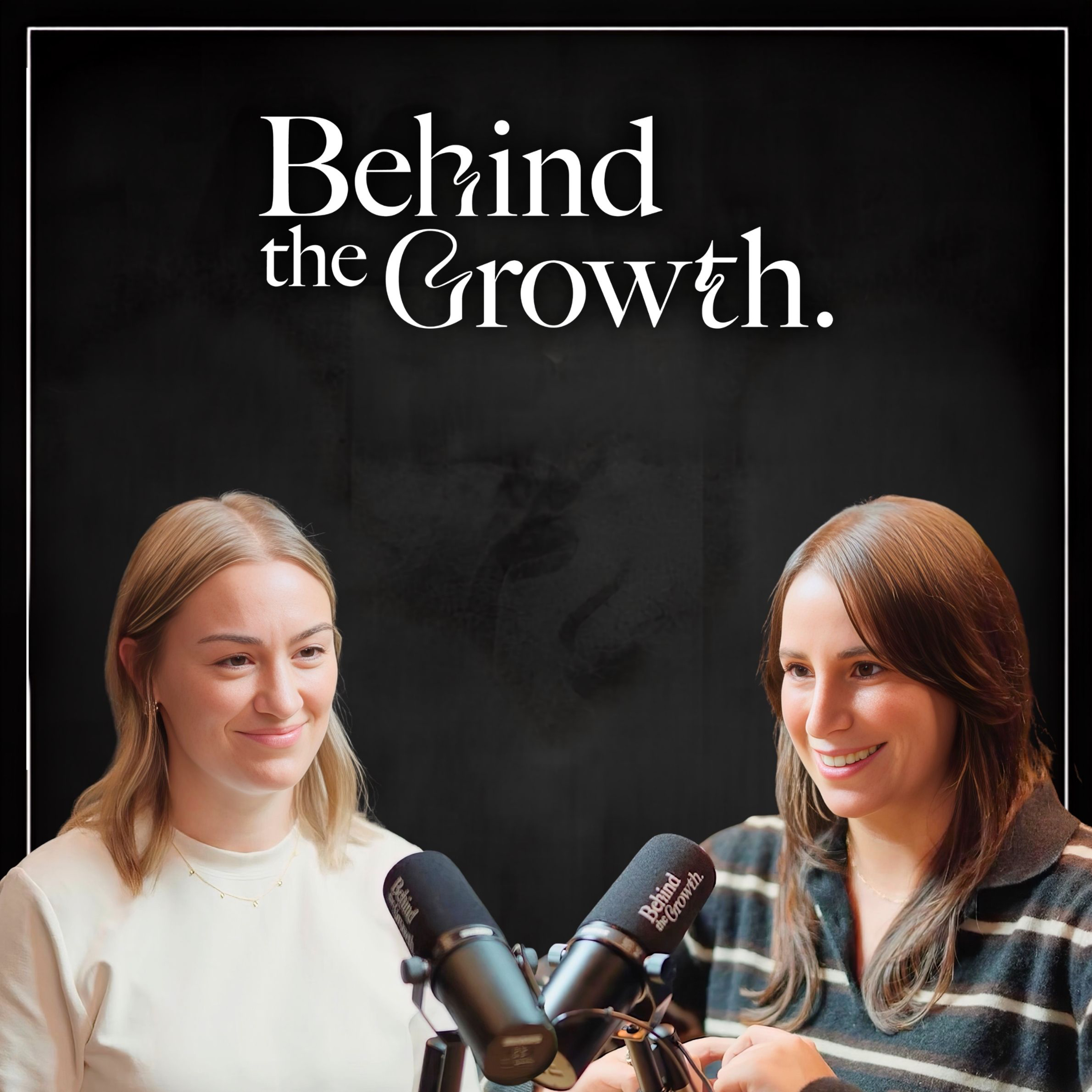
Giselle Boxer, founder of East Healing, explains how she built an ear-seeding Chinese medicine business from personal recovery from ME, then scaled it after Dragon’s Den, while handling backlash about “snake oil” claims and later using press and storytelling to grow to 30,000 orders.
Giselle Boxer is a former advertising/social media marketer who was diagnosed with ME at 26 (with PEM, brain fog, muscle/joint pain). She found Chinese medicine six months later and recovered. She launched East Healing after maternity leave, starting with £5,000.
She was the first person to get all six Dragon’s Den offers; Chinese medicine (acupuncture, herbs, ear seeding) led to full recovery; negative press became “good press” and helped drive traffic; she rebranded from AccuSeeds to East Healing to expand beyond ear seeds.
Sold first 500 units, then ordered stock for ~20,000 units; sold 30,000 total (20,000 sold, 10,000 pre-orders) around the episode airing; switched warehouses due to demand; received £50k paperwork timing; backlash/trolling led her to pause public recovery posts for about a year; celebrity moments included earseeding the Beckhams and being flown to earseed Jay Shetty (and next to Spotify HQ).
Written by AI. May contain mistakes.
Giselle discusses her personal struggles and the catalyst for her journey.
“I was in a therapy session and I broke down and she was like, we need to figure this out.”
Giselle shares how her personal health challenges led to the creation of her business.
“You built this on the back of something that you personally went through.”
Giselle explains her journey from Western medicine to alternative healing practices.
The process of launching East Healing with limited funds and resources.
“And you started with five thousand pounds.”
Giselle recounts her experience on Dragon's Den and securing investment.
“I feel like very few people can launch a business worth 5 ,000 pounds, especially a product-led business.”
The challenges and successes following the airing of her episode.
“What an experience also to be the first person to have all six dragons invest in yourself.”
Giselle discusses the negative press and its impact on her mental health.
“But yeah, it was absolutely insane, to be honest.”
The journey of reclaiming her narrative after public scrutiny.
“And Stephen was there to support me every step of the way.”
Giselle shares her journey of recovery and insights on running a business.
“I was looking at all these different episodes on Dragon's Den.”
Giselle discusses her experience on Dragon's Den and the lessons learned about valuation and investment.
“And for those listening on Apple or Spotify, to not forget to hit the follow button.”
Giselle reflects on hiring decisions and the challenges faced while scaling her business.
“And we're like, oh, Jay's one of our podcasts.”
Giselle discusses the decision to rebrand from AccuSeeds to East Healing and its implications.
Giselle reflects on her past career in advertising and how it shaped her entrepreneurial journey.
“It's probably a little bit easier to focus on, especially when you're launching a rebrand at the same time.”
Giselle discusses the mental health challenges of entrepreneurship and the importance of self-care.
“related to um mental health isn't it and there's a lot that's to be said about how your body shows up or bring stuff out that you feel internally, but maybe don't know how to tackle or manage.”
The discussion explores the challenges of growth, including mental health struggles.
“not related to what he studied no not exactly the same direction I would agree wow Fair enough.”
Giselle shares her confidence and experiences pitching on Dragon's Den.
“I actually haven't felt out of my depth in this business.”
Giselle discusses her transition from advertising and the lessons learned along the way.
“When it went out on TV, I was thinking about the people that I used to work with in advertising, particularly one of my managers, who I don't think thought very much of me back in the day.”
Giselle reflects on her costly PR experience and its impact on her business strategy.
“What was your most expensive lesson and how much did it cost you?”
Giselle shares valuable advice received from Stephen Bartlett amid negative press.
“But yeah, he just sort of said that one day this thing that's happening, this negative press after Dragon's Den will just become part of your story.”
The conversation explores what Giselle would do differently if starting over.
“I mean, I probably wouldn't design my packaging on Canva again.”
Giselle articulates her desire to help others find alternative healing methods.

Get the gist, explore an idea or ask about something said.
 Claude
On Behind The Growth, what are the key points of this episode?
Searching your listeningAutomatic transcript. May contain errors.
0:00I was in a therapy session and I broke down and she was like, we need to figure this out. We need to talk about this and start telling your story again.
0:06Laura Donadio: Was there anything where you were like, oh shit, this is about to break? My mental well-being maybe? The negative press after the episode aired, it was something that I didn't speak about online or publicly for a long time. So I was diagnosed with a condition called ME, which is a chronic condition. But it wasn't until six months after that I found Chinese medicine. To be the first person to have all six dragons invest in yourself. We'd bought that amount of stock. Stephen had said that that's what we would probably sell. I remember when the episode aired, we were pretty much out of cash. But the day it aired, that was when we signed the paperwork for the 50 grand to come in.
0:41I feel like I was put on that path to find my true purpose and to find something that I'm actually passionate about. Hi, I'm Giselle, founder of East Healing, and I'm helping women with their health and well-being through ancient Chinese medicine practices. This is Behind the Growth.
0:58Laura Donadio: we always start by asking everyone to introduce themselves and to let us know what they're known for uh okay hi i'm giselle i am the founder of east healing most well known for going on dragon's den and getting six offers i found personally having spoken to quite a few um business founders is that people usually tend to create business on the back of their own problems which i think you're a prime example of, right? You built this on the back of something that you personally went through. Do you want to talk us through that? Yeah. So when I was 26, I was diagnosed with a condition called ME, which is a chronic condition.
1:37Mostly, most people who experience it have something called PEM, which is post-exertional malaise. And it's basically when you do anything, any sort of activity, whether that's like walking, showering, going to work, and then you have to have a prolonged period of time resting. So I was diagnosed with that at 26 years old, alongside lots of other symptoms like brain fog, muscle pain, joint pain. So yeah, it was quite a shock at 26 to be diagnosed with that condition, especially because all my friends were like in London, going out, working, exercising, doing all the things that are like normal.
2:17and yeah I basically like was struck down with this illness had to move home with my mom and stopped work for a period of time and kind of yeah that's how it all began really yeah and what
2:30Laura Donadio: made you start well I'm assuming the diagnosis was really obviously like really impactful on your life you then started looking at medicine cures is that how you got into traditional Chinese medicine like how did this whole thing come about yeah so I obviously went down the like western medical route as most people would um went to see multiple different doctors I think I was passed around 10 different GPs at the time and was just like searching for answers basically this was pre-diagnosis um and had like so many different blood tests and everything was coming back as they say is like normal in the normal range was diagnosed with the condition because they kind of excluded like everything else and then from there I decided to go down an alternative route so my mom is like a Reiki master very much into her like diet supplementation energy healing all of that and because Western medicine couldn't give me like any answers or any treatment or any cure um yeah I started looking at different alternative ways to heal and went down a bit of a rabbit hole googling what is ME how can I recover from it etc etc joined loads of like support groups went on Instagram did all of that and yeah went down the alternative route so started off with diet supplementation then incorporated like meditation breath work all of that but it wasn't until six months after diagnosis that I found Chinese medicine and it just completely changed my life within six months of treatment I was fully recovered from the condition which is incredibly rare for most people yeah and that's what inspired you to launch your own brand in the space yeah exactly yeah so I was experiencing acupuncture and she gave me Chinese herbs as well to help with the ME and then was doing this weird thing called ear seeding on me which I thought was bizarre at the time they looked like like tiny black balls with plasters on and they covered the ear and looked quite gross to be honest like all over my ear I was quite embarrassed to wear them but I fully recovered from the illness got pregnant and it was whilst I was on maternity leave I basically realized like I don't want to go back to my previous job in advertising and was trying to think of wellness idea like ideas for wellness businesses and remembered the ear seeds and was like wow okay this could be this could be something and that's where it all began.
5:09And you started with five thousand pounds. How?
5:13Laura Donadio: Talk me through it. I feel like very few people can launch a business worth 5 ,000 pounds, especially a product-led business. Yeah. So that paid for packaging. And I think it was 500 units of the total product. It also paid for a very cheap website developer who was based in South Africa, who quoted me a price. And I was like, oh, that's super cheap. Let's see what happens. Luckily, she was really, really good. And it paid for a photo shoot where I was the model. Oh no, I actually had another model with me as well. But yeah, I was mostly like modeling the ear seeds. And that was it really. Like sort of started from there.
5:56So set up the Shopify with the website developer, did all my own social media, designed most of the stuff on Canva on my own. Oh, and I think I paid someone five pound to design a logo for me as well.
6:12Laura Donadio: Five pounds? Yeah, on Fiverr. fair enough is that where your advertising career came in really handy I'm assuming I think so yeah I think I've been quite lucky that because I started working social media advertising before I set up the business I'd learned the skills to how to grow organically on social media so yeah it's been a good skill to have for sure yeah I can imagine how quickly after the first 500 units did you go on Dragon's Den? So I went on Dragon's Den when the business was 18 months old. So I sold the first 500 units and I think that freed up about another like 10 grand and just kept like reinvesting the money back into the business.
6:57Yeah. And then 18 months after I started, I went on Dragon's Den.
7:01Laura Donadio: Nice. What an experience also to be the first person to have all six dragons invest in yourself. Yeah. We obviously only see five minutes of the filming when really the filming is a lot longer than that right do you think there's anything that didn't really shine through in that clip of like you know your whole pitch and the whole experience was there anything you felt was left out I think I mean it was it was a 15 minute program and I was in the den for two hours and so there was like a lot of questioning all around my background the product um they went so deep into the numbers like literally everything but then when you watch the show it feels like I pitch and then that was it then the offers just started coming in there was barely any questioning so yeah I think there was a little bit of backlash after the show where people were like oh they didn't even question her they didn't even ask her a question but they did they asked me questions for two hours it's just only 15 minutes was shown so yeah to be fair you also made a point of I think um he said you know you it costs you three pounds but you sell it for 30 and so straight away you know the margins are quite big and so there's not a lot of questionings that need to sort of come on the back of that if you know that the economics are good obviously then also had made like some really decent sales over 18 months so you know there's a bit of a story there as well yeah so fair enough um with obviously there I've watched that clip and looked a little bit into it and Stephen Bartlett asked you to um prepare 20k units right and then you sold 30 ,000 yeah which is amazing what were you feeling then because that's a big bet coming from obviously you know 500 units to all the way to 30 ,000 that's quite considerable growth especially that early in your business as well yeah it was pretty terrifying to be honest like purchasing that much and I think we were pretty much out of cash like we bought that amount of stock because Stephen had said that that's what we would probably sell.
9:04So you need to get that much in. And yeah, I remember when the episode aired, we were pretty much out of cash, but the day it aired, that was when we signed the paperwork for the 50 grand to come in. So that was good. That was good timing. But yeah, it was absolutely insane, to be honest. I don't think I really process like what was going on I think I was seven months pregnant at the time and the sales were through the roof I was the only person working in my business when the episode aired so I was doing customer service marketing emails production bookkeeping like the only thing I wasn't doing
9:45Laura Donadio: was a fulfillment thank the lord they need that on top of everything no but even that like I was with a fulfillment warehouse who couldn't keep up with the demand. So three weeks after the episode aired, I actually had to switch warehouses, which was horrendous, like absolutely horrendous. 20 ,000 units were sold, but then 10 ,000 were on pre-order. So those customers had to wait four weeks for the kits to arrive. But yeah, there was many, many, many stressful moments after that episode aired especially being pregnant I remember sitting and answering customer service emails at midnight like most nights after the episode aired my husband was like you can't carry on like this this is insane so Stephen was amazing and he introduced me to like so many people in his network that took a lot of that stuff off my plate pretty much straight away so yeah forever grateful for that I can imagine during that time was there anything where you were like oh shit this is about to break like you know is there was there anything when you like I'm assuming the warehouse was a big one is there anything else um my mental well-being maybe yeah I I don't know if you've sort of looked into any of the negative press after the episode aired but it was something that I didn't speak about like online or publicly for a long time um but unfortunately when you're talking about alternative medicine like in the public eye there are going to be people who don't agree with it and who think it's a scam and who thinks it's snake oil and all that sort of stuff so yeah whilst there was like loads of good press of me being the first entrepreneur to ever get six offers female mother of two blah blah blah there was also a lot of bad press which criticized that i was selling this snake oil product um also with the condition with me it's quite a controversial condition in that western medicine will tell you there's no cure and there's no treatment so then when someone comes out in the public eye and says that there is that they have recovered from it through alternative healing modalities, including Chinese medicine, there was bound to be some backlash.
12:07But before the episode aired, I honestly had no idea that that was going to happen. So it was really frightening, really, really frightening. Luckily, it sort of died down within a couple of weeks. And Stephen was there to support me every step of the way. So yeah. And I think looking back, even though it was quite damaging mentally, I am so grateful that I had the bad press because I was then able to reach more and more people that needed help. And yeah, that's part of why we received 30 ,000 orders because every time a Daily Mail article came out, it was like a boom of traffic.
12:46Laura Donadio: Exactly. Yeah. We always say bad press, you know, bad press is press. Yeah. you know fair enough do you feel like with the scrutiny around me and the public challenges did that make you change how you were talking about your own story did that impact that at all oh 100 like there was probably a year where I didn't a whole year where I didn't speak about my recovery from me online and I sort of reached breaking point about a year after I went uh on the show and I was in a therapy session and I broke down and she was like we need to we need to figure this out and we need to talk about this and you need to get back out there and start telling your story again because the whole reason why I set up the brand was to help people and I want people to know that have chronic conditions or that have health issues that there is an alternative route to heal you don't have to always listen to what western medicine tells you there are other options so yeah it took me about a year to actually talk about it again because of the amount of trolling and stuff that I was getting online as well and yeah I feel like I'm in a much stronger place now I have blocked the majority of people that were bullying me online about about my recovery but yeah I get messages from people every single day now saying how did you recover I want to know I want to know if there's like other options to heal and yeah I'm trying to help as many people as possible so that's beautiful um well a great mission to have and what a great thing to do with with your business as well um when you look back at your um drag and dance experience do you regret in asking for more especially given that all of them wanted to invest not really I mean it's quite funny like in terms of valuation and how much I wanted it It was pretty much a Google job.
14:43I was looking at all these different episodes on Dragon's Den. Most people were asking for 50 grand at the time for 10 % of the business. I was quite naive, I guess. I don't have a background in finance. I have no idea about all the routes to investment. It was very much a bootstrap business. So yeah, at the time I was like, let's just ask for 50 grand for 10%. See what happens. Looking back, would you have done it differently? I don't think so. No, because when I was in the den, Deborah said that I valued my business very well. And that's something that she always gives feedback on. Like if you value it too high, she'll never offer.
15:23So yeah, I think I valued it at an okay level.
15:27Laura Donadio: I'm quickly going to interrupt this episode to remind you to please hit subscribe if you're listening on YouTube. And for those listening on Apple or Spotify, to not forget to hit the follow button. It only takes a second. It's free, but it will mean the world to us. Looking back and knowing what you know today, would you have done everything the same with your business? Was there anything else that you would change? So many things. I mean, there's like forever learning, right? Like every week, there's a new challenge and there's something else that you that goes well and something else that goes wrong and a few of the things which come to mind are hiring people that are like too senior for the business and who are more like I hired a woman who was more like marketing strategy and at the time I just needed someone who was like super hands-on and someone that was going to actually like move the needle when it came to revenue rather than you know coming up with like big like brand awareness campaigns and stuff like that so yeah I probably wouldn't do that again um unfortunately I haven't had like amazing experiences with PR agencies uh yeah I've wasted quite a lot of money on on paying for PR and not getting any results so I yeah sort of regret doing that a little bit um TikTok shop was a bit of a funny one for us like we trialed it for period of time we did the whole tiktok live thing but i think with our products it's a slightly higher price point than what like most brands um sell for on tiktok and people want to know like more about the product yeah there's a bit more education yeah yeah it's not so much of like an impulse buy um yeah we definitely find that people have to like like learn so much about ear seeds before they actually go ahead and purchase so yeah that's probably three things that I wouldn't do again that makes sense but you've had also some incredibly glamorous moments with the brand right um from aloe yoga coachella the beckons um what really moved the needle was there any moment in particular that was like wow that was a huge turning point obviously after the dragon's end episodes yeah it's tricky to sort of pinpoint to be honest like exactly what moves the needle like I think a lot of the celebrity moments have moved the needle in terms of like the way I've shown it on social media and then obviously if people see that a celebrity is like endorsing your products or associated with the brand they'll then go on to buy it so yeah recently I was flown out to LA to earseed Jay Shetty which was a pretty mega moment for me to be honest like it and it was completely out of the blue as well like people were like oh how did you get that was it through steven like i'm like no literally you just got a dm from his wife one day wow yeah and she was like uh we want you to come out to la and earseed in a week's time and i didn't know them i didn't know her like it was just it just dropped into my inbox so yeah that was a pretty crazy moment and next week i'm actually going to new york to earseed at Spotify headquarters because they picked up the Jay Shetty stuff.
18:45And we're like, oh, Jay's one of our podcasts. I'm like, yeah, I do know that. We do know that. You don't live in the rock, do you? No. So yeah, things are going well at the moment.
18:56Laura Donadio: That's amazing. Was there equally like a very sexy brand moment that had no commercial impact whatsoever? Something that you would have thought, oh, that should have moved the needle a little bit morbid and but it was still pretty amazing to do I don't think so yeah I think like earseeding the Beckhams was pretty epic again it's like I think it's the way I tell the story on socials people just like the kind of yeah they can relate to me because I've been through something and then I'm building this business like quite bootstrapped so yeah that was a pretty big moment I'm trying to think I don't think there's any of those big moments that haven't had an impact which is good we like that um you walked away from a big supermarket chain obviously that was a growth decision and that was you know prioritizing what you're building versus sometimes the cash opportunity that's on the table right in front of you do you still stand by your decision and again would you have done anything differently uh yeah no I definitely still stand by my decision it was Sainsbury's they reached out to us after Dragon's Den and they wanted to list the product and it just wasn't the right fit like we're we we're not particularly luxury but we're like I guess a premium-ish product um and yeah for us just Sainsbury's just wasn't the right fit doesn't feel like a supermarket brand no no but we are we are in talks at the moment with a pretty major retailer um which beauty wellness retailer so that could be exciting yeah I'm glad I'm sort of glad that we stuck with focusing on DTC first and then now we're moving more into like hotels, spas and then hopefully retail as well.
20:43Laura Donadio: You also rebranded the brand right it used to be called AccuSeeds and now it's East Healing right what was the decision making behind a rebrand at that stage and was it because you felt like you were building a hero product rather than a brand or was it something else that led to that decision? Yeah so I have always wanted to sell like different Chinese medicine products I've never wanted to just just pigeonhole us with the ear seeds and acu-seeds was literally an abbreviation of acupressure ear seeds so it was nine months after I went on Dragon's Den I decided to rebrand to East Healing and looking back it was a pretty big risk like 10 million people had seen my brand called AccuSeeds and then all of a sudden overnight I'm East Healing but I tend to listen to my intuition a lot and everything was sort of pointing me in the direction of changing the brand name in order to release a wider range of products and it was funny because all of the people around me like agencies advisors freelancers etc even like my partner and family and stuff they were like I don't think you should do it and we don't really like the name East Healing and I was like no like was getting really really annoyed and really defensive and I was like no no I'm gonna do this and I love the name of the brand and I actually went down to visit Stephen and had a like 15 minute meeting with him I was like what do you think of this and he was like absolutely love it amazing name you've got to do it and I was like thank god thank god like thank god Stephen Bartlett's agreeing that it's a good idea um so yeah that it it did go well the first couple of months was a bit of a funny time period because obviously you're working with a new domain um with AccuSeeds we're ranking like one for ear seeds and yeah as I said like everyone knew us as AccuSeeds but um yeah it took a little of time and what I would not definitely not do again is uh when I rebranded to East Healing instead of launching like one or two new products I launched eight in one go ambitious um don't recommend absolutely don't recommend uh yeah that's not the strategy moving forwards now we definitely have uh one product launch at a time which I think is better advice for people running their own business.
23:16Laura Donadio: It's probably a little bit easier to focus on, especially when you're launching a rebrand at the same time. Yeah, exactly. Don't do things by halves, do I? I mean, it's served you so far. So, you know, I would argue that you're probably good with it. Did you ever miss your advertising career? I'm going to assume no, because you still get to show up within that sort of like marketing and advertising space through the brand. But do you ever miss it? No, unfortunately not. It was a completely different world. Like it's so weird looking back because I was a completely different person. I had no confidence.
23:56I would call in sick when there was pitch days. I would never speak up in meetings. I actually don't know how I managed to climb the career ladder that quickly in that industry because in my head, maybe I wasn't portrayed in that way. But anyway, I felt super anxious when I was in advertising and I would find it really, really, really hard to actually speak up in meetings. And I was working with massive brands like Volkswagen, Mercedes, Cadbury, and I just had no passion for it and no passion for the brands. And it was, yeah, it was quite a turning point because when I was working in that job that's when I got super unwell with ME and I feel like if you want to bring a bit of woo-woo into it like I was I feel like I was put on that path to find my true purpose and to find something that I'm actually passionate about um which is health and well-being there's a lot that's also
24:52Laura Donadio: related to um mental health isn't it and there's a lot that's to be said about how your body shows up or bring stuff out that you feel internally, but maybe don't know how to tackle or manage. Right. So it's quite interesting to look at it that way as well. Yeah. And I think if you actually, well, from my experience working in advertising, there were so many people that were on that road to burnout. Like it was like a badge of honor to be in the office at midnight. And I just think, wow, like we've only got one life. Like that just seems insane to me for people to like, stay in an office until midnight and for them to feel like really proud of that achievement and but to only do it because everyone else around them is doing it and I remember walking out of of the office when I was unwell at five five o 'clock and I would get looks and I was you know what no like this is not worth my like health and my mental well-being I've got I'm gonna go home and I'm gonna go rest I'm gonna go do meditation or breath work or something and yeah look after myself you'll also produce better work if you're looking after yourself than if you're exhausting yourself in work aren't you yeah exactly yeah did you growing up did you have an entrepreneurial spirit is that something that you always thought you would have your own business or so I actually did uh business and economics for a levels and got an a star but at the time I wasn't like this is because I'm doing this because I want to start my own business.
26:24And then when I was at uni, I studied Spanish and business management. Again, I don't think I ever thought I'm going to do this because I want to start my own business. But my dad was a really successful entrepreneur. He unfortunately passed when I was 16, but he, yeah, was very, very successful and owned multiple businesses um he had a very very colorful life many many stories to tell so i think yeah genetically i've probably taken on board a lot of his entrepreneurial traits source of inspiration
26:57Laura Donadio: a little bit as well yeah i always find it fascinating so i grew up in belgium and um in belgium if if you go to uni you do whatever you're going to be doing in your career and i find it so incredible that in england most people go to uni and usually do something just to pick a topic almost and like it's something that they find interesting but the amount of people over the years that I've interviewed within like marketing that did criminology or you know something completely different yeah back home like this is unheard of like you do economics because you're going into that kind of career I did PR and I have a master's degree in PR which no one has because why would you but because back home that's like normal like you would just do that yeah it's crazy like I think when we're picking A levels and when we're choosing what we wanted to do at uni the teachers would just like just pick something you're good at it wasn't really like what do you actually want to do afterwards but a funny example is my husband who studied environmental science and now he's gone on to be a finance recruiter so it's definitely not related to what he studied no not exactly the same direction I would agree wow Fair enough.
28:10Laura Donadio: We'll move on to our quickfire questions. Describe the least glamorous part of growth in one word. Can it be two? Yes. Mental breakdowns? Too care to elaborate. I mean, what founder doesn't have a mental breakdown at least once a week, you know like and just complete and utter self-doubt and just thinking is this gonna work why am I still doing this why am I putting myself through this um yeah growth is not easy not by any means um finish this sentence for me I felt the most out of my depth when wow you know what it would be it would just be in my previous role in advertising that's when I felt out of my depth.
29:02I actually haven't felt out of my depth in this business. That's a bit of a crazy thing to say, right?
29:08Laura Donadio: That's a wonderful thing to say. That must have felt just so natural. Yeah. And meant to be. Yeah. Well, people ask me like, were you, were you scared when you went on Dragon's Den? Were you, were you scared of pitching in front of the dragons? And looking back, I wasn't really that scared. I think, I don't know. I must just have this like inner knowing and inner confidence that I'm meant to be on this path this is my purpose and yeah I don't know going from saying maybe it's the ear seeds I would love to I would love that I would love that to be the reason because going from calling in sick before a pitch to actually going to pitch on tv is pretty insane and to feel that relaxed about it yeah when it's something that used to cause you anxiety is It's a pretty big 360, if you ask me.
29:58Laura Donadio: Yeah. When it went out on TV, I was thinking about the people that I used to work with in advertising, particularly one of my managers, who I don't think thought very much of me back in the day. And I was thinking in my head, I wonder what he's thinking of this. And seeing Giselle on TV and getting six offers, like, it was pretty crazy. Did you ever reach out? No.
30:24Laura Donadio: I'll leave that in the past. I get that. Um, close the door on the old life. Yeah. What was your most expensive lesson and how much did it cost you? Uh, PR, a PR agency. I think it cost me about 15 grand in total. Um, yeah. And unfortunately just didn't get very good results from it. And I'm fully aware that PR is a long game. I'm fully aware but as a small business that's trying to scale quickly I think there are other avenues that you can go down in order to move the needle and something which I never fully like put too much effort and thought into was conversion rate optimization on the site and once I realized that that is what can move the needle quite quickly I've invested a lot more money into that like month on month just to get the website like really really conversion rate uh healthy or whatever it's called optimized um yeah it's all about making it easy for the shopper to get to the last the last click right yeah um what is the best advice you've ever received and who was it from another great question i wish you i wish you'd prep me with these they really are quick fire aren't they they are I would say I would say the best advice I received was from Stephen Bartlett just after all the negative press came out after the Dragon's Den episode and his first his first thing was any press is good press uh which at the time I thought nah I don't think so because I'm seven months pregnant my husband's having panic attacks and I'm terrified to leave the house.
32:12But yeah, he just sort of said that one day this thing that's happening, this negative press after Dragon's Den will just become part of your story. And once I actually started talking about it more online and on podcasts, so many people like messaged me and they were just like, I'm so glad you're talking about this now. Like I was rooting for you. Like I didn't understand why everything blew up the way it did. And yeah, it's sort of, I've got so many more like supporters now that I've come out and talked about it and just been more authentic and shared my story yeah love that um well this one usually is a very good one but I feel like
32:54Laura Donadio: you've kind of done it gone and done it so it's no audience no network and a thousand pounds in the bank what's your first move but you've kind of done it with fives though yeah yeah I have uh I mean, I'd definitely call the web developer up that I worked with back in the day who only charged me, I think it was£750 for a website. And then the£5 logo. I feel like that's a really good deal. Yeah. I mean, I probably wouldn't design my packaging on Canva again. I think I'd pay someone a little bit of money to do that. But yeah, as you said, I feel like I have. Yeah, you're probably the only the first person and probably the last one that this question doesn't really apply to.
33:39Laura Donadio: If you were to lose everything tomorrow, who would be your first call? Ooh, Stephen Bartlett. Yeah, fair enough. Please, can you hire me? Yeah, I don't think many people can say that. Just have him on speed dial. Like, mate, it's all gone. It's all gone down the pan. Please help. And then that's one that's off script, but I'm just curious. if you were to launch a second business tomorrow what would be the biggest takeaway and the biggest thing you would do differently from this one god these questions are hard-hitting aren't they oh I'd get a co-founder okay I'd get a co-founder because I'd want to do it with someone else and I'd want like someone else who's got the skills that I don't have um and yeah I'd want I'd want to be able to lean on someone and tell them how I'm feeling and like go through the experience together you know I think it's hard when you're a solo founder none of my friends are entrepreneurs um I yeah very much work from home like my kids with my like my kids at home and it's only this year that I've actually like gone out there a bit more and networked with female founders but it's it's so good to be able to share all of your problems with people who actually get it so yeah it would be a co-founder very nice um I had a big business decision over the weekend and I felt exactly the same I was like oh who do I talk to yeah it's really daunting when that happens yeah what do you what kind of skills do you think you would look for in a co-founder someone who's good at finance and margins or just like yeah I think I'm I'm the creative like social media marketer um I'm also quite good at like new product development and yeah deciding which products to launch but it would be good to have someone who's good at the month good at the money good at the numbers and maybe like a bit of like legal stuff as well potentially yeah yeah fair enough we started the podcast by asking you what you're known for and I want to finish it off with what do you want to be known for I want to be known for helping millions of people millions of women understand that there's an alternative route to healing I feel like I'm already doing a little bit of a good job with that but I want to be yeah more well known for that
She was 26, struck down with a chronic illness, passed between ten GPs with no answers, and told by Western medicine there was nothing they could do.
Six months of traditional Chinese medicine later, she was fully recovered. Then pregnant. Then on maternity leave and that's when the idea started.
In Episode 9 of Behind the Growth, host Laura Donadio sits down with Giselle Boxer, founder of East Healing, the wellness brand built on ancient Chinese medicine practices that became a household name overnight, thanks to a two hour pitch that aired as fifteen minutes on Dragons' Den.
Giselle is warm, honest and completely matter of fact about one of the wildest founder journeys we've heard. She talks about launching with £5k and a £5 logo, walking into the Den pregnant, becoming the first entrepreneur in the show's history to receive all six offers and then watching 30,000 orders land while she was the only person in the business, answering customer service emails at midnight.
She also opens up about the bad press and trolling that followed the episode, the year she spent silent online, the therapy session where she broke down, and why she came back louder than ever.
In this episode:
* Being diagnosed with M.E at 26 and what Western medicine couldn't tell her
* How traditional Chinese medicine changed her life and became the business
* Launching with £5k, a Fiverr logo and 500 units on maternity leave
* Walking into Dragons' Den 18 months later and leaving with all six offers
* Seven months pregnant, one person in the business, 30,000 orders and a warehouse crisis
* The bad press, the trolling, and the year she went silent
* "Every time a Daily Mail article came out — boom. More orders."
* Getting a DM from Jay Shetty's wife. Flying to LA. Then Spotify HQ in New York.
* The supermarket deal she walked away from to protect the brand
* What she'd do differently and why PR agencies cost her more than they made her
Follow Giselle Boxer: Instagram: @easthealing @giselle_boxer
Join The Growth Collective: The community for ambitious marketeers thegrowthcollective.app
Follow Behind the Growth: Instagram: @behindthegrowthpod