Ask ChatGPT
 Behind The Growth
21 Oct 2026 · 35m · 17 chapters
Adam Friberg (Behind The Growth) argues that success isn’t primarily about money; growth comes from making frequent mistakes, building with trusted people, and maintaining healthy margins/cash flow. He also explains how niche fashion brands scale globally (e.g., denim) by targeting the “early majority,” using early influencer networks, and building distribution/volume rather than chasing mainstream high-street dominance.
Adam Friberg is a Swedish entrepreneur known for walking everywhere around London (often following rivers). He co-founded Friberg & Faulkner (satellite dish specialist) at 18 with Nikolaus Faulkner, then built/led denim and fashion brands including Cheap Monday, Monkey, and Weekday. He later helped with a watch brand in Paris (wholesale/store).
start by working for others to learn and build trust; niche beats crowded categories; brands should “die” eventually; margin and bootstrapping matter; push decisions down to teams; make ~30% failures and fix fast.
Cheap Monday/Weekday/Monkey growth via capital-city rollouts (London/Stockholm/Copenhagen), influencer/blog “troops,” and parties/events; comparison to American Apparel’s global collaboration approach; Off-White becoming mainstream via copying by high-street brands.
Written by AI. May contain mistakes.
Learn how making mistakes is essential for personal and business growth.
“I think that the only way to grow is to make mistakes.”
Adam discusses his journey in the business world, starting from Cheap Monday.
“Find the city, find the river, and then walk up and down.”
Adam shares the story of starting his first business at 18 and the challenges faced.
“the easiest way of doing a business is working for someone else first.”
Understand the textile industry's niche opportunities and the importance of specialization.
“I think that I started my first business when I was 18.”
Adam discusses strategies for building successful brands and the dynamics of selling them.
“But then you're realizing that idea, because usually people are like, like this store here, I assume that there is no, like, it's not, you don't have 1000 of these stores because it's a niched one.”
Explore how TikTok has changed the landscape for brand virality and marketing.
“were a while ago when TikTok didn't exist, right?”
Discussing the irony of brand growth leading to mainstream appeal while wanting to stay niche.
“Because I feel like today with TikTok, you can just spend a lot of money and make a product go really big, whereas back in the day that didn't really exist.”
Exploring the paradox of niche fashion brands becoming mainstream to achieve growth.
“But at the end of the day, you need to sell.”
Discussing the emotional aspects of building and selling businesses.
“You've obviously built so many businesses.”
Identifying the key factors in selecting viable business ideas and teams.
“I've done it and it was mistakes done and it was like totally failures with stuff because you're bringing someone that is good at something into something that is, you know, it doesn't work.”
The importance of making mistakes and learning quickly in business.
“Because the only thing that you want to hear is that, ah, it fucked up and then you find a solution together if it's needed or it's a success and then you just buy more or whatever it was into it.”
Examining a broader definition of success that encompasses fulfillment beyond finances.
Discussing potential future ventures in hospitality and unique business concepts.
“Any more projects of building more brands?”
Discover the importance of curiosity and learning from those more experienced.
“And then there will be things that are bad.”
Explore the growing pains of business and the challenges faced with authority figures.
“Why, you know, you remember when I was trying to understand, why can't I bring pizza into this space?”
Learn why true success is not defined by financial gain but by passion and impact.
“What's something that you believe about success that you think most people would disagree with?”
Reflect on what it means to leave a legacy and the desire for recognition.
“So the water is the side effect and then you get energy.”

Get the gist, explore an idea or ask about something said.
 Claude
On Behind The Growth, what are the key points of this episode?
Searching your listeningAutomatic transcript. May contain errors.
0:00Adam Friberg: No, I really love to make mistakes. I think that the only way to grow is to make mistakes. If you do too little mistakes, you're not having the risk.
0:10Laura Donadio: Today with TikTok, you can just spend a lot of money and make a product go really big. Did you feel like brands back then had to work harder with their product than they do today?
0:20Adam Friberg: Working for someone else first, getting connections, learning how to do it, learning from people that are much better than you on many things. You've been doing a lot of successful things yourself and working for really big companies. Down the line, you're coming to the point and saying, well, I want to do it my way.
0:36Laura Donadio: How did you feel when you sold the business? Basically nothing. Nothing.
0:41Adam Friberg: Brands should die also, you know, in some way because everything can't last forever. I'm one of the co-founders of and a lot of other things. And this is Behind the Growth.
0:56Laura Donadio: we always start with our guests introducing themselves and telling us what they are known
1:01Adam Friberg: for yeah so my name is adam and i think that i'm what i'm known for for some people is that i'm walking yeah that's the i i definitely know you know you for that you walk everywhere i've never
1:17Laura Donadio: met anyone that will come around london and just like cross the entire city up and down walking
1:22Adam Friberg: Yeah, but I'm following the river. I think that is the key. Find the city, find the river, and then walk up and down.
1:29Laura Donadio: Other than walking, you've also built some really successful businesses. Can we start with Cheap Monday, Monkey, and Weekday? Can you tell us a little bit about how that got to what it is today?
1:40Adam Friberg: No, but I think that when you're starting a business, the easiest way of doing a business is working for someone else first. getting connections learning how to do it dealing with mistakes uh learning from people that are much better than you on many things uh meeting people and then because as everything else you know like relationships in general uh you know like it takes time to understand who you can trust it's not that people are lying but you know like down the line it's all about finding people that you like and people that you kind of trust and you know for for in this case i was doing basically denims before and the denim side led me into doing stuff that the company didn't want to do and then you put everything that they don't want to do in a small basket and then you say one day you know like i do it myself uh so this is the key how it started yeah did you always know
2:42Laura Donadio: you would want to have your own business? I kind of wish.
2:47Adam Friberg: I think that I started my first business when I was 18. And then together with a guy that you have heard the name before, Nikolaus Faulkner, we started a company called Friberg & Faulkner, a really good name actually. It's our names. And then we call it the Satellite Dish Specialist. That is also really describing, you know, like into it. Then we did it when they launched this Astra satellite.
3:15Laura Donadio: Yeah.
3:15Adam Friberg: Yeah, we did. And then we said, how hard can it be? Like putting up a dish on the wall. Yeah, so we did it. And the only thing that those poor guys that bought it could get and watch was German television in Sweden.
3:31Laura Donadio: Very successful business then.
3:33Adam Friberg: Yeah, it was. I really believe that the reason why I like to do things and stuff because it does it's starting the business it's not the thing it's more like doing it to get with people that you like and doing it the way that you want to do it and then if you're coming to the point if you're working for someone else I think that you can also you know been you've been doing a lot of successful things yourself and working for really big companies down the line you're coming to the point and saying well I want to do it my way and when you started your first brand is it
4:03Laura Donadio: You said obviously you saw some things you wanted to do that the brand that you worked with and really want to explore. Did you think there was a gap in the market or was it just that you were so interested in doing that product that you wanted to pursue that?
4:16Adam Friberg: I think everything is based on like a gap in the market for everything. I think that what I'm doing, it's not purely my interest. The reason why I was in tech style was that my mother was working. Because in Sweden at that time you had this agency giving people job. And every job needed to pass by the agency that was controlled by the government. So it was simple. My mother was working at that agency and she was having the territory where we were living in. And she basically said, this could be a good job for Adam. I keep it here. So when I was applying for job, I was the only one. you know so i had you know like 100 success rate with with with getting the jobs into it and then i happened to to get a job uh at the company selling textile so before that i didn't and i haven't basically i have no education uh from the beginning so everything was just by chance did you have an interest in textile no but i think that you can get interest in anything yeah yeah so i think that i can do whatever i can do plants you know like with it i think that could work as well but you know like after a while you get good at something you know it is 10 000 hours you know when you do with something enough you know uh the groundhog day stuff uh and then it became textile okay yeah and also i think that if you just find a niche because i went into denim you know like so if you do everyone will start doing jersey and knit and stuff like that because that's the thing that people are interested in but if you go into denim you're realizing that in the world what could it be like in people developing denim and washes in in terms of companies i can't talk for all of asia but in the western world it might be 100 and 150 really good persons with it but if you go to to jersey uh there is like thousands and thousands so it's easier to be good at something that is a little bit niched okay yeah and so when you started those businesses
6:15Laura Donadio: what was the plan did you want to build something big did you want to sell the thing that i like
6:23Adam Friberg: is to find because the the biggest joy that i still have is to have uh someone that gets happy of buying something you know that you're solving a problem you know like with it and it's you know Okay, you can buy a jacket and you get warm, but it's more like to make people kind of happy and satisfied. Because I think that since I came from doing retail, because I'm born out of a store, so it's all about understanding who is the one buying and understanding what do they want to have, and how can I help them, and how big is the market. But then you're realizing that idea, because usually people are like, like this store here, I assume that there is no, like, it's not, you don't have 1000 of these stores because it's a niched one.
7:20Adam Friberg: In many cases you have like restaurants and cafes are niched stuff. But when you come into textile, the only way to do it, if you want to get, you know, prices that are good and have suppliers to talk to, you need to get volumes. and to get volumes you need to go beyond borders usually you need to go beyond your your city you need to go beyond your country and by this kind of the thing that you're realizing that is that the world is a little bit similar you know with it so when red is popular is basically popular all around the globe with it so by doing this and then just finding because i think that either you need to be like Uniqlo or H &M or in the text group Zara, like High Street and dominated.
8:08Adam Friberg: But the way you're coming there is really, really hard because it's just complicated. You need to have warehouses. You need to have all of this distribution. And you need to open up stores that cost money and stuff like that. Or you kind of niche yourself instead because instead of saying that you need to reach, you have this Kotler stuff, You know, like with it, you know, like you have the innovators, the early adopters, the early majority, the late majority and laggards. Basically, the big brands they need to catch, they can't catch the innovators because they don't buy in places like that. And the early adopters sometimes, if it's the right thing, into it.
8:47Adam Friberg: But then they are aiming for the early majority and late majority because they are 70 % of the market into it. And then you have companies that are bigger on laggards because, you know, they are 15 % of it. And then you have 15 % which is in the forefront of it. And I really believe that the way of catching the, like finding the early majority, because finding the innovators is hard because they buy secondhand or they buy, you know, like niche stuff or like, you know, it's hard to convince them. But the second step with people saying, oh, I've seen this stuff a couple of times, some cool people, I might have it.
9:21Adam Friberg: And if you can catch those ones, and these are the ones that will actually grow and becoming the market itself. So it's a little bit easier to bet on. The easiest is to buy only stuff that has been seen for a while and then go low price on it. Because then risk is lower.
9:39Laura Donadio: Yeah, absolutely. And obviously some of these successes were a while ago when TikTok didn't exist, right?
9:46Adam Friberg: Yeah, yeah, yeah, nothing.
9:48Laura Donadio: Did you feel like brands back then had to work harder with their product than they do today because they basically couldn't invest the same amount in virality? Because I feel like today with TikTok, you can just spend a lot of money and make a product go really big, whereas back in the day that didn't really exist. Do you feel like the product had to be more qualitative?
10:11Adam Friberg: No, I think that, you know, So back in the day, if I'm going back, now we're back in 2000 into it. And we started like weekday in 2004-ish into it. So the game plan is basically, if you do a country, start in the capital, London, Stockholm, you know, with it. So this is the way. And then you just, because we were kind of, you remember American Apparel? You know, so we were the same loop as they were. And they, so we met them a little bit because they were out. So they had a girl and she was basically going around the world, going to capitals and reaching out to the coolest brands in every capital and trying to make collaborations.
10:55Adam Friberg: So we basically also kind of copied that idea a bit, you know, like, so we did, you know, so in Sweden, you basically do Stockholm first, you know, and then we were based in Gothenburg as well. And then if you do Denmark, you do Copenhagen, obviously into it and so forth. But then we learned from them that you sent in troops before. So we sent in a person that was then going into a co-working space with the right people. And then you're connecting to the right DJs, you're connecting to the right people. And then you're starting recruiting people to the store from that group. And then you're bringing them into the group.
11:34Adam Friberg: Because when we were starting blogs, that's the thing. so everyone was blogging into it so it was the blog stuff that was the thing into it so then you just employed into the stores the one with the right account on the blogs and then you open it up so the early influencers so you just found them and by finding them it's just connecting into the network so that is the thing but it's so as today events was key it's all about having like parties you know if you have people above 18 just give people alcohol you know it's uh easy and then play the right music and uh in a cool location in a cool location and keep never stop you know and then keep on until the morning and uh the parents should be really mad at you um and by this you know how it is you know like if you say that smoking is forbidden people
12:31Laura Donadio: are smoking uh in in a way yeah you still have a fashion brand today we have we have a lot i have
12:36Adam Friberg: a watch brand as well basically in in paris i'm not active into it but we were doing uh watches i've been helping out in that company sourcing production uh for that one so we have a store in paris right now and doing wholesale on that one as well and then on the clothing side it's basically i let go of that one okay because you're coming to the point where Beate that is doing it right now as well
13:07Adam Friberg: her vision of building it in terms of what the brand was we had the same vision but then you know like in terms of timeline and how we should proceed it and also what the investment would be was a little bit different and I believe that Beate is a brilliant person so basically we made her or I together with Linda. We made her a good deal, I believe, and saying that the best way for everything is that you take the brand yourself.
13:36Laura Donadio: And carry it on.
13:37Adam Friberg: And then carry it on in your way. Because if you do compromising that is coming by people working with investor VC capital and into it also the point where you kind of in some way outgrowing stuff when you believe that, But for me, if we are at the street market, you're coming to the point where you don't care. In a way, it's fun. But at the end of the day, you need to sell.
14:04Laura Donadio: Do you feel like with brands, especially when you go into niche fashion, it's kind of ironic that when you grow and you get more successful, it becomes more mainstream? Because ultimately, those brands always want to stay super niche. But if they want to grow and sell money,
14:24Adam Friberg: they have to sell to a lot of people right yeah isn't it like a bit ironic that it's just the opposite of what you'd build it for right yeah like off-white like off-white exactly for
14:35Laura Donadio: example and then you get every high street brand to then copy the design and that's how you get the early adopters to buy it there because they can afford it and then it falls you know with it
14:44Adam Friberg: so it's the thing and this is the way where you know like on one side i really really like the high street concept you know this is why i really still love weekday i'm really happy you know like i've been seeing the stores in london and and if you can do stuff because i understand the thing you shouldn't consume and you shouldn't be doing this but in in some cases i think that if you can produce stuff that is like a little bit different compared to stuff that people are usually buying and then just pricing it in a good way because the the problem is that today if you go because we are staying in Chelsea area right now because we are staying here for three months and all of these luxury stores that you're basically just fed up with because there is no interest anymore in that way and this is why of course second hand is a good part to go in but then I think that there's becoming inflation and that as well in some way but I really like if you can buy affordable stuff that has some kind of character so this is what i miss with weekday and monkey especially i think how did you feel when you sold the business uh basically nothing nothing no because it since i'm everything i do i'm doing it because of the passion of building okay uh and since i'm not really wearing or using anything that I'm involved in.
16:18Adam Friberg: I'm trying to stay without like my heart and emotions are in it because I'm really passionate about doing stuff. But then coming to it is that because if you look into it, some of the brands should, you know, brands should die also you know, in some way because everything can't last forever. And I think that, yeah, that's the way. No, I didn't, you know. I miss the people I'm working with. Okay. Yeah.
16:46Laura Donadio: Okay.
16:47Adam Friberg: But not the brand.
16:47Laura Donadio: You've obviously built so many businesses. What makes an idea worth building a business around? Because I'm sure you have a million ideas every day. Yeah. Which one make the cut?
16:58Adam Friberg: I mean, I think that the ideas is, you know, the talk is cheap thing into it, you know, like, and I think that having an idea is one thing. And I think that it's really fun to have ideas. I have ideas with things. And I know the way you're talking, you have also a lot of ideas with things. And I think that everything is because I can't work myself. If I'm sitting myself, nothing happens with it. I just need to have a lot of people around me that is better than I am. And then it works. so if you just put together the right group of people with just that are much better on doing things than myself then it works because you know in the other day i'm trying to just figure out some kind of vision with stuff where are we heading you know like with it but then if you if you just have really really skilled people you can actually do uh i think that you can do anything yeah i'd agree yeah and how many times have you brought the same people around
18:00Laura Donadio: building businesses over the years?
18:02Adam Friberg: Sometimes you need to change networks into it. I've done it and it was mistakes done and it was like totally failures with stuff because you're bringing someone that is good at something into something that is, you know, it doesn't work. So I really, because like, what are we, like 8 billion people today on the planet?
18:24Laura Donadio: I think so. Yeah, something like that.
18:25Adam Friberg: Yeah, so there's so many talented people out there. So I think that there is... Finding them. yeah and it's like yeah it's exciting i'm quickly going to interrupt this episode to remind you to
18:35Laura Donadio: please hit subscribe if you're listening on youtube and for those listening on apple or spotify to not forget to hit the follow button it only takes a second it's free but it will mean the world to us have you figured out the recipe for success when you build a business aside from bringing the right people onto the journey with you do you find that there's things that you can
18:57Adam Friberg: repeat that always work yeah yeah you need to have the right margin is the thing yeah so you know like you should you should you know try to buy it fairly cheap and then sell it fairly cheap but have the right margin in between because if you can't if you can't then bootstrap is the thing bootstrap and make things, you know, keep it simple thing into it. That's the thing into it. So making money from day one, because I think the big problem for everyone working with ideas is that you're coming to the point and you have the best idea in the world. You know, okay, good. And I made a business plan even better.
19:40Adam Friberg: And you want to see my budget. And I'm saying, you know, it's most likely totally 100 % wrong. you know what's happening you know like i can you know so even from day one usually when you start a business you say okay i'm going to do this day one and you you know either you're too low or too high into it and then you're saying like yeah and then in year five i said year five you know what what happens you know what is that year five now is that like 30 32 is there anything that over the
20:08Laura Donadio: years you've done and thought i will never repeat this mistake again anything that you really learned
20:13Adam Friberg: from no i really love to make mistakes i think that the only way to to to grow is to make mistakes i've been doing so many mistakes i do it every day still and you know the thing with doing at least 30 percent of the stuff that you do is is needs to be failures because the the if you do too little mistakes you're not having the risk you can't predict stuff so you need to do mistake but i think that the the way to do it is just fix it quickly you know mistake good quick and then don't do it again yeah you know you can do it twice you have this thing one time is one time you can do it twice but the third time you're stupid with it so you know like it's the thing you know was there
20:57Laura Donadio: any good pieces of advice that you've received over the years that helped you but i think you
21:02Adam Friberg: have these things that many people have heard it's like so it's easier to get forgiveness than permission is the thing with it and i think that and then the thing with it's better to be almost right than exactly wrong so when you're like standing in front and having a decision to take many people are saying let's calculate let's do this let's measure it you know like with it but then if you just in in your gut can feel am i more than whatever percentage that you want to be right and then you just go with it and then you just save time and money so i think that being quick and decision keeping a streamlined and i think that the most important when you're building organization is to put decision to the people that are working so the more decision that you can push it because ideally in my days when i'm when i'm like out walking ideally no one is actually asking me for, you know, could I do this?
22:02Adam Friberg: Because the only thing that you want to hear is that, ah, it fucked up and then you find a solution together if it's needed or it's a success and then you just buy more or whatever it was into it. So I think that pushing it to people around you to do the mistakes uh with it and then making sure that people are doing mistakes uh not too much but approximately like 30 you need to try did it work no what are you going to do i'm going to do this study work no now yeah i can see you know progress and instead of coming yeah so that's the way why walking so much but i think that it it's all about finding a purpose and my problem is that i really can't sit still for long so i either i need to walk or i need to sleep so these are the two two things into it yeah it's so fun to to walk because you're meeting people you're seeing stuff and you can explore uh things and then you're coming to it you know because everything started with the okay you need to do the 10 000 steps you know okay can i do 11 12 13 14 15 uh 20 uh can you do 25 can you do 30 can you do 35 what is the max you can do with it and then you just try to push it um what's the most thing you've done i want to know we were doing a competition and i came to like i think at 70 80 000 in a day and then i did 100 when i say it's pointless why should i do 120 it doesn't make sense so i was like happy with 70 but i think that usually if I'm pushing it like a normal day like 50 is in the in the highs and then because it's all about the thing is that you you need to figure out the monthly average and then in the beginning of the month if you have time you need to collect on the bank account you know yeah and then you need to spend it like when you're traveling is bad yeah especially in car but I'm trying to so I'm booking my flight I like Frankfurt airport because it's so much space to walk on you can walk yeah so between the especially if you're ending up in the big terminal you're doing this like heathrow you know you can also walk you know like with it yeah so you're coming like far far away to air canada and then you need to go back uh to to to to you know like to the main terminal this is a good place as well did you ever have an office job that you had to sit in a desk yeah yeah how was that uh in my first office job um at five when everyone that had family went home then i you know basically you turn up the music and then you started you could sit and smoke and drink coffee in the office no one cared with it so uh so that was yeah that was kind of uh that was kind of fun with it but then everything started because it's it's all about uh you know yeah i i changed everything does your definition of success is it different today than it was 20 years ago um i don't think so because i think that the definition of my success is not about money, number one.
25:05Adam Friberg: It's not about money.
25:09Adam Friberg: My partner that I had before, that is one of my absolutely best friends, Lasse, he lives in Seattle right now. I just told him, the only thing I want you to do now in our partnership is to make sure that my money on my bank account never runs out. I'm not going to ask for a lot, but basically things work. So I think that by understanding that you are a little bit secured financially, because I think that the hardest part of stress is financial stress. It's the thing that is basically breaking it down. And by having a partner that likes the financial stuff, then you can work on other things into it.
25:52Adam Friberg: But I think that it's kind of strange because we both know that we are working in an industry that is hard to define that people are satisfied with it. But when you do retail or physical stuff, you can actually feel it. So basically, it's coming back to satisfaction of things. But then I think it's cool to just build stuff that works everywhere. So the aim is to have things. I think that when you can find things in Japan and Korea and in China and in North America and South America and around Europe, it's a little bit fun to see. And you never tell anyone. You can just stand on the side and just smile.
26:40Adam Friberg: That's the thing. And that's my happiness.
26:44Laura Donadio: Any more projects of building more brands?
26:48Adam Friberg: Yeah, but I think it will come. I think that one of the things that I really would like to do, I like the thing with hospitality, in a way. I had this idea about doing a female-oriented hotel with restaurants and stuff. and also that was made for not being couple all the time because i could see that the thing where you are sitting by yourself sometimes is seen like oh my god why is he or she by themselves but i'm coming to the point many times that i also want to be by myself with it you know so i think that coming back to like a cafe that is doing really really good baked stuff you know with it and or if you're doing like this flowers that you really really really good this is the only way to beat uh the high street or because you have a lot of like coffee chains here in what is something called g g gile is something a coffee chain here i see them everywhere anyhow they're really good i think the bread is is fairly good but you just need to be better than the the niched chain and then make it more like the destination into it then then you can also be like super successful
28:13Laura Donadio: what piece of advice would you give your son starting his career yeah no this is something
28:20Adam Friberg: that we are working on we know that my advice to anyone is just learn from others all the time and and just uh you know listen and be curious and learn from others i know that education is great but you know like experience and learning from from others you know that that's the thing and that's the only thing that i've been doing is like okay he's the best in doing washes yeah i'm just standing beside can i stand here just learn you know with it you know and observe and then after a while you get good at it yeah so i think that is the that is the key and then understanding sometimes some things takes a little bit longer time than you think sure yeah do you feel like the new generations have lost their curiosity no no no no i have i have you know i have i think that everything today with all of this i understand covid hit and everyone is like that and then you have this and social media and shit and then you have ai coming i'm a great believer that things will just get better that is my feeling i think that ai will just cure shit you know and stuff It will help people get rid of diseases.
29:31Adam Friberg: And then there will be things that are bad. And I think that bad needs to come from regulations in some way. Who's going to do it? I don't know. Right now, but I have high beliefs in things. I'm really trying to imagine a future that is good for everyone.
29:52Laura Donadio: I like that. Positive outlook. We need more of that.
29:55Adam Friberg: No, but I think so. you know like if you know then you're coming to that because everything if you're zooming out because if you go back to dinosaurs and big bang and stuff like that which is like millions a year away and then you're just zooming in again and then you're coming to the front of the french revolution was not that far away you know like with it and it's not you know they've just started it is quite recently they build railways and everyone was saying railway will kill people you know what i mean and you should go by horse i mean horses you know what i mean so it's all All of these changes.
30:24Laura Donadio: Evolution is always scary.
30:25Adam Friberg: Yeah, a little bit. Because what people really, really hate is changes with it. Like everything which is, I'm going to do this. Now this is happening. Now you can't go physically and do this. You need to do it online or whatever it is. I'm looking at my parents. My father is trying to keep away from everything that is like having electronic stuff into it.
30:50Laura Donadio: Good luck with that. i'm gonna finish it off with a quick fire if that's okay wow what is the least glamorous part
30:57Adam Friberg: of growth uh it's it's uh money money yeah okay why no because it's like the growing pain is basically uh money it's like the cash flow it's the cash flow yeah yeah no but it's like the the
31:14Laura Donadio: the thing yeah i agree what decision would you make differently if you could go back but i'm
31:21Adam Friberg: trying not to do regret stuff you know it's the thing i'm i'm i'm you know i'm trying to know people get angry and then i say sorry and you know what should i do no no regret no i like that
31:32Laura Donadio: i try to live by the same wall yeah uh what's a hill you're willing to die on something that you believe so much that you would go to war to convince some someone about it no but it's like
31:42Adam Friberg: i really like that things should be fair okay yeah in in any in any sense i i really don't like
31:49Laura Donadio: when things are unfair what's the best thing about owning a business
31:53Adam Friberg: freedom freedom yeah that's the only thing that's the only thing yeah that's the only thing you know you need to wake up and then you take decisions it's the thing it's freedom it's the number one thing would you ever work for someone else no no this is the way you know i i survived like 14 months with h &m you know that's the that's and it was like painful you know like half of the time was like really really painful yeah it was for me but for someone else they would love it but it's um yeah no it's it's not i i i really have problems with authorities you know everything i can question like a policeman i can question someone and they threaten me to do stuff but I need to understand why, you know, with it.
32:44Adam Friberg: Why, you know, you remember when I was trying to understand, why can't I bring pizza into this space? Everyone is hungry and you say no. If it's written in the constitution, I can understand it. But the law of not bringing pizza into a co-working space, I haven't seen that one. But can you just explain to me why? Everyone is so hungry. I bought a pizza and they are sitting there and you say you can't bring it in. Could you just explain to me why?
33:16Laura Donadio: That was really ridiculous.
33:19Adam Friberg: You know, just say like this.
33:22Laura Donadio: But they were very angry about it. That pizza was the whole thing.
33:25Adam Friberg: That's the thing. Authorities, I really can't.
33:29Laura Donadio: What's something that you believe about success that you think most people would disagree with?
33:35Adam Friberg: It's not about the money.
33:37Laura Donadio: Not about the money.
33:37Adam Friberg: Yeah, I think if you start working about the money, you will get it wrong. It's the thing. Because money will come if you're doing it by passion. I know everyone is saying that maybe. But if you don't have it, because everything is so focused about the money. I understand. I'm shouting every day about you need to keep the margins and blah, blah, blah. But then things need to come by other things into it. Like now we have these things and stuff that we are doing, blah, blah, blah. It is the thing coming back to world domination stuff. And that's the thing with it. It's not the money.
34:13Laura Donadio: That's not the money.
34:14Adam Friberg: But that's a good side when things are working.
34:17Laura Donadio: I agree.
34:18Adam Friberg: Yeah.
34:18Laura Donadio: Absolutely.
34:19Adam Friberg: So it's a side effect. So it's, yeah, it is a side effect. It's like those, like engines where you, like, push in and then the only thing you get is water out. So the water is the side effect and then you get energy. So instead of water, you get money.
34:35Laura Donadio: And last question. And then we're done. We started by asking you what you're known for. And then the final question is, what do you want to be known for?
34:44Adam Friberg: I'm not looking for having a street named after me. And by this, I don't want to take credit for anything. Because since I'm trying to work in a way where other people that are better than me are doing stuff, they should have the credit.
35:03Laura Donadio: Being the mastermind behind successful brands. A master puppeteer.
35:09Adam Friberg: Yeah, it's like the Banksy guy. You know what I mean? Have you seen him? No.
35:14Laura Donadio: But he's famous and he's done really well. Yeah, yeah, yeah.
35:17Adam Friberg: So maybe that's the thing with it, yeah.
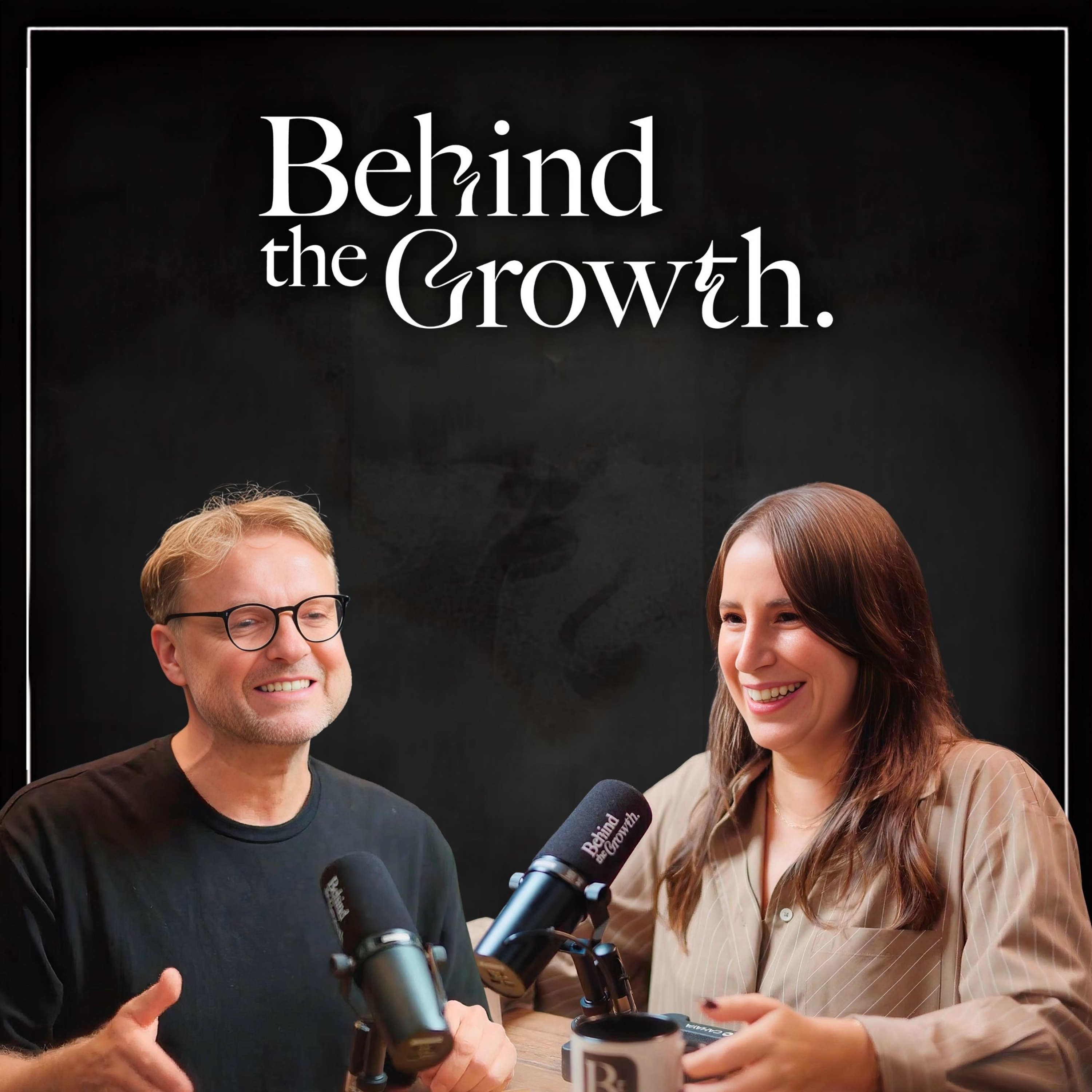
Meet Adam, the humble multimillionaire. He started his first business at 18, got his first job because his mum worked at the employment agency and kept his application on file, and has been building global brands ever since, without a single day of formal training.
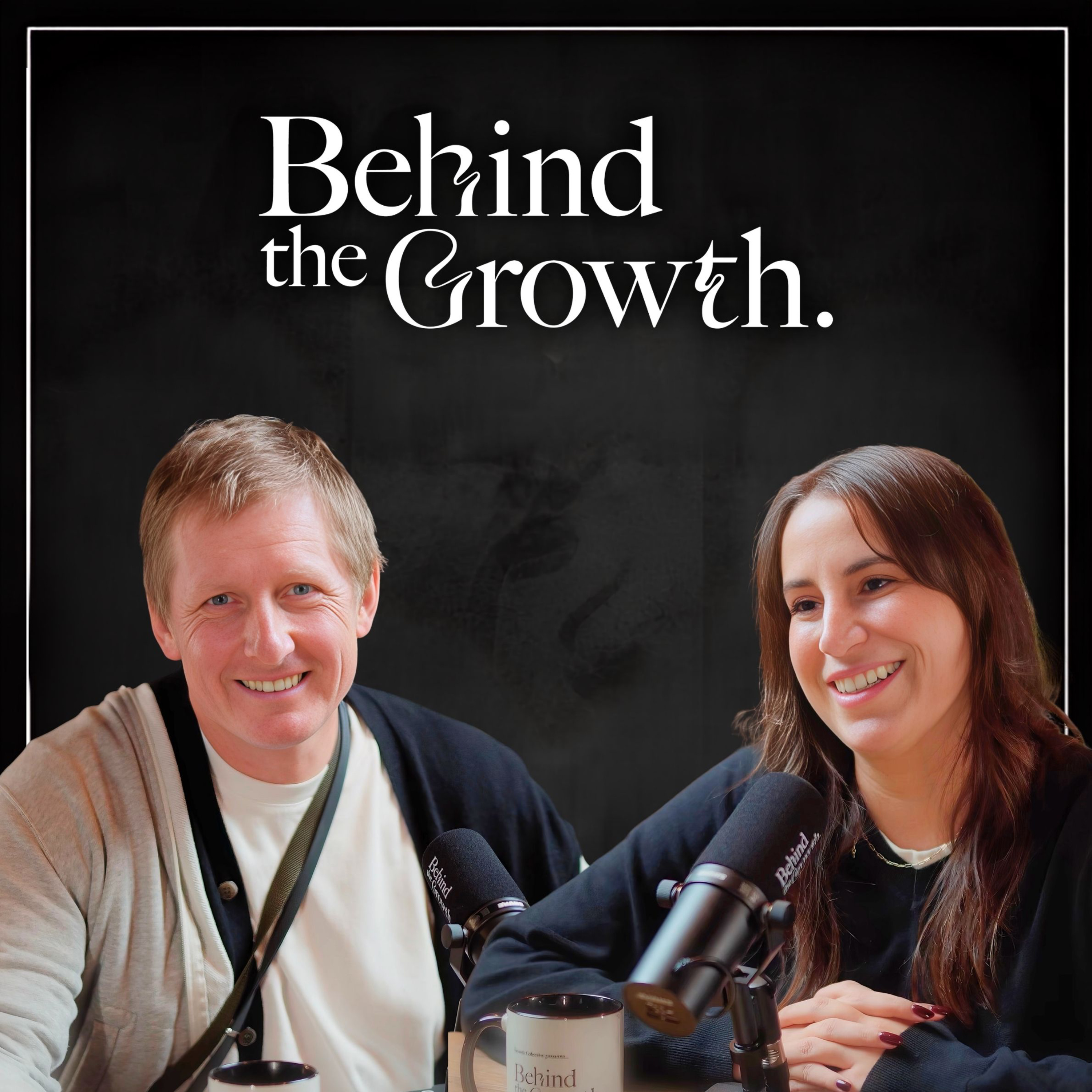
In Episode 12 of Behind the Growth, host Laura Donadio sits down with Adam, co-founder of Cheap Monday, Weekday and Monki three of Scandinavia’s most iconic fashion brands, and many others, eventually acquired by H&M Group and the man who walks 50,000 steps a day because he genuinely cannot sit still.
Adam is unlike anyone we’ve had on this podcast. He talks about building cult brands before influencer marketing existed, hiring bloggers to work in stores before anyone called them influencers, and why he felt basically nothing when he sold the business. He gets into why 30% of everything you do should fail, why brands should be allowed to die, and why success has nothing to do with money.
He also shares the advice he lives by, it’s easier to get forgiveness than permission and why the only thing he ever wanted from a business partner was to make sure his bank account never ran out.
In this episode:
* Getting his first job because his mum kept his application at the employment agency
* Building Cheap Monday, Weekday and Monki before social media existed
* Hiring bloggers to work in stores — the original influencer marketing strategy
* “Brands should die” on selling, letting go and feeling nothing
* Why 30% of everything you do needs to be a failure
* “It’s easier to get forgiveness than permission” the advice he lives by
* Why he felt 14 months at H&M was painful and why he’ll never work for anyone again
* Walking 50,000 steps a day and why airports are his favourite place to walk
* “Success is not about money. Money is the side effect.”
* What he wants to be known for and why he’d rather be Banksy than take the credit
Follow Adam: LinkedIn: https://www.linkedin.com/in/adam-friberg-a9675921/
Join The Growth Collective: The community for ambitious marketeers: thegrowthcollective.app
Follow Behind the Growth: Instagram: @behindthegrowthpod