Ask ChatGPT
 Behind The Growth
26 Aug 2026 · 54m · 18 chapters
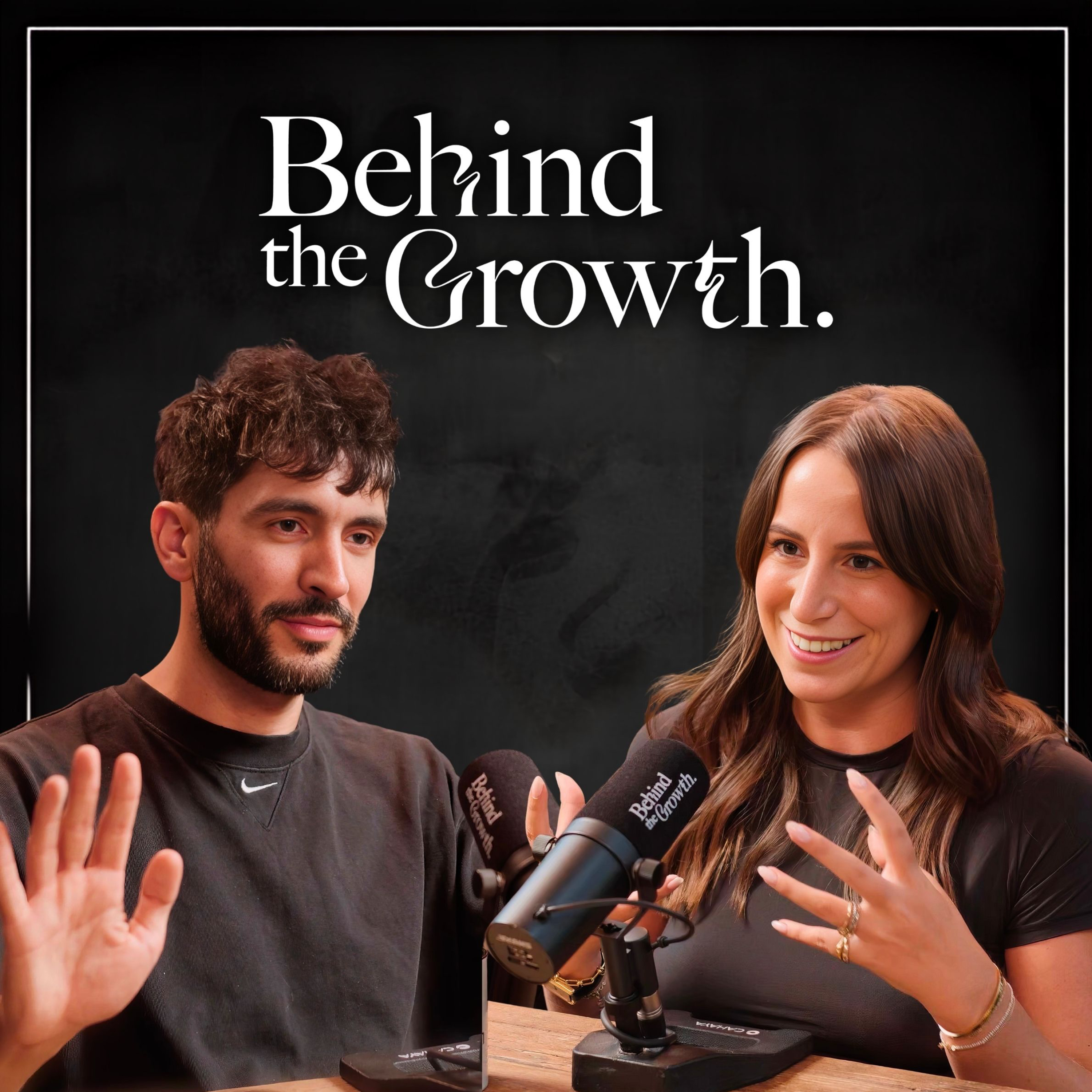
Dev Karaca (Kyra co-founder) discusses building and pivoting creator/AI marketing businesses, learning from cash-tight “backs against the wall” startups, and why creative marketing requires focus, measurement, and platform-agnostic tech.
Dev Ran Amaratunga (goes by “Dev”) co-founded Dojo (an app for finding London restaurants/bars/gigs; later acquired by Coca-Cola’s ecosystem). He then co-founded Kyra, starting as Kyra TV (YouTube “TV formats”), later evolving into creator/talent management and AI-native creative marketing. Co-founder Nick is a key technical builder.
“Obsession is paramount, but within reason.” Don’t go half-assed; pick one priority and execute. Influencer marketing isn’t rocket science, but attribution is hard. Video indexing/discovery is the core problem—Kyra uses AI to index millions of videos/day.
Sleeping in one room while building Dojo; Converse branded content with jet/crane (lost money but led to bigger brands like Tommy Hilfiger). COVID-era Instagram meet-and-greet in Golden Square drew crowds beyond expectations. Kyra’s AI indexes 3–4M videos/day.
Written by AI. May contain mistakes.
Dev shares his background and the early days of building Kyra.
“Hey, we're going to start with a little intro.”
Dev discusses his short corporate experience and its impact on his career.
“obviously, creator marketing and everything around that.”
Dev recounts founding the app Dojo and challenges faced.
“No, I was going to say, I'll give you my story, but I definitely didn't.”
Dev reflects on the importance of business models and market timing.
Learn about the valuable lessons from past business experiences and partnerships.
“So from that, like what I hear is that there's a lot of lessons that you took into like what you build next, right?”
Explore how TikTok influenced talent discovery and management strategies.
“And suddenly we have the ability to almost spot people before they've got big.”
Understand the complexities and challenges within the influencer marketing landscape.
“Yeah, how they launch onto YouTube and create more sustainable earnings because, you know, was TikTok going to last and short form and all of those sorts of things?”
Learn about the evolution of Pyro 2.0 and the challenges in influencer marketing.
Discover the balance between being an influencer and running a business.
“Like you can have so many, so many ideas.”
Understanding how consumer behavior affects trust in brands and marketing.
“Yeah, but I think that everything comes down to positioning as well, the way that you position the business.”
Explore the challenges and nuances of attribution in marketing efforts.
Insights on Kyra's goals and their approach to integrating AI into marketing.
“They've seen that creator marketing is driving results for their business and they are unable to actually accelerate that and maintain the initial results that they started to see.”
Learn about a significant partnership with Converse and its impact on branding.
“We are also developing and building a lot of the technology that we've been doing.”
Learn why fully committing to your business goals is crucial for success.
Discover the challenges of balancing business growth with budget constraints.
Explore the impact of imposter syndrome on leadership and decision-making.
“But also I knew I had a very clear vision of what I wanted to build and I didn't want to have any opinions in the way.”
Understand common financial pitfalls and how to avoid them in business.
Learn how perspectives on leadership and work-life balance can change over time.

Get the gist, explore an idea or ask about something said.
 Claude
On Behind The Growth, what are the key points of this episode?
Searching your listeningAutomatic transcript. May contain errors.
0:00Laura Donadio: I don't know if this is working. Like, did we just give up? Me and Nick, sleeping in the same bed. Other co-founders on the floor. We have been backs against the wall like multiple times. Building it out of one room. We're living in one room. We lost so much money on that video. It was honestly the best decision that we ever made. And so off the back of that, it went. And that's probably when Tommy Hilfiger came. But for the record, obsession is paramount, but within reason. It's okay to make your budget work as hard as you can. But if you're going to do something and not pour your whole heart into it and actually like give it a real chance, like why are you even doing it?
0:34You need to go for it. And also, what is the worst that can happen? I'm Dev. I am one of the co-founders of Kyra. We are an AI native creative marketing company built for ambitious brands. And this is Behind the Growth.
0:49Laura Donadio: Hey, we're going to start with a little intro. I want to know who you are. Also, I've heard that we all butchered your name. So please tell me my name gets butchered all the time. like no one ever gets it right so i feel your pain um let's start with an intro who are you yeah i'm good i feel like i have ptsd from people butchering my name you know when it goes down the school register and it's like bam bam i know my name's coming um so i say to people it's dev okay um dev corager uh people say caracker but then my actual full name is dev ran amaratunga my wife's name she's frilankan and then coriger yeah i love that okay where do you work at kyra i am one of the co-founders of kyra um my other co-founder nick not here but he's uh worth the mention that's where you am you go like nick is in the room with us right now he's always there back of the head nice okay first question is what are you known for the first thing that people might know me for is uh being a co-founder of dojo which was well over a decade ago it makes me feel very old um but that was a an app to find restaurants and bars and gigs and things around London um and at the time we were like yeah it was like it was like um a timeout competitor yeah cool but um I think that's probably where people like originally may have started following like some of the things I was doing um and then more recently yeah Kyra originally started out as Kyra TV.
2:37The whole premise was YouTube is the new TV and we're going to try and recreate traditional TV formats on YouTube. And then the newer iteration of Kyra, obviously, creator marketing and everything around that.
2:53Laura Donadio: Nice. Were you always entrepreneurial growing up? I feel like I've gone through like a very standard process where especially when you have like when you're a second generation immigrant follow like your parents um obviously my my dad has like a entrepreneurial kind of past um they always want you to be a doctor an accountant something like a lawyer um so that is like where I did originally kind of start which is in accountancy um but that lasted approximately six months and while we were while we were while I was kind of in that we were living in Shoreditch we started building our first our first app I did go like at school I did the standard stuff like I feel like every entrepreneur that lives in the UK has started a tuck shop and every entrepreneur in in England has started a website business and stuff like that so I kind of went through all of those iterations and then into um fine okay so you had one job before you like it was uh yeah it was it was a it was a terrible um terrible experience I think I don't know I just felt like but for me personally like my personality it just didn't it didn't quite work out it was you know you do have to kind of jump through the hoops of like corporate life but it does give you does give you a really good kind of grounding I guess in like I'm like military training isn't it I mean I don't know if like if you did it for six months I don't know if you can call it military training no no no but I mean it's a start like you kind of get like how the wheel like burns and all of that right exactly it's not an expression but you know what I meant no no and very weirdly like one of the first companies i went into um was innocent smoothies um and so i kind of like saw them in their acquisition stage with coca-cola yeah um and that was really interesting and i kind of saw the way that they like the founders led the company and i don't if you remember they were like super forward thinking on social yeah they were and their company culture um and the way that they led the company was really cool and then actually when we started dojo um and when we were looking for investors which is also quite a good story um that's it yeah uh one of the one of the founders from innocent actually started using the product emailed us and we came in um and pitched for investment and then there you go I love that.
5:40Yeah.
5:41Laura Donadio: So in those six months, was there like a day that you woke up and you were like done with this shit? Or was it just like more like a slow realization of like, no, it was never for you? I reckon you know from the first week whether something's wrong or right. Probably not everyone does. No, I was going to say, I'll give you my story, but I definitely didn't. Yeah, I felt pretty clear early on that it might not be right. but you do you do just kind of it takes a bit of time for you to like go through that realization yeah and also like accept it and kind of be like okay yeah like I'm gonna just deviate from the path that the parents yeah I do actually remember it was definitely my now wife and partner at the time was like um you're like not your best self while you're at work and I think that was where it was like oh wait yeah wait that's not that's not right you should be like this you're going to spend your entire life potentially doing this this stuff you should it should give you energy right um and so i felt like your wife really well yeah she's much she's much smarter than me there's always the great women behind me yeah we know this yeah yeah so yeah yeah that's fair do you know what it's funny you know because like i so i worked corporate for like 12 years before i decided to like leave and for the best part of like 11 of those years i was adamant i'd never had my own business like i would have literally like swore on my mom's life that never in my life did i want to have my own business i have like a very addictive personality like it would have been the end of me and i could have given you a speech of 10 minutes as to why i didn't think i'd make a good business owner and then i took one job and like it just it really didn't work out like it was not what i thought it would be like you know in that job i was just really unhappy at that point in time i was like i just don't think i can work for someone else i was like i think i need a minute of like not having a boss and just like you know being like working for myself and like seeing what that feels like when you were in that 11 years that multiple companies yeah multiple companies yeah and i was like i was like yeah i always thought i would get to like you know a c-suite job but like i didn't need to be like the ceo i didn't need to be the founder i didn't need to be first of all i think in my brain like when you grow up you don't really think about these things right but in my head if like if you're the founder you're the ceo and like you can't be the founder and be in another role don't know why it made sense in my head at that point in time that's a common it's a common like preconception that like preconception that if you're the founder you're the ceo no actually like you decide to be whatever one and if you want to bring someone in that can do that better than that can be a ceo better than you can still be the founder but be something else i think that's one thing i had never like really considered but then i don't know i never really wanted to have the weight of like having a team like being responsible for their growth being responsible for like their salaries i would always think like i'd want to pay them more than what they deserve i would make them feel appreciated i would pay everyone before i pay me you know that type of thing i was like oh it would be a terrible like a terrible founder um but then yeah like after like there was it was this one job that just like be over the edge and i was like i'm not going back i'm not going back but like i was like no do you know what like i need to do this for myself and i remember calling them i was like i'm gonna quit my job i'm gonna quit my job have financial stability for six months we'll just give it a go we'll see what happens what do they say worst case i take a job in six months i was like i'll call i like i'll go to starbucks you know to them i was like yeah i was like worst case i take a job back in six months and it's a holiday for six months but best case it works out and they were like do you know what in the 12 13 years that you've worked you've never made a bad decision in your career and we've not always understood why you made that decision but you've always shown us that you knew what you were doing and so they were like actually do you know what now we're gonna trust you i was like oh my god like that was like the big like yeah yeah it was like such a big thing you know like wait my parents trust me enough to know that i know what i'm doing it's like yeah do you know what i'm doing maybe i'm an adult like i'm saying it was a big moment but yeah like so it's funny that you say that you think people always know i 100 % didn't apparently everyone around me did just not me i didn't i didn't feel like i was um equipped yeah to start a business necessarily but i was like only 22 or 23 when that when i did that yeah so i think my brain wasn't fully formed yet in uh in actually making that decision and doing that and starting the business and i don't think i fully took into account but yeah all of those things that were going through your head yeah okay i've got to now bring a team on i've got to make sure that you know we have enough money and all that sort of stuff and we yeah when we actually started we um we had like 30k maybe between us like yeah and there was yeah there were three of us and so we started yeah um and within like and also this was 20 well 2013 right so people were just learning how to create apps yeah yeah it's the airbnb time it's gonna be complete it wouldn't be like okay i just gotta go i'm gonna go vibe code an entire app in like five minutes yeah um it was like no this is probably gonna take us like a year to do this um 30k between three people in a year it's not enough money in london so within like nine months we're like running out of cash um it's a good runway nine months yeah yeah but we'd moved into one room so we're building it out of one room we're living in in one room me and nick aforementioned nick were sleeping in the same bed other co-founder was on the floor and so we were just like do you not think like i've thought about this a lot like do you not think that when you create your first business like it's almost like it's better that you don't know yeah it's better that you don't know what you're walking into because like if you'd known i don't like if i had known six months in i don't know that i would have done it yeah i think there are there are positives and yeah about being blissfully ignorant yeah about it it's like watching like football players that are just starting and they play with like such freedom um and then watching more experienced players and the way that they play i think it's it's kind of similar to that like you take more risks you put things out there you probably you probably shoot more shots but you make more mistakes and all of that sort of stuff um but then you don't have the experience of knowing in those certain situations perhaps shouldn't have said that thing at that point yeah or i shouldn't have done that or actually i should have hired this type of person um so yeah there's like loads of positives to just getting started so with dojo obviously like it was a very successful business what like did you walk away from it like what honestly did you decide to close it one day what's the what happened we um it was a really cool business to yeah to run um and you got it with all businesses they've got to work from a business from a business model perspective it's got to work right yeah I do think looking back on it I think one of the most important things in business is just like keep keep going and I think with dojo we didn't it's actually two pieces of advice one is keep going two is not everything has to be a unicorn like it's okay if it's actually just a really good business that sells for 10 million dollars or whatever right an exit i do think an exit is an exit especially in like startup world and i think that's really good and i think with dojo we had these like very 22 23 year old big vision this is going to be the next airbnb this is going to be the next uber but in this space yeah and we underestimated the business models also the timing of the market um but yeah it was a it was a great product we built something incredible in these cities um we didn't quite work out how to monetize it most effectively um but we were also a bit too early um we didn't get an exit out of that business um but we absolutely should have if we'd like managed our expectations correctly throughout that whole process.
14:39Yeah.
14:40Laura Donadio: Fair enough. So from that, like what I hear is that there's a lot of lessons that you took into like what you build next, right? Like what was the biggest thing that, you know, when you made that decision of like, okay, cool, we're going to park this and we're going to go into the next thing. Obviously kept Nick with you. So that was a successful partnership. like what was the biggest like learning that turned into like a almost like into a lesson like you know i mean like yeah we were actually four co-founders cool yeah on dojo only three lived in the apartment one had a better one one downloaded the app um and then like contacted us through reddit um and then literally came and found us where we where our office was we had like quite a mix of skills, I would say between us.
15:35Laura Donadio: Usually makes a good team. Yeah, usually makes a good team. Yeah. But I do think in every business that we did together as a four, we always managed to spot a really great opportunity. I think the next thing that we could see was, and this was like 2017, a Logan Paul or a David Dobrik or, you know, any of these like single, youtubers were attracting such an incredible audience right but also able to shift them wherever they wanted if i remember at the time james charles uh the beauty yeah um influencer yeah he would shut down like the whole mall when he would actually turn up there right and and do his drops with with morphe um for us the power of that like individual talent was like an incredible thing to watch and then we were looking at tv we were looking at you know traditional media businesses and we just felt like youtube was gonna be that next frontier of long form uh more premium kind of watching.
16:49And at some point it was going to be on TV. And so that's where we put all our chips and kind of bet on that. So our view was, if we can take the best of TV, put it onto YouTube, take the formats, the talent drivenness of TV and put it over here, then we should be able to build some pretty big IP and kind of go from there. So that was, it's all about, for us, it's all about just like spotting the opportunity.
17:18Laura Donadio: and following it yeah and following it doubling down although I love telling people that influencer marketing is not rocket science exactly exactly yeah but we had as part of Pyro TV we'd gone into a new era where in the way that we were finding talent was we were trying to spot them quite early on these platforms and TikTok had just come around and so we had started tracking TikTok as a platform and building a lot of technology around that. So we were able to spot talent kind of on the rise. On the rise, yeah, yeah. And that's how we were actually programming our shows. But at that point, and then COVID comes, we've got this technology that spots talent.
18:05Laura Donadio: Ahead of them becoming big. Ahead of them becoming big. TikTok explodes. And suddenly we have the ability to almost spot people before they've got big. Then we start watching that. We saw an Addison Rae or a Charli D 'Amelio. Like we literally saw them just go off the scale. And our thing was, can we try to catch the next set of talent? And we were just reaching out to different talent during that time. We had such an ability to help people monetize as well. So then we started managing some of these creators that were kind of popping off. And we managed some really big ones in the US, managed some big ones in in in the in the uk so that was almost like like a mini pivot from the youtube channels into kind of talent management it was really interesting right because like i remember my days at tommy and um we would work with with talent and then like it was that point where i was like what's what's even what's the mv like why do we even bother right i was like i hate this like everyone calculates it differently i was ahead of my times this was 2017 yeah um i just i always hated it because i always took it from like you know it's like a page and it just comes from like pr right it comes from like a magazine it's like this is how they were calculating the value of an advertising page in the magazine i'm like it's fluff like it doesn't really mean anything and then someone decided to translate it into social media right and i'm like why okay and i remember like we were working with some talents at tommy hilfiger and like one of them was like oh well you know she sold out a t-shirt collection in 48 hours I'm like how do you know that and they're like well she pushed it on social I'm like yeah okay but like it could have been explained by a million of other things at that point in time we didn't have anything to like track it and I remember that we were just paying like these insane fees with like absolutely no rhyme or reason someone would come to me and be like oh yeah post this 40k and be like okay yeah but has it changed yeah arguably I don't pay them yeah what everyone was doing not my problem um but no it's it was it was insane and like it was really hard because i remember we like tommy was so keen on like playing in the cultural space especially with like tommy jeans it was all about like music and figuring out like what was going to be the next big thing and so i remember exactly those talents because they were at the time where like tiktok was having this like huge moment yeah like it does the reach like really translate into into into sales i don't know oh we're still proving that right yeah at that but at that point when when when people are scaling like so insanely yeah does it translate i mean with we we um signed a kid um from atlanta and we flew him over to london this is during the time where you could in COVID.
20:56It was a little bit later. And we asked him to stick out a story on Instagram being like, I'm going to be in Golden Square. I'll do a meet and greet. And we put it out in the morning. It was honestly insane. Outrageous. It was insane. The number of people that came, it was way, this is us being naive again, the number of people beyond where we thought it was going to be yeah yeah it almost shut down the area police had to come we had there were only four of us there um and we had parents being like what did you think was gonna happen yeah um yeah we didn't think he was that popular but like like that popular like to be able to drive people but you know he was popular but not like but i think that for me like that does like it shows is action right yeah being able to actually get people to get out of the house yeah it's just
22:00Laura Donadio: consideration it's like it's a huge like purchase intent isn't it because like yeah you moved yourself out of bed like for something like that yeah 100 but then you get the physical kind of like realization of who their audience is though at that point as well and that's where i think that doesn't like align yeah and i don't think necessarily in in that era yeah um a lot of really young people as well right a lot of really young people and now what you get is people not understanding that the audience that somebody has on their followers is not necessarily the people that are watching the entire video like that is that's true for a lot of people completely like new knowledge um and because it's just completely algorithmically done it could be a whole different set of people right absolutely but then what are you paying for at that point you don't know you Originally, Kyra TV, then you pivot into this more talent incubator space where you can spot them and I'm assuming build partnerships on the back of it.
23:04Yeah, how they launch onto YouTube and create more sustainable earnings because, you know, was TikTok going to last and short form and all of those sorts of things? And we'd had the experience of YouTube and stuff, yeah.
23:17Laura Donadio: I love the, is TikTok going to last? I've had the prediction that the influencer marketing industry would die about 10 times over the years. yeah i'm still here i'm definitely now i don't know we could draw the curve i don't say it anymore yeah no we could draw the curve i feel like we might be early we might be early yeah i'm quickly gonna interrupt this episode to remind you to please hit subscribe if you're listening on youtube and for those listening on apple or spotify to not forget to hit the follow button it only takes a second it's free but it will mean the world to us all right this is my my funniest story and as my favorite anecdote as well out of my career is um when i was in uni i did my master's in pr and i did my thesis like my actual like end of master thesis on influence marketing nice um in 2013 um like a while a while ago um before you know it was like at the time that like fashion girlies had blogs and nice yeah like early days what was the influence marketing then it was literally like girls posting on like their outfits and like literally like a website like their blog you know like we didn't really have like instagram like we it was the early days of instagram and um my thesis was can you build a business on the back of influencer marketing can you build a business on the back of it have you got that copy now i have this copy now do you know what my my answer was no the answer was no and it was proven by like research and research and like the conclusion was like look my thesis was nothing nothing groundbreaking but it was literally like no you can't because it goes down to it comes down to like who you know how wealthy you are to be able to like actually like you know and and how well connected you are to like make shit happen and i was just like my theory was like no you can't and like my whole point was that i tried to build a blog for like three months didn't get any traction i'm sure that still exists yeah every so often i get an email like you know that email is still alive and i'm like oh i'm still paying for that wix yeah exactly it wasn't even wix at that point it didn't even exist um like honestly and um like it's my favorite anecdote because not only did the industry build itself i build my whole career on the back of it and i'm like stop this is so funny um so yeah so it pivoted a few times yeah for sure and like no i agree on like the you'd never know what platforms are going to become and how they're going to continue surviving yeah snapshot how you never know yeah you don't know what's what's coming necessarily like you wouldn't be able to predict the systems and everything that you can create to like actually make this into a business and work it yeah absolutely um so you continue to pivot the business and sort of like surf that wave right how did it feel to build a business within an industry that was that's been completely you know like building at the same time as you have right because ultimately like you were in the very early days of it and you sort of like pivoted the business as it grew like how does it feel to like not know where you're going but I'm assuming it was the same with dojo as well because you you were always a bit ahead of the curve right like you built it before the industry was ready and you're pivoting to stay on top of it as it grows and sometimes I think that um we're almost trying to be like too clever we're almost trying to go too far ahead when actually when if you predicted something you should continue you should double down and just continue building yeah and not go and I've gone through that like a few times Like that's why I think it's been 12, 13 years.
26:54And over the last two to three years is when we've gone, no, this is big. Like this is a big industry. It's not going anywhere. And we're going to build the kind of foundation and the solution that helps to realize how much potential it has.
27:14Laura Donadio: Yeah, because you would argue that Kyra TV would do phenomenal today, right? like it would have done like incredible like the last two years yeah dojo yeah yeah and then yeah yeah for sure for sure and now i look at what we did with kyra and i think about like a yeah goal hanger with gary lineker and things like that like there are so many iterations of of actually what we'd built back then um to what they are now so i do think that yeah if we'd stuck to it and stuck in it it probably would have come through um and done a few things uh differently at the time but now i think where we are um is really good and kind of the pivot that we came through in managing talent we started experiencing i guess influencer marketing creative marketing ourselves we had big brands wanting to work with these talent that we were managing um but then they started seeing the tech that we were building so they would ask us to do bigger campaigns and so then we started managing these times yeah exactly oh can you cast like wider than that so then we started building that and then you're like doing stuff on spreadsheets you're doing stuff in email you're negotiating rates you're doing all these all these things and you're like this is like this is broken really at the core um and also there's so many stakeholders and so you're trying to work out all these different things so that's when we like started building pyro 2.0 the platform and everything kind of around that to to make the whole thing flow and work yeah have you thought about is there another business idea that you've had in the last say two years that you've not explored have you not thought of just like creating the business and let it sit for a minute because clearly you can spot them yeah just like a little bit too ahead of it of their time I have like this notes on my phone where I just write every idea.
29:16You revisit it every year. Yeah, yeah. But I do, I'm honestly like really believe 99 % execution, 1 % idea. Like you can have so many, so many ideas.
29:30Laura Donadio: Oh yeah. And people are like, oh, I had that idea. I have ideas every day. Like I just, I don't even write them down anymore. Yeah, yeah. actually time of every single day making it happen yeah leading the team consistency it's all it's the same like when you look at youtubers or you look at all of that stuff and people are like oh that's such an easy job and everything it's like you have no idea what they're going through on a daily basis to make that happen it's also i think people massively underestimate the like the human aspect of putting yourself out there oh yeah the world like that like that's been like because i've always known i never wanted to be an influencer because obviously as you build a career in influencer marketing was the one question that comes back every five seconds like you know how much these people make did you not want to be an influencer yourself especially as a woman like obviously and always i was like i never want to be behind the camera i don't want to have to put myself through that like this is not my thing and that's been i think my biggest learning launching a business where we're in a now a nearer where you have to like build in public and however much you want to like you know disclose what you're building and how you're building it you have to be there has to be found or let like your face has to be in it you have to be present you have to like talk about it never wanted that and it's been like such a big thing to navigate of like shit now i have to go and like talk about my problems in front of the world and i have to go and talk about these things into the world i never wanted to be in front of the camera i know the thing all right contrarian take is that you don't have to do it right you don't have to um but it can be a superpower right and it can accelerate it yeah so i think people just have to make the choice between all of the different things that they can do yeah um it's like yeah and and if you do go for it like everything in in in business you you should go for it yeah yeah don't don't don't go half-assed on it just make it happen um but i do also think that there are loads of people that create incredible businesses that never never in front never never talk about themselves and never have to um and that's really cool too do you not think that when it's a business within like marketing yeah it's a different story and like you're a bit more likely to have to put yourself like because i wonder if it's down to like an industry thing right because it's not like i was made feel like i didn't have a choice like by no means it was my decision to think you know what i think i can probably accelerate the growth as you said it's a superpower for you because your people will listen to you when you speak right so So it makes sense for you to go in front of the camera and it's a quick way for you to get really subtle things across to people.
32:30And so you should do that. Yeah, but I think that everything comes down to positioning as well, the way that you position the business. There are loads of people, there are loads of agencies, marketing agencies that will position themselves as exclusive and uh you don't know who the who the who the people are that do it or something like mischief or something like that where it's like actually the that positioning of the business is so strong
32:57Laura Donadio: and so loud that there's a lot of who's behind them yeah it's all through action and impact and everything on that side so i think the just depends yeah that's a very interesting point i think i yeah i guess that recently like because everyone is like so how bent on like building public and you know like it's an easy one right because like nowadays like you can build traction through content in a completely different way than you could you know 10-15 years ago like there's so much more of an audience for it people like are way more interested in it like when it used to be like fashion beauty whatever sports like now i feel like there's like content for like a lot more niches than it used to be in like bigger audiences right because whereas before it might have been like this much of a percentage now it's like you know far and wide and people want to know like it's a consumer behavior thing right like people want to know who they're buying from like you know especially when it's product like brands are like who's behind it what are they building why are they building it yeah well we literally work in creative marketing it's about trust and the way to build trust as well is to build a relationship even if that relationship is through a screen right so people will buy from you because they what they can't even remember where they it's the same as when you're buying you're seeing people on social and you're buying products you can't remember that you saw that product on that video no from that person no and we're just recreating that in the business space but i always find it really funny when um like there's so many businesses that look at um post-purchase surveys right i like it because i do think it like gives you some form of information i get that but like the amount of times where i see like instagram social influencer yeah and then it's like something else and i'm like what would your like average consumer pick if they saw an influencer video on social media that's on instagram like which one would you actually go down a single choice it's a single choice nice you can only pick one yeah who wrote that survey not me and i'm like whenever i see it and like people are like i'm like but yeah but the person that doesn't work in marketing do they know which channel they're picking when they're picking the search you know what i mean like you wouldn't know my mom would 100 go instagram yeah yeah if even if it's an influencer do you know what i mean oh for sure like yeah then you like you skewed in and then you didn't get the attribution thank you correct uh like all goes like all goes to topic because we think that one channel is more powerful anyway yeah well don't get me started on attribution yeah um very very um deep topic yeah i feel like it's a whole a whole different podcast it's a whole niche it's the attribution podcast the attribution podcast there will be so many people that listen to that no but that's the thing isn't that isn't that part of it it's just like as long as there's some form of people that are going to listen to that thing it's just deciding where you're going to go on the on the spectrum yeah so what's next for kyra doubling down on what you're doing yeah i think we want to be the the biggest partner in creative marketing but where we really cut our teeth is with big enterprise brands multi-national geographic and across the world multi-product more complicated brands that want to do a lot quickly, but they want to do it really well.
36:29They want to maintain the quality. They've seen that creator marketing is driving results for their business and they are unable to actually accelerate that and maintain the initial results that they started to see. That's where we work best. And I think that that does probably quantify a lot of the market, like up here in this kind of zone. We are also developing and building a lot of the technology that we've been doing.
37:00Laura Donadio: Yeah, you're doubling down on AI, aren't you? Yeah, I mean, at the beginning of this... Which means nothing's not a bit. Yeah, the thing... At the beginning of the year, we basically rebuilt everything to make it completely AI native, right? So actually built... Well, you've got interesting backgrounds, right? like especially with your co-founders yeah co-founder i would i would say like not everyone can go those length because in our industry yeah really at the core is the co-founder technical yeah the answer is predominantly no yeah with nick there he's constantly trying things um and so we've been trying a lot of stuff for years the way that we bring um data in to the business we've been trying to actually use ai to watch that content but honestly such a long period of time way before this year um but at some point this year nick was like no this is actually possible now at the scale that we need it.
38:04Laura Donadio: Yeah. And therefore, the whole problem with video and actually indexing it, right, is it's all stuck in video. It was actually really easy with Twitter. Yeah. And blogs and everything to understand what people were talking about. Video is actually really difficult because all of it's stuck in video. So we've been utilizing this to index the entire, basically, social platforms. At the moment, we got it to... between three to four million videos a day that we're bringing in, watching. So our AI is watching that content, understanding. And you're not start watching them yourself. It's unbelievable.
38:43Every now and then I just swap in for the AI. And then understanding what brands are in there, understanding what actually is in the content, how long things are on screen and like describing it and kind of like indexing everything. And then that makes the whole system more yeah smarter right you're actually create a discovery is still the biggest problem in the in the whole thing there is no there's no solution there is no solution for it no and like the amount
39:14Laura Donadio: of times i've spoken to businesses they were trying to fix it and i was like i'd actually help i was like please like let me help yeah and then within six months i'd be like yeah no we've pivoted the business. I'm like, yeah, very certain we'll solve it this year. Um, and we won't give it to anyone unless you are our partner already. Um, but at the beginning, like during this year, we were considering flipping everything out into a complete self-serve. Okay. Now we see, um, this is just a huge competitive advantage for us as a business. that own this incredible platform, own all of these incredible features and just keep building them for ourselves and our partners.
39:59So new partners that come on and get access to it, but whether we'll flip it out as a full self-serve to like the long tail of brands, we'll see, maybe that'll come in 27.
40:10Laura Donadio: Think about partners. What was your biggest win across the years? And it can be at either business or actually even before a brand just whatever like your personal win personal win when we first started kyra um it took ages to get any advertising partner um and actually the first brand that got in touch with us was converse because they were watching the content um and they thought it was amazing and they were like cool we got this upcoming release um we're basically bringing back um these really cool basketball shoes um and we'd love to to partner with you guys we were like okay this is our opportunity to make people understand what uh you know a show like this or creators can do for a brand like that yeah and so we created the most insane like brand branded content piece with converse there were planes like we we rented a jet we had like this crane like moving across the thing and and the whole thing was really meta we kind of copied what casey nays that did with with nike where we were like we are going to create an ad for this shoe yeah um and we made this insane piece of content it was ended up being our it was our longest episode at the time we lost so much money on that video i mean if you had your crane and a jet no no it was completely nuts it was it was crazy we had this huge production team and and it was honestly the best decision that we ever made because off the back of that people could see what we could create yeah like it's like it's the level of it right it's like the premiumness it's like it's not just like people are like wow that is something that we want that's serious we want to invest in that that's really cool and so off the back of that i went and that's probably when tommy hilfiger came probably probably i wouldn't even be surprised yeah you probably saw it i wouldn't be surprised but you know what like i think it goes back to the point of not doing things half hours like i think it's super important like i think if you're going to do something like it's okay to be on the budget right like it's okay to make your budget work as hard as you can but if you're going to do something and not pour your whole heart into it and actually like give it a real chance like why are you even doing it yeah i think yeah people that if you have a certain amount of money you just need to prioritize yeah what you're doing what you're actually doing right so people always come in and they try to do lots of things and people always do this in in meetings right they're like this is our these are our goals we're trying to we're trying to increased sales we're trying to change the brand perception and also we want like serious amount of reach on this by the way and you're like we just need to do one thing in the uk also needs to resonate in five other markets exactly like and you have 5k so you need to do all of that so just actually pinning it down to like this is the one thing that we're going to do and we're going to do it really really well um yeah that's been a huge thing but it's easy to get lost right like i like not that like i'm play devil's advocate because like i i 100 % agree with you and the amount of time i sat in pitches yeah saying that to clients because i was like if you want that like i'm not i'm not going to be a person that delivers it like you either pick one objective or like you know go find another agency because i don't i don't care for it like back when i was pitching um but it's really hard right because when you're building a business you have about like 10 things that are like the important priority you know like top of the list and you're like well i need to do all of these and that's been huge realization for me like with like the growth collective and what we're building it's like wait like i need to do all these things and i need this like budget like to deliver all these things and it's really hard to like bring yourself back and be like no actually do you know what it's okay if this thing was this one you know has this one goal delivers this one thing but it's really hard it's so hard when like the money is like you know when you're building and stuff like you're constantly chasing growth right yeah and and you have to spend the money before you make the money yeah i think it's like the hardest part is like for sure i think i don't know like because we have raised from vcs like throughout our journey um and i do think that that implements a certain type of mindset right um in what you're trying to trying to achieve but i think the moment that we kind of when no actually we need to do this on our on our own and on our like yeah on our own terms yeah on your own terms um that is that was a complete switch yeah in like what we were going for and how we were making decisions yeah um but equally obviously both both routes absolutely work but i think you have to really know which which way it's really hard right like i decided to not race because I didn't think I needed that much money to justify a raise.
45:23Laura Donadio: But also I knew I had a very clear vision of what I wanted to build and I didn't want to have any opinions in the way. I was like, I don't want to have to justify if I want to spend like an obscene amount of money on something that I believe is going to change the business. I want to be able to do it. I don't want to have to like have anyone to answer to. So then I spend the obscene amount of money and we're still... We're not making it back yet. And now we're here. And now we're here. With like the super high production podcast. we got these on there so it's going really well thank you we're gonna wrap this up with a quick fire question if that's okay yeah and my brain needs to work fast oh that's good you're smart you got this all right the least glamorous part of growth in one word the tough one i had to answer all of them myself decisions decisions amazing okay elaborate more decisions tough decisions painful ones sometimes you're like sometimes it forces you to to pick between things that actually now have a really personal angle to them because you've been building this business with all these people etc and then but you need to make this decision for the business and all of that sort of stuff so yeah that's the it's impossible to not intertwine these things yeah yeah absolutely finished a sentence i felt most out of my depth when all the time all the time always yeah i i think i i constant imposter syndrome every single day um i reckon that's like a a trait yeah in in in people i would agree with that absolutely yeah and like yeah and that's what i think that's why like i find it really hard to celebrate wins and and and and all of that sort of stuff and like um you never it's not it's nice to do stuff like this because you actually get to like look back and go wow that was actually really cool we did all of those different things um but yeah every every day yeah yeah what was your most expensive lesson and how much did it cost that i mean lesson i don't even think you can i don't think converse would count because like that was like that was a win yeah that was a huge win yeah something that actually like cost you money by not being successful sometimes the like unforeseeable thing does happen um and i do think that you need to structure yourself in a way that you're able to weather any storm basically um and that definitely set ourselves up as a result off the back of that yeah um yeah we had it with the with with covid we were honestly almost done almost completely done and out on on that side um so yeah just making sure you have enough funds for a rainy day one person who gave you the best piece of advice who it was and what was the advice um when we first started we like had um loads of ideas and we were like pitching them to investors and like asking people and going to like these accelerator days and all these sorts of things and one guy was just like you guys all still have jobs right now there's not a chance anyone is going to invest in you if yeah if you're not all in on this then he was like um you gotta jump out of the plane and build your parachute as you fall down and that like has literally stuck stuck in my brain maybe it's really basic maybe like loads of people have said that but that's definitely stuck the whole time you're never gonna invest your time and effort in building something if it's an afterthought if it's not something that like completely consumes you and and what you said as well like what's the worst that can happen as well i do always i think that one as well i do constantly people always ask me always i'm not getting loads of advice asked but people ask about ideas and things like that and i'm like you need to go for it you need to show that you're going to go for it and also what is the worst that can happen like you can go back do that yeah you can go back and like i think it's naive to think that you can't climb back from something i think there will be situations right where it's like it gets really bad but it's also for you to not let it go to you know that far yeah like you get to like you know seven figure depth i would have you know i would say like you probably could have stopped this before yeah come on but i think you don't have that money yeah yeah exactly like you know there should be a point before the seven figure where you're like maybe we stop you know but like when they ring in on those videos on on tiktok and talk because you see the one the shark tank one where the guy was like oh i'm spending like 800k to build a website and like another like however much he was obnoxious to like maintain it and he had the really bad realization in that episode of the video that's yeah it was really bad like poor guy was just being scammed out of his brain that's sometimes yeah sometimes i always say like you you do need to like keep going and that's like the learning through like those those business iterations but sometimes you actually just need to stop damage control let's just stop here let's stop that yeah um if you lose everything tomorrow who's your first call well my I live with my wife and my two kids um so it would definitely be them but I think I've definitely got to a point where I'm like uh that would be fine yeah that's like everything that we have done through this period of time I'm actually just like so grateful for all of those experiences that I know that the next thing that we do yeah will be so like so quick um so I'm actually I'm actually really looking forward to that um not losing everything that wouldn't rather I'd rather not but if it has to happen if I have a choice you know I'd rather if it has to happen yeah it makes you it always makes you think like actually what what do you need really yeah what do you do and what what do you need and what would you do yeah um what is something you believed in um from a leadership perspective five years ago or 10 years ago that you would disagree with today um that you have to be completely and utterly obsessed and work every single day and hour to make things happen that's like a bit of a a lie um that people ingrain in you ingrain in you when you start and actually every time we've gone through really great periods when i i i personally have found balance um we were like a badge of honor right it's like oh because it's your business like you have to work day and night and like you're constantly thinking about it yeah of course you're thinking about it i'm thinking about it every hour yeah of course but it doesn't mean that you have to work on it every hour of And the way that you are and your culture seeps right through the business.
53:04And so if you're like that and you're stressed, all of those, and you haven't slept, et cetera, everyone is. And that's a really bad environment. So I don't think it's not necessary.
53:15Laura Donadio: Because they will think that that's what's important for you, right? And to you. And then they will want to impress you and replicate that behavior and then like lose themselves in the process. But for the record, obsession is paramount. But within reason. Yeah. Yeah. Within like a contained environment. Yeah. Within a contained environment between the hours of, you know, whatever. Whatever those hours are for you. Whatever they are. Yeah. All right. Well, we started the podcast asking you what you are known for. The end question is, what do you want to be known for? Oh, that's a nice question.
53:51Just a nice guy.
He started with £30k split between three co-founders, building an app out of a single room where two of them shared a bed and the third slept on the floor. That was Dojo. It didn't work out the way he planned. He did it again anyway.
In Episode 4 of Behind the Growth, host Laura Donadio sits down with Dev Karaca, co-founder of Kyra an AI-native creator marketing company built for ambitious brands and one of the most quietly sharp entrepreneurs in the UK creator economy.
Dev's story is 13 years of spotting the right wave slightly too early, pivoting without panic, and building through moments that would have finished most people. From shutting down a production company overnight when Covid hit, to nearly losing everything and rebuilding from scratch, to quietly developing technology that now watches 3 to 4 million videos a day — he's done all of it with a co-founder, a notepad full of ideas, and a wife who told him early on that he wasn't his best self at work.
He also talks about why obsession is overrated as a badge of honour, why the best decision he ever made lost them money, and why, if he lost everything tomorrow, he'd be quietly fine about it.
In this episode:
* Starting Dojo at 22 with £30k, three co-founders, and no idea what was coming
* Why not getting the exit they deserved taught him everything about expectations
* Spotting Charli D'Amelio and Addison Rae before they blew up — and what they did with that
* Renting a jet and a crane for a Converse campaign and losing money on it. Best decision they ever made.
* Covid hitting overnight when they'd just signed a massive LA lease and were about to raise
* "Jump out of the plane and build your parachute on the way down" — the advice that stuck
* Why every great period in the business coincided with him finding balance, not grinding harder
* Building AI that watches 4 million videos a day — and why they're keeping it for themselves
* "I felt most out of my depth... all the time." On imposter syndrome, 13 years in.
Follow Dev Karaca: Instagram: @devrankaraca LinkedIn: Dev Karaca / devran-karaca
Join The Growth Collective: The community for ambitious people thegrowthcollective.com
Follow Behind the Growth: @behindthegrowthpod