
In short
BiggerPockets Money Podcast - Episode 453 Summary
Episode Title
453: How to Conquer Financial Trauma & Develop a HEALTHY Relationship with Money
Episode Description
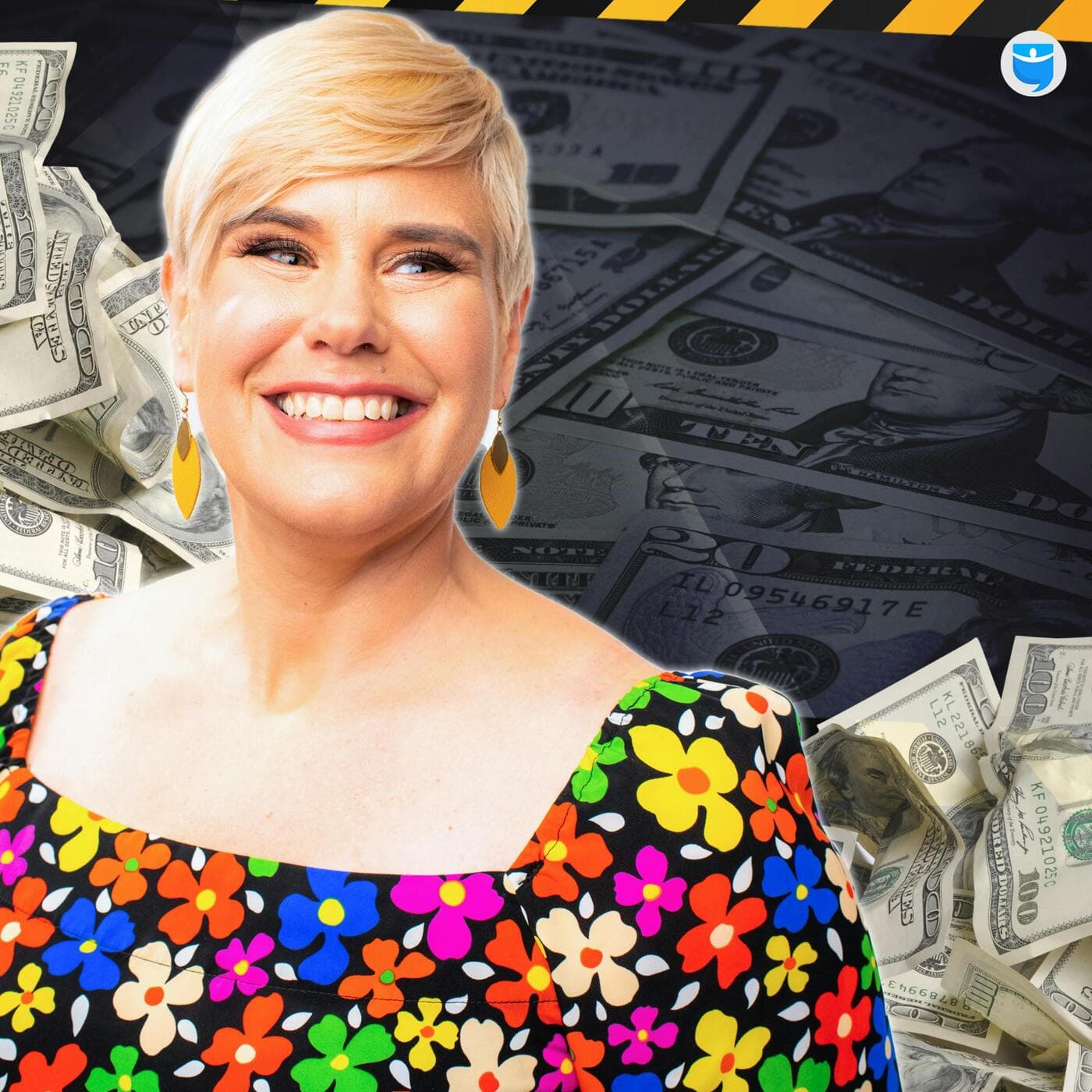
In this episode, hosts Mindy Jensen and Scott Trench explore the concept of financial trauma with guest Shannah Game. Financial trauma is a common but often overlooked barrier to achieving financial freedom. Shannah, a certified financial planner and financial trauma expert, discusses her personal experiences with money trauma and offers insights on how listeners can identify and overcome their own financial challenges.
---
Key Topics Covered
Understanding Financial Trauma
- Definition: Financial trauma encompasses beliefs and patterns that provoke strong emotional reactions, such as fear, shame, or anxiety, around money.
- Generational Patterns: Money trauma can be inherited, with deep-rooted patterns often stemming from parental influences and societal norms.
Identifying Money Trauma
- Common Signs: Recognizing signs of money trauma in personal behavior and emotions.
- Self-Reflection Questions:
- How does money make you feel?
- What specific beliefs or experiences influence your feelings about spending and saving?
Tools for Overcoming Financial Trauma
- Journaling: Keeping a daily log of thoughts about money, distinguishing between positive and negative feelings.
- Mindfulness Techniques:
- Box Breathing: A breathing technique to calm the nervous system during moments of anxiety.
- Noticing: Focusing on the present surroundings to divert the mind from panic.
Practical Exercises
- Exploration of Spending: Encourage small expenditures to test comfort levels with spending.
- ‘What If’ Exercises: Writing down scenarios of spending to explore fears and outcomes.
The Role of Discussion
- Open Conversations: Engaging in discussions about money with trusted friends or family to normalize experiences and reduce stigma.
- Therapeutic Support: Seeking help from financial therapists or professionals trained in trauma to facilitate healing.
---
Key Takeaways
- Widespread Issue: Financial trauma affects a significant portion of the population, often unnoticed until addressed.
- Emotional Responses: Recognizing emotional triggers related to money is the first step in healing.
- Ongoing Process: Healing from financial trauma is a journey; awareness and active engagement are critical for progress.
- Community Support: Sharing experiences and learning from others can provide additional perspectives and encouragement.
Resources
- Free Guide: [10 Money Questions to Ask Yourself Right Now](https://bit.ly/10moneyqueue) by Shannah Game.
- Podcast Access: Listen to Shannah's show, Everyone's Talking Money for more insights on personal finance and relationships.
---
Conclusion This episode provides listeners with valuable insights into identifying and overcoming financial trauma, emphasizing the importance of awareness, community support, and practical exercises to foster a healthier relationship with money. The discussion reveals that financial trauma is a common experience, and addressing it can pave the way to financial freedom and peace of mind.
Share your thoughts: Join the discussion in the BiggerPockets Money Facebook Group [here](https://facebook.com/groups/BPmoney) about your experiences with financial trauma and strategies you've found helpful.
---
For those interested in further exploring these concepts or connecting with Shannah Game, visit her website: [Everyone's Talking Money](https://www.everyonestalkingmoney.com).
Written by AI. May contain mistakes. Listen to the episode to check what was said.
Transcript
Automatic transcript. May contain errors.0:00Welcome, everybody, to the BiggerPockets Money Podcast, where we are talking with Shauna game about trauma and money. Hello, hello, hello. My name is Mindy Jensen. And with me, as always, is my strength in the face of adversity, co-host Scott Trench. Great to be here, Mindy. As always, with my always brings a powerful message, co-host Mindy Jensen. Scott and I are here to make financial independence less scary, less just for somebody else. To introduce you to Every Money Story, because we truly believe that financial freedom is attainable for everyone, no matter when or where you're starting. That's right.
0:36Whether you want to retire early and travel the world or go on to make big time investments in assets like real estate, start your own business, or deal with the conflict, trouble, or trauma that you've experienced with money in your past, we'll help you reach your financial goals and get money out of the way so you can launch yourself towards those dreams. Scott, it's time for our money moment, the segment of the show where we share a money hack, tip, or trick to help you on your financial journey. Today's money moment is Here's one for the kitchen. Grow some herbs. Herbs cost$3 to$4 a bundle at the grocery store, but you can have an herb garden in your window, which will cost about the same to start up and last for months or even longer.
1:19Do you have a money tip for us? Email moneymoment at biggerpockets.com. Okay, Scott, I have to tell our listeners that today's show gets a little bit heavy. It really affected me because I didn't think I had money trauma until Shauna started talking about what money trauma actually is. And it turns out I do, in fact, have money trauma surrounding the whole idea of being able or not to spend money. And it turns out that money trauma kind of affects a whole host of people. It isn't just people who grew up this way or people who experienced that. It actually has a wide-ranging, wide-reaching effect on people.
2:05And I think this is a really powerful episode. I am so thankful that Shauna came to join us today to talk about this very important topic. Absolutely. I had no idea that this was as widespread as it is. It makes perfect sense. We all have it. And if you really search for it, if you're really honest with yourself, as we did at At the end of today's episode, you'll find that even if you don't have it about maybe your personal finances, maybe you have it about things related to your work or the business. If you're if you're a business owner, a real estate portfolio, you're a real estate investor.
2:38So I think it's really important to address it and then use the toolkit that she's outlined here to work on it. Shawnee Game is an award-winning money expert, certified financial planner, entrepreneur, certified trauma of money expert, author of the Money Mindset Journal, speaker, and host of Everyone's Talking Money. AutoTrader is powered by auto intelligence, the hyper-personalized way to buy a car. AutoTrader's tools sync with your exact budget and preferences to tailor the online car shopping experience totally to you. Budgeting lets you input your info to see listings in your price range.
3:16Search and inventory helps zero in on your dream car. You can choose from new or pre-owned, the style of the car, and features like engine size, color, all the way down to whether you want a trailer hitch. Go ahead and get picky. Don't worry about scrolling endlessly. AutoTrader, powered by auto intelligence, only shows you vehicles based on what you can afford and what you want. And pricing shows you which listings are the best deals, so you can feel like you're winning the negotiation without negotiating. You can even choose how to close the deal, online, at the dealership, or a little bit of both.
3:47AutoTrader, powered by auto intelligence, makes the process of buying a car less of a process. Try it today. Visit autotrader.com to buy your perfect ride. Support for the show comes from Public, the investing platform for those who take it seriously. On Public, you can build a multi-asset portfolio of stocks, bonds, options, crypto, and now generated assets, which allow you to turn any idea into an investable index with AI. It all starts with your prompt from renewable energy companies with high free cash flow to semiconductor suppliers, growing revenue over 20 % year over year. You can literally type any prompt and put the AI to work.
4:24It screens thousands of stocks, builds you a one of a kind index and lets you back test it against the S &P 500. Then you can invest in a few clicks. Generated assets are like ETFs with infinite possibilities, completely customizable and based on your thesis, not someone else's. Go to public.com slash BPM. and earn an uncapped 1 % bonus when you transfer your portfolio. That's public.com slash BPM. Paid for by public investing. Broker services by Open to the Public Investing Incorporated, member FINRA and SIPC. Advisory services by Public Advisors, LLC, SEC registered advisor. Generated assets is an interactive analysis tool.
5:00Output is for informational purposes only and is not an investment recommendation or advice. Complete disclosures available at public.com slash disclosures. When I evaluate debt funds, I look for things like first position loans, personal guarantees, deep experience by the fund operator, low fund leverage, fast liquidity, and consistent returns. These are some of the reasons why I'm excited to partner with Pine Financial Group. Their fund six offers investors exposure to real estate credit, largely for construction and rehab, largely here in Colorado, with loans originated by an experienced originator with over$1 billion in origination volume.
5:3375 % of their borrowers have been repeat customers over 17 years. They offer investors an 8 % preferred return paid monthly and a 70-30 LP-GP split of everything over 10 % paid annually. The lockup period is nine months with liquidity available within 90 days after that nine-month commitment. The fund is open to accredited investors only. The fund's minimum investment is typically$100 ,000, but Pine Financial is able to reduce that minimum for some investors and have agreed to do so for BiggerPocketsMoney listeners to a minimum of$25 ,000. Full disclosure, I am personally invested in this fund through my self-directed IRA.
6:11And of course, Pine Financial is sponsoring this message and our podcast. If you'd like to invest or check out their prospectus, go to biggerpocketsmoney.com slash pine today. That's biggerpocketsmoney.com slash P-I-N-E. Please note that returns are not guaranteed and may vary based on fund performance. Shauna, welcome to the Bigger Pockets Money podcast. I'm so excited to talk to you today. I'm so excited to be here. I've been a fan for a long time, so it's fun to come on and have a conversation. Let's talk money. Everybody's talking money. Shauna, for those who haven't heard your podcast, can you tell us a little bit about yourself?
6:48Yeah, I started my podcast way back in 2015. It was sort of a dinosaur of the podcast world and had no idea that people would actually like tuning in to hear me just babble on about money. But I originally called it Millennial Money. We ended up switching the name in 2021 because I wanted to create more of a show, a dynamic, a name that really embodied behavioral finance, which is something I'm really passionate about, your relationship with money, and also a space where anyone of any age, any demographic could feel like they could come to a place to feel good about their money because I think we all need that.
7:28So the show has just been roaring ever since. We just passed, for us, 25 million downloads, which was great for a small little show and a thousand episodes. And so, you know, it's just a collection, I think, of everything that I love to talk about money. I was a former certified financial planner, still certified financial planner, but not practicing. And I would just notice that people would spend all this money on financial plans and then nothing would happen. There would be no change. And I thought, well, this is really weird. Why is this happening? And it was across the board. It didn't matter how much somebody made or how much wealth they had.
8:05It just would not take any action. So I started to really dive into the relationship with money, the behavioral side, trauma, a lot of things we're going to talk about today. And figured out that that was the piece where change actually happened. But most money experts don't talk about that. So I wanted a place to talk about it. Awesome. And so I would love to dive into that for one second before getting into our main topic today. Why do you think that is? And in the last eight years of podcasting, have you kind of come up with an answer to that question about why people spend all this money on a financial plan and put all this time and money into it and don't execute?
8:44I think money is this thing that we feel like we've got to go straight to the how-tos. How do I buy a house? How do I pay off my debt? How do I save money? And so we spend time scrambling for those answers. But if we look at the science behind money, about 90 % of money success is mental. It's what's going on in your brain, your body, all of those sort of triggers, things that have been carried through your childhood till your adulthood. But financial planning doesn't address that. It doesn't look at your relationship with money. It doesn't look at patterns of behaviors. you know, even your impulse to take action.
9:26It doesn't address any of that. It just gives you more of the how-to piece. And so I just found that you could give somebody literally the keys to the castle. And, you know, because money is such a primal need and there's so much emotion bound up in money, people would just be fearful of making any change, even if it was positive change. And so we just get to a place where in three months, they'd be calling back and saying, I need an update or I need something new. I'm like, no, you have the plan. It's right there. We just need to baby step it out. But it just wouldn't happen over and over and over again.
10:05I love that. The math has long ago for many people, for most Americans, I think, been solved. There are a number of, but there are a lot of right answers to how to build wealth and get ahead. and its behavior. That is the challenge, I think. I think it's a wonderful diagnosis. Your expertise is specifically in the world of trauma. That's something we haven't explored enough here on BiggerPocketsMoney. How big of a factor does trauma play in the behavioral component for why many people are failing to get ahead? Money trauma is one of the biggest trauma bonds that we all have. And it's primarily because the longest relationship most of us have is money.
10:50We grow up and we graduate school and we have to interact with money for the rest of our lives. And in that interaction, there are a lot of nuanced moments where trauma happens. And I think we're used to talking about trauma in terms of maybe if there was abuse or something like that that happened, something large. When we're talking about money trauma, it can be very small moments that actually create a trauma reaction within you. And I often say that money trauma isn't just what happens to you. It's what happens inside of you. Can we define the term actually just before we keep getting on this thought?
11:34What is it as you define it? Money trauma? Money trauma is any pattern or belief that creates a strong emotion within you. So fear, shame, judgment, anxiety. For a lot of people, it's depression. And it also trauma is, I believe a pattern. So you could take out the word trauma and you could actually insert the word patterns. So what patterns keep recreating in your life that then make you feel XYZ, anger, fear, shame, grief, doubt, whatever it might be. Awesome. Thank you. Sorry to interrupt there. Please continue with the previous thought around around how it's our longest relationship with money and impacts us in all these different ways.
12:32Yeah. And I think it's easy to think that trauma is something that happens to someone else. It's not something that happens to us. But we all experience money trauma. We could look back to our childhood. Maybe there was a belief around money that existed in our childhood. For instance, I grew up in a very middle class, you know, I never had to worry about money type of a family, except that money had this hierarchical role in my family growing up. So we would go on vacations, and we would have a great time. But when we would get on the airplane to fly home, you know, my dad would bring out those were the old days.
13:11So he'd bring out like the paper folio of like all of the expenses from the hotel. And he would literally line item with my brother, my mom, and myself, you know, you spent$12 on tanning lotion and, you know, the, you know, the in-room dining bill was$40. Like, what could you possibly have ordered for$40? And so we would have this great high going on vacation and then we would come home and all we would hear about was how much money was spent on this and that that was a bad decision. And so as a kid, I knew that was uncomfortable, but I didn't really understand the impact that that would make on me going forward.
13:52And so what it did for me is it was very hard for me to be able to enjoy spending money and certainly to be able to enjoy spending money on things that you might consider luxury, You know, whether it's a vacation or going out to eat, you know, another example is going out to eat. I have this pattern where we'll go have a nice meal and, you know, my husband and I will get in the car to go home. Immediately, without even thinking, I'll say something like, I can't believe that cost fill in the blank. And he'll just look at me and say, you're doing it. And so these small little moments have a huge impact on your relationship with money and have a huge impact on your ability to go after the goals, to take the action steps.
14:46And so I think for a lot of us, it could be these small, seemingly nuanced moments, whether it's in our childhood or, you know, somewhere early adulthood that are just kind of laying dormant there, but they're actually creating a trauma within us that is stopping us from being able to move forward and do the things that we want to do with our money. I mean, we could go down the laundry list of different occurrences that could happen that actually create trauma. But I think everybody can kind of look to a situation in their own life or like, oh, yeah, I remember that. And then I think this, and then maybe that's why I don't do X, Y, and Z.
15:30The amount of I feel seen right now as I'm listening to you say these things, and I'm thinking to myself, you know, yep, yep, I hear that. I do that. I do that. Like when someone compliments you, and I think this is more women than men, but when someone compliments you, Shauna, what a lovely dress. Oh, thanks. It was on sale. It's always on sale because you never pay full price. And because when you were younger, you didn't pay full price. I just, I feel really, really see, but I don't feel like I am a victim of money trauma. And yet I have traumatic money experiences as anybody who listened to that episode that came out a few weeks ago, a few months ago now, is I'm sure screaming at the radio, yes, you are.
16:26Yes, you are. I don't spend money. I have a hard time releasing it from my grasp. And it is very, very difficult. And I really do think it's back to that time that I was at that garage sale and I was going to buy that giant pencil and the guy gave it to me for free. And my dad said, if you would have had to spend that quarter, then you couldn't have bought this thing for your mom because that's all the money you had. And now it's like, oh, I shouldn't spend any money on myself ever because then I can't do something for somebody else. And that's, yeah. Wow. Thanks. You know, talking about, yeah, I always say I'm personal finance meets money therapy in a nice little package.
17:14You know, you're talking about women and money. And I think that's, it's more, we have to put an exclamation point on that. I mean, how many female listeners right now could relate to this. You go shopping with your mom as a kid and you come home and your mom says, hide that. Or we'll take that out of the car once your dad's in the house. Or take that immediately up to the room and don't say anything. I mean, I grew up with so many different instances about that. And so even as an adult, when my husband will say something like, is that new? Oh, no, this isn't new. I've had this forever. I didn't buy this.
17:54This just magically showed up in my closet. I'm thinking, why do I do this? Why does it matter? I could actually afford to buy the piece of clothing. I don't have to make up a story about it. But it's so ingrained from childhood that it's just, it's second nature. Yeah. And he might be saying, is that new? Because he then wants to say, it looks nice. instead of just, is that new? Did you spend money? I think a big challenge in this world of money trauma is identifying it and labeling it as such, right? Money trauma. How did you, Shauna, first discover and then identify that these were traumatic moments?
18:39And how did you then become interested in an expert and certified in this area? For me, I had this moment when I was a certified financial planner working with other people, but I would go to the ATM to deposit a check or to get cash out. And I would not look at my ATM receipt. I would fold it up into some sort of like origami shape and shove it into my wallet and I would never look at it. And I just had this moment one day when I thought, oh, wow, like I'm trying to help other people figure their money out and yet look at what I'm doing. And it was a real kind of awakening moment for me where I thought, okay, I have to figure out what is going on.
19:29Like what is creating this behavior in me? And it was a real, felt very real fear for me. I knew there was enough money in my bank account. That wasn't the issue, but there was something about seeing the numbers that just gave me cold sweats. And I started to think, okay, what is it? Is it just my thinking around money? And then I thought, I walked that out for a little while and I'm like, no, it's got to be more to it. And so I started to really look at the impact that your childhood has. There's even studies that talk about generational trauma patterns. So you could actually be living out money trauma that was experienced by an ancestor way back.
20:20When I think about, I had a grandma on my dad's side, and she was one of the first female entrepreneurs in the family in the 1930s and 40s, she ran a beauty salon out of her house, which just was unheard of at that time for women. And she was a workaholic. So she worked all the time and primarily because she lived through the Great Depression and she never wanted to run out of money. So she had this fear. And so she would literally work 18 hours a day just to make sure there was always enough money. And so I can see that pattern replicated in the way my dad talks about money and the way he line items after we go on a vacation, all the way down to me not wanting to look at my ATM receipt and being terrorized by the numbers, even though logically it doesn't make sense to me.
21:18So I really started to think about if we look at trauma in terms of patterns to diagnose. So what are the patterns around money that I have? What are the things that I just absolutely won't do around money because there is a fear? And then how can I look at what those patterns are doing with my ability to move towards the life I want to live with my money? Where is it stopping me? And so I became really interested in trauma and looking at, okay, when we talk about trauma, it also creates these reactions in our bodies. So for me, I would get, you know, my heart would race, I get kind of sweaty, my palms would sweat, different things like that.
22:00That's a trauma response. And so I, you know, we can't just look at trauma in terms of the event or what has happened. We also have to look at what is it doing inside of our bodies. You know, when we start to notice these feelings in our bodies, we can get to an understanding of, okay, I'm in a traumatic moment about money. How do I kind of unravel this? And so I was looking around for how do I learn more about this? How do I get more educated about this? And there's an organization called the Institute on Holistic Wealth, and they offer a certified trauma of money expert designation. And so I went through that and really paired that with, you know, not only my own experience, but other experiences that I had working 10 plus years with clients.
22:51You know, how could we use this information to help people diagnose their own traumas and then be able to figure out how to calm their body and their mind long enough so that they could create a different response out of that trauma? Let's dive into that word diagnose. So is this diagnosable or is it generally overlooked in a medical setting? Oh, it's generally overlooked. I mean, you know, I think most people understand the magnitude of money and the emotions around money. Therapists, obviously, long have been talking about, you know, the two hot topics, sex and money. And so I think there's a general understanding that something really powerful is happening around money and it's causing these real feelings with people and they're just not sure what to do with them.
23:49But it isn't yet at the place, I believe, where you could go somewhere and get this diagnosis of being in money trauma or having traumatic money events happen to you. So what I like to do is just talk about experiences I've had in my life, experiences that I've seen other people have around money that have created a trauma response. And hopefully somebody listening could maybe use that a little bit as a mirror to their own experience into their own life and say, okay, let me think about what has happened in my own existence up until whatever age I'm at. And how do I pull apart some of those things that really do cause the very strong emotions around money for me?
24:38Yeah. So before I started preparing for this show, I realized that there was money trauma and did not at all realize that I had money trauma. How can I and our listeners start looking for these responses? I mean, it's so easy to just ignore stuff. And I have ignored stuff for years. I don't spend money because I'm frugal. And that's a good thing. So it's not that I have money trauma around spending money. It's that I'm frugal. So you turn it into something else. How can somebody who might be diluting themselves or maybe not even diluting themselves, just completely not even thinking that they have money trauma, what are some things they can look for within to start recognizing, yeah, this is a thing that they need to address.
25:34What you're talking about is a great example of starting to notice money trauma. So, you know, what you're talking about not spending money, it obviously has a pro to it. And then it has maybe a con side to it. And so it's starting to list out some of those things that feel very much a part of your money existence. So one of the exercises I tell people to do is to take out whether it's their notes app or if you like to keep a little journal with you during the day and write down every time you have a thought about money and put a plus next to it if it's a positive thought and a negative next to it if it's a negative thought around money.
26:20And you would be surprised, I would say the majority of us across the board are going to have far more negative thoughts around money than we're going to have positive thoughts around money. And that part of that is just we live in a very scarcity kind of driven society around money. The messages we hear all day long are you don't have enough, there isn't enough, you're not going to be able to do X, Y, and Z. And so that's just sort of kind of automatic with us. So one of the exercises is doing that. And when you come across a negative thought around money, write down what it is. And what you're going to start seeing are patterns in how you interact with money.
27:01So not spending money is certainly one of the biggest money trauma patterns that we see. The other flip side of that is spending too much money. So maybe you just, you have these moments where you feel out of control or you feel stressed in your life. And so your instant response is to go out and spend money. And obviously that gets in the way of you being able to achieve your money goals. So that is something to look at. What are these triggers that are getting in the way and causing me to go out and just kind of recklessly spend money? You could also have money trauma that existed from maybe you got laid off.
27:41You know, pandemic, a lot of people got laid off or had to kind of shift their work environment, that could create a trauma bond within you because maybe there just wasn't enough money. Maybe you had to really kind of struggle to figure out how you were going to pay for everything. And so, gosh, we could go, I mean, we could go all down the list if you really want to. Those are kind of the three common ones that I find. Another one is if you've had an instance of financial abuse. So maybe you were in a partnership and there was some level of financial abuse, maybe the other partner either took out some cards or some accounts in your name that you didn't know about, or maybe they were overspending and there just wasn't enough money available.
28:25So financial abuse happens a lot of time. It doesn't have to just be a female issue. It can happen to the male listeners as well. And so I think that the first step in recognizing trauma is doing a deep dive and asking yourself, how do I feel about money? Most of us are going to have some sort of negative reaction to money. Following that question up with why, why do I feel a certain way about money? So if my answer is I'm always stressed about money, why is that? What are the events that are occurring in my everyday life that are causing that to happen. And in digging down and digging down until we get to a layer where we can really see, oh, this happened to me, that happened to me.
Read the full transcript
29:16This is a belief I'm carrying forward from my childhood, or this is what I've seen. And I'm mimicking the experience around money. So when we can get to kind of a foundational level, that's when really we can start to recognize where does the trauma actually exist? What are the patterns around that trauma? And then what can we do about it? Back to your comment about the journal. What is frugality? Is it a positive or is it a negative? I mean, it's great to be frugal. You're saving money. You're not being wasteful. But there was a recent New York Times article about financial trauma. And the guy that was featured in the beginning of it was like, I never want to spend money because I grew up poor.
30:05And I just attributed this to frugality. And at some point, being frugal is a good thing. And then at some point, being frugal isn't such a good thing anymore. So how do you make the distinction if the thought is a positive or a negative when it comes to something like that? It's really tricky. You know, what you're talking about is really tricky. And I think it's something that so many of us can relate to. And I believe I read that article as well. There was another one I was thinking about. I forget the person that they were talking about, but he saved some like massive amount of money and was just this huge saver and realized later in life that it was actually a disservice to him because he never actually experienced life.
30:49He was just so focused on saving money. And when I worked with couples, a lot of times there would be somebody who was super frugal that was just always about saving. And then the other person on the other hand would want to spend money, would want to go out and kind of live life. And so it was really about finding that balance point. So I think bringing that same logic into your individual experience is where can I find a little bit of balance where I allow myself to spend money on things that line up with my values, things that feel good to me. Maybe you're somebody who, you know, you want to go out to dinner, but when you go out to dinner, you want it to be just a really, you want it to be a really good place.
31:39You want to have a really good meal. And that's your one thing you're going to spend money on every month, right? So allow yourself permission to spend money in that way, because that supports you. That's going to give you life. That's going to give you a positive feeling and a positive emotion around money. And the rest of the month, you can be frugal. You can do all the things that you want to do. So I think it's about balance. And it's about figuring out what your money values are and where you actually really do want to spend money and the places where you're allowing yourself to just go ahead and be frugal.
32:17AutoTrader is powered by auto intelligence, the hyper personalized way to buy a car. AutoTrader's tools sync with your exact budget and preferences to tailor the online car shopping experience totally to you. Budgeting lets you input your info to see listings in your price range. Search and inventory helps zero in on your dream car. You can choose from new or pre-owned, the style of the car, and features like engine size, color, all the way down to whether you want a trailer hitch. Go ahead and get picky. Don't worry about scrolling endlessly. AutoTrader, powered by auto intelligence, only shows you vehicles based on what you can afford and what you want.
32:52And pricing shows you which listings are the best deals, so you can feel like you're winning the negotiation without negotiating. You can even choose how to close the deal, online, at the dealership, or a little bit of both. Auto Trader, powered by auto intelligence, makes the process of buying a car less of a process. Try it today. Visit autotrader.com to buy your perfect ride. Support for the show comes from Public, the investing platform for those who take it seriously. On Public, you can build a multi-asset portfolio of stocks, bonds, options, crypto, and now generated assets, which allow you to turn any idea into an investable index with AI.
33:29It all starts with your prompt. From renewable energy companies with high free cash flow, to semiconductor suppliers growing revenue over 20 % year over year. You can literally type any prompt and put the AI to work. It screens thousands of stocks, builds you a one-of-a-kind index, and lets you backtest it against the S &P 500. Then you can invest in a few clicks. Generated assets are like ETFs with infinite possibilities, completely customizable and based on your thesis, not someone else's. Go to public.com slash BPM and earn an uncapped 1 % bonus when you transfer your portfolio. That's public.com slash BPM.
34:07Paid for by public investing. Brokerage services by Open to the Public Investing Incorporated, member FINRA and SIPC. Advisory services by Public Advisors, LLC, SEC registered advisor. Generated assets is an interactive analysis tool. Output is for informational purposes only and is not an investment recommendation or advice. Complete disclosures available at public.com slash disclosures. When I evaluate debt funds, I look for things like first position loans, personal guarantees, deep experience by the fund operator, low fund leverage, fast liquidity, and consistent returns. These are some of the reasons why I'm excited to partner with Pine Financial Group.
34:37Their fund six offers investors exposure to real estate credit, largely for construction and rehab, largely here in Colorado, with loans originated by an experienced originator with over$1 billion in origination volume. 75 % of their borrowers have been repeat customers over 17 years. They offer investors an 8 % preferred return paid monthly and a 70-30 LP-GP split of everything over 10 % paid annually. The lockup period is nine months with liquidity available within 90 days after that nine-month commitment. The fund is open to accredited investors only. The fund's minimum investment is typically$100 ,000, but Pine Financial is able to reduce that minimum for some investors and have agreed to do so for BiggerPocketsMoney listeners to a minimum of$25 ,000.
35:22Full disclosure, I am personally invested in this fund through my self-directed IRA. And of course, Pine Financial is sponsoring this message and our podcast. If you'd like to invest or check out their prospectus, go to biggerpocketsmoney.com slash pine today. That's biggerpocketsmoney.com slash P-I-N-E. Please note that returns are not guaranteed and may vary based on fun performance. When I think back on past holidays, the gift I remember most wasn't expensive at all. It was this lumberjack looking plaid winter coat my grandmother gave me when I was little. It smelled like her house, mothballs.
35:57It was a little too big and it made me feel safe in a way I didn't understand yet. I wore it everywhere until the fabric wore thin and the zipper gave out. I always wished it had lasted a little longer because what I really miss is the feeling of how protected she made me feel. And that feeling is why I turned to PolicyGenius. As I got older, I realized the gifts that truly matter are the ones that protect the people you love. And with nearly half of American adults saying they'd faced financial hardship within six months if they lost their primary income earner, real protection matters more than ever.
36:24PolicyGenius makes something overwhelming feel clear. It's an online insurance marketplace that lets you compare quotes from top insurers side by side for free. And their licensed team helps with questions, paperwork, and guidance every step of the way. With PolicyGenius, real users have gotten 20-year$2 million policies for just$53 a month. Don't wait until next year. Give your family the gift of security today with PolicyGenius. Head to policygenius.com. When I think about the word trauma and I think about recovery from trauma or addressing trauma, I think of a process and less of an event. Is that your experience in this first question?
37:04Yeah, absolutely. It is a process. It's a journey, just like your money is a journey. I look at it very much. There isn't a destination that you arrive to. There isn't a day for most of us, I will say, where you get to and you're like, wow, I mean, I just have the most amazing relationship with money. There's nothing that's going to knock me off course. For most of us, it's just this act of living a human experience where we're going to get triggered by things along the way. We're going to have these strong emotions around money. And so I look at it very much as a process in really understanding how you interact with money, how you want to interact with money, because those two things are very different for most of us.
37:49And what are some things that you can do every day? For some of us, it's every minute where you can calm your body and you can calm your mind when you're having one of those trauma responses, or you've basically uncovered a trauma pattern that might exist there. And so I really think it's about creating space, I think, between the trauma and you. And that is a process. It very much comes back to mindfulness techniques and being aware of what's going on in your mind and body. And then having some tools in the toolkit to calm yourself enough that you can move through the process, forward the process.
38:38And I believe every time you are in a trauma moment around money, just the more you understand, the more information that you have about what's happening, the better you can kind of move along the process. But I don't think you ever get to a point where it's like, well, I'm trauma-free and everything's perfect. I wish. I'm hoping for that. I know, me too. It would be so much easier. So what can trigger someone to experience symptoms of emotional trauma and money trauma? And what are some tools that you can use to help cope with these triggers? A lot of times it's people or places that trigger the money trauma.
39:19So it might be somebody that you have in your circle, even somebody you might have in your family, that when you're around them, you feel certain emotions around money. I will tell you, I absolutely love my dad to death. But when I'm around him and he is asking me anything about my career or money, I instantly feel like a five-year-old little child trying to prove to my dad that I'm doing well. And so I start having physical feelings. I start getting the heart racing. My voice gets very high. And I start to feel like I'm pushing my way through a conversation. And so, you know, it took me a long time to realize, oh my gosh, that's what's happening every single time.
40:07My dad's asking me anything closely related to money. And so I would say, you know, start by looking at those instances where you feel some sort of physical response to a money conversation, to a question being asked to you, or a behavior. You know, we talked about like going up and hiding the, you know, the shopping, whatever we bought shopping, and that we do it with maybe our partners today. You know, when you catch yourself in that moment, start thinking about, is it the person that is causing this to happen? Is it something back further than that that actually doesn't have anything to do with this person?
40:52Like, what is it in this moment that is causing me to have this physical reaction or this thought pattern around money? And so, you know, this is, Scott, when you ask about process, you know, to me, this is really the work you do in the process is being able to have a moment of pause where you recognize kind of what's happening. You don't have to have all of the answers. You know, the biggest step in this is just recognizing, okay, I'm in one of these moments and something is happening. So there are a lot of tools, you know, we can look to mindfulness. that's certainly one of the biggest tools in the toolkit that they teach in this designation that I went through.
41:35And that could be very simple things. It could be recognizing what's happening and changing the conversation if you're talking to somebody and they're the person that is making you feel a certain way about money. I use a technique because my brain can start spiraling around money. When that happens, I use a technique called noticing. And so what I do is I look immediately to the surroundings that I'm in and I start naming off things that I see. You know, right now I see trees and I see green and there's a yellow lamp next to me. I've got a computer screen that is pink. You know, I just start naming things that are around me.
42:18And what that does is tell my brain, it's okay. You can relax. You're not in a traumatic moment right now. You're just having a thought pattern that is tapping into a trauma event or trauma response that happened to you. So I do a lot of things like that. There are great breathing techniques. There's a technique called boxed breathing. I don't know if you've ever heard of this one, but it's a great breathing technique that slows down your nervous system so that your body can come to a place, hopefully, of peace. And it works like this. You breathe in for four seconds. You hold your breath for four seconds.
42:58You breathe out for four seconds. And you hold for four seconds. So you literally create a box with your breath. And I tell people to try that sequence maybe four or five times and just notice how it changes your body chemistry and how it also changes your brain chemistry. I think when we talk about anything around money, certainly about trauma is we've created this loop of thinking in our head where we just automatically go through this. Our brain is lazy. Our brain loves patterns. It loves to just repeat patterns over and over again. It's a very comfy place for us. And our brain also likes to tell us, it's okay.
43:44It's okay to freak out about money. Like that's normal. Everybody does this. It's not a big deal. But, uh, you know, there are ways again, to just tell our brain, no, we actually don't want to freak out about money. No, we actually don't want to have a trauma response. Um, gosh, but it's so individualistic. So I often tell people, you know, find something that works for you. If you're somebody who loves to go for walks or loves to do yoga, do things like that. If you like knitting, if you like cooking, if you like, you know, anything that can basically distract your brain when you're having a moment or you're having a trauma response, or you're feeling these intense emotions around money will calm down your nervous system and allow your brain to come back to a place of some level of peace so that you can kind of move through that, um, that moment without just completely breaking down.
44:37I think those are, are really great tips. I could, uh, I almost started doing the box breath myself. And wow, what a powerful tool in all of these situations. What a one of several powerful tools to deal with this. A lot of these tips are really for almost sounding like panic or the very, very strong emotions of money trauma. And I think they're fantastic. But perhaps are there any additional tools that are maybe for the lesser symptoms of trauma. Perhaps, for example, Mindy's trying to spend more money in certain situations or let go of that, the extreme frugality we've talked about in some of these past circumstances.
45:22Do you have anything on that next level removed from the more serious version of the trauma that many people experience? Yeah, I think back to journaling. I think journaling is really powerful. It's a very powerful way when we're not in an intense moment to have some sort of self-discovery. So I love an exercise called what if that happened? And I like to create a document and title it what if that happened? And, you know, for Mindy's situation, not wanting to spend money, I start with what if that happened? What if I spent money? What if I spent money today? What if I spent money on something that I was really wanted to do, but I have this fear of letting go with money and really kind of just let your brain and your body take over when you're writing?
46:12It could be anything and it could be mumbo jumbo, right? The whole point is we're getting out kind of what is our thought pattern in our brain that is stopping us from really being able to spend money on the things that we want to spend money. You know, certainly we're not talking about just going out and spending money. But again, it's about finding that balanced moment. So I like that exercise a lot because it gives you freedom to explore a different side of frugality. What would be the worst case scenario if I spent money? Would that mean that I wouldn't have enough money to X, Y, and Z? But then logically, I know I do have enough money for X, Y, and Z.
46:53Okay. So, well, what's going on there? And so I love that exercise a lot. It sounds really simplistic, but I have done it a million times over and I have walked so many people through this exercise. And there's always an aha moment of like, okay, so maybe this isn't that bad. Maybe I can start to create a little bit of a different pattern. And it actually isn't the worst case scenario that I've let myself believe all of these years. And so I think it's about, again, coming back to a place where you feel free to explore these things about money without even necessarily having to share it with anyone else.
47:37So there's great tools like that. I think also asking yourself some questions. I have a list of 10 many questions to ask yourself. and they're really rooted in kind of helping redefine your relationship with money. And we talked about the first question, which again, sounds so basic, but is so powerful is, how does money make you feel and why? And if you're feeling like you're in a moment of frugality, jotting down a note, I mean, is this a good thing that I'm in this moment of frugality or is there something that I'm trying to stop Or is there some blockade that I'm putting up? Why is that? And really kind of digging down to the why I think is so beneficial because, again, it's your relationship with money.
48:27You can be frugal. You can spend a lot of money. It doesn't matter. There's absolutely no judgment. The only place of judgment is yourself. So, you know, figuring out what do you actually want it to look like? What does your frugality, Mindy, what do you actually want it to look like? What do you want it to represent? And if it's not lining up with what you actually want it to represent, what are the changes you can make to bring it to that place? Yeah. So I'm furiously taking notes. I hope it doesn't feel like I'm being rude as my head is down and I am typing so frantically with everything that you're saying.
48:58What if that happened?
49:03My husband and I were on the Ramit Sethi podcast a few months ago talking about we can't spend money. And the big thing that kept coming up was I don't want to be wasteful. I don't want to spend my money. And it turns out that it's a waste of my money. And that goes back. I'm a grandchild of the depression that goes back to like both sides, both sets of parents. And like my mom's one of eight. My dad's one of seven. They never had any money at all because they were feeding all of these mouths and you don't want to waste anything. And, you know, that turns you into a hoarder and I could go down a really long side tunnel.
49:38But what if I spent money that turned out to be a waste? I would feel bad about that. Would it prevent me from eating? No. Would it, you know, that's a exercise that I'm going to do because I'm sure nobody wants to listen to me work this all out in my head right now. But that's a really great exercise. And then you just alluded to 10 money questions. Do you have a link to like a PDF or something with these 10 money questions? because I want to read those and start working on this problem that I didn't even know I had an hour ago. Thanks, Shauna, for coming here today. I have a way of creating more problems.
50:19But I promise you there's a good place of relief. Yes, absolutely. You can go to bit.ly slash 10, the number 10 money queue. And you can get that downloadable of 10 money questions to ask yourself. And I often tell people to take your time when you're going through this process of analyzing your relationship with money. Just as you said, Mindy, you might not even know what's there. And so I think it takes you a while to dig around a little bit. One of the questions I ask is what is your money happiness number? A lot of times people will throw out, I don't know, a million dollars,$5 million. Okay, why?
51:04But what is it about that number specifically? Or is that just a random number? And if it's just a random number, how can we back into actually finding the real number? What is the number that actually would bring you happiness and a place of peace and a place of fulfillment around money? So there's a lot of really interesting questions in there to kind of dig around. Yes, I am going to go grab those. Thank you. I was on that show on purpose. I had you come on this show on purpose. I want to figure this out. I just didn't even realize this was a thing. So thank you so much for this homework assignment.
51:44Yeah. And I think when we're talking about, Scott, you're asking about the smaller forms of trauma, the things that don't have the panic response, I think that we're looking to find these patterns that exist in our spending, saving, thought pattern, whatever it might be. And really, the only reason we're looking at any of this is because there are likely money goals, things that you talk about on your show all day long that people really want to achieve that they can't figure out how to get across the bridge to those things. And so by looking at money trauma and looking at really just the patterns that exist in your thoughts, feelings, actions, patterns, and behaviors around money, we can then figure out, okay, I'm frugal.
52:35I don't want to spend money. Let me understand why that is. But then let me also look at how is that stopping me or maybe helping me get to the place I want to go. And so that's really what I talk about, creating a bridge to kind of connect you over to a place that you can get to a healthier place, but also a place where you feel like you can achieve your goals. Yeah. And I was asking out of self-interest there, right? I personally rarely, maybe never have a panic response type to a money situation, But I often have discomfort or whatever, and I can't trace them back. I need to go through the exercises that you've talked about today on the show to kind of figure out where those are coming from to some degree.
53:29And so the next question I would wonder is how widespread is this? I imagine lots of people have these patterns that are informing their money situation. Could you give us an idea of how widespread you define trauma and maybe even break it into one or several buckets – two or several buckets? Perhaps the amount of folks in this country who have trauma that elicit the panic response on a regular or occasional basis and then the folks that may have it in a more subtle way. Yeah, I haven't specifically read any studies that have broken down trauma in a way. I will say from my own experience and from working with people and just people in my own circle that almost every single human has some form of money trauma.
54:19and I believe that a lot of money trauma also exists for people because of money mistakes that they've made that they really feel are life-shattering like this has to be the worst thing I've ever done around money maybe I forgot to pay a bill or maybe I took out too much in student loans or I took a I took a job that that paid less money and and you know now I'm really struggling or I'm living to paycheck to paycheck and I make a lot of money. Why is this happening? So I think that we all live in this vacuum of thinking that the mistakes that we've made around money are original and they're not.
55:00We've all made basically the same version of every money mistake. We're just all dealing with different factors, different numbers, different things at play. But one of the reasons I wanted to name my show, Everyone's Talking Money, is because we don't talk about money. You guys talk about it on your show. I talk about it on my show, but we don't walk around talking about money. And we certainly don't walk around talking about the negative things around money, our thoughts, our feelings, the things that we didn't do, our mistakes. And so that's what furthers along money being a very taboo topic and being very stress-filled.
55:36And so I think, you know, I would argue almost every human has some form of money trauma. It could be very mild, right? But there is something in there, some blockade that is getting in the way of you being able to move in the direction that you want to. Now, in terms of panic, I would say that, gosh, I don't know. I would tend to think maybe, you know, somewhere around 30 to 50 % of the population that I have found really can get in those panic moments or even more so just have a very strong bodily response and not understand what that is. So I would put that also in the traumatic bucket, if you will.
56:26I've worked with a lot of college graduates who had to obviously take out a lot of student loan. And for them, that created a panic sense of money trauma, because they would go out and get a job that couldn't possibly repay the student loans. And these student loans are just crippling to the money goals that they want to have. So I would tend to think the panic is somewhere around 30 to 50%. I would love for there to be like an official study on this for us to have a really good grasp on it. But just from my experience with people, I would say that it's, you know, somewhere around that. That's incredible.
57:03I, you know, I, I, I, I, I completely believe that. And, you know, I can't believe that this topic is not more widely discussed because I, I, I, I, how, how many people listening to this feel that bodily panic, emotive response to certain things or certain patterns in that that's being elicited by this discussion in this episode i mean that's going to be i'm sure it's going to be a staggering number and yeah i i it's just not it's just not something that's that's being addressed a wide widely here except for by you shauna so i think you're doing really important work and i got to really noodle on this particular issue and think through it because i think it's incredibly important for people's relationship with money And it's a big blocker.
57:5390 % of this is behavior. If you can't identify and control the emotive response to key things in your financial situation, how are you going to be able to resolve them and move forward? Yeah. I think specifically to, we haven't talked about this yet, but I'm an entrepreneur. I've been an entrepreneur my entire career and the art of being an entrepreneur can create a very traumatic money relationship. and I know that there's probably a lot of other entrepreneurs listening as well and just the fear around money of can I create enough money? Can I make my business successful? What happens if it isn't?
58:36Does that mean I have to go back and get a full-time job? What does that look like? Am I classified a failure if my business doesn't go forward? I see a lot of money trauma in the entrepreneurial circle that isn't really talked about because it's sort of under this guise of, well, this is just what it's like to be an entrepreneur. But there's some real physical, mental panic, fear, dread, all of those emotions that exist in just, I call it again, the art of being an entrepreneur that's very tough and very real. Okay. I take it back. I have a very strong bodily response to many issues that come up in the world of running the business here at BiggerPockets on a very regular basis.
59:23So, yeah. Sorry, Scott. I knew we'd find it somewhere. But how do we start to unravel our money trauma and even just start to recognize it? We've talked about things that give us heart palpitations and we start getting sweaty. and I'm having some reactions to this whole conversation again. Would you recommend a therapist? Is there anything that people can do on their own? What kind of therapist are you looking for? Yeah, there are certainly financial therapists. I think you could potentially go to any type of therapist. Obviously, you want somebody that's gifted in trauma and trauma response. So I think if you're trying to find any type of therapist, it's really important that you recognize that you're the one controlling whether you hire or don't hire a certain therapist.
1:00:17So put yourself in the seat of asking questions of that therapist before you hire them. Find somebody that you really feel matches up with your unique situation and your needs. I think a lot of times we just go out and find a therapist and hope that they're gifted in helping us, but remember that you are in control of that relationship and that conversation. So find somebody that really matches up with you.
1:00:46Therapy isn't an option for everyone because therapy is expensive. There's a real component of that. I found one of the most therapeutic ways actually of dealing with money trauma is having conversations, whether that is with a trusted friend, whether that is somebody in your family that doesn't trigger you, that you feel like you can have an open conversation where you can start to explore some of these things that you're noticing. So, you know, I have a, I have a girlfriend who, when I started to do this work around trauma with money, I would call her up and say, gosh, I'm, noticing these patterns around money and I'm noticing these emotions that I'm feeling.
1:01:33I don't necessarily know what it all means, but from a friend's supportive place, she was able to ask me questions without any experience other than just being a human and living life. But she was able to be a sounding board for me where I felt like I could talk about money. And when I could talk about it with somebody else that I trusted, it somehow gave me a permission slip to explore deeper the relationship and the feelings myself. So it's really interesting how that happens. So I think finding somebody that you could talk about. We've obviously talked about journaling. I cannot overemphasize journaling enough.
1:02:12It could be as simple as you take out a note, a blank piece of paper every single day, and You just write down, this is how I'm feeling about money today. This is what I'm noticing as this kind of happened today around money. It could even be, I don't even know what any of this means, but these are the sort of things that I felt and these are the thoughts that I had. And so what you're starting to do again is tell your brain and your body, it's okay to explore this. It's okay to start thinking about, well, what's the good side of this? And maybe what is the not so good side about this? And how is this stopping me?
1:02:48How is this not propelling me forward? Is there a small tweak or something I could try? So for me, my experiment, I should say, is can I go out to a nice dinner with my partner and not think about money and not talk about money after the fact? And it is like exercising a muscle for me. It is so hard for me to do because it is so automatic inside of me. But it's an experiment. So try different little tiny experiments with yourself. You know, what would it feel like to spend$5 and not care if it's wasteful or not? Like, could I do that? And then how could I, you know, feel about that? And what might that open up for me that then I could maybe walk that out a little bit further?
1:03:42So, you know, give yourself a safe space and some permission to just start exploring and playing around with this. Don't make it any heavier than it actually needs to be. I love it. And I think, you know, I just want to go back to the very beginning of this because I've heard a couple of themes here, right? It's under labeling it, trying to unpack where it's come from, what is causing it, why, what's in there, and then using this toolkit of which you've given us many tools to begin the process of addressing the trauma here. And so I would love to finish off with just that simple question, you know, and also posit by stating in my own life when I am experiencing something that is causing me to feel very strong negative emotive response.
1:04:33The simple act of labeling it and recognizing it and try attempting to say, why am I feeling this way? What is the thing there is the piece for me that unlocks everything else and begins to change the course. Do you agree with that? Do you think that just by recognizing our money traumas, that that is the key to unlocking the better path forward in all of this? A thousand percent because, again, it allows you to have a response. It allows you to have an understanding. And just in the awareness piece, you are doing a thousand, I mean, a million percent more than most of us do. Most of us just live locked up in fear, shame, guilt, anxiety, whatever it might be around money.
1:05:17So taking those moments to just recognize and say, oh, interesting, this is what's happening. You're starting to really change your interactions with money and you're changing your relationship with money. And I believe that's the first step in really walking through the process of getting to the other side. Awesome. Well, Shauna, we really appreciate you coming in and sharing your wisdom, opening our eyes to this incredibly widespread issue. I completely believe the estimates you threw out there for 30 to 50 % of people having not just trauma, but a level of trauma that elicits a very strong bodily response to that trauma with some frequency.
1:06:00I bet you that that's a very reasonable estimate out there. And thank you for sharing the toolkit for this. Absolutely. Yeah. Thanks for having me. I mean, this is my passion. This is my life work. So if I can just help somebody listening, maybe unlock something or feel a sense of peace, then I consider it job well done. I am excited to work through these 10 questions with my husband and get some answers. I downloaded it while we were wrapping up the show and I'm looking at them. I'm like, I'm not going to be able to answer these just bam, bam, bam. That's going to take some time. So I do actually really appreciate the homework because this is a problem, a project that I want to work on and overcome.
1:06:48Like Scott said, I can't believe that nobody is talking about this when this is so widespread. But here we are, 454 episodes into the BiggerPocketsMoney podcast, and we're just talking about it for the first time. So like with a name to it. So I am so happy that you were able to come on the show today, Shauna. Thank you so much. Thank you. All right. Before we sign off here, where can people find out more about you and find these resources? You can check out my podcast, Everyone's Talking Money. It is available on absolutely any podcast player. We do a deep dive into all things personal finance and money therapy.
1:07:28So you will find lots of different topics around this. and you can head to my website, everyone's talking, T-A-L-K-I-N money.com, or you can find a whole lot of extra resources around money. Thank you, Shauna. And we'll talk to you soon. Okay, Scott, maybe one of these days I'll be able to make it through an episode without crying. That was a really powerful episode. I am so thankful to Shauna to coming on and sharing with us what money trauma is, how to recognize it, how to start to deal with it and remove it from your life, how to recognize it, I think is the first step. And I, like I said before, I didn't think I had money trauma and this episode changed my mind.
1:08:17What did you think of the show, Scott? I thought it was a real eye opener and really thought provoking there. You know, I'll just leave some questions dangling for folks to think about. You know, I loved what she said about how money is the first relationship that most of us have or an early relationship that most of us have, I think, is a way to potentially rephrase that. And I wonder if most of us or all of us are experienced the first experiences of money are from a position of dependence in some way. And is there a way to noodle on that question and think through what are ways that we can try to negate this problem to some degree in the next generation?
1:09:01I think that's really, really that last point is so powerful because your money trauma may not even be your own, like Shauna said in the show. You could be living somebody else's money trauma, some ancestor's money trauma. I'm so thankful that she came on the show today. I would love to start a discussion in the Facebook group, which is facebook.com slash groups slash BP money talking about money trauma. What did you think of this episode? Do you have any additional tips maybe that you have gotten in dealing with your own money trauma or things that have helped you cope with triggers, things like that?
1:09:40I'd love to hear your thoughts on this episode and this topic. So again, biggerpockets.com. I'm sorry. at facebook.com slash groups slash BP money. So thank you for listening to this episode. I know that it got a little thick sometimes, but I think it's a really important topic and I'm so glad we were able to talk with the Shauna about it. So Scott, I think it's time to get out of here. Let's do it. That wraps up this episode of the Bigger Pockets Money podcast. He is Scott Trench and I am Mindy Jensen saying way to deliver little lizard. If you enjoyed today's episode, please give us a five-star review on Spotify or Apple.
1:10:20And if you're looking for even more money content, feel free to visit our YouTube channel at youtube.com slash BiggerPocketsMoney. BiggerPocketsMoney was created by Mindy Jensen and Scott Trench, produced by Kaylin Bennett, editing by Exodus Media, copywriting by Nate Weintraub. Lastly, a big thank you to the BiggerPockets team for making this show possible.
From the publisher
Financial trauma is an extremely common roadblock on the journey to financial freedom. In fact, most people deal with this issue on some level, even if they aren’t aware of it. Whether your trauma patterns stem from your parents’relationship with money or an instance of financial abuse, know that there’s light at the end of the tunnel!
Welcome back to the BiggerPockets Money podcast! Today’s guest is Shannah Game—author, entrepreneur, certified financial planner (CFP), and host of the Everyone’s Talkin’ Money show. Shannah would be the first to tell you that her relationship with money has been far from perfect. Having grown up in a family where money decisions were always heavily scrutinized, Shannah has worked hard to not only address her own deep-rooted money trauma but also help others overcome similar traumatic patterns in their lives.
If your negative experiences with money are preventing you from achieving your financial goals, tune in as Shannah shares her expertise on an issue that is sorely overlooked today. In this episode, you’ll learn how to name and work through your unique money trauma, avoid your biggest money triggers, and get back on the straight and narrow toward financial freedom. You’ll also learn the most common signs of trauma to look for, as well as practical exercises you can use to get your financial fear under control!
In This Episode We Cover
The most common signs of money trauma to look for in your own life
How financial trauma is passed down through multiple generations
Two questions you MUST ask to uncover the root cause of money trauma
Working through money trauma patterns to reach your financial goals
Exercises to practice when experiencing a traumatic money-related event
Why you NEED to talk about finances with close friends and family members
And So Much More!
Links from the Show
BiggerPockets Money Facebook Group
BiggerPockets Forums
Finance Review Guest Onboarding
Join BiggerPockets for FREE
Scott's Instagram
Mindy on BiggerPockets
Grab Scott’s Book, “Set for Life”
Listen to All Your Favorite BiggerPockets Podcasts in One Place
Apply to Be a Guest on The Money Show
Podcast Talent Search!
Money Moment
How to Use Your Financial Fear to Build Wealth Better w/Farnoosh Torabi
Breaking the Taboo of Talking About Money with Friends, Family, and Bosses w/Erin Lowry
Download Shannah’s FREE Guide, “10 Money Questions to Ask Yourself Right Now”
Tune in to the “Everyone’s Talkin’ Money” podcast
Click here to check the full show notes: https://www.biggerpockets.com/blog/money-453
Interested in learning more about today's sponsors or becoming a BiggerPockets partner yourself? Email us: moneymoment@biggerpockets.com
Learn more about your ad choices. Visit megaphone.fm/adchoices
