
In short
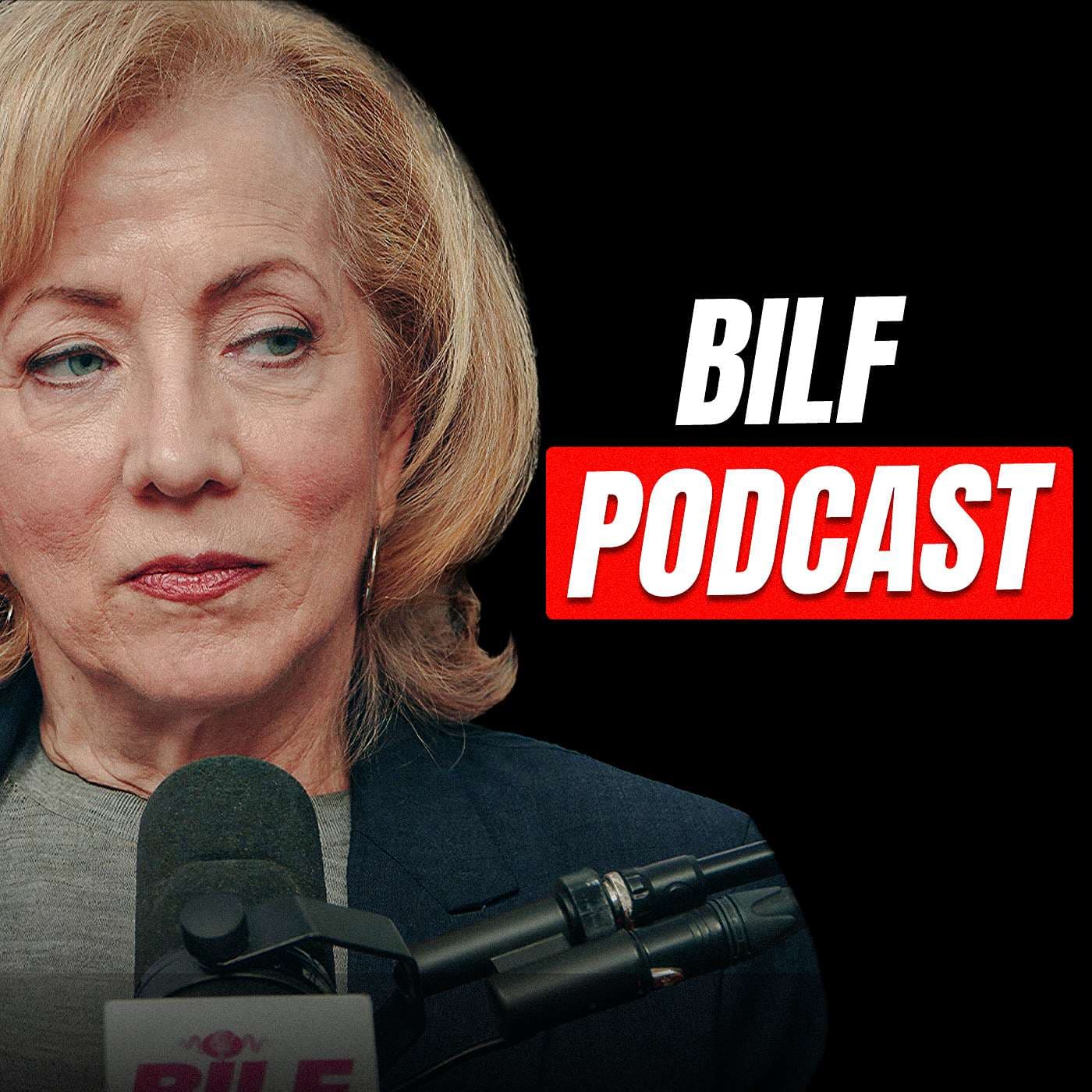
Beth Kras, a former Manhattan assistant district attorney and long-time Court TV/Investigation Discovery legal analyst, explains how she became a TV trial analyst and discusses her views on high-profile trials, media, and social-media pressure. She also shares behind-the-scenes details from her work on “The Curious Case of Natalia Grace” and related projects.
Guest background
Beth Kras has a criminal justice education, worked 8 years as a prosecutor (street crime; political corruption/organized crime/white collar), then became a reporter in 1994 and later a TV legal analyst.
Key claims/examples
95% of cases plead out; prosecutors must present facts beyond a reasonable doubt; she frames herself as a “victim’s advocate.” She says Robert Morgenthau required prosecutors to believe in a case before trying it. She argues Casey Anthony “knows more,” Scott Peterson and OJ Simpson guilty (in her view), and Menendez brothers abused (changed her mind after learning more). She describes Natalia Grace’s unfolding story and says she hasn’t met Natalia Grace. She recounts a case where a kidnapped child was buried alive and she broke down after seeing jury photos.
Notable cases mentioned
Casey Anthony, OJ Simpson, Jodi Arias, Scott Peterson, Kobe Bryant allegations, Phil Spector, Drew Peterson, Amanda Knox, Menendez brothers, Robert Blake, and a Springfield, Missouri teacher acquitted despite juror doubts.
Written by AI. May contain mistakes. Listen to the episode to check what was said.
Chapters
Tap a time to open that second in VOTragic Stories of Kidnapping
0:00 to 0:17
Learn about the heartbreaking realities of high-profile kidnapping cases.
“So the little girl had been kidnapped by a offender and buried alive.”
Beth's Journey to Television
0:48 to 3:19
Discover how Beth Kras transitioned from prosecutor to television analyst.
“not know, but I stalked her because she is so interesting.”
The Role of a Prosecutor
3:19 to 5:30
Understand the responsibilities and moral challenges faced by prosecutors.
“Yeah, I had been in the DA's office for eight years, four years doing street crime and four years prosecuting political corruption and organized crime and sort of white collar stuff.”
Reflections on Casey Anthony
5:30 to 7:18
Explore the controversial Casey Anthony case and public reactions.
“But I always, well, my old boss, Robert Morgenthau, the late, great Robert Morgenthau, who was in office here in Manhattan for 35 years, he never made us try a case that we in our heart didn't believe in.”
Analyzing Current Cases
7:18 to 10:53
Learn about the complexities of analyzing ongoing criminal cases.
“I remember hearing that at one point she wanted to have a child.”
Impact of Social Media on Trials
10:53 to 12:20
Examine how social media has changed the landscape of high-profile trials.
“Actually, she was tried twice because the second trial was a retrial of the penalty phase.”
Insights from the O.J. Simpson Trials
12:20 to 13:52
Gain insights into the trials of O.J. Simpson and their media impact.
“And social media went crazy on the defense witnesses.”
Guilty or Not: Controversial Cases
13:52 to 14:03
Discuss the outcomes of high-profile cases and experts' opinions.
“Allies, murder, Miami, road rage, Las Vegas, hotel.”
Introduction to High-Profile Trials
14:03 to 14:41
Learn about the host's background and introduction to high-profile trials.
“In fact, when I gave my resignation letter to Robert Morgenthau down the street, it was May 1994 with my start date at Court TV of June 27th, 1994.”
Controversial Case Analysis
14:41 to 17:44
Explore the host and guest's opinions on various controversial criminal cases.
“Just saying, yeah, I'm not going to answer.”
Show all 13 chapters
The Impact of Cases on Prosecutors
17:44 to 19:18
Understand the emotional toll and attachment prosecutors may feel towards certain cases.
“You know, this would be a case I covered.”
Future Projects and Career Path
19:18 to 21:10
Discover the guest's upcoming projects and their journey into media.
“A little girl had been kidnapped by a sex offender from her father's mobile home and raped and buried alive in double Florida.”
Concluding Thoughts on Legal Careers
21:10 to 24:24
Reflect on the challenges and successes in transitioning from law to media.
“I think people listen to your audio book.”
Transcript
Automatic transcript. May contain errors.0:00Beth Karas:I ran out of the room in tears. So the little girl had been kidnapped by a offender and buried alive. Her little finger had poked out of the bag trying to get air. She died in the bag underground. The Menendez brothers, that's the cold-blooded killers or abuse victims. When they were first tried I didn't believe the abuse.
0:31OJ Simpson.
0:35Scott Peterson.
0:43Welcome back to the Bills Pod, where authenticity trumps authority. Now, today's guest, she does not know, but I stalked her because she is so interesting. I got to watch her analyze the case of Natalia Rose. She's been at cases such as Scott and Lacey Peterson, OJ. I mean, Kobe Bryant, I saw. This woman is so interesting. And I am so, I'm like fangirling over here. I am so excited to welcome Beth Kras to the show. Welcome to the Bell Five.
1:16Beth Karas:Well, thank you for having me. You did a little bit stalk me, but not really. I mean, And you just really wanted to talk to me. Don't like – No, you wanted – you did want to interview me. And I was like, okay, we'll make it happen. Yeah, I appreciate it because my background, I was telling you before, I actually have a master's degree and an undergraduate degree in criminal justice. Oh, good for you. Yeah. Great. I did not pursue that. Yeah. I did not like criminal law in law school. I'm about – I would never practice criminal law, and that's all I've done. And I'm like, here you are. You analyze the – I mean, how does one – so my question, forget these cards.
1:49How does one become a criminal analyst and then go on TV? I have to know.
1:56Beth Karas:So I think I was just kind of in the right place at the right time because when I got into it, there were not a lot of lawyers on television yet. There were not a lot of platforms. There was no social media. And I started in television on the third anniversary of Court TV. So it was the only game in town to see a trial. There were no streamers. I mean, it was the only place to go. So I happened to know the man who started Court TV because he had written an article. He was a writer, trained as a lawyer, but was a journalist. He owned a bunch of legal magazines and newspapers around the country.
2:35And the national one is called The American Lawyer.
2:37Beth Karas:And he wrote an article about the criminal justice system in the late 1980s. I was practicing law just a few blocks from where we are seated right now in lower Manhattan. and I was up to my eyeballs. In cases, I was only a third year assistant DA, but I was just one of 500 in Manhattan alone. And I happened to be the person selected for him to follow around the office and into court and to watch me. And he ended up writing this article, cover story of American Lawyer about me, but that launched me. It was my 15 minutes of fame, but I mean, I stayed in touch with him and he asked me to come to the network and audition and, you know, I became a reporter in 1994.
3:18That is incredible. And then eight years as a prosecutor.
3:21Beth Karas:Yeah, I had been in the DA's office for eight years, four years doing street crime and four years prosecuting political corruption and organized crime and sort of white collar stuff. Yeah, which I'm sure, you know, like when I think of my dream was like, I wanted to go and be a litigator. That was like the biggest thing, becoming a litigator. And I was going to defend everybody. That was like what I thought, you know, like the next Aaron Brockovich, I'm going to be like this prominent attorney. But, you know, as a prosecutor, that I feel like that's really hard. That's difficult because you kind of just have to like I feel like it's you have to keep it even keel.
3:58You have to present the facts, right? It's you have to present beyond a reasonable doubt. So what is that? I mean, is that like conflicting morally for you mentally? I mean, how do you separate that?
4:08Beth Karas:Not at all. I consider myself more of a victim's advocate. And so I took a lot of pride in my work as a prosecutor, and my heart is still in that, even though, of course, I do believe the system makes mistakes and there are people who are wrongfully convicted. But, you know, some people would say, and defense attorneys would beg to differ with you about it being difficult. They think, you know, prosecutors, they have the strength of, you know, the police departments, the backing of the state or whatever, you know, departments to help them gather the evidence. And they simply have to present the evidence as opposed to defending against it and trying to pull coals in it and showing where the Constitution was violated and rights were violated.
4:49Beth Karas:So, you know, look, 95 percent of cases plead out. They don't even go to trial. You know, we are not in the business of arresting and prosecuting innocent people. But it does happen. Yeah, for sure. And I'm sure morally or sometimes, look, we're all humans at the end of the day. And I'm sure sometimes you come across or you have, you came across in the past, maybe somebody that did commit a crime. Maybe they did. And it was for a variety of reasons. I'm sure as a prosecutor, you're presenting the evidence. You know in your heart, maybe this person can have another chance. We all make mistakes.
5:19It's a difficult task.
5:20Beth Karas:So, yeah, and you can give somebody a break with a plea offer or a recommendation of a lower sentence, even if it's a top count plea or conviction. So you can, you know, show some mercy. But I always, well, my old boss, Robert Morgenthau, the late, great Robert Morgenthau, who was in office here in Manhattan for 35 years, he never made us try a case that we in our heart didn't believe in. oh so i mean there are some cases that are close right it's like well i think you probably did it but i don't know if we have the evidence and i i remember some of my colleagues not feeling like they could get up in front of a jury and say with conviction you know that you need to convict this person so he would never make you try it if you didn't believe it oh what a great man yeah oh yeah he was a good great great man yeah so let's talk about casey are you allowed to talk about casey anthony sure because that was i mean i remember when that happened i was what year was i would think I was in college then it was a huge thing it happened in 2008 yeah so I was getting my master's degree at UCF right down the street from what had happened and you were there yep I started showing up in Orlando in 2008 9 10 11 there through the trial I just remember Casey once she got locked up she was charged with murder before Kaylee's body was found she was charged in October and they were seeking well they didn't seek death at that point once the remains were found a few months later in december then they said changed circumstances were going to seek death which made it probably more difficult for them because you know they lost the prosecution lost the case anyway um but you know jurors are going to be really tough on you if you are seeking to take someone's life so um you know i always felt that she was complicit in something she got convicted of misdemeanors right lying to the police that was a no-brainer but i always felt like she knew something more i never bought the she drowned in the pool and my father you know found her now no i don't think so and i remember i remember when that happened because my daughter was born and i just remember thinking like no this is weird like no mom acts like this is bizarre her whole reaction i don't even know what happened to her she did she's still around i mean she's I actually haven't kept up with her, but she's still around.
7:43Beth Karas:I remember hearing that at one point she wanted to have a child. I don't think she had any other children, but she's around. I don't think she should have any. She's taking some political positions, sort of liberal positions on some matters. Wow. Now, what really interests me is this case. So do you, first of all, do you get to meet the people that you're analyzing ever? Do you get to have conversations with them? sometimes when i was doing when i was at court tv for 19 years i would of course i got to know lawyers always and you know sometimes interview jurors witnesses not always a defendant sometimes the defendant depending upon if the person was locked up or not yeah so you so where i saw you that i was like blown away is this case of i mean the case in itself was in it was the craziest story i'd ever heard in mine i mean i've tried to look her up to just like to find out what happened after so did you ever get to meet her or no i haven't met her we've communicated but i haven't met her and what was your take on all of that so you know during the three seasons this was a story that kept unfolding we thought it was going to be one season and then we thought it was gonna be two seasons and then the man just called with after we delivered season i watched all of it they called and said we're done with her this girl's tweaking or whatever we're like what i guess we got more of the story to tell and there were times when the producers would learn something and they wouldn't tell me in advance I'm sitting down for an interview because I sat down for many interviews for each season yeah it wasn't like one interview that stretched over six episodes it would be maybe four right four and they would give me a document they're rolling on me and I'm and I'm reading it and I'm learning something new some new development because it was an unfolding story it wasn't most stories we tell are in the past right rarely are we telling like an ongoing story because we're not really doing news but this was an ongoing story so my reaction on air is very genuine i'm like what what did you just say i mean i mean like and i would be so expressive you know but because i was genuinely reacting to new information they did that to me on purpose oh my so where is she now i i know she was living in upstate new york but i don't believe she's here anymore what a just the whole story was insane she was re-aged living by herself at what 12 years old younger she was about nine when she was on her own in an apartment that is designed for an able-bodied person of of like a regular height not a little person so she's nine hard enough for a nine-year-old who doesn't have a disability because she had a type of dwarfism that or she needed surgery you know so the sink is high the stove is high everything's high and she doesn't have she has no education she has no training in cooking for herself personal hygiene can you imagine a nine-year-old child on their own no like my son never no way well that's what happened to her she's been re-aged in the federal system they brought her back to her original birth date of 2003 the year 2003 but not in the state of indiana not yet they still say you know in the records that she was born in 1989 the judge just backed her up to 1980 which means the biological mother that we found well the authorities found in ukraine yeah if she had natalia in 1989 would have been like i think i did the math something like 10 or 12 or something that is that wow i i mean that case in itself so you that that was a crazy one and then Jodi Arias.
11:24Beth Karas:You did some... Yeah, I did Jodi Arias's case. Actually, she was tried twice because the second trial was a retrial of the penalty phase. The state of Arizona sought death against her, but you only get two shots at the death penalty in Arizona. And if you miss it both times, the judge decides a natural life sentence. So she's in prison in Arizona. um that was uh pretty wild like some people feel like jody arias's case was the first one to really like explode on social media i'm i don't know it is one of the first that was 2013 one of the first i mean twitter had been around since 2005 facebook was established around 2004 But I remember I was tweeting, it was Twitter then, I was tweeting during the trial as well as reporting outside, but I'm sitting in court with my tweet.
12:19Beth Karas:And my followers just exploded. So I noticed it during that trial. And social media went crazy on the defense witnesses. A domestic violence expert was, she was doxxed and harassed and one-star ratings on her book on Amazon, even though people never, they didn't read it. They just gave her one-star ratings to the point where she had a panic attack and had to go to the hospital the night before testifying. And then your job in this is just to report on it. Yeah, I was just a reporter, straight reporter, not opining about anything. I have a little more wiggle room today because I'm not a straight reporter, so I can actually opine.
12:57Now, when you do report on it, what do the lawyers say? Do they get annoyed? Because I think you just presented – I mean, when I watched you, you just presented the facts. Yeah, I'm just presenting the facts.
13:06Beth Karas:No, no, the lawyers were always very gracious with me. I never found I had any problems with the lawyers. And in fact, they would tell me, look, you know, you speak to us on a level that other journalists don't because you used to be in the trenches, you used to be a trial attorney. So like, I also didn't need to necessarily ask them questions that other reporters might, I could go outside and get on the air and say, okay, so that objection that the defense just made and the judge overruled, here's why. And I could explain it. Which makes it so much easier instead of just kind of reporting and not having the full story.
13:39And that is exactly why I was so interested because you were explaining both sides. Right. You spoke on both ends. Right. You were like, well, here's this side and you can also see it on this side. And I guess that would run along the same thing with O.J. Simpson. Yeah, no. I was at O.J. – he had three trials.
13:54Beth Karas:Yes, I know. Allies, murder, Miami, road rage, Las Vegas, hotel. So I was at Miami and Las Vegas. I had just started. In fact, when I gave my resignation letter to Robert Morgenthau down the street, it was May 1994 with my start date at Court TV of June 27th, 1994. In between those dates, OJ got arrested. Smart. Yeah. So I was brand new. So I wasn't assigned. I had to learn television. So two other reporters went out to L.A. and covered his trial. Jeez. Who doesn't love OJ? I can't. All right. Let's have a little fun. Are you ready? So I'm going to name some of the most controversial cases. And you tell me guilty or not guilty based on the evidence, not the verdict, and why.
14:40Are you ready?
14:41Beth Karas:Oh, wait. Okay. Oh, no. Okay. If I can't answer, I can't answer. Just saying, yeah, I'm not going to answer. All right. Casey Anthony, did she murder Kaylee? Not clear she actually murdered her, but she knows more than she ever admitted. Yeah. O.J. Simpson, criminal trial. Did he kill Nicole Brown and Ron Goldman? Yes. This case is out of control. Robert Blake. Did he kill his wife, Bonnie Lee Blake? Blakely? Unclear, but behind it. He was behind it. I agreed with the jury when they said we couldn't put the gun in his hand. He wasn't charged as an accomplice. He was charged as the actual shooter.
15:21Beth Karas:But it's hard to believe he didn't have something to do with it. It's always right where there's smoke, there's fire. Scott Peterson. Did he kill Lacey and their unborn son, Connor? Yes. Yeah, definitely. especially if you've seen that Kobe Bryant rape accusations oh I love Kobe oh boy so like it's it was it was consensual up to a point that this accuser knew there was a risk going to his room wanted his autograph kissed him and then things got out of hand so you know if you believe her story yeah he raped her but it's a he said she said and she crumbled they did a mock cross examination that's why they dismissed the charges she crumbled in a mock cross examination apparently so she wouldn't have been able to stand up to cross examination even if it's true that kills me i i listen i think it's terrible when women get raped but i also think it's terrible when you throw that word around yep i agree like the bill cosby thing that kill i don't like that um phil specter did he murder lana clarkson yes uh drew peterson did he kill his third wife well his third wife is the one he's in prison for.
16:28Beth Karas:The fourth wife is the one who was missing, Stacey. So his third wife, yeah, that's the one he was convicted of. I believe he drowned her in the tub. The fourth wife is Stacey. She was probably carried out of the house in a blue barrel. And she, yeah, he probably did. I think there's definitely something going on. Amanda Knox, guilty or wrongfully convicted? Wrongfully convicted. Oh, okay. The Menendez brothers, that's a cold-blooded killers or abuse victims when it when they were first tried i didn't believe the abuse um uh abuse allegations but today i do okay i've since educated myself learned more i was a prosecuting attorney when they were i was down the street in court i wasn't following the trial and i was like oh please but i have totally changed and i i do believe that they were abused i do too because it's not just one brother what's the statistics that two brothers felt the exact same way about their parents.
17:23Like, I don't know. I'm not a lawyer, but I just feel like it's just too. I mean, they've served a lot of time.
17:29Beth Karas:I don't know if they'll ever get out, but if they were to get out, I wouldn't lose any sleep over it. It would be okay. Yeah. If you could retry one case with new evidence or a different jury, which case would it be and why? Of what? Of the case I've covered or with a different jury, which case would it be and why? You know, this would be a case I covered. Years ago, I covered a case in Springfield, Missouri. And it was a teacher, a man charged with killing his wife and his six-year-old and toddler, like a one or two-year-old. Bashed his son's head in, strangled the toddler with the draped cord, bashed his wife and turned the heat up on the waterbed posing her.
18:15Beth Karas:So she decomposed faster. Great. And then went back to the teacher's conference that he was at, which was some hours away. So he did it in the middle of the night. It was the allegation. That's crazy. And I just, well, I don't know that they had enough evidence because a crucial witness kind of fell apart. But I always felt he got away with murder. He was coquitted. And I talked to the jurors afterwards and they said, you know, he probably did it. We just didn't think there was enough. That's a case that stayed with me. I don't know if it was retried. It would ever have been a different result.
18:50Beth Karas:But I felt like he really did get away with murder. That's awful. So did OJ. The first time he did too. It's terrible. It's really terrible. OJ got away with murder. His life was really pretty bad after that. But he was free. Have you ever had like an emotional attachment to a case? Yeah. Well, I actually broke down once, but it was outside. It wasn't in court. A little girl had been kidnapped by a sex offender from her father's mobile home and raped and buried alive in double Florida. It was in northwest Florida, like south of the Panhandle, Indian River County, maybe or something. anyway he was tried in miami but when the media was shown the photos that the jury saw weren't displayed to the courtroom and we did not put them on tv but they laid them out and when i saw her and the bag and her little finger had poked out of the bag trying to get air she died in the in the bag underground that i ran out of the room in tears that's awful so wow that is insane so question for you what's next i mean you're doing legally are you doing more so okay are you very excited all sorts of things all right so i did three seasons with investigation discovery of the curious case of natalia grace and as a result of that i got a spin-off show called the curious case of we're in season two right now airing it's on investigation discovery on mondays episode five will come out on february 16th at um 10 o 'clock nine o 'clock oh dear it's only an hour i think is 10 o 'clock um but it also streams on hbo max so it all streams on hbo max the two seasons of curious case of and natalia grace then um i am also hosting um a podcast that's in development it'll be it'll drop soon um for sony music entertainment it's a true crime story it's a six episode true crime story um probably can't say too much more yet because it's not public yet and um i feel like there's more there's more down the pike but i can't talk about it yet You're doing so many amazing things.
21:11Beth Karas:February 20th, I'm on 2020. So I'm a contributor to ABC's 2020. Is there anything you don't do? I haven't written a book. You haven't written a book? No. I don't have the bandwidth. I don't think I'm that good a writer. Who's going to read it? You can get a ghostwriter. Who's going to read a book? I think people listen to your audio book. I really find you extremely interesting. Really? Yes, I'm telling you. I'm not captivated by that many people. Really? Yeah, I'm serious. Oh, you're so sweet. I meet a lot of interesting people. But I think just the way that you tell the story, I mean, in itself, you're like you're a storyteller.
21:43I mean, and it's great. You have a gift. Not only are you like, you know, legally, you're professionally as far as like your background, but your storytelling ability is incredible.
21:53Beth Karas:You're so kind. Thank you very much. I appreciate that. I've never, ever stalked anybody. I'm like, we have to find that. I would call Kaylee. I'm like, Kaylee, we have to find her. I'm like, the way that she just like unfolded this story just kept me captivated. the entire time that I ended up watching. I got involved with this show. Three seasons. I don't even watch TV. Well, and it does grab you, Natalia Grace, right? Because it's so crazy. It's so bizarre. One person I know, when she learned about it, she stayed up all night and watched it. That's what happened to me. That's exactly, I binged watched this whole thing.
22:22And then my husband was like, there's more. I'm like, there's more. And I watched more of them. I was just watching all of it. It was so crazy. So now you just do the legal analyzing. You don't do any, like, you're not trying cases anymore. Nothing.
22:34Beth Karas:No, no, I'm not practicing. I'm still a licensed attorney, but inactive. I'm not practicing. But I kept license because I worked very hard to get that license. I wasn't giving it up. I love that. And it's a fallback, right? If this didn't work out, you know, the television stuff, I can go back and practice law. It's incredible. It really, just watching, you're such a boss. And that's what Bill stands for, boss I'd like to follow. I would follow you. I think I've really, just an inspiration, maybe because I wanted to be attorney at heart. But just, you know, you took your skills. I love it. It's a people-oriented business television.
23:04so you're able to connect with your audience. I love all of the exposure. And I mean, I like to see all these things too. I'm watching this, what's the nurse from the UK? What's her name? Who's on trial? I think she's innocent. I don't know. They don't know. It's a big story right now. She was a nurse and all these babies died in the UK. Oh, yeah. Okay, yes. Something Lambert? Yes, I did see that.
23:33Beth Karas:I haven't been following it closely, but I have to take a look. It is unbelievable. So she might actually be interested. She might. I think something's going on with the hospital. Something's weird. I don't know what. Something strange. You have to watch. Okay. You can analyze that. Call them. Maybe I can. Call them. It's your next gig. All right. Deal. Where can people find you if they want to find you? So I will admit I'm not great about social media, but I do have an X account. It's just at Beth Karras and Instagram. I think it's at BethKaris1. And Facebook, LinkedIn. I mean, it's just my name.
24:07Beth Karas:Yeah. Nothing's special. Nothing BethKarisTV or anything like that. Just my name. And then we'll see. I'm sure we'll see you. I know you already said 2020. I'm sure there'll be so many more amazing shows that you're going to be on, too. Well, we'll see. Well, Investigation Discovery, HBO Max for now and 2020. You have a lot going on. A ton of things. I mean, if you did not enjoy today's episode, I don't know what you're doing. But I'm sure you love today's episode. So hit that like and subscribe. And you know what? If you didn't like it, you can unsubscribe as well. But if you want to see more interesting, I don't think as interesting.
24:38I think you're the most interesting. Stay tuned. We have a ton more episodes airing in the near future. But if you didn't get the message today, I mean, Beth is really a jack of all trades. She's a lawyer. She took that, went into television. I mean, just doing amazing things. And, you know, my challenge for you is just be amazing. Think about something that you want to do and execute on it. It's never too late. Beth is doing incredible things, analyzing, meeting. I mean, just doing it all. So next time, I look forward to seeing all of you guys back on the BILF pod. Thanks, Beth. Thank you.
From the publisher
What does it really mean to decide if someone is guilty… or not?
In this episode of BILF Podcast, we sit down with Beth Karas — former prosecutor turned independent legal consultant and renowned legal analyst.
From facing real people behind the cases… to witnessing moments that no script could ever capture… Beth shares the truth about the justice system from the inside.
In this episode:
What it feels like to decide someone’s fate: guilty or not
The reality of working with real people, not just case files
Cases where justice didn’t go as expected
Unscripted courtroom moments that change everything
Her transition from prosecutor to media expert on The Curious Case Of…
This isn’t just about law.
It’s about pressure, perception… and decisions that can change lives forever.