
 Ask ChatGPT

- Podcasts
- BILLIONS
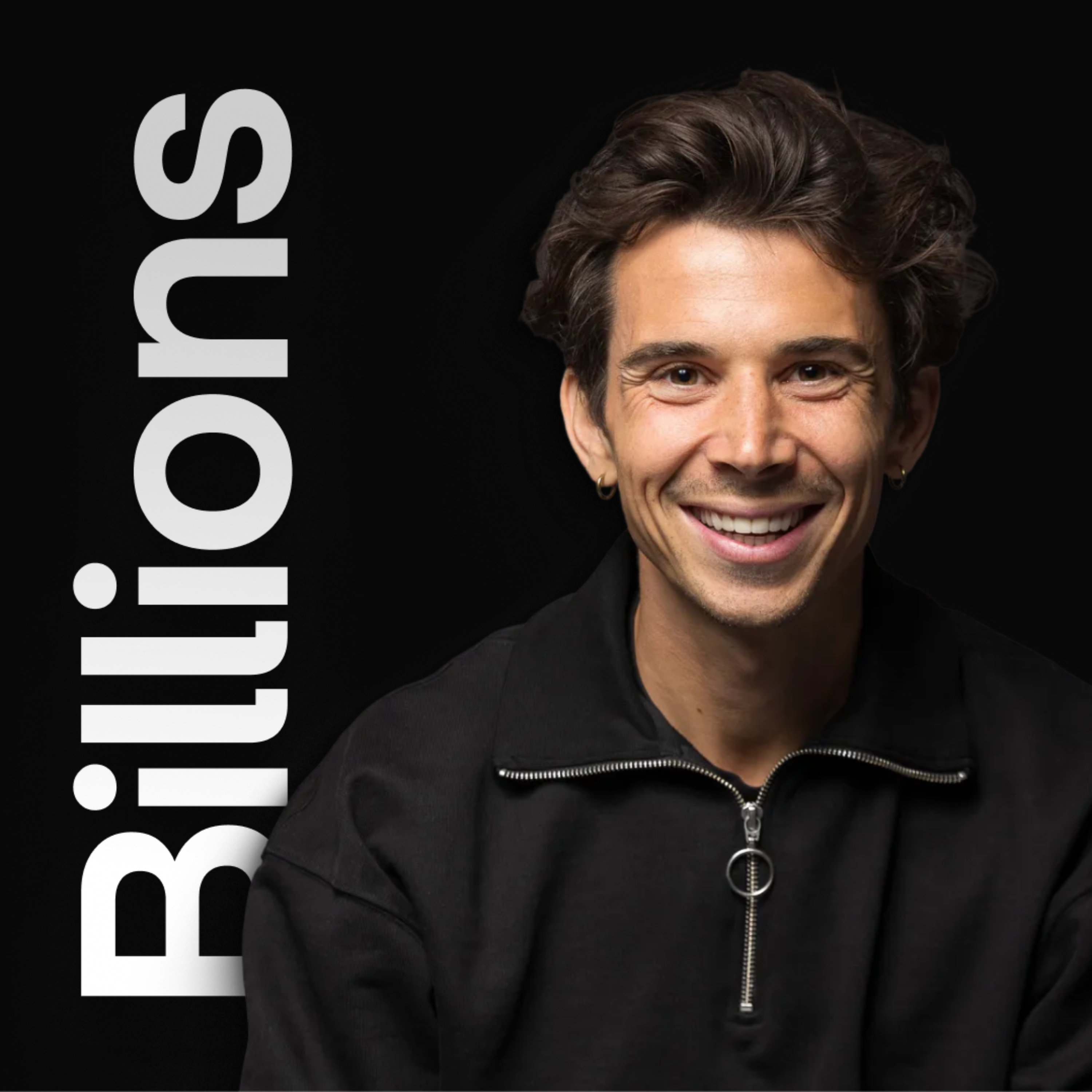
- How do you bootstrap to 40M users and 9 figures without raising $1? - Aytekin Tank [Jotform]
BILLIONS10 Nov 2026 · 42m · 18 chapters
How do you bootstrap to 40M users and 9 figures without raising $1? - Aytekin Tank [Jotform]
In short
Aytekin Tank (Jotform founder/CEO) explains how Jotform bootstrapped for 20 years to 40M+ users and “nine figures” revenue without raising outside capital, and how AI is reshaping the product while preserving founder-led responsibility.
Guest background
Aytekin Tank built Jotform from a one-person startup (first released 2006) into a global SaaS platform. He’s now leading an AI transformation expanding Jotform from forms into apps, data, automation, and agentic workflows.
Key claims
Founders must continuously “found the future” and stay close to customers; AI can’t replace responsibility; AI increases employee productivity but still requires human ownership and review; bootstrapping enables disciplined hiring, privacy, and dividend-based cash-out; keep improving the core (forms) while adding adjacent products.
Notable examples
Google Forms competition triggered refocusing on product; Jotform rewrote its forms product multiple times (4x, with a 5th AI rewrite); pandemic “form trends” and Ireland consent templates drove SEO/template growth; Google traffic fell with AI answers, but signup and form-submission metrics stayed stable; Jotform’s “P30” upgrade metric and “>5 submissions” engagement tracked success.
Written by AI. May contain mistakes.
Chapters
1:03
The Early Stages of JotForm
Aytekin discusses the early years of JotForm and his journey as a bootstrap entrepreneur.
“So I have a lot of things to ask you because your journey has spread out like over like 20 years and more than 40 million users.”
2:05
Lessons from Customer Interaction
Aytekin reflects on the importance of understanding customers as a founder.
“Like just I released it as a free product to get as many people as possible to use it and then to get feedback from it.”
3:12
The Turning Point in Focus
A pivotal moment when Aytekin realized the need to focus on product development over management.
“because like, you know, we were actually losing ground because like I wasn't really putting the effort on the product.”
4:33
Reinventing the Role of Founder
Discussions on the evolving role of a founder and the importance of staying involved in product vision.
“Over the years, I actually made the same mistake.”
5:44
The Importance of Competition
Aytekin talks about how good competition drives improvement and learning.
“Because you know when the product didn't exist, you know the customers.”
7:05
The Transition from Founder to CEO
Transitioning responsibilities to a COO to focus on key product areas, especially AI.
“We actually had these amazing, like incredible competitors.”
8:13
Maintaining Focus on Core Business
The importance of focusing on the core product and continuous improvement.
“And also some people are just better, you know, than a founder at managing, hiring and doing like all these things.”
11:10
Adapting to Market Changes
How JotForm adapted and grew during the pandemic amid competition.
“I always make sure that we are always improving our forms product.”
14:00
Understanding User Needs for Growth
Learn how focusing on user needs and trends can drive business growth.
“And I think the main reason was like our internal, like this constant, like really trying to understand what users are trying to do and trying to answer them with our solutions.”
15:27
Impact of AI on User Acquisition and SEO
Discover how AI and search engine changes affect traffic and user acquisition.
“I was actually talking with Kinan, you know, who's like a senior VP of growth at HubSpot.”
Show all 18 chapters
17:51
The Strategy Behind Building in Private
Understand the rationale for bootstrapping and keeping company data private.
“But unrelated, like, you know, we wrote a blog post that was bringing the same thing that happened to HubSpot.”
23:01
Financial Management and Profitability Rules
Explore effective financial management strategies for a profitable company.
“Yeah, it's for me typically like when I bootstrapped my SaaS company and the first time we sold some shares, like we sold 20 % for$30 million back in 2021.”
26:17
Motivating Employees Without Equity
Learn how to motivate employees through work environment and compensation.
“So one of the things that I really value is like to create the motivation inside the team, having a good work environment is really important for me.”
28:01
Valuing Employees in a Competitive Market
Learn why retaining knowledgeable employees is crucial to business success.
“You cannot replace those like enthusiastic people, those people who are really, you know, doing a great job and like just because they're also building, they're also creating a culture for your company.”
29:41
AI's Role in Enhancing Productivity
Discover how AI can increase employee productivity and the nature of responsibility.
“you know, like OpenAI, Entropic and, you know, like all these companies coming up and kind of like threatening or also being an opportunity for forms.”
33:15
The Future of SaaS Products with AI
Explore the evolving landscape of SaaS products and their flexibility with AI integration.
“and wait for the rest of the three months.”
36:13
Advice for Bootstrap Entrepreneurs
Hear valuable advice for aspiring entrepreneurs on building successful businesses.
“So it's just, I feel like it's just such a brighter feature.”
40:10
Where to Follow Aytekin Tank and JotForm
Find out where to keep up with Aytekin Tank and JotForm's updates.
“Just be patient and keep giving it to them, giving it to people what they need and over time you will be rewarded for that.”

Ask about this episode
Get the gist, explore an idea or ask about something said.
 Claude
On BILLIONS, what are the key points of this episode?
Searching your listeningTranscript
Automatic transcript. May contain errors.
0:00Aytekin Tank: You have to be building the next chapter for your company. And if you are not doing that, you are failing as a founder. We kept the 50 % growth rate for a very long time. And only recently, only after we hit like nine figures, you own 100 % of the company. If I have someone that I don't want to lose, it should kind of hurt you how much you pay them. You cannot replace that person with AI. And the reason is that who is going to be responsible for that job, right? because AI is just automation. It cannot take responsibility. Today on Billions, I'm sitting down with Aitekin Tank, founder and CEO of JotForm.
0:39Over the last 20 years, he built JotForm from a one-person bootstrap startup into a global software platform used by more than 40 million people without ever raising single outside capital. Today, he's leading one of the most ambitious AI transformation in SaaS, expanding JotForms from forms into apps, data, automation and agentic workflows. Hey Tekin, welcome to Billions. I love your story. I'm a bootstrap entrepreneur myself. So I have a lot of things to ask you because your journey has spread out like over like 20 years and more than 40 million users. So what do you think were the different stages to go from the start to where we are right now?
1:25Aytekin Tank: Wow, it's been two decades, like 20 years now since I started JotForm. It was the first version of JotForm I released in 2006. So 20 years. And I think the early years were more about like usually like me and like a small team. For a very long time, it was only a small team, like first five years. Probably like the first 10 years were pretty small, close-knit group. I would say the early stage was only me. So for two years, I was alone and just, you know, and my goal was to get just from in front of people as much as possible. Like just I released it as a free product to get as many people as possible to use it and then to get feedback from it.
2:12Aytekin Tank: And I would say the second stage was more about like me, like financing the whole operation while like, you know, growing a team that actually builds the product. I think that was kind of a bad idea because I was doing everything else. Like I was doing support from morning to night and I was doing like accountant, legal, HR, everything. But the thing is, I forgot something. And I actually kind of forgot this over the years many times that my role as a founder is the most important thing. Because as a founder, I know the customers best because I spent years like just doing customer support from morning to night.
2:50Aytekin Tank: and just like, you know, talking to customers and no one actually understands the customers and the product as much as me. And when I'm just like, you know, kind of like giving that to other people and then like just being a manager and being like this CEO that actually handles all the administrative stuff was actually a bad idea because like, you know, we were actually losing ground because like I wasn't really putting the effort on the product. I think the turning point was like, okay, we had this big competitor came out, Google Forms, and people were telling me, okay, like, you're competing with Google now.
3:27Aytekin Tank: Like, you know, what are you going to do about that? And I was thinking, okay, I have to stop doing all this, like, busy work. And I have to really focus on, like, being a founder, being the founder of the product. Because I really believe that the founder title is not really about, like, the beginning. Like, people assume that, okay, hey, this is the founder. This person started the company. And, you know, so it's about the history. No, the title founder is more about like the future because you are actually, you're supposed to be founding the future of your product, your company. So you are supposed to be actually rebuilt like day zero, right?
4:09Aytekin Tank: You have to be building the next chapter for your company. And if you are not doing that, you are failing as a founder. And so founder is like this continuous journey and you are supposed to be founding your company every day. And this is a lesson I learned again and again. So at that time, like I was able to like automate as much as possible, delegate as much as possible. And I started like really focusing on product and that made a big difference. Over the years, I actually made the same mistake. Like we were, when we were around like hundreds of employees, when we had like hundreds of employees, I was like doing all these meetings like from morning to night, right?
4:48Aytekin Tank: Just doing like, you know, designing something, like just planning something. And again, I was away from the product. This time it wasn't the, it was still the administrative stuff. It wasn't the minor thing. This time it was big things, but I was losing my eye, like focus on that. And I discovered that I was away because I had a child, new child. I was away for like three months. And I was thinking about what am I spending my time with? Morning to night, I'm just wasting so much time. And our product is not getting better because it's just like, the problem is our employees are great. But the thing is, they are kind of thinking like, okay, they're always thinking very incremental, right?
5:31Aytekin Tank: They are always thinking like, okay, this has been decided. So, like, you know, we can actually make improvements on this. Like, as a founder, your difference is you can start from, like, the beginning. You can start from the first principles. Because you know when the product didn't exist, you know the customers. So you can actually imagine new products, new approaches. And, again, I kind of forget about that. So my solution this time was, again, delegating. But this time I decided, OK, I'm going to have a COO, chief operating officer, take everything away from me. I'm just going to focus on like one thing.
6:08Aytekin Tank: In the beginning, it was like less like, you know, three to five things. But now I'm more like I'm just going to focus on like just single thing. Today, it's more about AI, like building AI products, products with AI and AI advancements within our product. But I'm just focused on that. And just I have a good executive team. I have a good chief operating officer and I'm kind of delegating, just creating this, you know, wall between us so that I can focus like 80 percent of my time in things that matter. And only like if there's some really important decision, they are coming to me. Otherwise, I'm just focused on that.
6:47Aytekin Tank: So this is a lesson I learned again and again. It's about really being the founder and just because you cannot replace a founder. And you see this when you look at all these companies, like when they are sold to another company, what happens is that the founder actually moves away. We actually had these amazing, like incredible competitors. I don't know if you know about Wufu. You probably know about Typeform. There are many great companies. Like we had these great competitors. And I really believe in having good competitors actually improves you. So we learned so much from these competitors. We improved ourselves by, you know, seeing what they have done, what they are achieving and lessons from them.
7:30Aytekin Tank: But what happened with these companies is like when the founders actually moved away, these companies actually started stagnating because it's actually the, you know, CEO role is great. But usually like when you hire a CEO, they're all about like, you know, how can we increase the sales? How can we increase the revenues? But the thing is like you're actually killing the golden goose, right? the goose that has the gold eggs, over time, you start stagnating. Even like, you know, if you look at Apple, right? Like all this stuff that Steve Jobs came out with, like just we don't see them anymore. Like, you know, they are optimizing all the time, but you don't see the same innovation.
8:10Aytekin Tank: I think it's about being the founder. Yeah, I think it's the CEO part was also critical. Like for us, I remember like when I decided to move away from all the day to day, I think it was around like similar to you, like about 100 people in the company and doing like all the meetings and all these things can sometimes like take so much of your time that you forget. And also some people are just better, you know, than a founder at managing, hiring and doing like all these things. So 100 % recommend the same. A lot of people, you know, like when they think of a SaaS company, they always have this vision of you find product market fit.
8:50Once you have found your product market fit, it's just an exponential growth curve until they exist. For us, it has never been the same. Like we've had, of course, like exponential growth, then a plateau, then again, another product market fit to exponential, etc. But I'd be curious for you, over the 20 years of business, how many times have you had to reinvent the business to kind of break this glass ceiling?
9:16Aytekin Tank: I think we have rewritten Forms like four times. And I feel like we are actually rewriting our Forms product like the fifth time now because we are actually re-implementing it with AI, right? Basically, you can talk to our product and use the product or like use the ChetChip ET app, things like that, MCP, to be able to create forms or backend for your forms. So basically, so we had to rewrite it many times over the years. And I don't know if you know Joel Spolsky, like when I was starting out as a startup founder, he had a blog and his blog was, had an article called, it takes 10 years to build a great product.
9:58Aytekin Tank: There's an article like that. And basically, it's giving examples of all these products that are taking like 10 years to be great. Because it really takes 10 years to build a great product. Because it's not just about like just releasing the first version. You release a version. You learn from your customers. And then you keep iterating. You keep improving. And sometimes, iteration is not enough. So you have to rewrite the product. So I would say one of the things we did was we kept that focus. Just having that focus that it's about forms, right? In our business, like we are serving millions and millions of forms for millions and millions of customers.
10:39Aytekin Tank: It's about the forms. Like I could have built like so many unrelated products. But the thing is, like when I have like these millions of users depending on us, and if I go and build unrelated products, that would be like best of our energies. There's just like so many opportunities to improve our products. So I think that's one part about just keeping that focus about what's your core business and make sure that you always improve that core part. And Paul Graham also talks about this in one of his articles about just really focusing on the core and improving the core of your product. So I always keep that in mind.
11:20Aytekin Tank: I always make sure that we are always improving our forms product. But then we also discovered how to be a multi-product company while keeping that focus. And the way we discovered it was kind of accidental. When our user researchers, when they were interviewing customers, and we really value those interviews. When we are working on a product, I will watch like 50 interviews with our customers. I learned so much from those interviews, just watching them. and like on those interviews like when we were asking people how they use their forms we discovered that forms were kind of like the first step in their journey so there is this journey they are doing all these different things but it starts with a form submission but then after that there's just like so many things happening so we started thinking okay okay why don't we have the next piece of the puzzle like okay we are helping with this corner piece with the form but what about like if they need to approve something or if they need to get a payment from the user or if they need to generate a document, get a signature.
12:27Aytekin Tank: Like, you know, maybe they need to build, have an app where they have all these different forms in it. Like just all these ideas actually turn into products. And all these products, and we make them like they're individual products so you can actually go and use JotForm. Like JotForm Sign is probably like the second biggest product. And there are a lot of people who just use JotForm Sign, But most people actually use JotForm Forms, but also JotForm Sign. It's basically a signature product, right? And what do you think was the biggest driver of growth over the years? Was it more the fact that you managed to add new products and essentially upsell your existing customers?
13:07Or was it just more word of mouth, more acquisition, advertising, etc., etc., to drive the growth?
13:15Aytekin Tank: It's all about really trying to understand the users and trying to answer them. Just to give you an example, we had this form trends, like internal product. Like we were looking at if there are new kinds of forms that are being created by people, right? So during the pandemic, right? So during the, like we entered the pandemic with this high competition, like we had all these different competitors, like Typeform, all these products, right? They were actually, you know, they were growing their market share. So we had this high competition before the pandemic. And something happened. And after the pandemic, we have grown like exponentially while other competitors kind of stayed the same or even went down.
14:02Aytekin Tank: And I think the main reason was like our internal, like this constant, like really trying to understand what users are trying to do and trying to answer them with our solutions. So, for example, during the pandemic, we were constantly seeing these different kinds of trends that we never seen before. Like there was, for example, there was this Irish law that you had to get like a consent for something. right and then suddenly we were seeing like hundreds of people are creating constant constant forms for ireland and then so when we see that we are we had this team that are building like form templates right so they were building all these form templates and then google was bringing terrific to these form templates and people were you know they were actually searching for an example for like a constant form for i don't know like a shot or something and then they were finding JotForm and then they were discovering JotForm and then using it.
15:01Aytekin Tank: So it's about like keeping that core product in mind. Our core product is forms. Make sure that we always improve the forms. How can we help people? Let's give them templates so that they don't have to like create these whole forms. And this is before AI. Now with AI, it's just so easy to create forms. But before AI, you know, we were building like so many, like we had a team that were only building topless like eight hours a day. Doing this over 20 years, I think that's the reason for our growth, just having that customer focus. Nice. I was actually talking with Kinan, you know, who's like a senior VP of growth at HubSpot.
15:37And eventually, I think like this idea of, you know, having very specific templates for a very specific use case was huge, especially for SEO. And I think it's an awesome example that you shared. But for HubSpot, typically, like when we started having chat GPT and Claude with Anthropic, basically like their traffic went down like crazy. And I think they lost about 80 % of their SEO traffic. So they had to kind of like reinvent themselves on the way they do user acquisition. Have you seen like similar trend on your side based on, you know, like the fact that you were really trying to focus on specific form that can rank like extremely well because a user is basically gonna search for taking your example, like content form in Ireland or whatever.
16:25And because you have the form and you have the tool that allow them to do so, Google's going to put this number one. But if people are using like a chat GPT, they might not search anymore on Google. So have you seen SEO traffic going down? And if yes, like have you adapted and how?
16:42Aytekin Tank: Yeah, I think everyone actually sees that. Everyone has seen that. Everyone who has like a huge traffic kind of sees that. But the thing is, like, the traffic from Google went down, but all our measurement, like, all our, like, metrics didn't go down. Like, so, you know, the types of metrics we track is, like, how much traffic we get, how many people sign up, and how many forms are created. And, like, we also track people who receive, like, more than five submissions. That's kind of, like, our really important metric. And we also track this metric called P30. P32 kind of means like people coming to our job form and then signing up.
17:24Aytekin Tank: And then in 30 days, like how many people actually upgrade. So when we look at those metrics, traffic went down. Definitely Google traffic went down. But none of these metrics were affected. Like we were seeing the exact same metrics. So what Google did was Google actually lowered the traffic, but only lowered the traffic that actually didn't matter. So all the traffic that really mattered, like all the like really related people who are really looking for our solution, they kept coming. But unrelated, like, you know, we wrote a blog post that was bringing the same thing that happened to HubSpot.
18:00Aytekin Tank: Like they had all kinds of like these topic clusters, all kinds of like, you know, thousands of articles on all unrelated topics and they lost those traffic. and same way like we lost a lot of traffic, but the related traffic, like really traffic that mattered, didn't change much. And also, even though Google traffic went on, we have seen like Chachip ET and cloud traffic to increase. It's hard to measure them because they don't always link. But, you know, when we actually, like when we ask people like, you know, how did they hear about JetForm? Like, you know, they are seeing things like, you know, AI.
18:37Aytekin Tank: So that traffic also increased. So we didn't really see any downtrend because of that search engine traffic decrease. And Google made another change now. Right now, it's giving this AI, giving answer with AI. We are kind of seeing a little bit increase in the traffic now. So what they were doing was they were showing so many ads before the answers. And now it's just that AI answer coming before the ads. and that answer also includes the link to the answers. So Google traffic is kind of increasing. I think they're just changing so many things. So we'll see how it will turn out. Interesting. And a question I had for you is like, I don't think you've shared public data like on your company, like AR, growth, et cetera.
19:30Why did you decide to more build in private when many companies build a bit more in public?
19:36Aytekin Tank: I would say like most of the companies who bootstrap, I think very similar fashion. They don't like announce their like their revenues. We are the similar like, you know, when you bootstrap, it's not really it doesn't really matter because usually like, you know, when you are looking for investments, right? You try to increase your, you know, make your company look important and bigger. So you announce your revenues. I think that's the main reason. and it's just over the years, never announced our revenues. So we just continued like that. But in the early days, I never had like a chance. I didn't know about any investors, just didn't even look for it.
20:19Aytekin Tank: So I was thinking maybe in the future if I need it. So the great thing about bootstrapping is the revenues kind of, you grow in the amount of your revenues, right? The more revenues you get, the more people you hire. and this kind of keeps you disciplined, right? And you have that discipline. So the first years are very small team. Like the first year, it was all me. Like even before I launched JotForm, it was me. And the first year, I hired my first employee. Second year, I hired my second employee. The first five years, they were like that. One, two, three, four, five, right? So it's just first five years, only five employees.
20:56Aytekin Tank: Very small growth. And sales products kind of have that snowball effect. Like if you have low churn, you start snowballing. And as we started to grow, like in the beginning, it's just very tiny, small snow piece, right? Very small team. And over time, we started growing and we started growing our team. That's why we never kind of announced the revenues. And at some point, I was thinking, you know, actually, investors actually started coming to me or like just private equity or investors. They started coming and asking about, like, you know, if I wanted to. And I actually had a friend. He's still my, you know, one of my best friends.
21:39Aytekin Tank: And he's in, like, you know, finance. I told him, like, do you think I should consider these, you know, opportunities? And he said, okay, yeah, I can work on it. So I gave my data and all this, you know, customer data, like the numbers and everything. And we were growing. And then he said, you're growing so fast. Like, you know, at that time, I think we were growing like, you know, 100%. And you should definitely not sell. Like, just don't sell. Just keep doing what you are doing. You will not eat. And that's exactly what happened over time. So we didn't kept that 100 % rate, but we kept the 50 % growth rate for a very long time.
22:22Aytekin Tank: And only recently, only after we hit like nine figures, that 50%, we were, you know, we were growing less than 50%. So, yeah, I mean, it's just, I think, you know, we continue to do the same thing. Like just we grow, we increase our team depending on like our revenues and just keep it private. it and I think it's about freedom. Like once you get an investment, once you sell your company, it's not your company anymore. Kind of like you have another chef in the kitchen. Yeah, it's for me typically like when I bootstrapped my SaaS company and the first time we sold some shares, like we sold 20 % for$30 million back in 2021.
23:18And for me, it was more about like de-risking a little bit, like still owning the majority of the company while being able, you know, to de-risk and I don't know, like give money to my parents, like all these kinds of things. But I assume that on your side, whenever you, you are like, are you like, you own 100 % of the company or have you given shares to 100 %? So what do you do with the money? Like, do you take dividends every year? Do you like split it amongst like employees? Like how is everything like split out?
23:51Aytekin Tank: Yeah, just it's highly profitable company. So I just take whatever I need as dividend. Yeah. Okay. Yeah. So that dividend is basically your yearly cash out of selling shares. It's really important to have the mindset to remiss in the company. So I always had this rule that I had like always said these two rules. The first rule is I should have the salaries of my full team, like whole team for a year in the bank. That's my first rule. If I have that, right, I sleep well. I don't have to worry about it. And we never laid off anybody. We never had to worry about that. And when we saw a revenue slow down, we just simply kind of stopped hiring more people, just slowed down our hiring.
24:40Aytekin Tank: and kept the company in that size for a while until we saw the revenues growing again. The first rule is have the one-year salary in the bank. The second rule is like the 25 % margins, right? Always have that margins. So that, and I would actually have this pressure. I would actually know like, here is how much I spent last month. And here is how much I actually earned last month. And, you know, I sometimes mentor other startup founders and I will see things like, you know, revenue calculation by like looking at the last month. Like there are many things like that or like just calculating based on all your subscribers.
25:22Aytekin Tank: But I just prefer like just cash accounting, right? How much did we earn? How much did we spend? And do I keep that 25 % rate, right? Now, I don't actually keep that spreadsheet. You know, we have a CFO and we have all these like accounting and finance teams, but they will still send me a report every month. That actually includes those rates, like how much did we spend? How much did we earn? And as long as I, you know, we have that, I can sleep well and I don't have to worry about, you know, overextending or anything like that. I'm exactly the same. Like the first year of the company, it was me with a spreadsheet, like not over like complexifying stuff with, you know, these things like a revenue that you recognize for a year.
26:09I think the cash accounting is usually the best if you want to sleep well and not have like any any bad surprise but over the years as the company like grew how do you make sure that you know like the the talents are really involved and you know like are also pushing forward the company because one way of incentivizing people like speakly like what we did is we gave like stock or shares of the company to like the key people in the company and it's something where people feel like they have you know a part of the future success in your case do you like just translate this into a super high salary with objective and because in the end it's more or less the same but I'm just curious
26:57Aytekin Tank: like how you frame it and yeah I feel like the motivation doesn't really come from money since we don't offer kind of like options or anything like that, we keep the salaries high. So one of the things that I really value is like to create the motivation inside the team, having a good work environment is really important for me. Having beautiful offices and like having people who enjoy the work and just like promoting people who are great like team members and then just making sure they can motivate the people. I think that's really important. And one of my rules is like, if I have someone that I don't want to lose, it should kind of hurt you how much you pay them, right?
27:41Aytekin Tank: If you don't want to lose them, especially as a bootstrap founder, it will hurt you. But if you are kind of like really feeling like, okay, I'm overpaying this person, I think you are doing the right thing. Don't feel guilty about that because like just like people are not kind of commodities, right? You cannot replace those like enthusiastic people, those people who are really, you know, doing a great job and like just because they're also building, they're also creating a culture for your company. And if you have those great people, you want to keep those people. And I really believe like many people actually live because of salaries, right?
28:23Aytekin Tank: Because, you know, they have to care about like They have a family. They have to care about their salaries as well. So they want to work in a good environment. But even if you have a great environment, if the salaries are low, you will still lose those people. So I think it's important that you just take care of the people who really matter. Yeah, I agree. And I think people often underestimate how much it really costs to replace someone who's been in the company for many years. and to your point also like my feeling like whenever giving like a high salary like if you feel like you're sometime overpaying for someone I think first you should feel proud of yourself because it's still like someone you value and someone that's bringing like tons of value for the company but at the same time if that person down the line eventually want to leave for whatever reason sometimes you know like people leave because they just want to explore something else at least for that specific role, you now have a certain amount of salary that will allow you to get top tier talent and replacing these people with that package and that salary that you have already set in stone will allow you to get highly talented people as well and it will become easier for you.
29:38So yeah, 100 % aligned. I'm curious, like when you started to see, you know, like OpenAI, Entropic and, you know, like all these companies coming up and kind of like threatening or also being an opportunity for forms. How exactly did you change the vision and what do you feel is the future like for JotForm?
30:03Aytekin Tank: Yeah. So basically you're asking about the Sarsapocalypse.
30:14Aytekin Tank: We're still alive. You too. It's good. And I've been actually thinking about this for a while, and I was kind of confused about it. But then recently, I kind of started to think that it's not really a big deal. So there are two worries, right? One of the worries is a lot of people have this worry that they're going to lose their jobs because AI can do what they can do, right? And it's the reality. AI can do what they can do. The second one is you can actually, you know, you can white coat a product for yourself, right? Instead of buying a product, you can white code it, right? I think those two things are really not really that big of an issue.
30:53Aytekin Tank: Here's why. Okay, let me start with the first one. Here's what we are seeing. So instead of people losing their jobs, they are able to do so much more. Because instead of doing that task, they are basically asking AI to do it. So now they are actually becoming like 10 times more productive, which is a great thing. And here's a really important point. You cannot replace that person with AI. And the reason is that who is going to be responsible for that job, right? Because AI is just automation. It cannot take responsibility. It cannot take the responsibility of the customer. It cannot take responsibility of, you know, that job really being done right.
31:34Aytekin Tank: Like when that job is not being done right, you are not going to go to AI and like just, you know, tell them they're responsible for their failure. because they are not real. They are not a real person. But if someone takes that responsibility, that ownership, and if they get help from AI, then they are so much more valuable and they can accomplish so much more. Even if you are like, there's this recent trend about AI factories, like software factories, and we are building some software factories in our company as well. So basically, when you were actually doing the job, Maybe if you were doing like 1x, when you started prompting AI to do the job, you became like 10x.
32:17Aytekin Tank: But if you build an AI factory to do the whole job from start to end, now you are actually becoming 100x. Now you are like 100x more valuable for us as an employee. But someone also needs to take responsibility of that factory. Someone needs to constantly review the work being done on that factory. and so we still need those people, right? So in terms of people, I really don't believe that people are going to be replaced with AI. I think what is going to happen is that we are going to be able to do so much more and as a result of being able to do so much more, we are going to be so much more creative.
32:58Aytekin Tank: We are going to produce so much more. Like just like we will look at all this and say like we were so slow, like we will build a feature like in three months and now we can just build it in a week. And so we are not going to build a feature in a week and wait for the rest of the three months. We are going to build like, you know, 100 more features instead. So in terms of people, you know, I believe that we are going to be able to really make people more productive. And we have been doing that at JustForm, right? We didn't lay off anybody or, you know, nobody lost their job. Instead, we are just so much more productive.
33:37Aytekin Tank: In terms of SaaS products, again, like, okay, you have this, you know, you created a clone of a SaaS product. Let's say you cloned HubSpot or JotForm. Okay, you did it. That's great. That's amazing. First of all, it's terrible, right? It's full of bugs. Let's say AI got really good and it's doing a much better job, right? Okay, but who is going to be responsible for that, right? Instead of paying the subscription fee and just knowing that someone is taking care of all that data or your data, stuff that matters to your business, they're taken care of by HubSpot, right? Instead of believing that, now you actually need an employer to make sure that the cloned product, the wipe-coded product is working well.
34:31Aytekin Tank: You have to constantly fix all the bugs because it takes 10 years to build a great product. And that 10 year may be shorter for an AI, but still, that AI needs feedback to be able to get better and improve all those things. So I don't think it's practical. So I really don't believe those cases. I feel like SaaS companies are going to grow even more. They're going to be able to accomplish even more with AI because now software is not this rigid thing. Like software is kind of rigid, right? You have all these if and then conditions, right? If this happens, do this, right? But AI is kind of like, you know, it's very flexible.
35:10Aytekin Tank: Now we are building these flexible products. products the products that can actually talk to you and like just listen to you and whatever you need to and like literally you can go to job from today and talk to this voice agent we call it podo this like cat like product and you can just talk to podo and just describe what you are trying to achieve and it's just gonna create all the things that you need for you and it will give it to you and it will continue talking to you until all your problems are solved. And so the software is not rigid anymore. The software is much more flexible. And just we learned so much because in the old days, people would come to our website and they would start using the product.
35:56Aytekin Tank: And some people could use it. Some people couldn't use it. But today, they're actually talking to AI and AI can actually tell us, okay, people are trying to achieve this and our software is failing to deliver that and we can build all these missing features. We can just help them with AI. So it's just, I feel like it's just such a brighter feature. I don't see all these downsides at all. Yeah, I agree with you. I think like the fact that OpenAI kind of, because in the early days, people were questioning whether or not the chat interface was going to be the one of the future. But now I feel like everyone's getting more and more used with the chat, which is great for software because, as you said, people will just ask the question and you are able to see what people are asking, where they are struggling, what their number one priority.
36:50and to your second point of vibe coding I saw something the other day on Twitter like that made me laugh a lot which was basically someone that was saying just rebuilt entirely like Salesforce so now instead of spending like$1 ,000 per year on my subscription I have like a full-time software engineer that costs me like 200 grand per year to maintain the version that is not half of what they shipped. So yeah, I agree with you. I think you will always have people who want to rebuild things. And long-term vision, because I know we're almost running out of time, for you, is the goal to keep JotForm forever and grow it for as long as you're enjoying it?
37:40Or how do you see the future? So far, so good.
37:43Aytekin Tank: I enjoy. And every part of the journey, I actually, like, I loved it when it was only me. Like, I was living in Brooklyn and just, you know, I was, I worked like five years full time and being, have that independence. And then just, you know, taking my laptop, walking the Brooklyn Bridge and then sitting in coffee shops and building my own product. I love that experience. But today I'm more like I'm meeting with these product teams. Like I'm meeting like, you know, designers, product teams and reshaping job form and having a bigger impact because I can see like so many people are using the product and all these new features we are building are being built by so many people.
38:28Aytekin Tank: So I'm enjoying the journey. So I don't feel any need to, you know, and, you know, I have three kids. They are still small, like they have school. So, yeah, you know, I still have a long time that, you know, that I cannot just like travel the world like crazy or anything like that. Nice. Last question for you, Aitikin. Like what would be one advice you'd give to someone started their own bootstrap business today and wanting it to bring it to billions? Oh, I wish I was you because just like you're so lucky. You know how hard it was for us, like in the old ages, like people, this SaaS world wasn't even invented or even like bootstrapping world was probably not invented.
39:18Aytekin Tank: Like just, it was so hard to build software. Everything was so much harder. There were like billions of people using, you know, mobile phones or the internet. And we didn't have the AI. So you are so lucky. So, first of all, know that it's lucky. I will say, right, use the power of AI to, you know, build product. And I'm now seeing this so much more. I've seen like so many founders who don't even write like how to code, but they know what to build. And then they are just, they are building great products. And I'm seeing this more and more. and my recommendation is to just focus on the customer because that didn't change at all.
40:05Aytekin Tank: Focusing on the user, right? Trying to understand what they are trying to achieve and giving to them. It's all about that and it takes time. Just be patient and keep giving it to them, giving it to people what they need and over time you will be rewarded for that. And just one of the biggest mistakes I see is like just some founders, They will just try to do like so many different ideas and just pick one and just give like, you know, at least five years to it and just make the customers happy, make the users happy and you'll be rewarded for that. I love that advice and I couldn't agree more. I think everyone wants things super fast nowadays, but patients reward the best.
40:49Where can people follow you, your updates and JotForms updates?
40:53Aytekin Tank: So JotForm is JotForm.com. And I also have my website, itekintank.com. You can find my writing, my books and everything there. Myfirstname, lastname.com. And yeah, you know, I hope you like it. And there's actually like a chatbot there. You can talk to it and, you know, ask your questions there as well. It knows all my books and all my articles. Awesome. We will put all the links in the description. Itekin, have an awesome day. and thanks a lot for sharing all the wisdom here on Billions. Thank you.
From the publisher
Today on BILLIONS, I’m sitting down with Aytekin Tank, founder and CEO of Jotform.
Over the last 20 years, he built Jotform from a one-person bootstrapped startup into a global software platform used by more than 40 million people.
He never raised outside capital.
He still owns 100% of the company.
And after reaching nine figures in revenue, Jotform is now going through one of the biggest transformations in its history: rebuilding its products around AI.
Aytekin’s story is a masterclass in patience.
For the first two years, he worked alone.
For the first five years, the company basically grew one employee at a time.
Then came Google Forms, Typeform, multiple rewrites of the core product, SEO shifts, new products, and now AI.
Through all of it, one principle stayed the same:
A founder’s job isn’t just to start the company.
It’s to keep founding its next chapter.
In this conversation, we break down:
→ How Aytekin bootstrapped Jotform to 40M+ users without raising a dollar
→ Why he believes founders should keep “founding” their company every day
→ Why stepping away from the product almost hurt Jotform twice
→ How Google Forms forced him to rethink his role as founder
→ Why Jotform has rewritten its core forms product four times — and is doing it again with AI
→ How customer interviews helped Jotform become a multi-product company
→ The SEO strategy that helped Jotform grow through thousands of highly specific use cases
→ Why losing Google traffic barely affected Jotform’s real business metrics
→ How Jotform maintained ~50% growth for years
→ Why Aytekin still owns 100% of the business
→ His two financial rules: one year of payroll in the bank and ~25% margins
→ Why your best employees should feel “painfully expensive”
→ Why AI could make great employees 10x — and eventually 100x — more valuable
→ Why Aytekin doesn’t believe AI will replace people
→ Why he thinks SaaS companies could actually grow MORE because of AI
→ Why vibe-coding your own SaaS may cost far more than simply buying it
→ His advice for anyone trying to bootstrap a company today
One of my favorite ideas from the conversation:
AI can automate the work.
But it cannot take responsibility for the outcome.
And for Aytekin, that means great people become more valuable — not less — as AI gets better.
If you want to understand what 20 years of patient, profitable, founder-led compounding looks like, this is the episode.
00:32 – Aytekin Tank: 20 years bootstrapping Jotform to 40M+ users
01:07 – The different stages of building Jotform
03:14 – Why founders must keep “founding” their company
06:08 – Delegating everything to focus on one thing
09:06 – Rewriting the product again and again
11:26 – How Jotform became a multi-product company
12:57 – The real growth engine behind Jotform
16:08 – What happened when Google traffic started falling
19:19 – Why Jotform never shares its revenue publicly
21:58 – Growing 100%, then 50%, without outside capital
23:05 – Owning 100% of the company and taking dividends
24:08 – Aytekin’s 2 financial rules for bootstrapping
26:18 – How to retain your best employees without equity
29:41 – Will AI destroy SaaS?
31:08 – Why AI can’t replace people
32:04 – From 1x to 10x to 100x employees with AI factories
33:39 – Why vibe-coding won’t kill SaaS
37:30 – Does Aytekin ever want to sell Jotform?
38:49 – His advice to bootstrap founders today
40:46 – Where to follow Aytekin and Jotform
More from BILLIONS
All episodesWe use cookies.They keep VO running smoothly and help us improve it. Privacy policy