
 Ask ChatGPT


 CFO THOUGHT LEADER
16 Aug 2026 · 48m · 20 chapters
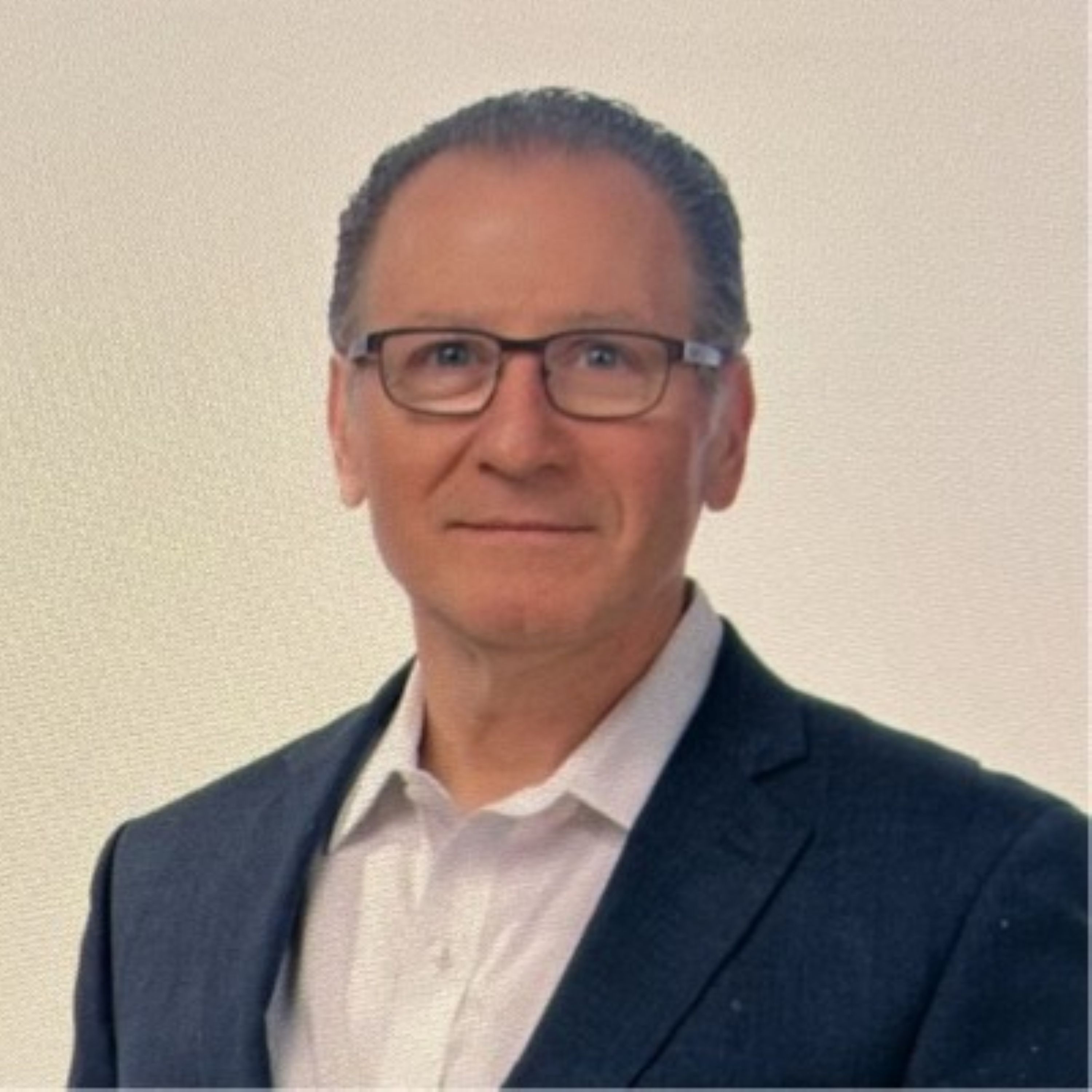
Phil Fracassa (CFO of Magna International) discusses how CFOs drive execution beyond financial analysis—using leadership, consensus-building, capital allocation discipline, and “architect of execution” PMO-style execution. He also covers Magna’s operating/tech direction (automation, connected factories, AI governance and infrastructure), forecasting challenges (vehicle volumes, working capital), and where AI is starting to pay off.
Phil Fracassa spent 30+ years in finance. Early career: PwC audit and tax; then General Motors and Visteon. 20-year tenure at Timken, including roles as head of tax, controller/divisional CFO, and CFO during transformation and portfolio change. Recently joined Magna as CFO (~11 months at recording).
Strategy creates value only when people execute together; CFOs don’t need to be the smartest person—ask the right questions and align teams. AI requires governance and infrastructure; value comes from specific use cases.
Timken 2012–14 separation of Timken Steel from Timken; he led the separation PMO with a ~1-year carve-out. Magna: ~300 facilities, ~140 digitally connected with real-time dashboards; AI agent in payroll/accounts payable (“agent penny”) for service requests. Forecasting lesson: inflation in 2022 caught many flat-footed; earlier triangulation could enable faster corrective action.
Written by AI. May contain mistakes.
Announcement of episode number and introduction of the main topic.
“Hello, this is Alex Chun, CFO of Neogoth, and you are listening to the CFO Thought Leader podcast.”
Phil discusses the importance of leadership beyond technical skills in driving organizational outcomes.
“And probably the lesson I learned through all that, kind of bringing it all together, is that leadership matters as much or more than technical skills.”
Phil shares key experiences from his diverse career that influenced his leadership style.
“So, Phil, as you might know, we always kick off things by asking the CFO leader to look back for us and try to identify where they got the experiences they feel were valuable to their leadership today.”
Discussion on the balance between developing technical skills and leadership abilities.
“I learned that financial results are important, and they are basically the outcome of thousands of decisions that get made in the operations, maybe weeks ago, months ago, even years ago.”
Phil reflects on his long tenure at Timken and the factors that influenced his decisions.
“And frankly, in the jobs I had mainly at PwC and GM and Vistion, I got a chance to work with some of the finest tax people around.”
Phil discusses how his understanding of the CFO role has changed over time and the importance of collaboration.
“And again, we know the opportunities were there and you were being developed, why not?”
Learn the significance of mentorship and personal growth in career paths.
“But as you think back over your career, and again, one would imagine you're advising lots of people are coming to you for advice these days.”
Discover Phil Fracassa's reasons for joining Magna and the company's transformation.
“So after 20 years at Timken, you know, what occurs to us, what made Magna the right next move for you?”
Explore the extensive capabilities of Magna within the automotive industry.
“and I'm wondering how you would explain where the opportunities are today.”
Learn about the importance of capital management and decision-making as a CFO.
“This is a company that emphasizes portfolio management and capital discipline.”
Understand how technology and automation drive efficiency in manufacturing.
“So before the financial results arrive, we're wondering which operating signals give you the clearest read on where the business is perhaps headed.”
Gain insights into Magna's investment strategies and focus on returns.
“So Magna is investing while also reshaping its portfolio.”
Explore how Magna is integrating AI to enhance quality and efficiency.
“And then also where we don't see good opportunities at the present time, if there's excess capital, we're turning it to the shield.”
Learn how Magna International approaches AI governance and implementation.
“One would be governance, making sure we have the right governance around AI use and what we're using AI for and the framework around that.”
Discover the complexities of forecasting vehicle production in the automotive industry.
“You know, with vehicle demand, tariffs, and technology, as we're discussing here, shifting simultaneously, what's become the hardest to forecast with confidence?”
Understand the dynamics and surprises Phil faced transitioning to Magna International.
“And I think over time, we were able to offset the impact of inflation.”
Explore Phil's defining moments that shaped his approach to finance and execution.
“And that was a pleasant surprise, obviously, because as a CFO, you want to come into a strong company and a strong business that you feel you can influence and help kind of moving forward.”
Phil Fracassa discusses his approach to the first 100 days in his CFO role.
“But what I'm curious about is your first 100 days.”
Fracassa shares personal interests and experiences outside of work.
“And that's the, you know, that's, that's kind of what I preach here and what I've always preached, you know, throughout my career.”
Phil outlines his key priorities for the next 12 months at Magna.
“And this is where we're going to ask you to look forward finally.”

Get the gist, explore an idea or ask about something said.
 Claude
On CFO THOUGHT LEADER, what are the key points of this episode?
Searching your listeningAutomatic transcript. May contain errors.
0:00Support for CFO Thought Leader comes from Salesforce. Unify selling and billing for a seamless customer experience. And one stream, trusted data, faster decisions. Hello, this is Alex Chun, CFO of Neogoth, and you are listening to the CFO Thought Leader podcast. This is episode 1206.
0:25Phil Fracassa: And probably the lesson I learned through all that, kind of bringing it all together, is that leadership matters as much or more than technical skills. You know, early in your career, you're developing technical skills and you kind of think, hey, the best analysis usually carries you a day. But then as I move through those roles, I learn that influence, communication, building consensus, bringing people together is really what drives execution and outcomes in the organization. And it's not just about me having the right answer. It's about the group finding the right answer for the company. So that's kind of how, you know, those are just a few examples of sort of how I shaped my own development and what I believe ultimately made me an effective CFO.
1:12Hi, it's Jack. On today's show, we speak with Phil Fricasa, CFO of Magna. Phil Fercasa has learned that a CFO can have the right analysis and still fail to move the business forward. Strategy doesn't create value on paper. It creates value when people across an organization work through competing interests and execute together. That lesson has shaped how Phil thinks about the CFO's expanding role across operations, technology, and capital allocation. But how do finance leaders guide decisions in areas where they may not be the smartest person in the room? As Phil explains, the advantage may not be having every answer.
2:04It may be knowing which questions to ask and how to bring the right people together. Our talk with CFO Phil Fracassa begins after this.
2:20What is a forward finance organization? Finance leaders are under pressure to move faster, adopt AI, and guide decisions across the business. But here's what most people miss. AI doesn't create value on its own. You need the right operating model behind it. That's what Ford Finance is. It's the blueprint for building trusted data with finance and IT actually aligned. And AI working right where decisions are made. OneStream brings this to life. As the AI operating system for modern finance, it's all in one platform. Your financial and operational data in one place with purpose-built AI embedded across planning, close reporting, and analysis.
3:13The result? Faster decisions, less busy work, stronger governance, and more value from AI. Explore the Forward Finance Blueprint at onestream.com slash forward finance. And see how to turn AI ambition into real business value. Visit us at onestream.com slash forward finance. That's onestream.com slash forward finance.
3:51Hello, CFO Phil Fricasa is with us. Phil began his career in audit and tax at PwC before moving inside the automotive world with General Motors and Vistian. Then came a remarkable 20-year chapter at Timken, where he served as CFO through years of transformation and portfolio change. Today, he's back in automotive as CFO of Magna, bringing that long-term perspective to a global business, navigating shifting demand, technology investment, and new approaches to manufacturing. Phil, welcome. Thank you, Jack. It's great to be here. Great to be with you today. So, Phil, as you might know, we always kick off things by asking the CFO leader to look back for us and try to identify where they got the experiences they feel were valuable to their leadership today.
4:46What comes to mind for you?
4:49Phil Fracassa: Well, thanks, Jack. I think it's a great place to start. So I've had a long career so far, over 30 years, and had great experiences, great mentors along the way. But I'd probably point to three experiences and maybe one lesson that probably shaped me the most. The first would be the opportunity to lead both tax and treasury. As you know, I kind of grew up in the tax area. I started in audit and tax, as you mentioned, with PBC, sort of became a tax specialist along the way and ultimately became head of tax at two companies, Bistion, and then that's where I started with Timken. But the opportunity to lead tax and treasury together really taught me to look beyond a functional area and really look across the entire enterprise, see how capital moves, look at interdependencies between not only between tax and treasury, but the rest of the organization, how risk is managed, and ultimately how decisions are made for the betterment of the company as a whole.
5:51Phil Fracassa: That would have been one. Second would have been the opportunity I got to be controller or divisional CFO for an operating business. And that gave me an opportunity to get much closer to customers, much closer to manufacturing facilities, day-to-day operations, deal with fires as they arrive. As you know, every day in the operations, you're always fighting a fire that you didn't expect when you showed up in the morning. And that really taught me a lot. I learned that financial results are important, and they are basically the outcome of thousands of decisions that get made in the operations, maybe weeks ago, months ago, even years ago.
6:30Phil Fracassa: And it's really important for the CFO or the controller to drive good decisions in the business. And then the third would have been moving into strategy and corporate development. and helping to lead a major separation, a business separation, which I'll probably come back to, have more to say about later. But that experience brought strategy, capital markets, operations, organizational design, M &A, and really everything together for me. And it sort of reinforced for me that the CFO's role is not just to evaluate strategy, but to help shape it, help develop it, and most importantly, help execute it.
7:08Phil Fracassa: And probably the lesson I learned through all that, kind of bringing it all together, is that leadership matters as much or more than technical skills. You know, early in your career, you're developing technical skills and you kind of think, hey, the best analysis usually carries you a day. But then as I move through those roles, I learned that influence, communication, building consensus, bringing people together is really what drives execution and outcomes in the organization. And it's not just about me having the right answer. It's about the group finding the right answer for the company. So that's kind of how, you know, those are just a few examples of sort of how I shaped my own development and what I believe ultimately made me an effective CFO.
7:54I wanted to just ask about, go back to those technical skill development years. again tax you you quickly were in the or appears to be anyway you were in the tax lane a specialization that is really valuable that you can distinguish yourself I think more quickly sometimes in the tax lane early on but it could be challenging to jump out of the tax lane and I'm wondering if you ever found it like you had to raise your hand to get you know get those opportunities to move on and broaden yourself?
8:32Phil Fracassa: You know, it's a great question. It's a great question. It's exactly what I had to do. So tax was a great foundation for me. And frankly, in the jobs I had mainly at PwC and GM and Vistion, I got a chance to work with some of the finest tax people around. And I think tax people are some of the most creative, smartest people you could ever work with just in terms of dealing with complex problems and finding solutions. And as I moved up through the field, I thought to myself, I've always wanted to do something a little broader. So I did have to raise my hand. And it was really when I moved from Vistion over to Timken where the CEO at the time, Jim Griffith and Glenn Eisenberg, our CFO, were very open with me that if I came into the company, did a good job, I came in as head of tax, there would be opportunities to expand my horizons.
9:26Phil Fracassa: And it was something that I was very much interested in doing. And I would tell you, Timken and those leaders in particular really kept up there under the bargain and I got the opportunities I sought and I did my best to make the most of them. But I would tell you, I always rely on both the tax background I have. And then I also went to law school earlier in my career. I don't practice law, obviously, but But the law school training, I rely on that almost every day, whether it's communicating, analyzing, reasoning, writing, you name it. But I think tax people generally can get, they can get, I don't know, ignored maybe for lack of a better word because they do a great job in their area.
10:07Phil Fracassa: And I think I would always encourage tax folks that are interested in doing more to raise your hand and say, I'd like to try something else. And it worked for me and I think it could work for others as well. I want to point out the investment of years along the way, because I think it was something close to six years at General Motors. It was another five years at Vistian. I might be getting those reversed. But it seems like you were someone who always made that career investment, of course, and at Timken, a 20-year investment, just something we don't always see. Can you tell us a little bit about why you stayed?
10:44And again, we know the opportunities were there and you were being developed, why not? But today, a lot of people get edgy after so many years. Am I making the right decision? Could I have accelerated differently somewhere else more quickly, perhaps? Don't know. But when you look back on that quite a tenure, what would you share with us?
11:07Phil Fracassa: Yeah, I would say really a couple things. Number one, I feel like I really had four maybe more different jobs that were totally different from one another when I was at Ticket. So it felt like moving every five or six years. But I would say what kept me there was the people, the culture was such that you really felt like we were part of something bigger. And then as CFO, really felt like we had the opportunity to drive significant transformation in the business. And really the combination of the above just sort of kept me there. I'm always one that sort of feels like if you're having fun, you're being challenged, you're developing, saying, hey, why go anywhere else?
11:47Phil Fracassa: And that's really what kept me at Timken for the 20 years I was there. What belief, when it comes to the CFO, what belief about being a CFO maybe changed most during your years at Timken? Yeah, I would say a couple of things. You know, certainly as you come up through the ranks, you're working with the CFO, and I got a chance to work with a phenomenal CFO at Timken, Glenn Eisenberg. and you sort of work in different areas, supporting him, supporting the enterprise. And then when you become CFO, then you really see how broad the rule is, how much the CFO gets pulled into, not just capital allocation, but strategy, technology, investments, board matters, broader company matters.
12:33Phil Fracassa: That would be one just thing. And I think that's only gotten broader as I sat in the rule and even to today at Magna, when you think about technology and all the thoughts and decisions that have to go in behind, you know, AI and digital transformation and the like. I mean, the CFO world just is a much broader role than I think people give it credit for. That would be one. And number two is when you become CFO, probably the one thing I learned very quickly, and then I would probably tell others is, you know, you have to realize very quickly, you don't have to be the smartest person in the room, because you're probably not going to be the smartest person in the room all the time.
13:08Phil Fracassa: The key is to not have the answer. It's really ask the right questions, bring the right people together, sort of facilitate the dialogue, transparent dialogue on the issues. And really, as CFO, guide the team to get to the right answer. And it's really not about whose idea it was or who was right and who was wrong. It's really all about the team getting aligned on the best answer for the company. And so the CFO, you kind of learn Early in your career, it's all about who's the best, who's the smartest, who's the CFO. It's just a much different role to have the optimal effect, I would say. We want to find out about Magna, but before we leave our career segment here, wondering if there's a decision as you look back that you think you might have made differently related to your career, whether it was leaving PWC sooner or later, whether it was jumping into industry differently, I don't know.
14:13But as you think back over your career, and again, one would imagine you're advising lots of people are coming to you for advice these days.
14:21Phil Fracassa: I would tell you, every journey is sort of a series of steps and you take each step independently and you hope you're going in the right direction. It's like you're heading this way. We're heading west. I don't know if we're going to end up in San Diego, San Francisco, Vancouver, but we're going to go in that direction as opportunities come along. We're going to make choices and we'll end up somewhere great, but it's going to be a unique journey. I'd say for me, maybe if I had to do it again, try to move out of tax potentially a little bit earlier than I did. I don't know that I would change a whole heck of a lot beyond that.
15:01Phil Fracassa: I think I was really lucky throughout my career to have really good people that took an interest in me and gave me good advice and helped guide me through the choices I had to make. That might be one. And then the other thing I would tell people, you know, as I talk to younger people is that don't underestimate the importance of mentors. You know, as I said for myself, I was really fortunate that I had people at every step of the way, PwC, GM, Vistion, Timkin, even now at Magna that have taken an interest in me, have given me that informal advice, provided good role models for me, challenged my thinking, expanded my perspective.
15:44Phil Fracassa: And I think that was invaluable to me as you make those difficult decisions through your career, to make them confidently and know that you got people looking out for you. So I would tell, I would tell, you know, younger folks or folks coming up, be very intentional and deliberate about mentors and do that as early in your career, you know, as you possibly can. So after 20 years at Timken, you know, what occurs to us, what made Magna the right next move for you? And again, that's, that's quite a transition for anyone. But what, what, what made this company the right next chapter for you? No, great question.
16:26Phil Fracassa: You know, look, as you said, you know, Timken was an important part of my professional life. I'm proud of what we accomplished there as a team over my 20 years and 11 plus, you know, as CFO. But I had been itching for a new opportunity, you know, for a while. It had to be right, though. It had to have the right scale, the right complexity, the right challenges. And, you know, Magna came along and it was compelling to me because of the company's scale, the company's status within the auto industry, you know, we're the largest automotive supplier based in North America, one of the top, you know, three or four in the world.
17:05Phil Fracassa: So scale, global reach, engineering and manufacturing, expertise and capabilities, and the importance. And when I really came in and started talking to some of the leaders during the recruiting process, appreciating the transformation taking place under the leadership of our CEO, Swami Kodagiri, really resonated with me. It was a transformation based on driving operational excellence across the enterprise, leveraging technology for a digital transformation, and really being part of a broader transformation within the auto industry. So it offered me an opportunity to leverage the skills I already had at a company with significantly larger scale.
17:49Phil Fracassa: And it's been a great, I've been here almost a year. It's been about 11 months so far. I'm part of a great team. and really happy about the move I made and really excited about the opportunities that lie ahead. Now, Magna touches many parts of a vehicle, and I'm wondering how you would explain where the opportunities are today. How would you explain the business and where the opportunities are? As I mentioned, Magna is one of the largest automotive suppliers in the world, but it's not the size of all. It's really the breadth of capabilities that we have across virtually every part of the vehicle.
18:33Phil Fracassa: When you think of our capabilities, they span, we have four segments, body, exteriors, and structures, which would be the structure and exterior of the vehicle. We have power and vision, which includes powertrain systems, drive systems, e-drives, hybrids. Also, vision systems, whether that's autonomous driving systems, mirrors, mechatronics. We've also got seating systems in the portfolio, as well as complete vehicle capabilities, both engineering and assembly. And we assemble full vehicles for customers, including Mercedes and even some Chinese OEMs in our facility in Graz, Austria. So broad capabilities, I think, is really what sets Magna apart, and it's the ability to design, engineer systems, integrate those systems, and then manufacture them reliably, with quality, and with the cost competitiveness that our customers demand.
19:29Phil Fracassa: So as we sit here today, the industry is changing. We've got the industry is electrifying and it's electrifying faster in some parts of the world, slower in other parts of the world. It's electrifying very fast in places like China. It's electrifying, I would say, at a reasonable pace in Europe. A little slower in North America, but, you know, man-based technologies are, we like to say the vast majority of our portfolio is agnostic to the propulsion system, whether it's an ICE vehicle, a hybrid, an electric vehicle. You know, the product portfolio really goes across all different types of systems.
20:08Phil Fracassa: So for us, it's really keeping pace with our customers as the industry electrifies, kind of move with it, and just make sure that we continue to stay relevant in terms of innovation, application engineering, and then, you know, relentless pursuit of quality and on-time delivery in the like. This is a company that emphasizes portfolio management and capital discipline. As a CFO, where are you, as a new CFO, relatively new, where are you challenging the existing assumptions as you come in? Well, I'll tell you, Magnus Capital Journey has been really unique and I would say very effective over the years.
20:55Phil Fracassa: We've essentially built the business. Magnus has been around approaching 70 years now. And we've built the business largely through reinvesting cash that we've generated by the operations. Our revenue last year was$42 billion. If you go back 20 years, it was probably half that. You go back 25 years, it was probably a third of that. So the company's grown very rapidly through making good decisions with capital. So as CFO coming into this company, it was less about blowing it up. But to your point, Jack, it was really about challenging, making sure we're making the right decisions. Our guiding principles really start with the company wants to maintain a strong balance sheet.
21:37Phil Fracassa: And that's important so we can weather economic shocks that occur in the industry because they always occur from time to time. So make sure we stay strong enough financially to continue to advance our strategy in good times and in more challenging times. That's one. Second is, first and foremost, investing in business to drive profitable growth, drive margin expansion. And as I mentioned earlier, those decisions get made years in advance. And we are launching programs today that we would have quoted three, maybe even four years ago. So you quote a program, you do the engineering, you do the development, and you launch it.
22:14Phil Fracassa: And boy, the assumptions you made at the time can come back to haunt you if they weren't right. So it's really making sure you're thinking about the right things when you're quoting a program, you're staying close to the customer through the development, and then making sure you're launching it effectively. So getting more engaged in that part of the business would be one. And then secondly, with excess cash flow and liquidity, we do like to reward our shareholders through dividends. We've paid an increasing dividend. We've raised the dividend 16 straight years, and we want to certainly keep that going.
22:46Phil Fracassa: And then more recently, returning capital to shareholders through share buybacks. And Magna's got a long history of capital return. And I would say as CFO, my challenge is to work with the leadership team to make sure we're striking the right balance of investing in the core business for growth, and then And also where we have excess liquidity, making sure we return that capital to our shareholders so they can do what they want with it, if you will. So for me, it was less about blowing it up or re-engineering it as much as diving in, understanding it, and then asking the right questions and trying to help drive the right outcomes.
23:25So before the financial results arrive, we're wondering which operating signals give you the clearest read on where the business is perhaps headed.
23:42Phil Fracassa: yeah you know i'll tell you that that's an area we've been working a lot on particularly with technology and you know more recently with with ai is to really try and find those leading indicators in the business that can help us you know maybe see a problem before it fully manifests itself to really get clearer line of sight to what's happening in the you know what's happening in the business real time. And I would tell you right now, it's a lot of dialogue with our business units. We have four segments, as I mentioned. We have several groups below that. We have seven groups underneath those four segments.
24:18Phil Fracassa: So getting real-time information from our groups in terms of what they're seeing, what they're hearing from our customers, and then looking at external data as well. And then trying to triangulate all that to really get a sense for what's happening maybe one quarter out, two quarters out, one year out. And I would tell you with technology, we've made a lot of investments. Part of our operational excellence journey has involved factory automation. And we have worked to employ automation in our factory, whether that's traditional industrial robots, more recently, cobots, automated material handling equipment and even connected factories.
24:57Phil Fracassa: So today we have a total of about 300 facilities across Magna globally, and we're getting close to half of those now. It's probably close to half, just under half of those, maybe 140, are digitally connected where we can real-time see dashboards as to how the plant's performing, equipment efficiency, which really gives us better line of site to problems that may happen in the plant maybe before they occur. And all that incrementally makes us more efficient. And that in turn drives higher margin, better quality, and ultimately a better product. So Magna is investing while also reshaping its portfolio.
25:43we wonder how you decide where another dollar of capital can create the most value at a given time
25:53Phil Fracassa: well it's a you know it's a great question i think at magna it's it's it's extremely important because we've got a broad portfolio and we're very much returns focused so we look at as we have opportunities to invest capital whether in one segment or another segment or or you know even in occasionally an acquisition opportunity that maybe comes along, it's very much returns based in terms of, you know, what's the return on the capital we're going to invest? What's the risk associated with that investment? How well do we understand the assumptions? What do we have to believe for those assumptions to be true?
26:27Phil Fracassa: But it comes back to very much return focus. And then ultimately, I always like to use the phrase, what makes the package better? You know, If we're going to make an investment, it's got to stand on its own two legs from a return standpoint. And I always have a bias for what has the potential to actually have broader application within Magda, make the company better, make the business better, or as I like to say, we'll make the package better. But very much returns. And right now, I would tell you we're investing where we need to invest, whether that's R &D, CapEx, as I said, an occasional bolt-on acquisition here or there.
27:06Phil Fracassa: We like the portfolio that we have. We feel like we can compete and win anywhere in the world across the portfolio. And I think our performance and our leadership position speaks for itself. But our ability to generate, to expand margins in the future, to grow in the future, are really going to be dependent upon making good decisions, return-based decisions on incremental investments. And then also where we don't see good opportunities at the present time, if there's excess capital, we're turning it to the shield. So, you know, that's the key from my perspective. In our discussions with finance leaders just related to AI that you mentioned earlier, it's interesting how they're debating with their team whether the value of a given AI related initiative is real or not.
27:56And I think you mentioned Magna's already using AI and quality and maintenance, some of its factory operations. we're wondering where you're seeing the strongest economic payoff if if you're able to really identify it as yet yeah no it's a great question i think and i think you hit the nail on the head jack i mean i think it's early days and i think for companies it's really figuring out
28:23Phil Fracassa: um how it fits in where to lean in with ai and and maybe where to be more of a fast follower I would say at Magnet, from an enterprise standpoint, we're approaching it really across three guiding principles, if you will. One would be governance, making sure we have the right governance around AI use and what we're using AI for and the framework around that. Second would be the infrastructure, making sure we put the infrastructure in place that we can kind of build it once and then use it multiple times across the enterprise. So be really efficient about layering in that infrastructure. And then third, being very thoughtful about identifying those use cases, whether it's a generative AI or agentic AI, really finding those use cases where we can see clear opportunity to drive efficiency or drive improvement in the enterprise.
29:17Phil Fracassa: And, you know, it's early days. And I think the other foundational element we're doing is, as I said, around infrastructure is making sure people have training and getting training on even something as simple as Copilot or, you know, Claude or TITPT, getting training on how best to use it, how best to prompt it, and then really look for use cases beyond it. But I would tell you, in finance, we've got a few use cases underway. There's one in particular we're using in the payroll and accounts payable area that it's an agent that's really helping us queue up help requests and service requests to kind of be a little bit more efficient in responses on service requests as it relates to payroll matters or certain accounts payable matters.
30:02Phil Fracassa: And I think that's working pretty well. You know, we call that agent penny, if you will. But beyond that, I think we're in early days, but see lots of opportunities to take it further as we go. I always like to just touch on forecasting with you. You know, with vehicle demand, tariffs, and technology, as we're discussing here, shifting simultaneously, what's become the hardest to forecast with confidence? Yeah, it's always been a challenge to forecast vehicle volumes. When you think about what drives our business, it's light vehicle production. We're mainly in the light vehicle part of the market, huge market.
30:50Phil Fracassa: You think light vehicle production, 15-ish million units in North America, 17-ish in Europe, and then now it's over 30 million units a year in China. And those are our three biggest markets, if you will. You know, we look at forecasts for vehicle production, but it's usually high-level forecasts and then really understanding, you know, peel the onion back, which platforms are doing better than others, which ones are driving the volume either up or down, you know, quarter to quarter, year to year. So really getting as good a line of sight into volume or industry production forecast is probably the biggest one.
31:29Phil Fracassa: And, you know, controlling the other part of our forecast in terms of controlling what we can control, we're actually quite good at forecasting continuous improvement benefits, cost savings initiatives, you know, operational excellence and other things. But I would say vehicle production and then always it's always challenging to forecast things like working capital. And your earlier question about AI, we certainly see a lot of potential for AI to really help us triangulate different sources to get as good a line of sight into predictability, whether it's volumes or other economic factors, as early as possible.
32:11So we can take corrective action as needed and then refine our estimates as well. I'm wondering what the uncertainty, that triangulation, that predictive capability, what information would make that uncertainty easier to manage? And I guess I'm wondering what visibility you're trying to create.
32:37Phil Fracassa: Yeah, I would say it's everything, trying to get everything we get today, but trying to get it, you know, earlier, earlier and better. Because the earlier we get it, the quicker we can take action to, whether it's good or bad, if it's good, we may need to ramp up quicker or take steps to meet higher demand than we anticipated. If it's negative, it really enables us to kind of run the playbook around mitigating the impact of, say, lower demand or higher inflation. But, you know, for example, I think everybody got caught by it. You know, back in 2022-ish timeframe coming out of COVID, you know, everybody, both in industrial, everybody got hit with inflation we had never seen in probably the better part of 15 plus years.
33:23Phil Fracassa: and the inflation came very, very quickly. And I would say most industrial companies were caught a little flat-footed, had to scramble to get recoveries, get pricing from our customers, get other recoveries from customers, work with pushback on suppliers to try to manage the inflation impact as best as we could. And I think that would have been one where looking back and we had the tools we had today may have enabled us to predict that a little bit earlier. And had we been able to do that, I think we would have responded and reacted a little bit quicker. And I think over time, we were able to offset the impact of inflation.
34:01Phil Fracassa: Others have been able to do it as well. But I do think that's an area where going forward, if you have the ability to look across multiple data sources, internal, external, and then really try and create those all-important insights to help you kind of see things sooner and make decisions faster, I would say. Just wanted to just have you reflect a little more again. Having had that long tenure, you have this really unique point of comparison now, opening this new. And what I would imagine is some ways this is an exciting chapter for you. You spent two decades again at Timken and were wondering, what did you initially assume about Magna's economics that maybe changed once you got inside?
34:48It surprised you.
34:49Phil Fracassa: You know, I would say not so, you know, very little on the economics. I think, you know, from my earlier days at GM and Vistion, I had a really good sense for the industry. And then, you know, Timken, while it's a more diverse industrial company, did have an automotive business within it. So I had a little bit, maintained a little bit of exposure to automotive. So I would say I kind of understood the economics fairly well. Obviously, the competitive dynamics were interesting to come in to really see what's happening in North America, what's happening in Europe, what's happening in China. So China is a really important market.
35:23Phil Fracassa: For Magna, we've grown nicely there. It's probably approaching north of 5 billion, probably approaching 6, 7 billion of our revenue today, certainly including our JVs. It would be 7 billion. So looking at the strategy of how do we maintain our strong position in North America in Europe, continue to grow with our big customers there, continue to add content, continue to win new platforms, and then also drive growth over market in China because that's where a lot of the growth has been. And now we're starting to see the Chinese OEMs move into Europe. And as they move into Europe, they need support from global suppliers like Magda and making sure we're ready to support it.
36:06Phil Fracassa: So I would say the dynamics, getting a better appreciation for the dynamics of the industry would be number one. Certainly the EV ICE transition or ICE EV transition was another one that was interesting to learn. I would say the last one, I didn't, well, I knew a lot about Magna. When I was at this GM, Magna would have been a competitor. When I was at GM, Magna would have been a supplier. When I was at Timken, Magna was a customer, believe it or not. But what I didn't appreciate as well was the breadth and the capabilities of Magna until I got in the door in terms of across virtually every part of the vehicle, deep engineering expertise, deep system capabilities, a lot of first-to-market innovations across the company.
36:52Phil Fracassa: And that was a pleasant surprise, obviously, because as a CFO, you want to come into a strong company and a strong business that you feel you can influence and help kind of moving forward. Well, great insights throughout there. So thank you for those, Phil. we are up to what we like to refer to as our finance strategic moment question. And again, this might have happened any time during the course of your career. We're just looking for you to identify one moment of strategic insight along the way, perhaps a little more than that. But what comes to mind when we ask for a finance strategic moment?
37:29Phil Fracassa: Yeah, so I probably have to look back at my time. Again, I was there for 20 years, so it's not surprising would be my time at Tenkin. But it occurred, probably the defining moment in terms of preparing me for CFO would have occurred around 2012, 13, 14 timeframe. It had to do with the separation of Tinkin steel from the Tinkin company. And so at the time, Tinkin had a bearing business, an engineering bearing business and a steel business. And at that time, I was part of the finance leadership team and became heavily involved supporting our board, supporting our C-suite in responding to some pressure from an activist investor.
38:09Phil Fracassa: You know, the discussion really centered around could we create more shareholder value by splitting these businesses up and creating two independent public companies? So what made the situation really interesting to me was it was more than just a financial modeling exercise. You know, the board had to evaluate competing views on strategy, stakeholder impact, operational performance, capital allocation, you know, risk, and long-term shareholder value. And, you know, my role at the time was to really help the board with that analysis, work with our advisors, make sure they had the best information with which to make a decision and kind of evaluate the alternatives.
38:49Phil Fracassa: And ultimately, after a lot of analysis and a lot of deliberation, the board decided to separate the steel business from the Timken company as the best opportunity for both businesses long term from a shareholder value standpoint. And the real turning point for me was after that decision was made, I was appointed to lead the PMO, the project management office, and drive the separation. And we had just under a year to carve out a company that was part of Temkin for 85 years, stand it up, staff it, capitalize it, unwind entanglement, and get it ready to succeed as a separate standalone company. And that involved in virtually involving every part of the enterprise.
39:34Phil Fracassa: It was carving out systems. It was establishing standalone processes, developing public company protocols, building organizational capabilities. I mean, you name it. So we had to involve legal, HR, IT, operations, finance, treasury, tax, just about every function you could think of working together to make this thing happen. And I had kind of a unique role because I knew at the time that I would be CFO of Timken following the spin. But as head of the PMO, I had to be impartial. And my task from the board was to set both companies up for success and be independent, be fair, be impartial. So I had to make decisions that were in the best interest of both companies, not just one.
40:20Phil Fracassa: And that was challenging in its own right. But the lasting lesson I learned from there was strategy really lies in the execution. You can have great ideas, you can have great thoughts and whatnot, but until you get the team together, work through the issues and execute, that's where real value is created and that's where strategy lies. So that experience had a profound impact on me personally and professionally. and right after, as I said, right after, as the spin was winding down, I was named CFO of Tempton and then kind of went on from there. But as I look back of all the great experiences I've had, all the great projects I've worked on, that was one that sort of brought everything together for me and really taught me that finance and CFOs are most powerful when they move beyond the numbers and really become an architect of execution down in the business.
41:21Phil Fracassa: So that's the one I would probably call out, yeah.
41:27As finance leaders know, revenue operations is no longer just a sales conversation, especially when the quote, contract, and invoice somehow tell three different stories. Agent Force Revenue Management brings pricing, quoting, contracting, and billing together on one agentic revenue platform with a single source of commercial truth, proven workflows, and built-in governance. It gives people and AI agents the context to make smarter deals across every channel. The result? Finance spends less time playing revenue detective, and what your business sells is exactly what it invoices. Learn more about Agent Force Revenue Management at salesforce.com slash CFO.
42:22That's salesforce.com slash CFO.
42:30But what I'm curious about is your first 100 days. Did you reach for a book? I mean, it's funny because there is a book. the first 100 days, the first 90 days, what have you, in a new C-suite position, and just how you prepared for what was quite a transition for you overall?
42:50Phil Fracassa: Yeah, you know, I would tell you, I certainly consulted a lot of different sources just to, as I was coming in, increase my understanding of the industry and really kind of, you know, bone up, if you will, on industry dynamics, industry developments. But, you know, but as far as the job itself, you know, having having been a sitting CFO, having kind of grown in the job, kind of had an idea coming in of how to approach it. I would tell you, I was very clear coming in day one, the first 90 days, 100 days was really all about listening, learning, understanding the business, understanding the dynamics inside the company, outside the company, and then looking for opportunities to lean in and drive change, influence change within the company.
43:39Phil Fracassa: So I would tell you, I consulted a lot of sources, but I think any CFO should always approach the job from the standpoint of capital allocation. I just happened to be reading a book about capital allocation at the time, and it came in particularly handy. And one of my favorite books is The Outsiders by William Thorndike, which kind of looks at eight companies, eight CEOs, and kind of walks through their journeys and really drives home the point that super CEOs are super capital allocators. And it all comes back to every company generates cash, or most companies generate cash, and Madden generates a lot of cash.
44:21Phil Fracassa: And what really separates the good companies from the great companies is the decisions they make around the cash they generate and can make create that virtuous cycle of invest for returns, generate more cash, invest for returns, generate more cash. And that's the, you know, that's, that's kind of what I preach here and what I've always preached, you know, throughout my career. Thank you for that. So we always like to ask our guests to reflect a little on the personal side. You've been there 11 months, so there must be many things your colleagues still don't know about you, but is there anything you can share from your past, a personal interest that you have, a milestone of kind of any kind that might not generally be known?
45:07Phil Fracassa: You know, I don't know. I mean, I'm not the, I wouldn't say I'm the most exciting guy, but I would tell you, I'd love to spend time with my, spend time with my family and love to travel and hit some sporting events. And we really enjoyed the World Cup during July. We had a chance to go to a couple of World Cup games. Really enjoyed that experience. And so I would say when I'm not working, I always like to spend as much time as I can with my family. We love to travel. We love to do Broadway shows and the like and try to find as much time for that as I can. Very nice. We are up to our final question.
45:44And this is where we're going to ask you to look forward finally. we want to know about your priorities for the coming 12 months SDFO of Magna what would those be
45:56Phil Fracassa: yeah I mean I would tell you you know quite simply just really partnering with Swami and the leadership team to you know drive the strategy continue driving down that strategic journey which is really around long-term shareholder value looking for ways to invest anticipating changes in the marketplace we've got a lot of uncertainty we're dealing with at Magna, whether it's geopolitical uncertainty, whether it's tariff and trade uncertainty that we're still really need to see how it plays out, but really focus on navigating what we can't control, but really deriving what we can't control. You know, the operational excellence initiatives across the company, the margin expansion initiatives were looking to drive and then continue to generate strong cash flow, and then put a lot of discipline around, as I said before, what we do with that cash.
46:49Phil Fracassa: It's really been the hit our targets. We just came off a very strong second quarter where sales were up 3 % to$11 billion. We expanded margins in the quarter year over year and then actually generated record earnings per share of$1.86. That was a second quarter record for madness. So along with really strong free cash flow. So keep that going. We have an investor day coming up on November 11th in New York City. And we're looking forward to the opportunity to kind of outline our strategic priorities and kind of provide a framework for what we think the company is going to be able to do over the next, you know, three to five years.
47:28Phil Fracassa: And I would say gearing up for that. And then as normal, getting ready for business planning for 2027. Phil for gossip. Thank you for joining us on CFO Thought Leader. Thanks, Jack. Great to be with you. Really appreciate it.
47:55Hello, we're benchmarking the CFO path. Join 500 finance leaders helping define how today's CFOs rise and lead. If you're a CFO or senior finance executive, contribute your experience. It takes just a few minutes and you'll receive early access to the findings. Visit cfothoughtleader.com slash benchmarking.
At Timken, it was generally known that Phil Fracassa knew he would become CFO after the company separated its steel business. But first, he tells us, the board gave him a different assignment: lead the project management office and set both resulting companies up for success.
The separation followed pressure from an activist investor and extensive board consideration of strategy, stakeholder impact, operating performance, capital allocation, risk, and long-term shareholder value, according to Fracassa. Once the decision was made, his team had just under a year to carve out a business that had been part of Timken for 85 years.
That meant standing up and staffing a company, capitalizing it, unwinding entanglements, separating systems, establishing processes, and developing public-company protocols. Fracassa tells us the work reached virtually every function, including legal, HR, IT, operations, finance, treasury, and tax.
His own position carried a particular tension. Although Fracassa knew where he would land after the spin, he says he had to remain “independent, fair, impartial.” His decisions had to serve both companies—not just the one where he would soon hold the CFO title.
According to Fracassa, the experience brought together the disciplines he had accumulated across his career. It also left him with a durable conviction: “Strategy really lies in the execution.”
Great ideas and thoughtful analysis were not enough, he tells us. Value emerged only when people came together, worked through the issues, and executed. For Fracassa, that is where finance becomes most powerful: beyond the numbers, serving as “an architect of execution” inside the business.


