
 Ask ChatGPT


 Consider This from NPR
11 Oct 2026 · 7m · 4 chapters
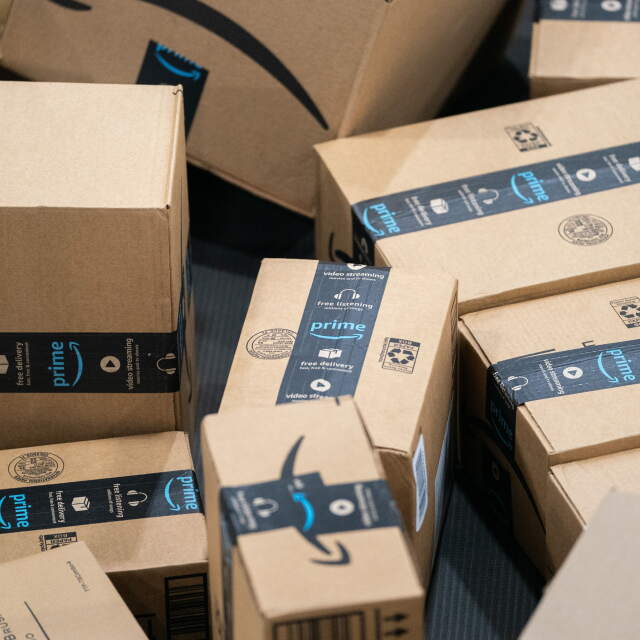
How companies use personal data to personalize what products and prices you see, raising “surveillance pricing” concerns.
Lindsay Owens, president and CEO of Groundwork Collaborative and author of Gouged: The End of a Fair Price and What That Means for Your Wallet. She studies how companies use customer data.
Amazon’s “About You” feature reveals insights it builds from browsing, purchase history, and Alexa conversations; Owens argues this can help companies charge different prices based on willingness to pay. She calls this personalized pricing “surveillance pricing,” potentially leading to overcharging and reduced competition.
Expedia charging more by neighborhood wealth; Target raising app prices as shoppers approach; Walmart patents to change mayonnaise prices based on tuna in a cart; in-app and smart-cart shopping enabling more tracking.
Written by AI. May contain mistakes.
Discussion on Amazon's About You feature and consumer data collection.
“Support for NPR and the following message come from Washington Wise.”
Discussion on Amazon's About You feature and consumer data collection.
“Lindsay Owens has made a career of studying the way companies utilize the data they collect on their customers.”
Exploration of surveillance pricing and its implications for consumers.
“This kind of profile building is not uncommon, right?”
Concerns regarding the impact of evolving pricing strategies on fairness.
“It's being built, and it's not just online anymore, as increasingly folks purchase items in-app, use scan-and-go technologies, or even use smart carts in grocery stores.”

Get the gist, explore an idea or ask about something said.
 Claude
On Consider This from NPR, what are the key points of this episode?
Searching your listeningAutomatic transcript. May contain errors.
0:00It's Consider This, where every day we go deep on one big news story. You can learn a lot about someone from how they spend their money. Amazon, for example, keeps close tabs on the spending habits of its customers. And now the company is sharing what they think they know. There's a new feature called About You, where shoppers can find a long list of insights that the company has developed based on your browsing habits, purchase history, and even conversations with Alexa. And it can get personal. Amazon knew extensive information about my children, my home life, even my eating habits. And they did too for Lindsay Owens.
0:37Yeah, they've definitely got my number in some respects. They know I live in Washington, D.C., which is true. They have a surprising amount of information about my son. Here it says I have a preschooler who is around three years old. My son turned three in August, so that's pretty close. Owens is the president and CEO of the non-profit economic think tank Groundwork Collaborative. She says it's not just Amazon. Lots of companies are collecting data on you. The concern, of course, is how this data can be turned against you. Consider this. How are companies using our personal data to transform the products and price tags we see?
1:26From NPR, I'm Joel Rose. Stay tuned for the following announcements and messages from our sponsors. Support for NPR and the following message come from Washington Wise. Washington Wise from Charles Schwab takes a nonpartisan look at policy developments and how they may affect the market and investing. Listen at schwab.com slash Washington Wise. This message comes from NPR sponsor A24 presenting You Can See Everything. 34 days before she's set to begin her prison sentence, Theranos founder Elizabeth Holmes invites Nathan Fielder and a camera crew to move in with her family and document their every move.
2:05This jaw-dropping, once-in-a-generation theatrical event demands to be seen on the big screen. You can see everything in theaters October 16th. This message comes from Betterment. Dan Egan, VP of Behavioral Finance and Investing, explains why Betterment was designed to take the time-consuming work out of smart investing. I was doing all of these things that were pretty straightforward to implement. I just needed to spend my time doing them. Betterment automates the same practices so that I know I'm doing portfolio management and goal-based planning without me having to spend hours of my life doing it.
2:39Learn more at Betterment.com. Investing involves risk. Performance not guaranteed.
2:50It's Consider This from NPR. I'm Joel Rose. Lindsay Owens has made a career of studying the way companies utilize the data they collect on their customers. What's interesting in the case of Amazon is that the company is actually pulling back the curtain on what they've learned about you. I asked Owens why she thinks they would do this. Yeah, look, companies these days can collect a really incredible amount of information about you as a consumer. Some of this is good news for consumers at points. You can get better product recommendations. But the concern, of course, is whether or not this data can lead to more personalized pricing where you might get charged more than me for the same item because you have a history of buying it in the past.
3:40Do we have any idea why Amazon would be choosing to make this information available for us to see for ourselves? Like, why share it with us? Yeah, it's an interesting question. You do have the ability to make changes. If you click on one of your categories, you know, it says, if something doesn't look right, share some feedback to help us make corrections or updates. So I think really what they're looking for is, in part, your participation in improving their algorithm and in ultimately getting you to spend more of your money on the Amazon website. They're putting us to work, in other words, to make their algorithm better?
4:22Absolutely. Not just using and selling our data, but also making sure we're in on it as well. This kind of profile building is not uncommon, right? I mean, your work has focused on one reason that this data is collected, which is called surveillance pricing. Explain what that means. Yeah, surveillance pricing is a colloquial term for something that economists call personalized pricing, which is a way of setting pricing based on your individual willingness to pay. I think for most Americans, it's pretty horrifying because it really sits at the intersection of two things we hate, being spied on and being ripped off or overcharged.
5:07Companies are increasingly collecting vast data on you to better assess how much they can charge you. When will they need to push you a discount or offer you a better price to get you to finish the purchase? When can they not bother with the discount because they know you'll pay full freight? Or maybe they know you're desperate to buy it. They know I've got a three-year-old. If I'm searching for children's Tylenol, I've probably got a sick three-year-old. They know that I might be willing to pay top dollar to get that fever broken. So increasingly, this corporate surveillance state is not just a privacy concern.
5:46It's also a pocketbook concern. How widespread do you think this kind of surveillance pricing is? I mean, you've given a couple of examples, but are they still isolated? Or do you think this is becoming really common? Yeah, it's a little tough to know because companies obviously take great pains to keep a lot of this from us, which is in part what makes Amazon's About Me page so unusual. But we've seen examples of Expedia charging customers more for a hotel room in New York if they were logging on from a wealthier area. We've seen examples of Target increasing prices in the app as they know you approach the store and are likely to go in and make the final purchase.
6:28We know through our analysis of Walmart's patents that they have built the technology and patented the technology to change the price of mayonnaise once they know you have tuna in your cart. They have said that they're not planning to deploy that patent, but clearly the technology is there. It's being built, and it's not just online anymore, as increasingly folks purchase items in-app, use scan-and-go technologies, or even use smart carts in grocery stores. What are you most concerned about when you see all of this technology around the shopping experience? Where do you think we're headed? I'm most concerned about the extinction of a fair price in this country.
7:14For 150 years, we've had a price tag. We moved past a period of haggling where different people were charged different amounts for the same item, and we got a standard posted price. It heralded in a period in our economy where we had a little predictability in shopping, where we had transparency, which facilitated comparison shopping, the key mechanism that keeps pricing competitive. And I worry that the changes that companies are making to pricing is going to erode competition and make us all poorer to boot. I've been speaking to Lindsay Owens. She is the president and CEO of Groundwork Collaborative and the author of Gouged, The End of a Fair Price and What That Means for Your Wallet.
8:00Thank you so much for joining us. Thanks for having me. This episode was produced by Michelle Aslam with audio engineering by Damian Herring. Our director is Mark Rivers. It was edited by Michael Levitt. And our interim executive producer is Courtney Dorney.
8:18It's Consider This from NPR. I'm Joel Rose. Stay tuned for the following announcements and messages from our sponsors. Support for NPR and the following message come from Washington Wise. Policy decisions in Washington can influence markets and your portfolio. But which developments matter most? Listen to Washington Wise, an original podcast from Charles Schwab. Host Mike Townsend, Charles Schwab's Managing Director for Legislative and Regulatory Affairs, takes a nonpartisan look at the latest news from Washington and how it may affect the economy and investing. Download the latest episode and follow at schwab.com slash Washington Wise or wherever you listen.


