
 Consider This from NPR
19 Oct 2026 · 7m

 Add vo to ChatGPT or Claude to ask about everything you hear
vo listened to this episode to put together the overview and transcript, so there may be the odd mistake.
How the violent riots in France—sparked by protests over school staffing/resources, cost of living, and inequality—could reshape French politics and upcoming elections, especially benefiting the far right.
Dominique Moisy, political scientist and senior advisor at the think tank Institut Montaigne, based in Paris.
The unrest escalated because some participants weren’t there to demonstrate but to attack the republic and loot, while police measures were inefficient. Macron’s response was “totally inadequate,” with mixed messaging (dialogue with protesters, law-and-order for rioters) and an immediate trip abroad. The risk of Marine Le Pen winning the presidency is “very real” though not inevitable.
Molotov cocktails on Moisy’s street; Limoges city hall collapsing after being set on fire; over 2,000 arrests; curfews proposed; far-right attacks on the administration.
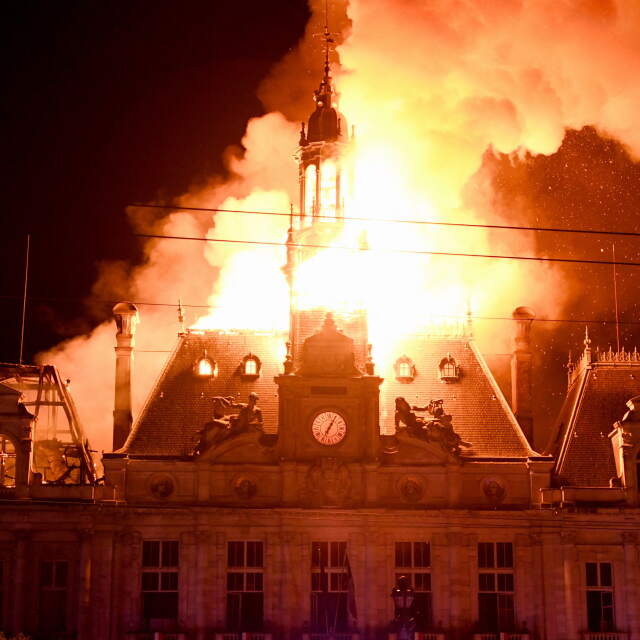
0:00It's Consider This, where every day we go deep on one big news story. Today, understanding the devastating riots in France. For weeks, people there have been protesting over the cost of living and school conditions, but this weekend, many protests turned violent. Footage shows people breaking into stores, destroying property. In some cities, the unrest left behind a trail of burnt buildings and storefronts. More than 2 ,000 people were arrested across the country, according to France's interior ministry. And in the city of Limoges, the centuries-old city hall collapsed after being set on fire.
0:38In a Sunday night address, French President Emmanuel Macron lambasted the violence.
0:47Those who sought to bring down the republic, he said, will be held accountable. On Monday, France's prime minister called for a limited curfew to help calm the rioting, but that hasn't stopped the French far-right from attacking the current administration.
1:06Jordan Bardella, head of the right-wing National Rally Party, called for President Macron to apologize and resign. Consider this. France is experiencing some of its most violent protests in decades, and the country's far-right is seizing the moment to make a case for their politics.
1:35From NPR, I'm Scott Detrow. Stay tuned for the following announcements and messages from our sponsors. This podcast is supported by Carvana, who would like to share the idea that buying your next car can be as easy as ordering anything else online. Browse, finance, and buy, all on Carvana.com. This message comes from Prolon. Want to look and feel your best this fall? Prolon's five-day fasting mimicking diet is a clinically developed nutrition program with the goal of promoting fat loss while protecting lean body mass. Developed at USC's Longevity Institute, it aims to assist the body in entering a fasting-like state that helps reset metabolism, target visceral fat, and support healthy metabolic markers.
2:17Get 15 % off plus a bonus gift when you subscribe at prolonlife.com slash NPR. This message comes from NPR sponsor, Linda Mood Bell. Lance was bright, but he struggled to read words. Michelle was the opposite. She could read words easily, but struggled to understand what she read. Like so many students, they struggled not only with learning, but with self-confidence. Personalized one-to-one instruction at Linda Mood Bell Learning Centers changed that. Today, they read with confidence, and they understand what they read. Instruction is available online or in person. Learn more at lindamoodbell.com slash NPR.
3:01It's Consider This from NPR. Clashes with police, looting of businesses, vandalism, and the burning of a 19th century bell tower in Town Hall. These were the striking images from this weekend's protests in France, with more than 500 ,000 people taking to streets across the country. What began as a single strike by high school students and teachers in a Parisian suburb, demanding more staff and resources, has ballooned into nationwide protests and in many cases destructive riots over the education system, a growing wealth divide, and the rising cost of living. Dominique Moisy is a political scientist and senior advisor at the think tank Institut Montaigne and joins us now.
3:44Thank you for having me. You're in Paris right now. What was it like this weekend? Well, I went out. I live in a bourgeois neighborhood, and it was scary. I had a friend home for dinner. I wanted to accompany him to the metro, and I came into a street that was abandoned to rioters. police was not there for the first time in my life i felt deeply insecure in my own city the state had simply disappeared security was not around what i saw were people piling cocktail Molotov and other instrument of disorder in my very own street. I mentioned in the introduction how quickly this escalated from an isolated protest to these widespread protests and riots.
4:50Why do you think it was so combustive? Why do you think this movement caught on the way it did? Well, I think the encounter between the violence of those who were there not to demonstrate, but to break the republic or to benefit from the shops they would steal from, and the inefficiency at the end of the measures taken by the police. And so that's a real major problem, especially for a country like France, so proud of its security measures. I want to talk in a moment about what this means for the coming elections and the rise of the far right in France. But first, I want to get your take on the government's response.
5:44You know, curfews are going to be imposed at this point. But at the same time, President Macron, who's had a really tumultuous time in office and is in his final years, has said that the protesters have some points. What do you make of his response to this and the government's response to this? Well, in the case of the president, totally inadequate response. He said to the demonstrators, I understand you. We will speak with each other. There will be a renewed dialogue. and he said to the rioters, well, the law and order will prevail. And then he proceeds by saying, well, I'm flying off to the Gulf countries right after my speech.
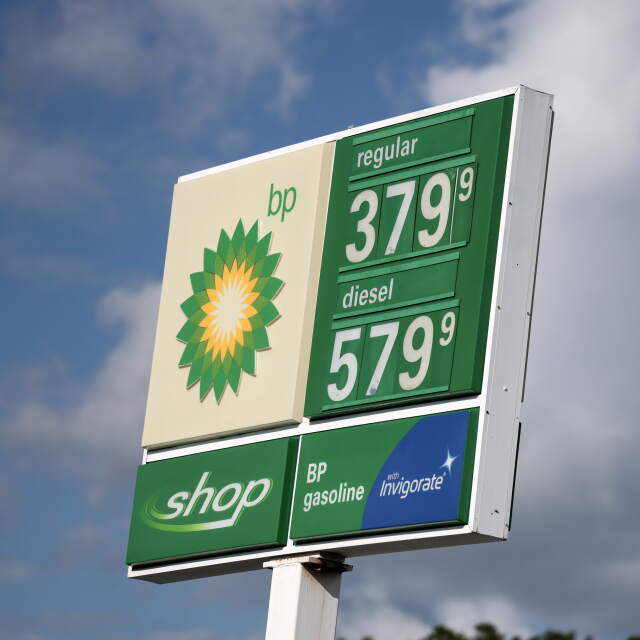
6:31I have to make sure that you don't pay your gas, your oil, your diesel with too high a price. So as if the president had not seized the impact of this violence on French citizens, totally inadequate answer. Do you think this violence and the government's response is going to put Marine Le Pen into office? Well, there are some people who are saying that if presidential elections were going to take place next Sunday, Marine Le Pen would be elected in the first round of these elections. Elections are in six months. Many things can happen between today and then. But let's say, you have to be honest, the risk that Marine Le Pen will be the next president of France are very real, very high.
7:34It's not inevitable, but it's a strong possibility right now. Dominique Moisey, a political scientist and senior advisor at the Institut Montaigne. Thank you so much. Thank you. This episode was produced by Sophia Polizia-Kar and Karen Zamora, with audio engineering by Damian Herring. Our director is Catherine Fink. It was edited by Mallory Yu and Tinbeet Ermus. Our interim executive producer is Courtney Dorning.
8:06It's Consider This from NPR. I'm Scott Detrow. Stay tuned for the following announcements and messages from our sponsors. This message comes from Mint Mobile. While others have been hiking your bill, Mint Mobile has kept their wireless plans starting at$15 a month. Switch to Mint Mobile and get three months of premium wireless service for$15 a month. Go to mintmobile.com slash switch. Upfront payment of$45 for a three-month plan required,$15 per month equivalent. New customer offer first three months only, then full price plan options available. Taxes and fees extra.



Scan the code with your iPhone camera
Listen in the app.