
In short
Podcast Summary: Ian Leslie on McCartney, Lennon, and the Greatest Creative Partnership of All Time
Podcast Title
Conversations with Tyler
Episode Title
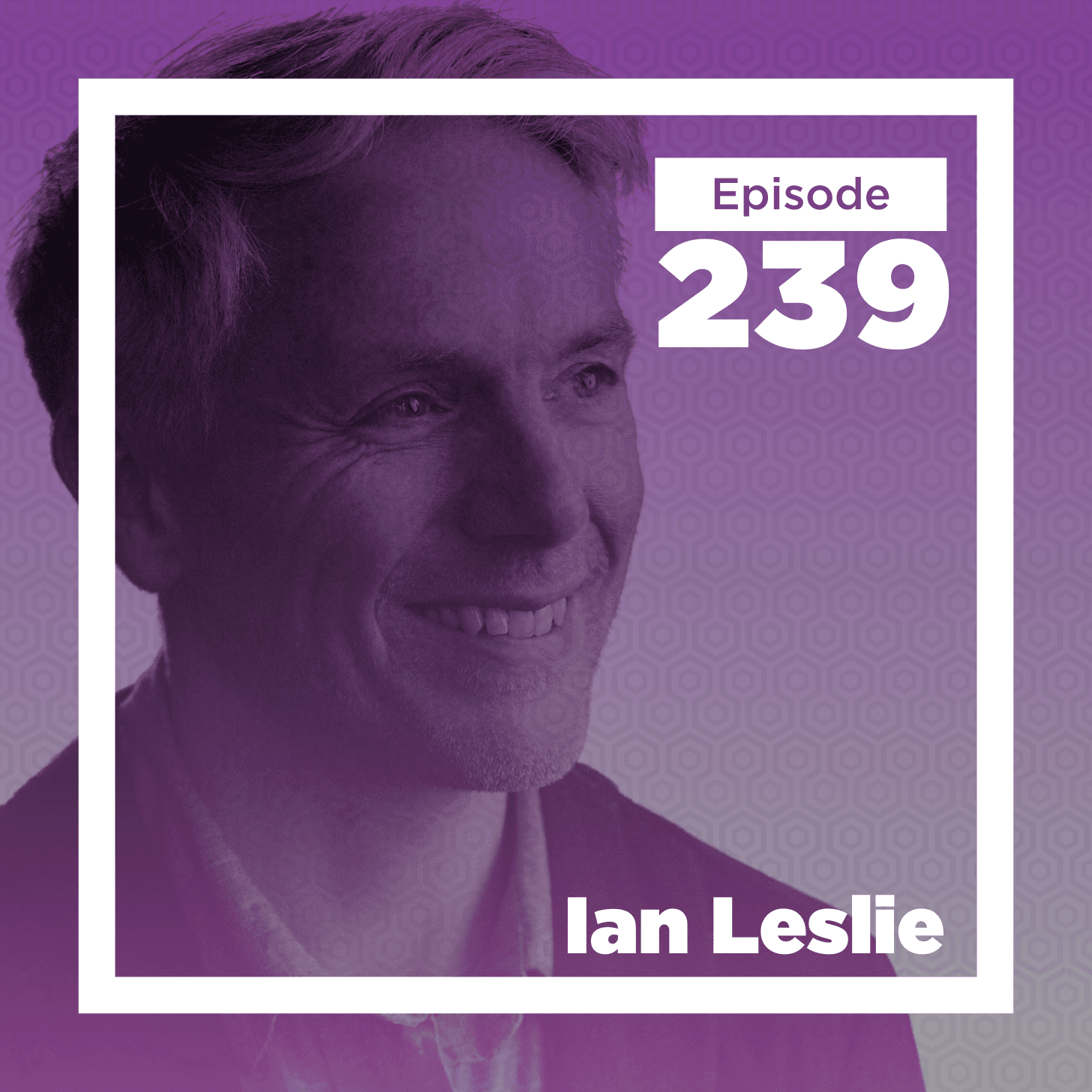
Ian Leslie on McCartney, Lennon, and the Greatest Creative Partnership of All Time Release Date: March 4, 2025
Hosts: Tyler Cowen and Ian Leslie Episode Focus: Exploration of the creative partnership between John Lennon and Paul McCartney, based on Leslie's book *John & Paul: A Love Story in Songs*.
---
Episode Overview
Tyler Cowen and Ian Leslie delve into the intricate and dynamic relationship between John Lennon and Paul McCartney, exploring their songwriting styles, personal dynamics, and the impact of their collaboration on music history. The discussion touches on various aspects of their partnership, including contrasts in personality, creative processes, and the broader implications for artistic collaboration.
---
Key Discussion Points
- Contrasting Personalities and Approaches
- Lennon: Intuitive, chaotic, and spontaneous in songwriting.
- McCartney: Methodical perfectionist, with a gradual development in songwriting prowess.
- Songwriting Dynamics
- Lennon's Early Brilliance: John’s quick success in songwriting (e.g., songs like "Please Please Me") contrasted with Paul’s gradual mastery.
- Collaboration Nuances: The interplay of their different approaches created a unique synergy but also tension.
- Milestones in Their Relationship
- First Meeting: Paul’s excitement upon seeing John perform at a village fair, illustrating their early mutual admiration.
- Creative Evolution: Discussion of songs that marked key moments in their evolution as a band, including when they truly became "The Beatles."
- Covers and Originality
- Best and Worst Covers: Evaluation of their cover songs, with differing opinions on their successes and failures.
- Influence of American Music: The Beatles' British perspective shaped their interpretations of American rock and roll.
- Impact of External Relationships
- Brian Epstein and Influence of Others: How their manager and various collaborations influenced their sound and dynamics.
- Post-Beatles Careers: Reflection on their solo work and how their partnership affected individual creativity.
- The Decline of Their Relationship
- Turning Point in 1969: Exploration of what went wrong in their relationship, particularly after their trip to India.
- The Complexity of Artistic Relationships: Discussion of how deep emotional connections can enhance creativity but also lead to volatility.
---
Key Takeaways
- Creative Alchemy: The brilliance of Lennon and McCartney's partnership stemmed from their contrasting methods and deep emotional connection.
- Significance of Collaboration: The conversation emphasizes the rarity and importance of intense creative partnerships in artistic history, drawing parallels with other notable collaborations.
- Broader Lessons on Creativity: Insights into how personal dynamics can influence creative output, ultimately affecting the artistic legacy of collaborators.
Closing Insights
Ian Leslie expresses his excitement about discussing the continued relevance of Lennon and McCartney’s impact on music, while also hinting at potential future projects. The dialogue between Cowen and Leslie offers listeners a rich perspective on the complexities and nuances of one of music's most iconic partnerships.
---
Additional Resources
- Full [Transcript of the Episode](https://conversationswithtyler.com/episodes/ian-leslie/)
- Full [Video of the Episode](https://youtu.be/kOoH-SNBWps)
For further engagement, listeners can connect on social media platforms as listed in the episode notes.
Written by AI. May contain mistakes. Listen to the episode to check what was said.
Transcript
Automatic transcript. May contain errors.0:04Conversations with Tyler is produced by the Mercatus Center at George Mason University, bridging the gap between academic ideas and real world problems. Learn more at mercatis .org. For a full transcript of every conversation, enhanced with helpful links, visit ConversationsWithT Tyler .com. Hello everyone and welcome back to Conversations with Tyler. Today, I'm delighted to be chatting with Ian Leslie. He has a new book out which I just loved. It is called John and Paul, a love story and songs. And if you know anything about Ian or about me, you won't know that John and Paul is John Lennon and Paul McCartney, namely a big part of the Beatles.
0:47Ian in fact has many other accomplishments and writings, but today is not Generalist Day. Today is Beatles Day. So Ian, welcome to the show. Hello, Tala. It is an honor to be here. I have so many questions. How is it that John got to be such a great songwriter so quickly? If you look at the early songs, like if I fell, not a second time, please please me. It won't be long. All I've got to do, they seem to come from nowhere. So Paul builds up and eventually is doing hey Jude, golden slumbers. But John, who supposedly is lazy, just starts with incredible creations. How does that happen? It's a good question and I don't have a definitive answer but perhaps it's connected to what you were saying.
1:33John was less methodical than Paul, perhaps a little less analytical in the way he thought about songs and song structures and more prepared to just sort of blunder his way into into things and see what happened. And of course he had wonderful intuition. He had some kind of innate talent and and and he'd been raised on different forms of music as had Paul both rock and roll and blues and skiffle but also he was introduced to the Great American Songbook by by Julia by watching movies and so on and but he had this incredible I guess what would call today sense of agency this sense that well I'm just gonna do it this way.
2:16The very first time Paul saw John playing was a Wilton Village fate, they met for the properly for the first time afterwards. And Paul was thrilled by how John got the words wrong to a song. They both knew, they pulled new. And it took me a while to work out why Paul was so thrilled by John getting the words wrong. And I think he was taking from John this sense that, yes, this is American music, but we don't just have to imitate it. We can actually do it in our own way. We could do it wrong and it'll come out right. And so I think John was the kind of first to get onto that in a really strong way and that's probably what pushed him further ahead in those early years.
3:00What's your model of how lazy John was? Because in the get back movie, he seems detached. In the middle years it seems it's always Paul driving them into the studio. How is he so and possibly so lazy at the same time. That's a great question. I think if the get back movie had been shot while we were recording Revolver, for instance, a couple years earlier, we would have seen a very different John, much more valuable, much more energetic, obviously kind of charismatic. But I do think that even then he had this kind of different attitude to work, which was I'm going to just, When I get the time to to lie around and do nothing, I'm gonna do that and maybe I'll take some drugs at the same time Whereas Paul was much more a come on guys.
3:49Let's go to work. Let's let's write some songs. Let's play Now this is all relative they both they all worked hard right this you look at their schedule during the 60s It's absolutely crazy, but when they got time off John was often quite happy just lying around on a sofa But from his point of view, he was just kind of going deep into the recesses of his mind, sometimes enhanced by drugs and pulling things out, whereas Paul was always on and kind of looking out. And I think John thought Paul was missing something and Paul thought John was missing something, and they're two different kind of attitudes to the world come together and create this incredible new thing.
4:28With what song, in your view, did the Beatles really start as an entity? So many people would say, please please me, I have a slightly different and surprising nomination. But what's your view? When do you say, this is the Beatles? Well, now I would, I'm going to give that you've made my answer sound really boring because I think I please please me as the point when they turn into a kind of pop machine. Both create something which is emotionally truthful because it's full of jealousy and yearning. This has got real kind of authentic emotion in it, but it's also this absolutely incredibly hooky pop song.
5:06It's got tremendous propulsive force, and I think it's sort of slightly underrated in the Beatles repertoire. And of course, it's the second single that they release. But you tell me yours. Well, it's a strange nomination, but it's when they're backing Tony Sheridan, but they do ain't she sweet with John singing, which I feel he sings with total confidence. and it fully sounds like the Beatles, and they did plenty of covers early on, as you well know, so we can't rule it out on those grounds. But if Aichi Sweet were on, say, what Americans call the Beatles second album, I wouldn't think twice about it, I wouldn't think, oh, that song doesn't belong there.
5:44Yeah, and it's typically quite an odd song to cover. You know, I don't think many other bands, if any would have, or singers would have considered covering that. It's one of those kind of strange, quite hard to see. So, you know, why would you do that? And yet those are the songs they often kind of sought out. They were often making deliberately weird choices in the songs they covered. And of course, as you alluded to, nearly all the songs they played before they got famous were covers, or you know, 90 % of them, that the songwriting and pl - well, the songwriting started earlier, but actually performing the songs that they had written started relatively late, really, just before they got famous.
6:28In terms of the recordings, which do you think are their least successful covers? And again, I have my own nominations here. Well, oh, good question. Maybe we should talk about yours first. I mean, I'm thinking of Mr. Moonlight, but as everyone says that, I'm sort of lured us to mention it. Give me yours. Well, the two Chuck Berry songs, I think, roll over Beethoven. The George Vocal is somewhat weak. It's not nearly as good or as interesting as Chuck's version. And then rock and roll music, which John does quite energetically. But again, Chuck's is just for interesting. And Chuck is the one early rock and roll figure who in that sense defeated them.
7:07So I think Mr. Moonlight's fantastic. I might nominate it as their best cover. It's so much better than the original. It's one of John's best vocals. It's done with complete conviction. And the notion that it sounds ugly and the organ is weird. I think they were just doubling down on everything and that it works. It's one of the Beatles songs I listen to most often, in fact. Okay, I'm persuaded by that. I wouldn't actually go that far and I don't know if I've often listened to it, but I do think his vocal is so bizarre that it absolutely is incredibly memorable and kind of cuts through. I would agree on...
7:41I actually like rock and roll music, because again, I think he sounds so committed to it. I think I would agree with George's version of Role Overbake, however, it's just, it's kind of limp. But you know, George was lacking behind as a vocalist and as a performer and then at the time as a songwriter as well. But since it almost everybody else in the world was, I don't really blame him for that. And of course he started to catch up. And I think words of love is slightly weak. Like rock and roll music, I think it's done well. but it's not better than the Buddy Holly original. Nor is rock and roll music, I think, better than the Chuck Berry original.
8:20It doesn't quite add some special thing in either case. Yeah. And it does. And it's a great cover. Yeah, yeah. It's interesting because maybe they were less good on... when they were covering artists, who they really, really respected and loved. You know, the closer they got to that, the harder it was for them to get distance on them. And it's interesting, for instance, that they covered very little... If any, now I think about Elvis Presley songs, and of course there were huge Elvis Presley songs. So I think they found it harder with Chuck Berry and Buddy Holly with their kind of formative influences, harder to kind of take a step back and say, well, how can we do this differently and ended up producing these slightly weaker, I mean, I still, still great in my mind, but slightly weaker kind of imitative versions.
9:05That's a good point, you know, no warm and I agree that either Paul McCartney or Wings covers of Beatles songs are almost uniformly mediocre. They're sort of faithful, they're well executed, but I never want to hear them. I can't think of a case where they improved on anything or gave it much of a new slant. Do you agree with that? Or is there a really good Maca or Wings cover of the Beatles song? I think some of the performances on Wings over America are pretty good, but I generally agree. And I think it leads me, well, it sort of leads my mind to this kind of larger point, which is that part of the reason they were so incredibly, incredibly innovative in the first place was that they were British and therefore had this distance from American music.
9:57They were not part, you know, organically part of the American traditions of blues and jazz and gospel that fed into rock and roll. And so this music was a kind of alien language to them. It connected to some of the music from home, but it was in other senses wildly different. And that enabled them to see things about it and to perhaps be a little bit more analytical about it because they had this distance on it. And to say, well, why can't this go with that? Why can't we mix up this style with that style? Or why can't we change this chord structure so it's not like the normal one? In a way that perhaps Native American artists at the time were not doing or were not able to do it with the same facility.
10:44So I think that that sense of distance from it is actually what creates the innovation. Two of the best covers for me are you've really got a hold on me, sung by John, and Paul doing Longtall Sally. I think those are just amazing, much better than the originals. And I think please Mr. Postman as well, as what are my favorite? Again, a lot of the early ones is just the sheer incredible commitment of the vocal Longtall Sally, Paul, please Mr. Postman and others for John. And they kind of find the emotional heart of these songs in a way that sometimes the originals, you know, which are a bit neater, have the kind of edges sworn off, we're not able to do.
11:31And I think that just is what makes them really so powerful. I have some questions about joint composition. These may be matters of opinion, but how much of help do you think Paul actually wrote? Tell me why you asked the question, because otherwise we'll be sort of going through the track listing. And I'm trying to remember, Well Paul has claimed, I stress the word claimed, that he wrote parts of help and helped John with the melody. Now that could mean many different things. The song as opposed to the album. Yeah the song. It does sound to me truly joint. The way say for me to you is truly joint.
12:08Whereas a John song, I don't mean to sound negative, but John melodies are more monotonous in the sense that I am the walrus or parts of in my life just run on and push on and help to me has some Paul I could change is but I'm not sure what your view. Yeah it could be it is always very hard to tell because they were so they're their principal influences apart from Chuck Barriam, Buddy Holly and girl groups and do up and everything else. Bob Dylan their principal influences were each other and so they're kind of sealing things from each other all the time. So you might be right it might have been a pool contribution or it might be just John saying let me run kind of pool software in my head now what would he do?
12:48The thing that I think we do know that Paul contributed to help was those backing vocals, you know, and now those days are gone. And you know, the backing vocals kind of act as this counter melody. And they do this odd thing, which is quite unusual, which is they start before the lead line. Right. So the backing vocals kind of announced the line and then John comes in and sings. And it creates this lovely effect of as if John's friends are anticipating his thoughts, you know, it creates this incredible empathy. I think that's one of the most powerful effects of that song. I have another hypothesis.
13:22Tell me a few agree. Now I'm not talking here about pieced together bits like side two of Abbey Road or Crybaby Cry, but genuine joint composition. And I think of Baby You're a Rich Man as maybe the last genuinely joint John Paul composition. Right, oh I see. So I've got a feeling wouldn't count in your book because it was There's two separate songs and Paul said, let's put these together. And it was wonderful, but it wasn't jointly composed. Yeah, yeah. I'm trying to think now, after 1967, if there are examples of those truly jointly composed songs, and I'm not sure. So you might be right. I mean, I don't think, sometimes this is exaggerated and people say, well, you know, they basically became independent forces after 1967 or not, people put it on different dates.
14:15I actually think they were writing together all the way through. It's just that some of the contributions are very subtle, kind of good. And actually you saw that in the Get Back movie, even when Paul's writing the lyrics to get back the song, you know, Paul is kind of throwing in little ideas and Paul is using him as a sounding board. But yeah, I think those kind of absolutely fluid where what you don't can't tell where one person's contribution starts in the other's ends. Those songs, yeah, you're probably right, they didn't really happen after 1967. Now flying is the only song I believe credited to all four Beatles, but who do you think actually really wrote it.
15:00I would imagine Paul, although there may be kind of a collaboration between Paul and George, because, you know, Paul, George was involved in some of the kind of wackiest stuff around that period. He hadn't actually been that present during the making of Sergeant Pepper, but he kind of came back renewed from sort of magical mystery onward. So I don't know, What's your guess? I agree with your hypothesis. Parts of flying remind me of Zoo Gang and some other weird McCartney besides, if the early to mid 70s, like lunchbox, odd socks. And then there's something else in there which seems to me more george than John.
15:42So I think we agree completely. Yeah. Yeah. I mean, at any time, there's some sort of weird, really avant -garde thing to do. We should be thinking about Paul. Not always the case of course, because there are tracks like Tomorrow Never Knows where John really kind of goes full blast But even then it's in partnership. That's a Paul song in my view and a funny way, like John did the composition and the vocal, but I think Paul did The arranging the orchestration work with George Martin to do the production Yeah Well, it's an interesting example of like where the composition starts and where the production starts because you might say it's a John composition and vision and Paul executes it incredibly.
16:31I think what John wanted from the song was to create a psychedelic experience so that the song was not just about the void and it wasn't just about a psychedelic experience. It was a psychedelic experience, you know, he wanted it to embody it. And I think he successfully communicated that vision to Paul and the others. And of course, then Paul is incredibly well placed to deliver on that because he's been thinking and he's been immersed in that world of avant -garde noise production. So he knows exactly where to take it. So yeah, I see what you mean. It's almost a pull -so, but I do think it's John's vision.
17:12It wouldn't have happened without John. Do you think that this is now pre -yoko? Did John Lennon care about John Cage in the way that Paul did or did he just think it was silly? Like this isn't music. I don't think he thought it was silly. I'd never detected that. I think there's some sort of quote where he says, oh, I have a god, it's Frenchable shit. Yeah, I don't think he really believed that and I've seen more quotes from 1966, 66, 1967 where he's talking about me and Paul are into this, you know, or Paul play be this and so then we listened to, we started listening to Indian music or we started listening to to avant -garde stuff.
17:52Now I don't think he kind of got it and he was quite as into it in the way that Paul was but I think he was open minded and curious and he loved to check out new noises too. Was John as impressed by Brian Wilson as Paul was? It's a good question. I mean, it's clearly had more of an influence on Paul. Part of the question is, you know, they're both bass players. They both had these kind of expansive melodic gifts. So you can see the affinity more clearly. It's harder for me to see what the connection between Brian and John is. but I've never seen John deprecating the Beach Boys or Brian Wilson either.
18:36And of course, he was quite capable of doing so. So I'm not sure. Have you got a feeling for that? My sense is he felt it as distant, not negative, impressed in the abstract, but somehow not sad in the right way. And in some ways too much of a false cheeriness for John who was willing to just dig in, and be negative and emotionally, I doubt if it resonated with him, but that's speculation. I don't know. Yeah, that's a really great point there because I think what John always looked for, I bet they both did, but John, perhaps more than anyone, was a visceral emotional connection, like a physical kind of feeling that kind of comes off the song like flame.
19:23And I think in the Beach Boys, you're right. I can imagine he listened to the beach boys and thought this is very clever and very melodic and very beautiful but it's not breaking my heart or it's not making me want to dance and so therefore it feels a little distant whereas Paul was more likely to be seduced by the complex and extraordinary beauty of Brian Wilson's composition. So yeah I think we're say midsense. And I view Brian Wilson as embracing sadness, whereas John uses anger to deny sadness on average. Yeah, well, well, John was throws sadness together either with anger or humor or both.
20:11And they didn't deny sadness, you know, necessarily. If you think about the songs on the white album, you know, you know, you're blues. He's literally talking about being lonely and wanting to kill himself. I mean, there isn't much more of an ex. But it turns into suicide rather quickly, right? Yeah, yeah, yeah. So it's kind of theatrical, but I think it's also very heartfelt. I don't so so when we sense that there's some humor going on in a John song, we shouldn't think, oh, therefore he's just having a laugh, he You should actually think the opposite. You should think, oh my god, if he's joking about it, he's really, really, really feeling it.
20:55Do you think Paul's song yesterday is excessively sentimental? No, I don't. I think it is, I mean, first of all, it's not really sentimental in any way. I mean, I can see, I think it got acquired this reputation because it does seem to come from a different tradition, kind of perhaps a more easy listening tradition in the first instance, although I can hear echoes of music going far back from that in history. But as a song about this person, this woman has left me and I have no idea why. It doesn't then go on to describe how wonderful this girl is. Just says she's gone and I don't know why. It's bleak.
21:42You know, and the way he sings it is more of a kind of it's clipped. It's bruised. It's northern. It's almost this kind of northern folk sound to the way he sings it. He doesn't, and the arrangement and the string arrangement, he made sure that it wasn't sentimental. He said to George Martin explicitly, you know, we got to find a way of not making this sound succor So they asked George Martin asked the players not to play with Fibrato or to play with very little Fibrato So yeah, I think it's a very unsentimental and in a way it's not that far off for no one Which is a kind of anti -sentimental song where there's more another girl even right?
22:30Yeah, yeah girls are leaving all the time in that song and it's quite brutally about something very particular Yeah, it's interesting because I think in that year 1965 with another girl and I'm looking through you he is really Soaking up I think from John or the night before he's he's leading into his Johnness in the sense of like he's finding some anger and some hostility and you won't see me. Yeah, you won't see me most of all where Whereas before he really had kind of two modes, he was like full on rock and roll. I saw her standing there or this beautiful kind of romantic reflective side, things we said today.
23:18By 1965, mainly because of John Pollock, because of Dylan, he was this incredibly kind of, you know, boiling with hostility and anger at times anyway. McCartney was really uncovering that side of him as himself as well and pouring that into songs. So and actually yeah, you're right. I don't think yesterday is that far from from some of those more ostensibly kind of negative songs. Do you ever in Paul hear the influence of Dylan and if so, where? Yeah, I think you can hear it in those songs. I like I'm looking through you. You know, just this the willingness to put his insecurities and his jealousy and almost kind of spitefulness into a song which of course Dylan was just fantastically willing to do, to put a kind of complex kind of character into a song.
24:14I think you could see even earlier in Al's I'll follow the Sun. You know that sense of just just keeping, keep on keeping on, you know just the sense of a troubadour with a guitar who's just gonna keep playing and it will never get too attached to anybody. I think maybe he gets a little bit of Dylan into his repertoire there. Yeah, I think you see quite a lot of Dylan. So it's most often talked about in terms of his Dylan's influence on John, but I think Paul, I think Paul was the first to get into Dylan and introduce Dylan to the others. Do you hear any Dylan in Hey Jude?
24:53I don't. Just making the song long, right? Since the era blind on blind is coming. That's a great thing. Something about the cascading. Yeah. Extension, yeah. Yeah, yeah. I mean, I do think that cascading extension, well, it's, I mean, it's very different from Desolation Row or those long songs and it's not one long song. But neither is it one song welded onto another because in the first part of the song he's foreshadowing it when he says na na na na na na, hey Jude! So he's kind of like giving you a little hint of what's to come and part of what makes that song such an incredible achievement I think is it's we're moving into another chapter but we're taking what was planted in the first chapter with us so it actually feels integrated even as it kind of takes off like a rocket.
25:56What's the Indian influence on Hey Jude? I don't know. What is the Indian influence on Hey Jude? I might have written about that and completely forgotten it, but so... There's something in your book and you could express it better than I could. But again, the way the vocals develop reminds me of some parts of South Indian and Chronoidic music. And Paul always had more interest in Indian music than he led on. Right? You hear this in the guitar solo on Taxman, which of course is Paul, not George. The Allah, I agree. You can hear Paul taking things from Indian music. You can hear it. So I want to tell you, he often contributed Indian flavoured things that George which songs, it's a tax man, I want to tell you, he does some kind of wonderful vocal melismas there.
26:45Hey Jude, maybe, I, I, so just the kind of fluidity of the melody, it might be kind of Indian influenced. I don't know, there are maybe other examples in songs that are quite subtle. So I mean, this is not John Paul, but I think you can hear into your music in songs like Here Comes the Sun, right? So Georgia's song Here Comes the Sun. It's almost like it kind of digested and absorbed the influence by that time and it returned to Western music but with a subtle kind of, those rhythms are quite, those kind of, and the kind of fluidity of the melodic line. So I'm really fascinated by how the Indian influences work themselves into Beatles music in non -obvious ways as well as the more overt ways.
27:33Or obvious way is the song Cosmically Conscious, which is I'm sure you know is written in 1968 though It doesn't come out until what the mid 90s on pause off the ground album But that's a wonderful song. Do you think it would have been better as a Beatles song? You know you've got me that I actually didn't know that song So your your your your pool Nurtere is Exceeded mine, which is no surprise to me My ball Nurtere is hard to beat. Yeah But it's a great song, it's online. The Indian influence in his fireman album, fireman albums as well, from the 90s. So it obviously stayed with him at quite a deep level.
28:16He wasn't doing that just to signal, I'm kind of hip anymore, this is way after that. So I think you're right, it became a part of his musical soul. You know, the 1968 Beatles version is called Child of Nature written by John. Later becomes Jealous Guy on John's Imagine album. Do you think it would have been better as a Beatles song? I think everything would be better as Beatles song. I mean, because I think that when they played together, there was just this magic thing that happened. And I think there's just no question that with Ringo George and Paul it was a sound it better. I'm really glad he turned it into Jealous Guy.
29:01Child of Nature is just a really terrible song. And it obviously has this pretty melody, but it's so sort of awkwardly gawkish and sentimental. And Jealous Guy is just John at his best in that he was just able to tell the truth in way that's very simple sometimes. So sometimes he can write these kind of incredibly surreal, baroque complicated word pictures like I am the walrus. And other times he could just say, I'm just a jealous guy and make the words fit the melody in such a perfect way that it just goes straight to your heart. He always kind of bypasses the music altogether. So jealous guys, Yeah, I think one of his greatest solo songs.
Read the full transcript
29:51This is a very important question, and I think we may be disagree on this. So if I think of Junk written by Paul in 68, but of course it appears on the McCartney album in 1970, George's isn't a dipiti, which Paul kept off Beatles albums. I think they're better on the solo albums, and I actually think it was efficient that the Beatles split up when they did. I'm glad they did. I didn't think that as a kid, but I feel we got more first quality output and that they would have been getting in each other's way, say in the 70 through 74 or 75 period. No, I don't. You disagree? Like all things must pass.
30:32It's a great album, but we never would have had it. If George was rationed to like two cuts or whatever. That's a doubtless true. I think the kind of better version, better alternative history might have been, George's does our old things must pass and John does imagine Paul does Ram, and then the next year they get to do a Beatles album. And then the year after that they do their solo projects and they come back and do a Beatles album, right? So they would be kind of going back and forth and they did discuss something like that very briefly. You see it in the get back documentary. entry. But I'm kind of glad they didn't.
31:11I mean, I think part of the eternal power and resonance of the Beatles story is that they are seven years and out. You know, there's this incredible narrative tightness to what happens. They get famous. They change the world. They change music. And then they split at the top of their game. So I can't think of many other groups, if any, who split up after recording one of the best albums, I mean, Abbey Road is the last album they record, right? It's not like they've just, you know, declined in form and they're thinking, well, we're not that good anymore. We've got to split up, which is what most groups do.
31:49They're making this really, I think the first album of the 70s. And then they split up. And they split up on after the end, you know, at the end of But mentally, the god of narrative just said, this is the way it shall be. And I'm very glad that they didn't sort of then dribble on, as you say, kind of reforming and forming, getting back together, maybe getting another member in, maybe someone leaves and all that kind of narrative junk that most bands go through, they didn't do that, they just exploded and then they've flamed out. And there's this free rider problem, which they already had toward the end, that if you're getting back together again, and you save your best songs for your solo album, right?
32:32Maybe George was doing a bit of that. So I think that's right. So all things must pass. He had that at the sessions and you see him rehearsing it with the others during get back and it's sometimes said, well, you know, John Paul should have realized how great that song was, isn't it, isn't it, a pity? But I actually think it was George thinking, now I'm gonna keep that one for my solo album. So you're right, there would have been this sort of divided loyalty as far as for all of them naturally, right? So yeah, that's a great point. Is there a great unreleased Beatles track or not? Unreleased now?
33:12No. No, unreleased during their tenure. So all the demos have come out, but is there one where you hear it and you think my goodness? They should have put that one on one of the albums. I don't have a strong candidate. I think my lead would be, what's the new Mary Jane? But if you had given Paul his way with it, you know, over the course of a week, he might have turned it into something great, even though it's a John song. But I don't have a clear nomination, do you? I like come and get it. I don't think there's like a truly great song that should have been released. I mean, some of the songs that just to refer to our previous bit about, that ended up on solo albums, like maybe I'm amazed.
33:57Not maybe I'm amazed, but back to my car. We're kind of floating around, and maybe they could have been on one of the final albums. But, no, I, generally, that's better as a pure Paul song, I think. Just Paul and Linda, you know, deeply in love, and John and George would get in the way. It sets a defiance. It really becomes about the breakup in a sense. So I don't really think so. And I think it goes to one of the extraordinary things about them is that they had incredible taste. And they were very good at judging their own work. And if you listen to the demos that get released and the offcuts, you very rarely think, A, that song should have been in an album.
34:38As you do with Dylan, for instance, you often think, well, you know, blind Willie, it tells obviously should have been on an album. You don't really get that with the Beatles and you also never think, oh that earlier take should have been the album car. Well you're very rarely think that. So they pretty much had a perfect record of choosing the best cut and the best songs for each album. How good is 3 as a bird? I quite like it. All those kind of post -beetles Beatles songs, I, I, there's a kind of poignancy to them and I like George's playing and I like Paul's middle -aid actually on that song.
35:17Is it a song that I really need to listen to? Not really. Do you like it? I like it. One of my hypotheses is that if you had had a Beatles reunion, it would have sounded, I mean that is a Beatles reunion in a sense. A lot like Free as a Bird, which is Paul completely in charge, the others contribute bits. Paul might even, in terms of vocals, subordinate himself to the others, but it would be fairly artificial as is now and then, which I also like, but it doesn't thrill me. I don't sit down and think I need to hear now and then. Maybe I feel that now and then, but I think that is a kind of template for the Beatles reunion.
35:59Yeah. Paul being the boss and pretending he's being subordinate. And I think I agree and I think this points us to one of the fundamental truths about the Beatles which I talk about in the book which is the music was really rooted in the personal chemistry between them. You know, it wasn't just that they had these talents and abilities and that they bring the talents and abilities together and they collaborate and they make something really good. it was spending time together and knowing each other intimately that created this extraordinary music. And so this is why the model of them kind of going apart and they're coming back together getting into a studio and leaving and never seeing each other again for a year would have been very unlikely to work.
36:49They needed to be in this kind of intense hot house atmosphere where they're pressed to get particularly John and Paul, when John and Paul were not in physical proximity to each other, they just found it much harder to have a creative connection. The creativity and the personal relationship are inextricable for those two. You agree with the common view that in 1969 something very bad and damaging happens between John and Paul and John becomes so upset or hurt by Paul? Do you think that's true and And if so, what was the reason? I don't think there is a thing really. I don't think there is. I don't think Paul hurt John in any kind of concrete way.
37:31So John talks about being winded, but nobody's quite sure what he means by that. Even Yoko, you know, when Yoko was interviewed by Philip Norman, I think in the kind of, I'm not sure if it's the 80s or 90s, she was like, you know, John used to talk about how Paul had hurt him more than anyone else in the world. But I was never sure what he was talking about. I couldn't work it out. I think there was a kind of pivotal moment. I really think that India was the turning point and the aftermath of India was the point at which John kind of, something inside John kind of snapped. And John was always on the verge of snapping, right?
38:14Because he had this incredibly volatile personality, his childhood was just wild, you know, so difficult and unstable. And so he was sort of plagued by insecurities and also personality problems. And India, he goes into India feeling very close to Paul, very close to the others. He comes out of it quite bitter and angry. And there's a kind of element of a wildness to him and a sort of malignancy that wasn't as prominent before. It certainly hadn't been for a few years. It had actually been relatively kind of calm the few years previously, a couple of years previously. So something happens around then, but I think it happened inside John's head.
38:59I don't think there was a concrete thing that happened. I think it was just the way he was feeling and particularly the way he was feeling about his relationship with Paul. He started to feel I'm never going to be as close to Paul as I would like to be. I think he had this vision of them as completely wrapped up in a personal and creative relationship in which he could be blissfully happy. And I think during India, for whatever reason, perhaps because he was just spending a lot of time meditating and well, actually just by himself thinking. And then Paul goes home and he's sort of bereft because he spends the last couple of weeks but last few weeks by himself.
39:43I think that tips him over into a personal crisis. And that of that comes, you know, blues and I'm so tired, some of those miserable songs which afterwards he said, you know, really meant those songs. And he also, you know, sexy, steady, and he really takes a lot of, starts thinking a lot more drugs. He gets drunk a lot, splits up with Cynthia in a horrible way gets to go to the yoga and it is. So I think that is the kind of turning point You mentioned what good taste the Beatles had and I agree with that Why is it they were not better judges of talent at Apple Records because other than bad finger It seems pretty weak to me I see me mean and bad fingers best song was written by Paul Well, I mean I guess is James Taylor Billy Preston Mary Hopkins, I mean, I agree they're not like heavyweights.
40:35I don't know if that's because they were, but were they turning away great talents? They would have had loads of applicants, right? But I don't know if there was a good filtering process because there was no process, whatsoever, Apple. So in a way that that might have been the problem that there was nobody kind of being the stage one filter. And so they had a kind of a lot of randomness in the process. If Paul was so upset about the Phil Spector arrangement of the long and winding road with all the strings, why did he play more or less the same arrangement in concert for so many years? I agree.
41:12I mean, it's a pretty good string arrangement and you're right, he plays it with taking the best kind of melodic phrase from that stick arrangement from Phil Spector. So I think he was upset at Spectre just more generally for, you know, having the arrogance to come in and change the Beatles music in any way without Paul's permission, Paul hated, you know, anybody who was going to mess around with the Beatles and his music without his say -so. So I understand why he was angry, but I think you're right. I think in that case Spectre did a good job. What was Paul like as a collaborator with Denny Lane in Wings?
41:53You know, it's a difficult relationship. Denny Lane was very good, a good singer, decent guitarist, but he obviously was not a talent anywhere on the same scale as Paul or as John or indeed of George. And so there was always this kind of, and of course Paul was at the next battle, there was always this kind of inbuilt imbalance. But he did stick with him all the way through the 70s until the 1980s, very early 1980s. So it was an enduring musical collaboration, if not an equal one. But there was also this question of like the money, you know. So Danny was being paid by Paul, or rather than them both going to get it, getting royalties, Although Paul did kind of co -write, Mollivin can tie with him.
42:51I don't know how much of Mollin can tie was contributed by Danny, but that might have been Paul's letting Danny in, as it were. And no words they co -wrote, unbounded on the run. I think I can hear which is the Danny part and which is the Paul part, and the Paul part just makes the song become magical. The Danny part is good, but I wonder how that was for Danny. Yeah, to say look, here's my song and then Paul takes it and just sort of takes it to another level. Yeah, I agree. And I do think the result is really beautiful and a really underrated song from the Paul's post Beatles career. What was John like as a collaborator with Harry Nielsen?
43:35Well, he was very professional and workman like which is slightly surprising, but in a sense not surprising because he'd grown up as a recording artist in the Abbey Road studio where everything ran like clockwork. But Harry Nielsen said, yeah, he was always in the studio in the morning and then saying, right, let's get to work. And they did work. But then in the afternoon or the evening, they would then kind of go crazy and go on drinking bouts and take drugs. But I think he was pretty kind of efficient and professional producer. I'm not sure they produced great work together. What was Paul like collaborating with his brother, Mike McGear?
44:18People have forgotten about that album somehow, but it's quite interesting. I don't know that it's good. Paul is deferring too much. I think he should have just taken over. But he does, I think, only in the one song called All My Living, which sounds quite like Paul. And the title itself tells you something. Yeah, exactly. I mean, I think it sounds much more of its time than anything the Beatles did. That's probably because, as you say, Paul was not really pushing it, and perhaps was being a little bit careful not to be the dominant voice in the room with people who he didn't know very well. And perhaps he was eager not to be like the big guy, you know, friend of his brother.
45:03But yeah, I don't know. I think your answer is as good as any. What do you think is the most underrated Paul album? Paul R. Wings or any combination?
45:17Ooh. I think maybe Venus and Mars I really like. Do I think which ones are underrated? A lot of them are underrated. Give me your answer. I would say Red Rose Speedway and then I know this is not an album, but YouTube cuts of wings playing live with Jimmy McCulloch on guitar. I think are generally better than wings over America, which is quite good for a live album. But to see Jimmy and Paul on YouTube, those are just phenomenal performances, songs like Magneto and Titany and Man, quite come to life on YouTube live, or is it's only pretty good on Venus and Mars, I think? Yeah, yeah. Or I'll let him go or call me back again, just they become phenomenal blues cuts on YouTube.
46:04I think the very underrated ones, because very obscure ones are the Fireman albums, including rushes, which is this almost totally instrumental album that he records in the wake of Linda's death. It is very poignant and the kind of few words and sort of fragments of recordings from life that you do here are very moving when you know the context. And it's typically Paul in that I think it's one of his most personal and raw albums and he says very little in it, you know, and it's kind of hidden in a way, in fact, it's under another name altogether. So, you know, and I think that's the kind of fascinating thing about Paul as an artist is that at, and if we're thinking about him in comparison to John, it's particularly fascinating, that Paul is emotionally complex, but with a complexity hidden inside brilliantly, simple, powerful pop songs last time.
47:12So I'm not talking about the firemen now. That is a more avant -garde example, but just something like petty lane, it seems like this bright breezy pop song and then you go to strawberry fields and it's like so obviously radical and weird and odd. But there are layers of complexity to pull songs that are not obvious to the naked eye and they reward a kind of, as you would put it, a Straussian reading. So, you know, a song like O Darling, which appears to be a love song, is, and I think it's partly about him splitting up with John, so I write about that in the book. But it's also this, he overloads it with emotion.
47:51This is something he doesn't a song now and again. He'll kind of write a simple pop song and then he'll kind of like turn up the emotion somehow, the way he sings, in a way that distorts the song and takes it into this strange place. So this kind of screaming vocal in O 'Darling, I hear in it a lot of anger. You know, I don't just hear love and sadness and loss. I hear anger in it and all, you know, a subcurrent of violence, actually. And I think you could read, you know, a feminist reading of that song would be that Paul is kind of exposing the possessiveness and sometimes the violent possessiveness that underlies some of these male rock and roll songs about, don't you leave me baby, you know.
48:35Run for your life. It's his version of John's Run for Your Life, right? Exactly, exactly. But hardly anyone knows that. What's the most underrated John album? I think Wolzen Bridge's is really pretty good. I'm not a huge fan with the exception of Imagine and the plastic -hated band. I'm not a huge fan of his subsequent albums, but I do think walls and bridges and mind games are pretty good. But I didn't have strong feelings in the game. You would say mind games. Why? There's a lot of songs on it like Meets City or I know that you know that seem forgotten, but they're very good. I think the production is systematically weak, but the songs are excellent.
49:20If he had brought Paul in, it would have been an incredible album, I think, maybe better than Imagine. I don't feel all of Imagine has worn that well. I think one of the problems is that, I don't know if you agree with me on this, but I think John kind of lost his voice much sooner than Paul lost the top kind of level of his voice, unsurprisingly because he was, he'd been screaming in songs and in therapy so much he was inshredding his vocal chords, he'd obviously been smoking a lot, had been taking drugs and so on. And I think quite quickly from the early 70s onwards, his voice is thinner and to me not nearly as powerful, it was so on the rock and roll album that he makes 1973, whatever it is.
50:10I think part of the reason it's not very good is that his voice is just not there anymore, It's no longer this incredible instrument that it was through the 60s into the very early 70s. And there's not enough diversity of sound on that album. I feel it was great he did two albums with Phil Specter, but should have moved on and looked for someone else. And that it kept on sounding the same too much. And when you do that, when you're doing covers and your voice is somewhat subpar, a lot of things went wrong there. Yeah, I would agree. I like John's contributions to pussycats. So you can debate who did what on pussycats, but too many rivers to cross in subterranean homesick blues.
50:50I think of them as as much John songs as Harry songs. Yeah. That's debatable. But there are two of the highlights of his solo career. Harry didn't never did anything like those on his own. Yeah. There were little glimpses of John's brilliance throughout the recordings he made in the 70s, but overall I'm just struck by how much he missed that really annoying guy telling him to try this or do that or how about this or come on John let's let's go to work. And George did too of course. So they spent the last sort of couple years of the Beatles having a bit of a moan about Paul, but without Paul they wouldn't have made some of the incredible music they made at the end of the 60s and through the 70s they very quickly kind of lose momentum and he while Paul kind of just tunnels on not always brilliantly right if it is solo and Wings records are kind of erratic but my god he's productive he just keeps going now you've studied this one artistic collaboration in great great detail what do you feel you've learned about artistic collaboration in general or how do you now look at other artistic collaborations through a different lens?
52:10There's so much to say about that. So I'm going to narrow the lens a little bit and say I think it's really interesting that there are very few creative, male, romantic, but platonic relationships that are very creative. I think this is a particular time of relationship that you see recurring a few times throughout history and often makes a big difference. There's a kind of big leap forward to some sort of creative or intellectual revolution that happens. And I think it's kind of distinctive to this relationship where they're not lovers, they're not just mates, you know, and they're not homosexual, but they are two men who have very, very intense feelings for each other and that feeds into the creativity.
53:00I was thinking about a couple of examples recently. One is Wordsworth and Colouridge. In some ways it mirrors John and Paul. There were a couple of years apart. Colouridge is a bit younger. They've got very different personalities. Colouridge is Flamboyant and voluble. He talks a lot. He's wild. He takes drugs. Wordsworth is a little bit more distant and a little bit cooler, a little bit more methodical, but they turn each other on, right? And they spend a lot of time thinking and writing poetry together and really kind of birth romantic poetry movement together. And then the other example I was thinking about, the best 20th century analogy for John Paul, I think is Carneman and Diversky.
53:44If you read Michael Lewis's book, The Undoing Project, as I have the similarities are just too strong to ignore. And here it's Tversky who's this kind of wild font of inside and speech. And Carneman is a little bit calmer, more reflective. But they're completely in love with each other. You know, Carneman says, said to Michael Lewis, well, you know, I've been in love and all, but with Amos I was just wrapped. You know, I couldn't, you know, I was completely compelled by him. I was lost and they just spent hours and hours together. Just wanted to be each other all the time. You know, Carnabans wife said, this is much more intense than a marriage.
54:25And of course, when something is really intense like that, it's gonna explode and in all these cases, the partnership kind of splinters and sparks and falls apart at some point. And then there's this great aftermath of sadness. But it's kind of inevitable because there really kind of two ends of a relationship. you can have a sustainable, steady, marriage type relationship where you love each other in this wonderful kind of love and calm way, or you can have this wildly creative, impulsive, sort of dramatic and volatile relationship, but that can't last forever. One thing that struck me is just how few examples there are.
55:04Another one that occurs to me is Picasso and Brock. Obviously that doesn't last. You have a lot of examples where the people do quite different things. So like Rodgers and Hammerstein, or Stravinsky with both Balanchine and Diagolev, those work, but they're not competing against each other at all, right? They're just working together. And I think of Jagger Richards as ultimately a business relationship where they're quite happy to give up being creative just to make a lot of money. And it becomes not interesting for 50 years. Yeah, exactly. That's the wrong way. I mean, I think Jagger and Riches is much more like a marriage, right?
55:40Right versus a love affair. They love each other, but they're not like wildly compelled by each other. I'm not sure they ever were. They always thought, yeah, this is the guy I want to write, make music with. He's obviously great, and our talents fit together. Let's get married. But it was nothing like this kind of intense jealousy -ridden tempestuous, conflicted, hot John and Paul relationship. And I think there's other examples like Picasso and Brack. I don't think they were like John and Paul either, you know, they were just partnerships. So you came together, you know, God are with each other, but kind of turned to John and that creatively and then kind of spun apart.
56:18And that was it. I doubt that Picasso gave Brack much of a thought after they stopped working together and probably vice versa, whereas John and relationship was much deeper and I think that's important because actually I think the scale of the achievement of what they did together was rooted in that incredibly rich and deep relationship. It wasn't just a byproduct or coincidence. It's striking to me that what to me is the very closest example comes from the same place and broadly the same period and that's Monty Python, which is truly collaborative and they can peat with each other, you know, who skit gets to be done.
56:58They do TV, they do movies. It has a brilliant peak at some point it collapses. Members have quite different skills, but they're truly working together. That's the other British Beatles, I think. Yeah, and there's that wonderful link between them as well via George Harrison. Who becomes friends with them and and funds, I think the life of Brian. So I would buy that and it of course it reminds me of this other aspect to the Beatles which we haven't touched on but it's another thing that's so unique about them is that there were a comedy group as well. You know, can you think of any other groups where laughter is so important, where humour is so important and again that's primarily John and Paul right, they were all funny, George could be very dryly funny, but that sense of antique overflowing childlike glee and humor that runs all the way through the Beatles is John and Paul and it's not true of any other group.
57:59So the link between music and comedy is you know, it's just so interesting. Before my last question, let me just plug your book again. John and Paul, I love story and songs, I loved it, it's one of those books, I started it and I didn't really get up till I finished it, just read it straight through. But final question, what will you do next? I am going to spend the spring and summer talking about John and Paul. I'm going to love every minute of it. It is just wonderful to hang out with John and Paul and the Beatles and a great thing to talk about where there's lots of other darker stuff going on in the world.
58:35I'm going to keep writing my newsletter, The Ruffian, my sub -stack, and I'm going to think about what to write next and I have no idea all suggestions welcome. He and Leslie thank you very much. Thank you, Tyler.
58:53Thanks for listening to Conversations with Tyler. You can subscribe to the show on Apple Podcasts, Spotify or your favorite podcast app. If you like this podcast, please consider giving us a rating and leaving a review. This helps other listeners find the show. On Twitter, I'm Attyler Cowan and the show is At Cowan Convose. Until next time, please keep listening and learning.
From the publisher
It’s Beatles day! In this deep dive into one of music's most legendary partnerships, Ian Leslie and Tyler unpack the complex relationship between John Lennon and Paul McCartney. Leslie, whose book John & Paul: A Love Story in Songs examines this creative pairing, reveals how their contrasting personalities—John's intuitive, sometimes chaotic approach and Paul's methodical perfectionism—created a unique creative alchemy that neither could fully replicate after the Beatles split.
They explore John's immediate songwriting brilliance versus Paul's gradual development, debate when the Beatles truly became the Beatles, dissect their best and worst covers, examine the nuances of their collaborative composition process, consider their many musical influences, challenge the sentiment in "Yesterday," evaluate unreleased tracks and post-Beatles reunions, contemplate what went wrong between John and Paul in 1969, assess their solo careers and collaborations with others, compare underrated McCartney and Lennon albums, and ultimately extract broader lessons about creative partnerships.
Read a full transcript enhanced with helpful links, or watch the full video.
Recorded March 4th, 2025.
Help keep the show ad free by donating today!
Other ways to connect
- Follow us on X and Instagram
- Follow Tyler on X
- Follow Ian on X
- Sign up for our newsletter
- Join our Discord
- Email us: cowenconvos@mercatus.gmu.edu
- Learn more about Conversations with Tyler and other Mercatus Center podcasts here.
Photo Credits: Chris Floyd