
In short
Podcast Summary: Kyla Scanlon on Communicating Economic Ideas through Social Media
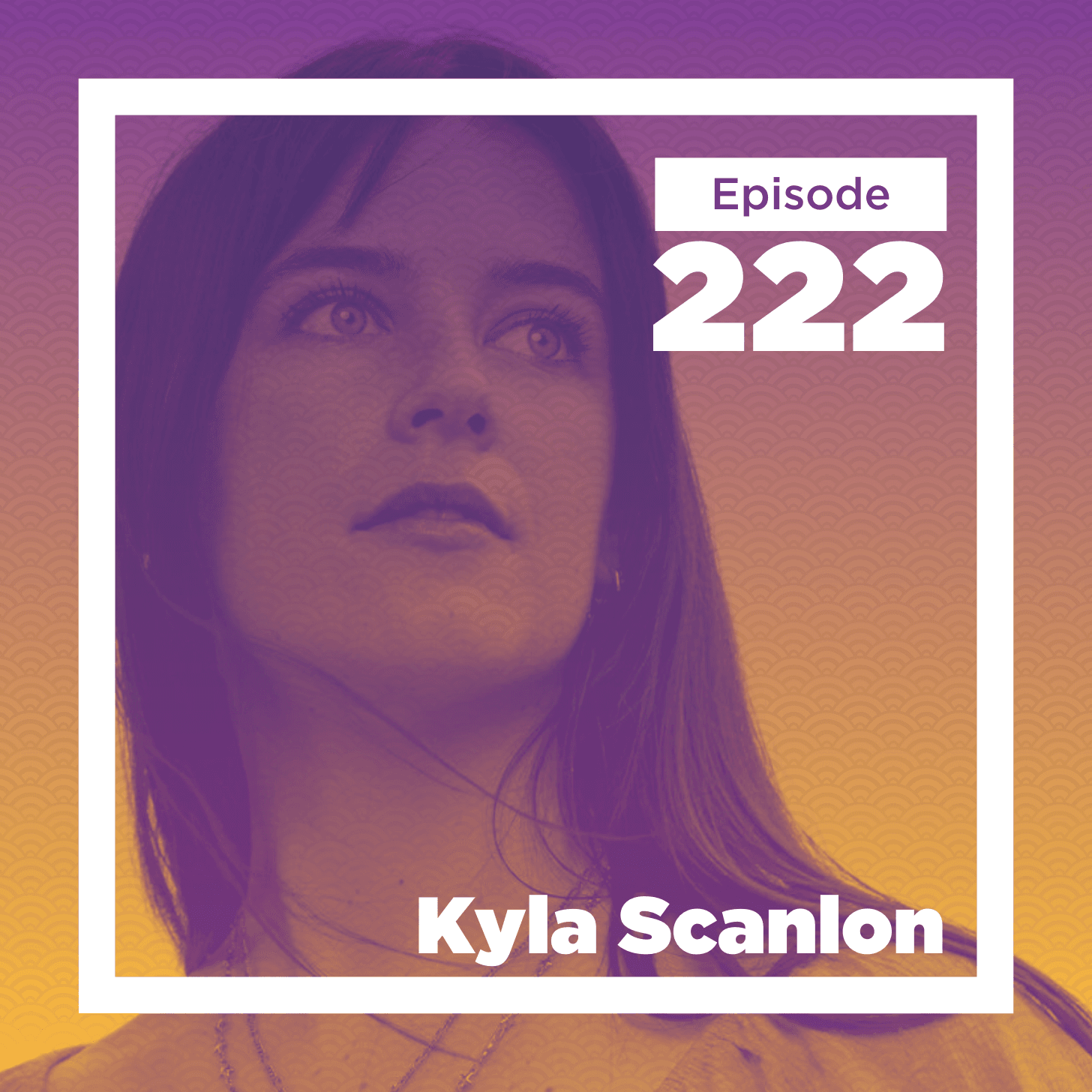
Podcast Title: Conversations with Tyler Episode Title: Kyla Scanlon on Communicating Economic Ideas through Social Media Recorded: July 8, 2024 Host: Tyler Cowen Guest: Kyla Scanlon
Overview In this episode, Tyler Cowen engages Kyla Scanlon, a prominent figure in economic education through social media. Kyla is dedicated to making economics accessible and engaging for a broader audience. Through platforms like TikTok, YouTube, and Substack, she discusses economic concepts and current events, emphasizing the importance of understanding economics in everyday life.
Key Themes and Discussions
- Kyla's Background and Motivation
- Early Influences:
- Kyla grew up in Western Kentucky, spending a lot of time in libraries where she developed a love for reading, particularly fantasy fiction, which shaped her understanding of world building.
- Economic Education:
- The desire to explain complex economic ideas led her to create engaging content on social media.
- Content Creation Journey
- Options Trading Experience:
- Kyla began trading options at 16, which sparked her interest in economics and market dynamics. She documented her experiences through a blog.
- Educational Background:
- She attended Western Kentucky University, where she thrived academically, triple majoring and graduating as valedictorian. Her supportive professors helped her find her path in economics.
- Social Media as an Educational Tool
- Platform Engagement:
- Kyla emphasizes the effectiveness of platforms like TikTok for reaching younger audiences. She creates content that simplifies economic concepts, making them relatable.
- Introversion and Content Creation:
- Despite being introverted, she finds solace in creating videos, allowing her to educate others while maintaining a comfortable distance from direct social interaction.
- Current Economic Landscape
- Concerning Trends:
- Kyla discusses the alarming patterns in economic thinking among younger generations, noting a rise in conspiratorial beliefs and a lack of understanding of core economic principles.
- Advice for Young Investors:
- Encourages young people to invest with a long-term perspective, emphasizing the importance of diversification and understanding the companies they support.
- Future Aspirations
- Broadening Educational Mediums:
- Kyla expresses interest in expanding her work into different formats, such as television, to further educate the public on economics.
- Influencer vs. Educator:
- She distinguishes her role as an educator rather than a typical influencer, aiming to provide substantial economic insights rather than personal lifestyle content.
- Cultural Reflections
- Print Culture and Reading:
- Acknowledges the decline of traditional print culture and discusses how modern media consumption is shifting toward digital formats, but emphasizes the lasting importance of reading.
- Nihilism and Optimism:
- Engages in a discussion about modern nihilism among youth, arguing for the importance of optimism and historical context in understanding current challenges.
- Media and Public Perception
- Role of Media:
- Critiques the negativity prevalent in mainstream media and the impact it has on public sentiment regarding economics and policy.
- Education Gaps:
- Suggests that economic education has regressed, especially in mainstream understanding, and highlights the need for improved resources and accessibility.
Conclusion Kyla Scanlon's mission to enhance economic literacy through engaging social media content underscores the importance of education in fostering a more informed public. As she navigates her own career path, her reflections on the intersection of economics, culture, and media provide valuable insights for both young investors and educators alike.
---
Connections
- Follow Kyla Scanlon:
- Twitter: [@kylascan](https://x.com/kylascan)
- TikTok, Instagram: Kyla Scanlon
- Substack: [Kyla's Newsletter](https://kylascan.substack.com)
- YouTube: Kyla Scanlon
- Subscribe to Conversations with Tyler:
- Available on major podcast platforms including Apple Podcasts and Spotify.
Further Engagement
- For a deeper dive into the discussion, listen to the full episode [here](https://www.conversationswithtyler.com/episodes/kyla-scanlon).
---
This summary captures the essence of the podcast episode, highlighting Kyla Scanlon's insights on economic education and her journey as a content creator, while also addressing broader themes in economics and media today.
Written by AI. May contain mistakes. Listen to the episode to check what was said.
Transcript
Automatic transcript. May contain errors.0:04Conversations with Tyler is produced by the Mercatus Center at George Mason University, bridging the gap between academic ideas and real world problems. Learn more at mercatis .org. For full transcript of every conversation, enhanced with helpful links, visit ConversationsWithT Tyler .com. Hello everyone and welcome back to Conversations with Tyler. Today I'm delighted to be chatting with Kyla Scanlon, who is here with us in the studio. I have described Kyla as a force of nature. From the point of view of this New Jersey boy, she has come out of nowhere from Western Kentucky and is all of a sudden one of the best and also most popular, just discussors of economics and economic reasoning and economic thinking.
0:52So this in my view is fantastic. She is super active on TikTok. She has a sub -stack, very active on YouTube, on Twitter, and now she's also, she exists in real life also, but she has a book out in this economy how money and markets really work. If I leave anything out, I think that's really comprehensive. Welcome Kyla. Thanks for having me. Let's start with your origin story. So when you're young, you're going to libraries a lot, right? And what is it you're reading? And why do you read that stuff? Oh, I read a lot of fiction when I was younger. Yeah. And it was mostly because I was trying to understand world building.
1:31Like I was really fascinated by that. So I read the Graceling series and Harry Potter. But for me, the library was also a place to go that like supported that kind of learning. Like it was kind of I didn't realize that reading books was cool until I went to the library. And so it had just been really formative with how I thought about learning throughout my entire, you know, childhood and adolescence. And are you still doing world building with economics? Is that like a better, more fun, more complex world? Or are you giving up world building? Well, I tried in the book. I had something called economic kingdom.
2:03Because for me, like, I think thinking in games is really helpful for econ because there are so many moving pieces and everything is interconnected. did. And so the first chapter of the book was my attempt to describe the economic kingdom, you know, monetary policy castle, you know, fiscal policy castle, inflation castle, labor market castle. So I still tried a world build when I can. And any science fiction when you're young or not so much fantasy more? Yeah, yeah, more fantasy. A science fiction was always a little too real for me. Too real. More generally, why do you think young women are more likely to read fantasy see them science fiction.
2:41I mean, and maybe it's because it is too real, right? I think younger women are more empathetic and so maybe they're able to pick up on the nuances of science fiction. Or perhaps it's just not the interest in like aliens and in other worlds like that. I think there's more romanticism that happens for younger women versus men. And you get a lot of that in fantasy, not like romantic in the sense of like love, but just sort of like beautiful places and science fiction can tend to be more warfare. Okay, so now fast forward to age 16, you're in high school, all of a sudden you've become an options trade.
3:15How did that happen? Yeah, so my dad, he was options trading with a group called T -Suitree just sort of self -taught. And I was really interested in it because I was like, what is he, what is this? And so I sort of watched him do it and he was like, do you want to try? And so I self -taught myself. And it was fun because we had something to chat about. And then I just, I did that for an entire summer, it was like a summer job. And I was really bad at it, but you know, I gave it a shot and I ended up writing a blog called Scanlon on Stocks where I talked about my options trading experience. And that was my first foray into internet writing.
3:51And it was enjoyable. I wouldn't recommend it, but I learned a lot about how markets function. And then I didn't even know until I got to school that you could major in finance. And so like then, I got to school and I was like, I'm going to be an engineer and then I was like, oh, you can do this. So it was cool. How efficient do you think the options market is? I would say it's, you know, the pricing strategies that are interesting. I don't spend as much time on it, but like, I know that the volatility metrics are pretty useful. And I think that there's interesting things that you can do, like, combinations of calls and puts on.
4:21You just have more optionality than, like, buying a stock and hoping it goes up. But in terms of efficiency, I think it's hard to make money in it. How is it you lost so much money trading at Brazilian ETF? Oh, I just, I, everything I did, I was pretty risk averse and so I wanted to be neutral. And so I put on this trade called an iron condor, which you do have protection against, but I just kept on making these trades where I was almost too, I didn't want to take on any risk and if you don't take on risk, you really can't make a ton of money, but you can lose money. And so that's what happened to me.
4:57So high school finishes up, you're going to college and you end up going to Western Kentucky, university, right? Why not go to an Ivy League school? It was too expensive. Too expensive, but you could have. Yeah, I mean, I had really good grades in high school. I took all the AP classes. What was really nice about Western is I had a full ride and I got paid to go there and then I ran cross country and track and field for the school. So there's just a lot of options there. I look back and I loved my professors there, but it's interesting because when I graduated, I went out to work for a capital group in Los Angeles, and the only way that I got in was through a blind resume.
5:36Like the Ivy League does matter for a lot of the big finance jobs. And so it was a really, really good experience, but yeah, it's funny, like the credentialism and just sort of navigating that when you don't have it. Do you think you're better off for having gone to Western Kentucky? I think so. I had a lot of opportunity there. So I ended up, you know, triple majoring, I came in with a ton of credits. I did research and worked as a tutor and graduated as valedictorian, which was really cool. Ran there for a few years. So I just think at a school like that, and the professors were so supportive, really just a great learning environment.
6:15So to school like that, there's more time and space for you to mold your own learning journey. That's what I did. I wrote a blog all throughout school, Scanlon Stox. And you had three jobs you weren't set, right? What are the three? So I was a research assistant. I was a tutor and then I helped out in the office at the school And so yeah, it was busy and what is it you did you learned the most from or what was the the generative experience at Western Kentucky for you Taking economics or something else? Yeah Running at its own like life lessons for sure and how you balance time and sport, but I think for me like I just sort of learned that you can design your own path.
6:56Like when I got there, I didn't know you could really major in finance. I was going to be an engineer. I didn't really like the math classes. So then I was like, okay, I'll be a doctor. And I didn't really like that path either. And then I took an econ class with Dr. Brian Strow. And I was like, oh, this is really fascinating. Like I didn't know that you could sort of study human dynamics and money and the philosophy of money. And for me, I just started adding on classes and I began picking up finance classes, is begin picking up data analytics classes. And I think I've sort of carried that optionality into life now where it is like you can design your own path if you have the right support, if you have the intentionality behind the decisions that you're making.
7:38And so it was very, like at a school like that, everyone was so kind and supportive that there was just support for every crazy idea I had. Like I started a club and I was able to do so many different things because people cared, yeah. Yeah, I went to a state school as an undergrad, George Mason, and I'm actually very glad I did. Yeah. But it's unusual. And then you finish, and obviously you didn't go to graduate school. Is it just like you're fed up or too many other things intervened or what was your thinking then? Yeah, so I wanted to do a PhD in economics or finance, both. Yeah, either one I was doing.
8:15And I talked it over with my professors and they really, you should get some experience with institutions before you do a PhD. Like, you know, spend some time working at a big firm and then you can go back and get a PhD if that's what you want to do. And so I graduate six months later, the pandemic happens. And so everything just kind of got derailed. And now you've just ruled it out. You don't want to do it. You're too productive to go back to school. Yeah, I mean, it's something I think about a lot because I really, I have had the opportunity to go and speak in classrooms like Harvard and MIT and Berkeley.
8:46And it's one of my favorite things. is like just talking to students because I had professors that invested so much in me. Like when I got to school, I was like this lump of a person. I didn't really know what I wanted. And I had a professor whose name is Dr. Tarty who just invested a lot of time in me. Dr. Lebedinsky too. And so I think for me, like there's this deep desire to reinvest in people. And I get to do that a little bit with social media. But you don't really, like, they're abstract beings when you're making these videos, right? When they're talking about the book. And I just think there's something really neat about being in a classroom is, you know, so.
9:20And given the unusual position you have in the world, how is it you think about how you build out like your small group of people? In a way you don't have many peers your age, but the people you chat with on WhatsApp, I don't mean family, friends, but so semi professional, some version of your peers. How do you build that or haven't you or what does that look like for you? I think I'm bad at that. Yeah, I have a lot of people that I can ask questions. So you're like, Derek Thompson has been a big support over at The Atlantic, Connorson, also at Bloomberg. Yeah, he's great. He's amazing. They're both great.
9:51Yeah, they're all great. And so there's a lot of people that I can turn to and ask questions. But yeah, in terms of peer group, it's a little funny. There's some people, like Josh Auden, who runs the YouTube channel, Ordinary Things. He's been, we were talking about cameras today. So it's sort of a weird intersection where it's like economic theory, but then how do you deliver this to a wide audience. It's sort of a weird mix, yeah. Yeah. And then for a while, you're selling cars. Do I have that right? Yeah, yeah, yeah. What if you are in selling cars? Yeah, I learned a lot. It was actually a really formative experience.
10:26And I didn't realize how formative it was until I was talking about it a few months ago. Because when you're dealing with people buying cars, you're with them during an incredibly vulnerable, financial experience. and they hate you, right? They're like this person trying to rip me off. And so I sold Hyundai's, I was 19 years old during one of my college summers. And I just learned how important it is to have economics education. A lot of people come in, maybe they don't understand what a down payment is or what interest rates are, or like what sort of financing they have to look at. Everybody came in way over budget.
11:01So that's your start as a TikTok or YouTuber, everything else was selling cars. I think so, yeah, how'd you even realizing it? because I was so frustrated because the industry is just, you know, it's ridiculous. Everybody wants to make money to business. Yeah, for me, I looked at that and I was like, wow, there's so much opportunity to like help people just understand this stuff, understand the world around them. And that's, yeah, definitely for aid and to the content. And were you good at selling cars? I was very good. Yeah, surprisingly, because I'm quite introverted. But, you know, most, in my experience, most sales things, especially something like that, people just kind of want you to listen to them.
11:39And so that's something I immensely enjoy. It's just listening. And so yeah, I was I sold I think 38 cars my whole summer. It was on the lot I worked in in sane hours. But yeah, I sold a lot of cars and met a lot of really interesting people. So you say you're introverted. How many TikTok videos do you think you have? Not including any ults. I think over 500. Over 500 in how many YouTube's? Oh my gosh, probably over 150, 200, yeah. Sub -stack, other things. How does that square with you being an introvert? What's the bigger model here? So I started making videos during the pandemic. Like, you know, I was living alone in Los Angeles.
12:17I was just losing my mind in this 350 square foot apartment. And I realized that like, you know, nobody knew when it was going to end. And so I said the only way that I'm probably going to have connection is if I'm talking to people through a screen. And so I just started talking about stuff. And I've always loved educating. Like that was the point of the blog. And with videos, it's actually quite ideal for an introvert. Because you're literally in a room, all alone talking to yourself. And that's what I have. I'm so grateful to do it every day. But yeah, when people meet me in real life, I think it can be jarring, because I'm quite quiet.
12:55Yeah, I prefer to listen. And I think most people expect people that post on social media to be more voice -reduced. And do you have a method where you produce perfect paragraphs spontaneously, or you have to rehearse it, or you do different takes? What's the equilibrium here? So it depends on what style I'm doing. So I have a whiteboard that I'll sometimes write on, but more and more, I've tried to just riff like how that be more stream of conscious. I don't know if that works. But what I normally would do is write out a script in my notes app and just kind of read from that and then pull. But you're not looking at it when you're talking right?
13:33You're just saying things. You write it out and then you're going to decide. Yeah, yeah, yeah, exactly. Yeah, no, I should. The goal is to keep your eyes on the screen at all times. Yeah, yeah, to be looking at the other person who's watching it. Yeah. And now you can just refine anything. So you're with a friend and the friend says, I want three minutes of Kyla on top of that interest and you can just do it. Yeah, I know it's a, there's definitely like the Federal Reserve. If somebody gets me talking about the Federal Reserve, there's actually within my friend group, there's usually some sort of countdown until I mention the Federal Reserve.
14:04I'm falling out. Yeah, it's something I really enjoy talking about. And I don't quite understand. Like obsession, human obsession, like why people get interested in things. It's something that's very interesting to me. And I don't quite know why the economy is so fascinating to me personally, but I think it's really important that people understand it. As someone who would count as an outsider by most typical standards compared to other commentators on the Fed, what is it you think that you might see or understand that others under value? I mean, I think there's definitely a sort of a young person audience that I pull from so every day get hundreds of comments from people telling me their own personal experience, what they're going through and my audience is younger, right?
14:47Like, you know, 20 to 35. So I think that is very useful. It's a more boots on the ground kind of approach. And then yeah, I would say that's probably the primary thing. Does being on social media so much drive you crazy? Yeah, you know that. You're on there. You're on there. You're on there. You're on there. You're on there. You're on there. I don't think so. Maybe it's not for me to judge. Do you separate yourself from it? Yeah. Yeah. So you like post something and you're like, okay. And I don't follow much politics. I mean, we're here in early July. I've actually been following politics the last week.
15:19Sorry, content. But that's unusual. And I'll just look the other way and read about China or India or something. That's politics of a different kind, right? Yeah. And so for you, how do you separate yourself from it? I think I'm a very good person at compartmentalizing. Yeah. But you think it does drive you crazy. I think so. Because a lot of the comments are personal. Like they see you as a non -objective commentator. even if you're talking about data. And so for me, it's been difficult the past few months because you're talking about various data sources, like what's going on with inflation, what's going on with the labor market, but because we're in a post -truth society, everybody is like you're lying, and you're a liar, and you're horrible for that.
16:02I've worked on that because you're just a figment of their imagination, right, of the audiences imagine. Yeah, in a way they're making a deal with you. They promise to listen and give you numbers, and you promise to let them abuse you. And that's the exchange, like that's what they want. Is that right to selectively abuse? Yeah, no, and they, they, something to project on, right? And so it's never about you. And that's what I, my ego gets horribly in the way because ideally I'd remove all ego and realize it's not about me, but I, I'm working on that still. And you think by now you have a thick skin?
16:35Oh, yeah. Yeah. So you've worked on it and you've succeeded. Yeah, well, I think success is an in -state here where it's, I don't know if I'll reach it. Yeah, for me, it's more of a process. And I'd like, I still take a lot of stuff very personally. Because I just take it personally when it feels like the data isn't resonating or if I'm not explaining something properly or if I haven't done a good job at conveying the idea of the video. And I think that's like the hardest part. It's like, how could I have done that better? And luckily, I get another chance to try tomorrow, but I would say it's disheartening sometimes.
17:14Putting aside your own work. What kind of economics do you think young people are learning from TikTok? Concerning. Is it conspiratorial? Is it leaning in some particular direction? I would say it's definitely conspiratorial. There's a lot of desire to pin inflation onto companies, which I don't know if that's the best thing to do. There's a lot of desire to have a scapegoat, right? I think a lot of people are frustrated with their economic situation. And so they look at TikTok videos and somebody selling them that, yes, Black Rock is conspiring against them. And that's very soothing. Right. And so I think that's where we have ended up with TikTok and Econ.
17:51So if you're on social media so much and they've driven you crazy, why is your own analysis so free from conspiratorial thinking? What's the antidote you have taken? I don't know. I mean, I think I try to read as many possible sources as I can. Like, if I'm not talking on a podcast or like doing a speaking event or in a meeting, I'm usually reading. And so I just try to read as much as I can. And I have the opportunity to have like one -on -one interviews with, you know, the Deputy Secretary of the Treasury. I just interviewed Austin Goldsby of the Chicago Fed. And I feel like having that one -on -one sort of talk helps me realize, okay, this is not like there's there's real stuff going on here, right?
18:32Yeah. Are there any conspiracy theories you believe in? I've asked myself this question. There's very few, but there are a few. What do you believe in? Well, I think JFK probably was killed by more than one gunman. Yeah. But not for sure. I think there was some concerted effort to adjust the timing of the arrival of the vaccinations for the election. I think more sports events fixed than we realize. Those would be the three I'm inclined to believe in. It's hard for me to think of others. And do you think they're fixed because of gambling? Yeah, just gambling. And it's often the referees more than the players.
19:07A lot. Or teen coaches or someone who knows about an injury and you know there's now betting like how many rebounds did you pull down? So some of it's even the players. There is this one guy in Toronto. He's been banned from the NBA. So I suspect that's tip of the iceberg. Yeah, yeah, I mean, yeah, those are my only conspiracy theories. I feel impoverished. No, those are more than I have I don't know if I'm even wise enough to like know what conspiracy theories I believe in because I tend to take everything and be like Okay, that makes most most sense to me But I think that the thing with conspiracy theories is there's oftentimes more incentives in place than we know Which goes to the point of like JFK and like what that could have meant But yeah, I don't I don't have any direct ones that I'm like yeah, that probably happened And how is TikTok changing, putting aside possible man, but just the thing itself?
19:55I mean, there's a couple of things that are happening. People aren't on there as much. I think Instagram Reels has surpassed in popularity. Mark Zuckerberg just continues his domination path. And I think also the algorithm is maybe not as good as it used to be. Perhaps it's because not as many people are scrolling, but there's more and more focus on TikTok shop. TikTok really wants to make a lot of money. and they're like, if we sell commerce, if we sell goods to people, that'll be the way that we make money. And so now every other video for people is like a face mask or a purse or clothes. And so you have users that are constantly being advertised to.
20:33And so I think more people view TikTok as an exhausting experience than one of connection as it was in 2020. And in general terms, how do you think Reels is different? Is it more wholesome or? Well, so I only scroll once a week and that's usually just to get a sense of what's happening. This is on Reels, are you made on TikTok? Both, yeah. So I try not to actually use social media other than Twitter. I'm a Twitter power user or Twitter power scroller, I suppose. But yeah, Reels is a little bit different because they have curated it to be more wholesome. You're not constantly being advertised to, at least not as directly and as gimmicky as TikTok.
21:09And I think that there's more focus on the authentic creator. It's nice about Instagram as a platform is that you have stories and that you have posts and you have reels Versus TikTok does have stories, but you don't when you scroll in TikTok You don't really scroll for a single person, but Instagram you're able to secure it more of a personality Because there's like a profile page. It's not as algorithmic. There's more intentionality I think with the platform design versus TikTok just want to keep you scrolling and scrolling and scrolling But I think Instagram it seems to be okay if you you know straight from the path while and say five over 10 years from now, what do you think reals will look like or what will it do or how will it do for?
21:47I mean, I think it'll be much more engaging. I think there'll be ARVR, I know Mark Zuckerberg is quite interested or used to be in the metaverse. I'm sure AI will have some sort of involvement with that, whether it's AI creators or something else. So I think that the scroll model will have to shift. I'm not sure what it'll shift to, but I think that sort of motion is going to not be so enticing soon. But yeah, I think it'll definitely be much more interactive and the user will be able to direct it much more than in Dalgurthum. Does that make sense? Yeah. Someone who's been and still is an avid reader, if you think about teens or people in their early 20s, what's the future of print culture and reading?
22:32Does that worry you or you think it's fine? TikTok is just selling books and it's wonderful or it's falling to pieces. What's your take? What do you think? From the day that I see print culture is declining unless you count the internet Which is not what I would mean by print culture But if you can be on a flight say sit in business class the most elite group of people you could imagine like pick an elite route And everyone's looking at a screen and I'm the only person reading Yeah, and that worries me. Yeah, do you think they're reading on their screens? Or do you know they're watching movies or videos now book sales are fine?
23:08I think romance right now is the most sharply growing category. Pauline Hoover. Yeah. That may be good culturally, but I'm not sure it's good for print culture as we understand it. No, I mean, it's like a big deal if you sell it your advance. Yeah. Right. I think it's like 99 % of authors don't. Like it's an alarming statistic. So like the whole business model of print is a little bit funky, like in terms of the publishers. You know, I just published a book, so I'm hoping that people go and buy it. I'm gonna have money in markets really work. Yeah. Very good book. But I have no no, like for me, and I feel like it's probably the same for you, like books I try to read as much as I can.
23:46Sure. Especially print. I just feel like there's something so beautiful about having a paper experience and being able to like write on the page and annotate it. But yeah, I mean, I think the more, more and more people I talk to say like, oh, I don't read or I need to get back into reading, then that's just like my anecdotal experience. But you look at the number soon. and it's the numbers don't show what's happening. So I'm unsure, but what is red? And I also have noticed the last 10 or 15 years, I don't see many big nonfiction books that have had a lot of impact. Yeah, I guess it's like Ray Dalio.
24:22And it may be just luck of the draw and it will come back, but it feels the 80s, 90s, maybe early audits. You had more of that, books like Jared Diamond, whether or not you agree with it, but everyone would read it, talk about it. Maybe Piccadee was the last one. Yeah. But I don't see that much of it. Well, do you think it's like escapism? Like people just don't want to deal with nonfiction because that's reality and it's easier to escape from it? Or maybe the low -hanging fruit has been plucked. There's like a good popular science book on everything now. Everything's uncovered. You know, plants are intelligent and you said geology works and okay, I've checked all my boxes.
Read the full transcript
24:57I don't know. I guess so. I mean, I actually, I think most of what I love nonfiction, I read quite a bit of it, paved paradise, I just finished that, which is a book about parking lots and cars and car culture. It's very, very good. Yeah, but then there's something appealing about fiction, but yeah, nonfiction is, it's definitely a tough space, philosophy of money, Morgan Houseville, that did very well. Yeah. So yeah. What shapes what you choose to read? You go to book talk or friends tell you or you visit book stores or anything? Yeah, it's usually through visiting bookstores. And then I normally have a topic of the week that I'm pretty interested in.
25:31So like it'll be dominoes, and I'll read the history of Domino's, or I read a book about cults. Like it's just kind of whatever my mind wanders to, there's always a book about it. So yeah, it just sort of follow that. And I read my bike a lot. And so I just sort of listened to audio books and podcasts on the bike, yeah. The best book in an area you don't care about is very, very good. And probably you should read it. Even if you don't care about like cults. Right? It was true. What was the book on cults? I'm trying to remember. It was actually called cultish by, is it Amanda Montel? Have you heard it?
26:05I don't think so. Okay, I might have said her last name wrong, but it was good. I was talking about like, you know, cults of the past and then cults of the present, like core power, crossfit, just sort of like what happens when people get sucked into a cult. And I think that's quite interesting because like, you know, with people trying to figure out religion, I think there's more tendency to have cult -like tendencies. Yeah. We have more cults in my opinion. You think so? It was like, I do more cult, right? Yeah. There's like acceleration is called. They're both cults. You might agree with one or the other, but they function as cults Yeah, and do you think people are seeking that out or do they just sort of stumble into it?
26:39I think they're seeking it out that it's maybe a more volatile age and People want to latch on to something organized religion is weaker so they look somewhere else Maybe adjacent to religion, but not quite formally religious and do you think there's just human behaviors that we always need something to latch on to? Like we're always going to need to seek out the capital to truth But I think when social trust is lower, which we'll get to is a topic, but people want to do this more Yeah, because they don't trust in the authorities as much. They believe in all these conspiracies, right? Yeah, why do you think people trend towards conspiracies like is it just because they don't trust institutions?
27:16I think there's two things at work. One is we've actually had a number of bad events financial crisis and pandemic and 9 -11 would be three big obvious ones or you'll be there or more but those three right there is a lot and And that sits off in negative mood, and then I think there's a lot of contagion, and it feeds on itself. And you get into the cycle where it's self -validating, so social trust is lower. Things in fact work less well, and politics works less well. And then you think, oh, well, I'm right not to trust all of this. And it looks like you're right, in a way you are right, but you still would be better if you could jump start a much more positive dynamic.
27:48Yeah. Do you think there's a human tendency towards negativity in that sense? Absolutely. Especially when you have those few bad events that clearly are just very bad, right? Yeah, but people don't view them as outliers. They view them as... This is a recent bias. So if you were born in year whatever and the three big events of your life were not like the fall of communism, but 9 -11 great financial crisis in the pandemic, you're like, whoa, what kind of world is this? No, yeah. I just turned 27. I was born in 97. So born into the dot -com bubble. So that's you, yeah. Yeah, in my cohort, which is why I think there's a tend toward nihilism.
28:26But you're optimistic or not pessimistic at least? Oh, I try to be optimistic as much as I can. Yeah, I try to always see the good and situations. I think there's a quote from James Baldwin that I really like where the essential idea is like you look to all books of the past and realize that somebody else has gone through exactly what you're going through before. or history is a cycle. And so I just kind of take heart in that. It's like, you know, I believe in humans and I believe we always figure it out, even if we suck momentarily. And so that's how I try to remain optimistic. And you still live in Western Kentucky, yes?
29:01I bounce around, so Colorado, California. I travel quite a bit right now, yeah. Does being in Western Kentucky make you more or less optimistic when you're there? Kentucky is a very beautiful state, but it was hard for me to be there sometimes. There's a lot that the state could figure out and it has taken steps towards figuring out But you know people struggle with their health the opioid epidemic hit it pretty hard And there's just not a lot of money for things that deserve to have money like healthcare there It's just a state that has gotten the short end of the stick for a very long time. What's your ideal place?
29:38To live yeah for me personally. Yeah. Oh god constraints removed You can afford the right whatever this freedom to build I really love the mountains and the woods. Yeah, I love riding my bike. So anywhere there are trails and where I can ride on the road. It's a simple life, but books nearby, a nice coffee shop. That's all I really need. It's celebrity dead. And do you need celebrity? You said it's all I need, but in fact, you have however many to talk and you can feel it. Yeah, I know. There's always a little bit of hypocrisy sometimes, I suppose. I think celebrity is dead. I actually put that down because I'm curious for your thoughts on that as well.
30:21I mean, I think people look toward influencers as celebrities now. And like the celebrities themselves are just sort of these figments of movies. But like an influencer is somebody who's going to be like your quote unquote best friend. Is somebody that you tune into every aspect of their lives and they give you access to every aspect of their lives. And I think that far supersedes everything that we've ever gotten from a celebrity. I think of celebrity as having peaked maybe in the 1980s. You have any Murphy, you have Schwarzenegger, you have Madonna, Michael Jackson, and it was a thing. And then that starts to collapse and break down.
30:59And we recreated this very different thing, the influencer. Yeah. And that's you, right? I don't love the word. Because I feel like, you know, this is just probably me getting up on a high horse, but But I feel like I talk about the economy. I don't really talk about my life. I guess if I'm influencing people on economic theory, perhaps, but I consider influencers somebody more who is essentially a marketing employee in disguise, and I don't consider myself that entirely. But a lot of that people use as a channel for relating to you as a person, right? Like if I hold the public event, it's striking to me not just that it's predominantly male, but it's males within a certain age range, something like 20 to 35, who were somehow looking for something.
31:42And they are smart, and I maybe give them some smart content they want. But it's also connected to, there are different models of how a person like can be, or can be curious, or can be productive, and they're very interested in that. And the people who are like 60 years old don't feel they need to come see me, because wherever they've ended up, it's where they're at. And maybe with you there's a similar dynamic, you're a model for something for them. A productivity. I don't know. Maybe I haven't really thought about that. I guess, like, I guess so. I'm not sure what people would find in me. If you hold a public event, like who shows up, a book signing or...
32:24That's what you just described. Yeah, the same group of people. Same group of people. Yeah. And they're looking for something. Yeah. Yeah. And what do they think they'll find? Like from you, through you, with you. I mean, I think so I get approached after events sometime, but most of the time and people often just Thank me for simplifying economics And so I think that's like the main thing the most recent conversation I had was this person who felt like his worries weren't being recognized as a young person and I think that's what I try to spend a lot of time doing is like You know, I talk a lot about the housing crisis talk a lot about what it's like to sort of move up the quote unquote ladder and And so perhaps it's that, there's maybe not a lot of focus on being 40 and being a part of the economy, but maybe not being 20 and being a part of the economy.
33:11Yeah. How good or bad do you think economics education is today? I mean, I think there's a lot of really great resources. You all do a great job with that. Thank you. Yeah. I don't know if you need to start in high school, like require an econ class, but it's quite, I think even the concept of supply and demand sometimes can be confounding to people. And so I would say that there's plenty of resources and I don't know if people just don't want to have access to it, but there's maybe not a lot of interest. Yeah. Have you found that? My intuitive sense, not based on data, is economics education was better in the 1990s, in the sense that often what really changes people's minds are events.
33:55And people were more sensible than unless conspiratorial. And there's way more resources now, obviously. But I'm not sure it's improved the actual educational outcomes. If anything, it seems to have gone backwards. And do you think that's just across the board? Like, we have way too much information and not - No, I think it's the events have gone a bad way and that makes people more negative in ways that are not useful. So like, because we have it had a moon landing or something exciting. Yes. Now, we may have those in biomedicine with AI, but even those, they seem to freak people out a bit. People are really freaked by AI.
34:28Yeah. I would say on average more people are freaked out than excited. I think that's right. So I'm not sure it's going to serve that function even if you think it should. And so do you think the hesitancy to education then is like people are like it's just not exciting to me and because there's no event to be as exciting things off of? I think it's too exciting but in the negative direction. Sure. Like all of someone stole the election or is so many different versions of whatever. Some you know mistaken can believe about COVID and very negative. And if people have negative feelings, I think their actual thoughts become worse, even though sometimes the negative feelings are justified.
35:03And what role do you think media plays in all of that? Do you think it's perpetuated a bad cycle? There's some negative bias in media, which is hard to overcome. One of the things I've liked best about your work is you never fall for that. Always trying to be objective and analytic. So there's some negative bias. And then I think the US having lost relative status in the world. People may not be directly aware of it, but at some level they sense it, and that makes people more negative. Not in all other countries to be clear, but here, and then I think that adds on to these other negative events, and people become more emotional and just have worse ideas.
35:39The worse ideas. About economics. About many other things too. But certainly about economics. Yeah, and just like what's the right economic path, and maybe not seeing economic policy as a whole. The 1990s was very polygonna -ish, mistakenly so, I think, in retrospect. But I think it was good for people's ideas to be more optimistic. Yeah. Gains from trade was more easily grasped. Yeah. The place where I've seen the best economic education I think is Singapore. And try to go there if you can. It's not surprising if you have a taxi driver, like to you about comparative advantage. Like even using the term, it's happened to me.
36:15And it doesn't seem weird. people there just know a lot. And do you think that's because of good public education? Very good education system, but I think they've had so much recent success. Yeah. It's raining now, but overall, there's still enough positive outlook that it steers them in better directions. Yeah. And because there's such a negative outlook here, of course, the direction is going to be negative. I worry the negative outlook is spreading to many other places, including Singapore, actually. Also, the US is exporting possibly will see. So if you go to different countries, like you go to Poland, things feel very positive.
36:50Well, they've had 4 % growth for now, like over 30 years. Of course, it'll feel pretty good. India, people seem quite optimistic, but it's harder to think of places like that than it used to be. And do you think it's the worries of, you know, you said the US is losing status, losing status to China? To China, but just a general sense of we're not kings of the world anymore. Of course, we never were, but now it just seems more obvious that our face is being rubbed in the mud, right? And that reads some amount of resentment. Yeah, towards policymakers. And just everything, right? It may not be policymakers, it could be elites or people think somehow Bill Gates or someone is pulling all the strings.
37:31Often the policymakers get off easy and it's some set of figures who have actually nothing you do with them, Adam, who get blamed. Do you think there's a way out of it? Historically, you see society's finding ways out. But if we knew the formula, I think we'd be out of it already, and we're not out of it. And I know that I don't know the formula. Like I try to do my small bit. But no, there's no formula, I think. Some of its luck, better dynamics, maybe people who are more analytic making more of an effort. But that might be small relative to just events. Yeah. And it's interesting too because you see people wanting to escape, I think.
38:13Like the people that normally might have contributed to a shifting towards positivity or instead like retreating into subgroups. Yeah. Yeah. Which is not. Like everything's fragmenting. It might make it harder to dig out of the various ditches. Yeah. But you also hope, well, there are all these fragments. Some of them will turn positive. And maybe one of the fragments becomes a spark. I hope so. That's speculative and it hasn't happened yet, but that's my hope. Yeah, I hope so too. I think right now a lot of people feel pretty bleak more than ever. Yeah. Yeah. What would you do to improve mainstream media?
38:49You're in charge. You own a TV station, a major newspaper. What would you do? I mean, I think that we were just talking about negativity and media and there's a chart that I like that shows the sentiment in media how lines has gotten extraordinarily negative. Like everything is a story. It's just, it's a business model, right? And so I don't know if this plan would make a lot of money, but I think there's a lot of need for foundational resources on media sites, which a lot of them do have access to, I think, no paywall, which is, you know, money from a lot of problem number one. But you have no paywall.
39:23I have no paywall. Yeah. Yeah. And I think just like a really objective story, I really like what Simiford does, where they tell story and then they say where the reporter's bias might be. I think that's just useful. I think you kind of have to parse aloud media stories as much as you can. Be like, here's the facts, here's where potential bias might be because that's what people, you know, at least right now, this idea is very responsive to the moment. People are constantly seeking where they could possibly be lied to. And so that I would try to do everything I can to make it as straightforward as possible, give access to the data sources that I'm talking about, they come talking about CPI, You know, here's where you can go and check CPI.
40:00That's how I would run a media site. And if people want to use Twitter, now X better, what's your advice to them? Oh, you do it. I do it. Right? We do something. Some people don't manage. They quit. They leave. They're disgusted. Whatever. Do you block? No. I've never had, I've blocked like one or two people. Yeah. Do you mute? Sometimes with the people I mute are not bad. They're just too prolific. Yeah, just saying too much. Yeah. Yeah. I mean, I love Twitter. I think that I wouldn't be here if it weren't for Twitter and I'm very aware of that just because so many smart people are on there. Yeah.
40:37And so that's kind of where I got my start. So I think that for me, I just I know who's really good to listen to, like Employ America, Great Think Tank, you know, the people at Red Bloomberg always tweeting great stuff. And I kind of know what not to be paying attention to. There's a component of media literacy to it. Like you have to sort of scroll by the viral video and get to like the data source, right? And so I think that's the way to use Twitter. And then of course it's a cesspool. Like it's the harassment's on real right now. But you just mute your tweet. And when you tweet it, and then you just don't check.
41:12Yeah. I like the animal videos too. So some of them, there was one today, like two big bears wrestling with each other. I watched the whole 30 seconds. Oh, what were they doing just sort of like fighting? Oh, you don't get to see the end. Oh, which I suspect was not decisive. Oh, no. But they're they're pretty rough with each other. Were they black bears? I think so. Yeah. Big black bears. Yeah, they're pretty. I saw a bear up close and it was one of the scariest moments of my life. This was in Colorado. And there's rose up and I was like, okay, what's going on? And I look over and there's a bear three feet away from us.
41:52Very scary. Yeah. Hi housing costs. How much of it do you think is NIMBYism? And how much is it? It's just worth more than it used to be to live near the right people. Oh, are there not the same thing? Well, they're interrelated. Yeah. But let's say there's no NIMBY. Like South Korea, Seoul, they've built an enormous amount. It's a very vertical city. It has like The third of the country's GDP, but it's still very expensive to live there. You can't say they're too nimby, but it's worth a lot to be in Seoul. And Busan is important, but there's nothing really close to being in the economic, financial and cultural center.
42:31So at least in Korea, it seems. Well, it's about call location and not about Nimby. But if it's Oakland, California, I suspect it's mostly about Nimby. It's deep, Berkeley. Yeah. Yeah. I would say definitely some areas is about NIMBY. It's people really trying to protect the value of their home and the value of what they perceive their surroundings to be and they don't want any change ever. And so I think some components of it are definitely people being resistant to any idea of progress. And then I think a lot of it too is just we haven't built enough. I interviewed the deputy secretary of the treasury about the housing crisis.
43:05And yeah, it's just a problem that we've had since the greater recession. Home builders got freaked out when the housing market crashed. So of course they're not going to build, right? And now rates are really high. So it's even harder to build. And we have all these zoning restrictions and we just make it really hard to build too. And so I think it's this, you know, perfect storm of events. And then also a house is meant to be both a speculative asset and then a place that you live. Yeah. There's one of my favorite charts from the Fed. I talk about it all the time because it's a all their wealth is tied up into housing.
43:42And so if you say to these people, like, we're going to build around you and potentially reduce the value of your home, they're not going to be so happy about that. They're studying showing that building more doesn't reduce the value of a home. But I think you're sort of fighting an uphill battle with housing because we tell people that this is like the ticket to the American dream and then also just don't have enough of it because of that, right? So someone with real money came to you and said, should I invest more in real estate in very high quality locations? What would you tell them? How should they think about that?
44:15I mean, I guess so, yeah. Like if you wanted to, I think 70 % of homes in New York were recently bought up with cash. So people are definitely still investing in those areas. This is a dynamic that I'm quite interested in because I think you saw during the pandemic people, you know, moving away from urban centers and moving out to the suburbs or rural areas to have more space. And so I don't know if like with transit and like cars and stuff, well, the outskirts become more desirable. Like I think you can look at Texas and sort of see that. So it just depends on what highly desirable area that they're talking about.
44:49But you don't think the imbis will win and crash the price of real estate? Well, I think you can look at Austin, Texas and see that the imbis did win there and you know, housing prices are going down, I think they're down 12 % as of December 2023. And so I think in some places they'll win. But then in some places like New York, for example, the resistance is just going to be far too high. So it'll just depend on what city it's in. But I think you're seeing a lot of progress in certain places. Progress meaning building more. Yeah, yeah. Alison Schrager had a recent column for Bloomberg. You may have seen it.
45:26She argued today's young investors take on too much risk. Oh. Do you agree? What was she referring to crypto? Some of it crypto, but not only. You know, meme stocks would be another simple example. They can be risky. Yeah. Do you think that they do? I don't think I have enough data. I suspect they're in a position where they can afford it. Yeah. But that they're also not optimizing. That would be my intuitive response. Conor Send has a theory on this where he thinks that because millennials, Gen .C. the can't afford homes that they're gambling on crypto and meme stocks. And I think I, as you can see that, I think that one of the comments I get the most often is people asking me how they can make the most money as quickly as possible.
46:10And you have a planter, right? Yeah, and I'm like, oh man, yeah, that's why I'm making these videos because I ain't no answer. And so I think that you see a total disconnect in the market right now between any sense of fundamentals. Like the magnificent seven are up I think 8 % on the week, 8 % on the past week perhaps, and basically no news. So the stock market is sort of driven by hype cycles right now more so than ever I believe. You know, if you remove the top five companies AI companies in video included, the market is actually down. And so I think like number to answer this question more concretely, number one, there is a desire to gamble.
46:46And then number two, I think people don't see the stock market as a reflection of fundamentals. I told you, as an opportunity to gamble, because it is so removed from elements of reality. Is that a hype cycle, or is it the reality that AI will displace a lot of traditional economic activity? But newer companies will gain more. I know that you're a big proponent of AI. Did you see the Sequoia memo where they were talking about how much it would have to be produced? Yes. Absolutely. And what did you think about that? Oh, I think it's all going to crash, like with the railroads and the dot com bubble, but that it will come back and then make a fortune.
47:21Oh, wow. So you think it'll, like right now it's too hyped up. It'll swing back down. Well, it depends. There's publicly traded stuff and inside stuff and it may be quite different answers. But all the major technological revolutions I've seen in history, they have bubbles and the bubbles pop and a lot of people lose a lot of money. So I would be surprised if this time it were different, but I would be surprised if it just stayed down low and never came back. Like, you know, pets .com is gone. But the internet is with us. Yeah, that's true. And I guess, like, you know, part of the Sequoia memo is like, we don't know how some of this application will be applied.
47:56Like, we don't know where AI will be actually useful. Do you think that's sort of the example of pets .com with the internet bubble? Like, there is useful parts of AI in the unuseful parts. The pets .com of AI will get washed out in the cycle. It may be more dramatic than that. So one possible model is the AI services become commoditized. So the people who paid for all the fixed costs of training and the like, they're sort of speak the suckers. They'll never get that money back. They'll have really cheap AI soon for almost everyone. And most of the gains will go to users and consumers. I'm not sure that's the case, but that would be my default model.
48:33And the investors just lost a lot of money. But you see the same like with vaccines. Most vaccines don't make money. They may lose money. They're great for the world overall. and maybe we're just going to keep on repeating that pattern. Yeah. And there was a really big Bloomberg article that got a lot of pushback talking about the energy usage of AI. Do you think that will be like you say Waltman was even like we have to have nuclear eventually like what are your thoughts on AI blown out? Well, I would be long energy, you know, the hard part of energy not the commoditized part, but the parts of the infrastructure that you can't just build on mass at infinitum.
49:11So I think not only because of AI, I just data centers, the demand for that will go up a lot. US will be slow with nuclear, but countries that are non -NIMB on energy have a very big geopolitical comparative advantage. And we just don't quite see it yet. I think that's an underrated feature of today's world. Energy. Energy. So like UAE, which has shown a lot of willingness to build a lot more, and they have a lot of sun there, I think they'll do very well. for that reason. Yeah, I think energy is like it's sort of this thing that we don't really think about because we're so used to just like flipping on the light switch and having it work.
49:47Like we've done such a good job at hiding it from people. That's right. Yeah, and so they just don't think about it. And it was a big thing in the 70s and then it more or less went away and it got pretty cheap and I just think it's going to come back. Yeah. Or it is back already. I think so too. Yeah. I think that might be bigger than like when you're talking about the AI, I think the hype cycle will die down as well. I think energy will be like the point of interest when that is in a downturn. Yeah, especially for places that don't have simple solutions like hydroelectric or solar. Yeah. The cost of that has gone down tremendously.
50:18Like battery power or the cost of that is down quite a bit. Solar has gone down quite a bit. Yeah, but you still need some backup, right, for solar. Even if batteries are good, the notion that there could be like a big volcanic explosion and the sun is somewhat blocked for a year and a half, and you just don't have power. I think there will and should be backups of some kind. Probably those should be nuclear, but again, it will be up for grabs, and there'll be a lot of demands that are hard to satisfy. Yeah, I think nuclear, do you think that's the way that we have to go? I don't know about half to.
50:51So I have friends who are utopian geothermalists. I don't feel I can evaluate that. that they feel that a lot of places, not just say parts of the American West, can access geothermal power just by making the technology better. I just can't tell if they're right or not. But if they're right, that's great. If they're not right, we're back to nuclear. But voters don't like nuclear in most countries. And that's just because of associations. They don't like having it near their homes. The associations, French voters seem okay with Swedish voters, so not everywhere, but Nimbi is strong and Nimbi versus nuclear.
51:29Nimbi is always one. Do you think that voters oftentimes vote against their own self -interest? Like, I think that's kind of a, yeah. I mean, that's the way we're voting is for. If you're good about yourself, but make a bad decision. Oh, and has that always been the case? It's selective. I mean, I think the overall composition of the federal budget, it's too much to old people and not enough to young people, and that is because old people vote more. And you wouldn't actually say it's bad for the old people. No, they get more money, and then they're going to die. It's okay for the old people. But still, there's a lot of expressive voting and people wanting to vote for causes, just to send a message.
52:07But when it's done on mass, it screws up the system. And you see this in the French elections that were just concluded. The extreme left, the extreme right, they got a lot of votes because people are upset with the status quo. And my view, it would have been better if they all voted for Macron. And maybe you had, you know, five or 10 % with protest votes, but you have most of the electorate casting a protest vote. And why do you think that's happened? Like why has everything become, you know, to the talents of the extremists? Well, if you mean France, I think people are genuinely upset about what they consider too much immigration.
52:42Yeah. And there's not been a real policy response. But I also think the French have a historical tradition of being especially expressive politically. Action in the streets and strikes, more Americans have their own version of that. Maybe that would be listening to people and TikTok or something. But, trans, you get out there and you do something and you really protest. But, I think they end up with a less functional politics for that reason. A lot of itself destructive. Do you think we don't have to get into it? But do you think the US is trending toward that? I think we're trending toward greater passivity, where all kinds of outrageous things happen and no one protests, which someone my age is quite extreme and unusual.
53:23And they just operate on social media and maybe that absorbs the chaos, but you get less error correction over time. Yeah, because people are passive and... People are very passive and they become more passive, but they're giving an outlet where they feel like they're doing something. Yeah, like sharing a story on social media. Yeah. Yeah. But in the aggregate, the story is going to wash each other out. So you don't have impact, even though your story might have caught some attention, but both sides do it. And then you're left with not much protest. Yeah. And the passive acceptance of whatever those results is going to be.
53:57You know, without taking sides politically, there have been a variety of candidates selected in different places. We're 30, 40 years ago. You would have thought they're going to be big protests. And mostly there weren't. Yeah, I don't think there's been much of any I mean there was protest during 2020, you know BLM But yeah, it doesn't seem like that's something I've thought about like you know There would be like why don't I protest certain stuff right yeah, you do in a way very indirectly, but yeah No, it's it's sharing a story right and I yeah like with it was really interesting watching the friend selection Because it sort of mirrors in a sense what's happening here especially with the the breaking apart of the left here and and people just seem to want to check out, you know?
54:38Yeah. Yeah. And maybe the depression, the passivity, it's all part of some calm and negativeistic picture. Do you think it is because of demographics? Like, you know, they're like, oh, the older people are taking over, young, free -gonger people, for example, like they're like, I'm just not gonna do anything because it's just so far out of my control. I don't know. There were still democratic incentives in the system. So I think people think in generational terms maybe more than is warranted by the data. I've had this discussion with Peter Teal He talks about like boomers and millennials and generation X and Z to me.
55:15It's a continuum And it's the events at any point in time that matter a bit more But I think people disagree on these questions. I don't think it settled in terms of How different generations are, whether it's continuum or you have these fixed, you know, start and stop points. Well, I think it's kind of the culty thing, like we were talking about earlier where it's like people want to belong to certain generation. It's easy to put yourself in a box that way. Yeah. Yeah. I'm never convinced that's the right way to look at it. I don't think so. I think it creates some more problems and, you know, answers.
55:50Yeah. And there's some sort of solution that involves a lot of talking across generations. Yeah. Some people have this view like oh the boomers they all die off and then you get something very different It would surprise me if that were the mechanism. Well, I think Everyone you'll just step into the boomer shoes. Yeah, exactly You can't do boss. Yeah, you see that would you next I think to a certain extent just sort of accepting elements of that status quo Yeah, yeah, realka I brought my copy of realka. Why is realka important to you? Oh, you know I've been working through my own copy and I just I think that there's A lot of life lessons in what is being discussed in the poems.
56:29I'm not a scholar in any sense of them We're just you know somebody trying to understand things, but you know There is a passage that I sent you about like you know poems are not emotions or experiences And I think that that is just what he is able to convey is like everything is an experience in the way that he writes And it's it's really quite beautiful. Yeah, what else do you like in poetry? Like what do I look for? Oh, what other poets or however you figured out? Oh, I have a poem page on my mind. Oh, I know, yeah. What else? What's the meta -algorithm? I try to find answers, yeah. Which I don't know if it works or not.
57:10I think oftentimes, I probably absorb more of the world than I showed. I don't have great boundaries up against emotions. And so I think I turn to poetry, especially with the economy. It's so personal for people. I feel like oftentimes you can explain economic theory through the lens of poetry And so I sort of look for the world encompassing poems that can help me think about the economy if that makes sense And how do you think that gives you a different perspective on economics? What I like to say is that it gives me a more human -centric lens Like I try to think people first as much as I can, even though it's sometimes difficult.
57:56And so, yeah, the way that the economy is composed in my head is of people. And I try to see poetry and all of it, you know. It sounds very woo, but... Yeah. If you're giving advice to young people who will be investing and they have a long time horizons, right? They're going to live a lot more years. Is there any advice other than just buy hold and diversify? It's kind of the thing that's worked right historically is by holding diversify what I do with my own portfolios by the S &P as much as they can you know have the cues which is the tech companies and then if I purchase certain things like you know if I buy a certain pair of shoes from Nike or you know go to a restaurant you know I fly United I'll own some of those stocks too so I try to like build portfolio that reflects me as a consumer I don't So you feel in touch with the companies and how they're doing?
58:49Yeah, and then I think it's like, well, if my money's going toward them, I should probably put some money toward them as a stock. Yeah, and I tried to like not look at my portfolio as much as I can. And I bought up some treachery when, you know, rates were super high. So yeah, it's just about kind of paying attention and diversifying. And then I really, there's the saying like time in the market, beats timing the market, which I think is, you know, what you're saying with the younger people having a long time under eyes in, I think it's really just about starting. So going back to the chart that I referenced earlier, you know, the bottom 50 % all their wealth is in real estate, the top 10 % all their wealth is in equity ownership and businesses.
59:26And so like there's kind of the example right there is like, you know, the top 10 % on stocks, right? And so I think the more that we can encourage people to have some sort of stock portfolio, a perhaps outside of the for their 401k, the better 62 % of Americans do own stocks, but it would be nice if that was higher. You use AI for your work at all? Yeah, I ask it questions. Yeah, I use Claude quite a bit for like research. I'm a one person team and so it's nice that I have something to talk to. So I use Claude quite a bit and then I use chat GPT just mostly for like fact checking and grammar and how to pronounce words.
1:00:04I have a lot of trouble saying certain words. You glitches very good for that, but I've also found that chat GPT can be helpful with saying it in context of a sentence. How often do you think about the Roman Empire? That meme. Honestly more so for the basketball leagues because of what's going on in the US than usual. Yeah, I mean, I think that they're quite fascinating, but I think I think more about the Great Depression than I do the Roman Empire. And why the Great Depression? I've ended up reading a lot of books about it recently. A trust is a book that just won the Pulitzer, won the Pulitzer a few years ago, and that was kind of about the fictionalization of somebody who greatly profited from the Great Recession.
1:00:50So I've just read a lot of books about that era. I think the Robert Barons, who are kind of around the era as well, are very fascinating like Andrew Carnegie, you know, a Vanderbilt. I just think that that's kind of like an interesting time in human existence and I like to think about it because it's a little bit closer than the Roman Empire. Yeah. Yeah. Some of it's a period where this negative sentiment spirals out of control, of course. Yeah, absolutely. Yeah. I think people were totally distraught after the Great Depression. Like there was no hope on the horizon, but we made it through. And I think another reason why I've been thinking about it quite a bit recently is there was a Statistics that was released maybe a few months ago or a few weeks ago that said that a certain amount of people think that now is worse than the Great Depression.
1:01:34Yeah, and so I'm just I'm just trying to And I'm employing this one 4 .1 percent Yeah, can you believe it? Yeah, I don't know. I just think you can learn a lot from recent history as you know, and so I spend a lot of time just reading fictionalizations of it. I mean you think about like the next steps for you building out the Kyla Scanlon Empire of one. What does that look like? What are you going to do or what are you trying to learn next? What should we expect? I love it. There was more than one. Yeah, hiring is a tough. So I think for me like I just wrote the book and that was a big endeavor.
1:02:11It's very hard to write a book. There was a lot of lessons learned from it and I would like to write another one about something, and that would be very nice. And then I think also I'm very interested in just different mediums. So like radio or something, I'm very fascinated by, TV shows, very fascinated by, I think for me, I just would like to produce economic education across a variety of content. The reason that I produce across TikTok and Substack and you know, have a podcast and have a YouTube channel is because I try to reach people where they are in terms of how they consume media. And so I think like having a TV show, you know, like a freedom to choose.
1:02:50Sure. Yeah. I watched it as a kid. Yeah, exactly. It was on PBS. Yeah, yeah, exactly. I think something like that would be really great where there's sort of this foundational place that you can go to get access to this stuff. And so that's something that I want to experiment with as much as possible. It's just a different mediums of education. So like lying between you and the Kylee Scanlon TV show, like what is scarce? In terms of getting there? Right. Is it money or talent or someone to work with or what's the most scarce thing? Yeah, yeah, I mean, you know when you're in this sort of job you're a contractor, right?
1:03:23And so I make money from the platforms and I make money from the partnerships that I have which I'm very grateful to have But this self -sustaining aspect of it can be Interesting to navigate and so yeah, there's aspects of that and then there's aspects of like how do you do a TV show? Like who do you talk to? How do you get the right connections? And so it's mostly just navigating a field and you're in a corn maze and you know that there's a way out but you just have to figure out what the right path is. To close I'll repeat the book again in this economy, how money and markets really work, but please just repeat how people can find you across all your different platforms.
1:03:58Kyla Scanlon, KYLA. Yes, yes. So I'm Kyla Scan, KYLA SCAN on Twitter, on Instagram, on TikTok. I have a link to Den where I also post videos. Kyla .subsec .com is my newsletter. My YouTube channel is Kyla Skinland, and I have a podcast called Let's Appreciate, and then you have a book that's called in this economy. And I narrate audiobook version, there's also an e -book version. If you want to support a local bookstore, you can buy a signed copy from Boulder Bookstore in Boulder, Colorado. Kyla Scanlan, thank you very much. One thing's having me.
1:04:34Thanks for listening to Conversations with Tyler. You can subscribe to the show on Apple Podcasts, Spotify, or your favorite podcast app. If you like this podcast, please consider giving us a rating and leaving a review. This helps other listeners find the show. On Twitter, I'm At Tyler Cowan, and the show is At Cowan Convose. Until next time, please keep listening and learning.
From the publisher
Kyla Scanlon has made it her personal mission to bring economics education to a larger audience through social media. She publishes daily content across TikTok, YouTube, Substack, LinkedIn and more, explaining what is happening in the economy and why it is happening. Tyler calls her first book In This Economy? How Money & Markets Really Work a “good and bracing shock to those who have trained their memories on some weighted average of the more distant past.”
Tyler and Kyla dive into the modern state of economics education and a whole range of topics like if fantasy world building can help you understand economics, what she learned trading options at 16, why she opted for a state school over the Ivy League, lessons from selling 38 cars over summer break, introversion as an ingredient for social media success, if she believes in any conspiracy theories, Instagram scrolling vs TikTok scrolling, the decline of print culture, why people are seeking out cults, modern nihilism, how perspective can help with optimism, the death of celebrity and the rise of influencers, why econ education has gone backward, improving mainstream media, YIMBYism and real estate, nuclear pragmatism versus utopian geothermalists, investing advice for young people, why she thinks about the Great Depression more than Rome, creating the next Free to Choose, and more.
Read a full transcript enhanced with helpful links, or watch the full video.
Recorded July 8th, 2024.
Other ways to connect
- Follow us on X and Instagram
- Follow Tyler on X
- Follow Kyla on X
- Sign up for our newsletter
- Join our Discord
- Email us: cowenconvos@mercatus.gmu.edu
- Learn more about Conversations with Tyler and other Mercatus Center podcasts here.
Photo Credit: Rachel Woolf