
In short
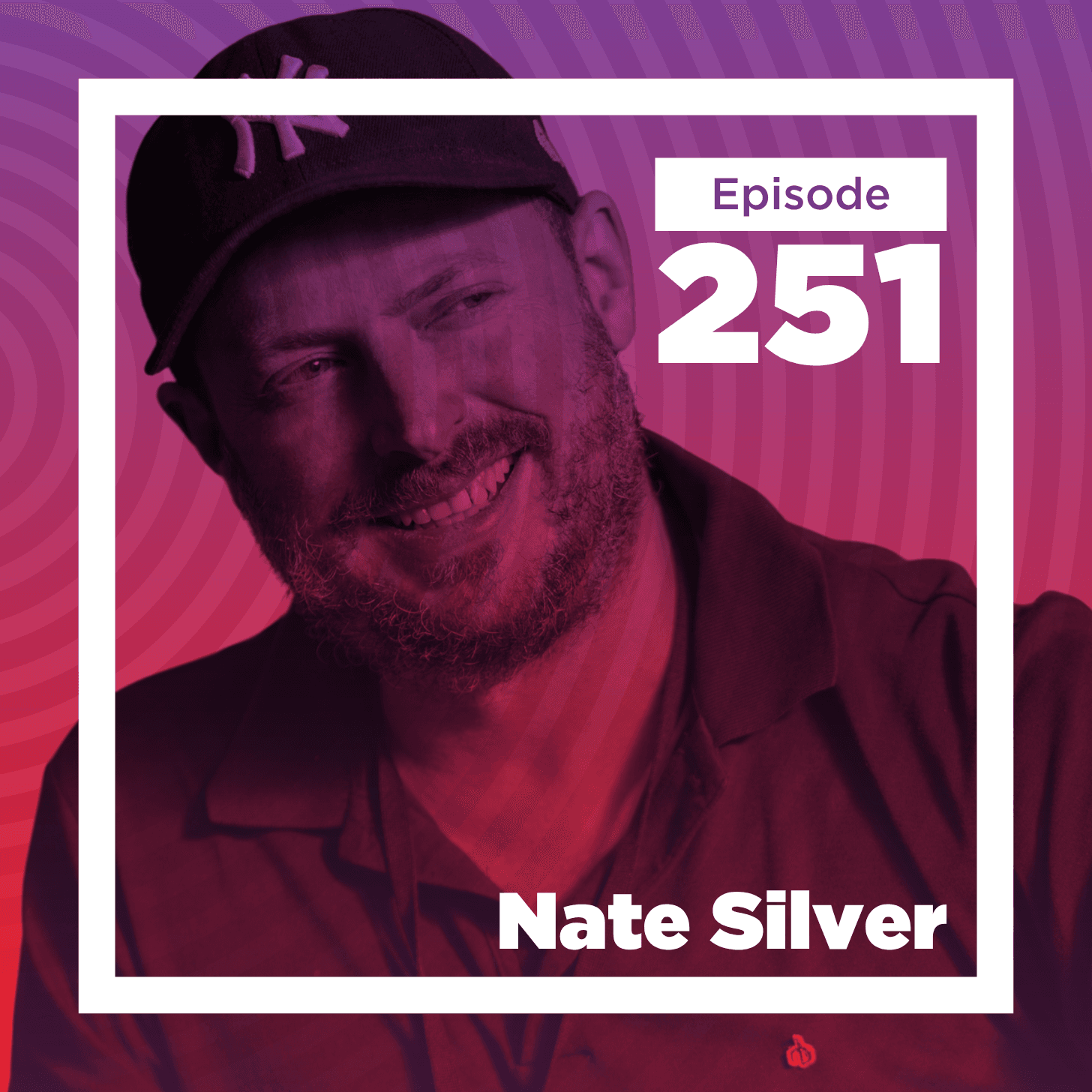
Notes on "Conversations with Tyler" - Episode: Nate Silver on Life’s Mixed Strategies
Podcast Overview
- Title: Conversations with Tyler
- Host: Tyler Cowen
- Description: Engages with deep thinkers about their work and the world.
- Episode: Nate Silver on Life’s Mixed Strategies
- Release Date: July 23, 2025
Episode Summary In this episode, Nate Silver discusses his reflections on past predictions, the application of academic theories like expected utility theory, and the dynamics of prediction in sports. The conversation spans diverse topics, including personal beliefs, electoral systems, and the influence of AI on forecasting.
Key Topics Discussed
- Expected Utility Theory and Game Theory
- Expected Utility Theory: Silver describes its relevance in poker and other risk scenarios.
- Application in Poker: Emphasis on calculating odds and strategies in gameplay.
- Random Nash Equilibria: Discussed in relation to decision-making in poker and its implications for social behavior on platforms like Twitter.
- Tells and Reading Behavior
- Tell-Reading in Poker: Silver shares insights on how reading opponents’ physical cues can lead to better decision-making.
- Application Beyond Poker: Reflects on the difficulty of transferring these skills to contexts like the NBA, emphasizing the complexities of body language.
- Disappointment with Academic Writing
- Silver expresses his frustration with the current state of academic literature, feeling that it often lacks practical applicability and overemphasizes political bias.
- Political Forecasting and Electoral Systems
- Electoral Systems: Discusses flaws in current electoral systems, particularly ranked-choice voting and their potential impact on outcomes.
- 2028 Presidential Candidates: Speculations on future candidates and the role of superforecasters vs. AI in political predictions.
- Cultural and Intellectual Observations
- Reflects on the cultural dynamics of Bay Area intellectual communities and the peculiarities of public discourse.
- Comments on the rarity of openly gay athletes in professional sports, contrasting the support seen in sports like WNBA.
- Challenges in the NBA and Sports Dynamics
- Discusses the NBA's current structure, including the impact of market dynamics and player injuries on gameplay and team strategies.
- Potential Reforms: Suggests possible design changes for the NBA draft and season structure to reduce injuries and improve competitiveness.
- AI and Prediction
- AI vs. Superforecasters: Silver predicts that humans will outperform AI in forecasting for the next decade but acknowledges AI's rapid improvement.
- Risk-Taking in Life
- Explores the concept of risk segregation in individuals, questioning if people inherently have a unified approach to risk across different life aspects.
- Discusses Pascal’s wager and the implications of risk management in daily life.
Key Takeaways
- Engagement with Theory: Applying theoretical frameworks like expected utility theory to practical scenarios enhances understanding of human behavior.
- Academic Critique: There is a growing divide between academic discourse and practical application, as noted by Silver's experiences.
- Political Forecasting Limitations: Silver emphasizes the inherent unpredictability of political outcomes, highlighting the need for more nuanced approaches in forecasting.
- Cultural Dynamics: The uniqueness of different intellectual communities can lead to varying beliefs and behaviors, impacting broader societal trends.
- Future of Sports: The conversation underscores the need for adaptive strategies in sports management to address evolving player dynamics and audience expectations.
Conclusion Nate Silver's discussion with Tyler Cowen provides valuable insights into the interplay between theory and practice in decision-making, the evolving nature of sports and politics, and the ongoing advancements in AI and forecasting methodologies. This episode serves as a rich resource for understanding complex systems in various domains.
---
For the full transcript and additional resources, visit the [Conversations with Tyler website](https://conversationswithtyler.com/episodes/nate-silver-3/).
Written by AI. May contain mistakes. Listen to the episode to check what was said.
Transcript
Automatic transcript. May contain errors.0:04Conversations with Tyler is produced by the Mercatus Center at George Mason University, bridging the gap between academic ideas and real world problems. Learn more at mercatis .org. For a full transcript of every conversation, enhanced with helpful links, visit ConversationsWithT Tyler .com.
0:27Hello everyone and welcome to Conversations with Tyler. Today I'm chatting with Nate Silver, live in New York. We are here to commemorate the paperback edition of Nate's On the Edge, the Art of Risking Everything, a book that last year I described sincerely as absolute fun on every page. We're also going to revisit some of our earlier predictions from a year Here we go, and nine years ago, and talk about everything I want to talk about. Nate, welcome. Tyler, always a pleasure. At current margins, do you learn anything from studying expected utility theory? Well, I mean, I probably spend 10th of my time playing poker, and like certainly in that respect, you're quite explicit about calculating things like that, right?
1:11But are you learning new ideas, new theories, new concepts? Or are you just applying what you learned, say, 13 years ago, whenever? No, I feel it still feels fresh to me. I mean, I, you know, I think, so when I've talked about the book to people, people kind of understand the expected value part, right? That's like easily explainable to like economics 101 people. I think the equilibrium part that, you know, solve for the equilibrium is something that people don't get as much is like, what's equilibrium that should emerge given everyone has their incentives to play this hand optimally, so to speak, right?
1:40Or everyone has different incentives, but they're all being rational in some capacity. Like that kind of thing, I think about a lot when it comes to even like online discourse, for example, you know, why are people behaving a certain way on Twitter or X, for example? It's a random Nash equilibria. Do you take that seriously? It seems to hold with soccer kicks, right? But in poker, anything you do, you ever use the concept? Oh, sure. No, I will literally randomize sometimes, right? Well, you look at the tournament clock, and if it's a high number, then you'll bluff, and it's low number, then you'll play more passively, for example, you can look at the rotation of your chips or things like that.
2:14I mean, look, and you think some of the other people do it too. Yeah, you can tell there's a certain look. You see people are like looking up at the clock, and it's like a kind of daydreaming, and they're waiting for a number, right? You can rotate your cards. One thing people didn't realize until they actually solved the Nashikilibin for poker is how many mixed strategies there are. Basically, every hand is a mix of some kind, right? Yeah. The flip website to that is that if you have any tell or read on your opponent at all, you move from literal indifference toward a dominant strategy in that context, right?
2:47So I believe actually like reading players tells picking up on the moment and how you are perceived and how your table image shifts a lot. But no, I mean, poker's gone further than anything else in the literal manifestation of game theory in real life. I mean, you also see it in football and things like that. I'm working on an NFL model now, right? I wonder if NFL teams are optimally mixing their strategies, for example, but you see it there, right? Like a draw play on third and long, right? Has a higher expected value because it's not expected and because you're supposed to always pass there, right?
3:19And, you know, economics is amazing in the sense that human, it predicts human behavior. I think, I think fairly well when you have repeated trials and people that have good feedback and incentive to be optimal. Your ability to retell, does it help you at all in real life? And if so, how? There's probably some people reading, but it's very specific, right? It was on the subway getting here, right? I didn't have a seat on the train. I was like, oh, that person's going to stand up. I can tell. I was wrong, right? The tells are not always 100 % reliable. If someone wants to learn how to read tales, other than just say playing a lot of poker or doing the thing, how do they do that?
3:51I think there is not a substitute for how it correlates to real world scenarios because it's so kind of contextual and kind of semantic. So I was at the World Series for most of June played in the main event, which is a $10 ,000 tournament. And there was a guy you had like a very rapid heartbeat. They could kind of see his, I'd call it like the Cartwright, I don't know what it's called, right? But his heart's beating in his neck. And so that's obviously often a tell. However, for some people they get more nervous when they're bluffing, some get more nervous when they have a strong hand, right?
4:23So you have to like kind of correlate that with behavior. And that's contextual. the fact that he was an intermediate player and not a really good player or a complete novice fish we call him in poker. So, you're building up kind of an implicit database in your head, I think, just by watching a lot. And including watching when you're not involved in a hand in poker, you're folding and most from the poker most of the time. But I'm watching people and making a little prediction, oh, that feels strong, something he did. right? And then, you know, if you're right, 60 % of the time, 60, 16 instead of 50, random, right?
4:57That's a huge edge. And in gambling, any 55, 45 edge is enormous, right? And 60, 40, or 65, 35 is, will make you a very winning player. And if you're watching an NBA game, is there any meaningful way in which you can read tells, like, oh, Luca has a bad attitude tonight? I mean, you can tell from the body language of a team sometimes, I had a fairly good year you're betting the NBA playoffs and like does the team have it tonight? I mean, that should be in principle, you know, actionable, I would think, but you know, you would think that markets might pick up on that. But yeah, there are things like this team is tired.
5:31They don't have the personnel, right? Like the, you know, the nuggets in that, in that okay, C series, like they're a great team. They beat my expectations, but like they're not going to be able to keep up with this team for, for four quarters. But that's not like physical read so much is kind of, again, it's kind of a little bit if it's cultivation in a lot of priors in context. What was the last interesting thing you learned from the academic political science literature? Oh boy, is this gonna seem like kind of like an insult? No, no, we're all for insults here. I mean, look, I read a lot of sub stacks and things like that, right?
6:06Oh my gosh, I don't know. You know, I think that might be the right answer to be clear. No, look, I think in some ways, you know, what has come out of academics are of been interesting. I mean, I think effective altruism has been interesting, for example, you know, I mean, certainly critical theory or whatever the orches of wokeness have had a lot of influence on the discourse more broadly, but like, yeah, I don't really read a lot of journal articles anymore. It's also a lot of it's gone on blue sky, I think, and I can't tolerate blue sky. Really, it's too much of a circle jerk, I think. And so, you I think academics have maybe lost influence in that respect.
6:44Even though I have great experiences talking to academics and I'll do events at universities a couple of times a year. And they also kind of fall in this trap where it's so reflexively anti -Trump. A lot of it, and I'm anti -Trump, right, in most senses of that term. But something about it has kind of melted the brains a little bit of like the nuance and the subtlety and the things that, you know, the slow cooking method of academia where you're supposed to take more time with things. I think is not always a good match. You being one of the major exceptions for kind of rapid fire reaction to the news cycle.
7:19If there were a paper you wish someone would write, is there such a thing? Something you'd like to know, but you don't know now. And in principle, an academic could do it. Yeah, maybe papers is kind of like the wrong part of the curve right now. We're like, yeah, like a substock newsletter that you take a couple of days with or a blog post, right? or a book. I mean, I'm still a big believer in books where you kind of go into a conclusion more in depth than anyone has before, right? Or investigative journalism, you know, I was just listening on that on the way over to like the Rost outhead podcast with the woman who kind of helped to break the story of Jeffrey Epstein for the Miami Herald.
7:56And she's like, this was a major story featuring all types of people that are extremely well -known and notorious internationally, right? But people are kind of lazy, right? And they were not like a lot of reporters really kind of pursuing every detail of that case. And so I think that, you know, 90 % of academic papers would work perfectly fine as like, as like blog posts, right? Including the tone of like, okay, I ran some regressions instead of having like Greek symbols and things like that and the pretence of all of it. And I think to say what you think, right? Just say that the world sorted out.
8:26Say what you think. And also, you know, one of the things I like about writing a newsletter is I can use my tone to say, when am I speculating a little bit more? when I'm making a joke, when am I being more serious, presenting some original finding and things like that? And that can be lost with the dry sterile tone of a typical academic paper. So when you think about maximizing expected value, how obsessed should you be with longevity? Should you be the next Brian Johnson? Yeah, I mean, I ask myself a lot of these questions, right? Like I don't know. I think if you kind of hyper -optimized for every parameter in your day -to -day life, and you probably wind up being fairly miserable, I think, yeah, I mean, I guess it'd be hypocritical if I said I was like terribly concerned about longevity.
9:06I mean, in your 40s, you are kind of both by choice and by force, you kind of are required to be a little bit more careful about certain things, I suppose. Yeah, I haven't gotten on that on that bandwagon quite as much. I'm sure I will probably for this in again in three years. I'll be, I don't know, right? Some health nut or something. But for now, for now, I'm making serious but incremental improvements, I guess. as a better, do you take Pascals' wager seriously? I take the notion that we're profoundly uncertain about the nature of the universe seriously, right? But why not believe, right? It would seem to maximize expected value.
9:43Just jump right in. You don't have to say you know the answer, but you would say, well, this isn't the most likely path I have for getting to the answer. It's to start by believing something. Well, I don't really believe in heaven as such, right? Or I don't believe in kind of like Pascal's, I mean, I put, you know, P equals point O O, one P equals one, but there's some chance, right? There's some chance, but like, I mean, look, a lot of these problems in, I guess it's called like infinite ethics. You know, you now have this big debate over like shrimp welfare. Sure. For example, and I'm like, we have enough problems that are in the kind of terrestrial, tractable realm, right?
10:19Well, I'm just not going to worry about those things so much. And I think, I think, you know, as thought experiments, they can be helpful and fine, right? But like, I think if you kind of like, you know, ignore the 1 % of edge cases, it's probably good to have some people Wilma Cascola would ever worrying about those things. I mean, a lot of people having like some influence on that, but like I'm trying to kind of move in the realm of the tractable. I've always been more, you know, poker, you know, what matters is what hand you have, what matters is the read that you have. and the theory matters, but like information you have that's local and specific and actionable always predominates that.
10:59So you dismissed Pascal's wager. In short, I don't worry about Pascal's wager, I guess. Again, as I said, I've evolved toward being more affirmatively kind of agnostic as opposed to atheists. I suppose, but that's not because of Pascal's wager percentage, just because of the This is a strangeness of the world. You know, I do think that like some of the AI stuff to have people asking a few more questions about the nature of reality, I suppose. Yeah. There's plenty of material in your book about people who take a lot of risk. Subtital is the art of risking everything. How much do you think people segregate areas of risk taking?
11:34So for instance, people might say, well, Tyler, you traveled to some dangerous locations, but I'm totally afraid to scuba dive. I feel I'm very strongly segregated. either take a fair amount of risk or close to none at all. Is that your model of most humans? That's pretty normal. Yeah, I mean, except I think I use in the book as a Ezekiel Emanuel. What's on the board? You can't go to, you shouldn't go to restaurants because we still have some co -bits like now in 2022, 2023, right? But he writes a motorcycle which is like known to be one of the most dangerous things per mile that you can do. Yeah, people are usually not super -meterational about risk, right?
12:09But should they be? Like, should you have one general risk attitude? Is that more meta rational? Look, I think things that seem irrational are often kind of rational on a higher plane, right? Yeah, like loss of version. You know, I had a pair of headphones stolen from me the other day, right? And I felt very kind of guilty about that. We hadn't locked the door of our car and was kind of my fault. But like, this is in New York. In actually an upstate, New York. You gotta be careful of upstate. Real home of thieves, yeah. Yeah, but like, and you're like, okay, well, I can afford a new pair of headphones, not a big deal, but like, but if you were chronically sloppy about things like that, then that would cause more hardship and would be wasteful and so like, you know, loss of version things like that aren't necessarily, I mean, they come from flawed iterations of rationale that might serve a, might serve a higher purpose or might have served an evolutionary purpose earlier in kind of human civilization.
13:06Can you think of cases of people who have truly integrated attitudes toward risk? That is they have some level of risk taking, they apply it more or less evenly to all the things they do. I mean, look at those people just in jail. Yeah, no, I mean, look, I think some of Silicon Valley has that attitude a little bit. It tends to be correlated with other things that might be less desirable. The calculator risk taking part is hard, I think, right? If you're very successful, I mean, one thing you see when you do play poker is like people play very differently when they're on a winning streak. People play very differently when they're confident.
13:42They usually play better, quite a bit better. In fact, I'm probably true for like human beings too, but you know, but I've had moments in my career where I kind of flew way too close to the sun and you stop getting you begin getting worse feedback from people. That's very that's very damaging, right? where people are sick, sick, aphantic around you, potentially, where you shut off criticism. I mean, Elon seems to have this problem a little bit, although Elon at least has kind of, you know, Elon didn't concede to Trump on tariffs and skilled immigration, things like that. So he had some values at least, but that's a very big problem, I think.
14:17And you're surrounding yourself with, yes, man. Why haven't you been to Oklahoma yet? I'd like to go. I had designs on, I was hoping the next we're gonna play, Okay, see then I'd have gone for a couple games there. It's cheaper to fly to Okay, see staying in a in a Ramada or something or maybe if I'm not even a nice hotel then to go to Masses for Garden for playoff games I was thinking of trying to see a playoff game in okay, see not the finals the tickets were so cheap. I was stunned Because I'm used to like Bay Area New York City prices, which I won't buy at but I look at them And then I say oh, that's too much New York City is kind of crazy for I mean, I think one thing people figure it out is like like all the kind of high taste things that like that rich people really like.
14:59There's been huge inflation. This is like the world's tiniest violin problem in like, high in like sushi omakaze, for example. I don't do it anymore. Yeah, no, it's, you know, or like the US Open used to be something really fun to go to the US Open in Flushing Matto's, right? You go to like one of the early sessions, you can go like to any of the 17 courts, or whatever, it used to be a pretty good deal. You get in for like 50 bucks, and now it's like 200 bucks, right? which is kind of the fair price, but like, you know, you see now Delta using AI tools to price discriminate. That's right. A little bit more, which I think we probably should be bad for you.
15:32Yeah, probably. We should probably have some law. Although in New York, we have, in New York, we can fly on multiple carriers to almost everywhere. Yeah. No, I think, but if they all price discriminate using a common algorithm, it's not literally collusive, but it's in a way like collusion. Is that legal or not? You would know more than me. There are pending court cases. I'm but it will be an increasingly important issue. Yeah, I mean, I think there'll be, I think some of this is short -sighted in a sense that we'll probably have like a pretty for -prone backlash to it, I would think. Yeah, and I mean, it rose to the wrong way intuitively.
16:05If you're betting on NBA games or just trying to enjoy them, how much does it help you to have seen the team live? Like if you go to see Oklahoma a few games, do you learn anything? I mean, given that the edges are pretty small in general in sports betting, you know, you're probably, they're losing by 1 % ROI or winning by 1 % ROI, then any of that is is helpful. I think. And also sometimes, you know, the markets are a little bit behind if you're kind of there and the arena is called court -sounding, you can potentially pick up on things. So it is helpful. I think so. Yeah, I mean, again, if it improves you by like 0 .5%, you're ROI, that becomes pretty meaningful in the context of a sports bet.
16:45Does ranked choice voting really matter? Does it really matter in affecting outcomes? It potentially can matter. I mean, particularly you've seen candidates adopt different strategies for it by cross endorsing, for example, although I think I've kind of turned mildly anti -RCV for a couple of reasons. Why? One is it's not condor say optimal, right? The order in which candidates are eliminated, hopefully I'm saying that name correctly, right? Yeah. The order in which candidates are eliminated can affect who wins, like Brad Lander, for example, was kind of the compromise kind of between Mamdani and Cuomo and the New York mayoral race.
17:21It's plausible he would have won any head -to -head matchup, but he was eliminated third from last or I guess second from last, so he didn't get to win. But what do you've had to head -to -head matchup under a normal voting rule? Well, I mean, it's plausible you could, I mean, I don't know, or the traditional, I guess the traditional runoff wouldn't be like any better potentially. No, I mean fair enough, right? You also almost had Mamdani wind up winning the first choice vote, although in 2020, one Eric Adams nearly lost to Catherine Garcia despite being way ahead in the penultimate round and Garcia nearly was eliminated by Maya Wiley in the round before that right so it's more gameable than you might think also like it takes a really long time to count the votes in all the tallies right like just yesterday we're taping this what is a July 21st or yeah so three or four weeks after the election you finally get the official tell you of how all the ballots transferred, it wound up not being that close, but like, I think we need it more of a norm in American elections toward counting votes within 24 to 48.
18:22Because they'll tell you, right? India does. I was doing a little work on the Indian election, which was fascinating in different ways. And they have a physical polling place up in the Himalayas and things like that. I don't know how many languages they speak and how diverse and they respect that country is and they count their results very quickly. They also have better exit polling in international countries where in the US the exit pollsters are trying to ask this like 100 item long, proper kind of political science like demographically weighted survey. Whereas in Europe and Latin America places like that, which is like, which one who's going to win, right?
19:00To make from work setting TV, just ask someone question, who do you vote for? They do it in a very organized way and so exit pulling is quite good and foreign countries and quite bad elsewhere. But yeah, I think, you know, I don't think it should be a Republican talking point that we want the vote counted quickly and not taking days and weeks. And if you could wave a magic wand and bring proportional representation to the United States at the national level, would you do it? I think I'm enough of a critic of the two major parties that I'd have to say, yes, for the most part, although I know. I mean, you know, we have more veto points in the American system.
19:34That's probably been good for capitalism and economic growth and maybe a certain type of liberty. I suppose, right? I mean, I think a question I'd like to see addressed more. Maybe there's some good books. It's like, I see the US and Europe as diverging more and more. Canonically, Europe is getting longer and longer. Life spans were not really right. We still have fairly good economic growth. And they don't really, how much of that is kind of culture, but our Europeans have long life spans, right? Well, it's what I'm saying. So if you're a Japanese American woman born in New Jersey, isn't that the world's longest lifespan?
20:10It's pretty, I mean, New England is almost like Scandinavia or something, right? Including being like, you know, slightly boring in certain ways, right? The foods a little, a little plain. But yeah, I'm a big proponent of like kind of New England. It's not where I want to live, but like New England exceptionalism. They did much better under COVID. I mean, Boston had a very big outbreak early, right? but like Vermont, New Hampshire, Maine had much lower COVID cases than anywhere else by far in the United States. They're doing something clearly right. If I look at some of the prediction markets, at times I've seen Trump at six to seven percent, likely to be the next Republican nominee to run for president.
20:48Is that long shot biased that it's hard to shorten those markets? Do you think it's the right number? Is it just expressive bettors who want to see Trump again and they're willing to lose some money to send that message? What do you make of that? So the prediction markets and I consult for polymarket have gotten quite a lot better. They've gotten quite a lot more liquid, but you still see some obvious mispricings like Zoran actually have a 7 % chance of becoming the Democratic nominee when that market launched at Polymarket. It was born in Uganda, so there's no work around to that. I don't think I think on the papal bending markets, they didn't have Pope Leo price higher than 1 % or things like that.
21:28and I think they got overconfident about us just when they had like no, no inside knowledge on the outside view is maybe only marginally useful and things like that. Look, I don't know. Yeah, I mean, we talked a little bit before about like, about how some of the kind of academic historians, political scientists have kind of gotten enraptured by this anti -crump thing. And I do think the scenario where like, Trump runs for a third term. I mean, I don't say it's zero, right? And I'd say if it's 2%, then that's still alarmingly high. but it's probably probably two and not six or seven. I mean, you'd have to just totally...
22:04My question is in that world, are we even having an election in the first place, right? If you're just kind of flagrantly ignoring the Constitution that much, I mean, I think there are what's common that weird, non -democratic governments have elections of some kind, right? Most of the... Even the Soviet Union had quote -unquote elections, they do, but like for that transition to occur in the US, So, and also, you know, Trump is not particularly popular. His ratings kind of fell pretty fast early because of, I think, predominantly tariffs and then recovered. Now, they've fallen again. I don't know how much of that is more tariffs versus, you know, if I could like the Epstein stuff, for example.
22:44Yeah, a lot of the scenario, I mean, you know, it helps for populists to be popular. We certainly have enough kind of checks and balances and the US people are not being forced -fed information from like from anyone source. And so yeah, I worry about a lot of things with Trump. That's probably not the foremost concern. I've seen Stephen Smith, the ESPN sports commentator, you probably even know him, but as high as 9 % in the market to be democratic nominee, what do you think his actual number is? Maybe 2%. I think it's 4 or 5%. I don't think it's crazy. We had a draft of like the 20 most likely Democratic nominees.
23:22I think Stephen Smith was like a ninth round draft pick, right? And what does that scenario look like where he wins? I think it's where Democrats feel really, well, the reason why I would not be as optimistic as you are, right? I think that other people with the platform will emerge, right? Like I had not frankly heard of Zoran Nandani's name when we taped our last conversation a year ago when he might now be one of the five most recognizable names in the party, the fact that he's from Uganda prevents him running for president. But like, but you'll see other people emerge. I think there is probably some indication that you're going to have more, more energy on the left, more energy from people who are kind of like explicitly partisan, maybe to the point of being like a little bit paranoid, even right?
24:10You have, you know, there is a little bit of election denialism among certain threads of Democrats, for example, that Trump stole the election from Kamala Harris. It's, you know, it's nascent for now, but I think a partisan fighter and also, you know, you're filtering out. I mean, you know, people get confused because they're like, okay, well, why is the Democrat electorate? Because Cuomo did very well always in New York City when running statewide. Hillary Clinton did very well in New York City. It kind of diverted Bernie Sanders' campaign in 2020. But like it's because people in the center have like migrated away from the Democratic party.
Read the full transcript
24:46So you're having these two things that go on at once. I do think there's a chance that Democrats will overestimate how Talor at the rest of the country is for progressive governance, but but with that said, I think JD Vance is also a pretty flawed Canada. I think any other non -Vance candidate is gonna have a lot of trouble escaping the shadow of Trump. So I'd regard Democrats as like a of 55 45 favorite for or 2028 pricing in some chance to eliminate what I would think of as a suboptimal from an electoral standpoint. Can it, right? I'm not telling anybody who they should dominate in terms of whose values they have.
25:20You know, I think people neglect the importance of the primary system and the optionality and the revealed preferences of voters. It is a pretty good proxy for running a general election campaign is running a primary campaign that goes through all 50 states and you're raising money. You're giving speeches, things like that. But yeah, I think the idea of like External savior who's a centrist is becoming a bit less likely than I would have thought a year ago Do you think the major tech companies have proprietary information where they can predict Elections better than anyone or anything they may not even bother to do it, but is it there in principle?
25:55I tend to doubt it. I mean one nice thing about polling for all the flaws that polling has and I think polling has I wouldn't call it a crisis, but like on the route to a crisis, is he do have a good baseline to compare with, right? You can say we are going to go back to like, you know, 1936, I think was the first time Gallup issued a presidential election poll and look empirically at how accurate those polls are at X -Dembrov days out from the election, whereas there's nothing to kind of calibrate AI -type models, right? I mean, you know, you could probably predict how an individual voter will vote.
26:29So if they're gathering, I mean, the amount of things I tell, but if you spend a lot of money and you have everyone's, say, Facebook posts and you just fed it into a sufficiently complicated model, wouldn't that be the best predictive model? Well, look, if I know your, just your name and your zip code, I can probably predict with 90 % accuracy you're going to vote for, right? From the name, you can infer gender, race, age, from the zip code you can infer social and how much status, right? That gets you pretty darn far. The issue with elections is that like, is if they operate on this like 1 % or 2 % margin, you know?
27:06The polls will have a disaster because one kind of gets 51 % instead of 47%. That's still pretty good. If you're estimating how many jelly beans there are in a jar, you're like, oh 51 % of them are purple, and it's really 47, then that's not too bad, right? But you need a lot of precision for election polling and you have, and you have plenty of ways to get to a kind of blunt approximate view. but I think those would not be any superior to the other ways, like polling namely. Do you have a prediction for most likely Democratic Party nominee? We may be doing another of these in three years, right?
27:36I, you know, I, AOC was the first pick in the draft I did, and I think that would be reinforced by the New York Meryl race. I mean, I think she's a very bright person who has demonstrated some tact in certain areas. And look, again, I am not a socialist or democratic socialist, right? But even I am someone who likes seeing new faces in the parties, right? Who thinks who had no affection for like the Clinton dynasty or the Cuomo dynasty or the Biden's who can't seem to stay out of the spotlight. And so I think she's smart enough in question enough, good enough on social media. And so, you know, no one's higher than like 15%.
28:17But if you gave me a free bet, I think I'd pick her. Now speaking of predictions a year ago we talked about how long will it take AIs to be as good as human super forecasters? And you made a prediction where you said at least 10 to 15 years. Yeah. Now a year later do you want to revisit that in revised? I think it's probably about right. I mean I would say relative to a year ago AIs about at the 40th percentile of progress I would have expected. I'd be curious what you would think. Well, a year ago, I said two to three years. Yeah. And right now, I'm going to say one to two years, which is the same prediction.
28:53So I think your way to pessimistic in your time table. It depends on kind of how competitive the exercise is, right? If it's like a, like a methyl -impy adornament. So I think they just did gold medal performance. I said this last year, I said in a year, they're going to do gold medal. And a year ago, they weren't sure how many ours were in the word strawberry. I think so. So you don't think on super forecasting, they can. I think it's very different when you're dealing with a static problem is compared to a dynamic system where the inputs are changing all the time. So currently the AI labs or not the AI labs, like the large language models are very bad, very, very bad at poker.
29:31They're not trained on poker data. I'm sure if you did train them, there are things called solvers that are trained at poker day that do very well, right? But they cannot quite impute the general patterns just from mediocre poker, text data or amateurish kind of hand analysis. But if you probe them on why they're bad, they're like, yeah, maybe it's tough for us when you have a complicated evolving kind of game theory dynamic and you have to develop exploitive strategies very quickly. I mean, the amount of like, you know, it is amazing poker players where if you have a computer solve a poker hand to get to one with enough lost minimization, it can take like, you know, very strong computer can take like minutes, right?
30:11where a spoken player makes those calculations implicitly in a handful of seconds, for example. I worry with the math Olympia, it's stuff there's like a little bit of teaching to the test, where because you kind of set this as the goal, that a large language model should have, that therefore there's a lot of prestige when you meet that goal. But it isn't teaching to the test what we should do, even with humans, in a sense, right? Like the test is what you think is important, and that's what you ought to teach. Well, but like the poker example, right, or chess. I mean, I think AI models are very poor at chess from everything that I've heard, for example.
30:47But other AI models play chess great. Correct. No, look, I mean, this gets me the question of like kind of like, what's it mean to be generally intelligent? I mean, yeah, we'll probably have like scaffolding of model on top of model, and you'll now like patch different things like right now. You can't really very effectively make like a plain reservation using chat GPT, but I'm sure if you dedicated a resource to that, then you have these agentech models now or agent models that are just kind of like creeping into the system a little bit. But those will work in less than a year, I think. I mean, there's an agentech model now.
31:20I'm sorry I get to like eight kind of rough AGI versus super intelligence, right? I am less convinced that we're going to have some intelligence explosion than I would have been maybe, I don't think it was ever convinced of it, right? but like, you know, this emergent super intelligence where you train it on relatively simple data and extrapolates beyond the data set. I mean, I think they do reason sometimes. I think they're kind of quite smart. And I no longer am like, bashful about saying, oh, chat you think this used to avoid that that term think. But there's a big gap between like approximate general intelligence for kind of desk jobs and then super intelligence on the one hand or then kind of AGI for physical labor on the other hand.
32:03I think people are much too quick to make that leap. And I think the math Olympiad and part because maybe the data, the answers are somewhere latent in the training data. But even if they're not, I, you know, if you try to solve, which is the Lucas critique? Yeah. Whatever else, right? It's a good, a good, a good, a good question. A version of that, I think, for AI models. My intuition is that if you took five super forecasters and just had them right, a five page prompt for GPT five, which will be out this summer that we'd be there already. I don't think it would be super intelligence. You could say it's not a GI, but the human super forecasters, they're not that impressive, right?
32:41Like they're not Einstein's. They just have good methods and they're disciplined. It requires so much on general knowledge. I think both general knowledge of how the world works and here is because I think it might be a little tougher. I mean, can you train on a thought process? Like I try to do that in real life sometimes, right? Like my partner is an artist and has a very good eye for art. And I don't, I maybe have a B, B plus, right? I kind of like train myself on him and say, what does he like in art? And so, you know, but that probably caps me at like a B plus understanding potentially. And in markets, you know, a B plus trader is often on the losing side of a trade.
33:21How good do you think you could become an appreciating art? Let's say you put in two to three years, not full time, But maybe one of your two or three big things, you know, after basketball. I'd probably be very serious about it. Look, I have confidence that like when I devote myself to things I can get kind of quite good at them. I think there's kind of no physical limitation there, but still, I mean, look, you know, I have four or five hobbies that kind of occupy all my time. Some of which have already become kind of professions, right? I think maybe architecture more. In the silver DNA, there are some architecture genes.
33:58We're related by not by blood to Frank Lloyd Wright, right? My grandma was an architect, designed the home. I live in part -time now in Westchester County. My uncle is an architect, so that would kind of be more the direction where I would go. I like things that are spatial. I have a very good spatial memory. If I've been to a restaurant before, even it was a different restaurant 10 years ago, I remember that space very well. Whereas art, I have just a okay eye for it. Now, nine years ago, in our first conversation, we discussed why more professional athletes had not come out as gay. And you and I both thought then that over the forthcoming time period, more players from the NBA would come out as gay.
34:35Yeah. I asked chat GPT. They said Jason Collins came out 12 years ago. And since then, it's been zero. Why is that? What did we get wrong? I mean, there's been a little bit more of a conservative backlash in sports where you kind of more outspoken Trump supporters. But that's very recent, right? Where you have a nine year period, there's 2020, the extremes of woke are part of this period. Game of marriage is really quite solidified in American life and no one comes out. It is surprising, I think, in a lot of way. You know, look, I am not so PC. I mean, there may be kind of like some selection mechanisms.
35:15I don't necessarily know that they're, they're genetic, but like maybe it becomes easy for gay people to like come out in high school and things like that. They're attracted to fields apart from sports, even though, you know, gay men typically are quite in shape and quite athletic relative to straight men of the same demographic cohort otherwise. right? So it's not like a physical ability thing, but like, but selecting into sports, and a sports becomes more professional, I guess, like, not the right term at the high school level, but like, you're tracked into, you know, cup of flag, whatever, right?
35:50You know, you didn't kind of spend all this high school in Maine. You went to a month of already a kind of year, whatever else it was. And so if anything distracts you from that, whether it's kind of questions about your identity or anything else, right? You kind of get off track. Maybe it's like kind of harder to make that up later on. And GPT also claims that 44 players in the WNBA have come out of something other than standard head arrow. Yeah. It's a big gap, right? It's a big gap for sure, right? And I went to a Slack Hattling Clark on the Indian in a fever against New York Liberty last year.
36:20The WNBA is like fascinating, right? It's a very, very, very different demographic than any sporting event I've ever been at before. You know, I think it's kind of great. It's getting more cultural salience, I think. Does betting help it in relative terms? Two years ago, I had a really good time betting the women's NCAA basketball tournament kind of before the markets had adapted, but I think people figured out like, okay, these are pretty soft lines. And so, yeah, no, I mean, the issue is like in any type of betting, if you're any good, you'll get limited if you have repeated success or even wait your set, look EV plus the EBITDA casino, you'll also get limited quite quickly.
37:00But yeah, probably like betting women's sports, probably is there's probably some smart kid out there some smart college kid He's gonna make a lot of money betting WMBA women's college basketball women's anything really and he's building a model or just using intuition Or reading a lot on the internet how have my DB doing that? You know my guess is the model Combined with knowledge of the league can get you get you pretty far like you know So injury data for example is much worse for women sports and for men sports They don't have the same reporting protocols. So if you were, you know, for even for the insane tournament, we actually were trying to use injury data in our women's NCAA model and like, you have to like do one by one individual Google searches for it, right?
37:41And so yeah, there's still a reward to like having knowledge that nobody else has, right? Or that few other people have and people are basically pretty lazy and don't necessarily do the legwork on that. You mentioned Cooper flag before. As you know, he was drafted number one by the Dallas Maverick, who are quite a good team and you have what Houston and Philly drafting two and three and the Wizard's draft number six. Yeah. Do we need to redesign the NBA draft lottery? People complained before that there was like too much tanking and now I guess they're saying that it doesn't reward tanking teams enough.
38:14No, I think it's probably it's probably fairly optimal. I mean this year was was weird in the sense that like all the top three teams are are accomplished in certain ways, right? Or other things going for them. But no, I kind of like the old, was it the Mike Zarian proposal for like the wheel where every team gets the first pick once every 30 years and you kind of know ahead of time, which one it is. Yeah, I don't like incentivizing failure in any context. I don't think fans mind like rooting for leagues where one team is great and the other's a perpetual underdog, right? the most popular sport in the world, of course, is soccer.
38:55And there, you know, you have teams that are winning teams every year for a century almost in some cases. It doesn't seem to bother people as much. It's fair we don't have American sports. It's a cliche. Our kind of socialist and European sports are more capitalist basically. Is there a crisis in NBA right -giver season design? I had been kind of a naysayer of this a little bit until I watched this year's playoffs and kind of how much higher octane they were and how enjoyable it was to watch a game from start to finish. Look, I think it's a moving target. If you shorten this season to 66 games or 72 people will still complain about that being too many and I used to live near a massive square garden and they're for regular next game, the get -in price can be 200 bucks.
39:39I understand why they might not want attention. But yeah, I think you probably want to go to maybe not 66, maybe 72 or something like bat and see how that goes. There were so many decisive injuries this year. I forget the hall list, but it seems like almost half the important players, including the seventh game of the finals, were decided in essence by injury. Well, look, in every other sport, right, in football, you're only playing half the downs roughly, right? In hockey, apart from the goalie, you're playing, you know, there are three or four lines at shift, right, in baseball, you're only in the field half the time.
40:13The continuous strain on NBA basketball played at such a high. I mean, it's a totally different sport, right? You go back and like watch clips from like the 70s or the 80s, you know, like it's a totally different sport. I think it's a much better sport now. But like, I know, I mean, it sucks to see these guys like, you know, so great. Jason Taylor is a very graceful player. Halibird's a little hurty jerky, but it has a certain grace in how he steps and like, yeah, I think the league has to, I mean, you see that in baseball too with like Tommy John surgeries and things like that. and there are always downsides to achieving optimization to a degree we didn't necessarily expect and pushing things to the brain.
40:52Now, the equilibrium probably is that players always are pushing things to the brain, right? They're very competitive, they're extremely well compensated, right? There is appropriately demand for coaches and trainers and everything else for like for high effort, I think. You also have short -term incentives, teams don't really care that much about like what happens to their star player who's on the end of his contract in theory. That might be happy. Yeah, but I think you have to have, I think you probably have to trim a few games off the schedule or have something where maybe you say, okay, the individual player limit is 75 games, right?
41:27Every player is guaranteed at least seven days. Rest, maybe you are required to publish them in advance. So if I'm going to see Janis play from Milwaukee, I have no interest in the books without Yannis and their current form, for example, maybe something like that could be an intermediate step. Let's say you're advising LeBron James and this coming year Possibly is his last or certainly his next to last. The Lakers are not good enough to really go anywhere in the next year Probably you agree with that But he has assigned contract for what about $50 million? Yeah. What do you advise LeBron? I just as a human being LeBron.
42:02What should you maximize? What are you telling? LeBron's in a funny place because I think he's clearly by the career metrics. Now the best NBA player of all time. I agree. I don't think he'll ever win the hearts of people. I mean, you could argue LeBron was not as good as Jordan at the peak, right? You could argue Karim's peak was also higher, maybe very early in his career. So like there's kind of nothing LeBron could do sort of winning like three more titles that we could have put him ahead of Jordan in that conversation. I want to go to a young team where I can win a title and mentor some guys.
42:39I mean, go to the Spurs, for example. That might be a lot of fun, right? But they're not going to win a title with LeBron, not this year. Oh, I think the Spurs with LeBron James this year could potentially win a title. Really? That would shock me. I would give that, I don't know, four or five percent. I mean, Wembee is very, very good. I mean, he was playing at a level where there's this dark O NBA metric that kind of tracks performance in real time, which is usually not irrelevant for like a 30 year old mid career player, but for like someone like Victor is relevant like he was probably the fifth best NBA player.
43:12By the time he kind of shut down his season. But the chance that he's still on the court by the end of the year. And as such a young player, you look at the other true greats over time. and Karim won something very early, but usually people need, you know, Michael Jordan needed some years. LeBron needed some. You don't think Wemmy and LeBron would be, and you know, and they have little, let's say, I'd love to be a checker. I don't bet, but I'd love to bet against them. Well, next year maybe, right? They have one more year of maturity, they probably feel it maybe Dylan Harper's a positive value asset at that point.
43:42And LeBron can have his like, you know, sign them in a contract in San Antonio. Anyway, we know that's your advice. What do you think of the hypothesis that in the given season, and there's only a few teams that can win it all. And you know in advance who they are. So maybe last year it was Boston, Oklahoma, possibly Denver. And you should just bet on those teams. Anything else is a true long shot. What do you think? Look, I think every basketball fan believes in some like stylized version of that, but I think it's become like a little bit overstated. Many of the teams now, you know, the nuggets, people until Yokech was seen as like this ultimate beast of a postseason player, people were very scared about their ability to describe the postseason right.
44:22You know, Toronto didn't fit the paradigm a couple of years ago, even Yannis had struggled in the postseason before they found success later on. So yeah, look, you don't have that many years of relevant MBA history. I think people may be overindexed a bit to like the, the bulls and warriors dynasty. Why are the core young players of the wizards mediocre as you suggested in a recent such. I mean, they haven't had that many elite picks in the, in the most valuable drafts, right? I mean, they're probably doing okay. That was my kind of I think co -authors saying that they were mediocre. Otherwise, I agreed with him to be fair.
44:55Like Halibur and was what? Number 12, Steph Curry was number seven. I forget all the nut, but you know, not everyone's a top pick who's great. I haven't looked at how persistent skill and NBA drafting is to me, it seems fairly persistent. For San Antonio, okay, see to consistently pick a player or even Miami, right? I mean, That seems to be a pretty consistent persistent skill set. And what's your current update on the Philadelphia 76ers? You were kind of bullish last year, and I was down on them. Yeah. I want to claim victory on that one. Yeah, I mean, you know, Darrell Moray, who have you had him on commercial title?
45:32No, but would he do it? Yeah, of course. Of course. Yeah, he's a big geek. He loves chess, loves a lot of things like that, right? He will tell you that like his strategy's are very high variance, right? If M .B. is healthy and if Edgecomb is goodness first year and if Paul George is, I mean, they have like, you know, if they won 56 games next year, would it be 56 is a lot? 52, 53 would that be shocking? I mean, not totally, right? The the the East is pretty wide open. You know, they have this kind of like second timeline that now is a little bit more optimistic. No, so we have this piece now where we're ranking all 30 NBA teams by their long term 10 year chance of winning a championship.
46:11and they're right in the middle for me, I think like 15th out of 30. Who are the most important mentors in your life, including for basketball? I mean, for sports running in general, you know, Bill James as somebody who's a mentor, you know, I can say. And what did you learn from him personally, other than reading, which he's a great writer? I mean, Bill is kind of a wise -ass, right? But like, but understanding that like, good writing about technical subjects can still be good writing period that if you're like a, you know, an eight out of 10 is a writer and eight out of 10 is like a statistician that might be more valuable than being a 10 out of 10 and a two out of 10 in the other area, potentially in this era where we're well of substax and things like that.
46:51You know, Richard Taylor, somebody I got to know at Chicago a little bit and someone I'd consider a mentor, you know, I've followed you for a long time, Tyler as well. But yeah, you know, I'm also someone who's kind of it's a cliche, but kind of always blaze my own trail a little bit, you know, I think in in terms of election forecasting. There's some people, Robert Erickson, professor at Columbia who had pretty good election models early on, but in general, all this was done badly. And so I'm like, okay, the product I want doesn't exist, I'm gonna have to go ahead and make it myself. What do you feel you need mentors for now?
47:26I mean, I don't know if I have mentors for, as I just want people that are interested in. Like I need mentors to learn what's new in AI. Right, I can follow it myself, but I need a lot of help. Well, maybe Mentor is not quite, you know, for like AI stuff reading ZVs at mushrooms, right? Like, you know, he is a mentor for like following AI developments, right? Because he's kind of very level headed about it and very comprehensive. And I feel right, like, you know, a novel every week, basically on AI. But he thinks it's going to kill us all. That's funny. You would call him level headed. Yeah. I think he might think he's correct.
48:00But But, you know, look, I do think that kind of that AI safety slash rationalist community, I mean, it is, it is kind of a bubble, right? If you go to like the manifest conference, for example, have you been in, no, I know what it is. Yeah. How I put this like diplomatically, right? I've been around a lot of weird, these people are weird, even relative to like the other weird people in that cohort, I think, right? In ways that allow them to be kind of very experimental and open -minded about everything from like, you know, polyamory to whatever else. But like, I do think they maybe don't recognize a political constraints, be the kind of like adaptability of human beings potentially.
48:45You know, see as I talked about before, kind of, I think it's not at all obvious to me that you leap from rough AGI to comprehensive AGI and then to comprehensive AGI for the physical realm and then to a SI write, I think the AI 2027 Forecasters, when I was at Manifest, I said, okay, our timelines have moved out by a couple of years. That seemed interesting, an interesting update, for example. So I wrote a new preface to On the Edge and I wrote this back in, I guess, February and March, right? At a time when Elon had a lot of influence in the White House, when they were pressing the accelerator on AI stuff more, when Tara's were going into effect then that my p -dume had increased relative to the book.
49:31You just don't think it can be a super forecaster, but it can do us all in. Well, I worry about humans killing other humans with AIs that make making weapons easier or certain types of terrorism, easier right or chemical compounds could be dangerous. I worry about like all of that. That wouldn't be doomed. Those would be some bad events. Like right now drones can be very bad and they are every day. I mean, you've just before too, like we have not lived with nuclear weapons for that many generations, right? Yeah. Like that's still a little bit frightening. You get to get like kind of some of the Nick Boston stuff where eventually when we have some technology, we unfortunately invent where it's asymmetric where anyone crazy person can like maybe destroy the world to get access to the right systems that can't be that well protected and things like that.
50:17But you know, look, in some ways, I think the AIs are more human like than people expected. And that, to me, seems like a positive update. If you think about the manifold types in terms of the framework in your book, how they think about risk, is there a common feature that they're more risk averse or that they worry more? Is there a common feature that they like the idea that they hold some kind of secret knowledge that other people do not have? Like, how do you classify them? They're just high in openness or what is it? They're high in openness to experience, right? I think they're very high in conscientiousness.
50:55Are they? I don't know. Some of them are. Some of them are. Yeah. I think of them as high variants in conscientiousness. The EAs are in the rationalists are more high variants, I think. I mean, I think there can be like a certain type of gullibility is one problem, right? I mean, you know, I think obviously EA took a lot of hits for Sandbicman free, but I think if anything, they probably should have taken more reputational damage, right? That was really bad. And there were a lot of signs of it including like as there was with you and other people like that. Yeah, because it contrasts with like poker players who have similar kind of phenotypes, right?
51:36But are much more suspicious and much more street smart. And you know, also the Bay Area is weird. I feel like the West Coast is like diverging more from the rest of the country. It's kind of like a long way away. Just the mannerisms are different, right? You kind of like small thing, right? You go to like a house party in the Bay Area, right? There may be not be very much wine, for example, right? In New York, you know, the host isn't drinking. Then it would be considered sacrilege, not to have like plenty of booze at a party. Like little things like that, little cultural norms. You go to Seattle.
52:10It feels like Canada to me almost. And so, and so these things are diverging more. And why is Alif and Doom correlated with practice of polyamory? And I think it is. I mean, if you ask, I guess you might say, well, if we're all going to die or go to whatever singularity there is, right? We might as well have kind of like fun in the meantime. There's like some of that, some of that kind of hedonism, although in general, it's like not a super hedonistic movement. It seems too econimistic to me. Like, even I, the economist, I don't feel people think that that, economistically, there's more likely some psychological predisposition toward both views.
52:45No, if you, I mean, I guess you could argue that society would better organized, you know, in a more polyamorous relationship, people can do it implicitly in a lot of ways anyway, right? You know, including in like the LGBTQ community has different attitudes toward it potentially. But there's, and you know, if there's not as much childbearing that can have an effect potentially. Yeah, but I think it's kind of like, like, you know, like they're not being constrained by their own society thing that is taken kind of very seriously in that group, right? And there's enough kind of disconnectedness and aloofness where they're able to kind of play it out and practice more.
53:20That creeps into a little bit into Silicon Valley too, which can be much more whimsical and fanciful than like the Wall Street types I know, for example. Why can't Canada win this Stanley Cup? I remember. It's 1992 the last time, is that correct? I remember I've forgotten when running about this in the New York Times in 2012 2013 right? Yeah, and it's still true Yeah, I go in my one of favorite sports for us I have the article print out in the bathroom They let people see articles in the bathroom while you're taking a shit, right? You can read some article my I'm reading my own article in the bathroom Look tax laws Matter a little bit right where I'd like Florida has no state income tax and you know in a league with a salary cap Actually a good friend of mine is the assistant should I match for the Florida Panther's sunny meta and like like, yeah, if you're making de facto 10 or 15 % more in a hard -capped league, that matters.
54:11Quite a bit. If you're playing in Canada, isn't your endorsement income higher, maybe? Or is that not true? It's a smaller market overall. It's less wealthy than us, right? If you're Canadian and HL Superstar playing in the US, I don't think Sydney, Crosby is any trouble. I don't know if he's on Tim Horton's ads or whatever, right? Yeah, I don't know. around the world, we used to talk about which countries are immune to the populist right sentiment or whatever you want to call it. Now Japan is flirting with populist right sentiment. Canada, not at the national level, but it almost happened in some way with truck driver thing a couple of years ago in Ottawa.
54:53So what's your update since the last few times we've spoken? Is it just going to come everywhere? Is anywhere immune in Ireland? You see signs of it. they may not win the next election, but it seemed to be totally absent a few years ago. Now, the even McGregor is running and I don't think he'll win, but it'll have some kind of impact. You know, I think parts of Europe that are and maybe kind of their anti -US may become more resistant to populist sentiment. For example, I have a friend who is Irish, actually, and gay and moved here when he was 20. He's like, when I was growing up in Ireland, and it was quite anti -Gay, right?
55:30It was a very religious country now. It's like almost aggressively pro LGBT, Q plus right. I think, and you know, both. As you know, the head of AFD in Germany, she's lesbian with the Sri Lankan partner, is that correct? Something like that, yeah. Yeah, but she's popular straight and she is pro gay rights and openly and proudly so. I mostly believe in thermostatic effects in politics where people run the opposite direction of the kind of status quo more and more. I think there were reasons why anti -encompanied and popular spirit rose from the pandemic onward, but we might have been at a high water mark for it potentially.
56:14But totally, it seems we're not at a high water mark. It's rising in quite a few other nations. I think I'm just thinking about kind of like Canada, Western Europe, other high income countries. Maybe I'm wrong. Something that's puzzled me, and I've even asked prime ministers this, I've never gotten a good answer. It seems to me really a lot of European voters in some key nations want much lower immigration, whatever you and I might think. They clearly want it, and they don't get it. And the populist parties on the right continue to rise. Why don't they get it? I don't the centrist politicians and power just do something.
56:50Hold their noses if they don't like doing it, but just do it and stay in office. I mean, you have seen some of that in Denmark, for example, you've seen much less immigration, even Justin Trudeau has somebody to cut down the amount of legal immigration as well as illegal immigration. Yeah, I mean, the Germany is not doing it. UK is not doing it. Ireland is not doing it. Netherlands is now doing it. But it just seems to be a very slow process given how I think about democratic accountability on most other issues. I mean, and you'll be aware of a strain of it on the left in the US, right? We're like Bernie Sanders, for example, we have issues like immigration where he's a little bit more cautious, right?
57:28If you have a generous welfare state and admitting somebody new to it is potentially going to cost everybody, look, I think all this might reverse within a few years where we kind where the world realizes we have a shortage of young people in general, a fertility crisis, if you want to call it that, right? And in aging the population and we want to have like, you know, people who are willing to work hard and are skilled in particular. And so maybe they're kind of like skating to where the puck is going. You know, the US also has, I think, particularly efficient political outcomes in some ways, right?
58:05People take it for granted the fact that like like you have these coalitions that are 50, 50, approximately, very consistently that Trump remade the GOP in a lot of ways, but still every election is roughly 50, 50 with a different coalition than you had before. So maybe our electoral technology is better. You know, right now America is quite pro -immigrant compared to most of the world. And because of backlash, Trump becoming kind of at least nominally more pro -immigrant again, it would have been interesting. I'm not sure that's true though. I know all the polls that people cite, but when I look at the electorates' willingness to tolerate, say, ice activity, my sense is they'll just put up with it.
58:46Look, I think the consensus is that we have some bad guys as Trump would call them, and people are not particularly sympathetic to them. I think people are broadly tolerant toward the migrant worker class for the most part. I think people are broadly supportive of skilled immigration. People want more border enforcement. There is a consensus there that kind of the two parties can't seem to actually reach a consensus on. But yeah, look, I agree with the polling issues a little bit, right? If you kind of like ask people, how do you feel about this ten item list of questions and immigration? They'll kind of side with the left.
59:20And who do you like more? Trump or Democrats? I'll still say we trust Trump a little bit more. I mean, Democrats do have this problem a little bit where you know, you give them an inch and they'll take a mile. I mean, I think people correctly are worried about those accesses, right? Where I think during COVID, for example, I mean, I was kind of very cautious in the first three months, really, of COVID. Remember the first time I went like outdoors to a restaurant, it would like June or something, right? I was like terrified. I hadn't been around other people, apart from a couple of friends, we're being honest in months, right?
59:52But then you kind of realized that like half of the public health people wanted no real socialization until we had vaccines and maybe not even after that, right? And so and so people are worried that like if you kind of let progressive some power, then then things do get taken too far, even though kind of nominally, the incremental set they might agree with the with the liberal side. Two last questions. First, do you have a surprising prediction for the United States? I mean, how long will the US last? I don't know. I don't know if I have a prediction there exactly. It's hard to have surprising predictions, Tyler.
1:00:26it is, but you have a surprising prediction for the NBA. Like, I think the Lakers will do poorly this year. I'm not sure it's surprising, but... In my record, you said the Lakers ranked relatively highly, actually. Yeah. Our last session, you said Luca was properly rated. I now see his own team didn't want him. LeBron is not crazy about having him around. Earlier, Jell and Brunson didn't want to play with him. To me, that's a lot of negative information. So I think the Lakers will do poorly. I'm looking more like a long -term brand intangible, which I think does seem to matter a lot. The NBA have new ownership now that can spend on the luxury tax that they want.
1:01:04When I saw Luca last year, he didn't seem quite like himself, but it's actually a reason why you want to... Do you want to bet on the overachieving athlete? No, they're already overachieving. Whereas an athlete who is a problem as a drinking problem or not, having too many beers are being a little bit lazy, he has much more potential to grow if he gets his act together. So like, kind of fully healthy, Luca, and, you know, their salary cap situation is pretty good in the long run, could be a powerful team. Larry Bird is an example on your side, but I tend to bid against such people mentally when it comes to it.
1:01:39Maybe that's a difference between people who are maximizing currently or people who have some problem, like they drink too much or they're not conscientious enough or bad attitude. But you want high variance here, right? You want high variance here and, you know, maybe if Luca takes a Zempic, or something that all of a sudden, like you have a Lickers Championship. Again, a plug for the new paperback edition on the edge, the art of risking everything and the final question is, what will you be doing next? I'm working on an NFL model currently. Yeah, I'm just having a book project, Tallah, because every day, even days when you're struggling to ride or an interview doesn't come through whatever else, right?
1:02:17Like having these big projects that I work on, I find to be very important. No one stopping you. So what's it gonna be? Or you're still looking? I don't want to give I have. So first of all, the newsletter, Silver Bulletin did quite a bit better than I expected last year. So that's kind of like the short -term project. I have a couple of ideas for books when I write the next book, which might be in a few years, right? And you know, I have ideas for books about sports. I don't want to give away too much that might surprise people a little bit. I still think of poker as a little bit of a project getting it's satisfying to be really good at something like poker.
1:02:55But for now, the newsletter, building toward that is kind of the three and a half year plan here until the next election. Then maybe I finally won't escape the election treadmill maybe after that. I said that every time this might be the last one, 28. We'll see. Nate Silver, thank you very much. Thank you, Tyler.
1:03:13Thanks for listening to Conversations with Tyler. You can subscribe to the show on Apple Podcasts, Spotify, or your favorite podcast app. If you like this podcast, please consider giving us a rating and leaving a review. This helps other listeners find the show. On Twitter, I'm At Tyler Cowan, and the show is At Cowan Convos. Until next time, please keep listening and learning.
From the publisher
In his third appearance on Conversations with Tyler, Nate Silver looks back at past predictions, weighs how academic ideas such as expected utility theory fare in practice, and examines the world of sports through the lens of risk and prediction.
Tyler and Nate dive into expected utility theory and random Nash equilibria in poker, whether Silver's tell-reading abilities transfer to real-world situations like NBA games, why academic writing has disappointed him, his move from atheism to agnosticism, the meta-rationality of risk-taking, electoral systems and their flaws, 2028 presidential candidates, why he thinks superforecasters will continue to outperform AI for the next decade, why more athletes haven't come out as gay, redesigning the NBA, what mentors he needs now, the cultural and psychological peculiarities of Bay area intellectual communities, why Canada can't win a Stanley Cup, the politics of immigration in Europe and America, what he'll work on next, and more.
Read a full transcript enhanced with helpful links, or watch the full video on the new dedicated Conversations with Tyler channel.
Recorded July 23rd, 2025.
Help keep the show ad free by donating today!
Other ways to connect
- Follow us on X and Instagram
- Follow Tyler on X
- Follow Nate on X
- Sign up for our newsletter
- Join our Discord
- Email us: cowenconvos@mercatus.gmu.edu
- Learn more about Conversations with Tyler and other Mercatus Center podcasts here.