
In short
Podcast Notes: Conversations with Tyler - Nate Silver on Risk-takers, Politicians, and Poker Players
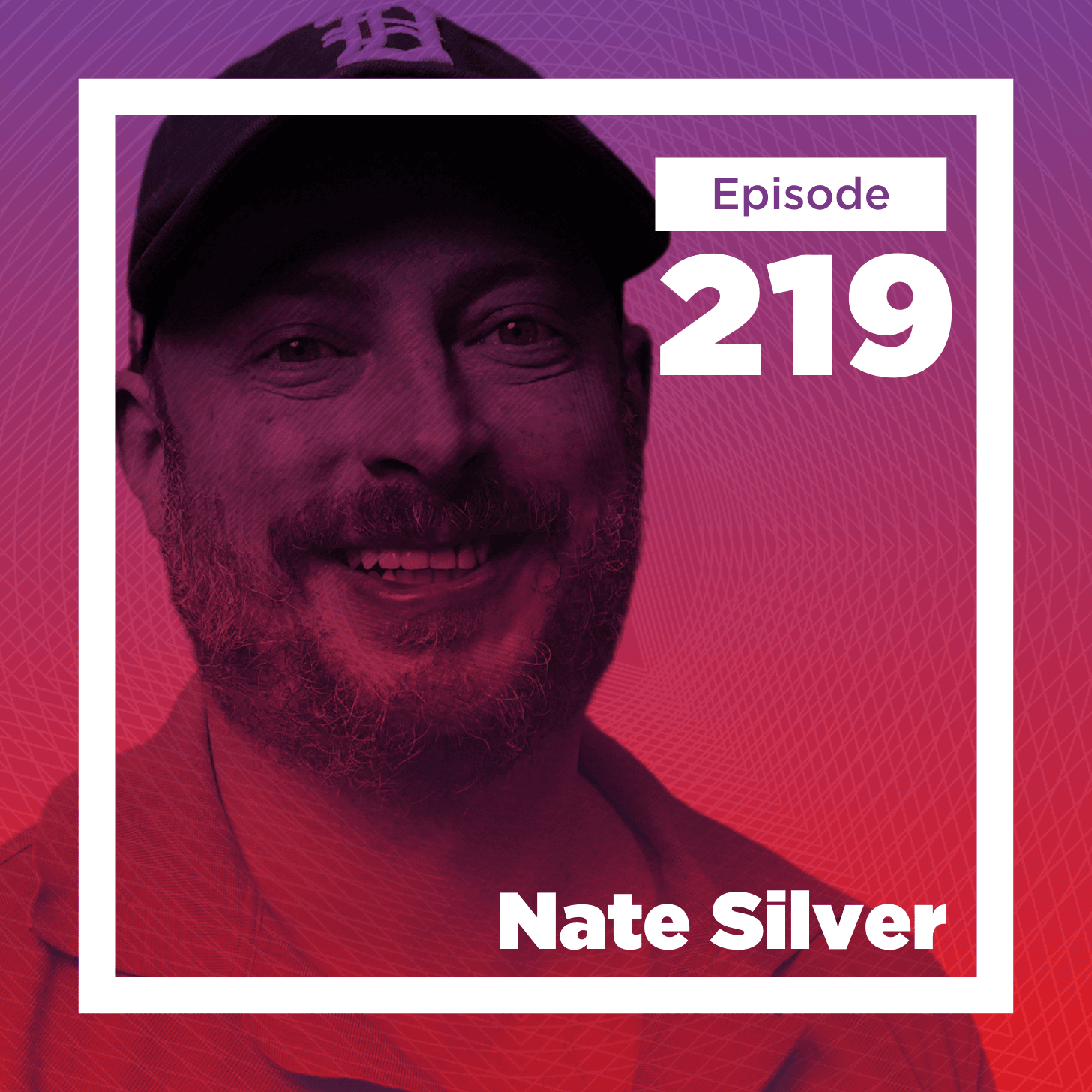
Podcast Title: Conversations with Tyler Episode Title: Nate Silver on Risk-takers, Politicians, and Poker Players Episode Description: In this episode, Tyler Cowen talks with Nate Silver about predictions, politics, poker, and various intersecting themes. They discuss diverse topics, including status quo bias, AI in sports analytics, and the nature of risk in decision-making.
Recorded: July 22, 2024
---
Key Themes and Discussions
- Nate Silver's Journey
- Nate discusses his unpredictable path to becoming a leading voice in political forecasting.
- Connection to political science through his father.
- Transition from online poker to founding FiveThirtyEight after government regulations affected online gambling.
- Risk and Decision Making
- Silver reflects on the role of chance and decision-making dynamics in both poker and politics.
- Discusses a paper by Steve Levitt showing that people make better decisions when they randomize.
- Critically examines the idea of flipping coins for decision-making.
- Poker and Professional Life
- The conversation explores the characteristics of poker players and their application in professional environments.
- Traits such as individualism and adaptability are emphasized.
- Silver posits that poker players can be valuable employees due to their analytical skills and ability to handle stress.
- Gambling and Society
- The origins of gambling are discussed, with Silver linking it to divination and risk-taking behavior.
- He presents thoughts on what types of gambling he would ban, particularly concerning addiction in slot machines.
- Reflects on societal attitudes toward gambling and prediction markets.
- AI and Sports Analytics
- Silver discusses the future impact of AI on sports analytics and predictions.
- Notes that while AI can enhance sports analysis, the complexity of human decision-making in politics and sports remains a challenge for AI capabilities.
- Cultural Reflections
- The episode touches on how sports and gambling have evolved, leading to a homogenization of styles in basketball and poker.
- Silver argues against the loss of quirky styles in sports due to competitive pressures and efficiency.
- Crisis Decision-Making
- The influence of drugs on political leaders is briefly mentioned.
- Silver reflects on how substance use may impact decision-making processes in high-pressure environments.
- The Nature of Predictions
- Silver addresses the challenges of prediction markets and the need for more robust models.
- Discusses why he believes that certain predictions, especially long-term ones, may not always yield actionable insights.
---
Key Takeaways
- Circumstance in Success: Silver emphasizes that luck and circumstance play significant roles in individual paths, highlighting his own journey's unpredictability.
- Status Quo Bias: The discussion on flipping coins illustrates how randomness can help mitigate status quo biases, particularly in less critical decisions.
- Value of Risk-takers: Poker players' traits can make them excellent employees, especially in high-stakes environments where quick, analytical decision-making is crucial.
- Evolving Gambling Practices: There is a call for responsible gambling practices, particularly in relation to the addictive nature of certain games like slot machines.
- AI's Future in Predictions: Predictive analytics may continue to evolve with AI, but human insight remains critical in complex decision-making scenarios.
---
Concluding Thoughts
Nate Silver's insights offer a fascinating exploration of risk, decision-making, and the intricate intersections of prediction, politics, and poker. This episode underscores the complexities of human behavior in uncertain environments and the evolving landscape of analytics in sports and beyond.
For further exploration, listeners are encouraged to read Nate Silver's latest book, "On the Edge: The Art of Risking Everything," which delves deeper into these themes.
---
Connect and Subscribe
- Follow the Podcast: [Conversations with Tyler](https://conversationswithtyler.com/)
- Follow Tyler Cowen on X: [@tylercowen](https://twitter.com/tylercowen)
- Follow Nate Silver on X: [@NateSilver538](https://x.com/NateSilver538)
---
*Notes produced for educational and reflective purposes from the podcast "Conversations with Tyler."*
Written by AI. May contain mistakes. Listen to the episode to check what was said.
Transcript
Automatic transcript. May contain errors.0:04Conversations with Tyler is produced by the Mercatus Center at George Mason University, bridging the gap between academic ideas and real world problems. Learn more at mercatis .org. For full transcript of every conversation, enhanced with helpful links, visit ConversationsWithT Tyler .com.
0:27Hello everyone and welcome back to Conversations with Tyler. Today I'm in New York City chatting with the great Nate Silver. It is late July 2024 and Nate has recently risen in status. You might say. He has a new book out which I thought was excellent informative fun on every page on the edge, the art of risking everything. Nate, welcome. Thank you Tyler. Now, if we simulated the world a thousand times, and how many of those scenarios would you end up more or less where you are today? Of course, a question I asked Peter Teal on other people in the book. Your father was a political scientist, presumably very smart, got you connected to politics?
1:06Well, I mean, this is a hard, I mean, I feel unfair that you're asking me this question that I, it's unfair question I asked to other people. But no, I think like, I think I would wind up somewhere in this vicinity like 20 % of the time or maybe less than that. I don't know. I mean because the fact that you had this big breakthrough or I did in the kind of 2008 election which really was did involve like a lot of happenstance in certain ways. I had been like an online poker player and basically the US government shut down online poker. I mean technically they shut down payment processing for online poker.
1:39But that got me very interested in the 2006 midterms because I wanted the people who had passed that law to lose their seats in Congress. Meanwhile, I lost my source of livelihood. I couldn't play poker and press buttons for 24 hours. They're not 24 hours for 40 hours a week, right? So founded 538, just kind of on a lark. And that kind of changed everything. So yeah, there's a lot of circumstance and luck and there are probably, you know, many ways that life could have unfolded in a way where I was unhappy at some consulting job or something tragic happened or whatever else. But poker players, they're ornery, they're individualistic.
2:16So let's always want to hire them and you're one of them. So isn't it, if not inevitable, likely you would have ended up as some kind of independent. Yeah, I mean, that's important. Everyone knows that. Because now I'm doing like three or four different things, right? Which in some ways makes it I mean, I sometimes feel like I'm living out multiple versions of the simulation. Oh, that one. Anyway, right? Yeah, yeah. Because I'm diversified in different ways. Yeah, there might be worlds where I had one like a big poker tournament early on or something like that. But like, yeah, I'm someone who's, I get pretty unhappy when I'm bored and I also can focus and work pretty hard.
2:49So I think I would have, you know, wound up in interesting places a lot, but I feel very a blessed and lucky to have one up in this particular place, I think. What do you maximize? I don't know. I mean, in the short run, some combination of like, like, look, this year, it's kind of easier to answer that because you kind of have like a shorter or more medium -term. Right. Everything's thrown at you. You've got to get through the day simply. Yeah. Look, I'm 46. So there's some extent to which I feel like this year's important as far as like earning a fair amount of income, I think, because it is very cyclical with election cycles and other things like that of kind of having good options for the second half of my life, basically.
3:32You know, I found a lot of energy recently this year. I think I probably worked fewer hours than I once did, but probably worked much more efficiently, have a little bit more balance. But yeah, it's kind of like, I am trying to like get as much productive work done as I can over the next, you know, four or five months until the election happens. I'm trying to build the newsletter, Silver Bulletin in a long term, But I'm matured a little bit. I tend not to work most evenings, for example. I take my share of, we were talking about travel before, right? I do my share of travel. I have poker tournaments, which are fun and kind of stressful, but also a lot of hard work and kind of are in escape in different ways.
4:13So, yeah, I want to get to a point where for the rest of my life, I can do intellectually challenging and stimulating work, I think, and experience different things. But this year there is like a little bit of hustle I think required to help kind of ensure that long term There's a Steve Levit paper you cite in your book that indicates people make better decisions when they flip a coin to avoid status Crobiose a do you believe that paper and be looking forward will you be flipping any coins? No, I literally will like flip coins for like we want to go get Italian food or sushi But a big decision big or decision even just where should I go on my next vacation?
4:51You could randomize that do you do it? That like a vacation location might be up to the max of what I would randomize I think right but not something really important I tend to be pretty analytical about like really important like career and life choice decisions I think right so you don't think you have that much status quo bias I'm sure I do but like look I mean I've done a lot of different things and I bounced around quite a bit and I'm kind of inherently inherently, inherently restless. I mean, one thing I think is like, some of the common personality flaws that flaws is a shaded loaded word, right?
5:26Some of the common personality traits a lot of people have, I think maybe poker players over indexed a little bit toward the other way. Poker players are pretty good at going with the flow when you're playing a poker tournament. Everything is contingent, right? Because a tournament could last five more days or five more minutes and say, like, yeah, I'll go to dinner with you conditional on being knocked out of the tournament entering its other tournament in X and Y and Z. And so you're kind of, you're very used to dealing with different stressors and contingencies and things like that. And I think that's somewhat unusual.
5:55So if you're very restless, does that seem to you like a bias in your decisions? You wanna counteract with nudges or something you should double down on? I would say you should double down on it. I think you're closer to double down. Double down. Yeah. So what's your main bias when you make decisions? I think I'm probably more emotional than people might think on the surface. I would think you're pretty emotional. Yeah, that can come out like on Twitter and things like that a little bit. You know, look, people who are very competitive and I put myself in that category, right? I think can sometimes be like a little bit irrational about like continuing to fight even if they've even if they've already won in some ways, I think that can be a bias potentially in certain ways.
6:38Who is the first human to think probabilistically with a reasonable degree of consistency? I mean, more have we seen one yet? No, look, I think people are actually more intuitive, probabilistic, reasoners than maybe the kind of conventional wisdom holds, right? I mean, if you're thinking about like some hunter -gatherer, right, they're reading like context clues about where there might be like the particular wild beast they want to kill. I want to avoid being killed by gambling goes back very early in many cultures. It's apparently not quite universal, but probably very common in most cultures.
7:17But that's a sign that I don't think probabilistically because most gambling is negative some, right? At best zero some. So we should see very little of it. I mean, it's originally divine from kind of divination literally, And then it becomes gamified and kind of commodified. But it has almost like a spiritual role, I think, in nation. I don't know this anthropology super well. I've read a couple books on it, but it almost is like a spiritual divination role. The notion of gambling halls or casinos, I think, kind of dates back to maybe 16th or 17th century. Europe, roughly, that's potentially newer.
7:53But the notion of tempting ones fate, I think, which is still a romantic notion, I think some gamblers have, right? Like Irving Goughvin, who I cite in the book, is like, this is someone who has like, on we year, whatever meme he's that term wrong, but like they're, they need to prove that they're capable of taking a chance. It can be a little bit gendered. I think he thinks more is like a, you know, post -World War II American male, who feels like he has fewer chances to like demonstrate his bravery and that's still, he's been kind of one conception of gambling, is a simulation of actual risk.
8:27Well, why shouldn't people gamble only in the positive some game? So take the US stock market. That certainly seems to be one of them. And manufacture all the suspense you want, learn about the companies, the CEO, get your thrill that way, and don't do any other gambling. Why isn't that just better for everyone? Yeah, look, I'm not necessarily a fan of gambling for gambling sake. I don't twice a year, I'll be some in casinos and in Las Vegas a lot. Twice a year, I'll have a friend who's like, just let's go play Blackjack for an hour and have a couple of like free drinks and things like that. But like I like to make bets where I think at least in principle I have an edge or at least can fool myself into thinking I have an edge.
9:10Sometimes with the sports stuff, it's like you probably know deep down you're kind of roughly breaking even or something like that. You're doing some smart things like looking at five different sites and finding a line that's best, which wipes out somebody at all the house edge. But no, I'm not a huge fan of like, of like slot machines, certainly I think are kind of very gnarly and addictive in various ways. They limit your sports betting, don't they? Yeah, I've been limited by six or seven of like the nine New York retail. And what's the potential edge they think you might have? It's just that.
9:42If they think, if you have the pattern of some, so if you're betting $2 ,000 on like the Wizards Hornets game, the moment the line comes out on draft kings, right? You're clearly not a recreational better. So just the hallmarks of trying to be a winning player, meaning betting lines early, because the lines early and you don't have price discovery yet, right? The early lines are often very beatable. Betting on obscure stuff like, you know, will this player get X number of rebounds or things like that? But like it's, you know, if you have a knack for if draft kings has a line at minus three and a half and it's minus four elsewhere than it can be called steam chasing where you bet before a line moves in other places.
10:24If you have injury information, I mean, it's like it's a very weird game. I think people, I think one thing people are more aware of is that they are a lot of the sites in summer, some are better than others, right? But they, they really don't want winning players. And their advertising is actually has changed. It used to be they would say for like daily fantasy sports, which was the predecessor. Hey, you're a smart guy. I mean, it was the, the ads are very cynical, right? You're a smart guy and a cubicle. Why don't you go do all your spreadsheet stuff and actually draft this team and make a lot of money and literally you'll be sleeping with supermodels in two months.
10:56You win the million dollar prize from draft kings. And now they don't even try to advertise it as a skill game anymore, which in some ways is a mistake because the appeal to like the male ego is like a huge way to get new customers for sports betting and things like that. Every sports fan thinks he knows has some proprietary edge your knowledge or insight. But no, they really don't want. I mean, I think I guess like plus EV sports better are like not a big lobbying group or not a big cause exactly. But I think there should be regulations on like, how much can you kind of price discriminate between your customers, right?
11:34Because literally they'll take like a million dollar bet from somebody and like wouldn't take even a $15 bet from me on the same game and things like that. which also creates problems because money has a way to flow. If Tyler, if you are able to bet a million dollars, and I'm able to bet $50 and I'm a winning better, then there's certain ways in which information will probably flow from me to you in an inefficient way, but eventually. But no, the industry is very cynical in some ways. And the kind of old school Vegas idea, we're gonna post our line and everybody gets a crack, right? you can bet X amount at a time.
12:14When you make a bet, then we may change the line. You can bet again, like that attitude has been lost kind of more of this European UK style where you're doing lots and lots of customer segmentation and trying to maximize the amount of money you make from whales, which are bad degenerate gamblers and not take much action at all from sharps. Of course, you lose like the price discovery element of that, it's pretty interesting to check it out, I'm like, what happens is there are a few sharp sites that will say, hey, we will take a 5 ,000 bucks from anybody and that helps us have better pricing and discover better lines, right?
12:54Because by the time you get to kick off or tip off of a game, then you're taking $50 ,000 bets or more. So to have someone who's willing to give someone a small plus CV bet for a smaller amount, Because then you'll get your retail customers later on. That was like the old the old model Shouldn't they just stop the betting on say how many rebounds a player pulls down because it encourages corruption It's not actually a suspenseful act whether it's seven or eight rebounds or as who wins the Super Bowl Presumably is a suspenseful meaning for lack for many people. That's right Or you know if you have like a Jalen Brunson in my next fan right or someone who's like a major star then it might make sense but these books have way too wide a menu of events and the and the sharper books don't the sharper books will kind of pull a line down if Steph Curry is questionable for the game, right?
13:42You can get a gigantic edge if you have any inside information about whether he's going to play or not. So they will just like not take that bet. They won't do the more esoteric player prop stuff for things like the NFL draft, which is very, if you, you know, if you are an NFL reporter for ESPN, then you could probably absolutely crush NFL draft bets. You might get fired if someone finds out, but like, but the retail bucks are like, yeah, We can put bets up that an eligible person could make money on because we won't let the knowledge will people bet in the first place. That's the kind of, I think, relatively, I guess it's a sustainable equilibrium in the long run.
14:17I'm not quite so sure. One thing that sites like Graph Kings are relying upon is they are basically piggybacking off the sharp sites because you can kind of just set your line based on like pinnacle for example or circa. these are books that are are sharp and they actually do take bets from winning customers. So drafting is kind of piggybacks off them. If we could enforce a just outright ban, what's the cost benefit analysis on banning all sports gambling? I mean, I'm more of a libertarian than a strict utilitarian, I think. Sure, but what's the utilitarian price as being a libertarian? Look, I think most of the studies on gambling says that it's kind of a good transaction in terms of like, you know, people get some degree of enjoyment and excitement out of it, but maybe you have like, you know, 5 % of the population that becomes very addicted, and that 5 % can account for a large share of volume, right?
15:15Like, look, if it were me, if I were kind of the gamblings are, I would probably ban slot machines and let everything else go more or less, I think. The utilitarian part of me for slot machines is maybe enough to outweigh the libertarian part. I mean, they're deliberately designed to be addictive. It's not very transparent kind of what the odds actually are. You can't actually go and it doesn't say you have a negative 9 % ROI at this particular slot machine. If you look at the demographics of slot machines, it's much lower income. I mean, you know, sports betting in poker, which are the two kinds of forms I participate in myself are like, are mostly done by fairly high -income people who can, I think, afford to lose, but yeah, slot machines are nasty things.
16:02Speaking of skill, if we put you in a time machine, send you back to 1970 and you're playing poker, why exactly is it that you would win so much? So one way to put it is that so poker actually has been solved more or less with game theory, with a big complicated program called solvers that calculate the Nash equilibrium for any situation given certain inputs. But when you're at the table, that's of limited use to you, right? No, I mean because like, yeah, I mean this strategy, so if you think about like the history of like Texas Holden or poker, like probably 99 % of poker that's ever been played, every hand that's been played, counting online and things like that, and play them like the last 10 years, right?
16:46Poker's not that old, the game, it kind of goes back to the kind of Mississippi river Boats for many years, people weren't really trying to use computers or anything to solve it when Doyle Brunson played right just like actually he would literally by hand Simulate hands by like dealing out a deck hundreds of times to see disappear of two's beat Ace King off suit more often than not, right? Why isn't there evolution across temperaments? So say people back then they don't know to be aggressive enough because they didn't study game theory But the ones who are aggressive enough naturally they're just gonna win more money it will become somewhat obvious over time.
17:19That's the way to play. And you might be slightly better than the others in 1970, but not have a huge advantage. Like, is the abstract knowledge that powerful compared to market evolution? Well, so what are we, I would see if I went back today. Today everything you know, time machine, you sit down, you're going to do really well, right? I would, I would, I think dominate the, the games. Yeah, for sure. And as you know, game theory, and they don't, like Thomas Shelling was what, 1960, fun, Norman Morgan Stern, and you know, just after World War II, like Game Theory's not that new. What exactly is it you know to be like a tight aggressive player with your strategy?
17:54Tent aggressive. Tent aggressive. Tent aggressive. I saw that in a lot of old movies. Tent aggressive is part of it, right? Yeah. Like it's very hard to maybe intuitively know what the right bluffing frequency is in a certain spot, right? You know, for many years people would also give away lots and lots and lots of tells. If you go back and like wash like footage of like the 1987 World Series of Poker, there are incredibly obvious Tells and I think it just kind of it's kind of just like there's pressure on the market to like compress it into a diamond or What am I even talking about but you but like I think we are just kind of very early in the life cycle of the competitive pressures On the game and in poker and in some ways it's like kind of a metaphor for like other kind of capitalistic ventures I think you will be maybe underestimate the efficiency gains that it would be had when there are kind of proper incentives and proper technology basically the kind of combination edge like the sheer volume of the number of kind of nodes on the game trade that I've been explored.
18:54So let's the Europe poker champion. You want to quit. You can prove you are a champion. You're still young. Who is it who wants to hire you in the actual world? Oh, for sure. I mean, where would you go like a trading firm or? Oh, I mean hedge funds. I mean, you know, some of them like Susquehanna or Jane Street in particular are known for hiring ex poker players. And what's the main flaw those individuals have as traders? Whatever their virtues may be. I mean, like chess players have flaws as traders. Math Olympiad types have flaws as traders. What's the flaws of the poker players? I mean, I've only been on the poker.
19:28I have done a little bit of consulting for financial firms. You know, my experience doing that is that it's actually very similar, right? Because if you're like working for a trading desk and you're being asked, what's your opinion of how event X will affect opportunity -wide trade in the market? It's very much a game of estimation and it's very much a game of incomplete information and it's making decisions quickly, which is very I think poker -like. And there can be value in like kind of running a formal model and being more more complete about something that's kind of what I do for like the election modeling type stuff, but like, but the trading opportunities pass, pass very quickly.
20:11And the premium on, on speed relative to, you know, I mean, journalism actually there's a little bit of premium on speed too, right? But, you know, to negatively stereotype academia would be the contrast to that, right? Where there it's like you can have the perfect answer, but like it takes you a year to publish a paper, whereas Whereas, can you have a good answer in five minutes, right? If you're trading some commodity and Joe Biden has kind of a face plant at this debate, you know, you have to make a decision within a couple of minutes about that. Likewise in sports betting, you see some lying that clearly doesn't make sense.
20:49You have to infer, is this like a golden opportunity or did Patrick Mahomes just get injured or something like that, right? And you have to make inferences very quickly. So I think I think I think the poker players probably do pretty pretty well in that environment now you've run 538 Now your newsletter has evolved into being like a true business. Do you seek to hire top poker players? Or you avoid them like the plague Like one is enough you I'm enough. You know, we don't need any more that scale get lost fellow I would for I mean poker so poker players are sometimes a little bit lacking in organization and probably I'm a little bit lacking in in organization, right?
21:26And poker players are people who are kind of, sometimes they're a little bit irreverent, which is a quality I like, but like, but you know, I think I knew people who are like the elections analyst are hired. Now, I mean, he is somebody who, you know, he's never failed to like, he's great, Eli. Never failed to like return like a text message within like 15 minutes or something like that, right? I don't know when he sleeps and I need somebody like that because I'm running all over the place and I can be like a little run hot and cold be like a little bit moody. So I think you want someone who's a little bit more more steady for the newsletter.
21:58I think also, you know, the writing skills are very important. I mean, I don't know if this is becoming more important or less important in the kind of world of chat GPT and so forth, but like adjust the ability to like, I mean, working on the book in the newsletter, just to you know, to write every day. I mean, I feel like you can get like two X or three X like faster at writing, like literally if you just kind of get a lot of reps and things like that. For sure, there are like, you know, I was very blessed by, it was the first time I've ever kind of hired someone for this job as opposed to like at 538 and I was very excited by kind of how many smart, mostly young people there, they were out there and so hopefully I'll find other ways to hire more of them in the future.
22:41But like, but yeah, the people who are a little bit more directed, I think, and organized. And running 538 in now your current ventures, what have you learned about social science, economics, game theory that you didn't know to begin with. I mean, I think I feel like I've learned more in the past three years. I mean, formally, I've been away from 538 for like a year and change now. Right. Right. Informally, there was kind of a lame duck period where I was, you know, I was allowed under my contract with Disney to write a book. So it's kind of probably a book. And the book is this book. On the edge.
23:13Yeah. Yeah. And it took three years and just like, if you take three years and just like talked like 200 really smart people, that's an amazing thing to do. I mean, it's kind of what you do, but like I wish I kind of spent more of that time in my whole life, but at 538 I mean the constant frustration Was that we were kind of brought in during a period of during a peacetime period for For ESPN before we went to ABC News where they felt like they had The world's best business and could just kind of print money and we could be like a Lost leader for them and so you never actually had any incentives in place to run an actual business.
23:51It was no one was going to lose their job because 538 lost X amount of money every year when you have a company that's making hundreds of millions of dollars a year until you face headwinds and cable TV and theme parks and all these things all of a sudden are like become very challenging businesses in a lot of ways. The movie industry during COVID and things like that. So yeah, I mean it's a shame because based on the early growth of the newsletter. I mean, I think I think 538 could have been a very, very good subscriber business. And we try to try to push that internally. But like a big company, the luch doesn't make sense.
24:30So like, well, we have Hulu Plus launching. And therefore, we can't have another subscriber business that would distract from Hulu Plus, right? It's just, it's just very strange. I'm not sure how much of that is a result of being at Disney in particular, because they're all about gigantic scale, right? It is theme parks. It is NBA and NFL contracts for hundreds of millions of dollars over a period of time. It's being in every kind of household in America or a movie theater. So I don't think they saw the value of like a small to medium size business that could still be a good business and a prestigious business and profitable on its own merits.
25:03And that was frustrating. I mean, you know, given that I am tend to be pretty incentive driven like to have spent like 10 years at a company where you basically had like no incentive to work hard and sometimes some probably for the first eight years of that, I worked my ass off anyway, but it just so nice to like actually kind of own your own, own your own work product and like, you know, with subscriber newsletters in particular, the incentives are pretty linear, right? If you post more, you tend to get more more signups and a long -run making more revenue and so that's a very nice change of pace and very motivating, I think.
Read the full transcript
25:39Do you think that sports analytics has made sports too homogenized and more boring? So right now, for instance, the New York Knicks, they're in a way trying to copy the Celtics. Well, everyone should be a good shooter and everyone should be a good defender. In the 1980s or 90s teams were more different. Should I be happy about this? I think it's the better version of the critique, right? Because some sports, like I think the average NBA style is fairly attractive now, right? I do need three point shots, I would say. Maybe a little bit, but like, I mean, if you go watch, like if you go watch footage of like a game from like the 90s or something, right?
26:14I mean, this is more aesthetically appealing. It shows off some of the athleticism, I think. But no, the fact that you have less variety, this is true in poker too, by the way, right? There are fewer different varieties of like loose aggressive versus tight aggressive poker players. You can't get away as much with having like a flawed eccentric strategy and then making up for it in other ways, which is kind of a shame. Maybe in the long run, it means we're not exploring different branches of the tree as well and that can be problematic. But yeah, I mean, it's a bad time. When things get hyper -efficient, then maybe the quirky players.
26:57I saw a video yesterday about matrily baseball batting stances and I used to be guys that had like very, very funky batting, stances or things like that, right? And those have largely disappeared, right? If it kind of cost you 200s of a point of batting average, so you hit 289 instead of 291, then like there's enough money on the line and enough kind of resources and training and enough kind of sports science where we're probably gonna beat out of you potentially. Well, Joe Lombid, every win a title. I know Darrell Moore pretty well. I think I'm probably a fan of yours. and so I'd say yes, I think.
27:35I mean, and you think Paul George was a good idea. I think it was a bad idea. He's 34. He's had a history of being flaky. He's a very talented player, but he doesn't seem like the kind of guy to put you over the edge. And they need more of a glue guy. I mean, so, so Darryl Mori is very good at finding like the league average players that can like, that can provide the glue guy. No, I think, I think it's a good move. I mean, I think like, you know, look, Darryl understands the importance of swinging for the fences. If healthy, that's a very big, big three, and then he'll find ways to acquire the minimum of salary guys or whatever loopholes there are on the salary cap to get the $10 million a year guys.
28:15And, you know, if healthy, that's a team that can challenge the Celtics, I think. I mean, if healthy, I mean, what's the condition of probability in all three of their big three being healthy? Probably the below 50 percent, frankly. But you know, but you don't want like the average outcome and also the incentives in the NBA And if you try to like model out what the true discount rate is for sports general managers I mean they have some absurdly high Discount rate like 30 % or something like that or 50 % because they their jobs last for like Five years. Yeah, right. And so you know, I think it's a fairly smart play to swing for swing for the fences Luca overrated or underrated Well, I lost a fair bit of money trying to bet against some average in the playoff, so I can't call them underrated or can't call them overrated, I guess.
29:02I think Luca is properly rated. Properly rated. And who's the most underrated player in the NBA? I guess. I guess. I guess. I guess. I guess. I guess. I guess. I guess. I guess. I guess. I guess.
29:23I guess. a little bit. I mean, I think some of the Celtics, like, you know, Derek White, I think is a very underrated player, you know, because I'm not, I mean, I like Jason Tatum and Jaylen Brown, right? But I think, I think, you know, they are maybe respected, like the, you know, seventh or eighth and like the 23rd best player in the league and they were like a great historic team. And I think that, you know, the holidays and the, and the, and the Derek Whites and players like that are maybe like top 30 NBA players, like really really good. I think I'd say, Joe Kitch, who to me is the greatest offensive player ever, not necessarily recognized as such.
29:57Certainly has a very high reputation, but maybe not as high as it should be. No, people are, I mean, even this year, right? You saw people willing to kind of turn on him a little bit. I don't think people, I mean, I think the consensus now of smart NBA nerds that he's the best player in the league, I think people might not realize that this is one of the highest peaks of any player in NBA. Exactly. Every. Yeah. I don't think that's why they recognized. How will AI improve sports analytics? I mean, I think it will improve things in areas like computer vision things and classifying plays and things like that.
30:29I think will help a fair bit. I mean, sports is where, because it's kind of in this medium data environment where it's not quite a big data problem. But you could have more data if you put money into it, right? Yeah. No, I think it'll help more in the sports where they're kind of like less linear. I think things like classifying strategies and soccer and football where you have a lot of things happening at once And you can't kind of have your nice little regression model I think I think as compared to say baseball where baseball is kind of very easy to represent with kind of classical statistics So, you know, I mean, I think you'll probably be able to also be where it enhances like the sports viewing experience in different ways I think it'll help like sports video games a lot.
31:11So our hockey and combat sports gonna use more analytics in the future I mean one of my friends named Sonny Metta is an analyst for the Florida Panthers and assistant GM and and he's an analytic guy from a poker player former jazz musician and just won the Stanley Cup in Florida so so it's transitioning in. In all the sports I think I mean hockey probably of the big four in the US is considered the most old school but yeah I mean the markets fairly fairly efficient and I think people have you know we're kind of. Long past the old boys network in most of the sports probably in hockey if you talk to Sonny he'd say maybe Maybe two thirds of teams are fairly smart and when third of them are still kind of are still kind of dumb I think it probably passed the low hanging fruit from money ball Gaines stage, right?
32:00There's a question I was asked during a Jane Street talk once what is the most underrated basketball statistic for judging a player? Well, it's contextual because they you know, I think like we've gotten on the point now where like But offensive rebounding has gotten underrated, actually. If you try to tease out the effect of rebounding in statistical models, then there are various kind of things where different variables are correlated where, basically, I think if you look carefully, then offensive rebounding is actually quite valuable. I mean, you regain a whole possession that's worth a lot.
32:33Whereas defensive rebounding is kind of, you know, rarely as an individual player doing something right to get a defensive rebound, where an offensive rebound requires like a a lot more skill and provides a lot more value. Cause the expectation is 75 % chance that like, you lose the ball. So, so if you get an offensive rebound, that's like adding like, you know, seven, 10s or eight, 10s of a point, basically. You get a whole possession back. My answer was team wins. At least if you've been on more than one team, like does a good team want you? That's picking up your intangibles. Yeah, look, I think uniquely in basketball, because it's five players in a lineup at any given time, and a good player can control, you know, half the offense or more literally, Luca type player or Steph Curry type player.
33:14Yeah, I think it's a more adequate test in basketball than other sports, or maybe for an NFL quarterback, right? I grew up kind of in baseball as my favorite sport for a long time and there it's more individual and there I was always kind of fighting against the team wins, arguing like I think it's like not, not a major indictment of Mike Trout that the Angels haven't been good very good. But it's not just you causing possible wins, even before you've played for the team, the fact that they want you, says something good about you. So like KCP has been wanted by good teams. His stats are good, but not awesome, but that is a good sign about his quality.
33:48I think so, although we start to get into circularities when people become kind of aware of that kind of thing, I mean, I feel like this way a little bit with like prediction markets too. And I, you know, I consult now for polymarkets, so I'm kind of officially a champion of prediction markets. But kind of when people believe, oh, the traders must be doing something really smart, therefore it's trustworthy. It kind of can become circular logic, I think sometimes, where you can make yourself vulnerable to thinking you have blind spots and kind of having like a bystander problem basically. But yeah, I mean you have to someone actually has to have Alpha they're providing value either providing and then other people can kind of Can kind of drift off that or what's draft off that?
34:28I'm thinking about the cycling term, but now and then Someone thinks that everyone else is vouch for somebody. It's kind of like the story of Sandbackman Fried in the book a little bit that everyone assumed that because he has such prestigious Coat tails that he's hanging out with Anna Windtour and hanging out with you know Bill Clinton and Tony Blair and like He has his name up on a basketball arena in Miami and he's getting his praises sung by everybody and Sequoia capital and things like that that like you know At the heart of it. I mean it was kind of a big fraud. I mean that's a term. I'm choosing Intentionally and what's your model of his risk taking behavior?
35:04I mean, I think he, I mean, like interviews with you, I mean, I think I think he is quite insane. I think as a term, my, you know, irresponsible and insane, but like, you know, I think he was very literal about like, he'd literally be willing to like take the St. Petersburg paradox bat where like if you could improve his version of utility by 2 .001x, like he would like literally say, hey, I'm a strict utilitarian. I'm willing to take that gamble. I think I think he was like, like, you know, in my interviews with me, he was almost proud of the high risk of ruin that he was taking. And he would say things like, if you're not willing to like, actually literally ruin yourself, where you're literally a laughing stock then you're doing something wrong.
35:49Is asking whether he might have been associate path, a substitute for a risk analysis of his behavior or is it a way of getting at the proper risk analysis of his behavior. No, I think that term is properly used, because it's also engaged in with other people and running a giant company that people have deposited millions of dollars with and invested hundreds of millions of dollars in. And I think that's a proper frame. I mean, the kind of combination, the book is all about people who have this. I was going to say risk taking gene. I realized it's a little bit imprecise. I think we probably use genetic in part.
36:25But how is that pair with other different qualities? You know, the most common pairing in the book is being really risk -taking with really analytical, which is a very powerful, I think pairing. And you use this phrase, what those people are in the river on the river? What is it called? It's called the community of the river. So the river is the virtual community of like like -minded people, but that includes everything from poker to Silicon Valley, if you go kind of further upshim as I call it, even things like effective altruism and rationalism. Like one thing that I found in the book is I kind of had this outline of like, here are all these areas that are interesting to me and kind of literally start out.
37:01I mean, the first act I took for the book was I flew to Florida, my first trip on a plane after the pandemic and went to a giant casino in Hollywood, Florida and played a poker tournament and just kind of like and branched out from there. But like, but the commonality you have between how the, how all the different analytical nerds think, right? Right. How the effective altruists and the hedge funders and the poker players and the VCs. I mean, it's like not exactly exactly the same thing. Those are very different groups, though. Don't some subsets of those groups get fooled to an especially high degree.
37:34So maybe not the hedge fund people, right? They face very strict discipline, but the effective altruists, the rationalists, there's something to me a bit clueless about them, maybe systemically. Yeah. I think the EA and look, the book has a very long discussion of EA and in the spirit of EA, I'm sure it'll get reviewed. you it on these different forums and I hope it that's a mostly like E a to be clear. I most like them. There's still some epistemic defect in the people that I observe. I think they're a little bit, I think they're a little bit too trusting is one thing. You know, I think there is a lot to be said for having skin the game as a term that I didn't invent.
38:07But like, you know, I think poker players one of their best qualities is they have really good BS detectors, right? And they've seen like lots of smart SPF like nerds who go on a winning streak and win a couple of tournaments and like, and better bullshippers and like aren't all there cracked up to be. And I think, I think EA's maybe kind of lack that, that BS detecting ability. Do you ever see that old YouTube video when Ali G presents to Donald Trump, pre -presidential Trump, and Trump just dismisses him immediately and walks away? Right? So Trump has the BS detection ability. And how does that fit with your model of the river people?
38:45Isn't he, in other ways, almost the opposite of the analytical river people? I mean, so I will say if you take the EAs and put that in a separate camp, I mean, they are unusual because they have this analytical skill set, but they are less competitive, I think, but then kind of the movement gets you served by this guy Sam McManfried, who's extremely competitive. and I think run circles around them in some ways, even though he's kind of lying about things in other ways. Maybe competitiveness is good. And like, you know, I mean, the book is also against Peter Singer form of kind of selfless utilitarianism where, you know, I worry that people aren't, that aren't, I mean, some of this comes from like your critiques, I think, but like, people that aren't like a little bit partial, then I worry that everything just kind of falls apart.
39:34on some level, right? There's no incentive compatibility without some partiality. There's no incentive compatibility and you know, it's interesting. I think Peter Singer too talks a little bit about how like, he almost thinks people that are like somewhere on the spectrum are actually better, moral reason that he thinks in some ways. There's evidence for this and some papers in fact. Yeah. They have less data, scroll by, yes, they're more impartial in some ways. Yeah, I think there might be something to that. And there are lots of people in the book that probably would be classified as being on the spectrum will reclassify themselves that way.
40:04Poker uniquely, I think, involves some combination of analytical skills and street smarts. If you totally lack the street smarts, then I think it's still pretty hard to get ahead in a kind of competitive world. You're too lucky to be taking advantage of. Your father was an academic. Did you get your street smarts from him or from somewhere else? Probably not. My dad's a sharp guy and he would do things that were difficult problems. like he tried to basically, he was a Sovietologist back in the day and would try to interpret from rigged Soviet data like what the real vital statistics were, right?
40:40How many burst deaths? So he's like yours. Yeah, so it's yeah. Things have become more like criminology all the time in US politics. Yeah, so that involves like making inferences from, from incomplete data, right? At one point he was, you know, offered me part of a team to kind of figure out how many the desk there had actually been in the Holocaust. I think thankfully turned that down because that would be a thankless task for sure. But yeah, but he was starting out by working with data that was imperfect and adequate, sometimes abricated, and trying to find the real inferences from there. But no, look, a lot of it comes from being very competitive, right, being on debate team and things like that in high school, you know, playing poker for many years now.
41:22You know, having a fair amount of life experience, I mean, we've talked about before about how I'm a little bit ran bunches and easily dissatisfied. And at this point, I think I've traveled not like you, but been to a lot of different places and things like that and talked to a lot of people. What's the stupidest risk you're willing to take? There could be, oh, I'd go in a submersible with a billionaire or I'd take a helicopter ride every week or what's your stupidest risk? I mean, maybe not thinking enough about it. I've tried to become more healthy over time as a boring answer, right? but I think I still probably have too much of a short -term bias in terms of not doing enough things to help extend my lifespan and things like that.
42:02I mean, I know. One time when I was like 10 or 11 years old, the one at Sleepaway Camp, one of the instructors dared me to walk around this pond with only a flashlight at midnight or something like that. For some reason, I didn't know why. I think they got fired. It was like a big scandal or something. But that doesn't sound risky if you're walking around the pond. You're not walking on the winter ice, right? No, to be fair, right? But like you're 11 years old and you're by yourself and you have only a flashlight. It's probably not the smartest thing in the world. I think my stupidest risks might just be road trips in places where the drivers are bad.
42:38Oh for sure. Yeah. Yeah. I should do less of that. I went to Costa Rica a couple of years ago, right? And you're like, it's very rainy there. Obviously, it's the part of Costa Rica that I was in. Yeah, and you're probably doing things like, you know, going swimming on these, I mean, the waves and Costa Rica are really something, right? But it's probably, probably like objectively pretty dangerous to be, you know, in the Pacific Ocean without a lifeguard nearby. It's probably fairly dangerous, right? Yeah. Or going up some growl road in the middle of a rainstorm. But I think people need some, you wouldn't want to take that risk constantly, right?
43:12But you have to, I think you have to like live a little bit, you know? But what's the way you would describe or think about what it adds to your life? Because I do know people who don't do any of that. Maybe they're missing something, but what is it? What is it exactly? I mean, I think probably it is genetic in part. There is some like quote -unquote thrill -seeking gene. You know, I like spicy food. For example, right? You know, I like travel. I like experiences that are more visceral. I mean, I think there I think there has to be some innate component and people I've talked to that like I've talked to in the book.
43:42But it's like mostly quants and things like that. It's like, you know, hedge fund people and poker players. There is one section of people who are physical risk takers, people who are like literally like explorers. I talk to an astronaut, for example. And they'll say, yeah, if you talk to the people who are who are mountain climbing, right? Scaling the seven summits where you're up 28 ,000 feet and you actually have some risk of dying, like there are community things. There's something, something genetic about it. They think it's like related to a certain type of stoicism almost. But what's the richness they get added to their lives that maybe I would not?
44:16Because I'm somewhat risky with travel, but I'm not at all risky with physical activities. I think the notion of cheating death has to be kind of, has to be kind of thrilling, right? I mean, you know, I think some of them are maybe a little bit depressed in some ways and it's kind of like a not quite self -destructive or suicidal, but adjacent to that, right? Like maybe a figure, well, you know, I'm a little depressed and so I can kind of like, I can have a lot of fun and cheap death or if I die and then maybe it's not that bad. I mean, I know it's kind of going to a dark place, right? But like some of like, some of Sandvikman -Freed's confidants who are I think in a very different category than like these mountain climbers or things like that, right?
44:59They would say things like, well, he was kind of miserable anyway, right? So he wouldn't necessarily mind going to jail because his day -to -day life, he just, he was depressed and kind of unhappy. And so therefore, you know, that's probably a pretty bad reason to be massively risk -taking. But I think there might be some element of that. I mean, maybe you think of like a... It's going in a slightly dark place, but like an ethnic ordained type, right? is someone who you would think of as being very risk taking and like, you know, like probably traveling to places where it's objectively pretty dangerous.
45:33I'm sure you're like a very adequate crew with him and things like that. He never struck me as a risk taker. I mean, he's always going to places that look dangerous and aren't. Would be my sense of what he did. Yeah, I mean, I guess maybe I'm kind of revisiting now in light of his suicide, right? But like, that's a personality type that like, but you know, but he liked it. He liked to drink and do drugs and eat spicy food and things like that. And I think you kind of see like a cluster, and you had that, you know, some obviously a pension to travel and things like that. I think you see some cluster of personality traits there.
46:03Do you ever think much about how broader world history of politics and political leaders may have been shaped by drugs and alcohol? So there's a book about how many of the Nazi commanders were high on different kinds of speed. I don't know how true that is. There's a book about Soviet Union. It's called vodka politics. Sembank -Mentree, there's various allegations, what he was taking, you see the photo of whatever on his desk. How important are drugs and all of this? I mean, I'm not a historian of drug culture or things like that. But you must have talked to all these people. You've thought about it, right?
46:34Yeah, look, I think in the case of SBF that like drugs are maybe less a part of it than some things. But look, I mean, look, I think in general that history is often quite contingent on very flawed human beings. There's good math. Eglaceous posts about this in the context of decisions about whether people run for president or not from Joe Biden designed a step down to like Teddy Roosevelt and things like that. And when you kind of do have some access to really smart people and kind of the halls of power, I mean, people are often, are often kind of winging it. You know what I mean? Of course. Usually.
47:08Yeah, but you're not. How can you do this with limited information? And no second chances. Really? Often no second chances. You know, I do think that people who are risk -taking tend to prevail for various reasons right? Because they are the people on the right tail of the graph. I think financial risk taking probably has some positive correlation with risk taking as far as substance use, not that high, but maybe like 0 .2 or 0 .3 or something like that. So yeah, it wouldn't surprise me if more important decisions than we think in the history of the world have made in various states of intoxication.
47:42If the status quo bias should political leaders take drugs more, before Joe Biden dropped out, right? We've been a funny scandal. Maybe Joe Biden should have slept with the porn star and taken some shrooms. It would have like changed his evaluation to the way people viewed him a fair amount. And we've had a couple of like T totaling presidents twice in a row, which is interesting, I think. I'll probably give like the standard kind of centrist, left to center answer, which I think probably psychedelics are probably for some people pretty good, probably pretty dangerous for other people. You know, otherwise I, I don't know.
48:23I think probably some people are able to kind of simulate different states of consciousness in different ways naturally. You know, if drugs are one way to kind of get to play, to role play a different person a little bit, then I think that probably is helpful for a fair number of people. Is the US presidency now and an age of what you might call parity in NBA terms, a series of one term presidents, one after the other, just like the NBA champions keep on turning over and there's no dynasty. So we had this long era of dynasty, you know, bush clinton, my goodness, whatever else. And now it's over and there aren't going to be repeats or what's that going to look like?
49:01So I think part of it is a result. And yeah, so if Trump wins again, then I'll be limited to one term. So you would therefore have three one term presidents in a row for the first time since I think like like 1892, which I was trying to look that up the other day. So I think one thing that happened is that like the Canon slogan, I'm 46, so Carter was president I was born, right? But like the kind of Canon that you emerge into when you're kind of first covering politics is post -World War II politics, kind of, you know, 1946 through Bill Clinton, 1996 or whatever. That was a period of historically very low polarization in the United States.
49:39I mean, you have lots of things going on, right? This is like de facto three party system with northern Democrats and Republicans and Southern Democrats, but you know, but you had relatively low partisanship, a lot of bipartisanship. A lot of things are going well. Things are going pretty well. It's a good time for the US. When coming presents get reelected by landslide margins. There you off and there's a lot of goodwill. If you go back though to like the kind of turn of the previous century, so the kind of Grover Cleveland years of every year, the election is separated by two points, right? And you bounce back and forth quite rapidly.
50:12Like that's kind of that's an area of a high polarization and kind of more like the era that we're in right now. So yeah, I mean, even before Biden's age and other problems, the income and see effect if you cheese out carefully has really dissipated in elections for Congress. We have a fairly large sample size. And in the presidency, you know, you may now have two incumbent presidents in a row who are voted out of office. I mean, technically you'll probably come along now. But yeah, so there is precedent for it, but this kind of era of comedy, this kind of post -pollabortou era of comedy that we think, C -O -M -I -T -Y, not C -O -M -E -D -Y, that we all think of as being normal, is actually kind of more of the outlier in some ways.
50:48How long will it be before we have AIs who are better predictors than you are? It depends on... It's like a... let's say it's a centaur model. So the AIs sits down and says, Nate, you know, please talk to me for half an hour, tell Tell me your thoughts, tell me what you know. You give it your best half an hour worth of consulting on say the next presidential election. And then we just get rid of you. I mean, we send you out off to pasture. And the AI does the work. And you're paid like a small fee. And it does the actual prediction. How far away is that? I think election forecasting is kind of like an oddly hard problem where the mathematical the mathematical structure of it is fairly complex.
51:29The data is quite sparse and you often have to make kind of judgment calls based on incomplete information. So that might be kind of one of the relatively more robust areas. But it could have an hour of your time, right? It could pay for more if need be. Okay, then where's the line between me using an AI? I mean, in some ways, the book is like, in a very limited way, but the book is kind of like AI enhanced in different ways, right? Yeah. And so look, I'm not like a, I am not convinced necessarily that we're going to achieve super intelligence. I think it's plausible wish that it kind of like flat toes at very smart, generalist, gaming capabilities and is very good in certain areas.
52:14But I'm not, I become a little bit less convinced just kind of in the last six months, I kind I had to send the book into the printer basically of the inability of achieving super intelligence. I mean, I think that maybe it's not super, but let's say until an AI is as good as one of Phil Tatlox super forecasters, I would say that's three to four years away. It would be my guess, maybe closer to three, maybe even two. What would you say? I would take the over, I think, on that. But over as in 200 or over as in, oh, it's five years away. 15 or 20. 15 or 20. That's a long time. Yeah. Yeah. So GPT five is not going to allow you.
52:53I mean, it allows me in certain I mean, someone who's kind of fascinated with with language, right? You know, I'm fascinated with with the way language is a mathematical size in different ways and you know, one of the in the book there is a lot on AI including like reasons to be Optimistic or pessimistic about p -dume. Your readers probably know what p -dume is. I said, Yeah, okay, if they don't know they deserve p -dume, right? But it does seem plausible to me that like Large language models reveal more about the kind of mathematical structure of language than about Just the intelligence of AI, right?
53:28They can now do math Olympiad problems, right? So there's one forecast by someone working on this that within a year they'll win math Olympiad's Could be wrong, but when you say that it's only a year away. I would take that pretty seriously. I think Prediction is actually a pretty hard skill that probably life experience helps. I mean, you know, sometimes a prediction, right? If you're trying to like, predict like you have a phone book of millions of records, right? And you're trying to predict, you know, what's the likelihood that this spam email will be responded to in result in additional sale?
54:00I mean, I'm sure like AI is already better than humans at that. But things that are less structured, I think, are harder for AI's and hard for humans. And why do businesses not seem to care that much about most predictions? Surely this has puzzled you. So for 20 years, I've been waiting for prediction markets to take off. Obviously in politics, sports, it's more than up and running. But most areas, they're pretty weak. What's the actual problem on the demand side? I think this may be changing. I mean, one of the things I did in trying to kind of figure out my next steps after after 538 slash Disney is, you know, they're talked to different financial firms and hedge funds and mall street firms about different types of consulting arrangements.
54:46You know, clearly there are players in the market who are thinking carefully about political risk and other types of risk that you can price adequately by prediction markets. And I think, you know, I think there probably is some notion of critical mass where you have, when you have enough kind of liquidity and enough volume to have relatively efficient pricing. I mean, I think we may now be, you know, at that threshold, but we weren't like four years ago or something like that, right? But take a truly important commercial question like, will China invade Taiwan or when will they invade? I've looked at different markets or pretend markets on that.
55:23I just don't take those seriously. It's not that I feel I have a better estimate, but they don't cause much updating from me. I think that the time horizons might be too long to be actionable necessarily. In the same way in sports betting, you can probably make money on futures bets, right? If I were to bet right now, and like, who will win the NBA title in 2024 or 25, there are probably some plus EV bets there on the surface. However, that means I would have to tie up my capital for a year, right? There might also be some risk that the site I bet on goes belly up or something or that I die or something.
55:59and so like it's not, it's not these long term bets I think are, but that's not very long term. I mean, that's less than a year away. And T Bill rates, they're higher than they were, but they're not that high. You have some marginal funds and things like T Bill's. Well, you're in good enough health. You don't want to do this admissible with the billion there. Well, like oftentimes your edge in sports betting is like, is like two or three points, right? Yeah. Two or three percent as an ROI. So if you're like, if you know, you can put in the S &P 500 and to make 8 % then it becomes a negative EVB.
56:28But that gets back to my point. People should only bet in essence on US equities and nothing else. And they're sort of fooling themselves in these other areas. And if they want to spend their money that way, I'm libertarian enough. But I'm not that enthusiastic about it. And I don't bet myself at all, really on anything other than buy and hold and diversify. I mean, it is fun. It's not fun for me somehow. Yeah. But I'm a person who's never bet. I go to Las Vegas, I'm not even tempted. I don't bet on any games, I don't do slot machines. Like what's wrong with me from your point of view? No, it's probably rational and various robust and narrow senses of the term.
57:08And again, I'm not somebody who's like that they go in casino gambling, but like, but like it's the intensely competitive nature of things. I mean, if you look at, there's something called like an Aagram, do you know this? Like one of the different personality, yeah. So the two rarest anagram types are the type that the type that's really analytical basically and the type that's really competitive And if I take my anagram chart or anagram, I'm not sure how you say it. Those are the two where I have the highest scores So something about you know, cuz typically you think about oh who is someone who's like Analytical well, maybe they're kind of like an actuary type.
57:42They're they're calculating You know, maybe they're somewhat risk -averse. Maybe they're somewhat maybe they're on the verge of being like a little bit neurotic, right? That's kind of the stereotype. And people in the book are not that, right? They're analytical, but they want to like look a lot of times they had things in their childhood. Like a lot of people like Elon Musk or Jeff Bezos, for example, I mean they had childhood trauma, but not so traumatic. And they had enough privilege in different ways that they were able to still, you know, have people take their phone calls and things like that.
58:14But like it's often people who something I think went a little bit, hey, wire, and they're not necessarily kind of strictly rational in some sense. Last few questions. First, where do you want to travel next? So I have a good friend who's Korean American. We're hoping to go to Korea in December. That is cold. I've done that. In fact, I love Korea. Yeah, I don't know about December. I've been very little to the Middle East. I'd like to go there. And why we're talking about Israel a little bit before. Last question. What is it you want to learn about next? One of the problems with writing a book where you take all the things that you really love is that you use a lot of your ideas.
58:49I think a lot. I'll give you a dumb idea. I'd like to learn more about pot limit Omaha, which is a former poker that haven't played very much yet. Yeah, I have a list of things. I want to learn more about European soccer, pot limit Omaha, and wine basically. Those are all things that I think I would like very much, but I've never quite explored fully. Again, to repeat Nate's book on the edge, the art of risking everything, Nate Silver, thank you very much. Thank you, Tyler. Thanks for listening to Conversations with Tyler. You can subscribe to the show on Apple Podcasts, Spotify, or your favorite podcast app.
59:24If you like this podcast, please consider giving us a rating and leaving a review. This helps other listeners find the show. On Twitter, I'm At Tyler Cowan and the show is At Cowan Convose. Until next time, please keep listening and learning.
From the publisher
In his second appearance, Nate Silver joins the show to cover the intersections of predictions, politics, and poker with Tyler. They tackle how coin flips solve status quo bias, gambling’s origins in divination, what kinds of betting Nate would ban, why he’s been limited on several of the New York sports betting sites, how game theory changed poker tournaments, whether poker players make for good employees, running and leaving FiveThirtyEight, why funky batting stances have disappeared, AI’s impact on sports analytics, the most underrated NBA statistic, Sam Bankman-Fried’s place in “the River,” the trait effective altruists need to develop, the stupidest risks Tyler and Nate would take, prediction markets, how many monumental political decisions have been done under the influence of drugs, and more.
Read a full transcript enhanced with helpful links, or watch the full video.
Recorded July 22nd, 2024.
Other ways to connect
- Follow us on X and Instagram
- Follow Tyler on X
- Follow Nate on X
- Sign up for our newsletter
- Join our Discord
- Email us: cowenconvos@mercatus.gmu.edu
- Learn more about Conversations with Tyler and other Mercatus Center podcasts here.