
In short
Podcast Notes: Conversations with Tyler
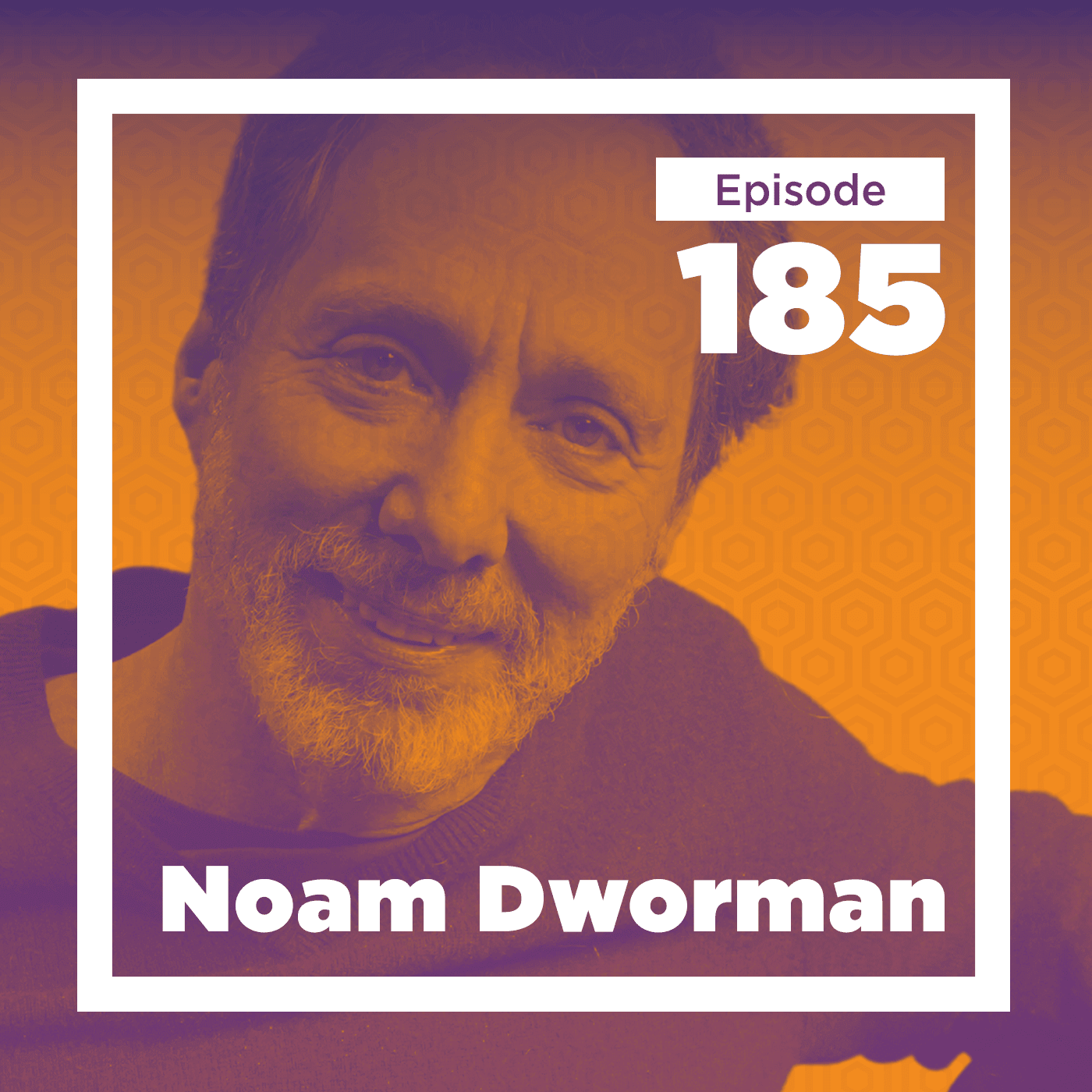
Episode Overview Title: Noam Dworman on Stand-Up Comedy and Staying Open-Minded Release Date: March 15, 2023 Guest: Noam Dworman, owner of Comedy Cellar
In this episode, Tyler Cowen engages Noam Dworman in a deep discussion about the intricacies of the stand-up comedy scene, the transformation of jokes into bits, audience dynamics, and the evolution of comedy since the early 2000s. Dworman shares insights from his experience running the Comedy Cellar, a prominent comedy venue in New York City, touching on various aspects of the stand-up comedy industry.
Key Topics Discussed
The Environment of Stand-Up Comedy
- Room Temperature for Comedy:
- Optimal temperature slightly cooler than comfortable (around 70°F) enhances audience engagement.
- Audience Synchronization:
- The phenomenon where audiences react in unison, indicating a mysterious synchronization that contributes to the comedic experience.
The Evolution of Comedy
- Modern Comedy vs. Traditional Jokes:
- A shift from traditional set-up punchline jokes to longer bits, influenced by platforms like YouTube and TikTok.
- Discussion of how fewer people tell traditional jokes nowadays, with the preference leaning towards story-like "bits."
Influence of Social Media
- Impact on Comedians:
- Social media allows successful comedians to connect directly with their audience, bypassing traditional gatekeeping.
- Highlights the rise of comedians like Andrew Schulz and Tim Dillon who thrive on platforms without conventional media support.
Attention Span and Comedy
- Changing Preferences:
- Shorter attention spans lead to a preference for shorter comedic performances, although some comedians still excel in longer formats (e.g., Louis CK, Dave Chappelle).
The Differences Between Comedy Scenes
- NYC vs. LA Comedy:
- NYC comedy is described as more battle-tested and aggressive, while LA is known for celebrity presence and less stage time for upcoming comedians.
- Las Vegas Comedy Scene:
- Vegas audiences are perceived as more conservative; however, the fundamental nature of comedy remains the same across locations.
Challenges in the Comedy Industry
- Government Regulations:
- Frustrations with regulations such as minimum wage laws and compliance hurdles that affect operation and expansion of comedy clubs.
Personal Insights from Noam Dworman
- Career Background:
- Dworman briefly discusses his early music career and the transition to comedy, emphasizing the role of creativity and passion in both fields.
- Future Plans:
- Plans for expansion with a new venue aimed at creating an intimate theater experience for audiences.
Noteworthy Quotes
- "The synchronization is stronger; the laughs are louder."
- "Being funny isn’t just about telling jokes; it’s about timing and charisma."
- "Comedy does not age well, but the genius of Chaplin still captivates audiences today."
Conclusion Noam Dworman's insights reflect the dynamic landscape of stand-up comedy, marked by technological influence and changing audience behaviors. The discussion emphasizes the importance of adaptability in the comedy industry, as well as the enduring power of connection and creativity within the art form.
Additional Resources
- [Full Transcript](https://conversationswithtyler.com/episodes/noam-dworman/)
- [Watch the Full Video](https://youtu.be/iBg1S_r7zoA)
Connect with Conversations with Tyler
- Twitter: [@cowenconvos](https://twitter.com/cowenconvos)
- Instagram: [@cowenconvos](https://www.instagram.com/cowenconvos/?hl=en)
- Discord: [Join here](https://discord.gg/JAVWP7vTxt)
- Email: [cowenconvos@mercatus.gmu.edu](mailto:cowenconvos@mercatus.gmu.edu)
This episode encapsulates the intricacies of stand-up comedy, highlighting how cultural shifts and personal experiences shape this ever-evolving art form.
Written by AI. May contain mistakes. Listen to the episode to check what was said.
Transcript
Automatic transcript. May contain errors.0:04Conversations with Tyler is produced by the Mercatus Center at George Mason University, bridging the gap between academic ideas and real world problems. Learn more at mercatis .org. For full transcript of every conversation, enhanced with helpful links, visit ConversationsWithT Tyler .com.
0:26Hello everyone and welcome back to Conversations with Tyler. Today I'm here with my very good friend, Nome Dwarmen, in Comedy Seller. Nome is owner, Amprasario and CEO of Comedy Seller. Three places in New York, one in Las Vegas, commonly considered America's leading comedy club. Nome, welcome. Well Tyler, thank you very much for having me. What is the perfect room temperature for comedy? Oh, that's a great question. The originator of the comedy seller named Bill Grundfest, this was a very important issue for him. He felt that if it got warm, this was a serious effect on how the comedians went over.
1:07I think a little bit colder than comfortable is what is best. 70 maybe, something like that. So it's like how stores often feel people buy more when it's cold? Yeah. The problem is that the kind of air conditioning systems that we have, you take what you can get, in a very, very hot day, they underperform and then the thermostats as they're slow, they don't keep things at a perfect temperature, so it hovers up and down around things, but we try to keep it cool. What's the biggest thing about audiences laughing at comedy that you do not understand? Well, what's interesting is always that the entire audience or most of the audience at the same instant in time seems to react the same way to know whether something is funny in a way that nobody can explain.
1:58and this will happen even if it's the same comedian telling the same joke four days in a row. I will find myself laughing harder at the same joke just was as the entire room is laughing harder, but I could go to the video and it's very difficult to pinpoint what he's doing differently. But there's something on a micro level that they do differently and everybody perceives it the same way at the same time. and that's the magic of it all. I don't know if that's the direct answer to your question, but that's what it makes me think of. I don't know how to explain that. And there's something about human synchronization of the audience in there.
2:35If you have to extrapolate that to broader social situations, what do you conclude? People pick up on very slight cues in an instinctual level, kind of analogous to pheromones, I guess that they can account for. They don't know they're doing it. probably affects who seems like a likable person, unlike who you trust. I mean, there's a million different ways. These things present themselves, but it's real. It's very real and and I would say some people are kind of oblivious to these clues and They probably suffer for that during their lives as well Circuit 2023 can comedy still shock us so simply using the F word trying to be like Lenny Bruce It's all a big bore right is there shock value left in comedy?
3:20not funny shock value. I mean, at some point I've been expecting that somebody will channel Lenny Bruce and start defiantly using the N word again or something like that to make a deep point and at some point, make it away with it. But no, usually things that are shocking now are trite and not that funny. A reader suggests to me that people don't tell jokes very much anymore, but they watch YouTube or TikTok for humor. How does that affect comedians? What that makes me think of is that at some point, comedians started referring to their bits as jokes. And that happened, you know, gradually, and I remember waking up and realizing, well, that's not what a joke is.
4:08A joke is a set up on a punchline. A joke isn't one of your like descriptions that is a funny thing. And yet that's right. The kind of set up punchline of joke is rare. All people do them sometimes, but it's what's considered jokes today are comedy bits and people don't tell each other comedy bits. So I think you're right. Fewer and fewer people tell each other jokes. Why don't you want jokes funny anymore? Like I don't ever want to hear jokes. If someone walked into the room sat at the table, I'm going to tell you a joke. I'd be like, too loud or maybe this is anthropologically but funny is the last thing I would expect from that.
4:49I travel in different circle and you do a lot of comedians at the table, will tell jokes, and these guys are very good at telling them sometimes. So I enjoy jokes. My father told a million jokes they were funny to me. So I, you know, but in your egghead circles, maybe I'm not good joke tellers, I don't know. I was social media changed comedy. Well, it's changed, it came to the rescue in a certain way because just as wokeness put a cloud over everything, social media allowed some of the most successful comics working today to distribute themselves directly to their audience and find their audience.
5:34And I think even this includes even Joe Rogan to some extent and there's no gatekeepers anymore. People like Andrew Scholl, Christopher Stephanon and Tim Dillon. So it's given comedy a lifeline in a certain way. It's changed everything, not just comedy, but our business. I mean, like years ago I had a music club. It was hugely successful. The cafe warway lines around the block to get in. It was a huge like local New York thing. If we had had social media, I mean, the sky would have been the limit. So, I mean, we used to have to stamp postcards if we had an event and send out 100 pounds expensive.
6:17And now you can announce something to a billion people. So it's ripple through everything, including the ability of comedians to present themselves directly to the audience in a very meritocratic way. You know, you can't argue so much with who rises to the top when people are forwarding things they find funny. But saying the NBA, some people charge, well, dunks, layups, spectacular three point shots, have for place watching actual games, you just pull out bits and you watch highlights. Is comedy becoming just a thing of highlights? And is that in the longer run? Good for comedy? Bad for comedy?
6:52Well, second, everybody's attention span on everything, right? Yeah, I would say it has been, it has done that. Although, you know, our club has always been a showcase club as opposed to a headlining club. So we've always opted for shorter bits. I've always found it hard to sit through an hour of somebody's comedy unless it was, you know, a classic Richard prior thing like that. But I think you're right. I mean, I'm overthinking it. Yes, everybody's attention span is shorter and everything. And that's forced comedians to, well, you know what, having said that still the real Kings like Louis CK and Chappelle and Chris Rock, they really still do take their time with their bits.
7:32They spin out long things and they're still on top. They really are, but they're the geniuses. If you take a top YouTuber and put that person on stage at a comedy club, like the comedy seller, how does that person fare? Very badly. Why? What's the difference? It goes back to what we were talking about before. It's not as easy as it looks. When Twitter first started, there was a very famous Twitter. I can remember his name now. He had, a huge number of followings for that era. And he was funny. He was very funny on Twitter and he would do some shows and it was just tumbleweezing, you know, crickets.
8:04Just crickets. It's not that easy. There's a timing, there's a charisma, there's in it. But isn't YouTube harder in a way? Because you've got to pretend there's a live audience there. So it takes all the more effort, energy, dynamism. Is it that they overshoot or that they come off flat? What exactly happens? I think YouTube is just different. and I would never done it. I don't know that it's harder or easier, but I know that there are certain people who just can fill a room and have, I'll give you an example, like, Shepel, he has a talent. He can just talk for three hours. Doesn't have to be hitting punchlines.
8:45And people will just sit there and listen to him. It's mag, it's hypnotic. He's magnetic. I can't account for that. It wouldn't work on YouTube. I don't think anybody's sitting watching. And the only other person I know who has that is maybe Howard Stern. Somehow he can just talk and talk and talk and people will listen. And it's just a different talent, I think. On Twitter, why are ordinary people so often funnier than the comedians? Well, that's a great question because this frustrates comics no end and they won't talk about it. So for instance, I'm pretty funny. If I'm at the comedian table and I say something that's funny, there's a large There's no web comedians who will not laugh because it makes them uncomfortable to see a civilian be funny because you're a civilian.
9:33You're the boss. Well, boss, but a civilian in a sense that, you know, I'm not supposed to be the talent. A lot of people are extremely funny in person as funny as stand -up comics. What they don't have is whatever it is that's driving stand -up. Well, they might not have a few things. They're not comparable on stage. They may not be charismatic. And they're not compelled to be in front of an audience getting laughs. This is something the comedians love. My father used to talk about it. They want to be on stage. They want to be the center of attention. It's not just about being funny. There's a need that they have for this, that the average funny person doesn't have.
10:18I can be funny. I don't want I don't have the urge to be on stage being funny. As a matter of fact, I'm scared of that. I don't follow any comedians and I sit there, I read Twitter and I giggle. So there's maybe a person who's funny once every four years, but the funniest thing they say becomes viral on Twitter. How do comedians compete against hundreds of millions of people who are mostly unfunny, but they have one funny moment every now and then and then it gets elevated to the top? Yeah, you're asking me questions about things that I've actually thought about even recently. I don't know the answer to that.
10:52Exactly. I've been wondering, like, how is it that some of these comedy -seller comedians are on top, even though they're not actually funnier, and especially since you're only getting the cream of the crop of these tweets? But I guess somehow they are. I saw I can tell you is somehow people who are the top of this field. Now, there's a lot of overachievers in this profession. It's not like the NBA. If you want to be in the NBA, you got to be in the top one tenth of basketball players in the country or it's immediately obvious. But you can scratch out and work hard and put together a good 15 minutes.
11:33So there are a lot of overachievers working in comedy. but the real super talents, the real, the real gems, like the Chappelle, like the Louis C .K.'s, they really are on another level. And the world sees that. I don't know if that's a good answer or not. Why are there so few great comedy movies today? And TV shows for that matter used to be top TV shows, were comedies, not all of them. So I'm the clearest example. And now for a long time, HBO dramas, what happened? I mean, the obvious answer that would... Most people would say is that because you can't make those jokes anymore and most of the classic comedies had jokes which would be considered off limits today.
12:18But if they're not mostly that politically incorrect, like Seinfeld is less politically incorrect than Kirby or enthusiasm, but there's not a Seinfeld of today is there. I mean, movies you can go pretty far out and most of the funny movies from the past, like bringing up baby, it's pretty funny. It's not politically incorrect at all. It's coming around, that kind of comedy. But I don't know, Tallah, do you have a thought on that? We seem to be getting funny bits in different ways, and they're more condensed and they come at a higher information density and we can pull them off the internet or TikTok whenever we want and it seems that it's a success and we enjoy the feeling of control over comedy, which you don't quite get when you're watching say a hundred minute film.
13:00That would be my hypothesis. Does that mean that there's movies that have been made which are funny and would deserve the success of a classic comedy they're just not getting appreciate? No, they don't get made. They don't get made at all. That may be some of them made for TV, but even there it all seems less funny to me, but it could also be audiences or themselves less funny, right? They're more depressed, they're more neurotic. We see some of that in the data at least for young people. So I suspect that's not the main reason but part of it. I don't know and you know sometimes there isn't a reason sometimes there's just a Golden age there's a period where let's Compare it to music Why is music a little bit stagnant now?
13:44Maybe that's just the ebb and flow of Where it's at and and we're trying to correlate it to something thing, but it has nothing to do with that. Maybe there's just the great talents are doing other things now or a lot of the jokes have been told. I don't know that there's definitely golden ages of every art form. But comedy is still in a kind of golden age. But not in movies. But not in movies. Yeah. Not in movies. Yeah. How do you think it changed comedy to be moved away from general outlets? So it used to be there'd be a vaudeville show. You would see something on a showboat in a saloon, a circus, and parts of it would be funny, but sometimes you just be watching the dancing bear, whereas now today people go to a comedy club in Capitol Letters.
14:26Did that evolution matter? Yeah, I don't think it's better. I know that a lot of comedians became a little snobby about that. So, for instance, in the village underground, we have a band that brings the comedians up on the off stage. I don't know if you've been to the underground. I think you can do that. And when I first introduced it, I really introduced it because I had to let some musicians go when I was changing the club over to try to include them. And related to what you're saying, the black comics who came up in much more raucous rooms and rooms which were not dedicated. They immediately embraced this.
15:04They liked it. They liked the energy. The more clever white comics, the clevers and scare quotes were very resistant to it at first because this was not purest. In retrospect, most of them have come to me and said, no, I was wrong. The music is great. And we even allow the band a little feature thing. So I think it's not an improvement. I think that a mix of things is better. Catcherizing Star, which was considered to be the greatest of the New York comedy clubs back in the 80s. They actually did have music acts and the improv had music acts at one time. So now it's true that if it's two, If it's too much, it can be difficult to settle the room back down to comedy.
15:46So there are practical reasons, but I think in general, this kind of snobbery of the art form as opposed to just being entertaining to an audience. I'm on the side of entertainment. I would love to see a vaudeville show. Here's a very difficult question that I've never heard a really good answer to. If you take broadly American comedy and then broadly British comedy, and you had to boil down the difference to a smaller number of dimensions as possible. What would that be? I don't. You're laughing at me, but I'm not funny. I'm laughing at you because you know more about this than I know I don't.
16:21You have British comics in, right? Yeah, we have British comics and they're less politically correct. They are more word oriented like Jimmy Carr, but I don't know the difference between British stand -up comedy. I don't know enough about it. I would assume it's similar to between like Monty Python movies and Caddy Shack, there's just a different sensibility about it. But the British comics that I see are a self -selected bunch of comedians who come to the comedy show. Or America, yeah. And for the comedy show, their friends are loo -y, their friends of somebody, somehow they've gotten in the door, and they've decided for themselves that this is a good audience for them.
17:06So I don't know the answer, but I enjoy British comedy. I think if the Americans as more explicitly presenting themselves in your face as entertainers and the British comics start off by positioning sort of their class relative to yours in some way, that's one of the fundamental differences. So like when Ricky Did you, Jervais, did those famous, was it the Golden Globes or whatever? Right. Like, was that particularly British, would you say, was there something about that that an American comic wouldn't have done? I didn't see it. I don't know. I don't know. I don't know if that's because he had more, felt more latitude because he's not from the country, is British, whatever it is.
17:44But it seemed different than an American comic would have done. It was different than the way Michelle Wolfe tried to do the same thing for their correspondence dinner. If I think of the earlier history of comedy, I see a lot of comedy double acts, Laurel and Hardy, George and Gracie, Abbot and Castello, Burns and Allen. Those have mostly vanished. What happened? Is the straight man or woman out of fashion? Are they too slow when you have two people and we need the sire information density of comedy? Those acts came up not in comedy rooms as you say. Usually they be part of a bill. Sometimes one of them sang, but they would do radio plays so they had to be able to do a plot on a maybe I'm trying to think of reasons why like you know it would be that we've we've had some comedy duels over the year at the over the years of the comedy seller very few some of them were very funny but they eventually went their separate ways from each other.
18:41I think the the vehicles that are being used now are just not conducive to a comedy team like they once were. Is it Simon and Garfunkel problem like someone thinks he's too good for the group? Well, that's what happened with the Jerry Lewis, right? And Dean Martin. Yes. I remember my father telling me nobody thought Dean Martin would last. Like everybody assumed he turned out he did. Yeah, I'm sure there's, I don't know if there's a rule of thumb. Everything, every one of these scenarios might be unique in its own way. But definitely, the idea that the radio was a central way of presenting things in those days.
19:17I think that probably dictated that a duo was a smart thing to have because you want to have a conversation on the radio and a plot. Abin and Castello had plots, right? Right. And they were in movies with plots. Yeah. Who's the oldest comedian, oldest in the sense of going back in history that you can watch today on YouTube or listen to and still laugh? It's funny comedy doesn't age well, right? It's not like music. Right. It's amazing how it does an age well. I find all Don Rickles still funny sometimes. I find all George Carlin. I will still find like the class clown album funny. I thought that the Judd Apatow documentary had a lot of footage of Carlin back in the 60s.
20:04I still found that funny. But Cheech and Chong, like they're not funny anymore. I haven't listened to it since I was an attendee. But I probably know because all the weed jokes and whatever notes, he's very, very dated, you would have to. Jack Benny, is he still funny? Yeah, I think Jack Benny is still funny. I've seen somebody, again, that's mostly, he's still funny in some of the old clips. I haven't heard Jack Benny stand up. Bob Hope is not still funny. No. I don't remember thinking Bob Hope was funny back. No, ever. Even when I was a kid, I was like, who is this guy? Woody Allen, Woody Allen stand up is funny.
20:37For sure. I played some old Bill Cosby stuff for my kids. I think this is before Bill Cosby went out of fashion and they loved it. No, you know, they're, they're, they didn't know the backstory. They didn't know that but they, no, we loved Bill Cosby as kids. I don't know if you're kind of, to me it was never funny. It was too boring mainstream and you know, my dad used to always tell me, Bill Cosby is a creep and he would say, you know, someday you'll agree with me. That's a mate. How did he know? He said there were two people. He, he would say they were creeps. Bill Cosby in Woody Allen. He had a remarkable intuition for human character.
21:13Well, this goes back to what we're talking about at the beginning about these cues. That's right. It's amazing. And he never met either one, of course. Now he didn't say anything about a hundred other people, right? No, no. Those were the two that he signaled out and demonized. That's remarkable. Yeah. Bob Newhart was he funny. It's so low key to me. I tried listening to some to prep for this conversation. You know, it's like funny for square people in 1963 or something. Yeah. To me it wasn't funny. No, I don't find it that funny. I went back and not so long ago listen and watch the Richard prior movie where he does the monkey and leon spinks and that stuff.
21:49And I still found that funny. But it's rare. Comedy does not age well. And I don't know why. But I will tell you this. It's not stand up comedy, but Chaplin that we play Chaplin all the time in the restaurant. Right. There are nights when the entire restaurant will be laughing at Chaplin. It still captivates me. I'm not sure I'm laughing, but it's very powerful, I think, to this day. And the end of city lights where he holds her hand and he realizes, and she realizes that he's a homeless guy or a bum, but she thought he was this rich man trying to encapsulate it as too complicated. But anyway, and you'll see multiple people with tears in their eyes at the end of this chaplain moving in the restaurant.
22:28And what accounts for that in your view? Genius. There's no other way. I mean, he was, but he's trained Europe in America, right? He was not quite at home anywhere. Outside or a little tramp. Right. I don't know, but he's the only, we've tried Buster Keaton, we've tried Lauren Hardy, you know, they did a lot of silent movies before they did talk. Yes. We've tried sampling all the greats of the silent era. And none of them seemed to attract attention from the patrons of the chaplain. Also, you know, he's acrobatic, there's roller skating scenes and boxing scenes and trapeze scenes and amazing stuff.
23:04WC Field to the bank dick, I thought still was funny. Yeah, WC Field is funny and way ahead of his time. And actually I named, well I didn't, it wasn't my idea, but the name Fat Black Pussycat, which is one of our rooms, is named after the bar in the movie bank dick. All I think it might just be called the fat cat in that movie. And what about comedy across borders? Forget about the anglosphere, Ritzofenny, Canadians, of course, so funny. But people from Israel, France, wherever Germany, if comedy doesn't age well across time, how does it for you age across borders? Apparently, people like American comedy all over the world.
23:42Americans are not so keen on comedians from other countries. That's it. When we have comedians come here from other countries, I don't think anybody's done that well. Gad Elmala did pretty well for a while. And they're too culturally specific, or they're just not funny, or how do you account for the difference? It has something to do with the power of American culture. Like, you know, American culture has been integrated by all the other countries in the world somehow. They've just grown up, but they get it. They get, they get us. We don't get them. That's, that's my best guess at it. But you think they're quite funny for their local audiences.
24:20They clearly are. Yeah. Yeah. They clearly are. Now, how many years have you been running the club? since 2003. Over those years across time, the comedians to you, are they nicer or they meaner? Like how if they changed? Is a group or class of people? And none of them will be listening to this podcast. So you can say what you really think. How have they changed? How have they changed? They're more aggressive, they're quieter. They are less aggressive. They are more careful. They're less Broey, you know, which is considered a bad thing, but the bros were fun. You know, there was there was a raucous kind of bro atmosphere like the bill burr types.
25:03Now bill, a lot of these people, they're famous now, but their grandfathered in. But a young bill burr would have a tough time. People will look like, dude, you need to chill out. You can't say that stuff anymore, you know? So those people are, and they've changed in that way. But, But in many ways they're the same. They're still smarter than most people. They're still less easy to offend. They're still much better company. They're still much better conversations, much less boring, small talk. There's a comedians only like to hang out with comedians for these reasons. And they die a thousand deaths when they have to go to a dinner with people who are not comedians.
25:45They really don't like it because they cut out all the nonsense. and they're very, very honest and very, very direct. It's coming to me as I'm answering you. They'll share very personal details with each other in a way that most people won't. Even people they don't even know that well. This is just part of their culture and part of their ethic to be very, very honest. And that's a very kind of captivating conversation to be in. How often do they marry each other? Not that often. Don't think I'd have been happy then? Well, there's like Tom Papa's married to his wife Cynthia and they're married for a long time and very happy.
26:21There's some couples they usually break up. Listen, comedians, it's not about marrying other female comedians. Male comedians are notoriously bad at love. Why is that? One might say it's because there are a lot of them are damaged in some way and that's what makes them funny. Could be the lifestyle. I don't know, but they're not like my law school friends were all happily married for a long time with children, the comedians, they get divorced a lot, or they don't get married at all. So as a group of people, you think they're less happy than say your lawyer friends. Less happy? That's a good question.
Read the full transcript
27:01I think there's a lot of depression, there's a lot of psychotropic drugs, there's a lot of mood drugs being taken by comedians, but if you read the paper, this is common throughout American culture, so I don't know if it's more, or they're just again more open about it, because comedians will tell you, I'm taking this, I'm taking that. I would have to say they're not less happy because they love their work and they can't wait to go to work. And like my father used to tell me, most people live their whole lives for the weekend. They can't stand going to work and those people I have trouble believing are happier than comedians.
27:39Because anybody and I have a job similar to this where my whole profession is on my own terms. If I'm interested in computers, I can make that work for my profession. If I've mused it, whatever it was I wanted to do. This is happiness, you know. So unless they are, you know, chemically depressed people, as some people are, I think comedians are probably happier than most people. If there's a truly beautiful woman, can she do stand -up comedy or the looks unobstacle? Oh, yeah, absolutely. Whitney Cummings is very, very funny. I think she's beautiful. She was a model. I know what you're saying, but I don't think it's an obstacle.
28:19I don't think it would be an obstacle. Yes, it's true. There haven't been that many truly beautiful women doing stand -up comedy. I would not say that that's the reason. Does the comedy have to change? It might, you know, I think so much of this defies these rules of thumb. And I think that when somebody comes along who has something original about them, something about their take on things, something about the way they speak, whatever it is. And it's real, they will become big. Regardless of what it is. Again, it's like, you know, somebody with a super musical talent, like Django Reinhardt, they're missing fingers.
29:03They figure out how to play with their toes. When you have real talent, you will Make it the problem is always that that's the the top 5 % whatever you want to say and then there is the more mediocre category of people who are successful in stand -up comedy and In that group then yeah, then you can Maybe attribute these kind of things that you're talking about but among the people with super talent I don't think it matters what they look like. I don't think any of these things hold them back And if you do stand up comedy for decades, at a high level, but not the Louis C. K. Chris Rock level, but you're successful You know you appear in your club all the time.
29:39How does that change a person? But not so famous that everyone on the street knows who they are How does doing stand up comedy change a person for 25 years? Yeah. Well it First of all, it makes it harder for them to socialize like I hear the story all about comedians when they go like Thanksgiving dinner with their family and all of a sudden the entire place gets silent like that He just say, because you get used to being in an atmosphere where you could say whatever you want. I think probably, because I know this in my life, and again, getting used to essentially being your own boss, you get used to that.
30:13And then it becomes very, very hard to ever consider going back into kind of like the structured life that most people expect is going to be their lives from the time they're in school, you know, nine to five, whatever it is. So at some point, I think if you do it for too long, you would probably kill yourself rather than go back. I've had that thought to myself, like, if I had to go back to like, I never practiced a lot, but if I had to take a job as a lawyer, and I'm not just saying this would be dramatic, I think I might kill myself. I can't even imagine at my age having to start going to work at nine o 'clock, having a boss, having to answer for mistakes that I made, having the pressure of having to get it right, otherwise somebody's life is impacted.
30:54I just got too used to being able to do what I want when I want to do. Committees have to get gigs, but essentially they can do what they want when they want to do it. They don't have to get up in the morning. I think at some point you just come so used to that there's no going back. I've known a few people who, casually, they're not comics, but they do improv comedy at local clubs a few times. They think this will help them master social situations or give talks. Is that naive or is there actually some benefit to trying that? John Putt -Harritz, the commentary, but he apparently took improv classes for that reason.
31:29And I know that public speaking is apparently the number one phobia. I've read that. So I suppose getting used to being in front of an audience in some way would be helpful. But I think the law of diminishing returns probably kicks in pretty quick. It's probably something good to do a little bit. I don't think it's going to help you much to do it for a long time. But I don't know. I don't know. If there's a young comedian appearing at Comedy Seller for the first time, you can see they're very nervous. You say anything. Can you help them? What do you do? What I try to do is you know, make them put the mid -eas if I can.
32:05And you know, they're sometimes watching you when you audition them. My book or SD does this way more often. And we speak about it. We try to laugh, try not to let them look at and see a stone face, try in some way. Now I know this, you know, Sometimes it's common that the people auditioning people, I don't know if it's a power trip or whatever it is, they don't do that. They'll purposely not show any emotion to the person auditioning, which I think is counterproductive because you're trying to find out how good they are. So why would you not want to do as much as you can to bring the best out of them?
32:39So I try to bring the best out of people as much as I can. This was the same thing when I was auditioning musicians, but it's hard because when they're nervous, you know, they're really nervous. It's hard and just telling them don't be nervous is counterproductive. I don't know if it's counterproductive I don't think it works like I was very nervous to do this interview You could say anything you want to me. We got when you're not the other, you know, and I didn't say anything Right, we just talked about other stuff. It wouldn't talk to about the beach boys. Yeah, it's taking my mind off it Yeah How is New York City stand -up comedy different from LA comedy?
33:10Well, they say you know, I don't know I'm repeating only stuff I've heard that New York stand -up comedy is a more battle -tested, is quicker and funnier and more highly regarded. That's within the stand -up community. I would also say that there's a lot more celebrities at the LA clubs, people like Joe Rogan and as opposed to here where they're dropping, they're on the lineups there. So it's much less stage time for an up -and -coming comic in LA. That's what I'm told. part of the reason I was nervous about this interview is because I don't think anybody realizes how uninformed I am in a certain way about anything that happens outside my little kingdom here, you know, or that sounds arrogant, but my little environment.
33:58And I'm focused on everything that happens around me and a huge amount of that has nothing to do with comedy. It's about customers being happy and people being friendly and the homeless being made right and whatever it is. So I don't know that much about LA comedy. How does Las Vegas comedy fit into the picture? And there you have a club, right? Yeah. So I mean, Vegas audiences are, you know, you'll have more conservatives, more Trump supporters. It's riskier to have a two political comic there who will start offending the Trump supporters and whatever it is. But other than that, I've found to my surprise, or not to my surprise, but to the surprise of other people, that audiences are the same.
34:43That the people who are funny are funny and vague is just like they are in New York. Hacks will do a little bit better in Vegas than they will in New York because more people in New York realize that they're hearing something that's not original. But funny is funny and like people say maybe you can't somebody's sent somebody out to Jewie or to whatever you know that no doesn't matter at all How important is the seating arrangement for a good comedy show? You think long and hard how close together should the seats be how far away looking down looking up? What's the deal the most important thing is that everybody should be a little bit closer than they want to be the claustrophobia of the room I think is extremely important.
35:25It is not good to have people spread out We do get complaints from time to time about people being that the seats were too tight, and it's the one complaint I will not address in terms of making changes in the room, because I know that it helps. And why does claustrophobia make the comics funnier? It's just the intenseness, I guess the synchronization is stronger, it's in the audience, sir. Definitely the laughs are louder, first of all. You are enjoying it with your friends in a closer physical way or there's just an intense this to it. I mean, my answer may not be very eloquent, but obviously anybody can just picture as you spread people out, you can just intuitively understand, well, that's just not going to work.
36:08You know, you have to be close together. Louis CK once said that in the 1990s, the comedy seller often was empty and there was hardly any audience. Why was that? What happened? Oh boy, was it? So, first of all, week nights at comedy clubs in general were basically empty. Comedy was not the popular thing that it is today. But the comedy seller was even then we were the newcomer and the low club on the totem pole, the improv, the catcherizing star, Caroline's. These were the go -to clubs. And it was so slow that in my father used to have the waitresses take off their aprons and all sit in the room pretend to be customers so that if somebody would come to the door, they wouldn't think they were the only customer.
36:57You know, we went through all sorts of things to try to to seed the room. The weekends were always busy because people want to go out on the weekends. But yeah, it was, it was very tough. And actually those were good old days in a way because the comedians had much less pressure on them in those days. So they would take chances. They would be hilarious improvised things. I just sent a whole wall full of VHS tapes to a digitizing place in Boston. They actually came to pick it up It's gonna cost a lot of money and I'll have a lot of those of that period on video and you own the IP No, I don't no down to the comedians on okay Yeah, yeah, but I will then share it with them and to the extent that they want to you know have it released We're given to a museum in Sundays, but there will be clips there of people like Louis CK performing to like five people.
37:53And it'll be a different aspect of Louis CK than anybody's ever seen. And it's fascinating, like seeing the Beatles and, you know, the cavern club or something. So if you were not the top club back then, and please feel free to be your modest, and you are the top club right now, what is it that comedy seller did in the meantime to get you to be the top club? Yeah, that's a good question. and I don't, I mean, what I think it is, is that we were the most dedicated, I say this, yeah, it's uncomfortable for me to talk this way, but this is what I believe. We were completely dedicated, always, always, always, to doing things the right way in terms of having the best comedians and being and treating the customers the way we want to be treated ourselves.
38:46And this was like to this day it's an obsession with me. It's harder and harder to keep that mentality as we're so busy among the staff will become complacent whatever it is. I regard this as a big challenge and a very important challenge that I have to overcome. But it was the way we treated the comedians. My grandmother was a very warm host. My father was an extremely warm host. He always... And they ran the club before you did, right? Not my grandmother, but just a just like a dormant family kind of tradition. My father knew how to take care of people, treat them nicely. He was a performer himself.
39:27He understood the stage from a performer's point of view. So I'll give you a perfect example. To this day, every comedy club has a check spot, which is during the last comedians, they give out the check. Now, the comedians hate this because how can you pay attention to the comic while you're figuring out your check? And from day one, my faucet, we're never going to have a check spot. I don't care what it takes. I don't care if it takes longer to turn over the room. I don't care if we lose a show. We're not going to have a performer having to compete with paying a check, especially if he's talking like music is bad enough.
40:02So this was something he dug in on. And to this day, our competitors have check spots, even their last shows where there is no time constraint. Why I cannot account for that. And from that, you can extrapolate many things that they're probably doing wrong because they don't have their priority straight. Why don't you charge a higher price for Saturday nights? More people want to go, right? Dude, I just found out today that one of our, one of the other clubs is charging $38, New York comedy club is from $38 plus a $5 ticket fee, which is just, you know, why would there be a ticket fee? It's just a rip off.
40:35And then $18 minimum. You're talking about almost twice as expensive as we are. I just seems too much to me. Doesn't seem too much. Who wants to pay that much money? It sounds like a bargain compared to a lot of alternatives. Try going to see the next. Now, that's comedy of its own sort, but I don't know. I have to take a look at raising my prices. I had no idea. I didn't mention this to you, right? You didn't know I just saw this today. I didn't know this. $38. And also I went to a piano bar called The Nines. A drink is $26. And our cover charge on a Saturday night is $26. So maybe I'm out of touch and I do have to raise the prices in some way, but it's always better to be full.
41:14It's always better for people to think that they got their money's worth. The longevity can't be measured for that kind of philosophy. And you only know you've blown it when it's too late. You only know your raise your prices when it's too late. What I do keep track of in terms of metrics for my business is not how much money we take in It's how many people we turn away every week Because I know if I see that number dropping that's when I have a you know now I have to react to that So this is all kind of related to each other now. We have to use your gatekeeper for comedy talent. What makes her so good at that job?
41:53And we said my father's genius to hire a booker who didn't speak English. Listen, she gets mad when I say this, but I'm going to be very honest. Knowing who the good comics are is not the challenge. It is obvious to anybody who the good comics are. You could not speak the language. Be in the room and know who the funny comics are. You can hear the laughter you see the audience. However, she is tremendously good at other things. She is a Jewish mother. She takes care of them. And I know you can make me cry if I tell you. She's extremely loyal. This woman bleeds comedy -seller blue. More than me, she worries about the club.
42:36More than me. She broke her rib a few weeks ago. In terrible pain. I said, SD, how are you doing? She was on terrible pain. I'm saying, that's what you need to stay home. She goes, stay home as long as you need. She goes, I'm at work. I'll say, what are you doing? It works. She knows how she knows she's going to get paid. This is a dedication. You cannot find this anywhere and people see that in her and they respond to it. I mean the most famous people in the world, Judd Apatow, John Mayer, they're texting with SD. They go out to dinner with SD. They adore her. And that is the magic that she brings to it.
43:13How is it that you notice when the level... Sure, sure, please. When Trump used to talk about the deep state, it always rang true to me because every boss has a deep state in his business because anybody, so friends, I have a general manager. I'm not talking about my general manager. And a customer's complaining. Now, the general manager doesn't want to let me know about the customer complaint because in some way this reflects on her management of the place. So there's immediately the incentives are all bad. That's why it's always better if you're a customer to ask for the owner. Because the owner is the only one who really, really cares.
43:47So it has no SD is completely loyal. There is zero deep state with SD. And this as a boss is something you may never have. And when you do have it, it's priceless. I cannot tell you the sense of ease I have that I can speak with her totally candidly, totally frankly about any comedian about anything in the world and I know it stays between us. She'll never, ever let it on. It's an amazing thing. How is it that you notice when the level of the light in the club is dimmed ever so slightly? I just notice. My father had it. I have it. I can walk into a room and I notice it immediately. People I've trained where they're everyday don't notice.
44:32I'm like, don't you see that? Oh yeah, you're right boss. I didn't see that. This is just, it's like, like, you know, it's a talent. I'll cop to it as a talent. What's the craziest government regulation? Comedy seller has to follow. Well, the dumbest thing, it's not huge to me, is that when they raise the minimum wage, they raise it for tipped employees rather than the people who are working hard in the kitchen, let's say. Now our servers, I think finally caught up with it. everybody, our servers make as a way to earn job quite a bit of money, you know, some of them can make $100 ,000 a year. They would pay me to work here.
45:14I'm not suggesting they do it. Regulations really didn't take care of for a while. And I said, I think the minimum wage may have caught up now. They did not take care of the people who are really laboring hard at low wages. I thought that was a tremendous mistake. The sum total of the regulations is crazy. It's it's death by a thousand cuts. So then we Wanted to move a wall downstairs to expand the kitchen by I don't know seven feet This was something we could have done without even closing In order to comply with the law we were closed for like six or seven months The landmark permission is one thing after another after another after another we can't put in a bathroom Because then we'd have to renovate the bathrooms downstairs in a room for there's so many things We're very, very fortunate because we're established and we're successful, but you wonder how it is that a new business can overcome these costs.
46:10My father started his first place. He was a cab driver. The notion that a cab driver could aspire to opening a restaurant in the village. Now it's impossible. You couldn't do it. Come and use, Seth. I should ask you for your 9 -11 story. Oh my God. He gave me help. I spied on you. And he really, of course he did. All right, well, this is not a flattering story at all. I don't know that. I guess I will. And I try to do it short. So, you know, when I was younger, not anymore, listen, I was a musician. I'm not proud of it, but I was, I, I, I, I, I, I, I was not faithful to girlfriends, whatever. I'm just copying to it.
46:50I can't believe, I can't believe. Cause I texted Coleman today, like, he's like, it'll be fine. Don't worry about it. And then the only bad question was from him. So I had decided that the only way you could have a fair, I wasn't married, God forbid, was that you and the woman had to be the only two people who know about it. So I had this girlfriend, I said, we're going to go to Washington, DC. And I didn't tell anybody. And I can't believe you're doing this. And I was at a hotel and Myself on his ringing and ringing and ringing and ringing and I don't want to answer it And finally I answer it and if someone working in the office calling on behalf of my father Where are you?
47:37Where are your fathers go? I said I'm I'm in DC I'm nice book to my father's wife. I'm in DC and They're like don't you understand what's happened? I had no idea was it was and I turned on a TV So I turned on the TV. It was 9 -11. The World Trade Center is full. That's what I'm in DC. That's all I say. So then my girlfriend, now my wife, my wife knows the story. Her mother, I'm really trying to condense the story, shows up to the olive tree. And is the attached restaurant for the listeners who are now looking for her daughter who and she sees my stepmother and she says, Have you seen Juanita and Alpha?
48:18My son was just, it's okay, they're in DC. And my wife's mother says, she's not in DC. I just saw her two hours ago and then it dawned. So I got busted on 9 -11. And I just remember, you couldn't get back in the Manhattan and it was burned out. I was like, I hope it burns and burns and it burned. I just kept putting it off and putting it off. It was the most horrible thing. But I will tell you an interesting aspect of that. So in this story, we'd written up in a book, by the way, if we wanted to get the long version of it, when we went out into DC that day, there was nobody at the White House.
48:55Sure. And we began to walk down the path, realizing we could walk into the building, like January 6, I think, we're right in the gap. And then I got scared. I say, you know what, this is probably not something we should do. and I chickened out and I went the other way. And before a cell phone had cameras, but it was like I am legend or something. It was a most amazing thing I've ever seen. It just happened to be there and I couldn't capture it, but deserted. Just like you could just walk right into the government buildings. It's crazy. Anyway. Is there an alternate universe where you become a professional musician, a guitarist?
49:34Yes, there is. I would say that, I mean, I was a very good musician in high school, I was hired as an accompanist for a classical out player and I played Carnegie Hall and a number of important of those types of rooms. I was recommended to study with Segovia. I was considered to be a a loot player. A loot player? No, I would. Oude. Oude. Oude. Oude. Yeah. Which is, you know, a lot oot is oots. Yes. Yes. The oot was a four -winter of the loot. And then I had a whole career playing music. I was pretty successful at it. And I was good, not not a genius musically. Like I play with some people who were who I could never play like they can play.
50:16But I was always the leader. I always became the leader in any situation, even with musicians who were better than me in certain ways. It was something about it's related to being known when the lights are up and down. There was something about my sensibility musically. I will say this about myself, which was unique to me and very good. And that's why to this day, like I still play with the very, very best musicians in the world will come down and hang out in the olive tree. And you're playing electric guitar then. Now I play like a nylon electric guitar. Yeah. But as a band leader more than anything else, that was really something that I was, I was just naturally good at.
50:55The old Bert Bakker Act song, raindrops keep falling on my head. What are the chords? Oh, I know the C, C, major sevens. He said, I can tell you all the credit for like all the songs by anyone. Coleman says you can not, not Coleman. No, not not all the songs not by anyone. I'm pretty good at it. I don't have perfect pitch. People with perfect pitch are always better at it. I'm not as good as this guy Nick Castellino plays with me. He will have a higher batting average. I'm not a genius. I'm not, but I'm very good. But you know, a lot of people like you hear all Beatle record, Paul McCartney's making mistakes.
51:30You know, music has so many different aspects that go into it in terms of what it means to be a great musician. There's artistic aspects to it. There's strategic aspects to it. There's sensitivity aspects to it. There's all sorts of things. Beach boys, I get around. What makes it a great song? Well, it's just, first of all, that introduction. It's so fresh. The barbershop kind of sound with this rock music. I mean, as a kid, I can remember vividly the first time I heard it, I'd never heard anything like it. That's always impressive to me when something comes out of nowhere and you can't even trace it as a progression of what came before it.
52:09That's what those beach boys songs were like to me. That's like the first time I heard, I wanna hold your hand, these kind of things. I'm not exactly unique. The first time I heard Teen Spirit and Nirvana's song. Right. There's just something about and again, I'm saying this, but everybody says that, right? First time I heard strawberry fields forever. Maybe I was 10, I couldn't believe it. Yeah. So I get around, has that. Now I get around is very sophisticated harmonically. It's got a key change and it goes down as step afterwards and he comes, he finishes. I think he finishes where he started.
52:41I mean, you can't say enough about Brian Wilson, right? This guy's a real genius. who's the most underrated guitarist in your view. The guitar players who are not fancy, like Paul McCartney, whose touch is magically, you can tell it's him immediately. Like Paul Simon, James Taylor gets more credit, but is also not understood to be the genius that he is because he basically invented an entire style. Nobody plays like him, nobody sounds like him, and nobody Nobody played like that before him. Willie Nelson's soloing. I know that people like Miles Davis, they get it because it's so simple, it's all phrasing.
53:22It's something that anybody would think they could do but they can't quite do it like him. It's kind of like the now it's like Sinatra singing. Nobody gets that but yet everybody can't believe how good he is but he's not singing like Elephant's Gerald. He's not singing like Tony Bennett. It's almost approachable. you'd think you could almost sing like Sinatra, but you can't. The guitar players like that. I've listed some of them. Those are the people I really admire. I really don't, I never did enjoy the fancy guitar players like the guitar gods because that's not really my approach to music. Now, more song oriented.
53:59I like the songs. I like the, I even like the souls that are not necessarily improvised. The fact that you mastered the Ud, which is unusual, right? How is that that shaped your understanding of rock and roll and popular music. What is it that you see differently?
54:16Well, I'll broaden out that answer, because I don't think I mastered the word. I can play it. But you played it, yeah. That I was very, very lucky. I wish my father alive for you to meet him. I had very, very broad influences in my home and a total lack of snobbery about anything. And actually, this is why I take to you in a way. I think you have that too. So anything that was considered to be great within its culture, the greatest Arabic music, the great whatever it was, it was assumed that it was upon me to learn why it was great. And then, and you can do that, you like, you bury yourself in it, you'll always have an accent at it in some way, but at some point you get used to it, and then you begin to be able to discern the good from the bad and then somehow that becomes part of your vocabulary and how you play and that just happens.
55:14You can't really plan that. So in some way, having all these influences made me unique in certain ways in musician, but unique in just in everything that I do, I like to think because I don't know, I try to be very, very open -minded. I hope the answer meander's a little bit, but I do think these things are connected. Like it's an idea that's not limited to music. It's just an approach to the world. And you're the best example I know of this. Thank you. The Greenwich Village live music scene. Does that have a future? Aren't the rents too high? Too many tourists come here? Will it all just become stupid?
55:50I think it's done. When I started a music club in 88, everybody had live music. I mean, there was live music everywhere, not just some bleaker street, but throughout the city. few things happen at the same time. First of all, fewer and fewer people play the kind of music which is practical for live venues. Much more electronic and hip hop and whatever it is. Number one, number two, Rentscott Hire and Landlords don't want noise. And neighbors don't want noise and it's almost impossible to control the noise. And DJs became super popular on their own and DJs are way cheaper and more predictable than what they're going to do.
56:34You know, you hire some live band. You don't know if they're what they're going to play or if they'll show up. There's so many reasons that like me. When I was a kid, McDougal Street was so, no, this was during the folk rock era when the love and spoonfuls around the corner and Dylan was, McDougal Street was so busy. you couldn't even walk down the street. The cars had to go, you know, like at a tiny pace, just it was a flood of people. You can see this a little bit in the movie, the president's analyst. I don't know if you're a solid. No. Lee Marley, this clips to the Village in those days. So it's, and then it just has decayed ever since that I think live music, I don't think it's coming back.
57:11Anywhere in New York. I don't think so. I mean, I shouldn't say it never, but, I mean, like my Monday night live music that I do with Coleman and Ray. It's pretty popular, but it's very small. And I couldn't even imagine succeeding in a live music club now. You can do it with famous acts, but the kind of non -famous live music club, no. And they asked partly why comedy's gotten busier, two comedy in certain ways replaced music as a thing people go to do. Final question, what will you do next? Well, we just closed on the biggest thing I've ever done, which is a new building on Third Street, was the former McDonald's and I want to open a room that hopefully be the flagship room to be a very, very intimate 200 seat theater -ish kind of place with a mezzanine.
58:02I'm doing that also largely because I have kids and I want them to I want to have enough that they don't have to fight over it. I've seen so many families torn apart fighting over estates and things like that. I'm trying to keep having fun. Again, one of the things I admire about you and I think as I get to know you and I'm more comfortable speaking with you, but I think that we're similar only in a sense that I think you're trying to live life on your own terms and do exactly what you wanna do and enjoy exactly what you wanna do when you wanna do it. And that has really been the joy of my life so far.
58:36And that's what I'm trying to do. Now I have kids, that's a huge joy in my life. So I don't know exactly what I'll do next after that. It'll be whatever I wanna do that I'm interested in at the time to enjoy myself. That's really...ways been all along. No. Dwarmen of Comedy Cellar, thank you very much. Thank you Tyler. Thank you very much.
59:18Until next time, please keep listening and learning.
From the publisher
Tyler sat down at Comedy Cellar with owner Noam Dworman to talk about the ever-changing stand-up comedy scene, including the perfect room temperature for stand-up, whether comedy can still shock us, the effect on YouTube and TikTok, the transformation of jokes into bits, the importance of tight seating, why he doesn’t charge higher prices for his shows, the differences between the LA and NYC scenes, whether good looks are an obstacle to success, the oldest comic act he still finds funny, how comedians have changed since he started running the Comedy Cellar in 2003, and what government regulations drive him crazy. They also talk about how 9/11 got Noam into trouble, his early career in music, the most underrated guitarist, why live music is dead in NYC, and what his plans are for expansion.
Read a full transcript enhanced with helpful links, or watch the full video.
Recorded March 15th, 2023.
Other ways to connect