Ask ChatGPT
 Decoder with Nilay Patel
9 Nov 2026 · 1h 14m · 21 chapters
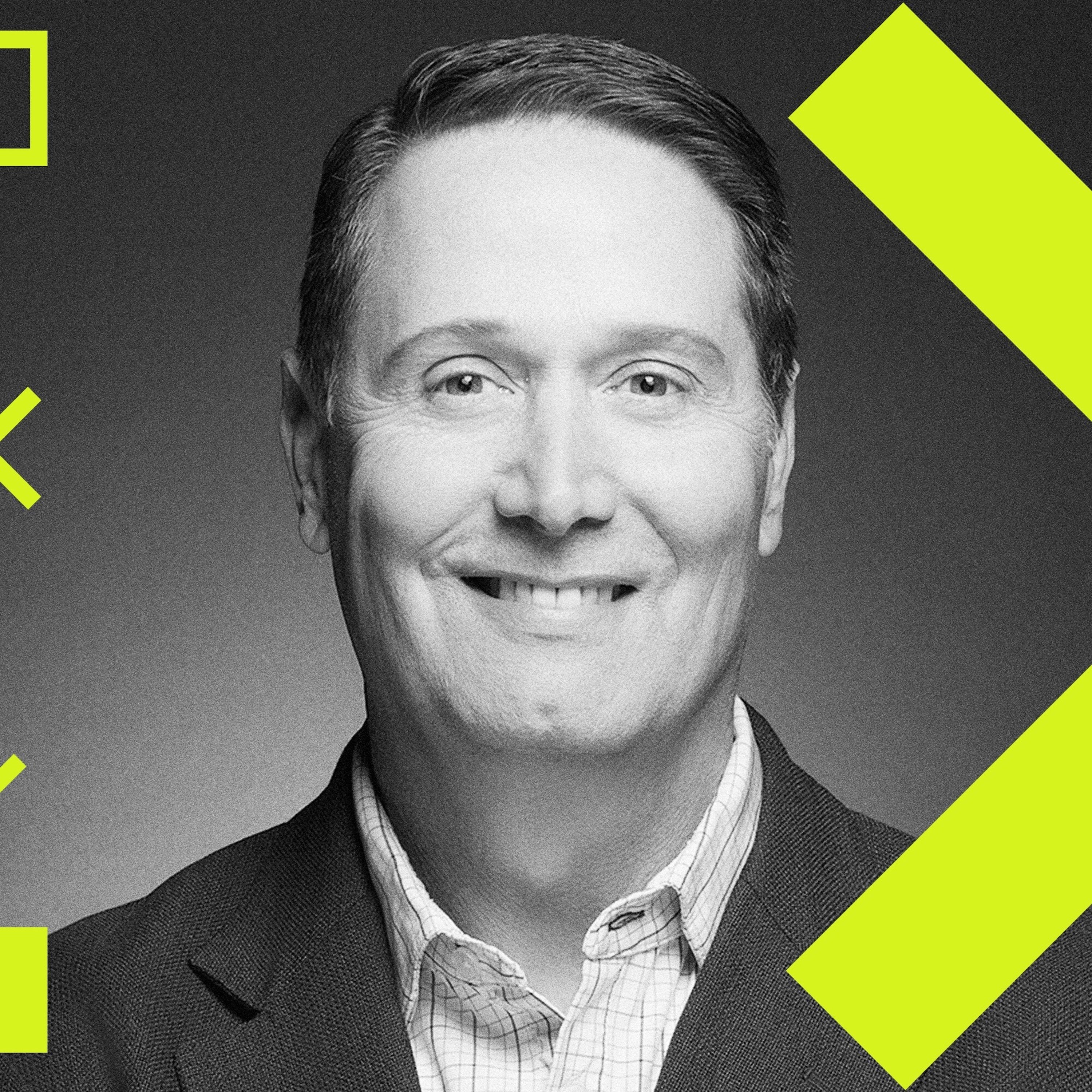
Mitch Glazier, CEO/chairman of the RIAA, discusses how AI is reshaping music creation and distribution, and what copyright, labeling, and platform takedown rules should do to preserve incentives for human artists. He compares today’s AI disputes to the Napster era and argues fans and “human connection” will determine market outcomes.
Mitch Glazier, CEO and Chairman of the Recording Industry Association of America (RIAA). Background: worked at the RIAA during the Napster/Kazaa period as a young lawyer; has led RIAA’s policy, litigation, and content-protection efforts for about 20 years.
copyright exists to incentivize artists to keep making a living; AI-generated “non-human” music could dilute incentives and harm culture. Fans will ultimately “win” via subscription behavior, especially when labeling distinguishes AI vs human work. The RIAA is pushing for “basic rights” for creators globally, then letting labeling and consumer demand drive economics. For deepfakes, he supports a new takedown mechanism (No Fakes Act) with hurdles to balance First Amendment concerns, learning from DMCA abuses.
Napster and Kazaa lawsuits; AI deepfakes of celebrities (e.g., Drake/Justin Bieber, Lewis Hamilton, Donald Trump, Star Wars/Darth Vader); Suno as a target of substitution-market arguments; YouTube Content ID and Google Search/Google Books fair-use framing.
Written by AI. May contain mistakes.
Discussion on the effects of Napster and current AI challenges in the music industry.
“Mitch Glazer, you're the chairman and CEO of the Recording Industry Association of America, which people know as the RIAA.”
Exploration of the evolving relationship between artists and technology companies.
“but it certainly did not feel like it at the time.”
Examining the purpose of copyright in promoting art amid technological change.
“And I think in AI, they are lining up much more closely than they did during previous years of disruption.”
Discussion on the implications of AI-generated music and its impact on artists.
“I mean, like I was, again, I cannot emphasize this enough.”
Explore the existential questions surrounding AI's influence on music and the need for human creativity.
“We want this to be, you know, artists are extraordinary people in our culture.”
Get insights into the structure and functions of the RIAA in the music industry.
“You're either all in on this model or maybe you're building with another.”
Learn about the challenges faced by the recorded music industry in comparison to AI companies.
“But the most passionate music lovers you would ever imagine.”
Explore the decision-making framework used by leaders in complex environments.
“The other question I ask every CEO that comes on the show is about decisions.”
Discover how to balance creator rights with the emergence of AI technologies.
“I also have a ton of friends who work, so to speak, on the other side, people who I trust, who I've known for many years.”
Understand the complexities of deepfakes and the associated intellectual property issues.
“So I'm very sorry for this, but it feels to me like the rest of this conversation is just going to be nightmare law school hypotheticals.”
Learn about the efforts to develop a new framework for intellectual property in the digital age.
“So the question was, what responsibility does or can the platform have to give a very simple sort of takedown mechanism that anybody could use, right?”
Exploring the complexities of intellectual property and copyright law in the digital age.
“So, long answer, there's no perfect response, but I think this time we had, like, OpenAI at the table.”
Discussing the dynamics between YouTube, copyright law, and the music industry.
“YouTube describes itself as a licensing regime.”
Analyzing the implications of AI on music rights and the creative economy.
“Whatever exemption you want to think of, it's hard for us to imagine how it applies, right?”
Exploring how artists now have more opportunities to monetize their catalogs.
“And listen, we all, we all, we're all 20 something at some time and then we're 50 something at another time.”
Discussing the challenges posed by AI-generated music on traditional platforms.
“Yeah, I think sort of an immediate sort of solution for the now in the marketplace is labeling.”
Analyzing Spotify's response to AI music and the potential impact on user trust.
“They're a pure play business in that way.”
Examining the combined influence of market forces and policies on AI music labeling.
“because most of what's on there gets less than 10 listens or less than 100 listens because all of this slop is just going on, which means storage costs and all sorts of other things that they have to think about.”
Discussing how the rise of AI and social media affects music certification standards.
“But now companies are competing to say, we're the private browser.”
Explore how AI is reshaping the music industry and chart eligibility.
“You literally give awards for counting to a big number.”
Discussion on the adaptability of the music industry and future challenges.
“But as we get more into assistive AI, as creators start to use AI more, and you look at the chart eligibility of like substantially human, Does a stream as part of that 1500 mean that it still has to be a human stream?”

Get the gist, explore an idea or ask about something said.
 Claude
On Decoder with Nilay Patel, what are the key points of this episode?
Searching your listeningAutomatic transcript. May contain errors.
0:00Support for the show comes from CrowdStrike. It's not a huge stretch to say that AI is the next major computing platform. Every platform shift changes the way we build software, and it changes security, too.
0:12Nilay Patel: CrowdStrike is defining cybersecurity in the AI era with AI Detection and Response, or AIDR, a solution for seeing, monitoring, and securing AI across the enterprise. Learn more about how leading companies are turning to CrowdStrike to secure AI and secure their business at CrowdStrike.com slash decoder. Why can't we get AI to production? Our competitors are all ready. How do we keep data secure? AWS AI cuts through the noise. With ready-to-use agents and the broadest set of AI tools, stop overthinking. Start building. AWS AI is how. This holiday, switch to the Simplicity Plan from Verizon. It's one plan, one price.
0:55Nilay Patel: Just$30 a line per month, for you or the whole family. And on their best 5G network. Switching to Verizon and shopping their best deals makes the holidays simple. Head to Verizon.com or your nearest Verizon store today.
1:11Nilay Patel: Hello and welcome to Decoder. I'm Nilay Patel, Editor-in-Chief of The Verge, and Decoder is my show about big ideas and other problems. Today I'm talking with Mitch Glazier, the CEO and Chairman of the Recording Industry Association of America, or the R.I.A. This conversation was a real full circle moment for me. I was in college when Napster hit and the R.I.A. became everyone's favorite villain because they were suing kids for downloading music. That is when I decided to go be a copyright lawyer, which set the rest of my career in motion. And Mitch was in the background as a young lawyer at the R.I.A.
1:41Nilay Patel: working on those cases on the other side. So part of me was very deeply, very genuinely surprised to discover just how much fun I had talking to Mitch. That's because here in 2026, Mitch, the RIAA, the record labels, the artists, and ordinary people are all pretty unhappy with big AI companies in the same way. We're training on everyone's work without permission and flooding our feeds with slop. Everyone's mad about it. And since the RIAA is both the group that lobbies for changes to the law and also the group that files lawsuits about things that affect record labels and distributors, Mitch is a pretty busy guy these days.
2:12Nilay Patel: We got deep into the legal complexity of things like AI deepfakes, how bending them outright might affect other kinds of expression, and how the AI detection and labeling systems that we all seem to want might actually work in practice, especially if big platforms like Spotify and YouTube don't get on board. I just want to get right into it. This conversation is a real ride through how AI and the law and art and commerce might all intersect. I think you're going to be able to tell that Mitch and I had a lot of fun talking about it. Before we get going, do me a favor and subscribe to Decoder on YouTube, where we put out new episodes every Monday and Thursday.
2:42Nilay Patel: Okay, RIAA CEO Mitch Glazier. Here we go. Mitch Glazer, you're the chairman and CEO of the Recording Industry Association of America, which people know as the RIAA. Welcome to Decoder. Thank you. Thank you, Nita. I'm excited to be here. I am very excited to talk to you. I have to tell you, this is a very full circle moment for me. My entire career got onto its track when I was in college and Napster came out and my university banned Napster from the school network. And I decided right then I was going to go be a copyright lawyer. And then I was a copyright lawyer and I defended kids who got sued for using Kazaa.
3:16Nilay Patel: I was not good at that job. It was not fulfilling. And I became a journalist because I could write about copyright law on the iPod. So talking to you is about as full circle as it gets for me. Thank you for being on the show. Good. Well, then I'm no longer sorry for the policies that we forced your school to implement because it made you a copyright lawyer. So the world benefited at the end of the day. So it had some silver linings to it. When I first started at the RAAA, Napster was obviously the big issue. Nobody had seen anything like it before. The last technological change had really been CDs.
3:52I mean, it had been a long time and a much more gradual change and much less abrupt. So they decided it'd be a good idea, since I was like, you know, youngish at the time, to make me go to college campuses and go to like, you know, auditoriums and convince these college students that they shouldn't use peer-to-peer technology.
4:15Nilay Patel: Wait, wait, wait. I imagine when you said that, that it was more like a 21 Jump Street situation that you were like, we should pay for you. You were like giving presentations. Yes, it was horrible. So, you know, everybody had like these anti-RIAA T-shirts on. And I remember one time I followed Chuck D, who was like on there promoting peer-to-peer. And I didn't know what to do. And I knew I was going to get booed. So I took a garbage bag and I just like put it over my head. And I walked out onto the stage with a garbage bag on me, you know, thinking they're going to throw tomatoes at me. I might as well just sort of make light of it.
4:57But I have to say, even though it was a very tough time, some of the conversations that we had with students at that time were some of the best conversations I've ever had, even now with AI, about sort of the change in technologies, things being fan-driven, you know, the disconnect that can occur sometimes between, you know, an industry and the people who are out there driving change in the industry. So it was actually a good experience at the end, but it certainly did not feel like it at the time.
5:31Nilay Patel: It didn't feel like it at the time for me. Thank you for saying the butterfly effect is real, but it was heated. It was hot. And one of the things that has really occurred to me is I get older and AI exists And I see the platforms taking so much of the economic value out of art, particularly in the age of AI, is that my opinions about intellectual property enforcement have changed. It feels like I'm just giving up all of the ideals that I had when I was a kid about the internet, that open access to information was good, that there was that meme ages ago, everything is a remix, and that we should all build on each other's art as much as we want because that will push the culture forward.
6:16Nilay Patel: I am still very idealistic about that. And I definitely did not think the recording industry suing kids was the appropriate way to protect the intellectual property of artists back then. But here we are in the age of AI, and it feels like no one is making enough money for making art except the world's biggest artists who are all also tech investors now in some way. And the tech platforms who collect fractions of pennies from everything and are doing data center build outs or whatever it is. And that just existential dynamic for me is where I wanted to start. I want to talk about how the RAAA works and all the decoder questions.
6:54Nilay Patel: But I was just thinking about what I really wanted to ask you. And it comes down to that is we have to protect the work, but there's some balance in overprotecting the work that makes it harder for people to make new things. in my own journey with the RIAA is a reconsideration of that as more and more things get taken. Where have you landed? You've been there for 20 years. How are you feeling about that balance? The word balance is the right one, and it's not an easy one. It's one of those things where over time, a barrier pops up here, and then you kind of pivot, and then a barrier pops up here, and you kind of pivot and you sort of land in a zone that feels right because the responses that you're getting, both from the creative community and from fans, they do start to line up.
7:47And I think in AI, they are lining up much more closely than they did during previous years of disruption. Some of it has been because of the democratization of the industry, where the gatekeeping roles have changed, where the partnerships between, you know, those who partner and invest with artists and the artists themselves have changed. In a world where artists and label services, you know, like a la carte services are a bigger part of revenue, in an area where catalog and forever exploitation and new investors in the industry have come in, the landscape is much wider now. And it's not like there are just two types of big actors kind of controlling or sharing in all of the money, right?
8:34Now there's like dozens of different types of folks meeting artists in different places where they are and meeting fans in different places where they are. And so it feels to me like this disruption, which is huge, and I hope we talk about it. The good news is unlike Napster, I don't feel like we are facing it at odds, which is kind of what it felt like back then. Now it feels like we're not in the same place, but we're kind of rowing in the same general direction, which is that everybody understands that art and commerce have always had tension and there's always going to have to be a balance.
9:11But authenticity and that connection between a human being, artist, and a fan, the preservation of that seems to be paramount in everything that we're doing, whether you're investing or whether or not you're listening or whether you're performing. And to me, it's that sort of, we're not fighting in this space anymore between just a business model or an investment. it. We are now fighting to keep the art as human art and the connection between an artist and a fan sort of preserved and alive. And that to me just seems like a much larger purpose, I guess. So it feels very different to me. It feels like a good bookend like you.
10:01I started my career with Napster, but on the other side, learned a ton as a young lawyer. And now on the other side, we have AI and comparing the two is so wild. I mean, the polls during Napster were like, you know, fans over here and creators kind of hiding a little bit and the company's over here. And now it's like AI's over here and we're all together on the other side. Yeah.
10:30Nilay Patel: I mean, like I was, again, I cannot emphasize this enough. I was a bad lawyer and I should not have been doing that job. I doubt that. I was not good at it. I really wasn't. And what I remember from that time was, you know, it was college kids and their universities would turn over their IP addresses and they would get their little lawsuit. And we would tell them, we're going to go to the district court in Chicago. You're going to settle for$5 ,000 because that's what the RIAA is running this program at. It's$5 ,000 settlements to break even on the cost and to deter you. And then you're going to go work at the pizza place for a semester, pay your bill and move on.
11:04Nilay Patel: And I thought this can't be accomplishing a goal, right? Like the thing I'm doing right now is nothing. Like, and maybe that's why I felt like I was a horrible lawyer. Maybe that's why I got out of it. But what you're describing is the polls there where there was no pushback on, well, these kids just love music. Right? The thing they love is just music. And now they can get it and they have it. They weren't thinking about the business model of CDs. Right? Because that's what maps are fundamentally disrupted. That's right. There was a scarce physical object that you could go pay$15 for. And if Metallica sold enough of those, their plane would get bigger.
11:42Nilay Patel: And everyone could kind of see that. And I'm listening to a lot of this music and it should make you rich was nowhere close to reality. We've built those models now. We have built Spotify and Apple Music and all the subscription models. I want to talk about YouTube quite a bit actually where you can listen to a lot of music. and some people will get rich, but a middle class of artists may just be totally hollowed out. And now the AI companies are like, and we're going to stand up a competitor where you can just ask for music and no one except us will get paid. And that is probably built on a bunch of artists that we used to make money by having a lot of attention.
12:19Nilay Patel: That swirl to me is, it's just the one that I can't decide where my ideals fit into that, right? Like as a person who has opened Suno and had a good time just making some music, I'm like, well, I understand how this is great for one kind of person with an artistic bent. I understand why this is fun as somebody who likes music. I do not understand the economics that follow from this the same way I had no idea how the economics of disrupting the CD would shake out. And I think we can, I'll give you actually, one example, just to make this question even longer, we had the CEO of Cloudflare on the show.
12:57And they're trying to stand up a system where instead of websites running advertising on
13:02Nilay Patel: traffic, everyone gets paid a fraction of a cent to make content on the web. And he's like, you know, like Spotify. And I was like, dude, Spotify changed the entire music industry. Like artists have different jobs now because of that economic model. And he was like, no, I think the big ones are really happy. And you can argue with him or not argue with him, but it felt to me like the tech industry did not understand what that disruption actually did to music in that moment. And now we're standing on a precipice of it again. So again, I just want to start there. I'm feeling this existential tension, you described it as art and commerce, where the commerce is going to change and so the art has to change as well.
13:43Nilay Patel: How are you thinking about that? If you go back to why, since we're talking about existential things, if you go back to why copyright exists, it's to create more opportunities for more art in the future. That's why copyright exists. That's the reason why the property right exists. It's to create an incentive to allow people to protect their creations so that they will go ahead and make a living doing it. Right. We don't want this just to be a hobby. We want this to be, you know, artists are extraordinary people in our culture. they are geniuses who need to be incentivized to share that genius because you know they're not normal people they're not me you know these are like these are like incredible people who have something to share and if they can't make a living doing it then they can't and won't share it and we are all worse off right that's the whole purpose of copyright is to be able to allow them to be able to benefit from that in some way shape or form now obviously all this infrastructure is grown up around it, all these companies have grown up around it, etc.
14:44But that's sort of like the basic premise. And you have to ask yourself the question, if non-human music, which can be made in two seconds without lived experience, and in my view, without a soul, if that can dilute or drown out the incentives for people to be able to make a living as humans making art, what happens? What happens to our culture? And I think that is an existential question that is not just sort of academic to ask. We can talk about differentiation in the marketplace. We can talk about, you know, whether or not, you know, Taylor Swift competing with like an indie grunge band is the right model, you know, for everybody to be able to get their piece of the business on these streaming services.
15:36But at its core, it's still essentially human, and it still distributes art that took sometimes 20 years to make, sometimes three minutes to make. It depends on the genius of the artist doing it. But it still has all of those, like, human warts and, you know, and craft. It has craft. And I do think that if you have a system, because the incentive is with the tech company that makes the AI to use everything that humanity has ever created to make money and at the same time then deplete the opportunity for future human music, we're going to have like a society that was like, you know, one way going backwards and another way going forwards.
16:28And if, if the culture suffers going forwards more than improving on what went backwards, we are in the wrong place and we're not doing the right thing. And that's what I mean about sort of rowing together. I live in the policy world. You have to ask yourself, what policies can we put into place to create the incentives to allow that better future of human made music? And it's really hard. It's super hard.
16:55Nilay Patel: That to me, again, when I say I'm having this existential dilemma, just to put it into clear focus for the listener, in the age of the CD, the economic value was a scarce physical object. There are only so many CDs. And then you could maybe copy CDs and like Apple would get in trouble for saying that you could like rip, mix and burn CDs, right? Like that was a whole ad campaign and Apple got in trouble for incentivizing people to copy CDs. But what the, you would pay money for an object that existed. And then we got to the digital world and the friction to copy the song went to zero and we had to invent a new model.
17:29Nilay Patel: And that model looks like Spotify and the rest. And now we're in the age of AI and the friction to create might be going to zero. So there's even less scarcity because you can just horsepower an AI pop star into existence singing an AI song, and there's going to be a glut of supply. Somewhere in there is marketing. Somewhere in there is fandom, right? There's all this stuff that can create other kinds of scarcity, but that's the journey the music industry has been on. I always say whatever happens to the music industry happens to everybody else five years later. The music industry is always on a cutting edge.
18:01Nilay Patel: Where does the new scarcity come from in this model? Is it you doing policy work and lobbying governments for changes to the laws? Is it fans revolting and saying we want human artists? Is it the platforms labeling everything? Where does the scarcity come back in? You're the first person, I think, that I've listened to that sort of honed in on this particular question. At the end of the day, it's always the fans, in my view. they will always at the end of the day sort of win because if you are any kind of service any with any kind of business model I don't care if you're AI I don't care if you're streaming you need human beings to pay you money usually by subscribing that's the highest revenue source and they're not going to do that if at the end of the day they feel like they are losing out and I do think given all of the focus groups and polling and you know everything that we've done and other people have done on this it is very clear that fans want to maintain that human connection with an artist it's not just about the music it's also about the artist the persona the brand the the emotional connection you know taylor swift's fans love her music but they also love her yeah right pearl jam's fans love their music but it's also like pearl jam you know what i mean it's a They're their own piece of culture.
19:26And so we know, for example, that if a fan knows that a song is AI, then they have a different view of it than if they know that it is human.
19:40Nilay Patel: Do you think that's going to last forever? I'm honestly curious about this. Great question. Because it has changed even in the last year. It has. I think on generative AI, it will last forever. In other words, a completely machine-made piece of art because you lose that connection. On assistive AI, where creators are using AI, even in a broad way, in order to sort of, as a tool to get their creation out there, right now, it might be a little bit suspect. You know, in a few years, it may just be like using a synthesizer or using autotune. Like, you know, there might be some people who think it's, you know, not the greatest, but it'll be an accepted part of the art form.
20:19So I think there's a difference between, are you maintaining the human connection? That's the question. You can use AI as a big part of the tool to do that. But in some way, are you maintaining that human connection? I think that's the test. And that doesn't happen with a prompt. I mean, that doesn't happen with me sitting there typing in 18 words on sudo and then like more words to like, you know, get it to a place that sounds better to my ear and then sticking it up on Spotify through DistroKit. I just don't think that that will ever cut it, even though I think there is a bigger scale when it comes to assistive AI.
20:57So fans rule. I think labeling is happening and will continue to happen because of fans. I think consumer reactions will happen because of labeling. And that that will then drive the economics of the business. So labeling is actually a very important piece of this. But I also think that if you don't secure the right, fans never get a chance to then do their thing, which is to ultimately control the market. So, you know, my focus all around the world is, have we secured the basic rights of creators? If we've done that, fans can take over and drive the market from there.
21:46Nilay Patel: Support for the show comes from Shopify. Starting a business takes a lot of hard work, so it's nice if you can take advantage of some naturally occurring momentum. And online traffic from Black Friday is just about the best kind you can get. Shopify can get you up and running fast. Shopify's pre-built website themes and AI site builder make it easy to launch a beautiful, professional-looking store without ever touching a line of code. Shopify's mobile app lets you run your store from anywhere, from tracking inventory to customer support to handling payments and more. You also get your own AI e-commerce expert, Sidekick, that can help you manage almost any business task with a single prompt, including holiday discounts.
22:26Nilay Patel: Shopify powers millions of businesses worldwide, from household names to small businesses just getting started. Launch before Black Friday, a time of year when more people are already shopping and ready to buy. If you're ready to launch your business before Black Friday, go to shopify.com slash decoder to start your free trial. That's shopify.com slash decoder. Go to shopify.com slash decoder today to hear your first.
22:55Nilay Patel: Support for the show comes from CrowdStrike. AI is already fundamentally changing how companies build products and run their businesses. If you listen to the show, you probably already know this. But while AI drives innovation, every new model and agent also creates new cybersecurity vulnerabilities. That's why CrowdStrike built AI Detection and Response, or AIDR. AIDR helps organizations discover where AI is being used, monitors AI activity at runtime, and helps teams detect, investigate, and respond to threats involving AI systems. As companies adopt AI, security has to be built in from the start.
23:36More than 70 % of the Fortune 100 trust CrowdStrike to protect their businesses. Now CrowdStrike is helping secure the AI era. You can learn more about AI detection and response at crowdstrike.com slash decoder.
23:55Nilay Patel: You're either all in on this model or maybe you're building with another. You're either speed or is it security? you're either custom or are you ready to use or your aws ai with hundreds of models ready to use agents speed and security built in you don't have to pick a side you can have them all how will ai revolutionize your business aws ai is how
24:32Nilay Patel: It's funny. I want to talk about all of that. It occurs to me that I have gotten immediately as deep into my feelings as I can with you. And I forgot to ask you the very basic questions that I ask everybody who comes on the show. So obviously the RAAA is well known. It's either a hero or a villain, depending on where you are in your story, as we have both determined. Tell people what the RAAA is, how big it is, and how it's structured. We're based in Washington, D.C. because that's where the federal government is. We used to be based in New York. RIAA actually started as a tech standards association.
25:05They created the RIAA curve, the equalization curve that allowed both the recording and the playback of vinyl records on a way that would work on every single record player. So it didn't really start out as a lobbying organization or a litigation organization. That's how we became famous or infamous, depending on where you sit. But we started out as a tech standards organization, and we still do that. We still participate in international standard-setting organizations right now to try and set the fields, for example, for the metadata that people will use, whether it's AI or any other technological format or in labeling, for example.
25:41But we also run the Golden Platinum Program, which we're probably best known for with the general public. So we're like those nerdy auditors that actually certify the Golden Platinum Records, like the PricewaterhouseCoopers lawyers that walk out on the Oscars or whatever. But that's great because it allows us to sort of interact directly with artists and celebrate their success, which is very cool. We also put together all the revenue from the entire recorded part of the music business, and we're released that twice a year. And that helps inform people about the markets. And it helps to sort of, on the business side, give people the sort of benchmarks that they need industry-wide.
26:26Everybody knows what their company is doing, what their management company is doing. But to know what the whole industry is doing and whether or not you are on par or, you know, less or more is quite helpful. We are the spokesperson when the industry is aligned. We're out there sort of talking on behalf of the industry. We technically represent the major labels, but we forge coalitions because whether you're major or indie, whether you're an artist or a publisher or a songwriter, most of the time our interests are aligned. Every once in a while we fight each other. But where we are aligned, which I would say is 90 % of the time, the RAAA is sort of the driving force in building coalitions so that we can all speak together.
27:12So we do a lot of stuff. We don't just sue people. and lobby the government, although those are big parts of what we do. And then we also take on the content protection force for the industry. So we have our content protection department operates 365 days a year, 24 hours a day. We work with sister organizations in London and New Zealand. So it doesn't matter what time of the day it is. We have people coordinated and working around the clock. And then we do all those takedown notices. We get a note from a manager saying a pre-release of this artist material that hasn't come out yet is up. We need your help getting it down.
27:53We do all of that. And we do it, the entire organization is only 46 people. Wow. Isn't that amazing? But the most passionate music lovers you would ever imagine. It's only 46 people. Only 46 people. How is that structured?
28:11Nilay Patel: Does everyone just do everything all day long? There aren't as many redundancies as there should be. We're divided into those different departments, right, like content protection, communications and research, public policy and industry relations, and obviously legal affairs. So we are, I would say, small and nimble, but we punch above our weight. We are high profile. But our industry, if you think about it, compared to the folks that we are sort of up against, if you want to view it that way, it's really small. I mean, the entire recorded music business was$11 billion wholesale last year in the United States.
28:56the market cap of just one AI company, right, is, you know,$2 trillion. So when we're out there lobbying and we've got like, you know, our three-person lobbying team at the RAAA trying to make a point to policymakers and you're dealing with, you know, super PAC money that equals$250 million in a midterm cycle. We don't have that kind of revenue. But what we do have is music. And we have artists who everybody loves and who are culture makers and who are messengers that people trust and listen to. So I think we do pretty well for our tininess.
29:41Nilay Patel: The other question I ask every CEO that comes on the show is about decisions. You have a lot of decisions to make. Some of these are decisions of first impression, No one has ever decided how AI and art should work together. How do you make decisions? What's your framework? Personally, my leadership style is I like to have people surround me who are not yes people. I don't want people just sort of, if I come up with an idea, I don't want it to be reinforced immediately. If you agree with that, great. But I like to hear from everybody. I think my team knows that I like to hear the truth and I want to hear their raw opinion because I want to check my instincts.
30:16I usually will have a gut instinct, but then I will survey people that I trust in our companies and people on my own team. I'm learning to be a better listener. When I hear people, I kind of, as soon as in my mind, I feel like I know what they're saying. I tend to then jump ahead to the next question. I'm like deposing them. You know, here's, I have a million questions. I'm learning to sort of be a better listener and kind of understand where they're coming from. And then I take all of it and I synthesize it. And I would say about maybe 60 % of the time I end up with my original gut reaction. But 40 % of the time, I take a different path because of what I've heard and the expertise of those who are around me.
31:05So it takes a little longer than maybe it should. and you don't always have time. Sometimes you have to make a snap decision. But on something really big, like what strategy are we going to take? If we feel like we need to bring a lawsuit, which is going to be a major publicized, precedent-setting lawsuit that could determine the rights that creators have, you have to take that as seriously as it is and make sure that you are getting all the opinions that you need to get. I also have a ton of friends who work, so to speak, on the other side, people who I trust, who I've known for many years. And I will often, you know, without disclosing anything I'm not supposed to disclose, I will often call them and say, what is your perspective on this?
31:53Like, I live in this world of, like, creator rights where I'm thinking in one direction. But what would you argue on the other side? How are you looking at this? And when that informs your decision-making, not only are you more prepared, but sometimes you will alter the way you think about something by putting yourself in their shoes and understanding, you know, there's another side to this that's going to make sense to a judge or to a policymaker because they're not crazy. I mean, they have a different take and it's pretty valid. And sometimes I have to be a moderating force, even in my own industry of saying, we're living in our bubble, they're living in their bubble.
32:34And so if we're going to be effective finding a solution, if that's what we want, if what we want is a solution, then we may have to think about this in a way that leads to a landing zone. If we don't want a solution and what we're trying to do is sort of like, you know, make good trouble, that's okay. There's nothing wrong with that. That's a good thing. It can lead to good results. But if we want some, if we're trying to get to here, we better figure out a path, a realistic path to get there. Okay.
33:02Nilay Patel: So I'm very sorry for this, but it feels to me like the rest of this conversation is just going to be nightmare law school hypotheticals. This is just what we're doing now. Nothing wrong with that. That framework applies to a lot of different problems, particularly like on the other side, they make some good points too. So I opened Instagram today and I saw 9 million deep fakes of celebrities being put in the video for Popstar by Drake. Have you ever seen this video? Yes, yes. Drake didn't do it himself. It's Justin Bieber's acting as Drake in the video. And I saw one with Lewis Hamilton today.
33:37Nilay Patel: I saw one with Donald Trump today. I saw a full Star Wars one where it's a Darth Vader and he's just been deep faked into Justin Bieber's mansion singing a Drake song. And I thought to myself, I can't even count the layers of intellectual property issue here, right? First of all, no one has the license to any of this likeness, Right? Like Lewis Hamilton could probably be like, hey, that's me. I don't know under which law he gets to show up and say, hey, that's me. And to whom he says it. Is it the AI company? Is it the person who made the video? Is it Instagram? Some of the platforms have private policies like YouTube now.
34:16Nilay Patel: But I don't even just that. Where to begin? That's very connected to you saying the scarcity is in the artist. Right? The scarcity is in the relationship the fan has to the artist. But that has nothing to do with the copyrights you routinely enforce, which is the recording. You can see I'm just spiraling. Like, I watched one video, eight seconds of Darth Vader doing a Drake song. And I thought, I don't even know where to begin. Is it Disney who gets to be the angriest? Or is it Drake? Or is it someone in the middle? Can you help me just organize my thoughts here? So, first of all, I'm so glad you're bringing this up.
34:54because we literally over the past three years have been dealing exactly with this. Because believe it or not, and it's so bizarre to think about, like none of us right now has a right to our own voice or likeness under federal law. Most of us don't even have it under state law. State law, which is called right of publicity, usually only applies to advertising or endorsements, right? Like I couldn't take your face and put it on a Wheaties box without asking you because I'm selling it and making money. And I'm basically using your popularity to do so. Those are very limited rights. Now we're in the world of deepfakes where everybody can do anything and make you say or do something you never said you never did and that you might not approve of.
35:43And we don't have a basic right to ourselves under the law. It seems so weird in a country that was founded on individual liberty and individual rights that we wouldn't have an individual right to ourselves. So we had to sort of start from scratch. And what we did was we actually got together with YouTube in the very beginning because these things, even if they're not created by the platforms, the avenue to the fan is through the platform, right? And everybody's not going to bring a lawsuit against everybody in order to get this stuff down when it's proliferating as fast as it is. So the question was, what responsibility does or can the platform have to give a very simple sort of takedown mechanism that anybody could use, right?
36:39Because this is your face, it's your right. It's not like the record company owns the right to your face, right? Or the movie company, or you own the right to your face. so if you don't like the fact that somebody used your face or your voice in a way you didn't like you should be able to very quickly say that's me i can prove it's me and i don't want it up there yeah and the platform should want to do something to protect the integrity of the platform okay can
37:07Nilay Patel: i just stop without liability this is why it's a nightmare hypothetical right A longstanding trope at The Verge started by our former colleague, Sarah Jong, is that copyright law is the only functional law on the internet. Because the only thing – the only way you actually really want to regulate the internet is to take things down. That is the thing that people want to accomplish. The First Amendment basically prohibits the government from creating some mechanism to take things down except in the case of copyright law where we have the Digital Millennium Copyright Act. There's a huge notice and takedown regime in that law, and it is frequently abused on all of these platforms to get things taken down, right?
37:45Nilay Patel: The purpose of that law has been stretched beyond all recognition. If you issue a YouTube strike to a YouTuber on that platform, all hell breaks loose. That is an act of war because unless you're doing it for the right purpose, they know you're doing it to harass them. This is a lot, right? You're describing a new notice and takedown regime that isn't based in the law. It's based on some private company's understanding of what a likeness is. And there's all kinds of reasons that I might want to publish a video of Donald Trump. There's all kinds of reasons that I might want to publish a video of Drake that have nothing to do with using his likeness for commercial purposes.
38:21Nilay Patel: And granting those people the ability to take things down is the same problem without, I don't know, a federal fair use regime or some other backs. Like, how do you balance that? Great. So this is why it took three years and it's still going on because what you're saying is, first of all, you need to learn from the experience with the DMCA, right? It is the precedent we have and there are obviously problems on both sides. You need to learn from those. The second is you need to create a new intellectual property right. In this case, much closer to trademark than to copyright, but still an intellectual property right, because that is, as you said, sort of the functional way of balancing that against the First Amendment.
39:07Like if you have an intellectual property right, you are allowed to remove it despite, you know, somebody's other free speech rights. In this case, there's a weird analysis of like, do you have a free speech right to control how your voice is used? Sure. So it's like free speech versus free speech. So what we did was, besides getting together with many First Amendment law scholars and trying to sort of hammer this out, which was a fascinating learning process, by the way. I feel like I got to go back to law school and listen to these brilliant constitutional scholars talk about the tension between the First Amendment and intellectual property rights.
39:45What you have to do is, if you're going to create a takedown regime, you have to put in hurdles on both sides. You have to put in hurdles on the I'm telling you to take it downside. And there are lots of things we've learned from the past. Like, are we going to force a, in this case, First Amendment review before you can send the notice? What's the punishment if you send a false notice? Is that punishment high enough to deter false notices? Then you've got sort of on the back end, well, you have to have a counter notice, right? And then how do you make sure that that works well and that it's not too low of a hurdle, but a little bit of a hurdle because you want to have balance on both sides.
40:25And then finally, you have this middle area where if there's going to be a decision about whether or not it's a parody, for example, which many are. And the First Amendment there trumps copyright when it comes to a parody. What if it's news? What if it's, and what is news anymore? What is sort of bona fide news versus like some of the stuff I'm getting when I'm scrolling? So we then created sort of this middle period where a temporary restraining order, a very quick legal action could take place where a judge could actually decide the constitutional question because nobody wants the platforms deciding constitutional questions.
41:04You know, the people on both sides are like regular people. They're not going to be sort of making ultimate determinations. And so that's ultimately where we came down in the No Fakes Act, which is the name of the federal bill that's now being pushed. And whether the balance in there is perfect or not yet, I don't know. But I do know that we learned a lot of lessons from the DMCA. And I think everybody is very aware that the First Amendment sort of defenses are really paramount in any kind of regime like this. and that overprotecting on either side. If you overprotect on the First Amendment side, then this also applies to a girl who's bullied in high school and some kid takes her face and sticks it on a body that's not hers, right?
41:48You don't want that staying up when it shouldn't. On the other hand, I have the right to use your face for certain things because that's my free speech, right? And it's really funny or I'm making a point about underlying character or something like that. So, long answer, there's no perfect response, but I think this time we had, like, OpenAI at the table. We had YouTube at the table. We had people like, you know, public knowledge at the table who bring a different perspective than we would bring and that ultimately get to a place where I don't think folks are thrilled on all sides of it. But I think they think it's progress.
42:31Nilay Patel: It's something. I will grant you that it's something, right? It's better than what we have now, but it's fundamentally the creation of a new intellectual property, right? Absolutely it is. And there is some balance there that almost certainly will track the same balance that copyright law and music has undergone over the past hundred years, right? No question.
42:58Nilay Patel: This episode is brought to you by Google Chrome. You think you know a browser, but Gemini and Chrome? That's new. It can help you with practically anything on the web, like restoring a vintage motorcycle from a 50-page restoration block, or finally break down that long article you've had open for weeks. Gemini and Chrome is here for it. Ready to make anything online make sense? There's no place like Chrome. Check responses set up required compatibility and availability varies 18+. Support for this show comes from Outshift by Cisco, which is Cisco's incubation engine for Frontier technology. Imagine a company where every department can talk, but none can work together.
43:33Nilay Patel: Decisions stall, people spend all day chasing updates, mistakes slip through the cracks. That's the challenge facing multi-agent AI today. The fact is, when AI agents work in isolation, more AI doesn't mean better AI. And if agents can't work together, you're just scaling the confusion. Outshift by Cisco is here to help. Outshift by Cisco knows communication doesn't equal collaboration. and in the age of AI, that difference changes everything. OutShift by Cisco is building the Internet of Cognition, an open source foundation for building multi-agent systems. Agents share context, memory, and guardrails to get excellent results from design all the way to production.
44:12Nilay Patel: So instead of simply passing messages, agents can build on each other's work and move toward shared goals. Read the paper, experience the demo, and grab the code from outshift.com. That's O-U-T-S-H-I-F-T dot com. Sierra has all the best active and outdoor brands for the super athletic stuff, like running gear for cruising up the trail. Woo! And the super athletic-ish stuff, like fishing gear for chilling by the creek. Nice cast. Fitness apparel to push for higher reps. You got this. And golf balls priced so you can afford to lose one. Or a few. Head to Sierra or Sierra.com for the brands you want at the prices that let you do it all.
44:57Nilay Patel: From athletic to athletic-ish, Sierra's got it.
45:06Nilay Patel: The initial debates about copyright law music were about player pianos. Like, we've built huge institutions to manage these rights. I said I was going to talk about Google a lot. And the tension inside of Google when it comes to this is the next sort of nightmare law school hypothetical for you. Google has two conceptions of itself. YouTube describes itself as a licensing regime. There's a lot of content on YouTube. The creators make it. Google takes a license to it. Whether or not any creator ever gets to negotiate that license is a secondary concern. There's a lot of music on YouTube. And the industry had to fight its way into licenses on YouTube because music is existential for YouTube and the industry knows it has that power.
45:48Nilay Patel: There's a real back and forth. Maybe the only industry that has true negotiating power with YouTube is the music industry. And you can see this play out over and over and over again. On the other side of the house, Google Search, it's a huge business, is they will describe it to you as a fair use regime, right? We're going to ingest all the photos in the world and let you search them. And that's fair use. And we're going to litigate our way through that. We're going to ingest all the books in the world for Google Books. And that's fair use. And we're going to litigate that. And they have done that over and over and over again.
46:17Nilay Patel: You can go work with the people at YouTube. They're very reasonable. Neil Mohan is a smart guy. He understands that he needs music on that platform to survive. And he will build you the tools that you're asking for. And he has. And then the people running Google are like, we're just going to eat everything. And training an AI model is fair use. And just in that one company, they are totally at odds with each other. They're going to kill each other somehow. How do you make sense of that? What's so fascinating to me about YouTube is that it is the first real lesson in the arc of sort of the DMCA, where I think a technology-based company realized that even if you win the fight on intellectual property rights, if you don't have partnership through a license in the actual market where fans are, you're not going to have the service that fans really want.
47:10And so it was the first time that, you know, we took, everybody realized that, you know, You can win the case, but lose the business. And music is such a driver of YouTube, and I think this applies to sort of AI too, that having pristine copies that fans really want, And then having marketing partnerships and partnerships with people who invest with and partner with creators who have a better sense of how to create the bond between that particular artist that they've been living with and sort of building a brand around and understand versus like sitting in a cubicle in a tech company and like trying to decide how to connect the fan with the artist in the best way.
48:01Like that former piece is irreplaceable. And I think YouTube realized that and developed content ID, even though they technically won in court, right? And didn't have to, so to speak. And now it's so ingrained, the partnership is so ingrained that there's a dependency or a codependency. And that's how it's supposed to work. It also works because of this concept in copyright law called substitution, right? Like, if what you're creating substitutes for something else, it's probably not fair use. That's what we're arguing in our case against Suno. You're basically creating music that is competing on the same platform right next to human-made music, and you can click on either one, and you're paying the same subscription fee, and so you're affecting the economic pool, and you're effectively substituting in the marketplace.
48:54Nilay Patel: This is the fourth factor of the fair use analysis. This is the fourth factor of fair use, which courts say is the most important, which is, are you affecting the potential market for the underlying work? And, you know, if you are, that's sort of problem number one. Google, in their case, unlike the YouTube case under the DMCA, Google, in their case that they won in the Supreme Court, was about creating an index. And the idea is, if you click on it, it could lead you to the work that you might then buy. So instead of substituting for the work, the search result doesn't substitute for the work, but it could lead you to the work, which at the end of the day may not have the same economic consequence.
49:36It could even have a positive economic consequence. At least they would argue that. So there's this weird thing like Google won its case and YouTube won its case. But YouTube formed a partnership despite it because it needed to do so because that's the best fan experience. And Google didn't because it wasn't as related to the fan experience. fan experience was potentially pointed to by their activity. So that's my weird, like, law school take on the two cases.
50:02Nilay Patel: If you're running Google, if you're in charge of Google Gemini, you need all of the data in the world. Yes. Right. Like that is just how it works. Make the models better and to win against OpenAI, you need more data. And all of those companies just took it. I do not think Google came to you and said, can we license all the music in your database, even though we already have a license on YouTube. In fact, they just scraped YouTube, right? And I don't think creators have like woken up to the fact that they've given a lot of economic value to Google and its models. The other AI companies also scraped YouTube and Google can't yell at them because then they will have to reveal that they scraped YouTube.
50:42Nilay Patel: And this is about as tense a fight in the AI industry as there is. Yes. You're going to come to Google at some point and you're going to say, no, you got to pay us for that training. Right. I know you're suing Suno, but that feels like a little test balloon for the people with the real money. At some point, they're going to say, no, this training was fair use, right? We're watching this dynamic play out in dozens of these cases across the industry. How do you make sense of that, right? Where you're going to say, you're going to kill us. If the AI models flood YouTube with fake music, you're actually going to kill the supply of the data that you need.
51:18So there's the legal side and the business side. On the legal side, obviously, we're bringing this case as a precedent-setting case to show that it is not fair use to train on music. Whatever exemption you want to think of, it's hard for us to imagine how it applies, right? I don't think national security is at risk because you have to copy Drake. I just don't think that there's—
51:42Nilay Patel: Wait, what did we play in the war in Panama? We played Metallica at full volume? Right, right. Maybe it'll be used for soft power or propaganda blasted on the screen. The Clash was very upset when Rock the Casual was the soundtrack. I'm just letting you know. I bet. Going back to securing the rights, we're bringing this case to make sure that the rights are secured. So then every company knows that you are not allowed to make reproductions of other people's music without consent or compensation. That's basically what we're trying to establish. And then once you secure the right, you let the marketplace develop from there.
52:21And I'm sure that the good people at Google and other companies understand the risks. It's fascinating. Neely, I don't know if you've read the SEC document that Anthropic just had to file in order to have their IPO. But in the risk section, it's basically like, well, it could be that all this scraping that we've been doing actually violent and all these laws. And that could, you know, if it's willful, put us in a liability deficit of X. And people who are investing as new shareholders should sort of know that information. So they kind of acknowledge up front, like, this could be a big cost of doing business going forward.
53:07And yet, they're going to have a spectacular IPO, right? Despite those risks, which means that they're willing to bear them and they're also willing to accept the cost if and when that comes and it is secured.
53:22Nilay Patel: Actually, I have a different view on that. And it's related to the beginning of our conversation, right? You said, I think you gave a quote to the Los Angeles Times where you said, being the RAAA is more fun now because the consumers are on your side fighting the AI giants instead of you fighting consumers. I get that. The valence of the RIAA and the culture may have changed. I'm sure we'll get some people in our comments saying it hasn't, but in general, it's changed, right? You're on the side of the artists fighting the giants. Google won all of those cases about fair use when it was a baby, right?
53:52Nilay Patel: They had slides in the office and they were a startup and no judge had ever used the internet before. And they're like, I love YouTube. And Viacom, you're posting your videos on YouTube because your people love YouTube. And you know the audience is there. And there was something very happy about the tech industry at that time. Google as a company was a hero. I think these companies are villains now. Like truly, if you look at the polling, they are not beloved. AI is not beloved particularly with young people. The idea that AI is theft is not beloved with young people. That gives you an opportunity to actually turn the screws harder, to say maybe you shouldn't bear these risks.
54:29Nilay Patel: Maybe the artists should be the ones getting rich, not the AI companies. Are you putting that into policy or are you just trying to negotiate to an outcome? No, we're putting it into policy. You know, we're, everything is an arc, as you know, but in the beginning of a disruption, you try to put into policy the basic rights that are going to allow the creators to control their creation, to charge what they want for their creation, and to develop the licensing deals that they feel they want to develop. And it's gotten to be even bigger now than in the Napster days, because back then, as you said, the transition was from CDs.
55:07So the artist only made money in those days, like during a few months after release. Right. And then some CDs still sold for years afterwards. But a lot of them ended up in warehouses and you kind of had this small window. The streaming revolution allows, you know, exploitation, not in the negative sense, but in the positive sense, it allows it forever. That's why you have all these new investors coming into the music community, because it's a little bit more like a commodity now, right? That's why Goldman Sachs is buying catalogs. That's why all of these new companies are coming in and they're buying catalogs of music, because music's evergreen, right?
55:45It's water. People are going to love it forever. And as an artist, you now have an opportunity you never had in the past. It's not just to, like, make this chunk on wholesale cost of CDs within a certain month period. it's hey now that i've built up this following and i might be people might love these songs 20 years from now guess what i can now sell my catalog for a large amount of money to i just
56:08Nilay Patel: want to hit pause here and say that the the baby punk rocker in me is we could do another full hour on artists now have the opportunity to sell their catalog to goldman sachs it's another hour but I know it's there. And listen, we all, we all, we're all 20 something at some time and then we're 50 something at another time. And it's, you know, it's the way that everybody wants to take care of their grandkids at some point. So, but this is an opportunity that they have now that they didn't have before. And so I think that this disruption, I think there's more skin in the game for the actual creator.
56:49than there was in the past when the revenue was just kind of more bifurcated or trifurcated. And nobody on the creative side of the equation thinks that it's right that, like, Suna will be making all the money from all of the music that has been created in the past, and that that substitutional effect is going to deprive the artist or any one of their partners. Like, if the artist is in the middle in the sun and you've got all the folks around them from performing rights organizations to record companies to publishers to managers to producers to agents etc like they're all sort of partners in a piece of that larger puzzle and now the artist has more skin in the game than they ever had before which is another reason why i think we're sort of rowing together a little bit longer there are other outcomes here i think it's warner who's
57:45Nilay Patel: partnered with Suno. They made a model on Warner's music so they don't run into these issues. If that proliferates, then you don't get to sue the AI music companies because they made their models with licensed music. But you'll face a supply problem on platforms like Spotify, where suddenly you can just flood the platforms with music. And your solution there, at least as I understand this conversation, is labeling, right? You're going to put labels on the AI stuff so the fans can make a market decision. And the bet is the fans will choose humans. Is there another solution to the glut of supply?
58:20Yeah, I think sort of an immediate sort of solution for the now in the marketplace is labeling. But I also think that these licensing agreements, and I'm not privy to the licensing agreements that exist with Suno or any other AI company because I represent competitors. So they would never tell me. But I would imagine this sort of idea of dilution where you don't want to put at risk on streaming platforms artists' music because 90 % of everything that they're competing with is AI slop, if I could use that term. The licensing agreement gives you the leverage and the ability, if your rights are secured, to say, I'm not going to let you download all this stuff.
59:04I mean, it's rumored that in the UDO agreement, like a walled garden had to be built so that fans could make music within the network on their own Spotify-like app. It wouldn't discourage them from also having Spotify or Apple. It increases the revenue for everybody, but we're not going to allow you to download from this platform and dilute that platform. I don't know if that'll work. That seems to be one model. It could be that the terms with Suno had a limit on it or considered supply. But I'm not a business person. I'm a policy person. But I think that there are plenty of ways, if the rights are secured, that through licensing arrangements and agreements, creators could then have the leverage to affect the supply so as not to cannibalize the work that they have in other platforms.
59:52Nilay Patel: Well, I think the policy problem of supply is it will affect the business somehow. We should talk about Spotify for a minute. It's amazing that we haven't spent more time talking about Spotify. I think the model companies are just not going to listen, right? Like you can see what they are doing. They are gluttonous for data and they think that they can outrace the consequences. We'll see what happens there. Spotify is not training a model. Spotify is just distributing music. That's the thing that they're doing. They're a pure play business in that way. And they have a lot of incentives for AI music to replace the music they have to otherwise pay for on that platform.
1:00:26Nilay Patel: They have a lot of incentives for white noise and fake streams in history to do these things. And they've gotten in trouble for some of that, right? Like this is a real thing that happens on this platform. Are they going to participate in a labeling scheme when, say, this is AI music? I think so. And not because as much as they have an economic incentive to lower their costs, their biggest economic incentive is to keep fans paying$9.99,$12.99,$15.99 a month. And so if fans feel duped. Is that proven out in the market? I'm actually very curious about this. Yes. Right? You're saying there's AI slop on Spotify now, or when you search for Taylor Swift, you get a bunch of weird Taylor Swift soundalikes, which is an experience everyone has on Spotify.
1:01:12Nilay Patel: It hasn't churned those fans yet. There's not some exodus to Tidal or Apple Music. Spotify is still dominant in its way. Right. I think they're walking down the road slowly, probably a little too slowly. on trying to see if they can do like just enough to keep those two things in balance. Like right now, for example, Spotify is saying, well, we'll only disclose or label a recording as AI in the credits. Well, how many people look at the credits? I wish more people looked at the credits. They discover producers and songwriters and other awesome folks who have contributed to the recording, but they don't.
1:01:49They need to do it at the track level. They're not there yet, But they are disclosing AI personas that are made because that's sort of like the highest on the dupe scale, right? And then under that, they're looking at the fact that already 90 % of the recordings available on Spotify get like 10 % of the revenue and 10 % of the content gets 90 % of the revenue. because most of what's on there gets less than 10 listens or less than 100 listens because all of this slop is just going on, which means storage costs and all sorts of other things that they have to think about. So I think that they will go as far down the road as fans will demand, as their users will demand.
1:02:32And I think when we get to a point, if people get recommendations in their algorithm, like if you like this song, you'll also like this one. And when you listen to it, it turns out it was AI and you didn't know it was AI and you feel deceived. That's when they've got a giant problem because they're responsible for that recommendation. They're the one that fed that to you. And so we do have lots of consumer research out there that shows that subscribers, just like all consumers, want to feel like nobody's pulling the wool over their eyes.
1:03:05Nilay Patel: But is there an actual market pressure? I can think of all kinds of times fans have revolted against Spotify, right? Like, I love the band Stars. And every now and again, they'll tweet, like, we didn't make any money on this song on Spotify. And everyone tweets at Spotify and they're mad. Spotify is not paying artists any more money. Right. Like, is there an actual market pressure that will make this labeling happen? Or is it policy pressure? It's both. It's a combination. But because there are already laws in other countries that are mandating labels. And once a market like the EU or the US that's such a big market or the UK or China, once they demand labeling on a global system, it's actually cheaper to do it all around the world than it is to try to just sort of geoblock.
1:03:47Nilay Patel: This is the California car emissions model of regulation, right? So it's amazing what California can do because these companies are headquartered there. I mean, not Spotify, but Apple and Google and others. And so like the transparency law in California is the reason why Stuno has to now, as of August, put a watermark in there saying this is AI generated that's machine readable. One state, but they're doing it all over the world, right? Because that's what that goes. So it's a combination of policy, which obviously we are very directly engaged in, and competition. I predict that what Apple decides to do that is more fan-friendly will drive Spotify and vice versa.
1:04:34There's not that much churn between them. But if there's some sort of perception that you're being more subscriber-friendly than somebody else, that tends to drive results. Just like it does on the privacy issue, for example.
1:04:48Nilay Patel: Yeah. You know, where there's no law on it. But now companies are competing to say, we're the private browser. Apple, we protect your privacy. One company says that. Let me ask you this. I've only got a few minutes left, and I want to take one turn at the end to talk about how you measure for platinum certification because that's also up in the air. Sure. But let me just ask you one more question here on labeling. We spend a lot of time at The Verge covering labels for images and media, right? There's all these standards that exist. I have one poor reporter. Her name is Jess Weatherbed. And she has been forced to learn everything about the C2PA standard and content, SynthID and all these things.
1:05:29Nilay Patel: I'm so sorry. It's really important, though. They're very important. And we spend a lot of time covering them because they have to work. And they have to work on a number of different places in the chain, right? They got to work in the camera. They got to work in Photoshop. And then they got to work on Twitter. And everyone has to agree. And if Elon Musk does not want SynthID to show up on his platform, it doesn't matter if it worked in the camera. This is a big chain. It seems harder in music, like much harder, because, I don't know, a bunch of bedroom DJs are probably not going to participate in your technical scheme for labeling when they upload to DistroKid.
1:06:06Nilay Patel: An artist getting a beat from a producer over iMessage, who knows if that metadata will survive. You might have to watermark the sound files themselves in some deep, intrinsic way, and that can get you into all kinds of trouble because now you're screwing with the audio files at the software level and artists don't like that. How do you make labeling work at all? Yeah. You're like hitting on our daily meetings. So, I mean, there are sort of the international organizations like DDEX, for example, that can help align fields and stuff like that. C2PA, which can give you sort of like a model for provenance.
1:06:39But at the end of the day, it has to be the platforms and the distributors that are willing to do it. Because when it comes to generative AI, right, the record labels are not tagging and putting generative AI up on Spotify, right? That's out of the DIY world. That's somebody going to a music generator, downloading it, putting it up through DistroKid, right? So your gateway is DistroKid TuneCore. It's the distributors. You know, are they using AI detection technology to determine that it's fully generated? You might not be able to use AI detection technology to say your song is 5 % of this or use it for attribution yet.
1:07:19But you can definitely use it to say this is fully generated AI. And if so, are they willing to tag it so that it works with Apple and Spotify's platform? And then on the platforms themselves, this is sort of like the parental advisory program. It might be voluntary and everybody might have a little bit of a different way of implementing it. But fans are pretty clear. Like when something's labeled as parental advisory, which probably just draws more young people to listen to it. It did to me. But when it's labeled as parental advisory, like people kind of get it. They know it's become sort of a culturally known thing.
1:07:55I think labeling for AI, for fully generated AI, can definitely get there. But the distributors have to be willing to play. It can't just be the platforms because if it doesn't go downstream, they're going to go in different directions. And already Deezer is going in one direction. Apple is going in another direction. Spotify is going in another direction. And to me, the fully generated problem, which is a DIY problem, is a distributor problem. And we have to provide incentives to the distributors to get them to take responsibility and play ball.
1:08:28Nilay Patel: Do you think that technology exists to support the policy there? Right. You need a technology that can detect AI media. I'm not sure that any of that exists or works well. I think it exists and works well for fully generated AI music. Yeah. I mean, we also do a lot of testing at the RIAA. That's another thing that our tech team does. And then we sort of disclose the results back to the folks who gave it to us, right? Like, we won't disclose it to anybody else. But if you want to know what our test says about your technology, we'll tell you. And I think when it comes to fully generated AI, there's plenty of detection technologies out there that do a really good job.
1:09:09Once you get below that, right, time will make it better. So I don't know that we could sort of get into a lot of gradations right now, but these are very successfully on a platform level, uses AI detection technology, and then labels what it detects as fully generated AI, and it's got a very low false positives.
1:09:29Nilay Patel: I want to end by talking about the certifications for platinum records and so on. It's an important part of what you do. All the artists want the little records on their wall. It's amazing that it's still records. One of our jokes at The Verge is also that no one knows how to count anything. That Nielsen ratings, I should probably disclose, we are now part of the company that owns Illuminate, which powers the Billboard charts. The Billboard charts and their methodology is always in flux. Actually, I think as of this year, they're in a fight with YouTube. YouTube does not want to be counted on the billboard charts because some methodology or counting is very political.
1:10:03It is.
1:10:04Nilay Patel: You literally give awards for counting to a big number. That is in flux as artists gain more attention on TikTok. And I have probably heard that Nicole Kidman song and the whole thing on TikTok in fragments. I've never listened to the whole thing all the way through, and I'm certainly never going to buy a copy of it. Again, all in flux. And then somewhere in there is a bunch of AI remixes. And now I've listened to Popstar by Drake 10 ,000 times because Darth Vader is singing it to me. How are you thinking about that methodology as who is creating what AI is in the mix? And we're listening to more and more fragments to discover songs on social platforms than anything else.
1:10:45I swear to God, you are like in my daily meetings. This is all.
1:10:49Nilay Patel: Can I just tell you? And I'm happy to hear that. I drive the Verge team crazy because I'm like, the music industry is the future always. And they're like, no one wants to listen to it. So thank you for indulging me. I appreciate you. I mean, so this is, you have your finger on the pulse. This is exactly the type of stuff we're thinking of. So right now we're still in the world of, you know, 1500 streams equals one unit, what used to be sort of the sale of a CD. Now it's obviously singles based, more than albums-based, although we still do certify albums. And if you look at sort of the chart eligibility program that is now being implemented outside of Billboard and OCC, but in other places of the world, they have made rules that say, unless it's substantially human, we are not going to allow it to be eligible to be on the chart because you're literally taking the place of a human artist on number 49.
1:11:45And we're just not going to allow that. Billboard so far will allow it, but they'll label it. We haven't, because we certify albums that were released by record companies, we haven't yet run into the issue of like the AI slop or the machine created piece, right? But as we get more into assistive AI, as creators start to use AI more, and you look at the chart eligibility of like substantially human, Does a stream as part of that 1500 mean that it still has to be a human stream? Yes, I'm sure that we will come down on that side. But what does substantially human mean? I think over time that might change.
1:12:28It might be different three years from now than it is today. But at the core, it's got to be in the control of the creator. And some people would argue that putting in nine words into a music generator is an act of creation. Oh, they will.
1:12:41Nilay Patel: They are going to. and that they are a creator and therefore it's the same thing. It's not the same thing. Not saying that craft doesn't change over time and that in songwriting, it's also different than in producing and creating a recording. Using AI in the songwriting process may look very different than it does in the recording process. So we have to sort of think about that too. But as far as Golden Platinum goes, we are still in the reliably safe zone of being able to like know, you know, with a great deal of certainty, exactly what we're doing. I think the evolution over time is going to be on how creators use AI more than it will need to be on something that's fully machine readable or created.
1:13:26Nilay Patel: Well, Mitch, you've given us so much time. As you can tell, I've thoroughly enjoyed this conversation. I could keep going for hours and hours. Me too. I mean, honestly, this has been, this has been awesome. And it's, it, you freaked me out a little bit because you, you know, the stuff that you're, it's so great to see though, because the stuff that you're focused on, um, is, is, is exactly what we are trying to grapple with every single day. And I think what, where we've come to is that we can't pretend that there are easy answers. We can't just react sort of in a knee jerk way. We've got to try to figure out a path forward.
1:14:03That's going to, allow the industry to change and grow. This industry has adapted more times than any other industry in the history of our country. I mean, nobody goes from wax cylinders to AI, you know, in a hundred years. Can you imagine asking Boeing to like make cars, right? It's not. So it will very adaptable industry. I agree with you that we're ahead of the game and that we are the future. We're sort of living it. And the lessons that we learned from the music industry, we can apply to a lot of other things. So this has been awesome.
1:14:34Nilay Patel: Yeah, thank you so much for being on Decoder. Really appreciate it. You got it. Take care. I'd like to thank Mitch for joining me and thank you for checking out this episode of Decoder. To get new episodes every Monday and Thursday, subscribe to our YouTube channel at DecoderPod and find us on TikTok and Instagram under at DecoderPod for more fun stuff we put out almost every day. If you enjoyed this episode, please send a link to it to someone you think you might like it. It really helps us grow the show. You can also subscribe wherever you get your podcasts. Decoder is production of The Verge and part of the Boxing Podcast Network.
1:15:03Nilay Patel: The show's producers are Greg Ott, Kate Cox, and Nick Statt. This episode was edited by Ursa Wright. Our editorial director is Kevin McShane. The Decoder music is by Breakmaster Cylinder. We'll see you next time.
1:15:15Nilay Patel: Now at McDonald's, the new frosted cranberry splash with Sprite. Because there's no better time of year for friends, family, Sprite, cold foam, and sprinkles. Now at McDonald's. Sam's Club is the club for every holiday club. Guess who's joining the club this season? Walmart Plus. Yep, Sam's Club Plus membership now comes with Walmart Plus at no extra cost. Two memberships, one great price. Just$120 a year can save you time and over$700. Want to get in on the membership duo of the century? Visit samsclub.com. Come join us. Sam's Club. Annual plan only, auto renews, T &C apply, estimate based on average combined Walmart Plus and Sam's Club Plus savings among members of both for one plus year versus non-member or club member pricing slash fees.
1:15:58Nilay Patel: Excludes membership fees. See Walmart Plus terms and Sam's Club terms for more info. Carhartt's holiday gift guides were built in collaboration with the greatest gift giver of all time, Santa Claus himself. Old St. Nick counts on Carhartt's durable gear to have his back through rain, sleet, and snow on the biggest night of the year. Because when everyone's counting on you to do your job, what else would you wear to work? Tap the banner to grab a gift for every hardworking person on your holiday shopping list. Or head to Carhartt.com.
1:16:29Thank you.
I was in college when Napster hit, and the RIAA instantly became the big villain because it was suing kids for downloading music. That was when I decided to go be a copyright lawyer, which set the rest of my career in motion — and Mitch Glazier was in the background as a young lawyer at the RIAA, on the other side of those cases.
So part of me was very deeply, very genuinely surprised to discover just how much fun I had talking to Mitch, who's now on the same side as musicians and audiences in the fight against AI.
Read the full interview transcript on The Verge.
Links:
Major labels propose rules to keep AI slop off charts | The Verge
Suno snatched songs from YouTube, Genius, and Deezer | The Verge
Villain of Napster era turns on AI firms: ‘It’s a lot more fun now’ | LA Times
Spotify working with record labels on ‘responsible’ AI tools | The Verge
Warner Music signs deal with Suno, settles lawsuit | TechCrunch
Universal Music and Udio sign partnership, settle lawsuit | Associated Press
Subscribe to The Verge to access the ad-free version of Decoder!
Credits:
Decoder is a production of The Verge and part of the Vox Media Podcast Network.
Decoder’s producers are Greg Ott, Kate Cox, and Nick Statt. Our editors are Xander Adams and Ursa Wright. Our editorial director is Kevin McShane.
The Decoder music is by Breakmaster Cylinder.
Learn more about your ad choices. Visit podcastchoices.com/adchoices