In short
Desert Island Discs - Episode Summary: Danny Dyer
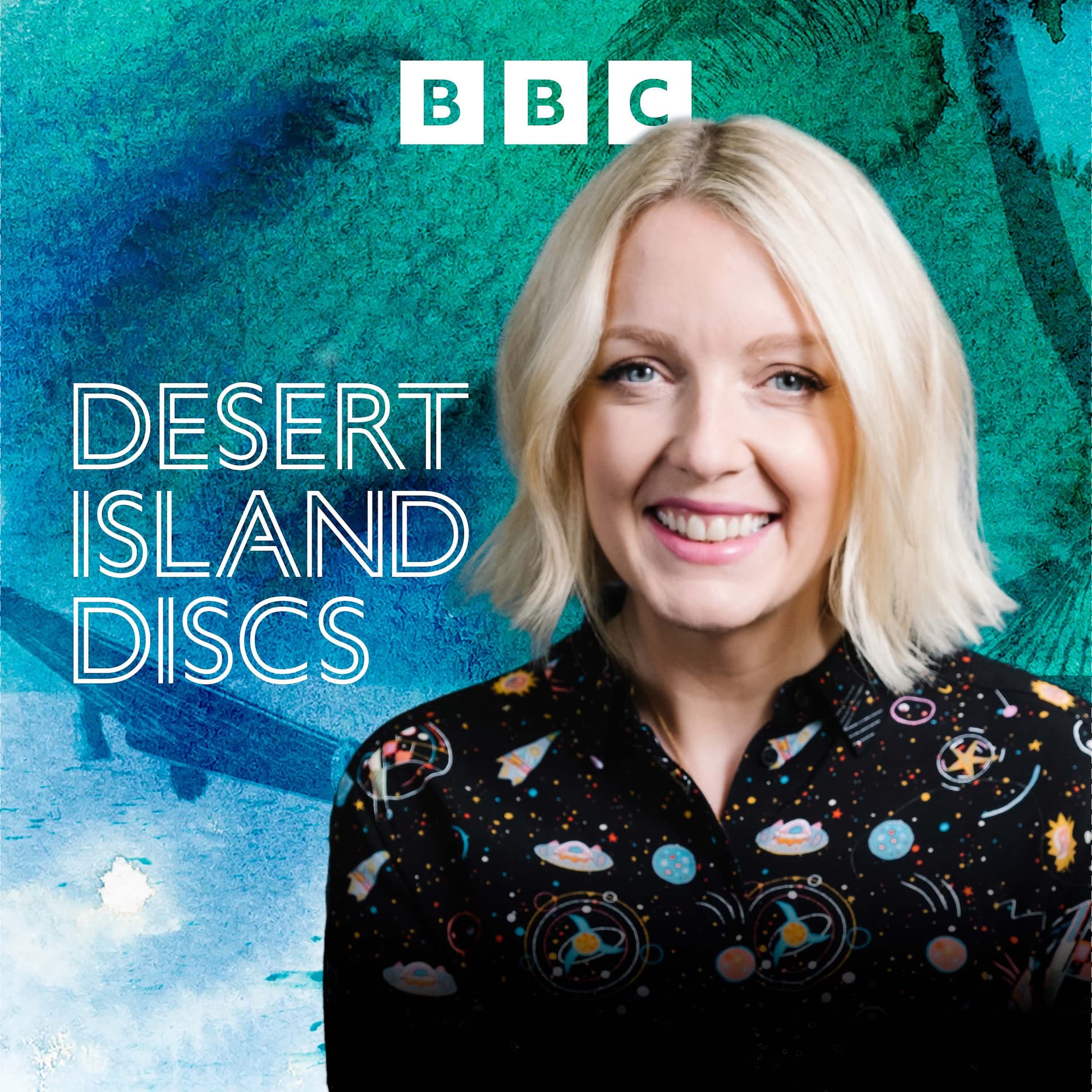
Podcast Overview Podcast Title: Desert Island Discs Description: Guests share the soundtrack of their lives by choosing eight tracks, a book, and a luxury item they would take to a desert island. Presenter: Lauren Laverne Producer: Paula McGinley
Episode Details Guest: Danny Dyer, Actor Episode Description: Danny Dyer became famous for his role as Mick Carter in *EastEnders* and recently received acclaim for his performance in *Rivals*, earning a Royal Television Society Award. He discusses his upbringing, career, and personal life while selecting music that resonates with key moments in his journey.
Key Themes and Discussions
Early Life and Career Beginnings
- Background: Born in Custom House, East London in 1977. Dyer was encouraged by his drama teacher in school to pursue acting, leading him to drama classes at WAC Arts.
- First Acting Role: Cast at 14 in *Prime Suspect 3*, working alongside Helen Mirren.
- Notable Films: Gained attention for films like *Human Traffic* and *Football Factory*.
Rise to Fame
- EastEnders: Joined as Mick Carter in 2013, earning National Television Awards for his role.
- Recent Work: Played Freddie Jones in *Rivals*, showcasing a softer side; received positive reviews, reflecting on the surprise of his acting capabilities.
Personal Reflections
- Family Dynamics: Discusses the impact of his father's absence after the divorce from his mother, leading to feelings of abandonment and the importance of male role models.
- Childhood: Describes himself as a cheeky kid who found solace in making people laugh and the challenges of growing up without a father figure.
Drug Use and Fame
- Struggles with Addiction: Describes the chaotic lifestyle that fame brought, including drug use, which began to affect his personal life and career.
- Turning Point: Reflected on a moment during therapy that prompted him to seek help and ultimately enter rehab.
Thoughts on Masculinity
- Evolving Views: Discussed the importance of men opening up emotionally and the pressures of traditional masculinity.
- Personal Growth: Acknowledges the journey of becoming a better husband and father, highlighting the importance of self-awareness and accountability.
Music Selections Dyer selected eight tracks that reflect significant moments in his life:
- Slave to Love - Bryan Ferry
- Rebel Yell - Billy Idol
- Move Closer - Phyllis Nelson
- Wish You Were Here - Pink Floyd
- Playing with Knives - Bizarre Inc (favorite)
- Columbia - Oasis
- Nebraska - Lucy Rose
- Wicked Game - Chris Isaak
Literary and Luxury Choices
- Book Choice: *Ray Mears Essential Bushcraft: A Handbook of Survival* - for practical survival knowledge.
- Luxury Item: A Lego Star Wars Millennium Falcon for mindfulness and creativity.
Conclusion Danny Dyer's episode of *Desert Island Discs* provides a deep dive into his life, reflecting on childhood struggles, the impact of fame, personal growth, and the significance of music in shaping his identity. His perspectives on masculinity and family reveal a more nuanced understanding of vulnerability and strength. The conversation emphasizes both the weight of his past and the hope present in his ongoing journey.
Written by AI. May contain mistakes. Listen to the episode to check what was said.
Transcript
Automatic transcript. May contain errors.0:00BBC Sounds. Music, radio, podcasts. Hello, I'm Lauren Laverne and this is the Desert Island Discs podcast from BBC Radio 4. Every week I ask my guests to choose the eight tracks, book and luxury, that they'd want to take with them if they were cast away to a desert island. For rights reasons, the music's shorter than on the original broadcast, but you can find a version with longer music tracks on BBC Sounds. Listeners will also get access to episodes 28 days earlier than everyone else. I hope you enjoy listening.
0:50My cast away this week is the actor Danny Dyer. He was born and raised in East London and he wasn't much interested in school except for Miss Flynn's drama class. By the time he was 16, he'd become an in-demand teen actor. His first grown-up role, if you could call it drug-dealing party animal grown-up, was in the film Human Traffic. A year after its release, he was cast on the London stage by Harold Pinter, someone he describes as a fellow East End geezer and a West Ham fan, who became his mentor and champion. His work in films such as The Football Factory, Assassin and Vendetta often feature him as a Cockney hard man.
1:25His eight-year run as a different kind of East Ender, Queen Vic landlord Mick Carter, earned him three national television awards. More recently, his portrayal of self-made tech millionaire Freddie Jones in the television adaptation of Jilly Cooper's Rivals brought out his softer side. Alongside all that, he's won a legion of fans by being himself. His no-nonsense political commentary has repeatedly gone viral. He's presented numerous documentaries and his appearance on the genealogy programme Who Do You Think You Are? made for a memorable television moment when he discovered he was descended from royalty.
1:58He says, I divide opinion, but I think that's fine. I struggled with it as a younger actor and when social media first came around, but I'm absolutely fine with it now. Danny Dyer, welcome to Desert Island Discs. It's an honour to be here, that opening music. There's something quite comforting about that title music. Well, absolutely thrilled to have you with us as our cast away this week. So you say you divide opinion, Danny, but I mean, rivals. The critics gave you raves across the boards. What did that feel like? Listen, I'm always grateful to be working. And he's not the lead. So Dominic Treadwell Collins, who brought me into EastEnders, offered me the part, and David Tennant's in it, and Aidan Turner, and all these amazing people.
2:38I was like, you know, he's certainly not going to say no to that. I said, just sum the character up for me, because obviously I'm going to say yes. And he said, well, he's a teddy bear with a bite. I thought, I'm in. He was the heart of the series, wasn't he? And a real heartthrob. You've got this legion of female fans who you might have thought they'd be lusting over the beefcakes, taking their shirt off. But they were there for Fred, Fred. I don't think that was the plan. I think what I've managed to do, or what the show's managed to do, is make kindness in a man sexy, which I don't think has been a thing for a long time.
3:08The reviews, as I say, were fantastic. Did you notice that there was a note of surprise in a few of them? And I wonder how you felt about that, if you did. I've been around for a long time, over 30 years. I think I've done some good work over the years, and I've never really been acknowledged. I thought there's a bit of elitism within our industry and me being incredibly working class and proud of my roots and everything. I just don't think I've never been acknowledged. And I think that I went through a stage where I was a bit of a parody of myself and I felt that people, you know, had some awful reviews about me.
3:41And I've had reviews by certain people I won't mention that have wrote reviews in a Cockney accent. And I always felt like, why is that allowed? Reviews in an accent? Yeah, so, you know, cutting out the H's in sentences and stuff like that and strike a light governor. And I thought, but why would that be allowed? Because if I was a black actor, you certainly wouldn't do it in a Jamaican accent. I've just always found that quite fascinating. But, you know, I own it. I don't work for critics, in a sense. But the one that did do me was that the headline was the biggest plot twist about rivals is that Danny Dye can act.
4:13And I thought, well, that's, in a way, it's a compliment. But at the same time, like, really? Do you know what I mean? Like, cheers, you know? And what do you think that says? Do you think that says something about you or more about the reviewer? I don't know. It's still a revelation to me, this whole industry. I've never been media trained, which I think is quite apparent and obvious. I have always been me. And Harold Pinto, obviously, when I started to get into theatre, was somebody that took me under his wing and somebody that was very much loved and acclaimed. And he was a huge part of my life.
4:42But he always said to me, just be you, everyone else is taken. And I never quite understood what that meant. I get it now. On the subject of being yourself, Danny, You once said, as actors, our toolbox is us. We play ourselves. We're salespeople. Absolutely. Tell me more about that. First of all, my answer, we are selling words. Because the writer's the chef, and then he gives me a plate of words, and if he's a rubbish writer, it's a bad plate of food. How do I sell this as a waiter to the public? I'm not undermining what I do, by the way, because there's emotional stuff that comes with it. I think, you know, the most creative people are the ones with the most trauma.
5:16I've got a bit of trauma in my life, like most people. Yeah. And I have to dig into that sometimes. So that's what I think acting is. I'm sure there's a million drama teachers out there who would disagree with me. I also understand that drama school, you're encouraged to be a blank canvas. So anything that makes you you, you get rid of it and you're a blank canvas and then you can become characters. You don't do that? No, of course I don't. Absolutely, I ain't got the time. So I suppose it's getting opportunities to try different things. I've never really been offered... I mean, I think I would love to play a gay aristocrat at some point.
5:47if someone wants to roll the dice on it. Cross my fingers at that in your future. We've got a lot to dig into today, Danny. And, of course, your disc's to share. Shall we get into it then? Can we. Disc number one. What have you got? I've gone for Slave to Love, Brian Ferry, because I love this tune anyway. And it's a part of my rival's journey, which is where I find myself at this very moment. I'm slightly in vogue, and I just think it's a lovely tune. It's a really calm, sexy tune.
6:17The usual place To the tide and river And there's no escape To need a woman You've got to know How the strong get weak And the rich get home Slave to love
6:44Brian Ferry and Slave to Love, which featured on the Rival soundtrack. Danny Dyer, you were born in Custom House in East London in 1977. When you think back to your childhood, what do you remember? Well, there was love, but I do come from, you know, so my dad left when I was nine. And so I was brought up by very strong matriarchs that swore a lot, you know like my nan my mum my aunts what's important for children and i've got children myself is love and stability doesn't matter where you live i was brought up on a council estate and a lot of danger in the air as always you know the masculinity thing do you know i mean men and men women and women that sort of thing but you know i had a lot of love do you know my mum was very affectionate person and still is so i always felt loved there was 18 months between me and my brother Very different to me and my brother.
7:35He's very quite feminine. He didn't like football and sport. He liked playing with girls and playing hopscotch and skipping. And you've got a little sister as well? And then I've got my sister, Kayleigh. And so when she was born is when my dad left. So it was quite difficult first. He never really had a father figure around. And by the way, my father's around in my life now. And he is a decent man. He's just... My mum and dad should never have got married. They were very different. So Tony, he was a painter and decorator. What was he like? Well, he'd buy the Sun newspaper and my mum would buy the Mirror.
8:05And my dad used to call my mum a loony lefty and I didn't know what that meant. So they would kick off about most things, really. So they never really got on. And what kind of dad was he then? That was his world view. Well, he's a masculine man. He wasn't cuddly. And I think he did like me, just never showed it in that way. And I remember there was a moment where I wasn't allowed to hold his hand and he was crossing a road. It was a really busy road. And I went to grab his hand and he went, no, we don't do that anymore, boy. Little things that stick with you. Yeah. And you go, oh, okay, so now I'm not...
8:34Do you know what I mean? So, whereas my mum was always cuddling, always kissing us, cuddling us. You're affectionate, though. I'm very affectionate, yeah. Yeah, so you're maybe more like your mum in character. But I understand why my dad was like that because he was brought up in the 50s and the 60s and his dad was quite a military man. So, you know, he was quite aggressive, his dad. My granddad used to hit him a lot and he used to... If my dad was a minute late from coming home, he'd be locked in his bedroom and he wouldn't get no dinner and stuff. He used to stash biscuits under his mattress and stuff.
8:59And I suppose I've done the opposite in the sense of, The stuff I didn't like about the way I was parented, I thought I'm not going to do that with my kids. I'm going to be the opposite. So I don't begrudge it. Obviously I had a lot of trauma as a kid. I like to work through that as I became older because male role models in your life are very important. And when you haven't got one, you don't quite know how to be a man, whatever that means. And so it comes out later in life, I feel. We'll talk about your dad leaving the family in a minute, but what kind of kid were you? You said you described your brother as being quite different to you.
9:31He had this sort of feminine energy. What were you like? I think I was a naughty kid in a sense of I was very cheeky and I had the ability to better make people laugh and I was quite scatty and a bit weird and a bit odd. Weird how? Just odd. I would do weird voices and dancing around. My nickname was Spandau Ballet. Spandau used to call me because I was really skinny. Was that because you looked like you could be in Spandau Ballet? Yeah, I was dancing about to that sort of music then, I suppose. but the ability as a child to make adults laugh was a power. So tell me about that then and especially tell me about your mum, Christine, because I'm imagining your first audience would have been what, your mum, her mum, your annies?
10:12Yeah, a big family. So my nan had six kids, my nan Polly, and on a Saturday we would all go to her house, so all of her children would go with all their kids, all my cousins, and she would do a roast for about 30 people in this council estate in Stratford. And I think as an actor, you listen and you absorb. So I could do impressions of uncles and stuff. And as much as I was shy, I feel like I was a shy kid, I actually wasn't when I was in front of all my family. It's mad to me. Well, that maybe shows how safe you felt. I did feel safe, absolutely. And, you know, after my dad left and stuff, there was other uncles and stuff and people around, male figures that were sort of in my life.
10:53And I had an uncle, Gary, who's my mum's brother, who we always called him a power cut baby because my mum was sort of like 20 years older than him so he was the last child out of the six. I think he's four years older than me but I always really looked up to him. I thought he was the coolest kid in the world, do you know what I mean? And he would give me, because we had no money, he would give me hand-me-downs. He gave me his old puffer jacket once and I couldn't believe I owned a puffer jacket. He did give me a pair of Nike Air Max but I had to wear four pairs of socks with them because they were too big for me.
11:22I bet you styled it though. I bet you styled it out. I didn't care. The fact that I had a pair of Nike Air Maxes on was just like the coolest thing in the world to me, do you know what I mean? So that sense of love within your family, it was so beautiful. Danny, let's go to the music. It's your second choice today. Does this take you back to when you were growing up? There wasn't a lot of music in my house growing up, but it would be Billy Idol. You know, me and my dad at the moment, when I got married and we was getting ready, and I said, what? I knew it, I knew he was going to say it. I said, I'll chuck the tune on, Pop.
11:53And what do you want? And I knew he was going to call it Billy Idol. He didn't go White Wedding, he went Rebel Yell. And I do love this song because it just reminds me of masculinity and me dad who might sort of nod his nut to a tune. And I go, oh, look, he's letting go a little bit there, look. Last night a little dancer came dancing to my door Last night a little angel came pumping on the floor She said, come baby, you've got a license for love And if it expires Pray help from above Because in the midnight hour She's from love, love, love With a rebel yell Billy Idol and Rebel Yell. So, Danny Dyer, your parents split up when you were nine.
12:44What happened? My dad was painting somebody's house in Paddington and he had an affair with this woman and he basically was flitting between two families. so he was raising, and I've got two other sisters, Sophia and Catherine, and so for about three years he was running two families. You know, he's like, he's one of the best actors I've ever seen. I met because I don't know if he did that. Like, Christmas Day he would disappear for a couple of hours and you think, where's he going? So anyway, my mum found out because the person he was having an affair with knew about my mum and stuff, so she ran up and told her.
13:17Do you remember? I remember, yeah, I do remember. I remember my mum sort of collapsing on the floors on the phone, landline back in the day with my sister in her arms, and me and my brother sort of going, oh, wow, this is heavy. A bit like an episode of EastEnders, I suppose. It was like a duff-duff. My brother, being a bit more grown up than me, knew it was the right thing, but it really did sort of, I was like, you know, where's he going? And I sort of, the only person I could blame was my mum, because she was the only one in front of me. So were you angry with him? I was angry with the world, I suppose.
13:44So, you know, why? So your dad left. Did you have any contact with him after that? I mean, what happened next? Well, sort of flitting in and out, really. and, you know, as you get older, you start to understand things a little bit more, you know, and you become a young adult yourself and you start to forgive slightly. Back then, though, you said you were angry with the world. I mean, what effect did the breakup have on you? Well, I think it was a huge... I had to have counselling in school and stuff and I remember I went back to go and see a psychiatrist and my brother was fine. This is the thing about my brother.
14:13He's got a great brain on him. He's 80 months younger than me, but he sort of got on with it and knew that the house was going to be harmony in the house so therefore he was... Because they weren't going to be fighting anymore? There wasn't going to be no fighting. But I went to a psychiatrist as a child and I had to sit in a room and play, weirdly, with a doll's house. And there would be figures like, this is mummy, this is daddy. And I could never quite understand what therapy was. And why had you been referred? Do you know? Because I was really struggling in school and I was really playing up and I think that it really did affect me.
14:42And I wanted answers. I suppose I wanted answers because I had you explain to a nine-year-old, really. and what did that mean for your mum how was she then holding things down I think she struggled with it, I think she had a bit of guilt about it, she I remember she tried to bring a boyfriend down once and I weren't having it and he looked a bit like Pat Sharp oh which you probably contextualised Pat Sharp for younger listeners 80s TV presenter with a fine head of hair yeah he had a mullet to be fair looked a bit like Billy Idol really and I weren't having it with him and I remember me and my mates plotted up once and he pulled up and he had a Capri and I remember I said let's just throw bricks at his motor which I did but my mum was very understanding about it and elbowed him and said that her kids are more important to her which I have a bit of guilt about that later on in life because I think well she deserved to have a life but she also had a teenager running around who was angry and upset at the world so So I mean that's quite extreme smashing a car up isn't it?
15:44I mean was that indicative of the kind of thing you were getting up to? Yeah, absolutely. I mean, you've got to remember, I was brought up in a place called Custom House, and Custom House is a really tough area, you know what I mean? It's near Canningtown, right on the docks. There's always an element of violence in the air, you know, to find your feet, as a man particularly. I did a lot of building work over it. There's a lot of building sites that we used to just go over, and there was a lot of thieving, I'm not going to lie, I did get into that for a bit. Did you have to learn to hold your own?
16:10You said there was this atmosphere of violence. Again, the thing for me was, is that I didn't really have to hold my hands because I can make people laugh. So if you can make bullies laugh, then you're sweet. Do you know what I mean? I had a few tear-ups as a kid, but interestingly, I had a lovely little dog called Sam who was my little best mate. And he was a little ginger dog and he had a white question mark on his back. He's like, what is he? But he never had a lead and he would come and hang out with me all the time. So I would sometimes be out with my mates and I'd see Sam with his other little dog mates walking around.
16:38You'd bomb in him. He'd have an Arthur Berg hanging out of his mouth with his rummage through a bin. And I did have a couple of fights again, he helped me. Another throwback that the young listeners won't know, it was a show called Littlest Hobo. Oh, yeah. And he reminded me, you know, he was like that sort of dog, you know. He was really lovely and good nature. And intuitive then, because that dog understood people's feelings. You know, it was something like that to you. Yeah, it was amazing. He got me through a lot of trauma, you know. I'd just lay there by the radiator in the passageway, just cuddling him, stroking him.
17:03And, you know, unfortunately he died when I was 17, and I was working away. And this is my dad who rang me up, and he was crying for the first time. I never heard him cry about nothing. He sort of left the home, didn't shed a tear, and then my dog died and he was in bits over it. Danny, let's have some more music. It's your third choice today. This is a song called Move Closer, Phyllis Nelson now. But it reminds me of my mum and dad sort of splitting up, weirdly, because it's about people moving closer to each other. But it was my mum who, when she comes over, I like to play music in my house.
17:34But when I put this on, she goes, oh, you're playing my music. I just think it's a beautiful song. and it just reminds me of my youth and watching my strong mother get on with it, bringing up three kids, pile of ironing next to her, cooking, fag hanging out of her mouth. She don't smoke anymore, but yeah. So I suppose it reminds me of her and her strength as a matriarch and a beautiful woman. You move closer Move your body real close Until we feel like we're really making love
18:21Ooh,
18:24move closer
18:29Phyllis Nelson and Move Closer. So, Danny Dyer, you've said that you didn't enjoy school much at all, but there was one class that proved to be life-changing for you, Drama with Miss Flynn. What did you love about it? I just thought I found it so easy. I couldn't believe other people couldn't do it. English, I was rubbish. Maths, don't even go there. Science, I couldn't know. Sociology, all these lessons, I would dread it. And I'd be like, I just don't understand it. You know what I mean? But Drama, I just loved it so much. I don't know why that was. I felt I came alive in that class. And you were good at it.
19:00And your teacher suggested that you sign up for after-school drama classes in North London. So they were run by a charity called WAC Arts that helped young people from poorer backgrounds access the performing arts. Now, you didn't have much money. How did you afford the fare from east to north London? My nan sometimes would give me, you know, money to get a travel card and 10 bents. But I used to have to, and I do apologise, but I did jump the barriers. You know, I just knew I had to get to Chalk Farm. And as long as I got there and got over the barriers, I didn't mind getting nicked on the way home.
19:29But that was also for auditions I got later on. And I knew that if I could just get to the door and go in there and do me 15 minutes, I didn't care about getting nicked on the way home. Because every audition you go for, you might get it. What did it feel like to be good at something, to be told that you were good at something by the grown-ups in your life, by Miss Flynn, by the teachers at your drama clubs? I loved it. It was like a belief in me. And it was a nice feeling because I was told how rubbish I was at everything else in school. And I think both of my parents as well, when I was doing these after clubs, you know what I mean?
19:58and it was really sort of like, oh, wow, it's amazing. It's rare. No one in our family's ever done it. I want to ask about auditioning, because the transition from being a kid who's in a bunch of drama clubs and is really talented to being on screen with Helen Mirren happens quite quickly for you. It did, yeah. My first audition was... Yeah, so you got a part at 14 in Prime Suspect, playing an underage sex worker. Helen Mirren is the lead. It's a huge break for you. Tell me about that audition. How did it feel going into it? obviously I was aware of Prime Suspect because this was the third one and I walked into this little doorway went up the stairs Sorrow was quite a mad place for me I hadn't been up there a lot as a kid so you know it's exciting that in itself on your own you feel like a big boy and I went up there and I did the audition I nailed it and then of course I got a job and then I was physically on a set I was with David Fulis and Helen Mirren and sort of looking around going wow me and my dad had to go to So my dad came with me as a chaperone.
20:58What did he make of what he did? He just couldn't believe it. Well, he got 50 quid a day as a chaperone. He loved it. It was the first time I was allowed to have a cigarette in front of him as well because I felt like a big grown-up. And I loved it. Is that when you start thinking, hang on, this is something I could do? I never felt intimidated by it. I felt like I would belong there for some reason. Even when I'd wrapped, I wanted to stay on set and listen and learn. And I remember Helen Williams said I was a really good actor. That must have been pretty great. Yeah, but I loved showing off in front of her.
21:25I was gutted when the scene was over. I was like, I'm going to do it again. You worked together later, though? We did. We did a film called Green Fingers, and she remembered me, and she'd go, here he is, my boy. She gave me a cuddle, and I was like, oh. You know, to get to play with these people, I think is the ultimate drama school, really. So you'd found your groove. I mean, professionally, you were on your way, but personally, you went through a big loss during this time. You lost your mum's dad, your granddad. Yeah. I know that you helped nurse him during his final illness, and the two of you were very close.
Read the full transcript
21:52How did you react to such a big loss? Well, again, this was about the masculinity thing. My dad left when I was nine, and then I got really close to my grandfather. I'll tell you what it was about the masculinity. Well, I thought the masculinity, you're not allowed to be affectionate. My granddad, who was a big man, big, airy man, painter and decorator, who always had a roll-up hang on his mat, was really affectionate with kids. He was allowed to sit on his lap and watch telly with him. So I went, oh, you can be masculine and affectionate. And so, yeah, I watched this man deteriorate over a period of six months and, you know, that was my first time of really being introduced against him and, you know, it was difficult.
22:32This is the stuff that comes out, I think, later in life. Again, you used to put it away somewhere. But, you know, I had a lot of, again, anger. Again, grief and, again, a male, strong figure that then either dies or leaves me. It's time for disc number four, Danny. What have you chosen for us? Wish You Were Here, Pink Floyd. I know this is from the 70s, this tune, but I sort of discovered this 90s and I started to smoke sort of weed around this time when I discovered Pink Floyd and it was me fantasising about a bigger world out there. I feel like I can achieve something. I don't know what it is and I've got probably no right to.
23:10I've got no scholarship for drama schools or anything like that but this is a song that takes me to that place of going, I'm going to back myself. I feel like I can do something with my life. So you think you can tell Heaven from hell Blue skies from pain Can you tell a green field From a cold steel rail A smile from a veil Do you think you can tell Pink Floyd, and wish you were here. Danny Dyer, by the time you were 19, you and your girlfriend Jo were parents. Your daughter, also called Danny, was born in 1996, but around that time, the acting work started to dry up a bit. How did you manage?
24:08As a child actor, I was getting everything. Obviously, I was really quite good as a child actor. I had something about me, but then my voice broke and I got taller, but I couldn't grow a beard. I couldn't play a child or a man. so for the first time I was getting rejection and how did you handle that? not very well I couldn't deal with it because I'd had a child all of a sudden there's a little baby in a crib that needs to be fed it gave me an energy and a drive where I was looking at these other actors that were up for it because this is the old days you didn't have self tapes you had to go and find a room in London and go in there and you've got a quarter of an hour and you look at your competition and what did you make of them?
24:44hated them with a passion and I thought I'm not going to allow you to take the food out of my child's mouth I need to get this part and it did give me a drive and an energy that I probably needed and I'm very thankful for having Danny so young. I did struggle with being grown up at that time, absolutely. You know, my Joe was so good at it and so ready to be a mother maybe and I didn't have a clue what I was doing, you know what I mean? I was far too young. A big breakthrough came in 1999. You got a part in the film Human Traffic, playing a small-time drug dealer called Moth. so a big moment for you professionally but you've said that personally you started going through quite a mad time what was going on?
25:26Well I started to experience fame you know I started to get wrapped up in it slightly and you start to lose focus and lose touch with who you are because you become a cartoon character and that's what fame is there is a responsibility that comes with it I suppose but no one teaches you can't go to fame school and go oh this is how you should behave I mean this is peak tabloid era as well so you would have been in the tabloids a lot. But people just wanted to take drugs with me because of my character. So they just wanted to rave with them off. It wasn't like, you know, the old days, an autograph, pen and paper.
26:00This is people who wanted to take drugs and get off their head with me and I was well up for it, I'm not going to lie. But of course you can't really mix that, try and be a father to a young kid and take drugs and feel it's fine. You just can't do it. How did that go then? Not well, you know what I mean? Not well at all, you know. It was crazy. and of course you think you're bulletproof and you think it's going to last and you're going to just get loads of work on the back of it and of course it's not the case. So after Human Traffic you took on quite a few hard man roles Football Factory, The Business, Pimp you presented documentaries with titles like Danny Dyer's Deadliest Men were you just following the work at this point?
26:38Well I'll tell you what was interesting to me is that I've made a few films and I just wasn't getting paid any money and I was desperate to get on the property lad I was still in a council estate in Custom House living with my daughter and Joe and it's like well I'm famous but I was still living on a council estate and so then my house became a bit of like Stonehenge you know my little flat and people would just stand outside waiting for me and weirdly nicked me dustbin once and you try and get in a dustbin from the council darling it's a mission and then there was a moment where someone tried to burgle our house and I was like we can't live here no more there's also a bit of jealousy from whom?
27:16So there's a classic saying, don't forget your roots. But also it's like your roots that sort of turn on you first. You know what I mean? I was starting to get a little bit of aggravation in booze as people were coming up to me. Just assuming that you were above yourself. Yeah, maybe. You know, it was a bit of a revelation to me because it hurts more because it's people that you've grown up with and you haven't changed because fame's not tangible. It was a little bit unsettling for me. And of course I had my former mates, of course, and there would be fights and stuff. And I thought, well, OK.
27:41So I got offered to do a documentary called The Real Football Facts. And I couldn't believe the money that was offering me. I thought, oh, wow. Now, I hated it because I didn't have a script. It was me on my own interviewing people and interviewing dangerous people, by the way. But it got me on a property ladder. Was there part of you that was worried about being typecast, though? No, because I didn't have the luxury. You know, it's a bit uncouth. I can't watch them back now if I cringe at them. But, you know, I needed to earn money and I needed to get a house and I needed to do the right thing.
28:09I think we should have some more music, Danny. Your fifth choice to do. What's next? So it's Playing With Knives by Bizarre Inc. Now this is a tune that takes me back to a time where I just remember men and women jumping around and there was a lot of love in the air. Okay, it might have been down to narcotics, but it was a time of freedom and hedonism and just raving until the sun came up. And I just loved this type of music. It was just something about bopping around to this sort of stuff that still gives me a little tingle up my spine.
29:11Bizarre Inc. and playing with nice. What a G. wait oh danny the year after human traffic came out 2000 you played the waiter in harold pinter's new work celebration yeah how did you get the part well i got sent the script by my agent who then rang me and was so excited and said this is huge harold pinter was directing again i was like who's harold pinter so i went into the almeida theater i saw martin freeman was there jude law was there. I was like, okay, I don't know who this man is. So I went in, walked up to him and he was sitting there and a couple of people around him and I went, how are you doing, son?
29:51And I shook his hand and I remember the room going a bit weird. And he went, okay, you ready to read? And I went, yeah. He's a bit umpy. So I did it. He didn't give me no notes. I walked out and that was it. By the time I got back, I'd have been offered it. What do you think he saw in you? I don't know. I think there's a rawness to me. I think he's from East London. Well, he is from East London. He's from Hackney. So So I think he liked that roar, me coming in, bit of a swagger. I may have swore in there. I do swear when I'm nervous. So I think he might have liked that. And I think he thought I was a good actor.
30:22The two of you became quite close. So you appeared in three of his plays while he was alive. You've described him as a father figure. He was. Why did the connection between you run so deep? It was my introduction to theatre, which I realised actually there's a way you behave. And I had nothing in common with these people. The world was difficult. Very, very, very middle, upper class people that I was around. And I wasn't very good at the social aspect of it. But anyway, he was with me and he put his arm around me. And when your mates are a pen, everyone loves you. Because in this play celebration, I'm talking about very famous writers and poets, W.H.
30:56Holden and C.S. Lewis and people I didn't know. So I used to stay at his house in Notting Hill and he would buy me a six-pack of lager and he would drink his wine and I'd sleep in his study. he put a camp bed out for me and I would and we just talk about these people that I didn't understand and why they was important and what they did and I felt safe with him and he he wanted me to be a theatre animal he'd been quite forgiving of your behaviour at times I mean I'm thinking of when Celebration transferred to New York in 2001 what happened we took Celebration to New York and there was a pin to season and we was doing it on Broadway and I was very excited but I'd never been to America before and to go out there and work wow and I took loads of drugs out there crack and I thought that I could go on stage and I didn't have a clue what to do and I had an anxiety attack you know I was just obviously off my head and I interjected and then I didn't know what to say and the worst thing was the other actors and their faces looking at me because they knew I'd been out they knew it there's sort of that disdain because listen when you dry on stage and it happens you're not just letting yourself then you're letting them down so you You know, that made me worse.
32:08So anyway, Andy Delatorre, I'll never forget, shouted the line out, which set me off of the speech, and then I snapped into some sort of weird mode where I did it. And then afterwards I got through it. I don't know how. And I thought, oh, everyone hates me. But it was Harold that came up to me and said, listen, Danny, if there was an ensemble piece, is this? And he put his arm round me and sort of made me feel better about it. But I felt so bad about letting him down. I mean, that for some people might have been a turning point. That could have been a rock-bottom moment for you, was it? I liked to get on with the play, so I didn't really have an option of that.
32:42Obviously, I stayed away from drugs for the rest of the run. But it didn't make you want to give up? No. Oh, no, I couldn't wait to get the run done so I could take more drugs, really. It was like, OK, I just got to get... I don't want to embarrass myself. But since that day, and that's 25 years ago, every play I've done since, I have fear. He died in 2008. how did that affect you? Well I hadn't spoke to him in a while I did go off the rails for many years and I found out by looking on the front of a newspaper I was, again I'd been on a bender and I was coming home and I was going to, I think I was going to buy cigarettes and a petrol garage and I see it in the paper Pint are dead and I was like oh and this really sent me on a spiral of madness really the guilt of not being around him anymore and just being lost in...
33:34I was a bit of a lost soul, really, I think, and, again, angry at the world. Danny, let's take a minute for some music. It's your sixth choice today. Tell us about it. Well, Oasis came along, and Oasis, Columbia being my favourite tune of all, I feel like this is the greatest rock and roll tune that has ever been written. They're a huge part of my life. That's why I've chose Columbia, because I feel that it got a whole generation of working-class people into guitar music again. There we were, now here we are All this confusion, nothing's the same to me There we were, now here we are All this confusion, nothing's the same to me I can't tell you the way I feel Because the way I feel is so new to me Oasis and Columbia.
34:34Danny Dyer, in 2010, you attracted someone wanted attention for a magazine column. It was published under your name in your capacity back then. It's a celebrity agony uncle. Now, the advice that you apparently gave to a male reader to get over a breakup was go on a rampage, cut your ex's face and then no one will want her. What actually happened with that column? It's ridiculous that, isn't it? They asked me if I would have a column. and I got two grand a week, I think, and I didn't have to write it. I was like, yeah, I'll do it. A guy would ring me up and ask me a few things and I would sort of talk about it.
35:06Now, I remember saying this to him as a quote because it was actually in a thing I did. So it was a line from a film? It was a line from a television show. Okay. I don't know why I'd said it. It just repulses me. It makes me feel sick, the idea that I would advise someone to do that. So, I mean, listen, if it was now I'd been cancelled, I'd have been done. There was a huge backlash at the time. I did have a backlash to it, of course, but I've been around a long, long time and there's nothing about me that would suggest I would ever speak in that way. So you were taking a couple of grand a week for a column you didn't have to write.
35:38I mean, what was going on in your career at this time? I don't think they actually wanted me to be an agony uncle. They want me to say outrageous things. I suppose I represented a certain thing. I was in lots of films that were masculine, like Football Factory, so I suppose I represented something. But again, you know, doing a lot of drugs. You know, there's no way in the world I should have ever had a column in that. It was a mad time for me, and I learnt the hard way with that. And what was happening with your career around that time? I'd made a lot of bad decisions with films, and so I couldn't greenlight a project anymore.
36:14I was lucky to be thrown a bone film-wise, but I was famous, so I'd go to nightclubs and DJ sometimes, but in general, we'd just wave off balconies, and I'd get paid quite a lot of money to do it. Physically, what was that doing to you? Well, of course it's awful, isn't it? You look back on it now and it's mad behaviour. But again, what does your fame represent? And I think mine represented that. Hedonism, being naughty. So whatever I represented, I played up to it, I suppose. I did. Things picked up for you professionally in 2013. You joined the cast of EastEnders, playing Mick Carter, the new landlord of the Queen Vic.
36:45Now, you'd been offered a different part a few years before that, turned it down. What made you go for it the second time around? I had no money. Dominic Treadwell-Collins came to me at a time when I really was. Bailiffs, no one would hire me. And the more I'm doing these PA club appearances, the more drugs I'm taking, the more drink I'm taking. So I was in this weird spiral, really. And when he sat me down and said that he'd read an interview that I'd done, and he really got me, and he wanted me to play an alpha male that wore a pink dressing gown, I was like, wow, I didn't expect this. And I swear, I was like skipping.
37:21And I rang Joe straight away and said, we're going to be all right. we're going to be all right. In 2017, you took a break from the show and went into rehab in South Africa. Yeah, that was my time to go to rehab. You had therapy for the first time. What made you decide to go to rehab then? Do you know what? Weirdly, I think it was after the NTAs and I came back and invited everyone back to my house. So I just remember in this moment where I was sitting in my toilet on an ensuite and I was trying to work out how to put a pair of jeans on. I was that off my head. I looked up and I looked at my wife.
37:53And I could just see how tired she looked. And I could hear kids running around downstairs. And I thought, I need to sort my life out. Think about addiction. It affects so many people around you. It's not just yourself. I could just tell how tired she was and sick of it. It's interesting, though, because that's such a small moment, though. Compared to the moment of drying up on stage, that's actually quite a small thing. But you really saw... A huge moment of clarity in the state of me. I couldn't work out how to put on a pair of jeans. yeah and so I just thought and I went into work and I said to them I need to go somewhere I don't know I don't know what it is but I'm going to die I need to understand what was going on and why I was destroying me and people around me so you know I understood it was down to abandonment issues for men I was in I was in this rehab in Cape Town and I don't mind where my ego started to rise again I had enough and I was like you know what they're saying for me I'm going to go and then they read a letter out from home and it was a letter from my daughter my danny and it made me sit back down in that seat pretty lively what did you say i can't really go into it but it was a very personal thing where where you think you're good at hiding your drug taking and clearly you're not so it was a moment of i sat back down in that seat and i finished that course and i grew up and understood this is my life and fame and all that stuff that's toxic with it and and you've got to just live with it and wear it and be responsible with it.
39:22Danny, it's time for your seventh music choice. What's it going to be? OK, this is Nebraska by Lucy Rose, somebody that came to me with an idea for a video, and I'd never done a music video before, so I was a bit like, OK. She sent me the tune. I loved the tune. I thought, well, what could this possibly be about? I'm walking along with a bag in my hand, tough leather jacket. I walk into this club, I'm bowling. in this, oh my god, obviously he's going to go in, he's a hit man. And then I then go into the toilet and I have a breakdown and I'm, it's like, what's going on in this video and this beautiful tune behind it.
39:55It then cuts to me sitting down in a chair and I put a wig on and I put lipstick on and I become this drag act. It's like a frustrated and I would say a straight male that just wants to dress up and dance. I just thought it was a brilliant, beautiful little story. Something I'm probably most proud of out of all the stuff I've done.
40:16For you Nebraska calls my name The harvest of my love The greenest times to grey And I'm walking on thin ice To find who I really am Lucy Rose and Nebraska Danny Dyer, in 2016, you appeared in the BBC genealogy programme Who Do You Think You Are? It was an emotional, significant experience for you. Why? Again, going back to validation, I still didn't know why I was famous or in the arts. So I was looking for validation about famous people. I didn't know it was going to go to King Edward III. Now, all that side of the royal... I'm not a royalist, so as much as it sort of excited me, it didn't really.
41:15The one that excited me was Thomas Cromwell, who's my 15 times great grandfather. And he is somebody from Putney who rose through the ranks to be Henry the Apes, right hand man for good or bad, who had no right to and reached out from the area that he was from, similar to myself. And his last act before he's died, and if he hadn't have done this, I wouldn't be here, is that his son Gregory, my 14 times great grandfather, he made sure that Gregory married Elizabeth Seymour, sister of Jane Seymour. So this is what connects you to the king? This is what connects me, yeah, through that Plantagenet and all that sort of stuff.
41:55Yes, absolutely. They wanted to have a child, and then 15 generations later, it was me. It's just a great story. Well, my final scene in Who Do You Think You Are is in Westminster Abbey. And it started off in the workhouses, and it ended up there. So I did get some validation from it. It was just before rehab, so I was still in a bit of trouble there. I was eating a lot of Valium at the time. I could have maybe reacted a little bit more. But who doesn't want to wear a raff now and again? Danny, we've talked a lot about masculinity today. Has what that means to you changed over the years? Men do need to open up a bit more.
42:28We do need to talk to each other. I envy women that can gossip and talk about stuff. We just don't naturally do it. So I think we need to play it out in our own way, but we certainly shouldn't bottle stuff up. So I'm still obsessed with masculinity and the ridiculousness of it, but also it's okay to be masculine and it's okay to not be that in touch with your feelings, but be able to speak about it when you're playing pool or sitting in a car or not doing the eye contact. You know, therapy for me is difficult, one-on-one tissues and all that waiting for you to cry. You know, it just makes us shut down slightly and toxic masculinity is a thing, but it's not necessarily because you're a male.
43:07It's because you're not a very nice human being. but, you know, we've got a lot of lost young men out there at the moment that don't quite know how to behave and are frightened, and, you know, we need to stop it. You met your wife Jo when you were 13. Yeah. 34 years later, two of you are still going strong. You are now a grandfather of three. Yeah, yeah. How would you describe yourself as a husband to dad and granddad? I'm really good at it now. I was rubbish for many years, a bit like my dad was, I suppose. my wife has gone through a lot with me I think we fell in love when we were 13 she didn't know that I was going to be a huge success in a sense of getting us out of the area we were from but she also didn't ask for fame I know that I embarrassed her really on a national level I'm very grateful that she gave me another shot she was saying to me the other day she's glad she did because she's got the best version of me You broke up after you had an affair years ago.
44:09Yeah. I sort of went to rehab and came out, bounced out of rehab, going, oh, I'm cured. And she was like, well, I'm not. And so, you know, I had to leave for home. So I still had a lot of years of working on being a decent human being and proving to her that I would never put her through that ever again. How long did it take before she could trust you about that? It's still a process. Some of the stuff I put off, you know, she's somebody that really has kept me grounded for all these years, to be honest, because she's never really been into the acting side of things. She never really gives me a compliment, which I love, in the sense of most people you come across with fame, you know, they're yes people.
44:42She came and watched me in a pint of play once, and went, don't get carried away with yourself. I thought, I probably need that in my life. Keeps me very much grounded. You know, she's the only woman for me, for sure, because nobody knows me better than her. You know, there's a history there. This is why I love her. I adore her. She's a fascinating creature to me. Danny, it's almost time to cast you away to the desert island. What are you expecting life to be like there? What are you imagining? Well, I think I'm quite good at being on my own. I think it's a part of being an actor. It's a very...
45:14You spend a lot of time on your own and a lot of times in hotels and in random places. I don't think I'd be good in the sun because I do tend to go like a crab stick. So, or fish sticks as they're called now because there's no crab in them. What are they? Seafood sticks. They're not sticks either, if you think about it. I'd burn. I'd have a very red hooter. So the helicopter will probably be out of shame he knows if it comes to save me. So I think I'd be all right. Well, we'll let you have one more disc before we send you away and find out. Your final choice today, Danny Dyer, what have you got for us?
45:45Well, it's Wicked Game by Chris Isaac, which is a tune, and it was mine and Jo's wedding tune. Takes us way back to, I think I used to get jealous of a show, what's called Beverly Hills 90210. Because we went to school together, we go back so far, and this was a show in the 90s for you youngsters and there was a guy in it called Luke Perry who she used to fancy, he's dead now, rest in peace and this song was in that show and so it's just been a constant in our lives and that's why I chose this song because it's very much a 90s tune when I first fell in love with her and we're still very much in love.
46:22The world was on fire And no one could save me but you Strange world desire Will make foolish people
46:38I'd never dream That I'd meet somebody like you And I'd never dream That I'd lose somebody like you Chris Isaac and Wicked Game. So Danny Dyer, it's time to send you away to the island. I'm giving you the books, the Bible, the complete works of Shakespeare and you can take one other book. What would you like to choose? Obviously a book by Ray Mears. So it's a kind of survival. Yeah, I think that would be the move, wouldn't it? Just because, you know, sometimes I need some sort of reference of what I can eat mushroom-wise. You can have it. You can also have a luxury item, Danny, for pleasure or sensory stimulation.
47:21What are you going to go for? Well, it will be, because I'm quite obsessed with it now, it would be a Lego of the Millennium Falcon. I'm sure it has probably about 6 ,000, 7 ,000 pieces. So I'm quite good with mindfulness, and I need that. I did build Hogwarts once. A Lego Hogwarts? A Lego Hogwarts. That's impressive. And I thoroughly enjoyed it. Of course, once you've built it, you don't quite know what to do with it. Where does it sit? So this is my dream one. I love Star Wars, Millennium Falcon. I think it would take a long time to do it until someone rescued me. Okay, I'm happy to spring for that one for you.
47:50Can you? It's yours, yeah. And finally, which one track of the eight that you've shared with us today would you save from the waves first? I'm going to go playing with Knives Bizarre Inc, just because it's a tune. And, you know, there's nothing better than a geezer naked dancing about on a desert island listening to wave music. Danny Dyer, thank you very much for letting us hear your Desert Island Discs. Thank you.
48:35Hello, I hope you enjoyed my conversation with Danny, particularly the striking island image that he left us with there. We've cast away many actors, including Stephen Graham, Maxine Peake and Nicole Kidman. Rivals author Jilly Cooper is in our archive too. The studio manager for today's programme was Jackie Marjoram, the assistant producer was Christine Pavlovsky, the production coordinator was Susie Roilance, and the producer was Paula McGinley. Next time, my guest will be the scientist, Professor Dame Ijeoma Uchebu. I do hope you'll join us.
49:14Hi, I'm Izzy Judd. Have you actually breathed properly yet today? If things are a bit hectic at the moment, if you're struggling to switch off from work, or if you're generally just feeling a bit stuck in life, I've got just the thing for you. Join me for the Music and Meditation podcast on BBC Sounds and Radio 3 Unwind. It's a place where we press pause with the help of some inspirational guests, wonderful guided meditations and stunning music. Honestly, I think you'll love it, so why not give it a go? Thank you.
From the publisher
Actor Danny Dyer became a household name when he joined the cast of EastEnders as Mick Carter, landlord of the Queen Victoria pub. He recently stole the show from some stiff competition playing Freddie Jones in the television adaptation of Jilly Cooper’s novel Rivals which won him a Royal Television Society Award for Best Supporting Actor.
Danny was born in Custom House, East London in 1977. He loved drama at school and, with his teacher’s encouragement, he signed up for after-school classes in north London which were run by a charity called Wac Arts. When he was 14 he was cast in the television drama Prime Suspect 3 alongside Helen Mirren and David Thewlis.
He went on to star in a series of films including Human Traffic and Football Factory. In 2000 he played the waiter in Harold Pinter’s new play Celebration and went on to appear in two other productions by the playwright - No Man's Land and The Homecoming.
In 2013 he took over the Queen Vic and his performances earned him three National Television Awards. He appeared on the BBC genealogy programme Who Do you think you Are? in 2016 and discovered he was descended from King Edward III and related to Thomas Cromwell.
Danny lives in Essex with his wife Jo. They have three children and three grandchildren.
DISC ONE: Slave to Love - Bryan Ferry DISC TWO: Rebel Yell - Billy Idol DISC THREE: Move Closer - Phyllis Nelson DISC FOUR: Wish You Were Here - Pink Floyd DISC FIVE: Playing with Knives - Bizarre Inc DISC SIX: Columbia - Oasis DISC SEVEN: Nebraska - Lucy Rose DISC EIGHT: Wicked Game - Chris Isaak
BOOK CHOICE: Ray Mears Essential Bushcraft: A Handbook of Survival LUXURY ITEM: A Lego Star Wars Millennium Falcon CASTAWAY'S FAVOURITE: Playing with Knives - Bizarre Inc
Presenter Lauren Laverne Producer Paula McGinley