In short
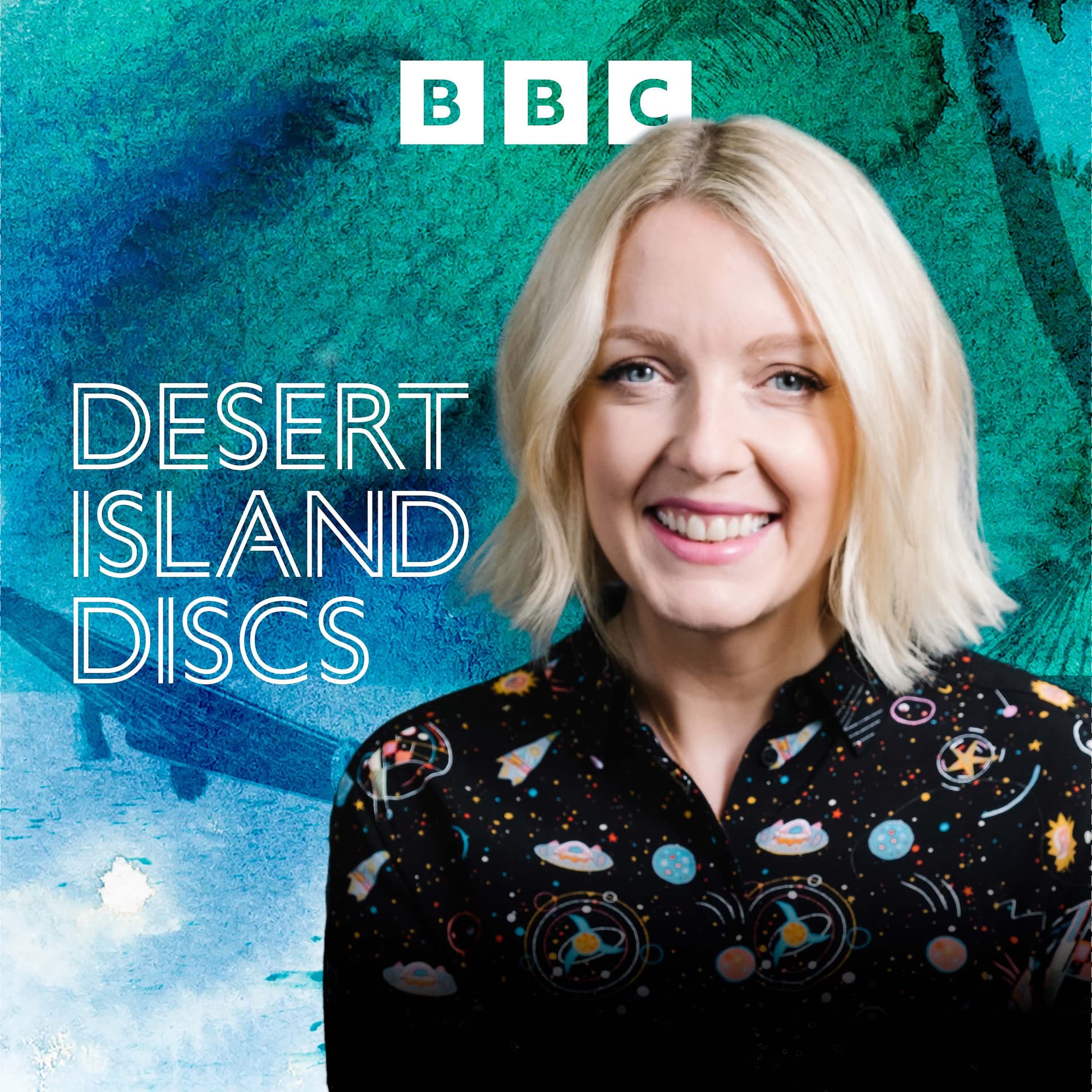
Sarah Pascoe’s Desert Island Discs episode covers her comedy and writing career, how audiences shape stand-up, and major life influences—from her childhood in Dagenham/Romford to IVF, motherhood, and book writing.
Guest background
British comedian and writer (born 1981 in Dagenham; raised by single mother Gail). Rose through crowd-pleasing TV (QI, Taskmaster, Great British Sewing Bee) and critically acclaimed stand-up; debut novel Weirdo won the inaugural Jilly Cooper Prize for Fiction. She grew up clubbing young, later trained in theatre, and shifted from acting ambitions to stand-up.
Key claims
Stand-up is communication where the audience is “50%” of the show. Writing alone is harder because her inner critic is louder than silence. She believes early life support creates a “rock solid core.” She says she can’t be funny about IVF until she knew the outcome.
Notable examples
Edinburgh set riffing on Nietzsche and a boyfriend’s doppelganger; a Dublin prank where the audience booed in unison; her mother locking keys/windows; her “delusional self-confidence” audition for My Kind of People; her first stand-up gig to 12 polite listeners; sharing IVF on stage leading to supportive messages.
Written by AI. May contain mistakes. Listen to the episode to check what was said.
Chapters
Tap a time to open that second in VOSarah Pascoe's Comedy Journey
0:46 to 2:35
Explore Sarah Pascoe's unique style of comedy and her journey to stand-up.
“My cast away this week is the comedian and writer Sarah Pascoe.”
The Complexity of Performance
2:35 to 4:35
Sarah discusses the interplay between comedians and their audiences during performances.
“But I am interested in that idea of the audience and their part in all of that as well, that idea of kind of manipulating the room, you know, playing the room, feeling that energy.”
Life Lessons from Her Childhood
4:35 to 6:32
Delve into Sarah's upbringing, her family dynamics, and her mother's influence.
“So I've really overthought this whole I'm on a desert island thing and I've tried to create a spectrum for every mood for myself.”
Navigating Feral Teenage Years
6:32 to 9:05
Sarah shares her experiences as a teenager, including her adventures and mischief.
“They genuinely were at school together, and one of their dads became their manager, and they released a couple of songs.”
Reflections on Her Parents' Separation
9:05 to 11:28
Discussing the impact of her parents' divorce and her relationship with her father.
“We wanted to look at boys, talk to boys.”
Advice on Following Creative Dreams
11:28 to 14:01
Sarah recounts her father's advice about pursuing her creative passions without a backup plan.
“Been on this path of life for so long Feel I've walked a thousand miles Sometimes stroll hand in hand with love Everybody's been there With danger on my mind Take that and never forget.”
Growing Up with a Creative Family
14:01 to 15:37
Discover how Sara's family dynamics influenced her creative aspirations.
“making a hot chocolate, you know, watching telly with my sisters.”
The Unexpected Jazz Album
15:38 to 16:46
Sara shares her father's jazz album and its impact on her perspective.
“And I think I'm going to make a show about this album.”
Early Ambitions and Performances
16:47 to 22:36
Sara recounts her early desire to perform and her creative endeavors with her sister.
“Telemachus, Derek Paschal and Chris Martin.”
The Turning Point in Theatre School
22:37 to 26:10
Sara discusses how her time at theatre school transformed her self-perception and confidence.
“but first I want to hear disc number four, please.”
Show all 28 chapters
Auditions and Rejections
26:11 to 28:00
Sara reflects on her audition experiences and the lessons learned from rejection.
“amateur talent contest, My Kind of People.”
The Journey to Stand-Up Comedy
28:00 to 29:00
Learn about Sara Pascoe's path from aspiring actress to a successful comedian.
The Role of Music in Performance
29:00 to 30:19
Discover how music influences Sara's mood and performance before gigs.
“Well, I want to get there, but I think we should have some music before we do.”
Transitioning from Acting to Stand-Up
30:19 to 31:50
Sara explains her shift in ambition from acting to comedy and its implications.
“There's a show called News Review at the Canal Cafe.”
Facing Failure and Embracing Mediocrity
31:50 to 33:19
Understanding how embracing mediocrity can lead to growth in comedy.
“I think it's a neurochemical reward, partly.”
The Evolution of Female Comedy
33:19 to 34:21
Sara discusses the changing landscape for female comedians and audience perceptions.
“And there's this new generation coming up and you're part of it.”
Sharing Personal Experiences on Stage
34:21 to 38:17
Explore the challenges and rewards of sharing personal stories in comedy.
“This, for me, and I know on the Desert Island, I probably won't be doing any gigs unless suddenly the dolphins look like they need cheering up.”
Navigating Privacy in Comedy
38:17 to 39:35
Sara reflects on the balance between personal sharing and privacy in her work.
The Love Story Behind a Song
39:35 to 41:21
Sara shares the story of her relationship with her husband through music.
“And this is quite a saucy song, I think, called Best Friend by 50 Cent.”
Balancing Family and Career
41:21 to 42:01
Learn how Sara manages the challenges of parenting alongside her comedy career.
“Has becoming a parent changed the way that you work?”
The Therapeutic Nature of Stand-Up Comedy
42:01 to 42:46
Learn how stand-up comedy serves as a form of therapy and personal expression.
“So when they were really little and I would go out and gig, I remember Shepi Korsandi saying to me, why are you here when your baby's so small?”
Navigating Personal Boundaries in Comedy
42:47 to 43:52
Explore the challenges of balancing personal life and comedy while respecting family boundaries.
“You know, do you think that becoming successful has helped you feel more secure?”
The Journey of Self-Acceptance
43:53 to 44:25
Understand the journey of self-acceptance and the impact of past experiences on personal identity.
“and I do think this is healthy, is that I thought if I'd achieved certain things, people at school would want to be my friend.”
Imagining Life on a Desert Island
44:26 to 45:08
Hear Sara's humorous take on survival and adaptation in an imagined desert island scenario.
“You've sounded quite positive about it so far.”
The Impact of Music on Mental Health
45:09 to 46:14
Discover how music can provide comfort and connection during challenging times.
“Well, one more tune before we put you on the horns of that dilemma, Sarah Pasco.”
Choosing Literature for Reflection
46:15 to 47:18
Sara discusses her choice of books for introspection while stranded on an island.
“Times my impetuous makes me feel reckless.”
Seeking Solitude Through Writing
47:19 to 48:16
Explore the desire for solitude and the creative process through writing without an audience.
Music Selection for the Desert Island
48:17 to 48:46
Sara shares the significance of her chosen music track and its personal connections.
“that you've shared with us today would you save from the waves first if you had to it's between my dad and take that which tells you how much i love it's difficult tells you how much i love I'll take that.”
Transcript
Automatic transcript. May contain errors.0:00Hello, I'm Lauren Laverne and this is the Desert Island Discs podcast from BBC Radio 4. Every week I ask my guests to choose the eight tracks, book and luxury, that they'd want to take with them if they were cast away to a desert island. For rights reasons, the music's shorter than on the original broadcast, but you can find a version with longer music tracks on BBC Sounds. Listeners will also get access to episodes 28 days earlier than everyone else. I hope you enjoy listening.
0:46My cast away this week is the comedian and writer Sarah Pascoe. Her comedy is omnivorous, taking her from stints on crowd-pleasing shows like QI, Taskmaster and the Great British Sewing Bee to critically acclaimed stand-up, which often blends the intellectual with the observational. One successful Edinburgh run riffed on Nietzsche and the possibility of her boyfriend cheating on her with her doppelganger. She's also a screenwriter and the author of three books, including her debut novel Weirdo, which last year won the inaugural Jilly Cooper Prize for Fiction. She was born in Dagenham and raised by a single mother, who, she says, delights in telling everyone how unfunny she was as a child.
1:26In fact, she chanced upon stand-up after seeing her then-boyfriend's turn at an open mic night. Of performing, she says, The last thing that goes through my head beforehand is always, Why do I do this? This is such a stupid job. Then, while I'm doing it, I'm not thinking of anything except the next line and manipulating the room. It's like playing an instrument. Sarah Pascoe, welcome to Desert Island Discs. Thank you for having me. So let's start on stage with stand-up then, Sarah. That's a bit of a compulsion for you, I think. Why are you addicted to it? I think because it's something that I will never be good enough at, which is not me admitting I'm very bad at it.
2:06But that's how the compulsion fits in. And actually that's where I don't remember saying that thing about it being like playing an instrument. But I think it is a version of an instrument, but you're playing yourself. I don't mean that in a pretentious way. You're plumbing your own experiences and ideas and thoughts. and trying to communicate them as well as possible. But in this framework of hopefully people will laugh at certain points of this and it never feels like it's done. So you're always trying to get better. You're always trying to improve. But I am interested in that idea of the audience and their part in all of that as well, that idea of kind of manipulating the room, you know, playing the room, feeling that energy.
2:45Tell me about that. Well, the word manipulation I don't think I would use now. I mean, I obviously meant it in a context then, but actually I do think it's about communication. the audience make at least 50 % of the show I played Dublin last weekend and everyone loves going to Dublin and obviously Irish audiences are incredible and electric in their own unpredictability and there was a point where a man went to the bathroom and then we all did a prank on him where I pretended that I'd suddenly gone into something very gratuitous and I was sort of miming making love with the mic stand and the audience were just shouting at me boo, get off, I want my money back and every single one of them did it which wouldn't happen in Basingstoke.
3:24Right. And yeah, so you come out as a comic and I guess you make some offers like this, this, this and you sort of suggest a tone and the audience meet you or they add or they go, no, no, no, we're too polite for that. We want it to be like a play. Don't involve us. And then together you make something and that's how it feels like even if you have a very tightly scripted set, it feels like the audience, it's only that version that they see and that you experience all together in that room. And what's it like for you writing to silence, being in a room on your own without that feedback from the audience?
4:01With stand-up, people who haven't done it always think the worst thing must be a heckle and they always think that that would be the nightmare and you'd burst into tears and go home and be so sad. The way you heckle yourself in your own brain when you are trying to write something is so much worse and it's so loud when there's, as you say, in the silence because every single sentence there is a critic in your brain going, who cares? And this is so bad. And you have to go, yes, but I'm still going to finish it and I'm going to write a bit more and then I'm going to edit it to make it better. Sarah, I think we'd better get to the music.
4:35Quick Smart. Your first disc. Tell us about it. So I've really overthought this whole I'm on a desert island thing and I've tried to create a spectrum for every mood for myself. And there will be songs that I just think, And this is one that will just pierce through whatever mood you are in and make you feel connected to life again. This song, if it was on an advert, would make me buy anything. I love the story in the song, the whole idea of this preacher and the converts. And it feels to me really base sexy, if that makes sense as well. I think Sammy Davis Jr. has such an incredible sexy voice.
5:14Even if I'm really sad on the island and I haven't seen a dolphin today. I would put this on and then suddenly I'm on my feet and everything's going to be okay. I feel like dolphins would come out of the sea and possibly sway. Of course they would. And then I'd go, great, I just put this song on again. That's what the dolphins want. They would love it. So this is The Rhythm of Life by Sammy Davis Jr. Or not by him, but performed by Sammy Davis Jr. Daddy started out in San Francisco Tooting on his trumpet loud and mean Suddenly a voice said, go forth Daddy spread the picture on a wider screen And the voice said, Daddy, there's a million pigeons waiting to be hooked on new religions.
5:52Hit the road, Daddy, leave your common-law wife. Spread the religion of the rhythm of life. And the rhythm of life is a powerful beat. Puts a tingle in your fingers and a tingle in your feet. Rhythm in your bedroom, rhythm in the street. Rhythm of Life, from the soundtrack to Sweet Charity, performed by Sammy Davis Jr. with the film's ensemble. So, Sarah Pascoe, you were born in London in 1981, grew up in Romford, the eldest of three daughters. Tell me about your mum and dad, Gail and Derek. How did they meet? Well, they met in a way that we didn't know was unusual at the time. But my mum had all these scrapbooks in the house with pictures of her sitting outside my dad's house, these Polaroids of her and other girls.
6:30So she'd seen my dad on television, and I think it was Top of the Pops. This band were on Top of the Pops once. It was in a band in the 70s. They genuinely were at school together, and one of their dads became their manager, and they released a couple of songs. My mum saw him on TV and said she absolutely knew in that moment she was going to marry him and have his children. But what is so incredible about my mother is that it didn't then, like, weirdly happen fate. She made it happen. She found it where he lived. This is very practical manifesting. Yeah, practical. Before manifesting was invented, you had to get on a bus to do it.
7:01Yeah, on his lawn. And she sat out there, and so she knew him to say hello to and the other people in the band. And what was his band called? Flintlock. Flintlock, OK. Which is the name of a gun. and at some point after my dad wasn't in the band anymore because it wasn't a sort of a long career, my dad didn't want to be famous. So he was in Flintlock and he was quite young himself. Your mum obviously a teenage fan as well. Yeah, I think my dad was in the band from 17 to 19, so really young. And some version of they went on a date or started dating but essentially they were very young and got pregnant accidentally with me and then they had two more children together.
7:42So your mum was 19 when she had you. What impact did that have on you and your sisters, having a mum who was closer to you in age, lots of energy, but also figuring her life out at the beginning of her life? Yeah, I didn't realise my mum was young until probably I was 16 and she was 36. I had my first baby at 40, whereas I was 20 when my mum was 40. So I had this whole life my mum never got. and because my mum had left school early with not lots of qualifications she did everything the hard way which is with kids my dad, and I say this with love was never going to be able to support us or contribute financially so it was all on my mum Wow, all three of you All three of us they got married after my sister Cheryl and then they were already broken up by the time they had Christina so my mum really was by herself when she had two of us and a baby she did evening courses and she started working in administration in the health service and then she worked her way up.
8:42And now my mum has a PhD, which is astonishing. Not because she's not a very intelligent woman, but because she has had, you know, a little bit like how she insisted on marrying my dad. She has clawed her way to financial stability. Tell me about yourself a little bit. I mean, in your teens, you said you were a feral teenager. Yes. What did that look like? Tell me about it. Cheryl and I just wanted to go out. We wanted to look at boys, talk to boys. We liked dance music in the 90s. So I started going clubbing when I was 14 and Cheryl was 12. And so she was going to clubs with you at 12? In Romford, they did not care how old you are.
9:25And this is so dark to talk about it now. And can I just say we had no trauma from doing this, but yes, we went clubbing and we hitchhiked home sometimes. and my mum obviously had to go to bed because she had to go to work. This is why I say feral. It wasn't like my mum didn't care. She cared a lot. She just couldn't stop us. She tried to lock you in, didn't she? She did lock us in. She would hide the keys. We weren't allowed door keys at this point so there was a point where we would have to wait for her to get home from work, to get in from school because we couldn't be trusted and she locked the windows.
9:52We just broke it. We broke a window really high in the bathroom that she didn't know about and there was a ladder in the back garden and it was behind the shed so my mum didn't know that what we would do to get back in is put the ladder up against the house. And we'd just wait for her to go to sleep. Or we'd sometimes get home and wake her up because we'd have to fall into the bath from this sort of high window. Sometimes she didn't realise, sometimes she was too tired to care, but she definitely did try to stop us. Well, I think we're going to hear some music on that note, Sarah. What's it going to be?
10:20Well, so the other thing that happened to me at 14 was that Cheryl and I were deeply in love with many boy bands, but in particular the boy band Take That. Why take that as your favourite? I think the whole theory about projecting your love and your early sexual feelings onto very safe men that you will never meet is a really lovely part of growing up, actually. You must have met one or two of them by now. No, and actually I think now I can't. Are you studiously avoiding take that? Aisling was in... One of my best friends, Aisling, who's godmother to my children... Is this Aisling B? Aisling B.
10:58She was in the Take That movie that they made a couple of years ago and I queued up for the premiere and I knew that Take That were there and Aisling was on this red carpet with them and then the queue was a bit long and I was just like, no. I just had this instinct of, like, don't meet them. I actually don't want that chapter in the story. I just don't want to say an idiotic thing and see that thing cross their face. I understand. Yeah, where they're just like, oh, that's disappointing, oh, that's annoying, oh, I'm pretending not to be bored by you. But they'll be with you on the island. In a way, yes, forever.
11:27with this song which is Never Forget and I never will take that. Been on this path of life for so long Feel I've walked a thousand miles Sometimes stroll hand in hand with love Everybody's been there With danger on my mind
12:01Take that and never forget. So, Sarah Pascoe, you told me a lot about your mum in the last section and that your mum and dad split when you were still quite young. Tell me a bit more about your dad now. He eventually remarried and moved to Australia. How much do you remember about when he was part of your ordinary family life? We were definitely really glad that my parents broke up. And I think it's really important to say that because when your parents are unhappy and they make a decision to make themselves happier, I think parents really worry about things like what would the effect be on their children?
12:32I remember we were just relieved. We weren't like, where's daddy? We were like, great, those people seem really miserable. Let's hope this is better for them. And I think what we had was very common is that we saw our dad every two weeks at a weekend and we would go bowling or to Canvey Island and play arcade games and things like that. And I think my dad definitely got to do all the fun stuff with us and my mum did all the boring stuff, which was really hard. What did you make of him then? You know, if you're not spending all that much time with him and when you are with him, it's always fun.
13:01That dad can become quite a kind of romantic figure in the imagination, especially if, you know, they're a musician, a sax player like your dad. Well, let me just correct you. I hate the saxophone. I hate the sound of the saxophone. I hate jazz. Listening to someone... You don't like listening to someone noodle away on a saxophone? No, someone practising an alto saxophone, I think is probably the worst sound in the world. I think that might be... No Baker Street on your list today. No, no Baker Street. And actually, if a busker is playing it, I sort of go, I'll get back on the tube. I'm saying all this a little bit retrospectively.
13:36This is child me. I used to have a joke about how jazz reminded me about being neglected. And that is a joke. It was a joke I used to have, but it's also true. My dad, I think he still lived in our house, but the Coke cupboard, he covered it with carpet underlay. To soundproof it. To soundproof it, and then would lock himself in there playing the saxophone. And what were you doing? He was looking after us. So that was... Where were you? I was just in the sort of kitchen making a hot chocolate, you know, watching telly with my sisters. And he was in a cupboard playing the saxophone. For hours and hours and hours, yeah.
14:08OK. I'm saying all of this with love. We all survived, I should say, and everyone's fine. But yeah, I didn't think of my dad as a romantic figure in terms of following his dreams or being a creative. I didn't, but I also didn't think that being a musician was something that was out of reach. And did he give you any advice about following your creative passions? There's something that my mum really hates, but there was a point after. So I tried to get to drama school for two years after my A-levels and didn't get in. And then I went to university. And when I finished university, I told him on the phone in Australia that I was going to do a teacher training thing so that I could do supply teaching.
14:45I just found out that supply teaching at this point was like£145 that you could get for a day of supply teaching. and I couldn't believe it. And I was like, so I could do that. I could do supply teaching and then I could do auditions and I could just not do it if I got an acting job. And he said, don't have a backup. He basically said, make it work or starve to death. Essentially said, you have to make it work if you've got no choice. And what do you think of that advice now? I think it's brilliant advice, unless you are a sensible parent. My mum was so, my mum's advice, which again, I think was pretty great.
15:19She said, fine, do what you like, as long as you're not borrowing money off me. She basically said, you can, but I'm not going to bankroll this. If you can't pay your rent, that's on you. So both of them were pretty hands off. And so I was very liberated. Well, on that note, I think we should get back to the music. So what's next? So my favourite thing my dad has ever done is last year, he released an 18 CD collection, 40 hours long, which is improvised jazz, him on saxophone and his friend Chris Martin, not that one from Coldplay on a piano and it's inspired by James Joyce's Ulysses which is one of my dad's if not my dad's favourite book and with everything going on with AI and technology the fact that my dad did something that was so analogue I just loved it so much yeah so so you know this is your dad noodling away on the sax yes it sounds like maybe you've changed your mind about saxophones I'm this is this is what um I think they call it flooding in therapy if you're They're scared of spiders.
16:17They throw hundreds of spiders at you. This album is my... So Exposure Therapy. Exposure Therapy is out. And now I'm listening to this. And I think I'm going to make a show about this album. Because you remember they did like My Dad Wrote a Porno and it was the funniest podcast ever. I think I'm going to do like My Dad Did a 40-Hour Ulysses improvised jazz album. Who wouldn't want to come and see that? Exactly. I'll buy my tickets now. Yeah. So this is Telemachus by Derek Pascoe and Chris Martin.
16:47Amen.
17:42Telemachus, Derek Paschal and Chris Martin. so Sarah Pascoe by the time you were 12 you decided that you wanted to become an actor and where did that urge come from do you think I've got no idea I know that lots of people have a backstory of like seeing someone else acting really well and going oh wow I want to do that but I remember staying at my dad's house actually with my sister Cheryl and waking her up and going do a play with me I've decided to be an actor so I didn't let her go to sleep I was making her do scenes with me you often did two-handers with Cheryl yeah lots of school assemblies Yes.
18:16We did one that was a two-woman version of Oliver, where I was Fagin and she was the Artful Dodger. Oliver wasn't even in it. Right. Just not interested in Oliver. So really subbed it down. Yes, and we actually put loads of songs from other musicals in it. Because I remember, the bit I remember is singing I Feel Pretty to the audience because we really wanted to say I Feel Pretty So Witty and Gay. So why did we do Oliver if that was the song I wanted to sing? But anyway, so we did stuff like that. So sometimes it was just really, I wouldn't have said this at the time, but like idiotic. and then I did have educational ones where I didn't think they were telling us about climate change.
18:49I didn't think they were talking to us about things like shoplifting. I got caught shoplifting in a body shop and I was like, I need to tell the others. It's illegal. And I started a bully line. So I got volunteers from year 10 and 11 to join me in the sixth form block and we were going to be like vigilantes and we would sing Lean On Me in assembly. And how did that go? Oh, I was very popular. No one ever came to visit us for help because we were the dweebs, Laura and Isda. is the twist. So it was more lining up to bullies, please assemble here. Yes, here's where you'll find us. So what did the other kids make of all of that then?
19:27Definitely, I knew I wasn't popular before. I'm going to say that. I always did have a friend. I wasn't completely lonely. And I think people have much, much worse stories of being bullied at school. But I hated school. I knew I wasn't liked and I didn't know how to make people like me. I didn't know how to be, in inverted commas, cool. But I also just didn't know how to be normal, actually. In what way? Tell me about that. Oh, God, just, I'd just do the thing. I'd just do the annoying thing. It would just be wrong. OK, here's an example, Lauren. Everyone was coming back off holidays saying they'd kissed someone.
20:02I didn't kiss anyone until I was 16, but I lied about it a lot at school. So I would buy, well, a shoplift, a magazine, like Just 17, and I'd fill out the quiz saying that I'd slept with so many people I couldn't remember their names. and then I would leave it out on the table for someone to see. I was a liar. I told them that Mariah Carey was my babysitter and that she was coming over from Miami to look after me and give me singing lessons. I told them there was a jacuzzi bath in my house and Take That's limo had broken down on my road and they had to come in and borrow the bath. And people, when you lie, quite often don't say I don't believe you.
20:34They just don't want to be your friend. It's interesting that, though, that you still have this kind of, you know it sounds like you've got a lot of self-confidence a lot of gumption you want to kind of get out and you're reaching out to people it's not like you're crushed by their rejection this is where I think early life is really important because I've had this theory always that like if you think of like a human being as like the earth you have the crust which is how people have treated you recently you know how people at work feel about you friends loved ones and that can be quite solid and then you've got this sort of really movable magma bit underneath where there are lots and lots of doubts and you have lots of experiences and you can have really bad days.
21:13But your core, if your early life, if you had a parent or parents or other carers who just thought you were the best thing when you walked into a room, that really does set you up for life. So that's what I think. My parents were really young. For the first 18 months, it was just me. They didn't know what they were doing, but I had all of their attention and I really did believe everyone should look at me. And I do just think it gave me this little rock solid core of like an entire room booing and I'd be like I deserve to be here so all the going out is happening then you know when you get to 14 you're kind of going out raving and everything people from drama club so at 14 when my mum was out with one of her boyfriends I'd had a party to try and make people be my friends so all these people who didn't like me came to my house and this is before like Facebook things and when this would be on the news but my house got really trashed and the police got called and then my mum comes home the house is full of smoke and there's bin bags full of like bottles and cans and furniture's broken and it's disgusting my mum I was begging her to hit me I was so sorry I was like please hit me please hit me and she didn't hit me she made me join a drama club in a church hall on Wednesdays and Sundays and my mum said I'll keep you off the streets and I auditioned to be in The Wiz and played Glinda and then then I was really like okay this is my life now the GCSEs don't matter and then oh I was actually like in your face mum should have hit me when you had the chance.
22:32Now I'm going to be a star. I want to find out what happened next, but first I want to hear disc number four, please. Sarah, what's it going to be? This is probably my favourite song. In 2001, I got a job in Italy for three months teaching English as a foreign language and we would get in the car every morning to drive to a school and we must have all been, I think I was 19, 19 or 20, and then we had one tape at the beginning of the tour, which was Red Hot Chili Peppers, Californication. And then by the end of the tour, we also had a Beatles, Best of the Beatles. We had two albums, but the best music.
23:08And there was something about just looking out the window, that early morning blue sky sun. And every song off the Californication album makes me feel like a sun is rising in myself. And I really love this song that we're about to listen to, which is Scar Tissue by the Red Hot Chili Peppers. Scar Tissue that I wish you saw Side captain, Mr. Know-it-all I close your eyes and I'll kiss you Cos with the birds I'll shed With the birds I'll shed it's a lonely view With the birds I'll shed it's a lonely view Push me up against the wall Young Kentucky girl in a push-up brawl I'm falling all over myself Red Hot Chili Peppers and Scar Tissue so Sarah Pascoe your punishment ended up becoming well a life-changing moment for you tell me about that turning point how did things change once you started going to theatre school well I realised that people outside of school wouldn't automatically assume things about me or that they might find things funny or interesting where people at school had thought it was weird and stupid can you give me some examples i'm trying to think in terms of like being loud okay the classic annoying thing about people who are learning musical theater is that they sing in public places you know and they sing and they want to harmonize and if you're on a train with them you think i'm going to move courage um meeting other people who were like that and that's what they did with their energy was really great for me and what about your kind of inner life at this point i mean today i think you've said that you've got the stand-ups mix of like total self-possession in some ways but then a lot of insecurity in others.
24:55Was that what you were like back then? How was the mix as a teenager? I don't know if I was insecure. I definitely thought I was very ugly. And unfortunately, like all teenage girls, hugely fat. So that sounds like insecurity. It is insecurity, isn't it? And also it's so surprising. Like lots of people probably, when I look back at pictures of myself and go, there's this picture of me in a tree. And I remember on this day, like being so upset at my granddad's house that someone had taken a picture of me. Didn't want anyone to take a picture of me. And I'm so skinny. and it's just like it's so awful that teenage girls quite often do have such a dysmorphia that they're not right for the world and that translates into oh it must be my body it must be what I look like so you felt that very strong yes very strongly but I don't think I felt that performing because I didn't mind being looked at in that way okay yeah so that was maybe a place you could control and and kind of guide how how you were being perceived yeah or maybe I just wanted to do it so much I then didn't care or I was then I had an opposite so you've got dysmorphia at one end and then what you have is delusions of grandeur at the other which is maybe I will be the next Christina Aguilera because I think at that age I still could have because my dad had been in a pop band I definitely thought there could be a route to international superstars yes yes being a teen pop sensation well that brings me on to your audition for Michael Barrowmore's amateur talent contest, My Kind of People.
26:14Yes. So again, 14, I met a boy called Darren at this drama club and he was going to go to Whiteley's shopping centre. And it was a lot about people at school. I thought, if I go on this programme, I'm not going to tell anyone at school, they're just going to be watching it on Saturday night with their families. And they'll be like, oh my God, I know her and she's amazing. But I hadn't ever sung with sheet music before. I'd only rehearsed this song over and over again with the tape and it was more than words by Xtreme. And it was too low for me. I couldn't sing it and I didn't know when to come in so I went up on stage I remember Michael Barrymore being hugely tall and I was so shocked that he was wearing make-up which obviously everyone does in TV and he said something to the crowd and then all of a sudden I'm standing there and all these people in the shopping centre they sort of look over the barricades at you I was wearing a red velour top and the piano is playing and playing and I don't know when this song comes in because I only know it when the man sings and then I realised okay this is rubbish and everyone at school is not going to think I'm amazing.
27:13And then I thought, I'll just have a small cry. And then the audience started singing the song at the chorus. So I then joined in with them. And here's the thing about my delusional self-confidence. I walked really quickly. Darren didn't wait for me, understandably, to get the tube back. And I walked really quickly at the shopping centre and three people stopped me to say, well done. And I now know that's because I was a child and they were kind. But at the time, I thought no one had noticed me crying and I smashed it. because what two people told me like well done for getting up there and what they were saying was you know that was it in itself brave keep going yeah and then a woman told me you got a very pretty voice and so I got the train was like oh my god I think it went really well people were like running up to me to say well done um yeah and then just waited to see myself on television and I was cut out but I did learn something about myself which is that I am the kind of person who will get on a tube to a place they haven't been to before and try and if I have any kind of career now it's because I've done that lots of times and you were tenacious I mean after you finished your a-levels you spent years auditioning for drama school you didn't get in no I made a collage of my rejection letters because I felt the rejection was very important because Lauren I thought there would be a stage in my life where I'd reflect on and here's my rejection well here we are here we are but I thought it would be at the Oscars but this is a very good secondary doesn't I'll admit I did terrible auditions that's the thing I then realised that people actually got coached for their speeches read the plays went to see the plays watched all of the versions I never did that I didn't take it very seriously I was sort of lazy because I thought I was so good and so it's really lucky I didn't get in really lucky and actually there was a relief in going oh I'm not very good at it and and failed sideways so brilliantly because I had already been doing stand-up for a few years when I realised, oh, I'm not a very good actor.
Read the full transcript
29:01Well, I want to get there, but I think we should have some music before we do. Why are you taking this one to the island? Right, there's going to be bad days on the island. There are definitely going to be days where it will be too samey and I will be depressed. I think this song would be a jolt in your arm, no matter what time you heard it. I think it would remind you that you are alive. Yeah, this is like a tonic on the island. So this is Get Off by Prince.
29:59Prince and the new power generation and Get Off. So, Sarah Pascoe, tell us how the switch happened. Your ambition went from acting to stand-up. Well, stand-up wasn't for its own sake. I was using stand-up as a stepping stone for acting. And never, ever say that in a green room of comics. They will not respect you. They will say, why are you here? They're like, get out. There's a show called News Review at the Canal Cafe. It's topical. Six weeks, actors do it, and they write a lot of the sketches, and you sing sort of satirical, you know, songs with the words changed. And I did that for six weeks, and I thought, oh, I could perform as a character, and this might help with acting, or I might eventually be able to ask a casting director to come and see me.
30:42So I performed as a character a few times, and then I realised... What was your character? She just held a guitar and didn't play it. So, yeah. But I realised then you could get more... There was much more availability. Having tried to be an actor for so long, which was, I did lots of writing letters. I did lots of going to meet theatre companies or telling people that I was in this amateur production of this or I'm doing this thing over there. Would you see me for this thing? The fact that stand up, you could just text a man and go, can I have five minutes tonight? And the answer was always yes, especially if you're a woman.
31:13It was very enticing, exciting to me. So I texted a man in Ballam in a pub and they had a new act night on a Tuesday and I went and had two large glasses of wine, which is too many, but I was so nervous and I couldn't imagine him saying my name and me going up on stage. And I'd written five minutes about how high school, the musical, was unrealistic because obviously I'd had a terrible time at secondary school and it was making out that school was fun for people. So I'd written a version of secondary school, the musical, which I thought was more realistic and I performed it to 12 people who smiled at me so politely.
31:46No one laughed at me, but I did have that feeling of this is where I belong Did you? What was that like? Tell me about that. I think it's a neurochemical reward, partly. If you do something that really scares you, what you get afterwards is this rush of, I survived it. But I remember getting back on the Northern Line from Ballam to Barnet and feeling like, oh, I'm a one-man band. I'm in touch with something from Shakespeare's Times. I go to town squares and I tell people the news. I tell people my business. I'm a town crier. I'd had two glasses of wine. But what I was high on was I was scared and I did it.
32:16And now that I've done it, now I know what that feels like. now I want to do it more and I want to do it better and I wanted to write stuff. So the better is interesting, isn't it? Because one of the things that is maybe unusual about you is that you're not scared of not being bad, having to work it out. The fact that they didn't laugh, thinking, oh, OK, I can do that. To not be scared to be bad is the biggest gift you can have. Because then you can learn. I always said that about being content with mediocrity. Perfectionists really, really, really, really struggle. Whereas if you're content with mediocrity, I remember when I first got offered Live at the Apollo.
32:50All of this just sounds like I'm so bad at my job, but when I got offered Live at the Apollo, I was really aware I was very new to be doing Live at the Apollo, which at that point was such a you've arrived show. And I thought, what would you rather, never doing Live at the Apollo or being the worst ever person on Live at the Apollo? I'd rather be the worst ever person who ever does Live at the Apollo. And that is a nicer way to live, actually, as long as you are trying to not be the worst one ever. So that first gig in Balham, where nobody left, 2007, I think. And then so by the mid noughties, female comics are really in demand.
33:22And there's this new generation coming up and you're part of it. I mean, tell me about that. I think for a long time, people thought audiences wouldn't enjoy comedy from women. And I wasn't around enough to know if that was ever true. You do get the odd gig. I definitely have had the odd gig where people get up to go to the toilet when the woman comes on. But by the time I was I was starting comedy, it was very infrequent. and it would be a place where you kind of knew, you knew from the sign outside the door. You'd be like, okay, this is a place where men have come to escape their wives. The idea of you being here is confronting to them.
33:57But it was very few and far between. And TV audiences, I think they realised that they were having so many all-white, all-male panels. And it's not that that's morally bad, that's a whole other conversation. It's boring. It's boring. And that's what I loved about the conversations about the women that I admired in comedy. It wasn't like, oh, we should let them have a go. It was, oh, my God, like, they're coming. All right, Sarah, well, it's time to go to the music. Your sixth choice is next. What are we going to hear? This, for me, and I know on the Desert Island, I probably won't be doing any gigs unless suddenly the dolphins look like they need cheering up.
34:33But this is what I would listen to if I needed to change my heartbeat before I go on. So it's your hype track. It's my hype track. Is that what they're called? Yeah. It's my hype track. It's my walking up and down with headphones on, hoping no one comes into the room or knocks on the door. So it's Rockstar by N.E.R.D. and that sounds like no one ever really dies and there's something about that as well as an acronym that no one ever really dies. Do you believe that? And obviously dying on stage means a very different thing to dying in real life but I also like the idea of no one ever really dies.
34:56Live it. Be here in this moment and take that out there to them. Quite often I feel very sluggish just beforehand and I think actually it's a sort of weird way of your body being nervous. You sort of feel exhausted and that's scary. And this song makes you go, Okay, now I'm too pumped up. Okay, now I feel like I'm going to go and have a fight with someone. And it's a good track for livening you. Yeah.
35:44N.E.R.D. and Rockstar. So, Sarah Paschal, you've used your own life as material quite a lot in your career and you've described yourself as an oversharer. Is there anything that you've lived to regret saying or talking about? Not yet, but my children are still young. I think my fear would be one day them being embarrassed at school because of something I've said. and I my husband is very cautious so meeting my husband was good because he said I really don't want you talking about me freely which means if ever I do want to mention him I also have to check it with him and even more um when we started trying for children doing IVF I couldn't do stand-up about it because it was far too raw and then I only really spoke about infertility once I had children and it was reflexing and I also think that's because I couldn't be funny about it until I sort of knew the ending of it yeah that's that's there's something in that is there where you're in the experience still it's only once you're at the other side of it that actually you can look back so at what point did you with the ivf did you start to think okay actually i might want to talk about this right when theo was eight months old so it was so it was really like i definitely have a son who's definitely he survived he's alive he's here um i then felt i wanted to share things with people who i knew would be at different stages of it the other thing with comedy is that people won't laugh unless they know you're okay you can't tell them the stuff you're not okay about you could definitely tell them all of your experiences once you are all right with it but otherwise they'll be they'll be worried about you but um the ivf thing what i loved is that there were people in the audience who were about to start it or considering it or he wanted to she didn't or she my husband was the reason we did ivf i wanted to stop i wanted i was 40 and i was like lying in the sand and my husband was like please please can we like at least look back and go we really tried our best that we did everything and there was something about sharing that It felt like a positive way to talk about something that people feel very isolated in.
37:38And what was that? What kind of response did you get from people? They must have been coming up to you, sending you messages. That's what I really love about stand up is that you get you get the odd Instagram message with someone like, here's a picture of my six month old. I came to your show when we just found out our embryo hadn't taken. And you wrote back so nicely when we said and it's like now we've got this baby. And not that there has to be success stories. there are lots of people who try IVF and they have to stock because it's too expensive or it doesn't work or their body doesn't respond all of these really, really difficult things but I think my main takeaway is it's so brave of people to try it's such a big thing to put your body through so it's like anyone who does it should be so proud of themselves and that's what I tried to do when I was talking about it more on stage So, I mean, you've also been writing books in more recent years and you started out writing your own story you wrote about the abortion that you had when you were 17 on your 17th birthday in that book and I know that some people who meant wanted the best for you advised you not to do that well my agent at the time who's a brilliant agent and it was really good advice because you can't put things back in the box it does become part of your research pack it's in the public if you said yeah if you've said you've had mental health problems if you've said you had something traumatic going on in your life that's going to be a question every time every time you to promote something and I think the thing about me and the oversharing is I the sharing always feels like so much more important than any privacy and actually I'm not embarrassed I've never really felt uncomfortable talking about a biographical detail apart from sometimes when that book came out when it was um it would be a member of the public I didn't know and that feels oddly we're talking to there's people in another room there's microphones it feels public but if we didn't know each other and you sat down next week at a bus stop and actually I just read your book oh and you were 16 and you got pregnant that bit maybe that that would feel like oh god this lady knows something about me i haven't told her so i did have a couple of moments of that but it will not regret yeah all right sarah i think we'll go to the music now you have seventh choice today what's it going to be so this is um for my husband so is your husband australian yes he's australian so how did you meet we met at a comedy festival in australia but i don't remember and then we got way to pet a dog when he was introduced to me but then he was still living in Australia but he had the same agent as me he was married I should say to somebody else his wife and then he and his wife divorced and he moved to England for his career he's a lot younger than me and we were really really good friends so I'm really surprised that we got married and had children but it turned out to be the love of my life so when we got married the night before we bought a bottle of champagne to drink in our hotel room and my husband had done like a mixtape of all of the songs that reminds him of me and us of each other.
40:27And this is quite a saucy song, I think, called Best Friend by 50 Cent. And he did send this to me before we sort of got together when we were still best friends. So my best friend at this point, we were both single, he sent this song to me. And I didn't really read between the lines, but I listened to it again for this show. And I was like, oh my God, this boy fancied me. Rich in subtext. Yes.
40:55If you promise you'll be mine Girl promise you'll be mine He said he's just a friend Now girl let's not pretend Either he is or he ain't your man He said he's just a friend If I was your best friend I want you round all the time I want you round all the time Can I be your best friend If you promise you'll be mine 50 Cent and best friend Sarah Pascoe, you and your husband Steen now have two small boys Has becoming a parent changed the way that you work? Yes, in that I have no time to work and the triangle needs to be right. But sometimes my work feels so stressful that the balance is very hard.
41:38So what's the triangle then? So it should just be like, OK, the whole top of the pyramid should be my two children. And then after that, and I'm sorry to say this, the dog. And then it's my husband. And then the bit where I get a really fast track into feeling who I am again, which is so important for me to be able to go back to my family and be a good parent who is really available for them, is stand-up comedy. So when they were really little and I would go out and gig, I remember Shepi Korsandi saying to me, why are you here when your baby's so small? And it's like, this is better than a spa weekend.
42:1020 minutes on stage working through stuff that's happening, that I find the most refreshing. I'd rather have that than a massage. I want to work, you know. and and you know your husband he's an actor and it's done stand-up in the past as well is there a sense when you're navigating day-to-day life obviously you know where the lines are and the boundaries are for both of you but it's like say something is there a yeah like you're at a family do someone says something do you ever like lock eyes like oh that's going in the show well this is this is what happens lauren say someone says something his parents stayed with us for a month recently which was wonderful they live in australia it's so amazing and it's so important to steen he lives so far away from his family you know so great but there were a couple of times where one of his parents would say a thing and he seen would see the look in my eyes and just go no and that means absolutely don't write that in the notes on your phone i don't want to see that regurgitated you were reaching for it yes you know he sees the minute that my eyes went he didn't even need to talk about it the facial expression like is that a thing is there something there i could do and it's like no it's good it's good to have boundaries yeah and you're having the conversation yes and also I don't want I don't want to upset people and that's the other thing it would break my heart if I said something about his mum or dad in a funny way and people laughed and then it becomes a joke to you forget it's about a real person who might find out one day we talked a bit earlier about the self-doubt that you you know have experienced um over your life and I know that you know there's there was a sense of continually reaching for a way to impress those on impressible people for quite a while.
43:42Prove people wrong. Yeah. Where are you at with all that now? You know, do you think that becoming successful has helped you feel more secure? Well, the really wonderful journey that I had, and I do think this is healthy, is that I thought if I'd achieved certain things, people at school would want to be my friend. And I achieved those things and they still did not want to be my friend. And the example I would give to you is that when I was on the programme, Would I Lie to You? I had a Facebook message from someone who went to my school saying, can you stop going on my favourite programmes and ruining them?
44:12So that's what happens. The people who don't like you at school will probably never learn to love you and letting go of that I think is the journey. Is wise. Yeah. Well listen, it's time to cast you away to the desert island. You're not going to be bothering anyone there, Sarah. It'll just be you and the island. How do you feel about the prospect? You've sounded quite positive about it so far. I'm really looking forward to this, Lauren. Tell me about it. Even the noises you play at the beginning, the seagulls, I can just see me lying back reading the Bible having a lovely time. Yeah. So you're going to be fine.
44:41I think so. The problem I'm going to have is that I've got a plant-based diet and I think I am going to have to probably learn how to, for sustenance, just find an animal I dislike and eat him. Yeah. Where would you start? Fish? I was thinking rats. Rats? I don't know. I was imagining some kind of like beach rat. He's less idyllic when you say beach rat. There's a beach rat, but this is what I'm imagining. He's fat. He doesn't want to live anymore. He's had enough. Yeah. I put him out of his misery. Well, one more tune before we put you on the horns of that dilemma, Sarah Pasco. To cheer everyone up after the depressed rat I just ate.
45:18So I really, like, fangirl love self-esteem. When I had Theodore, and I did experience such a complete destruction of self, like complete ego death, who am I, who was I, other than taking care of this person, people on the line kept talking about self-esteem and the self-esteem album that was so good called Prioritise Pleasure and I started listening to it before on the way home from gigs because it felt like someone was reminding me about the whole life I'd lived beforehand in terms of dating and having feeders and having crushes and then having times where you don't want anyone anywhere near you and just being a young person living life, navigating things.
45:57It felt like she kept plugging me back into what everyone else was doing who wasn't at home pumping milk in the night. And I'm so grateful for her. and then I went to see her at Brixton Academy. I love every single song on this album, but this one just makes me fizzy and it's Wizardry by Self Esteem.
46:35Because you yellow my hunger. Times my impetuous makes me feel reckless. Self-esteem and wizardry. So, Sarah Pascoe, I'm going to send you away to the island. I'm giving you the Bible. Thank you. Looking for you. The Complete Works of Shakespeare. And you can take another book of your choice. What are you going to go for? I think I'm going to take a book because I'll be rereading all of these things. I'm a big reader, so I will be reading every day. The Bible will be read. All of Shakespeare will be read. and then in terms of a reread for me I'm thinking George Orwell's 1984 because it stands a reread there's a lot going on in that book but I also think it's a book that might make you feel grateful to be away from civilisation even though it was written such a long time ago it's such a terrifying read and lots of things going on in the modern world are really terrifying so me and my island reading it again doesn't affect me anymore you're not going to want to eat a rat after reading 1984 of course the end of 1984 for is that his face or he's threatened it's going to look less appetising don't spoil the end for anyone who hasn't read it okay that beach rat will be like she's reading 9.84 I'm getting out of here I'm good for another day yes leave me alone fire up the barbie you can also have a luxury item what would you like I think I'll take a typewriter because I think as long as I don't get sand in the works I would love to be able to write some things with complete absence of audience not for anyone else but for myself some terrible poems that I read to the see really enjoying my sort of non-computer generated life no screens but just tip tap tap tap tap still enjoying words and saying things and writing up about my feelings oh lovely yeah yeah absolutely it's yours plenty of ribbon as well and finally which one track of the eight that you've shared with us today would you save from the waves first if you had to it's between my dad and take that which tells you how much i love it's difficult tells you how much i love I'll take that.
48:32But I will save my dad's, actually. So this is Telemachus. It's getting saved. Because it's connected to somebody that I care about and inspired me, but also because it's the longest. Yeah. Sarah Pascal, thank you very much for letting us see your Desert Island Discs. Thank you for asking about them.
49:10Hello. I hope you enjoyed my conversation with Sarah. It sounds like she'll get on very well with those dolphins on the island, but the beach rat had better watch out. We've cast away many comedians, including Harry Hill, Joe Brand and Sarah Millican. The studio manager for today's programme was Giles Aspen. The assistant producer was Christine Pavlovsky, the executive production coordinator was Susie Roilance the content editor was Mugabe Turia and the producer was Paula McGinley next time my guest will be the TV presenter cook and one half of the hairy bikers Cy King I do hope you'll join us
50:05Hi there, I'm Izzy Judd and I'm so pleased to be back with the Music and Meditation Podcast Series 6. We'll be talking about everything from reframing anxiety to getting a good night's sleep. So if you need to find some moments of calm in your day, subscribe to the Music and Meditation Podcast on BBC Sounds.
50:29you
From the publisher
Sara Pascoe is a comedian and writer who has appeared on programmes including QI, Taskmaster and the Great British Sewing Bee. She is also a screenwriter and the author of three books including her debut novel Weirdo which won the inaugural Jilly Cooper Prize for fiction last year.
Sara was born in Dagenham and grew up in Romford. She joined a drama club when she was 14 and set her heart on an acting career but failed to get a place at drama school. She read English Literature at the University of Sussex and after graduating took on various jobs to make ends meet including a stint as a London tour bus guide.
In 2007 she performed her first comedy gig to an audience of 12 people in a south London pub. Even though no-one laughed at her jokes, she was well and truly bitten by the stand-up bug and the following year was joint runner-up at the Funny Women Awards. In 2010 she performed her first show at the Edinburgh Festival and appeared on the BBC’s Live at the Apollo two years later.
She is currently touring her latest stand-up tour, I Am A Strange Gloop. Sara lives in London with her husband Steen Raskopoulos and their two children.
DISC ONE: Rhythm Of Life - Sammy Davis Jr. And Ensemble (from Sweet Charity) DISC TWO: Never Forget - Take That DISC THREE: Telemachus - Pascoe & Martin DISC FOUR: Scar Tissue - Red Hot Chilli Peppers DISC FIVE: Gett Off - Prince & The New Power Generation DISC SIX: Rock Star - N.E.R.D DISC SEVEN: Best Friend - 50 Cent DISC EIGHT: Wizardry - Self Esteem
BOOK CHOICE: 1984 by George Orwell LUXURY ITEM: A typewriter CASTAWAY'S FAVOURITE: Telemachus - Pascoe & Martin
Presenter: Lauren Laverne Producer: Paula McGinley