In short
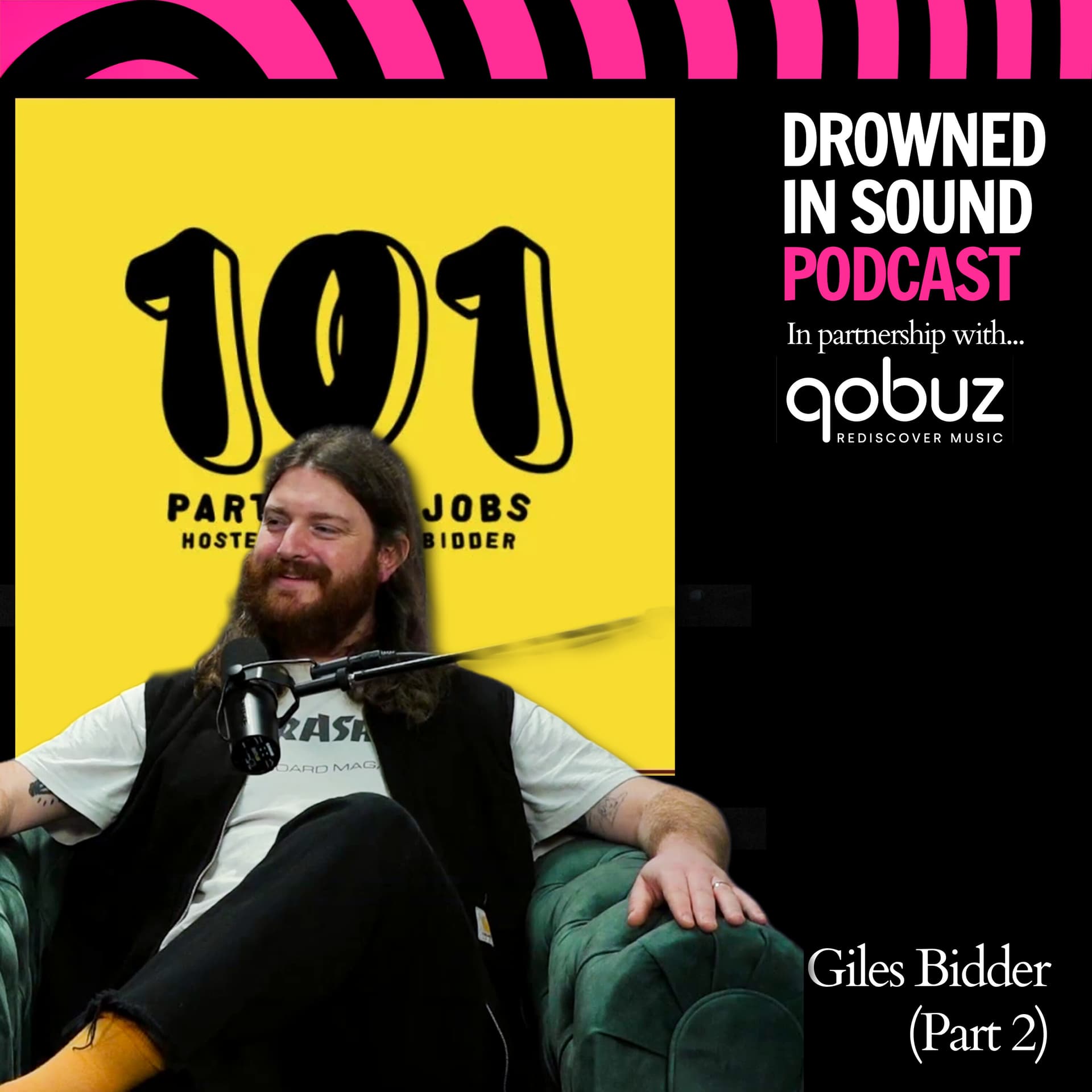
Podcast Notes: Drowned in Sound - Episode: From 500 Podcasts to Radio 1: DiS meets 101 Part Time Jobs (Part 2)
Episode Overview
- Host: Sean Adams
- Guest: Giles Bidder
- Main Topic: Insights into building a successful music podcast and the storytelling aspects that enhance listener connection.
- Focus: Examining the ethical considerations of editing, the importance of nurturing conversations, and the role of podcasts in today’s society.
Key Themes & Concepts
- The Craft of Podcasting
- Interviewing Techniques:
- Importance of allowing stories space to breathe.
- Balancing between cutting for brevity and letting conversations flow naturally.
- Editing Ethics:
- Ethical considerations in editing—ensuring that the essence of the conversation is maintained.
- The goal of creating a genuine listening experience.
- Personal Connections and Storytelling
- Listener Engagement:
- The emotional connection listeners develop through stories of ‘ordinary’ individuals and their experiences.
- Recognizing the significance of small human moments that resonate deeply with audiences.
- Resilience in Creative Work:
- Discussion on how mundane jobs can support deeper artistic pursuits.
- The importance of discussing vulnerabilities and shared experiences among creatives.
- The Role of Podcasts in Modern Society
- Connection Through Boredom:
- The power of podcasts for people in tedious jobs or lonely commutes; they provide companionship and a sense of community.
- Humanity in Broadcasting:
- The significance of warmth, humor, and emotional intelligence in radio and podcasts.
- The idea that the best broadcasting feels personal and relatable to listeners.
- The Impact of Work Culture
- Fear-Based Workplaces:
- Giles discusses negative experiences with bosses and the impact of such environments on creativity and mental health.
- The phenomenon of "quiet quitting" stemming from dissatisfaction in the workplace.
- Building Trust and Respect
- Importance of Trust:
- Why establishing trust with guests fosters deeper and more meaningful conversations.
- The idea that respect transcends hierarchical structures, recognizing the value of every individual’s contribution to the arts.
Notable Discussions
- Standout Episodes:
- Giles reflects on standout episodes from his podcast, emphasizing the beauty of “slow-burn” storytelling.
- Bad Bosses and Work Culture:
- Personal anecdotes about bad bosses and how the experiences shaped his approach to storytelling and interviewing.
Key Takeaways
- Resilience & Purpose:
- Building a creative project provides a sense of purpose, especially during challenging times.
- Nurturing Creativity:
- The necessity of nurturing creativity through community connections and shared experiences.
- Advice for Aspiring Podcasters:
- Know your message and audience, learn editing skills, and maintain consistency.
Additional Resources
- [101 Part Time Jobs](https://www.101parttimejobs.com/)
- Community Garden Radio by Shaun Keaveny
- [Drowned in Sound Community](https://community.drownedinsound.com/)
Episode Structure (Chapters)
- 00:00 - Intro
- 01:30 - Standout episodes and “slow-burn” editing
- 03:20 - When to cut vs when to let a story breathe
- 05:10 - What makes a “good” episode in hindsight
- 07:00 - Work gaffs, embarrassment, and shared vulnerability
- 12:00 - Bad bosses, anger, and fear-based workplaces
- 14:00 - Why people are quietly quitting
- 18:00 - Why podcasts work on boring journeys
- 21:00 - Community Garden Radio and the art of warmth
- 22:30 - What great broadcasting feels like
- 24:00 - Power, responsibility, and attention
- 25:30 - Why trust matters more than reach
- 27:00 - Outro
Conclusion This episode of *Drowned in Sound* provides valuable insights into the art of podcasting, the importance of storytelling, and the human connections that foster creativity. Giles Bidder emphasizes the blend of craft and care necessary for impactful broadcasting, making it a must-listen for aspiring podcasters and music enthusiasts alike.
Written by AI. May contain mistakes. Listen to the episode to check what was said.
Chapters
Tap a time to open that second in VOThe Essence of Music Journalism
0:45 to 1:00
Discussion on the personal connection to music journalism and its impact.
Respecting Artists of All Backgrounds
1:00 to 1:30
Emphasizing the importance of respect for artists regardless of their popularity.
The Balance of Creativity and Day Jobs
1:30 to 3:00
Exploring how day jobs can support creative pursuits and emotional depth.
“Jeremy Corbyn on, you know, it's - You had me on at some point.”
Understanding Resilience and Adversity
3:00 to 5:00
Insights into resilience learned from various guests' life experiences.
“And they can go off the deep end in the other thing they're doing.”
Diverse Economic Backgrounds and Music
5:00 to 7:30
Discussing the impact of different economic backgrounds on opportunities in music.
“You get someone who's quite, you know, somber and like, specific, like, we know that about the national record.”
Challenges of Financial Investment in Music
7:30 to 10:00
Highlighting the financial hurdles artists face when pursuing music careers.
“And in that experience, I met so many different kids from various different economic backgrounds.”
The Commitment to Podcasting
10:00 to 12:30
Exploring the dedication and work required to sustain a successful podcast.
The Workload and Consistency of Podcasting
14:01 to 14:40
Discusses the challenges and dedication required to maintain a podcast.
Building a Portfolio Through Podcasting
14:40 to 16:00
Explores how podcasting serves as a portfolio builder for producers and creators.
The Magic of Radio and Human Connection
16:00 to 17:40
Examines the unique aspects of radio that create a strong human connection.
“I can refer back to the work I've done with 101.”
Show all 25 chapters
Community Garden Radio: A Case Study
17:40 to 19:20
Details the creation and significance of Community Garden Radio and its impact on listeners.
“Just the way that he tells these stories and speaks to people is like magical.”
The Role of Empathy in Music and Radio
19:20 to 20:50
Discusses the levels of empathy that differentiate passionate music lovers and radio hosts.
“Um, and like I say, you know, I'd even been working in community radio at Soho radio and I enjoyed it.”
Finding Connection Through Music
21:31 to 23:40
Explores how music serves as a connector and a means to feel less alone.
“Whereas Sean or Terry Wogan or like all of these incredible people, you also felt like if you tripped over in the street, they'd be trying to catch you.”
Vulnerability and Authenticity in Storytelling
23:40 to 26:20
Highlights the importance of vulnerability and authenticity in personal narratives.
The Journey of Resilience and Purpose
26:20 to 28:05
Discusses personal journeys of resilience and finding purpose through creativity.
“I feel very fortunate that I've like put a couple of the experiences that I had that really affected me, really, really affected me into this project.”
The Power of Community in Creative Pursuits
28:05 to 29:16
Discover the significance of belonging to a creative community and how it fuels artistic endeavors.
The Impact of Personal Passion on Cultural Contribution
29:17 to 30:48
Learn how personal experiences and passions contribute to the broader culture.
“The word rad is massively underused in society.”
The Value of Creativity Beyond Traditional Careers
30:49 to 33:35
Explore how various forms of creative expression hold value in society.
“the fact that wearing a Thrasher t-shirt is a bit on the nose, thanks to Justin Bieber in 2015, but actually, Thrasher magazine, have you read it?”
Navigating the Podcasting Landscape
33:36 to 35:59
Get insights on starting a podcast, focusing on clarity of message and audience understanding.
Tips for Effective Podcast Editing and Interviewing
37:18 to 42:00
Uncover techniques for editing podcasts and engaging effectively with guests.
“I have to do like, what do they call it?”
Interview Insights: The Art of Conversation
42:00 to 43:28
Learn how to navigate and enhance interviews by recognizing key moments.
“And she was like, no, let me add this up.”
The Journey of Artistic Projects
43:28 to 45:04
Discover the importance of patience and evolution in creative endeavors.
Emergent Strategy: Allowing Growth
45:04 to 46:34
Understand the concept of emergent strategy and its application to creativity.
“You also spotted the idea and you ran with it because I spotted the idea when I was like, oh, that's really nice to hear Sharon talking about being a tour manager.”
Supporting Artists and Their Work
46:34 to 48:41
Explore the significance of supporting artists financially and ethically.
“It feels less like extracting and more like a conversation, which is obviously what a great podcast can be.”
Reflections on the Podcast Journey
48:41 to 50:46
Reflect on the insights gained from the guest and the importance of identity in creative work.
Transcript
Automatic transcript. May contain errors.0:01Giles Bidder:What does it take to start a podcast and see it through to over 500 episodes? Well, we'll get into that in part two of my conversation with Giles Bidder from 101 Part-Time Jobs. He shares so much wisdom and knowledge and clarity, which is the most important bit towards the end of this episode. If you're thinking of starting a podcast, if you've ever thought about one, or if your friends ever said they're going to start one, hopefully this is the nugget of advice that they need. This is the Drowning Sound podcast, brought to you in association with Cobuzz. If you head to drowningsound.org forward slash playlists, you will find our special playlist of tracks from acts which have appeared on the 101 Part-Time Jobs podcast.
0:42Giles Bidder:Let's get into part two of my conversation with Giles Bidder.
1:00Giles Bidder:so the reason people tune into your pod i would suggest and it's the reason why i love music journalism from the age of 12 is because you get to sit with someone that does something special yeah and you must have sat on the other side of the microphone a few times being like i don't think they realize what they've done to me as a human being like have there been some of those moments of maybe someone that everyone in the pub or everyone nearby wouldn't have even glanced at them twice but you were like you've made something that changed my life yeah but i
1:32Sean Adams:felt that since i was a teenager like the bands my favorite bands when i was a teenager were the local bands yeah i would take going over to the local i take going to see a local band over going to the o2 to see foo fighters any day and i recognized that at the time as well it's like is a strange sensation and so i definitely carry that into the show where i'm speaking to people who have massively massively affected could be a hundred people's lives they've done it in a way that's so so pure and so powerful more than pop stars have yeah um and yeah you should always be respectful like even if it's someone who has five fans like you've got to be respectful that's the number one rule be respectful good life rule it's a good rule for bosses and workers and yeah um and When I say the show is about musicians, you know, it is rooted in music.
2:20Sean Adams:Now we have comedians. We had Nish Kumar on the other day. We had Mae Martin on earlier this year. Yeah, Jeremy Corbyn on the other day. Jeremy Corbyn on, you know, it's - You had me on at some point. I think I was one of the only non-musicians at the time. And because people are music fans as well. And like you say, you said it's a - you can't say it better than me, but you know, special people, people who've done special things. You've done special things. The producer of the show has done special things. Lots of people have done special things. it's important to recognize that i'm i'm not i'm not i'm not really a big fan of um like putting things in hierarchical order not a really big list person yeah you know i think things can be special for different people for different reasons and like you know i think the reason why that's probably so hard to communicate is that um people don't know what to do with that
3:08Giles Bidder:people can't monetize that yeah do you ever get the thing of over researching a guest and when you turn up to meet them you're like that's all this stuff i want to talk about because i feel like even with the start of this podcast it's the most ramshackle start probably to like some of the episodes i've done that's human but i've listened to loads of episodes of the pod and i didn't want to like start dredging oh you remember when you spoke to this person about this thing because one you've done so many episodes you might not be able to remember and two i could just be picking something you're like you know i nearly edited that out it's like yeah and it's but i think that there's something about the process of all of the people you've met and all the experiences that they've shared that must accumulate like some deeper understanding about musicians and people i realized i started this question one place and i've gone somewhere completely different with it But do you think, so one of the season, the theme for this season of the podcast is about resilience and rest.
4:09Giles Bidder:And I think obviously you talk to people a lot about work, but I'm curious whether you've learned things about how people, I mean, sometimes going to do a mindless job allows someone to do something that's really emotionally deep. Yeah. And they can go off the deep end in the other thing they're doing.
4:27Sean Adams:Yeah, they can take, going to that job, like can take their mind off that intense project they're doing. for sure. Is there anything you feel like you've learned from the... Yeah, I think I've learned that everyone's creative. Obviously, the people I'm speaking to are all making something. I've learned that they're humans like you and I, that they sometimes get put on their finger when they work their ass. You know, it's like, we're all human, and we've had different opportunities, and we do with those opportunities what we will. And that's kind of it. I mean, Matt Berninger is actually quite a good example because i saw him the other night and there was like an after show party after the streets of london charity show they did at the royal alberho that was paul weller as well and uh the thing that i recognized with matt berninger that i didn't expect is that he's quite goofy he's quite like oafy and like funny and suits me i love that stuff you know i could imagine him walking into my flat and knocking something over and be like oh sorry dude you You know, you don't get that from a national record.
5:27You get someone who's quite, you know, somber and like,
5:32Sean Adams:specific, like, we know that about the national record.
5:34Giles Bidder:It's like the flip of the tears of a clown, isn't it? It's like, people always talk about how comedians offstage are often quite miserable and depressed. And like, it's the opposite, like quite depressed artists. Like I worked at Harcourt for years and he makes some of the most heartbreaking music. And he's just like, how do i put this in the polite terms he's a lot of fun yeah like he's not his music and i think sometimes the people are able to create those things it's probably only because they've got
6:05Sean Adams:that other balance to them as well yeah look we're made in multitudes yeah like
6:14Sean Adams:people real life doesn't really recognize that a lot of the time but we are we can be happy and sad and we can be funny we can also be offensive and sad and we can be inspiring and uninspiring probably in equal measures but i think that's probably what is maybe one of the biggest messages of the show and when people listen to a an episode with someone they're a huge fan of and they put them on this pedestal like i hope people get out of it i'm like this this person is a regular person yeah and they've done things they're proud of and probably done some things they're not proud of you know and actually the kind of meaning of life is probably to keep on going and go through resilience and adversity when I was when I was 10 I got sent to boarding school because I was a naughty boy and my parents couldn't handle me and like my family wasn't a boarding school family like that wasn't the done thing in my family but my parents spent ultimately and I got a scholarship as well so it was a bit you know I was good at cricket so So that kind of like that was the sort of played into the nice narrative, I guess.
7:18Sean Adams:Sounds like I'm quite bitter about it. I definitely am still bitter about it because my parents were like, OK, we don't want you. They'd pay quite a lot of money still to have me not part of the family. And in that experience, I met so many different kids from various different economic backgrounds. There was people from Australia whose parents just like shipped away. There were other kids on like proper full scholarships.
7:46Sean Adams:and that made me think a lot about like community and people and what makes people tick and there's um i felt a lot of sadness when i was a kid i mean we could go a bit deep in therapy
7:58Giles Bidder:session here and i don't want to push you to it because that wasn't what we came in to talk about i can see that it's the sort of thing that it gives you a very different route in life like and it's also like there must have been reasons you were acting out
8:14Sean Adams:well i did you know i was just like a kid i was just like a hyperactive kid you know my parents couldn't handle it like that's fine i in a way i understand um but i think but you were probably struggling to handle being you as well yeah probably yes but i think i probably say that now because it's a different route to life like yeah i i was i've been hanging out with people from wildly different economic backgrounds since I was pretty young. And I think that's what kind of gave me that viewpoint that life isn't linear. And I think it's probably going to come at a good time to have this conversation because life is becoming increasingly unlinear for everyone in Western society, at least, you know, in terms of like identity and work and relationships and housing.
9:02Sean Adams:things aren't as straightforward as they were and in my life personally things were never
9:07Giles Bidder:straightforward do you think there's a lot of discussion about how music's getting posher like are there people that can't be on the podcast because they've never done a part-time and but also are you noticing the difference between when you speak to some of the more working class people that have never had that stability and that support like i don't know i know my question is but from what you just said you've obviously navigated different types of people and i'm assuming when you sit down with someone you get a bit of a like okay i quickly can figure out that like i think you're a work workhorse that's i think the thing is i'm probably
9:46Sean Adams:a good example of someone who like my parents had enough money to send me to boarding school for a couple of years so however much money that is that's still money that like we didn't i mean and they didn't spend to go on holiday you know you have people from lower economically better lower economic backgrounds than like my family were but they'd still spend more money on holiday and i think that gave me the view that everyone is different you know i've been to people's houses who have like a two up two down but they'll spend all their money on a nice car yeah and i've been to people's houses where it's like a big house but they drive down in a rust bucket yeah and they don't go on holiday yeah and i think coming from that place when i meet people and they say they're from such and such background no one knows exactly how everyone else has grown up you see what i'm saying like i don't know how you've grown up even though i've told you a little bit about my life now you don't know exactly you know you don't know like um that my mum would go shopping and be like oh we can't afford that yeah despite me going to boarding school and that that happened right so you never know exactly but i think it's probably more of like a demographic probably geographical place yeah it's also like being in the northeast is very different to being
11:12Giles Bidder:in like the suburbs of london it's like parts of wales with some highest poverty in the country and like and some people think oh well so they must all live in big houses yeah it's like no there's like like i grew up in on the south coast of dorset like which everyone goes oh there's really rich expensive places there my mom was a hairdresser my dad was a painter decorator right we weren't loaded but they managed to get like they were at a time where they could afford to buy a house with like three times their annual salary yeah yeah like that is not like it's now 25 to 30 times someone's salaries by a house like and also you were in buckinghamshire which is way more expensive than living in a bit of dorset which has got army barracks and navy barracks and like some of the kids i went to school with like were pretty well off like because my mom's hairdresser was next to the school i got into the religious school and i was the only kid that wasn't baptized in the whole school yeah right and it's like so i've so i've been the like outsidery like this like being to like one of my friend's dads had a christmas number one in switzerland and which at the time was worth a lot of money and he had a big big big house with like we could be in one end of the house pretty much playing music at full blast and shouting and no one could hear us it's like i would constantly be told to turn idle while down
12:36Sean Adams:Yeah, and I think it's important to respect each other. You know, I think it's been a huge strength that I, that like, just speaking personally, is that I've met so many people different. My best friends are all from different economic backgrounds. And it's important to like respect that. I think as far as like music and opportunity, of course, it's going to make your life easier if your parents buy you a drum kit that's a thousand pounds or a nice guitar. or if you've got the money to hire the van got the money to hire the van that probably yeah i think that's probably more of a better example because it's like when you've got to the point where you're playing to 200 people and you could go on tour but you can't go on tour because you don't have the money for the van or you don't have someone with a credit card because in music you spend the money yeah and then make it back so you need to have this reservoir of cash um
13:28Giles Bidder:yeah like i've the amount of money like when the anchor s goes on tour that goes out before anything's done it's like all the hotels for like six people it's three hotel rooms every night for 10 nights that quickly adds up booking a van which you have to put that's like pay a deposit way up front and pay for it on pickup i think that's the biggest challenge for artists yeah
13:50Sean Adams:is that in a sit in a single point is paying for stuff before you get it back everything practice recording instruments it's all an investment yeah but how can you invest in something if you don't
14:01Giles Bidder:have the the cash yeah right and you've got to invest in yourself which i guess like to flip to talking a bit more about the pod because this is going to come out in january there's bound to be people thinking well if this guy can start a podcast so can i yeah but you can there's a lot that goes into making a podcast and i guess my first question for you is the workload involved the consistency involved like you talked about at the start about how many different jobs you've had but you've done over 500 episodes of this lots of podcasts stop before the 10th episode i think is the something like 80 of podcasts don't get to a 10th episode like loads don't get beyond the first one um and what you think it is that's allowed you to keep at it because i'm sure there was a a lot of times where it wasn't bringing anything in and i don't think it's paying your mortgage or anything right now but like what what do you think the secret's been to like keeping going
15:04Sean Adams:for a start i wanted to be a radio producer that was the thing i'm like well i think this is the job i'm gonna like the most and can actually live off so doing 101 was always going to build my my portfolio as a producer because I'm the executive producer have an amazing producer Olivia creating a show that I thought was good would help me get another job that's why I kept on going
15:36Giles Bidder:it's a bit like I started running sound to try and get the job as a music journalist
15:39Sean Adams:yeah yeah take it into your own and I knew I knew there was sort of like a double triple bubble in that like I could do the show which I thought was cool and that I enjoyed doing, it builds up more of my portfolio and those two things kind of feed into each other. And then anything else I do, like teaching, I can refer back to the work I've done with 101. So I was basically building myself a portfolio. That's why I kept on going when there was no money in it.
16:10Giles Bidder:And it has worked because you are producing radio shows. Sean Keaveney's Community Garden Radio.
16:15Sean Adams:The mad thing about that is I love radio because of Sean Keaveney. I don't think I've told him that. Maybe I need to tell him that.
16:22Giles Bidder:We'll make sure we send him this episode.
16:23Sean Adams:I didn't get why people listen to radio before I listened to Sean Keaveney.
16:29Giles Bidder:Because he does this magic thing of it feels like the show could fall off air at any time. Like when I was at Six Music, it was one of the only shows I sat in on. And first and foremost, Sean is a lovely human being. and I think especially that breakfast show the connection people had to it so for people that don't know they're listening I ran six music social media for four years and promoting the radio station and the shows was it's sometimes a challenge it's an audio network that you're trying to turn into videos and graphics and like I'd hosted radio shows a little bit myself and I'd been in and done round table on six music a few times but sitting across watching Sean like so much of what i thought was like him pressing special effects buttons or he's doing it all live yeah he is this like the cart wall at the cart he's got two cart walls yeah it's like someone with a giant sampler basically yeah but it's also the like it's a bit like marquis smith or something the rustling and like there's like this whole like sonic landscape that he makes and like even the like way he shouts off mike and like he does funny voices where you're like
17:44Sean Adams:did he use like an effects button yeah no that's him the show that we do together community garden radio was the show that he started when he when when he stops being on six music and people subscribe on patreon i'd highly recommend people subscribe to community garden radio on patreon because it's such a just incredible radio show once a week two hours um and there's some uh community shows uh sort of contributors shows in there as well they're great and sean will do this thing where people will write in and say they've had some awful news you know they they're ill something has happened in their life that's awful and he managed to manages to speak to them in a way that is fills up your heart whilst also making a a funny point afterwards or before and that's human you know we're talking about 101 and human stories like it's the humanity that's what cuts through i think the show can be about anything but if there's if the humanity cuts through and that is sean is like sean is is like gold level of being a human you know i often think that he feels more comfortable on air than off air like he gets that flow state thing um yeah i've producing him a couple of years.
19:02Sean Adams:You know, we don't know each other that well, um, off air, but I feel like on air I'm in the room next to him, producing him and feeding him like the stories that people send them in, I'll print them out and put them in front of him. So we kind of collaborate in that way. Just the way that he tells these stories and speaks to people is like magical. Um, and like I say, you know, I'd even been working in community radio at Soho radio and I enjoyed it. You know, they're DJs, cool, like the heavenly show I loved. Did you produce my show at Soho 1? No, but it was around that time I started.
19:35Giles Bidder:Because I was on there for five years, like once a month.
19:37Sean Adams:Yeah, I was producing Unpaid on a Sunday morning for a couple of years. And I can only do that because I was on Universal Credit. I produced The Hangover Cure with this guy, La, who's brilliant. And he used to make me go get four cans of Cronenberg at 10 in the morning on a Sunday. And that was great because it was kind of, I suppose, unorthodox. But what is orthodox now when it comes to broadcasting or radio? I mean, that's the kind of point of radio, actually, that there's no orthodox way of doing it. Like, it should come from your personality. And that's what I hugely learned from Soho Radio and from Sean.
20:10Sean Adams:It's like, how can you put yourself into a scenario? You know, even in this, I've given you quite a lot about my personal life. And that's not for no reason. It's because I think it builds a foundation of humanity. You know, we've all had different experiences in life. it's important to talk about because because because there's connection there there are
20:33Giles Bidder:connection and it's it's also like the reason we love music is because people are managing to channel that humanity into something and like it is a musical thing isn't it
20:50Giles Bidder:hi there it's emma here i'm gay crashing the podcast to quickly tell you about the drowned in sound newsletter every Wednesday I invite myself into your inbox with permission of course to share opinion writing and resources tell you about cool things that you should be involved in within the world of music activism etc I also bring track of the week and a little bit of hopeful news for you because we all know that the news cycle can be grim at the best of times drowned in sound newsletter every Wednesday in your inbox sign up now
Read the full transcript
21:31Giles Bidder:the big thing that i've learned from working with artists and being around people that are obsessed with music is the levels of empathy are different like if you actually think about it some of the people that never talk about music and are kind of like constantly demonizing things like i can't imagine nigel farage going home and putting on a record and feeling like his life feels enriched by listening to it. Whereas Sean or Terry Wogan or like all of these incredible people, you also felt like if you tripped over in the street, they'd be trying to catch you. For sure. Because their levels of I can feel what's going to happen.
22:13Giles Bidder:The warmth. It's that sense of shared humanity, which like what makes radio so special sometimes, it's that they're just talking to me. and also the everyone is welcome and the the kind of things where i've struggled when i've tried to listen to quite specialist radio is i felt kind of like i don't know if this feels like unfamiliar and uncomfortable and like just want someone to either gently hold my hand and pull me onto the
22:42Sean Adams:dance floor even though i felt a bit reluctant to go yeah or to go okay if you don't if you've never heard this kind of music before this is what's going on here yeah i think it is the point of like communication is to like it's to for people to feel less alone yeah um i don't know my mind goes to like cricket journalism which i think is hilarious because like they managed to say something in three paragraphs that really could have taken a sentence to say but that's like kind of the point of it you know it's like that's like test cricket i love test cricket when it's on it's not on enough but i want to sit down and like work through it and like be like i feel part of it's like a good book you know there's i think that's what um life moves so quickly now that if you can find things that put you in that flow state where as stuart lee says time is passing when you can find those things good hold on to them yeah the stuff that you're doing it and it's dark and it was two o 'clock in the afternoon when you
23:44Giles Bidder:started it yeah and you're like probably needed a toilet about an hour ago and i've been so deep
23:50Sean Adams:in concentration um but and there's so much i you know just to end on that point i think it's so important because so much of life doesn't um tell you that you need that yeah you know what i mean like most things in life don't tell you to take some time for yourself or to find the things that make you feel seen or loved or um you know um maybe i'm being a being a bit vulnerable here but like one of my um one of my languages of love is like the human touch that's not to mean i'm desperate or needy but i know it makes me feel seen when like someone gives me a big pat on the shoulder like i like that and i think we all have those needs and like talk about this is super vulnerable you know i remember being at school and like you know i've always been like quite vulnerable and like quite open but um you know i think life kicks that out of you because you're just trying to fit in you don't want to you're trying to not let people call you a weirdo give them a reason to call you that yeah you're trying to just like just go under the radar not get picked
24:58Giles Bidder:out like that's a pretty boring way to live it's it's also like the autistic masking that goes on when you can't show up as your full self and then the people where you don't feel dysregulated being your normal weird self like that's why neurodivergent people flock together like and these are things i've been learning over the last few years as i've been going like understanding why my brain works yeah the operating system that my brain has it's not the same as everyone else's yeah and you're trying to make sense of it yeah and i think you sort of answered my question in a very roundabout way there where actually the way you've gained resilience and consistency and this is my takeaway is you've been able to enter that flow state you've been able to set and i guess maybe finding a sense of purpose yeah that's not there in a part-time job of
25:51Sean Adams:making coffees or i think that's part of it you know like it goes definitely goes back to finding that purpose as a 14 year old playing in a youth center being like wow this is cool and then realizing nothing really touches that feeling and i had to sort of recreate that feeling which is now 101 the sense of belonging that i haven't had since i was a kid you know since i was 10 years old i mean i've got a i've got a niece who's nine years old if i saw if i knew that she was going to be like sent away to like live basically in like have you seen steve it's on Netflix the school that I went to that I that I boarded at it was like Steve but with that but without people with um such like mental health um I think you say magic powers I've not seen it so no but it but it was like um you know I felt like outcast you know I felt like uh I needed I needed connection you know I needed connection and actually I've kind of turned that into don't sound like a wanker but like that's sort of like everyone has a superpower everyone has something that they can like, that it's down in their well, in their gut.
26:55Sean Adams:Like I've managed to, I've been lucky. I feel very fortunate that I've like put a couple of the experiences that I had that really affected me, really, really affected me into this project. And that's kind of given me the resilience to it. I mean, also, like I was on universal credit and I needed to give myself a job.
27:15Giles Bidder:Well, that's the thing. It's like you can make your own jobs, but I'd imagine not to one thing I noticed was when artists that I was a fan of recognised the stuff that I did was important and like to have like
27:33Sean Adams:Do you think you needed that validation? No That's not a leading question like it's fine if you do need validation
27:39Giles Bidder:No I don't think it was that I think it was oh like I remember the Stereophonics mentioned my fanzine and it was like uh-huh like it was just it was so surreal that not only had they like vaguely remembered me they'd also remembered the name of my fans yeah and like and it was like that felt different to i mean i was constantly like told i wasn't very good at loads of different things and like there was definitely and but it's that feeling belonging to like a bigger community and like when when we interviewed bjork once she was like oh yeah i read john and sound all the time i was like that's that just like broke my brain i was like you've made some of my favorite things i've ever listened to and we're one of your your bookmarks like that just feels straight like and i don't know how to make sense of it but i think when you want to get inside of the speaker like if that makes sense like that sense of there's a whole world in here that i want to be a part of and it was something you said earlier that's made me kind of like okay actually that's probably one of the things that kept me going through the points where it really didn't make sense to keep going
28:54Sean Adams:you're part of that world it's a huge thing for 101 that we contribute to the society the culture that we love whether that's good music whether that's comedy, whether that's connection in a live environment as long as everything we do in some way contributes to the culture that we're like that we're from and that we love olivia and i yeah because olivia grew up in the northeast was going to shows um who ironically couldn't be here today because she's got other part-time jobs she's doing so much yeah uh like that kind of feeling that kind of sometimes intangible feeling that's quite difficult to put into words actually i mean um for me it's like the feeling of like standing outside the Astoria or something waiting to get into the gig or um like getting to getting down into like a club night at the la2 or something that's the uh something about that feeling i'm trying to recreate and that to me is contributing to the culture like bringing other people's voices stories and experiences like and like for you that's feeling of like you're in that world but i think you've got to question it as well you've got to question like i do try and wake up every day and whatever happened before i'm not really thinking about i'm like what could i do today obviously tomorrow is going to happen next week's gonna happen next year is going to happen but i what if what am i going to do today what's my job today and i really that's almost been like an accident as a result of that's been an accidental kind of um thing that's happened with this project is that it somehow allows me to do that and i'm very grateful because that's such a rad feeling to be like, I'm not going to do the same things I did yesterday.
30:36Sean Adams:The word rad is massively underused in society. Yeah, I mean, you know, there will be people who will be like, why is he saying rad? But I'll also say stoked, and maybe I'll say gassed.
30:45Giles Bidder:You are wearing a Thrasher t-shirt, it does make sense.
30:47Sean Adams:Yeah, and I know, do you know, I quite like the fact that wearing a Thrasher t-shirt is a bit on the nose, thanks to Justin Bieber in 2015, but actually, Thrasher magazine, have you read it? I think I did when I was a kid. I was more into BMX than skateboarding. It is an amazing magazine. My issue came through this morning. I subscribed to it. It's about$80 a year. This is the t-shirt that came with the magazine. It's the single most inspiring thing behind 101 part-time jobs. The writing is so funny and kind of serious in equal measure in a weird way. Don't know quite how. But this is the human thing again.
31:22Sean Adams:It's like you can't really define humanity.
31:25Giles Bidder:What makes a magazine brilliant, what makes radio brilliant, it is the things that people are building and the fact that the team of people like when i was 15 i must have written to ride magazine and dirt magazine because they were based in dorchester which was like 20 minutes away for work experience and i must have written some like every month um and because you cared yeah and it was just like this is my dream job yeah because i was like i wanted to be like a um like a photojournalist like a surf photojournalist and my career advisor was like that's not a job And I'm like, no, look, there's all these people whose job it is in the byline.
32:02Giles Bidder:Like, I was like, when I'm older, I want to work for National Geographic. I knew what I wanted to do. I knew that the visual storytelling and the art of journalism, because I guess I didn't feel like, oh, I'm going to be a news journalist or something. It was like, and then when I found my obsession with music, it was like, okay, I can express my visual world in my head through writing. And anyways, this is about you.
32:27Sean Adams:No, but I like it because you care. Yeah. And I think that is the most radical action you can do in a world where you've grown up to be like, oh, you know, oh yeah, that's cool. A bit flippant, a bit cold, a bit icy. You know, all the cool kids at school, you know, a bit like, oh, whatever.
32:43Giles Bidder:Or now it's like you're being cringe. Yeah. Because you care too much.
32:46Sean Adams:You're cringed, but you're free, as Yassi Salek says. But I think just caring is the coolest thing that you can do. And like caring about where you put your money. caring about what you put your interest into caring about friendships and family caring about yourself but all of that stuff is more important than what you're told in life it's caring where
33:08Giles Bidder:you put your time work money because i i think time is such a precious thing and i'm very aware that someone might have sat and listened to this for an hour now like that's that is like heartening to think two of us waffling on like i think this has been a really interesting chat and i think there's loads of things people can take away from because their thing might not be making a podcast their thing might be making bread yeah good on it it it might be making seven hour long youtube mixes yeah it might be this is a good point actually it might be spray painting some a
33:44Sean Adams:beautiful mural it's like there's this weird like phenomenon that when you are in a social place and you're like oh this is what i'm doing yeah this is what i like of course it's normal for someone else to be speaking to you be like oh this is what i like but there is a level of weird competition there that's creeped into kind of like um regular kind of perceived wisdom um oh this is how you communicate like let other people do their thing you do your thing and you should only really hang around with people that don't make you feel bad for doing what you're trying to do yeah and
34:23Giles Bidder:being obsessed with it because i think it comes back to that idea of value as well that we talked about right at the start the sense of like people don't pay for podcasts i mean they can pay to be a patreon yeah like on yours and they can pay to subscribe to our newsletter i've i've done doesn't
34:38Sean Adams:really exist but yeah but him i don't really put any effort into our patreon because i can't give i wanted it all to be available to everyone yeah exactly so i can't those people are paying it forward yeah so people are contributing because they like it and i don't really advertise it too much because i don't really want to come cap in hand yeah where because it's really the artist
34:57Giles Bidder:that should be getting like i'm i'm a member of a few different like i really like a uh youtuber podcaster called habituation room francesca forentini and like i'm part of her patreon and the main thing that's in it is people sharing news stories that she might find interesting people suggesting guests and people just feeling like they're part of it yeah and the best thing is you get a notification when a new episode drops because you don't rely on the algorithm and like to me that is the best thing that patreon does yeah there was a really good interview that taylor lorenz did with like the guy from is it pamplemousse whatever it's called the guy that started patreon if they were in a band and it was like this we're like we're creating this whole new fan club model and people took the piss out of them and they made it work um but he talked a lot about the simple act because you can subscribe to freeze for patreon and get notifications and in a time where i don't want another email like i don't know why i'm running a newsletter for that reason like i have a toxic relationship with email because constantly people want to pitch me stuff right and opening up my inbox is like a to-do list i'm never going to get through i like your
36:02Sean Adams:newsletter. I like Pop Bitch. Those are my two main newsletters.
36:14Giles Bidder:This episode of the Drowning Sound podcast is presented in partnership with Cobus, the platform that pays artists four times more than the industry standard, that has high quality audio, that has human curation, which as a human curator is something that I truly value over the kind of algo slop that you get on some platforms. You can really hear the difference. I know lots of places talk about the audio qualities and as soon as I moved across it sort of felt like I was rediscovering music which is one of the platform's slogans. If you're worried about your playlists you can use Soundiz. It's a really good tool that's part of the sign-up process when you join Cobuzz.
36:54Giles Bidder:It just transfers everything across. If you'd like a free trial of this platform that's independently owned and made for music enthusiasts, head to drownedinsound.org forward slash playlists, where you can hear not only our playlists, but get a free trial. You can also find these details in the show notes to this episode. And now back to this episode of the Drowned in Sound podcast, brought to you in partnership with Cobuzz.
37:28Giles Bidder:so let's end on a last question then i'm sure you get asked this all the time especially from 16 versions of 16 year old versions of ourselves yeah how do you start a podcast and what are your big tips know what you're trying to say and who you're trying to speak to
37:49Sean Adams:whatever that means learn how to edit video or audio and be consistent
38:00Giles Bidder:because I think learning how to edit makes you think differently when you're talking you did a couple of things earlier where you paused, realised you'd not phrased it right and knew that I could cut out the bit where you said something else and if I leave that in that or if I take that out it's going to change how the listener experiences this section of the
38:21Sean Adams:podcast yeah yeah you do change that experience I mean I think for um depends how you want to do it and how like tight you want it to be but classic example is like do you edit out the ums and the r's well it probably depends on how many ums and r's there are I do way too many of them but they're natural it's nice it's like when you hear someone on the radio stumble that is more human than them
38:40Giles Bidder:being a robot also my adhd means that sometimes when i'm trying not to interrupt when i eventually do interrupt it's normally with an um and i've like and i've only learned this about myself
38:52Sean Adams:from listening back to the podcast yeah you do you do learn a lot about the way you talk i remember editing the first couple of episodes took me like a day each for a 45 minute episode like a full
39:03Giles Bidder:day was that also because it took you half a day to really want to sit and listen to your own voice
39:08Sean Adams:It's part of it. I still get that now. I have to do like, what do they call it? Eat the frog? Lick the frog? Eat the frog. Whereas I just don't think about it. Just open up the project and go and like catch yourself off guard. I still need to do that. Yeah, because I would still rather be watching TV and drinking tea.
39:24Giles Bidder:I think the procrastination, especially when sometimes you've interviewed someone and you're thinking it's a really good interview and you're a bit like, I don't want to sit and listen back to it in case it wasn't as good as I thought it was.
39:37Sean Adams:I don't get that because it's like it is what it is. Yeah. And usually it's the opposite of me. Usually I'm like, oh, is that a bit crap? And I listen back and I was like, well, I can make it sound good. Yeah. I mean, what I like about that is you have no control, which probably comes back to the whole like job identity life thing is that like we are taught that we have like control in our lives. Like maybe it's like a subconscious idea. you know i'm talking about like ucas i'm talking about gcse's i'm talking about later on like if you're i didn't do a masters but i do teach people in masters but i didn't do one myself i didn't even go to uni so right but like i feel like people go to uni and i am brushing broad strokes here but people do those kinds of things because it's like something you can explain people accept you for being a student um and you have a control like there's the sense of control over it i'm a student i have control over my life no one people don't traditionally move to london
40:38Giles Bidder:with a 500 pounds overdraft and a job that's going to pay them about 50 pounds a week yeah living on a futon in a tiny bedsit in south london absolutely terrifying and so i would um
40:50Sean Adams:what i like about 101 is that i don't really even though i'm should be in control of everything there's definitely like a good 30 of the whole projects that like and i'm talking about the interview, obviously, I can't control that. I can't control the way, the exact way that I word a question. I can't really control the way I react.
41:10Giles Bidder:I mean, I wrote some questions down. I didn't word.
41:12Sean Adams:I mean, I think that's what the best interviews are. The best interviews, it wouldn't make sense if I gave you an answer about something and you moved on to the next question and weren't reactive to what I said. You have to be somewhat reactive. I think that makes a usual conversation. I also think if you have the same conversation, you can interview someone twice and you will never have the same conversation twice you know if you speak to your pal or like your family or whatever you speak to them once every two days on the phone like you'll never have the same conversation twice and you don't think about what you're talking about most
41:42Giles Bidder:of the time i think i can't remember who it was that i heard say it but being a great interviewer is being a great listener and you have to pay attention and know like there's a couple of things you said earlier and i could have pulled the thread on it i was a bit like do you really want to talk about that is that like is that relevant is that interesting to the audience and again like as the like the act of being an editor you're like oh i'm really curious to ask more about that but is that going to go too far off topic i think there's so many different things like that where your brain is like you're trying to like okay i'm holding the listener here i'm holding what you're saying here and somewhere in the middle i'm processing it and working out where the venn diagram is where it's decided to and often i think i found as an interviewer over the years like listening to when someone gets excited about something like i interviewed sin vincent once and we were backstage at the barbican and i don't know why i remember it so vividly it was wasn't filmed or anything so it's like and we sat down it was meant to be a 20 minute chat and we When I asked her a question about, she said something and I was like, oh, does that mean you've done your Malcolm Gladwell 10 ,000 hours?
42:57And she was like, no, let me add this up.
42:59Giles Bidder:And she's got a piece of paper out and she tried to count it. And I heard the story of her career through those 10 ,000 hours. And it was so interesting. I was like, can we just do this? Like, can this be the interview? It was so, so, so, so good. And it's like, I interviewed Sharon Van Etten once she started talking about being a tour manager. and like probably there and then i could have come up with your podcast concept because i was like i want to hear artists talking about the stuff that got them to the bit where they were and like she'd been the press officer at um badabing beirut's label okay and she was like oh yeah you used to get emails from me i was sharing it badabing that's like funny i was like you've just made tramp that's just like blown my heart to pieces and put it back together again and the so that's a good lesson as well that people do different stuff and like
43:51Sean Adams:life does go on like this moment of conversation isn't the finite end of either of our lives now i've got you on whatsapp hopefully well thanks so much giles uh is there anything else that you want to leave out on the field no um i did want to say i think projects like projects are fun and cool and it takes a lot of time to work out what you're trying to do and i think we probably don't give ourselves generally speaking a lot of people don't give ourselves time to let the vision actualize itself and we live in the time of turnstile they've been a band for 15 years and they've just released their fourth album and we live in a time of fontaine's dc that have been a band you know they've been a band for quite a few years i mean every band we listen to now i think alex g is probably a better example than fontaine's in that like alex g has been like chipping away at that iceberg like writing these tunes i love that quote that he said to a in a magazine interview where he says that writing a song finishing a song is like oh another one on the scrap heap like i love that idea and the idea of 101 i had the idea probably 10 years before i started it and give yourself time.
45:10Sean Adams:You know, I think that's...
45:13Giles Bidder:You also spotted the idea and you ran with it because I spotted the idea when I was like, oh, that's really nice to hear Sharon talking about being a tour manager. Sorry, Sharon, I'm talking like she's my friend. But it's spotting those things and feeling your way through it and being consistent with it. Yeah, and allow yourself to do that. I think the biggest challenge I've had with this podcast is i've not really been clear on what it is and i've been just like allowing it to just emerge yeah like do allow it there's there's this great um book called emergent strategy and it talks about fractals and like the way like i can't really explain it because it's quite a complex book but essentially it's just allowing stuff to emerge yeah like it set a very simple premise don't set the goal and then things can grow i think the world changes around you as you
46:09Sean Adams:do things as well yeah i love the facts there's 10 of me that doesn't quite know what i'm doing yeah and that's the experimental thing i think you need that i think you need that that makes it fun makes it curious um but the world changes around you and it allows you to kind of like
46:27Giles Bidder:slightly pivot to the to what's around you and that is the last word pivot well live and i want
46:35Sean Adams:like ultimately you know everyone should be able to live a life and have a roof over their head people should have time for themselves through projects people should feel like they can communicate with each other and be part of something bigger and speak to their neighbor like that's what i think about all the time and i think that does make a happy life no it does it that makes a good a good value of a good quality of life thank you giles of course thank you appreciate you
47:08Giles Bidder:that episode had lots of things in it that i didn't envisage we were going to talk about and didn't expect we would talk about but i'm really glad that we did i feel like episodes when the guest sparks me to share things often feel quite different. It feels less like extracting and more like a conversation, which is obviously what a great podcast can be. I really love that this was almost like a meeting of the Sean Keaveney Fan Club as well. Sean is such a wonderful broadcaster and if you're not familiar with his output, I would really recommend having a little delve in and seeing when he's live on Community Garden Radio, which Giles produces.
47:51Giles Bidder:I think humanity was a topic we discussed a lot more in that episode than I was expecting, but I should have predicted given what Giles' podcast is about and the types of conversations he has with people. I think that the dignity with which he is allowing artists to have space to talk about who they are outside of the music and hopefully helping audiences understand the value with music. That means that when you do buy a t-shirt or a hoodie or a vinyl or a CD, especially directly from the artist or from their band camp, what a difference that makes. When you make the ethical step away from streaming platforms, even the ones that pay well and give your money directly to the artist through their Patreons and places like that, you are making quite a big difference to often people not losing money when they're on tour but sometimes giving them the strength to step away to dedicate more time to their music and to their art to make more things that we're all going to love and also to sustain as a band like even just before recording this outro I was just reading about a band I saw that I really really loved at festivals last year and I was planning to put in my tips for this year a band called The Pill they're really young great punk band really funny songs as well as being kind of very on the nose and they've called it a day like one of the bands decided they didn't want to carry on they were just about to go out and do a kind of 10-day tour of the UK and this keeps happening like and it's not to do with anything beyond the fact that if this was your job you wouldn't be able to not do it but if it's a choice then there are ways to step away I don't want to make suggestions just about that band but it's symptomatic of seeing artists kind of appear be really great and then them not even get as far as the debut albums um happens a lot over the last 25 years of drowning sound i've definitely seen that happen way way way more than you'd expect you also see people like leaving bands just before they kind of go out and start making it it's like often it's the leap of faith or been there done that before and it didn't work out so they kind of don't kind of stick around um i mean even with some of the biggest bands in the world you've always got those like other band members that were like founding members of the band i really like that giles was so open with who he is and why he's doing what he's doing i thought some of his advice there to like the 16 year old versions of ourselves um was really helpful if you're thinking about starring a podcast which was one of the reasons why i wanted to have a chat with charles that was kind of going to be the main point um but i noticed that he hadn't done many interviews and i know that his listeners will really want to get to know who he is a lot more and i really wanted to get a better sense of who he is and what makes him tick um so yeah i hope you enjoyed that episode of the drowndon sound podcast brought you in partnership with kobuz there is a playlist of artists featured on 101 part-time jobs that we've put together.
51:00Giles Bidder:So if you go to drowndingsound.org forward slash playlists and you can listen to that over on Cobuzz. I have been Sean Adams. This has been the Drowning Sound podcast. You have been you. I'll see you next time. Bye for now.
From the publisher
Picking up where Part 1 left off, DiS returns to its conversation with Giles Bidder. Not to talk about how musicians survive, but about how stories travel, how listeners connect and what it really takes to build a music podcast in 2026.
In this second instalment, Sean Adams turns the lens on the medium itself (yes, we’ve gone meta). Drawing on nearly 600 episodes of 101 Part Time Jobs, Giles reflects on the craft of interviewing, the ethics of editing, and why the best conversations often need space to breathe. This is less about hustle and more about care: how to hold people well, how to listen properly, and how to build trust over time.
The conversation ranges from standout episodes and “slow-burn” storytelling to what it feels like to make work that actually helps people navigate their lives. Giles speaks openly about bad bosses, fear-based workplaces, and the quiet anger that fuels his show (as well as the small, human moments that make it worthwhile).
A love for radio runs through this episode: Giles describes producing Shaun Keaveny’s Community Garden Radio as a lesson in warmth, humour, and emotional intelligence on air. From there, the pair broaden out into why podcasts have become such a powerful space for connection, especially for people stuck in boring jobs, long commutes, or lonely routines.
Visit https://drownedinsound.org/playlists/ to discover new music in rich Hi-Res lossless quality and start your 30-day free trial of Qobuz at https://qobuz.com/dis.
Edited by:
Josh Craggs at Dubble Audio
Chapters00:00 - Intro 01:30 - Standout episodes and “slow-burn” editing 03:20 - When to cut vs when to let a story breathe 05:10 - What makes a “good” episode in hindsight 07:00 - Work gaffs, embarrassment, and shared vulnerability 12:00 - Bad bosses, anger, and fear-based workplaces 14:00 - Why people are quietly quitting 18:00 - Why podcasts work on boring journeys 21:00 - Community Garden Radio and the art of warmth 22:30 - What great broadcasting feels like 24:00 - Power, responsibility, and attention 25:30 - Why trust matters more than reach 27:00 - Outro
Continue the Conversation:
Head to the Drowned in Sound community to chat about the topics in this episode.
Subscribe:
Get weekly essays, interviews, and insights from the Drowned in Sound newsletter - exploring music, culture, and resistance.
From scout-hut gigs to the economics of touring, DiS sits down with Giles Bidder - host of 101 Part Time Jobs for an unsentimental look at how creative lives are actually sustained today.
In this first instalment, Sean Adams talks to one of the UK’s most quietly compelling broadcasters about the hidden labour behind music culture. Over nearly 600 episodes, Bidder has built one of the most humane music podcasts around, asking artists, writers, and comedians not about their success but about the jobs they’ve done to survive.
Giles explains how 101 Part Time Jobs emerged as both portfolio and refuge: a way to make sense of a patchwork career, rediscover belonging, and document how people navigate a system that rarely works in their favour. Along the way, the conversation takes in touring economics, merch, sync, class, and why even bands who play the Roundhouse still need “normal jobs.
What emerges is a stark but generous thesis: music is socially priceless and economically precarious. Until that gap closes, culture will continue to run on grit, goodwill, and vast amounts of invisible labour.
Visit https://drownedinsound.org/playlists/ to discover new music in rich Hi-Res lossless quality and start your 30-day free trial of Qobuz at https://qobuz.com/dis.
Chapters
00:00 - Intro
01:26 - Sitting in the “other chair”: Giles as guest, not host
04:05 - Ska/punk origins, micro-prejudices, and how scenes teach you
07:45 - Why 101 Part Time Jobs began: Universal Credit, lockdown, stability
08:55 - Human curation and introducing unknown artists
11:25 - The myth of “making it”: Roundhouse bands with day jobs
13:55 - Why meaningful art can still leave artists broke
16:10 - Music is priceless but paid in grains of pennies
18:20 - Gilla Band, Lambrini Girls, and invisible cultural impact
19:25 - Class, rent, and the radical idea of simply covering your life
20:15 - Why customer-facing jobs matter (merch, coffee shops, respect)
23:55 - Hard work, timing, and opportunity
25:20 - Standout episodes and the “slow-burn” edit
29:10 - Bad bosses, anger, and fear-based workplaces
31:55 - Power, responsibility, and attention in podcasting
44:07 - The importance of having your own project and taking the time
46:55 - Outro
Continue the Conversation:
Head to the Drowned in Sound community to chat about the topics in this episode.
Subscribe:
Get weekly essays, interviews, and insights from the Drowned in Sound newsletter - exploring music, culture, and resistance.
Links & Resources:
101 Part Time Jobs (Giles Bidder)
Community Garden Radio (Shaun Keaveny)
Music Venue Trust - protecting grassroots venues


