In short
Podcast Episode Notes: GIRLI on Fighting Back: Activism, Safeguarding & Turning Rage Into a Rallying Cry
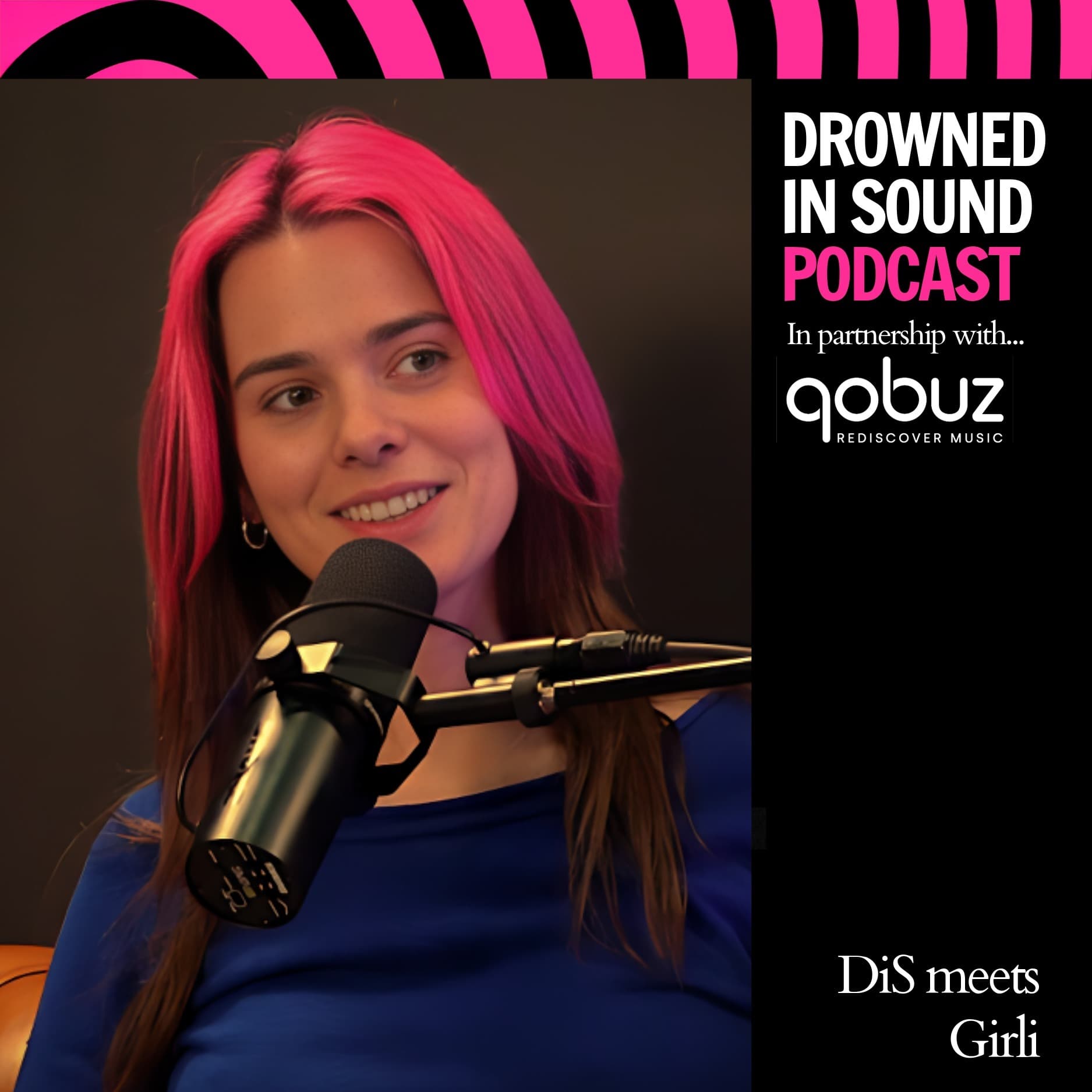
Podcast Overview Podcast Title: Drowned in Sound Host: Sean Adams Description: This podcast investigates the intersection of music and politics, exploring how the music industry influences society and how stakeholders can organize for systemic change.
Episode Summary In this episode, Sean Adams interviews GIRLI (Milly Toomey), a London-based artist, who discusses her new single "Slap on the Wrist," which addresses the justice system's failures concerning sexual assault survivors. The conversation also touches on the Youth Music report "Just The Way It Is?" which reveals alarming statistics about unsafe conditions, unfair pay, and discrimination faced by young professionals in the music industry.
Key Themes Discussed
- Activism through Music:
- GIRLI’s collaboration with Eliza Hatch of Cheer Up Love to create a music video inspired by real survivor testimonies and statistics.
- Importance of addressing systemic issues within the music industry, including harassment and discrimination.
- Youth Music Report Insights:
- 72% of young music industry workers feel unsafe.
- 90% have been paid unfairly.
- 75% have considered quitting the industry entirely due to these conditions.
- Personal Experiences:
- GIRLI shares her journey in the music industry, including being signed to a major label at a young age and the lack of support after being dropped.
- Reflections on the industry's culture and the ongoing silence surrounding issues of harassment.
- Call to Action for Artists and Fans:
- The importance of using platforms responsibly to speak out against injustices.
- Encouragement for fans to support artists and advocate for safer environments.
Notable Quotes
- "Music is upstream from politics."
- "If you don’t have money from family or a safe space, you’re never going to make art.”
Key Topics
- The Music Video "Slap on the Wrist":
- A powerful representation of survivor experiences.
- The decision to feature actors instead of real survivors to protect identities while still amplifying their stories.
- The Youth Music Report "Just The Way It Is?":
- Discusses the unsafe work conditions within the music industry, particularly for marginalized groups.
- Highlights the need for systemic change and better safeguarding practices.
- GIRLI's Artistic Journey:
- Transition from a commercial sound to more authentic and politically charged music.
- The impact of personal experiences on her artistry and activism.
- Industry Improvements Suggested:
- Enhanced safeguarding for young artists.
- More support networks for those experiencing harassment or discrimination.
Resources Mentioned
- GIRLI’s New Single: [Slap on the Wrist](https://girli.bfan.link/sotw)
- Youth Music Report: [Just The Way It Is?](https://www.youthmusic.org.uk/community/resource-hub/just-way-it-report)
- Organizations for support in the music industry:
- [Rape Crisis England & Wales](https://rapecrisis.org.uk)
- [We Are Music](https://wearemusic.info)
- [Musicians' Union](https://themu.org)
- [Help Musicians / Music Minds Matter](https://www.helpmusicians.org.uk)
Episode Takeaways
- Power of Music in Activism: Music can be a profound tool for addressing political and social issues.
- Need for Change: The music industry must confront its structural problems to ensure a safer environment for all artists, particularly young and marginalized individuals.
- Collective Responsibility: Artists and fans alike have a role in creating a more equitable music landscape by advocating for change and supporting one another.
Conclusion This episode of *Drowned in Sound* serves as an urgent reminder of the issues facing young artists in the music industry today. Through GIRLI's experiences and insights, listeners are encouraged to reflect on their roles in advocating for justice and equality in music.
---
Credits:
- Hosted, engineered, edited, researched, and produced by: Sean Adams
- Recorded at: The Shure Experience Centre, London
- Guest: GIRLI (Milly Toomey), accompanied by Heather Swaine (Youth Music)
- Partnership: Presented in partnership with Qobuz — the ethical music streaming platform.
---
For further exploration, check out the accompanying playlist and subscribe to the Drowned in Sound newsletter for weekly updates on music and activism.
Written by AI. May contain mistakes. Listen to the episode to check what was said.
Chapters
Tap a time to open that second in VOExploring Harassment and Systemic Issues
0:28 to 2:55
Discussion on statistics related to harassment and the music industry, highlighting the need for systemic change.
“You would also not know that lots of rapes are not reported.”
Collaboration with Cheer Up Love
5:10 to 7:58
GIRLI discusses her collaboration with Cheer Up Love and the themes of her song about sexual assault.
“And what can people expect from the video if they've not seen it yet?”
Activism in the Music Industry
7:58 to 13:20
GIRLI shares her views on activism, the music industry, and the importance of speaking out.
Historical Context of Women's Rights
13:20 to 14:03
GIRLI reflects on historical patterns of oppression and the importance of addressing them today.
Industry Scapegoating and Privilege
14:03 to 17:39
Discussion on how those in power use scapegoating to distract from systemic issues.
“problems are because of this group of people.”
Youth Music Report Insights
17:40 to 22:40
Exploring the findings of a report on young people's experiences in the music industry.
“And I really related to that because, you know, I started in the industry when I was 17 and was so naive, obviously, because I was a teenager and, you know, had so many things.”
Support Networks in the Music Industry
22:41 to 26:18
The importance of support networks and resources for artists facing challenges in the industry.
“And I guess through that, you know, I also have met other artists who are experiencing similar things who will reach out and say, I saw that you posted about this happening to you.”
The Importance of Safeguarding for Young Artists
28:00 to 30:00
Learn about the critical need for safeguarding measures in the music industry for young and marginalized artists.
“And I remember it was so isolating and you know I remember having a situation where I went to a gig and I got in and it was like a friend's gig but then I couldn't go to the after party because I wasn't old enough.”
Experiences of Female Artists in the Industry
30:00 to 33:20
Hear personal stories of female artists facing challenges and harassment while navigating the music industry.
The Need for Respect and Equality in Music Venues
33:20 to 36:20
Discuss the importance of respect and equality for women in music venues and the challenges they face.
Show all 15 chapters
Investing in Artists: Universal Basic Income
37:40 to 40:40
Explore the idea of universal basic income for artists and its potential benefits for the music industry.
“And was that one of the things that drew you to working with an organization like Youth Music?”
Personal Reflections on Industry Challenges
40:40 to 42:05
GIRLI shares her personal experiences and challenges faced during her early career in the music industry.
Navigating Industry Rejection and Mental Health
42:05 to 44:13
Discover the emotional impacts of rejection in the music industry and the importance of mental health support.
Artists' Pressure to Reinvent Themselves
44:13 to 48:28
Explore the pressures artists face to constantly reinvent their music and image, and how that reflects on their authenticity.
Activism in Music and Artist Responsibility
48:28 to 52:52
Understand the role of activism in music and the responsibility musicians have to speak out on social issues.
“But, and I've spoken about this online before, but when Taylor Swift doesn't say anything about ICE, about Palestine, about Trump, it was just like, but you're unshakable.”
Transcript
Automatic transcript. May contain errors.0:00Eliza Hatch:Have you ever walked down the streets with your keys in your knuckles? It's something that a lot of women have done and do very often. It's something that men do probably quite rarely. And I think that the fact that as a guy, I'm saying that at the start of a podcast, and the fact that I know that the audience of this podcast skews ever so slightly more male than female, I just thought it'd be worth saying to start because it's a line from a brand new single from GIRLI. and it has an accompanying video which we'll get into in this interview which is really powerful it's powerful because it uses statistics alongside a song and a message one of the stats that comes up on screen is that 71 ,227 rapes were reported in 2024 in the uk and by the end of that year charges were only bought in 2.7 percent of cases and yet if you watch the news you would think that these cases are charged on much higher levels.
1:02Eliza Hatch:You would also not know that lots of rapes are not reported. And whilst this podcast will contain some triggering topics, I promise that it's not that heavy on the R word. It goes much more into harassment and systemic solutions, well, systemic problems and some of the changes that can happen to cause those solutions. and part of the reason for that is not only did girly make that great new track she's also been working with youth music who if you've been a regular listener to this podcast you would have heard her speak to the ceo and attend their awards they recently released a report called just the way it is and the report has 19 in-depth focus group testimonies and it has a social media snapshot of over 50 respondents.
1:52Eliza Hatch:There are some quite big stats in it. 72 % of people have felt unsafe in their working environment within the music industry, 90 % have been paid unfairly for their work, 90 % feel unable to speak up about unfair practices, 75 % have considered giving up their ambitions due to unsafe or unfair conditions and that relates to obviously the last two points there and then 85 % have felt inspired by artists like Ray. Youth Music calls that the Ray effect and if you've not followed what Ray's been talking about she has been brilliant at speaking up for rights, for payment, for people getting what they deserve.
2:31Eliza Hatch:So in this episode of the podcast I speak to Gurley and she talks me through why she's got involved in this kind of activism, some of the things that she's faced and some of the solutions that she sees. As you would expect from the Drown in Sound podcast, we are trying to help music fans make sense of these things so we can work together on some collective solutions. I think this episode will really engage a lot of men in a lot of the issues that men are not talking about. And in a week where the news is full of stuff that awful men are doing. I hope that the guys listening to this will tune in, lean in and think about what they can do going forwards.
3:16Eliza Hatch:As ever, I'll be back at the end of this episode, which is brought to you in partnership with our friends at Cobuzz, the ethical music streaming platform. And for this week's playlist, I decided to create a playlist entitled Believe Women. It opens with tracks by Tori Amos, Gurley and of course there is lots and lots and lots and lots and hours and hours of incredible music and I even included a few men there's some Nirvana and Fugazi on there if you're paying attention you will see some linked themes including people talking about having their keys in their fists. Simply head to dranninsound.org forward slash playlists and you'll find our companion playlist to this episode and lots to go with recent episodes plus a free 30-day trial to check out Cobuzz and listen to music in very high quality, which is very satisfying to my audiophile ears.
4:13Eliza Hatch:And also, yeah, it's just better to be paying the artists a little bit more every time you stream music. So yeah, head over to joinitsound.org forward slash playlists and you will find the playlist that goes with this episode.
4:49GIRLI:Hi, I'm Gurley. I am a singer-songwriter from London. Although singer-songwriter, I feel like, makes me sound like I'm going to be the female Ed Sheeran, which I'm like definitely not
5:02Eliza Hatch:it's very euphoric
5:04GIRLI:I know yeah it's more of a alternative indie pop vibe
5:11Eliza Hatch:asking artists to describe their own music is cruel
5:14GIRLI:horrendous no it's actually it's a disgusting question but yeah I think that's how I would describe it alternative it's getting angrier every album as well so yeah
5:28Eliza Hatch:pop alternative music You've just collaborated with one of our former podcast guests. Yes. From Cheer Up Love. How did that collaboration come about? And what can people expect from the video if they've not seen it yet?
5:40GIRLI:So I've known Eliza for a while and I've been following Cheer Up Love for a while. And I love the content she puts out. And when I wrote the song Slap on the Wrist, which is about the justice system, letting down survivors of sexual assault and the sort of systematic way that we dismiss victims um in society i just instantly thought of of her photo project that she started cheer up love with which was she would photograph women in places that they had been assaulted and it was like this really beautiful and harrowing and powerful kind of photo series because it was these women having the guts to go back to somewhere that was really traumatic um and say you know i want to reclaim this space but it was also amazing because it highlighted that you know sexual harassment and assault doesn't just happen down a dark alleyway by like a masked man with a knife you know it happens every day in normal places yeah places that you should be safe i mean you know everywhere should be safe for everybody but you know in the day at work pushing your baby in a pram you know and i just loved the concept of that photo series and um i messaged her i was like would you be down to direct a video version of this basically um and because the internet can be ruthless we were like okay we're not going to actually have real survivors in the video we'll get actors to sort of stand in for them but we will collect real testimonies of of you know experiences and we'll kind of put together a list so eliza collected loads of testimonies through the cheer up love instagram and we you know they were all anonymous and we had a look through and we were like okay a lot of people say they've experienced harassment at work in the office they've experienced it at home because you know the other thing is most of the time it is someone you know actually um they've experienced it walking in the park they've experienced it going for a run they've experienced it at the pub with their friends so we kind of put all these locations together and and yeah went out and and shot these kind of stills in these places and um we worked with Rape Crisis UK and Ireland and they they provided us with some statistics and so we kind of made this I guess sort of yeah documentary style video that that was like a pure kind of collaboration and yeah I'm so I'm so proud of it and it is like the dream combo for me of like music and creativity and then activism as well so no it was really powerful and when it popped up
8:45Eliza Hatch:I was like yes someone is because like I loved what Kate Nash did last year with the statistics yeah so good around trans rights yeah she's so inspiring the amount of like this podcast has become much more political like minutes before you came in I was just chatting to Gazelle Twin about boycotting King's Place there's Lockheed Martin with one of the sponsors and like we've talked about how things are funded how things are not funded but yeah looking at things like accountability in the industry is really challenging because obviously there's libel laws and things we can and can't say if we can't prove them but the statistics are undeniable like the low levels of convictions the yeah like consistent stories around the police like a friend of mine nina creswell is currently suing the police in up north um because she also managed to change the law with a good law project so that she could publicly name her abuser and that changed the precedent because it was in the public interest because he was a tattoo artist if I remember right so he would constantly have access so it's like that's a really big shift and I think that like Patsy Stevenson speaks really powerfully about how bad the police are in many different circumstances and i think that the data itself is much harder to argue with than yeah any individual anecdote any male supremacist translation of like well this woman might have been lying and what was she wearing and all those nonsense things that people say yeah and i think it was just really powerful to see it like pop up on my feed and um i knew you were already involved in the campaign with youth music um which is why i'd already asked whether you were free to pop on the podcast yeah um and I think that I'd be really curious as a musician growing up did you see other people doing this that sort of gave you a bit of a blueprint I definitely was
10:45GIRLI:really inspired by artists who were outspoken and who were unafraid to be themselves um I mean I grew up listening to Amy Winehouse who was your classic you know in quotation marks loud woman you know she she really had no fear um I listened to a lot of Lily Allen another artist who again was was gobby in the best way and you know Kate Nash actually that we've mentioned you know that was listening to her her first album and MIA was another artist I was listening to a lot who again has always been really political um and actually the other day something popped up on my feed of um Sinead O 'Connor which like she was in her heyday I was not born yet but um but I remember being so inspired by her and her story because you know she paved the way I mean she basically committed career suicide by calling out um the pope right the catholic church and uh in a time where like artists were just not being political unless it was something that felt really friendly political like palatable like you know oh i'm supporting this charity for you know hungry children it's like oh that's okay but you know if it's calling out sexual abuse within the church it's like get back in your place you know and i mean yeah there's a certain level i think
12:21Eliza Hatch:you can go to with a lot of protests before people are like no you've gone too far yeah right and it's actually because it's starting to resonate and it's starting to cut through and you're starting to speak truth to power rather than speaking truth people that don't have power or perceived power and i think that's a really because i think it's interesting with the data because i've seen a lot of the stats that you've put out and like i've also seen the campaigns around all of the like the stop the boats brigade talking about um the kind of like levels of sexual abuse from people that are immigrants and things like that and you're like the percentages are so like percentage of percentages versus the person that you're more likely to live with or be your teacher or be your priest or it's like the data is and it's but the data shows a system and i think the system people don't quite understand and it's i think it's really powerful to lay it out as starkly as you did whilst also having a song that people can bab to yeah i mean it it's so
13:30GIRLI:it's so like it's it's textbook that whole thing of um you know i was actually i'm reading this book called how to kill a witch a guide for the patriarchy which is um a book about the the women who were accused of witchcraft in scotland specifically scotland um in you know the the 1600s and it makes this point where it's like time and time again history repeats itself where where those in power will find a minority to scapegoat and tell everybody, look, all your problems are because of this group of people. So we're going to silence and eradicate them, and then everything will be good again. And it's to redirect the attention away from the fact that it's those in power with privilege who are actually ruining your lives.
14:28GIRLI:It's like they're the ones hoarding the wealth they're the ones you know they're the reason that the prices of milk are going up you know not the person who came to this country running away from war who just wants to like be a member of society it's like you know it's why the rupert murdoch cookie meme is so
14:47Eliza Hatch:powerful i haven't seen that so he's sat there and there's a guy with a cookie in front of him and it's like this guy wants your cookie and behind him are loads and loads of cookies oh my god yeah And it's such a simple meme. And it's like, I think for a lot of people, it's like, I keep seeing it shared and you're like, okay, you've finally got it. Yeah. Because it's such a penny drop thing to see it so viscerally.
15:08GIRLI:Totally.
15:09Eliza Hatch:I realize I'm not asking questions and making statements. But I think that's the interesting thing about when you lay out data, it provokes people to pay attention to the information. and i think that we live in a information age um but actually there's a there's a low level of knowledge and understanding and i think that if you can nudge those things out there whilst also making music that you're proud of like that's a big thing for an artist to do and i hope that other people look at what you're doing and go why aren't i doing that like joining those dots i think is really important um yeah so you're working with youth music on a report called just the way it is um which is a provocative question what did you discover that you didn't know about music from kind of reading that report yeah i mean unfortunately i didn't discover
16:05GIRLI:much that's new to me as an artist because i was like oh yeah all of this is painfully relatable um is it just the way it is no i mean that's the thing i mean i think that's such a clever title because it it's that thing of the amount of people who brush something off as well that's always the way it's been is the reason things stay stuck in this you know dysfunctional way is by saying oh well the music industry has always been uh corrupt dangerous um you know only for the privileged so whatever what's the point in changing it's like well the point is that so many people are suffering why would you not want to change that how did you end up working with youth music on the campaign i think i mean i saw um that they were doing this campaign they were putting together this report and it was just all i mean about stuff i've spoken really
17:04Eliza Hatch:openly about in the past people the kind of top level of what the report is before we talk about Yes.
17:09GIRLI:So the report is about experiences that young people have had in the music industry to do with discrimination, to do with unfair pay, to do with, you know, long, long working hours and issues around safety. And it's basically sets out all of the things that are wrong in, you know, how this industry operates for young people coming in and, you know, starting out. And I really related to that because, you know, I started in the industry when I was 17 and was so naive, obviously, because I was a teenager and, you know, had so many things. Now looking back, I'm like, my God, I was like really exploited there or, you know, I really should have been explained to what this contract is.
18:07GIRLI:and you know i shouldn't have been put in that room late at night in the studio with some random producer i'd never met and you know it's like safeguarding things and the report is called just the way it is question mark because that's something i think it's a tale as old as time of like oh it's always been that way yeah um that doesn't mean that it's right if you applied that
18:31Eliza Hatch:to evolution we would all still be in the sea so yeah so true it's like you'll be a little fish the music like i've worked in the music industry since i was 16 i worked in a record shop in a venue and then i started drowning sound when i was 16 17. i was doing my gcse's and stuff and i've seen the various eras of people calling things out people saying things are going to change hearing the most disgusting stories um being like being involved in a stalking protection order like knowing that the industry does not have a way of self-regulating because it's still freelancers it's still people that enter into it when they're 17 yeah who don't know what the industry's like who are told well that that's just the way things are yeah the industry hasn't for all the noise for all of the stuff that happened with me too like there hasn't been a movement moment in music really no and there hasn't really been changes like yes there are changes yes there's more visibility of women but there's also now more people in the industry than ever like yeah it's true there's less money than ever which makes things more precarious and makes the things that people will tolerate like the barriers of those things shift and yeah the power and manipulation that comes from that it's like they're all really like when you're not financially stable in a like like being in with a producer and it's like yeah it's either you're spending 500 pounds of your own money or they're doing you a favor by letting you have the studio for the day or something and it's like yeah all of those things yeah are the tale as old as time totally and yeah it's true it's like you know it's it's like the wild west there's no you know when there's no especially if you're an independent artist you know um it's like what where's the
20:28GIRLI:the hr department you know like there needs to be more put in place to support especially you know young people yeah because there's a lot of initiatives and i think the
20:39Eliza Hatch:thing that struck me when i read this report and some of its findings was just how much it sparked people to urgency and i think also if it can make younger people aware like this isn't normal like yeah these things are bad and they're bad at a scale but they're not normal like what did you think when you first saw the the sort of data points and things was there anything that
21:00GIRLI:stood out unfortunately i wasn't surprised um because i know from my experiences from all of my friends in the industry um but yeah like there is there is there are deep-seated issues with um and you know i don't know one artist who hasn't experienced either being paid unfairly um being blindsided legally you know cheated with a contract or being trapped in a deal they don't want to be or um you know being in an uncomfortable situation and they you know they don't they're scared to be blacklisted you know that was a big thing that came up in the report which is so so true as if people are interconnected
21:53Eliza Hatch:enough that you could blacklist anyone it would make any difference right but people think the
21:57GIRLI:industry is much more connected than it is right and especially when you're young you know and you're just like oh my gosh like if this if i if i speak out about this thing that's happened to me and then that person tells that person then my career's over you know because you think that You know, you think, oh, my God, this is my only way in kind of thing. And, yeah, you know, there needs to be so much more support for people to be like, no, I can call out bad behavior and my career is fine. It's going to be fine because I know I have this support network or I can go and get this grant or I can, you know, I don't need to rely on this one channel of income or connection, you know, connect or whatever.
22:40Eliza Hatch:you touched on something i was just about to ask the support networks have you found in speaking and being honest and being your true self and calling people out when you need to have you found that you've gravitated to groups and organizations and people that can provide that support i think well definitely being an artist who speaks out more online and in my music
23:04GIRLI:I've definitely found that my fans are an amazing, you know, source of validation of what I'm going through and I can connect with people. And I guess through that, you know, I also have met other artists who are experiencing similar things who will reach out and say, I saw that you posted about this happening to you. That happened to me. And, you know, that's a really amazing network. um but in terms of you know and i know i know there are some really amazing charities in in the industry who do offer support for me you know a big thing i've experienced is the mental health struggles that can really easily come up if you're you know it makes sense if you're an artist and then you're financially struggling and then you're also like in this really big confusing industry and there's a lot it's a real roller coaster there's a lot of ups and downs sometimes you can be doing really well and then you can suddenly not be and you know
24:10Eliza Hatch:that's really hard mentally you must have done some big shows and then the next day found yourself
24:15GIRLI:in co-op well right looking for milk or something yeah and been like you know so i think you know for me I was kind of lucky in that I was able to have my own support network you know I I can pay for therapy I have a supportive family I have supportive partner and friends but you know there are so many artists who don't have any of those things and um especially if you're an artist starting out and you're you know not you don't come from money you don't have you know a label deal yet or you don't have any kind of financial you know any investment i'm not surprised that so many people would just go i can't i can't do this i actually like mentally physically you know become discouraged really quickly and that's such a shame and also has an impact on you know the percentage of artists who are for example from working class backgrounds versus middle and upper class backgrounds and it becomes this really lopsided thing of well do the amount of artists does the makeup of the artists actually represent all of the people who want to be doing this or it's no it's just the people who can afford to
25:37Eliza Hatch:you know i now wonder how many of my episodes of this podcast you listen to because we talk about that a lot really yeah there you go um and i think that in amongst all of those things you often hear that like oh they just won't get out for it and all those it's like right if someone is going through a lot of the things you just talked about but they don't have the money to access support like there are organizations like help musicians and music minds matter that people can call and get support if they're musicians um i know that on the youth music site there's long lists of different resources and like lots of people have got good at compiling the resources um i worked on a project with someone called we are the music and all it does is lists all the different places to go if you're experiencing harassment and abuse and because it never actually been compiled anywhere and the most interesting thing was the un and the musicians union had a really similar campaign with the same name and they didn't know that the two campaigns existed and it's like so there's a lot of willing out there to make things better but it doesn't feel like again things aren't as connected as they could be and i think the very piecemeal fragmented way the industry works often things flow through the media so like i've spotted stuff because i've had press releases about four different campaigns and i search my inbox and i'm like oh this is the same campaign but that's that one yeah so i think that there's a lot of willing for things to change
27:07GIRLI:Hi there, it's Emma here. I'm gay crashing the podcast to quickly tell you about the Drowned in Sound newsletter. Every Wednesday, I invite myself into your inbox, with permission, of course, to share opinion writing and resources, tell you about cool things that you should be involved in within the world of music, activism, etc. I also bring track of the week and a little bit of hopeful news for you, because we all know that the news cycle can be grim at the best of times. Drowned in Sound newsletter every Wednesday in your inbox. Sign up now.
27:51Eliza Hatch:In terms of the kind of safety in the industry, what are some of the things that could be improved? Like you don't have to say stuff that's happened to you, but like what do you think would be some of the big things that you think would be beneficial to change i think safeguarding is so huge especially for young artists especially young artists from
28:18GIRLI:you know who are marginalized backgrounds or minorities you know i mean i remember being an 18 year old girl and you know being sent to LA on my own to go do two weeks of you know writing and it was just like well I don't know anyone here I'm on my own like this is the first time I've been to did you drive because I couldn't drive yet I like wasn't even old enough to like go.
28:51Eliza Hatch:Couldn't go to the drink. Couldn't go to the drink. Like most gigs are over 21.
Read the full transcript
28:54GIRLI:Most gigs are over 21. And I remember it was so isolating and you know I remember having a situation where I went to a gig and I got in and it was like a friend's gig but then I couldn't go to the after party because I wasn't old enough. So then I didn't know LA at all. So I was like I'll just
29:16Eliza Hatch:I think it's a pretty unknowable city even if you can't.
29:18GIRLI:Well right. And I was like well I'll just walk back to my airbnb it's only like 15 minutes and i got followed home by some guy in a car because no one had told me don't walk this is a bad area like and i remember being so scared no one walks no one walks yeah you know i'm from london i was like i'll walk and you know i remember calling my manager because i was like who do i call about this i was like i'm so scared you know and like there should have been i should have been chaperoned you know or i should have like had someone looking out for me i should have um you know had had been provided with a driver you know because my publisher was paying for it so it was all this stuff and the publisher probably had
30:00Eliza Hatch:15 artists probably similar age to you that live in la right you know they could have like taking me out for lunch and totally like the amount of times when because i've managed musicians as well and the safeguarding element is always something that's like even basic things like outside of recording studios they're not being lights so it's like it's dark at that studio do you want me to come meet you from the studio like or yeah do you do you have a friend that could pick you up like all those like yeah because sometimes the artists wouldn't even think to ask because why would you why would you don't know yeah you're a person in your power writing great songs like exactly yeah so it's like having safeguarding built into and i think that some of the training the music managers forum does now i imagine elements like that have kind of creeped in of basic things that most people should think about yeah like if you've signed a teenager who like
30:56GIRLI:does not have the worldly experience to know about well you've probably got enough experience to know to put the keys in your hands right right exactly but like i mean you know you just have no idea about how to how to be safe somewhere and also you know like luckily I never had an experience like this myself but I know so many young female artists who have experienced harassment and assault in because they're somewhere in a different country or they're somewhere they don't know and they go to a studio and there's just some producer guy and you're alone with this person and it's like you're so vulnerable and i think and also to get the best out of your work you sort of need to
31:45Eliza Hatch:be vulnerable in those spaces right you need to be emotionally open and yeah like yeah and often you've got slightly socially awkward weird men who misjudge the fact they've probably worked with
32:00GIRLI:300 artists and two of them have been women yeah oh my god completely and you've turned up and
32:05Eliza Hatch:you're like you're trying to be yourself showing up to make your music yeah and i think that's one of the big things that um the anchoress who i work with has done lots of training to get more women into studios because it's there's she's part of a group called two percent and rising because that's how few producers studio staff yeah women and like those are barriers that shouldn't be because you've made music you've like yeah you've you know what productions are all about and yeah like there should be way more women in studios and definitely and we're in we're in shaw's studio today and a few times when i've been in here they have like the women in audio group i'm going to do their training sessions and things and i think that the changes i'm seeing in the industry is that upskilling it is the there are way too many average men working in studios because it's just
32:55GIRLI:so much more accessible and encouraged and you know it's the same with touring it's like if you're a woman sound engineer or tour manager or you know most of my i mean all of my tours i all my crew are women and because for me i'm just like i love working with women and like you know i have some amazing like um people who work on my team and my tour manager is this incredible woman who is very short she's uh under five foot and very feminine and it's so crazy the amount of times that we have walked in to a venue and been talked down to patronized had things mansplained to us been just just outwardly disrespected um and then maybe like the support band will come and they have a male tour manager and then he gets a normal treatment and it's like what like no this like this is our tour like this is our like treat us with respect you know and
34:12Eliza Hatch:it kind of became also respect should just be the basic for everyone baseline yeah there is a male supremacy thing that again i think laura mary from bloodbroad shoes talked about this a long time ago like they walked off stage and she was stopped from going into the dressing room because they thought she was a groupie just being performing like a headline show to like a thousand people and bouncer stopping her going into her own dressing oh literally the worst and like that
34:38GIRLI:is the like the assumption that you're not important yeah yeah like i've been into guitar
34:44Eliza Hatch:shops with artists that are about to go and do like arena tours and you're like why are you
34:50GIRLI:talking to me i don't play guitar right right oh my god literally yeah it's funny i saw this this meme that was like um it was like oh they should enforce like a women only hour at guitar center every day so you can just go and like play play the instruments and not be like because it's bleak no it's literally so bleak but so true i mean like the amount of times i've been you know i mean it's it's interesting like i my drummer i have a drummer in the u.s and a drummer in the uk and they're both women incredible drummers and you know my drummer in the u.s has been drumming since she was like five years old so almost 30 years and um the amount of shows that we've done where she has a sound tech explain how to set up her kit and she's like this is my kit like I know what I'm doing here I'm good like and it's just that sort of assumption that you're inept um that it's a microaggression it really gets you down because then you're just like oh my god like you know why do I have to work twice three times as hard just to sort of be on the same level of just, yeah, basic respect as a male musician.
36:16Eliza Hatch:So improvements, training for people that work in venues, like basic respect.
36:23GIRLI:How to talk to women without being a fucking idiot.
36:26Eliza Hatch:I do wonder if most men, rather than driving lessons, they need a how to speak to women lessons.
36:31GIRLI:Yeah, oh, a thousand million percent, yeah.
36:33Eliza Hatch:up this episode of the drannin sound podcast is presented in partnership with kobus the platform that pays artists four times more than the industry standard that has high quality audio that has human curation which as a human curator is something that i truly value over the kind of algo slop that you get on some platforms you can really hear the difference i know lots of places talk about the audio qualities. And as soon as I moved across, it sort of felt like I was rediscovering music, which is one of the platform slogans. If you're worried about your playlists, you can use Soundiz. It's a really good tool that's part of the signup process when you join Cobuzz.
37:19Eliza Hatch:It just transfers everything across. If you'd like a free trial of this platform that's independently owned and made for music enthusiasts, head to drownedinsound.org forward slash playlists where you can hear not only our playlists but get a free trial you can also find these details in the show notes to this episode and now back to this episode of the joining sound podcast brought to you in partnership with kobuzz so if you had 500 million pounds it's a ridiculous sum of money how would you improve the music industry
38:02GIRLI:i would give as many unsigned artists as you can fit into 500 million living wage for two years because i think that is it's that first like starting out period where if you don't have money from family or you know you don't have a family who live in a city uh that you can just kind of crash with rent free or if you know the amount of artists who have to work two three other jobs just to support funding their own project and the energy that that takes out of you and a lot of them can't even afford to do that and so they they just end up never putting that art out into the world and that's like such a tragedy because it shouldn't be just well-off artists who who get to release music and get a foot in the door it should be everybody what do
39:13Eliza Hatch:you think of what they're doing in ireland with the like universal basic income for artists amazing
39:17GIRLI:it's so amazing I mean I also have friends in Denmark and they um in Denmark they also do a similar thing I think I'm not 100 % sure what it is but they I think there's a lot of grants that they give out and they also have so many government paid things like there's a studio in London in Islington I think that is just for Danish artists and they can apply in Denmark and get it and then they can just come and have this free studio and it's an accommodation and they can do sessions for a couple of weeks and you know because I think when you invest in art it it's incredible for society you know it's essential and And yeah, it's such a letdown how little the UK government care about music and the arts.
40:19Eliza Hatch:And was that one of the things that drew you to working with an organization like Youth Music? Because obviously they do a lot of finding pots of money and putting it in places to make sure it's every penny spent well.
40:29GIRLI:Yeah, I mean, that's amazing. you know i think the the more opportunity you know it's basically a thing of like okay well if the government aren't going to step up and do it with all of the billions of pounds of tax money that i'm sure is going to places like weaponry yeah so fun um instead of supporting the arts then you know having having organizations like youth music provide opportunities for people to apply for grants and actually you know be able to just live off their art you know i mean that's the contribution to society from you know a happy artist who is is priceless you know and
41:19Eliza Hatch:um what's what's given you this different perspective because a lot of people in the industry don't they pull up the drawbridge behind them like what did you get certain support or was there was there something that made you think or if it's just like I've entered into thinking it's
41:34GIRLI:such a mess how can I make it better I think definitely because I've had such a like rough ride at times I think um I was signed very young I'm still a teenager to a major label and I was given loads of money and loads of investment but also really kind of my naivety was exploited and I was really used you know I was really molded into sort of something that was meant to be more commercial and you know less I've always been a very punk artist um and then when that didn't get the number one hit that the label wanted I was like completely just left and deserted by an entire team and by that point I was still only like 21 and that level of rejection is quite hard to deal with oh my gosh I mean it's like you know I'm still I'm still dealing with with that with the trauma of all that rejection and and the lack of um compassion that was shown to me um and the lack of support mental health support I mean I got a phone call from the person who had signed me at the label just saying um yeah you're dropped bye and it was like that was it that there was no you know follow-up okay how are you going to be okay do you want to speak to anyone about this do you want you know are you financially okay you
43:05Eliza Hatch:know and for me like i'm not even like here's some stories of people that got dropped and had successful career right nothing it's like be the best thing that happened to you like it was like
43:14GIRLI:you're on your own we don't care we don't give a shit about you yeah and you know luckily i grew up in london so my parents still lived in london at the time so i could move back home and still be in a city where lots of opportunities are so many artists have to pack up their things and go back to the tiny town that they're from where there's nothing you know going on and again you know luckily I had mental health support but like I think it's it's that thing of I know that if I hadn't had those things it could have been and it was a really dark time but it could be even even worse so I think I think it's so important that for people who you know don't have the same things that I was lucky enough to have as a kind of like parachute that there's places they can seek that support so is there anywhere any other ways you want to spend your
44:18Eliza Hatch:500 million you're quite happy with giving it to artists I feel like I feel like that is the best
44:23GIRLI:way of spending it some ways yeah I mean I definitely you know I'm I'm really really passionate about there being support specifically for people who have experienced you know harassment and assault and grooming in the industry um and so i think you know maybe maybe some of that 500 mil go to there being more more support for that i mean i think you know it should be just a basic thing that if you sign an artist any art any age but especially if you sign an artist who's young um and you know a vulnerable person you know a young woman a queer person um you know a person from a disadvantaged background or you know who's at risk of discrimination in some way that you should brief them on all of the support that there is for them there and you know because otherwise it's just so scary um and if something like that happens to you you just have have no idea who to talk to about it so you got your third record
45:40Eliza Hatch:coming yes um how does it differ to your previous records what can people expect other they've had a first taste with this new single like what what what what you've got in store for people
45:50GIRLI:it's definitely um i mean i think there's so much pressure for artists to reinvent themselves every album and definitely you know if that's a natural progression as an artist amazing and and often it is obviously because you don't stay the same person but there is definitely this intense pressure of oh people people get bored real quick so you got to do that thing and then
46:18Eliza Hatch:switch it up and yeah i wonder in some ways taylor swift's like created this like new shift of an expectation that pop stars are meant to shed their skin and put a new one yeah well it's really
46:28GIRLI:interesting because um she actually i think in one of the documentaries that she put out she said this thing about she always felt pressure to reinvent herself and and there was this pressure especially as a female artist to continually reinvent to to keep them guessing to because they'll get really tired of you um whereas you know again i feel bad because i keep mentioning ed sheeran i'm sorry ed but like you know ed sheeran every album wears the same t-shirt and jeans and his live show is i think always the same and boris johnson's hairdresser he goes to boris johnson's hairdresser and he's had unbelievable success for every single album you know there's no i think it's just like which calculation sign am i going to use for this album rather than i've got to change my hair my my outfit the sound the the you know the the way i spell my name i mean like the amount of artists who have reduced their names to like one like marina and the
47:32Eliza Hatch:diamonds is now marina you know did you know the band the ocs yeah they changed the way they
47:37GIRLI:their name is every single record really every record yeah there's one that's the ocs there's
47:44Eliza Hatch:one that is oh s ee s like oh my gosh it just keeps changing literally every record they change their name yeah so i think i don't know for me um with this album i was like okay how about
47:57GIRLI:the new era is actually connecting who i am day to day millie with girly um because my last album was very theatrical and very kind of concept high concept and i just wanted to i mean i'm on this podcast with no makeup on and um wearing you know jeans i would never have done that on my last
48:23Eliza Hatch:album um and i think pink pantone changed in your hair but you know what there has been a change
48:27GIRLI:i've gone to back to my natural brown um but i think that was kind of an intentional thing as well because it was like well i just for me authenticity is like what i want to strive for more on this record and the sound is definitely a lot more live sounding i mean i like was in my my teens towards the later end of the indie sleaze era which was what a great time and i love all those sounds i love you know i've always loved guitar music and you know this was the first ever record i've had live drums which felt so significant because i think you know that was another thing that was sort of oh you're a pop artist you don't need live me live drums you know it's like wait but that's so fun so yeah i think that's that's the aim with this album and definitely as you could probably tell a lot more activism embedded in
49:26Eliza Hatch:that we need more we need more people that are campaigning whilst weighing on the campaign with our record if you're not speaking up for what you believe in that if it's embedded in the music it's like how can you join the dots of those things yeah so important totally i mean that's what enrages me about massive artists who have platforms that are you know uncancellable yeah
49:52GIRLI:because i understand the fear if you're an up-and-coming artist you know and you're like gosh i really want to talk about this thing but like what what if i get hate for it online or I understand that more. But, and I've spoken about this online before, but when Taylor Swift doesn't say anything about ICE, about Palestine, about Trump, it was just like, but you're unshakable. Like the foundation and the audience that you have is.
50:21Eliza Hatch:Well, it was like Coldplay quietly canceled their Russia dates when the war started in Ukraine.
50:27GIRLI:Right. And it's like, well, I get it,
50:29Eliza Hatch:but surely this was a moment to i mean they have done things for ukraine since but it was that moment of well this should have been a significant thing that big band like pulls their dates but maybe it maybe it's better that it isn't but right i think the knowing that there's costs involved and that people like there would have been a whole team of people expecting to go work and like could you have found a way of doing something that could have raised money for humanitarian and causes right yeah i'm constantly surprised by the silence of some people and i think it's loud
51:01GIRLI:we live in an era where it's so easy to make a statement it's so easy and you know it's also so
51:08Eliza Hatch:easy to make a bad statement and like i think being savvy and thinking about it and doing things like you've done working with someone like eliza like yeah to make sure that what you're doing like i'm sure what you would the last thing you wanted to do was cause anyone any more harm like to trigger anybody right i'm sure you've gone through all of those kind of procedures yeah totally and also for yourself like you've got to put yourself out there and stand behind it like yeah i'm sure this kind of conversation is not the light breezy chat that you want to be having about your music all right i'm used to it but it's like i think what you're doing is really important and i hope that some of the artists listening to this they take a bit of that away and i hope that some of the listeners maybe expect a bit more from their favorite artists as well because I think it's really important.
51:56GIRLI:Yeah, I think the platform that you're given as a musician, if your music starts reaching loads of people, is not to be ignored, you know. I feel like the state that the world's in right now, we have to use these platforms for good.
52:18Eliza Hatch:You're empaths. You create great music because of the world impacting you. and I think that you then build a connection to people and that's a unique bridge that most people don't have. You can have a conversation with your fan base that I never could. That's really important to nurture and not exploit and be really mindful of and it's a big thing. So I want to say on behalf of music, thank you.
52:44GIRLI:Thank you, music.
52:52Eliza Hatch:well that podcast as i said at the start was a little bit different to maybe what we've covered on the podcast before and a little bit more direct i hope that you are leaving this conversation feeling activated rather than feeling doomed because i think the work that youth music's doing is really seeking to change a lot of these things the music video that girlie's made with cheer up love is really great i'd also really recommend going back and listening to my conversation with eliza hatch aka cheer up love because i think you'll get an even deeper appreciation of this topic and i'll make sure that's linked in the show notes i'll also link to some organizations that you might want to reach out to some resources and i think that if you're an artist listening to this know that you're not alone for a start but also know that this isn't the way that things should be and i think that artists have a lot of ways that they can work together in order to create change and i think the musicians union the features artists coalition and the new organization cisa which isn't quite live yet but which will allow for reporting so they can spot patterns of behavior is going to be really important um and i also think that as music fans there's a lot that we can do to support artists to call stuff out when we see it even if we just see it in their comments online to get people ejected that are making places of work feel unsafe like men heckling and things in inappropriate and often deeply inappropriate ways i've been surprised when i've reported people for that that that hasn't been the default that bouncers would throw someone out and i think also if you check out one of our recent newsletters which should be out just as this podcast comes out we've looked at how women are thriving in the industry and winning awards and british women in particular are absolutely everywhere at the moment so the picture that's out there is hopeful there's a lot to kind of hold on to and cling to and hopefully those women as they move into more positions of power are able to address these issues and the ray effect will become an even bigger thing that everyone in the industry can get behind and embrace and we can all collectively drive change.
55:07Eliza Hatch:I've been Sean Adams. I have completely self-produced this episode, filmed it, edited it, did the little changes to the audio to make it sound hopefully a little bit nicer. I've been editing some YouTube clips. So if you want to see that Girlie's hair is almost the exact same Pantone as a Drowning Sound logo, you can head to the Drowning Sound YouTube channel and share those clips and bits that we'll post everywhere online. And I guess the last thing to say, as I end every episode, you've been you, and I'll see you next time. Bye for now.
From the publisher
GIRLI joins the Drowned in Sound Podcast to discuss her powerful new single 'Slap on the Wrist, which is a collaboration with recent podcast guest Eliza Hatch of Cheer Up Luv, built on real anonymous survivor testimonies filmed in real locations.
We also discuss the new Youth Music report "Just The Way It Is?" exposing the scale of unsafe conditions, unfair pay, and discrimination facing young people in the music industry. The stats are stark: 72% of young music industry workers have felt unsafe. 90% have been paid unfairly. 75% have considered giving up entirely.
GIRLI speaks with total honesty about being signed to a major label as a teenager, being sent to LA alone at 18 with no safeguarding, and being dropped by phone call at 21 with zero support. She talks about why the music industry still hasn't had its Me Too moment and what she'd do with £500 million to fix it, as well as why the silence of the biggest artists is the loudest statement of all.
⚠️ Content note: This episode contains discussion of sexual harassment, assault, and industry exploitation.
Links:🎵 GIRLI — "Slap on the Wrist" https://girli.bfan.link/sotw
📄 Youth Music — "Just the Way It Is?" report https://www.youthmusic.org.uk/community/resource-hub/just-way-it-report
📄 Youth Music — Resources to promote safety and rights in music https://www.youthmusic.org.uk/resources/community/resource-hub/resources-promote-safety-and-rights-music-industries
📞 Rape Crisis England & Wales — 24/7 Support Line: 0808 500 2222 https://rapecrisis.org.uk
📞 WeAreMusic have compiled various campaigns and resources to help if you're dealing with harassment or abuse https://wearemusic.info/
💛 Cheer Up Luv https://www.cheerupluv.com
✊ Right to Be (GIRLI donated pre-save proceeds) https://righttobe.org
📰 DiS — "Why We Need to Talk About Speaking Out" (Nina Creswell feature) https://www.drownedinsound.org/why-we-need-to-talk-about-speaking-out/
🎧 DiS Podcast — Eliza Hatch / Cheer Up Luv episode https://www.drownedinsound.org/misogyny-in-music-the-numbers/
🏛️ CIISA — Creative Industries Independent Standards Authority https://ciisa.org.uk
🎤 Musicians' Union https://themu.org
🎤 Featured Artists Coalition https://www.featuredartistscoalition.com
💚 Help Musicians / Music Minds Matter https://www.helpmusicians.org.uk
🎵 "Believe Women" companion playlist + Qobuz free trial https://www.drownedinsound.org/playlists
📰 Subscribe to the DiS Newsletter https://www.drownedinsound.org/newsletter
Credits:Hosted, engineered, edited, researched, and produced by Sean Adams Recorded at The Shure Experience Centre, London Guest: GIRLI (Milly Toomey) accompanied by Heather Swaine (Youth Music)
The Drowned in Sound Podcast is presented in partnership with Qobuz — the ethical music streaming platform for music enthusiasts. Start your free trial at drownedinsound.org/playlists
For 25 years our publication and podcast has recommended music. We now also spark conversations and create resources to help music fans discover their collective power.
Mentioned in this episode:Cheer Up Luv / Eliza Hatch · Youth Music · Musicians' Union · Music Guardians · Rape Crisis England & Wales · CIISA (Creative Industries Independent Standards Authority) · Featured Artists Coalition · Help Musicians / Music Minds Matter · Kate Nash · Gazelle Twin · Sinéad O'Connor · MIA · Amy Winehouse · Lily Allen · Laura Mary Carter (Blood Red Shoes) · The Anchoress / 2% in Rising · Nina Creswell / Good Law Project · Patsy Stevenson · Raye · Right to Be


