In short
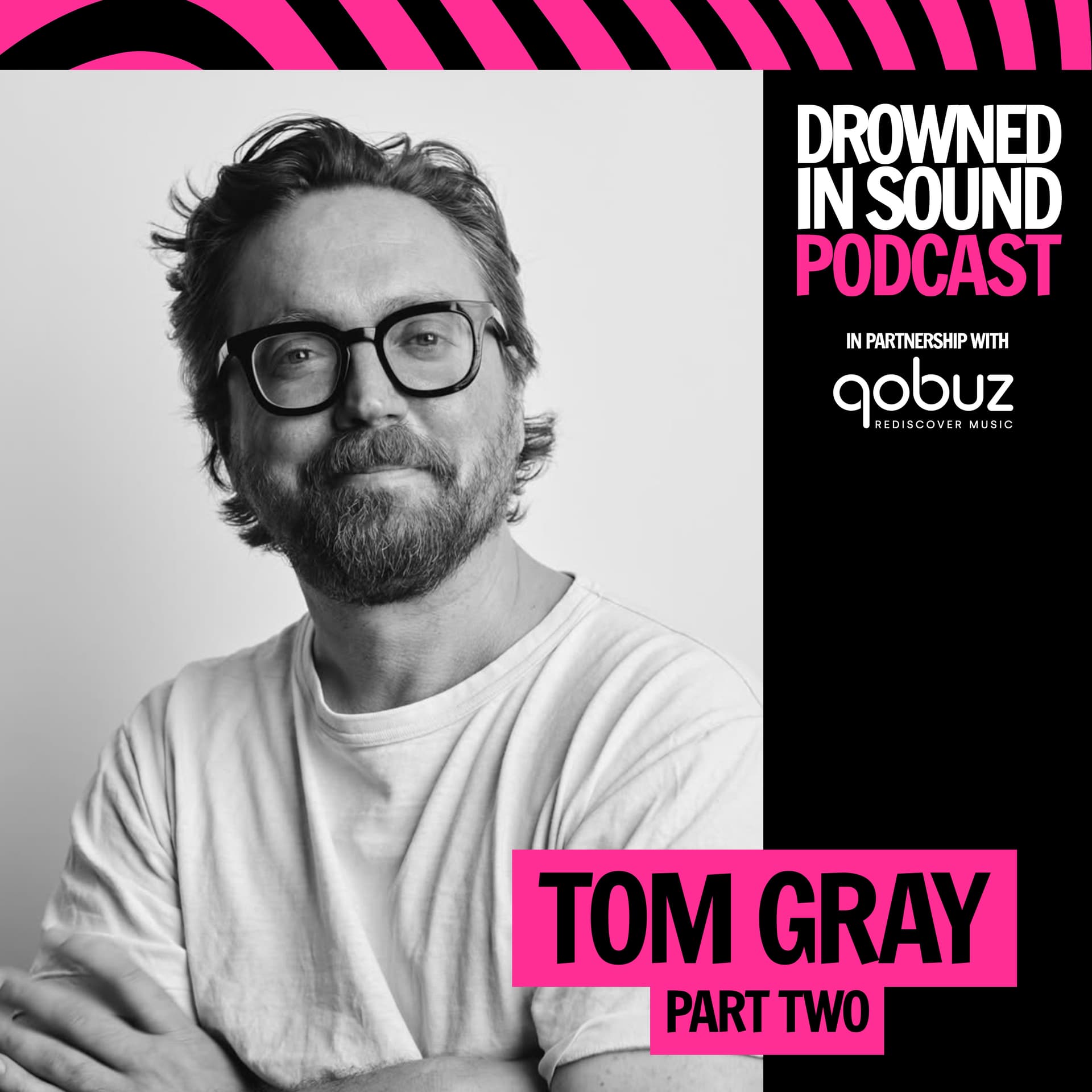
Tom Gray (Gomez) discusses how musicians can fight Spotify and other streaming/AI power using UK Parliament campaigning, plus Broken Record’s push for fairer streaming economics and AI safeguards. He argues streaming and AI currently lack transparency and proper metadata/payment flows, and that governments should legislate rather than defer to court battles.
Guest backgrounds
Tom Gray is a musician (Gomez), and a long-time campaigner tied to the Ivers Academy and the Broken Record campaign. He has political roots in the Labour movement and later worked with UK music-rights organizations, including the Ivers (as chair). He also collaborates with Labour figures such as Creative Industries Minister Chris Bryant.
Key claims
Spotify’s Joe Rogan deal (framed as $500m) benefits a misinformation-heavy exclusive platform; streaming law treats streaming like downloads/sales despite being more like radio/rental; AI remixing/cover generation risks “black box” non-payment; metadata requirements for uploads are too weak, so songwriters can miss royalties.
Notable examples
letters signed by Kate Bush and Paul McCartney; Kevin Brennan’s Brennan Bill and select committee work; per-diem negotiations for songwriters; discussion of “AI remix” and cover/remix opt-in/accounting; metadata errors in streaming uploads (publisher/credits corrected after submission).
Written by AI. May contain mistakes. Listen to the episode to check what was said.
Chapters
Tap a time to open that second in VOUnderstanding Music Campaigning
0:45 to 3:24
Discussion of Tom Gray's advocacy work addressing music issues.
“It is definitely one of the most useful conversations I've had for understanding a lot more of the process without it being at all boring.”
Spotify's Impact on Artists
3:24 to 6:21
Insights into Spotify's financial decisions and their effects on musicians.
“And now you can do an AI remix for song and how does anyone get paid for that?”
Tom's Transition to Advocacy
6:21 to 10:57
Tom Gray discusses his shift from musician to music rights advocate.
“one of the reasons I started getting involved moving into advocacy in the mid sort of 2016 I came off the road when my son was quite young I wanted to be, when he started school, I wanted to do the school runs and stuff.”
The Brennan Bill and Music Rights
10:57 to 14:00
Exploration of the Brennan Bill and its relevance to musicians' rights.
“Which began as a Twitter thread, didn't it?”
Introduction to the Copyright Directive
14:00 to 15:10
Learn about the history and implications of the Copyright Directive in the UK.
“Unbelievably, he'd been in Parliament for 20 years and that was the first time we'd ever won the lottery for the private members' bill, and it got drawn first.”
Streaming vs. Traditional Music Sales
15:10 to 19:26
Explore the differences between streaming and traditional music sales under UK law.
“Well, the Copyright Directive was really, to put it in really basic terms, British copyright hasn't changed much since 1988.”
Advocacy from Music Icons
19:26 to 21:02
Discuss the collective advocacy from famous artists for musician rights.
“But what you don't need is all of the money, right?”
Legislative Challenges and AI Impacts
21:02 to 23:28
Understand the current challenges in legislation regarding AI and music rights.
“Like all of that stuff is just going into the cogs and the machinations of Parliament.”
Government and Corporate Dynamics
23:28 to 28:00
Examine the relationship between government actions and corporate interests in the music industry.
“Yeah, and also that particular iteration of number 10 was just far too open to stakeholder noise.”
The Power Struggle with Big Tech
28:00 to 30:00
Explore the challenges of fighting monopolies in the music industry.
“And we will win because we've got more money than you.”
Show all 21 chapters
The Power Struggle with Big Tech
30:03 to 30:48
Explore the challenges of fighting monopolies in the music industry.
“I know lots of places talk about the audio qualities and as soon as I moved across it sort of felt like I was rediscovering music, which is one of the platform's slogans.”
The Power Struggle with Big Tech
30:56 to 31:06
Explore the challenges of fighting monopolies in the music industry.
Creativity Under Constraints
31:19 to 36:56
Understand how monopolies stifle creativity in the music industry.
“And like, when you've got a monopoly, things stop being creative, they just start being extractive.”
Transparency in Music Royalties
36:56 to 42:00
Delve into the complexities of music royalties and copyright issues.
“Most of the things in the music industry can be fixed through completely free changes to copyright law in this country.”
The Impact of Streaming on Music Industry
42:00 to 43:26
Explore how streaming practices affect the music industry and where profits go.
“And by the way, if it was all the same, it would flag AI a lot quicker than anything else, right?”
Engaging Fans and Artists in Advocacy
43:26 to 46:04
Learn how fans and artists can become more involved in music advocacy.
“What are some of the, like if people want to get involved, like they should be joining their unions and all those kinds of things.”
Navigating Change in the Music Industry
46:04 to 49:24
Understand how to navigate challenges and advocate for change within the music industry.
“And I said to them, look, I think I'm probably the only person who can take this forward.”
The Role of Difficult Conversations
49:24 to 54:35
Discover the importance of engaging in tough conversations to promote understanding.
“So we're going to have to put a bit more spin on the ball, right?”
Reflections on the Future of Music
54:35 to 56:01
Insights into the future of music and the potential for positive change.
“I bet you didn't think you were going to learn about the EU Copyright Directive and remuneration and equitable remuneration even.”
Advocating for Artists in the Industry
56:01 to 56:30
Learn about the importance of supporting artists and their campaigns.
Closing Remarks and Acknowledgments
57:02 to 57:28
Sean Adams wraps up the episode and thanks the team.
Transcript
Automatic transcript. May contain errors.0:00Welcome back to the Drowning Sound podcast. In part two of my conversation with Tom Gray from the band Gomez, from the Ivers Academy, from the Broken Record campaign and various other hats and shoes that he's worn over the years, we get much more into the campaigning side of his work, how he has tried to address some of the biggest problems in music from streaming to AI over the last decade. and what that process is like, what we can learn from the way essentially he's lobbied politicians, but also having to build the campaign with other artists getting involved. And yes, we do mention Kate Bush and Paul McCartney and various other people that he's managed to get signed letters in this episode.
0:46It is definitely one of the most useful conversations I've had for understanding a lot more of the process without it being at all boring. Maybe that's just me. You can obviously send me a note if you think that we went maybe too much in and we should have edited some of this out. But yeah, this was a long chat and Joe Rogan length. And we do talk about kind of Spotify giving all that money to Joe Rogan and how better it could be spent to benefit music. And I really, really liked Tom's answer towards the end of this episode. In this episode, we do talk about Kevin Bacon, both the record producer and the actor with the famous how many people are you away from Kevin Bacon?
1:29My number is very low, as I will tell you in this episode. But also we talk about Kevin Brennan, the member of the House of Lords, who was an MP in Wales, and the Brennan Bill. Although at the time of recording this podcast, I thought I was going to have recorded that interview and published it already. Actually, that's going to come out in a few weeks time because I haven't recorded it yet, that Kevin's trains was cancelled to go up to hold our conference I was at. So therefore we didn't get a chance to sit down and chat. Also, I should probably note, we recorded this podcast in early June and I'm recording this intro on Sunday, the 21st of June.
2:09And I don't know who is prime minister right now. And that's not because I've had a hit on the head just because right at the time of recording, it sounds like Keir Starmer might stand down and Andy Burnham might step in. So if anything, this podcast sounds a bit weird when we talk about who the Prime Minister is. That's the only reason. Time. Because things get pre-recorded. And you might be listening to this in 2028 and you know that already. Anyway, this is the Drowning Sound podcast brought to you in partnership with Kobuz. And we make a companion playlist to go with every episode. And if you go to drowningsound.org forward slash playlists, you can find the companion to go with My Conversation with Tom Gray, which features tracks from Frightened Rabbit, it tim buckley maybe tilly and friends if after i record this i can find some of those tracks and drop them on um and i'll put a few other bits and bobs but yeah lots of go-me's and lots of other things so that's dranninsound.org forward slash playlist where you can also get a 30-day free trial to co-buds the much more ethical streaming platform which pays artists more than the other platforms and has music in really high quality so yeah you know where to go thank you for them for partnering with us on our podcast because they make this podcast possible.
3:21Now, back to my conversation with Tom Gray at the Shore Studios in London.
3:37In an interesting parallel, and I mentioned Water earlier, but Virgil Sharkey's campaigning, he was in the Untones, he was at UK Music, and he spent most of the last five ten years trying to get off what and the water companies which are literally a monopoly in pretty much every place they exist um to be more transparent about where the money's going and to ensure that the money's being reinvested rather than just going to shareholders yeah and like i think for me like the big things with spotify that i've and i like anyone that listens to this podcast now i've got a regular question i ask everyone it's like what would you do with the 500 million that spotify spent on joe rogan because that's how much they invested in his podcast i mean i think it's essentially advanced against future advertising income but it was to make his podcast exclusive to them to take it to literally remove it from the marketplace for other people to bring people into spotify to tune into his podcast and that is a podcast that's platform Donald Trump climate deniers like I don't think I've ever heard musicians on it like I don't think Paul McCartney's going on there to promote his new album so Spotify decided they've got all this money from the music ecosystem and they've put it into this pretty toxic podcaster who doesn't mind spreading misinformation it's worse than that they used their bundling deals in the states to more or less half the amount they paid to songwriters over there in the past year and a half.
5:10I mean... And now you can do an AI remix for song and how does anyone get paid for that? How does anyone get paid for that? Yeah. And Universal have just sold their shares in Spotify and who's getting that money? Yeah. Even though it was leveraged off the controlling the master shares and the publishing of lots of songwriters and artists. Because technically you were signed to Virgin which is now owned by Universal. So wouldn't you technically get, if you're still signed there, there I don't know if you got the rights back wouldn't you technically I've got a forever debt with Universal yeah so would some of that go into your recoupment I don't know if they'd notify me that they've got some money into my forever debt
5:51yeah no I doubt it I mean it's amazing that you sold all those records and you still didn't it's amazing yeah you can make you know 15 million quid for a label and owe them 600 ,000 pounds I don't know how the maths work but it's just one of those Do they send you an annual reminder of what your debt is? Honestly no I don't really pay attention to it I've never really cared about that and genuinely the reason one of the reasons I started getting involved moving into advocacy in the mid sort of 2016 I came off the road when my son was quite young I wanted to be, when he started school, I wanted to do the school runs and stuff.
6:37And my wife's a teacher and I wanted to be the one who sort of walked him to school and back because she couldn't do that. And so when the band finished our album contract with ATO in New York in 2013, when the record industry was on its absolute arse, I became a, you know, stay at home dad, composing and stuff. And basically it was probably a couple of years after that. Obviously, it's worth saying I'd stayed in politics, you know, working on campaigns and stuff. I would do data and stuff for people and had kind of kept a hand in. I grew up in the labor movement, you know, was on miners' marches when I was, you know, 13 and stuff like that.
7:15And so that was kind of, you know, I'd carried on doing that alongside everything else. And I think some friends, it actually might be a songwriter called Ian Archer. Yeah. He's a very close friend. He's wrote lots of songs that you'll know. Big Snow Patrol bands. Yeah, Ron, but Hold Back the River, James Blake, who wrote Thunderbolt with Jake Borg. That was the artist name I was trying to remember earlier when I said Ben Howard. Yeah. And so he was just saying, oh, you know, we sort of need you to get involved with these organizations to me. Because he knew how political I was and how kind of just how my brain worked.
7:51He was like, I think you'd be really useful. And I was like, I started looking around. I was like, yeah, these organizations, there was lots, you know, obviously the Ivers, the FAC, the MU I was like they're all you know they all exist but like they don't seem the public affair stuff doesn't seem to be the interaction with government stuff doesn't seem to be quite necessarily be happening as much as you'd hope there's a lot of people holding up card signs yeah a lot of that and I was like well this isn't that's not how you do it and so I started looking around you know who I could help and kind of bobbed in and then when I found Basker as it then was what's that stand for again?
8:30British Academy of Songwriters, Composers and Authors
8:36Crispin Hunt had been there for a while and he had second long pigs mention I know, I know, incredible had managed to build a sort of democratic a really good democratic structure there which was the main thing for me so I didn't want to get involved where I didn't know I don't like fiefdoms I don't like, you know, that person's the boss for life. All that stuff makes me feel really queasy. Describing the reform party. Well, yeah, you know what I mean? All of that stuff just makes me really queasy. And so I can't, and because I can take up a lot of space, I know that I could very easily find myself sort of, it's almost to protect myself from my worst instincts.
9:20I don't want to be the person who just, you know. Steam rolls through. Yeah, exactly. and doesn't do what the organization or the everyone involved in it might want like having that sent and also it's easier to argue when you've got 10 000 people behind you or like the MU like I've got was it 135 000 I think it's I am accountable I'm responsible I have to keep being transparent I have to keep paying attention so I and I was like look you guys aren't doing you need you know this policy work doing we need to get this person in you know And so I kind of helped them over. They were in a pretty poor state eight years ago, you know.
9:58And, you know, we built that up. And when we get to like 2020, when the streaming stuff, well, basically when COVID hits, genuinely like in the February of that year, I just was like, we need to go hard on streaming now because everyone's about to lose their touring income. everyone's that we're going to lose public licensing we're going to lose hairdressers and they're all going to close down and we need to go yeah and basically basker wasn't ready or it might have been the ivors by then and the mu weren't ready um and i'd stayed out of the governance i hadn't got myself elected into any kind of position i wasn't like i was just like this guy who was just like consulting yeah on everything with all of them.
10:52And I went, all right, I'm just going to have to go alone. So that's when I just did broken record. Because I was like... Which began as a Twitter thread, didn't it? It began as a Twitter thread, yeah. And just that hashtag. Yeah. Which became much bigger than I suspected. But the point is, you know, it was just like, this is the situation we're looking at. and I was getting I was getting calls from friends who were like going I don't know I'm going to pay for my kids nappies if I'm going to be off the road for six months and that scared the shit out of me which is crazy like I know that the argument is artists make their money from touring but as we've discussed on some recent episodes most artists are not making their money from touring very successful artists are making their money from touring but the average artist is not necessarily it's not that lucrative but if you're a session musician playing in like I'm sure playing in Empire of the Sun for instance doing big festival shows that's a lucrative job that's lucrative yeah there's massive inequalities across the piece which is why it's always like how do we build how do we build it for everyone well not for everybody because it can't be for everybody because you know I don't think every kid with a kazoo should be able to make money for music people who've devoted themselves to it who have a talent for it and the world's noticed.
12:14And an audience. Yeah, and the world's noticed, yeah. Those people should be able to have a living from it. And it's as simple as that. And so it's just how do you redistribute across that curve? How do you get it back out? That's really the thing. And then that led to lots of other things. It led to the economics of streaming thing. The Brennan Bill. So, yeah, okay. So what this is, Kevin Brennan's a very important, in all of this and you know he's a ride or a die Kevin Brennan brilliant man you know talk to him right yeah I don't know by the time this episode comes out hopefully that episode with Kevin will be out and they'll know exactly what you mean because he's a musician he's a Labour MP but he's now in the House of Lords and we've discussed the fan-led review on this podcast a bit and yeah he was crucial because he so Kevin really like dug in with the the select committee.
13:12He was the main sort of driving force behind that, which was a conservative-controlled select committee. And then about a year later, maybe about six months later, he calls me and says, oh, the chief whip's just been on the phone. They asked me, do I want to put in for a private member's bill? And I said, I hope he said yes. He said, did I say yes? And I said, yeah, call him back and say he said yes. and we literally in the space of about 10 minutes had to come up with a name for a bill. I was like, music, musicians' rights, something, remuneration, et cetera. Kevin or I remember the name of it, better than me.
13:56No one likes to say the word remuneration. Yeah, yeah. Remuneration really kills everybody.
14:05Unbelievably, he'd been in Parliament for 20 years and that was the first time we'd ever won the lottery for the private members' bill, and it got drawn first. So it was absolutely going to get debated, right? Which scared the bejesus out of the music industry. And they didn't know what it was going to say until we published the draft. Of course, you know, really what we did, I worked with, you know, obviously with Kevin and a couple of lawyers based in Europe. What we essentially did was take a lot of stuff that was in the copyright directive, the European copyright directive, and try to translate that into what would be a model version of it in British copyright law.
14:52Because if you're a bit further back in 2016, the European Union had passed this thing called the copyright directive, which actually had a right to fair remuneration in it. but because it was the last thing through the door before Brexit because it had EU written on it the Tories killed it even though it was literally the Conservative government that had helped move it through Brussels so it just didn't happen and in many ways I would argue why the copyright directive didn't come into European legislatives as well as it should have done it's because the British weren't leading on it Could you really, quickly, for the listeners, just explain in a sentence or two what it was?
15:33Well, the Copyright Directive was really, to put it in really basic terms, British copyright hasn't changed much since 1988. So not for the internet, certainly not for streaming. It changed a bit in the late 90s, 2001, for downloads. So everything that is governing streaming is actually the law that was created for downloads, which is a thing called the making available right which is a basically the way the music was licensed to go through communication was called communication to the public it had all of these rights for musicians to get uh performing musicians got paid money as well as the the rights holders but because labels wanted to sell music through communication systems they needed to carve out a bit so they could exclusively sell through through because downloads of course were just a sale here yeah point to point so making available and was that to stop things like someone selling a ringtone of your song without your permission yeah so they needed so they needed to maintain their exclusive right to sell down a communication channel but british law just said communication to the public yeah so they needed that carve out but then when you get to streaming it's when it It gets really wonky because obviously streaming is not a sale.
16:59Yeah. And it's a lot more like rental and all of these things. But British law, the sort of vagueness in it has allowed them to continue using the law as it stands in order to pretend that it's really a sale, which it's not. Yeah. I mean, and all we were trying to do is go, let's define what streaming is in the law and give everybody their rights back. You know, make sure session musicians get paid from streaming, which if streaming, as it stands, if streaming replaces radio completely, which it almost certainly will, performing musicians will lose their PPL money which they get. Because to make sense, when you record a song, when it's played on the radio it's a performance of the song so you've recorded the performance and there's a royalty to the people performing that's how it's oversimplified a bit just to take you through the history of it very quickly basically if you think about it when they started making records record companies went well my record's being played in a cafe now so if they play my record in a cafe I want them to pay me a license because that's a public performance of our music that we own.
18:18And they won that fight in their 30s, right? But then musicians went, wait a minute. If they're playing your records in public and you're getting paid, they don't need us to play live in those places. So we need some money, thanks very much. And it took till the 90s. I mean, it was agreed here and there, but it took till the 90s to get formally adopted that musicians got a share of that public performance income, which was a replacement of their live performance, if you saw what I mean. It's called equitable remuneration, which is this funny French term, but it basically means their performance is happening when they're not there, so they get a bit of money for it.
19:05And in streaming, there isn't a sale. It's being passively pushed out. how is that not just the same as radio yeah it is radio and that was the big argument that you were trying to get the government to put into law some definitions so that then you can start to go well okay we should as songwriters and performers we should be getting paid just like the record companies are well no not just like that's too oversimplification we were just saying a small portion of the money even a tiny portion of it should be being paid to us in this way No, you carry on with your big licensing rights. We don't want to destroy your business.
19:46You still need to invest in new music. You still need all of that, right? But what you don't need is all of the money, right? That was the argument. The record companies would like to have portrayed us as us saying, no, we should get half of it. It's not at all. That was never said. And whereabouts is that now? Like the parliament was, what was it called when you closed parliament? and you have a new government, like, was it the dissolution of parliament? Dissolution of parliament. Before it went through, which meant, and then Kevin went to the House of Lords, didn't he? No, they basically read out that bill.
20:23Yeah. And we're not going to do this. The Tories just read it out, which means it just got killed. But they did agree to create a thing called the Crater Remuneration Working Group, which was a sort of, what governments do when they want to put something into the long grass. In the meantime, time yeah um i'd help put together a letter to boris johnson with like everybody on it kate bush kate bush paul mccartney it was stupid that letter was stupid which is amazing to think that those artists are just they're not just advocating for themselves they're advocating collectively for musicians aren't they and it's like i think that's and those are the things that like you've just explained rattled through like committees and all those kinds of things like finding an MP that gets behind it.
21:11Like all of that stuff is just going into the cogs and the machinations of Parliament. But I think when you've got Kate Bush and Paul McCartney, Kate Bush doesn't do very much. She does very few interviews. I don't think I've seen her sign very many letters. And I think the only other thing I've seen her sign in recent years is the AI letter that went out, which was, was it a thousand artists on a silent album? Could you talk a little bit about lessons from the Spotify project, the broken record project and how that's dovetailing into the kind of action the more slightly more urgent feeling action around AI because it's new and it's not as defined AI is really unhelpful in so many ways but not least because you know labour came in very sort of pro tech which you know I would have profoundly advised against on a sort of oversimplistic belief that that's where growth is where external investment is going to come from because that's where all the money is that's left, right?
22:22And I understand that logic. There is a grain of truth in that. Yeah, they're going to build data centers in three ports. But the problem was that that pitched them so hard against the major rights holders who were furious that their work had been stolen that there was that that government was incentivized to not continue doing anything difficult for the major rights holders yeah so that's the reality and so you know things that i'd been pushing forward and things that kevin had been pushing forward and you know several others fell a bit by the wayside because it was, you know, the way that everything had sort of been achieved up to then was under the threat of legislation.
23:15Like, if we can't agree something, we'll legislate. If we can't get this right, we'll legislate. That suddenly disappeared off the table because, you know. There's only so much bandwidth and there's something else we need to legislate on. Yeah, and also that particular iteration of number 10 was just far too open to stakeholder noise. Yeah. Like really badly. I mean, I found it quite odd that within the first few weeks of Keir Starmer's government, Daniel Ek was, Arsenal fan Daniel Ek popped into the Arsenal fan Keir Starmer to talk about Spotify. And like, and I didn't see, like I'm sure the MU and other people must have.
23:54Look, in the meantime, I'd run for Labour as a candidate in like one of the most unwinnable seats in the country on purpose because I wanted to carry on the argument. And, you know, as I say, I've stayed in the Labour movement my entire life. I still think the Labour Party, you know, a lot of people would disagree with me. I still think the Labour Party has been the greatest vehicle for progress this country's ever seen. And if you can get it right, it could be again. I think the, you know, So it's very hard to, in the position they're in, in order to maintain focus and maintain what they're about and who they're for.
24:38And yeah, it got, it was just giddy. Yeah. And a bit silly. And I actually, you know, I don't, to this day, I don't really understand why. If we are for working people, then we are for working people. Yeah. And if we're not, we're not. And Daniel, like, I'm not sure if he is. No. So it's, it's, it's. I mean, I don't think you put your money into AI war drones if your priority is people. I mean, I couldn't possibly come back. But I think if we, at the time of recording, it's mid-June and the AI, like, is it consultancy? What's it called? Basically, there's been like a year-long government research.
25:16What's the right word I'm looking for? Consultation. Consultation into AI. And there's still no sign of when it's going to be debated. We're about to go into summer recess. so I'm pretty confident by the time this episode comes out it's not going to have been put back on the agenda. Well, you know, if in doubt do nothing, right? But this is the problem. In the meantime, they've managed to make themselves look like they're for nobody or they're too much for somebody.
25:43And it's really not, you know, it's not been good. Yeah. And I think they'd be the first to admit that it's not been good. I was at a sort of Mia Culper meeting in government with like just before last summer with Peter Kyle and Lisa Nandy and this huge table. And going off that way, it was all like meta and anthropic and all of that lot. And going off the other way, it was like, you know, Disney and Universal and, you know, News International. So it's like the copyright gang and the tech gang. And then me sat in the middle. and one of the first things and I watched Peter Carstall walk all the way around the table I was like oh here we go he walked all the way around the room he put his hand on my shoulder and went Tom I think I'm going to ask you to speak first What on earth are you saying?
26:42Well exactly right and this meeting had been called like 24 hours before Oh wow These are the general councils of like global companies and me I was like it might have been nice to know that you're going to do that but okay and was it about AI? because they were like they admitted the essentially said the original consultation was deeply flawed because it had a position that they wanted which was like basically Google's position and you're like well that's not nobody, we're all obviously upset about this but you know my thing is that neither side in this should win right there's the government should be on the side of working people in this and work and the workers who are the songwriters the producers literally just like our community and our culture and figuring out if they if that's the guiding light they will get this way more right than they think yeah because all of those companies are going to stay in the game no matter what and they're not going anywhere and they're certainly not leaving this economy.
27:53Right? So, I understand the pressures that are on there. And also generating music can't be that important to their businesses. No, no, but it's not that. It's just the principle. It's, it's, it's, we're big. We've got all the money in the world. We will fight you in court. Yeah. And we will win because we've got more money than you. And that's why governments aren't getting involved because they think it's just going to all get fought out in the courts. But of course, how? Well, it's like, It's not even a fair fight, is it? Well, it is and it isn't. And of course, the way that America is set up at the moment is going to make things more complicated.
28:29And that's the other leg of this, isn't it? Because we can't really reprimand global companies when they are literally like in and out of the White House on a daily basis. Well, we try not to. But, you know, I really do believe that, you know, you can. that governments need to assert the power of the state again in a profound way isn't that one of the reasons we Brexited so we'd have more power well you would have thought and also you know it's just the reason why the United States developed antitrust law at the beginning part of the 20th century alongside the welfare state that's you know the new deal and all that We're getting into the, this could be a 10-part podcast.
29:18No, no, I know, I know. But like the reason why they developed it is because it was hurting people. Because it wasn't hurting consumers. There's this misstep, in my view, in economics in the 1970s, the Chicago School, where they decide the monopoly should be allowed to exist if consumers are unaffected. So basically, if the price doesn't go up, a monopoly should be allowed to exist. But of course, that doesn't take into account that a monopoly that controls the truth is now the truth. A monopoly that controls your water supply is now your water supply. A monopoly, it's silly.
30:03This episode of the Drowning Sound podcast is presented in partnership with Cobus, the platform that pays artists four times more than the industry standard, that has high quality audio, that has human curation, which as a human curator is something that I truly value over the kind of algo slop that you get on some platforms. You can really hear the difference. I know lots of places talk about the audio qualities and as soon as I moved across it sort of felt like I was rediscovering music, which is one of the platform's slogans. If you're worried about your playlists you can use sound is it's a really good tool that's part of the sign up process when you join cobuzz it just transfers everything across if you'd like a free trial of this platform that's independently owned and made for music enthusiasts head to drownedinsound.org forward slash playlists where you can hear not only our playlists but get a free trial you can also find these details in the show notes to this episode and now back to this episode of the drowndinsound podcast brought you in partnership with Cobuzz.
31:18Going back to the like, creativity is about parameters and boundaries. And like, when you've got a monopoly, things stop being creative, they just start being extractive. And we're looking at a world right now where we're seeing the kind of collapse of the numbers of organizations into these few companies and we're seeing like from articles in the new statesman about women getting angrier and more left-wing yeah through to the drumbeat of a decade ago aoc wore a dress about tax tax the rich which at the time seemed quite edgy now that seems pretty tame compared to a lot of discourse online and i think that like I often use the metaphor the Icarus moment when Icarus flew too close to the sun burned his wings and fell like there's a moment where we've seen the big tech like as your band broke we saw like the first dot com bubble come and come and go like we are with AI it feels like they now just they have to keep going they can't be that creative because they are in a monopoly like even the AI platforms The comparisons between them are pretty marginal.
Read the full transcript
32:36And I don't know, we're seeing music being used as, because it's a form of copyright that exists, it's much easier than YouTubers who don't really have a protection to their video that they've uploaded to YouTube that's been used in the training data. Whereas with music, there's songwriters, there's recording royalties, there's performance royalties. There are protections there that should be protecting us. And yeah, you see former Lib Dem leader Nick Clegg, who worked for Meta, saying that we couldn't exist as a platform if we had to pay for copyright. And like that to me is all the stuff where it's really broken.
33:12I'm surprised that Nick Clegg's a massive liar. No. I mean, all my friends got their student loans paid off, right? and it's also like Tony Blair's daughter-in-law is part of the like the UK government handing out sovereign AI grants of millions to companies that have already got billions of investment like what are we doing it's confusing yeah sorry I know I don't want to get you into a whole war with all that I mean this is this is all this is where it's you know what it's all about yeah the the how we the government went into the AI thing I don't think without fully understanding the technology but we're still not understanding the politics and that's why it ended up in such a messy place and the politics of it are still extraordinarily complicated and of course you know these are the richest companies in the world which means the level of access and stakeholder engagement and just, can you imagine the poor civil servants who are just getting just hounded every day?
34:29But, you know, but that's evidence enough that it's not the way they should be doing it. Yeah. Right. I mean, they're probably being hounded by agentic AI bots as well. Probably not being hounded by people. I mean, there's no, I'm sure every single MP is getting astroturfed at the same time. But it's just this thing that becomes so all-encompassing that we can't sort out the actual real problems that sort of sit underneath it. It's, you know, even if the major rights holders get their licenses, which they've got, how does that money get paid to anybody? Yeah. Who's getting paid? Where's the transparency on that payment?
35:02How can Spotify introduce that remix songs thing? Because I think one of the things in the Broken Record campaign that I wasn't that aware of was what percentage of streaming is covers. So the fact they've created something that essentially generates covers and remixes. Well, you know, my record contract with Virgin EMI definitely says that I have say over whether my music is used in another piece of music, i.e. sampling. Yeah. So I'd be interested to know how that's going to work. Well, you'd have to opt in for your music to be used, I guess, is what they're saying. Yeah, I'd have to opt in for my music to be used, and then how will that be accounted to me?
35:43Yeah. Because nothing else is accounted. It would go into a black box inside of a black box inside of a black box. I think this is my concern. I think a lot of people's concern is that the reason why we can't allow the AI debate to be big copyright versus big tech is because the creators, you know, big copyright will hide behind human creators. but fundamentally most of that money will never make it to a human creator and that's just a fact and so we have to be really careful and make sure there's a very strong creative voice saying wait a minute you know why isn't like a significant amount of this money getting taxed out of this deal and coming back into the creative economy in other ways And what are you doing with that?
36:44What I do with the 500 million of Joe Rogan's money is I build really brilliant, purpose-built, 300-cap venues, which are youth clubs, which have the ability to do multi-purpose in communities. That's what I do with that money. Most of the things in the music industry can be fixed through completely free changes to copyright law in this country. Completely free. I don't need 500 million quid to do it. I just need a bunch of politicians who are willing to expend political capital and will on doing the right thing. Yeah, and holding. And they would have Dua Lepa and Alton John standing alongside them arguing that this is something that we should do because I don't know whether this is a fair analogy, but it feels like training data and copyright like copyright feels like the cat inside schrodinger's box yeah and it either exists or it doesn't and it's like but the more the government doesn't act the more we don't know if that cat's alive or dead because no one wants to open the box well what's really funny to me is like one of the things i always point out is that one of the things that really upsets me is the fact when music is uploaded to through a distributor any one of these digital distributors to spotify or any streaming platform.
38:08Let's not keep repeating that name. The distributor doesn't need to have all of the metadata for who the artist is and who wrote it and all that he performed on it for it to be uploaded. Yeah. Right? Because there's no regulation. No reason. There literally just isn't one line of law. We were at the end Crest released the covers album and I really diligently went through to try and find all of the correct metadata for all the songwriters which she covered. And I'd submitted it all to the streaming platforms but then And MCPS came back and said, oh, no, you've got the wrong publisher for one of Depeche Mode or something.
38:40And we've corrected it. Like, I think we got like a note. Yeah. And I was like, oh, does that mean I need to change it over there? Or will someone figure it out? And it's like... Yeah. So this is the problem, right? And, you know, you can buy a can of Coke on a beach in Bali and it comes out of your bank account in Birkenhead in a split second, right? But you can listen to a song by probably quite a well-known artist and the songwriter doesn't get paid. Yeah. Right? That is so ridiculous to me that I just want to just, I just think it's just the most ridiculous thing. And it's just because there isn't a line of regulation that says you have to have this to upload a song.
39:26Right? And it has to be correct. Right? That is not a heavy burden. When people used to release physical records, it had to have on the back of the record who performed on every song who wrote every song had to be there because that was going to exist for all time yeah and you're telling me somebody can't type that into a computer so or that the computer isn't smart enough to find out who it is anyway well look it looks like if you flip it around yeah if artificial intelligence is that smart yeah it should know the source of every line that's gone into anything that produces and there is no reason why a database can't log everything in its sources.
40:06But you understand this is the thing is you've got these AI companies going, we don't care about copyright. And then you've got these rights holders going, we really care about copyright. And then me going, but if you really care about copyright, why aren't you making sure that all of the data is correct so that all of the people get paid rights holders? Oh, we don't want to be regulated. So you don't want to be regulated so that people can get paid properly. No, we don't want to be regulated so that people get paid properly. Okay, but you want to tell them that they have to be regulated so that you get paid properly.
40:34Is that right? And also you have to pay to use their service. It's not an open source public good platform. You ought to see what I'm getting at. The whole thing is like the one benefit that we might get out of AI is the fact that governments might put two and two together that if these people are going to be, the money that they give to these people is going to go to the right people, these people are going to have to have the data on who originated that music, right? And if these people aren't giving them that, and if Spotify is not giving them that, and the API isn't giving them that, where the hell is it coming from?
41:12Yeah. Right? Because that's the problem. You know, Meta have admitted that they, you know, they scraped all this pirated stuff, which is completely bonkers. And who pirated it in the first place. And who pirated it in the first place. But the stuff that's come from actual proper copyright sources doesn't contain the author information. Well, wait a minute. Wait a second. Like, what are we doing here? Like, just regulate it. Like, it ain't hard. And, you know, guess what? It would stop people pumping AI bilge through the distributors almost immediately. because they'd have to put some kind of form of real data on every single track that they're uploading.
42:00And by the way, if it was all the same, it would flag AI a lot quicker than anything else, right? And also, if the money isn't going back to somebody, where's it going, right? And this was my whole thing. Streaming for years has been used to fraudulently fund all kinds of stuff. Well, is it on anything that's unregulated, like ticket touts? Yeah. Like we've done a couple episodes on that and it's like, there are crime gangs that have bot farms that make profit from those tickets that then put that money into worse stuff that they're doing is organized crime. And it's like stream, like, why is the music?
42:36Like, you've obviously looked at all this stuff for years. Like there are other industries that are very regulated to the point of, we got to get rid of all the red tape nonsense. like the music industry I don't know why considering how many people are involved in it we allow this concentration of power and I guess my final question for you because we've been talking for quite a while and we could definitely talk a lot longer is how do fans and artists who are there's 3 ,000 billionaires in the world there's way more than 3 ,000 fans of most of my favourite bands how do they get more involved in these processes?
43:15Because like you said, it doesn't need money, it needs willing. And for willing, you need pressure. Like what are some of the things you've learned from the different campaigns you've done? What are some of the, like if people want to get involved, like they should be joining their unions and all those kinds of things. But like what's the next steps really for people? I think people should educate themselves as much as they possibly can. That's really point one. like find out as much as you can about the subject of anything uh which is the boring and if they've listened to this whole podcast hopefully hopefully this is part of education um you know advocacy works is what i'd say you know um this last year out of the ashes of the process we got we managed to negotiate per diem payments for songwriters right which that's never existed anywhere else in the world.
44:13And by we you mean the Ivers? Ivers, yeah. And that was very specifically working very close with Chris Bryant when he was the Creative Industries Minister and using my place as the chair of the Ivers to... Because they were trying to end the process. They were like, this isn't happening. They weren't willing to threaten to legislate. So the process was sort of tipping over anyway because without threat of that the labels are kind of like... just you know what I mean yeah and they did some stuff there is like a code of practice and stuff and principles which the government are about to put out a survey to test whether they've been adhering to which is very important might be out by the time this gets broadcast so if anyone wants to find that correct survey they should go and fill it in but that was you know I stood I stood for parliament and luckily a fella called Chris Bryant was sent to come and knock on doors with me and so I spent all day just bending his ear about all the stuff that I'm bothered about and of course he knows Kevin Brennan, fellow Welsh MP they both went to Oxford together I think just pretty close together and then he happened to be in the culture department and then he happened to get the job as the creative industries he happened to be the guy who was in charge of the negotiations which I was in, which, by the way, we missed out a whole bit, which was when, basically, when the creative remuneration working group was created, I was not allowed to participate in it, even though it was kind of the outcome of all of my work.
45:52And at which point I had to become the leader of an organization in order to participate in my own process, which is when I joined the board of Ivers and got elected onto the Senate, and then the board elected me to be chair. And I said to them, look, I think I'm probably the only person who can take this forward. So if you want me to do that, I will do that. So I didn't want to be the chair of a national organization. So it happened because of a moment and a set of circumstances where I had to do it and then I did it and we got the per diems out of it. Which was like, Chris was like, we can't get all these big things done.
46:26We're not going to get equitable remuneration out of this. We're not going to get these things. And I was like, well, there's this thing that I've been talking about for eight years that I think that we could, if you're willing to stay in the room will get. And my CEO, Roberto Neary, was like, I'm not leaving in the room until they bloody do it. And so we were just like, we're not leaving the room until they do this. And I got very lucky, actually. Pointing your sleeping bag. Yeah, I got very lucky because Chris's then assistant took a call from me just before that morning and I said, look, I just, I really need Chris to go for this.
47:10Could I bring a couple of songwriters in before the meeting? And he was like, yeah, go on. And so I brought in two brilliant songwriters, a very young one and an older one, both women, to just unvarnished what it's like being working as a songwriter. and Chris was like, right, and then just walked into the room and basically insisted on per diems for songwriters. And what I would say is with all of these things is that was less about, it's always less about the process and less about governance and about how systems work. Although that stuff all matters, it's always more about your own willingness or the people's willingness whether or not you can animate a story or an idea whether you're animated by a story or an idea it's going back to the humanising everything you did by what you made music and why it resonated with people why you wanted to write scripts and that is the whole thing it's like you you you can people can change their mind not often yeah but they can and you know whether you're the person helping the person who can to give them the information that they need to help change the line or whether you're two behind them or yeah three behind them or whatever and you're joining in and you know you're pitching in and you're give it offering another side just just whatever your brain is yeah whatever you know whatever angle that somebody else might have missed that you happen to suggest you're valuable yeah like that's that's and because you know everything is everything is living nothing is fixed like there is no like this is that you know nailed that You know, you might have nailed it last week, but people have slightly changed their opinion by this week.
49:24So we're going to have to put a bit more spin on the ball, right? So you just need to be through. I think for everybody, I think people should be animated by the possibility of change. And I actually think, you know, I talk about it a lot. Other people talk about it a lot. But I do not think that hope is, I think hope is, you only need hope because you have chosen the line of resistance, right? It's where the challenge is that you need the hope. And where there is no resistance, you don't need hope, right? So it's like, you know things are tough, then that's when you've got to be hopeful. It's a reaction to that.
50:15the idea that you wouldn't be helpful because things are bad is a complete misunderstanding of of the notion i think and so what i'm constantly trying to get people to do is to to to to yeah of course there's a series of choices people can make about what streaming service they use or whether you know they buy directly from artists how they join up to organizations become friends of those organizations if they're not professionals like find ways of contributing to the the work um things people can do in their life. I think a lot of the things that people can do in their life is just change every conversation and talk to people that you don't get on with.
50:54Like, I would try, I would say to most people... Chats and Edine Dorries. Chats and I would say most people, the world would feel very different if most people of good, you know, faith tried to have one difficult conversation every day. Yeah. I think the world would change immeasurably if that happened. Not because you're going to change anyone's mind instantaneously, but because the representation of a different point of view by a living, breathing, emotional being has so much more resonance with anyone than that tweet from the other side of the echo chamber. And you might not change their view on the actual thing that you're passionate about.
51:44You might not change their view on Spotify, but you might change their way they look at off water or water or you might change the way that they consider like, I don't know, like there was someone I was speaking to the other day and they're definitely not someone I'd ever imagined talking about like veganism, but they've been watching TikTok and they're just like seeing factory farming and they're just like, she was like really moved by it. and she's like I'm really considering whether I want to carry on it and it's like and it's really interesting because on a lot of other things that wouldn't have been like would have been a little veganism like but they they now have coconut milk and like and that's like a small step but they like the taste a bit more than normal milk anyway that's a whole separate thing so the very final thing I try and ask all my guests dranninsound turned 25 and a lot's changed in the last 25 years what do you envisage the world would be like in 2050 and very different to what the kind of like hope i think if we can see where we're headed on both the good and the bad if nothing changes like what do you what do you hope and envisage the world could be like if some of the changes we've discussed in this episode sort of for music really obviously if you want to talk about the entire world we might need an entire another hour i think the world you know is is going to go through lots of crises, however you say that.
53:10But probably a lot of good will come out of them if good people seize the day and don't become joyless and hopeless. So that's really what I think is coming, if I'm being honest. I think investing$16 trillion in a technology that can't make anybody any money is probably not the best choice for global economics. So I'd be stood somewhere ready with a tissue for all the financiers and a plan. Because I think lots of things are coming down the pipe, and whether it's that or it's something else. But I just think that we talked about America in the early 20th century. All of the design of what became the welfare state, antitrust the new deal all of that was born out of the great depression sadly you had to have a great depression in order to have that I thought that's the mic drop on the end
54:18maybe it is the mic drop on the end things get bad to get good I don't know things we no I disagree with that we don't need things to get bad to get good but there's so many rotters in the world they'll have a good go at making it bad before we make it good. Thanks so much, Tom. Thank you.
54:44I bet you didn't think you were going to learn about the EU Copyright Directive and remuneration and equitable remuneration even. And I had to say the word remuneration a few times. I think also per diems, like how much people get paid per day when they were songwriters is a really big thing and something that Tom's done a great job around. And it seems like one of those small things, but if it's your living, it's a huge thing. And it's something that the music industry just brings a bit more dignity to artists and songwriters. I have obviously spoken a lot from the last two parts of this episode and Tom spoke even more.
55:22So yeah, I won't give too many kind of thoughts at the end of this episode, just to say it was really great to spend some proper time with Tom. There's a whole another hour of us talking before the microphones were on and when they were turned off. And I'm sure at some point I'll get back on the podcast when there's something else to talk about. But yeah, the Broken Record campaign, you can look that up. The Ivers are linked to that. I'll link to the CMA report as well in the show notes. It's 200 odd pages, but there's a lot of detail in there about how streaming works. And if you're someone that really wants to get your head around the numbers how profitable it is to the industry not necessarily to artists then hopefully you'll find that quite useful and helpful um but yeah find tom gray online give him a follow he's always doing different things amplifying different campaigns that are going on in the industry and advocating for artists and his fans we really need to get behind artists and the campaigning that they're doing because otherwise it doesn't have as much weight and as much pressure and if we want things to change then we've got to work together haven't we so that was our episode the training sound podcast with tom gray brought you in partnership with kobuz and they do pay slightly better royalties than all the others and they are slightly more ethical and the people behind it seem like good people and if you go to training sound.org forward slash playlists you can find a companion playlist that goes with every episode of this podcast including the one that goes with this one which has tracks from gomez on it obviously and some tim buckley and some fryan rabbit and some various other bits and bobs so that's dranninsound.org forward slash playlist where you can also get yourself a 30-day free trial of kobuz which is q-o-b-u-z they are a french platform and i still mean to look up what that word actually means maybe it's just because it was a really short domain name um anyway i've been sean adams this has been the dranninsound podcast thank you to the team at Tell Studios for editing this podcast and the social clips that you see.
57:24And you have been you. I will see you next time. Bye for now.
From the publisher
Spotify paid Joe Rogan over $200 million for his podcast. Then, in 2024, they did it again. Tom Gray has spent the last five years thinking about what that kind of money could do for songwriters instead and his answer at the end of this episode is fascinating.
In this week's episode, DiS founder Sean Adams is back with Tom Gray for the second part of a two-part conversation. Part 1 was about the music and the person. This one is about the fight: where the #BrokenRecord campaign came from, how it works, what it has won, and where it keeps hitting walls.
Tom Gray is a Mercury Prize-winning songwriter and founding member of Gomez. Since 2020 he has been the founder of the Broken Record campaign, which began as a Twitter thread during the first lockdown and grew into one of the most significant efforts to change how songwriters and performing artists are paid in the streaming era. He has been Chair of The Ivors Academy since 2022 and stood as a Labour candidate for Brighton Pavilion in the 2024 general election.
The episode opens with the origin of Broken Record: a tweet, a discovery that UK music copyright law was last substantially reformed in 1988, and the realisation that performing artists have no right to the equitable remuneration that has applied to radio play since the 1930s, because streaming platforms treat a stream as a sale rather than a broadcast. Tom explains how the (Kevin) Brennan Bill came together, including the ten-minute phone call in which it was named, and why the word "remuneration" nearly derailed the whole thing.
From there it goes into Labour's relationship with tech, Daniel Ek's visit to Downing Street, the AI consultation process that Tom describes as a failure, and what it feels like to run for Parliament when you have spent four years arguing with the government about copyright law. The metadata problem gets a sharp section of its own: no regulation currently requires streaming platforms to record songwriter information at the point of upload, which creates conditions for fraud and erases the attribution chain entirely. And there is a significant exchange on Spotify's AI remixing feature, Nick Clegg's position at Meta, and what Tom calls "the copyright gang" and "the tech gang" operating in direct opposition inside Whitehall.
The episode also gets into the EU Copyright Directive and why the UK failed to implement it, the CMA's 2022 music streaming market study, and what Chicago School economics has to do with how governments think about music monopolies.
But the last twenty minutes are about hope. The per diem proposal for songwriters has gained real traction. Tom's belief that one difficult conversation a day, with whoever is in front of you, is more useful than waiting for systemic change. And the case for cautious optimism from someone who has been fighting this for five years and can see things starting to move.
The Drowned in Sound podcast is presented in partnership with Qobuz, the pioneering high-quality music streaming and download platform for music enthusiasts and audiophiles. Each week we curate playlists on Qobuz, featuring our favourite records, artists, and the themes we explore on the show.
Visit https://drownedinsound.org/playlists/ to discover new music in rich Hi-Res lossless quality and start your 30-day free trial of Qobuz at https://qobuz.com/dis.
Edited by: tell.studio (Phil, Louisa, Owen, Matt)
Visit: The Ivors Academy
Read: Tom's original Broken Record Twitter thread (April 2020)
Read: The (Kevin) Brennan Bill (Parliament.uk)
Read: CMA Music and Streaming Market Study, November 2022
Recorded at The Shure Experience Centre, London.
Sign up to the DiS newsletter: http://drownedinsound.org


