In short
The episode argues the music industry has a misogyny problem and explores how it shows up in both headline abuses and “everyday misogyny” (e.g., being ignored, misidentified, or treated as a “girlfriend/groupie”). It cites the 2024 “Misogyny and Music” census/report: over 50% of UK women musicians experienced misogyny/discrimination and about a third experienced sexual harassment. It discusses slow institutional action, government guidance changes, and the need for safer workplaces and accountability.
Guest
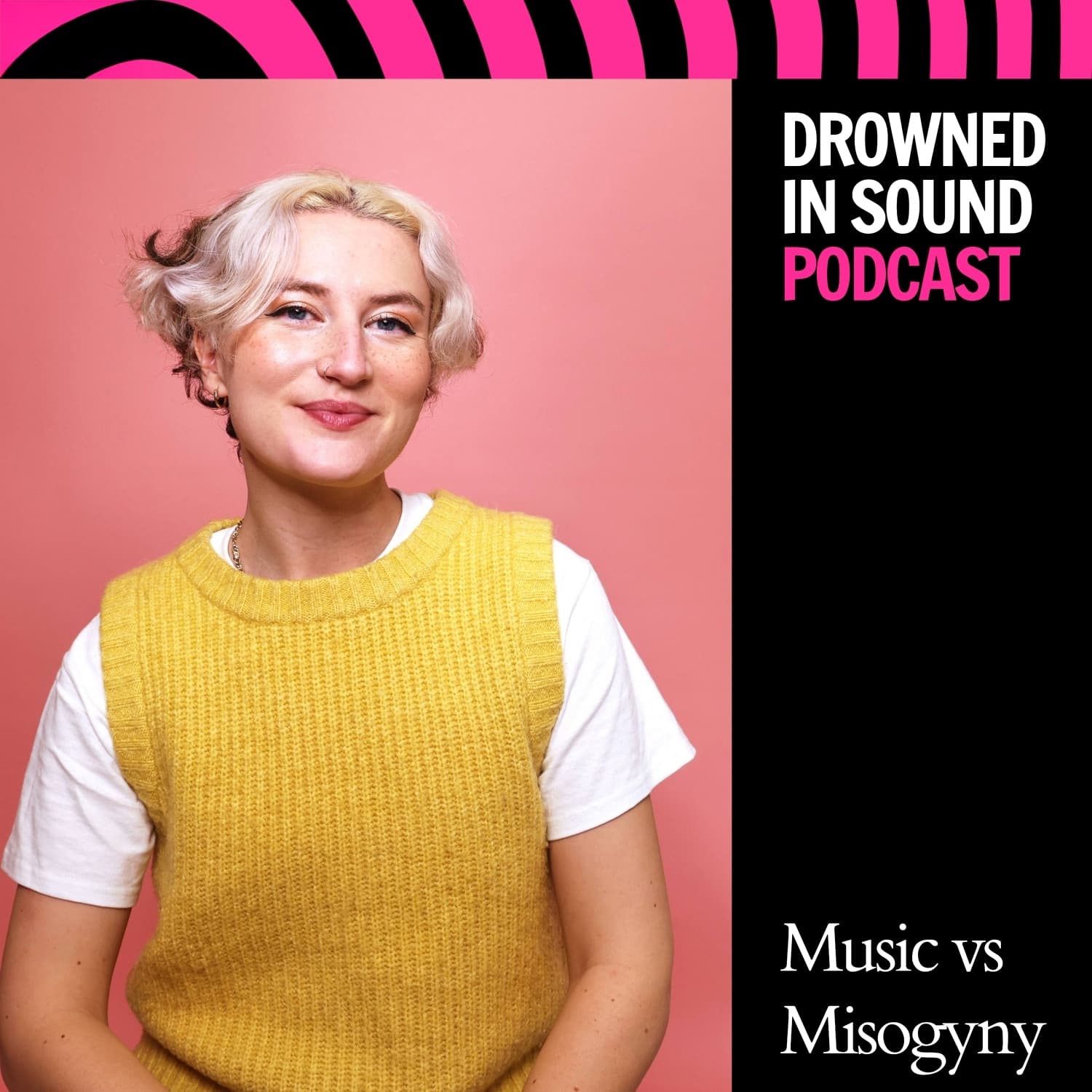
Eliza Hatch, a visual communicator/investigative journalist who runs Cheer Up Luv, a multi-format platform that started as a 2017 photo series retelling street-harassment stories through photography and grew into a community/podcast/events platform.
Key claims
Harassment/discrimination is a sliding scale and often unreported because it’s normalized and hard to quantify. Freelancers lack clear accountability. Training, reporting processes, and limits on NDAs are necessary.
Notable examples
soundcheck/tech staff only addressing men; Izzy B Phillips (Black Honey) being told her “tiny hands” make her a groupie; women blocked from gigs; Chris Brown and Marilyn Manson discussed; Safe Gigs for Women training; organizations like Black Lives in Music and We Are the Unheard; EHRc guidance updates and NDA bans.
Written by AI. May contain mistakes. Listen to the episode to check what was said.
Chapters
Tap a time to open that second in VOEliza Hatch's Journey with Cheer Up Love
2:53 to 6:27
Eliza Hatch discusses her project Cheer Up Love, addressing gendered harassment through photography.
“This is my conversation with Eliza Hatch.”
The Blurred Lines of Activism and Journalism
6:27 to 9:28
Eliza elaborates on her role as a visual communicator and the intersection of activism and journalism.
Understanding Misogyny in Music
9:28 to 14:01
The discussion focuses on the findings of a report on misogyny in the music industry and personal experiences of discrimination.
Shifting Perspectives on Gender Violence
14:01 to 14:48
Explore how societal attitudes toward gender violence are changing, particularly among younger generations.
The Ecosystem of Misogyny
14:49 to 16:51
Discuss the intricate web of misogyny in the music industry and its impact on safety and comfort.
Hope Amidst Change Makers
16:52 to 19:15
Highlight the positive changes and organizations working to improve equality in the music industry.
“Like I don't, I think Taylor Swift just about sells a million copies in the UK.”
Legislation and Workplace Protections
19:16 to 21:51
Examine new legislation aimed at protecting employees and addressing sexual harassment in the workplace.
“who are an amazing organisation, looking at equality and diversity for young black musicians in the industry and creating equal opportunities there.”
The Role of Non-Disclosure Agreements
21:52 to 23:24
Analyze the implications of NDAs in protecting abusers and the recent moves to ban them.
The Complexity of Accountability
23:25 to 26:08
Dive into the challenges of accountability in the music industry and the systemic issues that hinder justice.
“I think CESA finally launches in the next few months and they've got, I think they've gone like, this is the guidance you should sign up to.”
Audience Reactions to Controversial Artists
26:09 to 28:00
Explore the ethical dilemmas of audience reactions to artists with troubling pasts and the concept of separating art from the artist.
“Did you know he has been accused of rapes and further assaults?”
Show all 20 chapters
The Ethics of Art and Audience
28:00 to 31:20
Exploration of audience reactions to controversial artists and ethical considerations.
“I don't think they're asking consent for anyone.”
Accountability and Ownership in the Music Industry
31:20 to 36:20
Discussion on the importance of accountability for artists and societal expectations.
Investing in Grassroots Music for Women
36:20 to 41:20
Suggestions for funding grassroots music initiatives to support women in the industry.
The Impact of Patriarchy on Men
42:00 to 43:16
Discusses how patriarchy negatively affects men and the need for deconstructing gender roles.
“Why is smashing the patriarchy good for men as well?”
Men Addressing Inequality
43:16 to 45:02
Explores the involvement of men in addressing issues of inequality and discrimination in the music industry.
“I realised if I went in with that, you might have thought it was a whole different type of interview.”
Positive Trends in Male Activism
45:02 to 48:38
Highlights examples of men actively calling out sexism in the music industry and the importance of these small changes.
“It was like stop like females getting behind the decks or something like that.”
The Future of Rock Music
48:38 to 52:26
Debates the narrative of rock music's decline and examines how it relates to male supremacy.
Musicians' Responsibility Against the Far Right
52:26 to 56:07
Discusses how musicians can confront the rise of far-right ideologies and the importance of solidarity in activism.
“I mean, are the violent leftists in the room with us now?”
Confronting Misogyny in Music
56:07 to 59:40
The discussion revolves around the need for leadership in the music industry to combat misogyny and create inclusive spaces.
“I would like that in 25 years time, there to be a significant reduction in the amount of harassment and abuse and discrimination that women in the industry face.”
Takeaways and Resources
59:40 to 1:01:41
Highlights key takeaways from the interview, shares resources for combating harassment, and encourages community action.
“a revelation um i would hope that for a lot of people some of that stuff might have been shocking but not surprising i think that eliza had such a great way of explaining things that i don't need do much of an outro.”
Transcript
Automatic transcript. May contain errors.0:00Do you think the music industry has a misogyny problem? Yes. Absolutely. The shows, again, like the men in power just don't care about women's safety and just women's well-being in general. This misogyny and music census report that came out in 2024, the big kind of, you know, investigation into misogyny in the industry. And it found that, yeah, 50 % of women musicians in the UK had experienced it, over 50%, I think. And a third of women had experienced sexual harassment. and it's always shocking to see the numbers when they're like right in front of you.
0:31Eliza Hatch:Should Chris Brown be allowed to have a career after the things he's done? Well, you can't stop someone having a career in music, but should it be huge arenas? Patriarchy sucks for men. The patriarchy is, you know, hands are a rotten deal to women and people of all genders, but, you know, it definitely does that to men, you know. It creates these really limiting ideas of what it means to be a man, what it means to be masculine, how to live your life, what emotions you can show, what emotions you have to hide and suppress, what things society expects of you.
1:19Eliza Hatch:The music industry has a misogyny problem. It's had it for a very long time. How does it address it how big is the problem well over 50 % of women in the music industry have faced harassment which to me feels like quite an underestimate in this week's podcast I speak to Eliza Hatch who's just written a phenomenal piece for Glamour magazine and it had a whole social campaign that goes behind it Eliza runs cheer up love which as it sounds is an account about street harassment of people telling women to smile and to cheer up and how on a very everyday level that kind of harassment is toxic is perpetuating a very bad culture and whilst harassment might be at the smaller end of the issues women face in modern society it's definitely not something which can just be wiped away and how it can be ignored i thought this was a really important conversation to have because the article is brilliant more people probably should go read it especially more men in the music industry should go read it think about the size of the problem think about the benefits of equality think about how men might benefit from smashing the patriarchy we do talk about some triggering topics in this episode we do talk about things which if you've experienced them might just bring some of those things to the surface we touch on chris brown and marilyn manson and a whole host of other things but actually above all this is a very hopeful conversation about what can change and why it should.
2:53Eliza Hatch:This is my conversation with Eliza Hatch.
3:03Eliza Hatch:Could you mansplain, especially to anyone that doesn't speak English, what Cheer Up Love means and why you started eight years ago? Yeah, of course. So Cheer Up Love is a photo series that I started in 2017 that retells stories of sexual harassment through photography. It came about after an experience of street harassment I had when a man told me to cheer up but that was just the kind of tip of the iceberg of all of the kinds of different forms of gendered harassment, sexual assault, you know, whatever it might have been that I'd kind of experienced up until that point and this just was the breaking point really for me where I decided to question for once all of the things that I had previously ignored and just swept under the rug and had yeah kind of just got on with my day yeah kind of ignoring and burying and not addressing and it was after a conversation that I had with some of my friends about their experiences and about how normalized it was that I decided to do something about it and that's how the photo series began also after a few conversations I had with my male friends around them kind of dismissing my experience as a compliment and all of our experiences of harassment as you know flattery attempts of flattery attempts of attempts of compliments and that we were just taking them the wrong way so it was a number of things that really yeah I guess got that project going to start with and then over the years it evolved from not just being a photo series into being a platform a community platform a space and a kind of a series of events a podcast um lots of different things really it's kind of transformed into a multi-faceted uh place which raises awareness around sexual harassment everyday misogyny and all forms of yeah gender equality you've done that a few times i can tell you got it down to like a minute and a bit it's it's quite rambling still it's yeah um because i was curious because i couldn't work out from the outside whether you'd class yourself as a campaigner or a journalist and i think that it's interesting those lines are blurring a lot more i think that the need to have a call to action on reporting or the need for reporting to make a problem clearer seems seems like there's a blurring there's probably a good thing and not just the uh i'm a journalist standing on the outside watching the world burn yeah I've always been someone that has been a slash this slash that slash something else ever since I you know graduated I was I've always been in the visual arts and visual media but never felt really comfortable just taking on one particular role even when I was going around I don't know I wasn't actually going around calling myself a photographer when people were calling me a photographer I felt uncomfortable with that label because I'd always seen it as something rather like a tool to a tool with um for like a means to a certain ends it was like a thing that I was using at a certain time in order to get a kind of message across and I see myself more as a visual communicator generally just picking up and using the the tools around me when I need them for whatever purpose I'm trying to yeah whatever purpose I'm trying to kind of get something across whether that's like a podcast whether that's creating video whether that's doing photography whether that's creating graphics um I am a photographer but don't get me wrong now I've been doing it for long enough I feel kind of comfortable with that with that name but I also am very comfortable being in a in that like in between place and like you know wearing lots of different hats and learning new skills that's something that really excites me and I also think it's can be quite good when you're I guess doing what I do now which is like a bit of investigative journalism here a little bit of storytelling over there and just being able to kind of flip between media media forms i guess that that really suits my communication style which leads us neatly into the article you just written for glamour um you spent three months diving into misogyny and music which i'm sure has an accumulation of knowledge from years before that too and it was fascinating to me because one it's great to see somewhere like glamour publishing an article like that it's a shame it's not music week or kerrang or metal hammer or somewhere where maybe the audience is maybe less familiar with the challenges um not to call out those because those magazines actually have done some reasonably decent reporting but just like i thought it was interesting that to me the thing that was really powerful was that all of the interviews you filmed so that there was social video of them all and your photo series that went with it there's some fantastic photos which I'm sure the artists were really happy to have high quality photography like around the piece as well how did the commission come about and was there like a germ that sparked the piece I know there's a consistent question you asked everybody which I suspect might have been the foundation for it yeah so the question I was asking everyone was yeah to begin with is this question of are you shocked that uh you know 50 % of women in music experience discrimination in the UK.
8:15And that was the beginning of the whole project for me was when I found out, I did some research, I could just, well, I didn't need to do much research, to be honest, just like one bit of Googling to find this misogyny and music census report that came out in 2024, which was a big kind of, you know, investigation into misogyny in the industry. And it found that, yeah, 50 % of women musicians in the UK had experienced it, over 50 i think and a third of women experience sexual harassment and i it's you know it's always shocking to see the numbers when they're like right in front of you but i wasn't like super shocked i also i thought it might have been higher than that to be honest and that's also the consensus the general consensus i got from everybody that i spoke to about it so that was my starting point for wanting to kind of look into it a bit deeper and then when i was looking into the report's findings, it said that the government had initially rejected the recommendations put forwards.
9:13And so for me, again, I was a bit like, oh, okay, well, you know, why for starters? And that really got me thinking and wanting to kind of speak to more musicians who it affects to see what the real picture is, if it really does look like that, what needs to be done. And I guess just some, I wanted to get some reactions on the ground as, you know, why is it taking so long for anything to be done around this issue um and you know why is everyone and institutions especially the government why is everyone so slow to act so that was the sort of starting point for me
9:41Eliza Hatch:um but i you know one one quick question before we move forward just um i wonder to what extent those numbers are lower because people don't know what discrimination or harassment counts as i think that one of the one of the things i thought was interesting because i read that government report and some of the findings in it were really shocking well but not surprising i think every single woman i know in the industry has examples of terrible things that have happened to them and really kind of like hyper normalized everyday things of turning up to a gig and person like i work with musicians i don't play any instruments for some reason the male sound men always want to talk to me about the tech setup one of the artists i manage is like an award-winning producer like she knows all about sound i'm the worst person for them to be talking to i've walked into guitar shops i don't play guitar we left a guitar shop once with an artist who was about to go and do 300 arena dates who did not buy a guitar because they the guy only wanted to talk to me and not to the person that came in to buy the guitar um so i wonder to what extent um from some of the conversations you've had and maybe it might be useful to kind of define what discrimination and harassment is if that's not too big a question yeah i mean it's a huge it's a really important question i'm glad you asked it because it's a real huge sliding scale and i think from the examples you've given there it can be the you know really everyday stuff the stuff which a lot of people might not even register to be an active an active act of sexism or discrimination like you said just only addressing the man in the room or not wanting to sell a guitar to someone or because you're just like not even noticing that they're there.
11:27And that, I think, is it's a silent form of discrimination and often unnoticed. And it's not the kind of loud, showy headline grabbing acts that we usually associate with, you know, sexual assault, sexism, misogyny. The things that we've seen grab the headlines of recent rounds, you know, really wide scale, prevalent kind of abuses that happen as well. And that stuff really does grab the headlines, you know. um you know this sort of series of like sexual assaults and stuff that goes on and in the industry and all of that really insidious stuff but i think the the type which you mentioned there the type which also many other people many musicians producers uh people all throughout the music industry kind of spoke to me about for this article um the most common is exactly that it's going to sound check and the you know the people who were there doing the tech doing the sound check only addressing the men not addressing you it's comments like I spoke to Izzy B Phillips who's a lead singer and guitarist of the band Black Honey and she often said people say to her you know how can you play that guitar with your hands with such tiny hands and getting mistaken for being a groupie or not being let into your own gig because the people thought that you were you know a groupie and not the actual musician and then you've got jazz singers sorry jazz yeah see I did it just there myself that um jazz musicians um what I was trying to say is jazz musicians will often get mistaken for being the singer in the band if it is a woman because that is the kind of default um assumed kind of position so it's just things like that it's assumptions um that leads to behaviors that then kind of enforces these stereotypes and views that we have around women's role in the music industry and all industries as well and I think a lot of that many people who are maybe on the other side and who don't experience it often or who you know don't hear it kind of talked about very often will find it hard to recognize those things so like the person in the guitar shop or the person who's doing the sound check who maybe just feels I don't know maybe they just feel more comfortable talking to men because they only work with men or there are loads of men in the industry I mean there is a high propensity of social
13:39Eliza Hatch:awkwardness in the types of people that work in sound but that shouldn't make them afraid of women no exactly exactly but it's a culture isn't it it's it's a slow unpicking and changing of that culture and if something has always been that way when it starts to change you know when when when do those people kind of start to notice that change and like do we have to spell it out for them i feel like we do at this point yeah yeah so it feels like training is one some of the really basic stuff um like the anchoress has had safe gigs for women on a lot of her tours and they go in with venue staff and do training and like and for fans they talk about being an active bystander of how to in how to interrupt something awful that's happening without kind of escalating it and one of the most interesting things about kind of having like i've been sitting on the merch desk i just shows next to them and i overheard the conversation and so many of the conversations were mothers and fathers speaking to people on the desk asking how their son should react at gigs and they said that's really changed in the last few years of being concerned that their son might be a witness to something and not know what to do to step in which i thought was like gave me a little bit of hope yeah um that something's shifting um i mean it's maybe shifting in the parents not in the kids but at least it's the how can we kind of change the the awfulness because I think they probably were reading the notes and the stats that Safe Gigs for Women had on the table and thinking oh god I can't imagine if my son was like not perpetuating this but not not protecting and not being protecting is probably not the right word but you know I mean yeah just being like aware vigilant or just looking out for you know people around you and one of the things that I've noticed is in some of the backlash to me too is often the conflation between assault harassment and discrimination like all these topics get almost intentionally kind of conflated by some people and in another way they make the kind of extreme of the topic become the center of the conversation but actually it's a it's an entire pyramid isn't it or entire um kind of ecosystem of interconnected issues how much in your conversations with musicians did people bring up things which probably wouldn't have registered in stats and probably wouldn't be something which someone would consider that it not just ruined someone's day but create an atmosphere with within which someone doesn't feel welcome in doing their jobs because i think that was one of the things I took from some of the clips that you had was people feeling like playing a show or being in their own dressing room wasn't necessarily a safe space or being in a recording studio or um I'm not really sure my question is there I think I'm conflating the question within my own head so I think no I know what you mean yeah yeah I've you know I spoke to people kind of all across the industry and there are so many things that add up to as you were saying creating that kind of feeling of an unsafe space which maybe you couldn't you know put into into a report and you know a tick box of black and white some something as black and white as you know have you been harassed here or have you experienced assault at this time or in this like time period um because a lot of the things are quite hard to quantify you know how how do you quantify how how many times you've been into a recording studio and the person that has asked if you're like the band's girlfriend you know over a long period of time yeah that feels kind of shitty on the day or like you know maybe you brush off you laugh off but like over a period of time that adds up to this feeling of just generally feeling unwanted or perhaps unseen in your industry or there's like comments um that you know i've uh someone who i interviewed for the article tala who's a producer you know it's comments that she's heard from other producers that she's working with in the studio like really really derogatory comments about the um women that they are recording with and then she feels really uncomfortable around that and then also like she has to then safeguard these young women that she's working with and so there's there's multiple multiple layers to it and i think that's why people find it hard to confront and hard to call out because it's quite insidious and also because it's it it inhabits a lot of those gray areas which people feel really uncomfortable about when addressing and like confronting sexual harassment and also just generally like everyday misogyny so is there anything that gave you hope from the piece that you've like it's had a million like the fact that it's reached a million people um i think you said on one of your videos and i'm guessing that's between all of the instagram posts and the kind of people reading the article like that's a lot of people like that's probably the bulk of people that go to kind of grassroots shows in the UK.
18:37Eliza Hatch:Like I don't, I think Taylor Swift just about sells a million copies in the UK. So this reached a lot of people. Was there anything that gave you hope about it? Oh, there's so many things. That's yeah, from the entire investigation, like obviously it started from a place of being quite skeptical and I guess like critical, judgmental of the government and also just generally of the industry. And so that was this kind of starting point, but from doing the research and looking into the change makers in the industry, especially the people who are kind of driving forwards for a more equitable, more equal future in the industry, looking at those movements and those organisations, whether it was interviewing and speaking to Black Lives in Music, who are an amazing organisation, looking at equality and diversity for young black musicians in the industry and creating equal opportunities there.
19:28Or We Are the Unheard, who work a lot with mothers, getting kind of mothers into the industry and supporting mothers so there were loads of different kind of organizations who i spoke to who really gave me hope but there were also some changes that went through that have recently come through uh in in government the updates to the ehrc guidance which was one thing around workplace sexual harassment and and the use of ndas hrc again The Equalities and Human Rights Commission, I think.
20:01Eliza Hatch:Okay, yeah. We'll go with that. Yeah, that sounds right. We'll go with that, but it's about, yeah, kind of workplace protections for employees. And it is something which the right-wing press ages, not ages ago, in the summer were kind of very angry about because it was being lauded as the banter bill. um because i completely missed that well it's probably for the best because it was yeah i kind of maybe want to bang my head against a wall but yes the right-wing press very angry about it because it was seen to be a clampdown on office banter but actually it is kind of finally putting protections in place for employees and employers to have a um to take responsibility basically for the safety and safeguarding of their workers so that means implementing training that means implementing um kind of safeguarding uh processes reporting processes all of these things that really should just be the standard for any kind of workplace um so that's come in which is really really um helpful just to have as a piece of kind of legislation piece of guidance and also the banning of the use of ndas so that's non-disclosure agreements which we have seen um recently in lots of high profile cases uh of abuse and scandals and historic kind of scandals around you know weinstein um muhammad al-fayed lots of different um yeah case like high profile cases like this but these are often used you know not just in like right with like very high profile well-known celebrities they can be used throughout any and all kind of organizations yeah so and they stop people being whistleblowers they stop they also often stop witnesses from being able to talk about what they saw which is disgusting yes they're bad i think bad bad bad um so it's it's you know i think it's so a lot of people would say it's you know too little too late but like it's something for now um and it's it's the kind of one step i think in the right direction um and there's also i saw the can't buy my silence campaign are pretty happy about the change sorry to interrupt um i think that like if you if anyone hasn't seen the she said documentary about the weinstein new york times piece i think that's quite a it really underscores where the ndas became the blocker to and i've forgotten it's zelda perkins isn't it like she's she's really led this campaign and i think that it to me it seemed like it's probably a good thing because zelda was pretty happy that this i think it was like it's a step it's not the leap but yeah yeah so it's it is a good step in the right direction but there's still so much more that needs to be done um another positive thing that was set up after the misogyny music report was um the creative industry standards authorization c i the cisa cisa c-i-i-s-a um which came about after the time's up movement which is also kind of adjacent to me too um which is all about addressing um inequality in the creative arts across the board and then they have been doing a lot of work in the past year addressing this report for pissogyne music um and i spoke to them for the article as well and so there is there is hope i do feel hopeful that this is something that's being addressed and looked at it's just gonna it's just gonna need everyone's like eyes on the ball if that's the right phrase to keep it going.
23:30Eliza Hatch:I think CESA finally launches in the next few months and they've got, I think they've gone like, this is the guidance you should sign up to. But I think at the moment, they're not able to actively go out and do things. Like I think one of the things they've got is if multiple reports are made about the same person, they're then able to look at it. I think one of the big things that I think is important about them is that for freelancers, there's kind of no one to turn to. and the vast majority of people in music are essentially freelance or contract like if you play a show you're contracted to play that show you're not employed by so if something happens at a concert you're technically but also it means that if an artist does something bad in a venue it's like there's no there's no like um accountability i guess apart from unless the media is able to run a story which yeah they often can't because of lawfare yeah exactly we have such tight libel laws in this country.
24:30As you would have seen as well with the, I'm not sure if you did see the whole Noel Clarke libel dispute and trial that went on with the Guardian. And they've won that and that is just so good to see. But it takes a huge amount of money and time and resources and just the amount that you need to actually stand up to one person, one figure in the industry even if you are a ginormous organization very well known and well respected paper like the guardian it's it's um kind of terrifying and it was some there was loads and loads of people that came forward that spoke to the guardian for the article that then went to
25:10Eliza Hatch:court yeah which meant essentially a lot of the charges often that people can't take further forwards because of how terrible our justice system is and how little of like the amount of times I see online well why didn't they just go to the police and it's like my own experiences of going to the police is you kind of need to go back to them over the course of I mean for me it was over the course of a decade and having being told oh there's only there's not enough instances it's like I won't go into it because um I don't want to trigger the person that it might that comes back around again um one of the things that I thought was interesting is your piece opened talking about Chris Brown.
25:55Did you know he was convicted in 2009 of felony assault of his then-girlfriend Rihanna? Yes. No. Yes. We didn't know that. Did you know he has a restraining order against him by another ex-girlfriend for threats? No. No. No, I didn't know that actually. Did you know he has been accused of rapes and further assaults? Yes but I've heard that it's actually they've banished it. No. No. And so how does it all make you feel? I go, I enjoy his music, I think he's an amazing dancer and I, what he's done, he's, I think he's paid enough like for his problems or whatever. Well, Saga, I think it's hard about it but it's a lot of people can see.
26:48I'm like no business to be honest. I like his music, that's why I'm here. I've liked his music forever and that's why I'm here. Yeah, I feel like nobody has the perfect relationship behind closed doors and I feel like because he's in the limelight he gets a lot more hate for it and I'm not condoning anything he's done but Rihanna has like done an interview saying they were having a fight so as far as I'm concerned we're both as bad as each other and we're just here for the fights.
27:25Eliza Hatch:The thing I say interesting stomach churning and the fact that he was still playing arena shows this year what did you think of the Scottish newspaper The National not the indie band The national um doing vox pops outside their glasgow show and the way the audience reacted i was in two minds about it this is kind of why i thought i'd ask because for one i thought it was really powerful to hear people saying no i didn't know about all of those charges and allegations but on the other some of the people said yes and they were still quite happy to go to the shows but for me i was a bit like did those people consent to that video then being posted on social media if they were unaware of the case and they were still going to the show and like there was like there was a tiny bit of an ethical question for me but i think it was really powerful i think for a lot of people they hadn't ever really seen like an audience going to a show of separating the art from the artist kind of conversations yeah and um what did you make of those those videos you know it's interesting you bring up the ethics around that because i just always assume that everybody has to have like sign you know consent forms and stuff to have any of that stuff published because that's the way i work but i just probably it's probably which is probably not the way that most people, most news, well, I don't know, you'd assume news organisations did make people sign model releases and whatnot, but I appreciate that maybe they don't.
28:43I'm not suggesting they didn't.
28:44Eliza Hatch:I'm not suggesting they didn't. I mean, the people who do those, you know, this is kind of going off topic slightly, but related, people who do the vox pops in the streets with like, you know, TikTok creators and whatnot, who go up and ask people like, what's your body count? Or like, rate this person out of 10. I don't think they're asking consent for anyone. They're just going for it. but circling back to your point uh to your question i was i think disheartened with a lot of the um yeah with a lot of the responses around either not knowing or not caring or just being unaware or just you know yeah that entire thing of like separating the art from the artist or it happened so long ago or we've all moved on or you know whatever he's he's like repented or all of this stuff i was disheartened by it i couldn't say i was like mega shocked mega surprised because i also think that i live in a little bit of a bubble on the internet of people who um try to practice what they preach or like are interested in kind of social justice movements and you know would actually not separate the art from the artist not in a lot of those things so whether that's stopping listening to a certain musician or boycotting brands or whatever it might be I think I live in a little bit of a bubble of people who do do those things or at least say they're going to do those things and who are who are yeah displeased with or call out or yeah call out kind of injustices whether that's with certain people or movements or places or you know, whatever that might be.
30:22And so I do think that the rest of the most of the rest of the country is probably not like that. And so when I do see these videos, I'm like, yeah, that's, that's taking me outside of my of my bubble, that's taking me outside of my echo chamber. And I do think that is needed every now and again, a bit of like a reality check a bit, especially, you know, with what's going on at the moment with like, the rise in the far right. I think we're so insulated in our in our bubbles, in our kind of polarised spaces of the internet. And so I do think it's necessary to see things like that and to engage with the wider public as much as you possibly can on these issues, even if it is just asking them a question.
31:03I don't think we need to be going around like necessarily like lecturing people because they're probably not going to listen. They're probably going to push you further away. But yeah, I was disheartened by the general support for Chris Brown, of course, that kind of goes about saying. um but i can't say i was too surprised and i also think that we are in a bit of a swing back at the moment generally towards all kinds of like progressiveness whether that is feminism whether that is any form of like social i don't know uh like social moving like social progression you know all of that kind of stuff the work like work is dead as people are saying um not for me
31:43Eliza Hatch:but you know i mean we're speaking on the day where literally antifa which doesn't exist as an organization has no headquarters is potentially going to be sanctioned by the u.s and antifa just means being anti-fascist yes so that means being pro-fascist is okay yes but being anti-fascist is a bad thing and these are the times these are dark strange twisted times and i think that one of the things that i haven't quite figured out like i can't unsee that rihanna picture um smoking gun carried the whole um legal case i actually don't recommend people read it it's disgusting it is so just like i it's one of those things that i'm glad that i know what happened because i know now why all of the things that people are capable of kind of wiping under the carpet especially people that work with him especially people that profit from his concerts especially people who happily go and do his sound and lights and because it takes a village to make a tour work and there are a lot of people paying for their holidays paying off their mortgage by working with someone like Chris Brown and I think that if they've not had the curiosity to go look that up but if they have and they continue to do it it's I don't know there's something disturbing about it and i think we've seen enough cases of the small bits of evidence that we do know leading up to okay there's actually loads and loads more here and obviously not always the case um but i i wonder what the kind of like should chris brown be allowed to have a career after the things he's done well you can't stop someone having a career in music but should it be huge arenas like is what is it what is it within the audience and like the media that like there was a few people in that video that just didn't even know about the allegations which but they like chris brown enough to i guess to have spent like 60 70 quid on a ticket but not to spend a couple of hours finding out a bit more about who the person is they're giving their money to um i guess i don't really have a question i guess i'm wondering if chris brown had done those shows and 20 pounds from every ticket went to women's aid would i feel would i feel different about it would you feel different about it well there's this this thing isn't there of people kind of owning up to their actions and admitting it and moving forward and doing something like better or or good or having some kind of retribution um you know learning from their mistakes and moving forward you know owning up to them and i think owning owning it and you know we don't live in that world at the moment we live in this world where everybody does the exact opposite they deny deny deny deny and then if it does get proven to be the case they claim it's like you become president you become president um or it's fake news or whatnot and it would just be amazing if we could reach we could we could be in a point where you know we don't have to cancel people because people who just turn around and go like okay actually i own up to that i did this it was terrible and i'm going to learn from my mistakes and i'm gonna you know work with this charity or do this training course or go get some help or have some therapy or something and just being able to kind of own up to your mistakes and say yes I did that that's you know I'm so sorry I'm gonna you know make up for it let's move on like you know with the uh you know just to name another recent case that's been in the news uh the great Wallace um all the allegations around Greg Wallace and his firing from MasterChef and he's somebody who's constantly just double down double down double down every single time and you know repeatedly just seem to kind of make it worse with all kinds of responses.
35:20I'm not going to go into them in too much detail, but in a case like that, for instance, you could just turn around and own up and just be like, I'm sorry, I will learn from this and move on. But no one seems to do that in all of these cases, but every single one of these men who's reached headlines for historic abuses or current abuses of power, none of them seem to just, obviously no one wants to turn around and be like, yes, I'm an abuser or I'm a, you know, whatever but it just thinks some it could be a lot easier if we had a channel or a path for people um not exactly to you know obviously we don't want to be like yay you're forgiven let's all go to a chris brown concert but if there could just be a path that was easier for people to be able to kind of admit to and own up or just take accountability and move forward in like a productive way rather than just the default in all of these cases is just deny tonight and i move on and then a couple years later release a new album or comedy tour or louise louise uk go back on tour again
36:26Eliza Hatch:all these kinds of things exactly i think because i think that's the thing like there's not there doesn't seem to be a pathway and i don't actually i was about to say like and i don't actually like using his name but like on this cover of the spectator today um a man whose name sounds like it fits in the word spectator um and his first name is andrew was in his they've interviewed him in this and it's like michael gove is the editor of the spectator he was in government less than a year ago um he edits a magazine which is like part of the kind of conservative establishment and he is facing incredibly serious allegations and yet he's being interviewed essentially doing a kind of darvo like reversing the fact that he's the um and talking about how i should probably explain what darvo is it's deny uh why i've got a mind blank it's reverse the victim with the offender about essentially so if you're if you've done something wrong you cast yourself is the victim and you you play the the kind of like i'm the one that's that's being uh tarnished here and he talked about like i've only seen the cover but he's talking about how he thinks he could be charlie kirk which is and it's like how have we reached the point where as a society and as a country someone who was literally in government is thinks that that's i don't know is like it's the lack complete lack of accountability which um brings me to my next question which is linked to the previous chris brown topic marilyn manson's about to do a uk tour in fact i was at wembley arena last night for the together for palestine show and they had post they had it on the screens like advertising his shows um there's big posters for the shows in cardiff um sean berry the green mp in brighton because the venue was in a council-owned venue they've managed to um i don't think council's the right word but i think the show is not happening and it's not being postponed um because i think if you use the word cancel it triggers certain people doesn't it yeah um but his tour is going to contribute to the grassroots levy which is putting one pound from every ticket in to support grassroots music and artists and i worked out if the tour sells out there's about 35 000 tickets which means about 35 000 pounds because it's one pound on every ticket going to grassroots music if you were given that money today or if you were able to advise the people who were receiving that money how would you spend it to improve grassroots music in this country for women that's a big question i would look to investing it in the people who are coming into the into music the young generations of people who are getting into and trying to sustain careers in the music industry at the moment because you know as we were saying before it's a it's mostly something which is um done kind of by freelancers many people have other jobs part-time jobs as well as having full-time careers as musicians um it's something which can be extremely inaccessible because of money funding just generally being able to afford to to live especially to live in the kind of cities that you might need to to be able to beat the people and go to the beatings and have the careers um that have the opportunities that you needs to sustain a career in music so like living in a big city for instance you know not necessary but a lot of people do um tend to tend to go where the work is don't they so putting money into programs that support emerging artists that support young people that the programs like putting money into the programs that already exist the programs to safeguard young musicians the programs to introduce young people to instruments like simple things like that i think could really make a big big difference um and also putting money into training specifically training people um who work in all kinds of organizations around the music industry you know whether that is labels to independent music venues you know there's so many different parts of the industry but putting training in place for everything that we've been talking about in this episode so like workplace harassment reporting making sure that you've got bystand intervention training all of this stuff which a lot of people say oh that's like wasted money or you know that's not a priority and whatnot but all of those things go towards making these environments more inclusive more safe more accessible and more welcoming for people entering the industry whether they are men you know women people of marginalized genders people of um you know all different backgrounds all of um you know all of that contributes to making an environment which is more safe, more welcoming and more equitable to work in.
41:26Hi there, it's Emma here. I'm gatecrashing the podcast to quickly tell you about the Drowned in Sound newsletter. Every Wednesday, I invite myself into your inbox, with permission of course, to share opinion writing and resources, tell you about cool things that you should be involved in within the world of music, activism, etc. I also bring track of the week and a little bit of hopeful news for you because we all know that the news cycle can be grim at the best of times. Drowned in Sound newsletter every Wednesday in your inbox. Sign up now.
42:00Eliza Hatch:Why is smashing the patriarchy good for men as well? Because it's not great because the patriarchy sucks for men. That's why because the patriarchy is you know it's hands are rotten deal to to women and people of all people of all genders but you know it definitely does that to men you know it's it creates these really limited limiting ideas of what it means to be a man what it means to be masculine how to live your life what emotions you can show what emotions you have to hide and suppress um what things society expects of you so many things which are limiting and um which contribute to terrible mental health and really unrealistic expectations and gender roles for men and young boys growing up.
42:43So I think it's imperative that we, you know, take down and deconstruct this idea of patriarchy and gender, especially for young people growing up today, because it feels like it's, you know, it almost feels even worse than it has been for a really long time, looking at young boys and young girls and their ideas of how they have to be, how they have to kind of, the role they have to play in their gender and what's expected of them. So I think, yeah, we still have a lot of work to do on that front.
43:17Eliza Hatch:That was almost my opening question. I realised if I went in with that, you might have thought it was a whole different type of interview. One of the things that I find depressing is that I'm imagining in your research for this article, you met some amazing organizations were there any men that you saw involved in these projects were there like organizations where to try and address these issues like I know there's a obviously a few men in the industry that I can like I probably could name them on one hand though like did you discover many men addressing inequality discrimination abuse harassment like I find it interesting that abuse and harassment affects men and I don't ever hear men in the industry even acknowledging it as as a kind of something that needs to be addressed yeah exactly exactly it's something which affects everybody in the industry but is you know it's barely spoken about with with women and it's even more of a taboo just for men to speak about it as well um but no actually i honestly it's terrible to think about but there's no one off the top of my head that I can I can think of that comes to mind about looking into addressing these things specifically there are men within the organizations who I interviewed like there are men that work at you know Black Lives in Music for instance um which is you know an organization looking to kind of deconstruct um you know gender inequality and also inequality with um inequality towards black musicians in the industry but and there are definitely lots of men that work in that in that organization but i can't think of any of the top of my head i'm gonna have to look into that and come back come back with an answer a more hopeful answer well i thought it was interesting that you talked about like what the next your next piece might be yeah and i was wondering it's just like because i've looked and i'm trying to like work out there was like a campaign that the UN did years ago called he for she that was like it was really confusing what men were meant to do there was like this big call out for men to address inequality um and I think it's notable that some men are like either waiting for permission or guidance and it's like almost as if like they can't address the issues which the people stood alongside them sometimes are the ones and I know it feels like there's a like I'd be really curious if there's in other industries and other countries like movements where men are driving the quest for equality because that's what it is really isn't it it's making a world equal for everyone yeah yeah you know what i actually i do have a positive answer to this i've thought about it a little bit longer and it wasn't through my research on the article that i was writing it was the research um i guess it was the response that I was receiving online so when I posted the series online whether it was the the interviews the photos the videos I posted all of the content over the sorry like two and a half two three weeks lots of people responded to that content really positively but a lot of the conversations that were had people were like sending me different things to look at as well and something that someone sent me was this DJ, this male DJ, who had put a kind of post out calling out like women behind the decks or something.
46:44Did you see that go around? It was like stop like females getting behind the decks or something like that. And it was supposed to be a post kind of calling out, distracting, like women wanting to like get behind the decks and whatnot. And anyway, it was a really misogynistic post and it was phrased really badly.
47:05Eliza Hatch:As in them DJing or people like kind of gate crashing when he's trying to play records. Yeah, that thing, especially like gate crashing. So wanting to like get the pitch taken. I don't know, you know, really dumb. It's like sexist tropes of what it is like to be a, not necessarily a groupie, but someone who wants to go up and join, dance behind the deck, something like that. Anyway, so that was posted and it was kind of doing the rounds. and people were saying, oh, this is really shocking, really sexist. Anyway, the person who posted it turned off their comments. But of all of the comments I saw, and there were loads of them, basically all of them were from men calling out the post and just saying, this is really sexist, mate, or this is really not on.
47:51And I was really happy to see that. Obviously, I was not happy to see this kind of sexist post, But I was really relieved to see all of these men commenting underneath and just being like, this is really not it. Or like, I think this is the wrong take here. Or I think the wording is a bit off. Or, you know, actually, this is probably not a great post. You should probably take it down. And it's just little things like that. Obviously, we all need to kind of step up and make a difference in person, in real life, in these rooms, in these places, in real time. but it's a step in the right direction at least the the balance of that conversation slightly shifting and slightly changing and men kind of calling out other men's behavior even if it is just in the comment section of a post you know it's little things but i'm i was glad to have
48:38Eliza Hatch:seen it it's all incremental isn't it the little things are the things that make the bigger difference because the problem is little things sometimes because that then creates an environment which makes the bigger things possible because without that almost self-radicalizing of well this is acceptable and it's i guess it's the is it the malcolm gladwell nick someone's theory on broken windows in new york and how if you start to get rid of the broken windows and the graffiti that crime rates drop because you've dealt with the smaller crimes so you don't create the environment and the toxicity for the bigger crimes but i don't know how true that is with obviously just men that are abusers
49:24Eliza Hatch:next question i'm going to ask you i don't know whether you would have thought about this but dronin sounds about to turn 25 and we've been looking back at some of the trends from the last 25 years and one of them is about every two years there's a ton of articles talking about how rock music is disappearing and i recently saw i think it's liam gallagher's son talking about rock is back as if like it ever went away like the last two or three years i've had some incredible records like just at reading the other weekend i saw mannequin pussy echo vandal the linda lindas like hayley from paramour's just released the album of the year nova twins have just released an incredible record who you interviewed in your piece like there is no there is no argument that rock is dead right now but there is consistently these articles um i remember calling one out in my sunday times column years ago um because i was going to see paramore at the o2 and someone wrote an article about how guitar music was dead and i was like let's just start out two nights of the o2 these two things and i think i was going to see my chemical romance the night after yeah um and there was definitely something within the articles at the time which felt like well you mean a certain type of guitar music you mean essentially stuff that sounds either like the smiths or that sounds like black sabbath it's like and predominantly music made by men so i guess my question for you is is to what extent do you think that's symptomatic of people worrying about the erosion of male supremacy in music i realized that was a very round the houses question yeah i i think i think that is we always kind of come back around to this um you know whether in all forms of culture I think it's not just music um people tend to like panic when something which was really popular or we saw a lot of um for you know a long time like is less kind of prominent um so yeah like bands like Oasis and you know certain types of like certain genres of music and I think it is because yeah there is this like a panic that the men kind of holding those positions or the men kind of doing well and like making that money in those in those industries are no longer going to be kind of relevant but I'm not worried about that at all and I think that that has also not been the case either um for a long time um so yeah I mean I I think there's not much to worry about there I think there will always be men selling records and doing their thing and i mean the rolling stones are still going on then like i'm not i'm not yeah i'm not super worried about about that i think they'll be they'll be fine yeah i mean if the guy from aerosmith can do all the things that he's done and still perform at award shows i think that the uh the death of the i don't think anyone's getting cancelled anytime soon um sorry that was a stupid throwaway comment um i noticed that you joined me in my concerns about the rise of the far right from following you online um what how do you think musicians can respond to the far right and the rise of it and especially when they talk about protecting and for anyone listening to this i'm going to say our girls with with air quotes because that seems to be the prevailing narrative of um the especially in the uk the kind of extreme of the far right like i've seen nova twins who get their third or fourth mention of the podcast um speaking up in the last week or so we saw 110 000 people marching in london which is less than 10 percent of tommy robinson's followers like how do you think musicians could or should and i guess my other sub question is do you think it's right that some musicians especially women of color are putting their bodies on the line and given how abusive the internet is like because there's not the solidarity and the swarm of people speaking up and reacting that it might be safer for someone like me a white man to speak up than it is for um a lot of especially women to speak up on these topics yeah i mean 100 it kind of always has been this way and it feels like it just is continuing to to be the case you know whether it is being on the front line um in um yeah whether it's like coming out to um of supports you know gay rights gay marriage um like feminist issues climate issues you know whatever it might be women and especially women of color and trans women always seem to be on the forefront of these radical, and not even radical, these just movements for progressing human rights and progressing equality and all of these things that shouldn't be seen to be radical or seen to be viewed as the radical left, for instance, which is a term which is going around, which for me, I'm like, isn't this just equal rights?
54:35What's radical about this? Anyway, traditionally...
54:39Eliza Hatch:I mean, are the violent leftists in the room with us now? well apparently yeah i mean yeah apparently that if you can find a violent leftist i think they're like a dodo or a kind of like it's hard to find as a kingfisher yeah it's um sorry no it's it's it's it's mind-boggling um but it always has been the case that women especially women of color and um you know people from minoritized backgrounds have been the ones leading the charge and kind of spearheading these movements and the people who have been putting their cells and their bodies on the line and everyone else and especially the most privileged of people, privileged of groups, people with the most of that power to lose have been the ones least in favour or least likely or less willing to kind of speak out and less willing to lose that power, less willing to
55:33maybe align themselves with a cause that doesn't directly benefit them. And I think we need to try and shift the dial, shift the conversation into, you know, convincing people that this is something, equal rights for everybody, something that will benefit everybody. Equal rights for the most vulnerable people in society benefits not just them, it benefits everyone. And so we need to kind of, I think, do a better job of spreading that message, getting everyone on board with that message, because everybody ultimately benefits from a more equal society.
56:06Eliza Hatch:and we need leaders that make those arguments loudly and proudly because i think that's one of the biggest challenges we've got and musicians when they stand on the stage are leaders of their fan bases like the musicians have got plenty of time to in their life set to carve out a minute to make statements and i think that the social platforms that people have the the kind of duty that people have to use those especially at times like this and i'm obviously thinking more about world leaders and business leaders and all these different people that have the ability to either speak up or to back the people that are and i think that's pretty crucial exactly um so i've got a hopeful question to end on what do you hope the music industry from based on where we are now could should be like in 2050 like and maybe in amongst that what are some of the changes that you'd love to see in this maybe slightly more nearer future i think well i summed it up at the end of my article uh i think quite quite quite well not i'm not sure if it's like well but if in a way that i think is just a summing up of like an incredibly long list of things that need to change and things that we still need to do but ultimately we need to reduce the numbers i started the piece with so the reason i looked into the issue of misogyny in the music industry the fact that over 50 of women experience discrimination the fact that a third of women are um that experience sexual harassment that needs to at first significantly reduce there needs to be you know it's hard to it's hard to imagine a world free from abuse and harassment but i have to do that in order to be hopeful and positive and in order to do the job that i do So I would like to in, wait, did you say in 50 years time or in 2050?
58:02Eliza Hatch:2050 and 25 years time. I would like that in 25 years time, there to be a significant reduction in the amount of harassment and abuse and discrimination that women in the industry face. And I think there needs to be more women producers, more women in positions of power, at labels, more women who are working as bookers and agencies and festivals and management companies. and there needs to be significant more action to safeguard and create inclusive spaces for women and for all minorities and to protect the people working in those positions online but also offline sorry offline but also online as well because i think we rarely think of the online world as like a real place we think that the abuse and harassment that happens especially to people who put themselves out there like as you were saying you know nova twins coming out speaking boldly about these issues online you know we need to stand up for and protect um and safeguard the people who are doing that and i don't know just be it would be lovely to have stricter policies in place like the ones that all social media companies basically got rid of like around you know harassment and and trolling and um you know any kind of safeguarding policies basically but be nice to have those back if you look at the app store terms and conditions they are breaking those terms the conditions of being in the app store by break by having these things go wrong um yeah it's like there's so many things to fix i am gonna say thank you and end the interview there
Read the full transcript
59:39Eliza Hatch:that was a lot to process and i can imagine for some of you some of those things might be a revelation um i would hope that for a lot of people some of that stuff might have been shocking but not surprising i think that eliza had such a great way of explaining things that i don't need do much of an outro. I probably should just give a few of my takeaways this week though. Wondering how to bring more men in to smash the patriarchy. I'd be fascinated to hear of initiatives happening in other industries, in other areas of life, maybe other countries that we could learn from. If you're not already, you should go follow Eliza on Instagram.
1:00:20Eliza Hatch:It's cheeruplove and that's L-U-V for love. Also sign up to the Cheer Up Love newsletter. I will link to that in the description. I'd also link to a podcast that goes into a list of things that Marilyn Manson has been accused of, some of which are things which didn't make it as far as court because of the way our justice system works. The Drowning Sounds newsletter is worth signing up to because I'm planning to do something to take a bit more of a call to action on this but it's not quite ready yet. I'd also suggest looking up a website called wearethemusic.info if you are looking for resources to take action to deal with harassment to get support um that site is essentially like a brilliant link tree of all of the places where you can get support and information again i will link to that in the show notes and i think that's all for now thank you for listening stay tuned for another change maker musician innovator as i delve a little bit into their story and into the complexities of the topics they're trying to address and change and this podcast really is about systemic change it's about upgrading our society it's about looking at music's role in it but also looking at like what we can do together as collectives and as communities in fact i think this might be the first episode in a while where the word community didn't come up but correct me if i'm wrong you can follow me online i'm at shawn in sound or drown in sounds pretty much on every platform from TikTok to Instagram to Blue Sky.
1:01:54Eliza Hatch:I've been Sean Adams. This has been the Drowning Sound podcast. Thank you to Josh, our producer, who has edited this episode for me so I don't have to listen to my own voice and look at my own face, which is not good for anybody's mental health when making a podcast. And you've been you. See you next time. Bye.
1:02:23you
From the publisher
In music, abuse, harassment and discrimination is normalised whilst accountability and justice is rare, so how can change finally happen?
Sign up at http://drownedinsound.org for more on this topic and our weekly newsletter.
In this episode of the Drowned in Sound podcast:
For the past eight years, journalist and photographer Eliza Hatch has been documenting everyday harassment through her platform Cheer Up Luv. Following her recent Glamour investigation into misogyny in music, which has reached over a million people, DiS founder Sean Adams sat down to talk about the reactions to the stat that more than half of women in the industry have faced discrimination.
From government failures to arena tours by artists like Chris Brown and Marilyn Manson, this is a wide ranging conversation about the challenges and the solutions. We also hear how artists like Lambrini Girls and Nova Twins reacted to hearing that over 50% of women in music have faced discrimination.
And we talk about the role men can play in smashing the patriarchy, the rise of the far right, and what a safer, more equal music industry could look like by 2050.
Edited by:
Josh Craggs at Dubble Audio
Chapters:
00:00 – Misogyny and music: the scale of the problem 10:30 – Everyday discrimination that builds hostile spaces 20:00 – When the government rejects reform: stalled progress and NDAs 24:00 – The role of media, libel laws, and silence in enabling abuse 26:00 – Chris Brown, Marilyn Manson, and the “separating art from artist” debate 33:00 – Why accountability is so rare in the music industry 42:00 – Smashing the patriarchy is good for men, too 52:00 – The far right, feminism, and why musicians need to speak out 57:00 – What the industry could and should look like in 2050
Continue the Conversation:
- Email sean@drownedinsound.org with your thoughts or experiences
- Subscribe to the DiS newsletter for weekly insights on music, culture, and resistance
Links:
- Cheer Up Luv on Instagram
- Sign up to the Cheer Up Luv Newsletter
- Eliza Hatch’s piece for Glamour
- We Are Music - resources for musicians facing harassment
- On Wednesdays We Wear Black - Podcast documenting Marilyn Manson’s crimes


