In short
Whether national identity in music is a “good thing,” framed through Idlewild’s Scottish background and their long-running approach to songwriting as an “exchange of ideas.” The episode also covers how Idlewild make records, the role of producers, and why “rock is dead” is wrong.
Guests
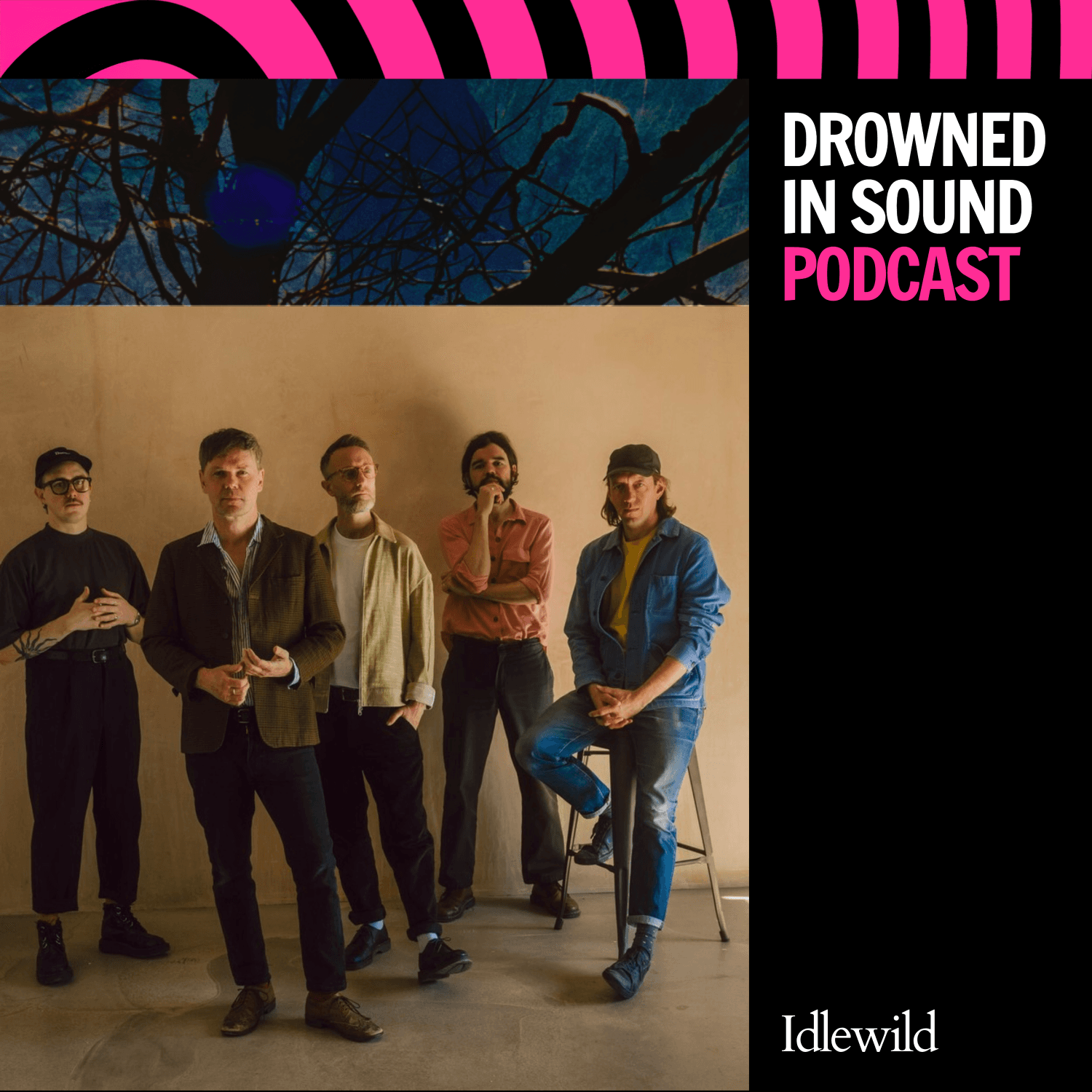
Roddy Womble and Rod Jones of Idlewild. Idlewild have been together nearly 30 years; they’re Edinburgh-based and known for intense live performances and art-rock/indie-rock songwriting.
Key claims
Scottish pride is portrayed as self-deprecating, community-based, and less ego-driven than in larger places like London; nationalism isn’t the same as pride. Their music is built from conversation among bandmates and influences, not technical showmanship. They avoid perfectionism, aiming for “melodic chaos” near distortion. Producers’ main job is people-management and capturing authentic performance.
Notable examples
influences cited include Sonic Youth, R.E.M., Nirvana, Pavement, Patti Smith, and photography/literary aesthetics; community examples include Celtic Connections and Scottish bands growing locally (e.g., Biffy Clyro’s Glasgow jump). They discuss Dave Fridmann’s impact and their new self-titled album’s vibrant cover concept.
Written by AI. May contain mistakes. Listen to the episode to check what was said.
Chapters
Tap a time to open that second in VOIdlewild's Influence on Drowned in Sound
0:46 to 2:14
Discussion on how Idlewild shaped the Drowned in Sound community and culture.
“They were one of my first favourite bands.”
Setting the Stage for the Interview
2:14 to 2:49
The host previews the upcoming conversation with members of Idlewild.
“So with their 10th album coming up, which is their first self-titled release, a record which which I've only had for a few days, but I think is really exceptional.”
Exchange of Ideas in Music
2:49 to 5:00
Discussion on the concept of music as a conversation and exchange of ideas.
“We're going to have some extra thoughts and a few updates on some bits that's going on with Drowning Sound.”
Influences from Literature and Art
5:00 to 7:21
Exploring the impact of literature and art on the band's music and aesthetic.
Patti Smith's Influence
7:21 to 9:10
Discussion on how Patti Smith inspired Idlewild's approach to music and performance.
The Sound of Idlewild
9:10 to 11:31
Reflections on the band's sound evolution and the concept of imperfection in art.
“He was like a different sort of character.”
Scottish Pride vs. Nationalism
11:31 to 13:20
Exploring the distinction between Scottish pride and other forms of nationalism in music.
“Which is, I guess, also coming from an art background and a photography background.”
Creative Attitudes in Scotland
13:20 to 14:00
Discussion on the cultural attitudes towards creativity in Scotland's music scene.
Scotland's Musical Community and Culture
14:00 to 16:42
Exploration of the supportive music culture in Scotland compared to London.
“I mean obviously you do some, but generally speaking it's also, you know, it's much, much smaller than anywhere.”
The Identity of Idlewild: Outsiders in Music
16:42 to 19:12
Discussion on Idlewild's unique sound and identity within the music scene.
Show all 21 chapters
Influences and American Kinship
19:12 to 21:35
Idlewild's influences from American bands and their connection to Scottish identity.
“So I guess what I'm really asking is where do you feel like you belong?”
Defying Musical Labels and Expectations
21:35 to 24:50
How Idlewild navigates the music scene without fitting into defined categories.
Regional Success and Community Support
24:50 to 27:39
The phenomenon of local success in Scotland and its significance in music.
“Whereas in Scotland it was just like, we're a band.”
Role of Producers in Shaping Sound
27:39 to 28:00
Idlewild’s experience with producers and their impact on musical direction.
The Influence of Producers on Music
28:00 to 32:39
Explore the vital role producers play in shaping a band's identity and sound.
“You know, it's not like a Dave Fridman or, you know, someone who's got a real kind of a lane that they're in.”
Creating the New Record
32:40 to 35:57
Delve into the process of capturing a unique sound for the band's new album.
“became an additional member of the band while he was recording them.”
The Art of Album Cover Design
35:58 to 42:01
Learn about the significance of album artwork and the transition back to photography.
“Colin has got a unique way of playing the drums in the same way that I suppose I do in guitar in that neither of us learn traditionally.”
The Importance of Album Artwork and Music's Community
42:01 to 44:46
Explore how album artwork and community shape the identity of a band.
Live Performances and New Music Dynamics
44:46 to 46:41
Discuss the excitement of performing new songs live and their integration with older tracks.
“100 Brooklyn Windows was only like 32 minutes or something.”
The Resilience of Rock Music
46:41 to 49:14
Delve into the enduring nature of rock music amidst claims of its decline.
Reflecting on a Surreal Interview Experience
49:14 to 49:32
A host shares a memorable moment from the interview highlighting feelings of nostalgia.
“And it will be for humans forever, I think.”
Transcript
Automatic transcript. May contain errors.0:00Rod Jones:I guess just if you grew up in Scotland, you have a certain attitude towards things and creatively too, I think there's a self-deprecating culture. It can be quite a positive thing actually if you're doing creative work. I suppose when we started going to London with the band in the 90s, we did notice that we felt like outsiders a bit, but that was never a negative thing for us.
0:34Roddy Woomble:when is nationalism in music actually a good thing like pride like people being really proud of who they are and where they come from and that place having its own sound well that was one of the questions i asked this week's guests on the drowning sound podcast the band idel wild they've been going for almost 30 years and i think i've seen them play live most years for those 30 years I mean, at least it feels like that. They were one of my first favourite bands. Absolutely adored seeing Roddy roll around the floor, screaming, what's your ideas for Captain? The way in which they brought that kind of ferocity of Nirvana and the eloquence and literary kind of magic of R.E.M.
1:16Roddy Woomble:together into this heady brew of like proper art rock, like music that made you feel all the emotions but also like a sensitive core to it and a sense of music being this kind of starting point on life's journey to like discover books and films and other artists to dive into and delve into and for me they were such an important band and I would be honest I don't think there would have been a Drowning Sound if it wasn't for Idlewild they were one of the core bands that brought together our initial team because Drowning Sound wasn't launched by me it was launched by about 20 of us. Kids on message boards, kids on the internet that wanted to write, wanted to make something, wanted to bring people together, people that maybe had their own fanzines.
2:01And
2:02Roddy Woomble:Idlewild were just such a core band. I think they inspired so many people. I think a lot of people felt like, well, we can have this collective energy to drive a band like Idlewild into the world. So with their 10th album coming up, which is their first self-titled release, a record which which I've only had for a few days, but I think is really exceptional. This is definitely up there with their best. And we had a great chat. We talked a lot about what's been going on with the band, like how they've approached this record. I asked them quite a few questions sort of just about their identity, because I think they've always been a band that's been quite hard to pin down and make sense of.
2:40Roddy Woomble:So I hope that you will enjoy this conversation with Roddy Womble and Rod Jones as much as I did. It was such a pleasure to chat to them. Stay tuned for the end. We're going to have some extra thoughts and a few updates on some bits that's going on with Drowning Sound.
3:01Roddy Woomble:So to set the tone for this interview, you've described your music in a few interviews as being an exchange of ideas. What do you mean by that? Because no one's asked the follow-up question.
3:11Rod Jones:What I mean by that when I said that was It was more to do with the way that I approached Bands when I was younger I was never interested in Like the technical ability of the band I was never interested in like you know The production of the records Anything like that, I was just really interested Because I suppose like a lot of people my age My introduction to Real ideas was Through seeing live music And that was an exchange of ideas. You'd be going to watch these underground American rock bands that were really noisy and kind of almost quite rudimentary in the best possible way. That's what you felt like.
3:52Rod Jones:They were just sharing their ideas in this kind of raw format. And I suppose that's the principle of what Idlewild were about when we started, because we were a live band for many years before we started. Even considering recording has been something that that we would um you know be good at or you know do it was a little much do you remember maybe
4:13Roddy Woomble:a way of thinking or a selection of books or films and everything else that sort of came out of that soup of seeing those bands in the early days that sort of inspired you to both pick up those things and then kind of cast them out into the world the exchange of ideas thing for me has always been i think that any kind of songwriting or any kind of music making is is that exactly that it's like a conversation between people sometimes using instruments instead of words um so ran a mental health music project for a while where kind of explored that a little bit deeper um people that weren't able to really communicate with each other normally um were able to kind of write songs together i think that's it's quite an interesting relationship to have with a bunch of people it's quite a freeing relationship and i think you make it's almost probably the most honest form of communication that you'll have with people that's something in some in some forms um so yeah i think that the fact that we've all got very different musical influences some that some that when we formed were similar certainly you know the sonic youths and the rems i guess that we we all liked um but then we all have gone off on different tangents and the way that that conversation then takes place I guess is what makes a band so different from a solo artist you know it's a it's a kind of a stew made of all of those ideas and those influences coming together which makes it more I suppose easier to be unique as a band than it is to be unique as a solo artist so it's being a solo artist talking to yourself yeah essentially it's a sign of madness the I think one of the things I took away from being a fan of your band in the early days was just the references to different books and writers and the sense that you weren't just playing shows and rolling around and getting sweaty and disappearing into the night that there was you were sort of trying to leave something with people and implant something on people and i feel like i mean that doesn't happen as much now like there's there's references maybe but i feel like well i mean i
6:18Rod Jones:again i was influenced by bands that was part of the bands that i liked it wasn't just like yeah obviously it was their records but it was the whole aesthetic of the band, the way they put themselves across the album covers the things they talked about in interviews in the 90s, the late 80s when I got into music, record reviews were like about 3 or 4 thousand words so there was like a lot and live reviews were too there was a lot of detail and I would pour over the music press every week and learn about these kind of bands and that's the kind of band that I wanted to be in that would talk about the things that they read and the paintings they'd looked at and the films they'd watched and referenced things like that.
7:01Rod Jones:It was like a whole world around it, like the Smiths I'm thinking maybe of, or even the Velvet Underground or R.E.M. or, you know, even Nirvana and Pavement, they all contained their own world, you know.
7:12Roddy Woomble:I feel like Patti Smith has set a template for you and your band more than me, and all those bands you just referenced. Yeah, I'm a massive Patti Smith fan. the way that photography was so central to her work and the way in which i don't know i was i've been digging back through some of your older interviews and it's it's interesting you reference a lot of these artists and patty gets mentioned every so often but the way you talked about photography and literature and art like this it feels like all those artists maybe took a lead
7:40Rod Jones:from what patty was doing and oh yeah she's like she's really like um i mean i saw i went i remember and go see patty smith and when she first came back on tour in like 95 96 got the bus from edinburgh i'm knowing what no one else wanted to come with me so i'm going to have my own and i stood at the front and um yeah glad it was like mind-blowing and i was a fan of horses and easter at that point but it was almost yeah it was like uh it was art you know i mean that's when i realized that like i saw i'd always thought that you know and somewhere in my mind i thought that it's not you know the art life is in front of you um when you see patti smith it's like everything about her is feeding into other creative practices that she does and performance is one of them and she's so powerful when she performs we were lucky to do some of the remote part with lenny k who's obviously from the pysmith group so we kind of got a wee bit closer to all that world a wee bit but yeah she's a massive inspiration for for me anyway is she someone you've met or someone that you
8:40Roddy Woomble:wanted leave as an enigma i know i've never met her i mean we went to we're lucky enough to see
8:45Rod Jones:or do um when we're recording some of the remote part with lenny in new york they were doing a couple of warm-up shows the patty smith group and a week club in greenwich village and we went it's like a sort of 300 capacity club i went by both nights still like blue reed was there and all that was like an amazing experience so that's a i got close to her there physically but like no i don't i mean it would never been to say other other than just being a fan you know so But Lenny was different. He was like a different sort of character. Very inspiring as well.
9:16Roddy Woomble:Rod, for you, was there anyone that sort of had a kind of influence on, I guess, the sound of the band in a way that's... Because it feels like you were trying to soundtrack Roddy's words and the kind of the energy of the live shows. Was there something in those early days, which I think feels like a lot of that energy carries through to now? Is there anything that for you kind of stood out on that time? I mean, for me, getting into alternative music and I suppose being in a band as opposed to learning classical instruments when I was a kid, you know, it was my kind of reaction against the kind of formality of learning scales and theory and all of this stuff with Sonic Youth.
10:02Roddy Woomble:they were kind of a complete and utter game changer for me. The way that they sort of threw all of the rules out of the window. You know, Ron was right. You know, there was no discordance with melody. And it kind of blew my mind the first time I heard it. I think Daydream Nation was the first record I got. And I was like, this is the way I want to play guitar. oh, I don't want to learn how to play like Eddie Van Halen. I want to learn how to play like this. Luckily, that's also a lot easier to some extent. There's a lot less tractors involved. But I think then that kind of opened the door to all of those, I suppose, early grunge acts and bands that they played with or that they referenced as well.
10:53Roddy Woomble:So, you know, obviously into Nirvana and Mudhoney and then into, I suppose, the melodic bands that kind of shared that space, like bands like R.E.M., they were definitely the linchpin that sort of, yeah, that kind of sparked something in me. And I think that idea that you didn't, not everything had to be perfect and not everything had to be so polished. And that's probably the one thing that I've taken through my whole life as a musician and as a producer now is that the imperfections Perfections and sometimes what some would consider to be wrong are quite often really right. Which is, I guess, also coming from an art background and a photography background.
11:35Roddy Woomble:Like the idea that something's human is often more powerful than something that's precise.
11:40Rod Jones:Yeah, I mean, like that's, that's, I've never been interested in the pursuit of perfection. So it's like, it really is, feels like all art's just abandoned, doesn't it? You just stop it at some point and move on to the next thing. the idea of trying to finish something is like impossible I always think obviously like our records don't sound like incomplete but there's an element of like you just need to have a point where you just stop working on it and you have to do something different and that's I guess why we've always tried to change other records have always sounded a bit different to each other because we don't dwell on that too much we did have a period of doing that I suppose at the time of warnings and promises but largely it's been quite you know quite there's a freshness to it um you've talked a little bit in kind of the about
12:28Roddy Woomble:this record as having kind of perfected your sound or at least found your sound or got closer to it but when i was i've only had the record for a few days and i've been digging into it and it reminded me it might be just because of what's happening in the news at the moment of i grew up on the south coast of england so scotland felt very romantic and far away and almost exotic in the same way as new york or paris or something i don't know why but to me like there is i think it is i think that i think you do an amazing job of making it feel like it and i was listening to arab strap life without buildings area gram and then bands like frightened rabbit came along and i feel like there's a scottish sound as well which is part of your sound and i think i think the thing that's always been i guess discordant for me is possibly the way of phrasing it is the idea of Scottish pride is different to a kind of nationalism that we have in England and it's different to an American patriotism what do you think it is that's why Scotland is so kind of within the bones of your work well I mean I guess just if you
13:37Rod Jones:grew up in Scotland you have a certain attitude towards things and you know creatively too I think there's a sort of self deprecating culture, which is also can be quite a positive thing actually if you're doing creative work because you don't find many people from Scotland that are like kind of full of ego. I mean obviously you do some, but generally speaking it's also, you know, it's much, much smaller than anywhere. I mean the whole population of Scotland is much less than what London is, you know, so there's not a lot of people and the communities, like the musical communities are small. So, and it's got a kind of a friendly culture.
14:21Rod Jones:I mean, again, I'm generalising here, but people tend to think that Scotland's a friendly place and it is largely. It does have a community culture at core, I think, even Glasgow and Edinburgh. So the music scene is very supportive and bands kind of like enjoy seeing each other's bands. That's the way we felt, certainly always. And I think from that comes this attitude towards your creative work that's just maybe different to London. I mean, I suppose when we started going to London with the band in the 90s, we did notice that we felt like outsiders a bit, but that was never a negative thing for us because we kind of, I mean, I was always drawn to the outsider character in anything, you know, films or books.
15:07Rod Jones:So to be like that was fine we were totally comfortable with that perhaps that's a whole scottish thing there's a sort of certain outsider quality to the scottish um artistic so mind i don't i don't i know what you mean though like all the bands share a certain sound and a certain aesthetic and a certain kind of attitude towards what they're doing it's unlike anywhere else in the uk something in the water
15:31Roddy Woomble:yeah well the water's nice and i think it feels like there's a cultural history that people can be proud of it like the more time i've spent in scandinavian countries there's a similar kind of feeling of history and like in wales people talk much more about kind of folklore and i feel like in england we've don't have that and it's it's sort of odd to see people talking about nationalism and reclaiming their country and all these kinds of things at the moment.
16:01Rod Jones:Well, I'm not going to mind. The history of it is obviously England's kind of colonialist, isn't it? His background in, obviously, Scotland and Ireland and Wales and stuff suffered from that. So, you know, that's obviously historically where it's all kind of based, I suppose, but I'm not going to.
16:14Roddy Woomble:I'm not going to get you cancelled getting in a complicated conversation about the Union.
16:18Rod Jones:You know, I mean, like, listen to someone like Blind Boy or something like that and he'll kind of enlighten you on that kind of thing.
16:24Roddy Woomble:His podcast is fascinating. and the way he approaches it.
16:28Rod Jones:I mean, he's a person to, you know, he explains a lot of things like that to people, I think, that maybe haven't thought about it. But yeah, so I mean, I forgot what the question was when I started.
16:40Roddy Woomble:I don't think there really was a question. No. I think I'm just in this, I think I read back one of our old interviews and you talked about a Scottish broth and I think there's something in the sound of Scotland which it's interesting how it's part of your sound and yet like for instance there's there's a bit on i've forgotten the name of the track off top of my head no you held the world in your arms no no on the new record um there's a real snarl on the guitars on the opening song and i was like oh that feels like twilight sad but that probably feels like twilight sad listening to idle world and there being this kind of like reciprocal kind of sharing of sound and music i think so i think there's a lot of influence from each other um going on there one thing that sort of crossed my mind is reading about you being sort of a punk band and the music being loud but not being angry and i was curious how conscious that is because there's like a sensitivity and a power to what you do that's i mean maybe you do see it as angry and cathartic but i think there's something interesting about being a loud band that's not shouting about the problems in the world often talking about existential crises and
17:56Rod Jones:post-modernism you know i suppose it was the idea my idea really was always it's the romanticism of of words and the almost kind of wistful take on what i was the ideas i was putting across from my point of view with really like fast loud music you know so it was almost like taking like like Rod was saying about early Sonaguth particularly Confusionist sex era and also a wee bit of like Minor Threat Black Flag Speed but then changing that with kind of murky, mysterious slightly vague romantic words about I don't know staring into the horizon that sort of thing you know the things you do when you're a teenager that was the principles of the band and I'm not an angry person so I'm kind of relatively shy I don't really like the attention of being a front man so that was also quite a strange difference, you had this band that were really going for it and then I'd be sitting on the ground or rolling around on the floor quite often finding a way not to be the centre of attention
19:08Roddy Woomble:and I guess in a way that's the most punk rock thing you can do well I mean it wasn't
19:13Rod Jones:premeditated but certainly it became this sort of thing where i used to sort of joke to people about they would say you know you're going to do this are you going to you're going to sit on the floor you're going to like stand at the side and let as if there were stage moves and be like it's literally ways to try and avoid being in the spotlight um i guess one of the reasons why i've asked these questions is because
19:39Roddy Woomble:a recurring theme that i've noticed is that you've never been a band that really fits anywhere like you feel very much part of a scene in scotland but that's not really as defined in people's minds maybe like you weren't really part you came after brit pop when people were talking about brit rock briefly like you you appeared kind of to have your most success at a time when it was all american bands like the strokes and the yeah yeah so i think you probably share more of a kinship with than a lot of what was happening over here and i find it interesting that by not being able to define who you are it's allowed you to be defiantly yourselves in a way that's like trying to pin down when someone's like oh what's either world sound like if they've never heard you before as a journalist you almost end up leaning into kind of reference points people might know but actually they're they're a bit of a red herring and it's it's i guess what i'm the The reason why I'm asking this is because I think that you talk about a little bit in your work about kind of identity and Scotland seems to be such a kind of deep part of that.
20:49Roddy Woomble:In a way that I don't know that that feels like something that you're really proud of, but actually it sits in the background because it's only mentioned in like a few songs and it's sort of the landscape and the hinterland of the work. So I guess what I'm really asking is where do you feel like you belong? like when you've traveled the world are there places where like oh well this is where this is we feel right here i mean probably here honestly i mean yeah there are places where we go where we we definitely feel more welcome than others probably or where we have better shows than others i mean we we we've gone through different periods of our life being in different places and spent a lot of time in California which I loved and also I think when we were making Warnings Promises we very much kind of soaked that up and it very much influenced the sound of the record and maybe I think wherever we are that that just happens innately I think you know not being a part of a yeah okay we're quite intrinsically linked with the Scottish music scene but we were never part of the kind of Glasgow scene Edinburgh didn't really have a scene at that time and that's probably why we retained a bit of our own identity and that was that and the fact that I think that we were most heavily influenced by American bands predominantly um you know and and like you say I think we did have more in uh in common with a lot of the American bands of the early noughties and late 90s than than we did with any of the British bands um there are lots of British bands from the 60s, 70s, 80s and probably beyond that we do like and listen to but it was definitely deeply rooted in American indie rock
22:36Rod Jones:Yeah, it was a weird time that whole time wasn't it because like Britpop was when I guess like mid 90s and that's when we formed and we really didn't like, other than Blur I don't think I liked any of the bands so we were kind of a reaction against that, all the records that we had in common when we met were American underground rock records, so that's the kind of band we wanted to be in and then obviously like so when Britpop kind of died away before all the Strokes and the White Stripes and all these amazing American bands arrived it was this sort of really strange period and music wasn't it it was like all these acoustic bands it was called the New Boring
23:14Roddy Woomble:I think it was called the New Acoustic Movement something yeah
23:17Rod Jones:so we were like we came and touring breaks and Coldplay
Read the full transcript
23:21Roddy Woomble:and all those kind of things
23:23Rod Jones:Coldplay were a wee bath I think but it was a Melody Maker article like the sound of today or something and it was like Idlewild, The Unbelievable Truth and Ultrasound that was the sort of the bands that were tipped for that all very different sounding bands there was no kind of like sort of scene that there was like only a few years later with all the American bands and like you're true it's true you say like we felt we were much more part of that than anything else even though we weren't because we were from Edinburgh and well the band were based in Edinburgh and we didn't have the chance. We did tour America a bit, but we didn't have that infrastructure that these American bands have.
23:58Rod Jones:They come over. There was a big wave of them coming over. You'd find an audience straight away in the UK and it would become very popular in the UK. That didn't work like that in America. A band goes to America.
24:12Roddy Woomble:There was that kind of British need, though, wasn't there, to have a scene, call it something. Yeah, there was. Whether it was Bratpop or Rippop or New Rave or whatever it was, which was a very, I think, England-centred thing. That didn't really happen in Scotland. We didn't feel that need to... Well, just suspicious of it. I don't know if that's like some... Well, I don't know if it's like some sort of... Harking almost back to what you were saying before, where the kind of the underdog doesn't feel... They can be proud of where they're from, but they don't necessarily... Not in an arrogant way, I guess.
24:43Roddy Woomble:That's not to say that everyone else is arrogant, but, you know, I suppose... Yeah. I suppose there is a kind of a need to, there was a British need to kind of export this thing of like Britain is best and this is how we're going to label our movement, you know. Whereas in Scotland it was just like, we're a band. Yeah. You know, it didn't feel like you needed to come see us. yeah yeah you know and that's a phenomenon that carries on today you know you've got like in scotland can you know sell it three or four nights at the barrel lands and play to like eight ten thousand people and be completely unaware of the people being unaware from them everywhere else
25:20Rod Jones:you know i remember especially in folk folk music there's lots of really popular folk rock bands in scotland that don't play big places anywhere else i remember which is also kind of nice it's like an indigenous sort of sound you know yeah that's happening everywhere i think that's that
25:35Roddy Woomble:that that desire for that to sort of i suppose regional sort of success has become a thing hasn't it you know you've got like people like jamie wedgster who like is massive in liverpool i mean i think he's big everywhere now but you know you've got all these people who can are starting to realize that actually you don't need to necessarily tour the world to be successful and it's a lot cheaper which is nice you don't have to get on a plane and i think it also speaks to community as well doesn't it i feel like i feel like you have much more of a community as a music scene i i was thinking back to the reindeer section record and how that brought kind of a lot of artists together i know it was gary from snow patrol technically from northern ireland but it felt like a lot of artists came together in a moment in time and um broken social scene i think It did something similar in Canada Of just like allowing you to find These kind of tributaries off of different Artists which I think was quite interesting
26:31Rod Jones:Quite a lot of stuff goes on like that in Scotland That you know not necessarily Recorded work but like People playing with each other and There's kind of gigs when lots of people are involved That's been a recurring thing But there's a festival In January In Glasgow called Celtic Connections Which runs for three weeks I'm sure you're aware of it And that's always got stuff like that going on like bands play you know and so i suppose it's a key keeping that or talking earlier on about kind of spirit of community that there's in scotland um for for music and the creative community and that's you know there's always like places to kind of indulge in that if you want to
27:11Roddy Woomble:one of the first jobs i did when i moved to london was to work for a booking agent um and i booked some of biffy cliro's tour dates and i remember they were playing to like 100 people in Northampton 300 people in London and then they were doing like the Hydro or something within like 6 months in Glasgow it was like this huge jump of just seeing how when a band blows up in Glasgow especially it feels like people really get behind them.
27:38Rod Jones:Well I mean it's a different country really. I used to get annoyed when we first came down to England to London to do press and stuff and Scottish press was seen as regional press so it wasn't like that important or something I was always like that's just not fair It's like it's a different country And if you're popular in Scotland that means something Totally different you know you can really There's lots Like we were just saying there's lots and lots of bands that basically Just tour in Scotland and don't go Anywhere else so you can do that I mean obviously it's much smaller it's not like But yeah
28:10Roddy Woomble:It's like the Cortina's being massive in Manchester
28:13Rod Jones:Yeah I quite like That idea though when you go to Remember the band The Frames yeah they're huge we support we supported them in ireland once and they were playing like 20 000 people and i was like where would you play in scotland and they would just be like a small
28:29Roddy Woomble:venue i think i saw them some people i think i saw them play the spits in london to like 150 people around that time i'm curious about the roles producers have played in your career and rod you've now obviously stepped into that role for the band and for other artists um and i know dave a little bit and i know what a wonderful human he is and i'm curious about the alchemy of that man because i feel like both you and the manics have been able to create your own world your own identities your own something that feels very true to you also littered with literary references as well um what what does someone like dave bring to a band like yours and what are some of the other producers that you've worked with like i mean dave is a very unique producer i think he's in that he's not, you know, like, he's not one of these people who you instantly recognize his sound.
29:23Roddy Woomble:You know, it's not like a Dave Fridman or, you know, someone who's got a real kind of a lane that they're in. Well, it's like, okay, I recognize who's made that record. Or even like someone like Dave Sittick to an extreme, I suppose. Like, I think Dave, his real talent is getting the best out of people. I think almost 70 % of production in the way that he does it and the way that I've kind of learned to do it from him, I think, is people management. It's navigating the dynamics within band, both musically and personally, and making them feel in the right headspace to create the best performance and music that they can.
30:11Roddy Woomble:and then also having the technical ability to make that sound good. And I think that was a real leap for us when we first worked with Dave. I remember it really well, actually, coming out of Jacob's studio for the first two tracks we did with him, which was A Little Discourage and Rosability. Me and Colin were in a hire car driving to Glastonbury and listening to it on a cassette, the sort of rough bounces of it, and being like, my God, we sound like a real band, like you know like a proper sort of band in the charts or something you know like there there it was a real difference for us of having that you know wasn't just someone who could engineer well and make it sound really i suppose impressive it was someone but he'd he'd very quickly figured out the dynamics and the band and how we interacted as people and where you know any problems that would be a guess or any and how to you know give every give everyone what they wanted and make them feel like it was their idea all the time i suppose and that's the that's the genius of a good producer is i guess is almost getting banned to do what you want them to do they feel like it was their idea and a lot of the time it is you know i think that i think that's where he's a real genius He's a lovely, lovely man and one of my best closest friends.
31:34Roddy Woomble:And I think that's why he has that relationship with those bands. There are bands that need someone to come in and be a bit more light a fire and be a bit more creative. For us, we just needed someone to teach us how to use a studio properly, really, I suppose, on how to perform together and how to gel together and it changed the band massively working with
32:00Rod Jones:he's not like he wasn't hugely older than us too i mean he is older than us but not like you know when we met him we were like 23 he was still in his 20s with late 20s so there wasn't a huge this huge we felt like he could be like in the band almost you know and he sort of assumed that rule little bit like a confidant in that way. He wasn't telling you what to do, which we wouldn't have reacted well to anyway. And that was that straight away that diffused all the presumptions of a producer and whatever, what a producer does, and he just became this person. Maybe a bit like Scott Lit with R.E.M.
32:41Rod Jones:became an additional member of the band while he was recording them. And I suppose that's why Dave's been so important to the band over the years and we've done so many great um you know songs with him i even know if we are working on something we'll still let him hear it you know before get his opinion on it oh god yeah i mean
32:59Roddy Woomble:i was sending him the mixes of the records on a daily basis i mean which we do like i mean a lot of us do this and the various whatsapp groups going around where we ping each other stuff and sometimes you're getting sent stuff by really big mixes it's like what do you think of this is this shit you know because everybody i think to be any good at mixing or producing you have to have a really good level of a dose of imposter syndrome like you really want to be feeling like i'm going to get found out on this one it's what drives you to be better like really and i think as soon as i'd mixed the first song and the first person i sent it to was dave before i even sent it to the rest of the band i was like what do you think of this is this any good you know um and i think it's really important to have people like that in your life as a band and as a producer.
33:50Roddy Woomble:We've worked with a load of producers over the years and some of them more successfully than others. Oh, there are many, really, when you think about it. Well, I mean, Lenny and Bob and Paul and Stephen and Dave and Tony, there's quite a few. I suppose, yeah. I mean, I think Dave, obviously, yeah, like I said, Dave kind of in the studio kind of felt like home for us a little bit. and we went on a couple of holidays and we had a great time on the phone. Lenny was a completely different vibe altogether. I don't think we were quite good enough as a band to be able to record with Lenny in the way that we did, but it was a hugely inspirational time for us and what we learned from that and actually what we created from that turned into something that was obviously a pivotal moment for the band in American English he was an amazingly interesting and inspiring guy you know as was working with Bob you know we were we were still you know obsessed with I suppose and to go to Electric Audio and record there with him was a completely a completely different thing you know it was a really exciting experience but again you know not what we were probably used to it was very much kind of like right set up and record and what do you guys think of that one instead of someone going oh we should maybe do one more take you know which is like a live wasn't it yeah yeah i mean at that time we definitely needed someone to be like probably
35:26Rod Jones:one more guys um steven street he was a he was a big producer to record with i mean yes i had produced a lot of my favorite records so i just didn't really necessarily work out um in terms of like maybe the songs we chose and i don't know what it was but like yeah i did really enjoy recording with them and speaking to them all about the stuff we did but it just yeah we went back to and that's when we started really songs kind of found their place so as we're on the subject sound
35:57Roddy Woomble:let's start talking about the new record because i think that i mean it sounds amazing for a start like just as a piece of production like the fact that it can go from all these big gnarly loud songs into it's not even quiet loud it's like a real kind of like shift of emotion that doesn't feel like doesn't feel like the ground's been taken out from underneath you um what what was your role um rod in kind of capturing this record how did it feel to kind of be trying to harness it I mean I think we know each other so well now and we know what everybody's strengths are in the band and I think like Ruddy said a bit already on this record we kind of realised what we were good at and where our sound was and what our strengths were and we weren't trying to sort of look back to nostalgic play but I think we were just like this is what we're good at with everything we've learned over the last 25, 30 years even nearly let's make a record that captures that the best we can and try to do it in as honest a way as possible without really you know just letting everybody sound the way that they sound.
37:11Roddy Woomble:Colin has got a unique way of playing the drums in the same way that I suppose I do in guitar in that neither of us learn traditionally. We just play the way that we play and there's a chemistry in the band that comes from that I suppose Andrew and Lucia you know the musicians that kind of put the rest of us to shame a little bit they're a little bit more technically skilled than the rest of us and so that gives us the opportunity to then elevate those ideas and that kind of vibe to loads of different places so it's really about like I said what I learnt from Dave really just letting everybody be themselves and do what they do best in as comfortable a way as they can and try and capture that without distorting it too much.
38:05Roddy Woomble:That's the simplicity of it. It's not as simple as it sounds, otherwise I'll be out of a job. Make it really loud, just to the edge of distortion. Almost, yeah. I think what I've always, sort of looking back at our band, someone had asked me what I thought, you know what i liked about our band the most i suppose and i think it is that feeling of there is this sort of these fragile but kind of pretty melodies that are on the brink of chaos all the time i think and that's that's sort of harness that's the sound to me it's this this yeah melodic chaos i suppose um and and i was just trying to capture that as best as i could really that that's the opening 10 second preview to this podcast the uh how to capture that yeah that's exactly i guess that's how it feels as a listener like i think people talk about the magic of radio sometimes is you're not really knowing what's going to come next and things feeling like they've got an energy that's kind of where's it going to go and i feel like your live shows often had that sense of everything could fall apart and the pa could fall over any minute and it's like still got that it actually happened a few times I mean there was there was a said we luckily have two really competent professional guys in Andrew and Lucci who hold it together enough that we're on the edge of that destruction at all times but they sort of pull it back in one thing I noticed and I'm wondering if there's any pattern to it is that it's been a few albums since you had a photograph on the cover of the record you've had drawings and design for a while on this record does it does it indicate anything that you've gone back to photography or did you just have fun with design for a while
39:58Rod Jones:no i was actually um one of my solo records that i make um i do all the covers always and um and generally speaking i go back to photography because that's kind of what um i've got a little bit of a background and not really much of the background but i've been taking pictures and i studies it a wee bit so I feel a wee bit more confident with that than other aspects of visual art which I still do love but like so it was just because I was getting a wee bit more confidence with how to visualize what I wanted to do with photos so with this with Idy World Record I said I was saying to everyone and everyone kind of leaves me alone generally speaking to to get on with that I was wanting to do a colour colour photograph and I'd been doing a lot of double exposure stuff with my photography so it was just that sort of idea and then obviously what turned out to be the picture everyone decided to choose for the cover happened to be taken at the exact same spot as the cover for what was important just facing the other way because I was at where my mum and dad live on the east coast of Scotland so obviously there's like a 28 year gap between the two pictures and one's sepia colour but the irony of that is it's all sepia and it's both like an old fashioned picture but it's of two teenagers looking at a decayed ship or boat and now it's vibrant in colour and kind of psychedelic almost looking towards a different horizon, you know.
41:21Rod Jones:So I suppose there's a wee bit of depth there to that, those two images side by side with the 30-year, and a band that have been together for 30 years. But also just in a purely visual aspect, yeah, we've only ever used colour photography once, post-Electric Blues, which was kind of like a, very like non-traditional band photograph it was like over the two sides so I wanted to do something with colour because colour photography is like kind of amazing and it's not used that much really in album artwork really nowadays or there's always a big element of design to it I love album artwork it's a bit like we were talking earlier on about something like Patti Smith or certainly the Smiths bands that the album artwork was part of the band it wasn't like you know he wasn't just like oh this is the record and we've got some of our tour and then we're just going to put something on the cover it's a massive part of the band that's what it's always been like
42:15Roddy Woomble:to me so it was very important i've i felt like the world building around the band especially with the earlier stuff you did was so important but i thought it was really interesting that one of your t-shirts just just said support your local poet and it feels like going back to some of the bits we talked about before that sense of community and location um with this record it feels like there's some reflection going back but actually it's like i think i read somewhere you felt like quite a renewed as a band making this record because i think what is it six years since interview music in that time you've had covid and three solo albums and i'm not sure how many projects you've you've worked on you've had hamish hawk and a few other things road avenue
43:00Rod Jones:you it's like there's been a bit of gaps keep ourselves busy um yeah the gap was just it was partly but really but mainly after interview music and the tour the idea was to record right and record in 2020 and then you know maybe have out 2021 or 2022 but you know obviously two years we didn't see hardly you know we'll live in different places and you weren't allowed to we're allowed to go to the different zone if you know it's all kind of wasn't that it was we really will quickly forget that so we really couldn't do that for two years and yeah we all found our own way to do other things like everyone did so when Mechanic started focusing on the band again around the time of the remote part anniversary shows that yeah we were just at a kind of and they were good catalysts for because suddenly we're playing a record that lots of people love and they're playing it in the order that people want to hear it so it ignites reunites no unites the room, the audience the audience and the band are basically making the show together and when you come off stage from that you're really kind of pumped about your own music almost and that led into let's do another record and let's kind of get this back on so that's why the record I suppose has a euphoric feel to it referencing other music we've made like Broken Windows or Mopar or even more late period records and it's got a sense of like freshness and it's looking at the world with kind of eyes open again and it's like yeah that's why we called it Idlewild and that's why the album artwork's kind of vibrant and looking towards something you know there's a kind of hopefulness about your record as a whole you know it's not too long as well which is always good yeah I was quite surprised when I was like oh has a few more
44:51Roddy Woomble:songs to go and I was like how can you follow this song the end what's the last track called it's the end of the sunrise sunrise sorry yeah it's like I was like there can't be anything after this and it was like nope there was nothing after that you can't follow that guitar part
45:07Rod Jones:yeah also we did we consciously didn't want to make it because I don't read music was like our longest record it was nearly like you know going on 50 minutes to an hour and although I'm really proud of that I think that we wanted to do we didn't want to do that again we wanted to do something that was very concise. 100 Brooklyn Windows was only like 32 minutes or something. So we kind of wanted to do something like that, 10 songs, and a lot of them to be really kind of catchy, as catchy as we could make them, you know, as well as having depth in different ways, but like really catchy. So I think that's what we've done.
45:47Roddy Woomble:So you've just done a show at Black Isle Brewery, yeah and the islands yeah how did it feel to start playing some of these songs live
45:55Rod Jones:is that the first show yeah well not the first show we played a festival called deershed in july so we'll just played two or three of them though like we're really looking forward to getting actually we're doing some outstores and then we're at the tour starts so then we'll kind of get back into playing like a lot more because we'll be in front of like our fans because festivals are always a bit you're always very conscious that people might drift away if you start playing like the third new song that no one's heard so you do tend to sort of stick to songs people know for festivals but yeah I'm really looking forward to I love putting set lists together when you've got a lot of songs now and we're trying to learn a lot of them so we can vary them a wee bit for people that are coming more than one night I think the songs will sit really well with the new songs will sit really well with the old songs
46:40Roddy Woomble:no definitely they feel like they share a lot of the same kind of DNA I guess
46:46Rod Jones:yeah when you play like I had before following discourage or something it sounds like yeah they belong together did um you guys have any
46:56Roddy Woomble:thoughts on why for people keep saying that rock is dead but rock seems so resilient and we're thinking you're making just like a list of essential rock albums in the last 25 years because there seems to be this like i don't know why collectively columnists every about two years Decide to report that rock's dead And then you've got like bands selling out arenas And it's What do you think it is about rock music That refuses to be Kind of usurped or changed Or kids not want to pick up a guitar And make music, what do you think it is about rock It's such a kind of visceral Thing isn't it to make rock music It's like a It's almost kind of tribal for some people And I don't think that's ever going to go away I mean yeah It's always I suppose in terms of rock is dead it's people are looking at like Spotify figures or radio play or any of these things but like actually people go to rock shows all the time like ticket sales for rock shows haven't really changed, people love going in a room and listening to loud music and jumping around that's never going to change I mean probably I could equate that to you know fucking people dancing around a drum in a cave you know what I mean it's like I think that's always going to be there
48:13Rod Jones:It's also something kind of refreshingly anti-establishment about it, the idea of like, obviously it's got a bit more careerist, you can see bands that are a bit more like, this is what we want to do in our life be a rock band, but at its core if you're making music with other people, it's like you're making something together, so it's got that feeling of doing something good together and also you're like yeah it's loud and it's expressive and people react to it instantly so as a form of art it's kind of got everything you need so that's why I'd only go a liver, a liver go away and there'll be people that'll marginalise or whatever and say that but like you know no it's like yeah Rod was just saying like be in a room with live music and the audience and the band are making the spectacle together they're all you know they're collaborating almost in the roles and it's a pure feeling that comes from that, that is something that's like, I don't know, it's very addictive.
49:14Rod Jones:And it will be for humans forever, I think.
49:32Roddy Woomble:what lovely gentlemen and i hope you learn a lot about the band from that interview i really loved when roddy started telling me that the cover to the new record is the reverse of one of their previous covers like that to me is one of those small details that as a fan it's like so lovely to know and I don't know whether they've told anyone that before maybe it's in all their interviews um I found that conversation a little bit surreal because I think they might be like maybe like the second or third band they have interviewed back in the very late 90s when I turned up with some scribbled questions a little bit shaky and a dodgy dictaphone and um I was such a fan then and I'm such a fan now um I will never grow out of being a fan of certain bands um and I think that there's something about just like their humbleness which I think feeds into what they were saying about how Scotland maybe keeps you quite humble um which I could really relate to um and I think really comes across um and like I said there was one answer in there which was like the most ruddy answer possible um there were some extra bits from that so if you follow us on instagram um we'll share those over the next few weeks ask them a few questions kind of relating to the last 25 years so we'll be putting bits out there and on our youtube channel too so make sure you're following it's forward slash at dranninsound on youtube if you're not watching that there currently and i think like there's a button somewhere there or there that you can click to subscribe which is apparently what you're meant to say and be annoying on the internet.
51:13Roddy Woomble:I am in the midst of working on kind of celebrating 25 years of Drowning Sound at the moment. We'll have some editorial running across October and that is when the band's new record comes out. It's a self-titled record. Let me double check the date because I wrote it down and then didn't open my notes before hitting record. The new record from Idlewild self-titled is out on the 3rd of October on V2 Records it's an exceptional record and I hope that that interview has whet your appetite there are a few singles you can go listen to now and yeah pre-order the record catch the band doing their in-store tour across the UK and then they've got some headline dates they're playing Coco in London and they're playing the legendary Barrow Lands in Glasgow which I don't know if that's the equivalent of seeing Dolly in Nashville or Elvis in memphis um i feel like maybe i need to make a trip to the uh land of buckfast to go catch that which i know buckfast is technically made in devon don't be pedantic there in fact do you know what there was one thing in that interview where i didn't let rod finish saying something he was saying i asked him like what projects they've been working on and like what he's been up to and he told me about this band humor that he's been producing they just released a record called learning greek um it's really rock really heavy and um they're going to be opening for idle world on some other upcoming dates so i'd really recommend checking that out rod's also just been working on an ep by lizzie reed um just dive into that and yeah check out the post electric studios that rod runs um it's now become like the home of idle worlds and i think it's he's done some amazing projects over the years hamish hawk's record was something that he worked on he was really proud of um in fact rod like reached out to me when he first started working with hamish going i thought it's been really good you should listen to this which um was really touching to uh to know that i was one of the people on his radar that he wanted to send music to so i don't have too much else left to say today um that interview um was great and yeah you get to talk to one of your favorite bands that's what being a music journalist is sometimes times.
53:21Roddy Woomble:So yeah, I've been Sean Adams, this has been the Drowning Sound Podcast. Thank you to Josh Craggs for producing and editing this. You've been you! See you next time, bye!
From the publisher
What creates a national sound? How does Scotland run through the veins of a band like Idlewild, despite their American influences?
Roddy Woomble and Rod Jones from Scottish indie stalwarts Idlewild join us to explore their new self-titled album and dig into the complexities of musical identity. Beginning in Scotland's tight-knit music community, then feeling like outsiders in London, the band reveal how geography and culture have shaped their sound and music over three decades.
Edited by:
Josh Craggs at Dubble Audio
Chapters:
03:00 – Exchange of Ideas: What music as conversation means beyond technical ability
06:00 – Literary Influences: Books, writers, and the Patti Smith revelation
09:00 – Sonic Youth Revolution: How Daydream Nation changed everything about playing guitar
13:00 – Scottish Identity: Self-deprecating culture and the outsider mentality
20:00 – Not Fitting Scenes: Missing Britpop and feeling closer to American bands
26:00 – Community Culture: Regional success and Scottish musical support networks
29:00 – Working with Producers: People skills and studio education
36:00 – New Album Production: Rod as producer capturing "melodic chaos"
40:00 – Visual Identity: Photography, album art, and the 28-year bookend
43:00 – Six Year Gap: COVID, solo projects, and finding renewed energy
47:00 – Rock's Resilience: Why rock refuses to die…
Continue the Conversation:
- Email sean@drownedinsound.org with your thoughts on regional music scenes
- Share your own experiences of musical identity and belonging
- Subscribe to DiS newsletter for weekly insights on music and culture
Links:


