In short
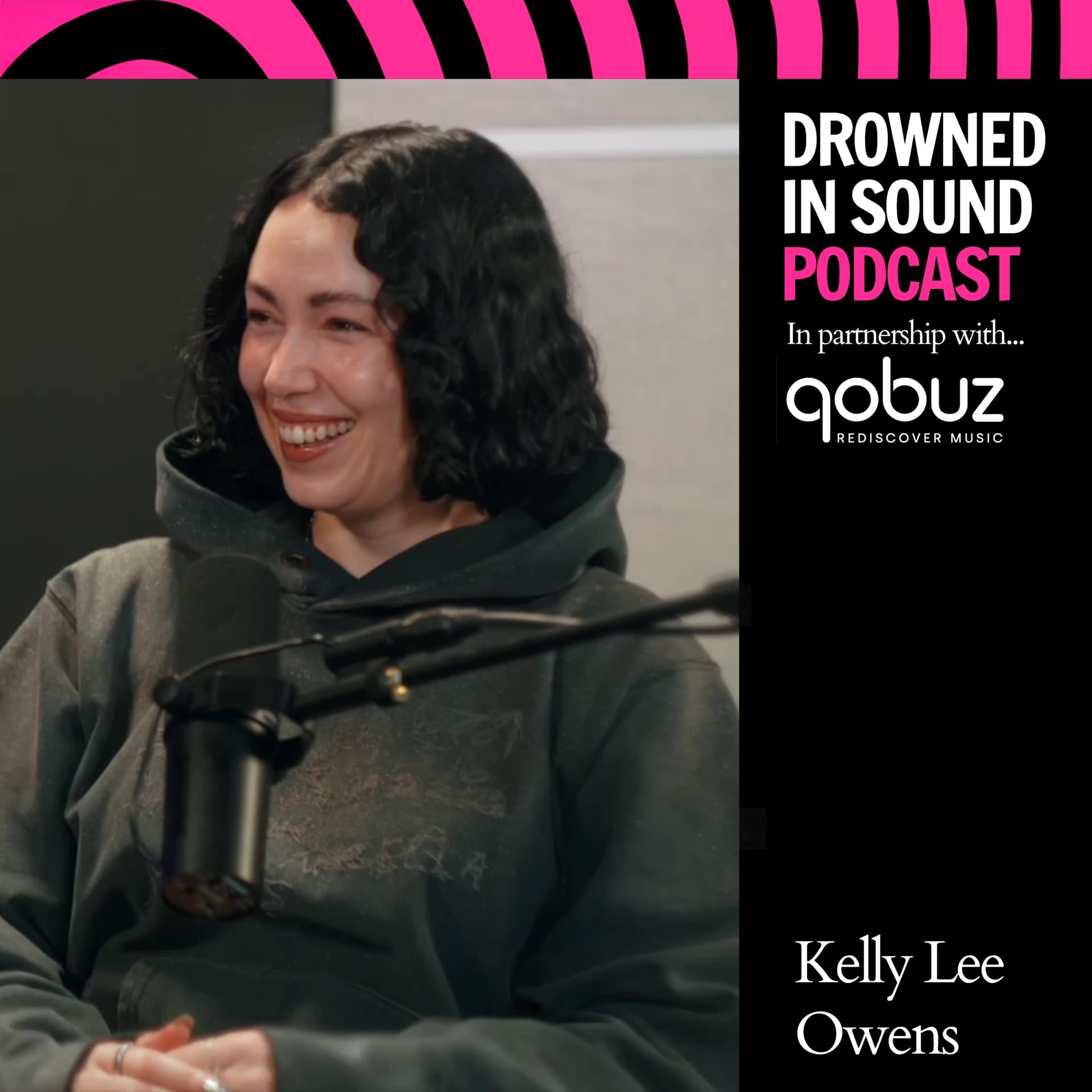
Kelly Lee Owens’ career path from North Wales record-shop work to touring with Depeche Mode; how grassroots music scenes, analog production, and human curation shape her sound; and proposals to protect UK venues and working-class access to music.
Guest backgrounds
Kelly Lee Owens is an electronic music pioneer raised in North Wales. She worked in record shops near Manchester (e.g., Piccadilly Records) and later in London (Pure Groove, XL Records), meeting major artists as fans/collectors. She collaborated with Daniel Avery (including “Drone Logic”) and performed at major venues/festivals; she also DJs and curates live sets with an arc.
Key claims
Record shops taught her music discovery and community; “showing up” creates opportunities. Discovery needs humans, not automation. Big audiences challenge her to stay human and expand production/voice. She argues for cultural leases, venue legal support, means-tested grants/tickets, and more access to production tools in schools.
Notable examples
Björk asking for the techno section; “Decca Dave”; meeting Nick Cave, Björk, Robert Plant, Jimmy Page; her first track on SoundCloud; pressing her own vinyl (Kalo 01/02); Depeche Mode arena crowds (20,000–75,000); community show in Bethesda (10-year-old and 70-year-old attendees); recommendations like Silent Shout and Sound of Silver; references to Fabric, Music Venue Trust, and Ableton workshops in Manchester.
Written by AI. May contain mistakes. Listen to the episode to check what was said.
Chapters
Tap a time to open that second in VOKelly's Musical Journey
0:45 to 2:49
Kelly Lee Owens discusses her early influences and experiences in music.
“But to kick off, I started with a trivia question, and I'm sorry Kelly, it was a bit of a silly one.”
The Record Shop Experience
2:49 to 5:49
Kelly reflects on the unique characters and experiences encountered in record shops.
“So just getting to see those types of communities.”
Education Through Music
5:49 to 8:53
A discussion on how working in record shops shaped Kelly's understanding of music.
“and he'd say, well, all my heroes are dead and shortly I'll be joining them.”
Cultural Shifts in Music
8:53 to 12:05
Exploring the changes in music culture and how it influenced Kelly's sound.
“I think really, I've mentioned it before, but genuinely the most pivotal moment for me.”
The DIY Spirit in Music
12:05 to 14:00
Kelly discusses her experiences with self-publishing and the importance of community.
“I think that discovery, which we often talk about now is kind of lacking or missing or has changed, let's just say.”
DIY Spirit in Music Production
14:00 to 15:00
Kelly discusses her journey into DIY music production and vinyl pressing.
Curating Music and Audience Connection
15:00 to 17:20
Exploration of the relationship between DJing, curation, and audience engagement.
“It's a tough one because my job when I'm DJing, and it's the same when I'm live, I mean, my live show is very different and I curate the whole thing.”
Discovering Music Through Record Shops
17:20 to 19:20
Kelly shares her experiences discovering music through conversations in record shops.
Imagination and Creativity in Music
19:20 to 20:30
Discussion on how limitations can foster creativity and unique music creation.
Time, Space, and Music Creation
21:11 to 22:24
Kelly reflects on the impact of time and space on music creation and perception.
“I think it's really hard when you can kind of do anything.”
Show all 20 chapters
Impact of Large Audiences on Performance
22:24 to 23:48
Exploring how performing for large audiences changes the dynamics of a show.
“Firstly, just to say David Byrne, as with many people, changed a lot for me and I owe him so much because Stop Making Sense is one of the first records I ever bought.”
Community Shows and Personal Connection
23:48 to 26:11
Kelly shares her experience of connecting with the audience at a recent community show.
“They're obsessed with having the best time ever.”
The Importance of Accessible Music Venues
26:11 to 28:00
Discussion on the necessity of making music accessible in less-featured locations.
Empowering Local Music Scenes
28:00 to 30:58
Learn about the importance of supporting local music venues and artists from diverse backgrounds.
Investing in the Future of Music
32:01 to 37:45
Explore innovative ideas for improving clubbing and music scenes, including cultural leases and financial support for artists.
Access and Education in Music
37:45 to 42:00
Understand the need for access to music education and affordable opportunities for aspiring artists.
The Importance of Music for Resilience
42:00 to 42:40
Explore how music can provide emotional support and resilience.
“I think like school is a great place to perhaps start that journey really.”
Sound Healing and DJing Experiences
42:40 to 45:20
Discuss the healing aspects of sound and how they influence DJ sets.
“Sometimes it's the opposite that's needed where you're snapped out of it somehow and you end up dancing or crying in the club, you know, maybe both things.”
Identifying as an Artist and DJ
45:20 to 47:20
Delve into the struggles of identity as an artist and the journey of DJing.
“It just, there are so many ways of going about it.”
Vision for Music in the Future
47:20 to 49:50
Speculate on the future of music and its societal impact by 2050.
“You've talked a few times about casting spells into the future.”
Transcript
Automatic transcript. May contain errors.0:00How does a musician who grew up in North Wales end up touring with Depeche Mode in stadiums all around the world? And how do they go on a journey from being into indie music, working in a record shop where they end up meeting people like Bjork, to becoming one of the most revered artists of our generation? Well, in this conversation, I meet one of my absolute favourite artists, the electronic music pioneer Kelly Lee Owens. drannins down has championed her for much of the last 25 years well the years in which she's been active which has been over a decade and in that decade she has crammed a lot in she's made some extraordinary records she's collaborated with some amazing people and in the playlist which accompanies this podcast which you can listen to with our partners co-buzz find the link in the description stick it on there's some great stuff on there we go through some of the best bits of career and some of the artists we discuss in this episode, which does include me mispronouncing some Welsh, but it also includes Kelly Lee Owens talking so thoughtfully about grassroots music, about the joy of music, about a life lived in music, and some exciting things for the future.
1:08But to kick off, I started with a trivia question, and I'm sorry Kelly, it was a bit of a silly one.
1:27first and foremost i'm a big fan and welcome to dronin sound podcast thank you i realized that it's 10 years next year since your very first ep and we're doing a series of interviews about because dronin sound just turned 25 with some of our favorite artists the last 25 years and you were very much on that list um and so i thought i'd give you the choice in this interview we'll do three parts do you want to start with the past present or future oh i think the past cool what links me you iggy pop ian curtis and simpsons creator matt groaning wait what oh oh my god am i actually supposed to answer this am i supposed to know i just I'll tell you why tell me we all worked in record shops did we wow I think what a place for an education in music but the Simpsons yeah I know I was just was googling and it was like he worked in a record shop that's so cool I didn't know that which may be why the record shop guy is such a cool character in the Simpsons okay that makes more sense yeah so so he's probably written himself in with that um but the big thing that the more more research I did of you the more obvious is how obsessed with music you are and why when you moved all the way to London did you work in all the best record shops and what kind of education did you get from doing that?
2:50Well it was interesting because as you say I've always loved music and been attracted to people who create it and I wanted to always be around it in some way and especially coming from a small village in North Wales I wasn't exactly exposed to those types of scenes but I was lucky to have Manchester quite close to me and Piccadilly Records. So just getting to see those types of communities. I think even the venues like Night and Day or the smaller venues where I ended up, I think I was on the door IDing people, even though I was, I think about 17 myself. My first job in a club, I was 17. There we go.
3:27I think all the best people are, you know. But I just felt as though I ended up going from an auxiliary nurse actually which was interesting because it was a paid wage and there were 12 weeks paid leave so I took the opportunity with those 12 weeks to go down to London and help out at these record stores for free and and XL Records as well I think I was pressing the CD single for the first XX single ever and I was there when they finished their album you know things like that and so I think just inserting myself again to be inspired around these people who were part of a community that I wanted to belong to.
4:07And I ended up helping out at Pure Groove and they offered me a full-time job with a salary in 2009, which was pretty much a recession, just because I would just show up. And I think there's value in showing up and offering your services and that personable, very like human way of just being around and connecting with people. So it was from there that I felt like it was a springboard into the other places I ended up and of course I met Daniel Avery there and it's for me it's always feeling part of something bigger than yourself that I'm interested in really. And what do you think you've learned from because I think from working in a record shop I got a really different understanding of who loves music like and I know that some of the record shops you worked in were pretty cool so you probably weren't getting as many grands coming in singing hit me baby one more time like a record shop they were like where was yours this was in weymouth in dorset where i grew up and it was this little like independent store and we'd have like dance djs from ibiza come in because in the winter they'd come dj in weymouth and i and i do like three hours of just like playing records for people wow and then they just all hang out in the at the counter but then you'd also get like grannies come in and go i want the hit me baby like they'd be like singing it not knowing who the artist was or what the song music's music i think that's amazing i really miss the characters that i would meet in the record stores there was one guy called decker dave we would call him who worked for decker i think in the the 60s and um you know i go hi dave how are you today and he'd be like all right my sweet you know i think it felt like he was from another era another time and he'd say, well, all my heroes are dead and shortly I'll be joining them.
5:56And that was just a sort of average day, you know, talking to Dave. But what he loved more than anything was music and he would still collect those Decca CDs and records. And I think Decca Dave would be proud to know I ended up signing to Decca for publishing, Decca Universal. So I don't know, you meet amazing people. I met Robert Plant, Jimmy Page, you know, individually, Nick Cave, Bjork. But the beautiful thing about those spaces and what's really important and important to always remember is that these people are just music fans and you're all on a level in that space. And that is one of the most beautiful and humbling things to remember.
6:35And like you say, it could be the sort of 70, 80 year old woman who's looking for Britney Spears or it could be the sort of super nerdy collector guys or whatever. but you're given an education and you're actually forced to listen to music that you don't love yet and I think that's the thing about music is it finds you when you need it different phases in your life open different doors depending on what you've been through and that's what I find fascinating about it you know and becoming a DJ you've obviously acquired loads and loads of knowledge were there records and sounds and things that you picked up from working in the shops when someone put on something that's because like I remember the amount of music people would play and I'd be like I just don't get it and then you'd be like oh okay now I get it because either music tastes have changed or because I feel like I had such an education from working a record shop I almost feel like everyone in the music industry should work in a record shop for at least a month and they should go on tour for at least six months and then everyone would think completely differently about what the life of a musician is like oh the basics totally um yeah I think working opposite fabric in 2009 2010 with daniel avery and being blessed to have free tickets to go there whenever i wanted even though i was very much still an indie kid um was incredible and and going into places like that being sort of positively overwhelmed is the only way i could describe it um having the i think it's a classic like floor that moves right and shakes and um ended ending up playing there years later um i think it was with john hopkins and also with Leon Vinehall and being part of an institution and feeling part again of something bigger than yourself.
8:16Also, I think I remember Björk coming in and asking for the techno section and just not quite getting it, even though I loved her music. And that was a beautiful amalgamation of so many influences seemingly. But yeah, I think it takes time and experiences. And one of them for me was being in the studio, seeing how Analog Synths worked, seeing what really production was that made me, I would say, honestly, respect it. And from the respect came the obsession with playing with things that just feel so tangible. So yeah, a couple of different pointers and obviously being around Daniel Avery and him asking me to come and record Drone Logic was, I think really, I've mentioned it before, but genuinely the most pivotal moment for me.
8:59it's such an amazing record as well um so i walk into a record shop what's one album from the last 25 years that more people need to hear um i hope this was in the last 25 years maybe it wasn't i'm gonna say it anyway um but this mortal coil it'll end in tears do we know if that's in the last 25 years i don't know i feel like it might be 80s okay 90s yeah true oh yeah wait so it's since 2000 yeah oh my god it's all right you can come back to if you don't know i i'm gonna say i'm gonna say anything by the knife because i think in our world we think of those people as being like quite big and everyone would know who they are but they're so weird yeah and so avant guard and they change the way that i thought about electronic music it's super melodic super strange not strictly techno, strictly house.
9:55So they really opened up a lot for me. Maybe Silent Shout would be the one out of all of them that I would pick. That's got all the bangers on it, hasn't it? Yeah. There was definitely something that shifted at that point in music, because I know that my music taste, I went from being very indie to being obsessed with the field, wanting to know everything that was on a hyper dub, getting into compact. It felt like something changed. And I think that some people say, oh, it's because we were much more online that we wanted music that felt like the environments that we were in and the soundtracking the spaces we were in and like you think like what trend resina did with the social network soundtrack it was like yeah really digital feeling but actually a lot of the technology from the records that i think i ended up loving yeah were almost all analog records um that sound like the future in this like conflicting confusing kind of way yeah what do you think shifted for both music at that point and for you because i think going to clubs and experience the music is one thing but it felt like something right really changed in like the culture yeah which is always super interesting and i always think it's to do with like the psychology and the things that are happening other times as you say um there was a little bit i'm gonna call it more of an indie hedonism i think it was a point where being independent as an artist whether that's with guitars or synths was possible to like really be successful so people could be a lot more experimental and take more risks which is something that I feel like is lacking a little bit at the moment and I don't want to be ever just totally negative about anything because I think every sort of musical phase that sort of the world goes through is interesting on and of itself and of the time but it just felt like a little bit hedonistic it felt like those sounds were on the edge I remember Sound of Silver also was a life-changing record for me and again it could be an obvious thing but as a little indie kid from a you know Welsh village to me it was just mind-blowing and yeah it just felt important to take risks and and people seem seemingly made exactly what they wanted to make so we were still on the cusp of it not being so influenced by social media and about you know being viral in any sense i don't think that was even really a thing then i think it was too hard to go viral like yeah end of the 20 end like 2009 2010 type of time like there was some extraordinary records like phoenix and m83 and like it just really felt like something shifted and then i discovered your music about 2014 2015 um like listening to like john talibot and um and i think it was from your jenny val remix because i was obsessed with yeah um is it the what's the the one about banana skins which is obviously a really saucy yeah yeah like and i think and i just like and i found that and then i was like you've not got anything else i want to go deeper and it just felt like every time i was like scrolling and refreshing i was finding just people making gorgeous music with electronics i think it's a great time because you know the first place I put out a track ever was SoundCloud that was also a really interesting time that the music industry was changing so much that you were able to create your own rules it wasn't just a solid structure anymore of record labels and publishing I mean honestly I wasn't published until I think towards the end of In A Song so a lot of my tracks are being used on the runway for like McQueen and Dior and all these things, but it was just coming from this very organic place of people.
13:33I think that discovery, which we often talk about now is kind of lacking or missing or has changed, let's just say. But yeah, I put it out in SoundCloud and I think it was Bill Ryder Jones from The Carle who, you know, I'd met and was helping to give me advice just he was like don't be precious about this whatever it is just it's important to get it out there and i remember you know typing away emails sending them off to you know clash and other places and you know to be like hi my name is kelly and i was on the daniel avery record and this is my foray into making my own check i'm probably that's probably you probably have an email somewhere and I just that very DIY spirit um but I also pressed my own vinyl so there's Kalo 01 Kalo 02 limited um that you know I think on Discog's doing quite well now I'm I'm proud of that you wish you had a box of them I do that's one thing I was like okay I've got I've definitely got enough here um but it was an exciting time because I spoke to someone at the vinyl factory and that DIY spirit they were helping me out yeah I hand delivered them to several record stores and it was it felt really really exciting and I would still encourage people to do it because I do feel like the personable aspect of things we are all craving on multiple levels I will just say.
14:56I think it's quite interesting to look back when I've been deep googling before this interview how much press coverage you had and how much human curation there was in amongst all of that and obviously working a record shop is a form of human curation what you put in the racks and obviously being a DJ is almost the ultimate form of it you are picking either in real time or with some prep kind of like what's going on in that room and in that sound for those people in that place and that time I'm just curious you've obviously done a few more records in recent years whether you've felt the difference of there being less humans and more automation to kind of the gap between you and your audience?
15:39It's a tough one because my job when I'm DJing, and it's the same when I'm live, I mean, my live show is very different and I curate the whole thing. And I think, whether it's live or DJ, there has to be a storytelling. There has to be an arc. And often people would say to me, you know, you have to bow a little bit to the audience and and sort of work with them in that way and I I don't agree I feel like I'm there to take you on a journey that you may not even know you need to go on and it will either be for you in that moment or it won't and I'm not saying I don't read in terms of okay this track for example has been going on this long and I feel like now's the time for a switch up yes those subtle energetic shifts of course but in terms of like curation I feel like it's my job to curate well and tell the story that I want to tell and I think that's the beauty of also being an artist and a DJ where you make your own music as you're sort of really used to storytelling so in terms of the way I go about it it's it hasn't really changed but of course we can't ignore the fact that playlists are huge and it is a form of music discovery at the end of the day and and there's a balance to be had of course always about accepting where things are and then advocating for ways that things have been before that have worked and i will say it's like anything the challenge of discovery i don't want that to to end that that part of being human whether it's finishing a song and it's really sticky and you can't find the words or you know that for me is the best bit about being human is pushing through and things not coming to you so easily and again the physicality and as you say the community and being connected for example record stores and then you'll discover things that you had no idea existed had no idea you would love something about that aspect that i don't think will ever go away and perhaps we might even crave more so than ever so it will be interesting to see um how things develop in that way whereabouts are you finding stuff for your sets are you the person that goes in and chats the people in the record shop oh yeah i'll go into funnaker and i'll just be like what's good yeah and then you know the beauty of it is they will give you a pile of music and of course like when you're an artist they sort of know what you might like thank you great amazing and then you listen and even when i was working in a record store people say what do you think is good and i'd be like i can only give you 50 here i'll give you what i think is good but your taste your lived experience what resonates with you literally should be different than what i like i know also i've never been personally easily influenced in that way um i don't really follow the crowd and i know it's kind of like sometimes feels a bit lame oh i'm like you know don't follow the crowd of this but i just i just have my own mind and my own taste and i think that's the best thing um about being who you are and it's also you're a different person from day to day and week to week and hour to hour it's like yeah it's something i've had a coffee or not this morning you know before i got here you know there's many things it's like it's like sometimes what you're craving is not always the thing that you reach for as well and like i remember just a few times being so surprised by like i'd be like okay i'm just going to open up a certain publication i'm going to open up resident advisor and i'm just going to scroll until i see a name that sounds interesting i've never heard of and just listen or artwork yeah or artwork so important i would be staring at records all day long and i would always find it interesting what you know i gravitated towards and for me interestingly there was always this element of simplicity for the most part where I thought about what I would like to create but then I think about you know stuff like Nick Drake like there is simplicity and stuff but it's multi-layered for example some of the you know Pink Moon or Brighter Later which is bonkers in the best way ever but I will say I get sent a lot of DJ promo stuff and just from the artwork I it will determine whether i listen or not it's so interesting what that is about i can't really answer that question but there's something there it was interesting when we went to the cdr era the amount of promos that came in just like looked bad and like so you didn't really have a filter of the imagery because people would just stick a cdr in a paper case do anything and it was like our post sack was awful but it was like i want to know what it looks and feels i want your world building and well that's what that's where i think limitation is important yeah
20:30Hi there, it's Emma here. I'm gatecrashing the podcast to quickly tell you about the Drowned in Sound newsletter. Every Wednesday, I invite myself into your inbox, with permission, of course, to share opinion writing and resources, tell you about cool things that you should be involved in within the world of music, activism, etc. I also bring track of the week and a little bit of hopeful news for you, because we all know that the news cycle can be grim at the best of times. Drowned in Sound newsletter every Wednesday in your inbox. Sign up now.
21:11I think it's really hard when you can kind of do anything. Some of the best stuff I've created has been limited in terms of whether it's money or synths or yeah it's just like that's the place where imagination grows and I think that was what the dream state was a nod to was you know I was reading recently about time and how yes as you get older time moves more quickly and that's the way that the brain processes things which is much faster but they did a survey recently and it was talking about how all different ages we're experiencing time very very quickly and that's because when we're mindlessly scrolling or um basically the space and the time isn't being filled with imagination time to dream time expands in proportion to processing of thoughts and i just always will be an advocate for the daydreamer and the dreamer and um i think we're all feeling that at the moment but yeah I just found that really interesting definitely I feel like I feel like we could now just do an hour on that and I won't um another time but I think also time and space are crucial and I'd written down a question that was relevant to that so David Byrne wrote about the way the architecture changes the music the sounds in the room can affect the types of music people make for the room how has performing those huge shows Depeche Mode sort of changed your sonic horizons of like how big the room is?
22:42Firstly, just to say David Byrne, as with many people, changed a lot for me and I owe him so much because Stop Making Sense is one of the first records I ever bought. And Talking Heads, you know, I used to play bass in a band and Tina Weymouth, my first bass was called Tina after Tina Weymouth. His mind has changed my mind in so many ways. So just shout out to David Byrne, first and foremost. You read the book that I'm talking about. I have read the book because I was trying to get into music. I've read several of his books because there was no roadmap. And especially as a working class artist, it was like, how do I go about this?
23:23You know, but that is why having community is important, because you have to ask the questions. There are people there to help and support you along the way. but of course Depeche Mode um I think the lowest number of people I played in front of was around 20 ,000 a night and the maximum 75 ,000 times three in one week in Mexico which I mean the fans in Mexico are unbelievable I've only been to one festival in Mexico and it was just such a vibe the whole like yeah I don't know if they do it arena shows but at the festival I went to these walk through the crowd with beer you just order it's like you could be in the second row of a show and they will walk around with like trolley service of beer on their head.
24:04All about having a good time. They are obsessed with music. They're obsessed with having the best time ever. They know how to live life really well. So I was very lucky I could go there with Depeche, but I felt so embraced in that space. Strangely, I thrive the bigger the audience. I had - Well, they almost become dehumanized, don't they, at that scale? Like if you played for like four or five people, you'd feel it would feel quite weirdly intimate yeah that's what some people have told me anyway they feel like it's not as dehumanized but it's not as like it's not as nerve-wracking as being in a smaller room with where you can see people i think seeing people's faces definitely is always something but i i feel differently i when i step on a stage with lots of people i feel challenged to keep it so human and reach the back of that room when i actually had daniel miller who signed Depeche Mode, obviously, and him and I became friends.
24:59And he said to me, I just wanted to say I've seen a lot of support acts over the years. And that was one of the best I've ever seen. So congratulations. So you reached the back of that room. And it was just me on stage, you know. And so he helped to give me some confidence that I could fill that space. But I'd say the main thing is thinking about my production value. After that tour, I went, scrapped everything, and I went back to the drawing room and I made sure that everything that I did was about reaching as many people as possible. Also my voice changed. So the way that my voice is now in comparison, even to just three years ago is unreal.
25:41I decided to take singing lessons for the first time to make sure I was breathing properly and all these things. But, um, basically I feel like everything in me expanded for the better and the confidence that Depeche Mode gave me just by asking me to be a part of their world was I'll just never forget that and I'm so thankful for it it's such an extraordinary band as well yeah right let's jump to the present I think was your chronological chronological order wait that was just the past I mean that was sort of the present anyway I love I love this um so you recently played a show and I'm going to try and pronounce it in in Neyad owen ogan neath ogwen ogwen neath ogwen i'm saying that again closer into the mic so you can hear me you said it was really important to do community shows kind of from where you're from um what was special about that show and how did it feel
26:35it's not often i feel like i can't speak um but let's just say the night before i played the warehouse project which is iconic and every single room is curated beautifully i got to play the stone roses it was just it was such a special moment but i will say the next day playing in bethesda to 200 people i will never forget that show as long as i live they took no moment for granted i had a 10 year old on one side of the dj booth i'm not kidding and a 70 year old something year old on the other side when we talk about community like this guy who's in the 70s he was at the raves in the quarries in the 90s yeah he's seen it all this 10 year old guy was a dj inspired by what i do i couldn't believe my mom was there girls love techno t-shirt it was one of the most incredible atmospheres and I played there a year earlier with Caribou which is really what inspired it and they went all out with the production for us and I would love to do something more regularly there because that's what's needed and nobody really comes to North Wales because Manchester or Liverpool is maybe an hour or so away and so I have to put my money where my mouth is and just show up and let people know that they matter and I think it's inspired me to maybe do sort of smaller venues like that and places that people wouldn't normally go to and and i might work with the music venue trust to figure out where those places are um because it genuinely was one of the best nights i've ever played at i think like i grew up in a seaside town where the last transport was like eight o 'clock yeah so you's like you couldn't go to stuff yeah and you feel quite cut off and like we now live in such a like globalized world but people are still kind of like they can't just go to a show in manchester they can't just pop to liverpool no it's also expensive as well so i reduced the tickets i think tickets are like 12 pounds or something i'm not making money but that's not the point of that particular show yeah you know and i think that the levels of community that we need and what scenes need and like i guess almost like to radicalize people as music fans like we are to become obsessed with music like and you can't be what you can't see yeah so someone from like where you're from or I'm from you know people come up to me for example saying it's really inspiring what you're doing it's making me feel like I could do it that's the whole point yeah and that talent that would otherwise just be dormant it it needs to be encouraged it needs to be found you have to kind of go to them right that's my way of thinking and obviously we know there's a huge um issue at the moment in terms of um working class artists and that percentage like going down year after year is it really yeah it's like i when i was at the bbc less than 20 percent of people from working class backgrounds wow it's like the 80 percent like dominance of middle and upper classes in almost all the creative industries it's just like yeah and it's like the balancing that like music venues trust have pushed the government to bring that levy in to put more money into grassroots music and to venues and to artists and it just feels so crucial to have like how else are we going to have music scenes that thrive and the people totally think about oasis this year what that band means to people is because actually the majority of the people listen to them are kind of the majority of the people in the uk actually working to middle class people who can really relate and resonate with the stories and the places that artists like that come from it's so fundamental and you know the stories people have to tell are so fascinating and um yeah I'm really passionate about trying to help in any way I can to let people know where I've come from so that if people are from a small place that they feel too that they can find a way through but like you say it's it's bigger than that it's about the structures that are in place to actually help people figure out a pathway forward in those spaces.
30:57This episode of the Drowning Sound podcast is presented in partnership with Cobus, the platform that pays artists four times more than the industry standard, that has high quality audio that has human curation, which as a human curator is something that I truly value over the kind of algo slop that you get on some platforms. You can really hear the difference. I know lots of places talk about the audio qualities and as soon as I moved across it sort of felt like I was rediscovering music, which is one of the platform slogans. If you're worried about your playlists, you can use Soundiz. It's a really good tool that's part of the sign-up process when you join Cobuzz.
31:37It just transfers everything across. If you'd like a free trial of this platform that's independently owned and made for music enthusiasts, head to drownedinsound.org forward slash playlists where you can hear not only our playlists but get a free trial. You can also find these details in the show notes to this episode. And now back to this episode of the Drowned in Sound podcast brought to you in partnership with Cobuzz.
32:10so if i was to give you 500 million pounds right now yeah um how would you spend it to improve clubbing and like music scenes it doesn't have to be on the bricks and mortar you can spend it however you like well i actually wrote down a few ways recently is it okay if i get my phone out because i felt like this is quite important one second my uh notes app um there are just so many ways and it's a huge question i suppose but i quite like how because the question's so big yeah it's not like if you had a million pounds it's 500 million it's so big i know i haven't actually broken it down into you know oh yeah units you don't have to no no it's more of a big question more of a big thinking question i will send this to carol vorderman to get to check your oh my god the welsh icon that carol vorderman is um i wrote down some general ideas and this is I guess inspired by the Music Venue Trust who do the most amazing work in making sure that venues survive and that up-and-coming artists can thrive ultimately one of the things I put down as the first thing was cultural leases if you don't have the smaller spaces protected with certain leases from closure I mean we know this is a huge problem we know in London I mean if fabric can be threatened to an institution like that in central london you know what hope do smaller venues have so i think really light a fire in you the threat of fabric i've heard you talk about it a few times and it it seems like if it had been the royal ballet or royal festival hall i think culturally people would have felt different but fabric means so much to so many people and it it seemed to me like a lot of the times when i've heard you talking about the importance of grassroots culture and music like that seemed like a really big moment for people because i think you just assume it's an institution it's always going to be there oh it was shocking is is the word and even i therefore looked at my own complacency at that point to be like wait a minute fabric to me felt like a forever thing you know and um if they can almost be shut down where does that leave everyone else so it really really i would say woke me up and made me think about what i could do so yeah it was a pivotal moment maybe it was supposed to happen to wake us all up and and have us think a bit further than um yeah those places aren't going to exist if we don't fight for them ultimately so so you would have protect the lease of a place like fabric yeah cultural leases i mean that's just one yeah but i think actually you know all of it smaller than that as well it's an example it's an example of of one place that you know that kind of thing has helped something survive um but we need to do that with small venues so i can mention like neath ugwen and lots of other venues around the uk if you have those cultural leases and i did go on the bbc talking about when the pandemic happened and brexit that it was this toxic concoction of ultimately me having to find out about the numbers.
35:18So I didn't even realize myself that music was one of the biggest exports of the UK. We do not export that much. And music is one of them. And so you would think that the government would therefore, even if they just understand numbers and they don't care culturally what it means, that they would want to protect that people often speak about the glory days well i do believe that that can be something that we come back to where you know artistry artists and people of the country can be proud of who we are and what we explore and what we're really good at so i think there's so much talent here so cultural leases um this isn't a fully formed idea but i put here sort of x amount going towards venues so that artists can be paid properly yeah i have found quite honestly that the costs for um people i work with quite rightly have gone up you know um in terms of wages because it's cost of living crisis it's so difficult however my offers have remained the same all gone down slightly all gone down slightly which is not to do with your scale because like No.
36:34I work with Yankarress and like Catherine's gone out and done stuff and it's like you get the offering. It's like, OK, there's about the same as last time. But the price of the premier in, for instance, has gone from 50 quid to 140 quid. And you've got to put six people up for the night. And it's absolutely all of these costs. People don't understand from the outside. No. And that's why it's really difficult because I understand both sides. When somebody who doesn't have much money can't afford to come to a show, you don't want to price people out. however I'm at the point as an artist for an example where I'm sort of on a cusp where I'm not a small small artist I'm sort of that medium pivotal point where I've put so much money up front into greater production value so that I can give people the best experience and you know when I first moved here in 2009 to London it felt like there was a trajectory right you put this in you get this out and so that's an incentive to just really keep going however right now that's on pause and so I wanted to suggest I suppose x amount going to venues to sort of cover that difference so that maybe ticket prices can be lowered but the fees can sort of rise in the way that they're supposed to so that was another idea um also and this is I don't think this is about spending money but we need a bilateral agreement with the eu and beyond when it comes to traveling and working uh and exporting and importing music this is something that will benefit both sides as i say bilateral agreement this should be worldwide this should be america this should be everywhere um it's people just like cutting off the heart of their own cultures by not embracing bilateral agreements i have heard this government in the uk talking more so about that at this point which is encouraging but we've already lost so many artists in that interim period um between sort of you know brexit and and now so also the smaller artists that can't afford to come here like we're missing out on the cultural diversity of someone that may be coming from france that might play like cafe otto exactly and it's just not good it's going to be too expensive for them do it because of all of the nonsense yes anything else i've realized my back to my list yeah um this is something that the music venue trust is already doing but continued support of um the legal support around venues so facing struggles of eviction etc that's part of that cultural lease i think but i just want to drive that home like how important that is because you do lose your fabrics without that and that costs money with legal teams so you know money being um fed into those spaces continually is really important um i've also got here cultural grants that are means tested for working class artists to be taught music writing and production so that pathway i'm talking about that like unless you're searching out for it and inserting yourself into places is really hard to see so um yeah money invested you know in schools but beyond schools as well outside of that where people can go to learn production writing and be given help in finding a clear pathway um into yeah just the musical world that isn't just classical that's important too um but i think we've understood for example how important integral electronic music is right now and the access to to i don't know things like logic and ableton and software so yeah i'd love to see that i was an event in manchester the day after you did warehouse project and they had ableton workshops for people where they went in and recorded the sounds of the frogs in manchester oh my god natural history music that is right up my street and people people who've never made music before had little ableton samplers and they were learning do you hanako amori um she's like she does the beats for k tempest and people she's her music's beautiful you'd love her amazing um and she was in there doing these master classes with people that never made music before with sounds and things it was and it to me like that was like a small thing they were doing it's like this climate and music event at manchester museum it was really cool so cool that's exactly it that's exactly it because also like you can't subsidize tickets like we talk about dynamic ticket pricing but if you could means test tickets like we looked into this with charlotte church's late night pop dungeon tour we were like can we do a ticket that if you are going to a food bank you can get for a fiver or like if there's a way in which we could make because we wanted to push the ticket price a little bit because she i don't know if you've seen late night pop dungeon but there were like nine people in the band wow um and that was like there wasn't an easy way of doing it you couldn't just click a button on the ticketing website and make tickets available and i've seen some really cool collectives in london trying to do like just send us an email if you're not doing like we did it with the anchor estates we just did like dms if you're not able to afford the ticket price and we'll send you a private link to a cheaper ticket that's so cool and also i i mentioned schools because i feel like that's the sort of breeding ground where this sort of talent is is there ready to sort of bubble up and you know people tend to know a bit more information in schools and that would be a great place if schools could work in collaboration with government and music venue trust and other things like that that would be a great place to start even you know don't let it get to where someone maybe has to just obviously get a job where I mean I worked until I was I don't know what would I have been like late 20s like full-time you know I'm not saying that's not the right thing to do but before people I would to get trapped into just surviving, you know, surviving, having to get a job that doesn't give them the time or the energy to create.
42:26I think like school is a great place to perhaps start that journey really. So I'm going to skip about 30 different questions and jump into the future. And this is, this might not sound too much like the future, but I know you've talked a lot about sound baths in the past and I'm really curious about your resilience and anything like music obviously is such a source for you in sound like what would you recommend someone that's kind of soundbath curious or kind of like thinking about how they can use music as part of a kind of like way in which of just giving themselves that kind of ongoing resilience I mean it works in in so many ways doesn't it music um if you're feeling low for example sometimes listening to a really sad song can give you the catharsis and the emotional space to actually hold you in releasing that emotion.
43:19Sometimes it's the opposite that's needed where you're snapped out of it somehow and you end up dancing or crying in the club, you know, maybe both things. So there's that. And there's also things like, I think one of the things I discovered quite a few years ago now was this thing called sulfageo frequencies. So it's a specific group of frequencies that are supposed to be related to individual parts of the body in resonance and i think that's what opened me up to in the past like the gong sound baths and how ultimately everything is vibration so you know the molecules in our body of course like it's it's about uh releasing emotions really it's it's for me it's like psychosomatic um and the somatic healing is uh something that probably uh the world is just sort of starting to understand how is is so important yeah i do several things so whether it's massage um listening to music there's talking therapy there's lots of different ways of going about it but i think music will always be a fundamental access point that's really immediate um so yeah certain frequencies or of course certain songs that um do what they need to do do you think that your dj sets you bring an element of that like healing energy into the tunes i try to and i try to create a lot of sort of like euphoric moments i feel i was looking at videos from the warehouse project the other day and i have someone on the road with me uh capturing everything so i get to see the night back in a way that i never when i'm playing and it's those like the builds which is why i created my new track ascend on on the new ep because it's the rising up of a moment where people they feel like they're floating you can see them suspended in something they're trying to um suppose transcend where they are in the most positive sense so those moments I try to give people for as long as possible as often as possible because that's where I feel you give people an opportunity to just feel free and unburdened from the everyday which is really difficult for a lot of people at the moment also every DJ set depending on which city I am I'm bringing my sort of indie roots back in so the catharsis of for example in in Bristol playing you know massive attack teardrop and again I didn't see this at the time but my videographer captured people hugging in a round in the club and swaying and crying I was like I was so moved by it um or the stone roses or the the Cocteau Twins in Edinburgh, who are one of my favourite bands.
46:01It just, there are so many ways of going about it. And I'm so glad that those moments have really resonated with people. And actually they've gone viral in different platforms and what I'm doing, just because I think that bringing that into the club, I've never been someone who's separate from one or the other. They're a huge part of me, all of that, the independent scene. New Order talked about how the Hacienda changed the way they thought about writing their own music. Do you think going forwards, like obviously this new EP, is banging and it's not like you haven't made stuff that's felt like that before but do you think that some of those experiences you've been having in clubs recently do you think that might be changing where you go from go next with your own music I think it you know it can't help but influence what you create having spent many years sort of learning the craft especially of DJing I struggle to call myself a DJ everyone else calls me a DJ I still feel like I'm such a learner and such a beginner because i respect it so much so you're a selector and a mixer maybe yeah and everyone's like but you're a dj when you're djing right i'm like i guess so it's like when people say they're an aspiring writer and i'm like do you write then you're a writer right you might not be very like you might not feel like you're like hemingway but you're still a writer because you do the act of writing i mean i remember the act of djing which makes you a dj that is true i think it's because um maybe that's and this is an interesting point but my working class background I struggled to even call myself an artist for a long time because it just felt so this or that and and devoid of reality in a sense of where I came from um so yeah I don't know what that's about but um I mean would you say I was a DJ when I worked in a club and they only had two CD players and a crossfader and I had to surf behind the bar at the same time whilst keeping a dance floor 200 people dancing all night yes if you have to keep people dancing you're a dj whether it's i don't know at your house or in a bar i'd say yes and maybe i should give myself a break maybe i can finally say i'm a dj i always struggled to say that i was a dj because i literally would be pouring a pint and crossfading wow i mean which was a skill that i learned and they had no till that added up so i had to do the maths in my head for the tiller okay that's where i would be out i was literally if anyone ordered more than two drinks i was like can someone else do this that would make you a better dj than me i would say I think you should give yourself a lot of credit.
48:22So one last question for you. You've talked a few times about casting spells into the future. Dronin Sounds turned 25. We've been asking everyone what they think music would be like in 2050. You can do both dystopian and utopian version or just like however you think it would be. I'm an optimist. If you don't have hope, then things die. so I really do believe that by 2050 we will have placed the value back on artistry and by that time really understood that human connection is everything and the physicality of being in a space sharing sound with other people is is the best thing about being human or one of the best things so I I do feel like by 2050 we'll have got our shit together and we will have realized how important this is for all of us on so many different levels whether you're the artist or you're the music fan or both um i have high hopes and i think it will especially in the uk continue to be one of the biggest exports because the government are going to make sure that things are protected and that things are valued and i do feel we'll have more voices from the working class spheres coming through and i look forward to hearing those stories ultimately so i have no negative things to say and this is because words cast spells spelling spells so i'm speaking positive things into existence even just saying it can make it happen yes that's kate bush once said um thank you so much thank you so much i had a billion other questions here i'm so glad i spent loads of time researching no no no but it's like
50:16Well, that was my conversation with Kelly Lee Owens. And as I said towards the end there, I did have a lot more questions that I could have asked. So hopefully I'll get around to you at some point because there is bound to be some more music from Kelly Lee Owens at some point. And I can't wait for that. But for now, you can hear a playlist of songs by Kelly Lee Owens, but also by lots of the artists we discussed in that episode, like LCD Sound System, The Knife. I've included David Byrne's new cover of Olivia Rodrigo. I can get my words out. And yeah, some Depeche Mode, obviously. Some Daniel Avery, who's one of her collaborators.
50:57And Kelly appears on that track, Drone Logic. Yeah, there's all sorts. There's a few remixes on there. There's Charlie XCX and George from 1975. George released Kelly's most recent EP on his label. so there's one of their remixes they did together of um caroline polichek's welcome to my island with some wonderfully saucy lyrics from charlie what else should i say well yeah if you head to our partners kobuzz the links in the description to the playlist if you go to drannonsound.org forward slash playlists you can find all of those tracks and playlists that accompany every episode of this podcast um what are my main takeaways in the episode well i think how kelly wants to spend the huge sums of money which Spotify may or may not have spent on Joe Rogan and the CEO spent on AI war drones.
51:45That's why I asked that question. I often just think all this money that could have gone back into music and instead has gone elsewhere. Yeah, I think her ideas were really smart, really giving me a lot to think about in terms of different ways in which the industry can do lots of things it's already doing and do them better and do some new things it's not already doing. I think that there was a few other things I was thinking about during that conversation with how important human curation is and how working on a record shop, I always knew it did something to me but I never really thought in the way that Kelly did and how similar it is to DJing and how essentially when I'm posting about music online it's a lot of the same skills and a lot of the same thinking about who those people are on the other side of the counter or looking through the racks and all those kinds of things where when you work in a shop they're some of the fun bits that you get to be part of i am gonna leave it there because this was a longish chat and i'm sure your ears are ready to go listen to some music and i think that in that episode there's probably a whole pile of records for you to go dig into so i've been sean adams this has been the Drannan Sound podcast.
52:58Thank you to JJ Ehringer for filming this episode for YouTube. If you're listening to this episode, you can find some clips from it on Drannan Sound social channels. You can share those. That'd be great because word of mouth is how these podcasts spread. Thank you for Joss Craggs for editing this episode. And thank you for you being you. I will see you next time. Bye for now.
From the publisher
Fresh from touring stadiums with Depeche Mode, DiS meets electronic music pioneer to discuss her past, the present, and the future of music.
This is part of Drowned in Sound’s 25th anniversary series in which Sean Adams continues the anniversary series by sits down with some of our favourite acts of the past quarter century. Kelly Lee Owens is very much one of those artists, who has featured in DiS year end lists and awards and playlists since releasing her debut EP.
The episode starts on the education that comes from working in record shops and becomes a wide-ranging conversation about how music communities form, fracture, and sometimes regenerate. Moving across North Wales to London basements, from pressing white labels by hand to playing for 75,000 people with Depeche Mode, Kelly Lee Owens traces a path through all corners of music: the shops, venues, teachers, collectives, community centres, and accidental mentors that shaped her, her music, and her career.
Sean and Kelly chat about their working class roots, the discipline of DJing as storytelling, and the economics of grassroots music. Kelly Lee Owens reflects on why she now deliberately plays shows in places artists rarely go, why she sees music as a form of healing as much as entertainment and why community matters more than scale.
If there’s a thread running through it all…it’s this: music isn’t a product or a pipeline. It’s a relationship. And like any relationship, it needs time, space, and care to survive.
Visit https://drownedinsound.org/playlists/ to discover new music in rich Hi-Res lossless quality and start your 30-day free trial of Qobuz at https://qobuz.com/dis.
Edited by:
Josh Craggs at Dubble Audio
Chapters00:00 - Introduction
02:00 - Record shops as education and community
05:05 - Obsession, discovery, and how taste is formed
10:00 - The early 2010s shift: risk, hedonism, and electronic culture
13:05 - DIY culture, SoundCloud, and pressing your own records
15:00 - Human curation vs automation and playlists
22:10 - Playing huge rooms: Depeche Mode, confidence, and scale
26:05 - Returning to small places: community shows and access
29:00 - Grassroots collapse, class, and structural inequality
32:10 - What £500 million could fix in music culture
42:05 - Music as healing, frequency, and emotional space
48:25 - The future: rebuilding value, community, and care
50:15 - Outro
Continue the Conversation:
Head to the Drowned in Sound community to chat about the topics in this episode.
Subscribe:
Get weekly essays, interviews, and insights from the Drowned in Sound newsletter - exploring music, culture, and resistance.
Links & Resources:
Music Venue Trust — protecting grassroots venues https://www.musicvenuetrust.com
David Byrne — How Music Works https://davidbyrne.com/books/how-music-works
Fabric London — venue history and cultural importance https://www.fabriclondon.com
Piccadilly Records (Manchester) https://www.piccadillyrecords.com
Pure Groove Records (London) https://puregroove.co.uk
Kelly Lee Owens https://kellyleeowens.com
Stop Making Sense — Talking Heads https://www.talkingheadsofficial.com
Cocteau Twins https://cocteautwins.com
The Knife — Silent Shout https://theknife.net
Warehouse Project (Manchester) https://www.thewarehouseproject.com
Neuadd Ogwen / Bethesda community venue https://neuaddogwen.com


