In short
Gareth (Los Campesinos!/Nose) discusses the economics of touring vs solo careers, why live music is getting harder to sustain, and how industry delays/fees (visas, PRS, licensing) affect bands’ budgets. He also argues for political/artistic responsibility, low-income tickets, and better education for artists on publishing/rights.
Guests
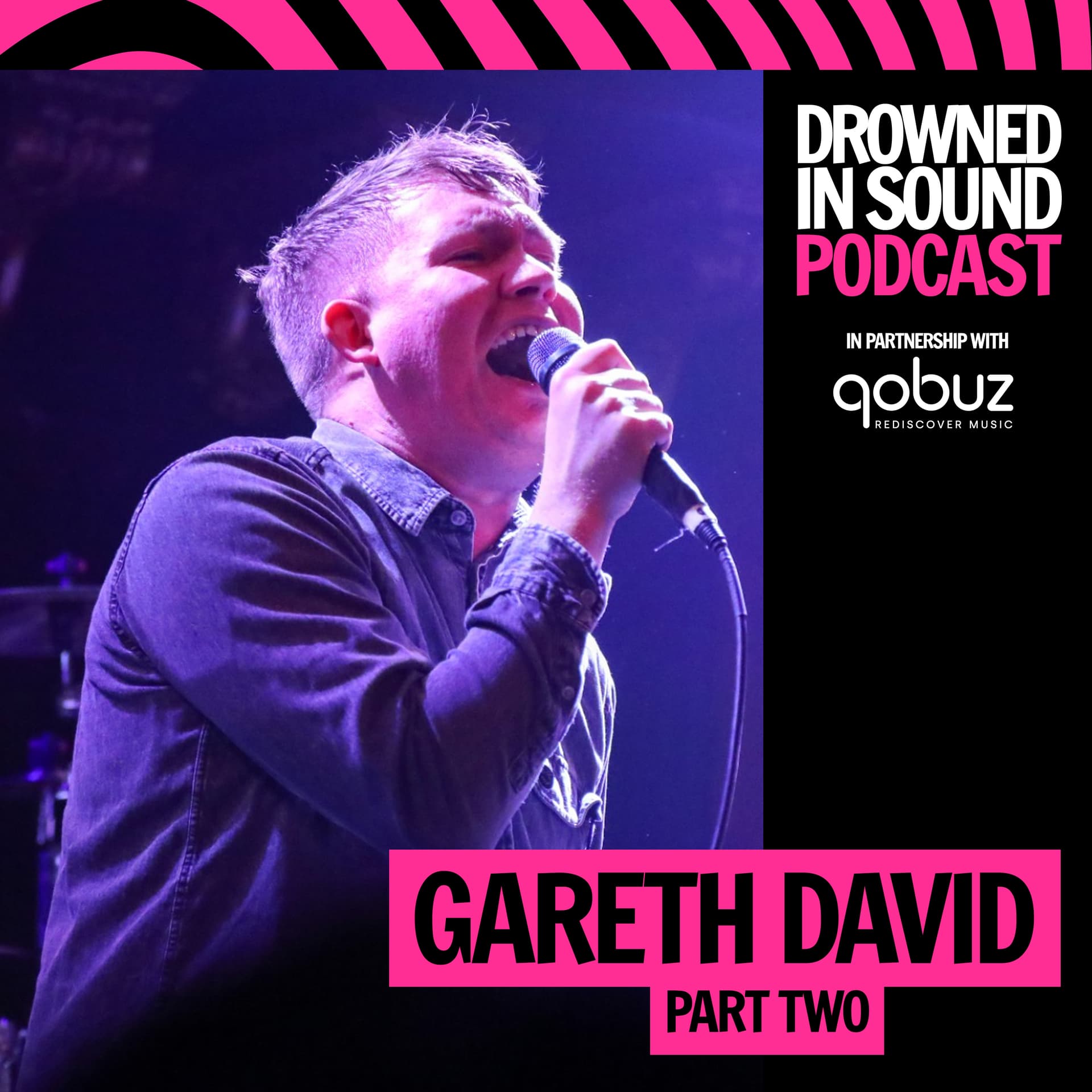
Gareth Campesinos (Los Campesinos!/Nose) is the main guest. Hosts are Sean Adams (Drowned in Sound) and Helena Wadia (co-host; also runs Media Storm).
Key claims
Touring is increasingly expensive and stressful (visa delays, cancellations, no sick days/holiday pay). Many DIY bands “one and done” because costs aren’t recouped. Solo acts dominate because of post-COVID bedroom production and lack of peer networks. Working-class branding can be “cosplaying” without real access. Bands should avoid profit-maximizing breakup/reunion cycles.
Notable examples
visa expediting/last-minute pickup; 30 dates in 35 days; Budweiser sync; turning down an Airbnb advert (~$60k); PRS payments delayed/validated via setlists; a pool day in Ohio during a US tour; desire to curate their own “Holiday Camp” festival like ATP.
Written by AI. May contain mistakes. Listen to the episode to check what was said.
Chapters
Tap a time to open that second in VOTouring Challenges Over 20 Years
0:52 to 1:03
Discussion on how touring has changed over the past 20 years, including costs and management.
“But first, I need to remind you that this podcast has brought you in partnership with CoBuzz.”
Touring Challenges Over 20 Years
1:08 to 1:22
Discussion on how touring has changed over the past 20 years, including costs and management.
“than the rest music streaming platform which having listened to the first episode might be useful to know that they pay slightly better than the rest.”
Touring Challenges Over 20 Years
1:30 to 3:36
Discussion on how touring has changed over the past 20 years, including costs and management.
“but you can still listen to it all the same.”
The Economic Landscape of Music
3:36 to 7:20
Exploration of the economic realities faced by bands today, including the role of advertising.
“but by day three, you've got no idea where you are and you can't think what's coming next.”
The Shift Towards Solo Acts
7:20 to 12:12
Examining the rise of solo acts in music and the impact of collaboration on creativity.
“have not just been reviews on Drowning Sound and Pitchfork.”
Financial Barriers in the Music Industry
12:12 to 14:00
Discussion on how financial constraints affect who can start a band, focusing on privilege.
The Economics of Starting a Band
14:00 to 18:04
Explore how financial backgrounds impact who can start bands today.
“And we, I think we'll continue to see that, of course.”
The Shift in Band Dynamics
18:04 to 23:16
Discuss the phenomenon of bands quietly disappearing rather than breaking up.
Politics and Music: A Complex Relationship
23:16 to 24:15
Delve into the intersection of politics and music, exploring political expressions in lyrics.
“Gareth's saying things that might get you cancelled now.”
Low-Income Ticket Initiatives
24:15 to 28:00
Discuss the importance of affordable tickets and how bands can take initiative.
Show all 17 chapters
The Viability of Low-Income Tickets
28:00 to 29:20
Discussion on the challenges and considerations around low-income ticket pricing for concerts.
Understanding Performance Royalties
29:20 to 31:20
Exploration of how performance royalties work and the financial intricacies they involve.
“and I could quite, I think we've got about another hour worth of questions we could both ask you.”
Challenges with PRS Payments
31:20 to 35:07
An in-depth look at the complications surrounding PRS payments and their impact on artists.
“Or if Depeche Mode went out and did a Lost Campus Unos tribute.”
Investment in Artist Education
35:24 to 39:20
Discussion on the need for educational investment for artists to understand the music industry better.
“I think Spotify got that one right, to be honest.”
Future of Music and Artist Collaboration
39:20 to 42:01
Reflections on the future of music, camaraderie among artists, and potential industry changes.
Memorable Moments on Tour
42:01 to 43:59
Learn about the fun experiences and memorable moments during the band's tour.
A Dream of Curating a Festival
44:00 to 45:54
Discover the band's ambition to create their own holiday camp festival and the inspiration behind it.
Transcript
Automatic transcript. May contain errors.0:00Welcome to part two of our chat with Gareth from Los Camposinos or Nose. I never know exactly exactly how to say it and I should have asked and I should have checked and I'm sure that there are many people that say it a multitude of other ways but there's not much to say before we get into this episode because there was a lot said in the first one and there's a lot said in this one but we will go into an article which is linked in the show notes which Gareth wrote and shared real detail about what it cost to tour America. I'll also link to their previous article where they shared what it costs to play a one-off show in Dublin.
0:35And these articles sparked a lot of debate. Had a bit of reaction. When I say reaction, you know what the internet's like. Reaction often is people telling you you're wrong. Telling you that these things can be done better and cheaper and all those kinds of things. So anyway, we will get into this episode. But first, I need to remind you that this podcast has brought you in partnership with CoBuzz. and Helena has very kindly put together and had a lot of fun putting together a playlist of her favourite Lost Camp tunes. So if you go to dranninsound.org forward slash playlists you'll be able to hear that playlist and grab yourself a 30-day free trial to the slightly more ethical than the rest music streaming platform which having listened to the first episode might be useful to know that they pay slightly better than the rest.
1:21This is the Dranninsound podcast and this is our chat with Gareth from Lost Camp Sinos, part two. And a bit like a Star Wars movie, it does matter if you haven't listened to part one, but you can still listen to it all the same. This is me handing over to me and Helena chatting to Gareth from Lost Camp.
1:53has anything got easier over the last 20 years like how has it changed over the last 20 years obviously your fame grew obviously but has it simply just got more expensive to talk or or has it got more expensive but also easier in any way i mean that's very kind of you hannah i'm not convinced our fame has grown i think we've got more fans now than we did 20 years ago but those those early tours we were a curiosity so we had lots of people coming along because you know we were written about on the internet and uh we were hyped so but yes we we we've got more fans now fans um what's got easier is not having a manager basically because so much of my experience of having a manager was being told that things were being done when they weren't and i'm sure that they were next on the to-do list but then something else would would bump that down the list so like visas the amount of bands i see cancelling tours because of visa i guarantee at least 50 of those are because their manager left it too late to apply for the visa that was always our experience we had one occasion where one of us literally had to pick up our visa from the embassy no not from the embassy from the like um dpd depot or whatever it was the morning of the flight because it'd been left so late so i'm certain a lot of it is just like and then they end up paying the expediting fees but we just do ours long in advance and it gets done and it's not been stressful since i've been doing it um and just sort of yeah knowing knowing what what what you're getting yourself into.
3:33Whereas a younger band, you'd just be chucked on tour. You know roughly where you're going to be each day, but by day three, you've got no idea where you are and you can't think what's coming next. But we did some tours sort of circa 2010 or whatever, where we do like 30 dates in 35 days. And then you think you've got a day off, but in reality, you've got a day doing a 12 hour drive. um and we wouldn't allow ourselves to do that we would lose a bit more money by you know like some of the some people responding to the piece saying well you could have done a show on this day to make more money yeah we could but we didn't want to because we'd be knackered like any more we're old yeah any more than four any more than four gigs in a row and i'm done like i cannot sing like it's just like i cannot physically consume another beer and i cannot sing so like and also if you if you have to cancel a show six and seven that's a huge cost yeah and like there's nothing factored into here where you had to pull a show and suddenly the entire budget breaks breaks down absolutely but once again i think this is just like how we view creativity and art like as a society i mean people go to like the theater or like see a musical and they think oh yeah someone's singing a song for me but how much work has gone into that how much like rehearsal how much rest time for that person what if they do two shows in one day what if their voice is going what if they've got a tickle in their throat and like nobody really you know you don't get your traditional sick days you don't get your traditional holiday pay this is a separate thing and you're doing it all for basically all for other people i guess like do you think if lost camp were forming now do you think that you'd be able to have the success that you've you've had i think our brand of guitar music is is very unsexy these days so i don't think that we would we would last long speak for yourself gareth um but it's really hard to say because there are examples of of bands that sort of nominally are the same as us in that they are like guitar bands um and they make a living from it or at least for an album cycle they'll make a living from it and then they might work for a bit and then um but i think that they're all bands that you know have management have record labels and you know you get that i don't i don't think we could have the longevity that we've had i think that's the main thing because i think we obviously started as a band that had all those things had management had record labels had so i remember sitting in like pr meetings when there was like believe it or not more pr people than people in our band which you know radio plugger online press when there was a separate online and press person insane um i mean they still are for a lot of time i contact people like oh no you need to speak to the online person i'm like what there's more press officers than journalists i can i can believe that i could be saving these bands so much money um but uh yeah i i think that yeah so we we came from that and that obviously gave us the the platform we signed three figure sorry six figure publishing and record label deals, you know, after being a band for like a year.
7:07So all of everything we've experienced since has been off the back of that. They got you some good adverts, which reached new audiences and you've had music in different places. Like I'm assuming the ways in which your band have grown have not just been reviews on Drowning Sound and Pitchfork. It's been lots of, like I remember Steve from Bloodbred Shoes telling me that because they were on Kerrang! Radio on Grand Theft Auto, they can tour parts of America that a lot of other bands can't and I think it's worth remembering that the amount of people that were Shazammed was it a Domino's advert you were on?
7:40Budweiser, thank you very much you're thinking of Frankie and the Heartstrings with the Budweiser advert with the Domino's advert, sorry yeah, I mean you are totally right but also that's like all we've ever had like that's the only advert we had and it did us great for a number of years and it um we've had a lot of fun with it since because we still we've done lots of budweiser merchandise and we still very much play along with that and you know we we're a beer band so we like that but um yeah we've i'm yeah i'm always skeptical with things like that because you never really know if they've been pitched or if they've come to you like that's the thing with a lot of um publishing uh and sync stuff is like we've had really good in recent years we had two two songs included in a in mitchell's versus the machines which i think was a was that a sony movie um it's like it was a netflix exclusive and it's like huge like every child has seen it sort of thing um but we got those not because it was pitched to them because the the director is an lc fan and but you know the sort of the sync team will consider it a victory for them as well like look we got you this no you didn't they're a long they followed us on twitter for 15 years like they included these songs because they wanted to do us a favor and give us some money for including the songs so i think yeah with sync it's it's never entirely clear and i think it's certainly going more towards the under level we're at like songs are being included not because they've been pitched but because there's somebody who's a fan who wants to to use that song sort of thing but yeah those um those general revenue streams are are diminished and because we turned down an airbnb advert recently i assume that one was pitched to them but it's not as if anybody ever said to us would you be happy for your song to be used on an Airbnb advert we're going to pitch it they might have just pitched it no actually I'm not sure no the way the email came in it seemed it didn't seem pitched but that was$60 ,000 get you and your seven friends in this Airbnb and get your tour cost down yeah we can star as well I mean if they offered you 16 nights of free accommodation across the US you might have considered it yeah and they can book it as well I'm not booking it they're taking care of that but we turned that down because we don't appreciate the the work of Airbnb but that was only$60 ,000 10 years ago that would have you could have stuck another zero on the end of that right so yeah the money isn't there in in any of the elements that it used to be and what I mean all of this to say what is the effect of these costs the cost of live music the cost of the way the music industry is at the moment what is the effect of that on bands or artists who are trying to start their careers do you know i don't think it's starting i think it's continuing because i think you start your career with adrenaline and excitement and you're willing to sort of work a day job and play shows and then do a week weekend of gigs and go back to your day job like still hung over on a monday or whatever but it's how that doesn't become sustainable i think that is the issue think of how many like incredible albums like one album diy bands we've probably all heard over the past five years or whatever who are just like one and done because it costs them money to they never make back the money that they invested in it and yeah they'd love to keep doing it you don't you don't start most people don't start a band to make money but it very quickly becomes apparent that yeah it's not sustainable and it feels irresponsible to to pursue it if you've got if you're neglecting the reality of what you need to live um so i think we'll still see what i'm seeing most in in terms of people starting projects and it really upsets me and we might cover again on one of the questions later later on about what music might be like in 2050 but it's too many solo acts these days everyone's a solo act I've done a couple of like I've got mates that work at various like uh music charities or things like that and they asked me to do panels and I and I like doing them because I like the opportunity to sort of give my side of things which I think is a side that they're often not getting but it's all kids who are solo acts like every single one of them none of them have got mates that they're playing music with and it's just the greatest joy I've had from music has been doing it with mates has been like spending time with with friends and family on the road and experiencing these things together and it's like proof that it happened like because other people were there and and we can all remember what it was like and now I always feel sorry for Ed Sheeran like he's got no mates like it's the sad like you you're headlining Glastonbury you're headlining all these places and you've not got a single mate who'll play with you like that's how I feel about all these all these people it's like it's so sad to me and that's the way that i think that's an impact it's largely impact of covid of course like kids that became interested in music over a two three year period where they weren't able to meet up with mates and the skills they learned in their like on their home computers and suddenly they were producers without even realizing that's what they were becoming that's that's amazing don't get me wrong but it would be so much better for every four or five of them doing some bedroom project form a band it'd just be so much worthwhile and not just guitar music but like collectives you know groups of people um working on the same thing it's that's to me is what when you're playing shows you're not playing if you're playing a thousand cap room you're not playing to a thousand individuals you're playing to a group of a thousand people and that's that's how I feel on on stage as well and I and I feel sorry for people who don't who don't have that even if they don't have to split their money seven ways.
14:19I know you said about starting and carrying on and the difference between that, but surely the effect of everything being, it being so expensive to be a creative is that the only people really that are going to be starting are the people who have the bank of mum and dad. Yeah, totally. I mean, that, that's, that's a big issue in terms of, um, bands that are able to you know you get a head start because you've got all the equipment at home bought for you or your parents did worked in the arts or whatever so you've got access to that we see that in virtually every band that that comes that gets to a position of you know lots of a lot of the bands that are working class are actually just cosplaying working class and and And I'm mentioning, you know, like blue font parents or whatever.
15:11So that's one thing, certainly. And we, I think we'll continue to see that, of course. One question off the back of something you were saying a minute ago. I was thinking of those bands that stopped after an album or two. I was curious how many of the kind of acts you've seen come up alongside you that have sort of quiet quit. like bands don't seem to split up anymore they seem to sort of disappear for a while and then first album in 10 years you're like oh yeah i forgot about that band and i wonder if the economics is one of the reasons for it yeah do you know what i have so much respect for bands like that compared to the bands that do the farewell tour and then come back and do the reunion tour three four years later i think there needs to be i think we need to be up your lcd sound system doing your last ever gig and then playing again like a year later yeah do you know what they're like the only there's lots more than them but they're the only one i'm confident naming because they're the ones that definitely haven't heard of us and wouldn't give a shit and they've done much more egregious things than that so um yeah but that just they're taking us for fools when they do that and i it's so dramatic so i respect it when bands just like sudden they released an album a year ago and suddenly it's three years ago and suddenly it's five years ago and they've all moved on and got different jobs and, you know, moved to different parts of the country or the world or had kids which have distracted them from it.
16:40And then it's like, oh, hang on, we're still mates and we could do another album if we wanted. I've got so much respect for that. That should be the way it's done, not the, like, take as much money as we can from our fans on breaking up and then take double that on getting back together. That is something that I think, yes, people will always say, well, you know, people need to make money one way or the other, but that's a choice and i think that everybody be it fans or journalists or anything should be more i'd love for somebody to say to one of these bands that breaks up three years do you feel at all guilty that you did a breakup tour and charged 50 quid a ticket and now three years later you're doing a reunion tour and are charging 100 quid a ticket like taking us all for fools so um yeah the ones that just quietly disappear and come back and are just mates all the while between we what is seven years between six scenes and all hell for us but we're talking every week like we're hanging out all the time and like there's a group chat which is going on constantly and it's like you could probably if i wasn't keeping count i would probably said what has it been like three years since the last album no seven oh well that's a shame but like there was probably two years since you finished touring it well it yeah if it wasn't for covid it probably would have been yeah but um yeah it's um yeah i i got yeah i got a lot of respect for bands that just disappear and reappear without without any fanfare can i ask a bit of a potentially convoluted question sure like there's a lot of people that make music for profit and we're obviously talking about money in this episode and you've talked a lot about the economics how things work how different do you think the industry would be as if people entered into it as a not for profit and maybe if they reach a certain stage like i often think about there's people in athletics and you don't do athletics for profit like you might eventually get a big sponsorship deal and and it's lucrative but often people are subsidizing you in the way in which you make your i guess when you're doing certain things i feel like there's a bit of a shift happening politically in the world and i feel like it's being mirrored in a lot of what i'm seeing in how things are funded and like i'm seeing with independent media there's a lot of like i like the way navara talk about put one hour of your salary a month in to support us um because you probably consume more than an hour of what we do and i just wonder whether if we entered into if 99 of artists are not really making a profit like how differently would you think the music industry would be if if artists took an approach more like that do you mean so like with sponsors and with and i suppose it's what we see in things like uh patreon or or paid for sub stacks and things like that it's something that quite often people say oh you should do but i don't like i don't want our band to be in a situation where there's any element of sort of being beholden to people that like our music because they can stop like liking it as quickly as they decide they want to support it and also i i suppose it's flip to flip the question a different way if you entered into your us tour to break even yeah more or less on paper is like once you there was a profit made but it wasn't really a profit when you look at it on paper like if you'd entered into it as we're a not-for-profit would you have had to pay for visas because you wouldn't have been there to make a commercial profit like i'm just one like i'm wondering for the sake of like this is a bigger conversation there's not necessarily like if you if the if artists from the uk toured the us but it was a not-for-profit business i wonder if there'd be a different type of visa you could get so you could save money on that and like the actual like the element of maybe being a touring band is not for profit but selling your physical stock is or like there's loads of different ways it could work i was just curious whether it's something you'd ever thought about that's a that's a it's a really curious thing because you know you you can you can separate elements of a band to be like when you're talking about the business side of it you know you can have one business that is you know a limited company for the the music side of things and you could have a separate limited company or other entity for the touring side of things so maybe there is a way where it could sort of be gamified i suppose to to do that and that would be yeah that raises a really a really interesting question that yeah i mean i i would wonder how it would change in terms of as soon as you like selling shirts and selling tickets etc but i think the I a lot of a lot of my thoughts on the music industry and sort of like the this isn't the best way to phrase it but sort of like the right to make music is is quite confused and I think I contradict myself when I'm thinking about it and so there are elements I sort of try not to to vocalize because I I don't think that anybody is owed a living as a musician but I also think that if it's if you are sort of like justifying your existence as a musician is it controversial to say i think if you're making music and nobody likes it then you're not entitled to make a living from it like i i i don't know if that will upset people but like not everybody can can be a musician in the same way that not everybody can be an athlete i'd love to be a professional footballer but i can't um so i think that yeah a lot of there's a contradiction though isn't there like as you were talking earlier about that collective experience of performing the collective experience of the crowd like there's a public good there's loads of studies to say how doesn't it like you live like years longer now if you go to lots of concerts and culture like there's all sorts of studies that show how the the public benefit of what you what you do as a as a job when you're not doing your other jobs yeah like but when i'm walking through town and there's the same busker playing zombie nation on acoustic guitar i don't think i i don't want them to make a living from music that's my that's my that's the contradiction for me yeah okay and that that That's from first-hand experience.
23:18That is not a hypothetical. Gareth's saying things that might get you cancelled now. Yeah. Yeah. Yeah. Sorry for that. Yeah.
23:31Gareth David:Hi there. It's Emma here. I'm Gay Crash in the podcast to quickly tell you about the Drowned in Sound newsletter. Every Wednesday, I invite myself into your inbox, with permission, of course, to share opinion writing and resources, tell you about cool things that you should be involved in within the world of music, activism, etc. I also bring track of the week and a little bit of hopeful news for you because we all know that the news cycle can be grim at the best of times. Drowned in Sound newsletter every Wednesday in your inbox. Sign up now.
24:14briefly just though talking about um vaguely about things that could get you cancelled or i guess like this intersection of like politics and music i mean like so many of your songs so many of your lyrics are so for want of a better word political um but you know like even you guys saying that you turned down the airbnb ad i do think there's a lot of people that wouldn't and i do think that a lot of fans are so grateful for that but do you ever do you ever get worried about being upfront about your politics the Palestine flags the trans rights flags and or I guess how do you see that intersection of music and politics I don't personally see them as separate but I think a lot of people might I don't give a f**k if people don't like it um we're not a popular band anyway so like it's not gonna make a difference but also to go back to what i said i just want to look back on our career in 30 years time and think yeah we did we did things the right way we did things i want to do them i think yeah for us it's definitely one in the same i think so many people who love our band have grown up with our band and have in our different albums you know what they've been experiencing at that time of their life has is what we've been singing about um and so i think that a lot of our beliefs and um yeah political beliefs in particular have formed at the same time and i also think for because we've got a really really big young fan base these days like um all our streaming data and stuff for whatever that's worth streams like under 30 um skews under 30 and even like teens so that's amazing and bodes well for the future i hope um but i think we've been formative in a lot of people considering issues and learning about issues and i think that's a that's a really important thing to be and i understand why a lot of bands don't link the two things partly some will be because their politics are not the same as their audiences and you know they might hold um bright wing or neolib politics that that they need to keep away from their music or they might be people who genuinely don't really know about politics have a general idea of what they think is is good and bad and right and wrong but have never really engaged with politics and that's i've got more respect for that than i do for the sort of yeah the cosplaying of of it when it becomes a sort of um marketing thing and sort of to to link onto that one thing that i i think i came into this wanting to say is we we get pat on the back quite a lot for doing like low income tickets and stuff like that which is which is nice but i would so much rather people ask other bands the question of have they considered doing it then i would be asked why we do it or what that's like because i've spoken to what artists have reached out to me and there's a public at the bottom one of the footnotes of that touring piece i wrote a list of bands that have adopted the same approach and sean you referenced the anchor s and um loads of us acts as well but there's been a few people who've like reached out to me via dm bigger acts than us and i've explain to them exactly how to do it and they've not done it and i'm just really curious as to what is stopping people from taking this approach i know that like arena artists stadium artists we're far from a situation where that is viable because it will be swallowed up by by touts but anyone who's playing at the level that we are it's so easy to do it costs us comparatively little money than it compared to what the person who's attending is gaining we've not seen huge evidence that it's been taken advantage of i always kind of want a disclaimer like for the kids if you don't have any money but your parents do please ask your parents for the money before you buy a low income ticket but what can you do but i think we're at a point now where it's the same with like independent venue week and stuff like that you'll see bands talking about how important independent venues are and then they'll go on tour and they'll play a dozen no two academies i'd really love to see these questions and not as a as a gotcha or anything i just think bands don't consider it or they think about it and then they think oh no another time and largely it's because they don't feel like they can ask their manager or or their booking agent or whatever else they don't feel that there is that that room for a conversation there but i think these are positive changes that that artists can make and i kind of I wish a few more would.
29:17So we're entering Joe Rogan lengths for this podcast and I could quite, I think we've got about another hour worth of questions we could both ask you. But I wanted to make sure I got in one of the community questions. There's a discerning called Tiergarten and this is going to be a pedantic question for you. So he said it probably falls outside of the remit of your touring budget. But what money, if any, came from PROs, so the collection societies? He said if you're playing about 24 songs a night for 800 to 800 plus people. That should be a decent-ish PRS payment. He's not sure if that's how it works in the US.
29:51So I had a quick look. It looks like you should have got it. And I'm guessing that's just maybe something that's not directly in this budget. And I'm assuming if you're on a publishing deal, you've not recouped, you might not see that money as directly anyway, going back to some of our indirect stuff earlier. Well, our publishing situation is very good these days because those deals have largely expired. So that's good. And the publishing is back reverse. but yeah that would be the reason they're not included is because you don't see payment for them until months or years after and it's actually a very timely question because i was doing some admin on this last week um for example our uk tour that we did in september october 2024 we did six dates three of those gigs have paid us the prs and three of them haven't yeah so like we're relying on i think you're relying on like the promoter side submitting the like confirming the set list i suppose as an artist i think you can submit it and i know that the music venues trust are hot on it at the moment yeah so i submit them via via the prs website but i believe there is some element of validation on the other side because otherwise you could fudge the books and like and make out that you're playing more than you than you have so yeah three of those gigs from the six-day tour we've received the money three we haven't and i was even looking back there's a gig as far back as like nearly two years ago that the money just hasn't come through um but it's not yeah they're absolutely right it's not insubstantial i think we did the um uh the two nights we did at troxy at the start of last year the money has been paid through for that and i think it was about so two nights 3 000 capacity but in total probably about 4 500 people across the two nights yeah 20 something set song and about 1600 quid um so but it comes out of the it comes out of the the show offer yeah so when a when a promoter is putting together a budget for the show a budget they deduct the prs money from that so for anyone that's a bit confused what we're talking about so if you played a set of covers all of the songwriters would have been paid for their songs but as the songwriters performing your own music you get paid that kind of performance royalty so So it's a way of ensuring that if you went out and did a Depeche Mode tribute set, that Depeche Mode get paid the royalties for the songs that you were playing.
32:28So it's one of those things. Or if Depeche Mode went out and did a Lost Campus Unos tribute. Exactly. That's how we'd get paid. Maybe we'll see that one day. But yeah, that is a good question. And it's something that would be good to include, but it's one of many examples. I'm fine. You'll probably find this as well, Sean, at the moment. just like everything in the music industry at the moment is so slow because every big company is understaffing themselves to save money and they are giving all of their staff nervous breakdowns so bi-weekly i'm emailing very nice hard-working people saying we've still not heard back on this that we first asked about six months ago can you help and they're like oh sorry i'll check back in with so-and-so who hasn't got back to me and it's like it's not their fault but it's just that everywhere is yeah all the people with money are making more money by not employing enough people and the people that are working for them are going insane and the artists are going insane because they're not getting answers to questions that they that they need answers to and on the flip side there's loads of events that go ahead without a prs license and then they close the limited company before anyone can get paid so it's like some first-hand experience so you put in the budget an extra three four hundred pounds yeah which as a manager that drove the bus would have been more or less what i would have got and then the show loses money and you're like there we go that's i drove to durham once not going to name the festival but they didn't have a license we played a butland right they didn't have a license how does butlands not have a prs license That's a very good question.
34:07I think of all the 90s pop acts that aren't getting their PRS.
34:36kind of algo slop that you get on some platforms. You can really hear the difference. I know lots of places talk about the audio qualities. And as soon as I moved across, it sort of felt like I was rediscovering music, which is one of the platform's slogans. If you're worried about your playlists, you can use Soundiz. It's a really good tool that's part of the signup process when you join Cobuzz. It just transfers everything across. If you'd like a free trial of this platform that's independently owned and made for music enthusiasts, head to drownedinsound.org forward slash playlists, where you can hear not only our playlists, but get a free trial.
35:14You can also find these details in the show notes to this episode. And now back to this episode of the Drowned in Sound podcast, brought to you in partnership with Cobuzz.
35:34I'd really like to ask the question I ask all our guests, which is if you had 500 million, which I think is roughly how much Spotify have invested in Joe Rogan, how would you spend it to address some of the issues we've discussed or the industry in general? I think Spotify got that one right, to be honest. Yeah, I'll give it to Joe Rogan. No, one thing is that so many of the big issues that the music industry is facing are not issues that the music industry itself can solve because they are like uh issues that are relating to things that people are experiencing you know visas we've we've covered that the music industry can't really fix that unless it was to subsidize visas but why would you provide a subsidy that is paying money to a to a nation state like that's um and things like you know business rates and stuff like that that are impact in grassroots venues and things what i would love to see investment in is educating artists on the music industry i would love to see significant investment so that bands are not paying money to third parties i would love i think there are very few artists that actually understand publishing and prs and ppl and mechanical rights and neighboring rights and And I do, but some of my bandmates definitely don't.
36:58And they don't need to because they've got a fantastic manager. But I think that... You could also start selling a course. That's what people inevitably do on the internet. Yeah, well, I think that I want to see a pivot in the music industry away from management as a long-term commitment. And I would love to see more sort of project management and you know the MU for example offers advice but I would love to see something bigger than that and better staffed and better funded than that where artists can learn about the business side of things because not every artist you don't start a band because you want to do spreadsheets and do accounts and shit like that but there are so many bands that could especially I think bands that in a similar situation to Los Campesinos where you've worked office jobs alongside being in a band but you just don't know how to do the the admin work that you are paying somebody else to do for you so I would love to see some investment in um in everything that surrounds being a band so that artists can learn and can those skills also will would benefit people when they exit the music industry because they will um that knowledge would be useful for them to pivot to doing something non uh artist related in the industry but there would also be transferable skills which could be used in any future occupation that they do so i'd love to see some funding for learning for bands about the industry um because i think that there are too many people earning a living within the music industry that aren't contributing necessarily um there are lots of people that are doing a great job but there are lots of people just draining money um and that's why bands are often kept in the dark about things because industry folk don't want to empower artists to do things themselves because they don't want to jeopardize their own uh comfort yeah that's essentially what this podcast is for is for the educating like it's oh totally and i can see that from what from what you you know from what you talk about these are um things that a lot of artists don't think about or um have never considered as existing and i totally get that and i would have been that person 15 plus years ago and it's only since since i started learning things i realized that you are deliberately you know they want you to be stupid because they don't want you to it's the same in like politics isn't it like the the people want politicians want the the electorate to be thick and so they tell you you're thick and they treat you like you're thick and it's the same with with artists within the music industry i actually lost my voice at a wedding over the weekend and people were like oh was it because you were like shouting on the dance floor and i was like no i was actually shouting at like six gen z's because they didn't vote in the local elections and i was like screaming at them being like you guys this is what they want you to do you've got a chance here you can change everything yeah um anyway absolutely another drowned in sound question kind of on the same note as that one is what do you hope or indeed fear music will be like in 2050 um my fear is what i said about bands and collectives disappearing obviously far worse is going to happen within the industry than that but that's my fear is that we are losing camaraderie we are losing gangs we are losing mates because the because of the way that artists a lot of artists start these days so that is my my fear my hope is this wouldn't be my first choice because i hope it wouldn't be necessary but i something that i think is reasonable to happen or necessary to happen that I think would be good is I want to see a further I think a gap is going to continue to emerge between the top one percent I imagine a situation where the top one percent isn't even called music anymore I think of like WWE when they said that they're not it's not pro wrestling anymore it's sports entertainment and then you've still got sport you've still got pro wrestling that smaller brands are doing and then you've got WWE doing sports entertainment and if we can't have a more equitable music industry then i think we need to just separate entirely and completely disregard the your stadium acts and plow a completely uh different furrow and obviously that's not the best case scenario but it's a hope within in the track that we're currently down that would be the best option i think makes a lot of sense I've just glanced at how many questions that we've still got and there's lots that will probably have to bring you back for another episode about albums there's proper full on like LC lore in some of these questions that Helena's wrote down I would love to do that Helena because one of my small fears is that I'm just becoming the guy that talks about the music industry and nobody's listening, nobody's thinking I like what he said, I'm going to listen to his band it's just like oh this guy thinks he's smart yeah one of the questions I had is that you did the tour because it was fun what was the most fun thing about doing that US tour there was one day we had in in Ohio where there was a public pool opposite the venue and had slides and it had a diving board and we like we woke up because we're in the bus we woke up at like 7am outside the venue looked out and there was just this like real cliche like yeah just a public pool that anybody could go in and use and so we're like queuing to get in at 10 a.m and uh yes it was this tour because the kids were there um and yeah we'd suddenly we are 10 a.m we're swimming we're poolside we're we're sunbathing and then by two o 'clock it's time to to sound check and you're like oh yeah we're on tour but it's just like i think because it happened absolutely on a it wasn't even on an off day it was on a gig day and we still managed to cram that in and like yeah the moment of opening the blinds and just being like yes uh so that was uh that was a great moment but honestly it's all so much fun i can't believe how much we enjoy we enjoy it more than we ever have and I can't believe how lucky we are to still get to do it um and yeah that's why it would be nice to make money from it but we've all got everyone else in the band's got day job this is my day job but um yeah we're just we're just blessed to get to do it well given that this year is 20 years of Los Campesinos and you know you've had critically acclaimed albums and I won't say more fame but more fans yes and is there something that you really want to achieve going forward in your furthering your 20 years is it maybe your music being in a certain film or playing a certain venue do you know what the big thing that we want to do and who knows how possible it is we want to curate our own uh holiday camp festival oh my god yes we all grew up on atp and we think that we have to sort of talk about in business terms we think we have the fan base that would support it we think we have a good mix of people who went to atp first time around who either they might not like our band but they have the same sort of music taste as us and would be able to put any grudges aside to to attend and also kids who've never experienced this and would be the same sort of age as we were when we i think i went to my first one when i was like 20 and that's probably still the best weekend of my life the first one i went to um which one was it and it was atp versus no united signs of atp weekend two uh sleet akini uh mount erie dinosaur junior destroyer gossip electro lane broken social scene mission of burma shins just insane so i think and i think we have we don't have the we don't have the capital but i think we have the knowledge and we have the relationships with people who would back it so yeah the dream is to do a like a three day and then you look at like not do it versus drowning sound so i can do one of the days because i've always wanted to do it as well you you yeah um we'll we'll see what sponsors see what sponsors you can bring in um but uh we yeah i think i don't think it's impossible and especially when i look at like there's like three shine-ons a year or something now so like that's like the main one doing the the butlins weekenders rockaway beach is a is another one um and yeah that that is like the that would be the cherry on top and i don't think it's impossible but we might need to start turning the profit on touring before we uh before we can embark on that uh is the mic drop ending to this episode.
46:53Well, we have to end somewhere and we've ended there. That was our conversation with Gareth from Los Camposinos with me, Sean Adams, the fan of Drowning Sound and my co-host, Helena Wadia. Helena's new podcast series, well, new series of her podcast that she co-hosts called Media Storm is Back. So if you're not already subscribed to that, I would recommend you go dive into that. She doesn't chat about music. They go into the news, they take apart big news stories essentially, and look at the kind of the way the media is reported on them and often bring the voices of people who are not always to the fore of the stories which are about them.
47:33So yeah, just search for MediaStorm wherever you get your podcasts. I'm not going to react too much to everything we said in that conversation because I have so much to say and you've been tuned into two parts this conversation and I feel like I could definitely definitely talk for a long time and maybe we'll have to do a follow-up episode at some point digging into some of the topics discussed in this conversation but if you're not already subscribe by searching for Drowning Sound wherever you get your podcasts we're on Apple we are on the platform beginning with S but why would you be on there you can also find us on lots of the smaller apps you can also find clips from our episodes on our youtube channel and bits on our instagram if you want to head over there and share them and help spread the word but the best way you can spread the word is just wherever you're listening to this grab the share button and dm it to a friend pop it in a group chat send it at an email to someone that you think might enjoy it and we would really appreciate that so thank you for listening i've been sean adams this episode I was co-hosted with Helena Wadia and you have been you.
48:40I'll see you next time. Bye.
From the publisher
What happens when you can no longer subsidize creativity with a second job? Part 2 of our conversation with Gareth David digs into the real cost of being a musician in 2026: visa fees, tour buses, the collapse of sync deals, and the brutal math that's turning bedroom producers into solo acts instead of bands.
In Part 2, Gareth explains how the economics of live music are excluding new artists entirely, why class matters more than talent, what happens when a breakup tour costs 50 quid and a reunion costs 100, and whether music could ever work as a genuinely not-for-profit industry.
We also discuss Los Campesinos! 20-year evolution, why they won't do reunion theatrics, the uncomfortable politics of being an openly leftist band, why low-income tickets matter (and why more bands won't do them), and what he'd do with £500 million to fix the industry. Plus: his actual dream for the next 20 years.
Gareth is the lyricist and lead singer of Los Campesinos!, a band who've been walking the walk for twenty years: unconditional support for trans people, rejecting unaligned brand money, low-income tickets for fans, and now, brutal honesty about how much (or how little) the music industry actually pays. In Part 2, he gets into the systemic economics that are reshaping what kind of music gets made and who gets to make it.
Visit https://drownedinsound.org/playlists/ to hear our podcast companion playlist and discover new music in rich Hi-Res lossless quality. To start your 30-day free trial of Qobuz head to https://qobuz.com/dis.
Edited by: tell.studio (Phil, Louisa, Owen, Matt)
Co-hosted by Helena Wadia, who also co-hosts the Media Storm podcast: https://mediastormpodcast.com/about-us/
Los Campesinos! https://loscampesinos.com/
Further reading How much Los Campesinos! made from Spotify US tour budget breakdown Explainer of Dublin show budget
Recorded remotely.
Sign up to the DiS newsletter: http://drownedinsound.org


