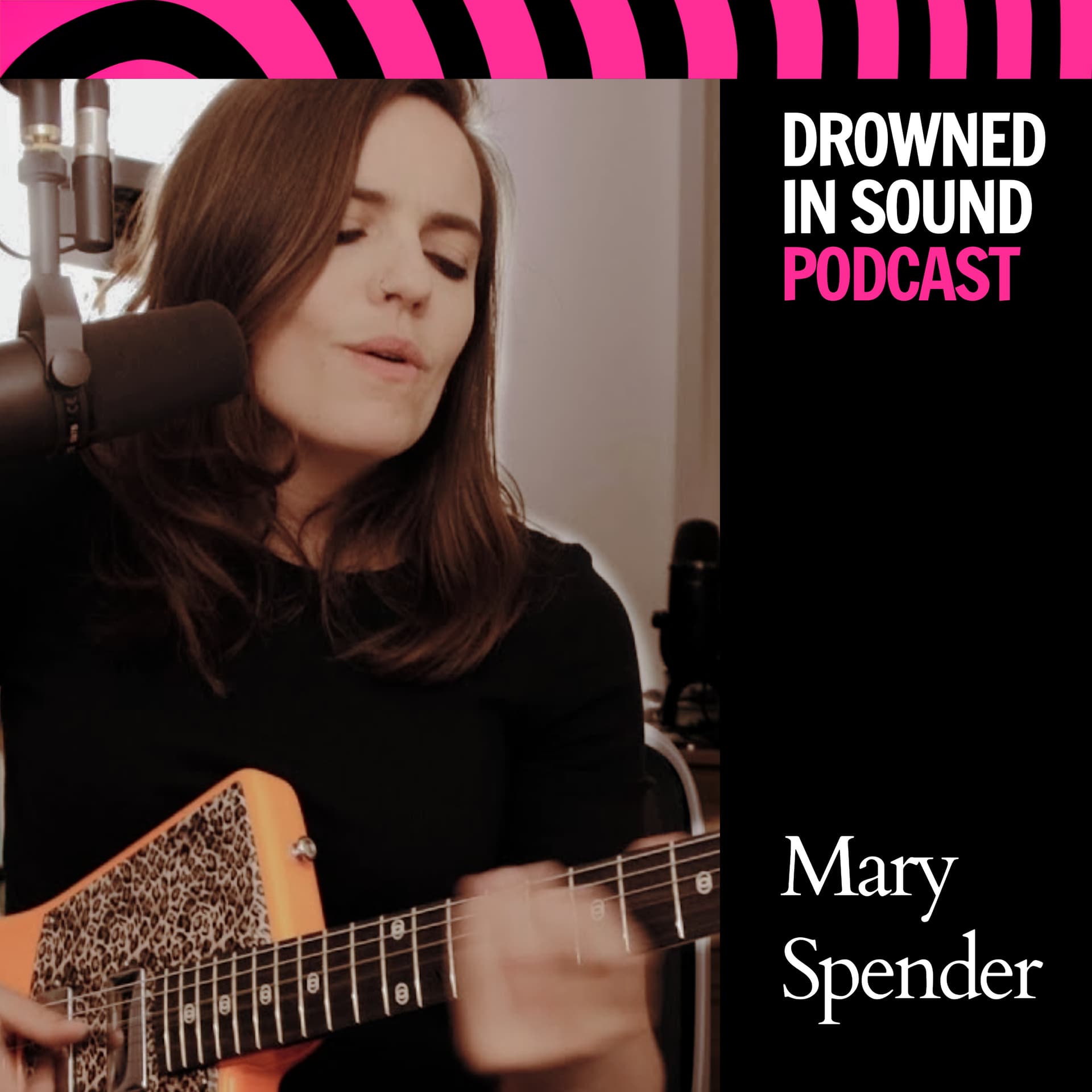
In short
Mary Spender argues 2025 is a great time for independent musicians because artists can build “micro” ecosystems via YouTube plus direct relationships (especially email newsletters), even as Spotify’s model and the broader industry (AI, attention economy, venue/grassroots decline) make old pathways unreliable.
Guest background
Mary Spender is a UK-based YouTuber/guitar-focused creator with 100M+ YouTube views, known for opinionated, well-researched videos about music-industry economics (including Spotify and YouTube monetization). She’s also an original musician who sells via Shopify and has 34,000 newsletter subscribers; her album release generated six figures over two years.
Key claims
treat yourself as an entrepreneur; build community not just an audience; focus on “1000 true fans” starting with 100 emails; don’t rely on platform boycotts; YouTube’s value is audience depth, not money; record labels’ recoup structures are often unfavorable.
Notable examples
her Spotify-to-YouTube argument; “AI artists” with low real-world presence; her own newsletter-driven album recoup before wide release; grassroots venues struggling; Ed Sheeran’s gig volume as a model for audience growth.
Written by AI. May contain mistakes. Listen to the episode to check what was said.
Chapters
Tap a time to open that second in VOFuture of Music in 2050
3:01 to 3:58
Mary shares her hopes and fears for the future of music and artists.
“So this is my conversation with Mary Spender.”
The Current Music Landscape
3:58 to 6:41
Discussion about the current state of the music industry and how artists can thrive.
“just out of the love of it, hopefully, if no one is still listening.”
Building a Sustainable Career
6:41 to 10:12
Mary emphasizes the importance of multiple income streams for musicians today.
Navigating Changes in the Industry
10:12 to 12:00
Discussion on how AI and changing platforms are impacting music and artists.
Challenges of Being Heard
12:00 to 14:03
A conversation on the challenges independent artists face in getting noticed.
“And I can't even keep up with all the difference and the changes.”
The Challenges in Today's Music Industry
14:03 to 18:12
Explore the difficulties new musicians face in gaining visibility in a saturated market.
“All I'm just thinking is like, okay, if we can't go big, like we can't, I can't, if I boycott Spotify, it won't make a difference.”
Building Authentic Connections with Fans
18:12 to 23:16
Learn about the importance of starting small and building genuine relationships with fans.
YouTube as a Platform for Musicians
23:16 to 26:54
Understand why YouTube can be a powerful tool for musicians to connect and grow their audience.
“I feel like my education and the evolution and everything I'm learning is just from doing.”
Navigating the Business of Music
26:54 to 28:00
Discuss the realities of being a musician and the importance of enjoying the process while managing a career.
The Challenges of Creativity in Today's World
28:00 to 29:19
Discussing the impact of external factors on creativity and the importance of focusing on craft.
“And I just want to keep acting and acting on this thing that I want to keep alive for as long as possible.”
Show all 16 chapters
Strategies for Audience Conversion as an Independent Artist
29:20 to 32:53
Exploring methods of converting online audience engagement into music sales and support.
“And yet I'm still like the artist where I go, I want to make this thing and I don't really care about the results of what it leads to.”
The Music Industry's Structure and Its Impact on Artists
32:53 to 36:28
Analyzing the complicated structure of the music industry and its ramifications for artists.
“So, I mean, how amazing would it be if, say, I use my platform to work with an artist?”
Building a Sustainable Ecosystem for Musicians
36:28 to 38:58
Discussing the infrastructure needed to support and nurture independent musicians.
The Future of YouTube and Documentary Creation for Musicians
38:58 to 42:01
Examining the shift towards longer-form content and its potential benefits for musicians.
“I've made one about my own initial acoustic album called Songbook and the process of that.”
The Importance of Valuable Content
42:01 to 43:16
Learn how sharing valuable content can enhance an artist's connection with their audience.
“more time making music and documentaries but you love making the YouTube videos.”
Reflections on the Interview with Mary Spender
43:16 to 46:56
Discover insights from the conversation with Mary Spender and her approach to music and community.
“Well, that was quite some conversation, wasn't it?”
Transcript
Automatic transcript. May contain errors.0:03Mary Spender:Is 2025 the greatest year to be an independent artist? You might think I'm being sarcastic by asking that question, but I'm really not. This week's guest, Mary Spender, really believes that that's the case. She has been thriving online for the last few years. If you have spent any time on YouTube, you're probably familiar with Mary Spender. She's had over 100 million views of her YouTube videos, mostly geeking out about guitars, but often she makes these slightly polemic, opinionated videos about the state of the music industry, things that she's learned, things that she's learning, things that she thinks other artists should consider from things that she's tried or things that she's seen.
0:47Mary Spender:And I was really keen to talk to her for this podcast because I really find her videos engaging, interesting. She's got a lovely mixture of a very serious and sincere Englishness and she mixes that with some thoughts. Often not that spiky or controversial sounding, possibly because she is quite well spoken. But often because what she's saying is not radical it's just going to radicalize you if you are unaware of some of the complexities that are happening in the background of the music industry for the sake of capitalism and I wouldn't even say most of her videos are particularly anti-capitalist either this is really thoughtful they're just calling for a better way of doing things often people being better at telling their story so they can benefit more from the platforms and one video she posted recently was why I reached out to her she posted a video that was about spotify but really it was about why artists should be embracing youtube why they should be telling their story why they should be sharing their ups their downs their confusion why they should be collectively using their voices musicians are in such a unique place in the world right now they're at the very front line of the attention economy and the creator economy their work is being used for ai and i think that although there is a poly crisis grassroots music is struggling people are making absolutely huge sums of money at the top end of the industry that's just not filtering down but if you're an independent artist if you can build up a mailing list of 34 000 people like mary has if you can build up momentum on youtube over a few years of just posting the things you're interested in the things you care about sitting down and doing a little bit of Fleetwood Mac riffs, going to find some very interesting guitars, finding some people online that you share interests with and interviewing them, like that's what she's been doing, just finding and building a community which is not an audience.
2:54Mary Spender:A community is far more than that and anyone that's spent time on the Drenant Sound message boards would completely and utterly understand that. So this is my conversation with Mary Spender. we begin, like all of my interviews in this series, by asking what she thinks music will be like in 2050.
3:15Mary Spender:What do you think music will be like in 2050? Your hopes, your fears, what do you think it will be like? My hope is that it will be much more focused on the sort of like micro artist, the 1000 true fan artist. and I feel like we'll all have our own little ecosystems that should by then say if I've been doing my own little ecosystem for the last five to seven years in the way I've been doing it, I hope that it will be extremely well established and hopefully also be making music by then, just out of the love of it, hopefully, if no one is still listening. And my fear is that people right now are not valuing music enough to become the musicians that we need.
4:16Whether that's just because they're not consuming the right music to self-educate. I'm not even talking about training or whatever. self-educating to get to that level in 25 years of being real true quality um so i'm just hoping that i'm already appearing like a dinosaur where i'm you know just like my parents generation they were like oh god times are terrible like how are our kids going to grow up that is going to be on video games and and we've turned out you know a little bit anxious maybe more so and we are interrupted a lot by our mobile phones um but we're still here and there is still a lot of great art being produced um and technically it's never been a better time to be a musician than today even though everyone likes to talk about the heyday but that was for a very lucky
5:17Mary Spender:few and so your optimism there is one of the reasons why i wanted to interview you because is I think I share most of your criticisms that you've had in your videos of Spotify and how different platforms work but I also share your optimism and the the kind of first part of your answer they're talking about having this like independent ecosystem like you've very much done things on your own and figured out your own path and I guess like we talk a lot about crisis in the industry like i was just seeing that another chain of kind of guitar shops and music stores just closed and like we know what's happening with grassroots venues and you did a great video about that um you've did a couple of great videos explaining how kind of youtube's monetization works or doesn't and there's definitely a moment in time i think that we're in where lots of people want a doom spiral um why do you think now is the greatest time to be an artist if you decide that although spotify is one way of doing it if you decide that there are actually multiple ways of doing it and you have to think of yourself as an entrepreneur um which doesn't mean you have to sacrifice the art like you can still really work on your craft and become a great musician and write great songs and collaborate with other incredibly talented people but I feel like the definition of an entrepreneur I was just reading it and I'm going to absolutely butcher the quote from The Lean Startup this book I'm reading was from 2011 and it's just building something in extreme conditions like that it that that is music we're just in extreme conditions right now where this one way of making money that a lot of us relied on isn't reliable now but there are alternatives and you just have to be really switched on about how you're willing to make money because you have to make money to be existing like it's so expensive to live um so it's just it's just being like i'm yeah i'm i'm angry at certain things and i'm and how you know spotify will be like oh well we're helping artists and i just recently read that they've started this mental health support for a mental health charity which in one way is amazing yeah but in another way it's like just pay musicians what they deserve rather than you pocketing billions and then maybe they won't have so many like issues yeah because they will be able started like a private health care company as well alongside his investment in war technology and drones and it's like that's how you want to spend your money from music yeah and I just know I've built up multiple streams of revenue and really I think musicians out of any other art or craftsmanship we are very adept to gig work and you just have to think of yourself if you're an original artist you're gonna have to have gig work my gig is youtube yeah but it was pub gigs it was weddings um it was teaching it was uh temping so i was used to holding multiple streams of revenue and just you know hoping i covered my rent and covered my expenses and now it's just it's just different and it's in public.
9:15Mary Spender:It's just shifted to digital platforms. Yeah, it's just all digital. Even my physical merchandise is sold through my Shopify store, which you have to learn how to run as an artist now. So I feel like it's, I like making a stand, but I have to also provide, you know, if I'm going to show the problem, I also have to help provide a solution. And that's just by building what I'm building in public. And people can take or leave my advice and I share my failures. But I love having two kinds of voice. I like having my art and my songs and I like them being kind of untouched by having to earn money. but I've actually built an audience who support that original music so much that I've I'm a very like in one way very successful independent artist um tomorrow is the year anniversary of my album being completely out but over two years it's it's generated six figures of income which not many and I'm I'm just putting that out there just to you know for people who don't know who I am it's I'm I'm I'm doing all right as an original musician and I just want people just to hear some of my advice because I've made so many mistakes and I could actually save them some time which is very much the premise of this kind of podcast and a lot of the other kind of areas that we've covered on Drowning Sound in the last couple of years like the right no one needs to run into the same wall this is not men's there at goats territory like we need to really understand like if there's something that doesn't work like how do we learn from the kind of mistakes and the errors and kind of collective wisdoms the thing that i've been talking about quite a lot for this podcast how can we help people make sensible decisions and i guess one thing from watching some of your videos um it sort of reminded me a little bit I'm friends with a YouTuber called Mooncat who does video essays and her first essays were all kind of about multi-level marketing and she started to realize actually she was making videos about capitalism just MLMs as a scam was kind of a extreme version of that I'm curious what you've maybe learned about your politics or kind of collective ways of approaching things like has any of that changed since you've sort of the research and the projects that you've done Yes, it has.
11:58It has definitely evolved. And I can't even keep up with all the difference and the changes. I feel like particularly right now, I'm feeling very like turbulent.
12:17just because of AI coming in. I actually had a conversation with a friend two years ago, probably today, and she was working in generative AI. And it was very terrible, like, to hear about that then two years ago, which is a lifetime ago. And I just went to her and was like, how long do I have? And she went, oh, two years. And I was like, oh, okay. And I just realized, I was like, oh, it is two years now.
12:43Mary Spender:no wonder i'm panicking however off topic um it's not off topic at all because i think the politics of ai like i think it's radicalizing a lot of people like there's something there's something shifting in the oh so your billion billion and billions and billion dollar company can't operate without breaking copyright law um yeah it's like people that were cool were sampling and now suddenly like no i don't think this is this is right um and i think there's been quite a big shift because of things like that yeah my i am sort of yeah relying on our most recent video about the uk government and their ai policies that are just the the scary thing is is that i have a really lovely platform but it's not big enough um and when you have someone like elton john or Dua Lipa talking about these things and being concerned and they're sharing their concerns, but no one's really listening to them.
13:46You do feel helpless. And I think it's really going back to, okay, music already, there's a hundred thousand tracks uploaded to Spotify today. yeah so you already can't every single day so you can't be heard anyway like you it's very hard to break through um very very small percentage do and i i could say this exactly the same for youtube billion hours of content uploaded every hour and i seem to have a channel and i just feel grateful for that but i know that starting now is very different to starting seven years ago very different to starting 17 years ago.
14:37All I'm just thinking is like, okay, if we can't go big, like we can't, I can't, if I boycott Spotify, it won't make a difference. Even if Dua Lipa does, even if Elton John does, Neil Young already had Joni Mitchell removed all her stuff and no one cared. And I, as a user, don't even care because I have all my playlists that I've shared with my friends and we're in a little ecosystem of sharing the music that we have loved for years or are discovering. And it's just an easy, shareable thing. And it's just commoditized. And I know that I'm doing that as a user. So if my user experience is like that and like everyone else's and in one part of my brain I don't care, but then I'm a working music, The dichotomy there is just like, it's very worrying because I see why people don't mind the idea of AI, then making that 200, 300 ,000.
15:42And what we've noticed is Spotify have been using AI artists all along, it seems like.
15:50Mary Spender:Yeah, Liz Pelly's book talks about that quite a bit, doesn't it? yeah it's now you just look and you're like oh how is that person getting that many monthly listeners but they have no social media presence they don't have a reputation that's they're not a real person that might happen for a lucky few that they just break out and they get onto a playlist but they've already cottoned on to how they can just make it all their own music and then they're not having to pay out as many artists. So I just want people to think small. I talk to artists and up-and-coming musicians and I just go, have you emailed 100 fans this week?
16:39Do you have 100 emails on your newsletter? It's like very old school. But even if you just apply it to business, having a mailing list is incredibly important to startups in general, no matter what the field is. So with music, it doesn't sound manageable. But if you just focus on 100 people first, and then you try and build over, it might take you 10 years to 1000 true fans, which might mean you need you know a bigger top of funnel platform whatever your choice is or it might mean playing weddings playing pubs and going around with a notepad like I used to and being like can you write your name and email if you're interested in joining like my mailing list was started in maybe 2007 um so if if artists can just look at what the end goal is but actually just break it down into smaller chunks i think it will be a lot more manageable to be sustainable and the idea of fame and fortune it's a lovely idea it's a lovely dream standing up in front of you know Wembley Stadium and selling it out but you don't get there without concentrating on the first 100 people so and I have to talk myself um into this sort of mindset of just like just focus on 10 people today yeah it's interesting the last episode um that I
18:20Mary Spender:recorded Nikki Calamari talked about just getting five fans and then from there you can kind of just like grow out um slowly because all those five fans might tell five people and then you're slowly the network effect um so to shift completely in scale um i think i'm right in calculating you've reached over 100 million views on your youtube channel um which congratulations firstly because that must feel unreal and not something yeah not something that anyone expects when they start a channel um obviously hopeful but don't expect um why do you feel and you said this in a recent video that youtube is the platform where musicians should be like what is it about the platform where you feel like you can build a community there and that it's much more so than the other platforms is there a kind of big reason why artists should embrace the platform there is real depth on YouTube like if you're just uploading music you don't have I know the music should communicate for itself but there's so much noise it probably can't and so I find that my 10 minute on average videos where I sit in front of a camera and I talk that level of conversation although it looks one-sided it's I sort of work with my audience to figure out topics and what I should be you know focusing on sometimes I throw a wild card in there and no one wants to watch it but that's that's on me but I sort of know what people want to hear and like a DJ that knows had to keep the dance floor full exactly but it's also like they they want to be educated it's not just me me me and sometimes with original music it can come across as listen to this incredible song like no one cares really about my songs unless they care about me and it's like when you think of any band that you've gone to see play live like you have a deep connection to their music from being a teenager but it's very hard to do that now there There were just more gatekeepers then.
20:40And I just feel like YouTube, this payment system is kind of similar. Like, you know, it's 0.003 pence per view on average. And that's the same as a stream.
20:56Mary Spender:Which is ever so slightly better than text-based websites, which is why there aren't as many of those any round anymore. Yes, yes. So it's not really about the money. It's about the audience. And if I have over 700 ,000 subscribers now, I have 34 ,000 people signed up to my newsletter. And then I probably have three or 4 ,000 true fans. And it's just sort of thinking, I know it's sort of a lot. There's a lot of breadth. That's a lot more number. you're thinking you know 100 million views to have a few thousand true fans seems like a crazy i mean it's not at all drannon sound was probably doing about the same amount of page views we had about three million readers a year right until we put on pause in 2019 and it's like we've got about 8 000 people on the mailing list so it's like there's a big disconnect between the people that were coming in and getting their news and disappearing again people that came in read one review or someone that was just looking up the address for the bar fly or something and they disappeared again like so that's that's a different scale isn't it it's like not everyone is watching your youtube channel and wants to sign up to something exactly and i think we just all have to be a bit realistic about you know 8 000 people on a on a mailing list is more than royal Albert Hall.
22:30It's like, we're not really meant to know that many people. And that many people are not really meant to know us. It's jarring. I think it would be, there's only one place where I can say I feel famous because I'm a YouTuber. I'm not Brad Pitt. But I walk into the NAM Anaheim conference and I walk into my audience and it's incredible to be recognized. But if that were my every day i'm not sure i would leave my house like you see celebrities not doing and i just think people aren't really thinking about the realities of like what being a super successful taylor swift is actually like i i just don't think many people would really be able to manage it and i think people are becoming much more aware of this in general um just to jump back to a previous
23:26Mary Spender:point about ai like no one's going to get excited if an algorithm walks in a room like i know people get excited at tech demos um but they're a certain type of mostly gentlemen of a certain age aren't they they get very excited about a new uh your camera is going to be three percent better than it was last year um that's me too i get excited by that sort of thing we were talking about me i'm a yeah i'm a gearhead and you said how you're not and i was just like yeah no i'm i'm excited by the 3 % but yeah no one's excited I just think if it's easy then and everyone can do it then how are you going to how are you going to separate yourself from the crowd and I just think having a level of communication now it's so easy to broadcast yourself it's so affordable to get a good mic and as we've spoken about you don't have to treat the room you're in um that was our pre pre-panel discussion of why of why i've got a mic right in front of my face because i'm in a room that sounds funny which is also about 32 degrees right now i just was really curious some of your videos really well researched um like i mean that shouldn't i know that should be a standard on the internet but it's not always have any of your premises or ideas of your videos radically shifted when you've been doing your research yes I mean I I feel lucky that I have a team now so I have an editor and then I have a producer and I guess he's a co-writer um and that's my brother so we we work together um we're like a budget billion Phineas yeah yeah I feel like we've been educating ourselves, but I've also just made a lot of realizations about business and entrepreneurship and how I feel lucky that I'm still in business running a limited company in the UK.
25:32I feel like my education and the evolution and everything I'm learning is just from doing. you know I we read a lot of news articles we read a lot of um you know books by session musicians from the 70s or band members from you know they're telling us how it was and I've known for a very very long time that it wasn't going to be like that for me so when it comes to music history I feel pretty well prepared for what I'm going to be delivering and what the excess was and in comparison to nowadays um when it comes to I mean you must be making all your videos on acid right that's how it works on youtube I know I really actually do think it's really unfair being a youtuber because you have to be on camera and there's there's only so much fun you can be having before you realize actually I just need to be getting I need to be drinking a lot of water and having eight hours of sleep and even if I don't if like last night I slept incredibly badly and then I was just aware that it was just going to affect the rest of my day and that's just from sleep without any other you know good or bad habits we could call them so yeah it's it's not trying to ruin your brands don't worry no we can go for it we can go for it ready to get cancelled it's it's actually one of the things I've been just mentally preparing for is again from learning about business and learning about how to stay in business no matter the field mapping out the worst case scenarios what's the worst case scenario so as a musician that's no one likes your music but actually before that it's that you stop enjoying making music because you're on this grind and i think people have to just think of all the worst case scenarios there's a lot of like financial difficulty platforms going down tech issues people issues cancel culture but the first thing is are you even enjoying yourself um so yeah my my thing right now uh business learning how to stay in business making mistakes every single day um that's where i'm constantly learning and changing when it comes to uk government policy or my politics i feel pretty well grounded in that it's always a bit of a shock when you do discover that the billionaires that we thought were there to save us just turn evil um but that's happening in front of everyone's eyes
28:10Mary Spender:and it's all very public so also the accumulation of enough resources to become a billionaire pretty much signals that someone was on not on the path to great great human endeavor they were probably the parties collect money yeah i mean if i sort of i would love them to be you know incredibly well taxed and everything but we just know that it's just not going to maybe work out like we all want um and we also know that they're not particularly happy people and that's also what we want for ourselves so it's just sort of focusing in focusing on the craft, I probably can say to myself, I should stop complaining.
28:54And I just want to keep acting and acting on this thing that I want to keep alive for as long as possible. And that is me being creative. And even right now, I'd say the last six months, I haven't been managing my brain well enough to be as creative as maybe I was in the past. And it's it's just it's not even necessarily like a mental health um topic it's a bit more like brain health like i mean genuinely doing all the simple things you know i mean everything that's
29:33Mary Spender:going on in the world it's pretty hard for most people to be creative if they've got levels of empathy in them i think there's like from tariffs impacting merch prices through to obviously the various things in the news um one thing i was really interested in when you talked about youtube being a great platform I was really curious like lots of people talk about the conversion pipe from TikTok and like there's loads of strategies you can download if you just comment with a certain word underneath someone's Instagram video to get a course that it's going to cost you like a thousand dollars or something um how have you found converting your audience even though your music's in the same stream to your music and then getting them off the platform to buy something like is it easier for someone to continue to support your kind of much more like your some of your video essays that have been quite big and then become a patron or to convert to a course to kind of learn more from you like what what have you found i guess similar different and challenging i would say i'm i'm still you know trying to i'm trying to learn how to be that kind of saleswoman where I'm looking at conversions and I'm like, oh, this topic hit well with this.
30:49And yet I'm still like the artist where I go, I want to make this thing and I don't really care about the results of what it leads to. I just have to speak about this or sing about this. I wish I were a little bit more tactical. However, I will say my newsletter, That is my focus for like definitely the rest of time. I think the community I've actually built there, the emails I get and I actually really try and respond to a lot. I can't respond to everything. I really try and respond to the really thoughtful emails. I feel like that's my, I hate to sort of put the word conversion on it, but that's where I sell a record.
31:40because I really make a concerted effort there. And just going back to the Kevin Kelly, A Thousand True Fan Rule, my mailing list helped me sell enough copies to recoup before anyone had heard a single. I hadn't released any music from the album. They had no idea of what quality it was going to be. And my audience helped me do that. and I don't think any record label, I'm willing to be challenged, I don't think any record label has recouped to be profitable on a record before anyone has even heard a single. Yeah. And so I just think when I...
32:26Mary Spender:I mean, very few records recoup at all and just for anyone in the audience who doesn't know what it means, essentially that means not just breaking even, it means covering all the costs of everything that's kind of involved. It's like because record deals are structured, very complicated. And I did do a newsletter trying to explain why Lily Allen was broke and why she needed to use OnlyFans. Because the way the industry works is you only pay off the small percentage of the percentage on the deal, not the main bit. Yeah. So, I mean, how amazing would it be if, say, I use my platform to work with an artist?
32:59We make a record together. we make sure whatever costs were recouped and then we go 50 50 on the profits initially like out of the gate once once you're at zero again and record labels just don't work that way and I know that they're their own business and they can do how they like and what they like but I just feel when you're dealing with artists we're very sensitive and that's why a lot of things have gone wrong and a lot of dangerous things have happened and the worst things have happened like people have died so you just i just don't understand how if it's humans behind this thing that involves humans how we just you know i mean it's why the world has problems because we just can't grasp sometimes that there's just a lack of empathy and the music industry is you know toxic
33:53Mary Spender:I think think also when the industry talks about units it's not talking about the person's creativity or the human being that's made something it's about the units they're selling and I think that dehumanizing kind of like doesn't help anyone within the companies often doesn't even help the artists themselves because they're judged on their stats or vanity metrics and things aren't they so yeah I could go into this for quite a long time so I won't ramble there's a fan-led review of music coming up by the UK government I'd be really curious especially based on your death of live music video you did I think last year like what are some of the things that having toured in the last year or so that you would really hope that the government pay attention to and enact some change around oh I mean what we I mean that's a huge huge topic that I would could have done this whole interview on just that I think yeah I think it's it's really just going back to the fundamentals if you don't have the grassroots you don't have the artists in Wembley Stadium like you don't have that trajectory like take Ed Sheeran if he he gigged 250 if not 300 gigs a year he was you know you see him now and you either love him or you hate him or whatever you think of his music now he had a route and he had a way of gaining an audience and he hustled he worked incredibly hard but if there's nowhere to go to do that how do you get to the next level and arts and culture are a huge economic push.
35:40It's not a small industry and it's not without financial reward for the government and for people in the country. So I just don't know why. I'm like, if there's no arts and culture, what is there to live for? And music is so important. and everyone talks about how much music means to them, but they're not walking into the venues because the venues are struggling. They're not maybe putting on the artists that maybe you'd want to see, or maybe it's too expensive, or you're not hearing about it. The marketing isn't there. It's just, yeah, it's a very, very complicated topic.
36:24Mary Spender:There's a lot of disconnects. And if I have you back, we can just do a whole episode on that. We're actually planning to do some round tables and things on this in the coming months so um i'll let you know yeah please do um so the question i'm asking everyone which is kind of related to the last question um is if you had the 400 million that spotify paid joe rogan or the 666 million i think i worked out that one of the founders recently exited from the company how would you spend it what infrastructure or what platform would you build in order to um shape the future of music and maybe to build that ecosystem you talked about at the start yeah if there was a way for me to be um yeah i would hire a team of engineers and i would build my own platform where people can genuinely like it would be i guess it would essentially be a patreon but with searchable like the youtube element of like oh you like this and you like that and you watched and you listened to that so it it would be just an amalgamation of that it but it would i think the thing that i would really love to see is just the middle class musician being taken care of so you know whether that's resources in terms of finances or advice or you know technology or equipment um just just giving them the platform and the security to be able to take risks and make bad stuff as well um because no one remembers david bowie's bad albums but there there was some bad there was some bad music in every artist there's been some bad music but the cream rises and that's what your legacy is and if you're not making the bad stuff and you can't afford to make bad stuff and you're feeling so just um thwarted by the industry that you're going into you're just not going to take the risks to really make something great and I mean just some kind of safe space and it doesn't even take 400 million yeah um so that's that's what I would do and that's I'm I'm trying to think of ways of like how I get myself secure enough that I can start but I'm not secure and so um yeah trying to figure out the blueprint and trying to share audiences as well yeah yeah i i mean we we used to have amazing compilation series you could get people tuning into a radio show magazines like all these things cross-pollinated audiences and i think there's something about the creator economy that has made the silos that people exist within stronger like even myspace had top eights where people showed off like other things you should go check out and i think there's definitely a lot in there from what you just said so I've got one last question for you I noticed you've started making documentaries with Nebula do you feel like that's going to be the future for I don't want to I'm going to use it in scare quotes YouTubers like yourself do you think that making kind of deeper longer form commissioned content do you think that's maybe where things are starting to shift maybe but I learned a lot from making my own documentaries and I've made a made a few now of varying degrees, the longest just now being out about dire straits.
40:05I've made one about my own initial acoustic album called Songbook and the process of that. I've made one about the history of a guitar manufacturer called Martin. I think I don't really have the resources and the time to be able to make the documentaries that I dream of making. because of the YouTube machine needing to be fed. So I would love more time, but right now, even us learning that, pushing ourselves to do something like that and then realizing, you know what, we really know how to make a great 10-minute video, but we need to be making a 10-minute video every day to survive. so I also have to think about the next album of which I have maybe 30 songs but none of them are good and I have to look at them and go oh god like I've got three okay songs for the next album how how does that come to fruition unless I really put my undivided attention so I'm I'm just learning to focus other youtubers in other fields or in just different parts of their career if they're interested in that they should go make that because I want to be watching longer form stuff I'm watching YouTube on my TV just like a lot of other people it's it's my more creative Netflix I'd say but yeah I learned a lot I will be doing more in future I think they're just going to be a bit more personality driven of things I'm going to deep dive in and parts of my history that I want to explore deeper maybe more than music history that's already existed I think.
41:57Mary Spender:So an AI agent could take over making your YouTube channel and you could spend more time making music and documentaries but you love making the YouTube videos. I've been a deep fake this whole time this isn't even me this isn't real. That's my big fear I was like can I there's no glitches um well thank you so much for your time um it's been really interesting and i hope that people dive into some more of your videos because i think there's a lots of really valuable things and like that's the thing make put valuable things out even on a platform where it's free to consume and that's kind of how the system works isn't it so i think trying to figure out how people create that sort of echo that sits alongside their music and kind of brings people in feels like the thing that you've really maybe mastered i don't know whether that would if you feel like you've mastered it yeah i knew you were going to definitely have not mastered it learning every day getting a kick in the face every day too i think if we can all just think of how we can educate each other by by telling stories i think that's that's the only way we're gonna break through and you know um not necessarily change people's minds but help evolve each other and just, you know, gradually, bit by bit, just realise what art is again, because it is very, very important.
43:16But thank you for having me.
43:25Mary Spender:Well, that was quite some conversation, wasn't it? I think Mary is a fascinating and really useful person on the internet. And useful might sound like a small word, but actually when you think about the collective wisdom we all require, having someone that's been out there, done it, discovered how much you actually get when your video blows up on a YouTube or thinking about how you communicate and what's working. and to show you that actually there is a different path you can follow than just endlessly spending money on adverts to actually put the time in. And often it doesn't sound like hours and hours and hours of time.
44:09Mary Spender:It sounds like an hour here and there to make content each week. I'm sure there's a lot more than that with a lot of her videos because they are very thoughtful and well-researched. One thing that came up in that was how she's gone from doing pub gigs and covers into becoming someone with a large mailing list and taking the thousand true fans idea and really kind of running with it into a much deeper trench. And I think that was really fascinating. I had so many more questions I wanted to ask, like probably needed a Joe Rogan length interview for that one. and I think that if she's got time she'd be a great guest to come back on and talk probably a bit more focused about some of the topics we spoke about there so if you enjoyed that interview and you'd like to hear me do more of those kind of artist perspective someone who's in a very very different space than than the average I guess like most podcasts are full of interviews with megastars and in many ways Mary is a megastar based on pure data of how many people watch her videos.
45:09Mary Spender:I think that there's a lot to learn from just like how she's approaching things, how she's putting storytelling front and centre. And if you'd like to hear more like that, email sean at drownedinsound.org, reply to one of our newsletters which you can sign up to for free at drownedinsound.org. There will definitely be many more conversations like this one that are looking at the future of music trying to make sense of where the map is going using my cartography skills to map out maybe some new land that we've not found before so definitely do what they say on the cheesy podcast and smash the bell to subscribe or you know or just subscribe like a normal person you don't need to smash anything just tap the button really gently see how gentle you can touch it and i think that there'll be plenty more about the attention economy there'll be plenty more about how we connect human beings, how we create communities.
46:05Mary Spender:And I think community is the real key word. Anyone that spent time on the Drowning Sound message boards will know what that means and how different that is to an audience. There's plenty of media outlets that have people reading them. And readers are great. Readers are a community, but they're not engaging with each other and they're not engaging with me and not telling me about amazing things they've seen and then Drowning Sound writes about them. And then other media read about the bands that we've discovered and artist goes from playing to a very few people to being a festival headliner or being a revered artist that's still in our lives now rather than just another name on another list so I think that there's a lot that I've learned over the decades and I'm really grateful that I'm able to spend some time with people that are doing things in a new way and kind of question some of my logic so if you want to stay tuned for more episodes about music becoming a dystopia and how we prevent that then subscribe to the drowning sound podcast if you're first timer here welcome you're very very welcome i'm sean adams the host this has been the drowning sound podcast thank you to josh craggs who's produced this episode and i will hopefully see you next time bye for now
47:25Thank you.
From the publisher
While most music industry coverage focuses on (poly)crisis and collapse, Mary Spender argues we're living through the greatest era for independent artists in history.
But, but but... what about streaming economics, venue closures, and platform dependence? Don't worry, we get into it.
With over 100 million YouTube views, 34,000 newsletter subscribers, and significant album sales achieved before releasing a single track to streaming, Mary demonstrates there are viable alternatives to industry doom-spiralling.
In this conversation, she reveals her strategies for converting YouTube viewers into album buyers, why artists need to think like entrepreneurs, and what she'd build with Spotify's $400 million Joe Rogan budget.
Sean also asks her about her recent video about why artists should embrace YouTube. Speaking of which, you will be able to see clips from this interview over on Drowned in Sound's YouTube: youtube.com/@DrownedinSound
Edited by:
Josh Craggs at Dubble Audio
Timestamps
00:00 Sean's Intro
03:21 What will music be like in 2050?
06:25 Why artists should think like entrepreneurs
12:45 What does the future hold for independent artists?
16:56 The 1000 true fan theory
18:51 Should YouTube be the #1 platform for musicians?
24:36 Researching with an open mind. A rare skillset?
29:45 How to convert an audience from YouTube
34:17 What can the UK government do for music?
36:35 How would Mary spend the $400 million Spotify paid Joe Rogan?
38:39 Is long-form content on the return?
43:29 Sean's Outro
Quotable Moments "Technically it's never been a better time to be a musician than today, even though everyone likes to talk about the heyday. But that was for a very lucky few." "If you don't have the grassroots, you don't have the artists in Wembley Stadium. Like you don't have that trajectory."
Continue the Conversation📧 Email sean@drownedinsound.org with your questions for future episodes🌐 Join the Drowned in Sound Community📰 Subscribe to the Drowned in Sound newsletter
Guest Links Mary Spender's YouTube Channel Mary's website and newsletter The Dire Straits Documentary on Nebula
Referenced in Episode Kevin Kelly's "1000 True Fans" essay
About the Host: Sean Adams is the founder of Drowned in Sound (est. 2000), manages artists including Charlotte Church and The Anchoress, and has worked with BBC 6 Music. Through this podcast, he maps the future of music by exploring culture, politics, and the systems shaping how we create and consume music. At its peak, Drowned in Sound had over 3 million readers. Stay tuned for details about its 25th anniversary celebrations.


