In short
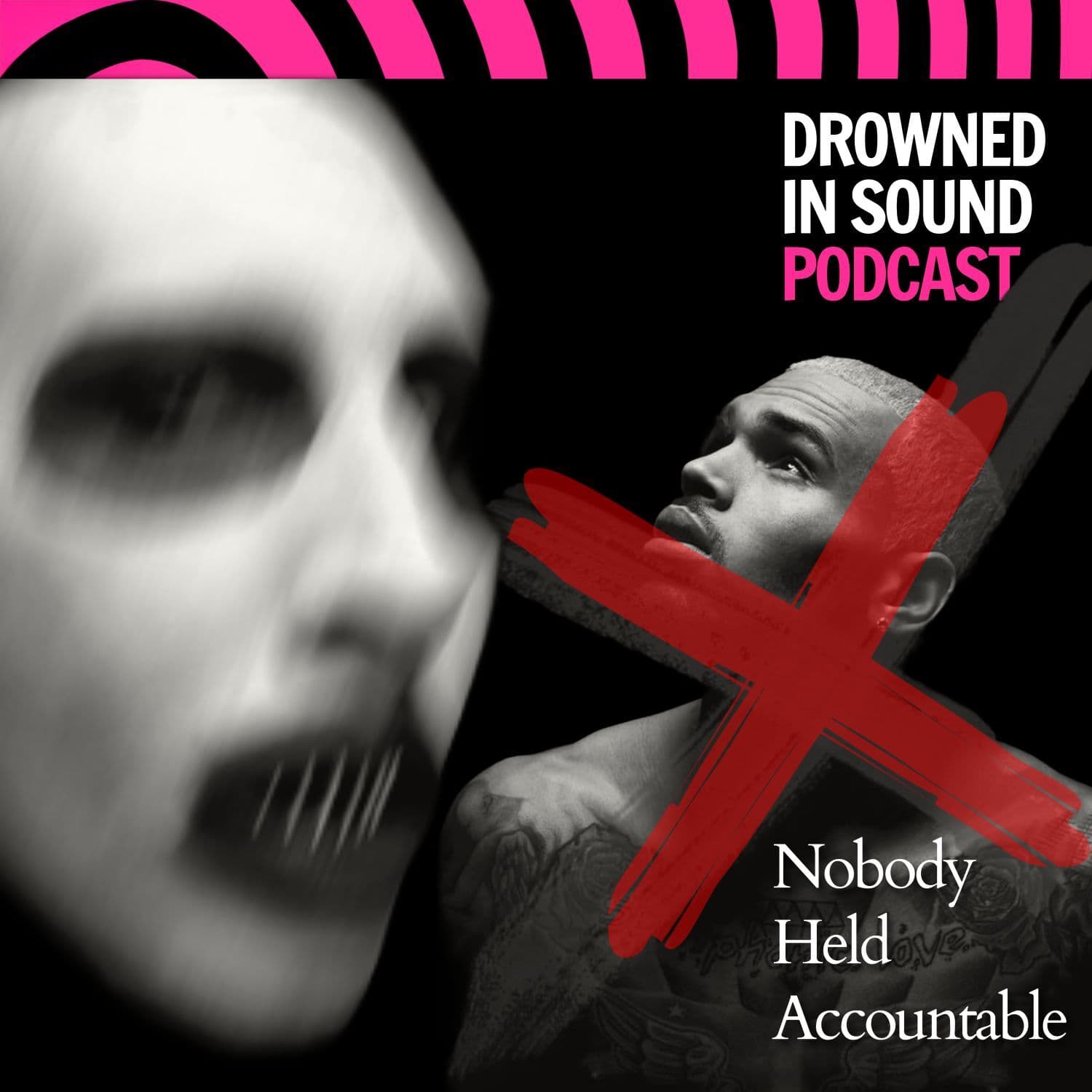
The episode argues that the music industry’s profit-driven, weakly regulated system enables sexual misconduct and protects abusers, even after public allegations and apologies. It critiques “cancel culture” as often weaponized and argues for systemic accountability (labels, management, venues, journalists) rather than treating justice as a simple fan-led punishment.
Guests
Yasmin and Sophie K, music journalists and podcasters behind On Wednesdays We Wear Black; Yasmin works in digital media/social for brands, writes and interviews bands, and focuses on diversity/inclusion. Sophie works in radio/TV and has worked at Kerrang Radio and Absolute Radio. Emma Wilkes is also a music journalist/podcaster collaborator.
Key claims
Social media is “unregulated,” shifting power from integrity-based journalism to profit and virality. Lack of HR-like structures and fear of retaliation helps maintain silence. Fans often keep attending shows, and “they weren’t arrested” is treated as proof despite low prosecution rates. Returning after apologies is criticized unless concrete safeguarding is implemented.
Notable examples
Marilyn Manson; Brand New/Jesse Lacey (apology, then return to touring); Rammstein (allegations during shows); Amber Heard vs Johnny Depp as “cancel” dynamics; Iggy Pop’s “Look Away” lyric about sleeping with a 13-year-old; discussion of “trial by media” and legal/industry pressures.
Written by AI. May contain mistakes. Listen to the episode to check what was said.
Chapters
Tap a time to open that second in VOIntroducing the Guests
0:45 to 2:56
The hosts introduce themselves and share their backgrounds in music journalism.
Justice and Accountability in Music
2:56 to 4:00
Discussion on the concepts of justice and accountability in the music industry.
The Impact of Social Media
4:00 to 6:12
Exploration of how social media has changed the landscape of accountability in music.
“And I feel like we're seeing that reflected a lot in music and in bands.”
Lack of Structure and Regulation
6:12 to 8:16
Debate on the absence of structure and regulation in the music industry, leading to misconduct.
“when there's actual big issues going on in the world?”
Reflections on Progress and Setbacks
8:16 to 12:41
Discussion on whether the music industry is progressing or regressing in terms of accountability.
Cultural Reflections on Accountability
12:41 to 14:00
Exploring how cultural attitudes shape accountability within the music industry.
The Influences of Media on Male Behavior
14:00 to 16:58
Discussing how media and societal norms contribute to toxic masculinity in the music industry.
Justice and Accountability in the Music Industry
16:58 to 21:00
Exploring the complexities of justice and accountability for abusers in the music world.
“And it originally started as a way to hold people in positions of power accountable for their actions and take away the resources that they use to abuse their power.”
The Evolution of Conversations Around Sexual Misconduct
21:00 to 24:10
Reflecting on how societal attitudes towards sexual misconduct have changed over the decades.
The Role of Apologies and Rehabilitative Measures
24:10 to 28:00
Examining the significance of apologies from abusers and measures for ensuring accountability.
“The story would have disappeared and dissipated.”
Show all 24 chapters
Accountability in the Music Industry
28:00 to 40:50
Discussing the measures artists must take to ensure accountability for past actions.
“What safeguarding measures are being put in place?”
Navigating Allegations in the Music Scene
41:20 to 42:04
Exploring the complexity of allegations in the music industry and the role of media.
“There are bands within this scene that have had what I know for a fact to be false allegations.”
The Challenge of Holding Artists Accountable
42:04 to 44:20
Discussing the complexities of accountability in the music industry and the influence of fan culture.
Online Activism and Its Pitfalls
44:20 to 47:24
Exploring the issues of narcissism in online activism and its impact on meaningful change.
“On that subject I literally saw just the other day that a disturbed show in Belgium has been cancelled as a result of David Draymond signing that bomb.”
The Problem with Perfection in Activism
47:24 to 53:08
Analyzing the unrealistic standards placed on activists and the consequences of expecting perfection.
Industry Structures and Accountability
53:08 to 56:00
Discussing the role of music labels in perpetuating industry issues and the failure to hold them accountable.
Activism in Music: The Need for Nuance
56:00 to 57:30
The discussion highlights the importance of recognizing intersectionality in music activism.
Debating Festival Lineups and Representation
57:30 to 1:01:45
The hosts discuss the implications of festival lineups and the representation of marginalized groups.
Consumer Responsibility and Industry Accountability
1:01:45 to 1:07:17
The conversation shifts to personal accountability among consumers in the music industry.
Shifting Perspectives: Moving Beyond Call-Out Culture
1:07:17 to 1:10:02
A dialogue on the need to move past call-out culture towards constructive conversations.
“Everyone likes to say radio is dying, but it's actually doing seriously well right now.”
The Dangers of Vilifying Groups
1:10:02 to 1:11:04
Discussion on the negative impact of vilifying groups based on identity.
The Importance of Individualism
1:11:04 to 1:11:56
Exploration of how labeling can erase individual identities and lead to bigotry.
“I'd hope you're not bullying your goddamn white dogs.”
Positive Approaches to Change
1:11:56 to 1:12:54
The effectiveness of approaching conversations with positivity instead of aggression.
Celebrating Diversity in Music
1:12:54 to 1:13:58
Highlighting the importance of celebrating diverse music and marginalized voices.
“And so if you can come from that place, then I think that can actually go a lot further.”
Transcript
Automatic transcript. May contain errors.0:12Well, welcome to the Drowning Sound podcast. This is a slightly different episode this week, where I've brought in a pair of podcasters who I've referenced at least three times on the series, their episode digging into the depths of Marilyn Manson's crimes because I was so emotionally engaged in the commentary that you did around it so we'd like to begin by introducing yourselves and it is sunday and i am wearing almost all black i'm yasmin and i am one half of on wednesdays we wear black and i'm sophie k and you're also another half and i'm also the other half of i thought that was obvious it's a half you could have been some random stranger i don't know and um you guys are both music journalists and do various other things outside of your podcast you want to give a quick 30 seconds on the other things that you do just so people got a bit of context who you are oh so i work in digital media i run social media accounts for brands and other people i also have my own internet presence which is chaotic and silly and i write i have wrote books i write articles i interview bands i make content for the internet and i talk about music in the space that I'm in and have done a lot of work to make sure that the spaces that we have in music are diverse and inclusive and represent everybody because a lot of times they haven't that's good apart from the fact that you missed out award-winning award-winning digital media specialist an award-winning podcast there we go there you go that part that part yeah Yasmin is slaying um and for me I've I have worked in radio and telly um in all different worlds but i started in rock and metal a little bit later on probably early 2010s uh to late 2000s and i worked on everywhere from scars i'm on kerrang radio right now and absolute radio but i'd just like to clarify that any opinions in this podcast are all my own and they're not affiliated with any of the brands that i work with whereas emma all of your opinion just so i don't get myself in trouble we're also joined by emma wilkes because for anyone listening you won't be able to see the other face in the room um emma are all of your opinions affiliated with drowning sound well i mean i've not thought about it too much i am still freelance at the end of the day so i suppose that is kind of that's kind of an open question but anyway i'm i'm thrilled that we've managed to get this amazing crossover of worlds uh on the podcast because i i've known i've known yasmin and sophie for quite a while and absolutely love everything they do so I'm thrilled that we've actually been able to make this happen and get us all together in well a digital room but a room nonetheless.
2:52Room nonetheless. Room nonetheless. So today's episode I wanted to talk a little bit about what justice looks like because I think and what accountability feels like because I think that they're recurring topics from at least the episodes of your podcast I've heard amongst the very very funny ones and the times where you go deep into myspace fashion which I enjoyed immensely a few weeks ago I think that the rock scene at the moment feels quite like an outlier and and in many ways I think you mentioned recently that it's probably at like the peak of its powers again of like its kind of sales and reach and audience um Emma's been writing some bits for Drowning Sound about kind of where rock music is at the moment and I was just curious do you feel like rock music has self-awareness of some of its bigger issues and do you think it has the kind of tools it needs to uh hold people accountable that's a massive question I think I don't think rock has changed um I think it's always been a reflection of where society is at um but doing it with extreme gusto and I think that's what rock does really well and I think at the moment we're living in a society which is so divided right wing, left wing.
4:26And I feel like we're seeing that reflected a lot in music and in bands. But also, do we have, does it have the power to do things about it? I think since the power went from magazines and journalists and people with a lot of integrity in that sense, and went on to social media, which is completely unregulated, I could go on there and just say anything and I think yeah rock has very little they can do about it um and the people that do are only driven by money so that's my opinion I agree no I completely agree with Sophie and I'd say as well that the infrastructure for the music industry in general is a made-for-profit system where you know you've got artists like Charles Perrone talking about how she doesn't have health insurance musicians to have a pension i know so many artists that have been on the covers of mega big like mainstream magazines and still work part-time jobs because they can't pay their bills and it's like the infrastructure of the music industry is um always been a made for profit thing it's always been a take what you can and run away with it um like the monopoly man running away with the money bags but um i do think you know what social media has been a double-edged sword for the music industry it gave the power to the people but because it was unregulated that power people have got power hungry and they've got almost like a chip on their shoulder and people love love to say that they were right and they cancelled something before anybody else did and it's taken away the the seriousness of the situation and the actual weight of trying to hold someone accountable because it feels like every day i open an app and someone's getting cancelled for something that literally doesn't even matter when there's actual big issues going on in the world?
6:14Because I think that I absolutely love what you had to say. I think it makes so much sense, this idea that we kind of in this industry with such a lack of, I mean, obviously a lack of infrastructure is what you were saying, but there's also like a lack of regulation. And then that sort of, we're not even necessarily self-regulating either because it's a bit of a Wild West and it's, as you said, governed by profit and stuff. But I just think about it as well, in especially in the context of things like abuses of power sexual misconduct etc is that how much that lack of structure that sort of that system kind of permits it to happen because I think about it in like like this like if you had somebody in any other workplace who was committing acts of sexual misconduct something would be done about it you'd go to HR you would hope in a just world obviously there's far more complicating that the person And perpetrating these things would be fired.
7:10They would not be able to work again. And in the music industry, we don't really have anything like that. And I think there was sort of, I think that's kind of, I feel like there's kind of been people trying to sort of build those sort of impromptu structures. And that's all, and it's almost been those sort of trial by social media type deals, sort of this idea of trying to, people banding together to try and replace a structure that should be working for them that isn't there. um and i think that can and then i think and i think the lack of that as well as also maybe why i remember reading uh in winwood's amazing book bodies in which he talked a little bit about this issue and he basically said that the idea of us all being a lot of the people in the industry being self-employed as well means that we don't necessarily have that that person to go to if say if they were to say to be a victim of something like that and there's also it maintains that culture of silence as well in the way that people feel afraid to come forward when these things have happened because of fear that they might lose work and I think it's kind of all connected there and maybe this is the cynicism that I have of doing this for a couple years now not that long though but doing this for a couple years now this is cynicism that I have is you know gave the example of um if this happened in a workplace HR would deal with it but HR only deals with it now because there's so much women in the workforce that men can be held accountable and there would be a lawsuit but like what 30 40 years ago men still got away with sexual harassment in the workplace because there weren't enough women or people saying hey you shouldn't do that and hey we're gonna sue you and it being taken seriously and I think the same can be applied to the music industry where it's 40 years behind in terms of like it's ethical and moral conundrums because I think you know then the more the more voices you have in the scene shouting about it the more that people actually kind of pay attention but there's also this infrastructure for the music industry where if you want to hold someone accountable you risk losing your own job and your own kind of status and and you risk losing the spaces that you've built the positive spaces that you've built trying to call out someone negative who ultimately doesn't get yeah doesn't that makes so much sense as well but as behind as the industry is as well does it feel like in a way that we've gone backwards because looking at this marilyn manson tour i mean marilyn manson toured he played a couple of shows over here in february and now he's coming back to play more like arena shows starting from halloween um and then literally just a few weeks later brand new were playing um something that actually that situation generally did sort of feel for a while they they went away it seemed like the band was done after lacy respond jesse lacy their singer responded to these are these allegations of sexual misconduct it feels like they went away and people kind of put limit okay that's done their career is done and now that they managed to thinking that lying low is helping them and they're coming back and there's clearly like demand for it as well does it fit does it feel like to you that are we always been on this difficult terrain or does it feel like that we were getting somewhere and now we've moved backwards i want to yap badly but i can tell that Sophie's got something to say.
10:24So Sophie, you don't have anything to say. Have I just put you on the spot? I mean, I've always got something to say, but I'm just listening. But I can add something if you want me to. I was going to say, I'm going to go on a yap fest. I am so polite. It's because we're around other people. Usually I'm rude as fuck to you if we're in real life. And as well, normally we often disagree, which is a good thing. So that's why I like to listen to Yasmin's opinion, because the different generations and the different eras that we grew up in um i think change our opinions on a lot of things but yes please do yap yes if the jesse lacy and all that and when it comes to holding accountability in music and towards musicians i think kind of like what sophie said we're in this uh the political climate is reflecting in music and because of that identity politics is so heavy that people see supporting a musician as something about their personal identity and a reflection on them rather than the bigger picture people are selfish people have been selfish especially after the pandemic people got incredibly selfish people were happy to let others get you know sick and die because they were like well I want to have fun and it's it's we've become incredibly selfish but I'd say that identity politics now more than ever are so prevalent in the music industry because people feel like if it doesn't affect them then they don't care so people don't feel as inclined to go well it doesn't affect me but it might affect other people if I go and support this shitty guy whereas now it's more like well I believe this so because I believe this that means it's true and it's the same with you know you look at the current political climate and social climate we identity politics is a huge factor of our interactions now and what we believe and what we stand for and it's just bleeding into music and I think we definitely you know I wouldn't say music has gone backwards I just say it's currently reflecting the times I always like to say the pendulum swings one way or the other way you look at the start of the 2010s and like it felt very progressive like we had Ellen DeGeneres and Obama and yay gay people woohoo and now like the start of the 2020s it's like oh shit we did an uno reverse and like the pendulum is swinging back and forth and it will slowly once again turn back to the left once we get sick of uh capitalism and autocracy but it might not, it might not, we might be stuck here forever guys but Sophie I don't know if you have anything to add or if you disagree with me, lay it in, lay No I agree with you but I guess the thing is maybe this is just how my brain works and this is where I sometimes get myself into trouble because I always I think sometimes with the way I hate where cancel culture is at, I absolutely disagree with it, I think what it started as and the movement it started as was so powerful and so important but this whole cancelling somebody because my auntie's girlfriend's dog said that you once cheated on your girlfriend like absolutely not I think that's that's we're not here to be judge and jury as as an audience but one of the things I'm curious about um and this comes from because at the moment I'm actually uh on my journey studying to become a counsellor and so I think a big part of that is understanding human psyche there's two parts I was going to say number one being that when you get 20 I'm sorry 20 year olds are idiots absolute idiots I was an idiot every teenager 20 year old is an idiot young 20 year old males especially growing up in like the 90s and the and the noughties which was so jock-like and it was like like stifler from i don't know if you've said american pie i don't know if you other two have seen american pie but he was an he was an icon like that what was what was seen as cool it was portrayed in films that if i grew up thinking that to date somebody you had to say no loads of times to get them to push you to say yes that's how you get someone to like you and this was bombarded we learned from tv and things like that how to be i'm not defending this behavior at all i'm just trying to get into the thick of it and question it um but like when you put 20 year olds in a band they're they're idiots they're driven by hormones they're surrounded by other dudes because it's a misogynistic industry they're only females they're interacting with are these young women there's gonna be that's like putting a match to petrol and going it'll be fine and I think we've called out a lot of bands and now I'm like what safety protocols are labels putting in what safety protocols are management putting in like these are the grown-ups in the situation these are the adults and we are having conversations now where young men are growing up and learning about it but we're seeing that because of all of that a lot of men are turning the opposite way and so that is what really intrigues me but also the idea of and I don't have the answer to this I'm just putting the question out there when you fucked up at what point does sorry no longer count like at what point if you say sorry which which Jesse I'm not defending brand new I've got no skin in the game not a fan of the band at what point is I don't know where that is I don't know whether and I don't mean just Jesse I mean anyone well you've literally gone to my next question right which was what does justice look like because I think that going back to I think it was something Emma said a second ago around like someone's done one thing and then the fans still go to the shows like I keep hearing oh well they weren't arrested and it's like then you look at the statistics of justice around almost any crime but especially sexual crimes it's like 0.5 to 1 percent if people that were even charged in the first place like most people don't like the numbers of the statistics are shocking and we went through quite a lot of them in the episode with eliza hatch from cheer up love and i think that people can go oh well i wasn't aware like that's what some of the chris brown fans were saying this summer in the videos from the national the newspaper in scotland went viral like people can say well I wasn't aware they weren't arrested so it's okay or they didn't face they've not gone to prison it must be okay which is a complete denial of just like how bad the justice system is and like you said like yes people should atone apologize like those kinds of things but also their actions like what are they doing to show that oh okay the profits from this tour are going to go to or we're gonna we're gonna have these organizations at the shows to try and improve things for the music industry or we've had these meetings with all of our team and we want to use this moment of people putting the spotlight on us to kind of help support organizations which are doing amazing things like those are the things that should be part of the pathway back but it feels like I don't know you seen Russell Brand being baptized by Bear Grylls and that seems to be the uh the way that some men um find their absolution um but yeah i guess that is really like what does the path to returning look like because like you i don't think that cancelled culture really exists it primarily exists for whistleblowers i mean just look at amber heard's career compared to johnny depp's yeah it exists for um people who are not in the positions the whole power like a lot I think some of those movies you referent like American Pie like I think that was made by Weinstein at a time when there were already allegations flying around so it's like all of these things are interconnected so yeah what does the um what should it look like what what is the path forwards you know it's interesting because when we talk about cancel culture it makes me kind of sad because cancel culture actually started out in the early 2010s, maybe like late 2000s, on the early iterances of the internet because of the Me Too movement and because of the first kind of big online rally for Black Lives Matter during the early 2010s.
18:49And it originally started as a way to hold people in positions of power accountable for their actions and take away the resources that they use to abuse their power. And I think it's been weaponised by right-wing extremists to take away seriousness of situations and to dispel any kind of movements towards progressiveness. And now it's just seen as this annoying thing that, oh God, someone's getting cancelled again and no one takes it seriously. And it's sad because we talk about justice and we talk about what that looks like. And I think for me, it's different for every situation. It's situational, firstly, and I don't have the answers because I'm not a judge.
19:30but I will say I think it's important to look at the situation as like a what access to what what resources does this person have to abuse their power how did they abuse their power do they still have access to those resources are they still able to use the means they did have to begin with to abuse their power and continue to do that and I'd say with musicians who have huge platforms who've abused their power who are still performing yeah you still have the exact same resources like I I thought about brand new and I genuinely it made me sad a little bit because I was like well he was accused of all of that and being weird um to underage girls allegedly and I thought there's gonna be so many underage girls going to his shows and it's like what like how are we preventing this man from like doing the same again like what are we what kind of structures are in place to make sure that doesn't happen is it an 18 plus show like what what's happening there and I think when we talk about justice it's more about like what what power does this person have and how do we stop them from abusing it further and some people you know need to be rehabilitated some people can't be rehabilitated um but yeah yeah I think that individualizes the problem and I think that's one of the biggest issues and why we will never change as a society and still we start looking at it as a societal problem rather than this evil individual what an outlier they are like I feel like we have to just look at it as a whole and and again as I say because and not to disagree because I also agree with you Yasmin this is the hard thing about this topic is like I agree but also um where I it's almost like well rather than um where are we holding the labels accountable where are we holding the management teams accountable where are we holding every single person that was backstage accountable because I'll tell you what we do as human beings we celebrate narcissism it's what it's what we do like there was this um I was listening to something with Gabor Mate and he was talking about how in indigenous culture American indigenous culture perhaps I'm not quite sure but he was saying um about how the celebration and the wealth in society was how much you gave back so the person that was celebrated is the person that is kind and volunteers whereas today in society thanks to capitalism we celebrate people who are narcissistic like and that is standard so you put narcissistic people in these positions of power that's what's going to happen so what are the people that are grown and backstage doing about all of this that's so true like that this goes beyond brand that's so true like it's so easy to individualize the problem i guess i didn't see it that way you're right oh my god gag it you're right um it's so easy to individualize the problem but like who was facilitating like who's booking brand new right now who's the people that allowed him to talk to those underage girls who was on the tour buses while he was doing that who like was booking the tours and do you know i think about this all the time when bands are like oh we when bands are accused of being weird to girls backstage well where was the tour manager where was the guy driving the bus where was security where was the merch people where was their photographer where was the rest of the band like it's not get fired yasmin that's the thing they'd all get fired like if you call out a band that are big and powerful you just get fired yeah yeah you wake up you're replaced same with journalists like same and that's the problem with taking away the power of journalism and especially as well when i suppose that's the thing where there are legal frameworks that also you have to sort of work with and get around when it comes to actually bringing these things to light because there's always there is always that fear of somebody retaliating coming after you with a lawsuit as well um but yeah i think i think you've elaborated did I think in a way this actually really illuminating for me to sort of put that in context as well and to how systemic everything is.
23:38May I add one thing though I think we're focusing on the problem a lot and I think every new generation that comes in will see the problem as it is today and the problem is they don't see the growth that's happened from the generation before and the generation before and the generation before and I think sometimes because it's moving a juggernaut it's not something that you're going to snap your fingers and I'm not saying we're in an okay place but I do feel like we need to take a moment to celebrate because I'll tell you now when I was going to uni in like what the noughties and in the noughties you you would not come forward about rape you would be laughed at like laughed at by like I know one of my friends went to the police and she was asked what she was wearing all these types of questions and when so when people are saying believe her they are normally referring to that that that that came from that culture of how brutal it was and so today um we've grown i think if some a lot of women if or people um a lot of people in general if they were sexually assaulted by someone would come forward now I really feel like it's changed not everybody feels empowered but the fact we're even having this conversation if you'd had this conversation in and Sean I don't want to make assumptions but I assume you remember the noughties I'm 42 I very much do if you if we had this conversation in I don't know mid to late noughties like we would be laughed at but Kurt Cobain was trying to have this conversation in the 90s yeah yeah 100 percent Iggy Pop was trying to have like all of these people are trying to bring this this we actually did an episode he's maybe not the best example with some of the things look at the lyrics of look away yeah so that's the other thing is like where do we take this is what this is a genuine question this isn't me defending anyone where I think sometimes we can get a bit like can we celebrate the good someone's done yeah and if we if we do does that mean we're like do we have to cancel them and not celebrate any good that they've done because of going going back to yasmin's point how does the pendulum of a person swing the other way because if someone is atoning like surely that should be the ultimate of what we'd expect to see but i know for a fact that prs will tell you not to like because we wouldn't be talking about jesse lacy had he not apologised so vehemently.
26:15The story would have disappeared and dissipated. And because he apologised, that he's like getting listed up there with blummin Ian Watkins or whoever, and he is not on that level. What he did was wrong. Yeah, exactly.
26:36It felt really rare as well, actually, for somebody like Jesse Leslie coming forward and apologizing for something like that because most of the time it ends up getting denied and it ends up turning into this battle of this person's opinion this person's recollection of events versus this person's recollection of events or somebody who does the whole darvo thing which is if you're not familiar for anybody listening that a strategy is to deflect from allegations which is deny attack reverse victim and offender i feel that's so much that's so much more common that actually genuinely felt for a moment like it was the exception to to what generally happened whereas you get that and then you get people sort of it's then the situation becomes a lot less clear-cut because there will be people who will take the the alleged perpetrator's words at face value and then there are other people who will be more skeptical about it but then that then i suppose with with with brand new that was that was it went away from that but then it genuinely it genuinely felt like that would they would they would they would they were retreated they retreated away and it did feel like they weren't going to come back so it almost made it feel even more like a bit of a gut punch when they did as if they thought that lying low could have been enough that's what gets me emma you're right that's what gets me and this is what confuses me when he apologized and left it was like cool yeah man like okay you know you did wrong going off you're gonna go work on yourself yeah i wonder and i ask myself okay now you're back what what have you put in place to make sure the same doesn't happen again what protections have you put in place to make sure that the same is not repeated what are we doing to make sure that you are you are safeguarding your fans the people who are coming to see you who the last time that they came to see you you abused your power and spoke to them when they were underage in inappropriate situations and made them uncomfortable so what are we doing this time around to make sure it's different because then it it holds up if he was actually and this is maybe a controversial opinion if he was like yep we're like donating this amount of profits to x y and z um like we have strict policy backstage no one's allowed to do this no one's allowed to do that 18 plus this 18 plus that i'd be like okay like you're actually putting safeguardings in place you learned your lesson like i can't i don't forgive him for what he did it was still morally wrong but a part of me is like but you're still you're still actively trying to make a progress but like just coming back and i think it's because he's seen and this is happening with a lot of bands bands are seeing that actually even when you do wrong you still come back you just gotta give it a few years gotta let go let simmer down and then come back in a few years and it's like i don't think that's i hate that that's the precedent that's been set because we'll see more bad bands come back who were deeply problematic but they'll be like we said sorry once and it's like okay but what are you actually doing in the present day to make sure that that doesn't happen again?
29:35What safeguarding measures are being put in place? And that's the thing with Brand New. If he came back and was like, here's all the safeguarding measures we've put in place, here's all the work I've done over the past X, Y, and Z to change who I am as a person, and at a complete 360, I'd be like, okay. That's okay. I still probably wouldn't support them, but I couldn't fault them for that. do you think that in the media coverage though that the allegations and what what they've been accused of should people should be reminded because i'd like for instance i read a review of jay tillman i forgot his name the guy from ramstein jill till linderman ramstein he's also touring again soon yeah he toured in december and i read a review and it made a vague mention of it i think it was in the telegraph i think it was the only place that reviewed it um which speaks for itself that one of the most far-right papers in the country it's not far right but the further this to the right um newspapers um was one of the few places that reviewed a big show at Wembley Arena um and maybe it did get reviewed in the rock press but it wasn't online I just wonder to what extent that that it should be part of the discourse like Queen's the Stone Age tour now and it's never mentioned that he assaulted a photographer and a lot of the allegations around things from stuff with his kids and it's like and also a whistleblower who spoke up online who had heavies come to her door um because she was siding with brodie dell from the distillers who were a revered band that people like there seemed to be like oh no they're back in the headlining big of big events and things and it's like i don't know i found it odd to see people that i see speak up quite a lot speaking about how great the shows were and i was like you've not there's no caveat there's no like so I just wonder whether you feel that like part of the accountability is it being mentioned is that something which journalists and broadcasters and media could be doing more of I mean when it pertains to if it like when it pertains to the part that it played in abusing their power in that position then yeah I feel like as a journalist you've got to tell the full picture why take out the meat of it like if you're going to give an unbiased completely like solid review you kind of have to mention it and i'm i very much stand with journalists being honest like i hate that we as music journalists in particular have to be super p pg about everything and super nice and say that we like things that we definitely don't fucking like but we have to be like we have to like this album because it's the people who look after this band also look after this band that we actually really want to work with so we'll pretend to be nice about this album so then they let us work with the one that we actually want to work with and it's the industry politics which sucks but um no i do think journalists have a duty to mention whatever if it pertains to their career and uh them abusing their their power in their career and abusing the power that they had while they were on stage or in that position and it's relevant to the review then yeah i'll say it's like the journalist in me is like if it's relevant to what you're talking about then yeah i mentioned anything but sophie i don't know if it's different am i just am i just talking up my ass sophie no I just I just think for a gig review I just think it's a bit heavy for a gig review I don't know I'm just I there's part of me that's like we've we have to remember that we are all uh quite liberal from from my guess but we're all quite extreme liberal in that sense and then you get extreme right and then I think a majority of people sit in the middle where they don't actually care about all this stuff they just want to have a nice day and they just want to have a nice time They just want to listen to the music they want to listen to.
33:15I just, I don't know. I don't know where I sit with it all. I do think a brief line about it is important, though, just for transparency's sake. If you're going to even talk about someone and they've been in the news recently for something really bad, it's worth mentioning of like, hey, we're reviewing this thing. This guy, you might know from this infamous thing, but he also did this gig and we're going to talk about it. And you can still have an unbiased review, but mentioned that like this really infamous guy is doing a gig kind of thing I don't know maybe that's just me maybe I'm wrong for that I guess I guess the relevance is that like with the Rammstein stuff it happened at the shows like and that to me was the bit where it seemed relevant I mean it was mentioned but it was such a like it was almost like casting aspersions over the allegations which I guess is one way of doing allegedly but another way of saying there's not been anyone um there's not been any legal charges trying to provide i guess i guess it's like where is the role of the journalist to be part of the accountability process because um like it's not that the shows are not going to go ahead like and i don't i know i'm like should journalists be involved in trying to fix all the systemic problems or should they just be there that they're aware enough so that other people know that there's systemic problems to be addressed I guess is where my mind goes quite a lot because I think if you're not aware of the problems or if you're ignorant to the problems or if you want to just wipe the problems away how do you go back to that process of trying to address the system?
34:50I'm sorry to shake my head while you were talking that's very rude I hate to be able to do that but the problem is for journalists and I think this is what a lot of people don't understand on social media a lot of time when we get criticized it's so let's say i don't know i don't i'm not i'm not going to name any band because i unless it's uh proven or whatever it might be i don't want to dance dance that uh whatever the tightrope is you don't want me to face the legal problems of publishing your opinion yeah so basically let's say you've got band um a and they've they've got allegations people are calling out the journalists to call out band a but what they don't realize is that band b c d e f g are all on the same either label or management or whatever it might be and with with people putting not supporting media and a proper journalistic voice and becoming shallow and using social media in the way they do it means that media doesn't have the power that it did once have so if they say that all of a sudden they don't get all of those bans which means they don't get the same coverage which means they don't get the same sponsorship deals and then it means that we'll start seeing more media die and that's the last last thing we need does that sound like cancel culture yeah so it means that the and the that's the thing is i feel like the people with the money and the power in the world are able to cancel whatever they want and we have to support journalistic integrity we have to support our we have to I I don't think it will ever happen uh that the power will go back to uh media unfortunately I know it sounds very depressing but that's a stronger place to be than where we're at now oh I agree I suppose the point that you made this i don't think there's necessarily because of obviously the sort of the diminishing returns of journalism nowadays there's also means there's fewer journalists to do this as well and as such i suppose that kind of means that it can't just be down to us to be doing the heavy lifting in holding these people accountable like as great as that would be and everybody is stretched everybody's overworked there's not enough money either so as as as to return to sort of the point I was making earlier about it about being a need for systemic change at the same time I think it's probably too a little bit too individualistic to think it can be journalists doing a lot of this it has to be a whole industry effort I think at the end of the day oh god yeah the only individuals to blame are the billionaires eat the rich period period I was gonna say by the way I just googled Iggy Pop I did not know all of that so thank you for pointing that out sean i i ran six music social media accounts for four years so i got it pointed out pretty much every week that we had a new show out yeah i didn't i did not know that until just now so there we go he wrote about it in his book literally like that's how people know about it i mean that's another thing this is another thing that i um i'm not i'm not uh what for anyone that's unaware of what we're referring to that iggy pop talked about um a relationship i think it was with I still remember the lyrics.
38:07There is a song about it. I think the lines were, I slept with Sable when she was 13. Her parents were too rich to do anything. That's from the song Look Away. Oh my God, what the fuck? I've never forgotten those. But then the thing is, we've just seen the TV show Priscilla being advertised. I've not watched it yet, but she was 14 when her and Elvis got together. And it's like, at what point? I want to talk to somebody from that era to understand. Because it's horrific and I 100 % disagree, but I want to talk to somebody from that era. Like, how? How? Like, how? Do you know what I mean? Because I want to know, was this normalised?
38:52Like, was this something that was... Because I don't fully understand how that happened. and it because they have no shame when they talk about any of the classic rock stars yeah so that to me says it was really normal especially with the way we sort of groupie culture was so entrenched so normalized and now how different it is now because then obviously we sort of recognize it we recognize it for what it is now and that gets talked about in a completely different way now yeah when i think of my grandma like she got married the goal was to get married at 16 wow um so she was married at 16 no she had we got married she was like met my granddad at 15 i think he was 16 or something and then and then they had kids yeah um or he might have been 18 i can't i can't remember but it was like i think it was so normal my mom was 19 and my dad was 27 so like it was normalized even back in the 80s i think there was a lot more normalization of like especially even raising um and for the sake of ease right now i'm going to say raising young women it was it was normalized that you know you have to start a family we're buying you a easy cook oven from a young age and you have to start a family blah blah and move out by the time you're 18 you definitely can't be living at home and you can't get a job and you can't do you can't even earn your own salary you can't have i think women couldn't have their own credit cards or thing till than 90s and so it's bank so it's like um i i just i just want and i know i'm not trying to take anything away but i think sometimes with all of these issues then they're it's not that they're black and white but it's not until we understand the gray that we can get to the bottom of why it's happening or why it happened and therefore how we can make change but i think you get frowned on frowned upon when you talk about the gray
40:45Hi there, it's Emma here. I'm gatecrashing the podcast to quickly tell you about the Drowned in Sound newsletter. Every Wednesday, I invite myself into your inbox, with permission, of course, to share opinion writing and resources, tell you about cool things that you should be involved in within the world of music, activism, etc. I also bring track of the week and a little bit of hopeful news for you because we all know that the news cycle can be grim at the best of times. Drowned and Sound newsletter every Wednesday in your inbox. Sign up now. All I can do is speak on what I've seen, what I've heard.
41:23There are bands within this scene that have had what I know for a fact to be false allegations. There are bands who have had false allegations because people get caught up in the drama, the excitement of the post. I don't know what it is and I'm not saying that all allegations could be false that's not what I'm saying because I believe in believing people however I also know that there are bands who that have been able to pay their way out of allegations and and from from before Yasmin or Emma's time like there are bands who categorically I know for a fact I know people that were there and I know that it has been ignored by people and I don't think I think it's a very difficult because it's asking it's asking people to have trial by media and it's asking people to have trial by by fans and fan input like fans love to get behind a hate campaign they love it and I think we have to be really really careful with it personally um how we deal with such serious things and I think when it comes to someone like say Marilyn Manson all I had to do I don't I can't sit here and say I know for a fact because I don't know the people involved and I don't know whether it's true or false but what the thing I do know for a fact is what was written in his book um in his own words in his own words yes less print and i know that actually where i'm at today in 2025 that's too much for me so i don't want to support him um however there are us how do we and that's that's before that's before but that's also before all the nazi elements of like and the anti-semitism which at a time when we're told anti-semitism is at record highs like there was a thing on Laura Kunzberg on the BBC this morning and she talked about she asked the education secretary whether Bob Villan show should be cancelled in Manchester and I don't think what Bob Villan said on stage at Glastonbury was at all anything that I would want to back or associate myself with it was perpetuating a cycle of violence which to be anti-war is to be anti perpetuating a cycle of violence i'm not going to defend what they said but i'm also don't think i would ever hear laura kunsberg ask whether disturbed show should be cancelled because he signed a literal bomb that was going to be sent to kill people same bombs that had billy eilish's name written on them i don't think it was him that wrote billy eilish's name and it's like there's there's a complete like imbalance of how power holds and the establishment holds people to account and I think that I don't think it's the journalist's job to constantly throw themselves into the fire.
44:22On that subject I literally saw just the other day that a disturbed show in Belgium has been cancelled as a result of David Draymond signing that bomb. I saw that article which is yeah I think you're right and I think we're seeing a lot of I mean when it comes to war and things I think we're seeing a lot of contradiction sorry genocide not war when we're coming to genocide, I think we're seeing a lot of contradiction in the UK with protests and all sorts, but that's a topic for a different day that I'm probably not intelligent enough to speak on.
44:59We're in a really interesting point right now because we've spoken about how media has, especially traditional media, has lost its power and its weight because of how oversaturated things are now and that the power is in the hands of the people but it's it's quite hard because that power is now people are narcissistic and they're selfish and nobody loves telling themselves that they're right more than everybody people love to be right they love to be right and there's this culture online and people dumb it down to cancel culture but i i hate that i think we should call it out for what it is there is this narcissistic culture online that treats being morally right and doing the right thing as a contest, as a pissing contest, and it's made being a good person feel impossible and feel like this impossible standard.
45:45So it means as well that people now leer to the far right because what the right has that the left doesn't is no standards. You can be the worst person imaginable and the far right will still support you. You could be a genuinely good person and have made one mistake once in your life, like forgot to put rubbish in the bin, and you'd get cancelled by the left. And I think the left's impossible standards are cannibalising it alive. and that comes into play when it comes to music and holding people accountable and doing the right thing because if you i don't know if you say something for example if we were to and it's it's this gray area if we were to try and talk about the nuance of the gray area when it comes to you know bands who've been accused and proved that they didn't do it bands that haven't been accused but have definitely had some dodgy behavior in their own words and like no they didn't legally get charged but you know they in their own words said in a article or a book or whatever that they did it if we were to talk about this gray area people immediately individualize the situation and they say well why aren't you doing something why aren't you speaking out why haven't you tweeted about this instead of looking at the wider picture and seeing like what infrastructures are in place in the media industry and for example the music industry that allow these people and enable these people to do these things and instead we individualize it so much because we can't it's harder to point blame at an entire industry and change that because it takes work but instead it's easier and lazier to just sit online and point the finger at other people and feel like you're doing something and call yourself an activist because you called somebody else a bad person for not speaking on something they had no idea about it's so much easier and it's lazy activism and it's cannibalizing the left and it's cannibalizing it's cannibalizing the the actual work that can be done because you know what and i this is not to be that bitch me and Sophie have said no to a lot of things me and Sophie have said we don't want to work with these people we know that they're dodgy our friends have told us hey this guy was really weird with me um but obviously I can't come out about it because he's got a lot of money and a lot of power and me and Sophie have gone cool we won't work with him I haven't then gone on Twitter and gone by the way guys today I found out that this band was really dodgy and I didn't work with them cheer for me because that would be narcissistic and selfish and I think people lack critical thinking skills especially in the era of lazy ai people lack critical thinking skills they lack the skills to contextualize the gray area of things and understand that oh well um you know this person i could just tweet tomorrow sophie pushed me down a flight of stairs and called me a slur and people would believe it until i like you know what i mean like there's got to be some there is that gray area of like i could just say anything and people could and would believe it without actually like providing anything but in the same way it's like i don't know i think there is definitely i think the way that the online pissing pissing contest culture has cannibalized actual accountability and it's it's getting harder and harder but i also i saw this video recently and this might be the the you know the positive to this because it's been quite a lot um sorry for being a cynical bitch um i saw a video that was like ai is getting so realistic that we're not going to know what's real we're not going to go what's right and wrong and people are just going to start putting their phones down and i was like that's so true like you're so you're not going to know if that video of jake paul at pride is real or not you're not going to have that video of uh will smith eating spaghetti is real or not and it's going to get so real that people aren't going to engage with it anymore because past a certain point when it becomes too much and people get too overwhelmed they don't engage they just shut off it's like a mental sorry it's like a mental thing where you get so overwhelmed you're just like i'm just gonna shut off i'm just gonna put my phone down and not bother and i think it'll get to that point where people will just disengage completely like completely just shut off and go cool putting my phone down not even gonna bother not even gonna boom have some fresh air outside think about what's morally right and wrong inside themselves and come to that conclusion rather than looking for the internet to tell them what to do that was such a tangent that was that was so no i've got two things to add yasmin two examples that i think are that back up what you've just said number one um i i interviewed one of the organizers of rock against racism if anyone doesn't know what that is it's when there was a massive rise of racism in the uk and i believe it was in the 1970s but i might be wrong eric clapton as well wasn't it yes it was a reaction to eric clapton and where david bowie was at at the time as well and david bowie apologized but they created these gigs and people came together to be anti-racist and one of the things he said to me and it really stuck in my head was some of those people probably were anti this anti that um hated this group hated that group but the one thing we all agreed on was that we were against racism and that's what we were for and we stood shoulder to shoulder even though that person might be a bit misogynistic that person and he said the problem with the left as to what yasmin is saying um we can't decide we keep it's like we keep just trying to cancel everybody on the left so the people that are in your team like we're not even getting 10 progress because we're expecting perfection and this i might be like we've we've had people trying to cancel us because we interviewed tx2 um do you know have you heard of tx2 he's he's an artist or i don't know pronouns but i think it's he him he's an artist uh lgbtq plus who did a song that went very viral on tiktok and it was it became he became he's he rage baits people and people just tried to cancel him and they tried to cancel us because we spoke to him about they tried to make out he was transphobic and blah blah all these things the other one is I recently saw an artist can I say this because I want to see if anyone knows any different alright take this out I'm going to be Sophie's PR now go on say it alright show your hands I had heard time and time again that Palais Royale were transphobic and so I decided to look into it because I was like what is the story What is the story here?
52:00This is terrible, but people have been saying it all over social media, people message you and say it. And I looked it up and one of the members had used a word that he didn't know the meaning of. And when he was told it's an unacceptable word, he apologized and said, I'm really sorry. I thought that was... And it's like, but now this rumor has become bigger than the incident. and so i just think if we continue the way we're going it's i mean every band's going to end up no one's perfect we're looking for perfection i don't know and then it sways people to the right so so heavily because now you see so much right wing in rock and it's like it's actually easier and more profitable to be right wing in metal like it's so much easier bands are lazy they don't want to do the work and i know it seems like we should immediately my brain is like but we should make them do the work and it's like I'm realistic I know that progress does not come by people just waking up and being left like sometimes you have to drag people over the way and like convince them and kind of lead them hand in hand because I'm realistic about how activism actually works but I think the internet and social media has made people lazy in their activism and it's meant that people like they just expect perfection all the time and they're like well I wouldn't do this so why are you and it's like well not everybody has been born into the same circumstances people are born into bigotry and they have to unlearn that and i think we need to accept that but also i was going to say i don't think it's fair this is a random tangent i'm going to go on i don't think it's fair that journalists are cancelled for interviewing artists i think that's stupid oh you interviewed this problematic artist that's my fucking job hello wee wee wee i'm clocking into work girl i'm not saying you need to like or dislike this artist i'm finding out what they did so you can decide that's my job exactly girl find out the details girl it's my job i'm here to find out what they did so you can decide whether you like them or not i'm not supporting him or not not supporting him i'm just here to do my job i can never fathom that when people are like yasmin is problematic because they interviewed this person yeah i'm doing my job and i'll tell you another one to add to yours yasmin if i see and i might get cancelled for saying this who knows because we know how cancer culture works now if i see one more festival poster with all the men removed i'm gonna fucking rip the little shreds of hair that i have left out of my head because it's like there are so many parts to this um and it just goes along to what we've been talking about and i think i think that's another lazy journalist thing that seems to be happening a lot at the moment because there was a year where we saw it happen at reading and leeds and it was actually a year that had some of the highest rates of lgbtq plus and black performers as well yeah it pissed me off that people took like black men off the line up to be like but what about the women?
54:53all they focused on was women and then also and it made me sad it's a festival they've got a if I put on a festival tomorrow if that's the way it is then why isn't decolonised festival the same size as download festival and it's because you buy tickets according to who's the biggest artist and so if labels are investing their money into men and then those men headline festivals. The problem doesn't lie with the festival. The problem lies with the labels who are investing and creating. No one holds a label accountable, girl. Nobody does the research. No one wants to call the labels out. The day that a label is called out, oh, my God, I'll pop a bottle of champagne open.
55:35I think the thing that I've always said to people is that, like, while gender balance is on lineups as well is obviously is a relevant issue. It's such a relevant issue, but it's also not just an issue. it's also a symptom of a wider problem if it says something that um that that that only like all male acts of a certain size are getting this far and this far then obviously you know there's more money there's more money being thrown at them and you've also got to sort of ask the questions of the listeners as well as says what what are you are you are you making sure that is that this is what you're listening to or are you actually making an effort to find the work of really really talented women and queer people people of color etc or it should be just just that it should should you just just have it in your playlist anyway um and i suppose the other thing the other thing as well is that uh to rewind on your over the previous point which i think is has some relevance to it because if there is somebody with allegations on a festival lineup and then you then start pointing the finger at other bands on that lineup who did not they probably didn't know that the people that the um person with allegations on that lineup was going to be on that lineup as well i do sort of ask the question of like where is it that you end up drawing the line because you've talked with this person because you're associated with this person you're associated with this person who associated with just a potential abuser you could just keep going and going and going until you've cancelled absolutely everybody people just like to individualize problems instead of pointing the finger because they're lazy activists and it's in the same way that like people people look at a lineup and they go oh there's like not enough women but they don't actually look like oh there's like not enough black women there's not enough queer women there's like there's no nuance there's no like actual kind of like um depth to it it's just so surface level and i think the internet has made people lazy in the activism and in their research and in their consumerism that's my high horse that i'm on today um can i disagree with you guys for the first time today oh yes please let's get your gloves get your gloves so the one thing i would say is that i think that those posters made real a problem that people didn't weren't even conscious of i think the consistency of it shows a lack of change but i actually think it's not about the headliners a festival is often 300 artists and when promoters make a decision of who they book it's often down to the the rosters of the major booking agents who have the acts on the main stage that tends to be how a lot of the smaller stages get booked and that shows a lack of investment in the future from booking agents and festivals can change that by booking artists like if you book a festival your job is to spend all year trying to find the best music in the world right now to be at your event and most of it won't have an audience by the time you book it and you put 50 ,000 100 ,000 tickets on sale people can go and dive into all the artists they don't know on that lineup and that will build an audience for those artists so yeah those posters they are annoying and I completely agree on all the other points you raised but I think that actually it's the lower parts of the festival lineup like there are very few slots where it makes that much of a difference if to ticket sales as to who's booked so it's the slots where you can actually bring people and make things feel normal like it shouldn't seem abnormal to see women playing on stage at rock or metal festival and i think that's that's the bit that needs to change when you look at a festival poster i guess the reason I was saying it is because when you look at a festival poster the the headliners are the big names right they're the ones with the money they're the ones when you get to the smaller and I agree when the first time when it came out and happened it was like wow that is huge but I feel like what's happening now is we're seeing it done time and time again for clicks online and I feel like people are trying to utilize that for example a festival that often um has been called out for multiple reasons download festival i cannot explain how hard um and i will name check them um jenny and danica who work as part of the festival how hard they have worked to build the the village which isn't it's not on the main poster but they have had they've had every type of representation you could ever imagine and brought so many bands in to start off at that entry level and download is a festival that people keep trying to cancel and it's like they out of all the festivals are working so actively hard and i think one of the things and i'm speaking for yasmin here i think we're just sick of online culture and people calling people out and i think that's why we're saying it because it's like i was called out for being uh i was accused of culturally appropriating blackness by sophie's somebody who also wasn't black by the way sophie's black um just for context just for anyone listening and not watching i'm black i'm black mixed and i was telling a story about how i when i someone said a black woman will never make it in rock but instead the part they took from that was the fact that i'd called i'd repeated a story in which i was called black and then accused me of culturally appropriating blackness and it's like it's in the same way that someone might take the conversation we just had and say sophie k hates to see representation on festival lineups and hate when women yeah the lack of women is pointed out on festival lineups and i don't think you hate that because you are a a woman and b you go to festivals so i think i think you'd actually like to see more of that but um it's more that i think what's also yeah also it's like when i started disagree i don't think i disagreed very much but i don't we i hear where you were coming from and i think it's important to have that that conversation you know what when it first happened i think it was important because that conversation hadn't been had that conversation is being continued to be had and still having and still being had in the background and also progress is now being made but i guess people don't see that progress so it's easy to shout about it online and say well why aren't you doing this and why aren't you doing that and i think we sometimes in we're now in this age of like we pick apart everything like i do think what sophie's trying to say is we need to celebrate the positives like yes there probably still isn't enough women on this lineup there probably still isn't enough women on this lineup but there are more queer people there are more people of color yeah there probably isn't enough like uh disabled people on this lineup but there is this and there is that and it's like we we if we start to cannibalize and pick everything apart we lose sight of the bigger picture but i do agree i do agree all festivals can absolutely include more women more queer people more people of color all the diverse groups it costs it literally does not affect them if it's like one of the opening bands on the smallest stage like they need someone to perform they don't give a fuck who they don't care they're more focused on the headliners so they don't care who's there and that's what matters like people are gonna care though the people who were camping in the morning who were waking up early and i will say as well to download um district x has done absolutely yeah they've done bits to actually diversify and make sure that downloaders people who are coming to the festival and spending five days from the moment they get there set up their tent and the two days they're there and they're not actually at the festival are seeing diverse people because it's us it's then the kids people the like people who dress up in costumes and dance for the kids it's then the rock fit people it's then the yoga it's then the bingo it's the djs it's the drag performers and they they all look completely different it's the bands performing like there's always stuff going on and i think that's part of it like creating that culture in that space and setting a standard of like it's not just about who's on the stage at the festival it's also about the people who are in our community and uplifting them and i will give danica and jenny credit that they they do uplift their community incredibly and i don't think that uh download would be as diverse as it is in the village without them right we're about to hit 90 minutes and i was planning for this to be about 45 minutes to an hour sorry i was i was being more sorry for using first taking up so much of your guys time because i could happily talk for another hour um but i think we should probably wrap and i guess there's two things i wanted to say one was i started reading this great book at the moment called the persuaders which i think talks a lot i think aac has been referencing the book i'll drop it in the description of the show because i'm it's really interesting but there's a lot of it's around exactly what you're saying about how the right can align in their hate and on the left we constantly try and like we have to be like 90 in agreement with someone to be on the same side of an argument of them and i think that the book talks a lot about how you can be alongside someone you agree 25 with or 50 with and not having to constantly disentangle people people disentangle themselves from movements because of one or two people in a movement and i think the right do a great job at pointing out the one percent in a movement and everyone starts to take a step back from being as engaged in um pushing for progress so i think there's that i I guess the thing I wanted to kind of end on was...
1:04:57It's your words of wisdom. No, it's your words of wisdom. How do we shift the system? How do we upgrade the system we're in? Because I feel like that's been the recurring topic throughout this episode. In the previous episode with Eliza Hatch from Cheer Up Love, she really drove home how the patriarchy is bad for men. And I think all of the things that are broken in the system um is bad for everyone and i guess if you have final thoughts on what are the changes going forward that you'd like to see the obviously just taught brilliantly about what download are doing and outside of their main festivals is making change and like for instance there's things like cisa c double i s a which is coming in which will allow people to report like as freelancers so there was rambling to give you guys a little bit time to think about what you want might want to say but how do we fix the system i don't wisdom this is our jam i know i was gonna say for me i guess you know i've spoken a lot about how there's been this shift and now the consumer is the one who controls the media and i guess that's always been the way but especially with social media now i think it's so easy to point the finger at other people to blame everything else and individualized situations personal accountability and looking inwards is so important like genuinely ask yourself is this thing as serious as I think it is is it as deep as I think it is do I need to sit and argue with strangers on the internet over it or how can I actually be productive about this thing and I had to have this conversation with myself when I first met Sophie because Sophie was like why do you cancel things that don't matter and I was like I don't know and I had a conversation with myself and it was just because I didn't know where to point the blame and I had to really ask myself what positive change and what actual change am I making in the industry and instead of like going online and being like fuck this fuck that I actually took a step back and put the work into the industry and I've seen the changes that I've made I've seen the impact that I've made and I'm really proud of that and I can say confidently that I didn't have to go on Twitter and talk about that so I think for consumers and for people it's more about taking a step back and reflecting on what you can do personally what content do you engage with what people are you uplifting in your spaces oh you want to see more like actual journalists and like actual interviewers okay start following them and supporting them and uplifting them in the space you want to see more bands that look like this in this space you need to actually start listening everybody loves to scream about representation and diversity but they don't actually listen or support anyone who is diverse they love to scream about it let me see your for you page because i can promise you your algorithm will call you out my liked songs on spotify are from everybody okay i don't discriminate i listen to everybody and i think it starts from each of us for our own individual personal accountability and what we actually do and ask yourself is it really that deep are you really going to lose sleep tomorrow over this and if you are what can you productively do about it what can we do that is productive what impact can you actually make yeah Yasmin you stole my words of wisdom but I'm going to kind of I'll I'll paraphrase just it's the same brain uh thing issue that we have um what I would say is the one thing that we I think we're seeing time and time again is everything is about the money everything is like following money so make sure you're putting your money in the places that you believe in yeah um so so it's about it's about supporting journalists real journalism buy go out when was the last time you bought a magazine go out buy magazines start putting on the radio when was the last time you treated yourself to a magazine exactly right it's such a treat buy buy a magazine sit down and read it you're going to enjoy it more than you think.
1:08:31Go and listen to podcasts. Go and listen to the radio. Everyone likes to say radio is dying, but it's actually doing seriously well right now. But we need, there's always more people. Put your money where your mouth is. Support the things and stop being negative. Stop trying to call people out because all you're doing is being arrogant and trying to one-up people like pick and choose your battles because trying to call yasmin trying to call yasmin and i out for xyz because we said something slightly wrong is that really what you think the battle with the world is right now yeah does that really help the cause if we're fighting the same side if we're fighting the same cause and i've said something that's worded terribly you can just privately message me instead of calling me out and people have you know what since we started saying that on the podcast people will privately message us and go hey i don't know if you know but like the way you said this came off like this and I was like I'm so sorry I actually meant it like this and we have a conversation like I'm not gonna I'm not gonna argue with you or disagree with you or ignore you I'm just gonna speak quite honestly to you and that's fine and I'd prefer that then people just I think call out culture at the moment is so egotistical and self-absorbed and it's completely lost its original meaning of holding people accountable so let's hold ourselves accountable first and then we can start holding other people accountable finally my last point that I was going to say is that one an active decision that I have chosen to take is I am removing all of those things I think we've learned in our language from me too from Black Lives Matter of I want to remove men suck men are this men are that I want to remove white people are this white people are that I'm trying to remove that because I think it can do damage to those groups and I don't think vilifying somebody else makes you better and I get it it's a way of processing anger but vilifying another group isn't the way forward in in my view and I can expand on that on another day if you want me to I can see we have been yapping way too much it's dehumanizing the group as well isn't it as soon as you cluster someone because of their identity you're dehuman you're like removing their individualism which i know is like you're suggesting that all people that are one thing are the same and like that's that is bigotry and like that's the it is and i think if i if like yeah you can make fun like there's things about i don't know seasoning food or whatever that's funny on social uh or whatever but i that's when people are in on the joke I won't walk around accusing, saying every white person is racist or whatever.
1:11:22I don't want to live my life that way. Oh, you have a white dog. I'd hope you're not bullying your goddamn white dogs. I mean, he deserves it, but yeah. Leave Wilson alone, please. He hates black dogs. It's a thing. What were you going to say, Emma? Something that I've been thinking about, because something that somebody brought up to me when I was interviewing them, is somebody told me that there's actually not much progress that you can make by shouting at somebody people don't take things in if they feel like they someone is coming at them with their hacks up and that's something that I've like thought about a lot because I don't think that necessarily is the way to enact positive change I think what you can do I think is it is better to actually approach somebody with a in a calmer manner and actually open it up and have a conversation about it as as you said but i think that's also why i think positivity is such a such a an eye catching thing it's like when i think i remember speaking to nova twins about this because i always noticed that they they have they have sort of approached their their manner of change with them they're sort of their way of encouraging change through positivity like with the mobo wars they could have gone oi mobos why have you not got a rock category do you see what you're doing and then they went no here's an idea for you have you thought about and it just made and that just made so much sense yeah there's so much that you can actually do that's positive actually inviting somebody in rather than pushing them away exactly yeah i feel like we should be entering the age we should be entering the age of calling people in not calling people out like come into our movement get your head around what we're talking about and it will make so much difference sometimes we have business meetings about the podcast and we said we want to be business we want to be like pride like that that's our goal going forward uh it's everyone's welcome and it's a fun party and we're opening it up and i think that's that's the way we make change in the scene yeah and that's as well as individuals yeah you look at when you look at especially i feel like maybe it's an excess of genuine to look at right-wing movements i don't feel like they have the same level of joy around like something as they would as you would at pride as something like that which is about which is about sort of celebrating yourself and things like that and i think there's a lot that can be said like especially when it comes to music as well you know like there is so much amazing music out there and so many much amazing music especially made by marginalized groups that more people deserves to hear and that's kind of like where i like to operate from in terms of like like especially when like with new bands that i talk about and stuff like that as well i just sort of just think everybody needs to know who this band are.
1:13:57And so if you can come from that place, then I think that can actually go a lot further.
From the publisher
In this episode of the Drowned in Sound podcast, Sean Adams and Emma Wilkes are joined by Sophie K and Yasmin from the podcast, ’On Wednesdays We Wear Black’. Together they unpack what accountability really looks like inside the music industry - and why it’s still lagging decades behind.
From the Marilyn Manson, Chris Brown and Brand New controversies to the long-standing normalisation of abuse in classic rock (as laid bare in The Guardian’s review of Look Away), the group explores how power, money, and silence continue to shape who gets forgiven…and who doesn’t.
Edited by:
Josh Craggs at Dubble Audio
Chapters: 00:00 – Introduction 03:10 – The State of Rock: Power, Money, and Silence 08:45 – Cancel Culture vs Accountability 13:00 – When Does “Sorry” Stop Counting? 18:25 – Justice Without a System 23:40 – The Media’s Role in Reckoning 30:10 – What the Look Away Documentary Reveals 37:20 – Generational Shifts and Moral Gray Areas 45:00 – Lazy Activism and Online Moralism 52:15 – Festivals, Representation, and Tokenism 58:00 – Closing Thoughts: Can the Industry Evolve?
Continue the Conversation:Head to the Drowned in Sound community to chat about the topics in this episode.
Subscribe:Sign up to the Drowned in Sound newsletter for weekly insights on music, culture, and resistance.
Further Reading, Links & Mentions:


