In short
Podcast Episode Summary: Over A Million Free Tickets: Discover The Ticket Bank's Mission
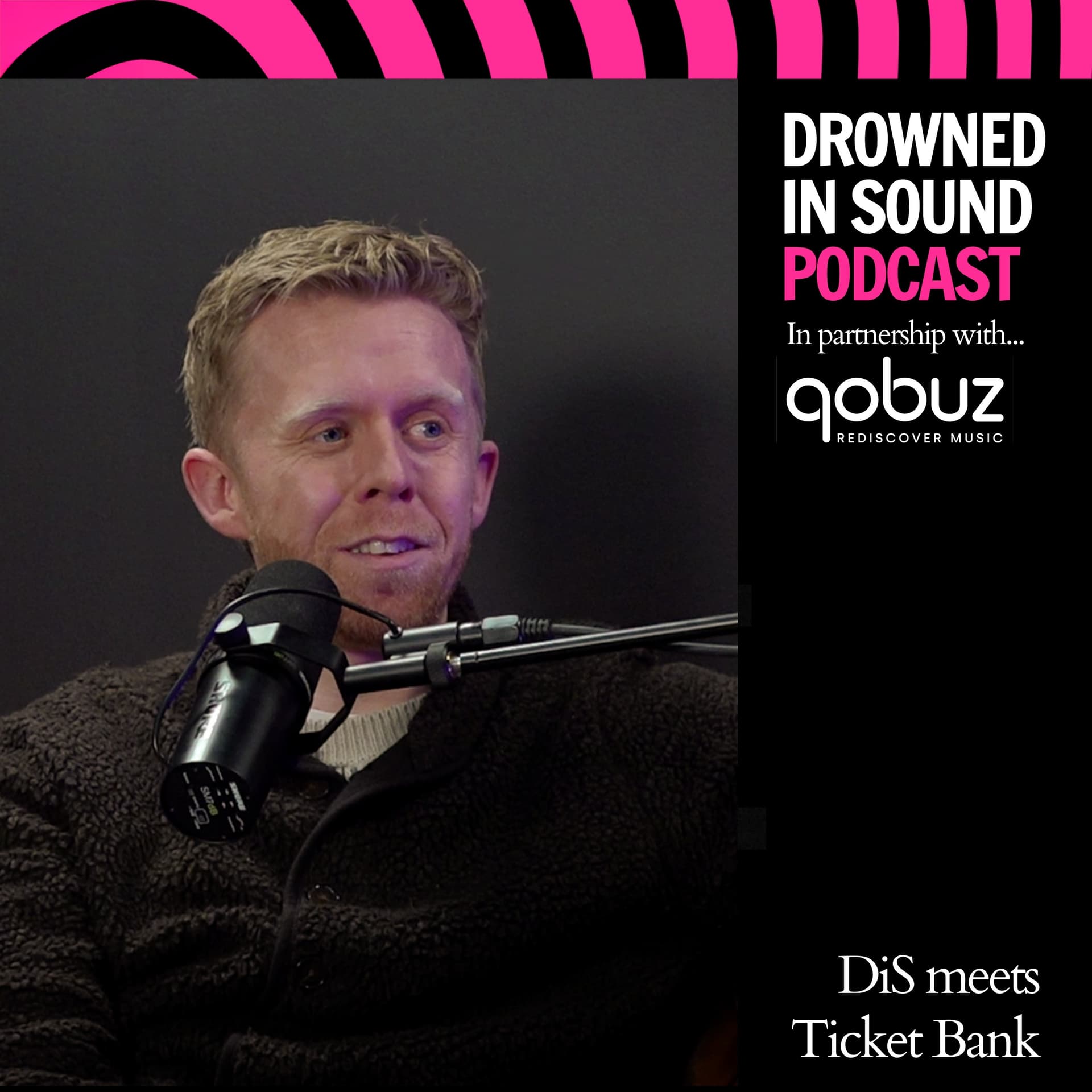
Podcast Details Title: Drowned in Sound Host: Sean Adams Guest: Jack from Tickets for Good/The Ticket Bank Description: The episode explores The Ticket Bank initiative designed to redistribute access to live music, particularly for those unable to afford it.
---
Episode Highlights
Introduction
- Theme: Importance of accessibility to live music.
- Context: Many individuals face financial barriers that hinder their ability to attend concerts and cultural events, which impacts social well-being and mental health.
The Ticket Bank Initiative
- Origin Story:
- Jack, the guest, discusses his early experiences seeing empty seats at concerts, leading him to question the management of unsold tickets.
- The initiative began during his work with Barnardo's children's charity, giving unused tickets to young people who rarely have access to live music.
- Growth and Partnership:
- Jack collaborates with the organization Tickets for Good to expand the audience they support.
- Launched platforms for specific groups, such as NHS workers, teachers, and volunteers.
The Importance of Accessibility
- Economic Barriers:
- Discussion on the rising costs of tickets, with average prices being prohibitive for low-income individuals.
- The disparity between the wealth generated in the music industry and the accessibility of live music for the underprivileged.
Functionality of The Ticket Bank
- Operational Model:
- Operates like a traditional ticketing platform; members can browse available events and access tickets without stigma.
- Eligibility: Individuals must be on means-tested benefits or partnered with community organizations to gain access.
- Demand vs. Supply:
- Approximately 50-60% of the tickets distributed are utilized, highlighting the availability of unsold tickets and the need for outreach.
Cultural Impact and Future Aspirations
- Social Change:
- The discussion emphasizes the transformative power of music and arts in building community and reducing social isolation.
- Jack proposes a vision where cultural access could be socially prescribed as a form of therapy.
- Investment Needs:
- A hypothetical scenario where Jack outlines how £500 million could be used to create a nationwide access program to support arts engagement.
- Highlights the necessity of investing in grassroots venues to sustain the music ecosystem.
Engagement and Call-to-Action
- Industry Involvement:
- Encourages artists, promoters, and venues to engage with The Ticket Bank to provide more access to audiences in need.
- Emphasizes the importance of spreading awareness about initiatives like The Ticket Bank within the music industry.
- Community Engagement:
- Listeners are urged to share this episode with musicians, local venues, and community members to raise awareness of available resources.
---
Key Takeaways
- Access to Culture: Access to live music should not be a privilege; it is a fundamental right that contributes to community well-being and personal growth.
- Stigma Reduction: Initiatives like The Ticket Bank work to eliminate the stigma associated with seeking help for access to cultural experiences.
- Call for Community Action: Collective efforts from the music industry and community members can significantly impact accessibility to live music.
---
Links and Resources
- Tickets for Good: [Tickets for Good](https://ticketsforgood.co.uk)
- The Ticket Bank: [The Ticket Bank](https://theticketbank.org)
- Music Venue Trust: [Music Venue Trust](https://www.musicvenuetrust.com)
---
Conclusion This episode serves as a powerful reminder of the critical role that music and arts play in society, and the ongoing efforts needed to ensure equitable access for all individuals, particularly in the face of growing economic challenges.
Written by AI. May contain mistakes. Listen to the episode to check what was said.
Chapters
Tap a time to open that second in VOUnderstanding Music Access Challenges
0:45 to 2:31
Discussion on the barriers faced by low-income individuals in accessing music events.
Introduction to the Ticket Bank
2:31 to 3:45
Introduction of the Ticket Bank project and its mission to provide tickets to those in need.
Jack's Journey in Music Access
4:11 to 7:12
Jack shares his experience and the origins of the Ticket Bank initiative.
“Could you tell me a bit about Tickets for Good and the Ticket Bank and what you're up to?”
Building the Ticket Bank
7:12 to 10:12
Discussion on how the Ticket Bank was formed and its impact on various communities.
“And it's like the surprise to me when I looked, there weren't really many things.”
The Importance of Cultural Access
12:10 to 14:00
Discussion on the societal importance of making arts and culture accessible to all.
The Need for Dignified Access to Culture
14:00 to 15:01
Explore the importance of access to arts and culture as a fundamental right.
How the Ticket Bank Works
15:01 to 16:05
Learn about the operational model of the Ticket Bank and how it maintains dignity.
Demand vs. Supply of Tickets
16:05 to 18:18
Understand the dynamics of ticket demand and availability in the current market.
“And then they're distributing kind of access codes that allow people to join.”
The Role of the Music Industry
18:18 to 20:05
Discuss the economic factors affecting ticket sales in the music industry.
“And I've looked and I'm sure if I went and spoke to some of the companies, they would tell me, oh, yeah, like you can often get a ticket for half price.”
Engaging Artists and Promoters
21:24 to 22:39
Learn how artists and promoters can collaborate with the Ticket Bank.
Show all 16 chapters
Cultural Benefits of Access to Arts
22:39 to 24:42
Explore the health and social benefits of accessing arts and culture.
Envisioning a Future of Arts Access
24:42 to 28:04
Imagine a future where arts access is a fundamental right and community support thrives.
“in anxiety and depression and community cohesion.”
Building a Fair Access System for Live Music
28:04 to 34:03
Explore the vision for a national access scheme to promote grassroots music and arts.
“So we want to improve how much people are going to their grassroots venues and how often they're visiting them and to see those places as a space for them.”
Understanding Tickets for Good and The Ticket Bank
34:03 to 35:22
Learn how Tickets for Good supports community workers while The Ticket Bank provides access for those in need.
Collaborating with the Music Industry
35:22 to 37:12
Discover how the music industry can contribute to initiatives like The Ticket Bank.
“So we're trying to kind of increase that lead time as much as we can.”
Innovative Ticketing Solutions for Access
37:12 to 38:38
Discuss new ways to approach ticketing and access for underserved communities.
Transcript
Automatic transcript. May contain errors.0:00On this podcast we talk a lot about fairness, about working class people's access to music, but one of the things we've not really touched on is how do people who are experiencing the excesses of inequality, people who are reliant on different subsidies and grants and ways in which the government and the social services and all sorts of organisations can support them, and if you're someone who's using a food bank it's probably unlikely that you've got a spare 300 quid sat around to buy a taylor swift ticket or a beyonce ticket or to get yourself along to a 40 pound show in your local area most people don't have those sums of money and it is awful to think that people cannot access shows and that should be a minimum so when i heard about a project called the ticket bank I was instantly interested how it works who's involved is it ethical is there stuff about it that's of interest to you the average music fan and possibly you the average music fan who is on benefits who is unable to afford to go to the shows that you want to go to and who might find themselves in a different situation years from now and be in that situation where they can't afford to go to shows may know someone who can't may know someone who's a carer and be completely unaware that the person they're caring for is eligible for tickets to shows that they could go to together and have a rare experience and benefit from all of the amazing things that music does for our mental health for our socializing and all those different things so in this episode i'm really thrilled to introduce you to jack who's up the ticket bank he worked with a company called tickets for good and before that you will hear the children's charity he worked with and how this idea came to be this is the dron and sound podcast where we help you the music fan find your collective power and i don't think there's anything we've covered in this podcast so far more empowering than what the ticket bank are doing this is exactly why i started this podcast i had chills listening to jack talk and i hope that you will be as moved as i was and i hope that you stick around to the end because i've got some ideas for how we as music fans and as people that work in music and as musicians and all the other people that tune into this podcast can do a bit more this podcast is brought to you in partnership with kobuzz the ethical music streaming platform we're really thrilled to partner with them you would have heard our podcast last year where we had researchers and musicians who are experts talking about what great service they've created compared to the others and each week I make a companion playlist that goes with this podcast and this week I thought the world is so damn stressful and to get us through the mustard gas and the fog and the chill and the cold and everything that's a bit bleak about this moment right now as well as everything that's tumultuous and in turmoil i thought i'd try and make the calmest possible playlist i've ever made it's full of beautiful ambient music lots of it's from our community's picks of the best post-classical drone and ambient records of 2025 it's two hours long it's peaceful af i'm not gonna swear on my own podcast am i self-censoring um and yeah i hope that you enjoy it that is available if you go to www.drowningsound.org forward slash playlists where you can also get a free trial to co-buzz to listen to music in very high quality exactly as the artist intended you to hear it this is the drowning sound podcast i'm sean adams and here's my chat with jack from the ticket bank
4:11Hi, Jack. Welcome to the Joanna Sound podcast. Hi, thank you very much. Could you tell me a bit about Tickets for Good and the Ticket Bank and what you're up to? Yes. So, I mean, I'll go back and kind of tell you the story. And I think the context helps to explain why we're doing what we're doing. So I, about 13 years ago, went to a gig at the O2. I can't remember who I was seeing, but there were loads of empty seats. And I kind of remember looking around the venue and seeing all these empty seats and wondering what happens to unsold tickets and what happens to empty seats. So I asked some friends who worked in the music industry and they all came back and said, well, majoritally, we don't do anything with them.
4:53And that felt hugely wasteful to me. so at the time I was working at Barnardo's children's charity so I knew we had about 400 ,000 young people who would very rarely get the opportunity to go to a gig or experience that so I started saying well look can we can we have those tickets if they're not being used for anything and I've got I can give them to these kids who would love to have that opportunity and it started growing so quickly from there so I think within about six months we were being given more tickets than we had kids to give them to um and i spent a kind of a long time thinking about well how can we do more of this and uh just before the pandemic tickets for good launched um so steve our founder there launched tickets for good doing a very similar thing and i reached out to him and just said look i'm already kind of doing something similar to if the good is really at the center of what we're trying to achieve it makes way more sense for us to work together than work against each other so why don't i come and join tickets for good and let's let's grow it together from there um so that was just before the pandemic which i'm sure you can imagine just a brilliant time to have launched a business dependent on live events but what that allowed us to do kind of under Steve's vision was to expand the audience that we wanted to kind of support and the audience that we wanted to help.
6:25And whilst everyone was stood outside their houses, clapping their hands and banging their pots for the NHS, we thought, well, maybe we can do something slightly more tangible and start awarding NHS workers. So we launched our NHS platform then and kind of a very similar story. It grew really, really fast. So I think it was over 100 ,000 NHS workers joined in the first year. and as events started to come back post-pandemic we started distributing tickets and again there were far more tickets being given to us than we had people to give them to so since then we've launched a teacher's platform and a charity worker's platform and a volunteer's platform and a carer's platform and that's what tickets we've been doing with Tickets for Good for the last kind of yeah four or five years recently i i've always wanted to launch a platform for low income families so i i didn't grow up in a house where we were able to go to live culture very often um and i spent my kind of whole childhood watching every second of glastonbury and burning out vhs tapes of musicals that i could buy in the charity yeah the amount of bits where i'm like i cut you can i can almost remember the cuts between the sets from the vhs tapes exactly that and it was kind of i must have driven my parents insane but i was just watching the same things on repeat and i think my music collection was also tapes from the evening session yep so i went to work at six music for a bit and it was always weird to hear steve lemak's voice come like that's the voice of my tapes when i was a kid i mean i was the same i was a huge avid radio listener and i've kind of over the last couple of years met quite a few of the people that i spent my childhood in teenage years listening to kind of hearing their voice in real life is it's crazy it's yeah it's amazing you realize it's not vocal effects sometimes no no they really do have buttery smooth voices anyway i'm taking us off track um so you could see that there was a need um and tickets for good kind of stepped in like i first came up across tickets for good when i was working with charlotte church and she was had late night pop dungeon going out on tour and she was like well if some of these shows haven't like the first question was is there a way we can do like not a student union ticket but like a cost of living friendly ticket and there didn't seem to be anything like there was an initiative dice had done with a couple of promoters but it was very much promoter driven project and then we were like because she does this at her retreat where there's always a you can apply for the kind of accessible ticket prize amazing um and And I think she would probably want to do that for more than she can afford to.
9:10And it's like the surprise to me when I looked, there weren't really many things. And I think it was the promoter from Clapham Grand said, oh, well, we could do some tickets for good tickets, if you like, because we've got like 300 tickets left for the show or something for like 2000 capacity show. And it's like, OK, well, could we look at doing that? and and i was like i think i reached out to you guys and it was like you had to have an nhs email address yeah to register and then i think you could get either a free or a discounted ticket and i was like that just sounds fantastic like why don't more people know about this and um so how did the how could i guess the bigger question is how come more people don't know about what you do which is why i wanted to get you guys on the podcast because it's like i'm assuming that people that need tickets might be more aware of what you're doing because they found it and we recommended it but i don't ever feel like i hear the industry talk about it so i think there's a stigma to it in a certain way i think promoters don't want to be publicly seen to have not sold their event so i understand not wanting to kind of go out to the press and say we've booked the o2 but we didn't do a good enough job to fill it and that's obviously there's far more complex reasons than why somebody might not be able to sell out their show.
10:32But I think that's part of the narrative of why it's not spoken about kind of hugely widely. And the way that we're trying to counteract that is by working directly with artists more and artists who do want to engage with us, not just from, I'm going to use an industry term here, but from a papering perspective, which is filling seats that haven't been sold, but actually see what we're doing as a social good. so last year for example we worked with Robbie Williams on his tour we worked with Youngblood on his Bloodfest in Milton Keynes we've worked with the Pixies and each of those artists have from their point of on sale said to us actually we really see the value and benefit in what you do and having that audience in our in our space here's a proportion of tickets from the off and if as we get closer towards the event date we haven't filled all of our tickets you can have those as well it should be that simple
11:38hi there it's emma here i'm gate crashing the podcast to quickly tell you about the drowned in sound newsletter every wednesday i invite myself into your inbox with permission of course to share opinion writing and resources, tell you about cool things that you should be involved in within the world of music, activism, etc. I also bring track of the week and a little bit of hopeful news for you because we all know that the news cycle can be grim at the best of times. Drowned in Sound newsletter every Wednesday in your inbox. Sign up now.
12:19so tickets for goods like you mentioned there's a few different ways in which you operate how did the ticket bank come out of that so yeah like i was touching i i have a the ticket bank for me feels like a real personal mission so i i i remember my first gig going experience i can't believe i'll admit this on a podcast but was i must have been about 11 or 12 and i got to go and see s club seven amazing and it was the greatest night of my life i loved it um and it was my first real experience of what live music feels like for people now you just made me think whenever i say what my first gig was i always talk about seeing reef play on fistural beach but i think if i was i think if i was honest it was probably a radio one roadshow oh yeah and it was probably someone like s no it would have been i'm too old for it to be an s club but it was probably someone more like that i've never actually i've never yeah i've never even considered that might have actually be my first gig i mean for me it's it's ingrained i genuinely think about it most days but what that that experience gave me and i think i've learned this over time was it just it gave me so much in terms of what joy can be um and it i think that was the night that kick-started a career for me that's been majoritally focused on access to the arts and the reason for that is I want to do as much as I can to give as many particularly young people I think that experience and with the cost of living crisis becoming worse and worse and kind of not showing any signs of stop of slowing down or stopping culture is usually the first thing to be cut from a family's budget and if you have a choice between putting food on the family keeping your heat food on the table keeping your heating on or taking your family for a night out is clear and obvious what you're going to choose but we feel fundamentally that access to arts and culture shouldn't be a privilege for those that can afford it but it should be a fundamental right for anybody that wants it and the way that we look at it that there's food banks and there's heating banks that allow people to survive in this country not that we feel there should be those things but there are so now we want to build the ticket bank that allows people to feel like they're thriving um and that's what so that's where it came from and we got to the point with kind of tickets for good or at least i personally got to the point where i felt like i'd really achieved everything i set out to achieve in the last five years and now was the time to switch focus and build kind of a social impact project that sits alongside the tickets for good brand called the ticket bank that is focusing on how we support people that are in need yeah so how do tickets go in there how do people get hold of the tickets yeah like does someone go to pick up a food basket at the food bank and there's like would you like some tickets to see taylor swift tonight is that potentially so we dignity sits really centrally for us so we would never want it to be that somebody has to go to a venue and stand in a poor queue yeah for people listening and not watching i'm doing air quotes air quotes um and kind of other themselves in any way so we we've built a platform that feels a lot like ticketmaster or axs or any other ticketing platform where you once you once you've joined you can scroll through it there's usually kind of around a thousand events live at any one time across the whole of the country you can pick what you'd like to go to you and then those tickets are delivered into your inbox like is if you bought that ticket full price and you attend as if you bought that ticket full price so there's no othering and that that's really important for us as well that that dignity of attending feels central to it and that it's not some handout or some kind of charity case and we make you do a soundbite to camera so we can kind of exploit that on social media that's not our style this really is truly just about access and personal experience one of the other things we believe pretty fundamentally is that a good night out it's only a good night out if you're sharing it with people that you love and people that you that you like at the very least so our tickets are generally accessible to multiple tickets up to six tickets per person so you can take your friends you can take your family and you can kind of enjoy that as a shared experience and how does someone how are they eligible for the tickets there's yeah two two ways that we can go about it with the ticket bank specifically so one is you hear about us hopefully you hear about us on this podcast um and if you're in receipt of means tested benefits from the government we've built a really simple piece of tech that allows you to upload a copy of your benefits and a copy of your id and if the system matches the name on both of those then it allows you onto the system and you can get your tickets from there we're also working with community partners so people who already know who the audience are that we want to work with so that It might be local councils or charities or community groups or housing associations.
17:21And then they're distributing kind of access codes that allow people to join. And how much demand do you have versus the available kind of tickets? This is the lovely part for us. So kind of, I guess, yeah, I can just say the numbers. So we distribute about 50%, 60 % of the tickets that we're given. And that's not because kind of people don't want to go to things. it's because there are a huge amount of unsold tickets available. And often probably quite last minute. Yeah, very last minute as well. So it definitely requires, I mean, sometimes there's a longer lead time, but it does require people to kind of go, oh, I can go to this this evening or tomorrow or on Friday.
18:00But we've got huge space for growth in terms of our member base. And that's what we are really kind of focusing on at the moment. There's 14.5 million people in the UK who are in receipt of benefits. we would love to have every single one of them on the ticket bank platform and give them that opportunity and and i know not to but it's like we would much rather that we had wealth in a inequality was dealt with so that people could afford to go to shows and definitely like that it's like all the other organizations that are out there doing things this feels like such a simple way that an industry that's booming like we had uk music on talking about the 8 billion and the music industry paid last year like there's money in music like the for the right people yeah but there's some quite extreme greed at the top end of the industry and there's people becoming billionaires off the back of tours yeah it's like there's there's money there and as an industry it constantly surprises me that like the little the little things which can make such a big difference and like i know that the industry's got challenges like and the cost of living is often the reason why shows aren't selling out like if people are trying to put a ticket on sale and it's 70 quid that's a big investment for a lot of people if they're getting two tickets or three tickets it's like so there's interrelated to that they're like oh we're going to put the o2 on sale and they sell the first one out and then the second one doesn't sell as well like that there There's an inventory available, but dynamic ticketing, which has been talked about so much in the industry, never seems to make tickets cheaper.
19:40And I've looked and I'm sure if I went and spoke to some of the companies, they would tell me, oh, yeah, like you can often get a ticket for half price. But I've never met anyone that's ever managed to get one. And I mean, look, I'm working in this space. I've never seen it. Yeah. And you're right. I'm sure you speak to the big ticketing providers and they will promise you that that does happen. But I think for us, we're not a primary retailer and we're not looking to disrupt that space. We're looking to be a support system to organisations who have tickets left over and would like to do something good with them easily.
20:21This episode of the Drowning Sand podcast is presented in partnership with Cobus. Cobuzz, the platform that pays artists four times more than the industry standard, that has high quality audio, that has human curation, which as a human curator is something that I truly value over the kind of algo slop that you get on some platforms. You can really hear the difference. I know lots of places talk about the audio qualities and as soon as I moved across it sort of felt like I was rediscovering music, which is one of the platform's slogans. If you're worried about your playlists you can use sound is it's a really good tool that's part of the sign up process when you join gobuzz it just transfers everything across if you'd like a free trial of this platform that's independently owned and made for music enthusiasts head to drownedinsound.org forward slash playlists where you can hear not only our playlists but get a free trial you can also find these details in the show notes to this episode and now back to this episode of the drowndinsound podcast brought to you in partnership with kobuzz so artist managers labels promoters are listening to this now like how do they sign up to say we've got a 5 000 capacity show coming up and we've got 300 tickets left yeah the artists do they have to get the artist permission like i'm assuming there's lots of different bits of the conversation that yeah so that's it gets slightly complex and i think it's it's very much case by case so usually the final sign-off sits with the promoter of the show but depending on the size of the artist they have power to kind of demand that they work with us so there's there's two ways that we can look at it from a from an artist perspective if you would if you're listening to this and you think wow what an amazing thing we'd love to support that cause then i'm sure you have your own artist holds for guest list and if you wanted to peel off a couple of those tickets to give our way then we'd be more than happy to distribute them out to our audience but if there's a conversation to have with your promoter then feel free to kind of loop us in and if there's unsold tickets if there's unused inventory we're a really amazing useful for good tool to be able to kind of make sure your show is selling out i have people been to like arena shows they yeah so festival season is huge for us i think particularly for grass kind of green sites that are monetizing their own bar yeah if you have a 50 000 capacity and you've budgeted your festival to be break even at 15 000 and you sell 25 but you've still got all of this extra space then we're a brilliant tool to bring in thousands more people who are going to be improving your food and beverage spend buying a beer buying a burger potentially buying some merchandise and also improving the vibe in the crowd kind of making it and probably bring a lot more local audience to us absolutely yeah a lot of it for us is about building community and building kind of resilience within those communities and getting people to talk to each other again i think is a yeah i'm going to sound like an 80 year old but it's a lost art so you talked about how seeing a show when you were younger has made you feel like access to the arts is really important what other examples from the work you're doing have you seen the kind of i mean i think we know as music fans the benefit that seeing music has but like a lot of other culture like i think you mentioned there's other other events other than music that you can go to with the tickets yeah so yeah we work across music theater sport comedy i mean we don't like to be the arbiters of what people might or might not want to go to so unless something is highly inappropriate we will very likely list it on the site so that could be i don't know a wine tasting evening in a village hall in scunthorpe on a tuesday night um all the way through to yeah working with the o2 and wembley and the stadiums and the arenas um sorry what was the actual question well the question was like what benefits did you have you seen that yeah so there's definitely health benefits and we're doing quite a lot of work at the moment to try and prove some of those but we've got so much anecdotal evidence from our members that talk about kind of huge improvements in feelings of social isolation, huge improvements in anxiety and depression and community cohesion.
24:52And a real North Star for me, and this is a real North Star, it might take us a long time to get there, but I want to get to the point where tickets are being socially prescribed. So if somebody goes to a doctor and they say, i'm really struggling with my anxiety at the moment and it's because of this and it's because of this or with my social isolation of course they continue to offer medication and therapy but i'd love it if they could say why don't you just try having a really good night out with your friends they refer us to us they refer them to us at the ticket bank and we give them a good night out and and to see whether that helps because i can imagine someone who's in receipt of support and maybe has like a carer or someone that does really good things for them like i can imagine that being able to say i've got your tickets come to a show with me yeah probably feels like a really big step of something that they're eligible for this and they can do that and that that feels quite quite a special thing that people can do and i can imagine how that feels yeah it's probably quite powerful and empowering as well i think i think when when you're systematically priced out of accessing the arts and culture having a dignified way of being able to access those tickets without it feeling like a handout yeah is is a really important thing for the way that you look at your life and i wonder if kind of in terms of moving forwards like you wouldn't you probably wouldn't know but it might be nice to think that 10 years from now someone got to go to their first show and they've gone on to make records or they've like because i think that sometimes those things are quite hard to like the manic street preachers talk about libraries gave us power and like how like access to something as simple as a library should be a right that everyone has absolutely but if music can be the same thing like i'm sure there are lots of people who started reading because of going to libraries not because of having a family home library and And it's like the access to music is so important.
26:57Like I grew up in working class background. I had some money. So as soon as I started working, it was like one of my friends could drive. But tickets were like six pounds. Yeah. But I was only three pounds an hour. So the number of shows I could go to was pretty limited. And I meet people now who don't realize how spoiled they were for the things that they could go to. and like the big shows they saw but yeah tickets now are like even in line with inflation just so much more i guess this leads into my next question really it's like you talked about the idea of social prescribing music if you had 500 million like how would you spend that to change culture in this country and access to it to make things a bit fairer and a bit it's it's a big number it's like it's like would you would you just find a way of balancing things out or something yeah so i mean without going into the full economics of it because i would be i'd be a terrible rachel reefs but um if i had half a billion to spend on something i think i'd look at kind of building some kind of permanent national access scheme a way that anybody who feels like they want to access culture and access live music are able to without it harming the industry without it kind of harming them and that's the thing that i think feels the most important to do and i'd also want to invest some of that money into grassroots i i think there won't be tickets for us to give away if we're not continuing to bring new bands up and new artists up and giving them opportunity to play live and to record their music in an affordable way um we we won't be here in 10 years time doing that because nobody will be putting on shows anymore um and it's not all about the big stadium shows and of course they're the things that make the money but lots of people that we work with they don't have the money to get to london to go to wembley even if they live in london they don't necessarily have the money to go to wembley and pay nine pound fifty for a beer i think is what I paid at Oasis over the summer.
29:15So we want to improve how much people are going to their grassroots venues and how often they're visiting them and to see those places as a space for them. And I think the only way to do that, and I'm sure there are people who are far more clever than me who can say there's lots of other ways to do it, but in this imaginary£500 million scenario, for me it would be about building a fair access system that gives every young person an opportunity to experience arts and culture for the first time because isn't it in some countries they give people like a culture credit is that germany germany yeah so germany do that and it's something that the very limited times i've been able to rub shoulders with mps i have banged on about repeatedly and there's so much importance in that and in having that experience and i think access breeds inspiration you don't know that you might want to be a sound designer or a roadie or a stage builder unless you see those jobs happening and you kind of experience and you can see them in a grassroots you can turn around and see someone pressing the lights yeah and get a bit fascinated by what they're doing or you can actually see the person doing the sound rather than being in an arena were a hundred sort of a bit disembodied about how a show works yeah and not only see them but you can access those people you can go and speak to them at the end of the gig you can ask them questions and we don't teach most schools don't teach those things they they don't say well of course you can be you know a stage builder you can be a stage designer you can be a sound fast like the only way people get inspired to pursue that career is by experiencing it for the first time and i think the uk music survey said there's 125 000 people i might got that wrong working in the music industry in the uk it's like that's a lot of jobs it's like it's a huge amount of jobs that will need replacing and the industry is at some point like music is or culture is bigger than aerospace and like there's about four different huge things that we think are big parts of the economy yeah it's like it's a big arena of roles that you could walk into but if you don't have the experience of it like i always think that some of the grassroots shows that i've seen like it's not the right word but they kind of radicalized me like i wanted another hit of seeing something in a small room that was that good like yes going to see i don't know nine inch nails at the o2 last year was phenomenal but seeing nine inch nails play at the scala was like my dna was changing as the sound was that but seeing block party play one of their first shows like and then seeing them play on the main stage at redding knowing that in the back of my head like i'm getting goosebumps just thinking about it that i saw them first on opening for like the band that foals went on to become or something it's like there's definitely a part of you that once you've seen like muse exeter cavern yeah like that was one of my first gigs like that what's a treat and like that's something that has kept me doing what i'm doing yeah knowing that i might go to a gig for 300 people at see bright arms next week and that might be a band that goes on to headline stadiums yeah like and it's but also might just be a band like health who i absolutely adore and i would quite happily go see every night of the week because they're so good live and i think that like addiction to music you have to have those doors opened and i've met like people dads that have brought their daughters to grassroots gigs and they've only been to arena shows before and they come to the merch desk and that you can just see that their pupils is kind of dilating they've just seen something so up close and like and that's going to make you want to go to something or know that that's an option and i think that 100 like i'd also imagine the people flicking through stuff to do if it's a third space they can go to and just go to something they have no idea what it is yeah they might discover a whole new genre of music or they might discover a venue they didn't know was in their hometown exactly and and that's so important for those people but it's also important for the industry i mean if like you say there's 125 000 jobs in the music industry who's going to be taking those jobs in 30 40 50 years when people leave them yeah if we're not inspiring the next generation and that doesn't necessarily mean just kids and young people it can be people who haven't had that experience and might fancy a career change but if we're not inspiring people to show them what those opportunities look like the industry won't be here to exist yeah right we've covered a lot of ground i feel like is there anything else we've not touched upon um you mentioned the other things tickets for good do that are not just so the how does the how do tickets for good and the ticket bank vary is that yeah so the way that we look at it is tickets for good exists to support and reward people who do good so people who are doing amazing things for their community who are doing wonderful jobs that keep our society running so the platforms that we have on the tickets for good side at nhs teachers charity workers volunteers uh and carers and then the way that we're now building the ticket bank is to be tickets for goods social impact project so essentially sitting as a sister brand focusing on people in need people facing hardship so tickets for good looking after people who do good and the ticket bank looking after and giving access to people who who need that access and need more help to get to it makes perfect sense i just wanted to make sure it was clear um and is there anything else we've not touched upon about the projects is there any other ways that industry can get involved like is the industry getting as involved as it could be like so i don't need to name names yeah i mean we're incredibly grateful for all of the industry support that we've had so far and it's allowed us to kind of yeah distribute over over a million tickets so far um we have ambition to keep going and to do more of that so if you're somebody that's listening to this and something that we've said has resonated with you and you think you'd like to explore what working with us might look like then either reach out to me um i don't know if you can put my email in the show notes yeah we can put your email in the show um that might that might be a brave decision but we can put the website address yeah and but so either yeah tickets for good.com and no let's let's put my email in the show notes okay that's somebody that wants to that wants to work with us i would be absolutely delighted to hear from you cool and if someone wants to sign up they can just go to the website yeah and register and they can then once they've proved that they're eligible they can exactly that once you've proved you're eligible you'll have access to tickets they are constantly evolving what we have on the platform we're constantly adding new stuff um so my my top tip if you're listening to this and going to become a member set a little note in your diary for 9 a.m each day have a quick scroll through the site and you'll be the first to see the new events that have been added so it's literally every day like yeah i mean we're adding new stuff every single day um and expanding who we work with every single day and um and is it often stuff for that day is it often stuff like it's a real one advance yeah It's a real mix.
36:41So we're trying to kind of increase that lead time as much as we can. We're aware people have plans and people need, I think particularly with the ticket bank, it's not as easy for a low income family to just decide to do something on a whim. So we're trying to elongate that process. Maybe this is helpful for people listening that might want to work with us. What we've built is a ballot setup system. So if you wanted to work with us from your on sale, we would look at it as a donation of, let's say two to ten tickets we can then put them on the site uh as a ballot and all of our members can apply for that ballot for free what that then gives us is data of how many people would like to attend your show so it's like the waiting list yeah like a waiting list function on dice it works exactly the same so as we get closer to the event if it's looking like you're going to have more tickets available we don't have to go through a kind of elongated rollout process we already know exactly who would like to come to your show and they're generally waiting with bated breath to try and get those tickets and if a music fan can't attend a show could they rather than put it on twickets could they send their tickets to you or is that a bit more not not currently um but it is absolutely something that we are exploring and thinking about um we've kind of we've had conversations with twickets about whether there's a way to potentially work together yeah um and that's something that we'll kind of be i think looking at more seriously towards the end of this here cool and if someone's really rich listening could they block buy a load of tickets and just give them to you they absolutely could yeah um that would be amazing again my email is in the show notes i like the idea that someone does a bot for good and they just use the ticket bot to buy oasis tickets or something just gives them to you that's you you invented something yeah i'm scalping for good yeah i like that you you should uh you should keep keep that to yourself yeah or i'll put it on the mic oh there we go well if anybody knows how to do that again reach out thanks jack thank you so much for having me
38:45well i warned you at the start of this episode that that might be quite emotional i know that when i was recording that episode i don't think we mentioned it on mic but katherine the anchoress was sat in the room with us she'd just been recording another podcast in the same studio and I'm tuned in and the pair of us had welled up a little bit and I'm glad I wasn't the only one because I found what Jack's doing why he's doing it and especially who he's doing it for so important and I do not know why every artist promoter venue isn't signed up and supporting this initiative and I think the main reason is people don't know so I have a little mission for you send this podcast to any musicians you know send it to your local venue send it to any like your mp go in the comments of artists you like tag them and go look you're talking about access to the arts working class people have you heard of the ticket bank there's an episode of drowning sound podcast you can listen to and find out more about it if you if you need to kind of get a bit more stuck into it I really hope that if you've got people in your wider circle that may need to access tickets using the ticket bank that you just subtly slip them this, ask them if they've heard of it, just send them a link there will obviously be links in the description of this show to learn lots more about the project, think about how you can be involved I would love to know what you thought this episode, it's quite different I think to what we normally do maybe not that different to some of the other campaigners we've spoken to in the past on this podcast but I think that as someone who has been lucky enough to go to a lot of shows primarily because of being a journalist and getting on the guest list who definitely would not have been able to afford to do so otherwise I think initiatives like this are really crucial and I think that in the conversation I had with Kelly Lee Owens where she was talking about taking music out to places where people don't normally get to see it and working class people's access to the arts I think the millions of people in poverty in the UK and around the world really need services like this so yeah this was a bit more of a serious episode I'm sure I will do one that's not as serious but I hope it's hopeful at a time where hope feels quite rare and where working within the system against the system is going to be more important than ever.
41:20This is the Drowning Sound podcast. I've been Sean Adams. Thanks to Josh Craggs for editing this episode and you have been you. I'll see you next time. Bye for now.
From the publisher
Many who otherwise couldn't afford a £40 show, let alone a £300 festival ticket, have accessed gigs because of a new initiative called The Ticket Bank.
In this episode, DiS founder Sean Adams meets Jack from Tickets for Good and The Ticket Bank to understand how they're redistributing access to live music. From seeing empty seats at the O2 to a partnership with Barnardo's, followed by offering tickets to NHS workers, teachers, and carers, Jack explains how the infrastructure works, who it serves, and why more artists and venues need to get involved.
The conversation covers touring economics, dynamic pricing myths, and the uncomfortable reality that an industry generating billions still prices out the people who need culture most. If you're singing about inequality, why would you only perform for those who can afford it?
It’s an inspiring chat about who builds community, how change happens, and who the next generation of artists might not be without projects like this.
This podcast is brought to you in partnership with Qobuz, the ethical music streaming platform. Visit drownedinsound.org/playlists to discover new music in Hi-Res lossless quality and start your 30-day free trial at qobuz.com/dis.
This week's companion playlist features calm, ambient music from the community's picks of the best post-classical, drone, and ambient records. Two hours of peaceful listening to help you through the fog.
Edited by:
Josh Craggs at Dubble Audio
Get InvolvedFor artists, promoters, managers, venues: Contact Jack directly to discuss partnerships Email: jack@theticketbank.org
For eligible audiences: Register via Tickets for Good or the Ticket Bank. New events added daily around 9am.
- Tickets for Good: https://ticketsforgood.co.uk
- Ticket Bank: https://theticketbank.org
For everyone else:
- Share this episode with musicians, venues, and local promoters
- Tag artists in the comments and ask if they've heard of the Ticket Bank
- Send to your MP or local council about arts access
- If you know someone who might qualify, subtly share the links
Join the Drowned in Sound community to discuss this episode http://community.drownedinsound.com
Subscribe to the Drowned in Sound newsletter for weekly essays, interviews, and insights exploring music, culture, and collective power. http://drownedinsound.org
Links & Resources- Tickets for Good: https://ticketsforgood.co.uk
- Ticket Bank: https://theticketbank.org
- Music Venue Trust: https://www.musicvenuetrust.com
00:00 - Introduction: Why access to live music matters
01:20 - Empty seats at the O2: The origins of Tickets for Good
05:10 - Cost-of-living tickets and breaking industry stigma
07:00 - From Tickets for Good to the Ticket Bank
12:00 - How eligibility and verification work
16:00 - Touring economics and the dynamic pricing myth
18:15 - How artists, promoters, and managers can help
22:15 - Mental health, social prescribing, and cultural value
24:45 - What £500 million could fix
27:15 - Grassroots venues and inspiring the next generation
31:00 - How to register, donate tickets, or get involved
33:30 - Outro: Your mission


