In short
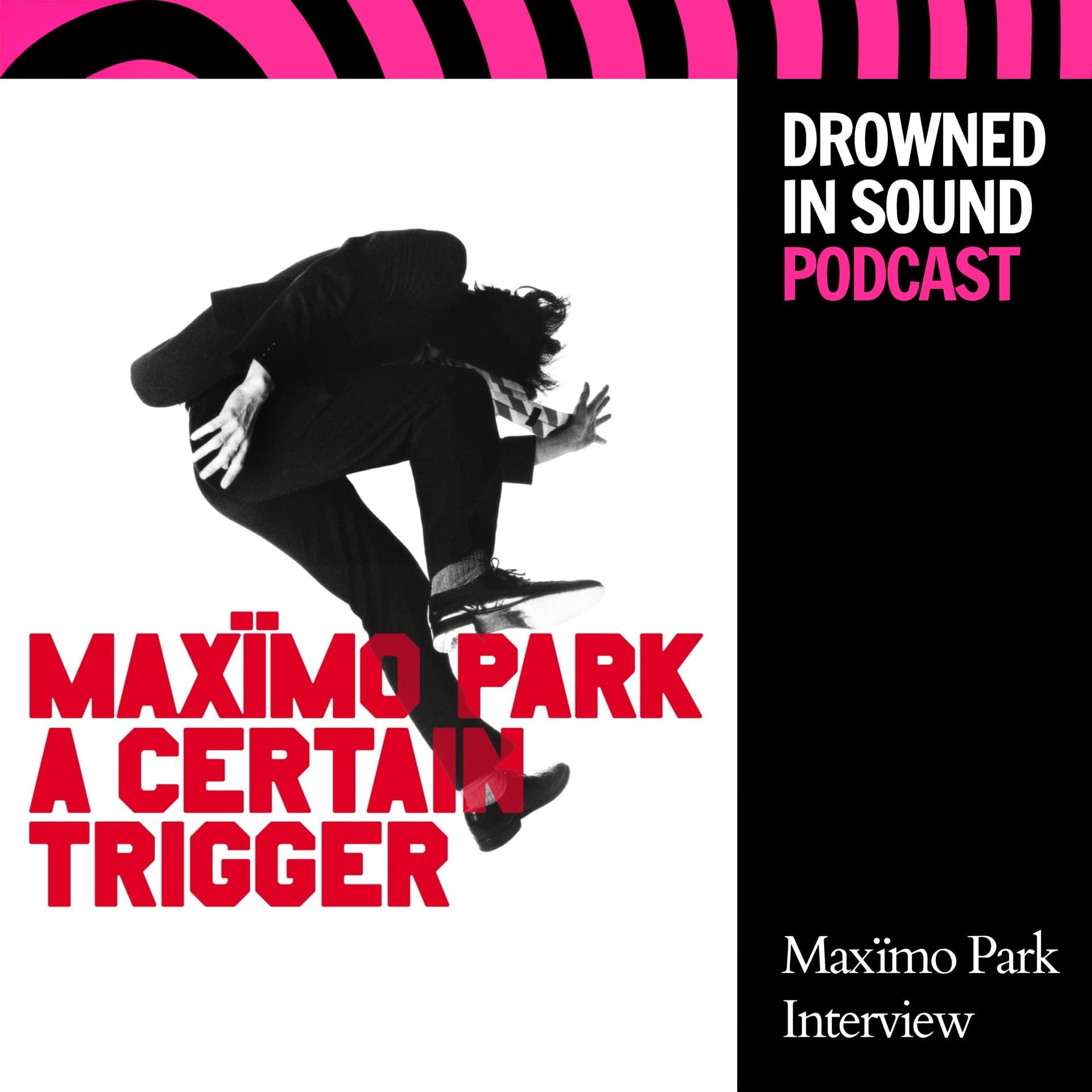
The 20th anniversary of Maxïmo Park’s debut album A Certain Trigger, and a debate over whether “indie sleaze” was ever a real, coherent scene. Paul argues the label is revisionism and that 2005 music was split between art-school/“art rocker” sensibilities and more “lad rock” swagger, with Maxïmo Park sitting closer to the former while still being pop-focused.
Guest backgrounds
Paul Smith is the frontman and lyric writer of British indie band Maxïmo Park. He describes his path from art college and an instrumental/noise project (with art-college friends, including twin visual artists Rachel and Laura Lancaster) into Maxïmo Park, influenced by post-rock and art-rock (Sonic Youth, Hood, Mogwai, Slint/Mogwai, Robert Wyatt, etc.). He worked with producer Paul Epworth on A Certain Trigger.
Key claims
“Indie sleaze” is a misleading box; the band’s identity is anti-sleaze and pro-pop melody/chorus structure, balancing complexity and simplicity in lyrics. Signing to Warp helped them be seen as outsiders beyond standard indie rock definitions. Their success (including Mercury Prize nomination and major TV appearances) came quickly after signing in 2004.
Notable examples
Touring as part of the Enemy awards tour with Arctic Monkeys, We Are Scientists, Mystery Jets; recording with Paul Epworth at Eastcote Studios and 2kHz Studios; influences like Hood, Mogwai, and Robert Wyatt; lyrical themes of waiting, loneliness, and “small p” politics; vocal warmups/breathing exercises with Epworth.
Written by AI. May contain mistakes. Listen to the episode to check what was said.
Chapters
Tap a time to open that second in VOReflecting on Objectivity and Emotional Connection
1:46 to 3:38
Paul discusses the challenge of being objective about 'A Certain Trigger' and the emotional connection to music.
“And it's hard to be objective about something that you love as well.”
The Evolution of Paul’s Musical Journey
3:38 to 5:37
Paul shares his transition from an instrumental band to leading Maxïmo Park, highlighting influences and inspirations.
“You know, again, my favorite pop songs, I suppose, have that balance.”
Art School and Early Musical Influences
5:37 to 7:52
Paul recounts his art school experiences and the early music that shaped his style.
“And they had some blown out martial amps in the corner as all sticky carpets and bent microphones.”
Recording and Early Performances
7:52 to 9:21
Paul talks about the band's early recordings and performances, including pivotal moments in their history.
Collaborating with Paul Epworth
9:21 to 12:18
A discussion about the experience of working with producer Paul Epworth during the recording of their debut album.
Nostalgia and Early Gigs
12:18 to 15:34
Paul reflects on early gigs and the nostalgia surrounding those formative experiences in the band's career.
“Well, things, yeah, I can't remember particularly anymore.”
Signing to Warp Records
15:34 to 17:48
Discussion on the significance of signing to Warp Records and its impact.
“And yeah, to be part of that felt like, for us, very special, but also a bit of a marker as well to say, ah, we're not your average sort of indie rock band.”
Transition from Unknown to Headlining
17:48 to 23:02
The rapid rise of Maxïmo Park from small gigs to headlining tours.
“And I think I was the support act, if I remember rightly, with my friend Susie and I think my friend Sarah played some melodica.”
Reflections on Indie Sleaze
23:02 to 27:08
Reflecting on the concept of 'indie sleaze' and the band's positioning.
“Again, I'm remembering all of my old enemies in the loft.”
Art and Accessibility in Music
27:08 to 28:03
Discussing the artistic value of pop music and its accessibility.
Show all 21 chapters
The Art of Pop Music
28:03 to 29:59
Exploration of pop music as a valid art form and its connection to everyday life.
Indie Sleaze and Musical Identity
30:00 to 34:29
Discussion on the perception of the 'Indie Sleaze' genre and its true artistic contributions.
“They are special, in my opinion, and that's always been part of our mantra as a band is to have that within the songs.”
Influences and Inspirations
34:30 to 39:54
Insight into personal and musical influences that shaped the band's sound and message.
Defining the Band's Legacy
39:55 to 42:05
Reflections on the band's legacy, musical aspirations, and the importance of authenticity.
Reflecting on Album Themes and Personal Growth
42:05 to 44:24
Explore the significance of personal experiences in songwriting and album creation.
The Importance of Album Openings
45:06 to 48:37
Delve into the significance of album intros and the emotions they invoke.
“There's about 10 follow up questions from all of that.”
Politics in Music: A Personal Perspective
48:37 to 54:40
Discuss the intersection of politics and music, and the challenges it presents.
Defining Identity Through Music
54:40 to 56:00
Examine how personal and regional identity shape musical expression and lyrics.
Finding My Voice in Lyrics
56:00 to 58:21
Discovering the meaning behind lyrics and the importance of personal conviction in songwriting.
The Influence of Performance Art
58:21 to 1:01:15
Exploring the impact of iconic performers on stage presence and the art of live music.
Celebrating 'A Certain Trigger'
1:01:15 to 1:02:31
Discussing the 20th anniversary of 'A Certain Trigger' and its significance to fans.
Transcript
Automatic transcript. May contain errors.0:00I have a confession, indie sleaze never existed. It's just a figment of some people's imagination, or rather it's revisionism. And in this conversation with Paul from Maximo Park, which I pronounced wrong quite early on in this episode, we get into what was really happening in music in 2005. The division between people who were art teachers making interesting, introspective rock music versus the lad rock which seemed full of oasis level of arrogance and i guess you could say at the time there was a division between the kind of blur and pulp school of indie rock the stuff that felt local and homegrown and the things that felt like it already owned the world even though they were still playing to 50 people and a dog so what do we learn in this conversation well it's 20 years since a certain trigger maximo park's debut album has released.
0:55It's a phenomenal record and we got quite in the weeds with where the band started, how Paul started making music, some of the journey the band have been on since. We talk a bit about touring with the Arctic Monkeys alongside We Are Scientists and the Mystery Jets. We talk a lot about being music obsessives because that's what happens when you pin two music obsessives down with a cup of coffee, put a camera and a mic in front of them and start nattering. So I hope you enjoy this conversation with one of british indie music's finest frontmen and one of the finest bands this country's ever produced i'm sean adams this is the dronin sound podcast
1:46this is either the best first question or the worst how objective can you be about a certain trigger 20 years i like i like the reference um as about as objective as i could be at the time although i'm being a bit facetious i do have the the capable um the capability of 20 years to add to that but in some ways you kind of you you move on as soon as you make a record onto the after you've toured it especially onto the next one and while you're touring it you're thinking about the next one. And it's hard to be objective about something that you love as well. I mean, I think all of the records that we've made, especially being the person writing the lyrics, it's hard for me to be objective about any of them.
2:35They're all flawed. I think they're all good. You know, we put out our eighth record last year. And to me, it's as good as the first one. It's just different, but it still has the kind of DNA that we set into our music when we first started playing together. And I guess that's the idea of emotional connection through music and the idea of the pop song being the central force behind what we're doing, melody, chorus, verses, middle eights, the kind of traditional structures, but trying to bend them in your own particular way and trying to balance, I guess, a lot of different elements, balance all of the different hooks, the melodic hooks that we put into the songs with, again, trying not to be too much, just to be almost too much but not quite.
3:33And similar with the lyrics, really. You know, a lot of the lyrics that I try and write are balances of complexity and simplicity. You know, again, my favorite pop songs, I suppose, have that balance. And for me, I've just obsessively listened to music all my life. I'm not a trained musician or anything. And when we first came to start making music together, I wasn't a singer or anything like that. You were in an instrumental band, weren't you, before you were? Yes. which which was quite surprising to reread i was like is that a mistake i had to double check that someone hadn't written a back history so what was the music you were making before maximo park sound like um sorry i have to say i have to emphasize the i don't i realize you do in a way um everybody including my parents say maximo but i always thought you know i say maximo so the umlaut the umlaut over the i is justified even though it was a a rock you know a rock reference um um it actually has some sort of uh sonic um sonic uh reasoning behind it in the end i knew i was going to get it right i was like make a mental note make sure i pronounce it right because it's one of these words that you read and you're like okay i don't ever say that word out loud no no well this is it i mean the name itself is kind of still weird i didn't come up with the name and i always thought should we ever should we change this and then we'd we'd been going too long to change it and it has its own mystique about it um even to me um so what so what was the music like you're making before when you're an instrumental band well yeah i mean tortoise without the chops um we myself and my friends rachel and laura who are identical twins rachel and laura lancaster who are now very successful artists visual artists we we'd met at art college in hartlepool and um We just, we started making music together in a place called the studio, just to really sort of in a church.
5:35And it was, I don't know, five pound an hour. And they had some blown out martial amps in the corner as all sticky carpets and bent microphones. And we used to just record ourselves playing, I guess, noise at that time. It was, we were interested in, I guess, we'd actually been on an art school trip. I'm digressing now, but we'd been on an art school trip. Podcasts are designed for digressing. Just as well. I did have a fanzine called I Digress that I did myself when the band was just starting out, as it happens. Because I'm known for my digressions and most friends. and we had um we'd been to on an art school trip to london first time i'd ever been to london when i was um i guess yeah 18 i'd just finished my a levels and had gone to art college for a year to do a foundation course and had met around 2000 or so it must have been 2000 and yeah 2001 oh hang on maybe 1999 because i remember the millennium happened once i eventually got to to university so it must have been about 98, 99 and we went down to London and our photography teacher, Phil Rodriguez had his own kind of noise and underground music label called Elsie, Jack and Phil named after him and his parents which he ran from a clifftop in Seton which is a very small seaside town near Billingham where I grew up and yeah, he was saying you've got to go at this gig it's at the garage in London upstairs at the garage and I'd read being a sort of enemy melody maker vox again I liked a lot of different types of music um I used to read all the different magazines and this is it back in the day when you actually had to buy a record to hear it or to go around to your mate's house to hear it um yeah I'd seen upstairs at the garage in the back of enemy in the sort of live ads and I was I would have gone anyway to a gig that night but he said this is the one and it's third eye foundation this guy matt elliott and hood um and so when we first went into recording in a just on mini disc and cassette tape in this studio we were influenced by sonic youth and um hood and i guess what you would call the post-rock scene if you can call it that and it's interesting how often hood come up like steve from bloodbred shoes was really into them as well and i was weirdly i was googling and saw that you guys toured together when i put one of their singles out yes like i can't i feel like hood get mentioned quite a lot because like for anyone that's not heard them they sound a bit like low don't they it's sort of but with less of the the kind of deep emotions that low have yeah it's kind of fractured fractured pastoral i guess um and again low were another one of the bands this that idea of just being able to play slow songs i think one of our songs was called low slow or something like that and we had another one that was named after television because it sounded a bit like well again like an amateur version of television um and so we put all of these different influences into just making music again as a kind of art school person that was my way of making music and those were the things that i i the my philosophy was to try and analyze and look at the world but also to have this kind of visceral spontaneous element to it the idea of as I was saying before of balance between um thinking about something but not overthinking it but having that first thought best thought still within the within the mix and so when we first started as well I remember Mogwai had put out their first album and I'd never heard of Slint or any of the bands that obviously influenced Mogwai and we went to see Mogwai at Middlesbrough Corner House and Dave Parho's band Ariel M was supporting and that basically became one of the most again one of the sort of pivotal moments in my life because I probably wouldn't be in a band necessarily without being influenced by that music and then Maximo Park saw me dressed up in a suit jumping up and down because with our songs because we weren't trained musicians when we would go from one section to the next of these instrumental epics i would kick in the air because everybody was looking down at the floor except for me and we used to project super eight films behind us that we would go and we would just go on a journey on the metro up here in newcastle because we all we all ended up in newcastle at university and we had like we had a song called christina ricci which we used to have christina ricci in buffalo 66 dancing in the background we just you know would rip off rip the the dvd and and get it get it on there was like a cinema called um side cinema down on the quayside which showed underground films and there's a gallery there as well showing lots of different documentary photography and so yeah we threw all of our different influences and kind of more of a mindset really into making music which then led into Maximo Park a little bit but again with Maximo Park I felt like when I joined I didn't know what kind of lyrics to write or how to sing so I just I tried to just be myself and you know I sang in my own accent which again I didn't realize that it was um notable except for when people started mentioning it you know I was influenced again by people like Robert Wyatt who you know as a singer comes is so natural and it feels like you just plugged into robert wyatt's soul and his sensibility and whilst the music that maximo park make is very different to robert wyatt again i just wanted to sing honestly truthfully and you know because the lyrics were quite heart on sleeve and still are it allows me to just yeah i can be myself and i think as time went on i became more comfortable doing that i listen back to a certain trigger now and i really the singing isn't great if you ask me but it's it's truthful and it's honest and it's it's it's where i was at that time you know i was a naive guy still learning how to breathe in the studio and all those things aren't you well when we first when we went into the studio with paul epworth he was the first person to tell me how to do breathing exercises and warm up your vocals and i was like it only you know my vocals only really get good sort of three or four songs in what's that about paul and he'd go are you not warming up before you sing and sure enough the next day i'd be like unable to speak um and yeah i mean the whole the whole making that record with paul was such a an incredible experience the more the more i think about it now in you know 20 years later how lucky we were to work with such a great person um in the studio we were like a team which is what you want every time you make a record you want everybody to be pulling in the same direction and you want to learn from the people that you're working with all the time and you know we were we were in eventually in east coat studios because we we recorded the night i lost my head and the coast is always changing our first warp single um in a place called two kilohertz studios um in london just remember that one yeah it was it was a small studio next to a graveyard maybe in uh kenzel rise i'm gonna say kenzel rise somewhere somewhere near where drowndin sound's office would have been at the time actually there you go rock history was being made in in print and on record um but yeah i mean i think you put us on at one of our early gigs actually um there was a drowndin sound gig yeah i was trying to find it nottingham arts club and there's loads of references to it online, but I can't actually find the date in the lineup because I was really curious who else played.
13:43Well, things, yeah, I can't remember particularly anymore. I remember being in the rooms and sometimes I don't know where the rooms are. And it's funny because you think that all of these things will be preserved by the internet. And then when you try and actually search something that's genuinely obscure, it's just not there a lot of the time, which is, you know, maybe that's for the best with some of our early gigs. I'm not sure. well i think if i remember right there was a guy called phil i've forgotten his surname he was in a band called s rock levinson who worked at warp at the time um and you'd either just signed to warp and they'd come to see you or you were just about to um and it was we used to have this saturday afternoon in oscar arts club which is a sort of basement venue just off of the main bit opposite it the record and tape exchange which is which people know quite well um quite a lot of people have run club nights there alan mcgee started his death disco night there the club night that lily allen was really associated with when she came out was there was like quite a cool little space but we had it from like four until seven on a saturday which is an odd time to put on a gig they were all free um and the amount of acts we put on that like we're like do you fancy coming to london to play for us and it was like because i was curious whether you played the same night 65 days of static or one of the other like that rings a bell yes 65 65 days of static because i remember they were they were around and i was like hey we're on the same bill at that ring again unless i'm my memory is fabricating different things because we did we played it's what that's my memory that you played with them but i couldn't find it to double check it yeah i think you're right again this may not be that interesting was musing musing over this but yeah i think i think this is about nostalgia isn't it um in a way because you are celebrating 20 years of the record um i wanted to ask a question which i think i know the answer to but what was it like to sign to warp because most people think of warp and they think of apex twin and um flying lotus and all the amazing glitchy things that they do but they did also have an imprint that put out some of pulp's best songs from what i vaguely just read then which i didn't actually know um so what was it like to sign to a label like that because i'm assuming at the time there were quite a lot of people quite interested in you yes it was amazing because we were just fans of the label you know whether it's our tecra or afx twin um we were aware of broadcast as well you know another one of my favorite bands i think everybody in the band you know i think just gravenhurst was just put out his first record maybe when we were recording and i think when he came up to um do an in-store rpm records just sat on the counter with his acoustic guitar i think he stayed at tom's house um probably on the on the floor um and in the end i mean in 2010 when i put my first record out margins nick who was gravenhurst ended up touring with me and being the first on and i just have so many great memories of of him as well as his music and so yeah i was aware as a fan of what records that it was yeah more than the sort of um idm or whatever you want to whatever you want to call it um but all that stuff you know i remember going to a party and square pusher was there and i was like oh it's square pusher um and and you know being definitely starstruck as as somebody you I used to go to Altamora's parties, festivals, and travel all the way down from Newcastle to Canberra Sands or Minehead, wherever it was.
17:23And yeah, to be part of that felt like, for us, very special, but also a bit of a marker as well to say, ah, we're not your average sort of indie rock band. There's something else going on here. And again, not that, you know, just because we signed to Warp, it didn't mean that everybody loved us. but it made people think twice about how to define the band and I think for us that was important because we were outsiders and sure enough you referenced the other people who were interested in signing us and we invited Steve from Warp, Steve Beckett who founded Warp we invited him and a couple of other people who had sort of made I guess provisional offers of record contracts up to Newcastle to the Cumberland Arms where we were playing.
18:12And I think I was the support act, if I remember rightly, with my friend Susie and I think my friend Sarah played some melodica. And I mean, this was not the correct move if you want to sort of sign a big record contract. But yeah, I was doing like Brian Ferry and Smokey Robinson songs on a nylon string guitar or something extremely quietly. again more influenced by law than anything else um and the afterwards we you know we we i did my thing we maybe had somebody else on then maximo park played and i'd like to think we were pretty good um and after the show sweating talking to these people yeah steve beckett was like oh that was an amazing show i love that and the um i remember one of the guys from one of the majors who was there was saying, yeah, it was a strange choice to start with Brian Ferry covers on an acoustic guitar.
19:13And I was like, was it? I don't know. I mean, I was just having a laugh and trying to do something good. But this is it. I think just to go back to that first, the first meeting that we ever had with Steve Beckett was in one of the London parks we'd gone down. Maybe we were doing a gig and we met up with him And, you know, he said, do you want to go somewhere or should we just go at the park and just sit around? And we were like, yeah, that sounds good. It's a sunny day. Let's go. And I remember drinking some Snapple, which was popular at the time. Again, I'm showing my age at every turn. But Snapple was non-alcoholic, wasn't it?
19:54It was. It was an apple tizer or something. Yeah, it was like a sort of sweet juice and in a glass bottle. Again, it felt posh. It was probably, yeah. so you went from there to selling half a million records is what the internet believes i don't know maybe it might be more might be less is that correct i don't know citation needed yeah i mean we definitely we definitely went gold because i remember getting a gold record that my mom mom and dad have got a hundred thousand isn't it i think so and that was fairly early on so i reckon by now it's yeah it's not for me it's it's almost not for me to say although it is my you know it's bread and butter and then you headline then you headline the enemy awards tour um with support from the arctic monkeys we are scientists and mystery jets um how did that feel going from drinking snapple in a park to headlining brixton academy with three of the other most exciting bands in music at the time what was that transitional kind of period like because it wasn't very long was it from what i know vaguely remember no i mean we signed our record contract on the on the millennium bridge up in newcastle in 2004 in july or something it was summertime we made the record in autumn it came out in may 2005 and i think the enemy 2 was in maybe january february 2006 so and we'd been nominated for the mercury music prize and and you know being on top of the pops and Jules Holland and all those kind of things and so it felt like something fairly momentous was happening all the time in terms of our own our own experience and um yeah it culminated I guess in that NME tour because as soon as that tour was finished we went um to try and write and then record the next album Our Earthly Pleasures and it felt like you know and not i don't like it's not victory lap or anything like that because you know music's not a competition and i feel like especially at the time because there was a lot of bands around and there was only so many top of the pops places things were quite competitive and i didn't i didn't i didn't like it and it felt very odd um but it did feel like okay we're headlining this big tour it's been sold out for a while people have bought the tickets you know and now you've got yeah the arctic monkeys had put out their first record and it was i think the biggest debut album of all time at that point um while we're in the middle of the tour um but yeah for us we were just excited to to have made this record that people loved and every night of the tour just watching people in the audience who'd probably seen us on on a tour the previous year or had been to lots of the little gigs and had seen the audiences and the venues grow um it felt yeah some somehow a kind of a nice just a nice way to finish that round of touring and and to sort of put a an exclamation point on it um and yeah to to be to be part of something a sort of package tour is again it's quite unusual um it's it feels i don't you know i don't know whether there's that much of that kind of thing that goes on these days but it was a way of yeah there's anything the enemy stopped doing them a little while ago i think around the same time they stopped being in print and yeah it felt that felt like something quite seismic every time those tours rolled around because they were always like most of the act like two of the acts could probably have sold out the venues themselves and then the other like i saw some like the first time i saw cold play was on one of those tours yes me too almost no one and with shack um shack and terrace and rhythm digital i think yeah it was i mean again that was a pretty weird lineup as well and campag vela set maybe oh yeah that was yeah that was a i definitely saw i saw them with terrace as well and i think that That was like maybe a different enemy tour or something.
24:04Oh, yeah. No, I remember. Yeah, I did. Yeah. I remember that. I remember that one advertised as well. Again, I'm remembering all of my old enemies in the loft. The soundproofing. Yeah.
24:20So that must have been quite a heady time. And I'm sure you've talked about being on top of the pops a lot and how surreal that must have been. And am I right that Jeremy Clarkson was the person that was introducing you because i was listening to the rise and fall of indie sleaze podcast and jeremy clarkson makes some like snide comment after you come off stage i have no idea i've this is the thing i've it's all a bit of a blur i i don't remember him being being on at all but if if you tell me that then that must be maybe i miss maybe i mislistened to the podcast i'll go back and triple check um but that was such a rich time for music and people are now shoving this name indie sleaze on it um which to me is the most confusing name because it's throwing a lot of music together that didn't really sit together and whilst i understand the need for people to try and box it into something and not just call it indie um because so many of the bands were signed to major labels it doesn't make sense to call it that either um I had a theory that there was sort of lit rock and lad rock and there were like two it was almost blur and oasis division between the different types of acts and I always felt like you sat much closer to like the long blondes and artists that really came from this like rich cultural heritage and that were doing something which felt and like in a weird way both the libertines and the arctic monkey sort of sat in the middle and they didn't know which which of those types of bands they were how did you reflect on it being part of a kind of movement at the time like I think I read somewhere where you said you didn't really like being sort of an enemy guitar band because that felt like a I mean it eventually became what people called landfill indie didn't it and so what what are your sort of reflections on that time and does the name indie sleaze feel at all relevant to you not really um I think you know being sleazy is not particularly something to be proud of um and i'd like to think our band were the kind of antithesis of that um you know we had songs called postcard of a painting rather than um i guess the more laddie approach that a lot of other bands had and you know there was a lot of leather jackets around and um rock and roll behavior and and you know we we were young people being idiots as well i'm not i'm not saying we weren't um but our interests were laying elsewhere and it was difficult to to to be sort of part of something that you don't feel part of i mean the fact is if all of these other bands hadn't been successful we probably wouldn't have got on top of the pops either um i've still no idea why we were grouped in with it in some ways but in other ways i understand because we were unashamedly talking about pop music and we wanted you know our choruses were and still are very occasionally quite quite big you know that's part of our interest in in and something that we can't really stop we can't deny it um and again that's where you get a kind of crossover and then you know sometimes i think well we even if we hadn't have had that we'd still be playing these songs in the head of steam in newcastle and you know one of my favorite bands is like the go-betweens and the idea of trying to create songs to connect with people that are crafted and it's not a very cool or rock and roll thing to talk about so again i understand why that side of the band is either ignored or just not even considered it's not really people wouldn't necessarily think about it they just go hey it's music from that time and i think that's that's difficult as somebody who's trying to make music and think of it in in terms of art you know i believe that a pop song is one of the most amazing art forms it just happens to be quite disposable accessible and again that's one of the reasons why it's disparaged because you know a working class person from a suburb in billingham can be on top of the pops in a suit being you know trying to put on a performance and people find that hard to hard to deal with somewhere along the line um and i think yeah for for us um you know the word there was like the magazine art rocker was out at the time and we always felt much more of a kinship with that art rock ideal and i think the kind of sleazy that although the word sleaze has been definitely added to it because there was a certain i don't know a kind of lascivious nature to certain bands or to you know i mean our songs deal with you know sex and desire as much as they deal with um rejection and coastal erosion yeah oh yeah massive coastal erosion metaphors um that's not a metaphor um but you know it's it it's again the more that you try and define yourself the more you explain too much i think i like i like an element of mystique i'm i am just a very ordinary person which is why i dress up and try and you know perform and be something different on stage a sort of um enhancement of what i am as i walk down the street or if i'm you know with my family you know i want our songs to be extraordinary but I'm very ordinary and they're born out of ordinary everyday life and a belief that that's a valid topic for a pop song.
29:59How can we transform our mundane lives into something special? They are special, in my opinion, and that's always been part of our mantra as a band is to have that within the songs. And so, you know, again, our influences are from art, from literature, photography, cinema, whatever, you know, life is inspiring. And to have things boiled down to a word that doesn't bear much relation to what you feel you're doing. I mean, that's in some ways difficult. In other ways, it's human nature. It's how we describe things. It's a necessary evil. But I think, you know, there's so much music that was, I mean, it would be like putting a bracket around what's happening now.
30:52You know, there's always great music being made. Sometimes it's commercially viable for whatever reason. The gatekeepers allow it in, which is certainly the case with ourselves. as I say it feels anomalous that we you know had a top 10 single with a song called Our Velocity which is a you know fairly unusual song it's quite abrasive as a lot of our songs are I think again that sort of edge again again I think that's something that the word sleaze is trying to perhaps um fill in for you know that well there's something edgy about this and unfortunately there was a lot of probably edgy behavior from you know foolish people at the time which ends up again being filtered into the the kind of music that was being made and it becomes a becomes kind of meaningless but there you are yeah i think that knowing lots of the artists that have been thrown into like i released metric and one of their their remix part of monster hospital and mastercraft is being put on this like greatest indie sleaze songs playlist i'm like like there might have been people being sleazy towards the band but the music itself like is political it's like the like they took lots of references from bands like the clash in terms of like where their purpose as a band was and then i like think back to all of the like the mystery jets like there was nothing sleazy about the mystery jets like you've got and i don't know even like the aas like there was an energy to what they were doing that actually felt quite counter to a kind of male dominated space and i think that the revisionist way of talking about a genre which was defined by a lot of men that were very successful um that not that weren't necessarily the epitome of a scene because often like you look at the 70s New York scene and it's like Patti Smith and then you've got like centerpieces to all these different scenes where not necessarily the big names that like with grunge it's like Soundgarden and Pearl Jam might be the big successful artists but when you dig in there are a lot of bands like Mudhoney and people who would have defined it in a very different way and you sort of need that core um yeah i've found that like i actually found kate the podcast kate nash hosted really good i thought it was a really nice kind of reflection back on a moment in time but living through it going to white heat where i think i must have seen you play yes um and going to like and i went to that club night pretty much every night for about three or four years um it was every wednesday i think if i remember off the top of my head because that was the night students got a half day um and like adele wrote a song after going there and like all these different people were part of this very small kind of scene of like um janice from foals his previous project the edmunds fitzgerald which was like an instrumental kind of post rocky band like they were part of that small scene and then when they played their first foal show there was hardly anyone there um and i don't know i find the revisionism interesting that people feel that they want to try and make sense of that moment in time and i think like apply some pressure has such a it's like to think that we started this conversation talking about you being into sort of slowcore bands that song has such a pace to it and i don't know whether there's something in the bpm of the song which kind of almost defies that moment in time as well that's i don't know how you get all those words in i guess was a band like the manics or someone an influence on a track like that to kind of ricochet through songs like you're a kind of machine gun not consciously but i i do remember actually probably subconsciously you know listen to the holy bible record and read in the lyrics because my brother had it on cd my younger brother and you're not allowed to write to like the same music as your younger brother um so i'd kind of nick some of his cds from time to time um and that was what yeah like songs like pcp um the really sort of thrashy ones with loads the lyrics in i mean yeah i i definitely i love words and again the idea of people being seen potentially as pretentious is not again it's it's it's more of a oh let's have a look let's check out if it if it actually is pretentious which is a fairly fairly unusual word um to define when you actually come to it i've still never fully i've still never fully figured out what pretentious means no it's kind of like walk like what does that actually mean anyway um that's another the conversation it means awake to injustice exactly that's that's it's as simple as that so if you're not that that means you're asleep to injustice and that you're quite happy for injustices to carry on so why is it a bad thing exactly and it's it's as easy as that in the end um i think yeah to have pretensions towards something else other than the ordinary is no bad thing whatsoever and you know I used to get abuse for reading from a book on stage and having that as part of the performance for only one song but again the photographs would be of me with a book at a gig and that was useful again it marked us out from some of the other bands that were around and laid the foundations for people to understand the band a bit better but But on the other hand, if it winds people up, then there might be something wrong with them anyway.
36:49Or our music, they probably wouldn't like our music anyway. Can I just check? You weren't reading Bukowski. This might be where the whole Indy Sleaze things come from. I was not. I was reading F. Scott Fitzgerald and Gwendolyn Riley. But that's, yeah. Again, F. Scott Fitzgerald is a good example of another thing that I think of when I think of our music and especially at that time how to define ourselves was romantic you know like what are we doing here if romance isn't dead is a line from graffiti and i feel like that's a defining line for the band at that time to say we are the the new new romantics you know it's not just about post-punk again a lot of people at the time said post-punk revivalists whereas you know we we loved um definitely the raincoats or gang of four or whatever the slits but we also liked can and noi you know i think that if you listen to our music that the rhythms are often like noi speeded up um which again it was just because that's what the rhythm section was digging and the fall another big influence but we also you don't want to be another fall you don't want to be you've got to find the thing that is unique to yourself so again to me it was making the everyday romantic and that is yeah again it stems from things like like uh the tragedy of anna karenina which was like my favorite book at the time and um and yeah tender is the night by f scott fischerald but also yeah arthur russell you know like nick drake you know i was listening to a lot of folk music and again i was trying to sort of get some softness I suppose as a contrast to the edge and the edge of our music needs to be there but also that sensitivity and a softness a feminine traditional femininity if you like again it was something that I wanted our band to be inclusive to as many people as possible and I tried not to use too many pronouns in the songs even though some of them are there and are necessary for those songs that was something that you know i didn't want them to be just tied to my experience or my life as as somebody writing the lyrics i wanted them to be open to everybody you know there were lyrics like everyone should have a choice and kiss you better from the record a kind of subliminal um subliminal political messages just the way that you hold yourself or the way that you express yourself in song and when people approach you again at the time people wanted kind of rock and roll behavior and ludicrous quotes and we didn't really give them any of those things i remember you were talking about anthony anthony gormley in an interview that i was reading earlier from the time lemon heck this is it you've done your research yeah yeah it was it yeah it's again i don't want to feel like hey i'm justifying myself as the the kind of sensitive guy out of this scene or whatever but we were i mean we were we came from a very isolated place you know the northeast as a region is economically deprived it's you know culture is um often from other places and we wanted to define the place that we came from within the songs and within our behavior you know we we support the local scene you know we we wanted more equality on bills so we had blood red shoes or you know the long blongs played with us or electro lane you know asking electro lane to support us and and them saying yes was mind-blowing to me you know so yeah i to me there was yeah like my favorite fit i think one of the things that we all loved in our band was um any other city by life without buildings that was one of my favorite albums that yeah i think that's my favorite record ultimately if you had to if i had to say one and just that idea of of having this propulsive music that's made with drums bass guitar and vocals and it still sounds radical you know i'm not saying that maximo park sound particularly radical but that you you know our ambitions extend outside of the meat and potatoes of indie rock even though i love what you know what i what i would term indie rock sepado or whatever um you know to me that was the sort of template really in in terms of can we write songs that are interesting that are emotionally bare and joyful you know like music is joyful to me and even sometimes what you know wallowing in a in avalanche by leonard cohen brings me a lot of pleasure um you know listen to the Hissing of Summer Lawns by Joni Mitchell is continue and you know continues to be a sort of transcendent experience for me and so yeah to me to to or Vespertine by Bjork or something like that it's just I I love music and whatever kind of music we make I want it to have that joy in it I want it to have I want people to enjoy it and love it and I want to I want to love making it and all of those things went into that first record and still do you know that's that's what i wanted to do we went to atlanta last year to record our and our last album and then we put it out in the autumn and i just was like yeah this i stand by this just you know just just just in case anyone wants a headline you mean your previous album not your final album right you never know you never this i see them all as final albums okay i see that i mean the last song no such thing as a society on our last album could be the sort of perfect epitaph for the band and that's good you know like why put records out if you don't care about them or if you cruising along you know we had we had a song called questing not coasting from our third record and it's that's basically yeah my my manifesto you know i don't want to coast along even though that's quite nice from time to time i want to be outside of my comfort zone whether it's making records with rachel unthank or peter brewers from field music or making music with the band i want it to feel exciting but i also think they could all be the last one i don't know if if if i'm going to have anything that is relevant to anybody else's life by the next record you have to be honest with yourself and our songs have kind of catalogued all the different stages of life and sure enough it's through my lyrical prism most of the time um but you know it's they're reflective of i mean we only have so many emotions a lot of the songs on the last album are wondering where we are as a society or where i am as a as a parent or you don't have to be a parent to enjoy a song that's that comes from that experience but it it's my job as as the as part of the band and it's our job collectively to to filter through the things that are personal so that they become universal but not in that kind of anthemic everybody get your hands in the air kind of anthemic universality.
44:24Hi there, it's Emma here. I'm gatecrashing the podcast to quickly tell you about the Drowned in Sound newsletter. Every Wednesday, I invite myself into your inbox, with permission, of course, to share opinion writing and resources, tell you about cool things that you should be involved in within the world of music, activism, etc. I also bring track of the week and a little bit of hopeful news for you because we all know that the news cycle can be grim at the best of times. Drowned in Sound newsletter every Wednesday in your inbox. Sign up now.
45:06There's about 10 follow up questions from all of that. But there's one thing you talk about, maybe that being your last statement. your opening statement to your debut album is the drums wandering in really slowly like a fade in of drums is quite rare um and then the first line to the record is well i've been waiting here for hours how important did the opening to your debut album feel and how is that the bit that was labored over was that the bit you knew exactly what it was going to be we knew um yeah once it's time to sort of get to that track list in stage it was obvious and it was the same with that the second record starts with you've been with me a year to the day 365 days watching me decay and that felt like the great opening line to that album you know and all of the themes that were on that record and so on and so forth and yeah we had been waiting it felt like we'd been waiting for the world to hear what we we had to say and it felt like you know again you you're supposed to come in with especially these days in the in the kind of streaming world you have to make an impact within those first 12 seconds or whatever the whatever the algorithm says um and it was saying here it comes you know what is your is your record player actually on you know and we wanted people to turn it up really loud and then be blasted by the opening guitar riff when it came in um but But yeah, it's that idea of, I mean, there's a lot of waiting in our songs.
46:39There's a lot of waiting in the rain and that ennui of life. It's part of everybody. There's a kind of, there's a loneliness at our core. You know, a lot of our songs are about trying to come to terms with that or reckon with the fact that we're all trapped inside these bodies that we're sometimes very uncomfortable with. um we have our own thoughts that we cannot we cannot tell what is in somebody else's mind and that to me is a kind of endless source of fascination yet we try and communicate we have language we have many different ways to communicate um and yeah that idea of of i mean the whole song is a kind of linguistic slow i mean they're kind of made into slogans but they're kind of linguistic telltale signs you know the signal and sign idea um and that the idea of there being a a dialectical thing going on between yourself and the audience um you know it's all in there but it's still it's just a it's just a song and it it should hit you on that very basic level but if you listen to it again and again you might go well what's that about or on a different day a certain line will strike you in a different way um but i mean i i was i was waiting a lot waiting for my life to start in many ways you know i was working um as an art teacher working part-time on teesside living in newcastle and staying at my parents house again you know in my early 20s and i'm like how did life get to this you know it interestingly i think ricky from the kaiser chiefs was in exactly the same position when i put oh my god out we could he they couldn't play shows on tuesdays because he was lecturing in art and i wonder how many art teachers we lost to that music scene maybe that was what the better name for it would have been the art teachers indie or something this is it i feel like this is it's born out of that idea of of yeah um and a lot of art comes out of waiting around and being bored which you know in our current hyper hyper mobile there's a kind of hyper mobility about the dissemination of of media now that it's it's it's hard to be bored if you've got a phone in your pocket and enough and you can afford the data there's always something else to look at um i remember being in in yeah in a waiting room where it said position closed and just thinking i'll write that down in my notebook and there it was as the first and second lines on the record.
49:16In one of your answers a second ago, you talked about slogans and I found it quite interesting how clearly political your music is but possibly with a small p some of the time and as a fellow working class person wandering into kind of a corporate world of music it struck me that reading a bunch of interviews with you that hardly any of probably quite well off journalists because i've met a lot of journalists and i've met a lot of music journalists in the class element of questioning power of kind of planting seeds in other people's brains to question their realities like do you feel that there wasn't really the landscape to have those conversations and people were more interested in the kind of surreal rather than like as I think you said in one interview you wanted um not to escape reality but to enhance it and I guess in some ways bring some things into more focus do you do you feel like the politics of your music or do you feel like that's something you've had to sort of hide or just not had the opportunity to talk about yeah I mean I feel like it was never really um something that was on the agenda for people to talk about it felt focused on other other things I mean you know the idea of something being called the rock and roll riot tour and you know less less than riotous and rock and roll bands again i felt like we were always and still are anti-cliché really and sometimes you can embrace a cliche when it's the time to do so and to to throw another spanner in the works but yeah to me um we have made more overtly put political records and songs um And I think they help to kind of define who you are as a band.
51:08And once you've made a record, like we made the record Risk to Exist, which was very, it was more slogans. It was kind of like, can we write interesting slogans? Is this, can we fit them into a song without it becoming overweighted by these things? And sometimes, again, sometimes you get it right. sometimes you don't but you we we made that conscious effort to do that and i think once you've made that record you can then make another record and people see some of the things that are small p political um and and feel them and recognize them because you've already made that statement and it would work better for a band that was really successful you know like who were selling millions of records that would obviously that would define them in people's eyes in a different way but you know we can't control that we have to make decisions within our own sort of ecosystem our own little world um and i feel like making that record almost kind of clears the decks and and allows you to infer political things into the other records that perhaps weren't as clear at the time um and i remember you know the second record came out and there was sort of there was again it was like what what is my place in the world you know as as a young person in in thrall to our earthly pleasures you know i'm here living my life but i'm also concerned about the bigger context how how does that work you know how who am i what is what is happening um and some of the songs like the unshockable um from that record or sandblasted and set free were kind of i suppose in a loose sense ecologically minded and i remember at the time one of the one of the reviews was saying come on paul the kids don't want to hear about that ecological stuff um which you know hasn't aged well um maybe the songs haven't aged well that's again a side issue i i i think the reluctance for anybody to really consider the crisis that the planet faces like even the guardian and puts up news stories but like they put up one yesterday with this big exclusive ahead of cop on how we we've gone way beyond 1.5 degrees and it wasn't on the home page like six hours later and it was like you put a breaking news alert out at midnight and they did another one last night i noticed and it's um the inconvenient truth for a lot of the media is that the people that fund it the people that run adverts in it like the guardians reliant on adverts from british airways and places to cover its print costs and things like that.
53:52It's like, well, no, they're not reliant, reliant on it. But you start to just look at the kind of power structures we've got. Like Rolling Stone is owned by Penske Media. That's the same guy that parked his Formula One team on Trump's lawn. And it's like, there's the same people that run South by Southwest and have the military come and run adverts. And I think that when I first got into music, we were doing tours with love music hate racism and there were like a few elements of the industry that were sort of political but not and it i don't know it feels like politics has come so much into music now that it would be hard for anyone making political music for it not not to fly or for it to fly under the radar i guess one of the things that i thought was kind of notable about the sort of time when a certain trigger came out was a sense of identity in a kind of rapidly globalizing world like mtv had really kind of put all those kind of new metal bands into the the center of things plus we'd had the strokes and the datsuns and all these very american kind of rock bands i think i read that you said it wasn't conscious and i think you even said earlier in the interview it wasn't conscious to use your accent but it was notable how many of the people that did come out at that time um spoke like where they were from and i think that i mean i grew up in the west country and probably the only voice i hear that sounds at all from the west country was tricky or someone it's uh it's not exactly a uh accent that people want to use i mean there's the Wurzels um and uh but there's it was it was notable that a sense of identity and I think that I was just curious how we're kind of reflecting back on the record you're kind of glad that you were defiant in who you were and where you were from was was that something that you think about reflecting back on it now yeah I mean there's no other way I guess um we we especially myself because I wasn't a member of the band I spent so long thinking what should I be doing you know and I wrote so many different types of lyrics more political ones that just you know weren't didn't feel right you know they felt they felt too sloganeering and so I think that first record is is is a sort of reflection of the self and you know trying again trying to trying to find ways of integrating myself into the band as well because some of the lyrics were already there in certain songs like limasol or graffiti had have a lot of the original lyrics there um that duncan and archers had written and i was like well you know i i need to i need i need to sing these with conviction so i need to understand what they're about and so i would you know take a verse out add my own verse you know what does the word limasol mean it sounds really good let's let's right around that you know like what does it actually mean i meant to look that up well this is it limasol um as a place i felt like okay i've never been to limasol um neither are darchers who who had written the song but i i was thinking about the idea of escape on on escaping from a small town for one thing to to newcastle um where i ended up at university but also the idea of when I was growing up I didn't understand why people went on foreign holidays I was like what's you know I'd never been out of the country till I was 20 21 I think um and I you know I was eventually when this song was proposed to me I was like well I can understand that now that idea of escaping even further we're going to head for New Horizons Limassol and so yeah I kind of put that lyric in to justify the the yelp of Limassol which sounded to me so unusual and I was like we've got to keep that bit in um and so yeah that a lot of the early songs I was trying to find a way of of of being myself and making sure that I was myself and that none of you know I didn't what I wanted to as I say the conviction to be there and so yeah I feel like
58:20I feel there was a kind of defiance that still remains within me to this day you know I am in the song Our Velocity off the second record says if everyone became this sensitive perhaps I wouldn't have to be so sensitive or something like that and it's true you know I feel like I'm built to be the lyricist or whatever because I am quite a sensitive person and I'm sensitive to things and empathetic but also that means that you are when people start to talk to you about your music or criticize your music or who you are or what you look like that's also very difficult to deal with and people can be obviously very precious about things and so as a young person at the time I mean I say young person we were a little bit older than like teenage bands we'd we'd been in our teenage bands um and we're still in them you know I was still playing with me and the twins playing instrumental music when I came back off tour from Maximo Park and that was just yeah I didn't have a choice I felt like in terms of who I was and how to be um it was just trying to figure out a way of presenting it to other people um and having that everydayness in it as well as a bit of showbiz you know when i when i was growing up you know david byrne was a good example to me of um a front person i always say iggy pop david byrne um and brian ferry was sort of like what what would a kind of amalgamation of these people look like a little bit if they came from billingham rather than anywhere else um but also i remember seeing um like pj harvey we just i think we just signed our first our record deal i'm not sure if we'd made the record i don't think we had and i went to see her we all went to tea in the park as a band and i was floored you know absolutely i loved pj harvey but i'd never seen her perform live and it was the i think her her her had just come out yeah i was gonna say i was about that around that time wasn't you know she was wearing the sort of spice girls cut cut off dresses and just was really going for it you know not always playing the guitar sometimes just prowling the stage and i was like that is that's it that's the thing and i'm seeing it you know many other people have the thing and you want the thing if you if you if you if you're the front person and i felt like that was a role for our songs you know other other people i don't know I'm a big Elliot Smith fan you know Elliot Smith's not going to be jumping around the stage or even thinking about how he presents himself that's not the way it is but with our band it was like right these are these are pop songs they're alternative pop you are making me wonder if you've you are making one if you've done your research on me because I think you've mentioned four of my favorite records in this interview or artists um Elliot Smith being one of the the absolute favorites
1:01:38what a thoroughly lovely man i hope you enjoyed that conversation paul i've met a few times over the years but probably not for a very long time um probably over 10 years and uh yeah i don't know if we've ever had like a one-to-one i think we've always just met in like noisy gigs and festivals and things for like 30 seconds i did fact check one thing jeremy clarkson definitely was the person on top of the pops when they were on which is interesting um it was a very weird comment that he made i will maybe we could drop the clip in and if we can find it i know it was on the uh rise and fall of indie sleaze podcast the clip and i didn't think i imagined it uh the special edition, the 20th anniversary edition of A Certain Trigger is out now and it comes with loads of extra b-sides and demos.
1:02:34It's a proper fans collector edition of an album that celebrates 20 years and what a great record it is. I hope that if you enjoyed this episode and if you weren't that into Maximo Park, you might delve into their catalogue a little bit. I'd really recommend Paul Smith and Rachel Unthanks record. it's a record I hadn't really spent much time with it came out during covid and it passed me by and I listened to it researching this podcast I thought it was fantastic really gentle beautiful kind of like classic British folk music or English folk music I guess there's not much else to say about that episode I really enjoyed revisiting the record it was an album I listened to a lot wandering around London in my headphones when it came out I always was a fan of watching the band live and I should get myself along to their tour next year and you can do that too.
1:03:28If you go to the Maximo Park website you can find all the tour dates including a massive show at London's Brixton Academy. They will be across the country and let's hope it's not the last record because I picked up on the word last and I only because people say oh our last record as in the one we just released um but yeah that was a uh little surprise wasn't it um i think i'm gonna leave it there because this was a long interview and based on youtube stats there's probably not that many of you left watching and if you are please drop a comment and say hi um it's always nice to hear from you all and to know that you're out there and you're enjoying what we're doing i have been sean adams this has been the drowning and Sound podcast thank you to Josh our producer for editing this together so I didn't have to sit and listen to myself for an hour or two and if you follow Drown and Sound on Instagram and our YouTube shorts and all those kind of places there's an extra little clip we recorded with Paul about a record from the last 25 years that he thinks more people need to hear and if you were paying close attention during the episode you might be able to guess which artist that might be by.
1:04:39So bye for now. I've been me. You've been you. This is the Drowning Sound podcast. Goodbye.
From the publisher
How “sleazy” was Indie Sleaze, really - and was it ever a scene that Paul Smith of Maxïmo Park recognised himself in?
At a time when the air was thick with lager and leather jackets, Smith was more inspired by art-school notebooks, Robert Wyatt, and the idea that pop could be poetry.
In this conversation, the Maxïmo Park frontman joins Sean Adams who also lived through the era being retrospectively called “indie sleaze”, was at those early Yeah Yeah Yeahs, Franz Ferdinand, Bloc Party and Libertines shows, released records by Metric and Kaiser Chiefs, etc.
In this conversation they revisit the making of Maxïmo Park’s Mercury-nominated debut and reflect on what it meant to be outsiders during Britain’s mid-2000s indie boom. Recorded for the album’s twentieth anniversary, the pair unpack the contradictions of that moment - art rock vs lad rock and sincerity vs posturing whilst tracing how those tensions still shape British guitar music today.
From signing to Warp Records and headlining the NME Awards Tour alongside Arctic Monkeys, Mystery Jets and We Are Scientists, to the band’s art-school roots, working-class perspectives, and enduring faith in pop’s emotional truth, this is a deeply human glance back at the legacy of one of the era’s most literate frontmen.
Edited by:
Josh Craggs at Dubble Audio
Chapters00:00 – Indie Sleaze, revisionism, and the myth of 2005 01:46 – Forming an art-school band and the noise scene that shaped them 08:30 – From experimental roots to pop hooks: defining the Maxïmo Park DNA 14:30 – Signing to Warp Records and finding a home for outsiders 20:30 – The whirlwind year: Top of the Pops, the NME Tour, and the cost of success 24:30 – Art rock, class, and being mislabeled “sleazy” 31:30 – The politics of pop and the poetry of the everyday 42:30 – Romance, resistance, and the belief that pop can still mean something
Continue the Conversation:Head to the Drowned in Sound community to chat about the topics in this episode.
Subscribe:Sign up to the Drowned in Sound newsletter for weekly insights on music, culture, and resistance.
Links & Resources


