In short
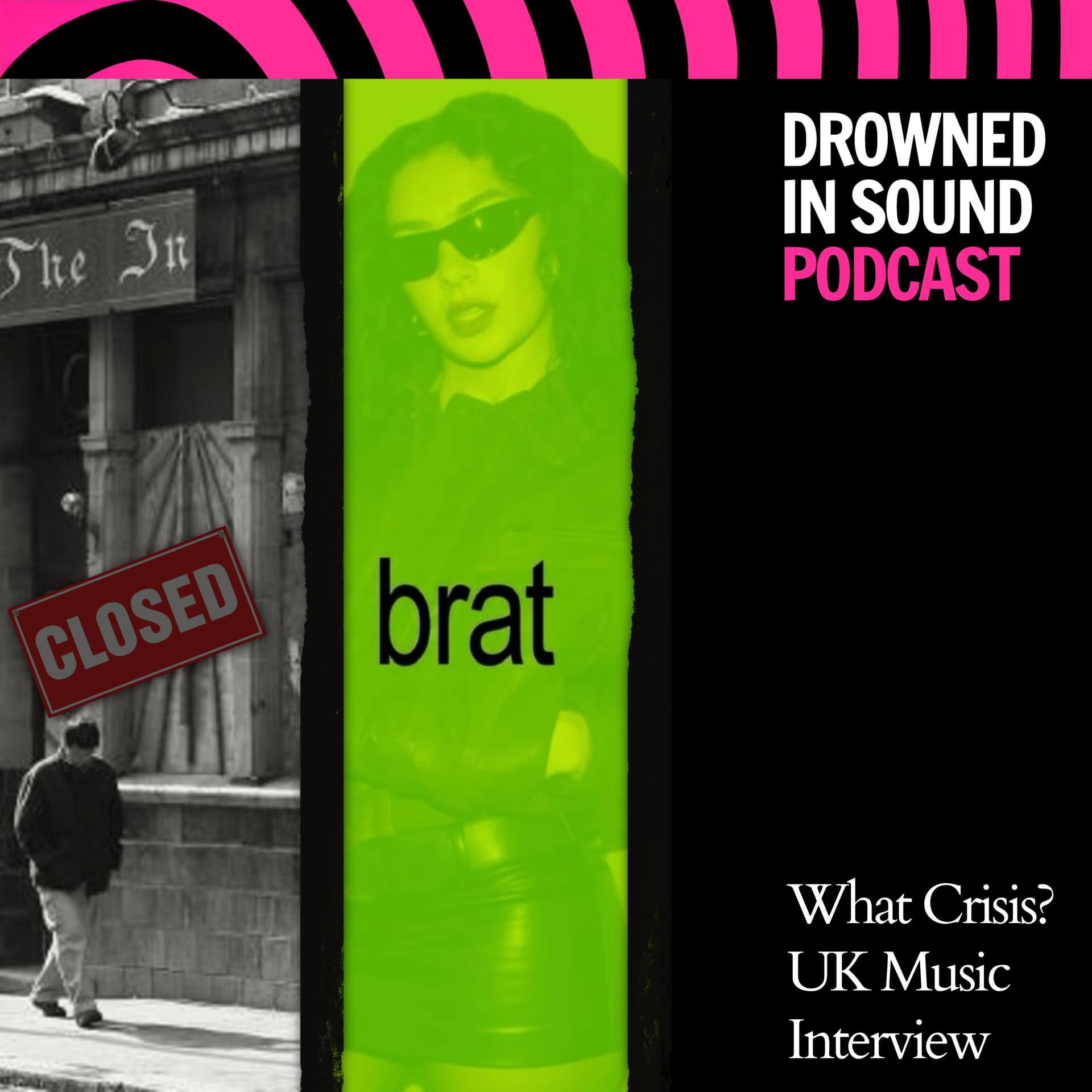
The episode argues the UK music industry is “booming” at the top end while struggling at the grassroots, and that policy is failing to protect creators. UK Music CEO Tom Keel says the UK music sector is worth about £8 billion and supports around 220,000 full-time equivalent jobs, yet many artists earn little, venues face closures, and touring/burnout pressures persist. A central focus is AI: Keel claims major tech companies can use music without consent, and government proposals could weaken copyright enforcement by making licensing harder. He cites a consultation ending in February, House of Lords amendments (Baroness Kidron) for AI transparency, and a December deadline for government to respond. He also highlights a voluntary £1 grassroots levy on stadium/arena tickets as a positive “trickle-down” step, alongside a £30m/3-year government “music growth package.” Keel’s background: 11 years in Parliament (whip’s office), helped create the Live Music Act (deregulating small-scale performances), and worked on early digital economy/copyright debates. UK Music represents 10 business/collecting/publishing bodies (e.g., PRS, PPL, BPI, Music Publishers Association, AIM) plus 5 creator-focused groups (e.g., Musicians Union, Featured Artists Coalition, Music Managers Forum, Music Producers Guild, Ivors Academy).
Notable examples
Coldplay/Adele vs small acts selling ~10,000 records; AI campaigns backed by Elton John and Dua Lipa; YouTube/Twitch licensing disputes; Oasis ticketing/dynamic pricing; and rehearsal-space shortages.
Written by AI. May contain mistakes. Listen to the episode to check what was said.
Chapters
Tap a time to open that second in VOThe Dual Nature of the Music Industry
2:30 to 4:50
Discussion on the two sides of the music industry: major artists' success vs. grassroots struggles.
“Well, UK Music is an organisation that was set up about 17 years ago, really in order to bring the music industry much more closer together, particularly its relations with things like government and parliament.”
The Role of UK Music and Its Challenges
4:50 to 7:30
Overview of UK Music's role, its member organizations, and the challenges faced by the industry.
“And actually, probably one of the big reasons why UK music came about in the first place was navigating that early part of the Internet period and kind of looking at the policy solutions that needed to be in place.”
Policy Background and Live Music Act
7:30 to 10:00
Exploring the background of the Live Music Act and its impact on the industry.
“And a lot of it is about getting a fair deal out of the technological companies, the people coming into the industry and wanting to use the content of our members.”
The Evolution of Music Rights and AI
10:00 to 13:00
Discussion on evolving music rights issues related to AI and the implications for artists.
“I think that remains to be seen, whether that will be the case.”
Government's Role in Protecting Music Rights
13:00 to 14:01
Examining the government's responsibility in addressing music rights and industry challenges.
Government Proposals and Creative Industries
14:01 to 16:50
Learn about the current government's sector plan for the music industry and its implications.
Public Awareness on Copyright and AI
16:51 to 18:55
Explore how public perception of copyright has shifted and its impact on the music industry.
“It was just this, it was kind of like a flow chart of a song and like where the money goes.”
The Grassroots Levy and Industry Sustainability
18:56 to 21:46
Discuss the grassroots levy initiative and its potential effects on funding and supporting musicians.
“I think at one point it fell at the top 1%, but I think it's an even smaller percentage when there's 120 ,000 songs coming out every day.”
Economic Growth in the Music Industry
21:47 to 24:24
Understand the current growth trends in the music industry and the challenges ahead.
Infrastructure Needs for Future Artists
24:25 to 28:00
Identify critical infrastructure issues for artists and the importance of mentorship in the industry.
Show all 21 chapters
The Role of Music as an Enabler in Communities
28:00 to 29:12
Discusses how music can provide opportunities and mentorship to individuals in underserved communities.
“particularly in harder to reach communities, people who don't necessarily have those opportunities to get them and to access music.”
Challenges for New Music Creators in the Digital Age
29:12 to 30:51
Explores the gap in support for new music creators and the restrictions they face in sharing their work online.
“And I think that like in terms of the infrastructure, the industry, obviously I'm biased because I've come from a media platform building background and building communities online.”
Reviving Local Music Scenes and Talent Development
30:51 to 32:56
Examines the importance of local music scenes and how to revitalize them through community support.
The Need for a Music Export Office
32:56 to 35:28
Discusses the potential establishment of a music export office to support UK artists on the global stage.
Regional Efforts to Support Music Industry Growth
35:28 to 40:56
Highlights regional initiatives and local government involvement in supporting the music industry.
“Do you want to come see this artist perform?”
Consumer Rights and Ticketing Issues in Music
41:35 to 42:00
Analyzes the complexities of ticketing in the music industry and the need for consumer protections.
“So I feel like there's a billion other things that we could talk about.”
Understanding Ticketing Issues in the Music Industry
42:00 to 45:30
Explore the complexities of ticket pricing and the need for regulation in the ticketing market.
The Need for a Collective Voice for Music Fans
45:30 to 48:20
Discuss the absence of a unified representation for music fans and the potential for grassroots initiatives.
“but also there's transparency is really key.”
Empowering Music Fans to Influence Change
48:20 to 51:18
Learn how music fans can actively participate in advocacy and support industry issues.
“like around the AI issue, for instance, it felt like a lot of audiences of those artists kind of created some noise around it as well, which I think is quite powerful.”
Challenges and Opportunities in the UK Music Industry
51:18 to 55:25
Analyze the current state of the UK music industry and the challenges it faces amidst changing dynamics.
“I mean, we always look, we report, our annual report comes out in 2025, but in terms of the data lag, we're always reporting on data from the previous year.”
The Role of Artists in Industry Advocacy
56:00 to 56:42
Learn how artists can leverage their platforms to advocate for change in the music industry.
“There's some good quotes in there and things and there's a lot more data than we really had a chance to get into in this conversation.”
Transcript
Automatic transcript. May contain errors.0:00Riddle me this, how can the music industry be both in crisis and booming? Well that's because there are several types of music industry. There's the big top end with all the big names that we know like Coldplay and Take That and Adele and Oasis. They're all doing great. And then there's the other half of the music industry, the grassroots, the artists that you might know and love who sell maybe 10 ,000 records, who play maybe theatre-sized venues, which you'd think is quite a lot of tickets when you look around in the room. but they're not doing as well as they maybe once were. On the other hand, the music industry in the UK last year grew to 8 billion, not 8 million, 8 billion.
0:38That's how much it's worth the UK economy. And at the same time, the threat of AI is here and we're not necessarily seeing the action you would expect. It's crazy to me that some of the biggest companies in the world run and funded by some of the richest people on earth are able to take music without the consent and consideration and permission of musicians. And you'd think that governments would step in, which is why an annual report at the UK Music One, where it talks about 220 ,000 people working in the music industry and how important those jobs are to the economy, should be ringing alarm bells, not at YouTube and Apple, but at the UK government.
1:18They should be protecting us as workers, as people who live and breathe music, and not all of us are making very much money in doing so and the risks right now are the the biggest companies and the richest people on earth can just get away with doing whatever they want probably much worse than what pirating was doing to music in my opinion i get into that a little bit in this podcast where i talked to the ceo of uk music tom keel uk music oversee like all of the recording side of the industry in the UK and publishers and musicians and yeah Tom tells you exactly what they do at the start of this episode we are on trying to empower you as music fans by doing an episode like this which hopefully helps explain how well things are going but also how complicated they are and how much needs to change so this is the Drowning Sound podcast the UK music annual report is out today on the day we release this podcast which is the 12th of November 2025 25 you can go read that and i'll pop that in the comments over to me talking to tom bye
2:31our audience are primarily music fans and lots of musicians um so it'd be good just to get a quick overview of who you represent and how you manage some of the kind of conflicting elements of some of those representative bodies? Well, UK Music is an organisation that was set up about 17 years ago, really in order to bring the music industry much more closer together, particularly its relations with things like government and parliament. There's lots of issues that the music industry is facing and obviously the policy process can really help us actually navigating that. So people like myself and other people who work in the organisations probably largely come from music industry background, sorry, music are kind of more of a kind of policy background, but very deeply passionate about the music industry and wanting it to succeed.
3:15So with a collective voice of the music industry, we have 10 member organisations which range from people like PRS and PPL, the collecting societies, but also business organisations like the BPI, the Music Publishers Association, and AIM, the Association of Independent Music. But then five members that are also kind of from the creator-focused community, people like the Musicians Union, the Featured Artists Coalition, Music Managers Forum, Music Producers Guild, and then the Ivers Academy. So 10 member organisations all striving towards working for the best for the music industry. So we do things like advocacy, data, research, and obviously we're only as good as we can be when we're united together.
3:57And as I say, there's lots of challenges that music industry is facing at the moment. So it can be quite a complex area to navigate because we represent both business and creator interests. But making sure that there is a coherent voice on some of these topics so that government and parliament can actually make sure we have the right processes, the right policies, the right steps in place to help the sector thrive is really important. It's testament to how much you do that trying to work out what we could fit in this interview is what to prioritise. There's so many challenges facing the industry and so many areas that you cover.
4:31absolutely um the the i looked a little bit into your background and you were involved in setting up the live music act um when you are you you worked with the liberal democrats is that right back in yeah kind of early parliamentary career yeah yeah i basically i worked for about 11 years in parliament which is a coming out of university a really great place to uh to kind of cut your teeth someone who's very passionate about politics and the democratic process so i worked in what was called a whip's office there so it was all about kind of internal party management making sure people voted the right way making sure that the kind of information was kind of put put forward not too dissimilar to uk music in certain ways and it kind of we are a bit like a whip's office we kind of like we we bring together the the issues and try to find a way forward and get kind of people on the on on on the right right path so yeah i spent 11 years there uh worked quite a lot on policy related issues to do with the creative industries but in particular because i was such a very keen passionate person about about music i developed something called the live music bill which then became an act during the coalition uh period of government which is announced quite some some time ago that basically deregulated live music performance from local authorities for small scale uh performances so particularly obviously we hear a lot about venues and the challenges that they've faced but that was a very early days an example of a piece of legislation was designed to try and help venues but also more wider music performance in whatever whether the way it would be trying to cut red tape from that but i did a lot of work in kind of copyright related issues as well um so as a researcher for for for um in a kind of political environment things around what was called the kind of digital economy act and bill around 2009 and 2010 and that was obviously the era of peer-to-peer file sharing um very um these kind of concepts you talk to people now and people what is what does peer-to-peer file sharing mean But actually, that was a huge, big debate.
6:26And actually, probably one of the big reasons why UK music came about in the first place was navigating that early part of the Internet period and kind of looking at the policy solutions that needed to be in place. It felt like things changed so quickly. And I don't think we really like, I think you'd struggle to find many people that work in music that weren't downloading things or weren't sharing hard drives. but at the same time we're also very aware that it was also their livelihoods that they were spreading around and I think that like for me as a music fan I wouldn't have been able to have become as like I'm from a working class background in Dorset I didn't have access to huge sums of money I worked in a record shop and I could buy a couple of records a week and I think that there's a whole generation of people that now work in the industry that just were able to become more knowledgeable about music because of file sharing and it's it's it is odd to think that like even now like things like twitch there's not really like music licensing and you can stream music on there all day and you can stream songs on band camp without and and obviously the big topic that you've been campaigning on this year is ai and the kind of non-consensual use of copyrighted materials and the ways in which these huge corporations backed by some of the richest people in the world think that it's okay to take music and you've had people like Elton John and Dua Lipa and people kind of and play my faith at the Brits and all sorts of people get behind the campaign I was trying to look at whereabouts it was at because the consultancy was about eight months ago wasn't it like are we any closer to musicians and record companies rights being protected and publishers and songwriters and everyone else whose work is being kind of hoovered up by these big machines to produce new works is there any is there any update well i think one of the one of the you brightly highlight i mean a lot of these issues there's a lot of there's a lot of similarities but actually as you say in terms of like peer-to-peer fire sharing then kind of moved to the cloud and kind of these kind of wider the way streaming's developed and now with now with ai you're almost like there's an evolution but a lot of the kind of basic themes and challenges about respecting artists, respecting creators, respecting business who invest in them, they are fundamentally at the core of a lot of the kind of arguments that we put forward.
8:46And a lot of it is about getting a fair deal out of the technological companies, the people coming into the industry and wanting to use the content of our members. But in terms of, you're absolutely right, there was a lot of concern at the beginning of the year, which has remained the case around artificial intelligence and potential plans for the government to legislate and actually strip out elements of the copyright framework which will effectively make it harder to license and make it harder for people to enforce their rights and the respect that kind of goes into that. That was part of a government consultation earlier this year and particular proposals that we found very concerning from a music industry perspective.
9:30So there was a debate on a bill. I think the term that was being used was they were pro-innovation, wasn't it? That's quite right. Yeah. I mean, this is the balance. I mean, we kind of want to get the balance right. I mean, we want to be very pro-AI and supportive of AI and technological developments. But at the same time, you need to respect industries like UK music industry, but other sectors, copyright, but who actually depend on this framework. So in terms of an update, I mean, there was a bill before Parliament as well, which basically the consultation ended in February. And then there was a bill in Parliament where actually it was nothing to do with these issues, but some very creative, dare I say, members of the House of Lords, people like Baroness Kidron, B-Man Kidron, and it was a crossbench peer, but also a coalition of other supportive peers, then backed amendments to actually put in place things like transparency, greater transparency from AI companies.
10:26that actually got to a bit of a constitutional standoff between the House of Commons and the House of Lords in the end the House of Commons got its way as a democratically elected House so that was very interesting but it kind of has created this maybe slightly further delay in the process so the government has not actually come back with a kind of outcome in terms of its consultation hasn't said exactly whether it still plans to legislate in this area it has had several meetings with people like UK Music and some of our members, but also the tech sector, trying to sort of reset the conversation between tech and the creative industries, trying to see if there's a way through and whether consensus can be met.
11:07I think that remains to be seen, whether that will be the case. I think we're approaching it in a kind of considered way. But I think ultimately in December, the government is required to come back to Parliament at least and say what it is going to be doing on this policy area. So if it hasn't done by December, then I think the government's going to be a bit of trouble if it isn't actually saying exactly the direction of travel that it is intended to take. Because it must be difficult. Like, I know that you're also on what sounds like a band, the Soft Power Council. So you're involved with some of the export side of the industry.
11:45Yeah. And like I saw that Suno wrote to the Trump, I'm not going to say regime, but what were they called? Administration. the trump government administration and um they the access to power that some of these kind of tech billionaires like people like people like peter teal have to kind of go in and speak at the highest levels um i mean obviously hopefully you've been able to talk to someone like nick clegg who's quite involved in all of that is probably helpful for the music industry and i think it as an outside as someone who filled in that that um consultation i think it was about 7 000 other people that did it wasn't there i think yeah yeah no i think quite a lot yes so tens of thousands i believe yeah i think the end result oh okay it it just feels like we live in an age where these kind of big like i think harold cadwallader calls them the bro oligarchs the uh bro oligarchs and um it must be difficult even though the music industry is as big as it is when you've got elton john having having to kind of go on laura kunsberg to advocate for artists and you've got some of the biggest names in music and McFly talking up for um talking up for uh the rights of artists and also I like I really like McFly and I love the fact that he's got such a big career as a child's author as well which is doubly as copyrights being kind of um and I think it I think it just feels like the text moves so quickly a lot of the training might have been done already and like do you think that the government have really taken the urgency because like in a way like copyright is a human right and it's also a worker's right and it feels quite an odd thing that you're having to encourage the government to kind of come on side to back this has that been the the case kind of like across parties or is it kind of just like the internal government like i'm just curious you probably can't talk about it because i know as lobbyist you kind of think you kind of can't say no i mean it's really interesting because i mean what you kind of had actually is um we're actually having a slight replaying of a debate we have with the previous government too so basically in 2022 um similarly the the previous government conservative government kind of brought forward relatively similar proposals to what the government on the new the current government proposed um and eventually they kind of run out of time the general election happened they did sort of try to but we have kind of unfortunately seen some of the similar sort of mistakes that maybe the previous government took so you could say well is this about the party government or is this about wider about the way government operates and particularly on on these these issues and um but what i would say is that the current government um has brought in something called a sector plan uh for the creative industries and the music they've basically said there's something called music growth package so there is firm commitments about the music industry there but i think one of the really big areas which i think they the current government will be um tested on is about how they deal with deal with this particular issue because on the one hand you have um everyone kind of got all governments across the world are wanting to have a the kind of edge on ai and they want to have that that market share but they don't necessarily fully understand what that means and for a country like the uk where the music industry the creative industries those it's just a soft power they where where we do our cultural identity um bring comes from people like um the people like the smiths and the the beatles and um joy division maybe not the smiths anymore maybe not maybe maybe from the period period yeah but maybe the johnny maybe johnny we can send johnny marr out anywhere indeed but it's our it's our cultural identity and it is if you go across the world you people understand sport football they understand music as being kind of very distinctly british and in in the uk so it's almost like really government does the government really want to gamble against against that when we have such a huge asset as the music industry and a wider creative industries um and actually it should be kind of really powering and prioritizing the sector it's actually really interesting recently we've seen the Australian government have a bit of a debate about these issues and maybe going along similar proposals and suggesting changes to copyright.
16:06In the end, they've decided not to go further. So it shows actually countries are a little bit more, some countries are being more standing up to kind of the tech bros arguments that maybe have been the case before. I think actually, if you had this argument about maybe five, maybe 10 years ago, it would have been much actually harder for us actually because i think tech bros and the tech sector seen was seen much more shiny and i think the public perception is has changed somewhat and i think on copyright issues which can be seen as quite technical and quite hard to maybe engage the public on this particular issue we've seen really the public really very much get behind behind it and in a way that i've never quite seen any of the other ip issues before that might be about the wider um the kind of human nature human element of ai and ai policy and that fairness but also i think as you say like using very powerful voices like paul mccartney and elton john are actually very concerned about the future talent because if you don't have um put the kind of protections in place our ability to develop future talent in the future will be will be considerably um weaker as as a result i guess there's like there's a graph that i've shared a few times and i'll drop it in the show notes and I'll put it on screen for people watching on YouTube of just like how complicated copyright in the music industry is.
17:23I think it was shared by Steve Albini. It was just this, it was kind of like a flow chart of a song and like where the money goes. And even some of it, I was like, hang on a minute, I've worked in music for 25 years and I don't even understand some of these little bits in here of people collecting money. And I can see why from the outside the industry is complex and complicated with conflicting ownerships but I think on the AI issue the thing that like if everyone is a creator now with their own social platform their own photos their own text their own identity being out there I think it's easier for them to understand that what they've published on these platforms can be used and I think that I think that the age that we're living through of essentially people working for free for tech platforms who then sell advertising against your human expression I think that's possibly it's like I don't know if we've hit the Icarus moment yet of flying into the sun but the tech companies feel like they've reached a kind of boiling point where there's not as much love and trust like when you've got Elon Musk running Twitter and speaking at far-right rallies it's harder to say that these people are on your side and this is human endeavor and technology moving forwards um but one of the good things um that has happened in the past year is the voluntary grassroots levy of one pound on stadium and arena tickets so i realized that was quite a big pivot that's right um but i think that um i think that it really shows a willingness to understand And I guess like trickle down economics, like there's lots of money being made at the top end of the industry and the grassroots of the industry and the future of the industry and the independent side of the industry, which isn't being bathed in money, like the very top, I guess it's like 0.01 % of artists.
19:25I think at one point it fell at the top 1%, but I think it's an even smaller percentage when there's 120 ,000 songs coming out every day. something like 80 % of artists release music and don't really make any money from it and like that's a there's a there's a there's a bigger group there that are struggling and obviously we've seen venue closures and we've seen artists cancelling tours for economic reasons as much as kind of health reasons because if you stretch yourself too thin at some point the burnout is going to catch up on you and I think there's a combination of issues I guess that voluntary nature of the levy has meant that not all organizations are backing it um and or corporations i guess not even organizations it's like the what do you think um how do you think it's gone so far and like what do you hope the next steps are with the levy i think it's a really positive moment um as you say like bringing things together actually maybe learning things from other sectors again like bringing football and things like that there's there's a great trickle down effect i think that exists partly probably to do the broadcasting rights that maybe exist with football and sports governance but also i think it's actually i think people are generally concerned about about the future in terms of actually as it's with ai in terms of like developing artists for the future but also making sure they have the right venues being natural being a recording studios um have been able to tour financially as well the these are all big big challenges that kind of exist across the sector in a number of ways so I think it's been a very positive moment you kind of had that shift of of people actually saying well I'm actually maybe looking at other countries too and I think it's not unheard of in in European countries to kind of have that kind of element of of the the bigger players supporting the the kind of the smaller grassroots whether they are venues artists would whatever so I do see that as shifting i mean i think we've got to monitor this closely to make sure that it is getting in the amount of money that is required to that is genuinely be needed and i think the government has been very interested in this area too which can only be a good thing because it focuses minds of the big bigger bigger players but also shows the degree of commitment from them to supporting the sustainability of the the future talent as i said slightly earlier that there is a music growth package as part of which is 30 um 30 million over three years well which the government is also committed to to doing too so it'd be interesting to see how those conversations about um the grassroots levy kind of going in in in tandem with those conversations too and making sure that kind of the whole of the sector benefits from the the kind of the kind of fiscal interventions that we're we're maybe seeing now um develop and um making sure that the industry can be can be properly sustained i said we've um we've recently released a new a new report which shows that music entry is worth now eight eight billions economy growth of of five percent uh and uh exports continuing to grow five percent is great and a lot of the sectors in the economy are not necessarily growing at that same rate however we did experience a kind of post-pandemic boom of kind of double growth for previous years so and maybe we got to assess whether like the kind of slight smaller growth that we experienced this year is is sign of a kind of maybe a change in shift or or whether that's a kind of a slight aberration so um i think we are definitely poised to to to capitalize on that but i think it's something we continue to work out because i think percentage growths are often like they're great as a summary but sometimes the longer term trends are often the thing that's worth looking at like the fact that the music industry is still growing like i think is a really good thing because i know that most of the artists like the artists i manage the people i work with people i artists i do consultancy sessions with it definitely doesn't feel like speaking to them like the industry is growing so i think that um knowing that people feel like their jobs are precarious but um you were saying the number of jobs in the industry has gone up as well like i don't know do you say it was yeah now 220 000 this is like full-time equivalent roles across the sector whether that's in live sector recorded um collecting societies publishing musicians performers so it's the way we kind of process it with our kind of research partners is we kind of calculate that again that's kind of that is actually growing by two percent so rather to be smaller growth than um the before i think before previous year's figure was 216 ,000 so um and again yeah it's kind of been at that that level for for a few few years relatively and I guess the levy kind of shows that like yes there's this all this everything's doing well at the top end and like how do we address things further down the food chain because um and I guess for me like one of the things I've been talking about on this podcast for most of this year is kind of looking ahead Dranon Sound just turned 25 and we've been looking ahead to 2050 to think about what do we need to do over the next 25 years to kind of shift the industry to make it sustainable thriving like and ensure that like british music as much as music the industry globally um is sustainable and i think that some of the topics that have come up quite a few times is people talking about the need for community um we were at the youth music awards and they were talking kind of about having a kind of collective strategy as an industry to really drive things home and obviously as uk music that's something that you do all the time and and maybe to think about how the grassroots has its own kind of way of representing its kind of way it works in the world and as you said education and being able to fund and invest in the next generation it's all feels like a big challenge and one of the questions i've been asking people was if you suddenly were given half a million pounds right now what bit of infrastructure would you build or what's something that you'd improve or what's a problem that like would you just literally just hire lawyers to take on ai companies like how would how would you suddenly spend if you had that if you received that big sum of money i mean that's a very i mean that's a nice position to be in to have that amount of money to i mean i i mean i would probably make sure that it went on space and rehearsals like venues rehearsal space i meant to say half a billion not half a million half a billion sorry i thought yeah um gosh half a billion i mean yeah i mean if we could have all the um all the top litigators in the in the land i'm sure we'd have a a great um uh burgeoning um music um uh licensed um uh sector regarding ai so yeah i mean yeah that that would help but i mean we don't want to litigate i mean instinctively you kind of you want to be in a situation where the law should be such where the policy process particularly for me from an advocacy point of view you kind of like don't want to get things to get to the point where you're having to uh go to courts etc it should be kind of done on the the connoisseur play process itself so um but yeah i do think um rehearsal spaces are something that that that needs to be looked at and and supported and something that um there's a real lack of them from one of the artists i work with we spend a while trying to find something for an upcoming show and it's like whoa and it's like and they're not you find them and they're not very well resourced or like you spend long you spend as long setting up as you do with anything and you do have lots of like small but big thing yeah there are lots of empty spaces out there um because either people are using offices less or or just kind of like high street closures so it's kind of like there's potential there to um that does take obviously a degree of willingness from local authorities degree of willingness from um kind of people on the ground to really get those those things going but in theory you and there should be potential there i think to get more more more spaces to get those get the kind of young people who have a talent to harness that to get to practice and then get to the point where they can then be going to venues or going to recording studios and I think that is in some ways a slightly untapped and less spoken about challenge.
27:50And like you say, the Youth Music Awards, I think, is a great testament to that. Some of the work that they do within youth provision and really making sure that those opportunities, particularly in harder to reach communities, people who don't necessarily have those opportunities to get them and to access music. And that music can be a great enabler for people to take a different path, whatever that may be. and so you kind of we really need to find opportunities to to deliver that
28:22I mean I was so lucky the guy that ran the local venue um I think I said can I build you a website because you don't have one when I was like 16 which led to me becoming the in-house DJ and promoter and um being kind of mentored in like how things work and um whilst also working the local record shop and i think that those people are hard to find absolutely um and when i started a label i had people like tony wilson calling me up and going just he called me up to try and find out more about grime one day which was kind of surreal anyway mentorship is something i think is really crucial to ensure the next generation and like the collective wisdom of the industry is often feels like it's in a profit driven circles doesn't feel as kind of open and shared So it's one of the reasons why I've kind of created this space with the podcast.
29:12And I think that like in terms of the infrastructure, the industry, obviously I'm biased because I've come from a media platform building background and building communities online. And like it seems to me one of the big holes that we've got, especially in live music, is you go back to when the indie sleaze boom was happening and the Kaiser Chiefs and all these bands were taking off. we had the fly available free in every grassroots venue we had about 10 magazines in every shop we had various different people starting websites and online spaces where people were dedicating their time and energy to supporting discovering and kind of sharing their infectious passion for new music and when i've looked into all the different funding that's out there if you were a young tiktoker right now or youtuber and you wanted to just to talk about music there's a bit of a hole there to like you could become your local scenes advocate on a local and or national scale and i think that we're missing out on kind of how we help those people um which benefits if they build an audience that benefits all the artists they're talking about and um i think there's a little bit of a gap in like i've seen justin hawkins from the darkness talk about how he can't play music on his youtube channel which is great in a way that the copyright restrictions are working but he's got a really good audience and he's trying to talk about music he likes and that inability to be able to share it like it feels like the penalizing kind of individuals versus the big corporations like it it always strikes me as being quite odd that twitch can be owned by amazon and you can run a dj set on there for three hours and not pay a single royalty as far as i understand i'm sure they probably pay something in but as soon as you want to play a piece like i've seen people have their videos taken down on youtube because in the background of a vox pop there's some music playing in a shopping center or something and it's like suddenly they're demonetized and like anyway that's a slight aside i just think in terms of the infrastructure the industry has it's really crucial we think about how we build those audiences is and yeah yeah no absolutely i mean i think i think you make you hit on a really good point as well about it's in many ways in some ways it's never been easier in theory the mechanisms there to get your music out there or or to make an impact within industry and whatever kind of way but the challenges particularly i guess in things like you're competing against everything that's kind of been there as well in in the past and so that that's a kind of slightly uh challenging situation to be through how do you actually get that cut cut through um and like you say like that kind of early noughties period i'm just kind of thinking back to my my youth when i was first going to gigs and venues grew up in portsmouth portsmouth wedge of rooms and it was actually we didn't necessarily have that many like bands coming out of the the area and kind of really breaking through but you kind of had um a vibe very much a vibrant music scene within the area within two or three, four venues, particularly in that areas, and particularly that link to the kind of university and the campus element of it too.
32:27And the world has changed, and I don't mean that in a kind of like, let's move on and kind of let's forget about, but I guess it's about how you adapt in a way that you can kind of make sure that what made something special in the past and what made it really, really work, applying that in that kind of new the new kind of setting too and i think again like support for for managers support for uh people who um i kind of like really kind of trying to push things on a local level again that that's something that maybe doesn't get talked about enough in the same way again like sort of things like rehearsal brews maybe don't as well and i think getting that very passionate about local music industry um we did this report earlier this year called Hometown Glory which is kind of looking at the kind of local elements to music and what you can do in a local level.
33:20As I said I when I was at Sixth One College I did a project about why Portsmouth didn't have that thriving music scene it's always been a kind of constant thought around my head about why do certain areas have scenes and able to develop and why don't and really what we're trying to do with that report is to kind of set the building box in process and basically saying you a lot of you do have potential assets well it's just about re-realizing it and making making the opportunity and particularly that maybe partnership working with authorities who maybe have that power to to help develop that that local talent in whatever way that that that may be i used to love going to wed with dreams i grew up in weymouth so my as soon as one of my friends could drive the uh i think the most memorably i saw muse play there but I also saw Less Than Jake who had a fire breather on stage which was quite fun um and uh I remember Oasis it's a great little venue though Oasis did like one of their very first like their kind of 1994 tour around um uh yeah well they're basically just before they re-supersonic or just after they did their um kind of early early show around around then um and I think it was like famous for two things firstly that it was the first one where Liam were like war of man united sorry man city top on on stage and secondly um i think it was a famous um famously i think oasis were booked into a hotel um where the band who were performing at the the ports of guild hall uh were also performing that night who happened to be e17 which obviously was a bit of an unholy um meeting of um personality types i i understand the uh history um so in in amongst um um the various things that are happening in the industry obviously with your new report you're seeing the success and like how music's performing globally there's been a few conversations around having a music export office um and i know like the bpi have the megs funding i've forgotten what meg stands for even though the anchor s received it and it was really helpful funding it's a music export growth scheme yeah i got it yeah very good um do do you see that like whenever i go to conferences um which i know like it's a weird thing to do so like a lot of music conferences there's the talks during the day and then there's the events in the evening and like when i went to urasonic like i met someone who represents ukrainian music and they were like here are three acts we think you're like out of the 15 that are playing and like I met someone from the Nordics years ago and I ended up going to a few of their festivals and seeing their local artists playing at Oya festival and events like that and Iceland Airways like the Icelandic I don't think Anna Hilda was ever officially the export office but she did feel like it and she invited me there and which meant I got to discover artists like Oliver Arnold's really early on and And when British artists go out to South by or perform at Eurisonic or any of these events, there's not the same like collective, like there's not like an export person whose job it is to kind of go, oh, you're from Rolling Stone.
36:32Do you want to come see this artist perform? And I know that export offices do a lot more than that, but like I've always felt as Drowning Sounds, like we try to represent British and Irish music to ensure that more people know how much great stuff there is coming from here. And it's always been a sort of unofficial form of nationalism, I guess, or national pride. I'm just curious whether you think that there's a strong argument for an export office and whether it's something that's just being talked about or something that might actually be a reality. Yeah, no, I mean, it's something I think in particular, there was a bit of momentum in the early just after the brexit settlement in 2020 2021 when that that took place in particular was some very strong conversations with government about an export office um and what that may look like and whether that could maybe plug some of the gaps that have been been faced there i do i think in the end that didn't quite come to fruition um partly because again you had maybe a challenge about a government who brought in brexit and then accepting that there were some problems with it and the kind of uh didn't want to necessarily be um saying it there was a problem problem there in quite the way that we were were articulating but i think we do look at mv in many ways of in terms of a lot of the rest of the world in terms of some of the support structures that they have in place and actually one thing one of the big things that's come out of both the report that we've recently launched but also something that we've been talking about for for a little while is about just how increasingly globally competitive the music industry is at the moment and you've obviously k-pop is very well known but um but beyond things that in south um south korea obviously other aspects southeast asian music um is getting some traction um canada is investing australia is investing in this music industry um in places like saudi are putting a lot of emphasis on so so we have to be kind of cognizant about the kind of broader landscape that we're now operating within and making sure that we've got the kind of right protections in place in terms of just the infrastructure.
38:42And we do have the Department for Business and Trade, and I think it's important that they do great work in terms of supporting either things like MEGS and supporting things like South by Southwest. But I think we can do more. And I've actually seen regional approaches to export offices too. I think actually there are two in the north of England now, or in the early stages you've got greater manchester and and also liverpool in the wider uh wider north i think of developing export support processes so and actually i think what you've seen more generally within the way the political framework of our country is is going you are actually seeing more powers being devolved to um a kind of much wider regional conglomeration whether it's around city regions i mean that again that's something's been happening for about the last seven or eight or eight years but it's interesting to see that mayors like andy burnham in liverpool mayors like steve roverman and sorry andy burnham in manchester and steve roverman in liverpool it's interesting to see that they are recognizing what they can maybe do at a local level for supporting the creative industries but also in particular things like like music so um i do feel that there's a slightly shift going on and it's just making sure that we as the music industry a part of that that shift too i thought it was interesting that i think co-op live maybe just before just after royal albert hall announced that they were joining the levy as a venue and like that money would then go into grassroots music in manchester it feels like i know in bristol they've been trying to do something similar with the kind of bigger shows funding the kind of grassroots and i think yeah andy burnham seems to be really leading the way up there with some of the initiatives like i think i saw that he was doing something with bbc radio Manchester where he was like picking a track of the week from like the demo file and um I'm sure that's someone in his office that's tasked with I don't know I mean he's very big he's a very big music fan um so yeah I wouldn't be surprised if but yeah he knows how to kind of yeah play that into and his identity as a politician but but also I guess he knows his constituency and just how well how much they value their own music industry in Great Manchester her.
41:02Hi there, it's Emma here. I'm gatecrashing the podcast to quickly tell you about the Drowned in Sound newsletter. Every Wednesday, I invite myself into your inbox, with permission, of course, to share opinion writing and resources, tell you about cool things that you should be involved in within the world of music, activism, etc. I also bring track of the week and a little bit of hopeful news for you because we all know that the news cycle can be grim at the best of times. Drowned in Sound newsletter every Wednesday in your inbox. Sign up now. So I feel like there's a billion other things that we could talk about.
41:38But I think one of the other topics which has come up quite a lot is around a ticket regulator because like consumer rights is obviously a big thing but doesn't quite cover what's the kind of, I guess, the corporate power of ticketing like with increasing monopolies of some of the biggest players in the market like we saw what happened with the oasis tickets that led to even victoria derbyshire writing a piece about how confusing dynamic ticketing was like of course there was demand for the show it was the first it seemed like a very odd thing to impose in an unexpected way onto consumers and like i've been looking at um for instance marilyn manson's on tour this week and which was quite a surprise to see he was playing quite big arenas um and he is supporting the grassroots levy but there was also like a three pound 50 like restoration fund on on top of all of the um tickets at wembley and it's like i don't really even know what that does and who that goes to and then you've got booking fees and like a print at home ticket fee and all these other kind of fees involved which like as someone that works with artists you go in and you do the kind of finalizing the kind of income of a show and a lot of that money is not there and obviously all the secondary ticketing stuff is separate and vip ticketing i think is a whole other world i've never really kind of experienced but do you think that there's a stronger argument for a regulator or something to oversee ticketing because it feels it does feel a bit like the wild west compared to football tickets or compared to train tickets or plane tickets it seems odd that a concert ticket would be treated so differently yeah well there is a government government again similar to the ai issue the government did do a consultation on some of these these issues earlier in in 2025 and um in particular they they looked at this whole issue of secondary ticketing and the kind of cap that may be put in place to make sure that people aren't um playing over inflated prices if there is a resale market but um but there are issue other issue i think the oasis situation did show the kind of need for for greater information at the end of the day for music fans in terms of the the kind of um uh especially if you're trying to get a particularly high um highly anticipated show and trying to get tickets for that and just the sheer uh demand and actually i think it was a bit of a wake-up call uh in terms of that i mean some of the i mean thing is again you're dealing with often with things like ticketing you're dealing with maybe sometimes companies operate with north america and there's this different way different cultural way maybe someone to where you kind of like purchase tickets for events uh and so kind of in moving those kind of those models to the uk and maybe we're we're as you are british people and maybe slightly yes less less used to that um i don't know if we want a whole big ticket regulator because there are very good organizations like star um which is um essentially a bit like uk music but for the ticketing industry who do lots of good work across across um the both music but other forms of events and theater and and things like that and there are there are complexities to it but i think certainly in terms of looking at a push to actually change um change the rules and and laws around secondary ticketing and resale that's definitely something which uk music is very much supportive of the efforts around that and making sure that that relationship with fans at the end of the day music relation music industry relies on a strong positive relationship with with with music music fans and that's incredibly important and people don't deserve to feel that either feel or be be ripped off and to make sure that we kind of make sure that the the the the both good actors are operating but also there's transparency is really key.
45:35I guess related to that, like I helped push out the Music Fans Voice survey earlier this year, which was really powerful. And even Danny Dyer got involved to encourage his fans, his followers to take part. And like about 7 ,000 people took part. And on a recent podcast, Kevin Brennan talked with one of the people that ran the FSA about the kind of the culture, media, and sport committees commission fan-led review of live and electronic music and it seems increasingly like you listed all the bodies you represent but none of them represent music fans um there's not a collective voice for music fans in the industry and is that something that you've seen in other countries or that you think that's like the the most i've seen is things like k-pop for planet and like these different fan groups with specific issues but do you think there's maybe examples like i think like you know as you mentioned in football the podcast with kevin brennan they talked a lot about what we can learn from the grassroots the founded grassroots review of football um i think do you think there's scope there or space there potentially yeah i mean i guess the the challenge is that in the same but not the same a band or an artist is a football club or making those parallels but i guess a lot of the way and people like genres they're particular fan of a type of type of genre i guess it's like everyone likes music it's finding a way to kind of harness that in a kind of broader broad in this broader sense because i guess people's often their their entry point is through either a scene a type of music a type of um band artist whatever so i think that's that's probably the challenge is trying to make make it kind of coherent and as you say the k-pop maybe thing is an example because it's maybe people who particularly like k-pop or um but i don't see any reason why um you couldn't get that kind of mass movement to scale and i think as you say like the fan fan led review and the fanboy survey earlier this year just kind of show that that kind of enthusiasm and and ultimately really yes we don't none of our bodies have a dedicate are dedicated to their music fan but i i hope and i speak for all of them i'm sure i do and that all of them they all are music fans they're all music fans and we and we want music fans to to to to be be feel part of the the industry and and and part of what what the output is which i guess leads to my next question was um how can music fans do more to help some of the work that you're doing in the organizations you represent because I think a lot of fans, like you can write to your MP obviously about different issues, but it feels like when it's done collectively, like around the AI issue, for instance, it felt like a lot of audiences of those artists kind of created some noise around it as well, which I think is quite powerful.
48:28So I guess like what can music fans do to be helpful? I mean, definitely. I mean, I think, I mean, this sounds glib in a way to say write to your local MP or things like that, but actually these things do get do they i think we've seen that with the ai issue if you can get something to become a postbag issue as they kind of effectively what it's called in in parliamentary circles if you can get making mps are going to even if they're not particularly interested in the the issues they're going to feel well this is actually something i'm going to have to have a position on or this is something that that actually may mean things to to the community um that i i represent and actually at the end of the day there might be might be votes in it for me cynically so i think getting i mean we are a campaigning organization particularly with for example the ai stuff early in the year we did put out materials encourage people whether they're music fans or worked within the industry how to actually make how to just maybe write a letter in a particular way the kind of the particular points to highlight so i think that using our kind of social media feeds um but also our website we would we always put whenever we're doing that kind of mass campaign type work, we'll kind of put it out there.
49:38I think it's, and the problem is, the challenge is, and kind of link back to your earlier question, sometimes the policy process can be quite slow, unfortunately, and it can get bogged down with things. So I think not to lose faith in terms of the fact that it is, it sometimes is a grinding task and getting it. I said, one of my early successes in my career was the Live Music Act. It took about two or three attempts to get that through parliament. We had one or two goes at it first and then eventually it kind of got there. It does sometimes take that. Was that like an 18-month process or something?
50:15Yeah, it can do. And I think the government levers and machines sometimes can be quite slow. But also in terms of building up a campaign so that actually has that kind of head of steam and the kind of support behind it. In some ways, yeah, you don't want to necessarily peak too soon with with something like that too but but i would say if you're passionate about the music industry you want to ensure that um your favorite artists performers still are able to create good and amazing music and also you want the uk to be pushing boundaries in the future in a way that has done for the last 50 60 70 years the best ways to actually in terms of working with someone like uk music is to make sure your voice is heard and also we're always welcome to ideas as well if um in terms of um in particular issues that maybe people are facing whether you're working directly within the industry um we've obviously got our member organizations who who give us lots of ideas and we work with them collectively but sometimes we can we can there may be some things that we're less less well aware of in particular way things are going on so also see us as a as a vehicle a means to to to actually saying well this issue is going on my local community regarding regarding music while i'm facing this particular challenge is it something uk music is doing anything about that well i guess finally like you touched on it earlier your annual reports just come out by the time this podcast is released yeah um what sort of what are the big stories in music this past year and is there any hopeful leave us on a hopeful message of where we're headed big big challenges were actually in terms of actually breaking new artists.
51:56I mean, we always look, we report, our annual report comes out in 2025, but in terms of the data lag, we're always reporting on data from the previous year. So the report we just recently published is about 2024. 2024 was actually a challenging year, I think in terms of commercial success and actually breaking through new UK talent in kind of maybe the way before. So I think the kind of underlying story is if we are having a potential slowdown of growth, is that to do with maybe not quite having the right the right um meccas in place to really fulfill that that that potential there um and i guess the ai issue there's some really strong survey data around um perception of the industry to do with artificial intelligence again the continued challenges around european union touring and and brexit and the further issues are around that so i think a lot of the we're we're producing it in time for the autumn budget as well which comes at the end of november and to making sure in those kind of couple of weeks we've got a really strong message going into that autumn budget so when the government looks at what they they may do next um and thinks about things like the nighttime economy is that something that that it could kind of get behind or or other areas too so so it's a strong story um it still shows an amazing music industry we have in the UK but with some underlying maybe challenges that if we continue to ignore um we we risk um uh the potential of the success success of the industry uh in in the future too and does it help that we've got a prime minister that played music famously with fat boy slim at one point back when he was back when they were youngsters um is that helpful it seems like there are people that are music fans and we had some quite high profile news stories of them going off to get to see taylor swift and all sorts of big artists like is is it helpful do we think we've got a government that understands the soft power of music obviously that's something that you're representing with the council that you're on and like do they get it yeah i think i think it's i think it's definitely helpful having a prime minister with the background that he has um he recently did this piece for radio three um uh essentially about his own passion for music and his own background with music so i think it is it can only be a good thing i would say across all parties um there are powerful advocates we run something called the all-party parliamentary group that brings together people from labour conservatives lib dem green etc plai cumri smp um making sure that there is a very broad coalition of support and i think it's the thing is with politics is not especially on advocacy points is not to put all your eggs in one basket too and to make sure that you have those both in the back benches within government side but also across the piece making sure that you have that kind of powerful voice talking about the importance of music.
54:52I think everyone likes music in some way. I've never met one politician who doesn't like music. I think the challenge we have is getting people to take it seriously as a proper industry, a proper means for making outcomes making the world a better place and actually making sure that the underlying infrastructure, the policy framework, the finance behind it is sufficient for us to actually continue to realise one of our best assets. And I think that's my underlying message to the political community that is on that. That feels like the mic drop ending.
55:40Well, there was a lot in there and I hope that you've learned something and maybe feel a bit better that someone who is a music fan, who has been in politics and understands how the political system works, is out there representing the artists and music that we love. I would say that you should go have a proper look at their report. There's some good quotes in there and things and there's a lot more data than we really had a chance to get into in this conversation. I think that UK Music are doing quite a lot that maybe would benefit from a lot more fans making a bit more noise about it. And probably a few more artists in positions of power using their pedestal to talk about the industry that they are part of.
56:25And maybe they're all right, but maybe not everyone else is. And I think it's amazing that we've seen Chapel Roan and Ray and other artists use their speeches at big award shows to speak up for some of the things that need to change. And I hope that more artists will do that in 2026. If you want to keep up to date with what's going on in the industry, the Drowning Sound newsletter, which you can sign up to at drowningsound.org, does touch on some of these things alongside our music recommendations and reports from cool gigs and events we've been to and interviews with artists that we think are very special and that you should spend some time with their music because time is precious and on that note i've been sean adams this podcast has been produced by josh crags and if you are not already please hit subscribe you've been you i've been me i'll see you next time bye for now
From the publisher
How can the UK music industry be both in crisis and booming? In 2024, the sector was worth a record £8 billion to the UK economy but at the same time, grassroots venues are closing, artists are struggling to tour, and AI threatens to steal musicians’ work for the profit of broligarchs.
In this week’s episode, Sean Adams speaks with Tom Kiehl, CEO of UK Music, about the findings in the organisation’s brand new annual report This Is Music 2025. Together they unpack the contradictions of a sector growing on paper but straining at its foundations from slowing post-pandemic growth and the fight for fair AI regulation, to the obstacles making it harder for new artists breaking through.
With reflections on Brexit’s lasting damage, AI’s issues with consent, and a new £1 grassroots levy, it’s a revealing look at an industry at a crossroads.
Edited by:
Josh Craggs at Dubble Audio
Chapters 00:00 – The £8 Billion Paradox: Growth vs Crisis 03:30 – Who UK Music Represents and What It Does 07:30 – File-Sharing to AI: The Evolution of Rights Battles 13:30 – “Pro-Innovation” or Anti-Artist? AI and Copyright in 2025 18:30 – Levies, Inequality, and the Grassroots Squeeze 24:30 – Breaking Artists in a Post-Pandemic Landscape 29:30 – Rehearsal Spaces, Mentorship, and Missing Infrastructure 35:30 – Why Britain Needs a Music Export Office 41:30 – Ticketing Chaos, Regulation, and the Fan Experience 47:30 – What Fans Can Do: From Campaigns to Collective Power 52:30 – The Future of British Music: Soft Power and Survival
Continue the Conversation:
Head to the Drowned in Sound community to chat about the topics in this episode.
Subscribe:
Get weekly essays, interviews, and insights from the Drowned in Sound newsletter - exploring music, culture, and resistance.
Links & Resources:


