In short
How great music journalists find future talent and why human reporting matters more than algorithms/AI; also covers the economics and PR control of music journalism, plus how major artists shape coverage.
Guest
Alana Kaplan, music writer/editor with ~15 years’ experience. Has written for Rolling Stone, GQ, Vanity Fair, New York Times, NPR, and others; previously worked at Spin and Alternative Press (AP). Now a staff writer/music editor at People.
Key claims
Algorithms miss the “felt” experience and context journalists capture (e.g., awkward pauses, emotional reactions). Journalism is increasingly PR-controlled and budget-constrained, reducing access for emerging artists. Pitching succeeds when tied to a publication’s section needs and when the writer’s passion is infectious. Trust and listening during interviews unlock deeper quotes.
Notable examples
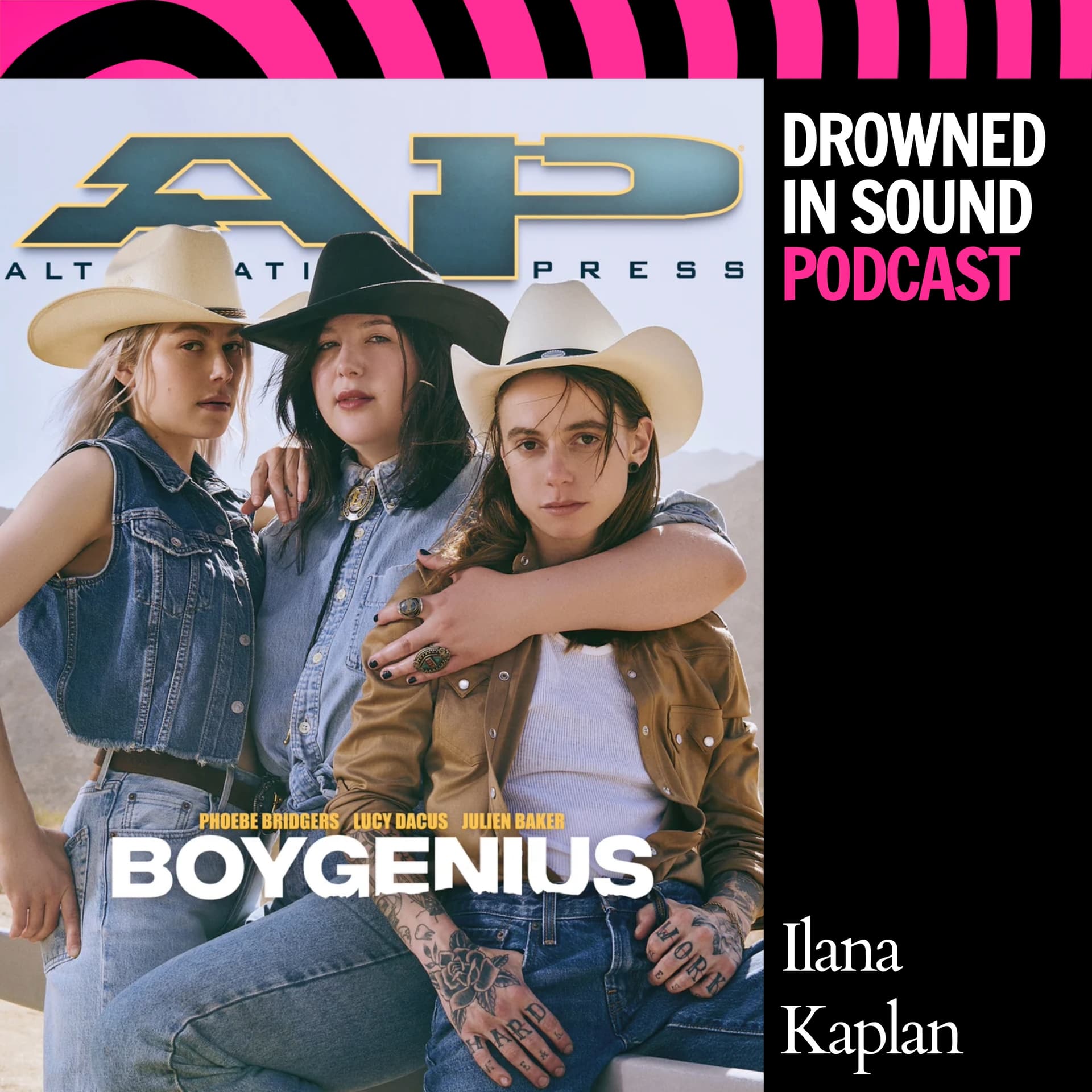
Billie Eilish’s early Mercury Lounge show (half-empty) that Kaplan later wrote about; Zola Jesus featured in Vogue (fit for left-of-center beauty/wellness angle); Boy Genius cover feature for AP (Coachella desert/Brokeback Mountain-inspired shoot); discussions of Zola Jesus, Jenny Lewis, Waxahachie, and the “hype machine” as an organic discovery model.
Written by AI. May contain mistakes. Listen to the episode to check what was said.
Chapters
Tap a time to open that second in VOThe Definition of Journalism Today
4:18 to 7:44
Alana examines how the definition of journalism has evolved in the digital age.
“But now it's like everybody in this like information age, everybody on TikTok is an expert of something.”
Alana's Journey as a Music Journalist
7:44 to 11:21
Alana shares her background, influences, and early career experiences in music journalism.
“So I would go to Barnes & Noble and screenshot mastheads and then do my research and try to find like the formats for emails.”
Spotting Emerging Talent
11:21 to 14:00
The discussion shifts to how Alana identifies and chooses artists to cover in her writing.
“And that was my sense of discovery on Sirius XM radio, like when I was growing up.”
Connecting with Gen Z: The Artist's Role
14:00 to 16:55
Exploration of how certain artists resonate with younger audiences and the importance of understanding the zeitgeist.
“sometimes that stuff just happens at this point.”
The Art of Interviewing: Listening vs. Talking
16:55 to 21:28
Discussion on the balance between preparation and spontaneity in interviews, highlighting the importance of listening.
The Journey of Pitching Artists: From Zola Jesus to Boygenius
21:28 to 26:23
Insights into the challenges of pitching artists to editors and the importance of passion in music journalism.
“And I felt like the best way to do that was having artists, one artist that was kind of like bigger, each cover run of like four artists.”
Capturing Magic: The Boygenius Cover Feature
26:23 to 28:03
A deep dive into the process behind the Boygenius cover feature, including behind-the-scenes insights and the emotional connection.
“And I feel like, you know, the story that I wrote was really one that was important to me to write about, like the depths of their friendship.”
The Impact of Viral Stories on Journalism
28:03 to 29:10
Explore how a viral article affected the journalist's career and industry practices.
“There was lots of things you just touched upon, but one thing you talked about how long you were around the band and a lot of press at one point dropped down to like 15 minute interviews.”
Trust and Insight in Music Interviews
29:10 to 30:39
Discuss the importance of trust in interviews and the changes in music journalism.
The PR Control Over Music Journalism
30:39 to 34:19
Delve into how PR influences music coverage and the challenges journalists face.
“And I wish that I could say that it's different, but I have, I did a story where it wasn't, it didn't even like paint the person terribly.”
Show all 21 chapters
Shifting Landscape of Music Coverage
34:19 to 37:19
Analyze the evolving challenges for music journalists in an increasingly competitive environment.
“But in terms of other things, it's a lot of places budgets are like totally tapped out.”
The Role of Journalism in Artist Stories
37:19 to 41:15
Examine the critical role of journalists in conveying artists' narratives amidst AI and algorithms.
“on the 1975's last album run i think maddie only did like one interview or like two like i think he talked to Gia from The New Yorker.”
Dominance of Major Artists in Coverage
41:15 to 42:00
Discuss the implications of a few artists dominating music journalism and its effects on diversity.
The Impact of Major Artists on Music Journalism
42:00 to 44:30
Explore how major artists shape music journalism and cultural narratives.
“you've written pieces about lots of big, big names.”
Hope for the Future of Music Journalism
44:30 to 46:40
Discuss the potential for innovation and restructuring in music journalism.
“And I think that it's impossible to ignore wherever you go.”
Challenges and Opportunities in the Industry
46:40 to 49:00
Examine the challenges faced in music journalism and the opportunities for growth.
“So it's a lot of the ex-staff at Deadspin.”
The Evolution of Career Paths in Journalism
49:00 to 51:30
Learn how career paths in journalism are changing and the importance of diverse experiences.
“And I understand it because I can be like that sometimes too.”
The Importance of Passionate Journalism
51:30 to 54:30
Discover the critical role of dedicated journalists in promoting new artists.
“And that would be true if communities had the money, the funds, the resources to do those things.”
AI and Its Role in Creativity
56:00 to 56:49
Discusses the use of AI as a tool for enhancing creativity rather than replacing human intelligence.
“it to augment my intelligence rather than to replace it and i probably use ai more to prompt me and to check my understanding of things rather than to use it to just churn stuff out.”
Alana Kaplan's Work and Recommendations
56:49 to 57:37
Introduces Alana Kaplan's book and her current role at People magazine, along with recommendations for music journalism.
“Alana's now the staff writer I think and a music editor at People magazine.”
The Importance of Independent Journalism
57:37 to 58:29
Emphasizes the value of independent music journalism and the need for community support.
Transcript
Automatic transcript. May contain errors.0:10How do music journalists spot the talent of the future and what is it that we see, hear, feel and then feel compelled to write about and tell the world about? in this conversation that I'm sharing with you today with a music journalist I absolutely love her writing she's called Alana Kaplan she's written for Rolling Stone she's written for GQ New York Times Vanity Fair she's worked at Old Press for a while which we talk about for a bit in this interview because she did an amazing cover feature with Boy Genius she started out as Spin magazine and met her favorite journalist and the story that she shares in this conversation is great and I thought I'd share this episode this week I've been sat on it for a little while because it was for the previous season we did about the future of music journalism and I thought I'd wait and put it out when her book came out and then her book came out and I didn't put the podcast out I mean that's bad of me obviously but then I was like I'm gone into this whole other year talking about the future of music and when I listened back to this interview I realized we talked so much about the future of journalism the importance of journalism the role of journalism and also like lots of the topics we've been discussing on this series about community and worker-owned approaches to doing things and I'm thinking a lot about that at the moment I've been looking at rebuilding Drowning Sound we've registered as a new limited company and all those like boringy things but like it went from a company I shut down to kind of the lights flickering back on properly again and not just me randomly recording podcasts on my own I've actually got Josh Craig's helping on the production and that's why you might have noticed it sounds a bit slicker I've got Tom Venville helping me with some of the business development stuff and we are growing a little bit and having a bit more focus ahead of turning 25 in October and I think really the reason I wanted to share the episode this week because I just watched a YouTube video with Derek Gee I don't know if you're familiar with him he pops up on my TikTok feed and YouTube feed from time to time.
2:15He's a very thoughtful, very smart, very passionate music fan. And he was talking about music discovery and he asked his followers on Instagram how they discover music right now. And he was really surprised that almost none of them mentioned traditional music journalism, big magazines, big newspapers. It was all about Spotify. And this conversation has an amazing story about when Alana saw Billie Eilish play to a half-empty Mercury Lounge which is not a huge venue in New York and the feeling and sensation that she got from seeing the show and what she went on to write I think it's just a great reason why an algorithm could never do that and there are many things algorithms can't do they definitely could not have left awkward pauses that probably have to get edited out of this introduction and they haven't done the thing that I do when I see someone really excited and send annoying text messages to like three or four people going I've just seen this thing it's amazing like and in fact one of the people we discussed in this episode is Zola Jesus and how Alana got her into Vogue magazine and I remember being at a festival earlier this year I saw this artist from Ukraine playing in Tallinn called Mariana Klotchko and she was absolutely amazing I don't know why but for some reason in my five minutes of going back to my hotel afterwards I sent a message to Zola Jesus going I've just heard this amazing artist she's instrumental big gothy electronic thing and I feel like she sounds like she should be on Sacred Bones, who should I send it to?
3:58And I don't know why in my maybe a few pints deep state of mind I send that message, but maybe it's discussed because I know that Zola Jesus is the kind of person if she heard it and did like it probably would pass it on. Anyway, this is meandering intro over. I will catch up with you guys at the end. Here's my conversation with Alana Kaplan. And I think this conversation will get you wanting to at least go out and pick up one magazine. And if I'm right send me a message the first question I'm asking everybody is what is journalism oh that has become such a the definition of journalism has become pretty skewed because of like TikTok and and who we consider experts in certain fields because it used to be more clear cut, you know, when you were reading a magazine or going to a website.
4:57But now it's like everybody in this like information age, everybody on TikTok is an expert of something. And it's like half the time they're not actually experts. They're spreading disinformation. I think that a lot of especially people who are really engulfed in like Twitter or Facebook. They kind of it's like not to quote Alec Baldwin, because, you know, but consider the source like and a lot of people aren't doing that, especially if it's because it's like a lot of people. like one big echo chamber so I feel like journalism has just become such a murky place um that's is a it's a really interesting answer and there's lots in it and I'll ask you what music journalism is later but first um speaking of people that have written for places that are trustworthy would you like to introduce yourself in all of the wonderful places you've written and people you've spoken to?
6:06I'm Alana Kaplan and I've been a writer editor for about 15 years. I have worked for the Independent, Alternative Press, Paper Magazine, and I'm trying to think worlds rolling stone vogue yeah i've written for uh rolling stone vogue vanity fair new york times npr um and etc etc your your um list of places you've written is i'd imagine when you were starting out were they the sorts of places you were reading and hoping to one day write for it could you ever imagine it yeah i mean i was always hoping to but it it didn't seem feasible when i was starting out because I feel like, you know, I was just grateful to be writing anywhere when I was like in my late teens, early 20s.
7:04But I kind of was always overly ambitious. And now looking back, I kind of like cringe at myself because like there are certain things I like wouldn't do now, but I also understand why I did them then to be seen and heard.
7:25I really did my research on people. I used to go to Barnes & Noble and just because like this is earlier on, I feel like like 15, like 12 to 15 years ago, just a lot of information wasn't as readily available. So I would go to Barnes & Noble and screenshot mastheads and then do my research and try to find like the formats for emails. And I would spend like, you know, I would go there every couple of weeks and just like do like a little search. And I cold pitched people all the time. And like. Even I wasn't even like nervous at that point, I feel like I've gotten nervous as I've gotten older about, you know, like pitching new people um but yeah it was just kind of like I didn't have this like fear and now I have more anxiety about it for a variety of reasons no I know I know that feeling and was that going into Barnes and Noble when they used to because in the UK we used to have borders and you could go pick a pile of magazines up and go sit in the Starbucks without buying any of the magazines was that kind of what you were doing yeah yeah that was the best we need more we need like bookshops with coffee shops in them and magazine racks now it's hard to even find a decent newsagents but that's a whole other topic um so when you were starting out who were the writers you were looking up to what was what gave you the kind of real urge to become a writer so I was always like a spin and rolling stone girl but I I've always tell a story and I've told him the story to a long time ago, but Rob Sheffield was like the reason I, I picked up randomly Love as a Mixtape when I was a teenager at Barnes & Noble and I was obsessed with the book and I just became obsessed with his writing and his criticism.
9:27And I kind of, it's funny because I, the first internship I ever got was Spin, but they didn't have any more spots in editorial. And I applied for a fashion marketing or a fashion department internship. And I wrote this like essay about like how like Rob's writing changed my life. And the the editor at that point like emailed me and she was like, Rob's like my favorite writer, too. Like he's a friend of mine. And like I told him what you said about like his writing. And like she was so sweet. And I ended up getting the internship. And then years later, I got to interview him for a story and we got lunch and I told him I literally like almost started crying and like about how he changed my life.
10:22And, you know, I've gotten to know him over the years. And it's just crazy that like somebody I looked up to so much is a like such a great human. And then like B, like is just everything that I thought he was when I was a kid. That's great. It's like sometimes it's good to meet your heroes, isn't it? Yeah, I always I always joke that I like, well, it's kind of true, though. Like I credit him for like the reason I was able to get my foot in the door. And I think there's definitely that generation of writers all seem really good at leaving the door open. Whereas I feel like now there's so few jobs that that's not necessarily always a given.
11:02But that's a separate, probably a separate topic. I was going to say like when I was interning at SPIN, I was doing like a thesis project or some project for a class. No, it wasn't a thesis project. What am I talking about? it was a project for a class and Charles Aaron who's like a legend he was the editor in chief the music editor then editor in chief at Spin he so generously took the time for an hour, I like interned at Spin I kind of didn't want to leave when I was interning I like stayed on for like a year and he like took an hour and a half out of his day to just talk about his experience like writing and reporting and and his history like in hip-hop journalism essentially and he was like when you're done like bring in a copy for me so I like did after I was done it was just like so sweet and I'll never forget that because it was just so didn't have to do that he was really busy and I just always appreciated that so I try to pay it forward yeah definitely um so you've interviewed some of the biggest names in music and some of them you've interviewed right at the start like I found a piece you wrote with Billie Eilish when I'm assuming she wasn't really on many people's radars um you've written cover features about Boy Genius um it seems like you've traced Halsey's kind of career quite quite from early on how were you starting to choose the artists or finding the artists you wanted to write about when you first started out I think early on it It was, I mean, early on, I'm going to be honest, like it was like the blogs, like online and the hype machine.
12:46And that was my sense of discovery on Sirius XM radio, like when I was growing up. And then it evolved into as I became, you know, writing a couple more things, I would get press releases and publicists would get my emails. So I would start checking out more artists. And I also there are certain I think there are certain publicists that I really know when somebody says they're going to be huge. I like know because they've broken other artists, I can tell. And I didn't really like Billy's publishes, publishes, for instance, kept saying like she's going to be huge. And like I didn't really get it at first.
13:29but then I like went to her show in New York like when she was starting out at Mercury Lounge and she the line like the amount of like fans just waiting out like was crazy I I wasn't sure like I kind of wasn't sure about like the mass appeal because of like her music at that time like Ocean eyes. And, but I was obviously like it, I mean, it kind of surprised me, but I feel like, you know, sometimes that stuff just happens at this point. Like it just kicks off for whatever reason, people cling onto it and she's super talented. And I feel like her aesthetic and vision is so interesting and I feel like she's just connected with um Gen Z specifically I think also I'm a little bit older I'm 34 so like for me it was like I feel like younger people connect with her a little bit more than I do I really like her music I just feel like she really speaks to definitely she seems like she really understands the zeitgeist in a way that a lot of artists don't it necessarily doesn't feel quite as natural to them so when you're um researching people to interview I found it I found it interesting researching you to research this because obviously I've got there was quite a lot of things to read how much do you get that feeling of because obviously with someone like Billy at that point in their career you couldn't know that much about them but you've interviewed some quite big names like how do you feel when you turn up having like feel like you're the expert in them for this window of time do you ever get that sense of can you do too much research into someone I think that you can I do like I mean what I've learned over the years I used to be over prepared for interviews and I feel like I have I'm always like a you know quite prepared but I've kind of scaled it back to just be able to kind of go where the the conversation takes us because I feel like some of the most interesting things that you end up talking about aren't necessarily the things on your list.
15:46And like, I think leaving that room, I feel like as a human, your like instinct is to just like jump in and talk. And like, really the best thing as a journalist to do is listen. A lot of the time, I think that a lot of these people want to be heard. And I think also giving that space ends up for some really interesting, insightful things. And I mean, if you think about when you're talking to these, it's like you're, it's like a really intense therapy session a lot of the time, because like, you know, like you've never, I mean, maybe you've met this person before, like briefly or, but usually you don't and you're asking them these a lot of the time, super personal, sometimes traumatic questions.
16:36And I feel like if they're going to open up about this stuff, you have to give them the grace to do that and really just be a great listener. And I feel like some of the most telling moments have been when I've just shut up and listened and just given them that space to to be themselves and be heard and then obviously media as an industry is focusing and seems increasingly focused on kind of the top one percent of artists but i noticed going through some of your pieces you've written you managed to get zola jesus into vogue which i imagine was not maybe the easiest sell to an editor um and you've written about i think you've written about jenny lewis in almost every major publication in america which i thought was quite funny when I looked and I completely understand why as a big fan too whereabouts because you've been an editor and I guess when you're pitching things how have you found that process like because I think lots of people think oh well this is just the flavour of the moment and they're going to get coverage what's been your process of kind of pitching things especially I'd love to know how Zola Jesus ended up in Vogue because that feels like I mean maybe it's not as random as someone who's a big Zola Jesus fan I can understand why they would want her in there for her music but maybe not necessarily the normal artists that Vogue platforms.
18:06I mean Zola Jesus I feel like has such an interesting look so they were obviously looking for like more left of center folks who you know could talk about beauty and wellness and stuff so I think she was a good fit for that. When I've been pitching you know an artist who isn't like more as mainstream as some others it's been trying to connect their story to the publication and then really angling it to what I think that section editor wants what I think that they would be intrigued by I feel like that if I wasn't doing this I'd be a great A &R because I all I feel like I've always been able to since I was like 19 be able to be like this person's going to be like the next big artist and I've always been like that and I'm I'm right a lot of the time and um I've just always had a feeling and been like no this is it and like I don't want to say like that feeling is like helped me sell pitches but I feel like it has um well passion's really infectious and if it's infectious when you're telling the editor it's infectious to the reader so I think that's yeah I feel like um I did a lot of interviews I saw internet interview magazine right before I graduated.
19:22And I ended up like my first year out of school, I was just writing for them all the time. And that was fun because I got to do a lot of pieces on up and coming artists as well as some established ones. But I remember I was so passionate about Waxahachie before like anybody cared. Like I was just like the song Bathtub is like, it's it. Like that's that's it like it's gonna be she like there's something about her she's gonna be huge and I was just so passionate about it and like lo and behold like right after that she was like a year later and it was just something and I think I discovered her on like the hype machine too like hype machine was like it for me too shout out Anthony Volodkin it was so good it was it's been it's been mentioned in two or three other episodes and it's it's really interesting because i don't think anyone has the same feeling about metacritic or album of the year or any decent music which aggregate reviews of journalism um but i don't feel like they surface music to us in the same way like i don't think i've heard anyone talk passionately about discover weekly in the same way for quite a long time and the like i think it's because it felt like a bit like the charts have been in the uk like i don't think the charts mean quite as much in america because i don't think you had those weird things of like the smiths or the cure or someone jumping in the charts and then getting on tv like they have been here um would i be right in thinking america doesn't really love the charts like we do but i think the hype machine felt like a chart for music in america i feel like it also felt so it felt like an organic point of discovery in a way that is like Spotify feels less organic, but we, you know, it's what we have.
21:11But the hype machine just felt super organic because even though it like aggregated all these blogs, like it was still all these new up and coming artists. And there was something that, I mean, there's just something that I feel like is missing today in that way. Yeah, definitely. um so let's talk about some of the the big pieces you've done and I'm really interested how your boy genius trip to the desert came about and that was a cover feature for alt press um what's the process like because obviously we've talked a little bit about kind of bigger ideas for pieces but a piece like that I imagine bridging the balance between serving the artists and had you written about most of all three of them before or um how did that how did it how did big cover feature come about what sort of how does the process start and how does it go through so for that so when i was at ap i booked all the cover artists um for the most part and um i had been wanting to get them on the cover for several months and it just they obviously had a huge release and it was they were busy and it was hard to find time but I was so passionate about it and I I mean honestly like I had to do a lot of convincing on my end um to make it happen on at AP because which artists are normally on the cover are they a bit smaller or newer sometimes I mean when I came in it was important to me I felt like visibility and I think trust with the reader was really important and we needed to reestablish that for a variety of reasons.
22:55And I felt like the best way to do that was having artists, one artist that was kind of like bigger, each cover run of like four artists. And then, you know the rest kind of balancing it with like more up and coming um but also having you know like really representing like what alternative means today because i don't feel like it's a clear cut thing and making sure that it wasn't you know like the two early 2000s heyday of emo where it was like like 50 white men on the cover like um because that's not representative of the genre at all and its audience what what would be your current definition of alternative is that too annoying me come back to it uh I feel like alternative is really it's a tough question because it's like what whereabouts would the parameters sort of begin and end of artists that that fit in the in in the magazine's definition of I feel like it had to you know it was somebody who was like a little bit edgier in their look or sound who was going against the mainstream who you know like had a cult following that was more niche um it's a tough question because it's like it's so subjective too it's like I put you on the spot with that question and no I just thought it was interesting because the um sometimes the response is alternative to what and it's like because for instance I imagine Foo Fighters were a big band for the magazine but I might be wrong but then they feel like a mainstream band now so they probably are no longer yeah they're not really I feel like I don't really think of them as alternative um I feel like they're more mainstream now but I feel like it's a lot of the up-and-coming artists you know the ones that are are trying to um be heard or a little bit left of center yeah because like because like the claros and boy geniuses and artists like that like they feel like they are very much part of alternative culture whereas someone making quite generic punk music doesn't as much okay so the boy genius cover i fought to make that happen internally i fought to make it happen i'm gonna be honest about the state of music journalism when i say this to do this story i was really passionate about it i flew out on my basically on my own dime to go out there and do the shoot and the cover story.
25:31It was in the Coachella Valley, Coachella weekend. I had come up with the concept for the Brokeback Mountain idea for the shoot because they were, you know, like we were going to desert, we were replicating. They were like, told us they wanted to do something with cowboys. I was like, why don't I was like, it would be really cool to do like a Brokeback Mountain like pose or something. And I talked to a photographer about it, Lindsay Burns, and she executed it and she came up with like the awesome photos that exist. But yeah, I mean, it was really cool to spend. I was there for all I was there all day.
26:10I was there for like 12, 14 hours, like hanging out with them. And it was just really cool to like see them, their dynamic, like as friends. And it was just a lovely like bond that they have and um yeah it was just such a cool moment to see them to write about because they were playing their first Coachella together the album had just come out like a month before and I feel like it's a funny case where like I feel like a lot of people like you know they're huge when the album drops and then kind of like falls off but I feel like they've just continued to become more massive since then. And I feel like, you know, the story that I wrote was really one that was important to me to write about, like the depths of their friendship.
27:03And when they were telling me their story of like driving down to Coachella the night before, it just was like this ultimate road trip. And I was just like, oh, it feels like you're in crossroads, like in the British fears of me. And it was, it just made sense to me. Like it, just their friendship was so is what makes the music so great, I think, and what makes their band work and their presence on stage work. And they've become so important to people. And I felt like I wanted to do this story because I felt like they I knew they were going to be really continue to be really important to people because they are, they speak, they are part of the queer community.
27:50They, they really make people feel seen and heard. And I, it was an uphill battle to make that happen, but I was so glad it did. And the irony is that I the story came out um on I think May 24th and it went viral it was like really our most viral story ever and I got laid off the next day it's ridiculous I remember seeing your story in my feed and then the next day that popped up and and then to know it cost you your own money you probably didn't make anything right in a cover feature. I mean, I was working there, so. Yeah. There was lots of things you just touched upon, but one thing you talked about how long you were around the band and a lot of press at one point dropped down to like 15 minute interviews.
28:45And your piece is really interesting in the fact that there's actually not loads of quotes in it. So one of the things I found interesting working with artists as well as interviewing them is that trust that you can get from being a journalist that's around that you they know they can have certain conversations and they know that's not really something you're going to include but they know that you're going to dip in and scoop out a few gems of things they've said because I can't imagine you had did you say 14 hours of well I was I was there for the shoot so like I only have like an hour and a half with them for that cover that's still a lot yeah I mean I mean yes I feel like in this day and age I I wish that I was one of those people that like when Charles Aaron for instance was like I spent like a couple weeks with like x artist and I'm like that is literally impossible these days and I think with music journalism a lot of it feels like PR like a lot of it feels like one of the big shift now towards like recommending music over really reviewing it even though they're given four stars it feels like most kind of critical writing has shifted into that direction and I think from when I've spoken to artists like we used to run a feature on Drowning Sound that was quite funny it was called Disband as in the reasons your band should split it up and we'd find all the troll comments and like the worst things people have said about them in reviews and the horrors absolutely loved doing the interview because they finally got to respond to like all the criticism of their band and really lay things out and I think it was a really unique thing that we created and we did I mean admittedly we did them with quite a few bands we didn't like but the writer would go and do it and it was always quite funny I just wonder where you feel because one of the things that when I set out to do this series that I was very conscious of is that journalism doesn't exist in music and cultural spaces as much as it does in politics or as much as it does in science or tech or and I and I feel like it's almost to music's detriment because I think artists have got a lot of interesting things to say and often they're not challenged on things or like for instance Matty Healy right now really needs like I was a huge 1975 fan and I don't want to listen to his records after hearing things he said and I want to I want to talk to him and challenge him on them but I know that I'd be kicked out the interview after 10 minutes even though they know that I'm coming from the place of being a fan like we once got kicked out of an interview with the band that did The Last Resort that song and like because we wanted to talk to them about and like there was another interview where we talked to I think it was that guy Casey Chaos about self-harm and they just didn't want to talk about these topics and we had 18 year old writer turns up who's a fan who thinks well you've talked about this thing anyway I'm going on a ramble but the the thing to me is like whereabouts do you feel because I I could really feel what you were saying then about wanting to make sure you were being a journalist and not just their friend promoting their product is that is that how you feel as a writer yes I mean I think that it's hard though I it's hard navigating journalism when it is very controlled by PR at this point.
32:10And I wish that I could say that it's different, but I have, I did a story where it wasn't, it didn't even like paint the person terribly. It just, it was already information that was out there and I had to touch on it for the story. and I'm sorry if this is a digression, if I'm divulging. I'm now going to press you to name who it was. I'm going to flip, I'm going to ironically flip it and demand you tell me who it was. I won't, don't worry. The story wasn't terrible, but it, you know, there were some things about this person that their beliefs are not traditional and not necessarily great. Also, like, I didn't even realize this one part of the story would be picked up.
33:05And it was picked up by, like, People magazine. I didn't, honestly, like, I, like, thought it was weird at the time. But I was like, I don't know, maybe it's just me. And the publicist, I was screamed at. I was berated. I was gaslit. I was, like, so many things. And the publicist literally like blacklisted me. And not only that, like I had multiple assignments for her clients like in the year to follow. And suddenly I couldn't, she, they didn't want to do them, even though like maybe a third party publicist working with them like did. So she started actively barring me from assignments. And nothing I wrote in that story was untrue or off the record.
33:59Like it was all on the record. And then it was also background stuff that was published. But that was almost four years ago. And people talk a lot about journalists being gatekeepers. But I think we've moved into an era now where the PR and the record industry can just blacklist. like I once had a head of a record label call me furious about an eight out of ten review because he was like it's a 10 out of 10 album why have you like I was like hang on a minute because I didn't I he was really angry and I thought have we given it like a three star review or three out of 10 or something and um and I went and I looked and I'm like what are you so upset about it's got eight out of 10 and it's a really positive review he's like yeah but it's the album of the year it's a 10 and I'm like uh and this guy's like never spoken to me again anyway that's a slight aside um but i i feel like something has shifted and obviously with the economics of journalism imploding somewhat um and layoffs everywhere like i was just listening to an interview with the founder of jezebel and um they were talking about how kind of the ad supported model of jezebel is not sustainable um which some of the commentary around that this week has been fascinating like people don't want to have their advertising next to discourse around sexual assault even though the discourse is not encouraging it and yet the ways other media is funded but I think that's a whole sidebar like I'm I'm just curious as someone who works in this space and relies on telling the stories of artists um and being able to write about them whereabouts do you feel like the the holes have opened up over the last few years that maybe weren't there when you first started in terms of pitching i mean i i'll give an example like recently i feel like i have definitely i think part of the strike was i mean the strike didn't really affect music.
36:07But in terms of other things, it's a lot of places budgets are like totally tapped out. So they're only relying on staff writers. And when that happens, there's less coverage. People cover what they can cover. And like some of the staff writers can like slip in like artists that they're really interested in that are maybe less established. But it's, you know there are less entry points for for up-and-coming artists to get placements and that said also like more established part artists are doing less press like if you're uh if you're maddie healy or if you're i mean taylor doesn't need to do press but like um people are like andre 3000 for instance did like three pieces he hasn't released an album in years so like he can do whatever he wants um they're being very specific and strategic about where they do press there are also um when that happens there's less opportunities for writers to speak to the artists that they really want to speak to um and like i like for instance i think on the 1975's last album run i think maddie only did like one interview or like two like i think he talked to Gia from The New Yorker.
37:33I actually interviewed him as I did the bio for the 1975's last record. So like, I was like, whoa, like, I just that that was it. Like, it was a great record. But it's just interesting. Like, it's, it's disappointing as somebody who I love interviewing people and writing profiles. And that's my favorite thing to do. But it's definitely become harder um due to a a lack of budget at these publications be in oversaturation of freelancers and editors that are spread too thin and overworked which also go back and see point return to point one less opportunities more freelancers people are spread thinner so yeah that's interconnected isn't it sorry you're in mid-flow yeah no um and i think that all of those things combined, it's making being a full-time freelance writer less sustainable.
38:39And I feel like even lately, like I haven't really, it always gets slow this kind of time of year, but I feel like, and I also hadn't been pitching as much because I've just had some other stuff going on, but I've even felt like hearing back about pitches or like people are just saying like they don't have budgets or or they can't take profiles or but they can take like if you have like a perspective on something they'll take like a like an essay about like a tv show or something but i think there is a lot more space if you want to write about someone from stranger things solo projects there's a lot more kind of clickable things you can write in a headline than artist makes powerful record about topic um or artist makes love songs like not gonna get you're not gonna someone's gonna want you to write a think piece about it um and i think the the industry is and like artists are shifting what's the thing they send out in their press release like that i think that's also become like the the process of writing an artist bio now is sort of fishing for what's the angle i feel like i'll have like up-and-coming artists ask me like what the best way to get someone's attention is.
39:58And I generally tell them it's less about the music for, for the initial attention grab. And it's more about the story and it's hard because sometimes the music is great, but there's not really like a story there. Um, or like a, it's not that they don't have one, but maybe like, it's just, isn't as like fascinating or like as as uh there's there aren't any crazy details woven into like why the song came about um and it makes it it does make it harder for the writer to sell unless you're on staff and it's just easier then it's also trying to make some of those stories quite succinct is really hard as well especially when everyone around the artist the story's there so i think the value of journalism like from telling the story when artists first their music's externalized and stories come back to them how do people see you how do they understand the project and i think the value of journal like we're apparently shifting to a world of algorithms and ai but without journalists to extract those stories to to put that context there in the first place it's so important that our skills are valued and um there's one final thing I wanted to touch upon um and it sort of touches on lots of things we talked about um I think I mentioned this to you a few weeks ago before when we were setting this interview up I sort of feel like we've moved into like the Taylor Swift industry like there's music journalism and then there's reporting on Taylor Swift and I'm in the middle of writing something at the moment because I thought well the main way I get people to think about climate change is to talk about it through the prism of Taylor Swift's tour and the budgets and everything.
41:49Whereabouts as someone that's obviously writing all day, every day, whereabouts do you feel that the dominance of an artist like Taylor and a few others has, because like you've written about Harry Styles, you've written about, you've written pieces about lots of big, big names. Like, do you feel like they're sort of like that is slightly different it's almost like a whole industry on its own and then like music journalism is like a long tail that if some people find stuff at that top end they might find everything else like I don't and maybe it's always been like that but I've just been thinking a lot about everywhere I look there's Taylor Swift coverage in every different angle none of it with interviews often some of it just based on artists is supporting them um and suddenly there's a whole trail of things um so yeah that's the whole mangle of thoughts in amongst all that but i'm just curious is it a bad thing that we've got the dominance of these like few artists at the top end um and are editors missing out on using their resources on other slightly more interesting things or an inability to shed the light from those big things down the down the chain a bit that's a tough question because I feel like the reality is a lot of publications it's those massive names that keep the lights on and like allow you to do the stories on up-and-coming artists um like I know that firsthand um I think that But having, I think there's a balance to be had, but I do think there, it is really like so interesting to see how a massive artist like Taylor or Harry affects so many different parts of culture.
43:41And I think that's why there's so many stories and there's this trickle down effect of like, okay like you know how like how is Taylor involved in this aspect of culture or style or or the economy etc and how can we report on this from like a political angle and like I think that is really fascinating to to be honest to have to see an artist having this impact and like we've obviously seen artists in the past have a massive impact Madonna Britney But I would say the scale at which Taylor or Harry are affecting people is different because we also have we're living in the age of social media and TikTok and it's just everywhere.
44:32And it's like it's just exploded. And I think that it's impossible to ignore wherever you go. And it's just we're processing information in a different way. And we're getting information constantly now that it is everywhere. And her effect is so huge.
45:02like so i am like my words are like no it makes perfect sense i guess for one final thing is is there anything giving you hope about where music journalism could go next i think what's giving me hope is how many people are so are really seeing that the industry needs to be rebuilt and restructured. There's no lack of creative and talented voices. But the model right now is just not working. But I think that people are so innovative now. And especially like, I really admire like the Gen Alpha, Gen Z, because they're so like, they're so much savvier than I was. And I thought I was savvy then, but like, I'm so impressed by so many young people, like really being entrepreneurial and create like becoming TikTok experts who actually are an expert in a field, but not like reporting facts on like, uh, like mental health when they're not a therapist, But like, it's, I feel like they are creating this new space and going to help find new ways to build things.
46:30I think really, I mean, in my opinion, the future journalism is, is something like Defector is doing where everybody owns a piece of the organization. I don't know that publication. So it's a lot of the ex-staff at Deadspin. And they created their own publication after the Jim Spanfeller takeover. But I think it's also about making sure that the people who own these organizations aren't billionaires and aren't people that don't actively care about journalism. And the problem is the people that keep buying it, buying publications, are convinced that they like they care about or they try to convince people that they care about the future of journalism and they don't or they don't even try.
47:28Or people who shouldn't be in business or know anything about media are published are purchasing these publications and running them into the ground. i think there has to be a way for for um people who to either for writers to co-own a publication like defector which is what the wire does as well like that's their stake main stakeholders are their editorial team from i understand yeah um or to to just build something new i it's just it's it's such a weird i hate being like negative because people are always like oh it's always been bad this is a different level i don't everybody i know is laid off and if you have a staff publication if you have a staff job it's because you've been there for years and it's a skeleton staff um and yet advertising's up like it's double what it was five years ago and it doesn't make sense where is this money going who is the money flowing to because there's there's money in the media ad supported ecosystem um but there's obviously more content than ever before so it's probably a shallower pool of people youtubers and um i don't know i'm quite hopeful because when you said the words buying publications just kept thinking of walking into a shop and physically buying it but should we should we admit we were maybe the problem going into barnes and noble and borders and reading the magazines and not buying them were we the problem i mean no because i subscribed to several magazines when i was younger but there were other ones that i like aspired to but i was also i was young like um but i was gonna say i what gives me hope is the younger people in coming into the industry and like whenever i talk to younger people i try to And I feel like a lot of people who have been in this field for a minute have a tendency to just see the Debbie Downers about it.
49:40And I understand it because I can be like that sometimes too. But I don't think that there's a reason to, you know, not see that there's hope. And like, I think that it's really about, I feel like when I was coming up in this industry, if you like, I couldn't afford to take a journalism job when I started, when I graduated, I went into marketing and social media. And I remember it was really hard to get out of it. I, it took years to get out of it. I, at 27, I got my first staff job in editorial because when I was younger, people didn't want to hire somebody who was working in marketing or advertising.
50:25They were like, you didn't do this exact job. So you can't. And I'm like, I freelance every night of the week too, like on top of this. now it's like how many jobs can you do at one time and you're qualified and what I try to tell people now is I feel like it used to be if you do not do this exact thing then you won't get this job and now it's like if you dip your hands into different things and if you do social media or if you work on in marketing or if you work in copy editing or fact checking, like you can leverage all of those things and get your get a job that you want at some point. It just might might not be the first job you get.
51:14And I feel like I get it because when I was graduating, I was like, I want like all I wanted was my dream job. But and there's so many young and it's like some people luck out and they get their dream job right out of college and that's awesome or they're just talented and that happens but i feel like it's being able to understand that you have to be a bit more open-minded right now because of the opportunities and that's sorry this is like not even the question you know it makes perfect i was just thinking about how important like your taste your ability to spot stars your ability to tell a story um connecting like the music press is important because if you want to discover Billie Eilish before she's playing arenas then you need to find a writer you can trust you need to find a publication you can trust like if you're someone who wants to get a better sense of who an artist is you need to have a writer with an investigative brain i always say the word investigative wrong um and like you need people who understand music and care passionately about it to fund themselves going to do that feature about an artist that they think is important and i think everything you've said just underscores how important journalism is and i think yeah i think i think that's probably our probably our mic drop sign off and whereabouts the main people main place people can find you writing now oh you can find me on oh publications or oh um people magazine right now um i'm like where else gq uh rolling stone new york times um all the big ones i mean i i will take assignments wherever um and you can find me on twitter and instagram at lonnie caps and that is where they will find you and keep everything all in one place well thank you so much for your time
53:37If you're a conspiracy theorist, you might think that I'm being paid by a big community to bring up the fact that collectives and communities are the way in which we need to organise and defend ourselves from the billionaire class. And that would be true if communities had the money, the funds, the resources to do those things. But I completely resonated with what Alana says there about how the people that own the means of production I guess you could call it but who own magazines who are in the music space are not people that are driven by their passion and their excitement and their thoughts on how they contribute to the ecosystem and I think that that whole conversation really got me thinking about the importance of journalism and even if it isn't as being as widely read as it was I think that the time will come around again like I said it in the season about the future of music journalism if you've not heard those episodes there's some great conversations um but I kept talking about if I mean I'm really like the conversations are good because the guests are good um the host was average at best sometimes a few times I got very excited and uh asked some very insightful questions but anyway what I was to say was that I think that magazines will have the same moment the vinyls had and I've been talking about this for a while and I think next year is a year when it's probably going to happen.
Read the full transcript
55:05I feel like more and more people I speak to are just not online, they just can't deal with the doom scrolling and the suppression of really important topics. People are really pushing back against what the algorithms are serving us and who the people are that write those algorithms and control them people are frustrated with ai slop like you pick up a magazine you're going to expect that it's been made by human beings and not just churned out by a machine because so much that's on the internet right now feels like machines are unlearning and unthinking and just reproducing and regurgitating and creating what i called gloop which i think had seven o's in it in a recent newsletter gloop gloop gloop that was the um feeling i have because we can call it slop all we want but it just feels like this toxic waste and i think we should be really careful about what we're doing to humanity i use ai but not in an artificial way i try to use it to augment my intelligence rather than to replace it and i probably use ai more to prompt me and to check my understanding of things rather than to use it to just churn stuff out.
56:19So I think that that's probably enough on AI, which wasn't really talked about in this episode, but you stay till the end. So you get to hear whatever the hell's going on in my brain after I listen to these episodes. And if you've not seen it or read anything about it, you should really go check out Alana's book. It is called Nora Ephron at the Movies, a visual celebration of the writer and director behind When Harry Met Sally, You've Got Mail, Sleeps in Seattle and more and it was published back in October 2024 which is about a little few months after this episode was recorded. Alana's now the staff writer I think and a music editor at People magazine.
57:03she's definitely the music editor there so if you want to find some of her writing I just had a quick look and she's recently written about Addison Rae and there's a story about a few different a few different breaking news stories and things so definitely go check her out you can find the link to her twitter account on the show notes and I will link to some other bits and bobs including a brilliant piece she wrote for Huck magazine about the state of media which is a very very very good read so algorithms humans are much better right magazines are you going to go out and grab one and if you do tell me what it was tell me if it was any good and if you need some recommendations of music magazines I can probably reel off a massive massive list and if you'd like me to do that then I should probably do that in the newsletter because this is probably neither the time nor the place but I was quite excited to see that Tom from Goldflake Paint was talking about making another magazine and if you're not already subscribed to his new newsletter it's really good and I think that Huck magazine's great and I've written a piece for one of their upcoming editions but they've got a music special coming out and talking about 25 years of drowning sound I really love Huck magazine so that was quite exciting I think the previous incarnation when it was called Adrenaline magazine I think one of the publishers or the founders of Huck was involved in that was the very first place I applied for work experience when I was 16 so that was quite a nice full circle moment for me.
58:29I love journalism. I think it's important. I think it's crucial. And if you agree, Drowning Sound is completely independent. We would love your support. We don't, we're not going to kind of bribe you with anything ridiculous. We just want music journalism to exist. I want to be able to carve out the time to work on investigations, to build resources for the community, to make podcasts like this, which hopefully give you some hope in these times where hope is so rare. Anyway, I've been me, Sean Adams, the fan of John and Sound. You've been you. Thank you for listening. Speak to you soon.
From the publisher
How do music journalists spot breakthrough artists before they become household names? What does it take to get leftfield artists like Zola Jesus into mainstream publications like Vogue? How can music journalists build trust that transforms both interviews and careers?
This week, Drowned in Sound founder Sean Adams talks with Ilana Kaplan - the music editor at People Magazine and author of "Nora Ephron at the Movies" (Abrams Books, 2024). Following conversations about discovery and algorithms, this episode explores the craft of music journalism: how experienced writers develop taste, build industry relationships, and create the stories that shape how we discover music.
From researching artists at the Barnes & Noble magazine racks to recognising Billie Eilish's potential at a Mercury Lounge show to creating the viral boygenius Brokeback Mountain-inspired cover stories for Alternative Press, Ilana's career journey reveals the human curation that algorithms can't replicate.
The conversation covers discovery methods, editorial strategy, the changing definition of "alternative music," and why building trust with artists creates better journalism than aggressive questioning.
Edited by:
Josh Craggs at Dubble Audio
Chapters:
00:00 – Introduction 04:30 – What journalism means in the misinformation age 08:37 – Ilana's career beginnings from SPIN intern to music obsessive 11:59 – Spotting stars early: the Billie Eilish gamble that paid off 17:05 – Getting Zola Jesus into Vogue: selling leftfield artists to mainstream editors 24:11 – What does 'alternative' actually mean? 25:07 – boygenius desert shoot: spending your own money for viral covers 34:04 – Blacklisted for honest reporting: when PR controls journalism 45:04 – The hope in innovation and how models are changing 53:22 – Sean's Outro
Key Takeaways:
- Discovery requires human curation: The Hype Machine's organic blog aggregation created an outlet for excitement that algorithms can't replicate
- Trust transforms journalism: Giving artists space to be heard reveals more than aggressive questioning
- Editorial bridges build community: Getting Zola Jesus into Vogue shows how to connect leftfield artists with mainstream audiences
- Investment creates lasting impact: The boygenius desert cover succeeded because someone fought for the vision and funded it personally
- Taste-making is community service: Early discovery of artists like Billie Eilish demonstrates journalism's role in cultural development
Continue the Conversation:
- Email sean@drownedinsound.org with your thoughts on music journalism's craft
- Join the discussion in our community forum
Guest Links:
- Nora Ephron at the Movies - Ilana's book published October 2024
- @lanikaps on Twitter
- @lanikaps on Instagram
- Ilana on Bluesky
Referenced in Episode:
- Defector - Writer-owned sports publication mentioned as model
- The Hype Machine - Music blog aggregator that shaped early 2010s discovery
- Rob Sheffield at Rolling Stone - The writer who inspired Ilana's career
- boygenius in AltPress - The cover feature we discuss
- The Future Is Written - Huck Magazine profile mentioned in outro
About the Host:
Sean Adams is the founder of Drowned in Sound, an independent music publication that has championed underground and independent artists since 2000. Through the DiS podcast, newsletter, and community, Sean explores how to build a fairer, more sustainable music industry while supporting the artists and fans who make it meaningful.
This episode was recorded in November 2023 during Ilana's transition between staff and freelance work, capturing insights about journalism craft and industry navigation during a period of significant media industry change.


