
 Extraordinary Life Stories
15 Oct 2026 · 30m

 Add vo to ChatGPT or Claude to ask about everything you hear
vo listened to this episode to put together the overview and transcript, so there may be the odd mistake.
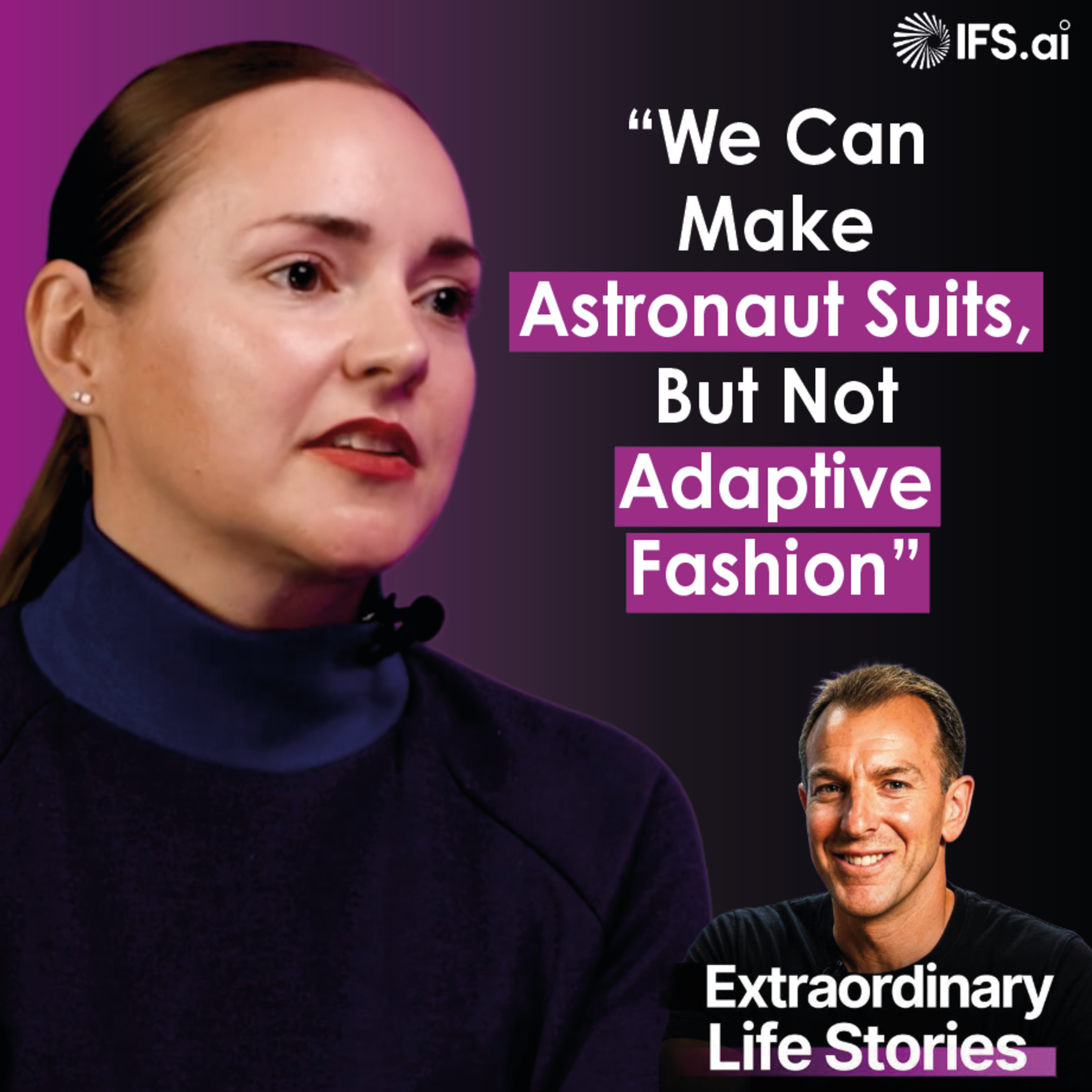
Adaptive fashion for people with disabilities/chronic illness, and Victoria Ann Jenkins’ work to make clothing functional, dignified, and mainstream—highlighted by her collaboration with Primark and her critique of why disabled people are excluded from design rooms.
Victoria Ann Jenkins, adaptive fashion designer and disability advocate. She describes a medical history including ovarian cancer treatment, emergency surgery after an undiagnosed ulcer burst, gallbladder/appendix removal, stomach paralysis, diseased intestine, and endometriosis. She also cites medical misogyny/racism and chronic pain management challenges.
“One in four” people are affected by disability; disabled people are often “hidden” (including invisible/non-apparent disabilities). Brands can make astronaut suits but not adaptive clothing; disabled people are underrepresented in schools/jobs, so their needs aren’t considered. AI and “cheap” solutions can further exclude disabled models.
Primark’s first adaptive fashion across 10 countries; development of 49 adaptive pieces in a year; poppers adjusted for amputees; “drop lock” stoma underwear technology to prevent leaks. A school naming a classroom after her; her hospital story of a woman unable to dress for life events due to uniform restrictions.
0:11Welcome. Tell me, who is Victoria Jenkins?
0:14Victoria Ann Jenkins: Victoria Jenkins. I am a designer, first and foremost. I'm an adaptive fashion designer, kind of accidental disability advocate with more intention behind it now. A creative. What is adaptive fashion? So it's for people with disabilities or chronic health conditions. So it's seated trousers for wheelchair users, for example. So they're longer at the back, shorter at the front hip, like we remove all the excess. Different ways of getting in and out of them. Loops so that if somebody else is dressing you, they haven't got to touch your skin. Different fastenings, like no buttons on anything. So it can encompass all sorts of things.
0:47Sure. And am I right in saying you've now got this collaboration and partnership with Primark, which I believe is a first?
0:53Victoria Ann Jenkins: It's the first across 10 countries for adaptive fashion to be on the high street. I think if I'm right, one in four people are affected by disability. Yeah. Maybe we should just cover what disability actually means. So, I mean, I always paraphrase this, but the Equalities Act kind of defines disability as something that negatively impacts your life forever. OK. So that's one in four people, which is a lot. I actually don't even think that's accurate, to be honest, because that's only of working age and that's only using people that identify as disabled. Whereas you might have a disability and not identify with that word.
1:23Victoria Ann Jenkins: like as an example a lot of cancer patients go through a lot of treatment they come out with the effects of chemo can leave all sorts going on with you and you will have conditions based on the treatment for life but they wouldn't necessarily refer to themselves as disabled which actually creates the point that to anyone that saw you walking in here today they won't know in any way there's a disability there no yeah there's a lot of invisible or non-apparent disabilities like there's there's so many come back to that but on that adaptive fashion yeah Why is this a first then? And how many people have been kind of suffering, if you like, without something that works for them?
1:58Victoria Ann Jenkins: So many people. I mean, 54 % of the elderly population have age-related disabilities. So if we're lucky to live long enough, then there's climate-based disability, there's conflict-based disability. Think of how many amputees are created through wars and so on. It's vast. and I think the reason people haven't considered it before is because disabled people aren't in the design rooms they're not in school because they can't get into school so they're not included if they're not hired in business either it's never going to cross your mind to work with us so what's the why behind what you've what you've created I well I mean there's a reason I called my brand unhidden because we are hidden away we're not included so I wanted to change that after being in hospital after multiple other things have gone on but I was in hospital in 2016 with a patient who said she couldn't dress how she wanted to like she'd gone through ovarian cancer but she was trapped in this uniform with t-shirts and jogging bottoms but she couldn't go you know weddings birthdays going to work because a lot of us do work surprisingly you know and she just had no options to wear so she you know when you're already quite vulnerable and going through things the last thing you want to worry about is getting dressed gosh there's another reason to say no to something when actually that back to the hidden that stops people going out stops people being social, which we know is so important for connection and also for mental health.
3:12Victoria Ann Jenkins: Yeah, it also stops you being able to go for a job interview. If you can't dress for that job interview, no one's going to hire you. I mean, if you put disabled on your CV, I don't think many places would hire you anyway. Unfortunately, I think we're still in that place. I know if I'd put disabled on my CV, I wouldn't have worked at any of the brands that I worked at. No, gosh, this is kind of heartbreaking to hear. This is the reality. You've got the perspective of having not always been disabled how many people in that kind of um really quite a large group of people that are not able to function in the way someone normal can so how many people 80 percent of the disabled community acquire their disability gosh so that perspective you've got um i just want to open up for anyone listening watching doesn't know what actually happened to you so i'd not felt well and hadn't been you know i wasn't feeling great and i kept going to doctors and they were very much, you're a girl, you're a woman, you work in fashion, it's stress.
4:04Victoria Ann Jenkins: Unfortunately, medical misogyny and medical racism is a huge issue still to this day. And then an undiagnosed ulcer burst and I had 50-50 chance of surviving. So I had some emergency surgery and then they did take me seriously and then found all sorts of other things going on. So I had my gallbladder removed, my appendix removed, my stomach is now paralyzed. So they created another internal exit from my stomach to my intestine my intestine is diseased and I have endometriosis so all in all been quite busy in there gosh so there's a part of me that can't help but ask you this which is that you are knocking on the door of the doctors you're saying you weren't right yeah and you were just come back and see you know come back and see in a few months time how forgiving are you of that it's something now I don't tend to stand for as much it's still I mean I still go into my GP they usually panic when I come in they read the notes It's like, should you not just be at A &E?
4:53Victoria Ann Jenkins: I'm like, well, no, I'm in here for shoulder pain. And I walked out with sleeping tablets because it was a male doctor and he wouldn't listen. So it's now what I try and advise other people, though, because that has happened, is if you say to a doctor, I want you to write that you've chosen to take no action. There's not a doctor that will write that down. So invariably, that will get you a referral. There's so many different guidelines that have changed that doctors are now not incentivized to refer you to hospitals. And we know, like, the NHS saved my life. I think they're absolutely incredible.
5:20Victoria Ann Jenkins: but they're drastically underfunded. Of course. But there's an element there in my microclimate of talking to you now and when I was really quite young, my mother had an experience where she was, she's not one to complain. If she had a cold or a flu, we didn't know about it. She just soldiered on. But she found herself in real discomfort, chronic pain, went to the doctor and was similarly kind of told to just stress, two kids. yeah um and the very insist burst in her and she was rushed hospital and she nearly died yeah she has a huge scar to show but um i i believe nothing more than that whereas of course you've gone on to have all these things that have yeah since gone wrong yes and so that's why i asked you about the forgiving side thing then the next part is almost like that kind of woe is me and you know being a victim so it doesn't feel like that's come to you at all if anything you know it's it's happened yeah this is my life I've got to get on with it have I got that right yes I mean you discover once you're thrown into this community you realize there isn't that much support so you kind of it is a bit sink or swim really and I've just been like well this is this is a situation we just got to move forward it wasn't you know when it first happened I just thought well that's now the worst thing and I'm going to get better and I think me trying to fight to get back to what was better and then actually I felt an awful lot better and I just accepted this is the best I'm ever going to feel and it's probably only going to get worse because some of my conditions are degenerative so I'm like well you know just seize the day.
6:48Massive respect for that resilience piece I just wonder was there anything that prepared you for that in in terms of the way you were brought up and your life before?
6:56Victoria Ann Jenkins: Yeah well yes I mean unfortunately my my dad was killed in a huge car accident a multi-car accident when I was 16 but still you know we actually was just the 24 years anniversary of that at the beginning of September so that kind of having to keep going then it was really difficult um but you know me and my i'm one of six kids we're all very close so that's kind of one of the things that brought us together but that does tend to make you a bit more resilient and then his dad died six months after that and then we've sort of now all the grandparents are gone and so it's just my mum your positivity is admirable i really really compliment you that someone watching this listening to this that could be going through a really difficult time right now what advice would you give to them what's what's worked for you I think tell people because I definitely initially I think I mean if I'm really honest and I haven't really admitted to this anyway if I wouldn't be here if I hadn't I got sent on a course when I was 18 by a family friend to New Zealand I don't think I'd be here if I hadn't done that course because I was not in a good way but sort of now sharing that and talking to people I think that's the even what we're going through what I have gone through medically finding community online is like it's a lifeline you know social media I know everywhere there's obviously bad things but there are good things about it actually finding other people that have gone through similar things to you is really helpful power of community yeah and where are you with almost like that sort of social media connection because i the reason why i ask you that is social media can be a really negative force yes and it can also be used as a force for good and i was looking through your socials before i knew we were going to be talking today and the messages you put out the the real stories and bringing other people in so almost back to to that adaptability clothing where people are saying I'm so glad this is because it wasn't there before and so I just wonder how much of that has rippled through to you where what you're doing and why you're doing it has become so much more than just you do you know actually I that's there's a really good example it was two weeks ago I had a message from a school um that works with SEN kids and they've named a classroom after me because of my work I mean that did make me cry I was gonna say yeah I mean that must have been really emotional yeah it was very emotional um they want me to go and visit I'm like hell yeah I'll be there um so yeah it's I think because I do live I do live in my little bubble you know I'm either at home or I'm at work and you don't really see the outer impact and then suddenly you get a message like that and you realize that it in unintentionally I have made a difference in ways that I didn't even foresee I know this is going to make you feel uncomfortable um but I have called you out as a role model and when I did that in our brief chat before we film you went all uncomfortable you're doing it now yeah and I love that in the true sense of someone that has no ego to personally kind of gain or have a compliment like that but has that naming of the classroom and there I say some of the thanks that you get from a community that has been not prioritized not seen you are in any one way trying to change that yes I think I mean I'm trying to leave things better than I found them and you know I think you know for as long as I wake up every day knowing there are people that can't get dressed or don't have access that's very easy to keep me motivated and rage I think that the fact that it is 2026 and we're still talking about adaptive fashion in such a you know I get asked is it a niche category and I'm like I don't think one in four is that niche which I did say on Dragon's Den as well I just think it's an injustice at this point like we can literally make astronaut suits but we can't dress people with disabilities and there are more clothing ranges for dogs than there are disabled people and I've actually just seen a petition to start a dog's fashion week I'm like we are so going in the wrong direction here.
10:30Victoria Ann Jenkins: But I think it would be really cute. Don't get me wrong. I'm like, that would be brilliant if they include disabled dogs as well, actually, you know, because they could do that. But beg us the question, why? I think we're just not in the rooms. You know, we're not able to go to school or get jobs. So therefore we're not in there, especially in the fashion industry. You know, if you don't come across anyone with a disability, why? It's not going to cross your mind. Unfortunately, we're all very, you know, singular and focused on our jobs. But if you don't see people with disabilities, then you're not going.
10:57Victoria Ann Jenkins: it's not going to make you think about it. I've got two daughters growing up so one of the things I pay a lot of attention to is that kind of equality the the glass ceilings that have stopped women you can't be what you can't see you know so yes so leading a company being a CEO of a it feels like that's changing you know the the founder community yes from a point of view less than two percent of VC funding historically has gone to women that that is changing it's coming up. Yes yeah but I think that's women investing in other women I think that's actually where the changes coming in interesting because i like you know i've gone through investor yes of course well you went on dragons then yeah i did and they all said no um and then i've done you know met other people through it um but it's still i think like especially given what i do every time i go to an investor meeting after i have to always explain how many of us there are and why it's important for us to be able to get dressed which i find unendlessly irritating so like i've just told you there's a huge problem and i'm fixing it but it's the disbelief and it's usually like well there really that many of you does that include mental disability do they really need it because surely it would already exist these are all genuine questions I've had in meetings with investors so it is quite tricky to not get very angry when I'm trying to persuade people to part with money to work with me but I'm like so you're raising right now yes yeah so you're finding that ultimately you're having to justify what you're doing and why you're doing it yeah far harder than perhaps raising money for a dog yeah yeah of course yeah that's and because I'm actually quite anti-AI, especially from a creative sense.
12:25Victoria Ann Jenkins: But AI is just another way to exclude disabled people. Like someone said, well, why don't you just use AI to do a photo shoot if you can't afford to do models? I'm like, because that's disabled models, they're not getting paid and they're already not hired. So why would I then take that opportunity away from them? Gosh, yes. It's also being trained by non-disabled people. So it's not even very accurate at depicting disability in the language. If you type in trying to get it to write an article, for example, it's just not it hasn't learned because the most people using it are not disabled so it's just becoming a reflection of society as it is so you've got my brain thinking i'm trying to work how to frame this question is there a fear of disability you told you you're educating me real time there so 80 percent of the community yeah didn't start off disabled so perhaps at any one time all of us fear something happening to us that stops us functioning normally do you think in any way that is a is something that completely needs reframing where it could happen to anyone any one of us.
13:19There's a lot more of you than it was. Again, it could happen to you. So actually, we need to embrace this because it's happening all the time. We do. That's the thing.
13:25Victoria Ann Jenkins: It's the largest minority group that anyone at any point can join. It doesn't care about your race, your ethnicity, your age, your size. It can happen to anybody overnight. And I think it is that fear. But it's not scary. Like, I think that's because people don't see disabled people that often. It looks scary. But if you actually spend time with us, like we're just normal people. So if you're in a position of power, the Prime Minister, we had access to that. What would you change? What would you actually do to make a difference? I'd get disabled MPs. I think for starters, I don't think you can have non-disabled people making policy about disabled lives when they have no lived experience.
14:00Victoria Ann Jenkins: Yes. You must get asked a lot of questions. I know any one time, you know, someone like myself is just trying to learn and perhaps, you know, I've got no agenda. So on that, if you were me, what would you ask you how does it feel I think because sometimes people forget it is quite a heavy weight of the things that I do and sometimes I kind of need to frame oh yeah this is it is a lot I think especially at a time when disability rights are under attack they're being stripped from you know all around the world especially in America it's quite a heavy space to be in and I'm trying you know I work in fashion so I'm trying to make it fun and exciting but to constantly be having all these stories and conversations where you know things are being taken away from people they don't know if they're going to be able to afford to eat or buy oxygen or have dental work done or eat you know there's just it can be quite heavy and I think there's because you just feel the weight of this whole community I'm going to get things wrong and that is really quite scary to know that I will but I also just have to accept it's going to happen but you know you're so scared to put a foot wrong because I don't want to I don't want to negatively impact my own community but it could happen I'm sure I have made mistakes to be fair but you're doing it with the right the right intentions I think I think most I would like to think most people who have watched what I've been up to know that I'm not doing this for personal gain I've got a salary yes but I'm not suddenly swarming off into the sunset with millions of pounds it'd be very nice to but the decisions that I make and the choices that I make are based on what is the best thing for the community you gave me an example when we're talking earlier of where you're about to do a talk and you had a stick that used to support yourself because at any one time you're in so much pain um and i want to cover that as well i want to open that up but just that someone came up and said that's for the speakers yes you had to actually educate her that you were one of the speakers of course she was probably but it was an instant people just feel so completely safe to do that and interact with to say people like i know a friend she's got spikes on the handles of her wheelchair because otherwise people try and move her so she puts spikes on so that people won't touch it which is brilliant yeah but you know but that's the thing people just have no issue i think we really easily get infantilized and people just don't see us as people so we'll literally push her out the way don't see us as people i can feel that yeah this pain this this this daily kind of life that is yours anyone watching you now would have no idea yeah but you told me that just to move just to walk like you can't actually stand up too long without being in chronic pain how how real is that and how do you deal with it i just have to carry on you know i've got also i've got heat pads i've got like a tens machine i don't take that many painkillers one because I don't get prescribed very many anyway and not a lot of them are effective so you just kind of have to so you're in pain all the time pretty much you're in pain now yeah I can feel like this bit sort of swelling a bit because I've been stood up and I've walked around a bit what are you going to do you know it's I think you do you do get used to it I think especially when you have a chronic pain you get to a point where I'm in a level of pain would send somebody else to A &E so if I say something really hurts that's probably when I should also go to but when you live with chronic pain it's really hard to get taken seriously i mean if i go to any as soon as they see endometriosis on my list they're like well it's just that and off i go so it can be it's tricky and i mean sometimes you can physically see especially if i see you know by the end of today it will be out here and then i have to lie down again to get my stomach to deflate and deswell basically so constantly managing it yeah oh yeah it's everything is a compromise whilst being a founder trailblazing not just for anything that you can create to to build a brand, build a business that gives you the livelihood, if you like, but for so many other people, what are the biggest challenges you're facing as a founder?
17:41Victoria Ann Jenkins: I suppose being able to scale at the speed that I want to, that's, you know, which requires more investment, essentially. And I can't do it on my own, so I need to hire other people for different roles, because, you know, it's draining to be a founder anyway, but to do it when you're more fatigued, potentially, than others. And there are days when I'm like, I absolutely can't do this. I do build rest days into my week so Wednesdays I usually have as a rest day and then Mondays and Tuesdays Thursdays and Fridays are busy and then I have the weekend but yeah there's so much I want to do but I you know you can't do it can't do it on my own no I think it's probably worth championing Primark for I'd love to know the journey of how that came about because that's a huge national brand international yeah and in context of how that came to be and the fact that clearly it was a first yes so just again championing them but also the fact that you made that happen just talk to me about that so they they approached me um and we had a meeting and they were taking me through this deck and they had photos of my first runway and i didn't really grasp what the conversation was and it was basically they were sounding me out to work with them i didn't realize until afterwards my pa said you know they're pitching at you oh that's what was happening it's like i'm really confused like well this is great they're going to do adaptive i hope they're going to do it with me um and then you know they because they'd spent two years developing their first lingerie pieces so there was four and then they went from that to I helped them develop 49 pieces across men's and women's within a year because I sort of what I said look let's take your best sellers the things you sell all the time and let's do the adaptive versions of those really like fairly simple I mean but it was interesting to see and I've had this with factories the first samples they send through because they don't understand why so we'd have poppers down the legs so if you're an amputee you can put your clothes on and then put a prosthetic on for example but the poppers they were using really heavy it didn't work they're really like really clunky looking like lol that's not what we're after um and then eventually they sort of you know they started to work through it and now i think they're in a really good position they've got multiple factories that have all done different pieces they've developed their own trims they've also developed a fabric that and for stoma underwear so it's called drop lock technology so it won't leak um which i think for stoma users is really important so they've it's been incredible i actually had one of the machinists from one of the factories found me on linkedin and sent a message just to say that it was one of the best things they've worked on that's cool validating and on that how how what's sort of the bigger ambition if you like of the fact that this was a precedent which we can both agree was like how and why does it happen before but it has and so what can be built on from here well i'm i know primark are committed to they will always have adaptive pieces so that's awesome but we need more than one brand we need multiple brands we need every brand because disabled people shop everywhere else the same as other people and i mean the purple pound is worth 446 billion in the uk and 18 trillion dollars globally so that's a whole huge market when you know people are struggling for growth and struggling to find new ways i'm like this is a market that once you actually start targeting us and working with us you're going to get an awful lot more loyalty if you work with us than if you haven't been and i think it's genuinely now i think the question is why aren't you doing this is getting a lot harder for brands to answer with a good answer because there isn't a good reason to not be doing this anymore and can you as unhidden can you be that brand that can go across to other big big big companies because the doors have been open yeah they are and i think people are getting more and more open to it i mean george asda they released an adaptive range about six months after primark did so you know we're starting to see that trickle-down effect we want to see everybody do it Fast fashion, by default, often has someone needs to pioneer something.
21:16Everyone waits to see.
21:17Victoria Ann Jenkins: Exactly. Did it work? Are they still doing it? Okay, fine. Did the world end? But I think it's still, though, I think especially those are, you know, sort of fast fashion brands, for example. Actually, I think it takes a lot longer than people realize, actually, for these to be developed. It took us like a year before they then went to market with it. So it's not that quick. You know, Primark, for example, they bring out new things all the time. But they didn't make things like as often, as new as for the non-disabled counterparts. So I think there's still that space of, you know, you need to, we need to be treated the same as non-disabled people, which means we still need to have the same amount of options that you're giving other people.
21:52I always ask people what their definition of success is. And I'm sitting here and I imagine some days you feel like a success just getting through your day.
22:00Victoria Ann Jenkins: Sometimes, yeah. but if I link that to the fact that you do get through your days and in your own way you are thriving and then you have got on him what would be your definition of success actually being financially secure because I think now there's still I'm in a space where I don't have savings if anything goes wrong for an idiot and it's all over and then I've got you know hopefully try and get employment for example that might be an issue so I think financial security is still something I'm working on because I'm exhausted so it'd be nice to have savings to fall back on every now than if I couldn't work for example and I think I still have that fear that if something were to go wrong I don't have a safety net yeah well I mean it's like founder life is exciting it does motivate you because you've got that fear of this could all go wrong in a heartbeat and then what are you going to do I'm sure I'd come up with something but it would be I think nicer to not have that constant noise in the back of my head like you need to start putting money aside you need to be able to do things like I other than I'm hidden I have no other assets you know so yeah that's to me would be success.
22:59Victoria Ann Jenkins: I think in terms of my career, there's a lot more I want to do, but I think, I could die tomorrow and I've still made a difference. So in that sense, I have already been successful. So if you fast forward, I'm not going to put a timeline on it because that's, excuse me, I won't put a timeline on it, but if you look at perhaps the North Star, perhaps what you would like to achieve, maybe even a legacy play here, you've already affected change positively but if you looked at perhaps what you could look back on as something that you really made happen amplified and crystallized as happening what would that be?
23:34Victoria Ann Jenkins: So from what I've already done or from what I hope to do? So fast forward x amount of years so it's an ambition question that becomes almost like what would I like to change and make happen? Well I'd like Unhidden to become a lifestyle brand more than anything else you know to cover tech and homeware, seating, housing, interior design, everything. I would like it to have standalone stores, I think. An actual store that is almost like a mecca. Even with other adaptive brands and potentially like a department store where you can go like a one-stop shop for people with disabilities, but it's got to look nice.
24:08Victoria Ann Jenkins: So I think that's still a lot of the issue that we have is things are just ugly and medical looking. I'd also, and this is a bit random, but I'd quite like to have a spa because people with disabilities, we're held out of all the wellness industry we don't get to have any of that like can we get into the pool can we get on a massage table do they know how to work with us and quite often again coming back to cancer patients they won't do lymphatic drainage massages on you if you're going to cancer treatment and like at a time when you probably need a massage and a bit of TLC it's still really hard to get so I'd quite like to have a spa and also have a chain of those you know so that people can just go and experience the same thing as everybody else I think if anything we are slightly more deserving of a bit more wellness and luxury especially when we're you know constantly told to do holistic things um i brought i've got a t-shirt that says yes i've tried yoga because whenever i talk about what's going on with me people like have you tried like yes do you not think in this body i've tried everything i physically can but also they're quite expensive so by that you know sort of thing they're they're exclusionary because wellness is quite pricing but yeah so all sorts of things this is because it's that it's the lack of understanding from my point of view that i've never had to think like this you know I don't know if you know a chap called Luke Luke Tarrant who lost her a leg in a motorcycling accident and I filmed with him a couple of years ago and he was late to come to me because the studio we were in at the time was in Comet Garden yeah and there was no wheelchair access he was in a wheelchair so he was apologizing to me on WhatsApp he was late and he said but he he similar to you in context had had nothing wrong with him until that happened and then he sees the world from a different perspective he could he had to go to a different tube station that had wheelchair access and then get himself yeah to me arrives all kind of sweaty and disheveled because you know it makes us feel like we're the problem and that's the thing i'm really wanting you to to share that with me because i think that's the bit that's missing and yet and yet but back to your kind of dream if you like your vision of opening up called the unhidden yeah brand yeah yeah and and the shops as well you know anyone listening to there's at least a one in four, possibly more, chance of someone coming in.
26:19Victoria Ann Jenkins: Yeah. And I think the key thing there is, dare I say, would people come in where, almost like as someone, we do a lot of online shopping now, but if it was a physical store, people would see you going in and going, you know, would that be a stigma that you in some way are disabled? That's the thing, I mean, equally, I don't, you know, we'd hate being othered, but it's, you know, I think you build it for everybody, everyone can get in. Yes. So it's not like we wouldn't be, I wouldn't say like, if you're not disabled, you can't come here. it's just opening up that sort of space and we all know someone that does as well right because 73 % what you just said there it's a tribal thing isn't it we want to be accepted we want to be so this is much this opens back up that whole the fear of being it could happen to us and so on and all that they're they're over there that's where something terrible has happened or they can't do if we start normalizing it and being around people disabilities if we're all allowed to be in the same space because there's so many venues are like well we don't have anyone come here like well because they can't get in so you're not going to see them because they can't get in doesn't mean they don't exist i think that's that has been the problem historically because we have been hidden away the fashion interest that you had were you pursuing it before yes so all of that career knowledge yeah passion yeah has actually been in some way almost like without you even realizing it came into yeah well listen being a garment technology that's all about how clothes fit for mass production so being able to translate that all that like how to manage factories how to manage pattern cutters how to communicate with them that's all been endlessly helpful because I've worked for so many different people I've worked for All Saints, Jack Wills, I did a stint to Victoria Beckham I actually that as I quit there once I'd had the idea for Unhidden and everyone thought I'd lost my mind I worked with Sfati Vetti, me and them all sorts of places which I think again having worked around so many different things on tailoring on sportswear on denim it's just helped me be able to be a bit more not jack of all trades but i have been able to work across multiple categories yeah there's almost a sort of a hidden purpose there the destiny the stars that were written for you you didn't know how important that was all going to be and then the fact that for so many people that dare i say are not as resilient as you not as tenacious um and clearly so many of these restrictions i just learned about that stopped you from them being able to do what perhaps was normal before yeah i will call you out as a really impressive role model.
28:33I think what you're doing is invaluable. And thank you so much, not just for talking to me today, but for actually making the time to come and do this.
28:42Victoria Ann Jenkins: No, of course. The mission means, you know, I have to talk about it. I've kind of fell into all this advocacy. I initially started and I just wanted to get clothes to the consumer. And then all these other things happened alongside it. So it's, I mean, it's been an incredible ride. I'm very, very grateful for the opportunity to be able to do these things yeah you've got a proper journey to still go on there's a lot of a lot of a lot of importance in what you're doing next as well like that's a great shout because like the last paralympics in 78 countries only one of them had adaptive clothes to compete in and like that even that will stop them from being able to get the best times because they all adapt their own kit when they're training but once they get to competition they're given the clothes and that can actually slow their it can give them discomfort because they slow down their times so I'm like I'll work with any country I would love team GB let's face it but I would work with any country yeah oh no thank you so much for making time for this I've really enjoyed it
In this episode, Victoria Ann Jenkins, founder of Unhidden and a pioneering adaptive fashion designer, joins the conversation to discuss her mission to make fashion more inclusive and why the industry has been so slow to change.
From her groundbreaking collaboration with Primark, bringing adaptive clothing to the high street across 10 countries, to her own life-changing medical experiences, Victoria shares the personal journey behind her work and the barriers faced by millions of disabled people every day.
She speaks candidly about medical misogyny, living with chronic pain, the challenges of raising investment as a founder, and the importance of ensuring disabled people have a seat at the table when decisions are made about their lives.
With an estimated £446 billion in spending power represented by the UK's disabled consumers, Victoria challenges brands to rethink what inclusion really means and why adaptive fashion should never have been considered a niche market.
This is a powerful conversation about resilience, representation and the determination to leave things better than you found them.
Extraordinary Life Stories is proudly sponsored by IFS.ai
Scan the code with your iPhone camera
Listen in the app.