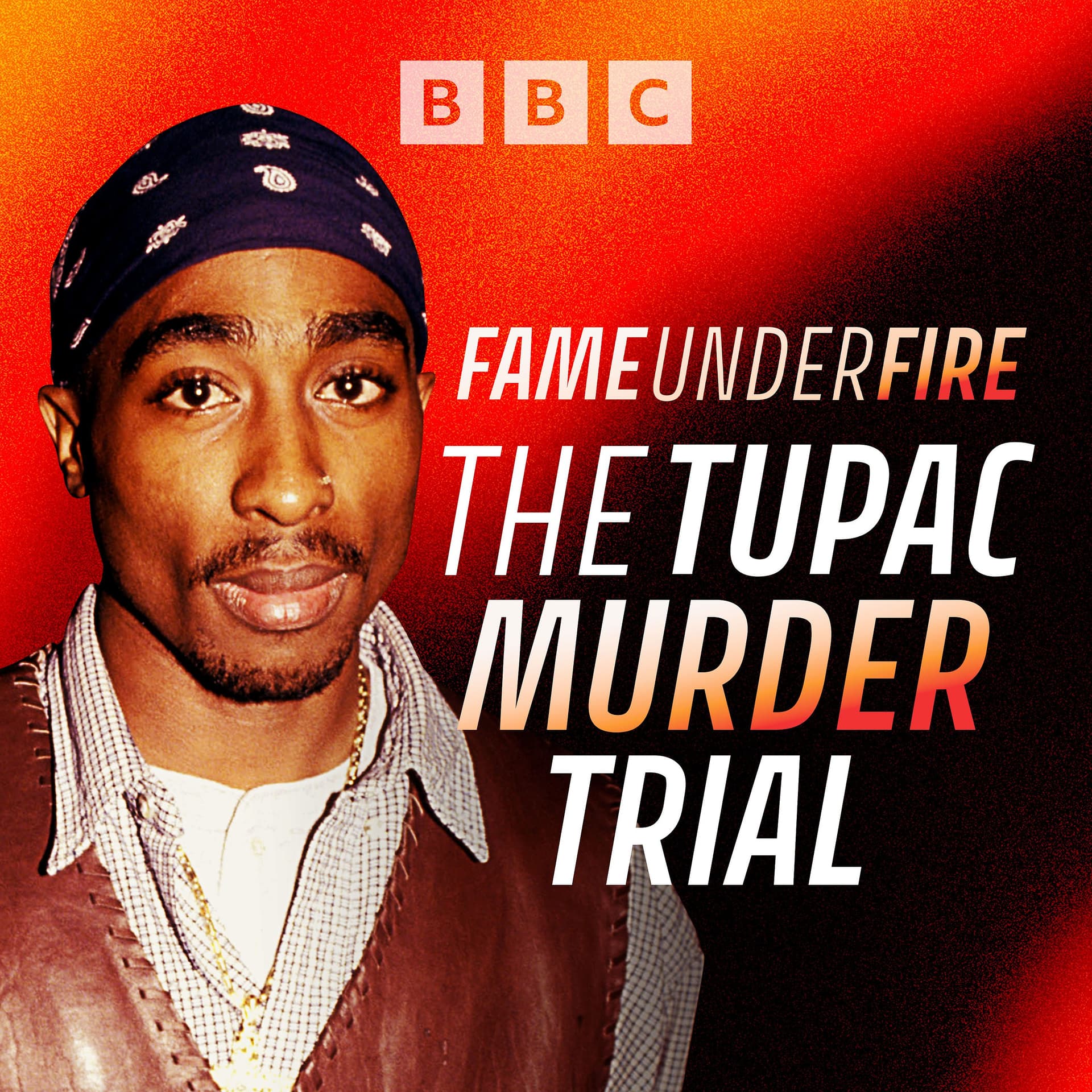
In short
The episode explains the lead-up to Dwayne “Keefe D” Davis’s 2023 first-degree murder trial for Tupac Shakur’s 1996 Las Vegas shooting, and the legal theory prosecutors will use.
Guest
Sean Kent, a resident trial attorney (South Carolina), who breaks down gang-retaliation allegations, proffer agreements, and “hand of one/hand of all” conspiracy liability.
Key claims
Davis is alleged to have been a Crips-linked “architect” who provided the firearm used by Orlando Anderson (widely believed trigger man). Prosecutors say the killing was retaliation tied to a chain-snatching incident and rival gang activity.
Notable examples
Kent compares the theory to getaway-driver murder liability in movies and a real-style robbery scenario; he also explains how Davis’s 2008 law-enforcement proffer was undermined by later public statements/book/podcast, making prior interview and book material admissible. Suge Knight is expected as a witness; Diddy is discussed as unlikely due to federal custody.
Written by AI. May contain mistakes. Listen to the episode to check what was said.
Chapters
Tap a time to open that second in VOBackground on Tupac's Murder
0:49 to 1:50
An overview of Tupac Shakur's murder and the key developments leading to the trial.
“in a car driven by Marion Shug Knight, the head of his label, Death Row Records.”
Who is Dwayne Keefe D. Davis?
1:50 to 3:33
Insight into Dwayne Keefe D. Davis, his relationship to the case, and his role.
“So if you look back, and you and I have talked about this, I guess the easiest way to describe it is everybody thinks that Dwayne Keefe D Davis is the actual shooter who was involved in the shooting of Tupac.”
The Gang Rivalry and Its Consequences
3:33 to 4:51
Discussion on the gang rivalry that contributed to Tupac's murder and the legal implications.
“The prosecutors in Vegas are basically going to be saying that this was a retaliation, a retaliatory killing.”
Understanding Proffer Agreements
4:51 to 6:44
Explanation of proffer agreements and how they impact criminal cases.
“Now, for ages, this crime goes unsolved because of the kind of don't snitch, I would say.”
The Indictment and Charges
6:44 to 8:10
Details on the charges against Dwayne Keefe D. Davis and the implications of his arrest.
“And just to check, is that that goes for like the feds as well?”
Conspiracy and Legal Theories in the Case
8:10 to 12:16
Discussion of the conspiracy theory surrounding the case and the legal principles at play.
“Now, 27 years after the killing of the hip-hop artist Tupac Shakur, police in Las Vegas have charged a former gang leader with his murder.”
Keefe D's Arrest Explained
12:16 to 14:00
Exploration of the reasons behind Dwayne Keefe D's arrest in 2023.
“If you guys are working together to do something and something bad happens, even if it's with one of you, you can still be charged with murder.”
Keefe D's Book and Legal Challenges
14:00 to 18:51
Explore the legal implications of Keefe D's statements about Tupac's murder.
“OK, and that's important because Keefe D and his lawyers, his legal team came back and said, hold on a second.”
Potential Testimony from Suge Knight and Diddy
18:51 to 22:45
Discuss the implications of Suge Knight and Diddy's potential testimonies in the trial.
“And on the witness list, does not necessarily mean he'll be testifying.”
Transcript
Automatic transcript. May contain errors.0:00This BBC podcast is supported by ads outside the UK.
0:05Shaun Kent:Pop quiz. What's in your kid's lunchbox? At Whole Foods Market, they've already done the studying. Over 300 food ingredients are banned from their shelves. No hydronated fats in the peanut butter and no high fructose corn syrup in the cookies. And for sandwiches, there are no synthetic nitrates or nitrites in any of their deli meat. So you can pack lunchboxes with peace of mind. Get back to school ready at Whole Foods Market.
0:35Shaun Kent:Hello and welcome back to Fame Under Fire from BBC Sounds with me, Anushka Matandadawati. Next week, I'm heading to Las Vegas for the two-part murder trial. Almost 30 years later, prosecutors in Nevada are trying to solve one of the most notorious cold cases in the U.S. Shakur was shot four times after leaving the Mike Tyson boxing match in Las Vegas in a car driven by Marion Shug Knight, the head of his label, Death Row Records. The shots were fired from a Cadillac that drove up alongside Knight's BMW, but police still have no leads on a suspect or motive. Tupac Hadron Plague's rapper and actor Tupac Shakur is dead at the age of 25, just about a week after sustaining four bullet wounds last Saturday night in Las Vegas.
1:13Shaun Kent:Shakur spent the weekend in the hospital on a respirator in critical condition. So who is the defendant? Dwayne Keith Davis, a.k.a. Keith E.D., was arrested on the 29th of September, 2023, in Las Vegas for the 1996 murder of rapper Tupac Shakur. Davis is the only person ever charged in connection with Tupac's death after years of investigations. On the 10th of August, he will go on trial for his alleged role in the shooting, and he's pleaded not guilty. Joining me to go through this all is our resident trial attorney, Sean Kent from South Carolina. Hi, Sean. Hey, Nuska. How are you guys doing?
1:44Shaun Kent:Good. I mean, you're the expert on this because we've spoken about this long before we knew we were going to be covering this trial. Can you just run us through who Keefe D is? So if you look back, and you and I have talked about this, I guess the easiest way to describe it is everybody thinks that Dwayne Keefe D Davis is the actual shooter who was involved in the shooting of Tupac. He is not. He is long and short, what we say is a relative of an individual who shot Tupac Shakur. This whole thing goes back to a bunch of rival gang activity. I think you I have talked about it. Rival gang activity is the allegations.
2:16And it even goes back even farther involving a chain snatching in a mall in California that a relative of Dwayne Keefe D. Davis's or a member of the Crips for Blood or whatever organization you want to say it was in was robbed by a member of the entourage of Tupac Shakur. After this robbery, the fight took off between two rival gangs, if you will, two rival entourages, if you will, Anushka. Tupac and his buddy Suge Knight leave the fight together. They are shot in their car. Suge got a graze wound, but Tupac was shot and killed. Suge was interviewed. They asked him what happened. He said, look, I didn't hear anything or I didn't see anything.
2:59I heard something. I don't know. So he was not worth a darn. So they looked and looked and looked and they ended up deciding all the way back 30 years ago, this had some type of gang ties and gang relation, but they could never solve the case forever. They finally interviewed a guy named Dwayne Keefe-Dee that we're all talking about. They sat down and interviewed Dwayne Keefe-Dee and asked him what's going on. They're saying that Dwayne Keefe-Dee is the mastermind, the architect, if you will. It was his idea. He gave the firearm that caused the shot. So that's who Dwayne is. They're saying he is the person who orchestrated this whole thing.
3:37The prosecutors in Vegas are basically going to be saying that this was a retaliation, a retaliatory killing. They're going to go under what's called a hand of one, hand of all type theory, which I'm sure you're going to ask me what that means. But they're going to go with a hand of one, hand of all type theory that Dwayne Keefe D may not have fired the shot, but the shot would not have been fired had he not been there with his relatives trying to retaliate for a snatching of a chain in a mall. Dwayne Keefe D is related to a gentleman by the name of Orlando Anderson. It has been speculated for years that Orlando Anderson is the actual trigger man is what ended up happening.
4:12And it is suspected that Dwayne Keefe D. Davis, the architect, is who gave Orlando the firearm and which the shot was fired out of the vehicle that Orlando Anderson, Dwayne Keefe D. were inside when they shot and killed Tupac and Ender and Suge. But that's who Dwayne Keefe D. is. He is the, right now he is just a very old man inside of a prison cell or jail cell waiting for trial. But at the time, he was seen as a pretty high-ranking, pretty influential member of a gang organization.
4:41Shaun Kent:Didn't officers suspect that he was the shot caller of the Southside Compton Crips gang? And this is going to become so relevant when we get to the trial because all of that is going to get entered in as evidence. You say TPD sat down with the police. Now, for ages, this crime goes unsolved because of the kind of don't snitch, I would say. I'm not sure if that... Is there a technical term for that that you have in the law? Don't snitch. That's what we'd call it over here. No, it is the same thing. Do not snitch. Snitches get snitches. Exact same thing. The undercurrent of kind of, I guess, social contract of being in a gang.
5:16Shaun Kent:And so for so long, like you say, Suge Knight was less than forthcoming with his testimony that he gave. Then you say Keefe D sits down with law enforcement officers in around 2008. How does that happen? So what ends up happening? There's something in the law called a proffer. OK, and everybody thinks that law enforcement are these great bastions of legal excellence who can figure things out. And it's like television and Sherlock Holmes. I figured out the crime. Usually what ends up happening is great police work is built out of interviewing people. So they interview and ask questions and get people to give them information.
5:52And so a lot of times when they cannot solve crimes, they do things called proffers. What a proffer is, is when you go to somebody and you say the following, look, if you tell us everything, we will not utilize it against you. It's almost like an immunity agreement. And the rules on our proffer, Anushka, is so long you are telling the truth, meaning we don't catch you in a lie. We can't use anything you have said against you. But the second you're caught in a single lie, the second we think you're fibbing, the second we think you're holding something back, we're coming at you. And we're using everything that you've told us against you now.
6:29And when you sit down with a proper, the big thing is law enforcement can never use this stuff again. No matter what, they cannot use the stuff that you have said against you. This is me foreshadowing your next question. They can never, ever, ever, ever, ever use it against you. Ever, ever, ever. No matter what, the proper will never be used against him in a court of law.
6:47Shaun Kent:And just to check, is that that goes for like the feds as well? The feds are the ones who use it most often. like on all of my federal cases, it almost always happens. And what ends up happening is, so for people at home, if you're ever reading a federal indictment, you'll see a bunch of names on the indictment. It'll say United States of America, and you'll see like seven names. Well, believe it or not, here's a little pro tip at home. If you're reading it, the name at the top of the indictment is the worst person. They usually rank them by order of who they want to get the most. And so what ends up happening is the person at the bottom, they usually go to that person and say, hey man, want to snitch?
7:21And they start snitching on the people up top to get the highest line or the ladder. What always ends up happening, though, is almost every lawyer on the planet, when someone gets arrested, they go to their client and say, hey, man, you're in trouble. The Fed's got you. You're looking at mandatory minimum 20 years. Do you want to cooperate with law enforcement? And the first person who cooperates, who goes in there and gives their proffer, they can get information. Why is that important, Anushka? Because remember, I told you, law enforcement only wants information. If you're the last one to cooperate, they've already got all the information.
7:54They look at you and say, dude, I don't need you anymore. We've got all the information against you. You're going to trial.
7:58Shaun Kent:Okay, so we've got this impenetrable proffer agreement. Impenetrable. It's never going to be used. That was offered to Keefe D. In 2008. In 2023, we jump forwards and this man's been arrested and charged. Now, 27 years after the killing of the hip-hop artist Tupac Shakur, police in Las Vegas have charged a former gang leader with his murder. Tonight, Las Vegas authorities have finally announced charges in the case. Arrested today, self-described gang member Dwayne Davis has now been indicted by a grand jury for murder. This is the indictment we've been waiting almost three decades for. The reported arrest was made two months after police searched a home near to the location the killing happened at a property linked to a man who had previously said he witnessed the shooting from a car.
8:48Shaun Kent:What's he been charged with? He's been charged to murder. He's been charged with murder in the first degree, right? Yeah. And with two enhancements, a deadly weapon and in furtherance of gang activity. Sean, remind us, enhancements aren't necessarily relevant right now. It's more sentencing. It's more sentencing. It's to determine the amount of time that you're looking at. Dwayne's case, what ends up happening is there's a murder and we can throw something on top, maybe for one year, maybe for five years, stuff of that nature. It'll never equate to a death penalty case, but it can get him more than the 25, 30, 35 year sentence he's looking at.
9:19Shaun Kent:So in the world of Dwayne Keefe D. Davis, we've got a 2008 proffer agreement and a lengthy interview he gave to law enforcement. We've got this backstory with the gangs. Now we've got an official arrest and charge in 2023. Now, you've said that allegedly the shooter was Orlando Anderson. And this is quite widespread. This is a well-known theory. Yeah. And of course, Orlando Anderson was then killed two years after the shooting in 1996 in a shootout in Compton in Los Angeles. And the prosecutors are not alleging that Kifidi pulled the trigger. So how is he being charged with a murder? One of the best tools in a prosecutor's arsenal is something called a conspiracy.
9:59They can almost always charge you under conspiracy thought count. And what a conspiracy count is basically, I could not have done it without any of you. And there's something else called the hand of one is the hand of all. The act of one is the act of all. And that's what you'll hear in this side of case. They'll say the hand of one is the hand of all. What does that mean? The example that we're always taught as lawyers is, and it's from every gangster movie you have ever seen in your life. Individuals say, and this is from Point Break, Set It Off. Every movie has the same exact theory on someone who's getting ready to go rob a bank.
10:35Somebody is the getaway driver. Batman Begins. somebody goes inside of the store with the guns and they're just like everybody put your hands down this is a robbery and everyone's I don't want to get and they put their hands up and somebody had the gun up and there's that crazy dude in the corner who's part of the gang crazy Leroy just see somebody I said put your gun down put your gun down and he shoots him okay and everyone's like Leroy shot him well you would think that Leroy would be the only one who would be charged with the murder however the getaway driver the person who says everybody put your hands down and Leroy would all be charged with a murder because the theory is the hand of one is the hand of all.
11:13All of you were working in concert to rob this place. And the necessary and natural consequences of what could have happened was the murder and crazy Leroy. The same thing with Dwayne Keefe D. Davis. The same theory is all of you were in the car together. You may not have fired the shot. However, you gave the gun, you were in the car, you were all working together. So every single one of you is liable for that murder. Anushka, there's a famous case in the United States to also bring this at home. Two individuals go inside of a store together to rob a place. Two guys, they're working together. They're openly working together.
11:55They get into an argument with the police officers. The police officers start fighting. The cop shoots one of his buddies. He dies. They charge the other guy who's with him with murder. So think about that. The cop shot him and killed him. The two of them are working together. He's charged with murder under the hand of one hand of all theory. That's how far this theory can go. If you guys are working together to do something and something bad happens, even if it's with one of you, you can still be charged with murder. That's how you can understand the Keefy D situation is he's there. Whatever could happen you're liable for it so boys and girls at home don't get in the car with crazy people
12:35Shaun Kent:yeah that's great advice um the allegation being that he provided the weapon that was then used to shoot tupac he threw it in the back seat right okay so the next allegation that's the allegation which he denies the next step that we have in this story is why the hell is he being arrested in in 2023 if this has been a well-known theory and it was a well-known theory that he was in the car for a long time. Everybody else is dead, bar Suge Knight, who was in the other car where Tupac was shot. So why 2023? Well, you know that impenetrable, can't get through, proper, rock-solid agreement that you can't do anything about?
13:13Well, Dwayne Keefe-Dee is clearly the greatest legal scholar of all of us because he figured out a way to penetrate it by opening his damn mouth, is the long and short of it. So what ended up happening is the prosecutors have known or have believed and law enforcement has believed that Dwayne Keefe D was involved. And I guarantee you prosecutors forever like we can't prosecute this guy because he has this lot solid proffer. Can't do anything about it. Well, then this guy decides to write a tell all book, goes on podcast, starts telling the world about what's going on. And then smart prosecutors say, look, the proffer doesn't matter anymore because you keep talking about the proffer.
13:54You keep talking about information that's inside the proper. So even though we are barred, even though we are stopped, even though we're not supposed to talk about this stuff at all, you've talked about it. So that breaches the agreement.
14:07Shaun Kent:OK, and that's important because Keefe D and his lawyers, his legal team came back and said, hold on a second. This was a co-written book, Compton Street Legend, which came out in 2019. So he wasn't the sole author. And also there was hyperbole. We hand it up to sell copies. is parts of it are a fictitious retelling of what happened in order to get the maximum impact when it hits the stores. And therefore, it's art, technically. And that was the argument put forward to the judge, right? And the judge said, mm-mm. And it would have been a great argument other than the fact, again, old Keefe D. Davis, the judge literally pointed to an interview when someone asked him about this.
14:44This is hyperbole. This is exaggeration. He's like, nah, son, gang, gang. This is the truth. This is real. everything in this book. This is my real truth. I have co-signed on it. The judge was saying, look, man, you said this is the real truth. You co-signed on it. And then you kept doing podcasts telling the world this is what happened. So the judge says, no, man, it's all coming in against you. Doesn't mean it's admission, everybody. Doesn't mean that it says you're guilty. It said the judge says the jury can now hear it. And KVD, you have the right to get on the stand and say what you've been saying.
15:17You have a right to get in front of the jury and say, this is fiction. This isn't true. I'm a big fat liar. None of this happened. I'm scared of gang activity. I'm lactose intolerant. I sleep with a nightlight. I am a sweetheart. He can still get on the stand and say all of that stuff. His choice, though, to get on the stand. His choice. He is not forced to get on the stand, but I will put him on the stand.
15:41Shaun Kent:Get up there. Go on. And to really further elucidate what Sean is saying there. This is a direct quote from Kifidi on Vlad TV. He says, quote, go get the book and you can get the real truth about this whole situation. So statements of that nature have meant that the book is now admissible. It can go in front of the jury sections of the book. And so can the 2008 long lengthy interview that he gave to law enforcement, which he spoke about afterwards and said, I wish I hadn't have done that. There's a lawyer somewhere, Anushka, who sat down with him to it and looking at him like, bruh after he is given the interview the first one i guarantee a lawyer yeah uh keefe what the f are you doing bruh hey man don't worry they ain't looking at me no more that's 30 years ago stop it stop it stop it and now of course he's like man i probably shouldn't have been given that interview but on the other side of it right hand of one hand of all i i understand but the allegation is that he threw a weapon into the back seat which is then where he says in the book and in the interview that shots were then fired from right but we're having gang ties introduced into the narrative that will go in front of the jury so to explain the affiliation with different sides of well there's two separate gangs here that are involved right the allegation is the gang that's what the problem yeah you know um gold star for a nushka yeah but what's to stop his lawyers from saying yeah he was in a gang this happens a lot in gangs they put weapons in the back seat.
17:13Shaun Kent:They throw it back there with their purse and their lip gloss. They throw the gun back as well. It's just part and parcel of the lifestyle. That doesn't mean you are orchestrating or the architect of a crime. There are two people still alive from when all of this happened. Two. One of them was not in the car. So Keepy literally can get on the stand and say just about anything. I mean, he'll be cross-examined on the book, but he can get on the stand and say that. He's like, look, man, there are two theories. I threw the gun in the back seat because I wanted him to shoot like an accessory before the fact of murder.
17:45Or look, I toss my piece in the back seat, find me guilty of illegal possession of a firearm. I didn't know that crazy dude was going to do that. He can go so far as like, look, I put my gun in the back seat and was like, hey man, throw that in my handbag. I got a Gucci bag back there. Put it back there and hand me my mints. And then all of a sudden that crazy dude started shooting. I was like, why is he shooting? Why is he shooting? And I started crying. I'm like, I love Tupac music. He can say any of that. Because again, there are no other witnesses besides him, but the strongest witness against him is him because of all the stuff that he has said in the past.
18:18KPD, if, if, if he takes the stand, is going to be cross-examined with his own words. We've been doing this two, three years, and what have I always said? Your own words are what will always hurt a client more than anything in the world. It's not the crime, it's the cover. It's his own words, but it will be KPD versus KPD.
18:36Shaun Kent:This is, yeah, this is very interesting. You mentioned there's only one other person alive. That would be Suge Knight. We've just had the witness list revealed and it looks like Suge Knight will be testifying, which is shocking because for so long he said, I'm never going to speak. It looks like Suge Knight is a witness. And on the witness list, does not necessarily mean he'll be testifying. Uh, what? Why is he on there then? When we put out witness lists, Anushka, I've had a trial before where I put out a witness list with 60 names on it and haven't called a single soul. I mean, there's only one more logical question from this because the only other person people are desperate to hear from is old Diddy.
19:13Shaun Kent:This is for a couple of reasons. Kifi Di has maintained for quite a while now in public statements and also in the 2008 interview he gave to law enforcement that he was paid or offered money by Sean Diddy Combs, a million dollars, he said, to kill Tupac. And just a reminder, Diddy has denied any involvement in the drive-by shooting that killed rapper Tupac Shakur in Las Vegas in 1996. And this is something that has been reignited recently, obviously after Diddy's trial, but more so with the release of the 50 Cent four-parter on Netflix, which we have an episode on, if you want to go back and listen to that, that it was insinuated that Diddy was perhaps more involved than you might have thought before, although that has been a rumour for a very long time.
19:54Shaun Kent:For a long time. I mean, you would know. There's also been a wrongful death. suit yeah you what what are you gonna do you're a million miles away what are you gonna do there's been a wrongful death suit that has been filed by uh Tupac's brother as well and in that they say not just the 2008 uh interview that Keefe D gave to law enforcement but also things that came out as part of that four-part Netflix series indicate that there might be more people involved than previously thought they do not mention Diddy as a co-conspirator there are John Doe's and attached to the civil lawsuit. So the hint hint is like in that four parter, it seemed like there were other people involved.
20:32Shaun Kent:And so the whole internet is going, are we going to hear from Diddy? He's obviously also incarcerated. And it's not the same situation as Suge Knight. And you're going to tell me why. It is not the same situation as Suge. One, first of all, let's talk about ease of getting someone to the facility. Suge Knight is in a state prison. OK, he is in the Department of Corrections. It is much easier to get somebody from the Department of Corrections to come testify. It's not easy, but it's much easier. Diddy is in federal custody. Getting an inmate out of federal custody is, and I want to say impossible.
21:11You have to once get called a writ. You have to go to a federal judge and basically get permission to have him transported. The feds in the state, if you've been watching a lot of cases, they generally don't play well together. But the feds in the state usually do things completely differently. And so it's very hard to get Diddy out of federal custody, even to get him over there. Then you have lawyers for the Bureau of Prisons, which is where he is, who would have to agree to let him out. You'd have to get the prosecutor on the former case to agree to let him out. It is such a hard process to get a federal inmate to go testify into a state facility.
21:52And I don't want to say it's impossible, but it's almost impossible for the defense to do it. OK, because the defense is almost impossible. And it'd be equally difficult for the prosecution to get Diddy to come testify. And what did he even come testify? Does he want to? His lawyer could say, dude's not going. He's not going to testify. And then you run into the whole immunity agreements. Would he take the fifth? All of these other situations. Can the judge put him in contempt for not testifying? Not in this situation, because what's different is Diddy would be looked at based upon just assumptions.
22:26Diddy would be looking at as the real archetype. And he is the one who called the shot. He's the one who started this. So he could be looking at criminal liability. And under that situation, he's like, I'm not going to testify to something that could subject me to criminal liability. lady. And that's when he could take the fifth. That's when he could say, I'm not testifying. For all of those reasons, most people will be like, why would I want to bring him over? And for Dwayne's position, I think it would hurt if Diddy testified even for him, because think about it. He would have to say, look, Diddy offered me a whole bunch of money to kill him.
Read the full transcript
23:00And then the prosecutor's next response is, well, didn't you? Diddy doesn't help his claim under a hand of one, hand of all type theory because in a hand of one hand of all, you can't say I only did it because he paid me. Dude, that still makes you really guilty. You understand?
23:15Shaun Kent:And Diddy has previously denied any involvement in the drive by shooting that killed Tupac in 1996 in Vegas. Sean, thank you so much for walking us through that today. Thank you so much for having me. I agree with you. I think this is going to be a fascinating trial. The legal wranglings, the issues, the names, if anybody is following, this is the type of trial I would follow if I wanted to learn about American jurisprudence and understand history and so forth. I think it's going to be fascinating. I really do. So thank you all for having me. I appreciate you. Thank you for letting me comment on this one.
23:44Shaun Kent:That was our resident trial attorney, Sean Kent from South Carolina. And that's it for this episode of Fame Under Fire from BBC Sounds with me, Anushka Matandadauti. As always, if you've got questions, send them to me on social media. It's Anushka underscore MD on Instagram and TikTok. And make sure you subscribe and turn on your push notifications so you never miss a thing. And you definitely want to be locked in for this two-pack murder trial. We're coming to you from Vegas every single day.
24:10Shaun Kent:I'm David Dimbleby, and from the History Podcast and BBC Radio 4, this is Invisible Hands, the American Century. It's the story of how, in the ashes of World War II... Flash, Washington. The White House announces Japanese attack on Pearl Harbor. America rose to become a global superpower. The United States, whatever our faults may be, is the hope of the world. And the invisible hands who made it happen. He's probably the most important person nobody ever heard of. Listen to Invisible Hands, The American Century. First on BBC Sounds.
From the publisher
Nearly 30 years after Tupac Shakur was fatally shot on the Las Vegas Strip, Nevada prosecutors are preparing for the trial of the only person ever charged in connection with the rapper’s death. Duane “Keffe D” Davis has pleaded not guilty to murder and denies the allegations against him. But Keffe D is not accused of firing the fatal shots. So how can prosecutors seek to convict him of murder? And why was he arrested in 2023, decades after investigators first suspected he was in the car? Anoushka Mutanda-Dougherty and Fame under Fire’s resident trial attorney Shaun Kent break down everything you need to know before the trial. Could Suge Knight testify? Could Sean “Diddy” Combs be drawn into the case? For Fame Under Fire: The Tupac Murder Trial Anoushka will be in the Las Vegas courtoom every day to bring you updates. Make sure you lock in so you don’t miss a thing.
Host: Anoushka Mutanda-Dougherty Series Producer: Louise Clarke Senior Impact Producer: Melanie Stewart Smith Digital Journalist: Daniel Raza Researcher: Helena Warwick-Cross Production coordinator: Phoebe Lomas Technical Producer: Nicky Edwards Editor: Clare Fordham Commissioning Producer: Adam Eland Assistant Commissioner: Chris Walsh-Heron Commissioning Editor: Rhian Roberts