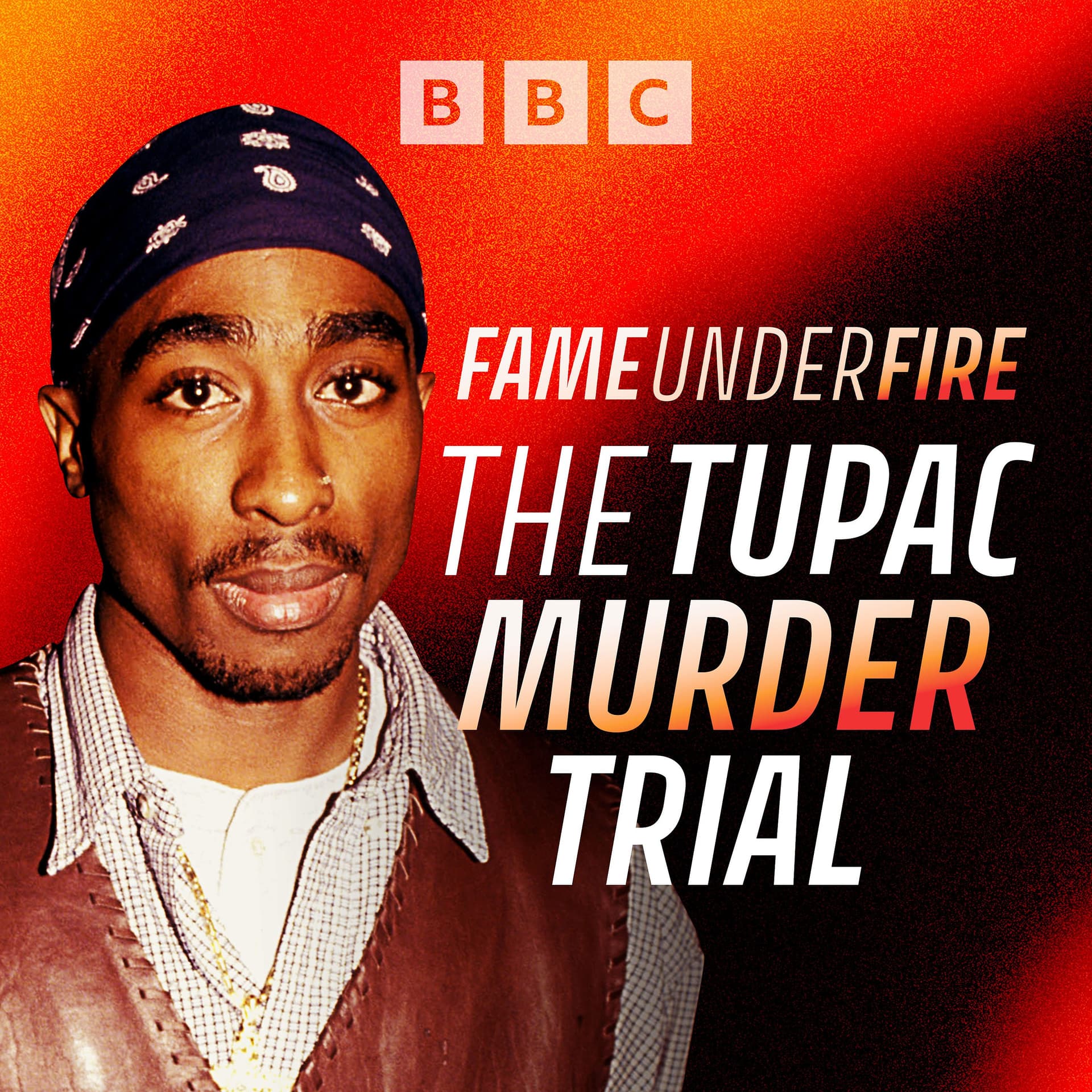
In short
Jury selection for the upcoming Tupac Shakur murder trial in Las Vegas, explaining how American juries are chosen and what makes a fair, impartial panel.
Guests
Sean Kent, a trial attorney based in South Carolina, discusses jury-selection strategy and legal concepts (voir dire, peremptory strikes, strikes for cause, sequestration).
Key claims
Dwayne Keithy Davis (charged in Tupac’s 1996 Strip shooting) has pleaded not guilty; jury selection is expected to last days. The “fair cross section” requirement means jurors must be from the local community (Clark County/Las Vegas), not just people who “look like” the defendant. Jury selection is more important than trial arguments; biased jurors can ruin outcomes. Peremptory strikes must be race-neutral (Batson v. Kentucky; J.E.B. v. Illinois). Partial sequestration measures are planned, but social media at home remains a risk.
Notable examples
Kent describes a past case where a juror lied about relationships, leading to reversal and a new trial; he also compares the process to My Cousin Vinny and discusses Diddy trial-style sequestration.
Written by AI. May contain mistakes. Listen to the episode to check what was said.
Chapters
Tap a time to open that second in VOOverview of the Tupac Murder Trial
1:05 to 1:26
Learn about the significance of the Tupac murder trial and its recent developments.
“Hello and welcome back to Fame Under Fire from BBC Sounds with me, Anushka Matanda-Dawati.”
Understanding Jury Selection
1:26 to 1:55
Get insights into the jury selection process and its importance.
“Dwayne Keithy Davis was arrested on the 29th of September 2023 in Las Vegas for the 1996 murder of rapper Tupac Shakur.”
Defining a Fair Cross Section of the Community
1:55 to 3:00
Explore what constitutes a fair cross section in jury selection.
“Sean has literally spent the last five minutes slagging off my hair.”
The Role of Local Residents in Juror Selection
3:00 to 4:35
Understand the importance of jurors being from the local community.
“We try to get in serious situations 12 impartial individuals who are a fair cross section of the community in which the crime occurred to make a decision on somebody's guilt or innocence.”
Key Considerations in Jury Selection Questions
4:35 to 5:29
Learn about the types of questions attorneys ask during jury selection.
“which is the 8th Judicial Circuit, if I'm not mistaken, in Nevada.”
Challenges in the Tupac Trial's Jury Selection
5:29 to 6:30
Discuss the unique challenges posed by the trial's high-profile nature.
“They have to come together up with a verdict on all the charges.”
Peremptory Strikes Explained
6:30 to 8:14
Understand the concept of peremptory strikes and their impact on jury selection.
“And then each lawyer gets to ask questions.”
Consequence of Media Exposure on Jury Selection
8:14 to 9:06
Examine how media coverage affects jury selection in this trial.
“Because our system works when we have 12 individuals bringing their collective wisdom in to make a decision.”
The Potential for a Gag Order
9:06 to 14:00
Explore the implications of a gag order on the defendant's media interactions.
“Like you said, it's taken nearly 30 years.”
Controversial Interviews and Gag Orders
14:00 to 15:03
Discussion on the implications of public interviews by defendants and gag orders.
“Can you tell your client to stop doing interviews then?”
Show all 13 chapters
Juror Misconduct and Its Consequences
15:03 to 17:53
A personal story illustrating how juror misconduct can lead to a new trial.
“Keithy D launches his podcast Monday, 17th of August.”
Sequestration of Jurors Explained
17:53 to 20:50
Exploration of jury sequestration and its impact on the trial process.
“There's a partial, I want to say this right, sequestration.”
Importance of Jury Selection
20:50 to 22:06
Discussion on the critical role of jury selection in legal outcomes.
“But hopefully there's some sort of a resolution reached on this trial.”
Transcript
Automatic transcript. May contain errors.0:00This BBC podcast is supported by ads outside the UK. Pop quiz. What's in your kids' lunchbox? At Whole Foods Market, they've already done the studying. Over 300 food ingredients are banned from their shelves. No hydronated fats in the peanut butter and no high fructose corn syrup in the cookies. And for sandwiches, there are no synthetic nitrates or nitrites in any of their deli meat. So you can pack lunchboxes with peace of mind. Get back to school ready at Whole Foods Market. Lives Less Ordinary is bringing you a special series of extraordinary love stories from all around the world. In India, love at first sight feels more psychotic than arranged marriage.
0:42Love stories that break all the rules. We came into our relationship with a lot of complicated pieces. Stories that show that sometimes love is all you need. Lives Less Ordinary love stories from the BBC World Service. Listen now. Search for Lives Less Ordinary wherever you get your BBC podcasts.
1:05Hello and welcome back to Fame Under Fire from BBC Sounds with me, Anushka Matanda-Dawati. Next week, I'm heading to Las Vegas for the Tupac murder trial. Almost 30 years later, prosecutors in Nevada are trying to solve one of the most notorious cold cases in the US. I'll be bringing you updates from the court every single day. It's one of the most anticipated trials in decades. So who is the defendant? Dwayne Keithy Davis was arrested on the 29th of September 2023 in Las Vegas for the 1996 murder of rapper Tupac Shakur. Davis is the only person ever charged in connection with Tupac's death after years and years and years of investigations.
1:43On the 17th of August, he will go on trial for his alleged role in the shooting. Now, he's entered a not guilty plea. The trial will be beginning Monday, 17th of August, opening statements. Today, it's jury selection. So who better to run us through what is going down in that courtroom in Las Vegas than everybody's favorite trial attorney, Sean Kent. How are you guys doing? I'm good. Sean has literally spent the last five minutes slagging off my hair. I think it looks really good. I love the unkempt, natural, not trying to impress anybody look. I think that's what a lot more people should do. Well, there's nobody on this call worth me impressing.
2:16So, period. Period. But it's actually kind of fun that you're here today because you're doing this before you jet off to your own courtroom. I have a jury selection to do myself, so I think I might know what we're talking about today, at least. Now, the trial is going to begin on Monday. It's going before Judge Carly Kearney at the Regional Justice Center in Las Vegas. And jury selection is expected to last days, perhaps all week. At one point, there was talk of it lasting two weeks, which is unfair on literally everybody. Sean, can you just remind the uninitiated, what is jury selection? So jury selection is the process in America in which we try our darndest to get a fair and impartial jury to sit around and solve some of America's biggest woes, whether it's criminal, whether it's civil.
3:00We try to get in serious situations 12 impartial individuals who are a fair cross section of the community in which the crime occurred to make a decision on somebody's guilt or innocence. And you said cross section of the community. Can you go into that a little bit more? Yes. So people get so confused. And that's one of the things that's been beating up the world like crazy. People get very confused on that. A fair cross section of the community. Our Constitution, as you and I've talked about many times, is based on this little document, Magna Carta, not that important, you know, some little thing that it's based on or whatever.
3:34And back in the day, what used to happen is they used to have what were called professional jurors. And people hated professional jurors because they would bring in jurors from other jurisdictions who did not know anything about what was happening in this jurisdiction. And they would look down upon people. They would stand in judgment. And so what would end up happening is they were hoity toity. They were kind of snooty and stand in judgment of each other. And so our Constitution said we don't want that. We want a fair and impartial jury from the cross section of the community. People get confused, Anushka.
4:05They always think that, does that mean you get a juror who walks, talk, act like you, looks like you? No, you get somebody from the community and they don't have to look like you in the slightest. It's just 12 people who can be fair and sit in judgment of you. So 12, how do you say Lasvegians? How do you say it? I don't know. How do you say it? You know what? Never thought about that. But we'll say five residents from Las Vegas from that specific jurisdiction. This will be Clark County, which is the 8th Judicial Circuit, if I'm not mistaken, in Nevada. So it'd be individuals who live in the state of Nevada, but specifically reside in the Las Vegas, Clark County area.
4:45Because as we're looking at the Tupac murder trial, that's where the murder happened. It happened on the strip in Vegas. So it has to be 12 individuals, not people who are visiting, not people who are gambling, not people who shopping, people whose voter registration, their driver's license said that they lived in that area where the crime occurred. And I love that because those people know that area the best. They know the jurisdiction. They know the wants. They know the people. They're more likely to sit in judgment over something that happens in their community than somebody who lives in South Carolina who goes to Vegas and tries to make decisions for them.
5:19Someone who goes to Vegas quite a lot, I'd say, and spends a little bit of money every time he's there. Give or take. So for anybody who's followed a trial with us, if you were with us through the Diddy trial, You know how important selecting the right jury is because it's beyond a reasonable doubt. They have to come together up with a verdict on all the charges. Like we saw with Diddy halfway through, one of the jurors was replaced because there were questions about whether they'd been honest on their jury questionnaire. So those questions are real important. What questions would you be asking, Sean?
5:46So, Aniska, what happens is every jurisdiction is a little bit different. In this jurisdiction, what will end up happening is first, they're going to summons a bunch of people. OK, because you don't want a biased jury. You don't want people who know everything about this case. So what they might do is summons like, just give you a number, three or 400 people. So 304 people go into this jurisdiction in Clark County. They sit inside of the little room. The judge will come out. He'll give them the preliminary instructions. Hey, everybody, welcome to jury selection. My name is Judge Blank. We're going to put you in small groups, bring you in here, and the lawyers are going to talk to you.
6:19So usually they do like groups of 18. So they'll take 18 people from this big old panel and say, y 'all come to another smaller room. So these 18 people will sit in a small room. They'll sit in the jury box. The judge will give them preliminary instructions. And then each lawyer gets to ask questions. The lawyer for Keefe D gets to ask questions. The prosecutor gets to ask questions. There's a movie called My Cousin Vinny. If you watch it, it literally goes a lot like that. And they each ask questions back and forth to make the decision if the juror is appropriate from them. From the defense standpoint, you're going to ask all types of questions to try to figure out somebody's bias.
6:54You might ask a question like this, and we've asked this question a lot of times. Ladies and gentlemen, this case is going to come down to credibility. And I would like to understand is if you can look at the credibility of a witness and determine if they're possibly telling the truth. Juror number four, what would you do to make a determination on somebody's credibility? Juror number seven, what would you do to make a determination on somebody's credibility? You might ask another question. This case has taken a long time to prosecute. Would you hold it against the state of Nevada that it took them 30 years to prosecute this case?
7:29Juror number five, do you think that's a big deal that it takes a long time to bring cases like this? Juror number six. Or sometimes, Anishka, what we've done in civil cases, I've literally, I can see in Vegas, them asking this type of question. Are you a gambler? How much do you like to gamble? Do you gamble a lot? And we're asking those questions to determine if somebody is prone to risk assessment, if they're going to take a lot of chances. And those are things that we want to find out when we're asking questions. So you don't know what type of questions are going to ask jurors, but they're going to ask everything they can possibly get to figure out if they can be fair, impartial and not biased.
8:02Wait, so do you want the gamblers or do you not want the gamblers? I always want a gambler. And we're bonded. For me, like I said, the jurors that I want, like, you know, you and I talked about it. I avoid teachers. You know, when I'm putting jurors on the stand, I try to avoid teachers. I try to avoid educators. I definitely avoid police officers. I don't want lawyers. Why don't I want those people? Because our system works when we have 12 individuals bringing their collective wisdom in to make a decision. When you bring people like teachers, no offense to teachers, this is going to be a compliment, so don't come at me.
8:33When you bring teachers in, what ends up having a lot of time, they're used to teaching to people, usually educating, and you find yourself trying a case to one person. And you don't want that. You want a collective wisdom. And if you get one personality that's way too strong, they tend to dominate the room and then they're making the decision. And so I've said to a million people, I'd rather a good jury than a good lawyer. That's why jury selection, I think, is more important than any word that is going to be said in this entire case. It's all about picking the right jury. You pick a bad jury, you lose.
9:04It doesn't matter what you say. But in this case, it's different. Like you said, it's taken nearly 30 years. Everybody knows who Tupac is. There are other famous names that have been linked to this. A witness list was released with Suge Nye. Owner of Duffer Records was on there. We don't know if he's for sure going to testify. but another big name that people might have strong feelings about. If you were the criminal defense attorney, would you be looking for jurors who have no idea who Tupac, Suge Knight, anybody else is, Biggie Smalls? Or are you asking, like, do you listen to hip hop? Or do you know who this is, but you love salsa music?
9:36And those are great questions. But what you want to do is you've got to be real careful how you ask questions. And everybody's a little bit different. And so I'd probably ask a question like you, what type of music do you listen to? I would ask questions, are you on TikTok? Have you followed? You know, because you don't want to ask that specific question, because the problem is people internally are going to fight back against you if you ask questions. Did you like Tupac music? Well, they know it's a Tupac trial. I'm like, oh, let me be careful. So you'll say things like, do you watch? Do you listen to hip hop?
10:05And you might have to go backwards. Did you watch MTV rap back in 1996? I know you have no clue what I'm talking about, Nushka, so nah. But you'll ask questions about people's age and reference and things of that nature because you want to try to figure out bias because you're exactly right. There's a swath of people who love hip hop and more importantly, love Tupac music. And you're going to try to avoid those folks because naturally they're going to blame you for the death. And if they blame you for the death, you're in trouble. KVD is in a unique situation because usually in these high profile celebrity trials, the defendant is the celebrity.
10:41He is not a celebrity being accused of killing a celebrity. So he will not get the same benefit of fame and fortune as some of the other people involved in the trial. Although he has generated a lot of press, perhaps a little too much press, some criminal defense attorneys might say, in going all these podcasts, all these interviews that he's done that we know about. And then, of course, writing that book, whether he wrote it or was co-written, obviously, he disputes knowing in its entirety what was going to be in the book. But his lawyer has said, this is why we think jury selection is going to be so hard, because we just don't know if they've listened to the podcast, read the book, seen a short headline that accuses him of being the architect of the crime.
11:19Are you going into the room and saying, have you read this book? Have you read Compton Street Legend? Have you watched the DJ Vlad TV interview? Or are you doing it subtler than that? You can do both. Every lawyer is completely different. I would just open it straight up because the judge is going to ask these following questions. Does anyone know about the case? Is anyone familiar with blank? Is anyone familiar with Kifi D? Has anyone read? So the judge will ask those generic questions. The lawyers are real trying to get into the deeper questions, if you will, with the lawyer conducted Vordire.
11:49And Vordire literally comes from the old French to tell the truth. The whole point of it is to get to the truth. And so when the lawyers are doing it, they're trying to get into our background, our psyche. The obvious questions, let the judge ask. The obvious questions are going to be like, do you know who Tupac is? Did you read the book? Look, that's not the stuff we want to get into. So we've got the jury selection. We've got peremptory strikes. Can you explain what those are and how many you get each? So every state is different. In Nevada, they get eight peremptory strikes. Why is every state a little bit different?
12:20Here's the perfect example. If you were in South Carolina and charged with murder, the defense gets 10 peremptory strikes. The prosecution only gets five. In Nevada, both sides get eight peremptory strikes. So what are peremptory strikes? That is because, remember, we want a fair and impartial jury. So the both sides have a right to strike individuals that they do not believe would help advance their cause or situation. Now, what this means is there's a couple of cases out there in the United States. It's Batson versus Kentucky and J.E.B. versus Illinois, with these two seminal cases that say you can't strike somebody just for race.
12:59So you have to have a race neutral reason why you use your peremptory strikes on somebody. And one of the things that Keefe D might say is sort of like you said, I want to strike that individual because they said they have walked in with a Tupac tattoo on the side of their shoulder. I feel like that person is not going to be impartial. So what you first do is you'll say to the judge, your honor, I'd ask the court to remove them for cause. So you might hear that. What does that mean, remove for cause? Because they have a damn tattoo of Tupac, I want them off the jury. And I don't want to use one of my eight strikes.
13:33And the judge says, no, the person said they can be impartial, Mr. Kent. If you want to get rid of them, you must use one of your eight peremptory strikes. That's what those are for. Or the teacher example, as I told you, I don't like teachers on my jury. So I would tell the judge, Your Honor, we don't like teachers. I'm striking her because she's a teacher. And that's why you use them, as long as it's race neutral. Keefe D's defense attorney has said, we think this is going to be particularly hard because of the podcast, the interviews, the book, etc. Etc. Is there not a while that the judge just turns around and says, well, you think it's going to be hard because of that?
14:03Can you tell your client to stop doing interviews then? Because he gave another one last week where he backtracked on an accusation he made about Sean Diddy Combs. Previously, he'd said Diddy offered me a million dollars to put a hit out on Tupac and Suge Knight. And then in this interview, he goes, no, ma 'am, I don't think he was involved at all. Blame somebody else called Reggie Wright Jr. Can the judge not like sanction the lawyer and be like, he needs to stop doing public interviews because it's going to make the jury selection process take a lot longer. He could. He could give what's called a gag order.
14:31And in a gag order, it would say you are not allowed to give any more public sentiment or any conversation. But if I'm the prosecution, I'm like, whoa, whoa, whoa, judge, you let that young man keep talking. Let him keep yapping. Because again, all this information can be used against him when he takes the stand. I guarantee the defense is probably choking him a little harder than the judge would be. But if there's not a gag order, he can say whatever he wants to say. But I will be watching if KPD takes the stand. And that is just going to be keep talking, Keith. Eat my popcorn because I think he's going to say some interesting stuff.
15:02Yeah. Keithy D launches his podcast Monday, 17th of August. This question has come up a lot, actually. If you find out that a jury member lied after a conviction or acquittal is reached and you see them, there's a picture of them holding up his book on Facebook showing that they had read it and they didn't say that. Can the defendant get a new trial? Anushka, this exact situation happened to me. Like exact. In fact, we were trying a case some years ago, and it's two cases back to back. So we had a case probably about a month or so before this case. We got a not guilty. And I was, let's just say, in my cross-examination, particularly hard on a certain young man to the point that it was not very pleasant.
15:46So like three, four months later, we had another trial. And so we picked the trial. The judge asked all the questions that we talked about, specifically, do you know Mr. Kent? Do you know any party on his defense team or do you have any personal relationship with everybody said no? We got to the end of our peremptory strikes. So we had in this case, it was a murder case. We had 10 strikes. We had used all 10 of our strikes because it was a jury panel that just was not good for us. And so at that point in time, you're out of strikes. There were still one more juror to choose. Young lady comes up.
16:19And when I tell you, Anushka, she was staring a hole through the back of my head like the angriest human I had ever seen. And I'm like, you're supposed to love me, baby. And she's just like, and tight. Like, so we had to put her on the jury. The entire trial, she ended up being the jury for a person. The entire trial, she just I would say something. I would smile at you. I was like, hey, boy, this ain't good. Like she would muttering. And we tried everything. Your Honor, this juror doesn't like me. The juror doesn't like me. I remember the judge. Mr. Kent, sometimes people don't like you. I was like.
16:52See, this is why I beef with judges. I'm just saying. Do you want me to drop him an email? I'll drop him to me. And so the juror, the young man was convicted. And it bothered me the entire time of what was up with his juror. And we never ended up figuring it out. So about two weeks later, we ended up finding out that this female juror was the mother of the person who I destroyed on the stand two months earlier. And so she had directly lied to the court about had she known Mr. Kent had a prior relationship, anything bad. And the court had to reverse the entire case for a new trial. We got a new trial and that one was a not guilty.
17:28So if a juror lies, it can reverse an entire conviction. But you have to specifically prove that they have lied on those. We talk about the jury's like those questions that are being asked. And it directly happened in that situation. And then she held in contempt of court. She was, actually, but nothing happened. I think he gave her a fine or something like that. But she'd been left the courtroom not very happy with me. So the last thing that's been coming up a lot is whether this jury is going to be sequestered. There's a partial, I want to say this right, sequestration. Is that right? A sequestration, yes.
18:01Partial sequestration. Sequestration. Which sounds like some medical procedure. But the court has agreed to protective measures, including having jurors enter through private elevators, remain in the jury deliberation room during breaks, and have lunch brought to them each day. And that's kind of what they did in New York for the Diddy trial. Sean, what is your feeling on this? Why don't they sequester jurors like when they all used to have to live in a hotel together and they don't get to talk to the outside world at all? Too expensive. It is and it isn't, depending on the trial. And judges are getting much more reticent to sequester juries because they have lives.
18:38And let's not forget, we're not paying our jurors a bunch of money. These guys are making like 20 to 50 bucks a day for their jury selection. And a lot of them are missing their jobs. And so what was ended up happening is when you are selecting the jury, you sit down and talk to Manushka and you say, hey, guys, this case is going to be for three weeks. And the jurors all say the same thing. I can't be away from work. I can't be away from this. I can't be away from my family. And so we tried to do a little balance that says, all right, we're going to stop sequestering all these juries so they can steep go through with their lives.
19:05The problem is that switch. And with the advent of social media and every human having a cell phone, they're all getting additional information about the case. So I understand the judge is, quote unquote, nuanced sequestration. But I don't think it's going to work because he's not protecting when they go home at night. Because the first thing that every juror does when they go home is what? Grab their cell phone. And they grab their cell phone and they start looking at her. They talk to their family and they talk to their friends. And that can 100 percent influence decisions. I do understand what the judge is saying.
19:36I'm not letting them go out during the date of the trial. But that's usually not the issue. And here's why. The judge gets very strict admonitions that once a jury is going for lunch, don't talk about the case. Don't say a word to anybody. Don't do anything. Don't look these things up. And they task the other jurors. If somebody does this, you come back and let us know. What you can't control is when, oh, Joe goes home and Karen, the Tupac fan, comes and starts saying, you're on that jury? Tell me about it. and they start talking about it and that helps influencing. So I understand why the judge is the partial.
20:09I wish he would have done a full one, but that is so hard on people's lives. Because, you know, when you, what do we joke about? Like our jury system, as great as it is, it is kind of crazy when you think about it. Hey, 12 folks, go solve this 30-year-old murder that we weren't able to solve. Thanks, here's 30 bucks. Do it. Like it's a wild system when you think about it, when you put it down to its simplest element. When you put it like that, it sounds pretty problematic. I'm not going to lie. We haven't been able to solve this case for 30 years. So guess what? We're going to get old Daphne and the mystery machine with Scooby-Doo.
20:39And we're going to give you all 30 bucks. And y 'all got to come up with this. And by the way, we're going to keep you in a room for eight hours a day. Figure it out or else. It's wild concept. Justice for the jurors. If the jurors would like me to send a strongly worded email to the judge. No, no, no. Do not let her write a judge, please. I mean, I don't envy them at all. It's going to be a tricky time. But hopefully there's some sort of a resolution reached on this trial. and they don't start lying in their jury questionnaires and we have to do this all again. I'm so glad y 'all are talking about this because people don't understand the jury selection is the most important part.
21:11Like we talk about everything. If you get a bad jury, it does not matter. If you've got a influence jury, it does not matter. You need 12 impartial people, which is so hard to find, especially on these older cases. But guess what? They'll find them. And here's the other thing, Anushka, make this clear. Everybody says this could take a week. Remember I talked to you about those small group sections that they start with 18, technically they can get the jury from that first 18 people in rock and roll. Technically, that first 18 they put up there, everybody can agree to them and they're done. They don't have to wait and go through all 300 names.
21:44They can go through that first 18 and be done. They can be done with jury selection today. Is it going to happen? No. Technically, they could be done today. And just a reminder, Dwayne Davis has entered a not guilty plea. Sean, thank you so much for coming and delaying your jury selection to do this for us. Thank you so much for having me. Much appreciated. That was our resident trial attorney, Sean Kent, joining us from South Carolina. And that's it for this episode of Fame Under Fire from BBC Sounds with me, Anushka Matandadawati. Next week, I'll be in that courtroom in Las Vegas and I'll be bringing you daily updates, the testimony, the arguments, the moments that matter and, of course, all the legal analysis.
Read the full transcript
22:20As always, if you've got any questions, you can send them to me on social media. It's Anushka underscore MD on Instagram and TikTok. And make sure you subscribe and turn on those push notifications so you lock in and you never miss a thing. If you've got a scrolling problem, then this is the podcast for you. It's called Top Comment with me, Matt Shea. And me, Marianna Spring. We both investigate social media for a living. Whether it's disinformation, conspiracy theories, internet culture, memes. We're going to be getting behind the stuff that is popping up on your feed on this podcast. That's Top Comment on BBC Sounds.
22:55Lives Less Ordinary is bringing you a special series of extraordinary love stories from all around the world. In India, love at first sight feels more psychotic than arranged marriage. Love stories that break all the rules. We came into our relationship with a lot of complicated pieces. Stories that show that sometimes love is all you need. Lives Less Ordinary love stories from the BBC World Service. Listen now. Search for Lives Less Ordinary wherever you get your BBC podcasts.
From the publisher
Your backstage pass when scandal collides with celebrity.