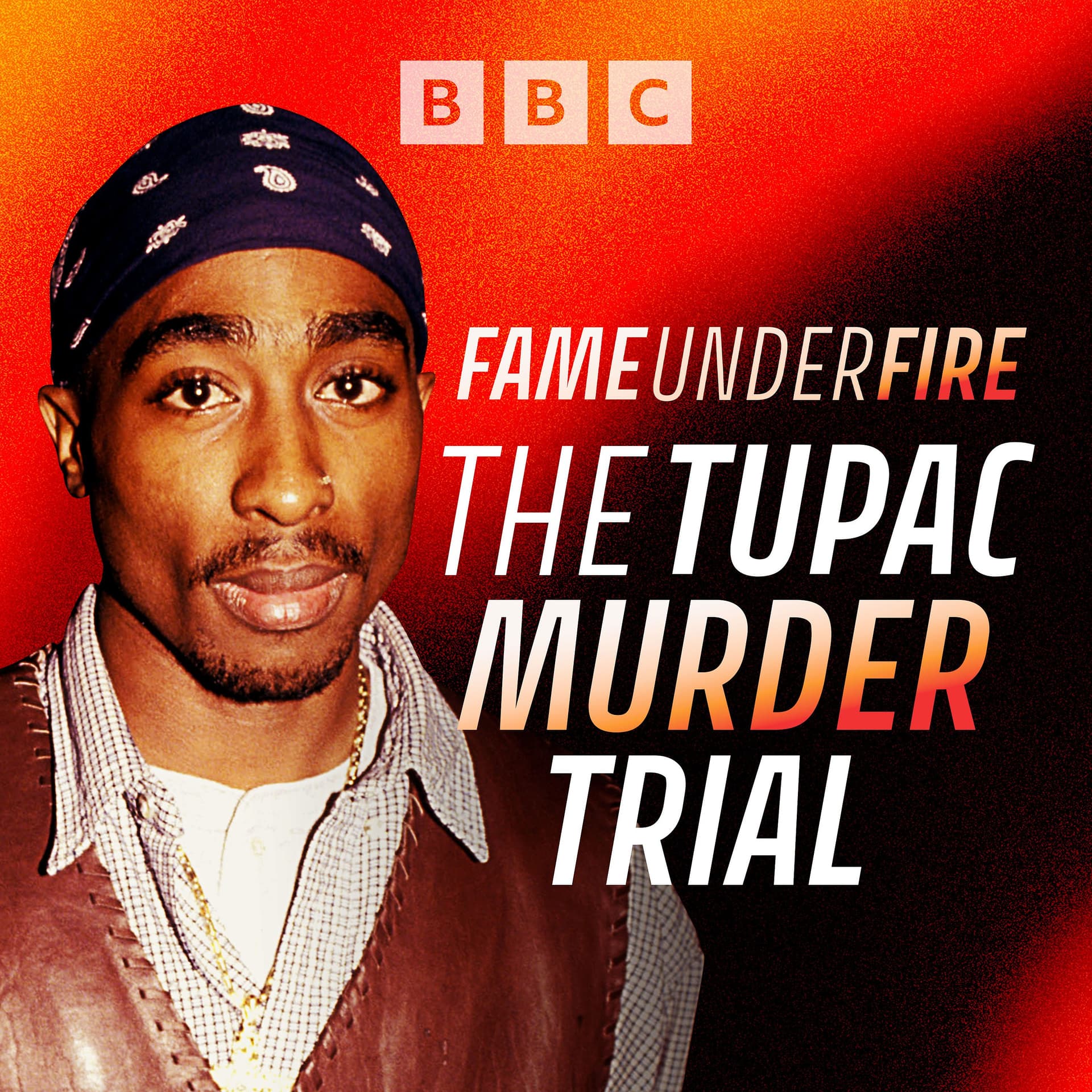
In short
Opening statements in the Tupac Shakur murder trial in Las Vegas, explaining what prosecution and defense will argue and what to listen for, including how cell phones/social media may shape public narratives.
Guests/backgrounds
No guests appear in this excerpt. Host is Anushka Matandadauti (BBC Sounds). She consults “Sean,” a resident trial attorney, for general advice on how openings typically work.
Key claims
Prosecution theory: Dwayne Keefe D. Davis (63), alleged Southside Compton Crips gang member/shop caller, architect of the murder; he was in the white Cadillac from which shots were fired but didn’t fire them. Defense likely challenges Davis’s credibility and may argue “third-party guilt,” possibly targeting Reggie Wright Jr. Prosecution case relies heavily on Davis’s own statements, described as “star witness” material.
Notable examples
Discussion of opening-statement strategy (defense avoiding bold promises; prosecution detailing evidence). Mention of courthouse access/lottery and expectation that Davis may testify.
Written by AI. May contain mistakes. Listen to the episode to check what was said.
Chapters
Tap a time to open that second in VOOverview of the Trial
1:06 to 2:36
Discussion on the opening statements and the accusations against Dwayne Keefe D. Davis.
“But tomorrow, opening statements are starting now.”
Defense's Perspective on Opening Statements
2:36 to 4:36
Analysis of how the defense might approach their opening statement in the trial.
“So to me, if I am giving this opening statement, you have to hit the elephant in the room.”
Prosecution's Approach and Evidence
4:36 to 6:48
Exploration of how the prosecution will use evidence and Dwayne's testimony.
“I don't know why I'd assumed he was so much older.”
Expectations for the Trial and Coverage
6:48 to 10:34
Details on trial expectations, media coverage, and how to stay updated.
“And it's our job as your elected officials to do everything in our power to bring these peoples to justice, whether it's five days, 10 years, 20 years, or 30 years.”
Transcript
Automatic transcript. May contain errors.0:00This BBC podcast is supported by ads outside the UK. Pop quiz. What's in your kid's lunchbox? At Whole Foods Market, they've already done the studying. Over 300 food ingredients are banned from their shelves. No hydronated fats in the peanut butter and no high fructose corn syrup in the cookies. And for sandwiches, there are no synthetic nitrates or nitrites in any of their deli meat. So you can pack lunchboxes with peace of mind. Get back to school ready at Whole Foods Market.
0:36Shaun Kent:Hello and welcome back to Fame Under Fire, the Tupac Murder Trial from BBC Sounds with me, Anushka Matandadauti. I am in Las Vegas. It is 700 ,000 degrees. I'm sat outside the hotel. I went to the courthouse earlier. It's quite big, actually. Floor to ceiling windows. They're expecting a high level of interest, but I don't think they know what a high level of interest is because I've already bumped into about 20 influencers who are here to cover this case. Every Uber driver, every taxi driver has a theory about who killed Tupac and what happened. But tomorrow, opening statements are starting now.
1:09Shaun Kent:What are opening statements? This is where the prosecution and the defense present their theory to the jurors. We know what the prosecution's theory is. They're saying the defendant, Dwayne Keefe D. Davis, a 63-year-old alleged ex-gangster and shop caller in the Southside Compton Crips, was the architect of the crime that ultimately killed Tupac, that he was in the white Cadillac from which the killing shots were fired, but that he didn't fire it himself. He supplied the weapon and he oversaw, he directed the crime, which makes him still criminally liable. Now, these are accusations that Dwayne Keefe D.
1:39Shaun Kent:Davis has denied multiple times, most recently a couple of weeks ago, where he accused another person, Reggie Wright Jr., of being responsible for the murder of Tupac. And that brings us on to the second point. Keefe D., Dwayne Keefe D. Davis, he likes to talk. And if you take the prosecution at their word, the two biggest pieces of evidence they have actually came from Dwayne Keefe D Davis himself. If you don't know what I'm talking about, go back and listen to our explainer episodes on this. The legal situation surrounding this case is wild and some publications are saying that Dwayne Keefe D Davis is the star witness for the prosecution.
2:10Shaun Kent:Maybe that's a reach, but a lot of this is going to be his own word against his own word. Now, earlier I called Sean, our resident trial attorney, to ask him what he would say if he was on the defense and he was doing opening statements and if he was on the prosecution. And this is what he told me. Well, industry, like I think we talked about, I believe opening statements can be seen as the most important part of a trial as your time to introduce yourself to the jury. The hardest thing that goes for our defense is that the prosecution goes first so they get to make the first impression to the jury.
2:40So to me, if I am giving this opening statement, you have to hit the elephant in the room. And the big elephant in the room for us is going to be, why did Dwayne say all the stuff that he said? You know, why did he say these things? And you've got to address your hard facts first. So if it's me and open a statement, I hit the prosecution right in the mouth. I think I get up and I just I let the world know who he is. And I talk about what everybody has in common. Probably what I would do in this case is I'd pause. I'd get him from the jury. I was just like, hey, thank you guys so much for being here.
3:14I think everybody has heard a little bit about this case. We did voir dire together. We talked about this case and none of you have formed an opinion. But the thing that's interesting, what makes this case different than what happened if it would have been brought 30 years ago like it would have been brought back then is the advent of cell phones, social media, TikTok. And we're going to talk about these things together because what makes TikTok fascinating, what makes social media fascinating is everybody on the planet is a creator. Everybody is trying to get influence. Everybody is trying to get the big story without facts, without evidence, but they want to talk about it.
3:48And you know who else wants to get the facts and want to have fun with the story? The state of Nevada. And I would point right at them. They don't have evidence. They don't have witnesses. They have a theory. And what they're trying to do is they're trying to be the biggest social media influencer of them all. And what they have done is they have put a theory in front of you guys without anything else to it. And they have based this theory on their star, believe it or not, old Dwayne. And guess what? I'm going to let you guys into a little secret. Dwayne is also an influencer. because when you get rid of all of that, they don't have anything.
4:21And I'm going to tell you how we know they don't have anything. It took them 30 years to bring this case. And I would be hammering that, how long it took, it took 30 years. And the reason it took 30 years is because there's no case. And I would focus on that like crazy. That would be my opening. And I would make Dwayne a lovable liar like everybody else, because everybody in the world, I believe, is watching social media, and I would hammer that throughout the trial and make the world know that you can't believe this guy saying the same way y 'all can't believe any of the stuff that anyone on social media saying because everybody just makes stuff up and then for the prosecution
4:56Shaun Kent:i guess they've got an easier job because everybody knows tupac and i was thinking about this the other day i obviously i know exactly who he is why he's culturally relevant why he's politically relevant but he died before i was born like i've never really thought about that before and he died at 25 as well. I don't know why I'd assumed he was so much older. So I feel like when you present those facts, it hits home. If I was a prosecution, I would do the exact opposite. Prosecuting cases for the government, when you go first, you've got to be more detailed. You have to be more rigid, if you will.
5:29And you've got to present the facts as if they are the evidence that you have. You've got to explain your bad points. Ladies and gentlemen, this case is 30 years old. It's 30 years of investigation. It's 30 years of work. It's 30 years worth of detail. The reason the state of Nevada did not just all of a sudden just bring the cases, we wanted to make sure we had the right case, the right evidence, the right people. We are going to take our job very seriously. You have to say this. And the burden of proof is on us to prove what happened that day. And we're not just going to rely just on Dwayne's statement, and that's going to help us tremendously.
6:05But we have evidence. We have facts. We have background. We have detailed worth of information. And if that wasn't enough, you're going to hear the best witness that you could possibly hear about what happened. Dwayne. Dwayne is going to be the one who's going to tell you everything you need to know. He is the eyewitness. He is the strongest witness. And here's the best thing about his testimony. It's uncontradicted. Because why? Because his admissions, everything he said, we're going to be able to show you as the state of Nevada, everything that he says lines up with the facts, lines up with the evidence, and lines up where he was.
6:37So he sits here a complete innocent person. And as an innocent person, we'll take our burden as strongly as any government can possibly take it, only for a very specific reason. Mr. Shakira died. He died at the hands of individuals. And it's our job as your elected officials to do everything in our power to bring these peoples to justice, whether it's five days, 10 years, 20 years, or 30 years. It's our job to bring justice. And that's what we're going to do throughout the course of this trial. We thank you for your time. All I ask you to do is listen, listen with detail and hold us as the state of Nevada to the burden that we were sworn to do.
7:12And that's what I would do if I was the state of Nevada, just own the bad parts and just say the best witness in this entire case is that dude right there and just keep choking him with that. But just say, we're not just going to rely on his words. We're going to take his words, combine it with the evidence, or we're going to show you how good of a case we have against him.
7:29Shaun Kent:Well, it's always interesting because you kind of know what the prosecution are going to say because we know what their theory is but i'm interested to hear what the defense are going to say and certainly if he's going to get up on the stand and as we've talked about third party guilt before start accusing who reggie wright jr now or whoever else if you are paying attention to those opening statements tomorrow and that's why you're in the courtroom i would listen to hints on what the defense says because usually the big thing in the defense opening statement is you never want to promise too much you'll hear phrases such as the following as, look, we believe the evidence will show.
7:59We think this will show. So what you'll need to hear is, does the defense make bold promises? Meaning, are they going to say, you're going to hear from Dwayne Davis? But what you'll hear from the defense is very nebulous. They will not give specifics, but I'll see if they'll go all in and see if Dwayne has told them, look, I'm terrified no matter what. Usually we don't put that type of promise in front of the jury because you don't want to make a promise in opening statement that you cannot guarantee. And so I don't think you'll hear it, but listen for that type of stuff for me.
8:31Shaun Kent:Okay. Well, I'll give you a call once we know what they're going to do. The reason I like opening statements so much, Anushka, and the reason why I want you to pay attention is specifically from the government standpoint. I have told you what I think the theory is. You know what you think your theory is. Don't forget, the government can't just off-right theory. Their theory has to be based upon evidence. So tomorrow, an opening statement right and early, we're going to hear why their theory makes sense and how does it track evidence and how do they know it? And is it just Dwayne or is there other stuff that corroborates his testimony?
9:06Shaun Kent:Now, for those of you who are with us for Diddy, this court is a little bit different. In the Southern District of New York Court, where the Diddy trial happened, anybody could go in, walk in off the street and go into an overflow room. But this courthouse is much smaller. This isn't a federal courthouse. So there is actually a lottery system. If you want to go into the courtroom, you have to play the lottery each day and hope to get a ticket. So there's no guaranteed seating for big media organizations like the BBC. We've got to play the lottery like everybody else. But there is going to be an overflow room.
9:35Shaun Kent:And inside there, we are expecting Tupac fans. We are expecting people who've been following this case since 1996. And we also know that members of his family are going to be here. And that is really important because in quite unique circumstances, Dwayne Keefe D. Davis has indicated, well, he said, I will take the stand if needs be. Now, remember, guys, criminal defendants don't have to take the stand. The burden of proof is on the prosecution, not on them. So if he gets up there and decides to tell, quote, his story and his own words, that would be a really big deal because it would be the alleged murderer of Tupac Shakur, speaking to a room of people that contains members of Tupac's family in there as well.
10:12Shaun Kent:Now this trial is expected to last for around a month which is actually fairly quick for a cold case crime particularly one of I mean of this level of fame that starts at 9 30 a.m las vegas time. I will be there from 8 a.m just in case just like we always are and we'll have those updates for you as soon as they happen. You're going to want to follow along with this one guys it's been 30 years in the making.
10:40Shaun Kent:You're going to want to make sure you are subscribed and have your push notifications on so you do not miss a thing. We're going to be doing daily updates. We're going to be covering it on social media, on the podcast, on YouTube, on iPlayer, wherever you want to get us. We're there. Just like always, please keep sending in your questions. It's Anushka underscore MD on Instagram and TikTok. Send them to Sean as well. We know there are a lot of questions around this case. Of course, it's been three decades worth of speculation. But here on Fame on the Fire, the Tupac murder trial, we're going to get some answers.
11:06Shaun Kent:To get all the updates, listen and subscribe on BBC Sounds or wherever you get your podcasts so you never miss an episode.
11:41Shaun Kent:bloke gangster the story of the milkman why was he called the milkman supposedly because he always delivers listen first on bbc sounds
From the publisher
Opening statements are about to begin in the Tupac Shakur murder trial in Las Vegas, nearly 30 years after the rapper was shot dead.
Duane “Keffe D” Davis has pleaded not guilty to murder and denies the allegations against him.
Anoushka Mutanda-Dougherty and Fame under Fire’s resident trial attorney Shaun Kent break down what each side needs to achieve in its opening statement, why Davis’s own past words could become central to the prosecution case, and what clues the defence may give about its strategy.
For Fame Under Fire: The Tupac Murder Trial Anoushka will be in the Las Vegas courtoom every day to bring you updates. Make sure you lock in so you don’t miss a thing.
Host: Anoushka Mutanda-Dougherty Series Producer: Louise Clarke Senior Impact Producer: Melanie Stewart Smith Digital Journalist: Daniel Raza Production coordinator: Phoebe Lomas Technical Producer: Cameron Ward Editor: Clare Fordham Commissioning Producer: Adam Eland Assistant Commissioner: Chris Walsh-Heron Commissioning Editor: Rhian Roberts