Ask ChatGPT

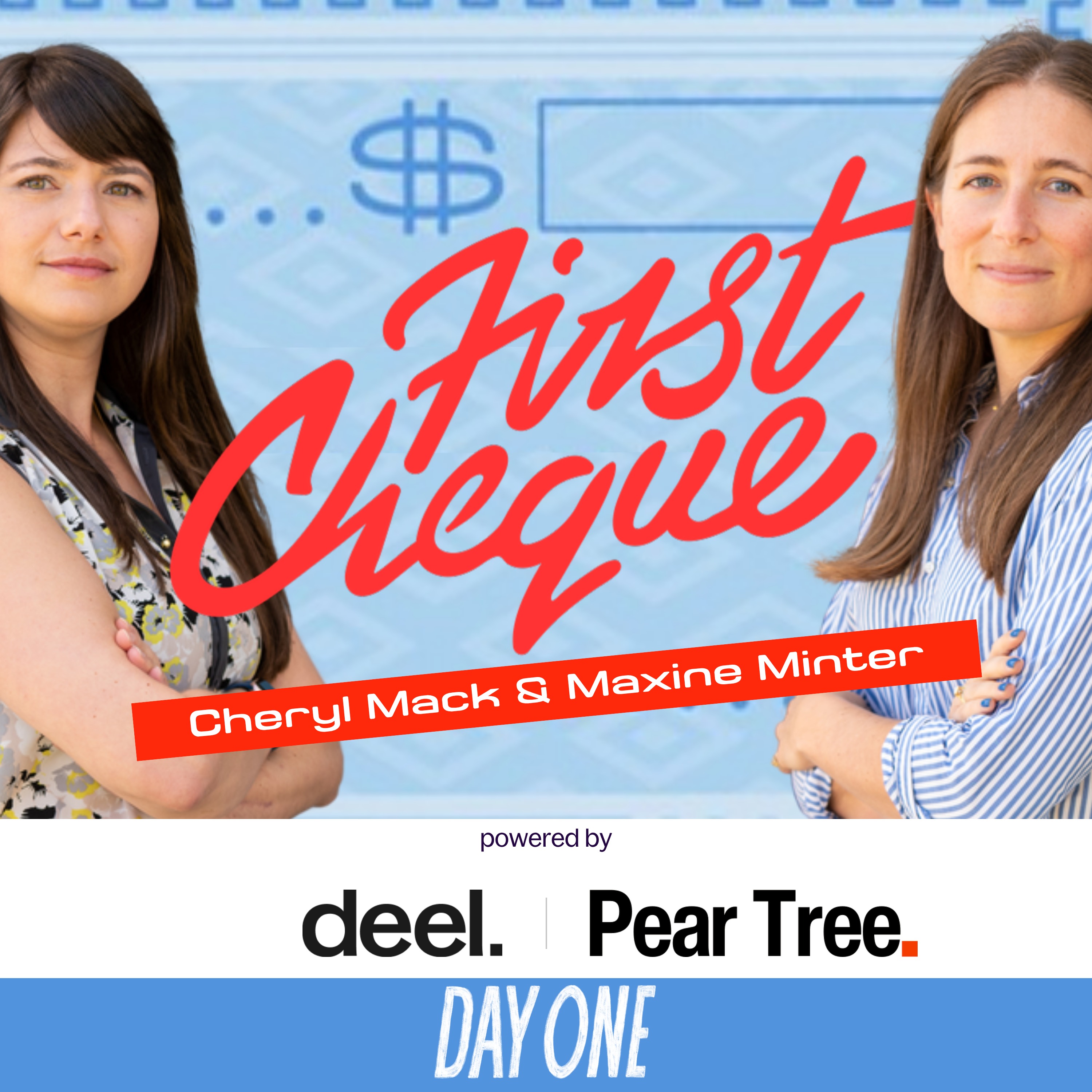
 First Cheque with Cheryl Mack & Maxine Minter
2 Aug 2026 · 1h 1m · 23 chapters
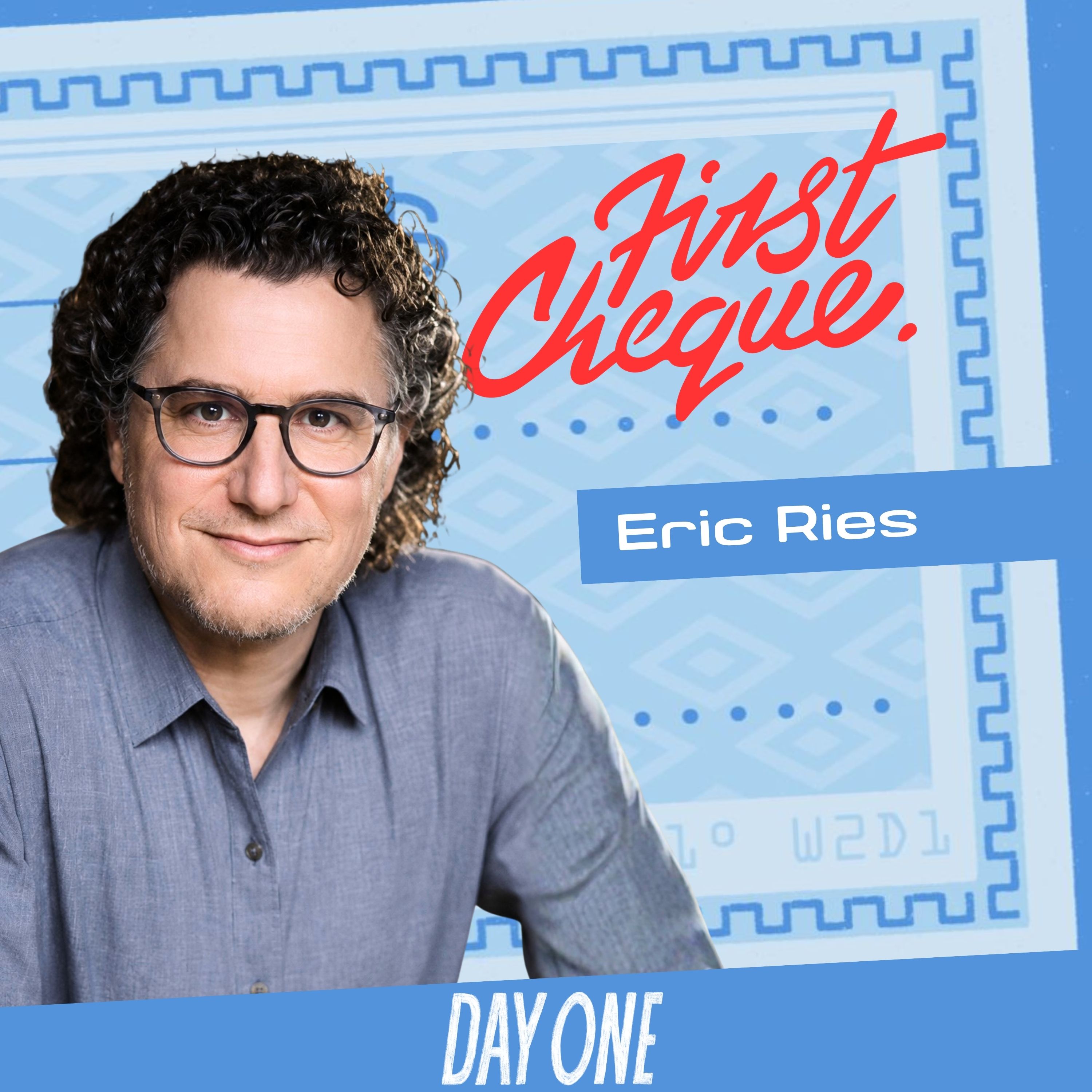
Eric Ries argues that venture and public-company “governance best practices” often reward extractive behavior that harms the company and its stakeholders. He claims this is a pervasive, under-named force he calls “financial gravity,” and he says modern shareholder-primacy ideology is value-destroying rather than value-creating.
Eric Ries is the author of The Lean Startup (and later books including The Startup Way and Incorruptible). He’s worked across startups and corporate transformation, advising founders and investors, and has seen founders ousted unfairly by incompetent boards.
Profit is often “exploitation” (Adam Smith’s term). Many governance teachings lead to “lambs to the slaughter.” “Corruption” has been narrowed in modern usage, so harmful conduct gets normalized. Investors and boards can prevent this with long-term protective governance, including “mission-protective provisions” and a “Spiritual Holding Company” structure (a nonprofit or similar entity overseeing a for-profit).
Nova Nordisk’s insulin origin and its long-running nonprofit foundation oversight; Zeiss (1887) as an earlier precedent; tortilla/restaurant private-equity stories illustrating “pricing power” and brand degradation; governance ratings allegedly show “good governance” underperforms “bad governance.”
Written by AI. May contain mistakes.
Exploration of the concept of extractive behavior in business practices and its implications.
“We are rewarding and incentivizing this extractive behavior, often which comes at the fatal to the host organism, but the people that do the extraction make money from it.”
Discussion on Eric Ries' influence in the startup world and expectations for the interview.
“And like, so it's like, I just can't even believe we just, we like, like they reached out to us.”
Eric shares his first investment experience and the excitement of starting his own company.
“So, Eric, the very first question we always ask all of our guests is, and I'm so excited for your answer, what is the very first thing that you ever invested in?”
Eric discusses the shift in his focus from fast growth to sustainable practices in startups.
“But, um, after, after IMV was successful, and especially after the success of lean startup, you know, a lot of people asked me to get involved in their companies.”
Eric reflects on the impact of Lean Startup, addressing criticism and its role in entrepreneurship.
“How do you create things that, you know, maintain their structure?”
Discussion on governance issues in startups and the consequences of investor actions.
“Yeah, well, otherwise you go crazy because you put an idea into the world, you also get a lot of vitriol and people who don't like it too.”
Learn about the negative impacts of poor governance and board decisions on companies.
“Companies where the investors have ejected the founder in a totally unfair way.”
Eric shares personal anecdotes and insights on widespread corporate corruption.
“Yeah, that's one of the things that we were talking before.”
Explore how private equity affects company quality and customer loyalty.
“You have no idea how many stories people have sent me.”
Discover how companies exploit customer loyalty for profit, leading to quality degradation.
“And so we're just seeing this over and over and over and over again.”
Understand the concept of 'financial gravity' and how it leads to corporate corruption.
“But I rarely meet ones that are just like money by whatever means necessary.”
Eric discusses strategies for early-stage companies to avoid governance pitfalls.
“And we don't, people hear that, they're like, that's not what corruption means anymore.”
Learn how to effectively communicate governance practices with investors.
“earliest stage of businesses, because that's where we spend all of our time as investors and a lot of the folks that listen to this show.”
Eric Ries discusses common investor questions and misconceptions faced by founders.
“It requires a whole chapter to deal with the passers on your board.”
Ries emphasizes why early-stage governance practices are crucial for startups.
“So yeah, so what can we do at the early stage?”
Exploration of the Spiritual Holding Company and its implications for governance.
“Marie was a doctor herself, one of the first credentialed doctors in Denmark where they lived.”
Explore why companies with unique ownership structures tend to outperform conventional ones.
“Companies that have this structure, like take the Industrial Foundation flavor for a second, because that's been the best studied.”
Discuss the shortcomings of traditional governance practices and their impact on company performance.
“You know, Ikea, Costco, Patagonia, Vanguard, Aria, there's so many of these companies.”
Analyze a case study of a startup's downfall due to unethical practices in the pursuit of profit.
“But like in practical terms, right, I'm thinking about, OK, well, you know, Anthropic have this spiritual holding co of AI experts that can oversee things.”
Understand the importance of articulating a company's mission and values to guide decision-making.
“In the name of profit, we do something profoundly unprofitable.”
Eric Ries shares personal experiences of courage as an entrepreneur and the fear of failure.
“It's not like some radical, crazy thing.”
Eric Ries shares his experience of confronting the fear of losing his job and the pivotal moment it created in his leadership style.
“and like do things the conventional way.”
Discussing the value of adhering to one’s principles even when faced with challenges.
“And I just, now I've come to recognize that in so many of the leaders that I admire, that they're just really who they are.”

Get the gist, explore an idea or ask about something said.
 Claude
On First Cheque with Cheryl Mack & Maxine Minter, what are the key points of this episode?
Searching your listeningAutomatic transcript. May contain errors.
0:00We are rewarding and incentivizing this extractive behavior, often which comes at the fatal to the host organism, but the people that do the extraction make money from it. We call that profit today, but Adam Smith would have called it exploitation. Many of today's so-called best practices that we teach about how investors should behave on boards, about how companies should be operated like the cultural leadership practices, and about how companies should be structured, the right relationships they should have between their employees, their customers, the company and their investors. Many of these best practices are value destroying.
0:35If you just wanted to make money, like go be an investment banker or a corporate lawyer or something. There's so many easier ways. Why? Why on earth would you be in this ecosystem?
0:44Cheryl Mack: There are other ways that are easier than backing early stage companies to make money. So many. Okay, three, two, one. Hey, I'm Cheryl. I'm Maxine. This is First Check, part of Day One, the network dedicated to founders, operators, and investors. If you want to be a better early stage investor, this is the show for you. So TLDR, if you don't want to suck at investing, listen up.
1:11Maxine Minter: I am so excited for this one. And I am like true, true, true, true fangirl moment. Like first text I've ever read in the space was my gateway drug to venture building. And now we get to speak to him, to Eric Ries. I know.
1:29Cheryl Mack: I cannot believe. And like, so it's like, I just can't even believe we just, we like, like they reached out to us. They were like, hey, do you want an advanced copy of the book? And I was like, I have reached status of getting advanced copies of books. Like I have made it. And like the first book, you're right. Same. Like I still quote things from The Lean Startup. It is the very first book that I think any entrepreneur or like VC starts to read when you join this space. You're like, what book should I read? Oh, The Lean Startup. I didn't even know there was a red book, by the way. I just know there's a blue book.
2:04Cheryl Mack: And I love that he made them red and blue. Red pill, blue pill. But I love it.
2:09Maxine Minter: You can take the like red pill, blue pill. Yeah. yeah exactly I mean I don't know that you would look at the two the red pill by the way is the startup way but that is more for like corporate innovators yeah I guess that I guess there's like a meta comment there of like taking the blue pill is building yourself and taking the red pill is
2:25Cheryl Mack: doing it like in a larger organization yeah that's I I got that from that which is cool but yeah I am so excited to talk to Eric Reese I just think he's the coolest person in the world and I cannot wait to hear more about this new version of... I also, I'm so excited to hear how he went from, okay, like, let's build and pivot and grow and run fast and break things to, hey, there's a whole bunch of corruption in the world, which is, you know, something we're going to dive into with his new book. And so it'll be good to learn how he went from that to that over the last 15 years.
2:59Maxine Minter: Yeah, here's some of the scar tissue. But also, I mean, I think it's thematic, right? Like I think there is, we're thinking about building things that last now, whereas back in, I think he wrote it in 2013, right? 2014. He all wrote Billion Startup in 2014. Yeah, it was, you know, build fast, break things. And now it's like, oh, actually, maybe we shouldn't break stuff. Maybe we should build for the long term. So I can't wait to get into it with him. Amazing. Let's welcome Iman.
3:31Cheryl Mack: You're listening to a DayOne.fm show.
4:02Cheryl Mack: If you're a founder or operator trying to scale, here's the reality. Australian hiring is getting harder, salaries are at record highs, and the talent you need is increasingly out of reach. The best operators are quietly building offshore teams of engineers, marketers, accountants, and analysts at a fraction of the cost.
4:17Maxine Minter: Pear Tree does it differently. They headhunt highly skilled talent from the Philippines and South Africa with full transparency on where every dollar goes, so your team is paid fairly, and they are fully focused on your business.
4:29Cheryl Mack: As a day one listener, you'll receive a free team audit to identify where offshore talent could move the needle in your business.
4:35Maxine Minter: Plus 20 % off on your first hire. You can learn more at dayone.fm slash pear tree. That's dayone.fm slash p-e-a-r-t-r-e-e.
4:49Cheryl Mack: Let's jump into it with Eric. So, Eric, the very first question we always ask all of our guests is, and I'm so excited for your answer, what is the very first thing that you ever invested in? Gosh. Well, it had to have been one of my own companies, I think. I think when I did my first Silicon Valley startup, this would have been in 2004, maybe. I did not have a lot of money to my name. But at the time, I scrounged up just a little bit so that I could be on the cap table myself. And that was definitely my first investment. and I didn't know anything about investing then to seem very, very arcane.
5:28So yeah, I've done it quite a few times since then.
5:31Cheryl Mack: Do you remember what company that was? Yeah, it would have been IMPU, what I wrote about in the Lean Startup. Started that company in 2004 and although we mostly were angel-backed, we did a friends and family round and I remember gathering some actual friends and family and getting them into the round and I put some money in myself. It was really, it was very exciting.
5:49Maxine Minter: Yes, that's so cool. That's so cool. If you don't mind me asking like that was that your first job that you had been working on or and you just hadn't really invested before that um there was definitely my like that was my first real real job in silicon valley like as a founder but i had i had the people i founded the company with we had all worked at us at a venture bat company that was like a dot-com era holdover after i came out of silicon valley and of course i had done a dorm room startup while i was still in college during the dot-com bubble. So cool. It definitely felt like, okay, now I have arrived in Silicon Valley and I'm doing the thing that I came here to do.
6:27It was very exciting to be part of an opportunity like that.
6:31Cheryl Mack: Writing your first check into a company. Yeah, yeah, yeah, exactly.
6:35Maxine Minter: Yeah, it just happens to be yours. Yeah, well, I didn't want to be an investor and I still don't really think of myself as an investor, although I've, I've, I was a, gosh, I wonder if I've made more money now as an investor than as a founder total. I'm not sure. I'm not sure. Actually, I don't have to add it up. It's, it's kind of, it's kind of confusing those ways. But, um, after, after IMV was successful, and especially after the success of lean startup, you know, a lot of people asked me to get involved in their companies. Uh, and sometimes I would do it as an investor. Sometimes I would do it as an advisor.
7:03Sometimes I would do it as both. Um, but I kind of like, I kind of like being an advisor more than investor. Like I like being on the common side of the cap table versus the preferred side. so maybe I'm asochistic that way but I really enjoy the sweat equity kind of even more than the financial equity although of course our economic system is certainly geared for investors and the advantages that they receive so I've enjoyed those as well.
7:26Maxine Minter: That totally tracks and I think I mean you've hinted there a couple of times but I mean you wrote probably one of the most important books in the startup ecosystem and the actually like the principles behind this kind of iterative way of building or at least put pen to paper on that iterative way of building in a way that I think now has become kind of woven into the collective fabric of building and pivoting at the early stage. And then you have built and written two more books now, also interviewed two more books, which we're really excited to get into and talk to you about your new book. But I'm really interested in the arc that that has taken you on.
8:01Maxine Minter: Because if we think about building a company, then the lean startup as a gift to the ecosystem right like how to be iterative and how to move fast and break things and it was very much of the um of the zeitgeist at the time and then the startup way starting the long-term stock exchange and then now incorruptible can you maybe take us on that journey like what changed for you at least from the outside which looks like two very different ways of thinking about the world right moving fast breaking things running really fast at things and then thinking about, you know, now with Incorruptible, thinking about how do you create things to last?
8:36Maxine Minter: How do you create things that, you know, maintain their structure? Yeah. You know, from the outside, I know people perceive this as me doing a bunch of different things that all seem very different from each other. But from the inside, what you have to understand is to me, it's always been just one thing. And I don't really understand why it has played out the way that it has. You know, I don't know how to make a master plan for these things. I tried to be discerning about, okay, what does the world need now? Okay, let's go do it. So to me, it wasn't really that different, you know, doing startups versus writing about startups, writing code versus writing prose.
9:09Like, I don't know. It's not that my brain is not that different. And I didn't know. I think it's interesting when you put something out into the world, you don't know what's going to happen. So I didn't know that Lean Startup would take over my life. I didn't know it would change the world. I hoped it would have some level of success. But obviously what has happened in these 15 years is far beyond my wildest expectations. And the question I just keep asking, like, I'm just very curious. I want to understand how things work and I want to put the things I learn into practice. So I felt like Lean Startup was a very comprehensive answer to a slice of this problem.
9:46You know, what is the managerial book, a book about the management systems of high uncertainty. and to formalize a bunch of ideas that were floating around in the zeitgeist to maybe contribute a few original ideas to put it together into a package that allowed us as an ecosystem to talk about something we couldn't talk about before. If you look at the pre-lean startup discourse about topics like pivots or MVPs, it's very confusing. Like it's actually really interesting to watch practitioners write and talk about that era before because it's not like we weren't pivoting before. It's obviously as old as entrepreneurship themselves.
10:23But if you read biographies of famous entrepreneurs, if you would just read the self-accounts, the interviews of Promenade, it was very confusing. We couldn't really reason about what was going on. And so I started to call this the development of conceptual vocabulary. Like it's not actually putting a word to a thing. The word is not what's important, but to identify the concept that would allow us to argue about, debate it, spread it, oppose it, whatever. Even the people that hate lean startup and think it's stupid have to spread the meme in order to criticize it. That's how often you put your finger on something.
11:00Cheryl Mack: All publicity is good publicity, that kind of thing? I guess so. I think of it more like we're trying to prove certain theorems, you know, and everyone contributes to the proof, even the people that are being skeptical or having opposition. And in fact, you see that in the wisdom of crowds research that the effectiveness of a group, the average effectiveness of the group is increased even when you add someone who is ineffective to the group under a wide variety of circumstances. So it's like having someone who disagrees with everybody else, even if they're wrong, stimulates a lot of good thinking.
11:33So I've learned in my old age to be grateful to these critics because by their manifest incorrectness, they help people find the truth. It's all good.
11:43Cheryl Mack: What a great way of looking at that. Yeah, well, otherwise you go crazy because you put an idea into the world, you also get a lot of vitriol and people who don't like it too. Although I guess it helps that I look the way that I do. I don't get as much social media hate as a lot of other people do. So I am grateful for that undeserved though it may be. In any event, so to me, the question was like, what is true? How do you make great companies? What does it take? And I felt like Lean Startup was like the first attempt at a general theory of entrepreneurship, like just very, very, very basic. To me, it seemed like the beginning of something, not the end of it.
12:19And so I was very pleased that lots of other people, there's like a zillion Lean for X type books that were written on top of it. A lot of people built on that infrastructure. People have built and sold consulting companies out of it. Like a lot of good stuff came out of it. But to me, all that felt very incomplete. I started to work on what happens after companies get larger. And I had a whole life that most entrepreneurial people don't know me at all for this. But in the corporate innovation world, corporate transformation world, they know me more for the startup way, even then for the lean startup, the red book, not the blue book.
12:47Because I really spent a lot of time trying to understand, what does it mean to do these things at scale? How does it work when you get to larger scale? Because I got to work on every conceivable kind of company. You name, industry, sector, size, age. I'd done it, you know, product categories. I've been all over the place. And that was really interesting. And I felt like it took a while. It took like a really long time to work out the details. Like, okay, what is the right management system for this? How do we turn an individual entrepreneurial insight into a portfolio? Like a lot of like, I consider very basic questions about accounting, about budgeting, about team construction that I just couldn't get answers to.
13:27Like no one seemed to know the answer. So it was like, I felt like I was once again doing this thing. And so as a result of this, look, it's really fun. Okay. Get to be the lean startup guy. Okay. Just, it's extremely fun because every day people reach out to me for advice about investing in, building, revitalizing companies. So I just get presented with an endless buffet of interesting intellectual challenges that are also economically valuable to the person asking, which for me, that's like, that's just wonderful. So stimulating. So great. But I've also, as a result of that, seen how bad it can get.
14:01I've seen the dark side of this business too. Companies where the investors have ejected the founder in a totally unfair way. I talked to a company today, a guy got called today, literally two hours ago, three hours ago, got a call from someone who is dealing with a board that is just catastrophically incompetent, who on their watch presided over the squandering of like tens of millions of dollars of venture capital, brought in this person who's calling me to fix it. the situation. They did turn it around, got the company to profitable. And they're like, thanks, but no thanks. We don't really need you.
14:36You don't have any leverage here. You don't have to be paid fairly for your work. We don't want you to have any equity. We could get somebody else just as good. It was like, you guys, this is unbelievable. It was just such, and I named the company that would be like, I can't tell you how many comments you would get from people who would be like gnashing their teeth because it's a beloved company with tons, with a great community. And it's just, they deserve so much better than what's happening now. And what does the board want to do? They want to sell the company for parts. That's the, that's the best they can think of for what to do.
15:07This is having, after having already purged the, they've already purged the founders. So now they're on a next generation of leadership that they're eager to purge. It's just, it's just sad. And so to me, it's like, if we just want to make great companies, we have to stop this. We have to put an end to this behavior. It is a massive tax on the productivity of our economy. So to me, it's very natural to just be like, okay, first of all, how do we create these companies? And then how do we preserve, scale, and protect them? And I think, frankly, the way we are teaching entrepreneurship today and leadership and governance and board, like a wide variety of managerial subjects are being taught in a way that I think is frankly naive.
15:45And it's just leading lamb after lamb to the slaughter. I think it's, I'm frankly tired of it. And so as with all my books, they come from my own personal pain grappling with this thing, this thing that we can't name. And so my goal is to give it a name and we can reason about it properly.
16:03Cheryl Mack: Yeah, that's one of the things that we were talking before. We were like, what has happened to him in the last 15 years that we've gone from this exciting pivots and we can get started and run fast. And so much of our vocabulary in this space has come from that book to, okay, the world is totally greedy and we need to fix it. How jaded are you over these last 15 years? But it sounds like you've seen a lot. As the kids say, I've seen some things. Yeah. But it's not just me. Okay. It's not just me. Just look, just read the news. Like look around. We're drowning in this phenomenon and it's bizarre.
16:37The book's been out, I don't know, just a bit over a month as we're recording this. And people have started to send me their corruption stories. Like people are like, oh, hey, Eric would like this. So like my inbox, like, and I've worked on this book for.
16:51Cheryl Mack: Now your inbox is just filled with like depressing corruption stories. You have no idea how many stories people have sent me. That doesn't sound fun. It's actually great. It's great because it gives me like a steady stream of new examples to talk about as I've been on book tour and stuff like that, which is really great. Now, I don't know how many of them will translate to an Australian audience. You guys will have to help me. Give us one. Give us one. I'll think that through. No, I mean, there's just tons of these companies. The most recent one that somebody sent me, well, I mentioned the one I just did.
17:19That was just today. What the one that somebody sent me this morning? um oh oh it was a it was a tech company that like i thought was a great company like as a company i know the founders really well and someone sent me this long diatribe about how they've been there for 15 years and they're leaving they've had it the company's become totally and they were like laying out the bill of indictments like look at all these ways in which they've lost their way they're stealing the company the customer's data using it for ai training illicitly and then they got caught doing it it was just like such a predictable list of things the one before that was a tortilla company.
17:53Cheryl Mack: Like taco tortillas? Like taco tortillas. Like physicals. I got a lot of food examples. What? Incredible. People are so upset about these food companies. It gets acquired by a public company or private equity. I can't remember which one it was. And you go on the Reddit forums for the company and people are just hair on fire that tortillas are disgusting now. Because this is... And if you read up on modern finance theory, This is called pricing power. Like the reason you would want to take over a tortilla company is not because you think, ah, this is the future of food. No, because you realize that you have a captive audience and you could take cost out of this business and they'll still buy.
18:35Totally. And the people complaining on the forum are probably still buying. A lot of them buy it because they have celiac disease or whatever. And this company was like really well known for producing like whatever. I can't remember what the thing was, but like they have known for certain special attributes that made customers buy the product. It made them extremely loyal to this brand. They were so upset. But from the private equity perspective, this loyalty is an asset to be exploited, not to be nurtured. And so we're just seeing this over and over and over and over again. Rory Sutherland, if you know him, has a great rant about going to a restaurant where their private equity had taken over the restaurant.
19:14A friend had recommended they go eat there. The friend takes one bite of the food and He's like, oh, I'm sorry. I'm sorry. I could taste that this restaurant's been taken over by private equity. I didn't know. I would never have recommended it. And people laugh at that story. But like, why is it funny? Like, surely, sometimes with their vast financial resources, when a company gets taken over, we would celebrate because of those resources, the product got better. But we don't have any. No one sends me those stories. No one can even name any of those stories because that's not what happens. What happens is we are rewarding and incentivizing this extractive behavior, often which comes at the, it's like fatal to the host organism, but the people that do the extraction make money from it.
20:03We call that profit today. But Adam Smith would have called it exploitation, harvesting what others have created. And I just think we have to stop valorizing this. I think those of us who are builders by nature, and I mean anyone in the venture ecosystem should be in this category, certainly founders. But a lot of early stage investors are this way, too. Why did we get into this business? Like, this is not a rational business to be in. If you just wanted to make money, like go be an investment banker or a corporate lawyer or something. There's so many easier ways. Why on earth would you be in this ecosystem?
20:36Cheryl Mack: There are other ways that are easier than backing early stage companies to make money. So many. You know, I don't know if anyone's compared it to winning the World Series of Poker or something lately, but like it's not that high. Yet we do it anyway. Why? Because we were called to do it by some extra financial motivation. And it's different for all of us. Some people are in it for quality or the environment or for taking care of their employees or because they want a certain problem they want to see solved in the world. I've met so many entrepreneurs, so many investors, so many different motivations.
21:04But I rarely meet ones that are just like money by whatever means necessary.
21:08Cheryl Mack: So then what happens at some point that falls apart? It falls apart. So what's crazy, and I know this, that people hear this and they're like, come on, that can't be right. Okay. So I recognize upfront that there's going to be skepticism for this. And I'm, I'm used to that. You know, most of the things I've written, people have not immediately thought were great. So you have to just trust me on this one. Many of today's so-called best practices that we teach about how investors should behave on boards about how companies should be operated like the cultural leadership practices and about how companies should be structured, the right relationships they should have between their employees, their customers, the company, and their investors.
21:46Many of these best practices are value destroying. There's actually a whole chart in the book just called Best Practices Destroy Shareholder Value. And it's not my opinion. This is not my opinion. There's like tons of academics who work on these things and have studied it. There's like a vast mountain of research that most people in the ecosystem have never seen, never even heard of. And we're preaching these things as if it's some kind of brilliant innovation. We've finally figured out the ideal corporate form in the US. It would be like a venture-backed Delaware C Corp where the investors call the shots, even though they are minority owners.
22:21Now, that idea is called shareholder primacy, and it has slowly but surely taken over the world in the last 40 or so years. But it's not some ancient pillar of capitalism. It's a relatively new phenomenon. And we are teaching it like, if you oppose this, you're opposed to capitalism itself. You're opposed to value creation. You don't understand. It's just like, it's wild to me how indoctrinated we are to it when the evidence to support it is extremely poor. So that's one of the reasons. But the other reason is there's something a little bit more subtle. And this goes back to that question of like, can we name the thing that we see?
23:01So when this happens to your favorite brand, what do you call it? What is the name of that thing that occurred and why? P-ification. Yeah, right. Like Corey Doctorow literally calls it in shitification. He's got a whole book by that title and it's, you know, it's mostly about the tech industry, but the tortillas are not in the tech industry. Like, let's go. The restaurant's not, like, this is a pervasive problem. And what I realized in writing and researching this book is that although we have a hard time talking about this, our grandparents would not have had a hard time. They would have said, oh, you're describing corruption.
23:39Easy. And we don't, people hear that, they're like, that's not what corruption means anymore. In fact, I'm not clear that any conduct meets our modern standard of the word corruption. It has been narrowed so far, as you can find out by watching the news every day, and watch what people will defend that our grandparents would have seen as indefensible. They would have said if that happened, you should retire from public life in shame, let alone be defended out there saying it's okay. Outrageous. So we've just gotten used to corruption as a natural state of affairs. We accept it as part of our financial systems.
24:14And it is a massive tax on our economy, in addition to its many malign social consequences. So I wanted to give a name to the force that causes this corruption. Why are companies being dragged down, pulled down into mediocrity or worse, I call it financial gravity. And once you see it, first of all, now that I've mentioned it to you and now that people listening to this, you're going to start to see this all over the place. And that's why you're going to start emailing me your favorite corruption story. People are like, I never noticed this before, but now that you pointed it out, it's everywhere.
24:47And you'll start to notice it in individual interactions, like companies that you interact with. You'll be like, oh, they're raising money, raising the price on me because they can. They're doing something that I now secretly hate them. I can't switch right now, but if a competitor ever showed up, I would switch in a heartbeat. And those liabilities don't show up on the balance sheet. In fact, the people that cause those liabilities are routinely rewarded and promoted and lavished compensation upon without ever being held accountable for the downstream consequences of the wreckage that they caused to so many companies.
25:25Maxine Minter: So fascinating. I mean, there's like so many threads I want to pull in there. I'm like, exercise your self-control. I know. I guess the first and I think the most interesting one for us is when we think about the kind of like earliest stage of businesses, because that's where we spend all of our time as investors and a lot of the folks that listen to this show.
25:45Cheryl Mack: We usually first check in.
25:47Maxine Minter: Yeah. So when we think about that very early stage and you're kind of like iterating around, but you found something that like actually works, what is the antidote to some of these things that you've talked about, right? What would You find yourself advising companies to do it at a very earlier stage so that when the founder is still in the business and they are still kind of pursuing that passion, are there any suggestions you make or pillars you suggest that they build to create more long-termism in these businesses?
26:17Cheryl Mack: And not just the founders, the early investors like us that are putting those checks in too that maybe don't feel like we can ask them. Absolutely. You have such an important role to play here. The number one question, I've been on tour now for more than a month talking about these ideas. The book has a complete blueprint for exactly what to do at every stage to prevent this. This is the other thing that people find is so hard to believe. This is not some arcane mystery. We don't know how to solve this problem. We actually do. There's whole branches of research that have been working on this for decades.
26:52There are companies that are able to defy this force, and they're all name brand companies that you'll know. As you start to read the book, you'll be like, wait a minute, they're in the club? I didn't even know. This is totally solvable. But the problem is the number one challenge. People ask me in talks, in lectures, all across all over the world now, all they want to know from me is, but are investors okay with it? Will investors be okay? Can I still raise money? And it's like, guys, first of all, this is what investors live for. The mission-driven company, remember missionaries versus mercenaries, whatever happened to that?
27:31Like what has happened? But what's going on is that so many investors, after they become board members especially, but some of them even while they're writing checks, have had these governance best practices drilled into them so hard that they're actually really difficult to work with. I can't tell you, there's a whole section in the book called how to talk to your lawyer about these things. There's a whole section called how to talk to your investor about it. And then there's a whole section about how to deal with people who passive-aggressively object by just asking questions. And this is like, this is the worst.
28:08Maxine Minter: I got it. That's a whole chapter. It requires a whole chapter to deal with the passers on your board. That's a whole chapter. Specifically. Just passive-aggressive questions. It's unbelievable. And how did I write these sections? Very easily. Because for the years I was working on this book, I've been advising many, many, many startups to do these techniques. And I just ask them every time someone gives you one of these objections, will you tell me what it was so I can write it? I kept a list. How long was this list? It was, it's not that long because everyone's very repetitive. Like they're all the same.
28:43Everyone's eyes. It's like all these bold contrarians.
28:46Cheryl Mack: Okay. Give us, give us a couple of questions. They would all be like this. They'd be like, well, aren't you worried that I'm fine with it, but aren't you worried that other investors might not like it? No. What is the answer to this question? No, I'm not worried about it. I don't know. And some would be like, all right, what am I going to tell my LPs? Tell them that this way of building companies is more profitable, so you're going to make a lot of money for them because that's your job. So many of them are non-substantive, and yet founders shrink from hearing these kinds of things. People are like, it's not standard.
29:20It's not this. It's not that. And the most devastating ones are of this form. Listen, I hear that you want to do this thing. Makes sense. But since we're so aligned here in the early stage, where do you need this? It's redundant. Maybe later, when you have actual issues, like let's just get product market fit and worry about this later. okay i can't tell you how many companies i have worked with that put it off and put it off and pull it off and then as i say in the book it's always too early until it's too late and i have actually sat in the room with like the ceo turning to the cfo and be like hey whatever remember that thing that eric was talking about the mission protective provisions that's what they call it in the law do we ever do that thing and the cfo's like oh you were serious about that I'm like, yeah, I told you to do it last year.
30:08He's like, yeah. But you told me not to worry about it because it was too early. Yeah, it was. But can we do it now? Oh, no, now it's too late. You should have told, if you were serious about it, you should have told me. It's like, I did tell you. It's like, when was it the right time? There's no right time. It's never the right time because this is an ideology. It is not, it's not actually like, people are not engaging in their own critical thinking about this. They're just parroting something that they've been told to do and, of course, is in fact, again, you have to reckon with this, is very good for their careers.
30:39If you are someone who is known for being a advocate for shareholder primacy and its affiliated ideas, that will be a career accelerant in so many different jobs, especially in investment banking and corporate law, like so many jobs.
30:55Cheryl Mack: If you're a founder or operator trying to scale, here's the reality. Australian hiring is getting harder, salaries are at record highs, and the talent you need is increasingly out of reach. The best operators are quietly building offshore teams of engineers, marketers, accountants, and analysts at a fraction of the cost.
31:11Maxine Minter: Pear Tree does it differently. They headhunt highly skilled talent from the Philippines and South Africa with full transparency on where every dollar goes. So your team is paid fairly, and they are fully focused on your business.
31:23Cheryl Mack: As a day one listener, you'll receive a free team audit to identify where offshore talent could move the needle in your business. Plus,
31:29Maxine Minter: 20 % off on your first hire. You can learn more at dayone.fm slash pear tree. That's dayone.fm slash p-e-a-r-t-r-e-e.
31:43So yeah, so what can we do at the early stage? The early stage is the most important time because so many of these things are incredibly easy to do at the beginning and so difficult later. Not that they're impossible. I give lots of examples of companies at many different stages adopting these practices so that no one, I don't want I'm going to feel like, oh God, it's too late for me. But at the early stage is definitely the best time. And in particular, I use the analogy for people like, imagine you meet an Olympic athlete. Okay. And you're like, tell me all, oh, master Olympic athlete, tell me all your secrets.
32:14I want to be an Olympic athlete too. And they're like, okay, well, first step before you even train in swimming or badminton or whatever, first step is you got to eat right. And you got to be in the gym pretty much every day, right? It's like, got it. So after I become an Olympic athlete, then I'm going to eat right and go to the gym.
32:31Maxine Minter: No, that's not what I said. Wrong answer. Nope. I do that ahead of time. Ah, I see. If I go to the gym one time, you guarantee me that I will be an Olympic athlete.
32:40Cheryl Mack: I ate a salad last night. That works, right? Yeah. It's like, I ate, I ate really well one time. So does that count? Like not really, I don't think you're really getting it. And the number of variations of this, like, okay, you're telling me that even if I eat right and go to the gym, there's a chance I still might not become an Olympic athlete. I guess it doesn't matter. There's no point in doing anything. Actually, I can eat all the Doritos I want because it's hopeless. It's just like, guys, every possible misunderstanding. It sounds hilarious. That was a big jump there. Yeah. It's hilarious when you think about it in sports, but when you translate those same concepts into corporate governance, I hear this all the time.
33:17It's like, oh, I didn't do it on my first day. I guess it's too late. I guess I could never do it. Oh, I did one thing. Now I never have to, now I'm invincible for life. It's like, this is a lifetime practice. And the earlier you start, the easier everything gets.
33:30Maxine Minter: I love it. And I think, I mean, my hope is that everyone will get this book and have a read of the kind of core principles.
33:37Cheryl Mack: You're listening to a dayone.fm show.
33:40Maxine Minter: So are there any that are particularly salacious? Like you've noticed most commonly trigger the list of past ag questions or, you know, principles that you suggest. For example, you have this idea of a kind of spiritual holding company. Yeah. Yeah. That's certainly the most controversial. Yeah.
33:58Cheryl Mack: A little bit. Yeah. Just anything with the word spiritual in it in the founder world feels... Totaling. Yeah. I knew that it was going to get people, but the point is... So first of all, I don't mean spiritual in the religious sense. I mean spiritual in the sense of the animating spirit of the thing itself. And a lot of the book, look, this book begins like a normal business book, but then my goal is to do something a little bit different. And without spoiling anything, you can see how the form of the thing deviates from expectations as you read through. And that was all very intentional and including using this language because one of the biggest problems, like the philosophical problem at the heart of this is that we just don't understand what a company is.
34:41We birth these things and then we don't control them. We don't understand what they are. And so we don't take measures that are remotely adequate to get the results that we want. So the book is concerned first with the operational side of things, like how do we build a management system that can bind the organism, the organization to a set of values? How do we align the business model? How do we get the culture right so that even if no managers are present, employees know what to do? And then of course, these questions about board and investor stuff. The pinnacle of this recommendation is this thing, the Spiritual Holding Company.
35:19Now, this sounds radical. And I just felt like there was no way. I tried to write a lot of drafts of the book where I tried to make it sound as normal as possible. But we're so conditioned to do things a very specific way that people find this just very hard to accept. But it's a very simple idea, actually. And there's tremendous evidence in support of it. So let's take Nova Nordisk, for example. That's one of the largest companies in the world. Very successful company, but going for more than 100 years with the mission of scientific research at the center. And I tell a bunch of stories in the book about companies that are destroyed because investors decide or the board decides kind of randomly to betray the company, to sell it, to reorient it, to fire the fountain, whatever.
36:04We've seen so many versions of that. People have tried to do that to Nova Nordisk, but it doesn't work. They had the ones that did the insulin, right? Yeah, yeah, yeah. So the story is really fascinating. The founders were a Nobel laureate and his wife, August and Marie Crow, in the 1920s. Marie was a doctor herself, one of the first credentialed doctors in Denmark where they lived. She got diabetes herself at a time when that was a fatal diagnosis. She was going to die from diabetes. And August asked her, in spite of this, would she still nonetheless come with him to North America? to do a lecture tour because he had just won the Nobel Prize.
36:43So they're in North America going and having these dinners with scientists. He's giving these lectures. And at dinner one night, the person sitting next to her at the table, so the story goes, tells Marie that these Canadian scientists have isolated insulin for the first time, a potential cure for diabetes. So she convinces August that they should extend their trip to North America and go see this scientific breakthrough for themselves. So they travel to Canada. They do sit down with the scientists. They put it through its paces, realize what this could mean. But their ambition is not just to cure Marie of diabetes.
37:15They're like, we have to bring this technology back to Denmark. So they make a deal with the Canadians. Can we license this technology from you and start producing insulin?
37:24Cheryl Mack: With all of the Canadians, not just the Canadian scientists, just like. Yeah, well, with the Canadian scientists, yeah. No, no, it was with the scientists who had the original breakthrough. There's only like five of us up there anyway, so. I mean, you know, I don't know what the population was in 1920, but yeah, that's a fair point. And what's funny about this is they, from the very beginning, both the Danish and the Canadian scientists, both, everyone's worried about a very specific future situation. They said, okay, imagine, like Cheryl, imagine you, Cree, you had a life-saving drug that I needed to live.
37:59Okay. So I'm just like, I have to get this, I have to get a dose from Cheryl periodically, or I would die. I would very much want you to make a fair profit. Charge me money for this. I want you to make money by selling me this thing because I want you to stay in business. I want you to have every incentive to give me this medicine. Right? That makes sense? Yeah. But I would also live in fear. What if one day you wake up and say, wait a second, why do I have to charge Erica?
38:22Cheryl Mack: You're going to die without this. Why am I charging you a fair price? Yeah. Why do I have to charge you a fair price? I can charge you anything you want. Bring me everything you own. I mean, really, what's fair? Your life, like how much is your life worth? What's my life? How much is your life? How much is a human life worth is, of course, the core question that all these formulas have to grapple with. So anyway, like this is to them, this was like a dystopian science fictional future that they were worried about. We actually, of course, live in this reality. And then Martin comes along and is like, hey.
38:56Yeah, Martin Scully is like, hey, we've actually had people do this. So this is not some like abstract concern. Anyway, they were like, look, in order to prevent that, the right way to build the Nova Nordisk Corporation, they called it the Nordisk Insulin Laboratorium, is to have a nonprofit foundation oversee or serve as what I call the mission guardian of the for-profit subsidiary, a two-entity checks and balances system. And they set it up that way in the 1920s, and it has endured all this time. I tell a story in the book about a time where the trustees of the nonprofit had to intervene to protect the company in a transaction in which they created more than$500 billion of shareholder value.
39:39Novorodark is a publicly traded company. It trades a zillion shares on NYSE every day. It is subject to all the same forces that everybody says would make them inevitably corrupt, and yet it endures. So this structure of having an entity that oversees another, I call it the spiritual holding company. And I had to invent a term for it because believe it or not, there isn't one in the literature. About Novo Nordis. Well, Novo Nordis has one. That one is called the Industrial Foundation. Okay. That's a nonprofit that oversees a for-profit. But there's also companies that have what's called a perpetual purpose trust that performs the same function, like Patagonia is one famous example.
40:21You have companies that have an employee ownership trust that does the overseeing, like John Lewis Partnership in the UK. You have companies that are actually an employee cooperative or a network of employee cooperatives like Mondragon in Spain. I could do this all day. There's like the ESOP structure. There's the B Corps. You have the Ben and Jerry's model. You have the ESOP model, like Taylor Guitars.
40:44Maxine Minter: You also have the anthropic model, which I think is one that, as they continue to steam ahead, will create a real beacon for this way of governance. A real beacon, especially as we watch this real-time play out in ethics in AI, between open AI that doesn't have or doesn't have anymore that structure and anthropic. anthropic i wrote you know anthropic is in chapter 11 of the book it sits in the spiritual holding company chapter because i i played only a bit part in the story so don't give me too much credit but when i wrote the book especially the early drafts anthropic was not that well known of a company so it's actually been really wild to see how many times since the book the delay between when the book was written and when it was actually printed you know there's like a delay before it comes out the number of times anthropic structure has been tested in that time has been remarkable And I was like, oh no, how's it going to hold up?
41:36You know, we'll see. So far, so good.
41:38Cheryl Mack: You might need to do a re-release. I was like, am I going to have to do an emergency revision to whatever? No, so far, so good. Of course, it's still early days. We'll have to see. But anyway, there's so many variations of this structure that we didn't have a term for it. And this structure is old. It's not some newfangled thing. The German optics company, Zeiss, that makes most of the lenses in the world, they had this structure in 1887. So here's the incredible part about it. Companies that have this structure, like take the Industrial Foundation flavor for a second, because that's been the best studied.
42:15These companies are five times more likely to live to year 50 compared to conventional structures. They have far better financial performance. They invest counter-cyclically. They invest more in R &D. They take better care of their employees. There's like a zillion things that they do better. Now, I'm not here to say that therefore, categorically, everybody who has the structure will automatically do better. That's not the point of this. The reason this is so important is because, it's not because of what it proves, but what it disproves. So the first time I ever met a company that had this structure, I was just doing a lean startup workshop for them.
42:51I was there with their CEO and their top executives, and we were doing this workshop, and I was just asking them some questions about the company, you know, just chit-chatting. And I asked them about this ownership structure and how does it work. And they were explaining to me the foundations, you know, all the stuff. And I was like, oh, I'm so sorry. That must be terrible. And they're like, what are you talking about? I was like, oh, you're owned by a nonprofit. You must not be able to follow all the best practices. And they're like, like what? It's like, well, you must not be globally competitive.
43:21You probably can't raise money in capital markets. You know, you're probably dealing with a lot of virtue signaling BS from this nonprofit and who doesn't understand your business. And I'm just rattling off all the things that our modern finance theory.
43:34Maxine Minter: Look how far you've come. Well, I've come a long way. So you just like read the list of CASAG questions? Yeah, I know them so well because I had them too. I was like, this can't be right. I was like, wait, this has been going on this whole time and no one ever told me. Because if you talk to people, like if you suggest to someone that they should adopt this structure and they ask their lawyer, they ask their banker, they ask their investors, even at the early stage, They'll be like, no, no, no, no, no. This can't possibly work. Because our modern finance theory predicts that these companies would not be globally competitive because they would not have the ruthlessness necessary to compete in our capital.
44:12And that's not true. So therefore, the finance theory is wrong. That's why these examples are so important. We have an inevitable rule. But if it was inevitable, there would be no exceptions. Yet there are these exceptions. So when founders talk to me about this, and this is so important, I really want all of your listeners who are investors to think about this. Founders come to me and we have this meeting. I've done this, I can't tell you how many hundreds of times now, where I'm like, look, are you aware of the vulnerability you have to be ejected, to be ousted, to be this, to be that? We talk about all this stuff.
44:49We talk about dual class shares. We talk about all the possible mechanisms. But then I mentioned this structure to them. And they're always like, well, that sounds really strange and weird. I was like, I know. But just because it's new to you doesn't make it new. And especially for founders that have already raised some money or that are having some success, they're often like, if this is so powerful, how come I've never heard of it? It's like, right, that's not a question for me. You need to ask yourself this question. And for everybody listening, why did you have to learn about this from me?
45:22Why didn't you learn about it in business school? Why didn't your lawyer mention it to you as one of the options? Every time you write a term sheet into a company, why isn't your lawyer mentioning, hey, you know, you'd make more money if you wrote some of these provisions in the term sheet. How come it never comes up? How come when companies do talk to their lawyers, they're like, I don't know, investors might not like it. Well, where are the investors? Why are the investors standing up to be counted to say, actually, we would like to make more money. Thank you very much.
45:47Cheryl Mack: I would like to make more money if anyone asks. Right. It's a very straightforward thing. And yet, and yet, and yet, this information is like an open secret hidden in plain sight. You know, Ikea, Costco, Patagonia, Vanguard, Aria, there's so many of these companies. I wish I knew the Australian examples. You'll have to teach me. There probably are plenty. That just every day are doing their regular thing, completely ignoring all these best practices. If they're public companies, they often get the worst possible scores from governance ratings agencies. One of my favorite funny factoids in the book is that since 2008, companies that have been rated to have good governance have underperformed companies that have been rated to have bad governance.
46:33Really? Yeah. It's crazy. Who is it for? If it's not producing returns for investors, what makes it good? This has become a self-perpetuating ideology, completely divorced from the data, completely divorced from the reality of employees, customers, investors, like actual lived experience. And of course, completely antithetical to the intuition, what I call the builder's intuition, that so many of us share that the way to make a profit is to create more value than you capture. That's why we got into this business in the first place. And we're living at a time now when for-profit companies themselves are under attack from a new generation, especially, who've lived only through an era of institutional collapse.
47:15And they only know for-profits as these like evil caricatures. I don't blame the critics. That's what they've lived through. But if we want to maintain this system, we have to make a change or it's going to collapse.
47:28Cheryl Mack: I think that's so powerfully said. Here's my question, though. But like in practical terms, right, I'm thinking about, OK, well, you know, Anthropic have this spiritual holding co of AI experts that can oversee things. And that is a very, very important mission. But like, let's say your average SaaS company that I invest in, you know, they maybe make some HR software. Like, I'm just thinking in practical terms, we're going to ask, they're going to talk to this founder about creating a spiritual holding company to have an expert talk about or like manage how they like ethically do HR charts. Like, I have follow up questions on like the practicality of this for your average SaaS company.
48:12Totally. And you made me start with the most abstract and the most difficult concept, because that's what you asked me about. But I promise the book builds up to that through a bunch of simpler things to do. So let's talk about, I don't know where would be a good place to begin, but since you mentioned the HR stuff, there's some really basic things that I think most founders view as kind of obvious, like too obvious to have to say out loud, but they're actually really important. So for example, there was a medical record startup here in the U.S. a couple of years ago that got caught up in the opioid scandal.
48:49And the reason we have all these great stories in the book of scandals is because when the scandal breaks eventually, there's usually litigation. And then through the litigation, we have the internal records and documents. So when I say that, I don't have to be like, they were alleged to have done. No, the documents all came out. We know what they did. So here's what happened. So they were a venture-backed company. They had a huge valuation in the hundreds of millions of dollars, I think. High flying, doing great. And Purdue Pharma came to them and offered them$1 million if they would push opioids basically on their doctors as part of the electronic health record, something, you know, basically advertising opioids to doctors, make sure you prescribe them to your patients kind of thing.
49:28And they took the money, they did the deed. And later this caused the complete destruction of their whole company. So go back to the meeting. Okay. Like imagine, because the critical thing to understand about so many of the destructions in this book is they're carried out in the name of profit. In the name of profit, we do something profoundly unprofitable. The person who got pitched by Purdue Pharma said, listen, I will give you$1 million. Think about how small that number is. It's not really that much money. Would you risk your whole multi-hundred million dollar enterprise? I bet the founders didn't even know.
50:05It probably wasn't even a tier one decision made by any important person. It probably was just someone who thought their job was to make money for the company. Simple, we're being offered money. And they probably had a meeting. What is the ROI of doing this? Well, we get the million dollars. What is the cost of doing it? Probably nothing. It will harm our trustworthiness in the long run. I bet there was someone in the meeting who was like, guys, guys, this isn't right. And everyone's like, oh, it isn't right. You know, like, where's your ROI spreadsheet, Mr. It Isn't Right, right? Like, you know, you've been in those meetings.
50:42You know what I'm talking about? This is very, very, very common. So part of this is just having an operating rigor to say, no, we actually are going to build an organization that stands for something in particular. I call them the fiduciary commitments of the company. Who would you rather die than betray? Anybody? buddy? Most founders, the answer is very obvious. They're like, well, yeah, my employees. Yeah, my customers. Yeah, the environment. Yeah, this. They usually have a pretty long list. But our formal legal governance theory, shareholder primacy says the companies owe a fiduciary duty only to their shareholders.
51:18So this gap between the stated mission of the company and its actual legal purpose is what creates massive friction and eventually destruction. So the simple stuff is like, can you actually just say out loud, what does the company stand for? What are the principles by which it operates? And then there's a bunch of managerial and cultural practices you can use to defend them.
51:44Maxine Minter: Which I think, I mean, it's an oversimplification, but I think something to call out, which is effectively we're talking about the kind of indoctrination of long-term thinking in a business. right we are causing you to think long-term to make longer-term decisions as long-term stock exchange the principle continues which is you like if you are making those decisions from a place of what is in the best interest of that mission in the long term then you're going to make a longer term decision you're not going to take a million dollars from purdue you're going to protect trustworthiness because it matters in the long term yeah yeah it's a very it's actually a very simple idea.
52:24It's not like some radical, crazy thing. It's just like, let's just live up to our stated actual values. So we do what we say we're doing all the time.
52:34Maxine Minter: And incredibly hard, right? And I think so wonderful for you, actually very similar to the Lean Startup, you're putting a kind of practical guide and a structure around something that kind of endures long-term.
52:47Cheryl Mack: And hopefully becomes part of our lexicon over the next 15 years. Like now I stop quoting Lean startup i'll start quoting it corruptible i certainly hope so that will be my hope i hope
52:57Maxine Minter: everyone who listens to this uh goes and gets the book and has a read because i think it's it's going to become infrastructure for our industry or at least i very much hope it does oh thank you for saying so i appreciate that with our last question that we have our last opportunity to ask you a good question um i'm interested given everything that you've done and all the books you've put out there and all the thinking and all the guidance what is the bravest thing that you've ever done? What was your biggest big cojones moment? Yeah. Yeah. Well, gosh, I don't know. It's hard. It's hard to say because I feel like this kind of career involves a lot of death defying leaps where you just have to put one foot in front of the other and you don't know what it's going to be.
53:35Um, certainly people have told me as I've been traveling around talking about the book, how brave they find the book, which I'm not sure what to make of that. Is that a compliment or is that?
53:43Cheryl Mack: Is that a good or a bad thing? Yeah. Was it kind of passive-aggressively? Like, that's brave. Are people like, oh, that was very brave of you to throw your career away on this crazy, on this quixotic quest. But I'm used to that, so I don't mind that. I think, you know, building LTSC probably is the thing in this category because it was such an unlikely thing to succeed. But it didn't actually take that much courage, like emotionally speaking. Like I got myself into lots of very dicey situations and I wrote about some of them, but mostly that was just putting one foot in front of the other. If I think about like what comes to mind actually for me is when I was very early in my career as an entrepreneur, I wasn't courageous because I thought everything was going to work out.
54:30So it's like, you know, when they teach gymnastics, one of the problems is that at a certain age, you're not afraid of falling off the apparatus. So you just, you fearlessly do the things. And then when you get to a certain age, you eventually start to realize that you can fall. And the fear of falling is actually like the major impediment to being able to do the sport. I feel like it was kind of like that. Like I had this, I got to a level of my career where I had something to lose. And all of a sudden I realized not everything's going to work out. And I can actually remember a very specific moment when I thought I was going to be fired.
55:00So this is before Lean Startup, before any of this stuff, I was an advocate for these ideas. We didn't even know what to call them. And they were seen by people as completely unworkable, crazy stuff. You know, it was not popular. It was not something that our VCs or, you know, any of the people around liked it. They liked the results that it got. But they, like so many people, were like, can we please have the results without the method?
55:24Cheryl Mack: Yeah, because that's a thing. No, but they, because that's the best. They're like, can't we just follow the best practices? And I was incredibly stubborn. And in the early days, I didn't mind being stubborn. and I'm like, no, no, no, this is the better way. And I would fight with them about it. But as the stakes got higher, I started to realize that I work for them. Anyway, I can really remember preparing for a meeting where I was sure I would be fired. Because they were like, look, we have to have a meeting. We're having a board meeting about this. We can't keep doing, can't keep going on this wacky different way.
55:57We need you to just grow up and be more professional and like do things the conventional way. That's what we need. We need somebody, as soon as people start saying things like this, We need somebody in your seat who can do this thing. And when they start saying stuff like that, they're starting to separate you from the seat, right? Like now we're starting to recognize that you are not indispensable here. You can be removed. And I had never been through that before. I'd never even been fired from a job ever. I never even had a low performance rating. I never failed the test. Never. So I'd never had anything like that happen to me.
56:30And I had this moment of like what they were expecting. In retrospect, it was so silly. they were just expecting, look, if I just come to the meeting and pay lip service to what they want to hear, probably that would have been the end of it. To them, it wasn't a big deal. They were just bringing me to heal as they do with lots of people. And I was like, am I going to do that? Am I going to come into this meeting and say, yes, sir, we'll do it your way for sure. And I just, I was like, I can't do it. I just can't do it. So did you get fired? So I didn't get fired in the end. That's what's so funny about it is I thought for sure I was going to get fired.
57:01And then I just went to the meeting. I was like, look, bottom line, what you're suggesting is not going to work. And what I suggest, like the thing I'm doing, this is what's working for us. So you can fire me if you want, but you can't get me to do something that I don't believe in. And I think it turned out that their threat to fire me had been a total bluff. I was like keeping that company running with my bare hands. I look back at it now. What were they going to do? What were they going to get to come clean up this mess? Even from their point of view thinking it was a giant mess. What were they going to do?
57:32Anyway, but also the CEO and some of the investors were very loyal to me. So it would have been a big company stopping moment. We'd have to have this big civil war fight. And they were just like, eh, these best practices are great. We don't feel that strongly. But anyway, so it turned out to be a big nothing. But for me, it was a very seminal moment because I had this moment. I realized, wait a second, if I go in there and capitulate, then that's what I'll be remembered for. They're not going to remember me as the wise person who follows these best practices. They're going to remind me as the guy who folded in the face of this pressure.
58:09Conversely, if I go in there and actually tell them what I believe, first of all, they're going to find out what I believe. A lot of the fights we were having, they didn't have any idea why we were doing what we were doing. They're like, this will be my chance. I'll be a defendant on the stand and I will give my speech. I will tell them why I'm doing the things that I'm doing. but also they will know what I stand for. And I bet someday in the future, they'll be in a situation where like, you know what we really need for this company? We got to find someone who's like irrationally committed to going faster.
58:37This company is just too slow. Do we know anybody like that?
58:40Cheryl Mack: What about that one guy that like totally? Remember that guy we fired for going too fast? This get him, he could do like, he wasn't good for that company. I was like, I'm going to stand for something specific. and you never know what might come, something good might come from that. And I just feel like that has served me so incredibly well in the years since, which is just like, just, I can't be somebody else anyway. So let me like actually come in and say what I think and try to make the best case I can for it and then let the chips fall where they may. And I just, now I've come to recognize that in so many of the leaders that I admire, that they're just really who they are.
59:19They don't try to be somebody else. They're not putting on a performance or a show. And they're willing to do the extra work that their own principles require. So if you tell them a lot of the issue with mission-driven companies especially is, and I remember this, this is the fight I was having with them. They're like, isn't it more work to do all this extra stuff that your principles demand? And it's like, we've entered this age where like being lazy is a virtue. So it's like, if something's harder, like everyone's like, oh, it's like a criticism. And the people I admire the most, people are like, yeah.
59:50Mm-hmm. It is harder.
59:52Cheryl Mack: It's more work. But also, like, we're doing so much work for this anyway, so like... Right, exactly. Why would we compromise this? This is absurd. I call it principle in the book, harder is easier. You actually make your life so much easier down the road by standing for something. That was definitely been my experience. I'm in love with that.
1:00:08Maxine Minter: I love that. So powerful. I can't wait to be quoting this book for the next 15 years, which is how long I have been quoting The Lean Startup. Oh, thank you. Thank you. Harder is easier. That's already in my lexicon. Harder is easier. It's in. It's downloaded in. Thank you so much for joining us, Eric. This was a wonderful thing. Oh, totally my pleasure.
1:00:26Cheryl Mack: Thank you, Eric.
Eric Ries is the author of The Lean Startup and The Startup Way, and the founder of IMVU and the Long-Term Stock Exchange. His new book, Incorruptible, examines why companies drift from their mission once investors and boards take over, and what founders and early investors can do to prevent it.
In this episode, Cheryl and Maxine unpack what Eric calls "financial gravity," the force that pulls companies toward extractive, value-destroying behavior even when everyone believes they're pursuing profit. Eric explains why many widely taught governance best practices are actually shareholder-value destroying, and why the earliest stage of a company is the easiest time to build in protections against this drift.
You'll also hear Eric break down the "spiritual holding company" structure, using Novo Nordisk's century-old nonprofit foundation as an example of why mission-guardian structures make companies far more likely to survive long term. The conversation covers why founders get talked out of protective provisions until it's suddenly too late, and Eric shares the real story of a startup that took a million dollars from Purdue Pharma to push opioids to doctors, and why it destroyed the company.
He closes with his Big Cojones moment: a board meeting early in his career where he expected to be fired for refusing to abandon his unconventional methods, and the lesson that "harder is easier" when you stand for something you believe in.
Time Stamps00:00 – Intro
04:10 – Eric's first investment: putting his own money into IMVU's friends and family round
09:15 – From Lean Startup to Incorruptible: why it's always felt like one continuous project to Eric
17:40 – The tortilla company, private equity, and why "pricing power" explains so much bad behavior
21:30 – Why so-called governance best practices are often value destroying
25:50 – Naming the problem: financial gravity and why our grandparents would have called it corruption
30:20 – What founders and early investors can actually do at the earliest stage
36:45 – The Olympic athlete analogy: why protective structures only work if built in early
41:10 – The spiritual holding company explained through Novo Nordisk's origin story
48:30 – Why companies rated for "good governance" have underperformed since 2008
52:15 – The Purdue Pharma story and how a million dollars destroyed a company
58:40 – Big Cojones moment: the board meeting Eric thought would get him fired
Sponsors:First Cheque is supported by our wonderful sponsors:Deel: Global hiring and payroll can be a headache. Deel brings HR, IT and payroll together in one platform, helping companies including Shopify, Revolut and ElevenLabs scale internationally.
Ready to expand your business?
Build your global team with Deel at deel.com/dayone.
___
Pear Tree: Pear Tree helps Australian and New Zealand founders build high-performing offshore teams without the agency middleman.
As local hiring becomes more expensive and harder to fill, many operators are turning to offshore talent across engineering, development, marketing, accounting and operations at a fraction of local salary costs.
The offshore horror stories you hear usually aren’t a talent problem. They’re the result of outsourcing agencies that overcharge clients while underpaying staff. Pear Tree takes a different approach through a direct, transparent model where your team is paid fairly, fully compliant, and focused entirely on your business.
As part of the Day One community, you’ll receive a free team audit to identify where offshore talent could move the needle in your business, plus 20% off your first hire. Learn more at http://dayone.fm/peartree
First Cheque is part of Day One.Day One helps founders and startup operators make better business decisions more often.To learn more, join our newsletter to be notified of new First Cheque episodes and upcoming shows.
Mentioned in this episode:
Pear Tree
If you're a founder or operator trying to scale, here's the reality — Australian hiring is getting harder, salaries are at record highs, and the talent you need is increasingly out of reach. The best operators are quietly building offshore teams of engineers, marketers, accountants and analysts at a fraction of the cost. Pear Tree does it differently. We headhunt highly skilled talent from the Philippines and South Africa with full transparency on where every dollar goes, so your team is paid fairly and fully focused on your business. As a Day One listener, you’ll receive a free team audit to identify where offshore talent could move the needle in your business, plus 20% off your first hire.
Deel x PX_Script 1
Pear Tree
If you're a founder or operator trying to scale, here's the reality — Australian hiring is getting harder, salaries are at record highs, and the talent you need is increasingly out of reach. The best operators are quietly building offshore teams of engineers, marketers, accountants and analysts at a fraction of the cost. Pear Tree does it differently. We headhunt highly skilled talent from the Philippines and South Africa with full transparency on where every dollar goes, so your team is paid fairly and fully focused on your business. As a Day One listener, you’ll receive a free team audit to identify where offshore talent could move the needle in your business, plus 20% off your first hire.