In short
The episode is about US-Iran mediation and the risk of renewed conflict, plus other global news. Topic: The Trump administration says it’s optimistic about a possible second round of peace talks with Iran; Pakistan is mediating, with a delegation in Iran and Field Marshal Asim Munir reportedly bringing proposals (another talks round and possibly extending a two-week ceasefire).
Key claims
ceasefire is fragile; main negotiation sticking points are Strait of Hormuz control and Iran’s nuclear program; Trump says he could destroy bridges, which legal experts warn could violate international humanitarian law.
Notable examples
Lise Doucette reports airports closed, travel by road, and strikes hitting bridges, IRGC bases, barracks, police stations, and factories.
Guest backgrounds
John Kerry (former US Secretary of State; negotiated the 2015 JCPOA); Scott Besant (US Treasury Secretary, quoted on financial pressure); Vanessa Appiah (consultant physician, discusses COVID-vaccine-related blood donation requests); Dominic Hughes (WHO/Gavi measles coverage analysis); Gero Farugio (energy expert on Australia fuel risks); Simon Atkinson (Geelong refinery fire); Netta Taufik (Live Nation/Ticketmaster trial coverage); Maddy Savage (Sweden education “screen to binder” reporting); Ben Kramer (University of Chicago birth-order study author).
Written by AI. May contain mistakes. Listen to the episode to check what was said.
Chapters
Tap a time to open that second in VOUS-Iran Peace Talks Update
1:04 to 1:56
Explore the current state of US-Iran peace talks and mediation efforts.
“The US says it's discussing a possible second round of peace talks with Iran, our chief international correspondent reports from inside the country.”
On the Ground in Iran
1:56 to 3:02
Insights from Lise Doucette on the situation in Iran amidst negotiations.
“There's growing speculation the two sides may meet again soon in Islamabad.”
Diplomatic Challenges in Iran
3:02 to 4:26
Discussion on challenges faced in Iranian negotiations and ongoing tensions.
“So unlike last time when we could fly in, this time, the only way to get to the capital is to drive.”
John Kerry on the Nuclear Deal
4:26 to 6:32
Former Secretary of State John Kerry discusses the importance of the JCPOA.
“So even as we drove, we got glimpses of what this country has been through as it waits to see whether there will be more diplomacy or more war.”
US Economic Pressure on Iran
6:32 to 8:02
Analysis of the economic tactics the US may employ against Iran.
“which was subject to tough restrictions under an agreement signed by Barack Obama before being scrapped by President Trump.”
Impact of Fuel Shortages in Australia
8:02 to 9:20
Examine how the Iran conflict has led to fuel shortages in Australia.
“This could include secondary sanctions on countries that purchase Iranian crude oil.”
Fire at Australian Oil Refinery
9:20 to 12:10
Details about a fire at an oil refinery in Australia and its implications.
“across the Middle East about Iranian money that's flowed through those financial institutions.”
Live Nation's Legal Troubles
12:10 to 14:03
Overview of the court ruling against Live Nation and its potential effects.
“And since we spoke to Simon, Australian firefighters say that the fire has now been extinguished.”
Antitrust Lawsuit Insights
14:03 to 15:44
Learn about the complexities and outcomes of the antitrust lawsuit involving Live Nation.
“Well, look, I think it's interesting because the Department of Justice originally brought this lawsuit under the Biden administration.”
Blood Donation Concerns Post-COVID
16:46 to 22:08
Explore the implications of requests for unvaccinated blood donations amid COVID-19 fears.
“I'm Tristan Redmond, one of the hosts of the Global Story podcast from the BBC.”
Show all 13 chapters
Sweden's Shift Back to Traditional Education
22:09 to 25:54
Examine Sweden's decision to reintroduce physical books in schools amidst digital concerns.
“Sweden is one of the most technologically advanced countries in the world.”
Birth Order and Health Research Findings
25:56 to 28:05
Uncover how birth order may influence health outcomes and medical conditions.
“Birth order has fascinated scientists for decades, with questions over whether it affects traits like intellect and personality.”
Exploring Maternal Influence on Child Development
28:05 to 29:10
Learn how maternal immune systems and upbringing may shape child health.
“and later pregnancies may benefit from biological memory, which could modestly affect early brain development.”
Transcript
Automatic transcript. May contain errors.0:00This BBC podcast is supported by ads outside the UK.
0:30Food stamps, in line at the grocery store, at a funeral, in traffic, keep your eyes on the road, hop on Moto Casino. Moto Casino got jackpots that are bigger than my belly. Moto, America's hottest free-to-play social casino. Download the Moto Casino app today. Moto Casino is a social casino. We're prohibited. No purchase necessary. Visit Moto.us for more details. Moto Casino. America's social casino.
0:53You're listening to the Global News Podcast from the BBC World Service. Hello, I'm Oliver Conway. This edition is published in the early hours of Thursday, the 16th of April. The US says it's discussing a possible second round of peace talks with Iran, our chief international correspondent reports from inside the country. There's been a major fire at one of Australia's two oil refineries. And a jury has found that Live Nation and its Ticketmaster subsidiary had an illegal monopoly over big concert venues in America. Also in this podcast... In some classes, for example mathematics, I've noticed we've used more books during the later years than computers.
1:38The Swedish schools reverting to pen and paper.
1:46Despite the failure of the US and Iran to reach agreement in their peace talks in Pakistan at the weekend, the Trump administration says it feels good about the prospects of a deal. There's growing speculation the two sides may meet again soon in Islamabad. Pakistani officials have arrived in Iran to continue their mediation efforts there, and the White House Press Secretary, Caroline Levitt, says discussions are productive and ongoing. The Pakistanis have been incredible mediators throughout this process, and we really appreciate their friendship and their efforts to bring this deal to a close.
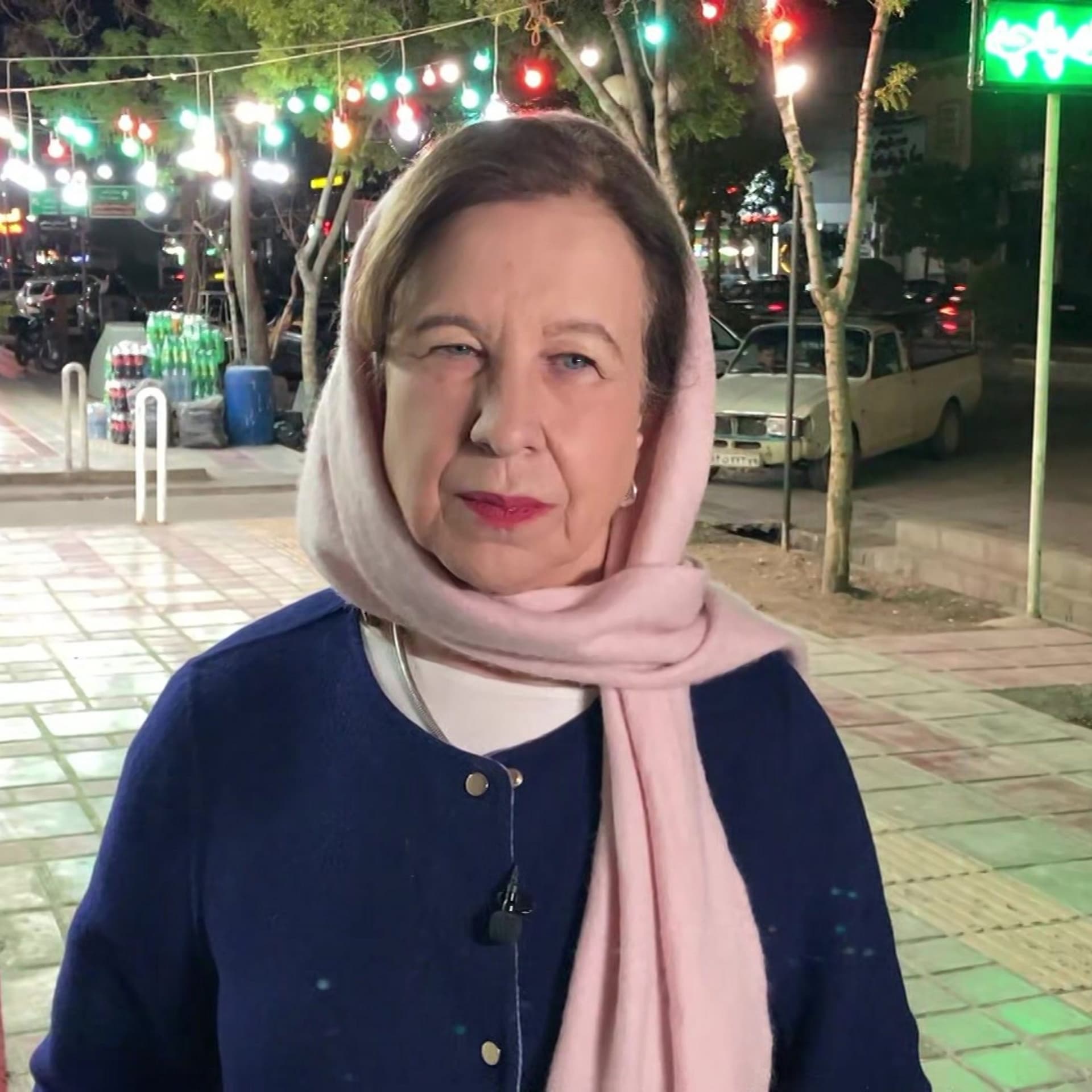
2:19So they are the only mediator in this negotiation. While there have been many countries around the world who want to offer their help, the president feels it's important to continue to streamline this communication through the Pakistanis. And so that's what continues to take place. Our chief international correspondent Lise Doucette is currently in Iran. She's been allowed in on condition that none of her material is used on the BBC Persian service. Similar restrictions apply to all international media operating in Iran. She was in Tehran in February, shortly before the US and Israeli attacks brought an abrupt end to the last set of talks.
2:56So how much has changed? Well, of course, it's a very different situation. The airports are still closed. So unlike last time when we could fly in, this time, the only way to get to the capital is to drive. We've been on the road since the early hours of the morning. We still have a few hours to go in. It's in the early hours of the morning than the next day. But crossing from Turkey, There was a steady flow of Iranians coming back into their country, some telling us that they had to come back to work or they wanted to be with their families. And, of course, mentioning that now there is this fragile ceasefire.
3:30But you could really feel the uncertainty as to whether or not it would hold. One young woman we spoke to who said she had to come back to keep her job said, no, absolutely not. The ceasefire won't hold. Iran will never give up control of the Strait of Hormuz. And on the highway in northwestern Iran, it's hard not to stare at every bridge which is still standing because again today, President Trump was repeating that he could destroy every single bridge in Iran in a day, he said. Of course, when he said that in the past, legal experts have warned that that will be targeting civilian infrastructure is a violation of international humanitarian law and a possible war crime.
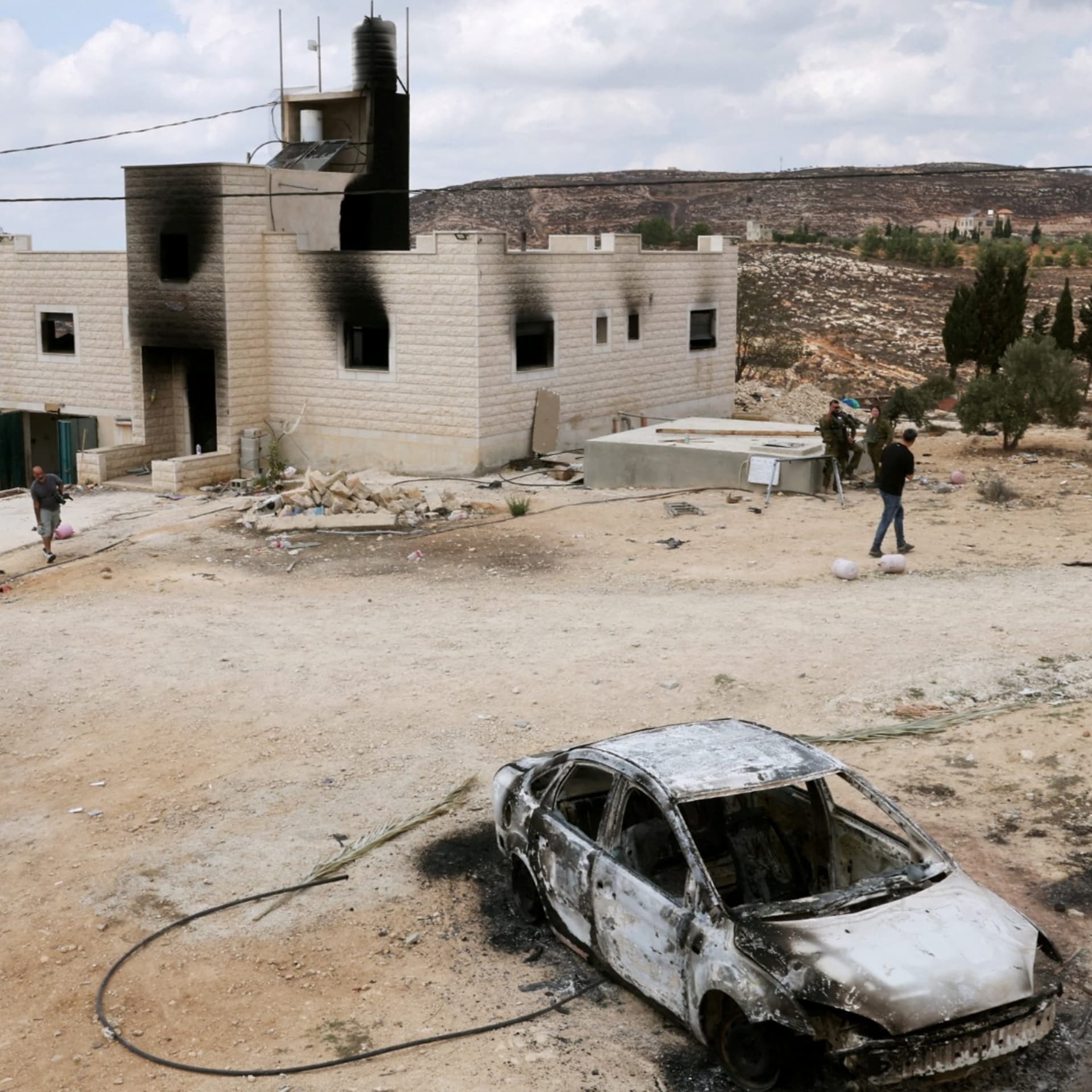
4:14There was a major bridge in the north that was hit by Israeli and American airstrikes. It collapsed in the middle, which meant we had to take a detour along a winding rural road, which made our journey even longer. But around the main northern city of Tabriz, we also saw the military targets which have been hit, basis of the Islamic Revolutionary Guard Corps, which had been flattened, the barracks as well, police stations, factories. So even as we drove, we got glimpses of what this country has been through as it waits to see whether there will be more diplomacy or more war. Yeah, the White House expressing optimism about the prospect of a deal.
4:56We have a delegation from Pakistan in Iran at the moment. Do you get the sense that something might have shifted since those last set of talks collapsed? Well, you know, I wouldn't say that the talks collapsed. They tried for 21 hours. And as we've said so often, they were really historic, the highest level talks face to face since the Islamic Revolution of 1979. And even though the vice president of the United States, J.D. Vance, left at dawn saying that he had put the Americans' final and best offer on the table, what we've seen since this weekend is that all sides are still talking, messages are being passed, and the visit of Pakistan's Army Chief Field Marshal Asim Munir is very significant.
5:44We're told that he brought proposals for possibly another round of talks, possibly in Islamabad, possibly a proposal to extend the two-week ceasefire, which expires next Wednesday. Also messages trying to narrow the gaps which still exist between the two sides. And the Pakistanis, of course, their efforts are also accompanied by other countries as well, trying to get involved in ensuring that war doesn't erupt again. President Trump even saying, well, there's no need to extend the ceasefire. We'll do a deal with the next few days, but also warning that he's ready for every scenario, military or diplomacy.
6:19And I think that's the message from Iran as well. Lise Doucette talking to me from inside Iran. The main sticking points in negotiations are control over the Strait of Hormuz, which the US continues to blockade, but also Iran's nuclear programme, which was subject to tough restrictions under an agreement signed by Barack Obama before being scrapped by President Trump. John Kerry, former US Secretary of State, negotiated the so-called JCPOA in 2015. What's his view of the current standoff? This is a war that did not have to be fought because we put in place an agreement with President Obama that took the nuclear issue off the table and provided the most extensive, most comprehensive, most enforceable accountability in the history of nuclear negotiations.
7:09And I'm told that there was an opportunity because Iran, right before the war started, came back with something positive, but it wasn't really taken up on. And as a result, we're where we are today. We showed in the JCPOA that you could have complete accountability and transparency, which was agreed, existed by Chinese intelligence, Russian intelligence, German, French, Britain, United States, all agreed that the agreement that had been reached would prevent Iran from having a nuclear weapon. President Trump just pulled out of it. That is why we're where we are. John Kerry. Well, President Trump says the war is pretty much over.
7:52But at the same time, his administration is threatening to ramp up economic pressure on Iran if a deal can't be done. The US Treasury Secretary Scott Besant says Iran could face the financial equivalent of the US and Israeli military bombing campaign. This could include secondary sanctions on countries that purchase Iranian crude oil. Despite the rhetoric, Democrats and even some Republicans are beginning to question what President Trump has actually achieved by going to war. Here's our White House reporter, Bernd de Boosman. Publicly, the White House is very much putting a brave face on it, but certainly critics of the White House and of the president, including some Republicans, have pointed out that really of his stated war aims, very little has been achieved.
8:37The highly enriched uranium that President Trump said that Iran needs to give up or that the U.S. needs to take control of is still in Iran. And over time, the primary military objective of the U.S. campaign in Iran became reopening the Strait of Hormuz, which was open before the campaign began. And I think the president, over the next coming months, depending on how these negotiations go, he will be facing a lot of questions about what really was achieved from a military standpoint, because certainly from an economic one, it's proven much trickier than I think many people close to the White House thought it would be.
9:12Essentially, what they're trying to do is, in addition to the blockade, cut off Iran from access to global banks. Secretary Besant said, for example, he had spoken to banks across the Middle East about Iranian money that's flowed through those financial institutions. And the threat of kind of sanctions on those banks is now hanging over their head if they do business with Iran. He also mentioned Chinese banks. He didn't name them, but he said two Chinese banks had already been warned. So essentially what they want to get out of this parallel kind of financial campaign is to cut off Iran from any ability to make money from whatever oil makes it through the blockade or is still on the world market.
9:53That really does kind of sever one of Iran's very few economic lifelines at the moment and very well might result in internal pressure inside Iran. They're hoping that brings them to the negotiating table and to a place where they can come to an agreement that the U.S. sees as satisfactory. Burnt de Boosman in Washington. Like many nations around the world, Australia has been affected by fuel shortages and price hikes as a result of the Iran war. It has just two oil refineries of its own, and in the past few hours, a huge fire engulfed one of them in Geelong in the state of Victoria. Global energy expert Gero Farugio says this could exacerbate existing problems.
10:36Australia has the highest reliance on imports for diesel and jet fuel globally. And it has one of the lowest strategic reserves of diesel and jet fuel. Now, you can be one of those, but you can't be either. So concerns are really, really high. And I think Australia is hoping for a really quick resolution of this. I heard more about the fire from our correspondent in Victoria, Simon Atkinson. I'm in Melbourne about an hour away from this fire at the Viva factory in Geelong. It started about 11 o 'clock last night local time. We understand it might be caused by some kind of faulty equipment. And the impact, it seems, is primarily on the part of the refinery linked to petrol production.
11:15And there's already been warnings that petrol output from this plant is going to be very, very badly disrupted. Now, that's bad news because, as you say, it is one of only two oil refineries in Australia. That's become a real talking point in recent weeks, as you can imagine, as the nation faces up to how reliant it is on fuel imports. And what we've been told is that it's going to have an immediate impact on users, particularly of petrol. Here in Victoria, 50 % of the petrol that's sold comes from that refinery. We've been told that within days, the fuel price at the pump is likely to rise. And there could be knock-on effects as well for diesel and for jet fuel.
11:52So it really couldn't come at a worse time. Well, the fire service say that it is under control now. Everyone who works at the site has been accounted for. It is going to be some time until the fire is extinguished. It's got to basically burn itself out. And then I think only then are we going to get a better picture of how much damage has been done and what the knock-on effect is going to be in terms of fuel production. Simon Atkinson in Melbourne. And since we spoke to Simon, Australian firefighters say that the fire has now been extinguished. Many people in the US who tried to buy tickets for big gigs, such as Taylor Swift's Eras tour, have been left disappointed by sky-high prices, with some criticising the apparent dominance of one firm.
12:37Well, now a court in New York has ruled that Live Nation and its Ticketmaster subsidiary illegally monopolised the selling of tickets for big concert venues. Live Nation said the jury's verdict is not the last word on this matter. I heard more from our correspondent Netta Taufik, who's been following the trial. This could have a big impact on the music industry. I mean, think about it. Live Nation controls 80 percent of major concert venues in the United States and Ticketmaster controls exclusive ticketing contracts at more than 70 percent of major venues. And so for lawmakers, states that carried through with this lawsuit, they wanted to see this company essentially either broken up or Live Nation forced to sell some of their concert venues because they said that the company basically exploited their power and dominance in the industry to stifle competition and to raise ticket prices, which impacted fans, independent venues, and even artists in a really negative way.
13:46So this ruling, finding that Live Nation was an illegal monopoly, now opens the door for a judge and those states to work out how to put more competition into the industry. Yeah, I mean, what are the chances of Live Nation being broken up? Well, look, I think it's interesting because the Department of Justice originally brought this lawsuit under the Biden administration. And then when it came to the Trump administration, they actually settled with Live Nation. And that settlement helped them avoid being broken up. They had to pay a penalty of two hundred and eighty million dollars. They said that they would kind of, you know, work to make it so that venues worked with different ticketing companies.
14:29But so many in the industry felt that that didn't go far enough. And originally, the Biden administration did bring up breaking up Live Nation. The two companies, Live Nation and Ticketmaster, merged in 2010. And so there is a world where the judge feels that that merger, you know, needs to essentially be unwound. And these companies need to be broken up. So we'll see if that's the case or if there's another remedy. That's the kind of next phase of this whole process. You know, why did the Justice Department settle when these 33 U.S. states felt the case was worth pursuing to the end? If you ask those critical of the Trump administration, they will tell you that they haven't been hard enough pursuing antitrust cases.
15:17If you talk to, you know, the administration, they'll say that they felt this settlement did enough for fans and for customers. So I think it's just really down to the fact that we see the attorney generals of these states celebrating the fact that they, at their level, can still fight these cases for consumers and can still have a victory from it. And that was Ned at Taufik in New York. Still to come on this podcast... We saw something quite similar in the early days of HIV when you had frightened families that began making requests about where their blood came from. Why some patients want blood from donors who've not been vaccinated against COVID-19.
16:17America's Social Casino. Welcome to Moto Casino, where the excitement never ends. With thousands of the hottest free-to-play social casino games, fastest payouts, and the best promotions in the industry. No tricks or gimmicks. Owned and operated in the USA. Moto Casino is a free-to-play social casino. No purchase necessary. 21 plus to play. Void or prohibited. Sign up today for a generous welcome bonus. Moto Casino. America's Social Casino. Download the Moto Casino app today. Is this the moment we all have to start being terrified that AI will take over the world? I'm Tristan Redmond, one of the hosts of the Global Story podcast from the BBC.
16:55Anthropic, a leading AI company, says it's created an AI model that's too dangerous to be released to the public. Are we all doomed or is this marketing hype? To hear more, listen to the Global Story on bbc.com or wherever you get your podcasts.
17:16You're listening to the Global News Podcast. New research suggests that measles vaccinations have prevented around 20 million deaths in Africa since the millennium. Analysis by the World Health Organization and the Gavi Vaccine Alliance shows that cases have halved in the past quarter century. But it warns that vaccine coverage is uneven, so millions of children are still missing out. Here's our global health correspondent, Dominic Hughes. Since 2000, 44 African countries have introduced the full two doses of the measles vaccine into routine childhood immunisations. Coverage across the continent has increased from around 5 % to 55%, with the vaccination programme estimated to have prevented 19.5 million deaths and left more than 500 million African children protected from an illness that can have life-changing consequences.
18:10Last year, three countries, Cabo Verde, Mauritius and Seychelles, became the first sub-Saharan African countries judged to have eliminated measles and rubella. The progress on measles reflects a big effort across the African continent to expand more broadly childhood immunisation programmes against a range of diseases, including meningitis and malaria. But health experts warn that despite this success, the reality in some countries is that coverage remains very uneven, leaving millions of children unprotected. Dominic Hughes. If you need a transfusion in hospital, you'll be given blood of the right type that's been tested for a range of diseases.
18:50But some in the United States are requesting that they or their children are only given blood that's been donated by people who haven't been vaccinated against COVID-19. But what are the risks? Well, consultant physician Vanessa Appiah has been looking into a study at one hospital. She spoke to Claudia Hammond from the BBC Health Check about these requests. These really emerged in the post-COVID area and for many of us it felt familiar because we saw something quite similar in the early days of HIV when you had frightened families that began making requests about where their blood came from. But what's particularly notable is that similarly to HIV many of the requests are coming on behalf of children.
19:33And where was the hospital in this study and how did this come about? It was conducted at Vanderbilt University Medical Center which is in Nashville, Tennessee and it really arose because lawmakers in five US states had attempted to pass legislation that was giving patients the right to request blood from unvaccinated donors. So the researchers recognised what they were seeing and wanted to document it systematically. What they saw it was about 0.03%. So it's a small percentage of people but did it have an impact on how quickly those patients could get the care that they need if they've asked for a particular sort of blood?
20:11Definitely. When families refuse the standard blood products, that really created quite a logistical problem and the system wasn't set up to solve it quickly. So then that meant that there were delays for some people and direct consequences for their care. And also in a couple of patients, there were some clinical outcomes that were affected as well. So is there any evidence to say that unvaccinated blood is in some way safer than vaccinated blood? It's really important here to emphasise that no, there is no evidence whatsoever. The vaccines that actually are in circulation, they don't persist in donated blood in any clinically meaningful way.
20:53And this isn't a matter of scientific debate. So the belief that vaccinated blood poses a risk isn't supported by any credible data. And we can say that clearly and without hour convocation. So some patients have been asking for direct donations instead. What are these? When patients can't get the assurance through standard supply that someone has not been vaccinated, they've generally identified a specific unvaccinated individual, which typically tends to be a family member, and then requested blood from that person to be reserved for them. So you can see the appeal and it feels like you've got some elements of control, but the paper's really clear that this perception of safety is quite illusionary.
21:37Yeah, I thought that was really interesting. They were saying the direct donations could actually be riskier. Why would that be? A number of reasons. But, you know, directed donations are actually more likely to contain potentially harmful pathogens because the general blood supply that goes through donations is screened through a really rigorous population-level system. It filters out many risks. And so a directed donor bypasses some of that that underpins that system. Dr Vanessa Appiah, talking to Claudia Hammond. Sweden is one of the most technologically advanced countries in the world. In its classrooms, it's been the norm for a decade for every pupil to have a laptop or tablet.
22:18Now, though, schools are going back to physical books, pens and paper. Our reporter Maddy Savage has been looking at the U-turn, starting in a school in Sikla. In this former industrial suburb near Stockholm high school pupils are unpacking laptops alongside things that weren't around as much a few years ago physical books and printed coursework Here's Alexis and Ludwig who are 18 and in their final year In some classes, for example mathematics I've noticed we've used more books during the later years than computers Basically my whole life I've been using tablets, computers, phones. Whether we have a pencil and a paper and a book, you need to do it all yourself.
23:04My name is Karina Mikkel. I teach English and Spanish. So 15 years ago the government said use laptops. Now we're in the digital era in Sweden. Whereas now we're going more towards the 60s again. It is more books, pens, papers. This U-turn in one of the world's most digital societies started here at Sweden's parliament. In 2023, a new right-wing coalition made this announcement. From Schärm till Perm. It's a catchy rhyme in Swedish and in English it translates to from screen to binder. Ministers asked teachers to cut screen time for school pupils and reversed a requirement for preschools to use digital devices.
23:52Changes to the school curriculum are due in 2028, designed to support more textbook-based learning. My name is Joar Fischerl and we're in the Swedish parliament, just outside the chamber. Joar is education spokesperson for the Liberal Party, which oversees Sweden's education ministry. He says the change is being driven by academic research about screens' potential to distract pupils, impact how they process information and even affect brain development. I think Sweden is usually early adopters. We think that's a competitive edge for Sweden. So I think we jumped on that train very fast. That was a mistake, but we're changing it back.
24:29Schools have been given extra money to buy textbooks and asked to employ librarians again. And mobile phones are set to be banned from all classrooms from this August. The government hopes the approach can help reverse Sweden's tumbling test scores in the world's largest school survey, PISA. But the dramatic shift is attracting some criticism in this tech-savvy nation. Last year, 27 education and computer science academics wrote a newspaper column arguing that a strong digital curriculum is essential, even for primary school pupils. One of them is Linnea Stenliden at Linköping University. They are actually living in a world where AI and digital platforms are embedded in media, games, everyday online environments.
25:13So education also needs to create the opportunities for children to meet and learn about those things early on. Critics also argue the back-to-books policy is a distraction from other issues that could be impacting school results, like teacher training, the marketisation of some schools and rising inequality and segregation. With the next set of global PISA rankings due later this year, the government's hoping for early signs its approach is working. And as Sweden continues its experiment, educators and policy makers around the world are watching closely to see if it's found the right balance for the next generation.
25:53Maddy Savage reporting from Sweden. Birth order has fascinated scientists for decades, with questions over whether it affects traits like intellect and personality. But new research suggests it could actually impact your health. A study involving more than 10 million Americans found associations with everything from anxiety to autism. One of the authors is Ben Kramer from the University of Chicago. He spoke to Sean Lay. Siblings act as a natural experiment because they share genetic data, but we know they have different environments. However, when we compare siblings to one another within family, we can control for anything that they share by virtue of being in the same family, like household socioeconomic status, shared parental genetics and parenting style.
26:41Around 400 or so medical conditions, which you looked at, I think 150 showed an association with birth order. Can you explain that? We can't claim causality. We can only claim that there is an association between a lot of diseases and birth order. These are population level associations, not individual predictions, but it helps us see different patterns in large data sets. The allergy results are a strong example of the biological validity of the data set and that later born children have lower odds of allergic rhinitis, food allergy, and asthma, which typically fits the idea that early microbial exposure from older siblings may shape immune development.
Read the full transcript
27:24Another striking finding is that substance abuse had significant excess in the second born child. So there may be some sort of firstborn influence on the second born child in terms of using and abusing substances. One of the examples that you quote in this research is that older children or the oldest child in a family might be statistically more likely to suffer from diseases like psychiatric illnesses, for example. Is there any explanation of why that might be or any factors you can rule out? A plausible biological explanation is that first pregnancies may physiologically be different from later ones.
28:04The maternal immune system and placenta are adapting to pregnancy for the first time, and later pregnancies may benefit from biological memory, which could modestly affect early brain development. But we don't claim this really as a proven mechanism. And non-biological factors like diagnostic patterns and family behavior also matter, and how a first or second born child is raised might play a role. So we would say those are two possible explanations. Do you think this kind of research could eventually provide something really quite helpful for parents when they're bringing up families of multiple children?
28:40These large data sets are really good for looking at patterns. And from those patterns, we can kind of do deeper dives into even different variables relating to the siblings, like how age gap might affect disease. And once confirmed, they can lead to real world intervention, talking about how certain behavioral aspects of raising a child might lessen the burden of certain incidents for disease. Chicago University researcher Ben Kramer. And that is all from us for now, but the Global News podcast will be back very soon. This edition was mixed by Darcy O 'Brie and produced by Stephanie Zacherson and Wendy Urquhart.
29:19Our editors, Karen Martin, I'm Oliver Conway. Until next time, goodbye.
29:50Are we all doomed or is this marketing hype? To hear more, listen to The Global Story on bbc.com or wherever you get your podcasts.
From the publisher
The BBC's Chief International Correspondent Lyse Doucet gains rare access to report from Iran. Residents living under the fragile ceasefire tell her they feel scared and are unsure if a US deal can be struck. Pakistan's Army Chief, Field Marshall Asim Munir, has landed in the capital to try to accelerate mediation efforts and narrow the gaps between Tehran and Washington, as President Donald Trump and the White House signal optimism over diplomatic discussions.
Also: a large fire breaks out at one of Australia's two oil refineries, raising fears that it will put additional pressure on fuel and petrol access. A US court rules that Live Nation and Ticketmaster have been operating as an illegal monopoly, in a verdict that could shake up the live music industry. Why some patients are requesting blood from donors who haven't been vaccinated against Covid-19. A study of more than 10 million siblings explores how birth order could affect your health. And we visit Swedish schools that are returning to pen and paper in the digital age.
The Global News Podcast brings you the breaking news you need to hear, as it happens. Listen for the latest headlines and current affairs from around the world. Politics, economics, climate, business, technology, health – we cover it all with expert analysis and insight. Get the news that matters, delivered twice a day on weekdays and daily at weekends, plus special bonus episodes reacting to urgent breaking stories. Follow or subscribe now and never miss a moment. Get in touch: globalpodcast@bbc.co.uk