In short
Stateside with Kai and Carter covers: Canada and the US joining World Cup action; a potential US-Iran war-ending deal; China’s claims of “spy animals” used for maritime intelligence; plus India’s Air India crash investigation, and a UK lupus treatment trial.
Guests
none named as interviewees in this transcript segment; it’s mostly correspondents and experts. Backgrounds: Jessica Murphy (BBC reporter in Toronto), Shaima Khalil (BBC correspondent in LA), Lily Jamali (BBC North America technology correspondent), Bernd Deboosman (BBC in Washington), Kashair Janaidi (BBC Persian service in Washington), Joanna Keane (BBC), Theo Leggett (BBC), Professor Carl Peggs (UCLH lupus researcher), James Cook (BBC). Key claims/examples: Canada’s 1-1 vs Bosnia; US 4-1 vs Paraguay with Katy Perry; Musk becomes first trillionaire via SpaceX IPO pop; Iran deal could reopen Strait of Hormuz and lift blockade; China alleges turtles/fish with sensors transmit data by satellite; India fuel cut-off speculation backlash; lupus “immune reset” via deep immune suppression and reprogrammed cells.
Written by AI. May contain mistakes. Listen to the episode to check what was said.
Chapters
Tap a time to open that second in VOWorld Cup Kick-off Highlights
1:29 to 2:07
Discussion of the World Cup opening matches featuring Canada and the USA.
“Elon Musk becomes the world's first trillionaire.”
Atmosphere at the World Cup
2:07 to 4:48
Reporters share insights on the excitement and fan experiences during the World Cup.
“Co-hosts Canada kicked off their tournament a few hours ago during 1-1 with Bosnia-Herzegovina in Toronto.”
Discussions on US Soccer Culture
4:48 to 6:00
Exploration of soccer's popularity in the US compared to other sports.
“you would be forgiven for not knowing that something is happening here, that the World Cup is being hosted by LA, by the United States.”
The Rise of Elon Musk as Trillionaire
6:00 to 7:25
Exploring the implications of Elon Musk becoming the first trillionaire.
“And of course, key to that is how far the US make it into the tournament that that will pick up.”
Potential US-Iran Deal Analysis
7:25 to 11:47
Analysis of a potential deal between the US and Iran regarding nuclear and shipping issues.
“being deployed in such a way on both sides of the political aisle.”
Scottish Football and World Cup
11:47 to 14:00
Discussion about Scotland's return to the World Cup after 28 years.
“Kashair Janaidi is from the BBC's Persian service in Washington.”
China's Allegations of Espionage
14:32 to 17:41
Discussion on China's claims about foreign intelligence using marine animals for spying.
“The Chinese government has warned of a secret war playing out in its seas.”
Plane Crash Investigation in India
17:41 to 19:16
Report on the investigation into a plane crash that killed 260 people and the controversies surrounding it.
“Investigators in India say they're still examining why a plane crashed shortly after taking off from Ahmedabad airport a year ago, killing 260 people.”
Breakthrough in Lupus Treatment
19:16 to 23:24
Exploration of a new trial for treating lupus that shows promising results.
“It's a chronic condition in which the immune system mistakenly attacks healthy tissue, causing painful damage across the whole body.”
Scotland's World Cup Journey
23:24 to 27:17
Coverage of Scotland's return to the World Cup after a long absence, featuring interviews with fans and players.
“Once upon a time, Scotland routinely qualified, but then came more than a quarter of a century in the wilderness, leaving a generation of young Scots who've never seen their men's team compete in the tournament.”
Transcript
Automatic transcript. May contain errors.0:00This BBC podcast is supported by ads outside the UK.
0:30with clear research-backed insights. No jargon, no misinformation. Make your next financial move with confidence. Follow NerdWallet's Smart Money podcast on your favorite podcast app. I'm Kai Wright. I'm Carter Sherman. Welcome to Stateside with Kai and Carter. We're a new show from The Guardian. We're talking to big thinkers and the best journalists just trying to understand the world through smart conversation and honest reporting. We don't have billionaires telling us what to say. Stateside with Kai and Carter will come out three times a week, Monday, Wednesday and Friday starting May 13th.
1:01Subscribe on YouTube or wherever you get your podcasts.
1:28Cup campaigns underway. Elon Musk becomes the world's first trillionaire. Both US and Iranian officials have indicated that a deal to end the war is within reach. Also in this podcast... Spy turtles and spy fish have apparently been found swimming in a specific area collecting what the Chinese say is sensitive data, which is then transmitted overseas using satellite. The Chinese government has accused foreign spies of attaching censors to turtles.
2:06We begin the podcast with the latest from the World Cup. Co-hosts Canada kicked off their tournament a few hours ago during 1-1 with Bosnia-Herzegovina in Toronto. After Mexico began proceedings at the Azteca Stadium on Thursday, it was the turn of Canada to take its place in the spotlight with an opening ceremony featuring homegrown music stars Alanis Morissette and Michael Bublé. Our reporter Jessica Murphy was in Toronto ahead of the game. I've got to say it's today that you really felt the buzz in this city. It was just this morning you saw a sea of Canadian fans, just a sea of red walking down this street with chants of O Canada heading into the stadium grounds behind me.
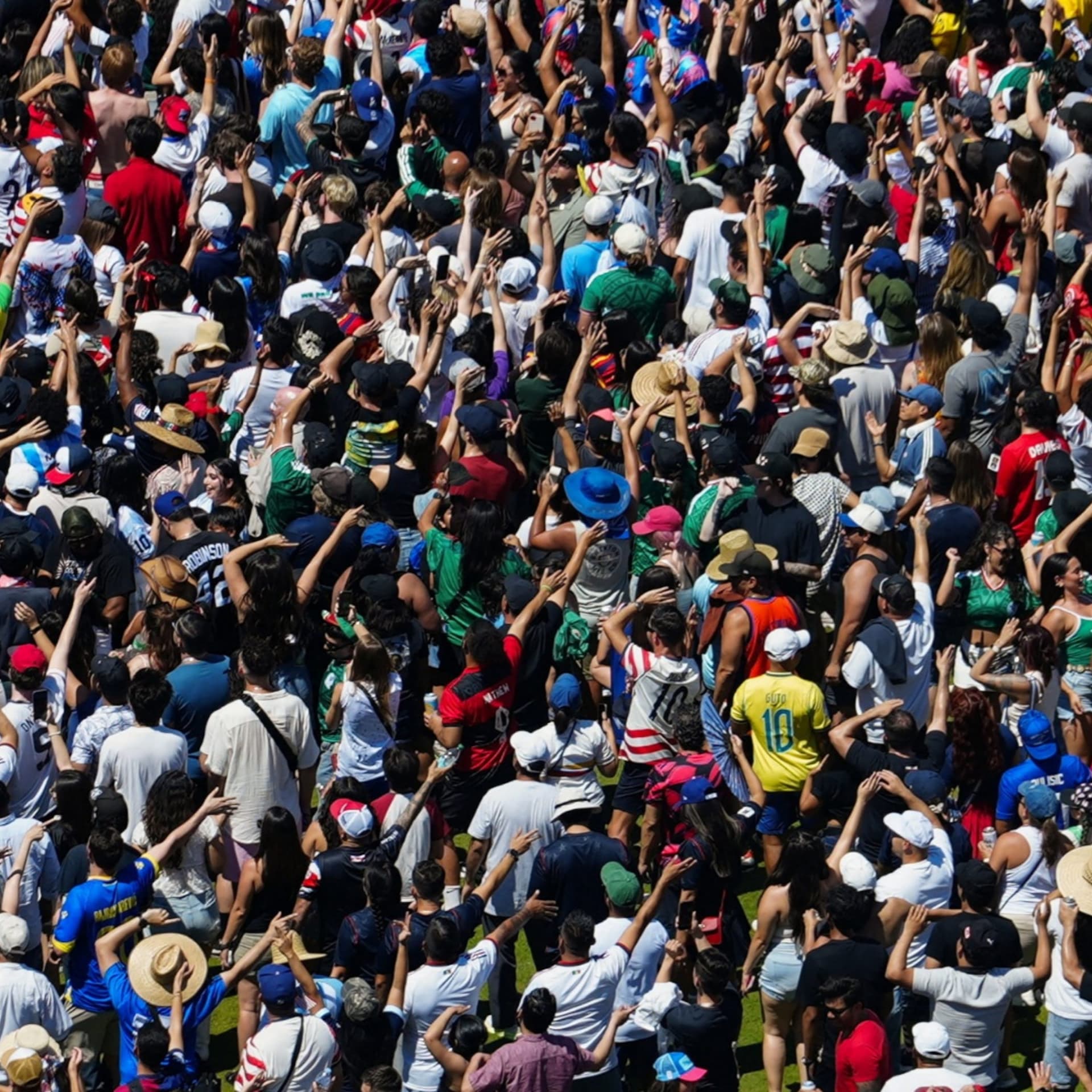
2:51And when Canada scored that tying goal, you could hear the cheer. There was no doubt what happened. Just before we recorded this edition of the podcast, the USA completed their first match against Paraguay. It ended 4-1 to the hosts. And yes, it too was preceded by another opening ceremony. This one featured Katy Perry. The famous names looking on included Tom Cruise, David Beckham and Paris Hilton. I've been speaking to our correspondent in LA, Shaima Khalil, who gave us a sense of the atmosphere in the city before the match started. I am among the fans in the iconic Coliseum Stadium here in LA.
3:35This is the fan festival hub and I'm surrounded by different jerseys, a lot of red, white and blue USA jerseys, but also a lot of Mexico t-shirts. and the ultimate fan look that I absolutely love, that I have to tell you about, was a USA fan jersey and jeans short and cowboy boots. Not that I can pull it off. I just thought if I were to ever want to have a fan uniform, that would be my uniform, and I've seen a couple of those, and they looked great. Yes, just a lot of colors and a lot of excitement ahead of the opening game. Usually when a country hosts the World Cup, it goes football mad. You don't even call it football in America, though.
4:24Are they going football mad, soccer mad? So I've agreed with our producers that I'm going to say soccer, football, football, soccer, and use those two words interchangeably throughout the tournament. But it's interesting that you should say this, Alex, because outside of the fan festival, outside of the zone, if you were to drive maybe half an hour out, you would be forgiven for not knowing that something is happening here, that the World Cup is being hosted by LA, by the United States. In fact, some of our BBC Sports colleagues were in a taxi, and the driver said, wait a minute, the World Cup is here?
5:02Who's playing? What's going on? And you feel that. Some of the fans, for example, that arrived here, they were surprised that there wasn't more branding in the airport, for example, or in public transport. Whereas I remember covering the World Cup in Qatar, covering the Women's World Cup in Australia and New Zealand, and you were immersed in it. It was in your face. And I think it's a couple of things. One, LA's really sprawled out, but also the fact that the world's biggest, the world's beautiful game and the world's biggest football showcase is really competing with a lot. I will remind our listeners that basketball is the big thing here, and the Knicks in New York are hoping to make basketball history on Saturday, and that fever, that buzz, has just completely taken the United States by storm.
5:50But it is interesting that it has been a slow burn, and organizers have been saying it has been slow to pick up. They are hoping that as the tournament goes on, And of course, key to that is how far the US make it into the tournament that that will pick up. Shaima Khalil. Now, some numbers to get your head around. Billionaires are so passé because Elon Musk has become the world's first trillionaire after shares in his SpaceX rocket company were floated on the stock market. They soared by 19 % during trading and it's now valued at more than$2 trillion, making it one of the biggest companies in the world.
6:32A trillion, of course, is equal to 1 ,000 billion. Lily Jamali is our North America technology correspondent and I first asked her, what can a trillionaire do that a billionaire can't? If it was me, I would go for the unlimited ice cream option. Our colleagues over on DVC's social video, they actually did look at this. What can you buy with a trillion dollars? They found that you could buy every major U.S. sports team or 175.7 billion Big Macs. So there's that. But on a more serious note, I think we're about to find out. And I don't think it's all going to necessarily be positive. I would point you to the 2024 election in which Elon Musk spent almost$300 million to help U.S.
7:19President Donald Trump win. And with campaign finance laws being what they are in the U.S., imagine even more money being deployed in such a way on both sides of the political aisle. I also think it may go into funding more legal action against Musk's rivals, which we've seen some highlights there this past year. And it could also go towards starting new businesses that Musk has been eyeing or interested in developing. We shall see. Yeah. And SpaceX, are investors buying this stock for normal investment reasons or something else? I think there's a wide range of reasons that investors are interested.
7:53Not everyone is a fan of Elon Musk's, but there are plenty of people out there who are. In Silicon Valley, I regularly come across people who firmly believe in Musk's ability to execute on big ideas. And while SpaceX is not profitable, it does include his rocket operation and Starlink, the satellite internet service. I do want to highlight that there are a lot of Americans who are going to be exposed to SpaceX stock, whether they like it or not. And that's going to come via 401k retirement accounts or the stock portfolios of these individual investors who like to pick a stock index like the Nasdaq 100 and just plunk their money there and see what happens.
8:34Yeah, and the slightly unfortunate metaphor for SpaceX, but presumably there are people saying that what goes up must come down. Right. I mean, it's possible SpaceX will continue to do well as it did today. We saw a big pop in the stock this afternoon, but there's no guarantee the arrow is going to continue to move up and to the right. I'll share just one statistic that I think is really interesting when you look at IPOs or these public listings like what we saw today. A quarter of stocks that IPO lose half or more of their value within the first three years of trading. That's according to one analysis that I've seen.
9:10So again, this is not a profitable company. It has one profit center in its satellite internet service, Starlink. The rest of it loses money. So we'll be watching this stock trade closely over the coming weeks and months and years. But there are plenty of sceptics out there. Lily Jamali. Since the US war with Iran began more than three months ago, there have been many claims from Donald Trump that a deal to end it is close. But this time, maybe it could be different. It's not just positive noises from the White House. The Iranian Foreign Minister Abbas Aragji announced on Friday evening that a statement about the future control of the Strait of Hormuz should be expected soon.
9:56It's understood the deal could involve both reopening the crucial shipping route and the lifting of the US blockade on Iranian ports. Our correspondent in Washington, Bernd Deboosman, began by telling us about news from a senior official in Washington about a potential memorandum of understanding, an MOU. What that deal is, is A, that Iran would give up its nuclear enrichment program, the highly enriched uranium would be destroyed in place and then removed from Iran. At the same time, the blockade would be lifted and the Strait of Hormuz would be open. Quite significantly, the official also said that it would require kind of a lasting peace, which in practice means that Iran would have to stop funding proxy militias, for example, Hezbollah in Lebanon.
10:44Now, there's always been the issue of the money, Iran's frozen assets, that there had been some reporting that suggested that the Iranians were insistent that at least part of that money is released once this MOU is signed immediately. The White House, for their part, says that that's not the case, that this is a performance-based deal. So, for example, when Iran gives up highly enriched uranium or opens up the Strait of Hormuz, that money would then be released and it would be kind of incremental step by step. Whenever Iran does something, more funds would be released. And they kind of spoke quite a bit about a verification system going forward in which, for example, with the highly enriched uranium, that would be independently monitored and verified to make sure that Iran is doing what they've agreed to in the MOU.
11:29Overall, I think, I mean, these are generally the things that the White House has been insistent since the beginning on the conflict that they want from Iran. There was no mention, however, of Iran's missile program, for example, going forward. But generally, I think this would be very much seen as a victory for the White House, if it is in fact what the Iranians have agreed to. So what is the view in Iran? Kashair Janaidi is from the BBC's Persian service in Washington. The Iranian regime and the supporters of a possible deal are framing this as a victory for the Iranian regime. We had Abbas Araqshid, the Iranian foreign minister, talk to State TV.
12:06And there are some important or interesting facts in his talks. First of all, although the Americans are saying that Iran has agreed to dismantle its nuclear program, Abbas Araqshid said difficult issues such as a nuclear program have been agreed to be discussed in the 60-day period after signing the MOU. And then the other thing he talked about is about the Strait of Hormuz, which the Americans say that Iranians have agreed to open it. And Abbas Araqchi says, of course, Iran is going to guarantee safe passage to all ships. The Strait of Hormuz is going to be open. But the regime in the Strait of Hormuz will be different from the time before of the war.
12:42And at some time, a service has to be paid to Iran because Iran is going to be taking care of the Strait of Hormuz. And one issue that he talked about is that for the first time in the past 47 years, the Americans are going to sign a document which guarantees their respect for Iran's territorial sovereignty, and they're going to guarantee that they're not going to interfere in Iran's internal issues. But on the other side, the hardliners in Iran, they're not happy about this deal. We just had hardline MPs talking against it, and he says this version of the deal, he's seen the draft agreement, and he says Iran is giving more concessions to the Americans, and it's much more damaging than the previous texts that had been created and Iran had rejected earlier.
13:29The BBC's Kashaya Janadi. Still to come in this podcast. We're from Scotland and we're pale and we're no teeth and Vaseline on your eyebrows but we gave them a game, we gave them a good game, you know. More from the World Cup and Scotland's return to the tournament for the first time in 28 years.
14:00I'm Kai Wright. I'm Carter Sherman. Welcome to Stateside with Kai and Carter. We're a new show from The Guardian. We're talking to big thinkers and the best journalists just trying to understand the world through smart conversation and honest reporting. We don't have billionaires telling us what to say. Stateside with Kai and Carter will come out three times a week, Monday, Wednesday, and Friday starting May 13th. Subscribe on YouTube or wherever you get your podcasts.
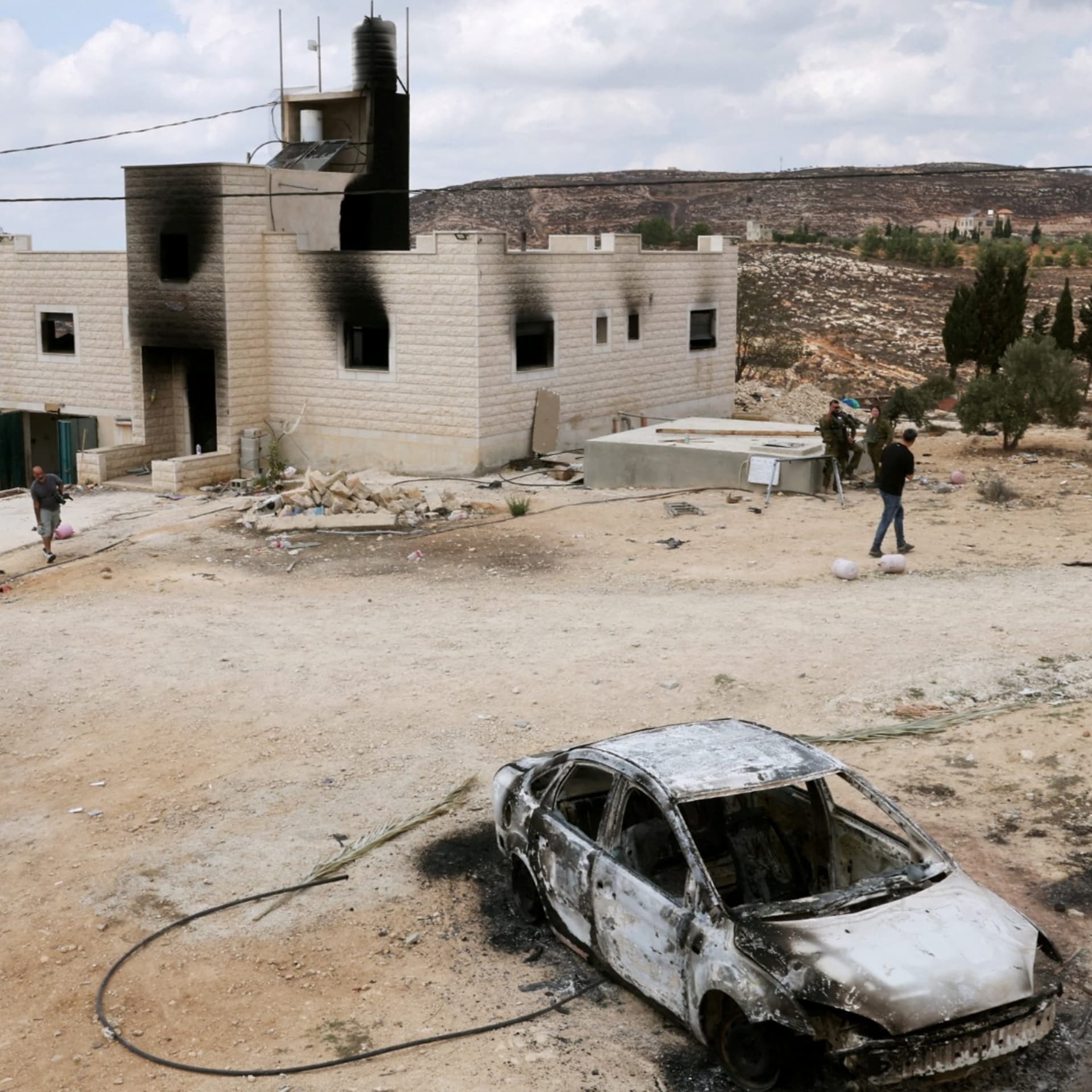
14:32This is the Global News Podcast. The Chinese government has warned of a secret war playing out in its seas. The Ministry of State Security claimed that foreign intelligence agencies are using innovative ways to monitor Chinese waters, including deploying spy animals fitted with sensors. The BBC's Joanna Keane told Oliver Conway more about China's allegations. Well, they're saying that foreign spies are attaching sensors to big maritime animals like turtles and fish to monitor the country's waters. Now, these spy turtles and spy fish have apparently been found swimming in a specific area, collecting what the Chinese say is sensitive data, which is then transmitted overseas using satellite.
15:18Now, this data, they've used examples like water temperature, ocean currents. It does sound fairly innocent, but the Chinese say this can be used to build up a wider picture of coastal defences, which could then pose a threat to China's national security. Now, their social media post is called Under the Deep Blue Undercurrents Are Surging. Now, the Ministry of State Security gives details of other espionage equipment. So we've got an ocean monitoring buoy, which is fitted with a sensor on top and has a chain to anchor it down. Something called wave gliders. These are devices powered by the waves and solar energy.
15:54They have radio communication on board. They can receive real time satellite instructions and then transmit information back to military overseas. And they also talk about shipborne electronic equipment, basically devices that look like normal devices that you find on a ship, but they're actually being used for intelligence gathering. So the appeal is the ministry saying, look, maritime security is an important part of national security. They want stringent checks on equipment received from abroad and says companies shouldn't just be casually buying and installing equipment. And of course, they've also called on fishermen to report any suspicious looking devices.
16:33And who are they claiming is behind this spying? Well, we're used to, aren't we? Beijing and Western governments trading accusations of espionage. In this case, it doesn't specify which foreign country is apparently using these devices. But it has made claims in the past about espionage and its waters, including the South China Sea, the East China Sea, Taiwan Strait, some sensitive areas there. One example, in 2024, it said it had identified lighthouses hidden on the ocean floor that could apparently guide foreign submarines and preset the field for battle. And this isn't the first time that there have been claims made about the use of marine animals to spy and perhaps carry out missions.
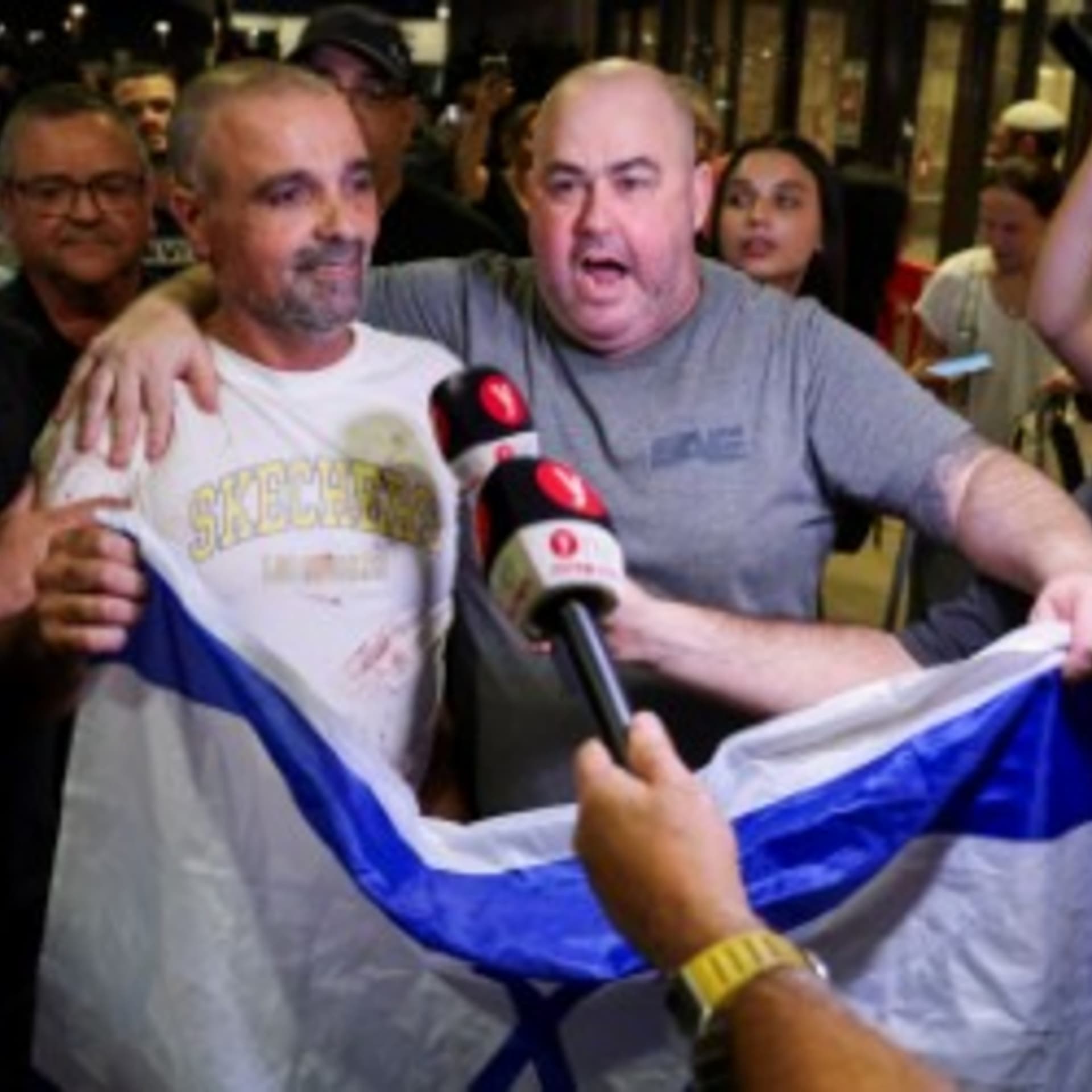
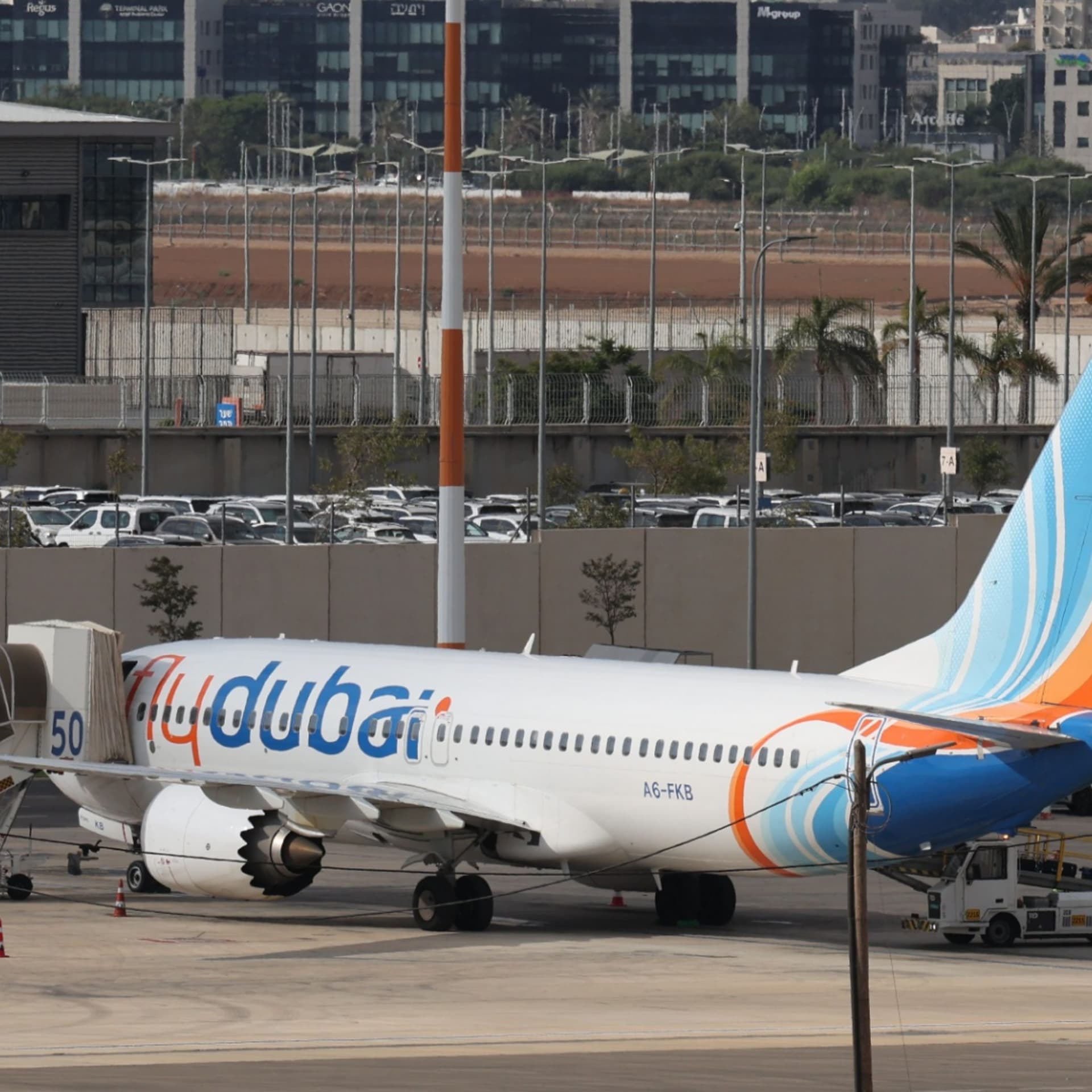
17:17That's right. Well, in 2023, we had British intelligence saying Russia was using trained dolphins. That was at Sevastopol Naval Base in southern Crimea. They were apparently put in floating pens used to retrieve objects and deter enemy divers. We also had a beluga whale in 2019 caught the attention in Norway because it was wearing a harness. Was it a Russian spy or not? Joanna Keane. Investigators in India say they're still examining why a plane crashed shortly after taking off from Ahmedabad airport a year ago, killing 260 people. The investigation has become mired in controversy, with speculation that one of the pilots on the Air India flight may have been responsible.
18:02Relatives of those who died have been marking the anniversary by gathering at the site. Our correspondent Theo Leggett has this report.
18:18A year after flight 171 crashed, relatives of those who died held a vigil at the scene of the accident. The plane went down 32 seconds after taking off on what should have been a routine flight to London. A preliminary report released last July revealed that the fuel supply to the engines had been cut off. That prompted widespread speculation that the crash may have been caused by one of the pilots. Since then, there's been a strong backlash from safety campaigners, representatives of those who died and pilots' unions. This statement from India's Air Accident Investigation Bureau said significant progress had been made and evidence was currently being analysed in a comprehensive manner.
18:58It urged the public and the media to refrain from speculation or premature conclusions. Lawyers representing victims' families said it was essential to establish the truth in order to understand what happened and prevent future tragedies. Theo Leggert. Next, what could be a major breakthrough in the treatment of the autoimmune disease lupus. It's a chronic condition in which the immune system mistakenly attacks healthy tissue, causing painful damage across the whole body. But a new trial in the UK offers real hope for people with the disease. It involves a treatment that acts like an immune reset, which has the potential to remove the need for lifelong treatment.
19:39Professor Carl Peggs is director of the Biomedical Research Centre at London's University College Hospital. He told my colleague James Kumarasamy about the work behind the discovery. We've been developing a therapy to try and suppress the bad cells that are the cause of lupus. The work that really led to it spans back over the past 10 years. We've been developing ways to redirect, to genetically change immune cells, redirect them to kill cancer cells, and we recognised that we'd be able to use those same technologies potentially in conditions like lupus to reprogram the immune system, to destroy the cells causing the disease, and as you rightly say, reset the immune system.
20:23Tell us a bit more about lupus and what it is like for people with it. It's a disorder that more commonly affects women than men. Commonly, its onset is in the 20s or 30s, and then patients will have to live with it, often for their entire life. The disease is manifest, as you say, by the immune system attacking the patient. Most commonly, that's the joints, the muscles, and so a good day for a lupus patient is feeling like they have the flu with achy, swollen joints. but in worst cases it can affect the heart, the kidneys and the lungs and that can be life-threatening. How would you describe then what you have found?
21:05It's not a cure, is it? But how would you describe it? I think it's far too early to say that it's a cure. The therapies that we've had for lupus for the past couple of decades act by just non-specifically suppressing the immune system so just damping down the problem, if you will. What this therapy does is it takes that down a step further So it allows us to really suppress the immune system very deeply for a short period of time. And then as the new immune system comes back, it resets. So what changes here is potentially we have a one-off treatment that gives a much deeper effect. And that's what we've seen in the early trials.
21:42That we don't know if that will be a long-term remission or indeed eventually if the disease never comes back a cure. Would you describe it as a breakthrough though? Massive breakthrough, I think. What we've seen in terms of the patients we've treated is truly transformative. And just tell us a bit more about the treatment itself. So it's a complicated treatment. The patients have to go through quite a lot. They need to come into hospital and we put them on a machine to take their blood out and take out the immune cells we need to make the drug. We then spend about two weeks making, genetically modifying and making the drug.
22:16And then the patients come back into hospital. They have to have three days of chemotherapy, which is quite gruelling. and then we re-infuse the cells and keep them for a further two weeks. So overall it's a long process, they're in hospital for a long time but once they get out of hospital we've seen vast improvements in their symptoms and hopefully that continues. And this is a trial isn't it? So how soon might patients actually be able to access this? Well in terms of patients, certainly if they're eligible they can come on the trials now but in terms of... This is just in the UK, sorry, just to be clear.
22:51Or are there other countries doing similar things? There are. So the initial trials were initiated in Germany and there are a number of trials now worldwide. But in order to turn a trial into a drug you can buy, if you will, and give on the NHS, it's usually a five-year journey. So I think it's a number of years of trials. Hopefully we can treat as many patients as possible. And then hopefully, as we look down four or five years from now, we'll see this as a routine therapy. Professor Carl Peggs, Director of the Biomedical Research Centre at London's University College Hospital. Back to our top story, the World Cup.
23:26Once upon a time, Scotland routinely qualified, but then came more than a quarter of a century in the wilderness, leaving a generation of young Scots who've never seen their men's team compete in the tournament. Ahead of their first match against Haiti, Scotland is remembering how it feels. James Cook has this report.
23:57The last time Scotland's men played in the World Cup, Bill Clinton was in the White House and Google didn't exist.
24:08It was a different time. No social media, no Scottish Parliament. The team's in the tunnel, ready to take the field. We can just imagine what must be going through those Scottish players' minds. In the opening match of France 98, Scotland took on world champions Brazil. Midfielder Paul Lambert remembers it well. You knew who they were. They look great, don't they? They smell great, we're after shaving, things like that. They look a million dollars and we're from Scotland and we're pale and we're no teeth and Vaseline on your eyebrows. but we gave them a game. We gave them a very good game, you know.
24:48The World Cup growing up was everybody who'd dream. That was the biggest tournament in the world and still is to this day. What does it mean to Scotland as a nation being back there now? We've needed it. Needed this to galvanise everybody and enjoy football again.
Read the full transcript
25:07And it's unlikely anyone will enjoy it more than Scotland's famous travelling support, the Tartan Army. For Scotland's team in 28 years, to walk out of a World Cup is just going to be something so special. Josh Henderson calls himself a foot soldier in that army. He's been following the national side for nearly 20 years and he says it's about much more than football. We want to express ourselves internationally. We want to demonstrate the sort of pride in being Scottish as a distinct way of seeing yourself and identifying yourself. I travel to Linlithgow now to meet a women's football team to chat about the World Cup but unfortunately the weather here is against us the hailstones are bouncing off the ground
25:58Well the weather's improved now which wouldn't be hard the hail's off, the sun's shining as it sets and Linlithgow Rose ladies are now out on the pitch they're playing friendly and there's a lot of excitement here about Scotland's men heading out to the World Cup finals. So I'm Kirsty Barnes, I play for the Northcote Rose and I'm mainly a left winger or a centre mid. How will you feel when Scotland's men run out for the first World Cup finals they've been in in your lifetime? Amazing, amazing. I think you'll have that nerve through you, you'll have the buzz, you'll have excitement and I think Scotland are just, the whole country's going to love it.
26:34It's going to be amazing. So my name's Lucy McEwan, I play for the Lithgow Rose Community Football Club and I am a centre mid slash striker in the World Cup. I've never qualified since I've been born. I couldn't actually believe what I was watching, to be honest. Everyone's super, super excited. I'm a teacher at school in Glasgow and you can see the kids are so hyped up as well about it. It's so exciting. And what does that mean for the country back home, for people here? Yeah, it'll just give us such a great buzz to watch them, even though it's very, very late at night. Seeing your national team go out into the pitch, it's definitely an emotional moment.
27:06I think I will be a bit emotional throughout the full game and at the end in every other game that they play in. Everyone's just super excited, super on board and can't wait to see them do well. And that is a sentiment shared right across Scotland.
27:24James Cook. And that's all from us for now. If you want to get in touch, you can email us at globalpodcast at bbc.co.uk. You can also find us on X at BBC World Service. Use the hashtag Global News Pod. And don't forget our sibling podcast, The Global Story, which goes in-depth and beyond the headlines on one big story. This edition of The Global News Podcast was mixed by Masood Ibrahim Khalil and the producer was Pete Ross. The editor is Karen Martin. I'm Alex Ritson. Until next time, goodbye.
From the publisher
The two remaining hosts of the men's football World Cup, Canada and the US, have joined Mexico in holding their opening ceremonies. They also played their first matches. Canada drew 1-1 with Bosnia-Herzegovina, and the US beat Paraguay 4-1. Also in this podcast: Elon Musk becomes the world's first trillionaire. Iran's foreign minister says his country and the US have never been closer to an agreement to pause fighting for a further 60 days and reopen the Strait of Hormuz. And the Chinese government has accused foreign spies of attaching sensors to turtles.
The Global News Podcast brings you the breaking news you need to hear, as it happens. Listen for the latest headlines and current affairs from around the world. Politics, economics, climate, business, technology, health – we cover it all with expert analysis and insight. Get the news that matters, delivered twice a day on weekdays and daily at weekends, plus special bonus episodes reacting to urgent breaking stories. Follow or subscribe now and never miss a moment. Get in touch: globalpodcast@bbc.co.uk
Photo: Fans at the FIFA World Cup 2026 Fan Festival at the Los Angeles Memorial Coliseum. Credit: Reuters/Arafat Barbakh