
In short
Global News Podcast - Episode Summary
Episode Title
Iran Renews Attacks on Gulf Countries Date: March 20, 2023 Host: Janet Jalil Key Contributors: Frank Gardner, Nick Marsh, Achana Shukla, Dan Johnson, Simon Atkinson, Ilaria Salis, Peter Goffin
Episode Overview This episode focuses on escalating tensions in the Gulf region due to Iranian missile and drone attacks on its neighbors, the implications for global energy security, and other significant global news events.
---
Key Headlines
- Iran's Renewed Attacks on Gulf Neighbors
- Missiles and drones launched at Kuwait and Bahrain.
- Fires reported at a Kuwaiti refinery and a warehouse in Bahrain.
- Israeli air strikes continue against Iran.
- Energy Crisis Warning
- The International Energy Agency (IEA) warns of the greatest energy threat in history, urging reduced fuel consumption.
- Weight Loss Drugs Become Cheaper
- Expiration of patents on drugs like Ozempic and Wegovi in India.
- Cyclone Hits Australia's Northeastern Coast
- Severe weather brings high winds, heavy rains, and potential flooding.
- International Aid Convoy to Cuba
- Aid arrives amidst ongoing hardships exacerbated by economic embargoes.
- Chuck Norris Passes Away
- Iconic actor and martial artist dies at age 86.
- NASA's Moon Mission Update
- The Artemis rocket heads back to the launchpad for a planned crewed flight.
---
Detailed Discussions
- Iranian Attacks on Gulf Neighbors
- Expert Analysis: Frank Gardner discusses Iran's missile strikes targeting economic infrastructures in Kuwait and Saudi Arabia, which have led to significant diplomatic tensions.
- Israeli Response: Israel continues to conduct airstrikes on Iranian sites but has pledged not to target energy infrastructure again, reflecting complexities in US-Israel coordination.
- Global Energy Security
- IEA Statement: Fatih Birol warns that the energy supply disruption due to the Iran conflict is unprecedented, surpassing past crises like the 1970s oil shocks.
- Recommendations: The IEA urges measures to reduce demand, such as driving slower and working from home.
- Weight Loss Drugs
- Market Impact: Achana Shukla reports on the introduction of generic versions of weight loss drugs in India, potentially making them accessible to millions.
- Concerns: There are warnings about misuse of these drugs, as they become popular for cosmetic purposes rather than medical ones.
- Cyclone in Australia
- Emergency Response: Simon Atkinson covers the impact of Cyclone Norell, which brought severe weather but has so far not resulted in fatalities or major infrastructural damage.
- Long-term Effects: There are concerns about subsequent flooding and the cyclone's potential to intensify.
- Humanitarian Aid to Cuba
- Current Situation: Ilaria Salis discusses the dire humanitarian conditions in Cuba, worsened by US embargoes and loss of Venezuelan oil supplies, leading to a total blackout.
- Aid Convoy Purpose: The convoy aims to deliver essential supplies and protest against the blockade.
- Chuck Norris Tribute
- Legacy: Peter Goffin reflects on Norris’s influence on action cinema and internet culture, highlighting his unique blend of martial arts and rugged masculinity.
- NASA's Moon Mission
- Mission Update: Rebecca Murrell provides details about NASA's Artemis rocket as it prepares for a historic crewed lunar mission, emphasizing its significance for future exploration.
---
Conclusion This episode of the Global News Podcast encapsulates critical global developments, particularly focusing on military tensions in the Gulf, the looming energy crisis, humanitarian challenges in various regions, and notable cultural moments. The discussions provide valuable insights into the interconnectedness of these events and their potential implications for global stability.
For further information, listeners are encouraged to subscribe to the podcast for timely updates on breaking news from around the world.
Written by AI. May contain mistakes. Listen to the episode to check what was said.
Chapters
Tap a time to open that second in VOIran's Renewed Attacks on Gulf Neighbors
2:12 to 3:36
A detailed overview of the recent Iranian missile attacks and their impact.
“With the patent about to expire in some countries on weight loss drugs like Ozempic and Wegovi, could cheaper generic products transform the battle against the bulge?”
Israeli Response and Diplomatic Tensions
3:36 to 4:35
Discussion on Israel's military actions and diplomatic relations with the US.
“The Saudi foreign minister said his country reserved the right to take military action against Iran.”
Saudi Arabia's Military Posture
4:35 to 6:11
Analysis of Saudi Arabia's military options and risks involved with engaging Iran.
“So somebody isn't being entirely truthful here.”
Impact on Qatar's Energy Infrastructure
6:11 to 7:55
Exploring the damage to Qatar's LNG facilities and its economic implications.
“And they're getting fed up with this and not being able to retaliate.”
Global Energy Threats and Prices
7:55 to 10:05
Examining the global energy market's reaction to the Iranian conflict.
“and the impact it's likely to have on our energy bills.”
Human Cost of the Conflict
10:05 to 11:23
Details on the humanitarian impacts of the Iran war and civilian casualties.
“And it's urged governments to look at ways of reducing demand, such as cushing speed limits and encouraging people to work from home more and to fly less.”
Persian New Year Amidst Turmoil
11:23 to 14:01
Iranians reflecting on their cultural traditions during the ongoing conflict.
“even as they mourn those they've lost in the Iranian regime's brutal crackdown on protesters in January and the ongoing war.”
Iran's Mourning and Hope for Celebration
14:01 to 15:19
Exploration of the emotional impact of recent events in Iran and the need for healing.
“We want people of the world to understand my country.”
Japan's Diplomatic Balancing Act
15:19 to 16:33
Insight into the Japanese Prime Minister's visit to the US and its implications for international relations.
“The Japanese Prime Minister Sanae Takeuchi has ended what she's described as a very difficult official visit to the US after deflecting President Trump's request for Japanese military assistance in his war against Iran.”
NASA's Moon Mission: A Giant Leap
16:33 to 19:18
Details about NASA's preparations for a historic moon mission and its significance.
“responding to a question over why the US failed to warn its allies about the Iran plans, compared it to Japan's surprise attack on Pearl Harbour in 1941.”
Show all 17 chapters
Affordable Weight Loss Drugs in India
21:26 to 24:41
Discussion on the impact of patent expirations on weight loss drugs in India and beyond.
“Weight loss drugs are set to become much cheaper as patents on drugs like a Zempik and Wegovi start to expire in India and a number of other countries.”
Cyclone Hits Australia: Impact and Response
24:41 to 27:50
Overview of the cyclone's impact on Australia's northeast coast and local community response.
“A severe cyclone has hit Australia's northeast coast, bringing fierce winds, heavy rain and flooding.”
Cuba's Ongoing Crisis and International Aid
27:50 to 28:05
Examination of the humanitarian issues in Cuba and the arrival of international aid.
Cuba's Crisis: Impact of US Embargo
28:05 to 29:29
Explore the profound effects of the US embargo on Cuba's healthcare and daily life.
“But the plight of people living in Cuba further worsened after the US seized the Venezuelan president, Nicolas Maduro, in January.”
Energy Shortages and Human Rights
29:30 to 31:48
Understand the energy crisis in Cuba and its implications for human rights.
“and so it's also a problem to make all the machineries from the hospital work properly and with the correct speed.”
Humanitarian Aid Efforts in Cuba
31:49 to 32:16
Learn about the international efforts to provide aid to Cuba amidst the crisis.
“But we have to see when and if the boats will actually arrive or if the boats will be blocked on their way.”
Remembering Chuck Norris: A Cultural Icon
32:17 to 35:18
Reflect on the life and legacy of Chuck Norris as a symbol of rugged masculinity.
“Search for BBC News on YouTube and you'll find Global News Podcast in the podcast section.”
Transcript
Automatic transcript. May contain errors.0:00This BBC podcast is supported by ads outside the UK.
0:30swept to program banks, boosted up to$150 ,000. Cash account offered by Wealthfront Brokerage LLC member FINRA SIPC, not a bank. Work moves fast. From emails and reports to proposals and updates, you're expected to think clearly, write confidently, and get it right the first time. And every message counts. That's where Grammarly comes in. It gives you everything you need to think, write, and finish in one place, or anywhere you type in text. You'll never have to switch tools or tabs. Grammarly's AI agents are built for how you work and where you work, so you can find the right words, adjust your tone, and predict how your message might land before you hit send.
1:08Your ideas will get a boost while still sounding natural, credible, and just the way you want. For nearly 17 years, Grammarly has been the standard for responsible AI. It's the premier writing tool that 93 % of users trust to get more work done. In a world of generic AI, don't sound like everyone else. With Grammarly, you never will. Download Grammarly for free at Grammarly.com. That's Grammarly.com. This is the Global News Podcast from the BBC World Service. I'm Janet Jaleel and it's 16 Hours GMT on Friday the 20th of March. These are our main headlines. Gulf countries come under renewed attacks from Iran as Israel continues to bomb Tehran but pledges not to attack any more Iranian energy sites.
1:59But with oil and gas prices still high, the International Energy Agency calls for people to work from home more, drive slower and fly less to reduce demand for fuel. Also in this podcast... With the patent about to expire in some countries on weight loss drugs like Ozempic and Wegovi, could cheaper generic products transform the battle against the bulge? And mission to the moon. We will have the Earth out the window as a single ball, something none of us have seen. And then we're going to travel a quarter of a million miles away. NASA's huge rocket, now repaired, heads back to the launch pad at Cape Canaveral in Florida in preparation for the first crewed flight in more than half a century.
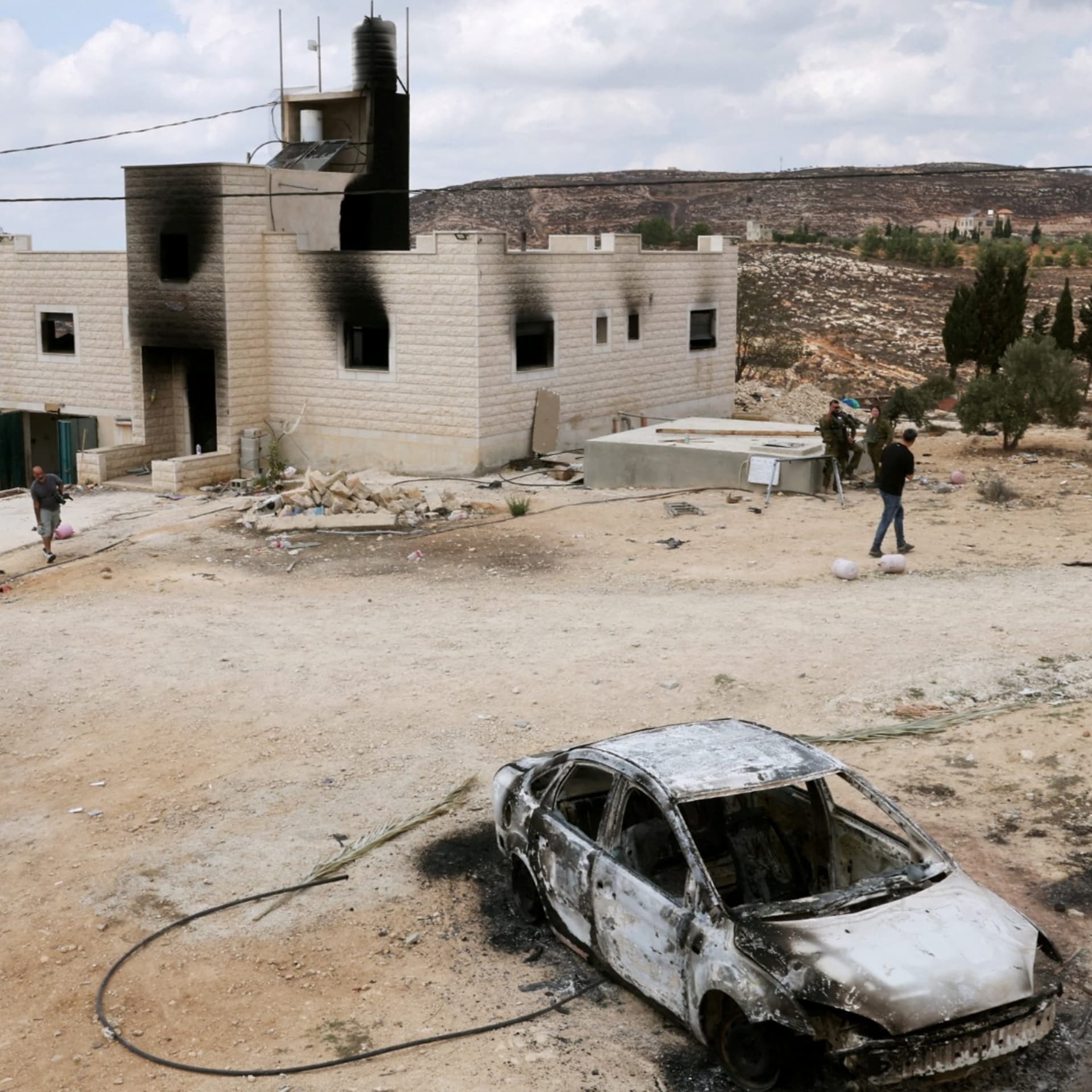
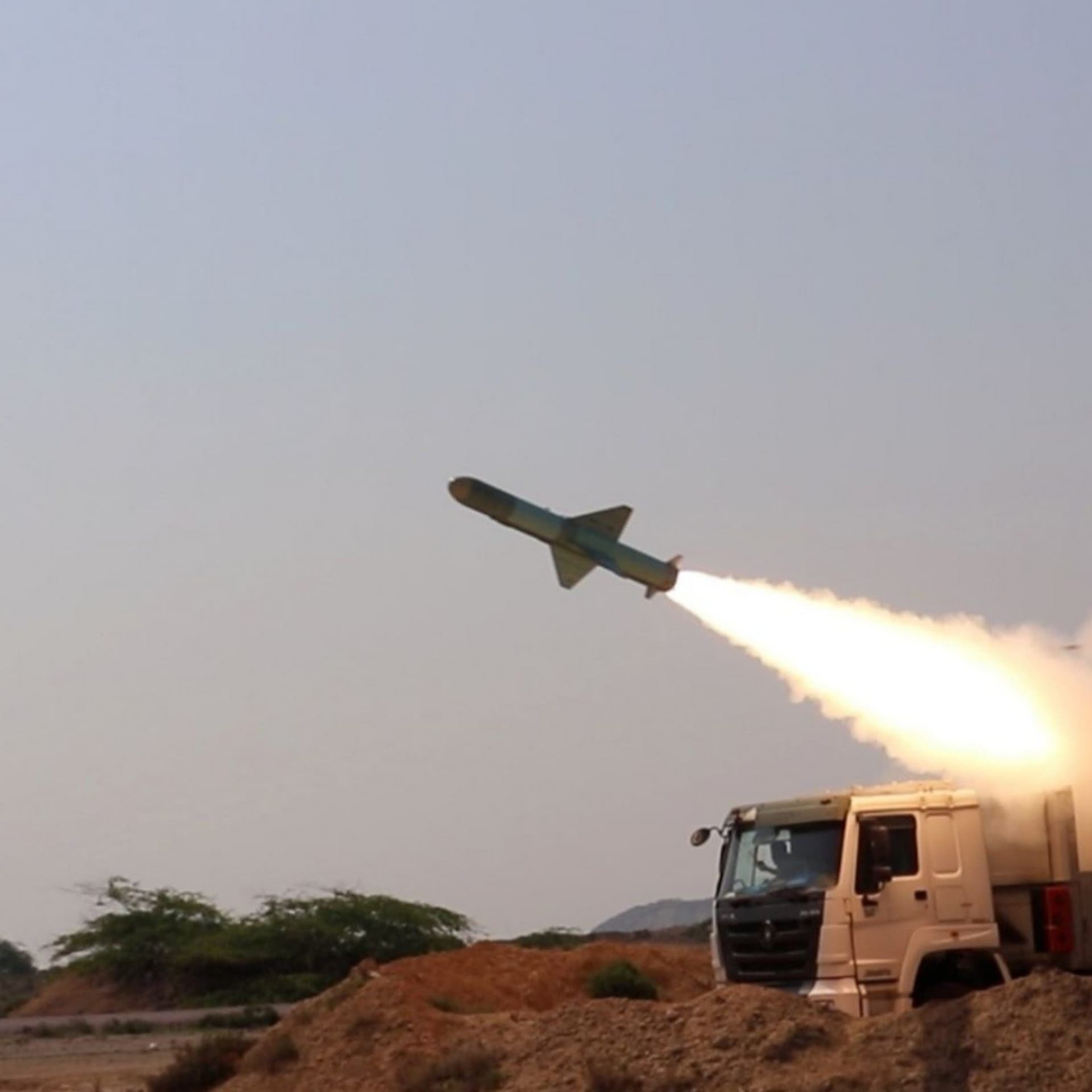
2:54But first, nearly three weeks since the US and Israel began their war with Iran. It is continuing to fire missiles and drones at its Gulf neighbours, causing fires at a major refinery in Kuwait and a warehouse in Bahrain. Blasts were also heard in Jerusalem. At the same time, Israel has again struck targets in Iran. But after a rare rebuke from President Trump, the Israeli Prime Minister, Benjamin Netanyahu, who has pledged not to hit Iranian energy sites again. The Gulf states have been stunned and angered by the scale of Iran's response, not just hitting US bases on their soil as expected, but also energy infrastructure, airports and even hotels.
3:36The Saudi foreign minister said his country reserved the right to take military action against Iran. I got more on that with our security correspondent in Doha, Frank Gardner. but first he told me more about the latest Iranian attacks. Overnight and over the last 24 hours, there have been a series of Iranian missile attacks on what could only be described as economic targets up and down the Gulf. Kuwait, for example, the Mina Abdullah and Mina al-Ahmadi refineries have been hit. Saudi Arabia's petrochemical industries have been hit. In Qatar, where I'm speaking to you from, they are still reeling from yesterday morning's an overnight attacks on Ras Lofan, which is the world's largest gas processing plant.
4:18The Qataris are furious. The knock-on effect of this in diplomatic terms is that the Qataris have complained to the United States. Donald Trump has said, we knew nothing about this. The Israelis say, yes, they did. We told them. They knew everything about it. We're doing everything in concert with the Americans. So somebody isn't being entirely truthful here. And for the time being, the The Americans have told Israel not to do any more, hit any more economic targets. So let's see if that sticks. Yes, because the Israeli Prime Minister Benjamin Netanyahu came out yesterday to say that President Trump didn't know about this Israeli attack on the Iranian gas field that sparked this latest escalation, in fact, contradicting his own officials.
5:01It does sound like it, doesn't it? I mean, I took a call specifically yesterday from an Israeli official to tell me they did know. They did tell them. So the longer term picture here is, are they both on the same page as to when this war is going to end? And I think that Israel has a desire to keep working its way down through a target list in Iran of missile sites and IRGC, Revolutionary Guards Commanders, that it wants to eliminate. Whereas for the US, time is running out. You know, every day that this goes on, it's going to become less and less popular with Donald Trump's MAGA, his Make America Great Again base, which didn't vote him into office to get involved in another Middle Eastern war, and certainly not to drive up petrol prices, gas prices at the pump.
5:49We've heard from the Saudi foreign minister that his country is reserving the right to take military action against Iran. How likely is that, do you think, Frank? Well, the Saudis have got a powerful air force, and of course, they've got a huge ally in the United States. They are getting hit almost daily by Iranian ballistic missiles aimed at Prince Sultan Air Base south of Riyadh at a place called Al-Kharj. And they're getting fed up with this and not being able to retaliate. But they also know that if they were to join in this war effectively on the side of Israel, that brings two risks. One, their own population are not going to be happy at them appearing to side with Israel, a country that has been embroiled in the Gaza war since 2023.
6:34And secondly, there is the risk of massive Iranian retaliation. And the Saudis had a bit of a wake-up call in September 2019 when, having joined in the Yemen war to try and beat the Houthis, they then got hit by a flurry of drones launched from Iraq by Iranian-backed proxies. Iran always denied it, but I think everybody assumes it was Iranian-backed proxies that launched these drones at Saudi Arabia's petrochemical facilities. And that knocked out half of Saudi's export capacity for several days. Now, that was just a taste of what could possibly come. So the Saudis know that they are vulnerable.
7:16They've got good air defences. They were able to shoot down the eight ballistic missiles that Iran fired at Riyadh a couple of days ago. but not everything is able to be shot down. Some things get through and the damage to their critical national infrastructure could be catastrophic. Frank Gardner in Doha. Well, we've already seen how damaging attacks on energy infrastructure can be with this week's soaring gas and oil prices and stock market falls after that Iranian attack on Qatar's main site for producing liquefied natural gas. Our business reporter, Nick Marsh, told me more about the extent of the damage at this highly important gas facility and the impact it's likely to have on our energy bills.
8:00Qatar's energy minister said that it would take between three and five years to totally repair the damage sustained in those Iranian attacks on Wednesday night and the early hours of Thursday morning. There are 14 what's known as trains, So basically these huge processing units in which natural gas is cooled to a very, very low temperature and it's turned into liquefied natural gas. And that's the stuff that gets exported all around the world. Two of those 14 trains have been really, really severely damaged to the point where you need to rebuild the whole thing. And that takes a very, very long time indeed.
8:40That means that, according to his calculations, Qatar's LNG output is going to drop by 17%, so nearly a fifth over the course of the next three to five years. Now, that's obviously a huge blow to Qatar and its finances and its economy, but also to all of the countries that rely on its liquefied natural gas. Lots of countries out here in Asia, you know, China, India as well, big customer, Japan, South Korea, but also increasingly Europe, given that Europe's trying to buy less Russian natural gas after the invasion of Ukraine. So, yes, some pretty significant damage we're talking about. And briefly, we saw energy prices spike yesterday.
9:20What's it like today? It has stabilised in relative terms, especially compared to yesterday, where things really, really shot up. I mean, natural gas going up by about 30%. Brent crude, you know, the benchmark for oil, a barrel of that hitting around$119, which is very high indeed. They've gone down a little bit, but still really, really high. You could argue that they went down because Benjamin Netanyahu and Donald Trump were talking about no further attacks. But the facts on the ground mean that production is severely compromised. Nick Marsh. And there's been a warning that the world faces its greatest ever energy threat from the Iran war.
9:58The International Energy Agency says the disruption to supplies is the largest in oil market history. And it's urged governments to look at ways of reducing demand, such as cushing speed limits and encouraging people to work from home more and to fly less. Here's the head of the IEA, Fatih Birol. Our world is facing the greatest global energy security challenge in history. It is much bigger than what we had in the 1970s, the oil price shocks. It is also bigger than the natural gas price shock we have experienced after Russia's invasion of Ukraine. And it is not only oil and gas, fertilizers, petrochemicals, these are all facing major problems.
10:49The head of the IEA, Fatih Birol. As well as the growing economic cost, there's also been a heavy personal cost for millions of people forced to flee their homes in Iran and in Lebanon. The Lebanese authorities say more than 1 ,000 people have been killed there by Israeli attacks in the past three weeks. There are no official figures for Iran, but the US-based human rights activist news agency says more than 3 ,100 people have been killed in Iran since the start of the US-Israeli war. This comes as Iranians are marking the Persian New Year, Nouruz. even as they mourn those they've lost in the Iranian regime's brutal crackdown on protesters in January and the ongoing war.
11:35Dan Johnson has been speaking to some Iranians who've recently crossed into Turkey.
11:45A centuries-old celebration this year has a very different soundtrack. In the corner of a restaurant in Van, the closest city to the border, Ali Reza Molli Hosseini plays the daf, a traditional Persian drum. So many lives have been upended, but after crossing to Turkey, Ali Reza is reproducing the familiar sounds of hau.
12:14In Iranian culture, sadness and happiness often go hand in hand. Iranians haven't been able to speak out or protest freely, and that's what let us hear. War is never a good thing, not for Iran, not for any nation. Children are waking up to the sound of missiles, filled with fear. Families are leaving their homes just to survive. I am absolutely heartbroken by what is happening in Iran.
12:53The New Year is welcomed with hope of fresh beginnings. In the lobby of one of the hotels sheltering displaced Iranians, Anita Mohamed Pana approaches the table laid with candles and the haft sin display, seven items symbolising health and renewal. Negros is not being celebrated by anyone, but we hold on to the hope of freedom. Anita, 24 years old, left Iran last summer. But now, when families are supposed to be coming together, just keeping in contact is difficult. For days, I had no news from anyone. My sister gave birth and we didn't even get to talk. For those of us who left the country, our only comfort was being able to speak to our families over the Internet.
13:47Every day, more people take to the road and leave Iran. But at the border crossing, high in the snowy mountains, many still speak quietly for fear of reprisals. There is no news this year. Many people are mourning because of two months before the killing of people. Will you celebrate at all? No, no, no, no, no. We want people of the world to understand my country. Very hard. Very. We can't celebrate Noah's this year unless we are sure of the fall of the regime and that the families of the fallen can celebrate with us. But there are people heading the other way, carrying opposing views. Listen to this man we met who supports the regime.
14:39America and Israel should keep their hands off Iran. We just came to Turkey for three days. Now we have Nauros, so we came to buy things and we're going back. Long live Iran forever. Back in the city, Ali Reza has a message of healing and optimism. This celebration can be a time of renewal, but doing so with a thoughtful eye on our past. But that history makes new beginnings difficult and lasting peace even harder.
15:19That report by Dan Johnson. The Japanese Prime Minister Sanae Takeuchi has ended what she's described as a very difficult official visit to the US after deflecting President Trump's request for Japanese military assistance in his war against Iran. Ms. Takeichi, who's established a warm rapport with Mr. Trump during their first meeting in Japan last October, lavished praise on the US president but insisted that Japan's post-war pacifist constitution limited its ability to deploy its armed forces. Jonathan Head reports. Sanae Takeuchi had one job on this visit, to avoid a public row with President Trump, and in that she succeeded.
16:05She deployed a full arsenal of flattery and defection on Mr Trump, calling him my best buddy, to deflect his calls for Japanese military help in the Gulf. It worked. The US president said he still expected Japan to step up, pointing out its heavy dependence on oil from the Gulf, but did not subject her to the scorn he's poured on NATO allies for their refusal to deploy forces in support of his war against Iran. There was one awkward moment when Mr Trump, responding to a question over why the US failed to warn its allies about the Iran plans, compared it to Japan's surprise attack on Pearl Harbour in 1941.
16:45The two leaders did, however, agree on pushing forward, with Japan's promise made last year to invest$550 billion in the US in return for lighter tariffs. The Japanese Prime Minister's visit to Washington had originally been timed to proceed Mr Trump's planned summit with Chinese leader Xi Jinping to get across Japan's concerns over China's increasing belligerence in East Asia. The Iran conflict has now forced the US to postpone that meeting. Jonathan Head. NASA is rolling out its giant moon rocket to the launch pad for a second time ahead of a mission to send astronauts around the moon, something not attempted in more than 50 years.
17:26The move to the Kennedy Space Center in Florida comes after a problem with the rocket's helium system forced NASA to abandon a launch attempt earlier this month. The hope is the rocket will launch in early April. So it's time, tentatively perhaps, to get excited again. And here's a reminder of the extraordinary nature of this mission from one of the crew. We're going to be going into an orbit almost right away that is 40 ,000 miles, like a fifth of the way to the moon just in and of itself. We will have the Earth out the window as a single ball, something none of us have seen. And then we're going to travel a quarter of a million miles away.
18:07Our science editor, Rebecca Murrell, told us more. This is the second time the rocket's been rolled out to the pad. The first was back in January, and the rocket's had a few technical problems. First of all, hydrogen leaks. Later, it had helium leaks. And engineers are really confident that they have fixed this. So the rocket is rolling back out to the launch pad today. I mean, this thing is huge. It's nearly 100 metres tall. It weighs 2 ,500 tonnes. So it's being carried on top of a vehicle called a crawler transporter. It's being carried vertically, so it can reach top speeds of about one mile an hour while it's being carried along, much slower going uphill and round corners.
18:46So the whole four mile journey takes about 12 hours in total. But once it's there, engineers will complete the final sort of checks and tests. But they really want to get this rocket launched at the start of April. And the earliest date for a launch window to open is actually the 1st of April. And the astronauts have entered into quarantine now to prepare for the mission. So, you know, limiting their exposure to bugs and viruses. So they're in peak health for their 10 day mission. I mean, remember, this is the first time any humans have been to the moon in more than 50 years. And these astronauts will be flying around the far side of the moon.
19:20So they're not going into orbit around it. They're going to go around the back of the moon and come back to Earth again. But this launch is actually this mission is paving the way for a future lunar landing and then a future moon base. because the difference between the Artemis missions and the Apollo missions, that NASA wants to sort of build a sustained presence on the moon to have astronauts living and working there. And they're not the only ones. China are wanting to do the same. I mean, China are aiming to get astronauts down to the lunar surface by 2030 and they're making very steady progress indeed.
19:51So the race is really on to get to the moon. Rebecca Murrell. Still to come in this podcast, We are going to experience loss of electricity and the damage is likely to be significant with a system of this size. A cyclone hits Australia's northeastern coast, bringing fierce winds, heavy rain and flooding.
20:30and finish. Grammarly's AI agents help you find natural phrasing, fine-tune tone, and confidently write wherever you work. It's the premier writing tool that 93 % of users trust to get more work done. In a world of generic AI, don't sound like everyone else. With Grammarly, you never will. Download Grammarly for free at Grammarly.com. We focus on the part of the internet that most people don't know about. It's called the dark web. Under cover in the furthest corners of the dark web, US special agents are on a mission to locate and rescue children from abuse. Move in now. From the BBC World Service, World of Secrets, the darkest web follows their shocking investigations.
21:17Listen on bbc.com or wherever you get your BBC podcasts.
21:26This is the Global News Podcast. Weight loss drugs are set to become much cheaper as patents on drugs like a Zempik and Wegovi start to expire in India and a number of other countries. This means that millions of people who are overweight or have diabetes will now be able to afford them. Our reporter Achana Shukla spoke to me from a factory in the southern Indian city of Bengaluru, which has already begun manufacturing generic versions of the drugs. The generic versions start coming into the market from tomorrow. So these factories over the last few months have actually put in a lot of capacity expansion, put in a lot of investment to ramp up capacities.
22:05And I could see packed boxes already ready to be shipped to the market. This particular factory is making these generic versions for almost a third of the 50 brands that will come into the Indian market. But the opportunity doesn't just rest in India. India is the pharmacy of the world. And these factories already have approvals and licenses in various other markets. semaglutide, which is the molecule that powers Ozempic and VigoV. These are two blockbuster weight loss drugs that actually earned Novo Nordisk$26 billion in revenue just last year. Now, the generic semaglutide is going off patent, meaning the exclusivity is ending.
22:44That also means that multiple other companies can launch generic versions, cheaper alternatives of this drug. And the access to this drug to diabetic patients, to patients who are struggling with weight management, especially for medical conditions, that will become easier. So over the course of next few months, the patents would also expire in Canada, China, and to all those patients around these countries, generic versions of these weight loss drugs at much more affordable prices will be available. So if I give you an example of India, these drugs have been available for over a year, but just a small section of the population could afford it because it would cost about$120 to$150 for a month's dose, which is a big amount for the socioeconomic conditions in India.
23:30But it is a market where diabetes and obesity is fast rising. Now, with about 50 brands wanting to come into the market from tomorrow onwards, prices are expected to crash by nearly half. And over the next few months, it could come down much more than that. So it sounds like there could be huge benefits, but there are also concerns about greater risks because these substances could be abused. There are already cases and reports that these drugs are being misused. Suddenly, these weight loss drugs became very popular and everybody realised that, you know, if you are on these drugs, you could lose weight fast.
24:07So while this is supposed to be used under medical supervision and only for treating and managing diabetes and weight for certain patients, a large number of gym trainers, beauty clinics, etc., have started dispensing these drugs for quick and fast cosmetic use. I've been speaking with doctors who say that a lot of people come to them saying that, you know, I'm going to get married in three months and I need to lose weight. Can you prescribe me this drug? And that is something which is already a risk which is happening, a misuse. And doctors are sounding caution on that. Archana Shukla in southern India.
24:43A severe cyclone has hit Australia's northeast coast, bringing fierce winds, heavy rain and flooding. Ahead of the cyclone making land in a remote part of Queensland, the state's premier, David Krissafuli, gave this warning. Wind is intensifying. In many cases, it'll be the strongest wind that people have experienced in this part of the state for a long, long time. But look, I don't want to sugarcoat this. We are going to experience loss of electricity and the damage is likely to be significant with a system of this size. As we record this podcast, there are no reports of casualties and the authorities have praised residents for following orders to shelter where they can.
25:22Our correspondent in Queensland, Simon Atkinson, told me more. Cyclone Norell which crossed the coast here about 7 o 'clock in the morning local time and with gusts of about 220 kilometres an hour at one point it seems it hasn't been as damaging and perhaps as bad as had been feared certainly there are no reports at this stage of any loss of life and nothing of severe infrastructure damage I've seen pictures of roofs, damage on houses, lots of trees down and that kind of thing but certainly it seems the areas so far where the cyclone have passed over seem to have had a lucky escape. It's worth saying that these are areas with pretty small populations which has certainly helped.
26:02Yet there had been big fears that this could be the worst cyclone Australia had ever experienced. It's all part of a pattern isn't it of more and more extreme weather events affecting Australians. That's right I think around the world don't we see more and more of these severe events and this is a warning for this particular part of Australia that it could be one of the worst that people have seen in living memory. We do get a lot of cyclones up here in North Queensland. It's the cyclone season. The big fear now I think is going to be the rainfall and there's certainly lots of rain in this whole tip of Cape York, the Cape York Peninsula to the north of Queensland.
Read the full transcript
26:37What we tend to get is in the days after these cyclones is lots and lots of flooding, rivers bursting their banks, creeks, roads, roads overflowing. And so actually a lot of the aftermath can be as troublesome as the cyclone coming over itself. But the authorities have praised residents for following orders to shelter in place. It sounds like the authorities are dealing with this as effectively as they can. Yeah, I think it's getting the message across. A lot of the communities in far north Queensland are indigenous communities. There's a lot of issues around language, for example, about getting the message to these groups to get communities which are perhaps quite isolated to stay indoors.
27:15A lot of these towns don't have proper kind of cyclone shelters so there's been a lot of preparation for that. So certainly there's been some messaging over the last few days that this is what people need to do. The cyclone is about 20 kilometres off the other tip of North Queensland now. It's then going to go across the Gulf of Carpentaria. The concern is as it passes over those warm waters, it's going to intensify again. It's dropped down to a level two cyclone. It started as a level four, but it's then going to go back over Australian landmass in Northern Territory into Saturday. So it isn't over by any means.
27:49Simon Atkinson in Queensland in Australia. For years, Cubans have lived a precarious existence, suffering food and medicine shortages and power cuts, partly because of the long running US economic embargo, and partly because of the mismanagement of their communist rulers. But the plight of people living in Cuba further worsened after the US seized the Venezuelan president, Nicolas Maduro, in January. This meant Cuba lost its main oil supplier, with the island experiencing a total blackout at one point. Now an aid convoy called Nuestra America has arrived on the island, part of an international effort to deliver badly needed aid supplies and to protest at the American oil blockade.
28:34Ilaria Salis is an Italian member of the European Parliament and was on the convoy. She spoke to Krupa Padi from Havana. The situation, it's quite complicated. You know, life, it's going on quite slowly in the city. The impression is, I don't know, something like cities in Italy, for instance, during the pandemic. I visited on the first day also health centers and hospitals for children. And so I could see that there is problems in finding some kinds of medicines because of the embargo. Medicines that are produced in the U.S. cannot be sold to Cuba. and for these reasons the lives and health of many children in Cuba are under threat.
29:27And there is also of course a problem that regards energy and so it's also a problem to make all the machineries from the hospital work properly and with the correct speed. So they managed to do it but it's quite a hard job and they also have to be very careful about how much energy there is left. Let's just expand for a moment on that energy collapse. You've mentioned the situation at the hospitals. We're really talking about the most vulnerable there. But on a day-to-day basis, people are battling with these daily blackouts. What do you understand the impact that has been on daily life? So how people are resisting and they are trying to make everything work.
30:15It's quite difficult. The impact on the day-by-day life, it's quite complicated. And of course, it's more complicated for families who have children or for ill people or for old people. It's very difficult to live day-by-day life in this situation. There are not so many people around in the street. There are just a few cars going around. Just before our arrival, there was a 30 hours long blackout in the whole island. And it was the first time this happened. It's totally against human rights to put this kind of embargo that looks like a collective punishment for the whole people. It's actually against international rights and against human rights.
31:08When you assess the situation on the whole, you've got the lack of food, lack of access to so many goods. And as you say, the embargo has simply made things worse. What do you think the people of Cuba need the most? Well, the first thing is to stop immediately this embargo. In this moment, they need electricity because electricity and oil is fundamental for a day by day life. The machinery in the hospitals and the school and all the other needs cannot be provided without energy. You are part of this flotilla that has arrived. What did you bring? I came here with a convoy from Europe and we're expecting also some boats to arrive in the next days.
31:57But we have to see when and if the boats will actually arrive or if the boats will be blocked on their way. And on the boats there is more humanitarian aid, more medicines and other goods. That was Ilaria Salis, an Italian MEP. And we have more on this on our YouTube channel. Search for BBC News on YouTube and you'll find Global News Podcast in the podcast section. There's a new story available every weekday. Chuck Norris, the Hollywood actor and martial artist who starred in action films including The Way of the Dragon with Bruce Lee and the series Walker, Texas Ranger, has died. He was 86. A symbol of rugged masculinity to his fans, he also in later years became the subject of a string of internet memes, including Chuck Norris facts, which jokingly exaggerated his strength and toughness.
32:55Peter Coffin looks back at his life.
33:00America had no more heroes until now Chuck Norris Karate master turned action star turned internet meme Chuck Norris remained a hero of B-list pop culture for more than five decades He gained entry to Hollywood as a martial arts teacher to the stars including Steve McQueen who recommended Norris try acting himself Norris landed his first substantial role in 1972 in the cult classic kung fu film Way of the Dragon squaring off against Bruce Lee in an epic eight-minute fight scene. But it was the explosion of low-budget action films in the 1980s that turned Norris into a star using roundhouse kicks and usually a machine gun to fight injustice.
33:56Films like Delta Force and Missing in Action were generally panned by the critics, but loved by fans of cheesy action movies. Time magazine once called Norris the most successful, really terrible actor of his generation. Norris' fame peaked with the television program Walker Texas Ranger, which ran for eight series ending in 2001. But some five years later, he enjoyed a career resurgence, thanks to the internet phenomenon of Chuck Norris facts. Tongue-in-cheek claims about Norris's prowess as an all-American tough guy. Chuck Norris doesn't read books. He stares them down until he gets the information he wants.
34:37Chuck Norris does not own a microwave because revenge is a dish best served cold. There is no chin behind Chuck Norris's beard. There is only another fist. Norris parlayed the online jokes into a lucrative business that included TV appearances, a book, even a computer game. However outlandish, the facts only slightly exaggerated the character Norris had always played, that of a hard-punching but unshakably moral man standing up for good in the face of evil. Peter Goffin with that look back on the life of the American actor Chuck Norris who has died at the age of 86. And that's all from us for now.
35:19if you want to get in touch, you can email us at globalpodcast at bbc.co.uk. And don't forget our sister podcast, The Global Story, which goes in-depth and beyond the headlines on One Big Story. This edition of the Global News Podcast was mixed by Chris Lovelock. The producers were Arian Kochi and Oliver Burlau. The editor is Karen Martin. I'm Janat Jalil. Until next time, goodbye.
35:51We focus on the part of the internet that most people don't know about. It's called the dark web. Undercover in the furthest corners of the dark web, US special agents are on a mission to locate and rescue children from abuse. Move in now. Police! From the BBC World Service, World of Secrets, the darkest web follows their shocking investigations. Listen on BBC.com or wherever you get your BBC podcasts.
From the publisher
Tehran has fired missiles and drones at its Gulf neighbours causing blazes at a Kuwait refinery and a Bahrain warehouse. Israel has launched more air attacks against Iran. Powerful explosions were reported in the capital. Iranian media said sixteen of its cargo ships anchored in the Gulf had been burnt out after being targeted there. There's been a warning that the world faces its greatest ever energy threat from the Iran war. Also, weight loss drugs are set to become much cheaper as patents expire in India and elewhere. A cyclone has hit Australia's northeastern coast bringing fierce winds, heavy rain and floods. An international aid convoy arrives in Cuba. Actor and martial artist Chuck Norris dies at 86. And Mission to the Moon, NASA’s huge rocket - now repaired - heads back to the launchpad at Cape Canaveral in Florida in preparation for the first crewed flight in more than half a century.
The Global News Podcast brings you the breaking news you need to hear, as it happens. Listen for the latest headlines and current affairs from around the world. Politics, economics, climate, business, technology, health – we cover it all with expert analysis and insight. Get the news that matters, delivered twice a day on weekdays and daily at weekends, plus special bonus episodes reacting to urgent breaking stories. Follow or subscribe now and never miss a moment. Get in touch: globalpodcast@bbc.co.uk