
In short
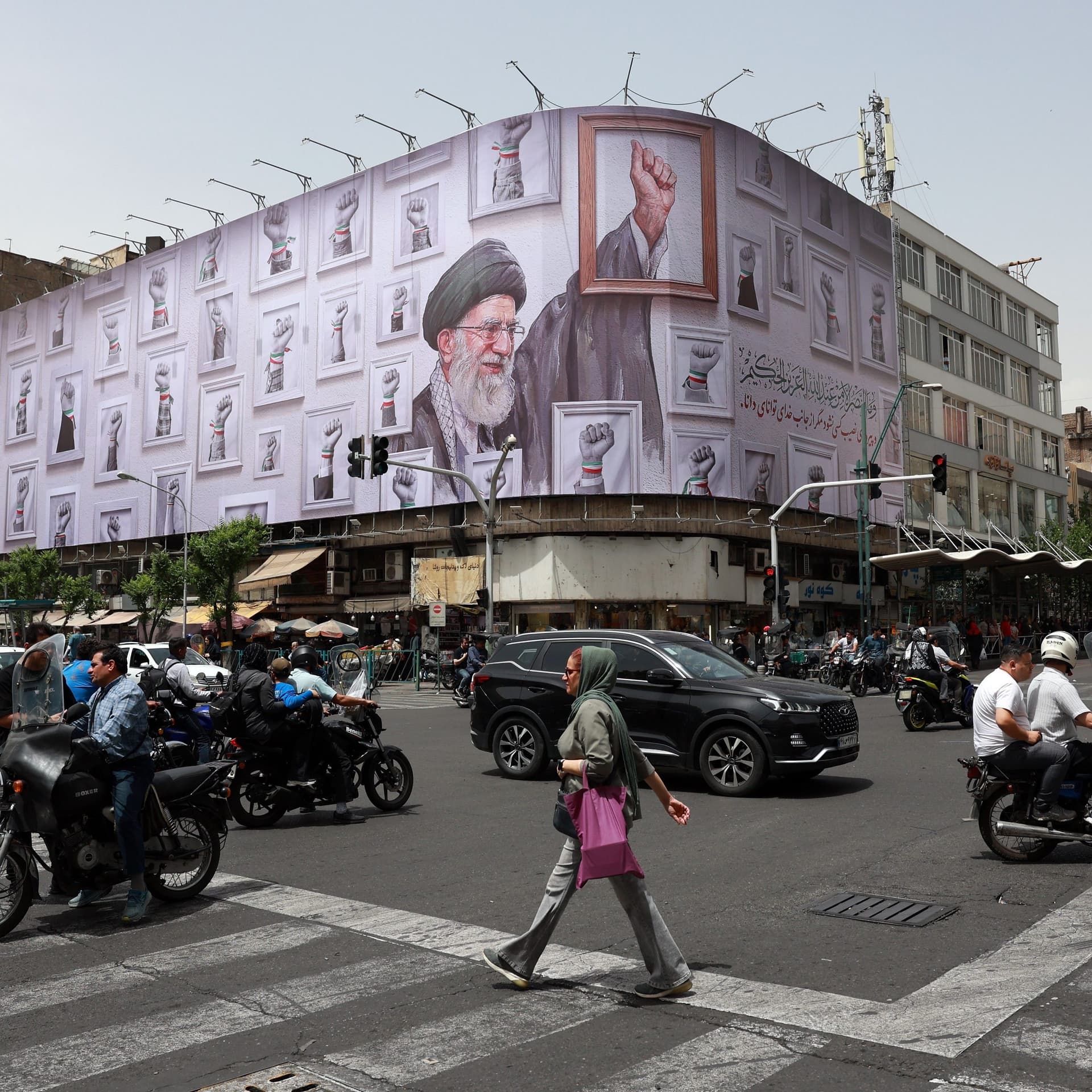
The episode covers Iran-US diplomacy over Iran’s “generous” peace counter-proposals, with uncertainty threatening a ceasefire. Iran says its terms to end the conflict and reopen the Strait of Hormuz are responsible and generous, but Trump calls them totally unacceptable; both sides keep details vague and warn of escalation. James Gilmore (former US ambassador to the OSCE) argues the US may be relying on force (air attacks/blockade) and that Iran still behaves “almost as though they’re winners,” so no quick breakthrough is likely. BBC reporting from Iran describes trauma, repression, arrests (50,000+), executions, and psychological distress.
Guests
James Gilmore; Carrie Davis; Fergal Keane; Guy Hedgecoe; Rob Watson; Jonathan Head; Malcolm Turnbull; Jane Chambers; Pete Ross; plus correspondents Jonathan Beale and Anna Foster. Also discussed: hantavirus repatriation from MV Hondias (WHO urges 42-day quarantine); UK politics after Reform Party election losses; Thaksin Shinawatra’s parole release; Trump-Xi diplomacy advice; Argentina shopping in Chile; sun-lounger “towel wars” examples.
Written by AI. May contain mistakes. Listen to the episode to check what was said.
Chapters
Tap a time to open that second in VOToday's Main Stories
1:14 to 1:45
Overview of the main news stories including Iran and UK politics.
“Iran denies its counter-proposals to US peace plan are excessive.”
Focusing on Iran's Peace Terms
1:45 to 2:02
Discussion on Iran's peace proposals and US response.
“A former Prime Minister of Thailand, Thaksin Shinawat, is greeted by supporters on his release from jail.”
Analysis of the Iran-US Negotiations
2:02 to 2:52
Insights on the ongoing negotiations and potential outcomes.
“Both sides seem to be talking, but there doesn't seem to be much agreement.”
Public Posturing in Diplomacy
2:52 to 4:28
Exploration of the public versus private stances of Iran and the US.
“Is that going to be enough to bring Iran to the point where they're willing to concede some very important issues?”
Human Impact of the Conflict
4:28 to 5:39
Reports from individuals affected by the conflict in Iran.
“Bear in mind, both need to appear that they are coming away with a win, with a success for this.”
Life Under Strain in Iran
5:39 to 9:19
Detailed accounts from citizens about their struggles amidst the conflict.
“As the conflict continues, people inside Iran continue to struggle despite some respite brought by the ceasefire.”
Cruise Ship Hantavirus Outbreak
9:19 to 10:00
Update on the repatriation of passengers from the MV Hondias due to Hantavirus.
“the cruise ship affected by an outbreak of the deadly Hantavirus, are being repatriated from Tenerife in the Canary Islands.”
WHO Guidelines and US Response
10:00 to 11:41
Discussion on WHO's quarantine recommendations and US health policies.
“I'm at the port where the passengers are being brought to land and then put onto flights from here and then repatriated.”
UK Political Landscape and Starmer's Challenges
11:41 to 14:03
Examination of Prime Minister Keir Starmer's position after local elections.
“But it doesn't seem that they'll be undergoing that long quarantine.”
Disillusionment with British Prime Minister
14:03 to 15:07
Explore the declining popularity of the British Prime Minister and its implications.
“So that's the strategy, but of course it has all sorts of other problems.”
Show all 18 chapters
Thaksin Shinawatra's Release from Prison
15:08 to 18:25
Examine the release of former Thai Prime Minister Thaksin Shinawatra and his controversial legacy.
“Crowds filled the streets of Bangkok to catch a glimpse of Thaksin Shinawot being released from prison on parole.”
Ceasefire and Ongoing Conflict in Ukraine
21:39 to 24:26
Analyze the recent ceasefire in Ukraine and the ongoing tensions in the region.
“It's the end of a three-day ceasefire between Russia and Ukraine that was agreed to cover the celebrations of the Soviet Union's victory over Nazi Germany.”
Malcolm Turnbull on Dealing with Trump and Xi
24:29 to 27:12
Insights from former Australian Prime Minister Malcolm Turnbull on navigating relations with Trump and Xi.
“between President Trump and the Chinese leader Xi Jinping will take place.”
Argentina's Economic Recovery and Shopping Trends
27:16 to 28:00
Investigate Argentina's economic recovery and the rising trend of shopping in neighboring Chile.
“he promised a radical shake-up of an economy that was on the brink of collapse.”
Shopping Trends Among Argentinians in Chile
28:00 to 29:25
Explore why Argentinians are flocking to Chile for shopping and the benefits they find.
“One of the reasons is because it's Argentina's closest, most accessible shopping zone.”
Economic Changes Impacting Travel
29:25 to 30:28
Learn about the economic shifts in Argentina that influence travel and spending in Chile.
“to meet Chilean economist Klaus Schmidt Hebel, who teaches here and at the Catholic University.”
The Sun Lounger Dilemma
30:28 to 31:38
Delve into the growing issue of sun lounger availability at holiday resorts.
“I think everything will stabilise in the future.”
Hotels Responding to Sun Lounger Issues
31:38 to 33:49
Understand how hotels are addressing disputes over sun lounger reservations.
“when you've spent hundreds or maybe thousands of pounds on a hotel and you want to use the facilities.”
Transcript
Automatic transcript. May contain errors.0:00This BBC podcast is supported by ads outside the UK.
0:31America's Social Casino. Download the Moto Casino app today.
1:00Offer ends May 26. Restrictions apply. Offers may vary. Visit julesosco.com for more details. This is the Global News Podcast from the BBC World Service. I'm Alex Ritson, and at 16 hours GMT on Monday the 11th of May, these are our main stories. Iran denies its counter-proposals to US peace plan are excessive. Uncertainty over the negotiations sends oil prices higher. A French passenger from the cruise ship MV Hondias tests positive for Hantavirus. And the British Prime Minister Keir Starmer tries to shore up support after last week's dismal election results. Also in this podcast...
1:51A former Prime Minister of Thailand, Thaksin Shinawat, is greeted by supporters on his release from jail. We start with the war in Iran and the diplomatic efforts to secure a lasting peace. Both sides seem to be talking, but there doesn't seem to be much agreement. Tehran says its latest proposals to end the conflict and reopen the Strait of Hormuz are responsible and generous, even though President Trump has already described them as totally unacceptable. All this could undermine the ceasefire. James Gilmore, a former U.S. ambassador to the Organization for Security and Cooperation in Europe, says he doesn't think there'll be a quick breakthrough.
2:35We're not yet getting anywhere. I think the United States got themselves into a war in which they're going to try to achieve an outcome through the use of force, and that force is either air bombing, air attacks, and or a blockade against their economics. And the question remains outstanding. Is that going to be enough to bring Iran to the point where they're willing to concede some very important issues? So far, not. So far, the Iranians are behaving almost as though they're winners. And I think that they're not yet losers, frankly. And I think that this negotiation is going to go on for some time, in my view.
3:15Our correspondent, Carrie Davis in Dubai, says neither side has publicly released details of what they want. What was it exactly that the president thought was unacceptable? We don't have any further details on that. Well, it might be the case that in the coming days we hear more from the US side about where they think Iran needs to change its stance. We may also get a simile from Iran, but both sides seem to be pretty rigid in their positioning at the moment. And also both have talked about further potential escalation. So before we had this response from Iran, the president had said that if Iran did not agree to a deal, that the US would resume bombing and with greater intensity.
3:58At the same time, we've also heard from the White House, particularly in the course of the last week, talking about how President Trump is open to diplomacy. So what path will the president choose next and what sort of further actions are we going to see from either side? That is what we're waiting for. Do we think it's a real rejection or is it a negotiation tactic? With all of this, it's very difficult to know how much of this is a negotiation tactic, how much of this is public posturing, because both sides are trying to appeal to their own domestic audiences. Bear in mind, both need to appear that they are coming away with a win, with a success for this.
4:34Both sides have been talking about the weakness of their opponent. and even though both sides have continually talked about their public positions which seem miles apart yet this back and forth of negotiation seems to be going on behind the scenes so there must be something that they're finding that that is appealing there's something to further talk about because otherwise you'd imagine this negotiation wouldn't be going on but exactly what that middle ground is is very difficult to say and how much of this is genuine rejection from president and how much of this is an indication of him trying to sort of play hardball as it were and trying to get more from the Iranian side we don't know.
5:10I think the only way for us to be able to read that is what the president says and does next. Whether this starts to have more positive noises again from the US saying I know actually we think that there is more that the Iran are already offering us or if we start seeing further sort of escalatory tactics potentially in the straighter before moves from either side that will give us a bit more of an indication about whether or not this feels like a genuine dead end or it is just something that is being said publicly to try to alter that position behind the scenes. Carrie Davis. As the conflict continues, people inside Iran continue to struggle despite some respite brought by the ceasefire.
5:47The BBC, using trusted sources, has been speaking to some of those affected. Our special correspondent, Fergal Keane, has been hearing from those traumatised by conflict and government repression. and the warning that some listeners may find the material in his report disturbing.
6:08They on the streets today, the women of the Islamic Revolution, but in a country where the men still make all the rules.
6:21This demonstration stage managed by the regime to convince the world they're ready to fight, to tell their own people, don't even think about protesting. There's little chance of it. The population is wounded in spirit and mind. Huddled over a stove, musician Ali Reza cannot come to terms with the things he's seen in the last few months. Looters fighting next to the bodies of bomb victims. The situation was completely out of control. The police had come to take the bodies of those killed in the barracks to the hospital, but they couldn't control these looters. At the same time, I saw many corpses, some with the lower half of their bodies severed.
7:08People were collecting them in blankets to take them to the hospital. If the situation continues like this for another six months, many might commit suicide because they can't endure it. Living in Iran is truly difficult.
7:26Families of all political persuasions are mourning they're dead and missing.
7:36Airstrikes have put added strain on the under-resourced health system, unable to cope with the wave of trauma, as a medic explained. As soon as you ask, how are you feeling, the patient starts crying. And we have one psychologist who only comes one day a week because they haven't signed a contract with him. Only one day a week for a population of 26 ,000 people. They say there will be an agreement, but it feels like the fire of war in this country never goes out. I am completely hopeless. Now I can say with certainty, hope will not come back. For former political prisoners like Shirin, these are days of relentless fear.
8:22War. the death of friends, the possibility of torture. When they've come for you once already, the fear never goes away. Whenever I hear a disturbing sound, my body reacts involuntarily. The psychological pressure that entered my mind has numbed part of my left hand. It doesn't work. I still have anxiety that the war might start again, and that is a terrifying thing. More than 50 ,000 people have been arrested, and last month saw a record number of executions. For Shirin, despair. Things have happened that we couldn't do anything about. The detainees were hanged. We've now lost the streets. Whoever controls the streets controls the country.
9:10And for their enemies, they've made Iran into a claustrophobic hell. Fergal Keane. The last remaining passengers on board the MV Hondias, the cruise ship affected by an outbreak of the deadly Hantavirus, are being repatriated from Tenerife in the Canary Islands. 146 people are on board, three of them have died of the virus, and several others have become ill, including most recently a French woman. The US Department of Health says one of the American passengers being flown home has also tested positive, and another is showing symptoms. The head of the World Health Organization, Tedros Adhanom Capriasis, who's on the island, has questioned the American decision not to follow WHO guidance to isolate passengers for 42 days.
9:59I heard more from Guy Hedgeko, who's in Tenerife. I'm at the port where the passengers are being brought to land and then put onto flights from here and then repatriated. Yesterday, just over 90 passengers from 19 different countries were brought in small boats from the cruise ship, which is anchored just off the port here. And then they were moved very quickly in a bus to a nearby airport and put onto their flights to go home. There are just 24 more people to go today. There will be a flight going to the Netherlands, taking them home to the Netherlands. And the final flight we're expecting will go to Australia.
10:39some of the crew will remain on the boat and it will continue on to Rotterdam in the Netherlands. Guy, tell us more about the WHO guidelines. Are people expected to isolate and what's happening in the US? Well, yes, I mean, the WHO recommends 42 days quarantine because that is the period of incubation for the virus. And so it says that that is recommendable for anyone who's been in contact with someone who has tested positive for the virus. Now, the situation in the United States is the US Centers for Disease Control says it doesn't want to cause alarm and that this virus should not be treated like COVID.
11:20Now, on that point, the WHO and the US agree they don't want to see comparisons or close comparisons with COVID because that might cause alarm. But the US, certainly the health authorities there, don't seem to be imposing this 42-day quarantine. The 17 American citizens who were flown back home yesterday, for example, are undergoing clinical assessment in Nebraska. But it doesn't seem that they'll be undergoing that long quarantine. And the WHO has said that there may be risks associated with not following its guidelines. Guy Hedgecoe. Here in the UK, Prime Minister Keir Starmer is fighting for his job after disastrous local elections that were dominated by the populist right-wing Reform Party.
12:11Calls are growing even from his own Labour Party MPs for him to resign. But speaking at a news conference, he said he was determined not to give up. I know that people are frustrated by the state of Britain, frustrated by politics. and some people frustrated with me. I know I have my doubters and I know I need to prove them wrong and I will. Mr Starmer also launched a direct attack on Brexit, saying it's made people poorer. He said a new deal with the European Union was an immediate priority. So is this an attempt to reverse Britain's decision to leave the EU? Our UK political correspondent is Rob Watson.
12:58I think reversing it might be going a bit too far, Alex, but I think what Keir Starmer has decided is that if you look at Britain, I know it's 10 years on from the referendum, Alex, but essentially the country is still sort of broadly split along those lines of people who voted remain and people who voted leave. And I think the Prime Minister has decided that the Labour Party is really struggling to get any Leave voters to come back to support Labour and that, therefore, the idea is you try to unite the progressive left, if you could put it that way, and that, therefore, to come out and denounce Brexit, talk about the harm it's done and talk about closer relations with the European Union really, really makes a lot of sense.
13:40But he's in trouble. Would that turn things around for him? Well, it would certainly help things because the argument goes inside the senior ranks of the Labour Party that if it's true that the party is split still along remain leave lines, you might scoop up some of those people who used to support Labour but who've gone off to parties like the Liberal Democrats and the Greens, who are very much more pro-European. So that's the strategy, but of course it has all sorts of other problems. Yeah, as you say, just give us a sense of how disillusioned British people really are with this Prime Minister.
14:18So he gets, I was looking at the latest polling from YouGov, one of the biggest polling companies in Britain, Alex, and he gets a net favourability rating of minus 48%. I mean, that is pretty dire. Only Liz Truss has been more unpopular. And that is why the view, I think, inside the governing Labour Party is that his position is unrecoverable. that he's just too unpopular in the country, too unpopular in the party to come back from this, and that he is therefore a prime minister living on borrowed time. The challenge to his leadership that might have happened today, I think, has perhaps dissipated, Alex, but I think there is a sense that it is borrowed time, and that at some point in the medium to long term, he will be gone and he will not leave the party into the next election, despite his determination, Alex, to stay and fight.
15:06Rob Watson. To Thailand now.
15:12Crowds filled the streets of Bangkok to catch a glimpse of Thaksin Shinawot being released from prison on parole. The former Prime Minister was originally sentenced to eight years for corruption and abuse of power in 2023. That was then shortened to a year. He initially served time in a prison hospital, but Thailand's Supreme Court decided he would have to go to an ordinary prison. Now, after serving eight months, he's out, but he'll still have to wear an electronic ankle monitor for the remaining four months. He says he feels relief. But is everyone in Thailand happy to see him released? Our Southeast Asia correspondent is Jonathan Head.
15:52Taxon's a very controversial figure, very divisive. He has people who dislike him as strongly as those who showed up to greet him as he came out of prison, love him and believe in him. That's the way he's been. He's abrasive, autocratic in some ways, visionary in others. He made a huge impact when he first came to power 25 years ago, the first party that really had a kind of modern platform. And a lot of his policies genuinely improved the situation, particularly of lower-income people, and they still thank him for that and still believe in him. But there were lots of problems with the way he governed as well, and Thailand has an extremely well-entrenched and powerful conservative establishment built around the monarchy and with the backing of the army, which is very sceptical of any elected politician who has ambitions to transform the country.
16:41Antaxan was not a diplomatic man, and he fell out with them, ended up being ousted by a coup. Governments led by his parties, his parties kept on winning elections, even when he was in exile. Those governments also found themselves either being dissolved by the courts or there was another coup in 2014. There has been this persistent opposition to him. And in many ways, he would argue the time he spent in jail the last eight months is part of that political process. His critics would say, well, he was convicted of three counts of corruption and abuses of power, that these things did go on when he was in government, and he's lucky to have spent so little time in jail.
17:16The big question really now is, you know, he's always sought the limelight. He's never shrunk into the background, but he's 76 years old now. His party is no longer the election winner at once was. It was pushed into third place in the most recent election three months ago. So will he still attempt to be a decisive player? Or will he finally do what he said many times and spend more time at home to be with his grandchildren? And that is the question, isn't it? Will he have his eyes on a return to politics? I think he will stay very involved in his party. You know, there's no question he's still the main funder.
17:47He's a very wealthy man. His family are very influential in the party as well. They all play a role. There's no question that as an elder statesman, they will go to him for guidance. but I don't think he will have the profile that he had in the party. There will be some saying, look, we need to let younger people come forward. We need new leaders. And the party itself, which is now only a junior partner in the current conservative government, just won't have the clout it had. And for all those reasons, it's impossible to imagine Taxin Shinawatt playing the kind of decisive, often divisive role in Thai politics that he has in the past.
18:21But he'll be in the headlines for sure. You just know he's not going to stay quiet. Jonathan Head. Still to come in this podcast. People who go to Washington and suck up to Donald Trump, or frankly do the same in Beijing, are making a massive mistake. Some blunt advice from Australia's former Prime Minister Malcolm Turnbull, ahead of Donald Trump's visit to China.
18:56The U.S. Virgin Islands invites you to discover the stunning beauty of St. Thomas, St. Croix, and St. John. The U.S. Virgin Islands is truly a magical place, one of a kind, and unlike any other destination. With incredible food, warm hospitality, vibrant culture, and breathtaking beaches. It's everything you could want in a vacation. And the best part? No passport is required when traveling from the U.S. No hassle, just easy travel. Whether it's the world-famous Trump Bay in St. John that was voted the best beach in the world, the picturesque Megan's Bay Beach, or the stunning Point Udall, America's easternmost point, USVI will take you to a place that no other Caribbean destination can match.
19:39For most, the U.S. Virgin Islands is just a quick nonstop flight or a simple connection away. Start planning your getaway to America's Caribbean at visitusvi.com. That's visitusvi.com. USVI, naturally in rhythm Here's golf legend John Daly Hell yeah, these wins are piling up faster than my divorces I only spent on Moto, America's social casino You know I've won a couple of majors And on Moto, I've won majors, grands, and epic jackpots On their classic Vegas slots With huge, huge bonus rounds Moto Casino adds new games and awards players Free coins every single day Grip it and spend it on Moto Casino Download the Moto Casino app today Moto Casino is a social casino What you're prohibited, no purchase necessary Visit Moto.us for more details Moto Casino America's social casino This is Ashley Iconetti from the Ben and Ashley I Almost Famous podcast.
20:30You know that moment when you're in your stylist chair and you're describing your dream hair like it's a Pinterest board come to life, but you have zero idea how to make it happen at home? That is my Roman Empire. But Amiga totally gets it. Their clean, vegan, cruelty-free, clinically proven formulas are why stylists swear by them. I'm obsessed with the wizard detangling primer. It's like a magic spell for my hair. For a limited time, save 15 % off your order with code FAMOUS15 on loveamika.com. Restrictions may apply. Hey, it's Ryan Seacrest for Jewel Osco. Spring is a time to give yourself a refresh, so spend time on self-rejuvenation.
21:12Shop in-store and online for great savings on all your favorite personal care items. Now through May 26, earn four times points when you shop participating items like Pantene shampoo, Crest toothpaste, Tampax Radiant, native shampoo, and secret gel deodorant. Then redeem points for discounts on future purchases of groceries or fuel. Offer ends May 26. Restrictions apply. Offers may vary. Visit jewelosco.com for more details.
21:38This is the Global News Podcast. It's the end of a three-day ceasefire between Russia and Ukraine that was agreed to cover the celebrations of the Soviet Union's victory over Nazi Germany. Speaking at the Victory Day parade in Moscow, Russian President Vladimir Putin said the conflict could be coming to an end, but both sides have accused each other of continuing attacks through the truce. Ukraine's President Volodymyr Zelensky said there were more than 850 drone strikes on Ukrainian positions in the first few hours of the agreement. I heard more from our defence correspondent in Kyiv, Jonathan Beale.
22:16It isn't a ceasefire on the front lines. What there has been is a limitation on long-range strikes carried out by both sides. So there haven't been air raid warnings going on in Kiev for the last few nights. That said, there have been a few drones, long-range drones, getting through, which have hit cities like Kharkiv, like Kherson, three civilians killed, more than a dozen injured. But as far as the front line is concerned, the fighting really hasn't let up. And for example, there were yesterday 140 clashes on the front line, 5 ,000 one way attack drones being used, and 1500 artillery shells fired according to Ukraine's general staff.
22:58So I think you get a sense that, you know, this is in name a ceasefire, but not in reality. So effectively over what then the prospect of longer term peace talks? Well, I mean, clearly there are discussions going on with the US at the moment. Remember, it was the US that brokered this ceasefire. President Putin had tried to declare one unilaterally to coincide with the Victory Day parade in Red Square. And then President Zelensky suggested his own ceasefire. And it was only reached an agreement because of the US. And there's also the promise of prisoner swap of thousand prisoners, which hasn't happened yet between both countries.
23:38So we have seen evidence that the US is still engaged in so-called peace talks, but we know that the US is more focused on the war in Iran at the moment. So there isn't any expectation that this war is going to come to an end soon. And the expectation is that on the front line, as we've seen with the evidence of the fighting, that the Russians will continue to push ahead. That said, they are making much slower progress than they have in previous years. You know, we've heard President Putin talk about the war may be coming to an end. I think that's for a domestic audience. You know, that's his own side, who are clearly concerned, some people in Russia, about this war and the effects it's having on the economy.
24:21There is no indication, as I said earlier, that this war is coming to an end. Jonathan Beale in Kyiv. All eyes will be on China later this week when the long-awaited and delayed meeting between President Trump and the Chinese leader Xi Jinping will take place. Many will be watching for signs of how well they'll get on. But the relationship between the world's two most powerful men is also important for all the other smaller nations that have to keep on good terms with both Washington and Beijing. The former Australian Prime Minister Malcolm Turnbull is one man who's had experience in the often tricky task of keeping both partners happy.
Read the full transcript
25:00He spoke to my colleague Anna Foster. This is a critically important thing both with China and with Washington. In the imperial capital, they regard deference as their due. So people who go to Washington and suck up to Donald Trump, or frankly do the same in Beijing, are making a massive mistake. You win respect from strong men, from bullies, if you want to call them that, by standing your ground and being true to your own values. Recently, the focus has been on Donald Trump, and you can see those leaders. I mean, look at the Europeans. Look at that unfortunate, awful incident last year when the Europeans rolled over to Donald Trump.
25:42What did they get in return for that? Tariffs and threats to invade Greenland. The bottom line is sovereignty matters, and you have to stand up and defend your sovereignty. and all of the flattering and grovelling is a massive mistake, particularly with Trump. When you have a personality who is making decisions on his own, big, far-reaching decisions, often depending on what kind of mood he's in that day, for those leaders to speak out, to risk souring that relationship for a long time, it feels like the kind of dance that we've barely seen before. That's true. I mean, I was fortunate in my dealings with Trump in the first term because by force of circumstance, we had a very big row, really, that first encounter.
26:27And I stood my ground. He started off saying, no way, ended up grudgingly and unhappily agreeing to stick with an agreement I'd done with his predecessor. But that won his respect. There's no need to be rude or performative, but you can be respectful, but nonetheless stand your ground. but you've got to be very careful, whether it is in the playground or in geopolitics. If you are dealing with strongmen, bullies, people who like to use force, power to get their own way, who bluntly say might is right, if you're dealing with that, the only way to do that is with, obviously respectfully and politely, but stand your ground.
27:12Malcolm Turnbull speaking to Anna Foster. When Javier Malay became president of Argentina in 2023, he promised a radical shake-up of an economy that was on the brink of collapse. Since then, Argentina's economic woes have eased, with the country reporting a budget surplus for the first time in 14 years, thanks to significant cuts in government spending. Inflation has also been slashed, and although progress has slowed recently, some Argentines do have more money to spend. Many of them have been flocking to neighbouring Chile in search of goods that are much cheaper or not available back home. Jane Chambers has been to see if Chile is becoming Argentina's shopping centre.
27:59Every year, hundreds of thousands of Argentinians head to neighbouring Chile's central coast. One of the reasons is because it's Argentina's closest, most accessible shopping zone. I'm here at Vina Outlet Park, which has become a popular destination for Argentinian shoppers. In a large shoe shop, I talked to one of the sales reps. In the last two months, the majority of people in the shop have been from Argentina. I think it's because of the exchange rate, which at the moment is working in their favour. And it's holiday time now. Eduardo spots an Argentinian customer, Dolores, who's visiting with her family.
28:34I'm here to buy trainers and football boots for my children, and things like school rucksacks and pencil cases for when they go back to school, as well as clothes. The outlet park's currently running a marketing campaign called Tourista Feliz, which in English means happy tourist. I'm off to meet head of marketing Carolina Coromis to find out more. The Tourista Feliz campaign means that we give special benefits and discounts to tourists who visit us here. Why are Argentines such an important market for you? Because we are an outlet, our prices are already cheaper than other shops. But we also have brands that are more expensive for them back home, or that they can't find in Argentina, like Adidas, Puma, Rosen, Cannon, Oakley, Levi's and many more.
29:18And that makes it attractive for them. I've come to the Leafy campus at the Universidad de Desarrollo in Chile's capital, Santiago, to meet Chilean economist Klaus Schmidt Hebel, who teaches here and at the Catholic University. For 80 years, on and off, Argentina has had very significant hyperinflation, when inflation went up to 10 ,000 % per year, and then moderately high inflation of 30 or 50%. During that time, people in Argentina didn't know how much their daily goods, like bread and meat, would cost from one day to the next. Household budgets were squeezed, and for many of them, trips to Chile were out of the question.
30:01Then something changed. This happened until two years ago when Mr. Millet was elected president and from then on he put into place a fiscal and monetary shock programme. Now with a more predictable exchange rate, people can plan trips and spend with more confidence. Back at the shopping outlet in Viña del Mar, I get chatting with some more Argentinians, Ricardo and his family. Personally I am a lot happier and if things continue like this, I think everything will stabilise in the future. Household goods are so much cheaper here than in Argentina, there can be a 30 or 50 percent difference in the price.
30:40If we buy them here, with the price difference, we can pay for our holiday in Chile and buy things that we need for our home. Chile's tourism authorities say around three to three and a half million Argentinians visited last year, and most didn't fly. Instead, they drove across the Andes, making sure they had more room to stock up on cheaper clothes, electronics and household goods. Jane Chambers. Now, have you ever stayed at a hotel on holiday and wanted to sit down on a sun lounger, possibly near the pool, but been unable to find a spot because they've all been taken or have other people's belongings on them?
31:20It seems it's a growing issue and one that some hotels say they're trying to do something about. It comes after a German tourist won a payout of more than$1 ,500 in damages because all the sun loungers at his holiday resort were taken. Our reporter Pete Ross told me more. I think some listeners can relate to this idea of trying to find a sun lounger when you've spent hundreds or maybe thousands of pounds on a hotel and you want to use the facilities. It seems that kind of long gone are the days where you can kind of just mosey on down at any time and just take a nice spot or find a free sun lounger.
31:56In UK culture, nabbing one of these places where you can recline and then sort of dropping your towel and wandering off so no one else can use it for hours on end has been a bit of a joke for years. But it is a phenomenon in other countries too. And as you say, the issue does seem to be getting worse. TikTok and other social media platforms are full of videos of dozens, if not more, holidaymakers behind closed doors waiting for them to be unlocked and flung open at the crack of dawn so they can all sort of speed walk or sprint in some cases to some of these coveted spots. There is a serious consumer rights issue to this.
32:35I mean, you look at the case in Germany you mentioned there. Imagine again, as I've said, you've saved all year, possibly for the one holiday that you and your family can afford, and then you cannot use the facilities that you've paid for. Then perhaps there is a serious case to answer. And certainly that man in Germany who won that$1 ,500 payout suggests that, yes, perhaps holidaymakers or hotels want to look at this issue a bit more seriously. Yeah, what are the hotels doing? Yeah, well, it seems in the past they were a little bit reluctant to step in to resolve disputes. Arguments can often get quite heated.
33:08They can even sometimes get physical. And there have been accusations that hotels didn't take the issue as seriously as perhaps they might do. We've had holidaymakers contact the BBC telling us about a range of ways that hotels now seem to be tackling this issue. Essentially a booking system. You know, if you think about here in the UK, you used to be able to walk into a cinema and just take any old seat. Now you have to book in advance. Same with trains, same with many things. It seems it's happening with sun loungers now as well. And one hotel in France has struck on a very interesting idea.
33:40They set off a horn two times a day. And if you're not in your seat, a bit like musical chairs, they'll come along, clean all your stuff off and it's free for someone else to take. In a few seconds, do some people do it just to be annoying? I think so. I thought so. And that's all from us for now. If you want to get in touch, you can email us at globalpodcast at bbc.co.uk. You can also find us on X at BBC World Service. Use the hashtag Global News Pod. And don't forget our sibling podcast, the global story which goes in-depth and beyond the headlines on One Big Story. This edition of the Global News Podcast was mixed by Holly Smith and the producer was Richard Hamilton.
34:26The editor is Karen Martin. I'm Alex Ritz and until next time, goodbye.
34:44We're talking to big thinkers and the best journalists, just trying to understand the world through smart conversation and honest reporting. We don't have billionaires telling us what to say. Stateside with Kyan Carter will come out three times a week, Monday, Wednesday and Friday, starting May 13th. Subscribe on YouTube or wherever you get your podcasts.
From the publisher
Donald Trump calls Iran's counter offer to end the war "totally unacceptable". Iran defends its proposals, saying they are "generous". Tehran wants the release of its frozen foreign assets, an immediate end to the war on all fronts and a halt to the US naval blockade of Iranian ports. Also: the final passengers from the cruise ship with hantavirus are repatriated. The British prime minister, Keir Starmer, speaks of his hopes for a new deal with the EU, as he tries to shore up support after last week's dismal election results. The former Thai prime minister, Thaksin Shinawatra, is met by cheering crowds in Bangkok after being released from prison. And the holiday hotels looking to ensure that all their guests get a sun lounger.
The Global News Podcast brings you the breaking news you need to hear, as it happens. Listen for the latest headlines and current affairs from around the world. Politics, economics, climate, business, technology, health – we cover it all with expert analysis and insight. Get the news that matters, delivered twice a day on weekdays and daily at weekends, plus special bonus episodes reacting to urgent breaking stories. Follow or subscribe now and never miss a moment. Get in touch: globalpodcast@bbc.co.uk



