
In short
Global News Podcast - Episode Summary: Israel Hits Tehran and Beirut with 'Simultaneous Strikes'
Episode Overview The Global News Podcast, hosted by Celia Hatton, provides timely updates on significant global events. In this episode, the focus is on the escalating conflict between Israel and Iran, marked by simultaneous airstrikes in Tehran and Beirut. Additionally, the episode discusses the broader implications of the conflict, including economic impacts on oil prices and a deepening rift within the Anglican Church in Nigeria.
---
Key Headlines
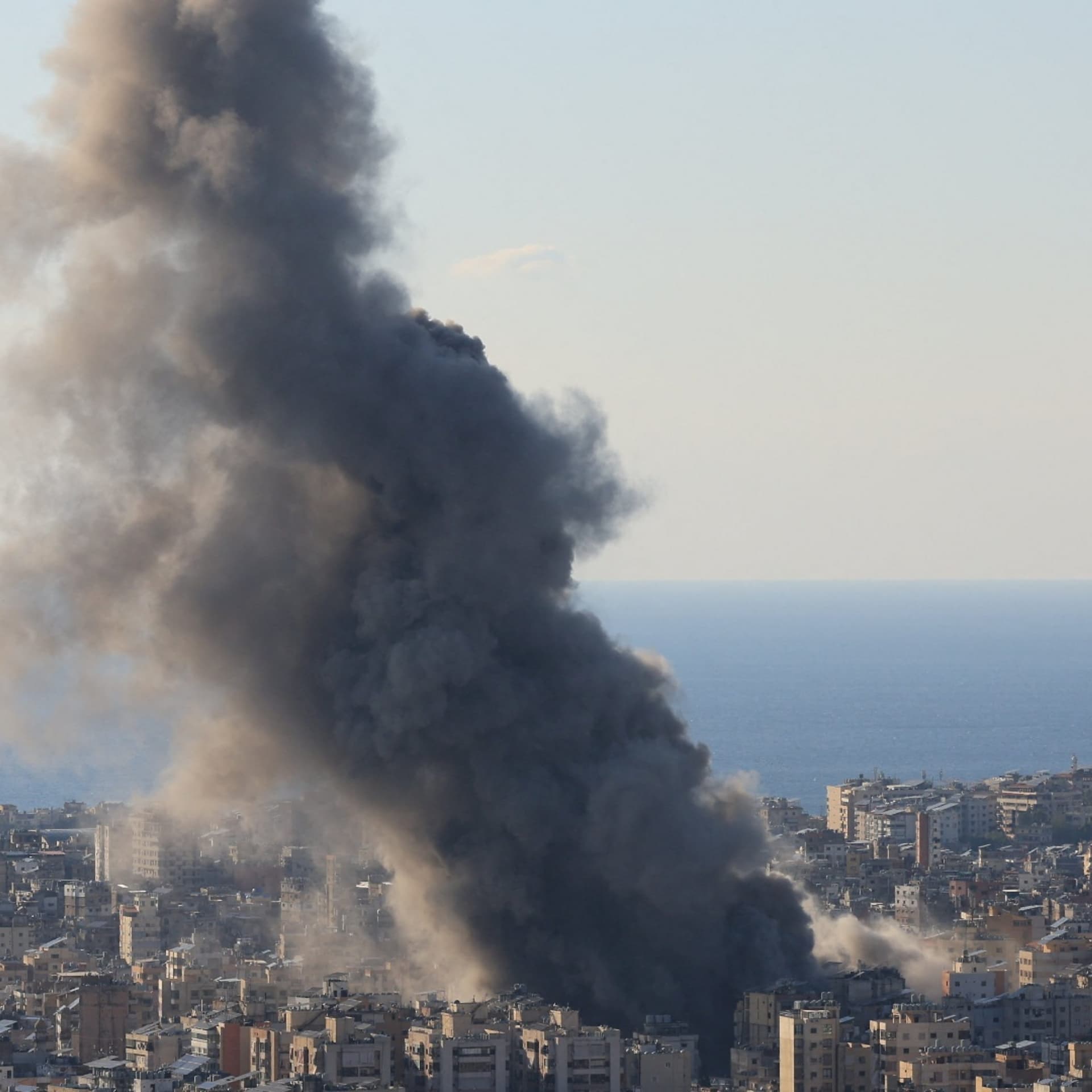
- Israel Conducts Strikes: Israel's airstrikes targeted locations in Tehran and Beirut, attempting to degrade Iranian military capabilities.
- Regional Tensions Escalate: The conflict has sparked missile and drone attacks from Iran on multiple Gulf states, raising concerns over oil supply disruptions.
- Anglican Church Divisions: Tensions within the Anglican Church are highlighted by the appointment of the first female Archbishop of Canterbury, Sarah Mullally, causing a schism among conservative factions in Nigeria.
---
Detailed Notes
- Israel's Military Actions
- Airstrikes Overview:
- Israel bombed targets including Iran's presidential office.
- The Israeli Defense Forces (IDF) focused on ballistic missile launchers and command centers linked to Iran.
- Defensive Measures:
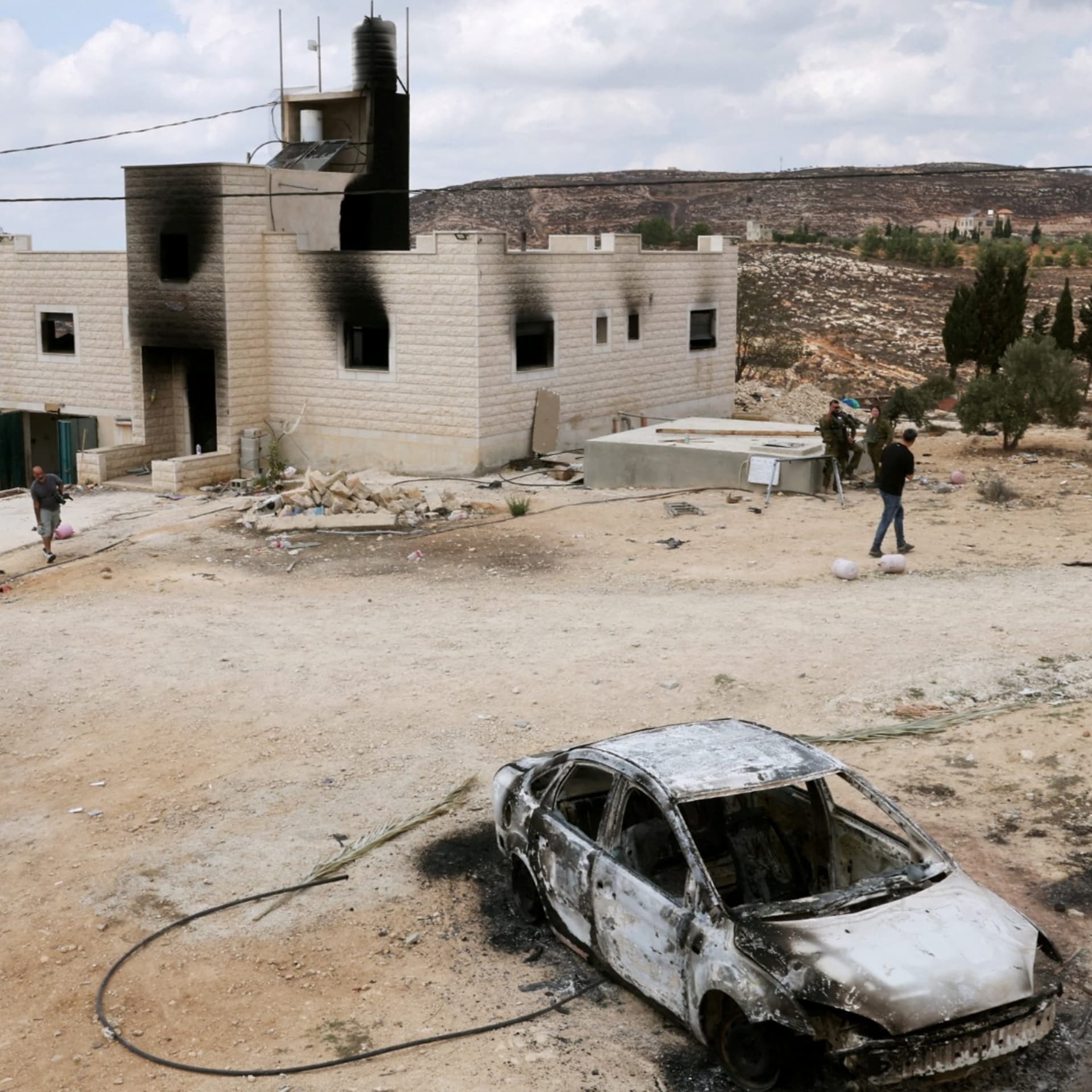
- Israeli forces positioned near the Lebanon border to create a buffer against potential Hezbollah attacks.
- Evacuations reported in Southern Lebanon and Northern Israel due to escalating violence.
- Iran's Response
- Military Action:
- Iran launched missile and drone attacks on Gulf states, targeting various installations.
- The Iranian military's defiance was evident, despite significant casualties reported (787 deaths) since airstrikes began.
- Public Sentiment:
- Reports indicate mixed reactions among Iranians, with some expressing fear while others, particularly anti-establishment individuals, showing support for the strikes.
- Economic Implications
- Oil Prices Surge:
- International oil and gas prices have risen sharply, prompting concerns over supply chain disruptions.
- The conflict's impact extends globally, affecting economies reliant on Middle Eastern oil, particularly South Korea, which imports 70% of its oil from the region.
- South Korean Economic Concerns
- Energy Supply Threats:
- South Korea’s reliance on Middle Eastern oil makes it vulnerable to disruptions in the Strait of Hormuz.
- The government attempts to reassure citizens by stating they have a seven-month oil reserve.
- Anglican Church Divisions in Nigeria
- Appointment of Archbishop Mullally:
- The appointment has ignited a backlash among conservative factions who argue that only men should serve as bishops.
- A rival group, GAFCON, emerged to challenge the leadership, reflecting ongoing theological disputes within the global Anglican Communion.
- Dialogue on Gender Roles:
- Conversations highlight differing perspectives on women in church leadership, with some advocating for inclusivity while others cling to traditional views.
- Psychological Impact of Conflict
- Public Sentiment in the Gulf:
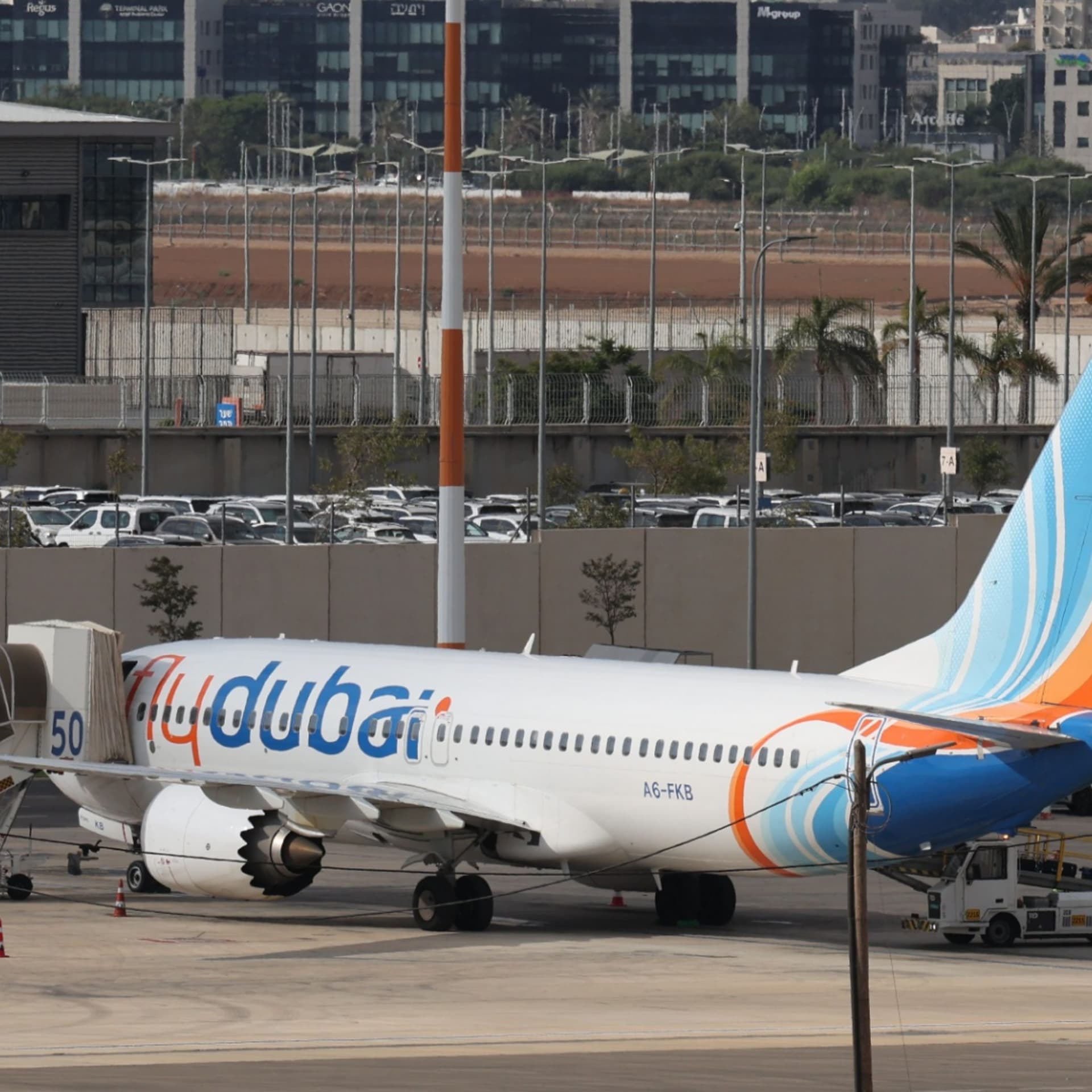
- Residents in places like Dubai express disbelief and anxiety over missile threats, which disrupt the previously stable environment.
- Discussions reveal that many expats and locals feel a mix of fear and gratitude for government efforts in defense.
---
Conclusion In this episode of the Global News Podcast, the escalating conflict between Israel and Iran underscores broader geopolitical repercussions, including economic instability and internal divisions within religious institutions. The multifaceted nature of the situation reflects not only military strategies but also the psychological and economic challenges faced by nations intertwined in this conflict.
For ongoing updates, the podcast encourages listeners to reach out via email or follow on social media platforms.
---
Contact Information
- Email: globalpodcast@bbc.co.uk
- Social Media: Follow the BBC World Service on X using the hashtag #GlobalNewsPod.
Additional Resources
- For a deeper dive into specific stories, listeners are encouraged to check out the sister podcast, The Global Story, which covers major issues in greater detail.
Written by AI. May contain mistakes. Listen to the episode to check what was said.
Chapters
Tap a time to open that second in VOSimultaneous Strikes in Tehran and Beirut
0:47 to 1:33
Overview of Israel's recent airstrikes in Tehran and Beirut amidst the ongoing conflict.
“I'm Celia Hatton, and at 1600 GMT on Tuesday, the 3rd of March, these are our main stories.”
Impact on Civilians and Military Strategy
1:33 to 2:16
Discussion on the military strategy of Israel and its impact on civilians in conflict areas.
“We're focusing this edition on what's happening in the region, but also how the war is being viewed far away from its original Iranian targets.”
Life in Beirut During Bombings
2:16 to 4:05
A correspondent's report from Beirut detailing the dire situation of families fleeing bombings.
“This is not a ground maneuver into Lebanon.”
History of the Conflict with Hezbollah
4:05 to 6:04
Exploration of the background and ongoing tensions between Israel and Hezbollah.
“The Nassim Job in Beirut, our Middle East correspondent Yolan Nell is in Jerusalem.”
Iran's Response and Casualties
6:04 to 7:43
Update on Iran's situation and the reported casualties from airstrikes by Israel.
“Yolande, just to focus on the wider conflict for a moment.”
Civilians' Experiences in Iran
7:43 to 10:11
Insights into the experiences of civilians in Iran during the airstrikes and their coping mechanisms.
“In Iran, the United States says its forces have destroyed Revolutionary Guard command and control facilities, as well as air defense capabilities and missile and drone launch sites.”
Anglican Church Divisions in Nigeria
10:11 to 11:30
Report on the divisions within the Anglican Church in Nigeria over the appointment of a female Archbishop.
“But at the same time, some of these infrastructures, like the bases, are located nearby people's houses as well.”
Conservative Views in the Anglican Debate
11:30 to 14:01
Discussion on conservative views within the Anglican Church regarding leadership and gender.
“BBC's Lebo de Seko reports from the Nigerian city of Lagos.”
Youth and the Future of the Church
14:01 to 14:41
Explore the importance of tradition and community in modern faith.
“34-year-old Alexander Olosinde explains that the connection to Canterbury is important to him, in spite of its sometimes more liberal theological stance.”
The Impact of War on Civilian Life
14:43 to 15:32
Discuss the emotional and psychological effects of war on civilians.
“These are really unimaginable images that are about as shocking for people living and doing business here as it would be to see a city like Miami being bombed.”
Show all 14 chapters
Iran's Drone Strikes and Regional Tensions
16:05 to 19:19
Analyze the implications of drone strikes on U.S. targets and regional stability.
“while the price of gas in Europe has more than doubled since Friday.”
The Mood in the Gulf: Perspectives from the UAE
19:29 to 24:32
Examine the sentiments of foreigners living in the UAE amidst conflict.
“I mean, it's been said that the Iranians have been targeting the Gulf states in an effort to drive a wedge between those states and the Americans to put pressure on the U.S.”
Global Oil Supply and South Korea's Dilemma
24:35 to 26:50
Understand the ramifications of the Gulf conflict on South Korea's energy security.
“As we've mentioned earlier in this podcast, Iran has blocked the Strait of Hormuz.”
Exploring Key Topics
28:16 to 28:27
Dive into the intriguing subjects including AI, social media lawsuits, and more.
“and the lawsuit that could shift the future of social media.”
Transcript
Automatic transcript. May contain errors.0:00This BBC podcast is supported by ads outside the UK. What they are ultimately trying to create is going to replace humans. What it's doing is par-boiling the inside of your brain. This could be a turning point in the history of social media. Welcome to The Interface, the show that explores how tech is rewiring your week and your world. Coming up next in our latest episode, we look at the secret meetings at the world's biggest AI summit. the truth about the mystery of a brain-melting weapon, and the lawsuit that could shift the future of social media. Listen on bbc.com or wherever you get your podcasts.
0:46This is the Global News Podcast from the BBC World Service. I'm Celia Hatton, and at 1600 GMT on Tuesday, the 3rd of March, these are our main stories. Israel says it's carrying out simultaneous strikes in Tehran and Beirut. With the U.S.-Israeli war with Iran threatening the oil and gas supply chain, it's not only Middle Eastern countries facing an uncertain future. South Korea needs oil and gas to run its power generators and also to feed its enormous petrochemical industry. It's a huge part of the South Korean economy. And we go to Nigeria to look at deep divisions within the Anglican Church over the appointment of the first female Archbishop of Canterbury.
1:32Day four of the U.S.-Israeli war with Iran, and day four, too, of the fallout from that conflict. We're focusing this edition on what's happening in the region, but also how the war is being viewed far away from its original Iranian targets. Israel has launched a new wave of airstrikes on Tehran and on the Lebanese capital, Beirut. The Israeli military has held a briefing. Nadav Shoshani is a spokesperson. Our forces, along with the U.S. armed forces, continue degrading the Iranian regime's military capabilities. We have focused on targeting ballistic missile launchers, command and control centers, underground bunkers, and, of course, key Iranian regime leadership figures.
2:15Overnight, IDF troops were positioned in southern Lebanon at several points near the border area as part of an enhanced forward defense posture. Let me be clear. This is not a ground maneuver into Lebanon. It is a tactical step to create an additional layer of security for the residents of northern Israel. Hundreds of people have fled their homes in Beirut, and Israel has warned that thousands of people in villages near the border must also go. The Lebanese army is reported to be pulling back from positions in the south. Our correspondent Lina Sinjab is in Beirut. I've just come down to the promenade on the seaside of Beirut.
2:55This is an area that's normally known for people enjoying the seaside, but now it's filled with families that fled from southern Beirut. You can see them lining up with their cars, with their clothes, with their bags. they fled from the bombing. We're not far from south of Beirut. In fact, you can hear the bombing here by the seaside. And sometimes you can even hear the drones, the Israeli drones that are roving over the city and attacking targets in south of Beirut. People here are angry, are frustrated. They've lived through this in 2024, when Israel launched its full-fledged attack on Hezbollah, eliminating its top leaders and crippling the group.
3:55And now they're living it again. Their homes that have been destroyed in 2024 are still in rubbles, and now they have to flee again. The Nassim Job in Beirut, our Middle East correspondent Yolan Nell is in Jerusalem. She too took us back to 2024. You have to go back to the 2024 ceasefire deal that was supposed to have ended a year of intense cross-border fighting between Israel and Hezbollah, the Lebanese armed group that went on in parallel to the war in Gaza. Now, that really only saw a partial withdrawal of Israeli forces. They did remain in some positions in the very south of Lebanon. But gradually, the Lebanese army was supposed to be taking over there and, you know, pushing out any remnants of Hezbollah, stopping them from regrouping there.
4:48But now, you know, what the Israeli military is basically saying is that it's trying to present this not as a new ground incursion, but creating a buffer zone to protect the Israeli citizens who live in the north of the country from Hezbollah attacks. Remember that some 60 ,000 people had to leave their homes in the north of Israel, and some of them have only recently gone back because of that fighting that went on there previously. And there are concerns the Israeli military has said about a kind of cross-border raid, attempts by Hezbollah to conduct such a raid, or indeed, you know, that they could get closer to the border to continue with their rocket fire, because they have already been in the north of Israel since Hezbollah really sort of announced that it was entering into this new conflict.
5:41And of course, you take into consideration here that that had been in many ways anticipated because Hezbollah is so financially and ideologically linked to Iran. There have been these rocket and drone attacks have been going on, affecting people in the north of Israel. Some people, you know, suffering minor injuries there today. People rushing into their air raid shelters once again. Yolande, just to focus on the wider conflict for a moment. There's been a lot of talk about the strategic objectives of this war. What do you think the Israelis really want to achieve? What they have been saying consistently when they've been laying out the case for war is that they want to target all aspects of the threat that they see as very sort of real and immediate to them from Iran.
6:29And so that is why they talk about, you know, not just Iran's nuclear program, as much of the world has been talking about the potential threat from that, but also its ballistic missile program and also the proxies, including Hezbollah, including Hamas and Islamic Jihad in Gaza, including Iraqi Shi 'at militia. that, you know, Iran has all around this region. And the case has really very much been sort of laid out that Iran, after, you know, what's happened with the war that's gone on in Gaza, where Hamas and Islamic Jihad have been so weakened, after the 12-day war that Israel started with Iran last summer, with the US joining in at the end, where nuclear and military sites were really attacked, that this was a moment of weakness for Iran.
7:20And then the fact that, you know, the US, Israel's closest ally, came so fully on board with these attacks, that is what really sort of, you know, strengthened the position. And you see in Israel strong support among Israelis, despite all the disruption that there is to their daily lives at the moment. Yolan Nell. In Iran, the United States says its forces have destroyed Revolutionary Guard command and control facilities, as well as air defense capabilities and missile and drone launch sites. The Israeli military says it has bombed the presidential office in Tehran. Iran's Red Crescent says 787 people have been killed in the country since the airstrikes began on Saturday.
8:07The authorities in Tehran are staying defiant. They say the gates of hell will open more and more on the US and Israel. Gonche Habibiazad from BBC Persian spoke to Clive Myrie about the messages the service had been receiving from people inside Iran. Clive is reporting from Israel at the moment. It's very difficult to know exactly what's going on inside Iran because of the internet outage. but some people manage to connect momentarily to tell the outside about what's going on. From what I've heard today, Isfahan has been the centre of the attacks. Tehran has been calmer than yesterday, and it seems like the strikes weren't that much as yesterday.
8:52I've heard that children are really afraid of what's going on and how the situation is unfolding, but some people, some anti-establishment ones that I've been talking to, are cheerful about some of the strikes. And so far, Iran's Red Crescent Society has said that 787 people have been killed. They haven't made a distinction between civilians and the officials and military officials that have been killed during the strikes. And I've also heard from Tehran that the prices for some essentials have increased and people are, some of them are stocking up because they don't know how long the war is going to continue.
9:36We've actually been trying to put together a film looking at how civilians on this side of the border, Gonche, are coping with the continual airstrikes and air raid sirens and so on. That was something that so many that I talked to before the war were complaining about, about not having any bunkers or anything that they could shelter in. Iranian officials had said that some parking lots were ready for people to take shelter in, but we didn't see any reports or anything of it. They have asked people to stay at home and just be there. But at the same time, some of these infrastructures, like the bases, are located nearby people's houses as well.
10:20We have seen some destructions to the hospitals. We have verified videos of that although Israel's defense forces has said that they have also seen reports of a partial damage to a hospital in Tehran Gandhi hospital but they said that they're not targeting hospitals and this is the situation right now people are staying at home and watching to see what will happen I have seen that some people have said that their windows were shattered that their walls have been like rattling and their houses have been rattling and this has been the situation and and they can hear fighter jets just passing through their heads like when they're at home.
10:58Gonche Habibiazad from BBC Persian speaking to Clive Myrie. Now we're going to leave the US-Israel war with the round for a few minutes. Clergy from a conservative wing of the Anglican Church have gathered for a meeting in Nigeria, where they'll choose a rival leader for the first female Archbishop of Canterbury, Sarah Mulally. Nearly 500 bishops are meeting in the capital, Abuja. But the appointment of Archbishop Molali has deepened divisions in the Anglican Church. Some conservative Christians insist only men should serve as bishops. BBC's Lebo de Seko reports from the Nigerian city of Lagos.
11:45Sunday service in Lagos, the same liturgy and prayers as many Anglicans, but the global church is far from united. Here in Nigeria, the selection of a woman as Archbishop of Canterbury divides opinion. Ever since I was born and I'm an Agrikan, and I've never had such before. And I don't think it's Christianly. Despite that, because when you look at the gospel in the Bible, when you go to the apostles of God, there was no woman there. That is my own thought about it. So a woman being the head of Agrikan Church in England, I don't think it's going to go well. God created us male and female, but the work of God is an individual thing.
12:29If you are called, you can be a man, you can be a woman. You need to fulfill the call of the Lord. This week, conservative clergy from around the world will meet in Nigeria's capital, Abuja. There, they'll vote in a rival to lead them in a direct challenge to Sarah Mulally. The group, known as GAFCON, was formed in 2008 following theological differences over the issue of same-sex unions. GAFCON says it has not left the Anglican Church, rather that it is the true church. This week's vote will only deepen divisions, as Professor Dermot McCulloch, retired professor of the history of the church at the University of Oxford, explains.
13:12Well, this is a bid for SISM. It's a bid for putting substance into the increasingly threatening noises of the GAFCON group over the last 15 years or however long they've been in existence. And they put it in very imperialist, colonialist language. They want to be the Anglican Communion rather than just a bit of it, which is what they are now. And that's a very aggressive thing to do. This is a set of leaders, all male, going to a conference in Africa to a certain identity which no longer satisfies most of many Anglican churches, that is an all-male episcopate calling the shots. Perhaps the solution lies with the youth.
14:0334-year-old Alexander Olosinde explains that the connection to Canterbury is important to him, in spite of its sometimes more liberal theological stance. The connection to the Church of England, yes, it matters to me. I very much look forward to a time whereby, like I said, we have an American community. No Church of England, Church of New England. For me personally, I look forward to that. Common ground might be hard to find. The relationship between the First Anglican Church and the rest of the world is looking increasingly precarious. Lebo de seco. Still to come in this podcast. These are really unimaginable images that are about as shocking for people living and doing business here as it would be to see a city like Miami being bombed.
14:54The emotional effects of war.
15:04What they are ultimately trying to create is going to replace humans. What it's doing is par-boiling the inside of your brain. This could be a turning point in the history of social media. Welcome to The Interface, the show that explores how tech is rewiring your week and your world. Coming up next in our latest episode, we look at the secret meetings at the world's biggest AI summit, the truth about the mystery of a brain-melting weapon, and the lawsuit that could shift the future of social media. Listen on BBC.com or wherever you get your podcasts.
16:05while the price of gas in Europe has more than doubled since Friday. Iran has blocked the Strait of Hormuz. That's the narrow strip between the Gulf and the Indian Ocean, through which about a fifth of global oil and gas travels. Several tankers passing through have come under fire, and there have been attacks on oil and gas installations in neighboring countries, including Saudi Arabia, Qatar, and the UAE. Overnight, the U.S. embassy in the Saudi capital, Riyadh, was hit by drones. The news was announced on state TV.
16:42The authorities say an Iranian missile strike on Hamad International Airport in Doha was foiled by its missile defense system. On Monday, Qatar shot down two Iranian fighter planes. Our correspondent in Doha, Barbara Plett-Usher, told me more. about what's been happening across the Gulf. There was a drone strike on the U.S. embassy essentially overnight. Two drones, the defense ministry in Saudi Arabia said, not very much damage. A fire started, but it was limited, and the Saudis said that there were no injuries. We do know that the embassy there put out an alert to its citizens telling them to stay away from the building and to shelter in place, as they say, which is what happened in Kuwait when we heard that the embassy had been hit.
17:31That was never confirmed, although there was smoke in the area as well as emergency vehicles. They also, the Americans put out such an alert. So it seems that the Iranians are targeting when it comes to U.S. targets, not just military bases, but also civilian ones. Barbara, should we be surprised that so many drone strikes are hitting key U.S. targets in the region? Is it precisely because the Iranians are using drones successfully? Well, there hasn't actually been a lot of damage. So the missiles that are being sent, the ballistic missiles, are mostly intercepted by air defense systems in the Gulf states.
18:12The drones are much less sophisticated, and they do get around air defenses much more easily than the missiles. And the impact that they have physically is some damage, but psychologically it's the greater damage, I think, because the Iranians can create this sense of insecurity in the region. In fact, that is their goal, it seems, to create a sense of chaos and also economic disruption. So, for example, they targeted for the first time energy infrastructure yesterday on Monday, hitting the Saudi main refinery, oil refinery in Saudi Arabia, and also liquid natural gas targets here in Qatar. I should say they targeted them.
18:49They didn't necessarily hit them because, again, some of them were blown out of the sky. But the result of that, even though the facilities themselves were not that much damaged, the result was that production stopped. And that has had a huge impact on the market. So in a way, their biggest weapon when it comes to the idea of creating instability in the region is its location, because they can disrupt things quite easily because it's a transport hub, you know, sending drones to hit the airports. Doesn't take the airports out of function, but it means that they stop for security reasons. And that has a huge impact on travel and also on the energy industry and tourism, I should add, you know, because tourism is another big thing here in the Gulf.
19:28And what about the political impact of all of this? I mean, it's been said that the Iranians have been targeting the Gulf states in an effort to drive a wedge between those states and the Americans to put pressure on the U.S. to stop the war. But is that happening or are we seeing more unity between those targeted countries and the Americans? It's a risky calculation because the Arab countries have, from the beginning, been against the war. They very much lobbied the U.S. not to go to war, saying exactly this kind of scenario could happen. So they knew that it could happen, something like this.
20:07At the moment, they are very much focused on defense. It can escalate, as we can see, quite quickly over the last four days. But at this point, the Gulf countries, although they're issuing very strong condemnations and warnings, they are very much in a defensive mode. Barbara Pladasher in Doha. And we have more from Barbara on our YouTube channel today. Search for BBC News on YouTube and you'll find the Global News podcast in the podcast section. There's a news story available every weekday. For more on what it's like for those living in the UAE, let's hear from Monica Marks. She's a professor of Middle East politics at New York University Abu Dhabi.
20:47She spoke to Rob Young. The images that we've seen since Saturday of missiles actually making contact with both airports, the one in Dubai, the one in Abu Dhabi, with residential buildings like Etihad Tower in Abu Dhabi, where the Israel embassy was located, and even hotels like the Fairmont in Dubai, which was aflame. These are really unimaginable images that are about as shocking for people living and doing business here as it would be to see a city like Miami being bombed. Because these cities are so almost preternaturally calm. You can leave your purse down without worrying about it being stolen, typically.
21:28You don't even see a homeless person on the street. There's almost like a sterile quality about how safe these cities typically feel to live in. And so what is the mood at the moment then among the many foreigners who've made Dubai their home? Most people seem to be feeling a combination of trepidation and gratitude to the government for doing its best to strike everything out of the sky. They're seeing incoming hardware from Iran that could land and could kill quite a lot of people if it wasn't being shot down. So I think that the government here has been trying to project calm and competence just yesterday at Dubai Mall.
22:10The top brass leadership was making a point of walking around and chilling out together and greeting random people, including people like a child from Asia, a man from Ghana that came up and greeted them at the mall. And they really wanted to show these images to project calm and to project strength. We've heard that Amazon's cloud competing business said that drones have hit three of its facilities in the United Arab Emirates, as well as in Bahrain as well. So foreign global businesses are also being affected. Do you see a situation in which companies decide to pull their operations, to pull their people out of places like Dubai?
22:51If Iran kept on these attacks for, I think, over a week or two at the current tempo, or if Iran went after really close to the jugular vein of Gulf states, I would say attacking things like power, power plants, attacking data centers even more and more successfully, managing to shut down the internet or water desalination, air conditioning. Meaning Gulf states are really uninhabitable without those things, certainly for businesses. And I think you would see a bigger movement out. Yesterday, Abu Dhabi late at night in the middle of the night got hit with some very loud explosions. About 94 % of everything coming in is being intercepted by the UAE.
23:33But I was chatting with my students last night in Abu Dhabi and they felt the windows in their dorm shake. And they went down into the basement to find shelter. And the elephants, Iran and Israel, these highly ideological elephants are fighting and the grass in the middle of the Arab Gulf states are. That's what's being trampled underneath, including the civilians in those countries. So, you know, I really just hope that instead of having a caricatured, almost cartoonish image of a city like Dubai, of being nothing but rich people and Lamborghinis and kind of having a heartless response to this, that your listeners understand that many people from all over the world, including war-torn places like Iraq, like Palestine, like Ukraine, like Sudan, have come to rebuild their lives in the Persian Gulf states.
24:19And for all of their flaws in different ways, including in their foreign policy, these countries have provided them the stability to do that. So many people who've seen war before are being affected yet again. Professor Monica Marks. Already, the effects of the conflict have spread far beyond the Middle East, a reminder of the interconnected world we live in. As we've mentioned earlier in this podcast, Iran has blocked the Strait of Hormuz. A large proportion of the oil tankers normally passing through that strait are headed for countries in East Asia. With oil and gas prices surging, countries like South Korea are now looking to secure supplies from outside the Middle East.
25:03Our correspondent Jake Kwon is in Seoul, and he told me more. If you look at the map, South Korea is at the bottom half of the Korean Peninsula, and its road to the land is blocked by North Korea. So South Korea is practically an island, and just like its neighbor, Japan. So nearly all of its energy fuel is imported, whether that's oil, gas, or uranium for the nuclear power. And in an average year, South Korea imports some 70 % of its oil from the Gulf countries like Saudi Arabia and, you know, Kuwait and Qatar, which are all embroiled in this conflict. Now, Saudi Arabian oil, maybe they can buy them from the ports in the Red Sea away from Iran.
25:45But those are coming from Iraq, UAE, Kuwait, Qatar. These have to pass through the Strait of Hormuz. So what happens if that strait gets shut down? Now, that's the fear. And South Korea needs oil and gas to run its power generators and also to feed its enormous petrochemical industry. And this is the number three export of all exports in South Korea. So it's a huge part of South Korean economy. So, Jake, what will it mean then for South Korea if this war grinds on for weeks or for months? I mean, how quickly could it pivot to find new energy sources? Well, it's going to be quite difficult to find these new energy source.
26:22I mean, South Korea said it will find different oil source. But in terms of using different energy source like, you know, renewables or others, it simply can't be done. That's not what the power generators are designed to do. You cannot just turn up the nuclear or wind or hydro or solar. But South Korean government was trying to assuage this fear, saying that they have seven months of oil in stockpile, half of it in the government stockpile, the other half in the kind of public sector. And there won't be an issue. But that wasn't enough to quiet down the anxious investors today. And we saw South Korea's main market index, Kospi, slip 7 percent.
26:57And at one point, they actually had to shut down the trade for five minutes because it was slipping so fast. And, you know, it was really it seemed like there was a lot of fear in the market today. Jake Kwan in Seoul. And that's all from us for now. If you want to get in touch, you can email us at globalpodcast at bbc.co.uk. You can also find us on X at BBC World Service. Use the hashtag Global News Pod. And don't forget our sister podcast, The Global Story, which goes in-depth and beyond the headlines on one big story. This edition of the Global News Podcast was mixed by Nick Randall and the producer was Adrian White.
27:39The editor is Karen Martin. I'm Celia Hatton. Until next time, goodbye.
27:52What they are ultimately trying to create is going to replace humans. What it's doing is par-boiling the inside of your brain. This could be a turning point in the history of social media. Welcome to The Interface, the show that explores how tech is rewiring your week and your world. Coming up next in our latest episode, we look at the secret meetings at the world's biggest AI summit. the truth about the mystery of a brain-melting weapon, and the lawsuit that could shift the future of social media. Listen on bbc.com or wherever you get your podcasts.
From the publisher
The Israeli defence minister says he has told troops to "take control" of new positions in Lebanon. The IDF says it's targeting Hezbollah. Israel says it's bombed Iran's presidential office and the US claims to have destroyed command facilities and missile launch sites across the country. The Iranian response has included missile and drone attacks on several Gulf states. The international price of oil and gas have risen again, as concerns grow that supplies could be hit by the conflict - we hear how South Korea has been affected. Also, we go to Nigeria to look at deep divisions within the Anglican church over the appointment of the first female Archbishop of Canterbury. The Global News Podcast brings you the breaking news you need to hear, as it happens. Listen for the latest headlines and current affairs from around the world. Politics, economics, climate, business, technology, health – we cover it all with expert analysis and insight. Get the news that matters, delivered twice a day on weekdays and daily at weekends, plus special bonus episodes reacting to urgent breaking stories. Follow or subscribe now and never miss a moment. Get in touch: globalpodcast@bbc.co.uk