
In short
Global News Podcast Episode Notes
Episode Overview
- Title: Israel holds off attacking Iranian gas infrastructure
- Release Date: March 20, 2023
- Host: Ankur Desai
- Key Topics: Israeli-Iranian tensions, impacts of the war on Jerusalem, microplastics and fertility.
---
Main Stories
- Israeli-Iranian Relations
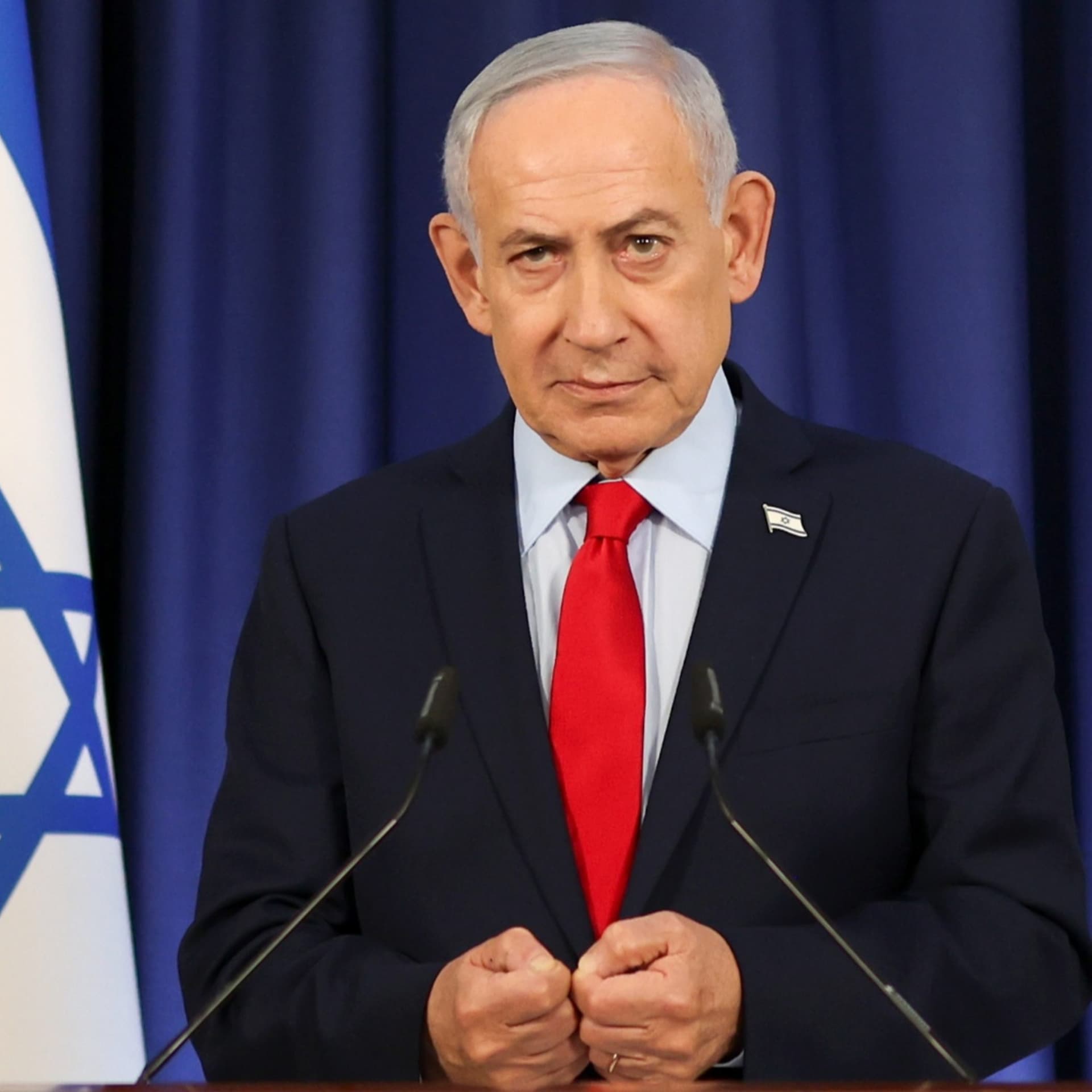
- Key Statement: Israeli Prime Minister Benjamin Netanyahu announced that Israel will refrain from attacking Iranian gas infrastructure following a request from U.S. President Donald Trump.
- Background:
- An Israeli strike on Iran's South Pars gas field prompted Iranian retaliation against Qatari gas facilities.
- Resulted in significant spikes in global gas and oil prices.
- Correspondent Insights:
- Lucy Williamson (Middle East Correspondent):
- Noted divergence in war objectives between the U.S. and Israel.
- Israel is more aggressive in supporting regime change in Iran than the U.S.
- Current conflict is framed as a culmination of ongoing struggles against Iranian proxies (Hezbollah, Hamas).
- Simi Jolo (North America Correspondent):
- U.S. public opinion on the war is mixed; strong support among Republicans, but significant opposition overall.
- Concerns over rising casualties and economic impacts, particularly oil prices, affecting public sentiment ahead of elections.
- Life in Jerusalem's Old City
- Impact of the War:
- Tourism has plummeted; shops are shuttered, and sacred sites are closed.
- Both Ramadan for Muslims and Easter for Christians have been adversely affected.
- Local Perspectives:
- Residents express frustration over the closures, contrasting the sacred nature of the sites with the current state of affairs.
- Microplastics and Fertility
- Interview with Dr. Shanna Swan:
- Discussed a new Netflix documentary highlighting the impact of microplastics on fertility.
- Emphasizes the need for both awareness and action to mitigate chemical exposure.
- The documentary is viewed as an important starting point for further research and advocacy rather than conclusive evidence.
- Economic Repercussions
- Oil Price Fluctuations:
- Increased volatility in markets due to geopolitical tensions.
- Concerns over long-term impacts on the U.S. economy and potential effects on midterm elections.
- Current Situation in Iran
- Analysis by Khaasher Joneidi (BBC Persian):
- Iranian regime remains defiant amidst external pressures.
- Ongoing rumors about leadership changes and internal stability challenges.
---
Key Takeaways
- U.S.-Israel Relations: The complicated dynamics between the two nations are highlighted by differing priorities in their military strategies and public sentiments regarding the conflict.
- Local Impact of Global Conflict: The war's effects are felt acutely within Jerusalem, affecting not only tourists but the local economy and cultural practices.
- Environmental Concerns: The link between microplastics and health issues continues to gain traction, signifying a broader call for regulatory changes and public health initiatives.
- Economic Stability: The fluctuating oil prices due to conflict could have prolonged effects on the U.S. economy, influencing voter sentiment as elections approach.
---
Conclusion This episode of the Global News Podcast provides a comprehensive overview of critical global issues, focusing on the interplay between conflict, economic impact, and health concerns, thereby informing listeners about the complexities of contemporary international relations and domestic repercussions.
---
Contact Information
- Email: globalpodcast@bbc.co.uk
- Social Media: Follow on X (formerly Twitter) @BBCWorldService with the hashtag #GlobalNewsPod.
---
Written by AI. May contain mistakes. Listen to the episode to check what was said.
Chapters
Tap a time to open that second in VOIsrael Holds Off Attacks on Iran
1:22 to 1:44
Discussion on Israel's decision to hold off on attacking Iranian gas infrastructure.
“And in the early hours of Friday, the 20th of March, These are our main stories.”
Impact of Conflict on Jerusalem's Old City
1:44 to 2:06
Exploration of how closures affect life in Jerusalem's old city.
“now that its most sacred Christian, Muslim and Jewish sites are closed to the public.”
US-Israel Relations and War Objectives
2:06 to 2:25
Analysis of the relationship between the US and Israel amid rising tensions.
“We hear from the scientists behind a new documentary about microplastics and fertility.”
Netanyahu and Trump's Coordination
2:25 to 3:25
Examining the coordination between Netanyahu and Trump regarding military actions.
“But are we starting to see some cracks in the relationship between the US and Israel?”
Differences in War Goals
3:25 to 4:18
Discussion on diverging war goals between the US and Israel.
“Prime Minister Netanyahu appeared keen to show a strong united front in that press conference.”
Public Sentiment in Israel Regarding Conflict
4:18 to 6:27
Exploration of Israeli public sentiment towards the ongoing conflict with Iran.
“And there's widespread speculation here as well about whether Israel is going to use the very deep intelligence assets it has inside Iran to try and support that process as the war goes on.”
US Public Opinion on the War
6:27 to 7:45
Insights into American public opinion and attitudes toward the war.
“It is still firing missiles day and night.”
Trump's Miscalculation on Iran
7:45 to 9:09
Analyzing whether Trump miscalculated Iran's response to US actions.
“And that messaging hasn't been clearly defined by the Trump administration to the public here.”
Economic Impact of the War on the US
9:09 to 11:40
Discussion on how the war and rising oil prices affect the US economy.
“And we could hear that frustration from President Trump recently.”
Iran's Regime Stability Amid Conflict
11:40 to 13:58
Assessment of the Iranian regime's strength and reactions to US-Israel tensions.
“of what we're seeing with the oil price.”
Show all 14 chapters
Mystery Surrounds New Iranian Leader
14:01 to 15:43
Explore the uncertainty and rumors involving Mujtaba Khamenei's leadership.
“And the mystery is there is Mujtaba Khamenei, who replaced his father as leader of the Islamic Republic.”
Impact of War on Middle East Tourism
19:05 to 22:01
Understand how the current war is affecting tourism in Jerusalem and its holy sites.
“The war in Iran has brought a halt to tourism across much of the Middle East.”
Microplastics and Fertility: A Scientific Perspective
22:10 to 24:52
Discover insights from Dr. Shanna Swan on the impact of microplastics on reproductive health.
“But the new Netflix documentary Plastic Detox claims to offer just that, about the threat of microplastics to our health.”
Exploring the Fascination with Numbers Stations
25:11 to 27:51
Delve into the intriguing world of numbers stations and their potential purposes.
“Now, earlier I mentioned a story about radio stations and mysterious numbers.”
Transcript
Automatic transcript. May contain errors.0:00This BBC podcast is supported by ads outside the UK.
0:30which trails you take. You can invest your way with Schwab. Momentum doesn't appear overnight. It's built, refined, repeated. Puerto Rico understands momentum. As companies rethink supply chains and reshore operations, they're choosing a location that already delivers life-saving medicines, advanced manufacturing, and global-scale innovation. As a U.S. jurisdiction operating under federal law with competitive tax incentives designed for long-term investment, Companies don't just relocate here, they scale here. Not culture or business, culture and business. Puerto Rico. It's not what's next, it's where.
1:11Visit investpr.org forward slash business. This is the Global News Podcast from the BBC World Service. Hello, I'm Ankur Desai. And in the early hours of Friday, the 20th of March, These are our main stories. Prime Minister Benjamin Netanyahu says Israel will hold off attacking Iranian gas infrastructure at the request of President Trump. The strikes and retaliation from Iran have caused steep rises in the prices of gas and oil. Also in this podcast, we find out how life has changed in Jerusalem's old city now that its most sacred Christian, Muslim and Jewish sites are closed to the public. I feel like it's just the start of this journey to make people aware of all the various sources of toxins in their environment that are affecting their reproductive health.
2:06We hear from the scientists behind a new documentary about microplastics and fertility.
2:17It's been an alliance which has stood firm on the global stage. first during the war in Gaza and more recently against Iran. But are we starting to see some cracks in the relationship between the US and Israel? Donald Trump was quick to distance himself after reports suggested that Washington knew about the Israeli attack on Iran's largest gas field, which led to retaliatory strikes across the Gulf. I told him, don't do that. We're independent, we get along great, it's coordinated, it, but on occasion he'll do something and if I don't like it. And so we're not doing that anymore. Benjamin Netanyahu has now backed up the US president's assertion, but insists the allies are still working together to achieve their goals at lightning speed.
3:02Israel acted alone against the Slavia gas compound. Fact number two, President Trump asked us to hold off on future attacks and we're holding on. One other fake news, and that is that Israel somehow dragged the US into a conflict with Iran. Does anyone really think that someone can tell President Trump what to do? Come on. Prime Minister Netanyahu appeared keen to show a strong united front in that press conference. But are the US and Israel aligned in their war objectives? I put that question to our Middle East correspondent Lucy Williamson, who's in Jerusalem. I think you have to divide up the coordination and the ultimate war goals.
3:44I mean, there's certainly a lot of overlap in terms of their war aims. But I do think there are a couple of areas where potentially they could start to diverge. One is on the targeting of energy sites. And we've seen that recently. The other is on the regime change and the sort of priority that each side puts on that and the price they're willing to pay. Israel has seemed to be much firmer in its urging of the Iranian people to overthrow their government. Benjamin Netanyahu has repeated that again and again, whereas the US administration much less so. And there's widespread speculation here as well about whether Israel is going to use the very deep intelligence assets it has inside Iran to try and support that process as the war goes on.
4:30And certainly speaking to officials here, they talk about surprises that are lined up later in the war. There's been a lot of briefing about cracks in the regime appearing, not so much at the top level on the surface, but at the local level and how some of the security forces are unwilling to show up for duty at the moment. This is all coming from the Israeli side. But there is also talk about many more weeks planned, about thousands more targets and, yes, surprises in store later on. How has this all been viewed in Israel? When the initial conflict began against Iran, I can imagine a lot of people there thinking, oh, gosh, not another conflict, not another war.
5:15Benjamin Netanyahu has been accused in the past of sometimes beginning conflicts because he wants to stay in power as long as possible. What's the view being held by Israelis at the moment? There was certainly a lot of war weariness here. People have been doing many rounds of reserve duty. The economy was suffering. There was a sense that people were tired of conflict. But there was still a lot of support for this war, partly because it was framed by the prime minister as the kind of culmination of two years of conflict against Iran and its network of proxies around the region. Iran is a critical supporter of Hezbollah in Lebanon, of Hamas, other armed groups around the region that are committed to Israel's destruction.
6:01And so Benjamin Netanyahu framed the conflict with Iran. And I think the public has largely stayed with him on that. And he's talked about Israel's power having changed in the region. He's talked about the Middle East having changed, about Iran not being able to produce ballistic missiles anymore or enrich uranium. So he is signalling that a lot of the war goals have been achieved. But of course, the regime is still in power. It is still firing missiles day and night. And it does still have that stockpile of enriched uranium. Lucy Williamson reporting from Jerusalem. Are we on the same page here?
6:37That's an idiom the governments of the US and Israel have had to ponder over the last 24 hours. Very few people would invite the wrath of Donald Trump. but Israel's attack on the South Park's gas field prompted a quick rebuke from the US president. So is Mr Netanyahu leading the charge? And will Mr Trump let go of the reins? I asked our North America correspondent Simi Jolo also how people in the US are reacting to this war. So it's still very mixed amongst the public. Amongst Republicans, around 70 % have polled to support this war, but amongst MAGA specifically, that's even higher. And that was strengthened with a quick killing of the late Ayatollah Khamenei.
7:20But overall, U.S. opinion is quite negative, with half of the public being against the war. And there is little appetite for ground troops for this war to drag on. And we're already seeing warning signs that the public is becoming increasingly sceptical. I think the real tipping point would be the timing and the cost of the war. historically US public opinion has shifted when casualties rise and we've seen even if it's a relatively small number we've seen 13 US service members have been confirmed dead and also when that sort of economic pain hits home we're already seeing an increase in oil prices and an increase in the cost of living so a lot of people have said that they don't want a forever war and that they They want a clear endgame.
8:13And that messaging hasn't been clearly defined by the Trump administration to the public here. And so just finally, President Trump, could he have miscalculated or maybe underestimated the Iranian response in terms of how they could regenerate and continue fighting as well? And is there a concern maybe that they could be even more hardline than the previous generation? There is a growing consensus amongst analysts that, yes, President Trump likely misjudged key aspects of Iran's response, particularly its willingness to escalate. He has said he was very surprised that they hit facilities in Gulf states.
8:50Perhaps the core assumption by the Trump administration behind these strikes was the killing of the Ayatollah. That would lead to a sort of fracture in the Iranian system or collapse. And we're seeing that the Iranian state is perhaps more durable than they anticipated. And we could hear that frustration from President Trump recently. Yes, analysts would say that President Trump misread Iran's escalation doctrine and also potentially misjudged the length and cost of this war. Now, the Pentagon has said it plans to request an extra$200 billion for this war from Congress, and that has brought mixed reaction from both sides of the political spectrum.
9:34It is likely to receive all the votes that's needed to be approved, but Democrats have criticised the size of this request, and there are worries amongst Republicans that it's going to severely affect the party come the November midterm elections. Simi Jolo also reporting from Washington. Well, Mr. Trump's public criticism of Mr. Netanyahu put the markets in free fall yet again. So how is all this playing out in the US economy? I put that question to our business correspondent in New York, Michelle Flurry. We continue to see volatility stocks falling. Brent crude briefly sort of touched about$119.
10:15But then we had language later on in the day from the Israeli leader, Benjamin Netanyahu. And that seemed to sort of signal to traders that maybe there was an attempt to try and step back from what some had seen as an escalation. And that meant that oil prices fell back down to around$107 a barrel. With Donald Trump appearing to distance himself from those comments, from Benjamin Netanyahu, I guess going on what you said, it can help in the coming days, depending on how long this continues for. Look, I mean, it helps sentiment. The focus initially had been on the Strait of Hormuz, but now you were seeing potentially the battlefield expand to economic attacks on energy production.
11:00And that is a different ballgame. I mean, Qatar, for example, is responsible for 20 % of the world's gas supply. in retaliation Iran attacked their facility at Ras Lafan now when the shipping blockade lifts you can see tankers return quickly Ras Lafan that attack means that there is no return to normal supply quickly you know rebuilding the infrastructure that was damaged in those attacks you know that's we're not talking days or weeks here we're talking months possibly years that is supply that is lost much longer term to the market that is going to put pressure on prices for much longer. And so the idea of any escalation or de-escalation really changes sentiment in terms of what we're seeing with the oil price.
11:47How much is this war affecting the US economy and the damage it's doing to Donald Trump, especially with midterms on the horizon later this year? Yeah, I mean, you know, these national elections here in America were meant to be about affordability. We know that the price of oil has gone back, that has led to an increase at the petrol pump. If that is sustained, Americans could find themselves out of pocket by an extra thousand dollars depending on where they live over the course of the rest of this year. Every time they go fill up their car, they are reminded that they are paying more. So if this election is about affordability, you can see how that sort of isn't the ideal optics that you want to go into.
12:26The longer term economic impact still has yet to show. America is more insulated than other countries because it is a net oil exporter or energy exporter. But that being said, you know, it's still going to see higher prices because supply chains are affected. That's going to push up the price of goods down the road. We know that fertilizer prices are higher. If it costs more to plant a crop six months to a year from now, you could see higher prices in grocery stores. Michelle Fleury reporting from New York. Let's get the view from Iran now. BBC Persians Khaasher Joneidi gave me this assessment of the current strength of the regime.
13:04When he was meeting the Prime Minister of Japan, President Trump said that there are defections within the system. And also Benjamin Netanyahu, the Prime Minister of Israel, was talking about chaos within the command and control apparatus of the regime. But the truth is the regime is trying to show that it is defiant towards external forces. At the same time, it's in control within the country. They have expanded the battlefield. They're attacking energy infrastructure in the Persian Gulf area in order to put pressure on President Trump's decision making. And on the other hand, Thursday morning, it was announced that three young men who were arrested during the January protests in Iran were executed.
13:52So the government is trying to show that it's strong and it's functioning. The problem is that there is a big mystery. And the mystery is there is Mujtaba Khamenei, who replaced his father as leader of the Islamic Republic. There are rumors that he's been heavily injured during the attacks that led to the death of his father and his other family members. The U.S. intelligence community believes that he's been injured. There has been no video or audio produced from him after he was announced to be the new leader of the regime. Only four series of statements have been announced. And frankly, many people even doubt that the statements were produced by Mushtaba Khamenei himself.
14:38There are lots of rumors going on, circulating. But one thing that happened on Thursday is that Iranian media, for the first time, published an unseen video of one of Mushtaba Khamenei's theology classes where he taught at the Om Seminary. And frankly, although for years he's been considered as a possible replacement for his father, people hadn't heard from him. People are unfamiliar with his voice. They've seen pictures of him, but no audio of him had been published before. And this is the first time. Maybe the state media is trying to fill in the void of him not being seen or heard of. And I have to mention, Friday is the Persian New Year, Noroos.
15:26And every year on Noroos, the leader and the president issue televised speeches, issuing messages towards the nation on the occasion of the New Year. We have to see whether such message will be published by the new leader on Friday. BBC Persians, Kasia Joneidi. Still to come in this podcast.
15:55A story about radio stations with mysterious frequencies and lots of numbers.
16:07Craving the coffee flavor you love, but without the caffeine? Cachava's got you covered with their newest coffee flavor. This all-in-one nutrition shake delivers bold, authentic flavor crafted from premium decaffeinated Brazilian beans. Quality nutrition shouldn't be complicated. Just two scoops of Cachava's all-in-one nutrition shake, and you've got 25 grams of protein, 6 grams of fiber, greens, and so much more. Whether you're craving that coffee taste to kickstart your morning ritual, or as a nutrient-packed reward to round out your afternoon. Cachava keeps you fueled and satisfied wherever your day takes you.
16:42Plus, it actually tastes delicious. No fillers, no nonsense. Just the good stuff your body craves. And for the times you feel like switching it up, you've got seven flavors to choose from, all with the highest quality ingredients. Treat yourself to the flavor and nutrition your body craves. Go to cachava.com and use code NEWS. New customers get 15 % off their first order. That's K-A-C-H-A-V-A dot com, code NEWS. Omaha Steaks semi-annual sale is here. Save 50 % site-wide on legendary steaks, gourmet burgers, chicken, pork, seafood, and more. Plus, get an extra$35 off with promo code AUDIO at OmahaSteaks.com.
17:22Shop now to save 50 % site-wide on steaks and more during Omaha Steaks semi-annual sale. Plus, get an extra$35 off with promo code AUDIO at checkout. That's OmahaSteaks.com, promo code AUDIO. Minimum purchase may apply. See site for details. Decisions made in Washington can affect your portfolio every day. But what policy changes should investors be watching? Listen to Washington Wise, an original podcast for investors from Charles Schwab, to hear the stories making news in Washington right now. Host Mike Townsend, Charles Schwab's Managing Director for Legislative and Regulatory Affairs, takes a non-partisan look at the stories that matter most to investors, including policy initiatives for retirement savings, taxes and trade, inflation concerns, the Federal Reserve, and how regulatory developments can affect companies, sectors, and even the entire market.
18:16Mike and his guests offer their perspective on how policy changes could affect what you do with your portfolio. Download the latest episode and follow at schwab.com slash Washington Wise or wherever you listen. Today's episode is sponsored by NerdWallet's Smart Money Podcast. Personal finance can feel like a pop quiz you didn't study for. This podcast is your study guide. On NerdWallet's Smart Money Podcast, you'll hear from trusted journalists who explain the why behind major financial decisions. You'll get research-backed insights and clear pros and cons, whether you're planning a big purchase or just want to grow your wealth.
18:53Make your next financial move with confidence. Follow NerdWallet's Smart Money podcast on your favourite podcast app.
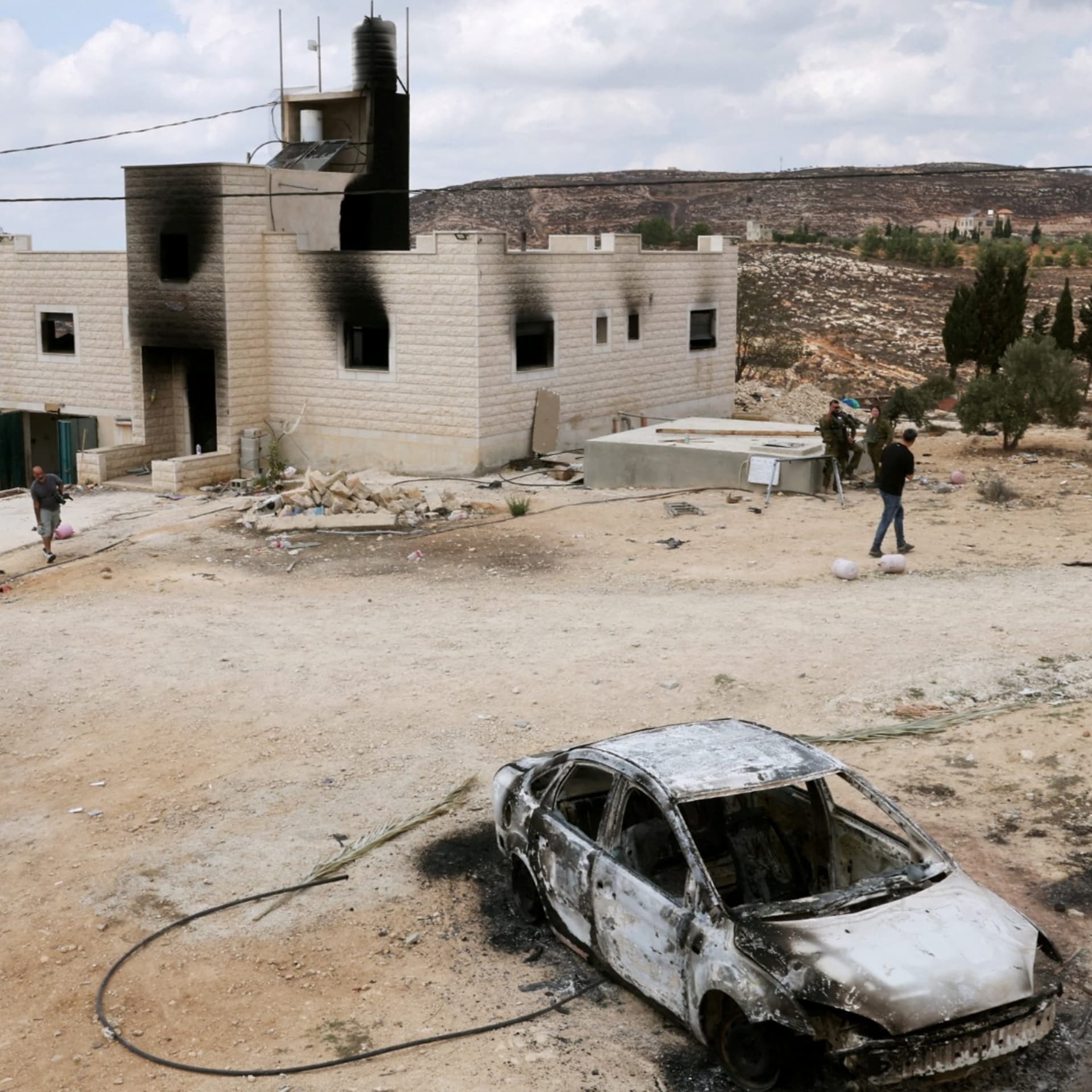
19:05This is the Global News Podcast. The war in Iran has brought a halt to tourism across much of the Middle East. In Jerusalem, the streets of the walled Old City are now largely deserted, with its most sacred Christian, Muslim and Jewish sites closed to the public. Our Middle East correspondent Yolande Nell went to look. I've just come into Jerusalem's old city at what would usually be a peak time of year for visitors. And honestly, I've not seen anything like this since COVID times. Most of the shops are shuttered up. Tourism had been hit by two years of war in Gaza, but the war in Iran is another blow.
19:47I meet Basil Hajazi who came to check on his leather goods store and is just locking it back up. How has the war impacted you here? The first war with the Gaza and Israel war starts, everything has disappeared. And during the second war also it's getting more worse now. So we close up our shops and all city it's empty also from pilgrims, Christians and Muslims. You know, it's Ramadan also for the Muslims here. And they were coming up to the Easter for the Christian pilgrims as well. So celebrations and prayers for the Islamic holy month of Ramadan have really been hit by the timing of this war.
20:26The Israeli authorities don't allow large crowds of people to gather in places where there's no protection. That includes the holy sites here.
20:38Because Palestinian Muslims can't pray in Al-Aqsa Mosque, Haram al-Sharif as they call it, they have been praying on the streets by the old city walls at night.
20:54At Damascus Gate, Amina is buying vegetables from one of the few market stalls that's open. I ask her how Ramadan has felt for the community here. Thank God for Ramadan, but the whole situation is dead, below zero. There's nothing. Shutting the Al-Aqsa Mosque, that kills us.
21:17Chapnul has hit inside the old city after Iranian ballistic missiles were intercepted by Israeli ones. Israeli police say it's fallen inside the mosque compound, which is also holy for Jews who call it Temple Mount. And it hit an important church building very close to the Holy Sepulchre church, where many Christians believe Jesus was crucified, buried and resurrected. Even after many conflicts in the region, it's unusual to see something like this at the holy sites. And now with some reports that Israel is preparing for at least another month of war, it looks increasingly likely that Jewish and Christian holidays, celebrations of Passover and Easter, will also be muted.
22:00Yolanda now reporting from Jerusalem. A TV show following couples as they try to get pregnant isn't perhaps typically where you'd go for rigorous science. But the new Netflix documentary Plastic Detox claims to offer just that, about the threat of microplastics to our health. The couples involved try and reduce their daily exposure to plastic-related chemicals in their everyday lives to see if it will help them conceive. The lead scientific figure in the documentary is Dr. Shanna Swan, Professor of Environmental Medicine and Public Health at the Icahn School of Medicine at Mount Sinai in New York.
22:39Dr. Swan, who is 89, has devoted much of her career to the study of chemicals and fertility. The BBC's Ben Chu asked her whether this film marked the culmination of her life's work. I feel it's just the start of this journey to, you know, to make people aware of all the various sources of toxins in their environment that are affecting their reproductive health. And the fact that they can do something about it, that will take time to get that message out. And this is a great step along that journey, but definitely not the end. In terms of the impact you hope it will have, is it to raise awareness or to get people to directly reduce the amount of plastics in their lives?
23:21What's the end result you hope from this? Well, I think those two things are closely related because awareness of the chemicals and their harms and showing them how to reduce their exposure together will reduce their exposure. Right. And that's one part of it. The other part is to make people aware that we need to do more than what we can do by ourselves. you know it is not the job of individuals to do this this is something that we would like the government to help us with or to take care of or to protect us from and that's not really happening in the US. Is it a scientific program or is it more entertainment because it does follow individual couples doesn't it and there's quite dramatic results as a result of them taking plastics out of their lives how literally should we take this as a piece of scientific evidence would you say?
24:13It's very small, and I would say it's an important start. But I want to add that the data from this small study has been accepted by a peer-reviewed journal, scientific journal, so it passes the mark that way. And we're using these data as pilot data for a much larger controlled trial, actually a randomized controlled trial that we're proposing to get funding from NIH. So who knows? And, you know, it's quite difficult to get funding these days. But that's our hope that we can now do this in a much larger sample. I'm a pretty, you know, rigorous scientist. I'm a statistician and I've trained, you know, I've gotten grants for years and have conducted many large studies that are highly respected.
25:03And I know what I'm doing. And all the boxes were checked for a study. But now we have to make it bigger. Dr. Shannett Swan. Now, earlier I mentioned a story about radio stations and mysterious numbers. Well, it's come from our reporter, Will Chalk, and he spent the last few hours in the office irritatingly excited about it all. Picture the scene. You're in a cold, dark room with shadows creeping across the walls. You turn on the radio for comfort and hear this.
Read the full transcript
25:40Well, that's not a crazy far-fetched scenario. In fact, it could well actually happen, provided you own a shortwave radio. That was just one example of what's been picked up on various shortwave frequencies over the past 50 or so years. They're what's known as numbers stations and to make it even more exciting no one can be certain what they are or why they're there. And to make it even, even more exciting since the start of the Israel-US war with Iran on the 28th of February a new numbers station broadcasting in Farsi from somewhere in Europe has appeared.
26:20Now, when something like this usually happens, the explanation is disappointingly mundane, but not in this case, because although no one can be certain what number stations are, lots of people have hazarded a pretty good guess. It's there to send messages from an espionage agency or a government agency to agents who are in the field who have domestically available shortwave radios. That's Akeen Fernandez, a Number Station superfan who got into them after accidentally hearing one himself many years ago. Now, you might be thinking, why, if these are spy messages, would they be using technology invented a century ago?
27:01Well, some things simply can't be improved on. The beauty of radio frequencies is that it's impossible to tell where they're being picked up. So provided your spy has a shortwave radio, they can hear their instructions without revealing their location. Plus, in theory, as long as only your spy has the means to decode the message written on a bit of paper they can swallow when courts say, it's also completely secure. It doesn't actually matter whether any enemies or even members of the public hear it. They can't decipher it. So that's its purpose, to send messages in a way that doesn't reveal the location of the recipient and in a way that prevents the breaking of the message by people who are listening to the station.
27:42So if you're a James Bond fan and you want to experience potentially the real thing, get yourself a shortwave radio and start twisting the dial. You never know what you might hear.
27:56That was Will Chalk reporting on the Global News Podcast. And that's all from us for now. If you want to get in touch, you can email us at globalpodcast at bbc.co.uk and you can also find us on X at BBC World Service. Use the hashtag Global News Pod. And don't forget our sister podcast. It's called The Global Story, which goes in-depth and beyond the headlines on one big story. This edition of The Global News Podcast was mixed by Masood Ibrahim Kael and the producers were Will Chalk and Wendy Urquhart. The editor is Karen Martin and I'm Ankur Desai. Until next time, goodbye. Thank you.
29:04identifies people with the right experience, and actively invites them to apply to your job. You get qualified candidates fast. So, while other companies might deliver a lot of hay, ZipRecruiter finds you what you're looking for. The needle in the haystack. See why four out of five employers who post a job on ZipRecruiter get a quality candidate within the first day. ZipRecruiter, the smartest way to hire. And right now, you can try ZipRecruiter for free. That's right, free at ZipRecruiter.com slash zip. That's ZipRecruiter.com slash zip. ZipRecruiter.com slash zip.
From the publisher
The Israeli prime minister, Benjamin Netanyahu, has said Israel will hold off future attacks on Iranian gas fields after being asked to do so by President Trump. An Israeli attack on Iran's South Pars gas field on Wednesday, followed by Iranian attacks on Qatari gas installations caused steep rises in the price of gas and oil. Also, we get the view from Iran from our BBC Persian correspondent. We hear how life has changed in Jerusalem's Old City now that its most sacred Christian, Muslim and Jewish sites are closed to the public. And we talk to the scientist behind a new documentary about microplastics - and fertility.
The Global News Podcast brings you the breaking news you need to hear, as it happens. Listen for the latest headlines and current affairs from around the world. Politics, economics, climate, business, technology, health – we cover it all with expert analysis and insight. Get the news that matters, delivered twice a day on weekdays and daily at weekends, plus special bonus episodes reacting to urgent breaking stories. Follow or subscribe now and never miss a moment. Get in touch: globalpodcast@bbc.co.uk