
In short
Russia-Ukraine war updates, including Moscow’s claim that Ukraine launched 600+ drones at the capital; UK-Russia escalation over alleged use of British drone tech; Syria accountability after Assad-era crimes; health impacts of heat on older people; Zambia’s re-election; FIFA leadership dispute; rising UK wool prices.
Guests (and backgrounds)
Dan Johnson (BBC Ukraine correspondent) interviews Vadim Skibitsky, Ukraine’s deputy chief of military intelligence (Major General). Damian Grammaticus (BBC UK political correspondent) reports on UK drone support. Sebastian Usher (BBC Arab affairs analyst) discusses Wassim al-Assad. Dominic Hughes (BBC global health correspondent) covers a Stanford/Lancet study. Dingendaba Jona Boyoya (BBC reporter in Lusaka) reports on Zambia. David Bernstein (former FA chair) comments on FIFA. Howell Griffith (Wales correspondent) reports on wool.
Key claims/examples
Skibitsky says drone strikes target defense industry and logistics (including Wildberries) and that Ukraine won’t target civilians; he fears Russia will destroy water/heating/electricity this winter. Moscow threatens Britain after UK-supplied drones were reportedly used. Wassim al-Assad (cousin of Bashar) sentenced to death for murder/torture; analysts say more reckoning remains. Heat study: wet-bulb data shows unsafe heat risk for older adults (e.g., 22% at 1.5°C; ~3 months at 3°C in South Asia/Persian Gulf). Zambia: Hakainde Hichilema re-elected with 60% amid opposition alleging document/count manipulation. FIFA: Kevin Lemoore sacked after criticizing Infantino’s private-investor plan; UEFA boycott discussed. Wool: average fleece price up ~70% in Wales; demand from UK brands and China/South Korea/Japan.
Written by AI. May contain mistakes. Listen to the episode to check what was said.
Chapters
Tap a time to open that second in VORising Tensions in the West Bank
0:30 to 1:29
Discussion on settler violence in the West Bank and its implications.
“Free app-based talk and text via the TextNow app requires Wi-Fi or data connection.”
Consequences of Drone Usage
1:29 to 2:09
Moscow's warning after the use of British drones by Ukraine.
“And a cousin of the deposed Syrian leader Bashar al-Assad has been sentenced to death for a series of crimes, including murder and torture.”
Evacuations Amid Escalating Strikes
2:09 to 2:38
Ukrainian evacuations due to increased Russian strikes.
“Let's start with Russia's war with Ukraine.”
Ukrainian Drone Attacks on Russia
2:38 to 4:07
Overview of drone attacks by Ukraine targeting Russian infrastructure.
“It's part of a campaign by Kiev to try to take the war deep into Russia by destroying military supply lines and infrastructure facilities.”
Interview with Ukrainian Intelligence
4:07 to 6:10
Insights from Ukraine’s deputy chief of military intelligence on drone warfare.
“And he told me he thought those attacks were justified.”
UK's Role in Military Support to Ukraine
6:10 to 8:14
Discussion on the UK's military technology supply to Ukraine.
“We must fight to prevent the full occupation of Russian Federation in our territory.”
Syria's Legal Reckoning
8:14 to 10:40
Details on the death sentence for Bashar al-Assad's cousin and implications.
“Damian, we're used to hearing how far Kyiv has come in making its own drones, using its own drones on the battlefield.”
Impact of Climate Change on Elderly Health
10:40 to 13:55
Research findings on how rising temperatures affect older people.
“Eastern Ghouta, which is on the outskirts of Damascus, which is still an utterly devastated area.”
Impact of Heat on Older Populations
14:02 to 16:40
Learn about the effects of heat and humidity on older adults and the need for protection measures.
“The past research looked really at the effect of heat on the health of younger populations, people who were younger, fitter, who could manage the temperatures better perhaps.”
Upcoming Topics in the Podcast
16:40 to 17:24
A brief overview of the upcoming discussions about sheep fleece and global news.
“If you've got a nice white fleece like that one, you're able to dye that pink, green, blue, whatever colour you want.”
Show all 16 chapters
Zambian Presidential Election Results
17:24 to 18:20
Overview of the recent Zambian election and the challenges faced by the new president.
“says is higher than at any point in the last 20 years.”
Challenges and Controversies in Zambian Politics
18:20 to 21:32
An in-depth look at the opposition's challenges to the recent election results in Zambia.
“Hitchi Lemma's main political rival has questioned the credibility of the process and called for an investigation into alleged irregularities.”
FIFA Leadership Changes and Controversies
21:32 to 24:55
Discussion on the recent sacking of FIFA's COO and the implications for football governance.
“Before joining FIFA, Kevin Lemoore was Deputy General Secretary at the governing body of European football, UEFA.”
Rising Wool Prices and Their Impact
24:55 to 28:06
Explore the factors leading to the increase in wool prices and its significance for farmers.
“And last, some good news for sheep farmers.”
Wool Prices and Industry Impact
28:06 to 28:28
An exploration of rising wool prices and their implications for the industry.
“Whereas this type of fleece, that will tend to go into a carpet blend and stuff like that because of the colour.”
Settler Violence in the West Bank
28:59 to 29:19
Discussion on the rise of settler violence in the West Bank and its implications.
“I'm Asma Khaled, and I host the Global Story podcast from the BBC.”
Transcript
Automatic transcript. May contain errors.0:00This BBC podcast is supported by ads outside the UK.
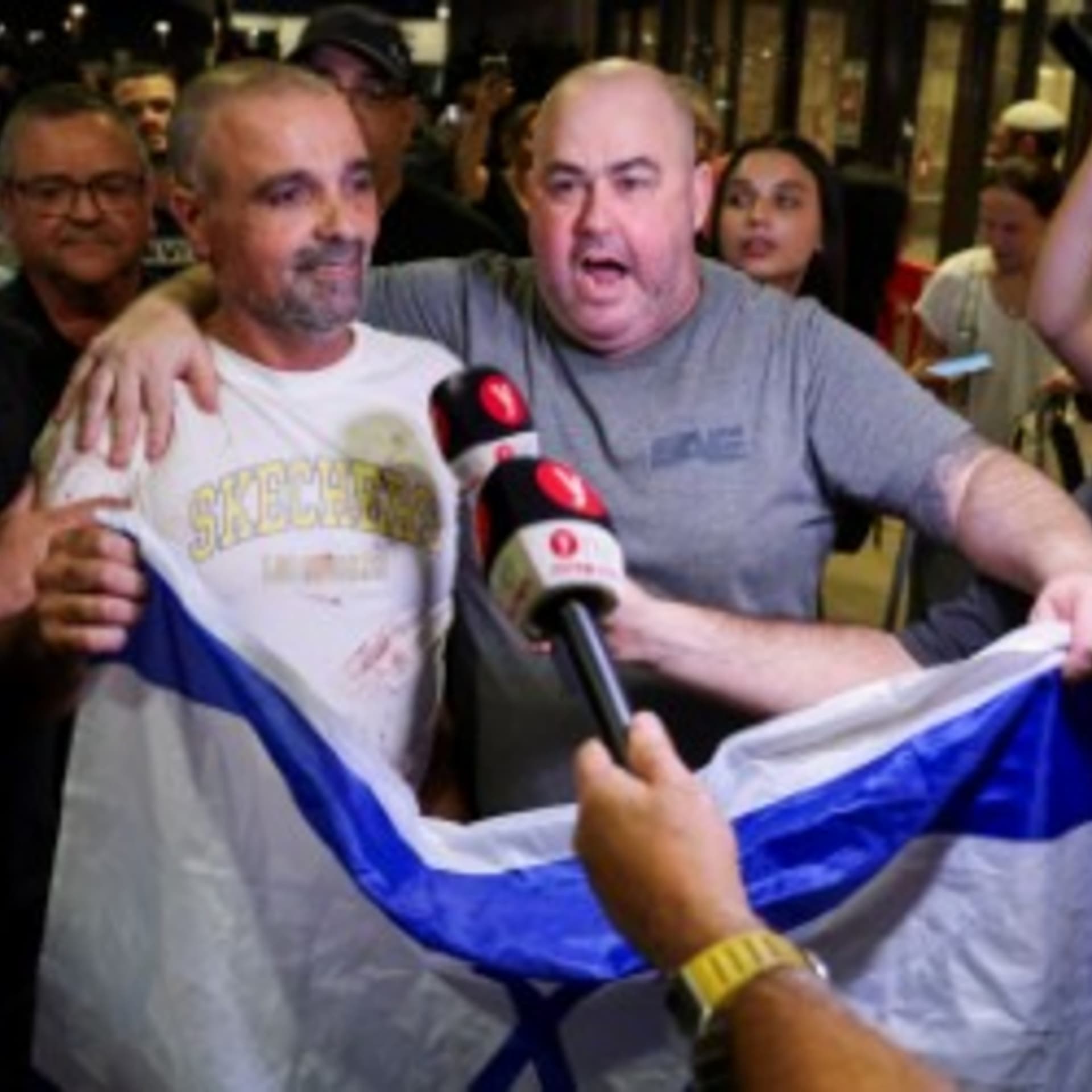
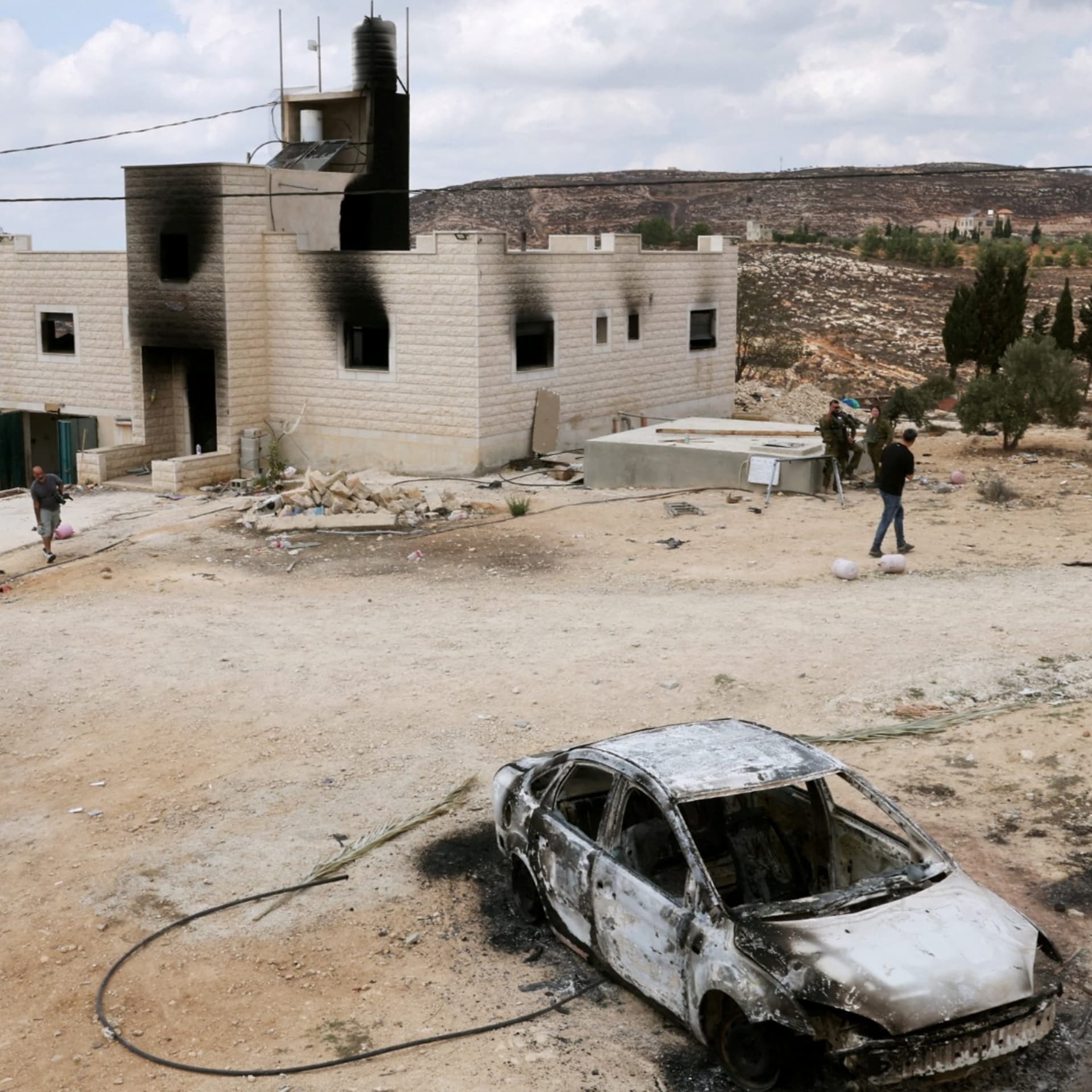
0:30Free app-based talk and text via the TextNow app requires Wi-Fi or data connection. Data plans sold separately. 5G where available. Is the West Bank reaching a tipping point? I'm Asma Khaled, and I host the Global Story podcast from the BBC. For more than a week, homes in the village of Qusra have been under siege, including one of a Palestinian-American man from Ohio. It's just the latest to draw attention to the rise of settler violence in the West Bank, which the UN says is higher than at any point in the last 20 years. For more, listen to The Global Story on BBC.com or wherever you get your podcasts.
1:29Moscow warns Britain that there'll be consequences following revelations that British drones were used by Ukraine to strike Russia. And a cousin of the deposed Syrian leader Bashar al-Assad has been sentenced to death for a series of crimes, including murder and torture. Also in this podcast. I therefore declare Hichilema Hakainde S. to be president-elect. The president of Zambia wins another term in office, but the opposition says the vote wasn't fair.
2:09Let's start with Russia's war with Ukraine. The Ukrainian authorities have ordered the evacuation of more than 2 ,000 families with children from the region of Dnipropetrovsk near the front line, following an increase in Russian strikes. Overnight, both sides carried out attacks on each other, Russia and Ukraine. At least 10 people died in a Russian missile strike in northeastern Ukraine's Kharkiv region. On the other side of the border, the mayor of Moscow says more than 600 Ukrainian drones targeted the Russian capital on Monday evening. It's part of a campaign by Kiev to try to take the war deep into Russia by destroying military supply lines and infrastructure facilities.
2:49In a secret location in Kyiv, our Ukraine correspondent Dan Johnson talked to the country's deputy chief of military intelligence, Vadim Skibitsky, about how Ukraine is trying to combat Russia. Dan spoke to me about the interview, but he started by talking about the latest Russian attacks on Ukraine. There were more strikes on different Ukrainian cities. There were five rounds of air alerts in Kyiv, but also deadly attacks in Kharkiv this morning. A missile attack there is reported to have killed 10 Ukrainians and wounded more people there. Also reports of deaths in Kherson, in Sumy and in Zaporizhia too.
3:28So the current death toll stands at 17, we understand, because of those attacks last night. It underlines again the challenge that Ukraine faces in defending itself against Russian attacks. Dan, you've spoken to Ukrainian military intelligence. What have they told you? Yes, we sat down to talk to the deputy chief of Ukraine's intelligence organization. He's called Major General Vadim Skibitsky. And I started by asking him about Ukraine's long range drone attacks into Russia. They've been successful in targeting a number of sites, a number of facilities, including oil refineries and warehouses, distribution centers.
4:08And he told me he thought those attacks were justified. We should destroy and disrupt, first of all, production weaponry. And that is why one of the main objects for us is the defense industry. And of course, next one, logistic system, including in some case, Wildberries, for example. Why? Because it's one of the elements of the logistic system of Russian Federation to wage the war, including, for example, through Wildberries, some military equipment, military components, and another elements that Russian Federation uses for war. Dan, looking ahead, what do the Ukrainians expect this winter to look like?
4:48Because in past winters, Russians have targeted infrastructure like power facilities. Yes, the situation last winter was particularly grim for many Ukrainians. It was very cold and they were for long periods without heating, lighting, electricity. And the General said that he feared, in fact, his greatest fear looking ahead was that that situation would be repeated and would be even worse. I asked him what concerns you most. I thought he may say the lack of Patriot missile interceptors that they need to defend the skies. He acknowledged that shortage, but he actually said he worries most about the misery Russia may inflict in the coming winter.
5:25Destroy, disrupt water supply system, heating system, electricity system, and other objects and facilities for normal life of civilian population. And Dan, what about accusations that the Ukrainian side might be hitting civilian targets in Russia now? Yes, Russia has claimed that there have been civilian deaths linked to this campaign of long-range drone strikes. The deputy head of Ukrainian intelligence said that Ukraine does not target civilians, but that he considered the sites they have been hitting to be legitimate because they are supplying the military. I said, given the prospects for this winter and the number of Ukrainian civilians who are being hurt and killed, did he actually consider that Ukraine was winning this war?
6:13It's our territory. It's our land. It's our culture. It's our history. We must fight to prevent the full occupation of Russian Federation in our territory. Do you think you are winning, succeeding? I think yes. I think yes. Ukraine's Deputy Chief of Intelligence, Vadim Sabitsky, speaking to Dan Johnson. Staying with the war, Moscow has threatened Britain with consequences. Following confirmation, the UK has supplied Ukraine with drones that have been used to hit targets deep inside Russia. As we've been hearing, Kiev is launching an increasing number of drone attacks across Russia, particularly on infrastructure targets.
6:55Some reports suggest this is the first time British technology has been used to hit Russian targets. Our UK political correspondent is Damian Grammaticus. This follows newspaper reports the weekend that for the first time drone technology from the UK was used in these strikes against Russia, confirmed from sources to the BBC. Now, some of those reports talked about strikes on oil facilities in southern Russia, Yaroslavl near Moscow. what the Russian embassy here in London has put out is a statement saying that London is deliberately opting for escalation in Ukraine. So the UK was trying to contain Russia, inflict maximum damage on it by a proxy, and those actions will inevitably carry consequences for which London will have to answer.
7:41Now, in response, we've heard from the Ministry of Defence here, they have put out their own statement, the Ministry of Defence spokesperson saying Britain stands shoulder to shoulder with Ukraine, It will continue to supply Ukraine with the equipment it needs to defend itself against what they say is Russia's illegal invasion of Ukraine. Russia should be in no doubt about the resolve of the government to stand against Russian aggression. And that's also a message that Andy Burnham, the prime minister, delivered. His first foreign visitor here when he became prime minister a few weeks ago was President Zelensky of Ukraine.
8:11And he said he would stand shoulder to shoulder with him. Interesting. Damian, we're used to hearing how far Kyiv has come in making its own drones, using its own drones on the battlefield. But how much military technology does the UK supply to Ukraine? Increasing amounts. And the UK has in the past supplied cruise missiles, storm shadows. They cost about a million dollars each. They have been used against military targets in Russia before. That's worth saying. But what we've seen is ramping up particularly drone technologies as Western militaries are developing as well. This year, the UK signed a record package of support for Ukraine, about four billion US dollars worth.
8:54That was 120 ,000 drones in that package. Just to give you an idea, it includes these long-range strike drones, reconnaissance drones, naval drones, heavy lift drones. Now, that is a significant amount of support for Ukraine and also significant technology, because part of it, too, is devices that are attached to drones to enable them to evade electronic jamming to reach their targets. So Ukraine, I think, still creates the bulk of its own drones, But the U.K. support is significant. And it is worth saying it is two way because these drones are being tested and used by Ukraine and then incorporated back into the British military, which is already buying and starting to have these in its own stockpiles.
9:39So it is a sort of two way thing, the U.K. providing and also benefiting from the experience. Damian Grammaticus. Now to Syria. You might recall that a week ago, the former dictator Bashar al-Assad was handed a death sentence in absentia for his role in overseeing a brutal 14-year civil war in his country. He fled to Russia when his regime fell at the end of 2024. Just a short while ago, one of Assad's cousins was also sentenced to death, but he appeared in a courtroom in Damascus. Standing inside a cage wearing a standard striped prison uniform, Wassim al-Assad was convicted of crimes that included multiple murders and torture.
10:18This was the moment when the court handed down that sentence.
10:28Our Arab Affairs analyst, Sebastian Usher, told me more about Wassim al-Assad. He was an enforcer for the Assad regime. He was someone who would gather militias to fight on behalf of President Assad. Eastern Ghouta, which is on the outskirts of Damascus, which is still an utterly devastated area. I visited it not long ago. Nothing has been done to rebuild it since its destruction, essentially during one of the major battles. He was involved in that. But what he wasn't convicted of, and the court said this is because of lack of evidence, was what many people associated him with most, which is the drugs, the trafficking, the networks, the captagon, which is an amphetamine, which during the Syrians of war became a major industrial enterprise, which essentially kept the regime going financially for years.
11:18And he was almost certainly from what most people believe a part of that. And he very much lived that lifestyle. He showed himself off as a kind of drug warlord with his big cars, his fancy clothes, his fancy houses. So I think people will be slightly surprised that that wasn't one of the elements of which he's been convicted. So what does this all mean? And does this draw a line under the horrors of the Assad regime? Or is there more of a reckoning to come? I think there's more of a reckoning to come. I think you can't draw the line under those horrors because obviously they're still visible to people.
11:53They're still visible both physically, as I'm saying, like in Eastern Ghouta, and still visible in the human cost. I mean, you meet people who psychologically are shattered families, thousands, hundreds of thousands, totally shattered, and people haven't returned from abroad either. So those wounds are not likely to be healed at any time soon. It is, though, part of the reckoning, part of the accountability that the new authorities have promised. So in that sense, it's being welcomed. And they're saying this is by no means the end of it. When Wassim al-Assad was arrested last June, that was seen as a watershed moment.
12:25They were able actually to get one of those key movers in captivity. And there he was in his cage today. We've mentioned that Bashar al-Assad is still living in exile with his close members of his family in Russia. Does he still have supporters inside Syria today? I don't think he has a huge amount of supporters. I mean, if you compare it to Saddam Hussein, for example, who went to ground, then he was captured. So he remained in Iraq as kind of symbol of what he represented. And as time went on, people became more forgiving of some of the excesses. Because Bashar al-Assad basically cut and ran, he deserted his country, deserted the people around him.
13:00He is seen not just by those who loathed him, those who suffered under him, But even some of those who supported him as a coward, who didn't stand behind them, who left them essentially to pay the price for what he'd done. So I don't think he personally has great support. I don't think the Assad regime has great support. It had exhausted that if it ever really existed beyond the police state that kept it in power. The issue is, though, that Syria still remains a very divided country and the new Syrian authorities are still seen as very controversial in a lot of the things that they're doing. So their support in that sense against the new authorities, but it doesn't go towards Assad.
13:38I don't think he will gain from this. I don't think he has any more part to play in Syria's future. Sebastian Usher. Scientists have warned that the impact of rising global temperatures on the health of older people has been significantly underestimated. Researchers at Stanford University in the United States say previous studies have focused on younger people who are able to sweat more effectively and have stronger hearts. Our global health correspondent Dominic Hughes told us more about the study and how it differed from previous ones. The past research looked really at the effect of heat on the health of younger populations, people who were younger, fitter, who could manage the temperatures better perhaps.
14:18So what this research has done is they've concentrated on new findings, new data from what are called wet bulb experiments that measure both heat and humidity. Those experiments were conducted in the US. They tested how people over 60 tolerated both heat and humidity. Older people really struggle with that combination because they tend to sweat less. Their blood vessels respond more slowly. Their heart has to work harder. They may have pre-existing health conditions and all of these things can feed into their ability to cope with high temperatures and high humidity. Now, then the researchers applied those new models to how heat would impact on older populations by varying degrees of global warming.
15:06And what they found was that countries most at risk from global warming include India, Pakistan, Bangladesh, Niger, countries where poverty and limited access to cooling really, really increases vulnerability. So, for example, a 1.5 degree warming of the of the climate would see 22 percent of older adults facing unsafe heat for at least a month. And they found that South Asia, the Persian Gulf, if there was a three degree rise in those areas, that would lead to around three months of solid, dangerous heat exposure for those older people. OK, so, Dominic, now that we have this new research, we know more about the real dangers.
15:56What more can be done to protect older people? Yeah, well, the authors of this study, which is published in The Lancet, they call on governments, really, to develop what they call heat emergency plans and to also improve access to cooling and also heat warning systems to give people the ability to actually take shelter from that heat, if you like, and to prepare adequately for it. And they also say, of course, that cutting emissions remains absolutely essential in order to reduce older people's risk of prolonged round-the-clock heat danger. Because it's not just during the day, but it's during the night as well, when our bodies might have a chance to recover from a day of heat.
16:35If it's really hot at night, that can have a serious impact on our health as well. Dominic Hughes. Still to come in this podcast. If you've got a nice white fleece like that one, you're able to dye that pink, green, blue, whatever colour you want. So there's more value to this fleece than there is this one. The global price of sheep fleeces has gone up. Good news for farmers in Wales.
17:23violence in the West Bank, which the U.N. says is higher than at any point in the last 20 years. For more, listen to The Global Story on BBC.com or wherever you get your podcasts.
17:40To Zambia now, where it's been confirmed that President Hakainde Hitchilema has been re-elected for a second five-year term. Election officials say he secured 60 percent of the valid votes cast. This was the moment the result was announced. I therefore declare Hichilema Hakainde S. to be president-elect
18:10of the Republic of Zambia. But in a country that's long been credited as one of Africa's most stable democracies, it's a system that's facing some challenges. Mr. Hitchi Lemma's main political rival has questioned the credibility of the process and called for an investigation into alleged irregularities. Just a few days ago, police arrested 11 people, including leading opposition figures in a raid. Let's cross over to the capital, Lusaka, and our reporter, Dingendaba Jona Boyoya. First, was his victory expected? For a very long time, he was, because a lot of things have happened building up to this election.
18:47And one of the things that happened was the death of one of his main challengers, former President Edgar Ungu, last year. He died in June. And that sort of sent the opposition in limbo because nobody was sure which way this would go. And from that point on, this was largely considered Hagan de Heijilema's victory. But things sort of changed in May when Brian Mundwille came onto the scene because nobody really thought he would have garnered as much support as he has. having 1.8 million votes in the last election. Interestingly, that's the same number of votes that former President Edgar Lungu got when he lost the election in 2021, 1.8 million votes.
19:29And Hagainde Heijilama in 2021 got 2.8 million votes. And this time around, he's added around 100 ,000 more, 2.9. Interesting. I mentioned it before, but the opposition is challenging the result. Can you tell me more about what they've been saying? They say that there are irregularities in the contest. Yesterday, opposition candidate Brandon Willett issued a statement where he said there were inconsistencies in the documents that certify the victory. They claim that these documents were being changed before reaching the National Results Centre, or in a sense, the figures were being changed before reaching the National Results Centre, then altering the outcome of this election.
20:11They're also saying that the suspension of voting that happened on the 14th of August, the day after voting happened, the suspension of counting, rather, counting of votes and announcement of results, was an attempt at manipulation. The Electoral Commission said that it was because there were pockets of violence reported and a theft of ballot boxes containing marked ballot papers. And that is what they're contesting. This election lacks that integrity to give President Hijilima a convincing win. You're speaking to us from the capital. What's the mood across the country? Shortly after Hagainde Hijilima was announced president-elect, there were people on the streets that were celebrating, most of them dressed in the ruling party's regalia.
20:57A lot of students from which President Hagainde Hijilima has supported the University of Zambia took to the streets to celebrate. It's fair to mention that there are a lot of people that are dissatisfied with the process as well. They've been feeling quite unhappy about it. There is presence of law enforcement agencies, especially in densely populated areas, increased security patrols. And this is because there has been an anticipation of some sort of possible unrest that could have happened. And that's why the law enforcement agencies decided to deploy, including the Zambia army actually have been patrolling.
21:34Dingandaba Jonah Boyoya. Football news now. The global football body, FIFA, has sacked its chief operating officer, Kevin Lemoore, just weeks after he strongly criticised FIFA's president, Gianni Infantino's plan to sell stakes in its competitions to private investors. That plan was shelved hours after Mr. Lemoore spoke out. Before joining FIFA, Kevin Lemoore was Deputy General Secretary at the governing body of European football, UEFA. It's UEFA which has been leading the charge against Mr. Infantino. David Bernstein is the former chairman of the English Football Association and has been one of the most prominent voices calling for reform of FIFA.
22:16Henry Zeffman began by asking him what he thought of the sacking. Well, I think it's probably inevitable. You can't have a chairman and chief executive who with a clear loss of confidence and for the situation to continue. So I'm not really surprised at that, but I don't think in a way it's particularly significant because the challenge to Infantino isn't going to come from within FIFA. It has to come from outside and particularly from UEFA, who have maintained a strong position so far. But we need to see now whether they will really walk the walk and face Infantino down, because if they don't, I think he will continue in position for the moment.
22:54Well, what does walk the walk mean? Because, of course, there is Gianni Infantino's re-election effort coming up next year. But UEFA are still talking about a boycott of FIFA competitions. Of course, we've just had the Men's World Cup, but it's the FIFA Women's Under-20s World Cup kicking off in Poland on September the 5th, less than a month away. Six European countries are due to take part in that, including England. Should England be taking part in that? No, I don't think they should. Well, not on our own, but as part of UEFA ban, I think UEFA have to go through with their threat, not to participate.
23:28I'd be very sorry for the, you know, the competitors and so on. But this is a very tough situation. And Infantino has to be eyeballed here. And if UEFA and the other confederations go sort of soft now, then you can see the opposition sort of just drifting away. And if people get bored about these issues, it'll lose its momentum. And you can see him staying in place until next year. Well, speaking of people getting bored of these issues, when you were FA chairman, you, the English FA, abstained from the 2011 FIFA presidential election in which Sepp Blatter was re-elected for his third term. And by the end, it was a pretty lonely mission for you and for the FA, wasn't it?
24:11It was. I spoke out at the FIFA Congress in front of 2000 delegates against Blatter's being put in position unopposed because it became a coronation in his case. So, you know, I am one for actually following up very aggressive words with action. Otherwise, it's all pretty meaningless. But we'll have to see. If UEFA don't stay tough and don't stay firm, and the main force they've got is boycotting FIFA events. I have to say also that sponsors have a role to play, because if sponsors start to withdraw their support, that will put huge pressure onto FIFA. But it won't come internally. I think Infantino will have his own people lined up behind him.
24:55Former England Football Association chair David Bernstein speaking to Henry Zeffman. And last, some good news for sheep farmers. Wool prices have increased sharply over the past year. Here in Britain in recent years, the number of sheep has been falling, and that's also pushing prices up. It's a big change. Prices were so low for wool at one point that some farmers were even choosing to burn fleeces. Our Wales correspondent, Howell Griffith, has this report.
25:27As spectator sports go, competitive sheep shearing may not be mainstream, but it always draws a crowd at the annual Royal Welsh Agricultural Show. This year, the sheep farmers visiting had reason to be cheerful. The money they receive for each fleece has been rising. On average, it's up 70 % on last year. According to Gareth Jones from British Wool, it's part of a commodity boom. shaped by international supply and demand. If we look at the global markets, there's less sheep in Wales, less sheep in the UK producing less wool. But if we look at a comparable market to us, like New Zealand, there's less sheep in New Zealand now, and they also had a carryover of wool since Covid.
Read the full transcript
26:13That's cleared in the last two years now. So the limited supply that we have, including the increased demand, is increasing, obviously, the competition in the auction, which farmers are going to see the benefits of that. And where's that demand coming from? So we see it in the domestic market. So 50 % of our wool stays here in the UK. We have 180 brands who are working with us, who are specifying British wool in their products. But we also have China, which is an important market for us. We also have a bedding manufacturer in South Korea. And also we have some licensees in Japan. So it's very much here in Wales.
26:47We're producing a fantastic fibre, but it's in demand worldwide. Come on. On his farm in the hills above Llanfair Cerenion in Mid Wales, Wyn Williams keeps a flock of around 700 sheep. He's been here for the last 38 years, rearing mainly for meat, but what he gets for the wool makes a real difference. There's not everybody that can shear, and also your helpers, the wool wrappers and everything. It assists with the cost of the... And most importantly, we have to shear from animal welfare, and health perspective, you know, who would want a big, big, strong winter coat still on with the excessive heat that we've got at the moment.
27:34Wool has been spun in Britain since the Bronze Age and while technology's changed over the centuries, the process of sorting through each fleece is still done by hand. At a depot in Newtown, Barry Bellis says he can recognise 68 different grades of wool, from the finest destined for knitwear to the coarser kind that could end up in carpets or even slug pellets. If you've got a nice white fleece like that one, you're able to dye that pink, green, blue, whatever colour you want. So there's more value to this fleece than there is this one. Whereas this type of fleece, that will tend to go into a carpet blend and stuff like that because of the colour.
28:13Rising wool prices aren't necessarily good news for shoppers, of course, but they do offer reward for one of Britain's oldest industries.
28:24Howell Griffith. And that's all from us for now. If you want to get in touch, you can email us at globalpodcast at bbc.co.uk. You can also now watch our episodes in full to search for Global News Podcast on YouTube. This edition of the Global News Podcast was mixed by Sid Dundon. The editor is Karen Martin. I'm Celia Hatton. Until next time, goodbye.
28:56Is the West Bank reaching a tipping point? I'm Asma Khaled, and I host the Global Story podcast from the BBC. For more than a week, homes in the village of Qusra have been under siege, including one of a Palestinian-American man from Ohio. It's just the latest to draw attention to the rise of settler violence in the West Bank, which the UN says is higher than at any point in the last 20 years. For more, listen to The Global Story on BBC.com or wherever you get your podcasts.
From the publisher
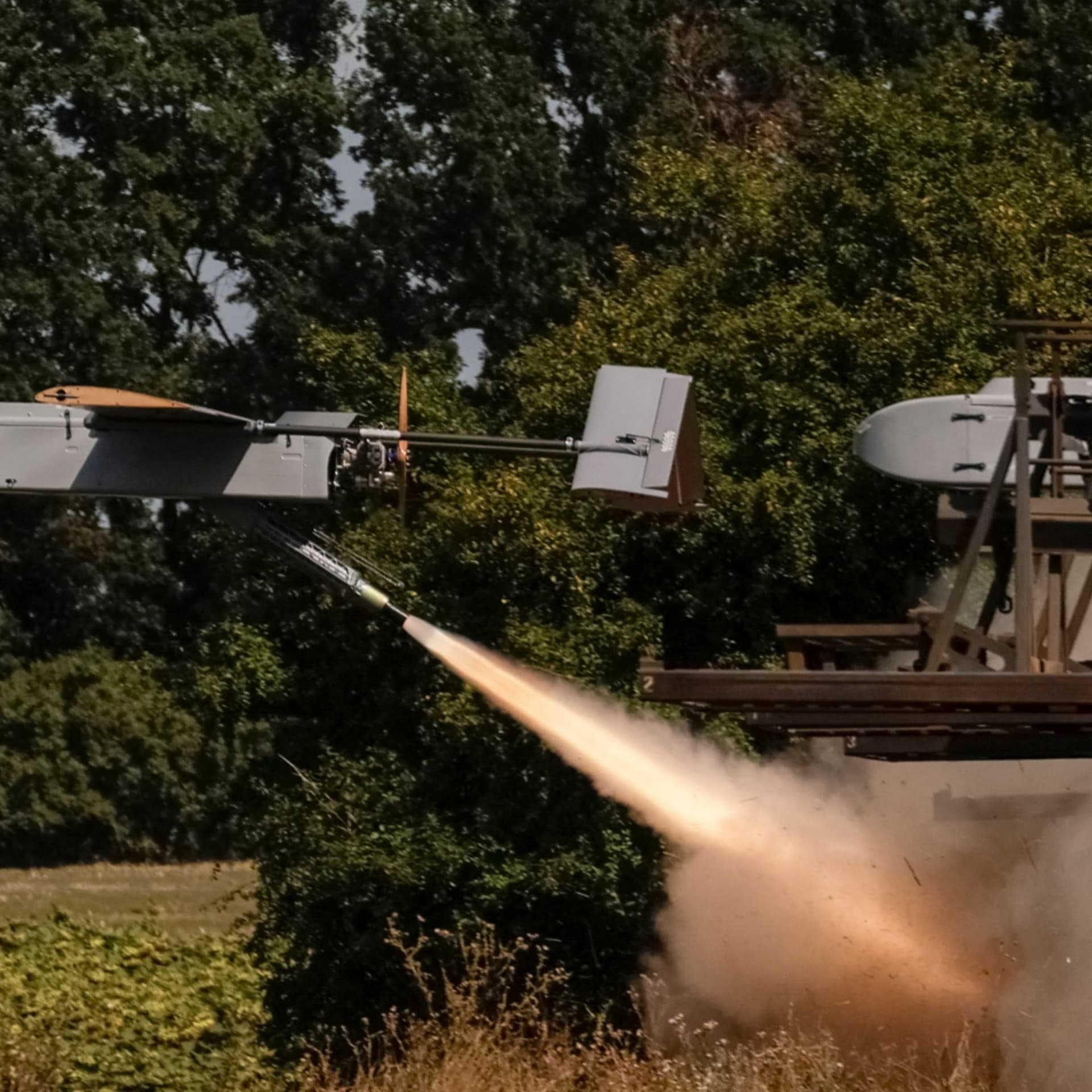
Ukraine says at least 17 people were killed in overnight Russian attacks, with most of the deaths in the north-eastern Kharkiv region. In one attack in the city of Kharkiv at least 10 people - including children - were killed and several others injured after a Russian air strike hit an apartment block. Moscow has threatened the UK with "consequences" after it was confirmed that Ukraine used British-made drones in recent attacks. Also: a court in Syria has issued a death sentence to a cousin of the ousted leader, Bashar al-Assad, after convicting him of crimes including murder and torture during the country's civil war. Zambia's President Hakainde Hichilema has been re-elected for a second five-year term. Scientists say the impact of rising global temperatures on the health of older people has been significantly underestimated. And why sheep farmers in Wales are feeling happier. The Global News Podcast brings you the breaking news you need to hear, as it happens. Listen for the latest headlines and current affairs from around the world. Politics, economics, climate, business, technology, health – we cover it all with expert analysis and insight. Get the news that matters, delivered twice a day on weekdays and daily at weekends, plus special bonus episodes reacting to urgent breaking stories. Follow or subscribe now and never miss a moment. Get in touch: globalpodcast@bbc.co.uk Photo: Drone launched by Ukrainian forces in Kharkiv region, Ukraine Credit: Reuters